All Posts

Artist Residencies at Las Casas de la Selva, 2026

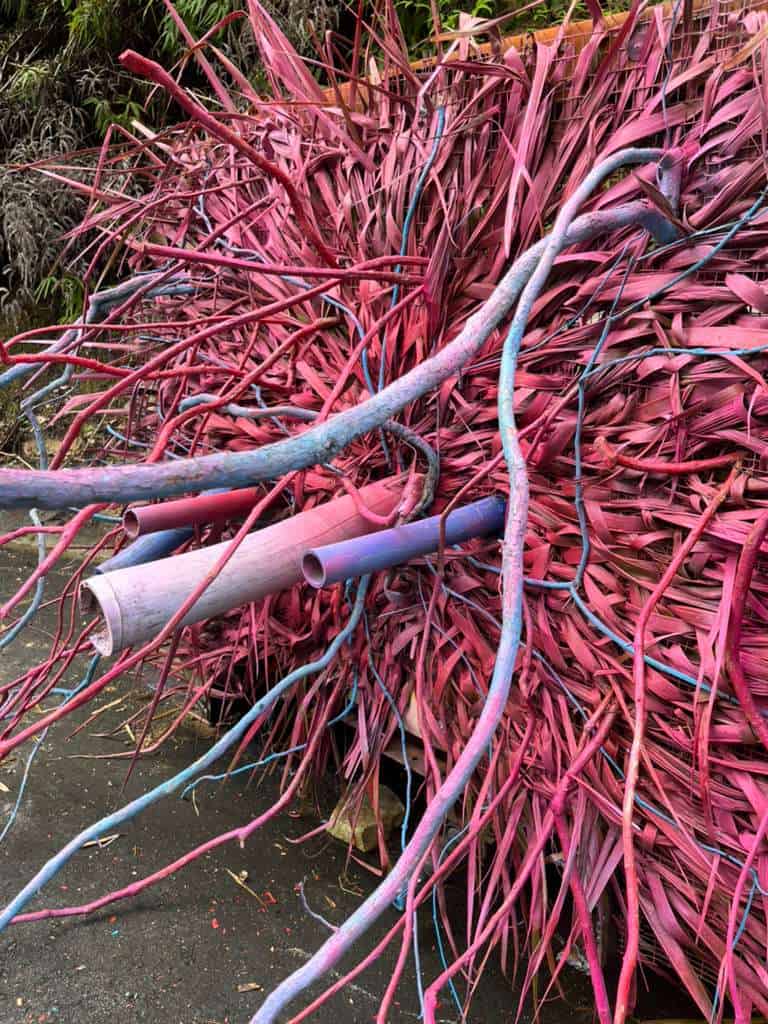
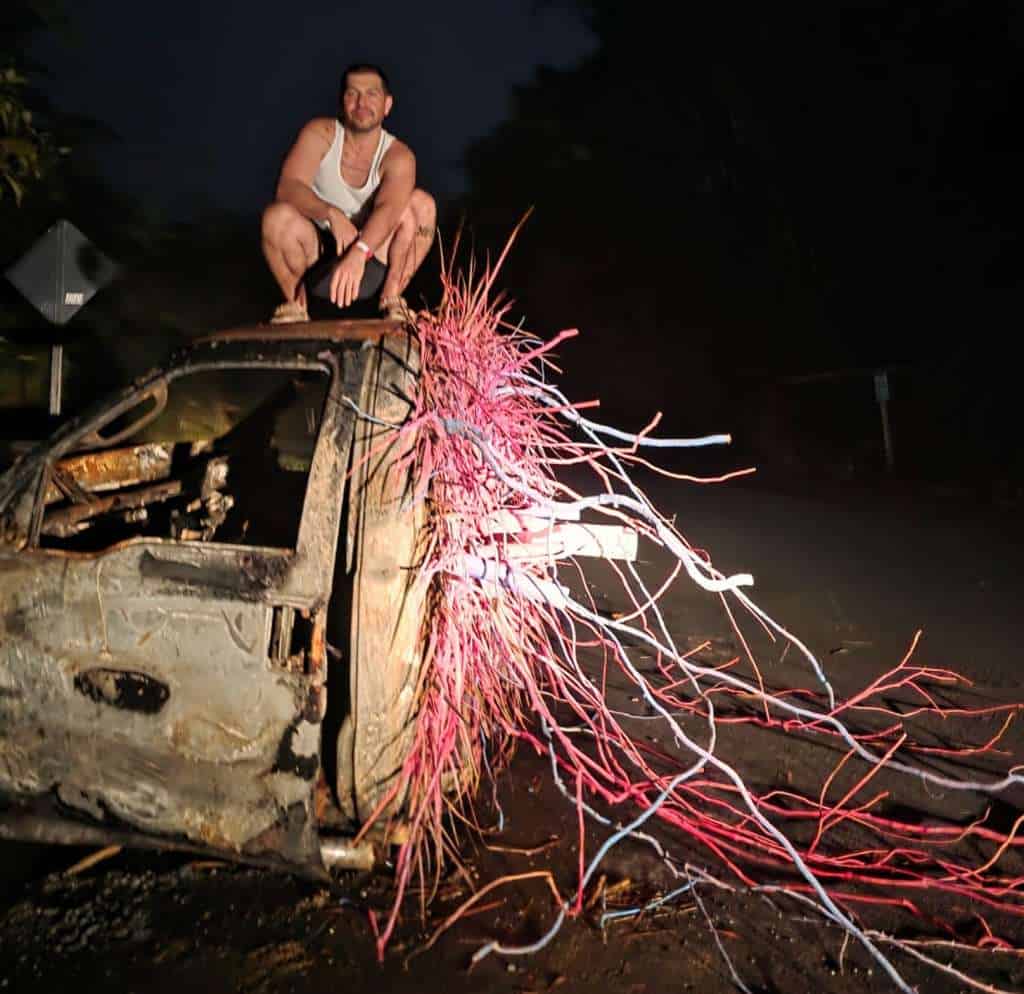
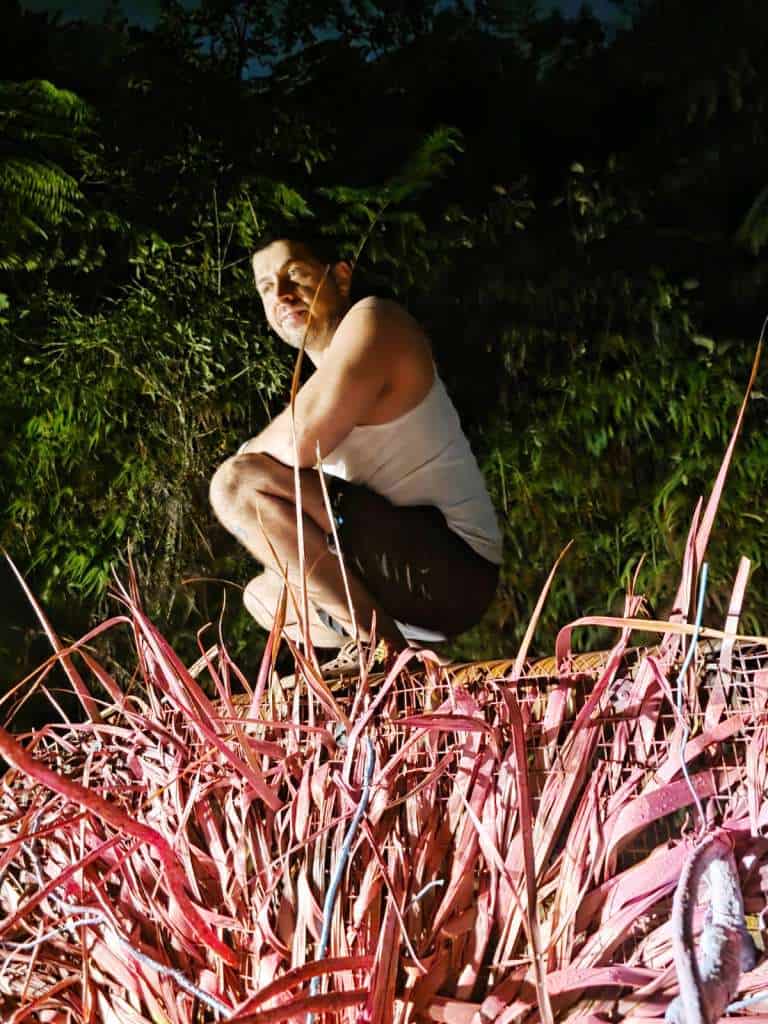
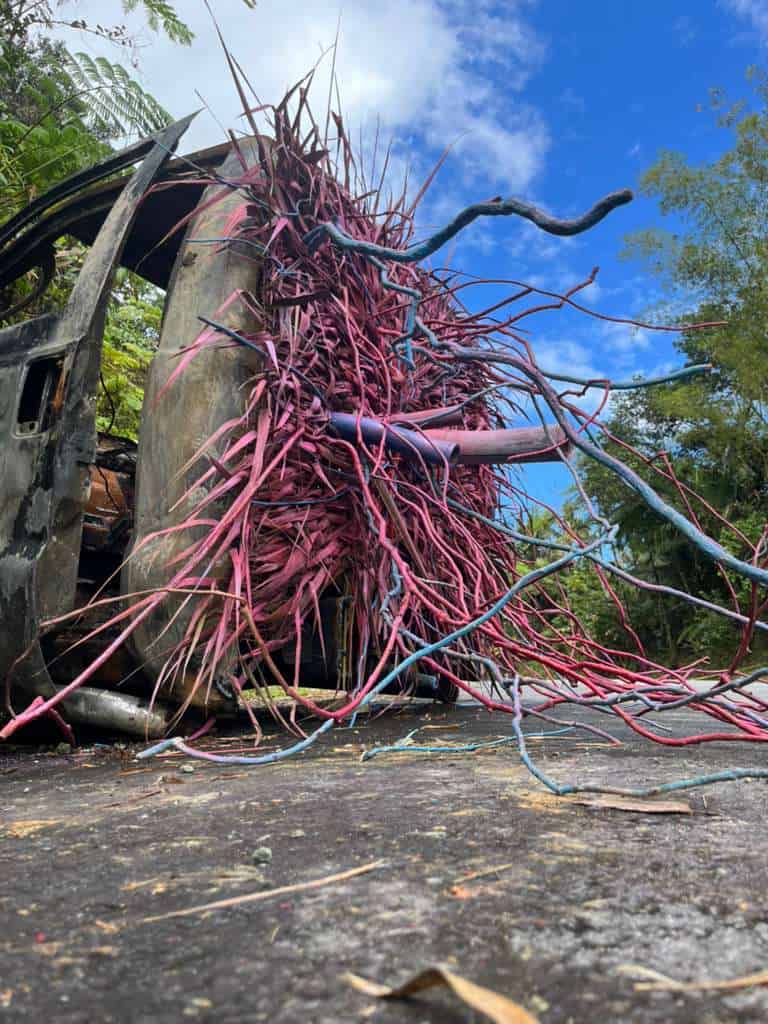
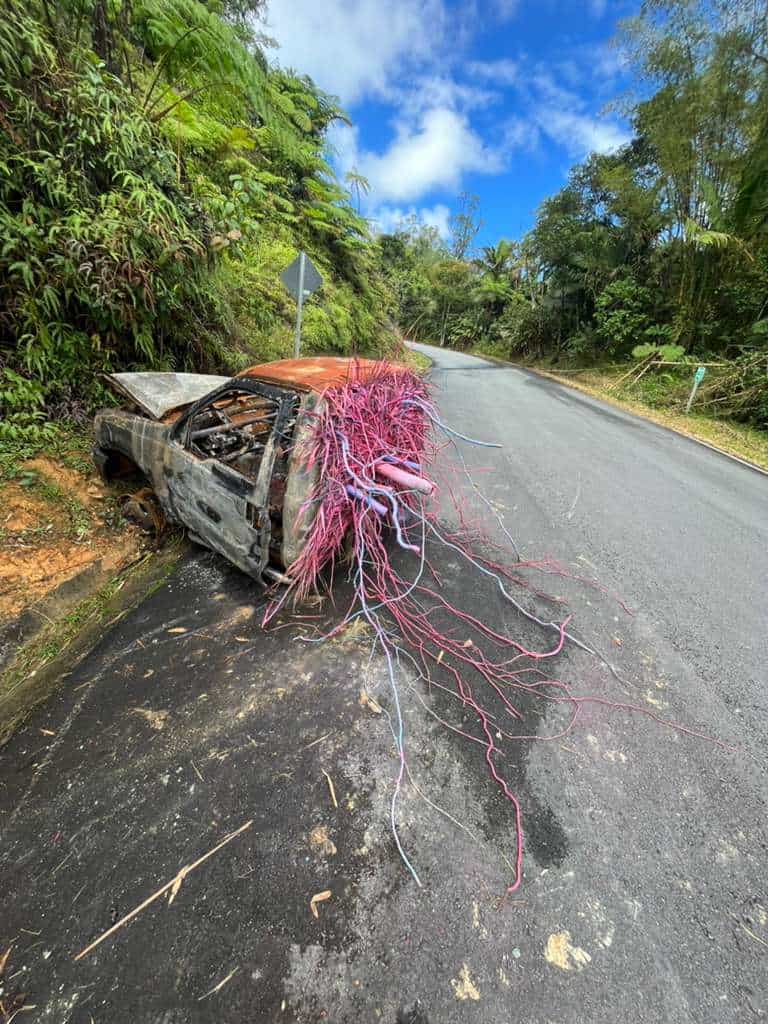
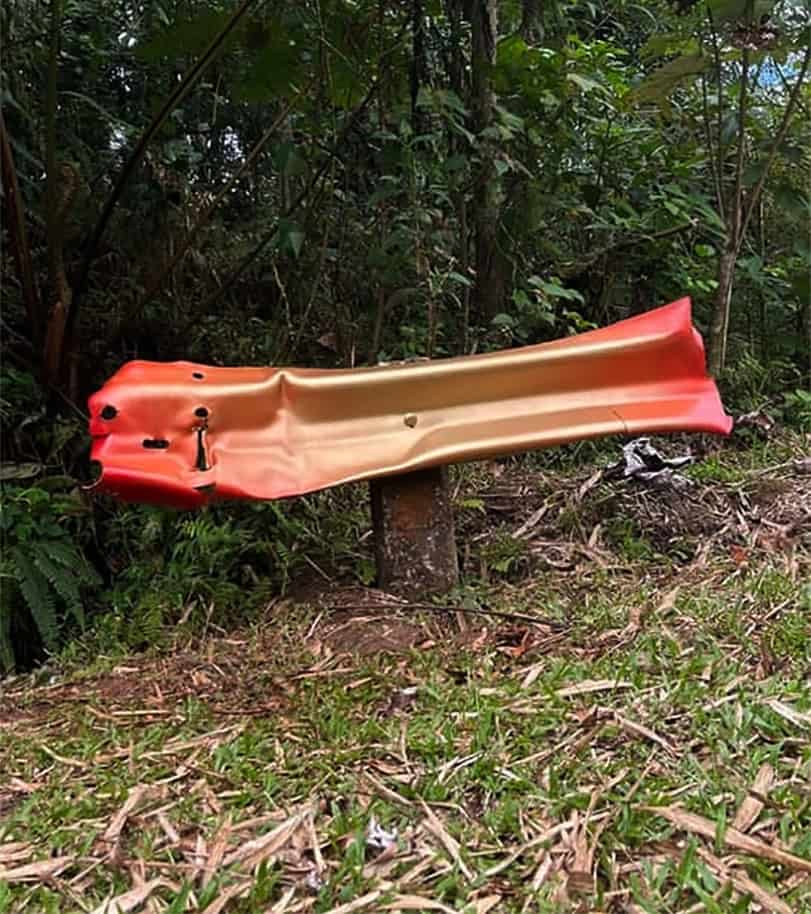
Pluvialis spectratum, Acrylic Paint on PVC Panel, 44” x 20”, #28 of the ‘Spandrel Spaces’ Series, 3t Vakil, 2024,

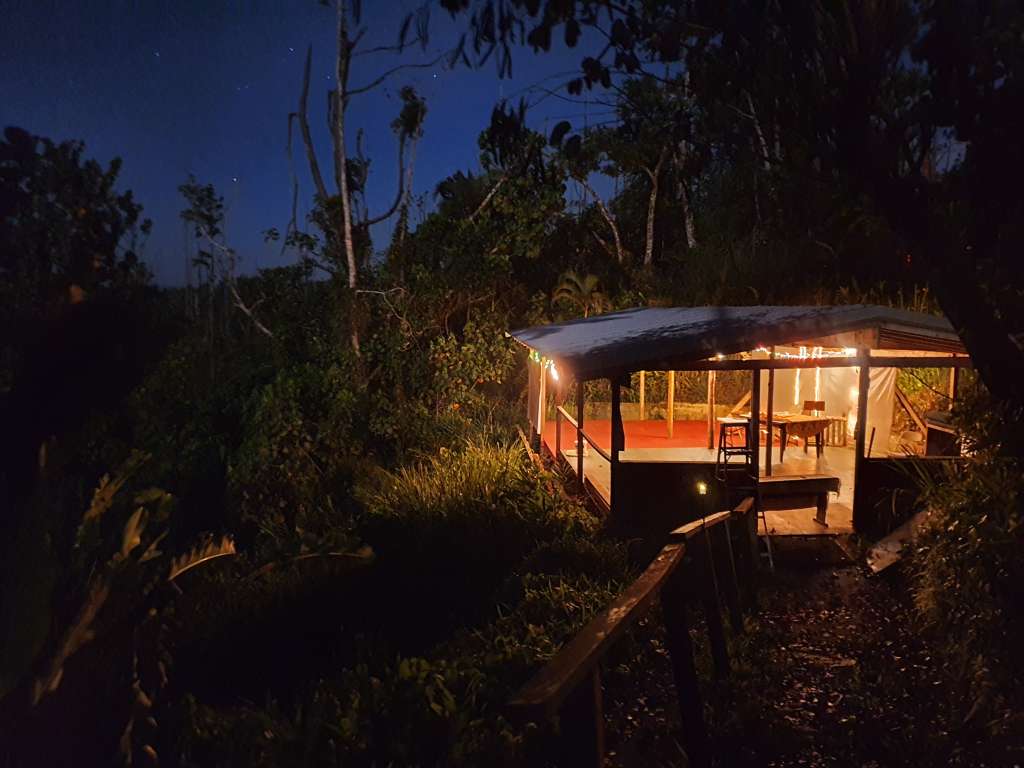
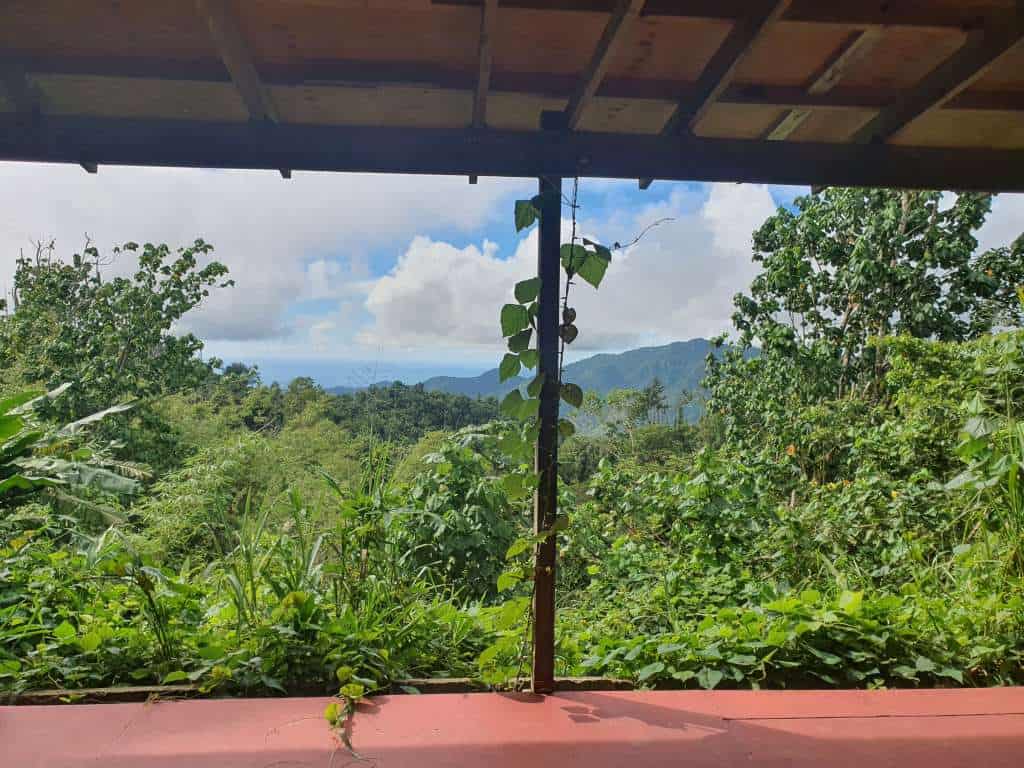
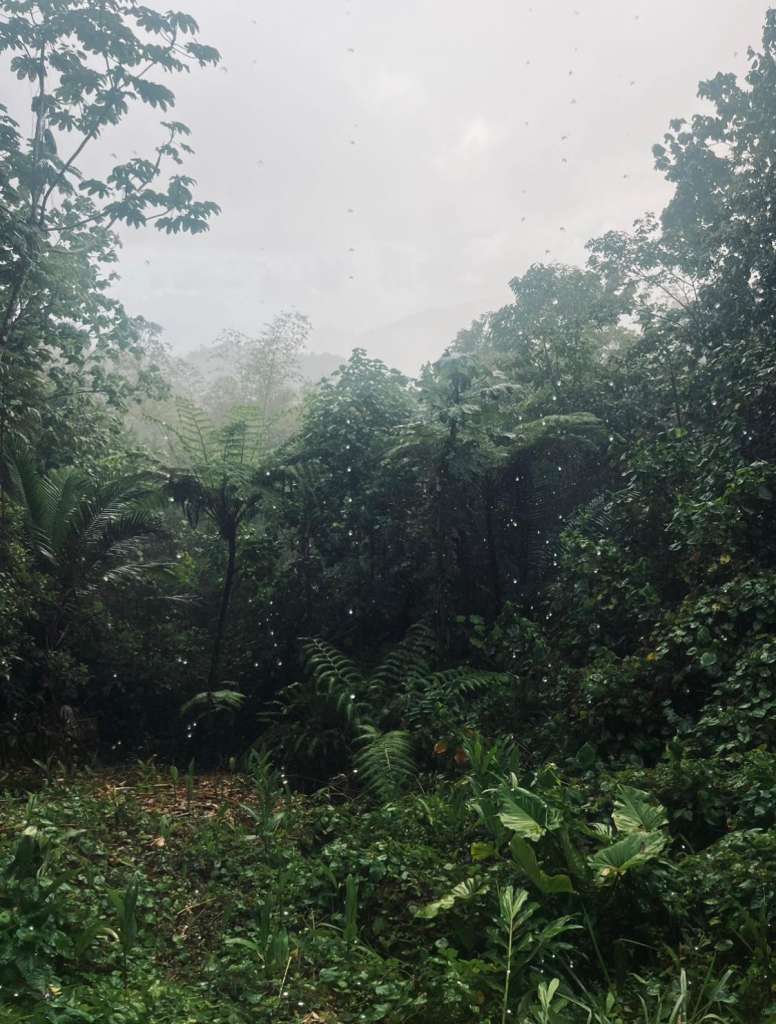
Las Casas de la Selva invites artists to spend time working quietly in a living rainforest.

This Artist-in-Residence opportunity is process-centered and low-pressure. It is designed for artists of all disciplines who want to step away from noise, deadlines, and constant output and instead focus on attention, observation, and slow practice in relationship with place.

There are no production quotas, exhibition requirements, or deliverables. Walking, listening, thinking, painting, writing, sketching, dancing, or simply being present are all valid forms of work here.

Residencies are intentionally simple and accessible.
Cost: $35 per day – this covers food and operating costs.
Bring what you need to create your art.
We have forest products that can be used here, like wood, sticks, leaves, and vines etc.
Length of stay is flexible and shaped collaboratively.
Dates will depend on other groups at the project.

This residency, for any age, may be a good fit if you are:

  • seeking time to recalibrate or begin something new
  • interested in ecology, place-based work, or slow practice
  • comfortable working independently and respectfully in a rainforest setting
  • looking for inspiration
  • in need of peace and quiet, and contemplation

Las Casas de la Selva is a working rainforest, research site, and conservation project. Artists are guests within a larger living system and community and are always welcome to help on various projects

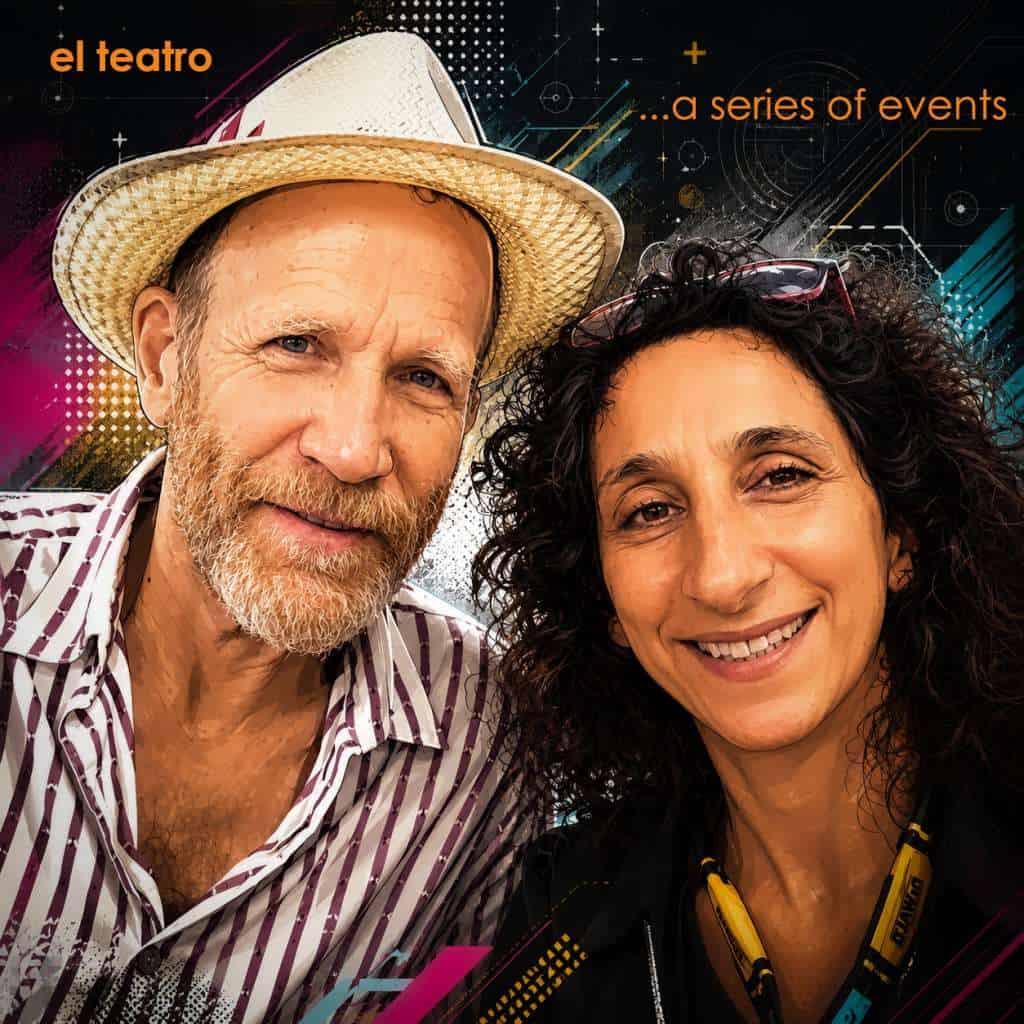
The residency is directed by Thrity Vakil (3t), who is herself an artist and is available for conversation, reflection, meditation, and mentoring during the stay. Engagement is informal and responsive, shaped by the needs and interests of each resident.

Contact 3t@eyeontherainforest.org to discuss.

Work slowly. Listen deeply. Let the forest lead.

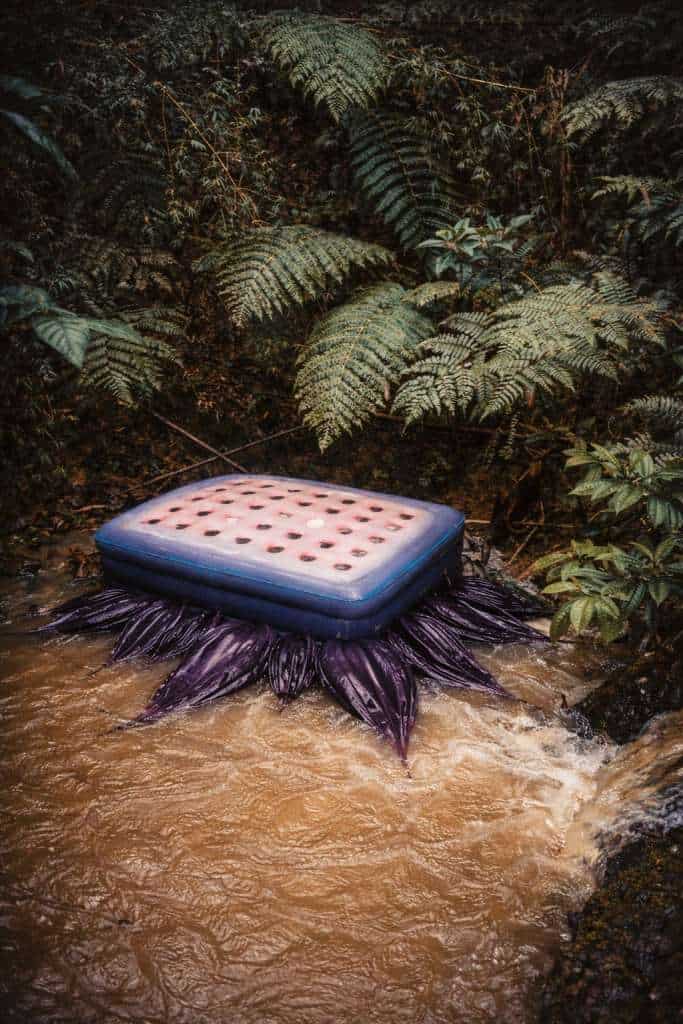
“Specimen 14 Rizocirca tumultuosa (Collected: August 20, 2025)” From: ATLAS OF INNER BLOOMING BIOMES – A Fictional Herbarium Catalogue of Inner and Outer Expeditions, by 3t Vakil

That Tree, Acrylic Paint on PVC Panel, 24” x 24”, by 3t Vakil, 2026

Seasons Greetings December 2025

As the year turns and the forest exhales into the quiet glow of the holidays, we want to pause and send our deepest thanks to all of you—friends, collaborators, visitors, volunteers, neighbors, and fellow travelers on this long rainforest journey.

This year at Las Casas de la Selva has been one of endurance and renewal. We planted trees and ideas, held space for learning and creativity, weathered storms both literal and personal, and continued the slow, patient work of tending forest, community, and possibility. The rainforest reminded us daily that resilience is not loud—it is layered, rooted, and alive.

To everyone who walked these trails with us in person or in spirit, who supported the work, shared knowledge, lent hands, or simply kept us in their thoughts: thank you. You are part of this living system.

May the coming year bring you deep rest, renewed curiosity, good health, and moments of wonder. May your roots grow stronger, your paths stay open, and your inner forests thrive.

With gratitude and green blessings, and abundant love,

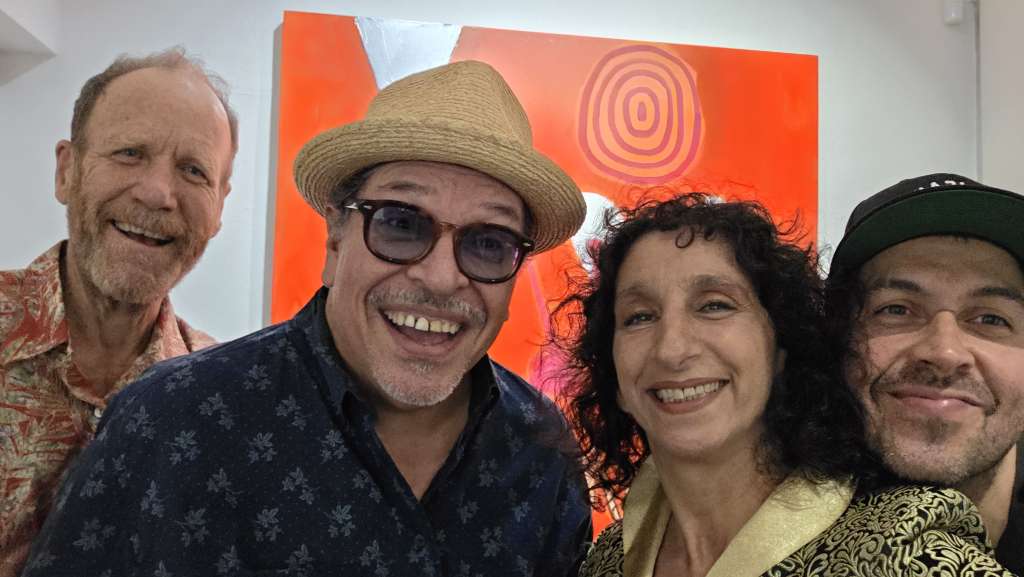
L-R: Directors of Institute of Ecotechnics, Starrlight Augustine (Synergia Ranch, Santa Fe, NM), Chili Hawes (October Gallery, London, UK), 3t Vakil (Las Casas de la Selva, PR), Dave Neita, (Poet, Education Outreach)

December 2025
Enjoy this collage of images from the year 2025.

A Mushroom Foray with Catskill Fungi, Dec 2025

Mushroom Foray and Fungal Bio-Blitz with Catskill Fungi, December 2025

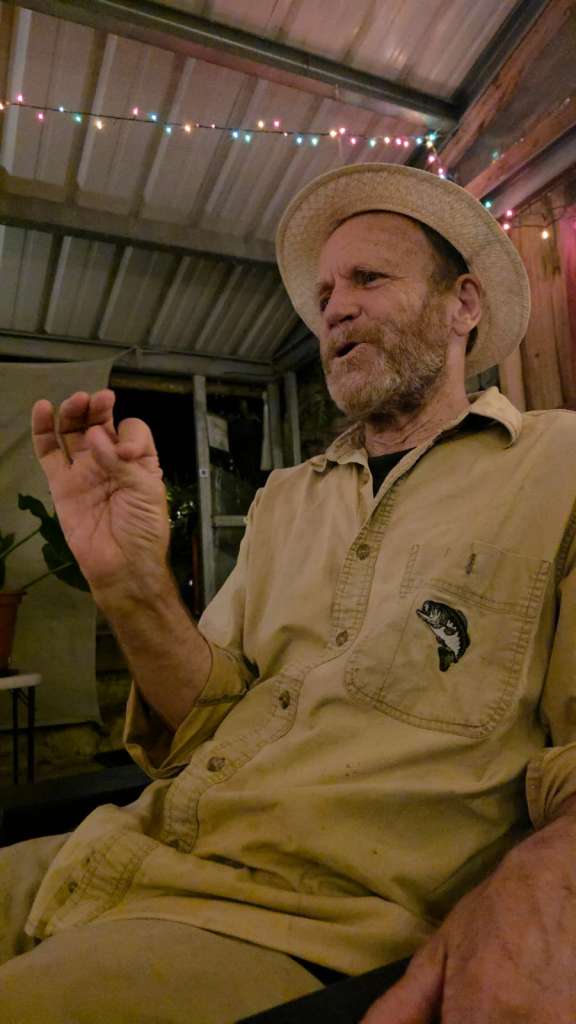
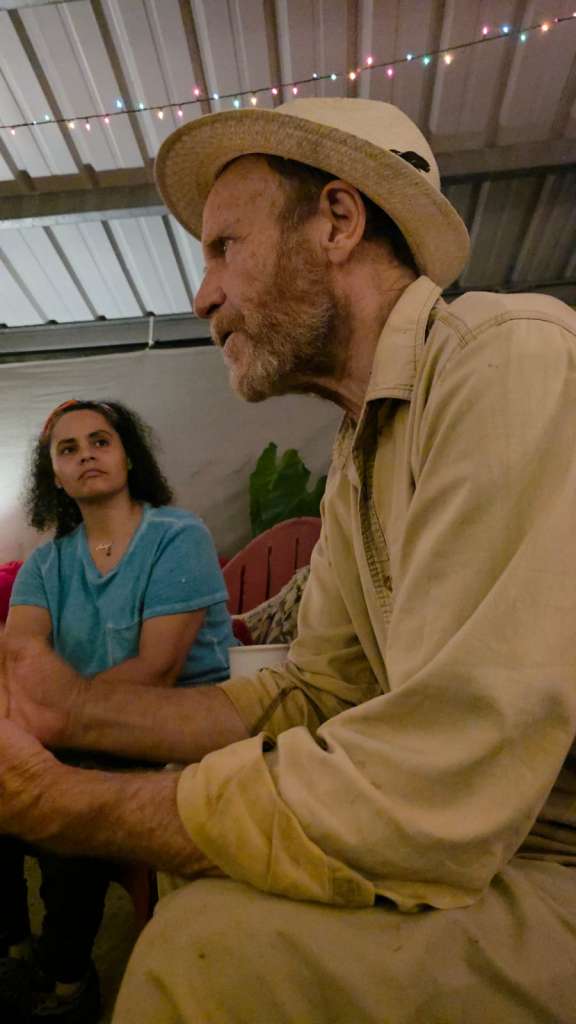
Las Casas de la Selva welcomed Catskill Fungi for a special mushroom foray and fungal bio-blitz led by Aubrey Carter, John Michelotti, Gabriela D’Elia, mycologist Kurt Miller (of the Eye On The Rainforest Botanical Team), and supported by Erwin Karl. Participants spent an evening looking at fungi under UV light and the day exploring the fungal diversity of the subtropical wet forest, learning identification skills, ecological relationships, and the importance of fungi in forest health. This event contributed to the ongoing biodiversity documentation at Las Casas de la Selva.

The Experts Behind the Foray

Aubrey Carter, creator of Mushroom Monday and stand-up comedian. Aubrey brings humor, accessibility, and curiosity to the world of fungi, helping audiences feel at ease with identification, ecological awareness, and community science. His creative framing of mycology makes learning fun and approachable, especially for newcomers.

Gabriela D’Elia, creator of Fungi Talk and board member of the Fungal Diversity Survey (FUNDIS).
Gabriela is a mycologist, educator, and writer whose work connects ecological understanding with emotional and philosophical depth. She previously served as executive director of FUNDIS and continues to advocate for fungal conservation. Gabriela has created statewide fungal diversity projects, led campaigns such as establishing porcini as Utah’s state mushroom, and has been featured in publications including Yes! Magazine, Atmos, and Mushroom People. She guides biodiversity surveys, imagination-based mushroom walks, and educational retreats with Catskill Fungi.

John Michelotti, Founder of Catskill Fungi. John is a respected leader in North American mycology. He is the former president of the Mid-Hudson Mycological Association, co-founder of the Catskill Regional Mycoflora Project, and founder of the Gary Lincoff Memorial Scholarship. He serves as Medicinal Mushroom Committee Chair and Poison Control Consultant for the North American Mycological Association and teaches New York’s Wild Mushroom Food Safety Certification courses. John is dedicated to empowering people to engage with fungi for personal well-being, environmental stewardship, and resilient communities.

Kurt Miller, expert mycologist of Puerto Rico and community scientist. Kurt has interned with Forest Service mycologist Dr. Jean Lodge and served as a field biologist during the 11th International Mycology Congress in San Juan. He studies tropical fungal ecology, taxonomy, and rare fungal species, particularly those forming mycorrhizae with sea grape (Coccoloba spp.). He administers Fungi of Puerto Rico, leads fungal identification walks across the island, and is a FunDiS Biodiversity Database Identifier specializing in Caribbean fungi.

Erwin Karl, Mycologist and educator. Erwin specializes in field identification, ecological interpretation, and public engagement. His clear teaching style helps participants connect fungi to broader forest processes and understand their essential roles in soil formation and ecosystem function.

About Catskill Fungi: Founded and cultivated by mycologist John Michelotti and friends, Catskill Fungi is grounded in permaculture values and environmental compassion. The organization empowers people to understand fungi as food, medicine, and ecological partners through education centered on sustainable harvesting, cultivation skills, and accessible science.

Learn more: https://catskillfungi.com/pages/about

Into the Forest: A Day of Discovery

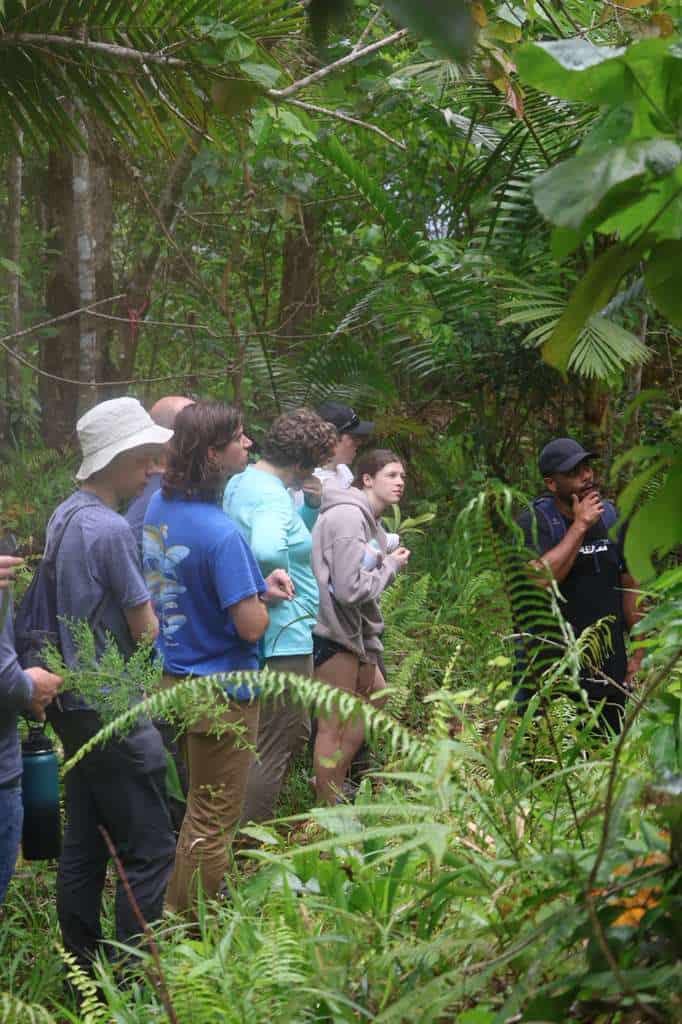
Participants explored mature tabonuco forest, regeneration zones, and enrichment areas, documenting cup fungi, polypores, mycorrhizal partners, jelly fungi, and many lesser-known species. The team emphasized sustainable practices, careful observation, and respect for the forest floor. Their combined expertise helped participants see fungi not only as identifiable species but also as active contributors to soil creation, nutrient cycling, and long-term forest recovery.

Bio-Blitz Findings

Throughout the day, the team photographed and recorded each fungal encounter, contributing several new observations to the Las Casas fungal inventory. These findings support long-term research on forest resilience, habitat complexity, and climate-related shifts in fungal communities. The bio-blitz also inspired local participants to continue studying fungi and join citizen-science initiatives that improve understanding of fungal diversity in Puerto Rico.

Strengthening Community and Ecological Insight

This mushroom foray demonstrated the power of education, curiosity, and collaboration in deepening understanding of forest systems. Catskill Fungi’s approach aligned seamlessly with the mission of Eye On The Rainforest, bringing together science, community engagement, and ecological awareness. We thank Aubrey Carter, Gabriela D’Elia, John Michelotti, Erwin Karl, and Kurt Miller for an inspiring and informative time. Their leadership strengthened our educational outreach and contributed to valuable ecological documentation for the region. Las Casas de la Selva looks forward to future forays and expanded collaboration in fungal research and conservation.

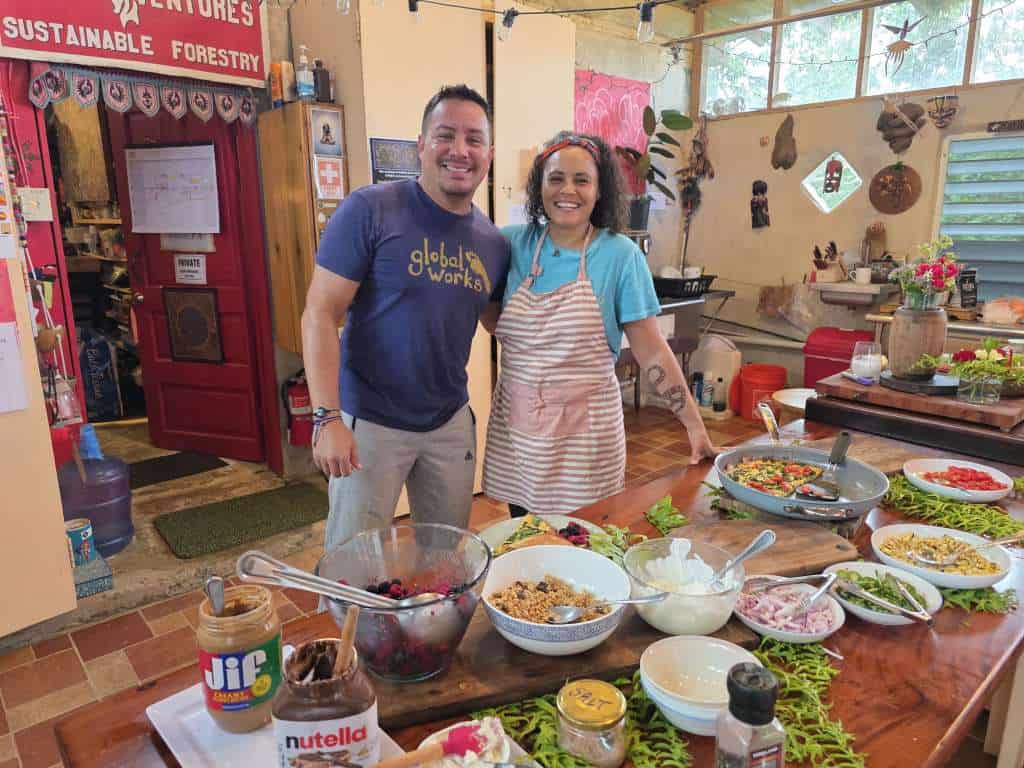
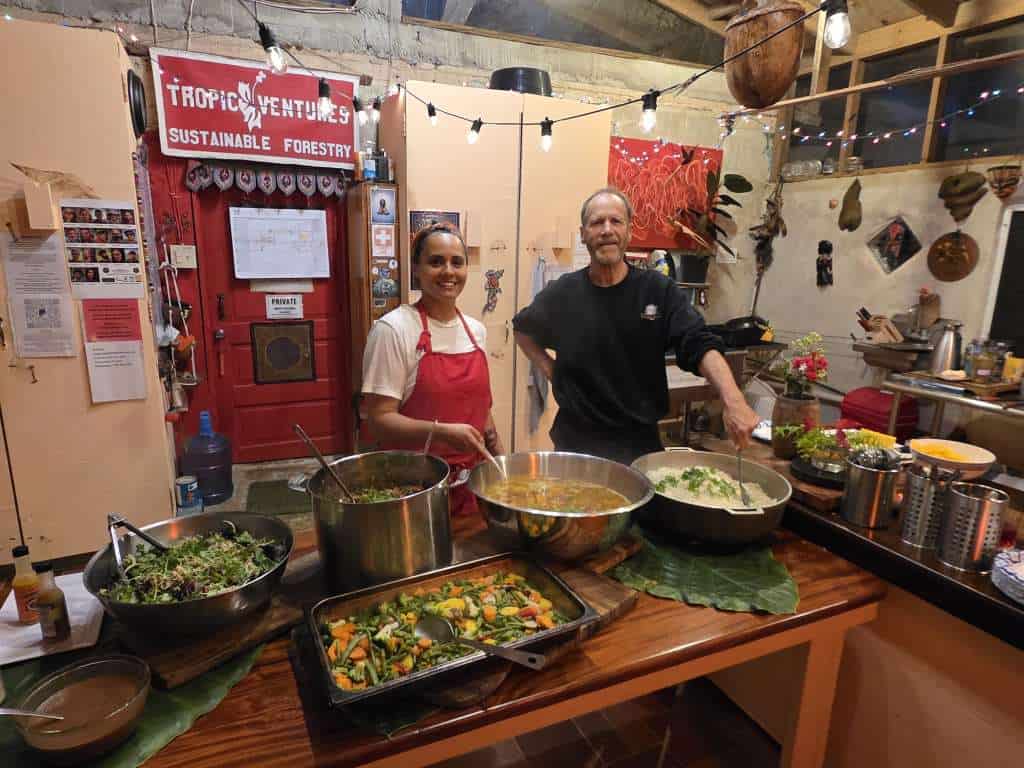
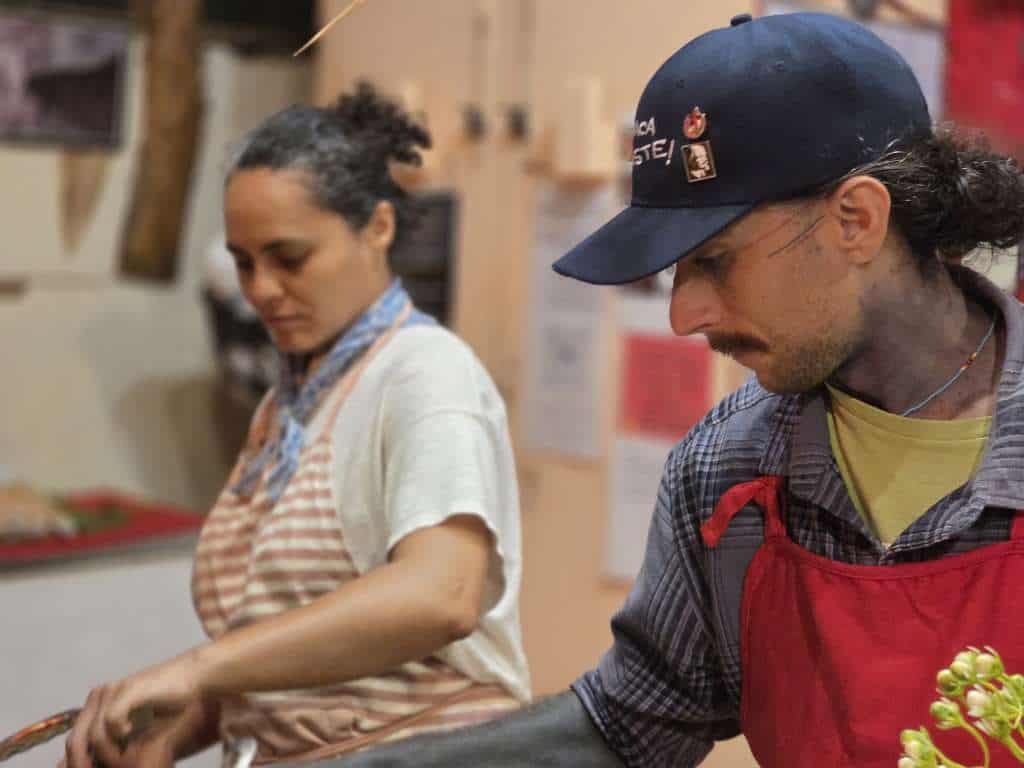
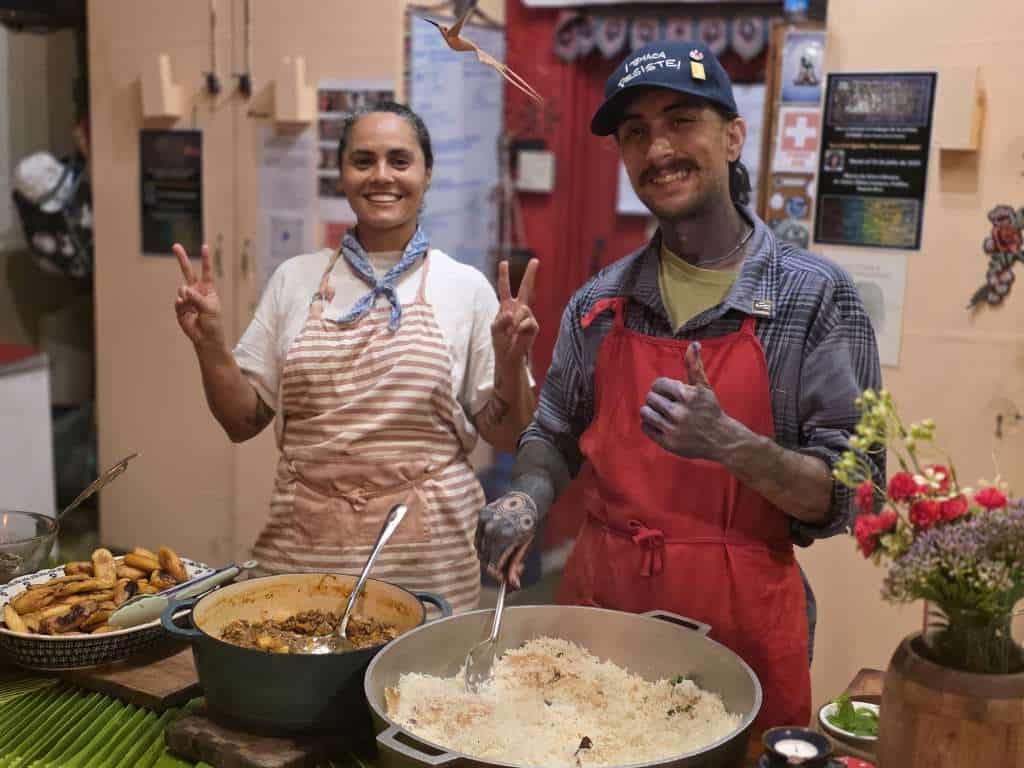
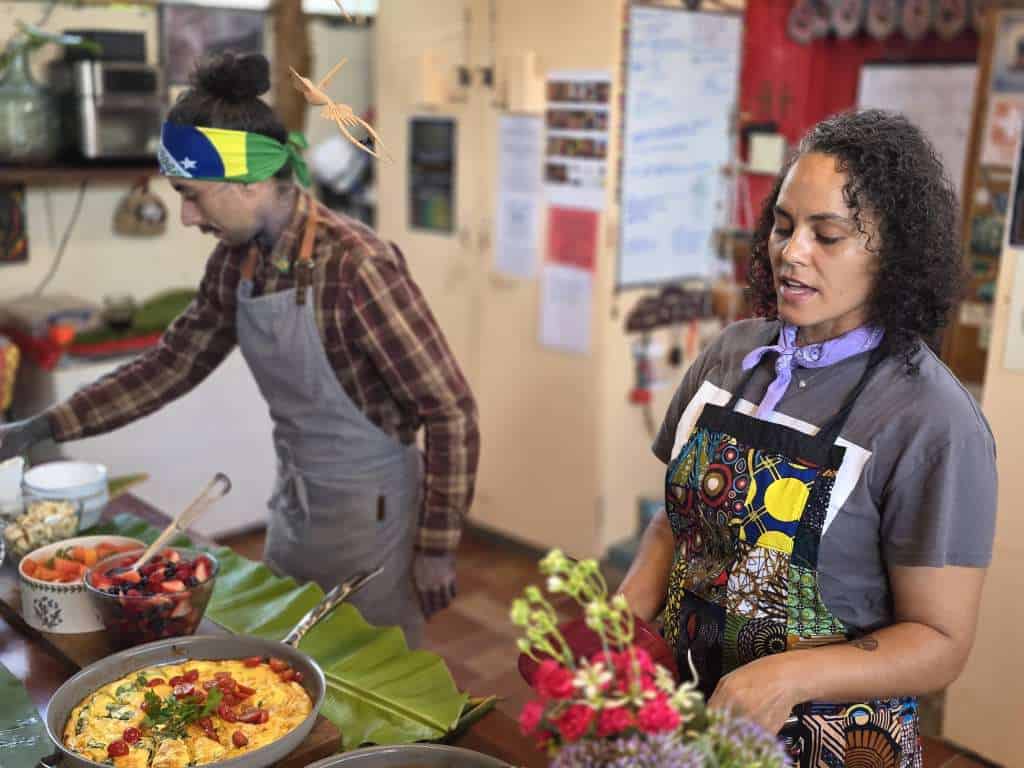
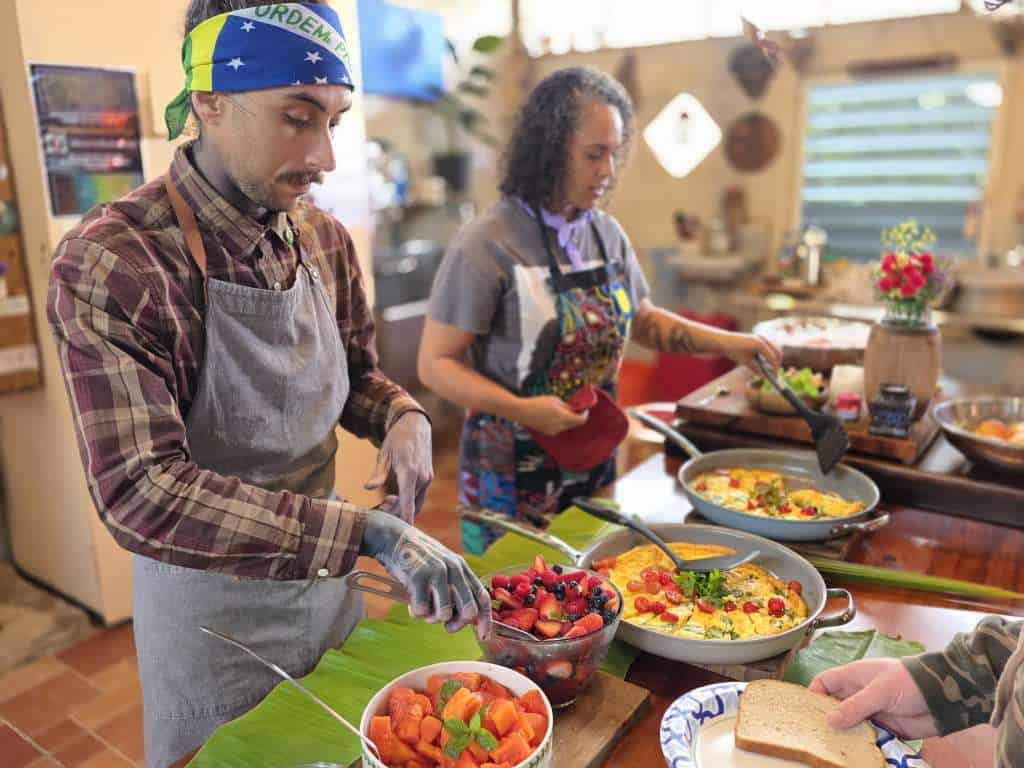
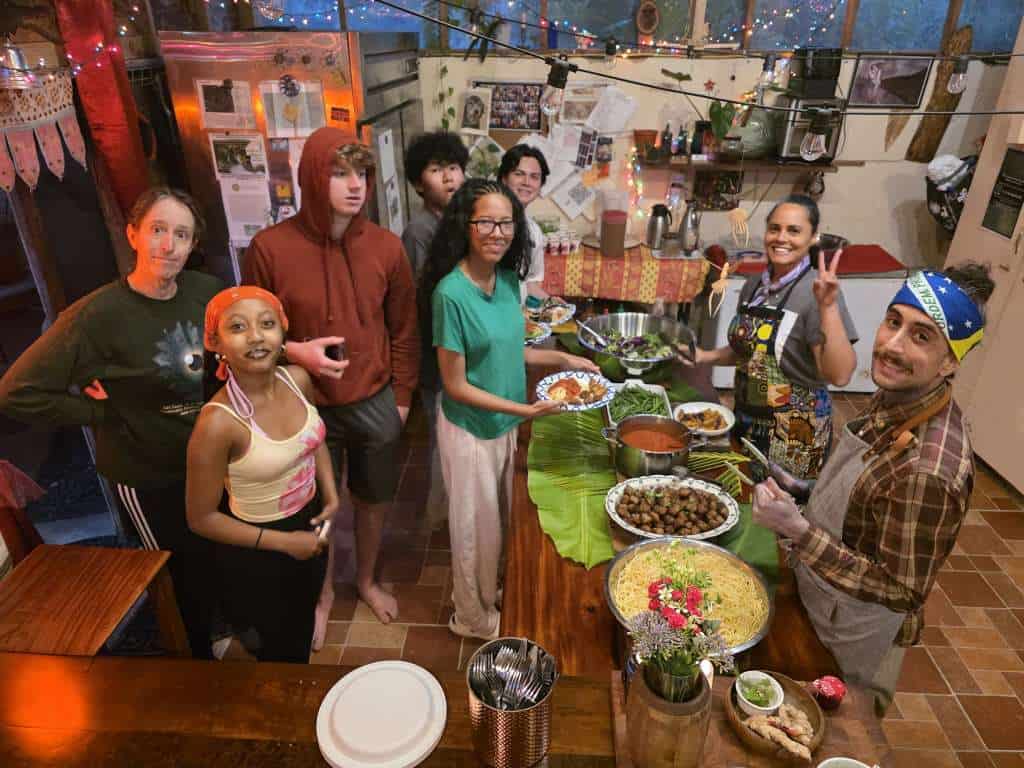
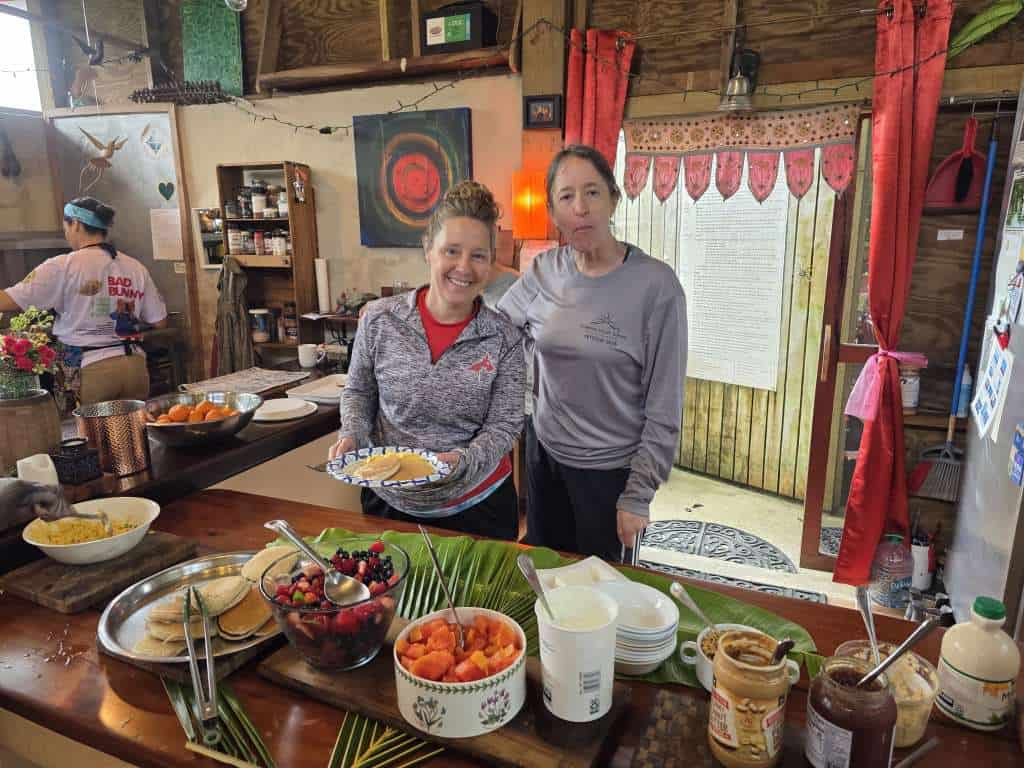
Great thanks to Monique Nieves for the wonderful food, Bam Bam for his kitchen help, Jon Warwick for help around the homestead, and Potin for maintenance, and to 3t for organizing and documenting.
See 3t’s Album of this event : https://photos.app.goo.gl/N9UJ38cbA9EyAR8e9

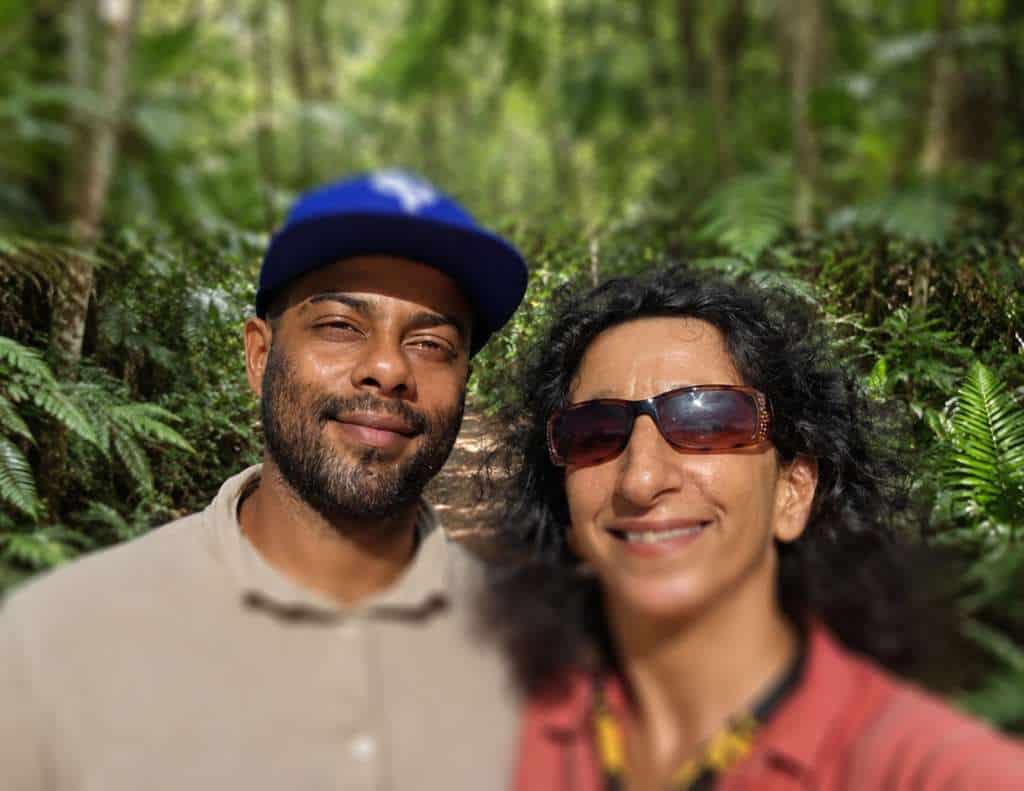
3t Vakil & Kurt Miller, pic by Gabriela D’Elia

Botany class-UPR at Las Casas- Sept 2025

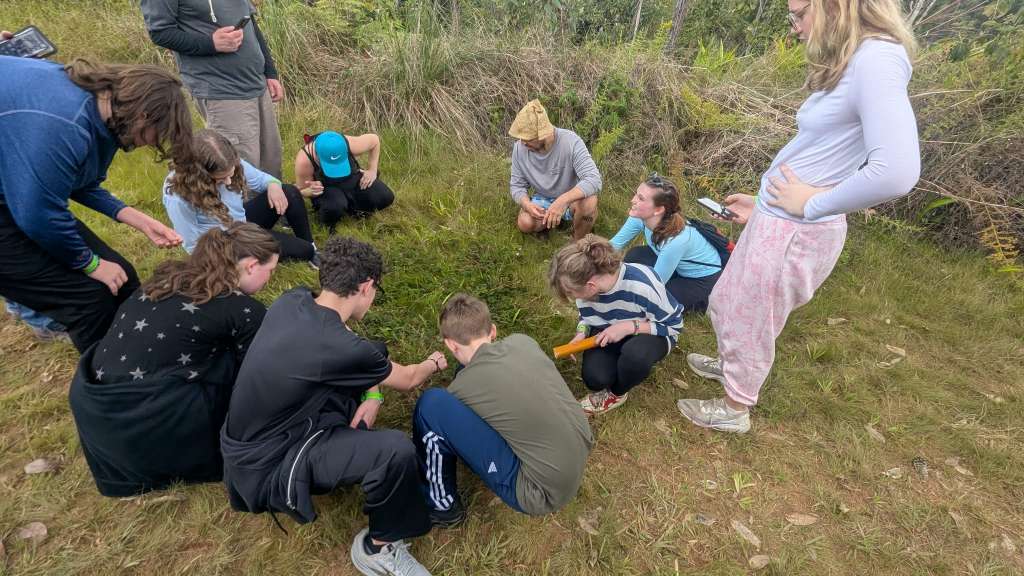
Field Trip for Botanical Specimen Collection, Flowering Plant Taxonomy Course, UPR Río Piedras (BIOL 5495), Las Casas de la Selva, Patillas. September 27, 2025

Students from the UPR Río Piedras Flowering Plant Taxonomy course spent an afternoon collecting botanical specimens at Las Casas de la Selva under the guidance of Professors James Ackerman and Eugenio Santiago.

See more photos of this class, by 3t Vakil: https://photos.app.goo.gl/EEBj83P1b2VZL8CeA

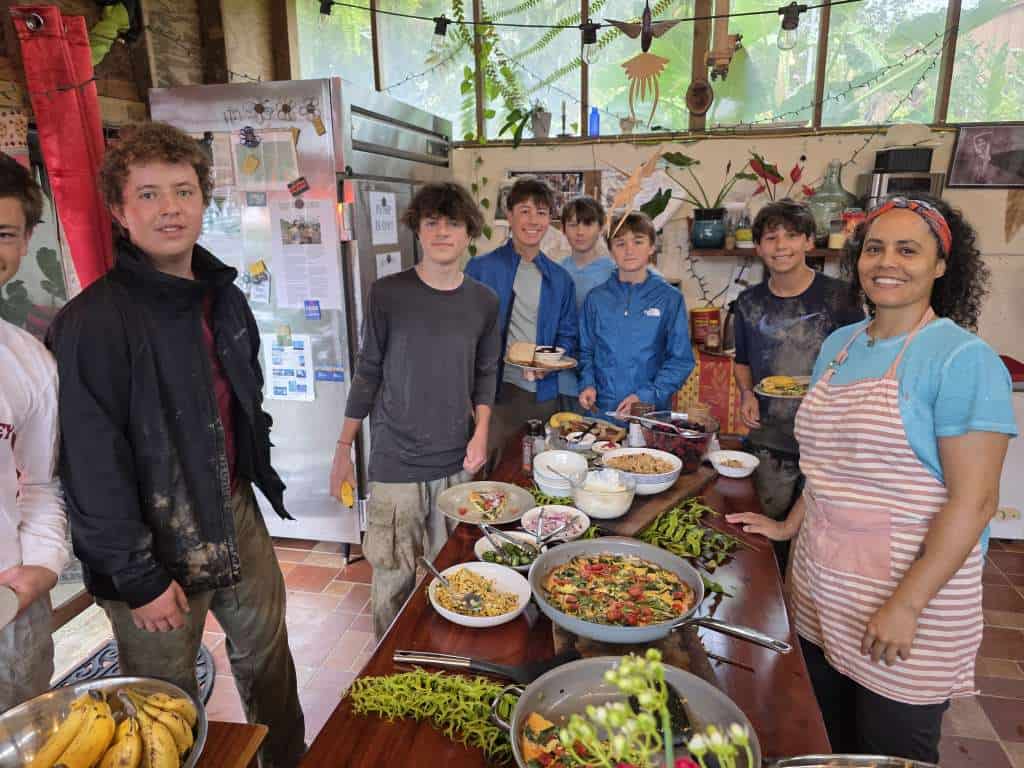
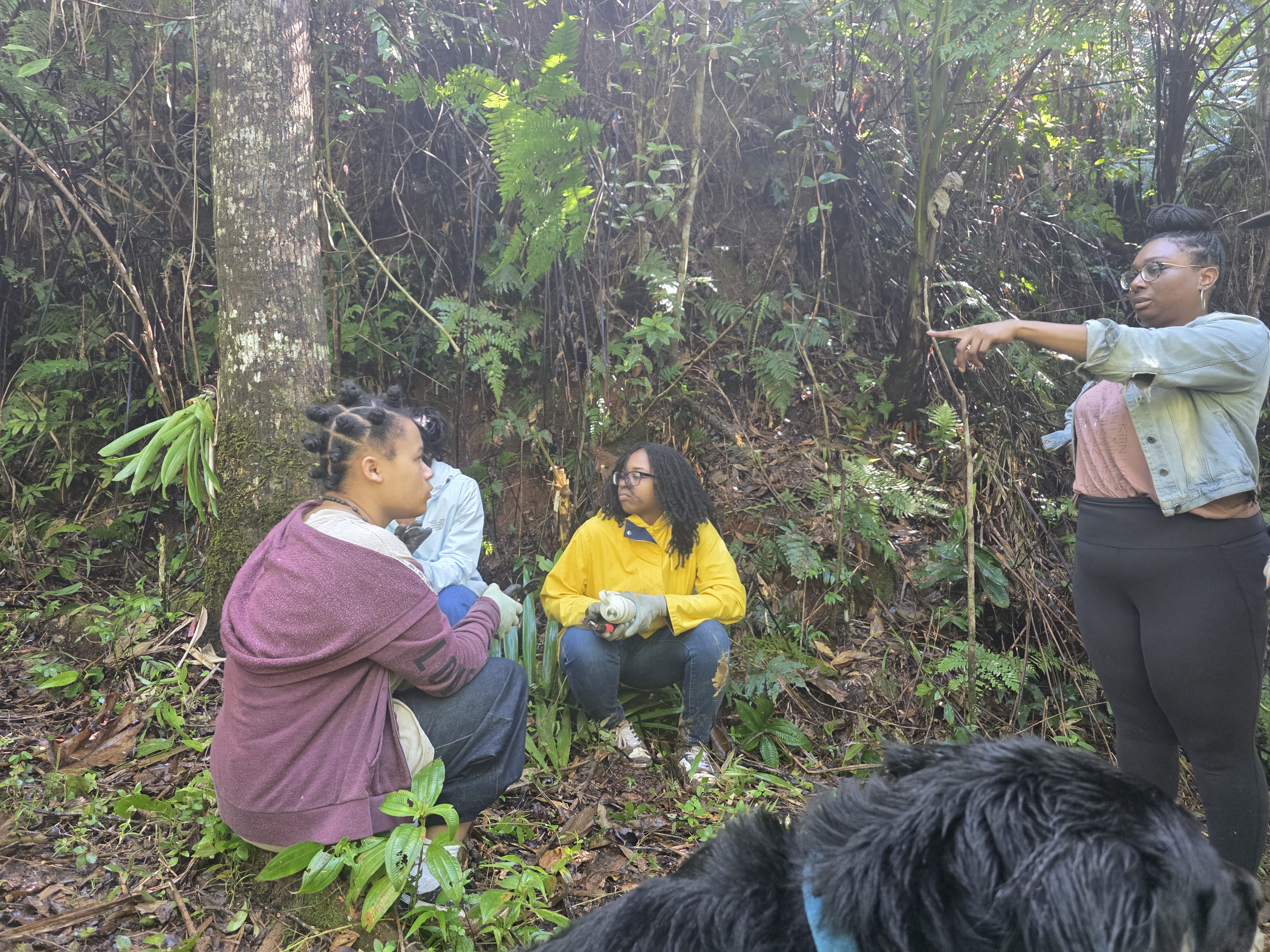
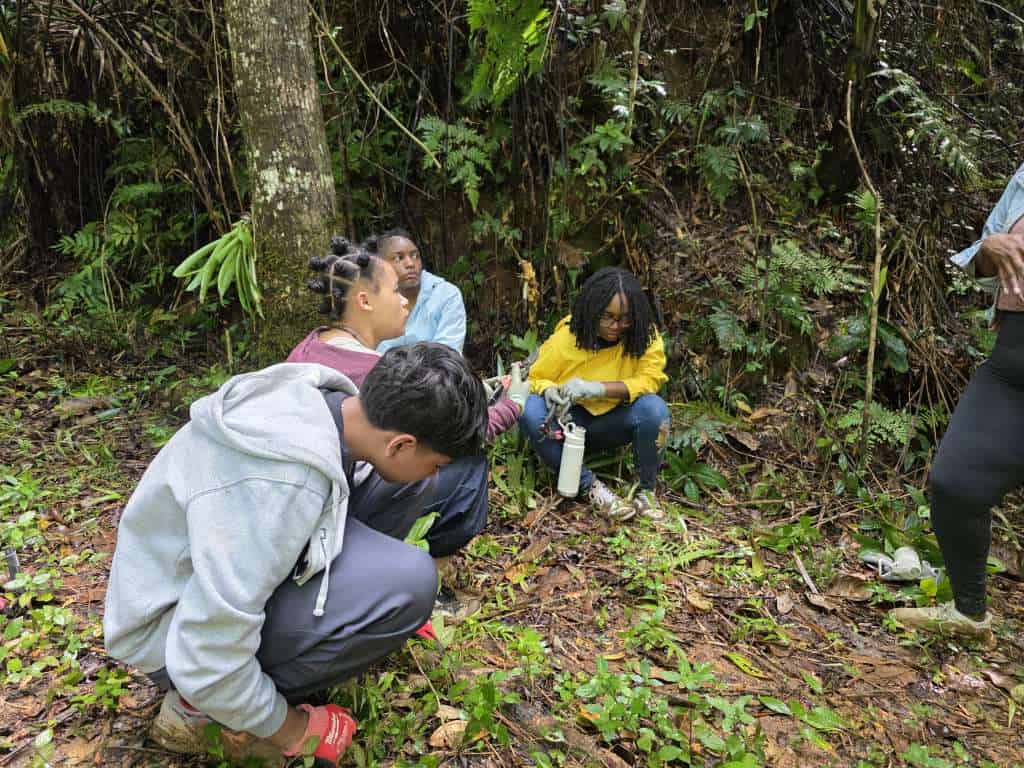
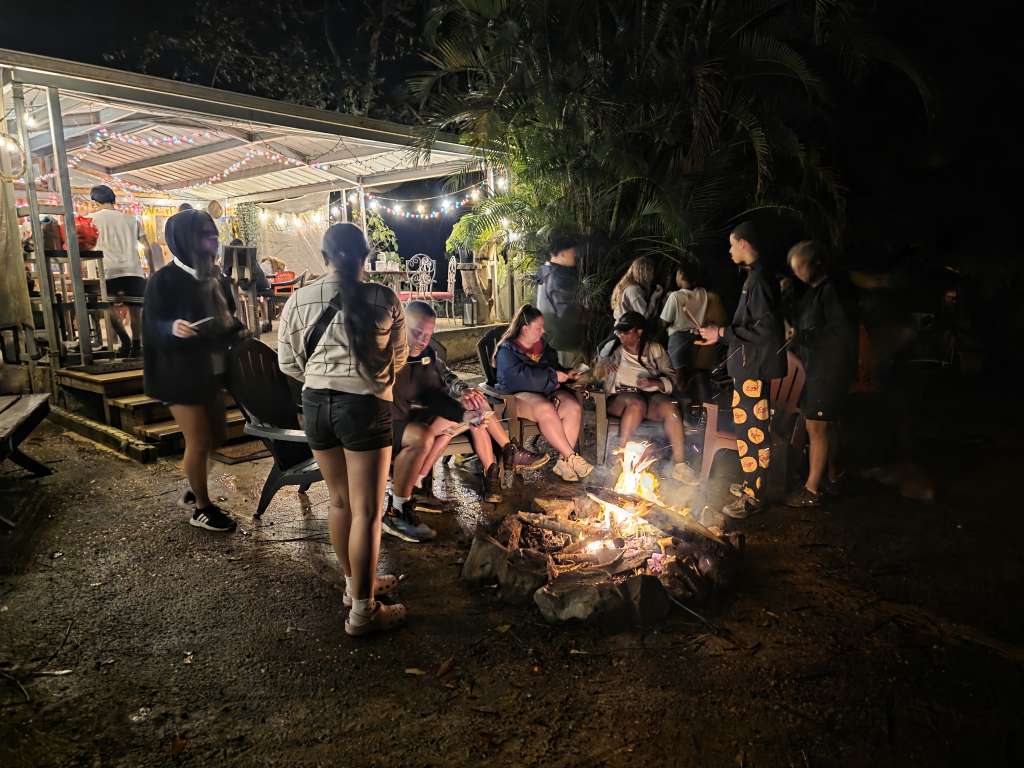
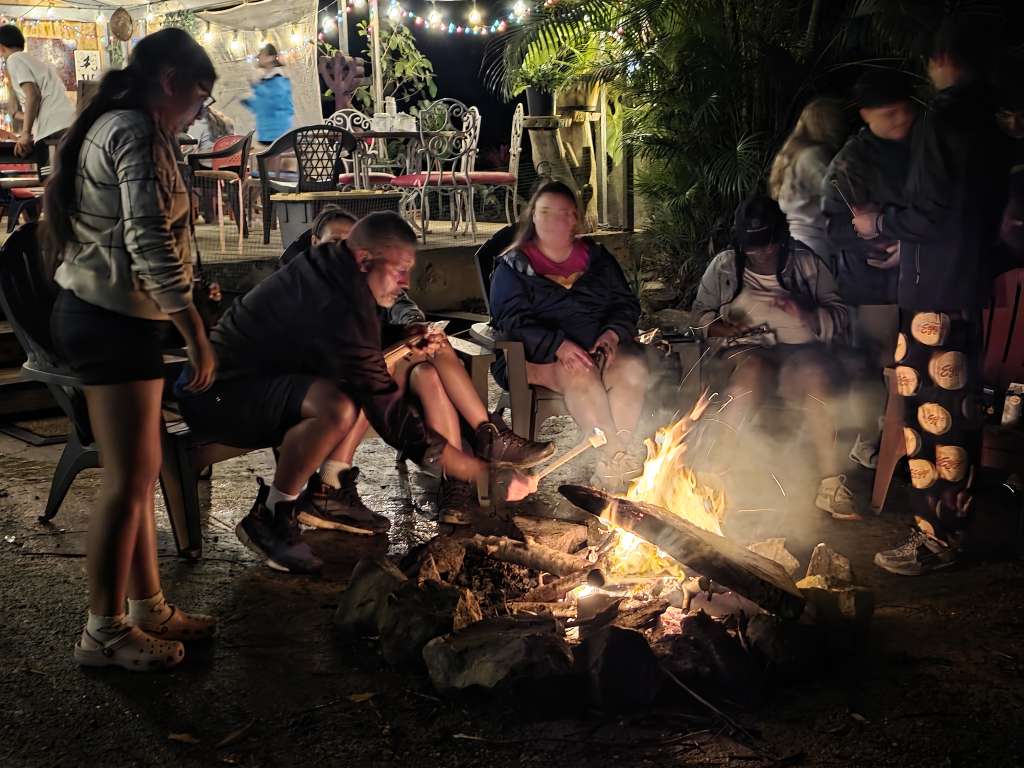
Globalworks Teen Team, July 2025

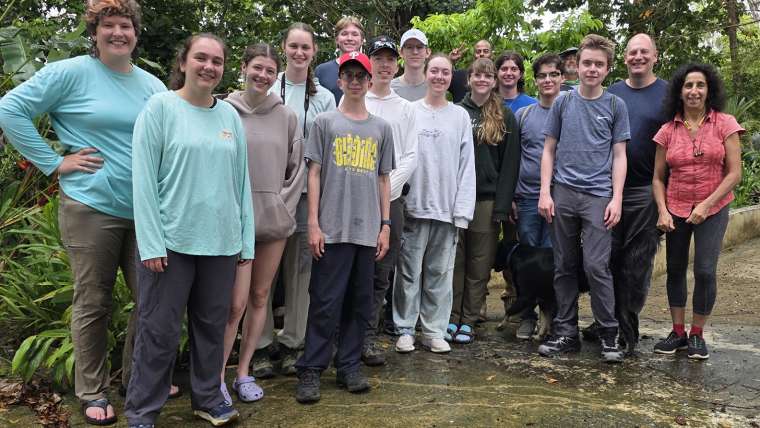
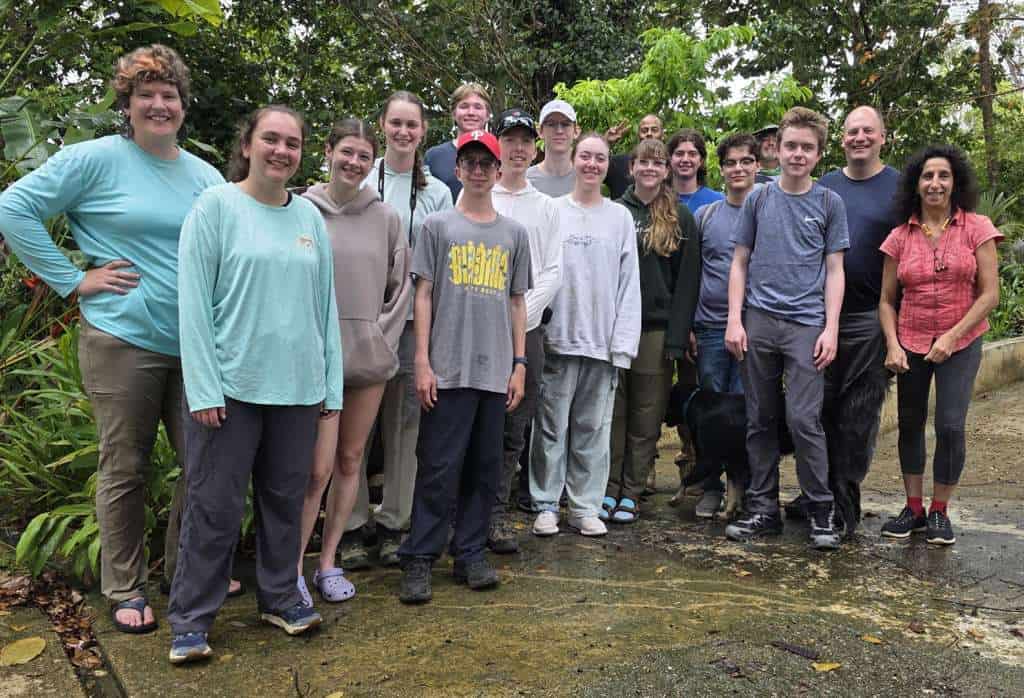
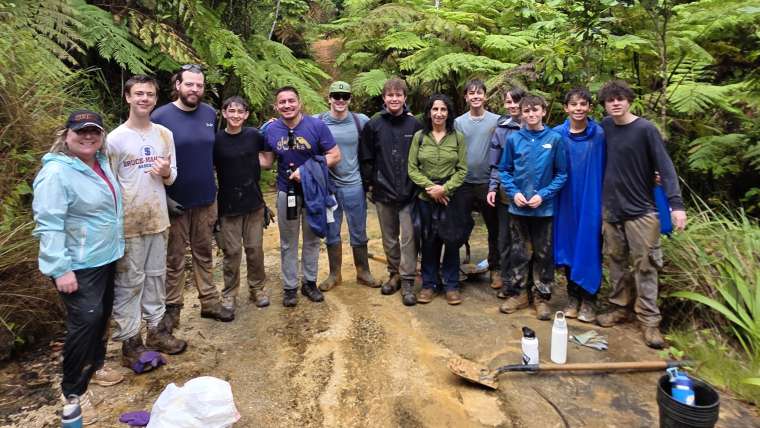
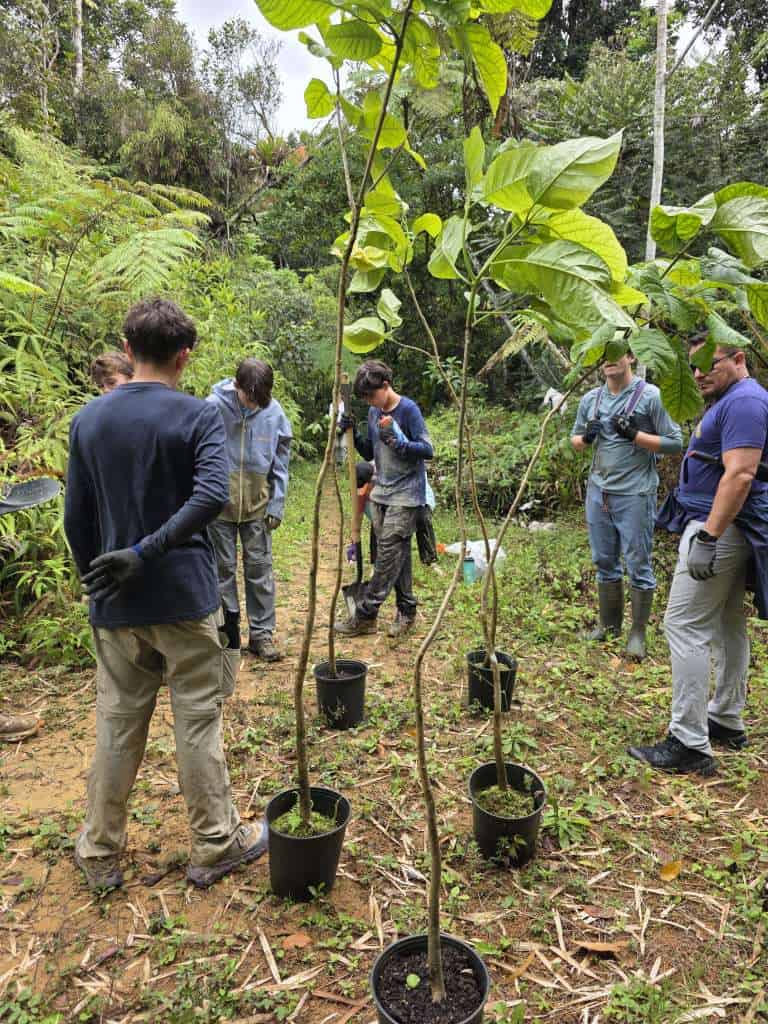
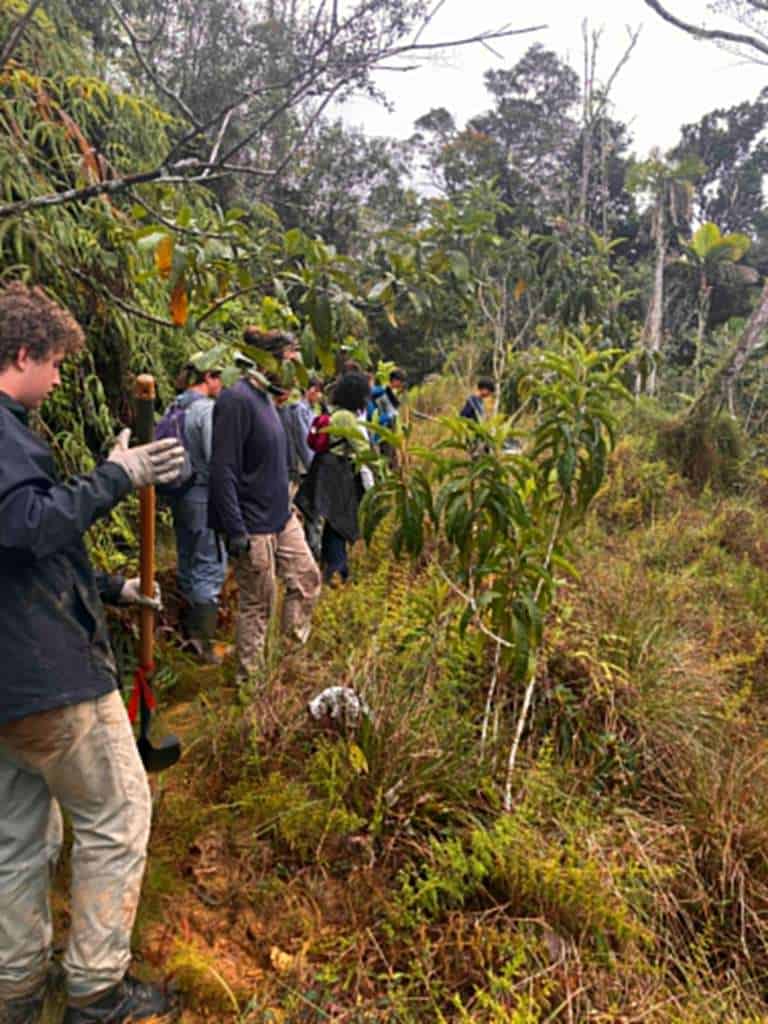
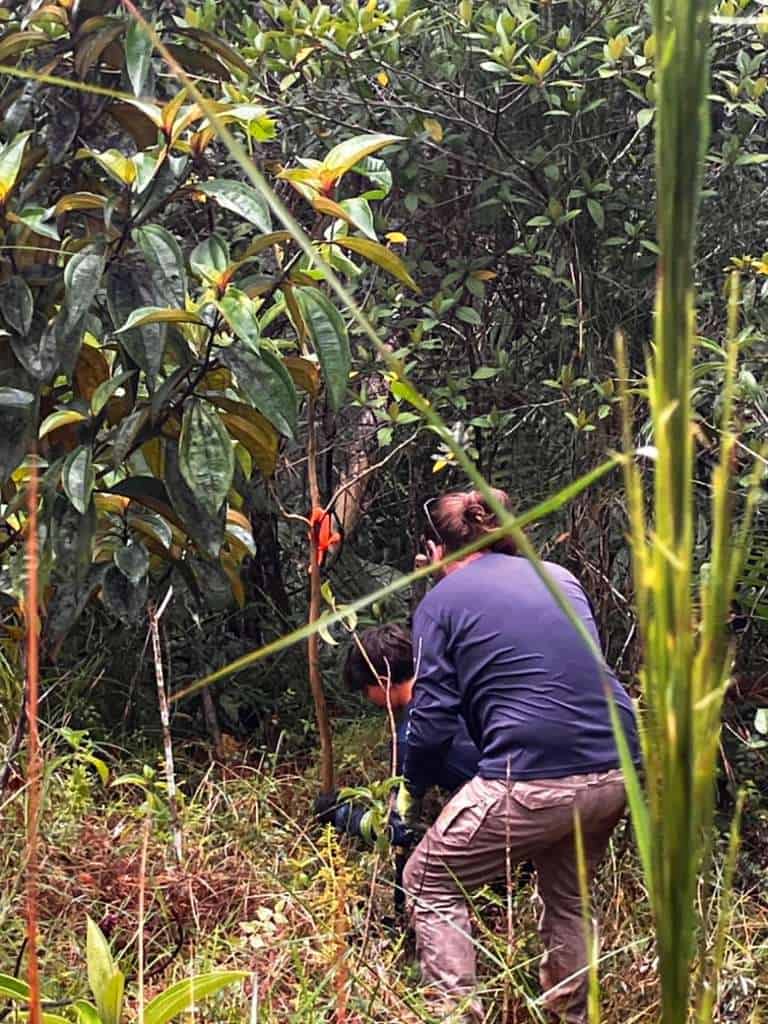
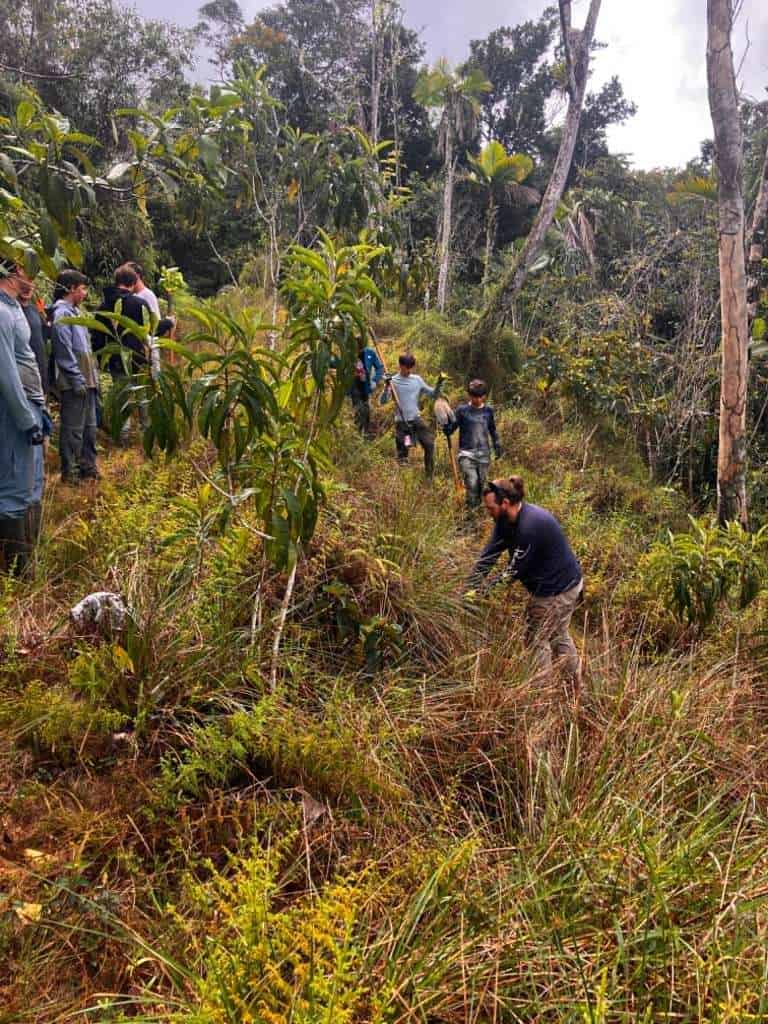
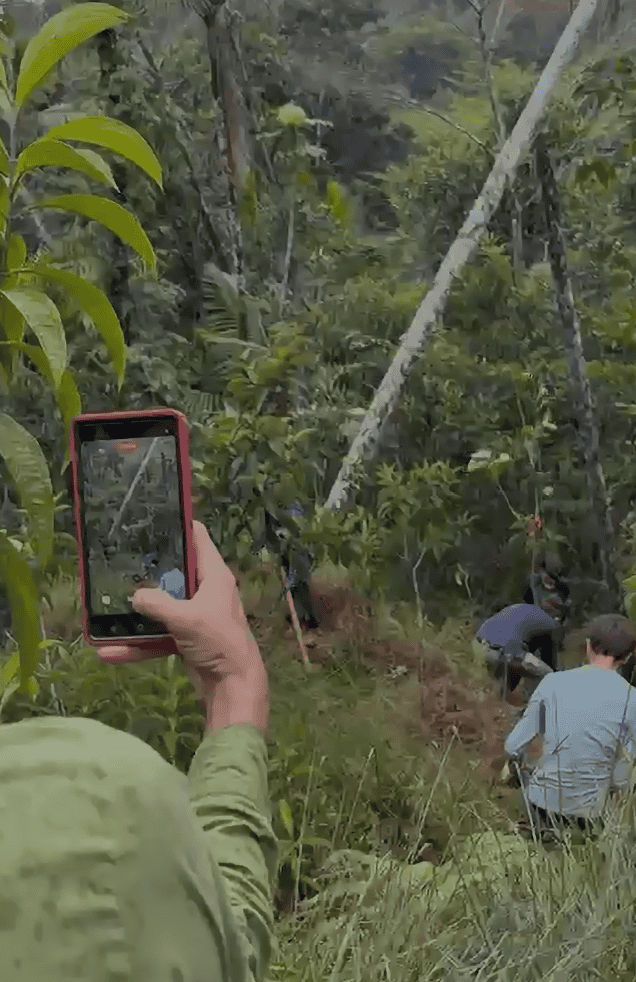
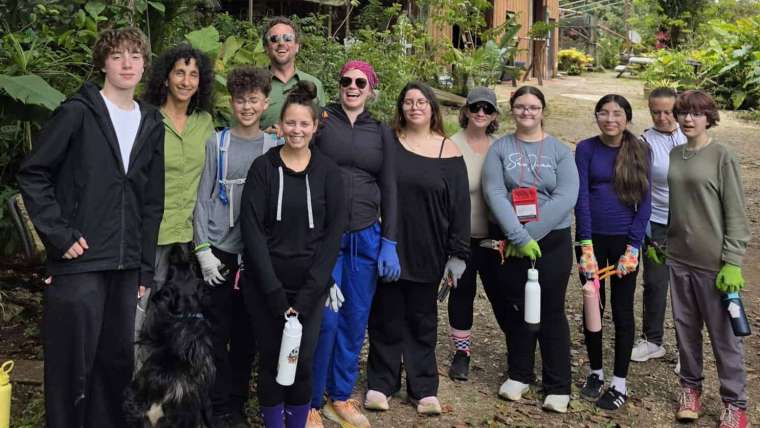
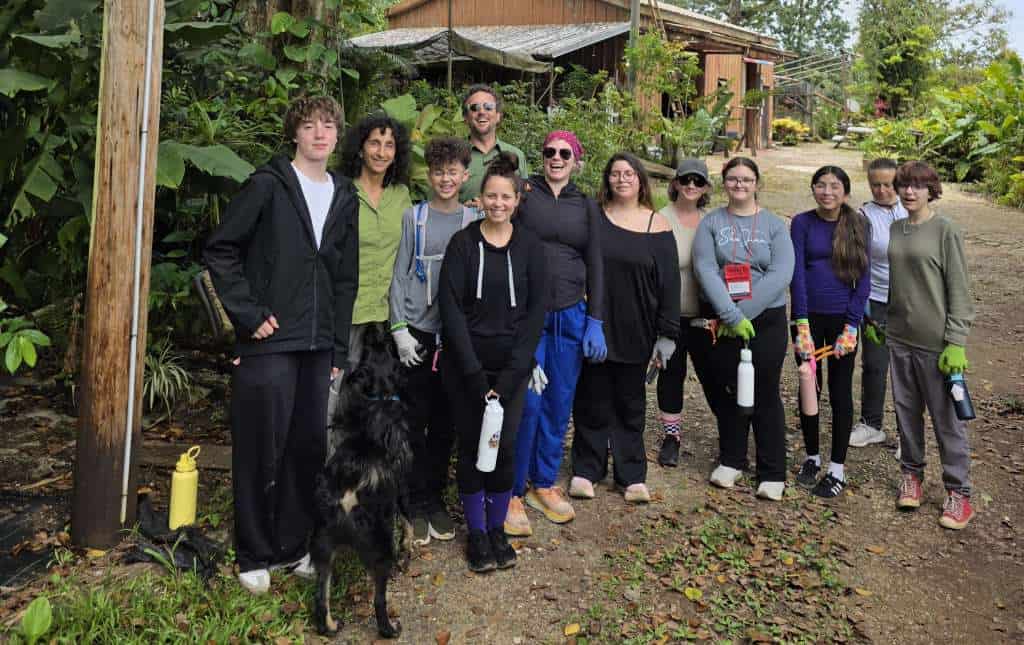
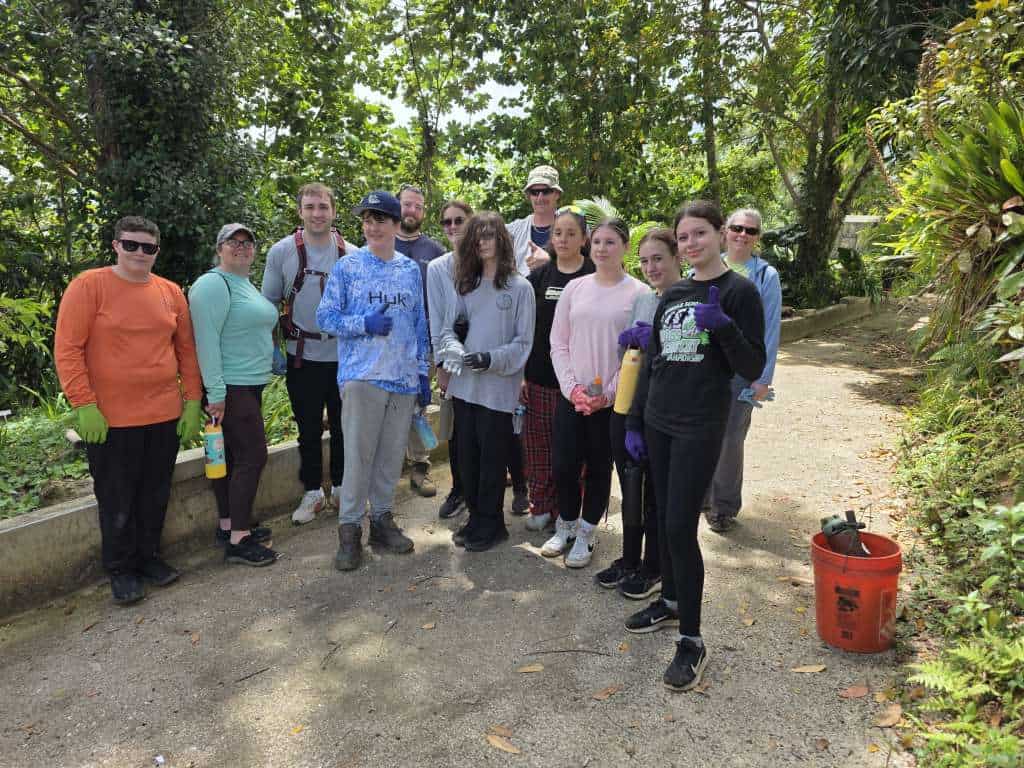
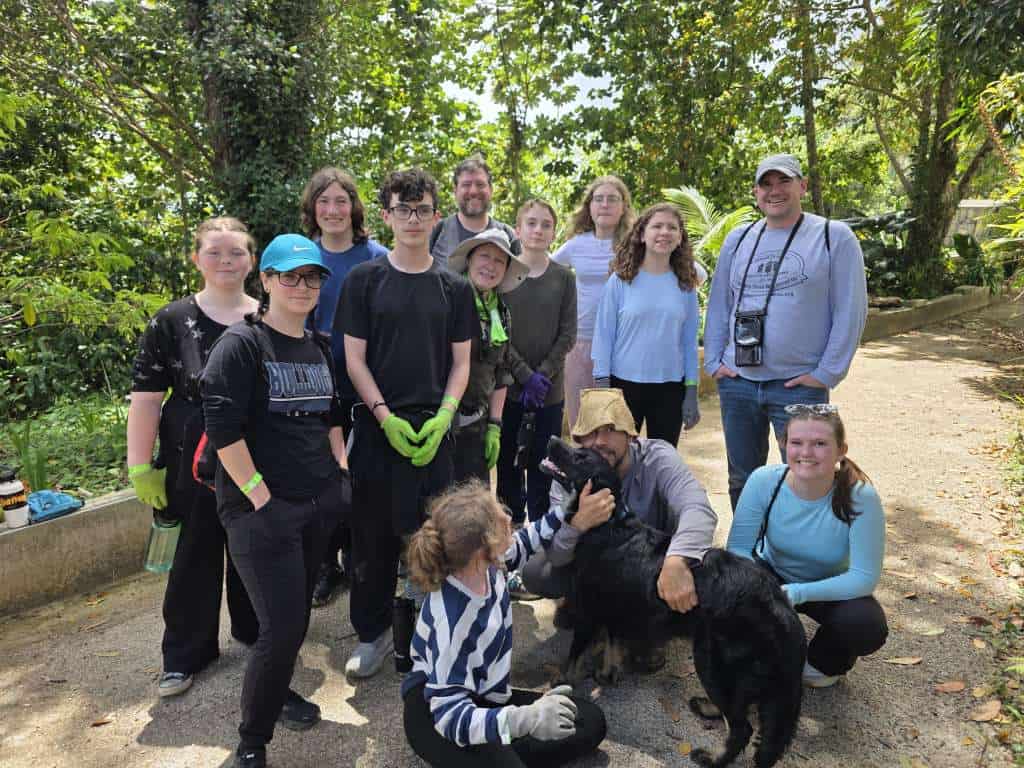
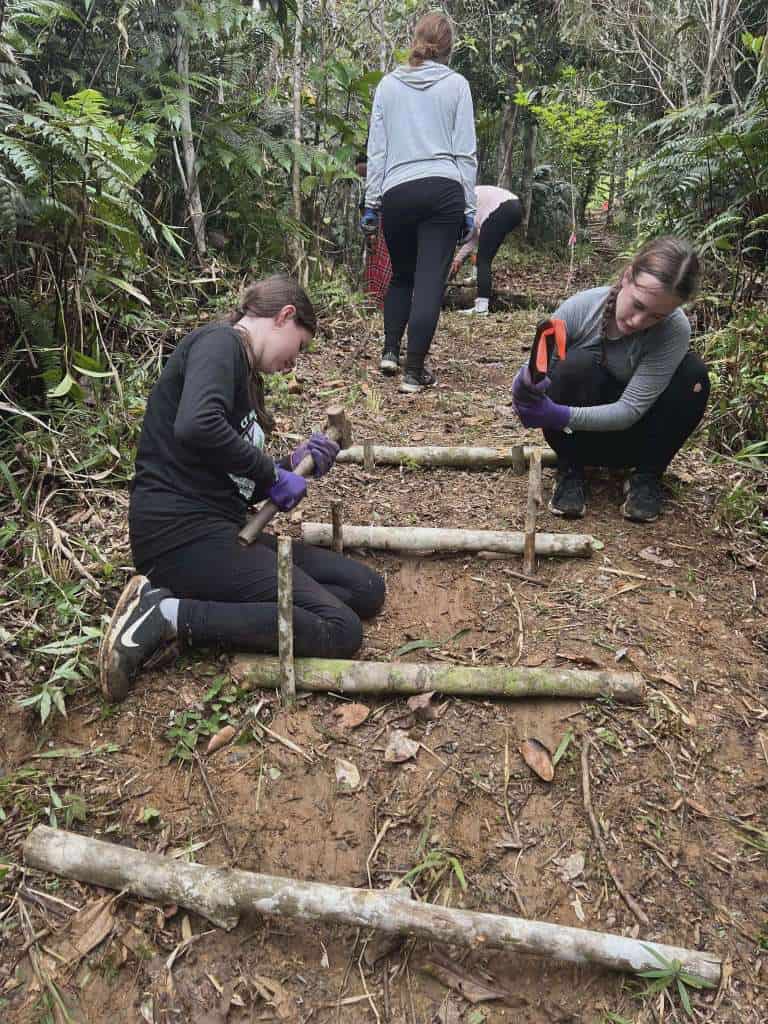
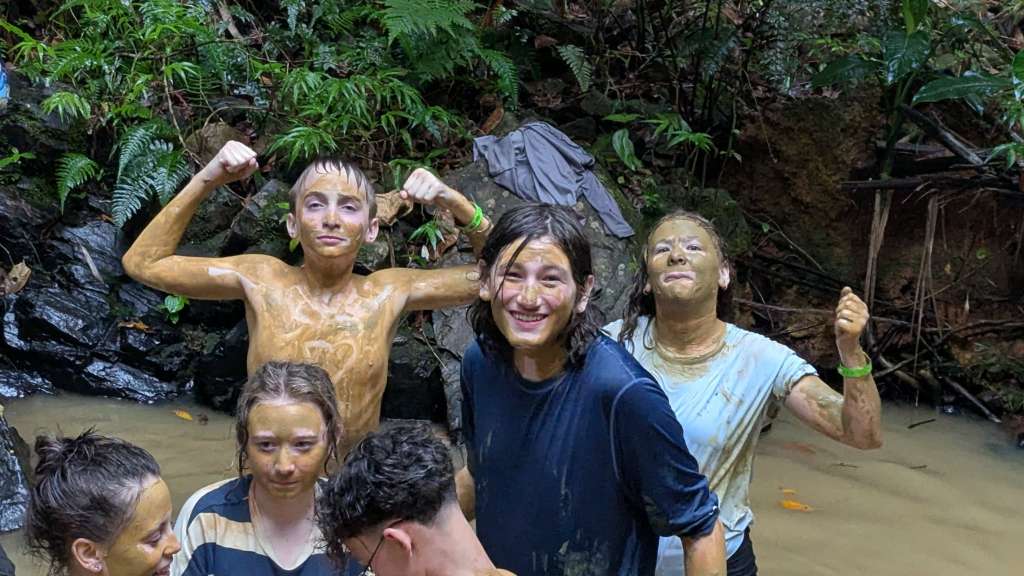
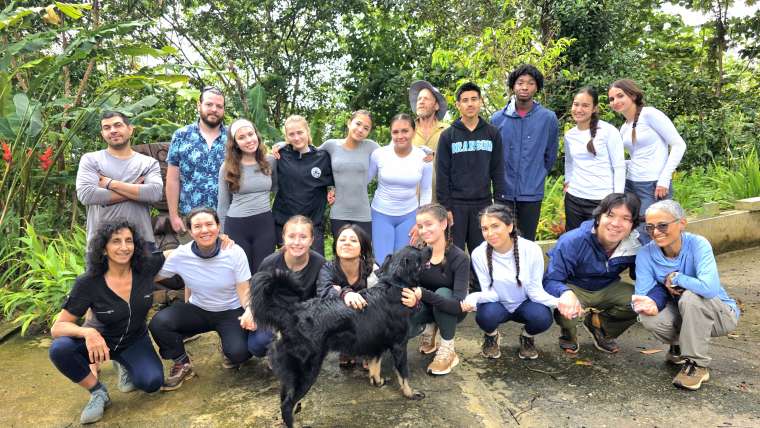
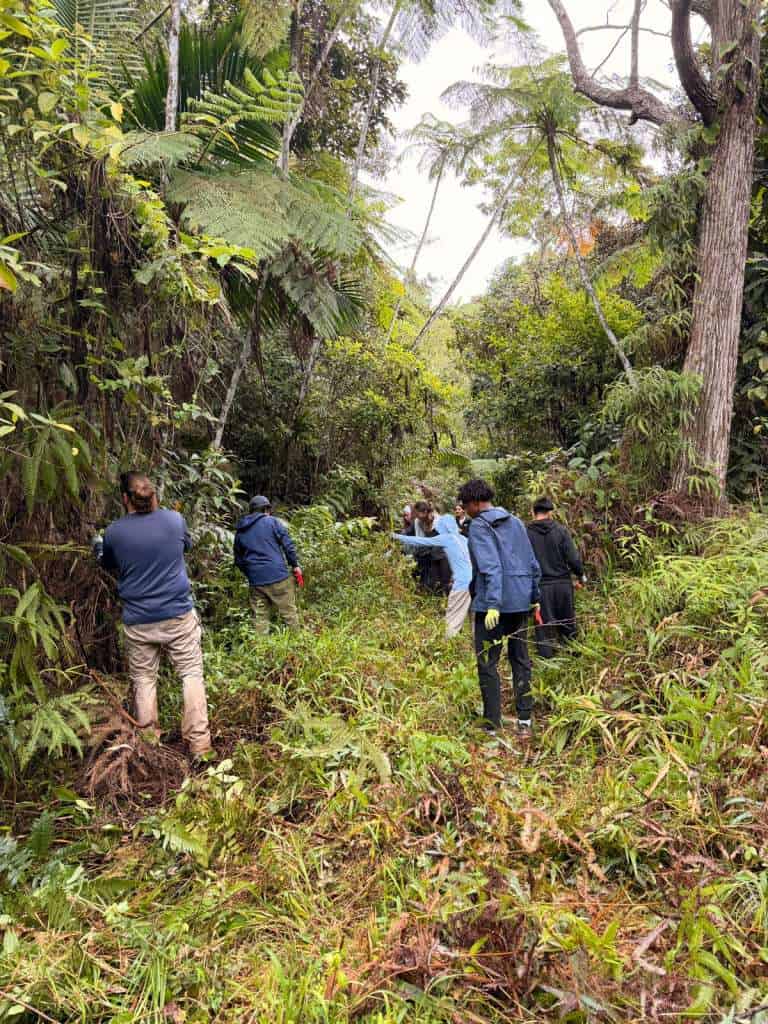
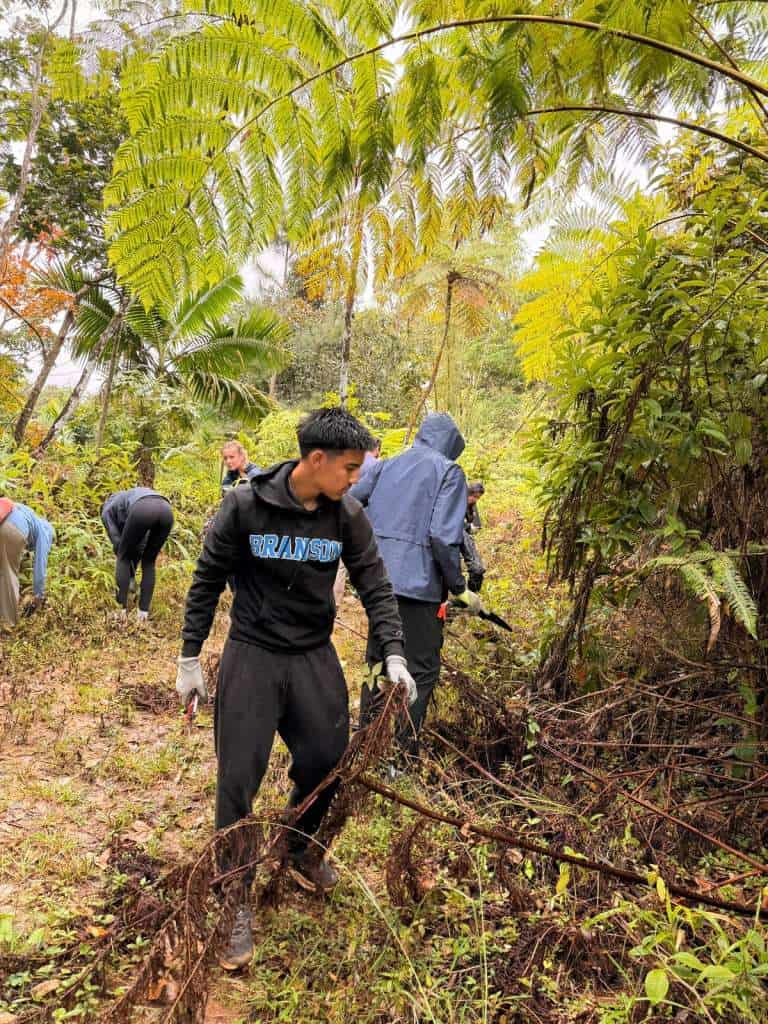
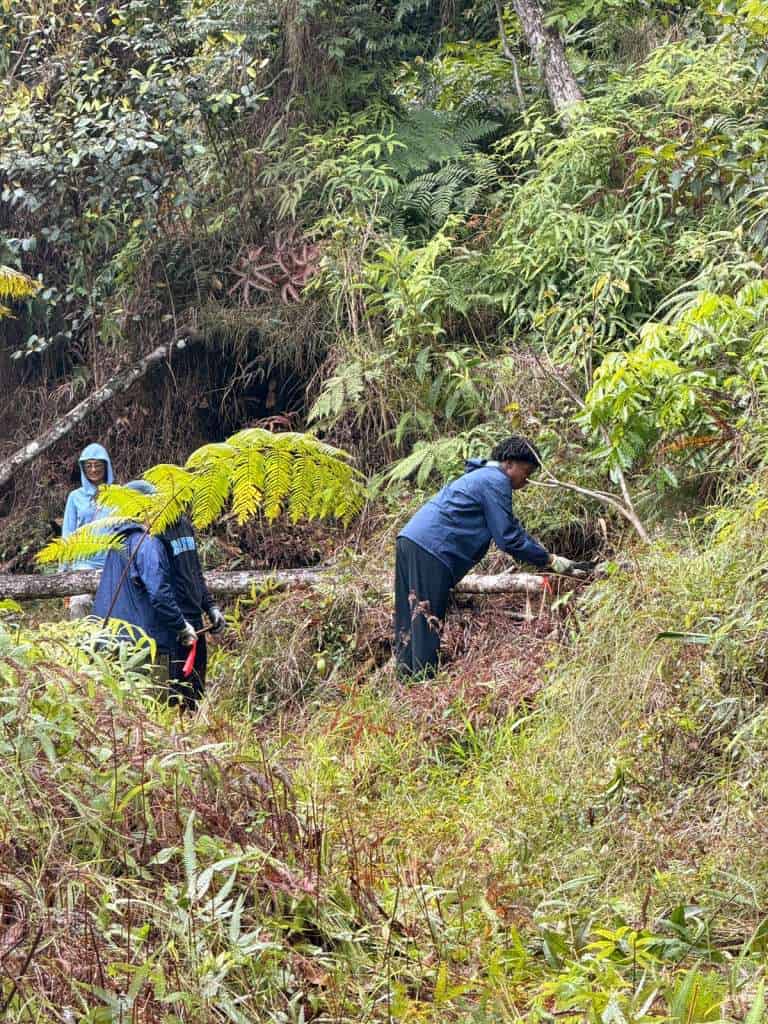
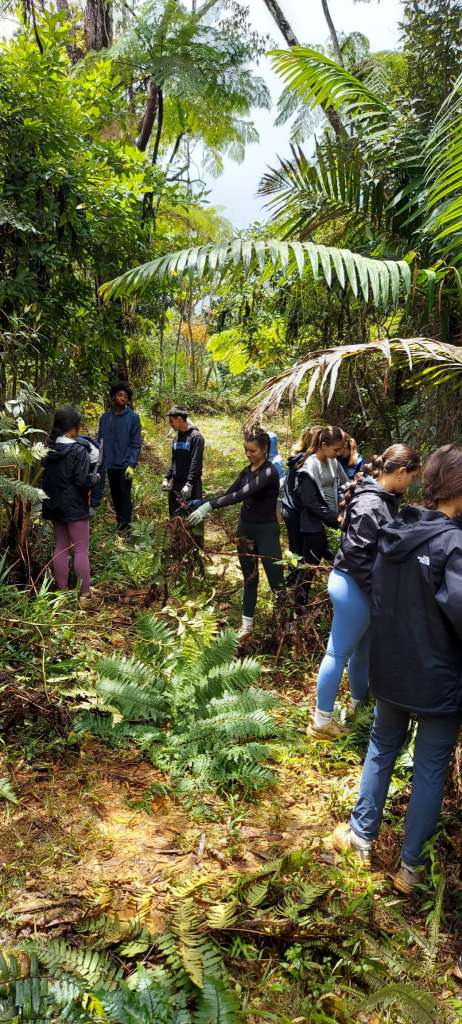
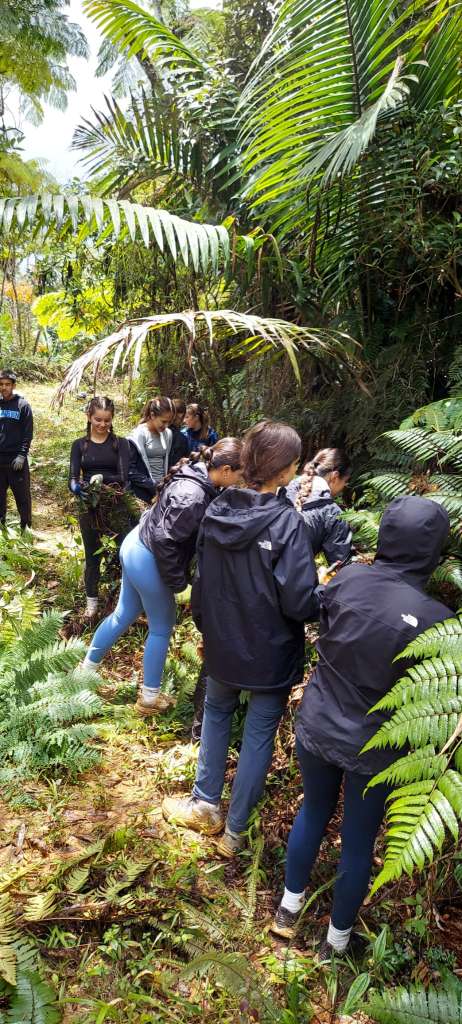
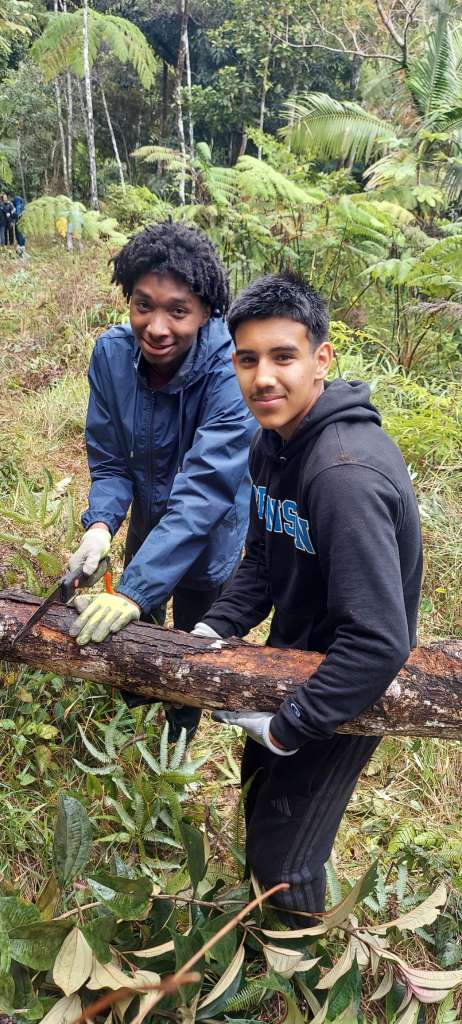
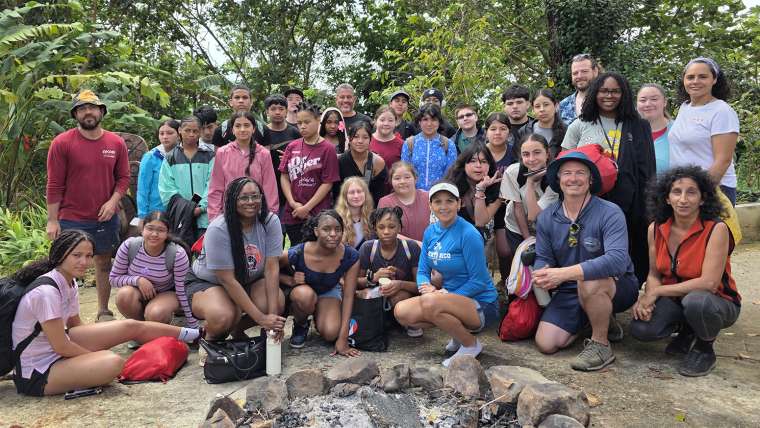
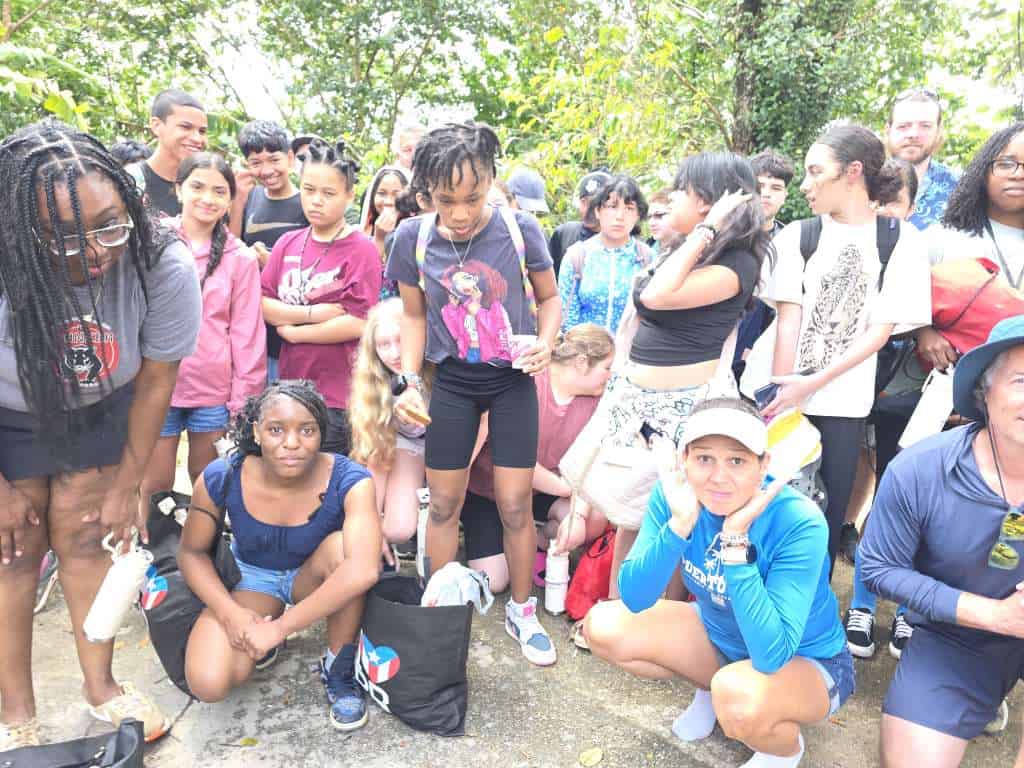
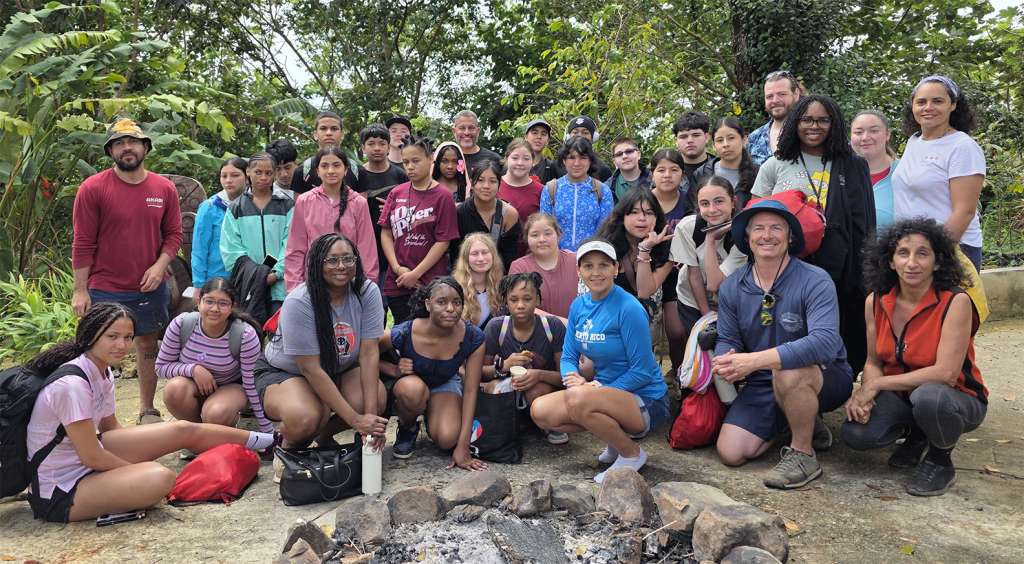
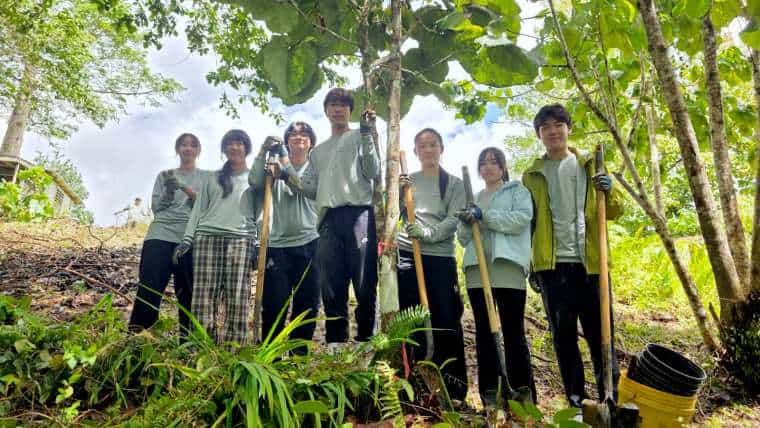
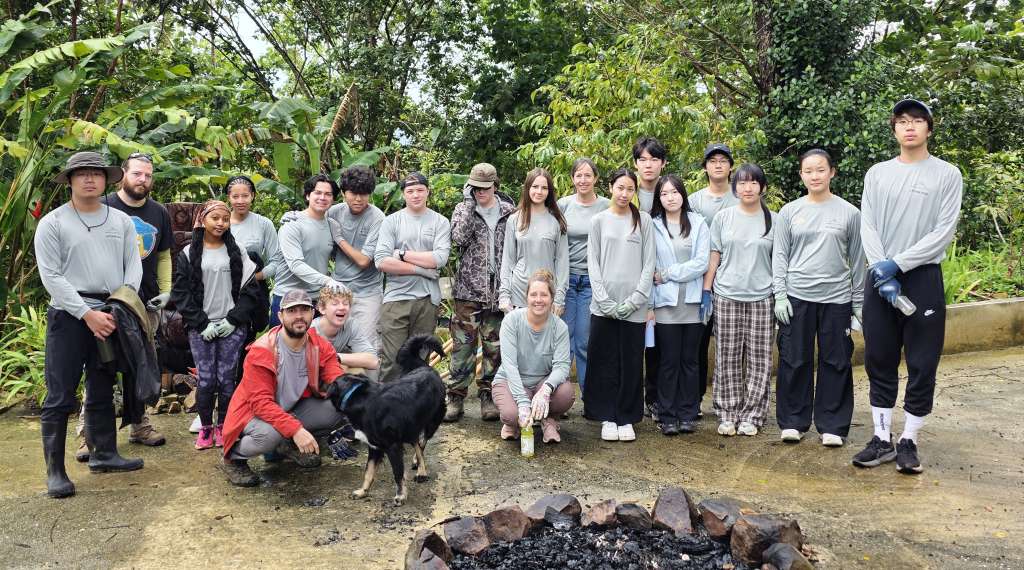
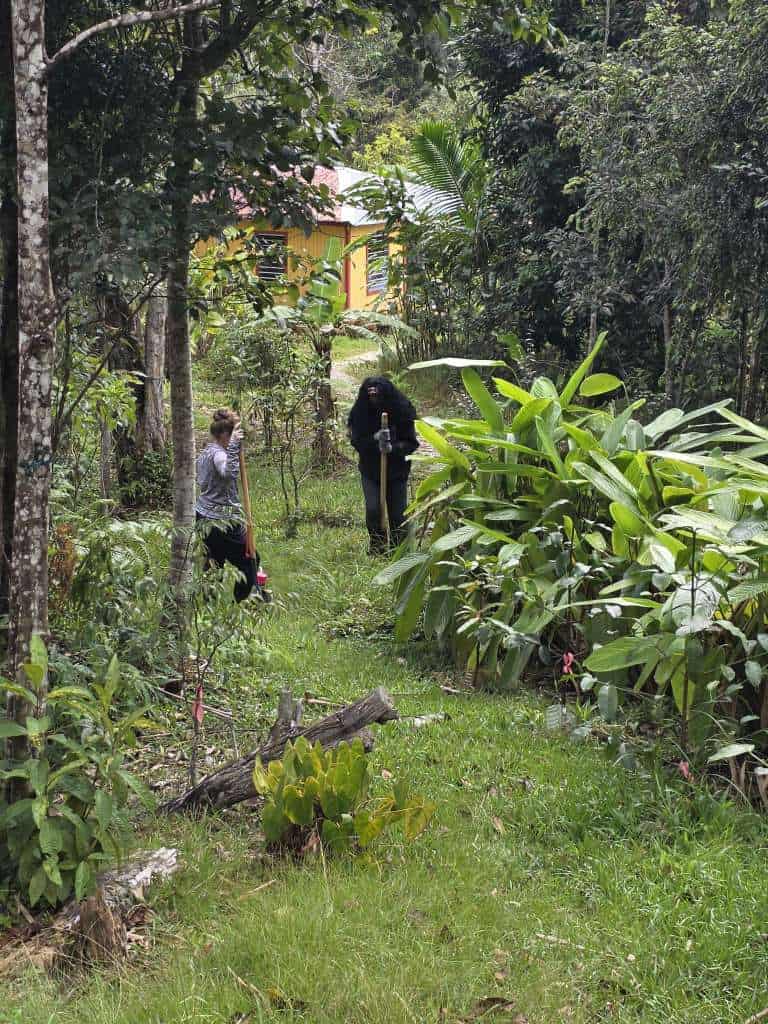
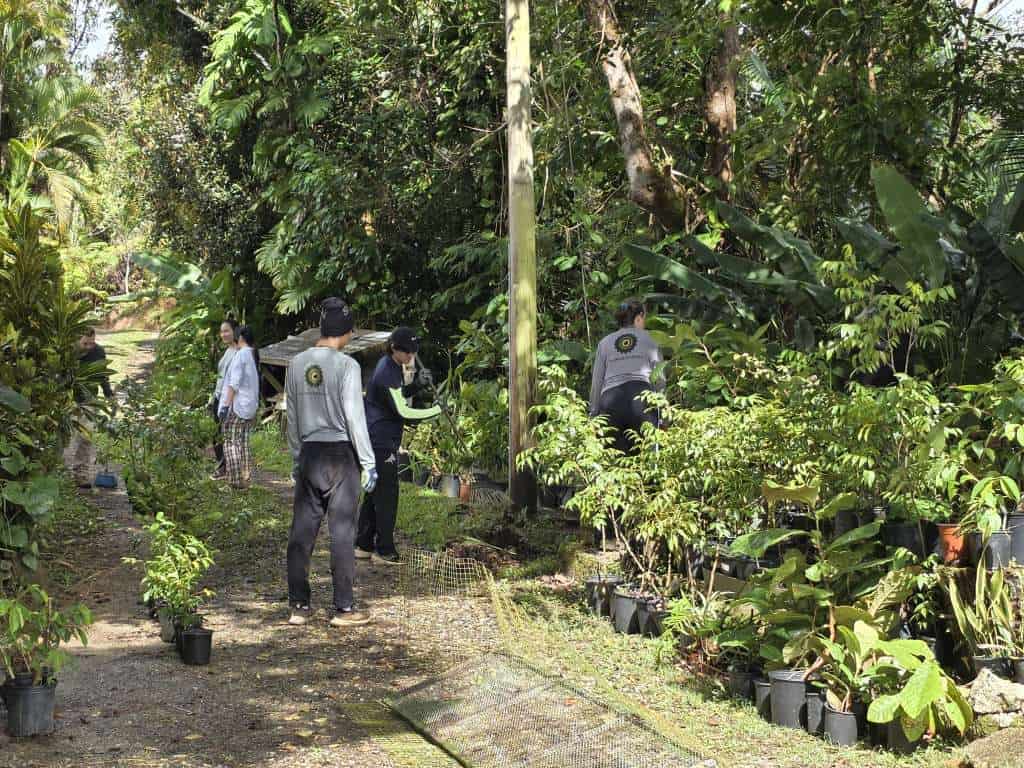
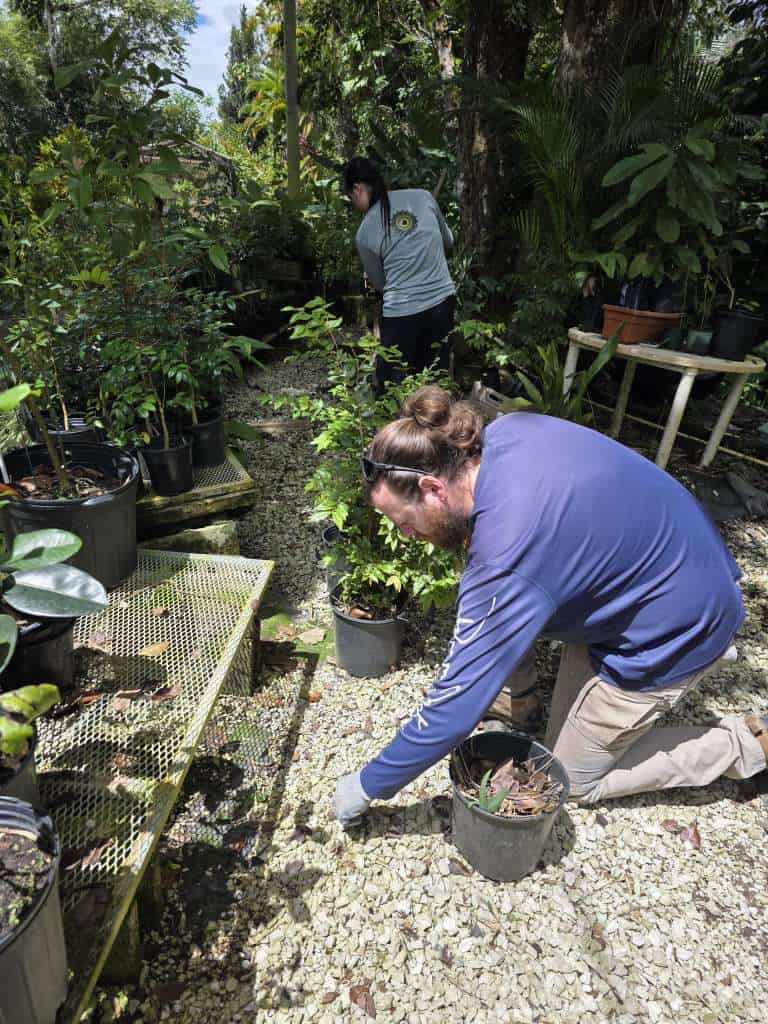
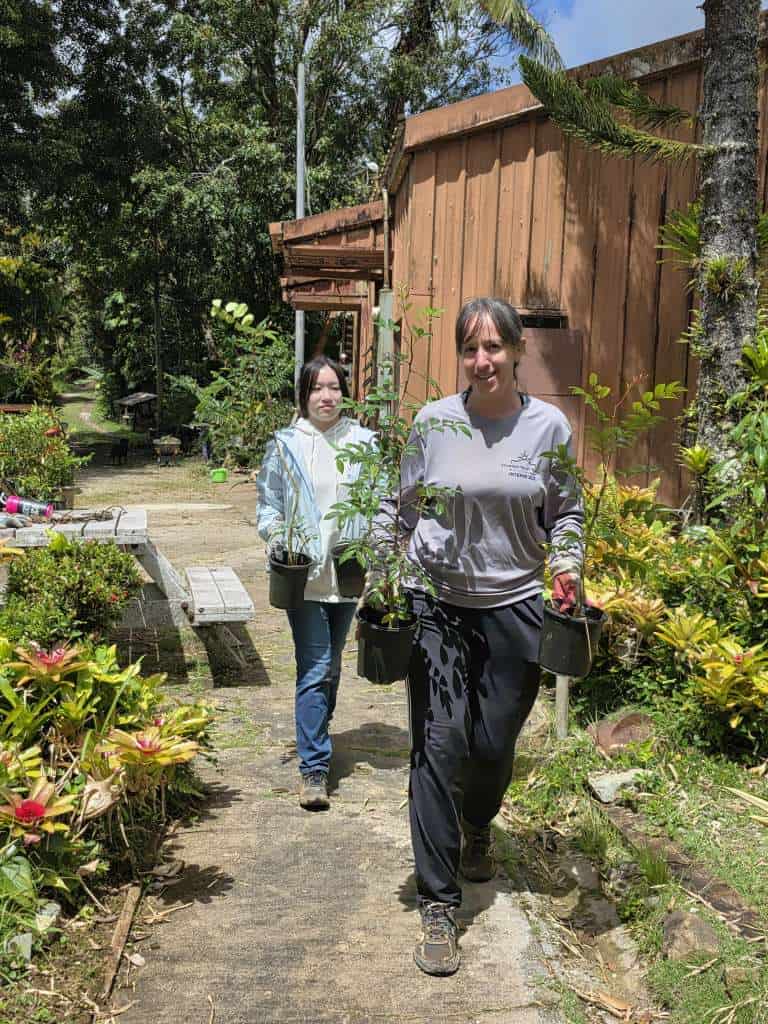
We were thrilled to host a Day Service group of 19 energetic teens and 4 dedicated Globalworks staff at Eye On The Rainforest! It’s a full-circle moment—Globalworks teens helped break ground on our Ethnobotanical Trail all the way back in 2003, and this visit brings that legacy back to life.

Who Was Here

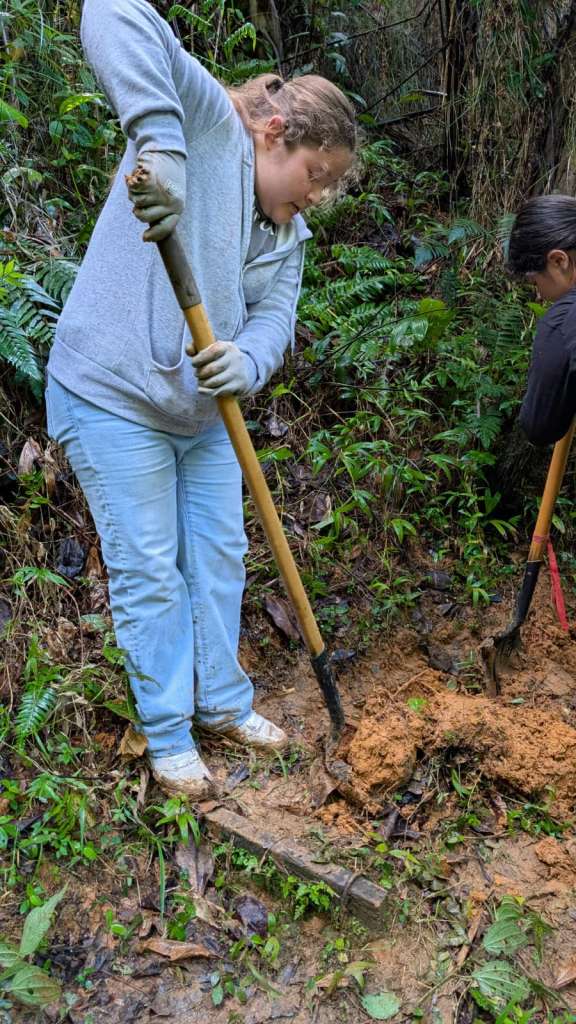
  • Crew Leader Jon Warwick took charge with enthusiasm, guiding the teens through every step of their work on the trail.
  • GlobalWorks Leaders: Warm thanks to Lauren, Jorge, Sarah, and Anthony, whose presence and support uplifted the entire group.

What We Accomplished

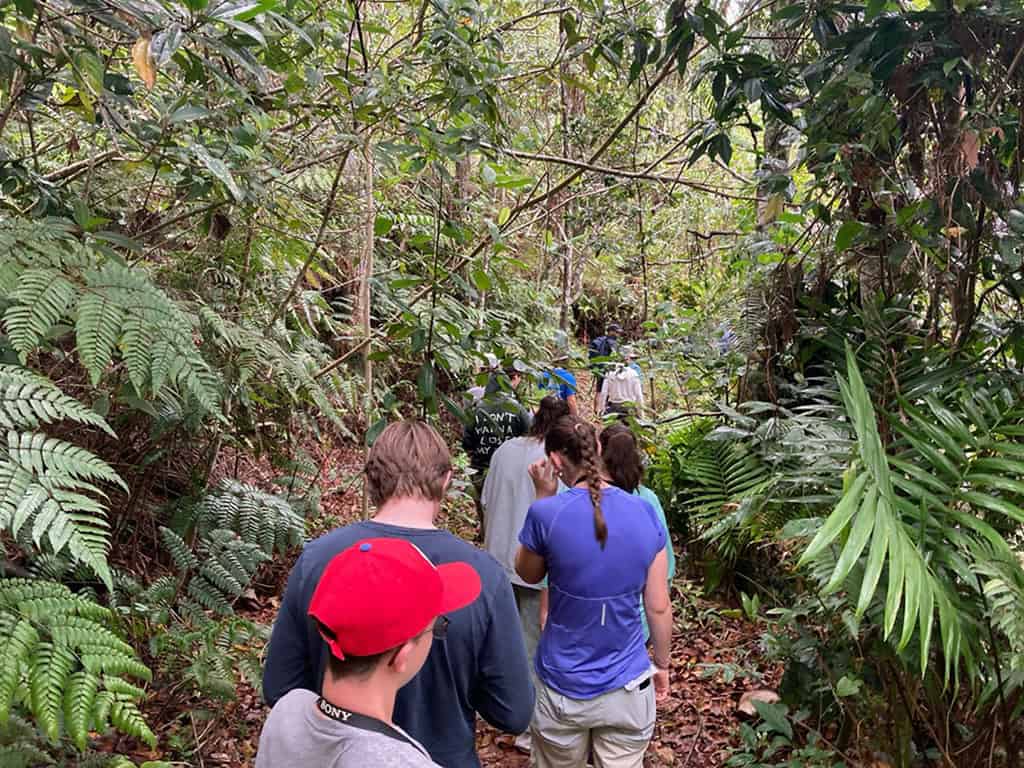
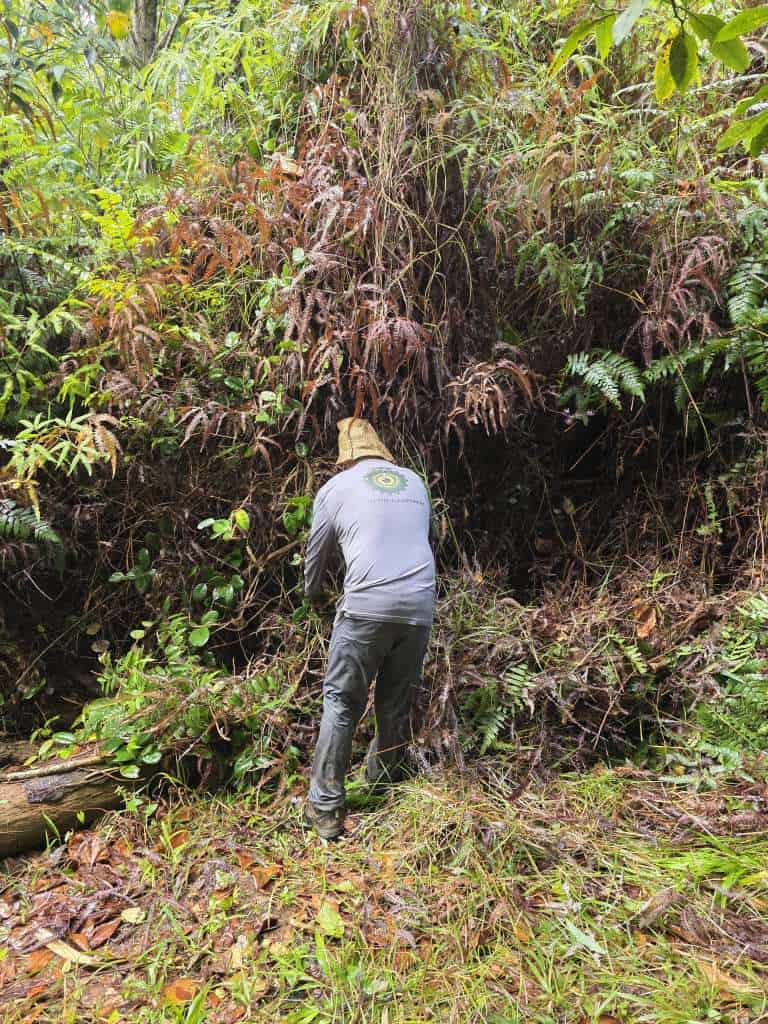
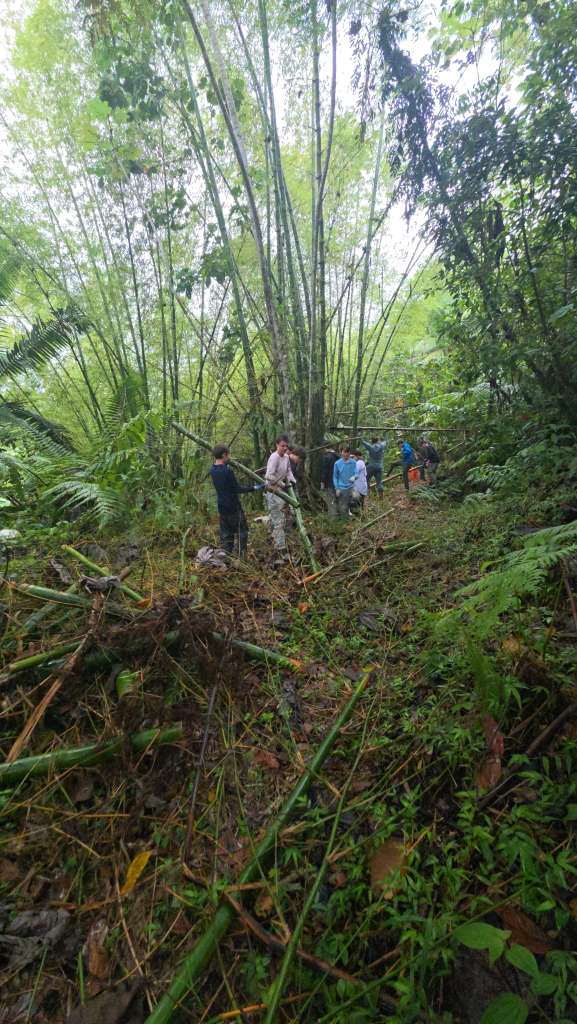
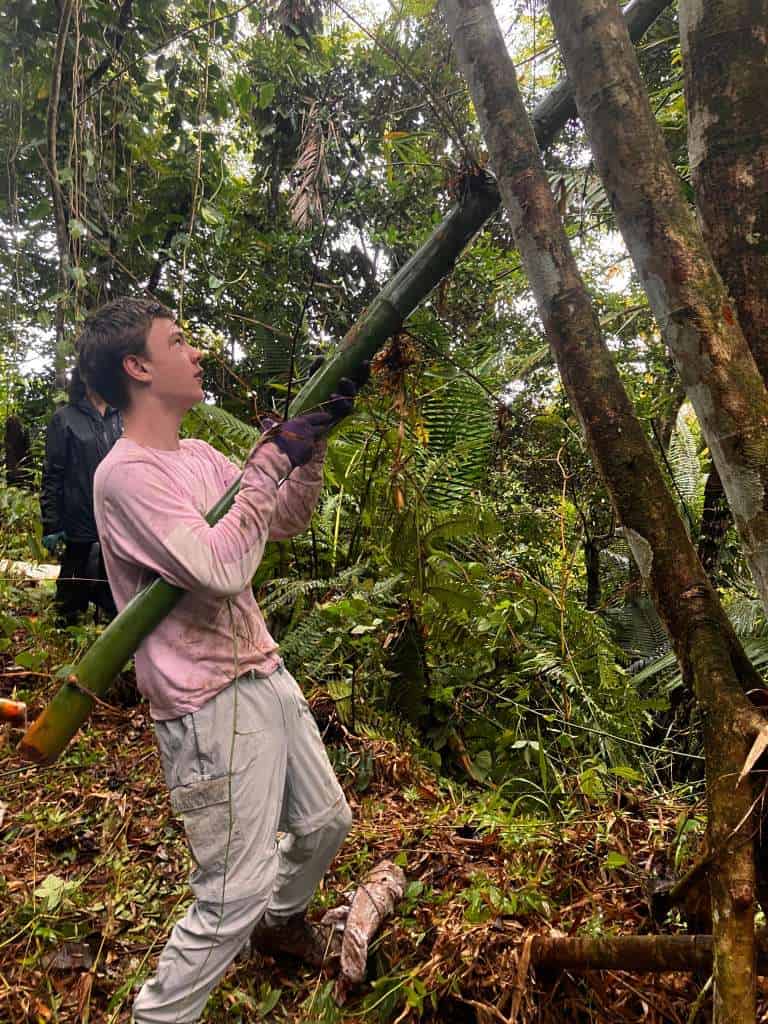
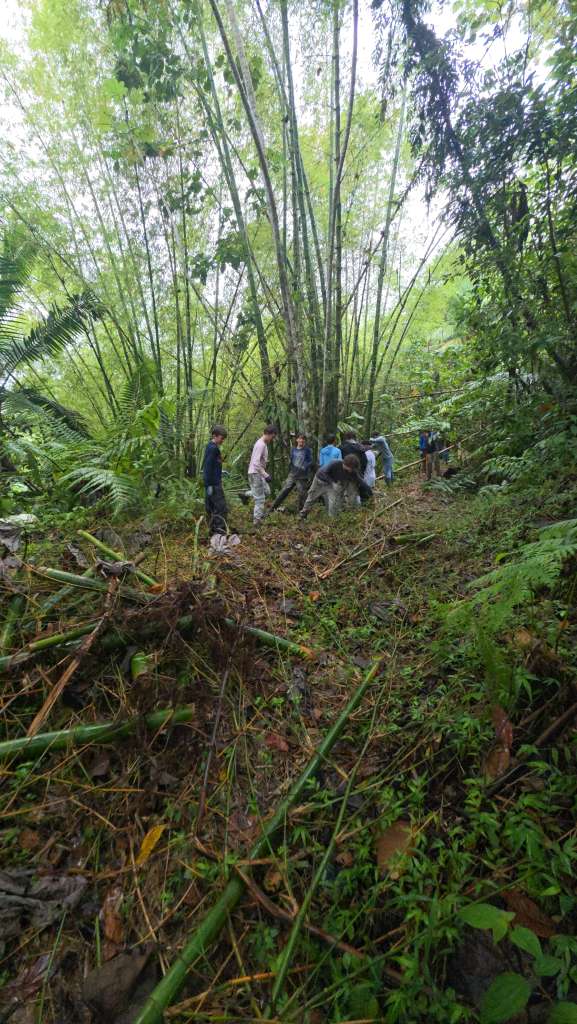
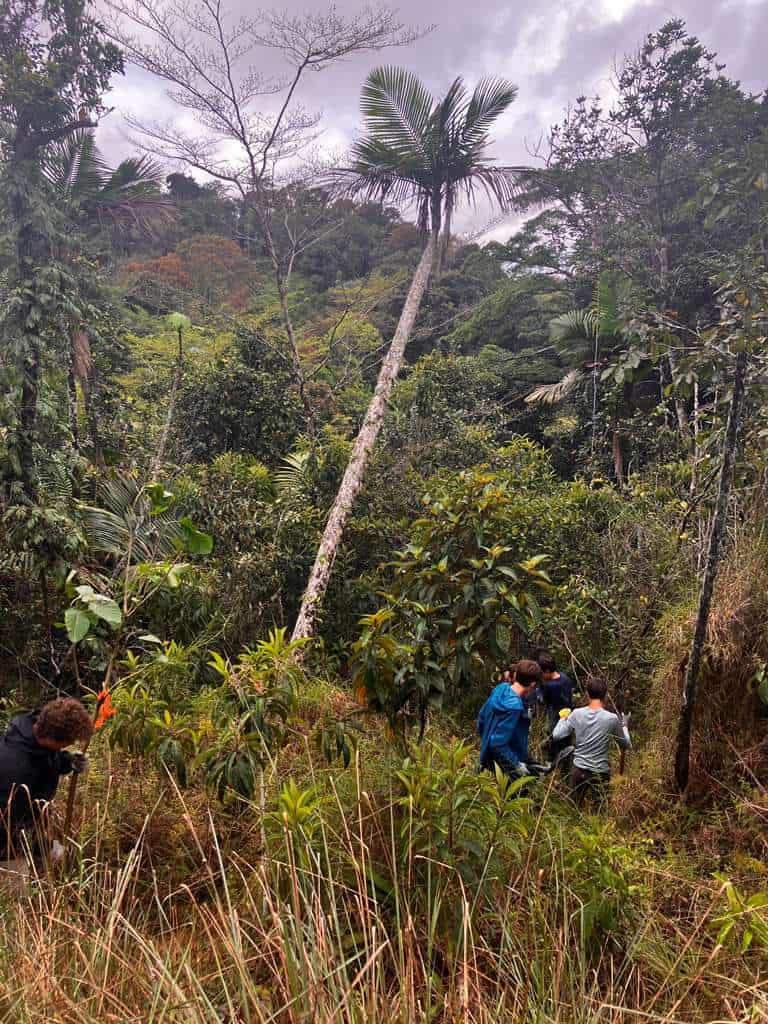
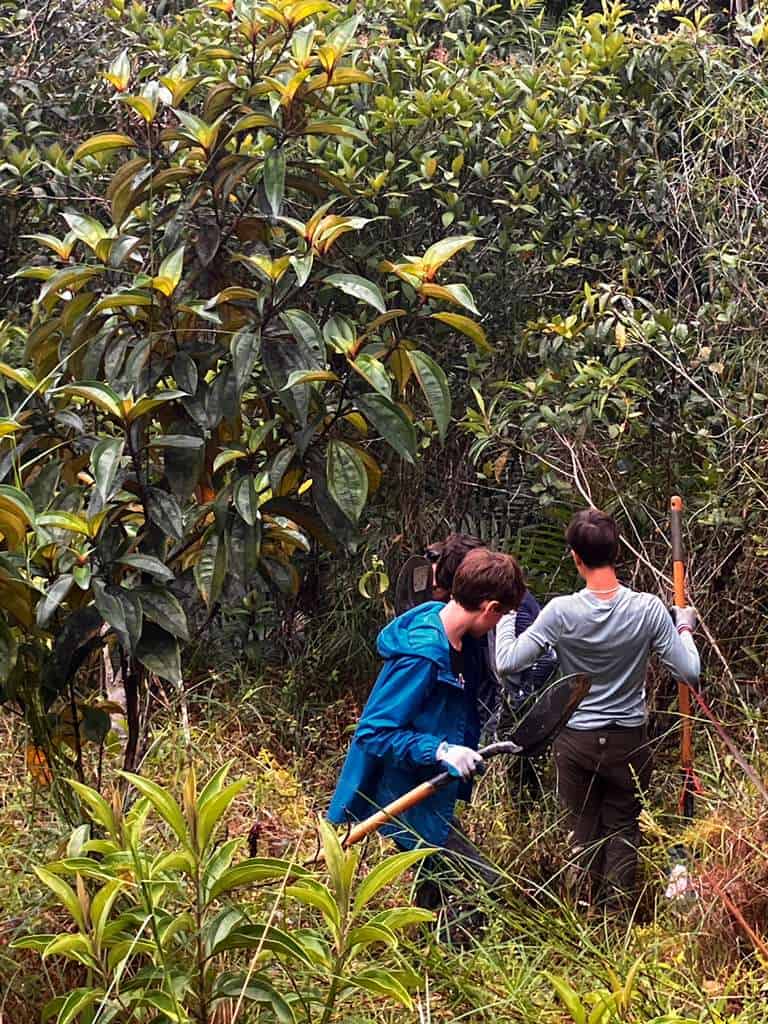
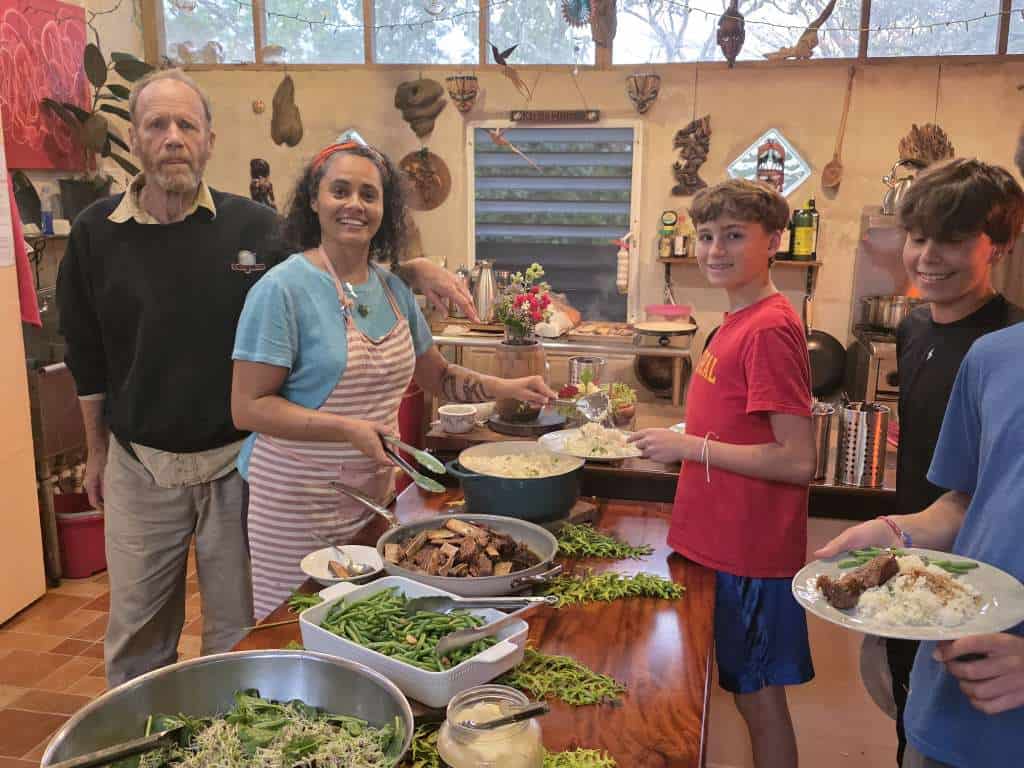
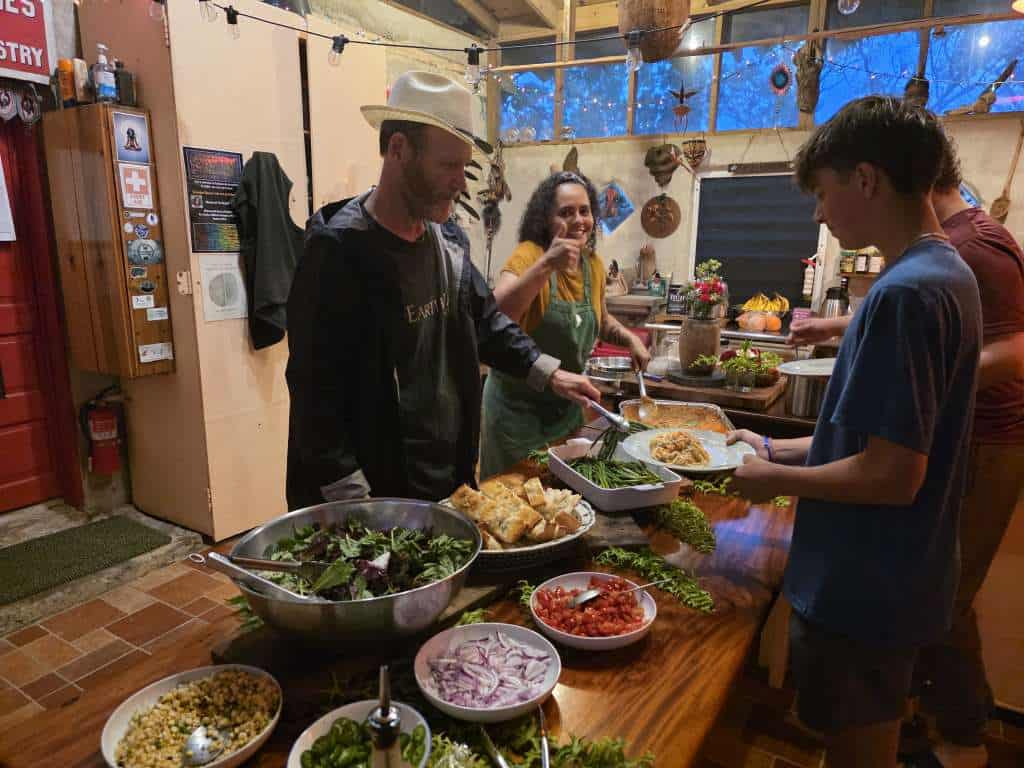
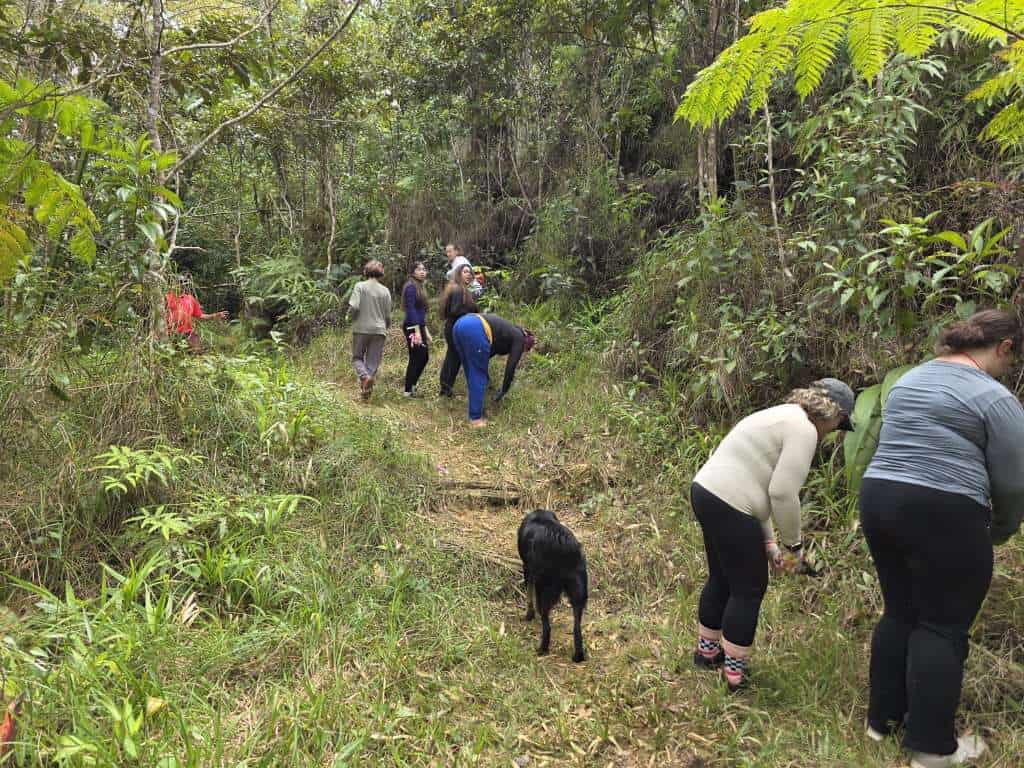
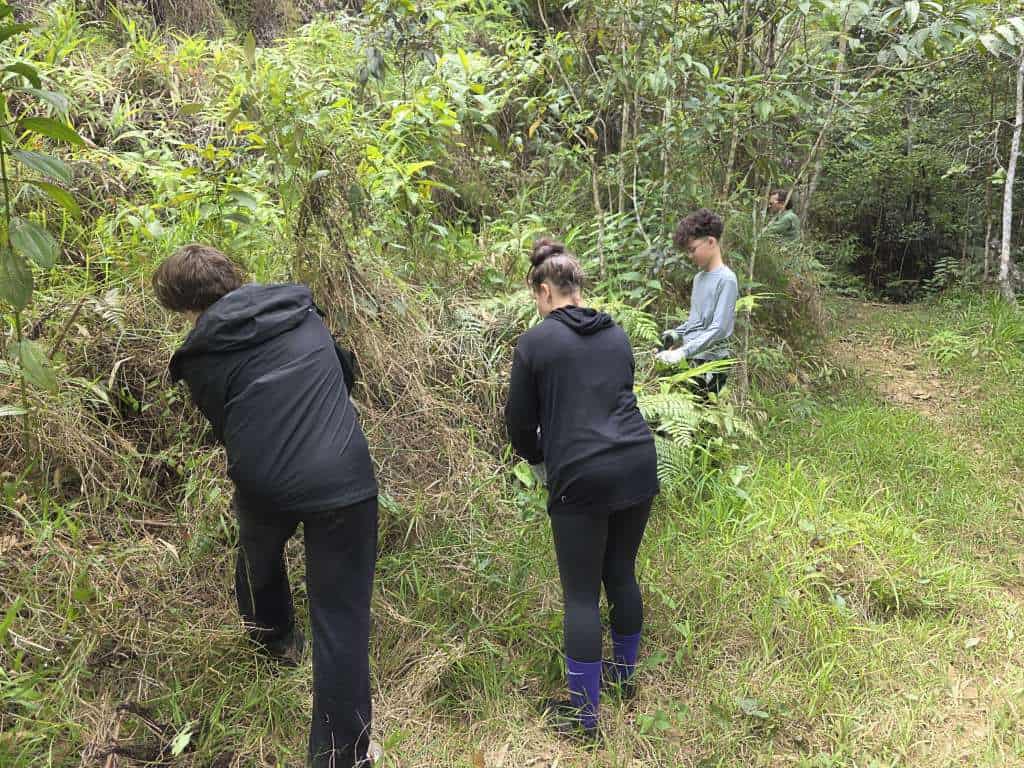
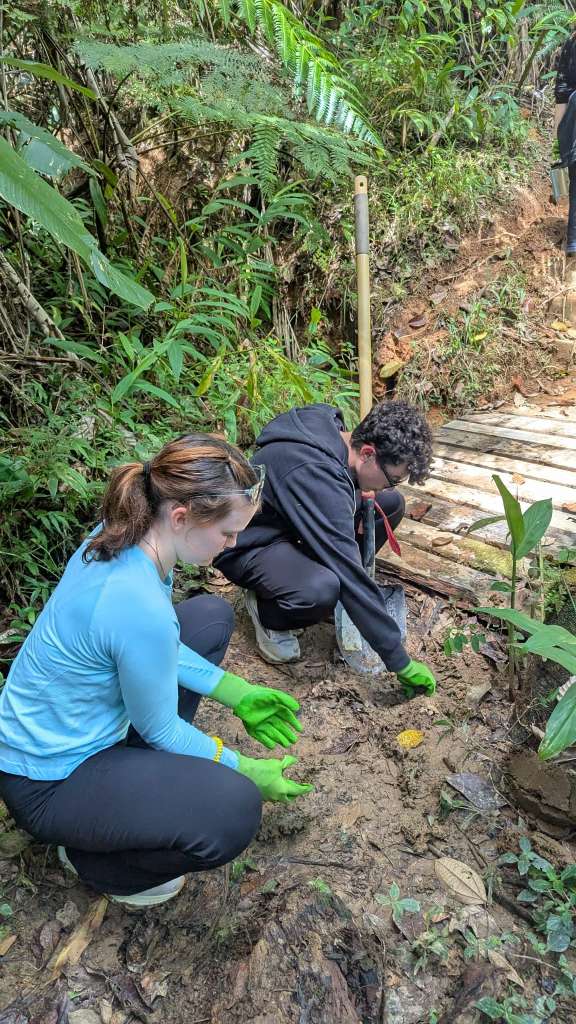
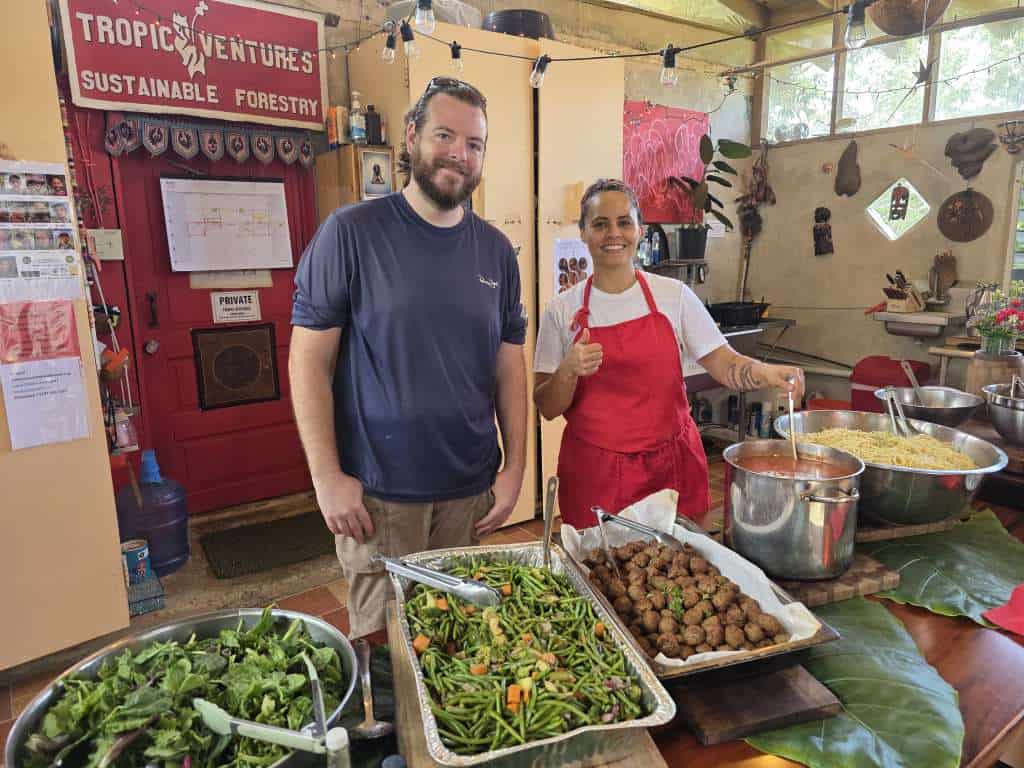
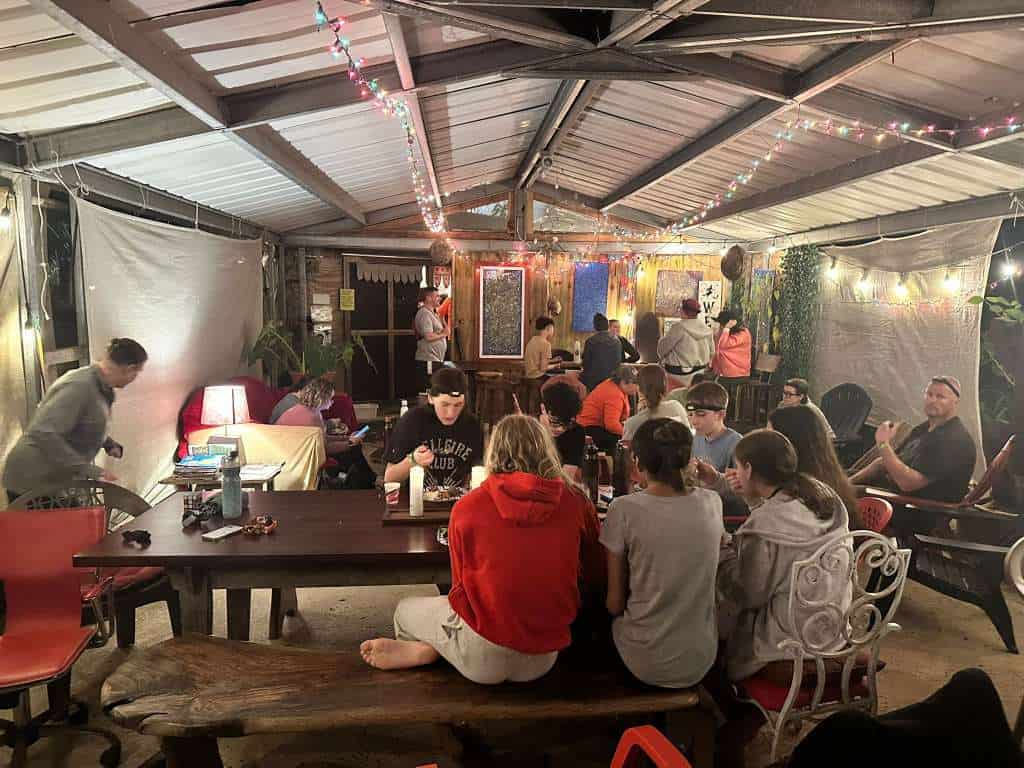
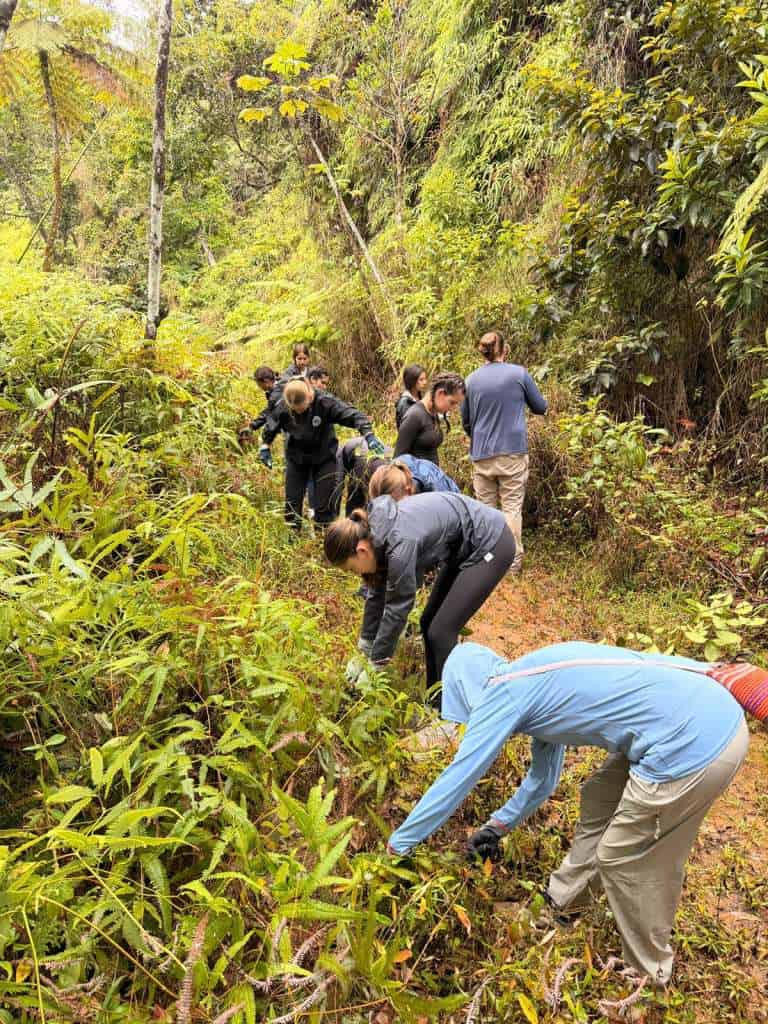
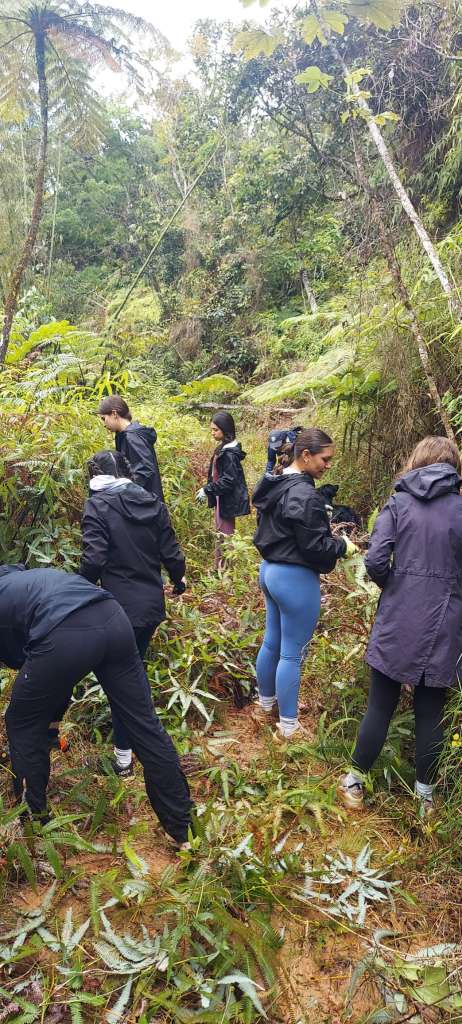
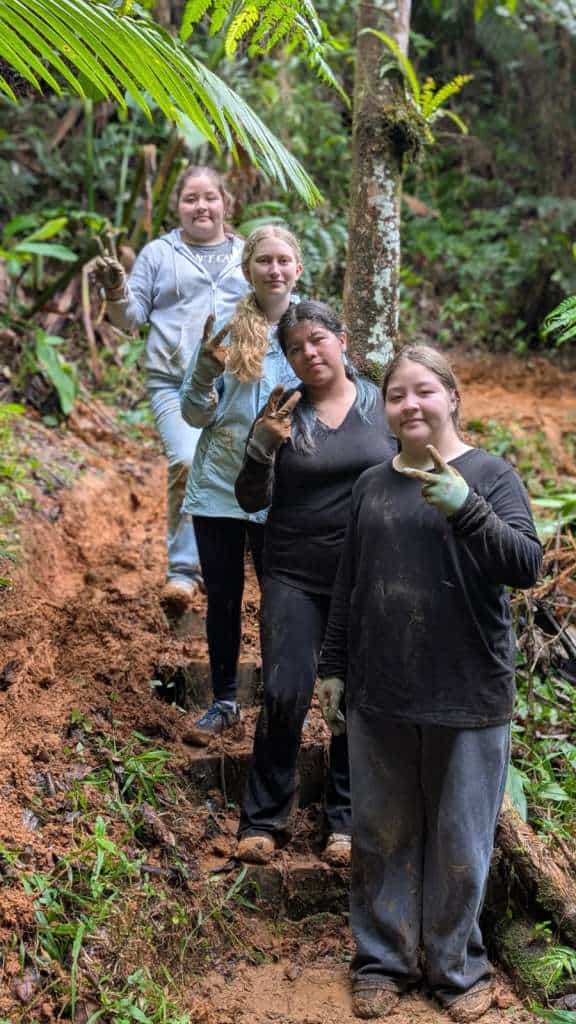
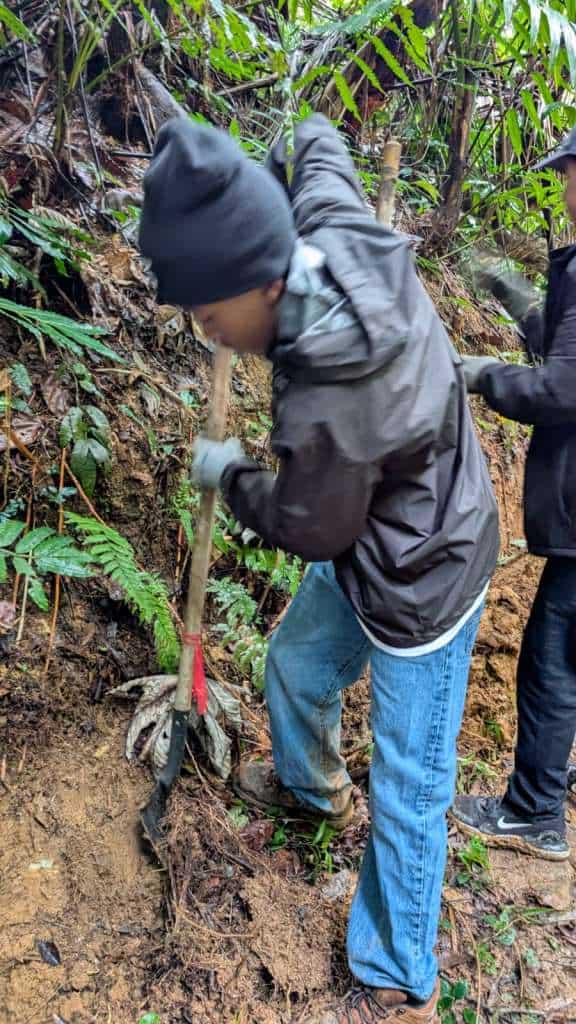
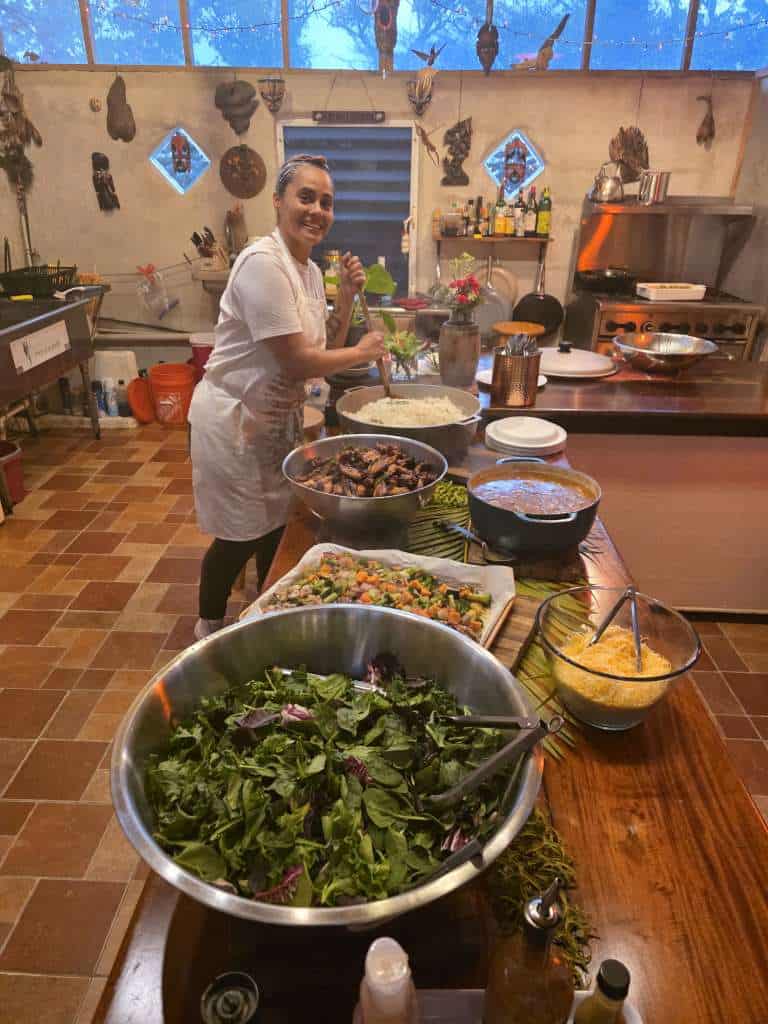
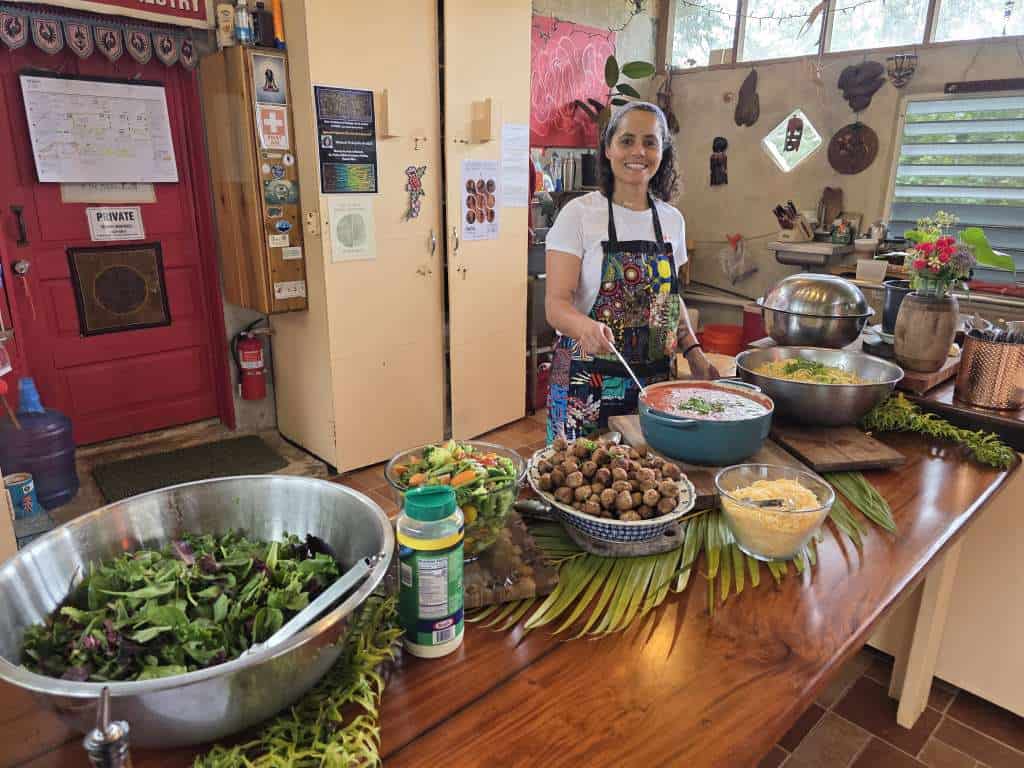
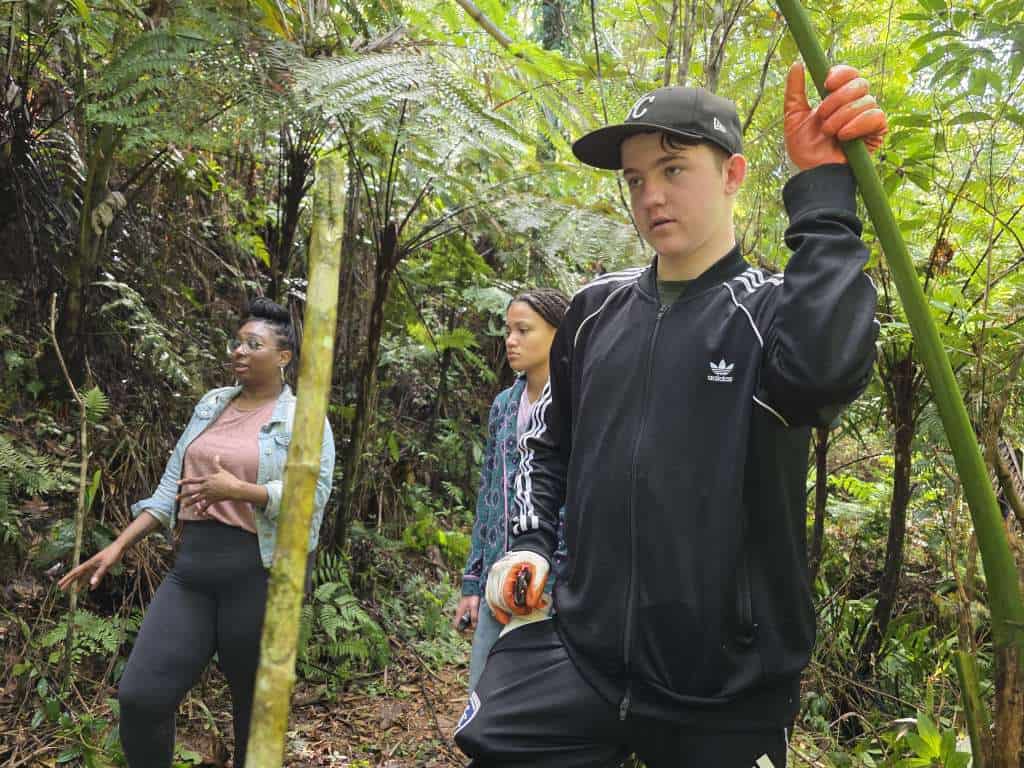
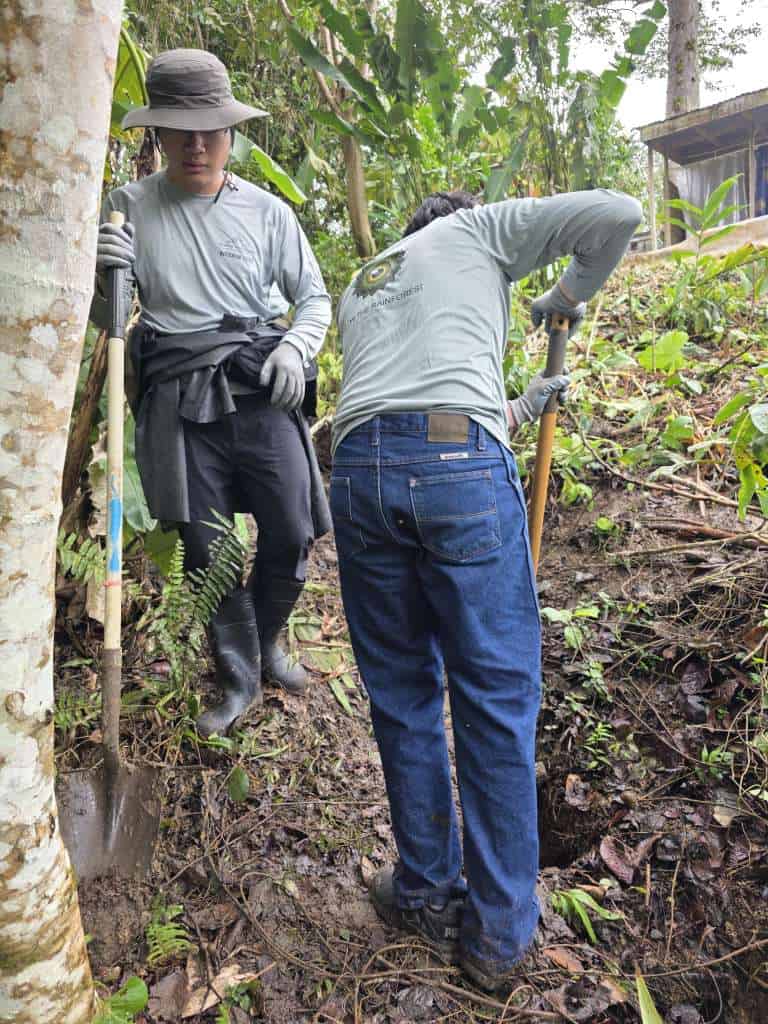
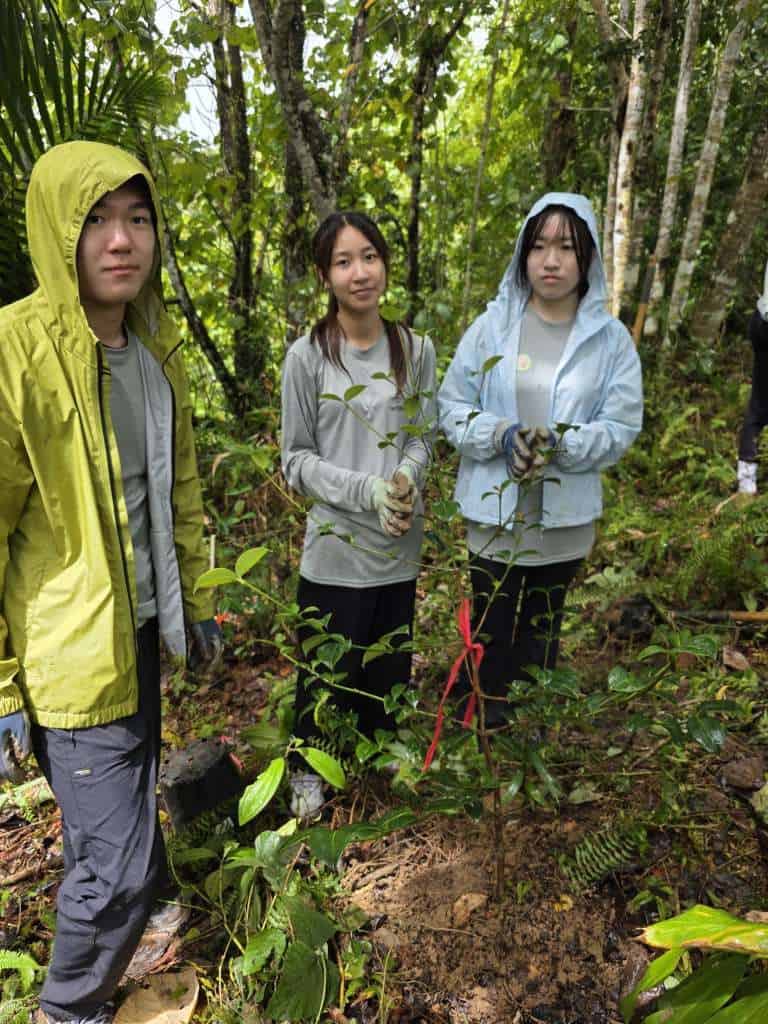
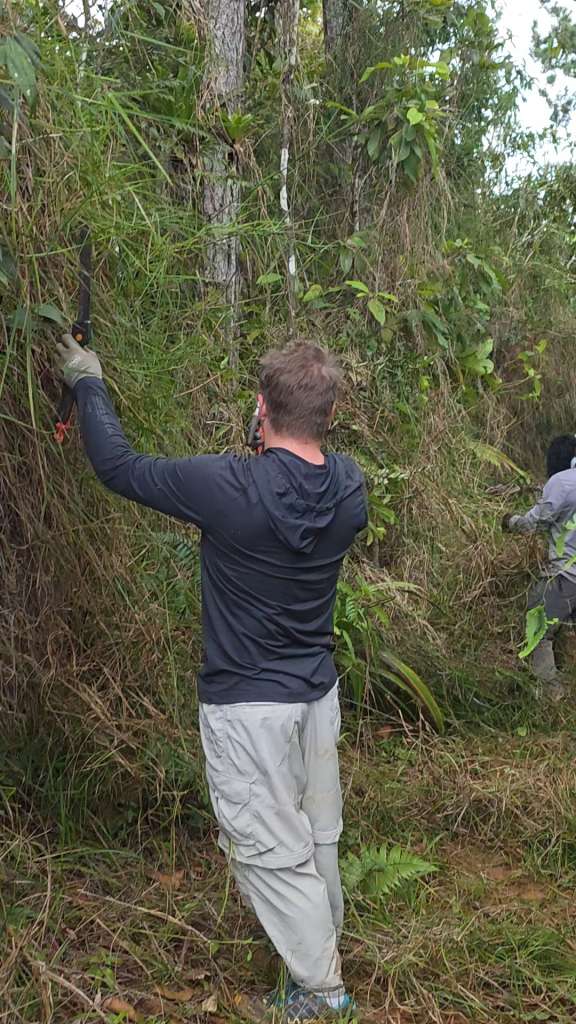
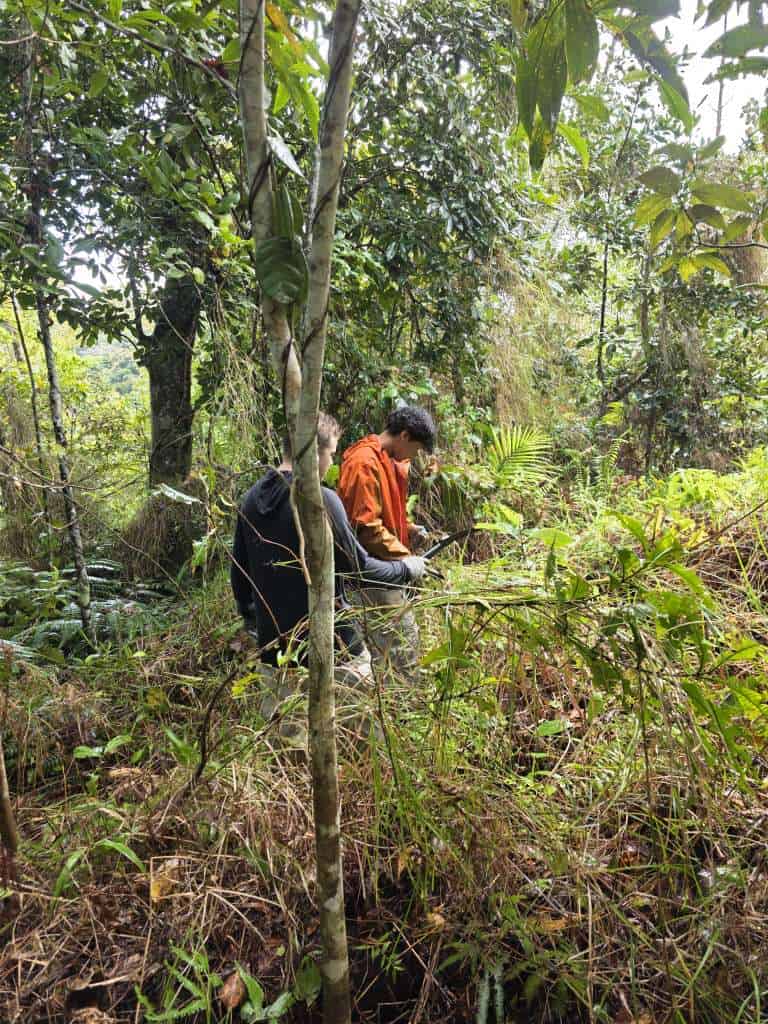
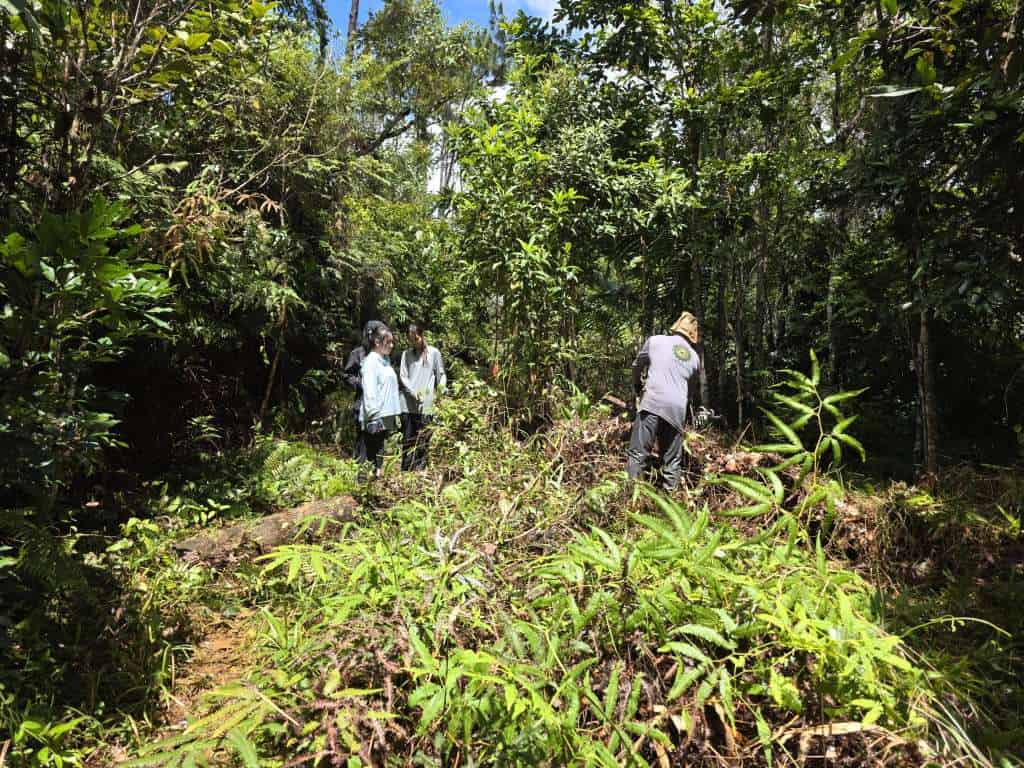
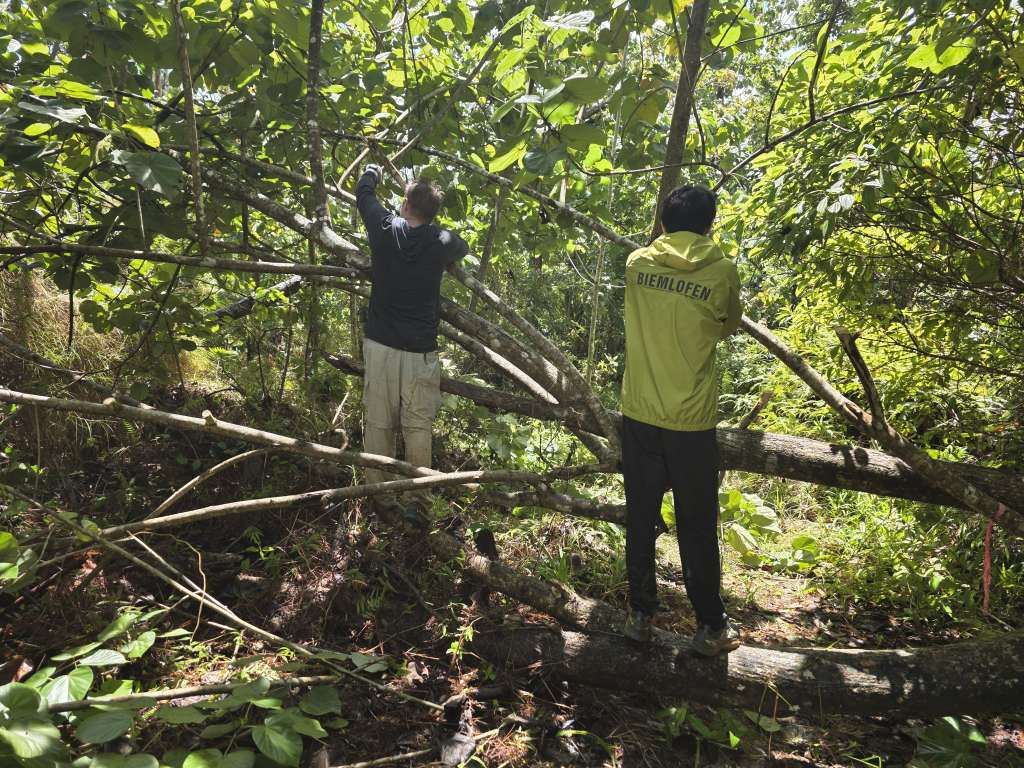
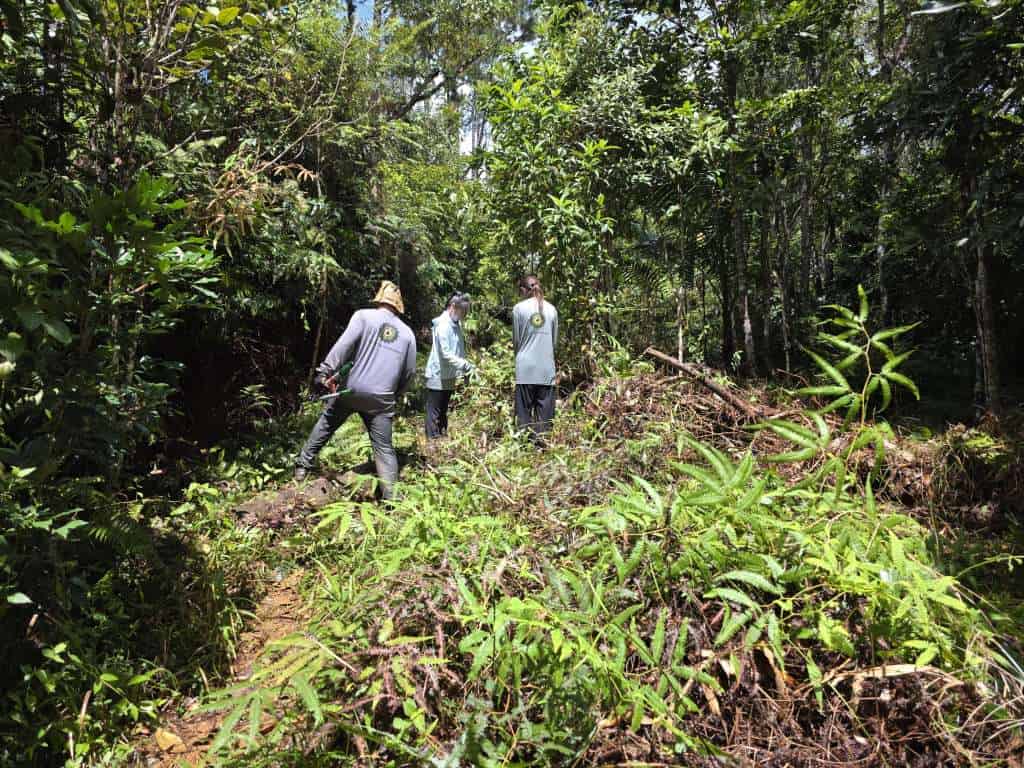
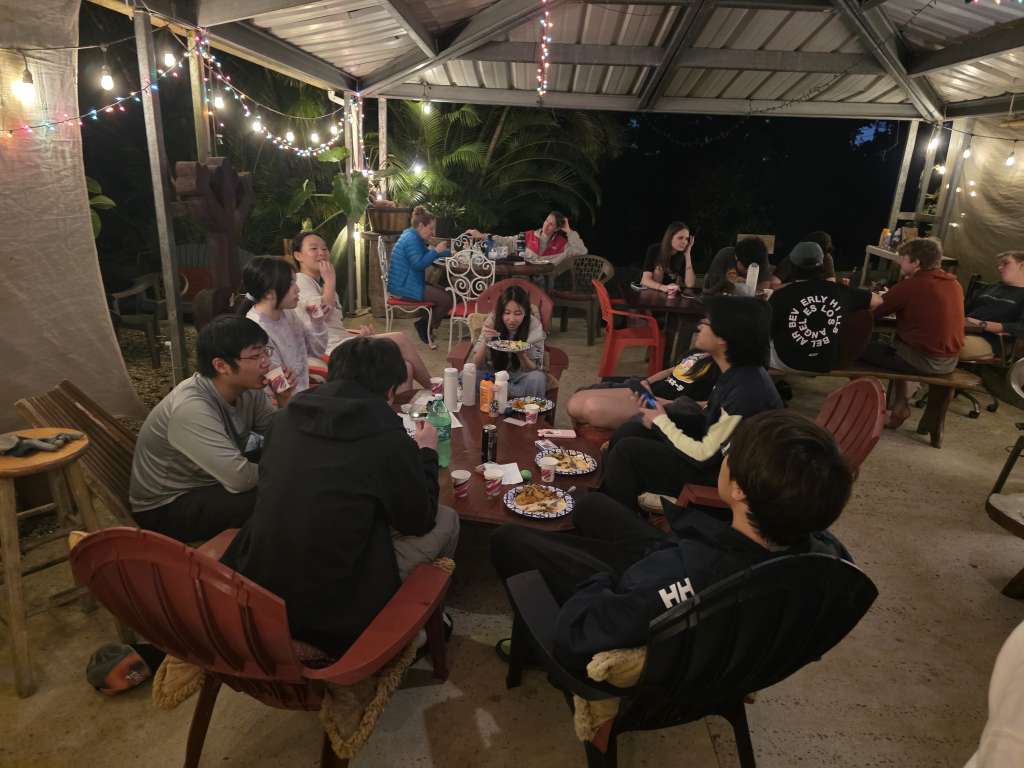
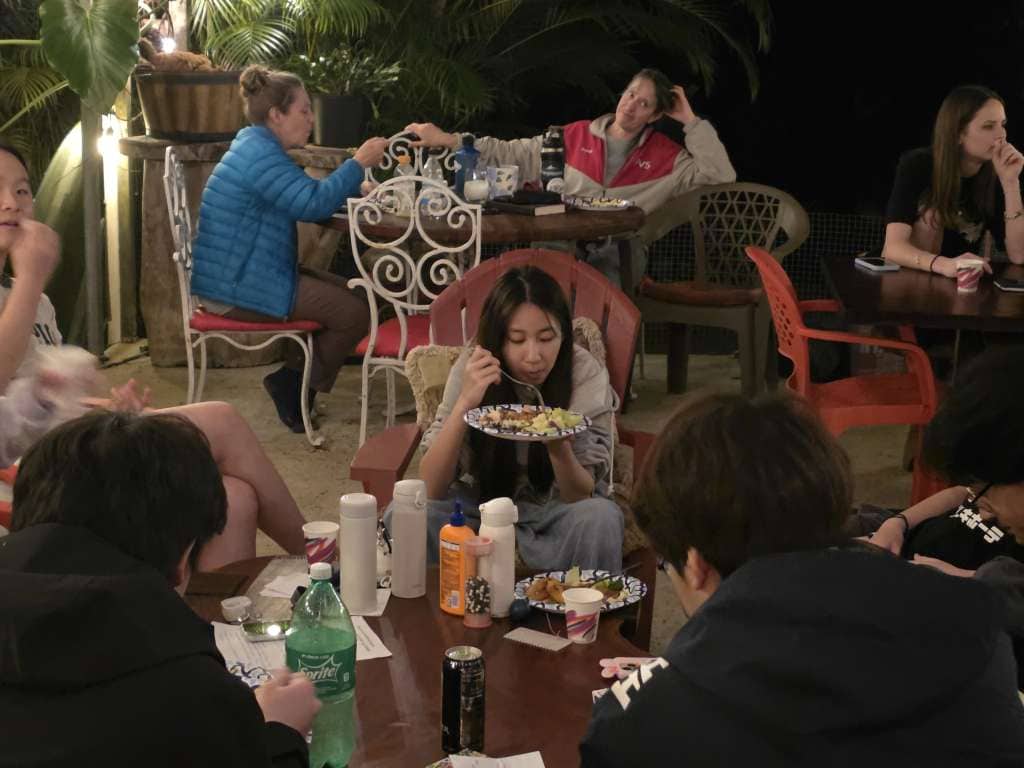
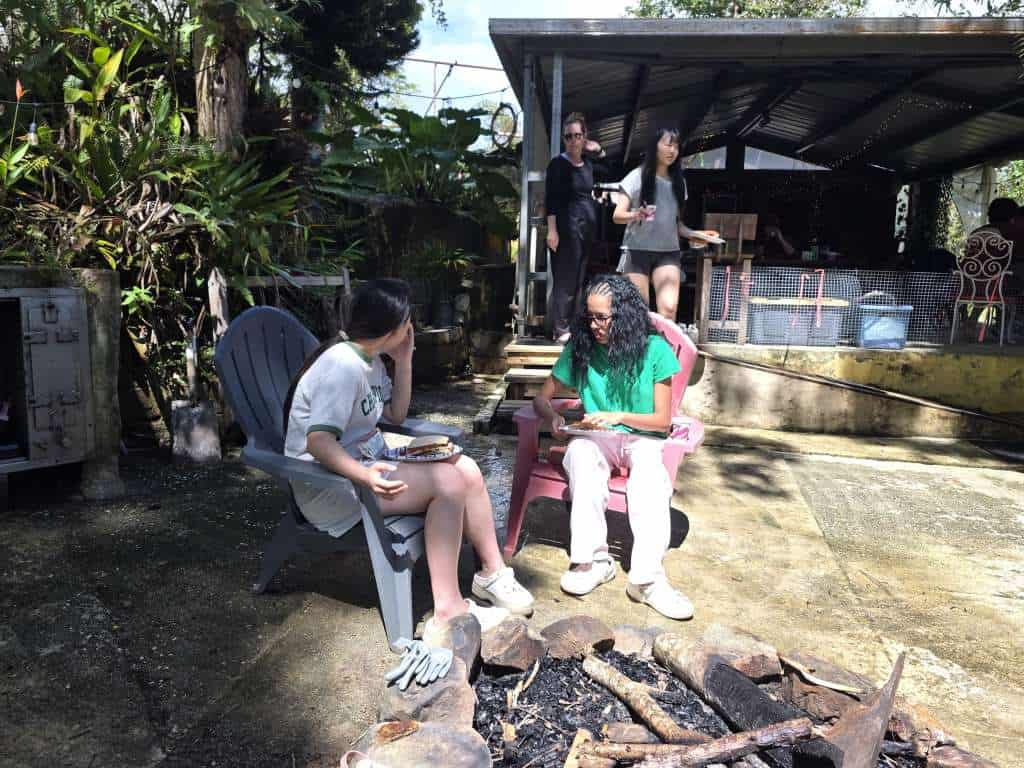
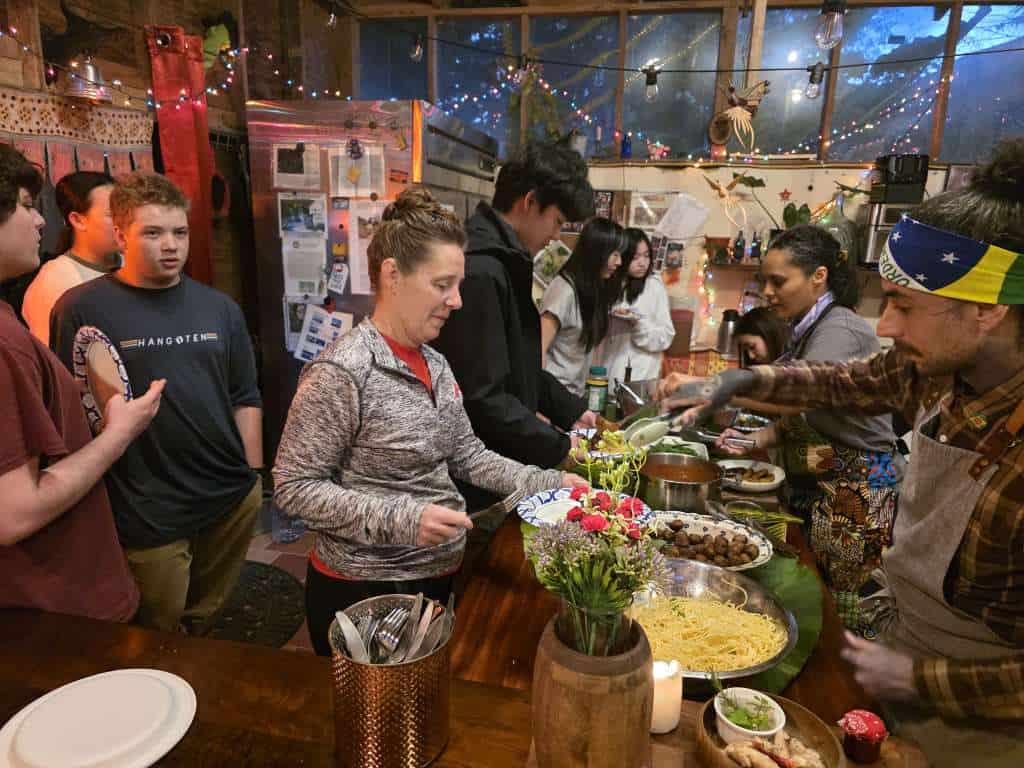
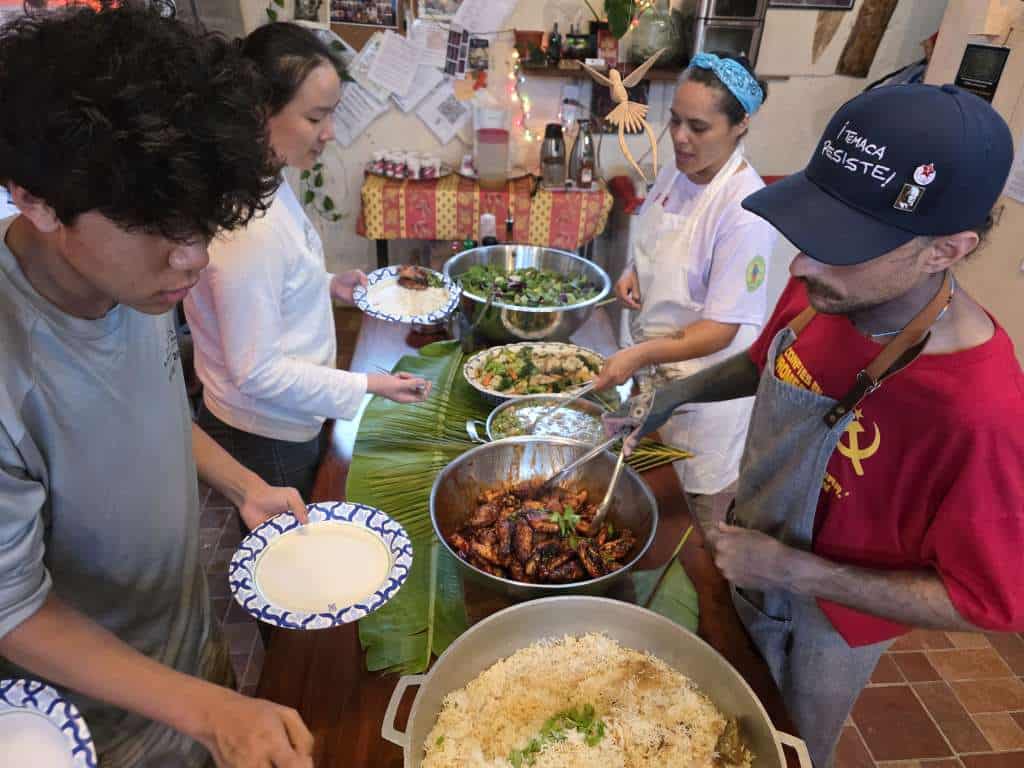
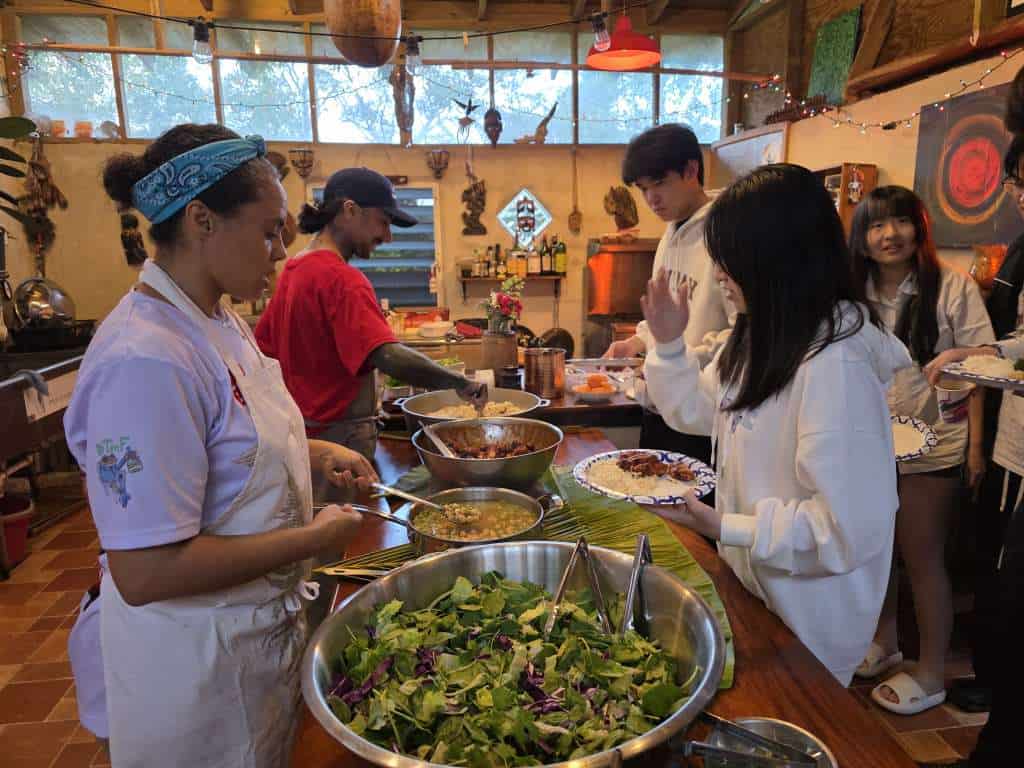
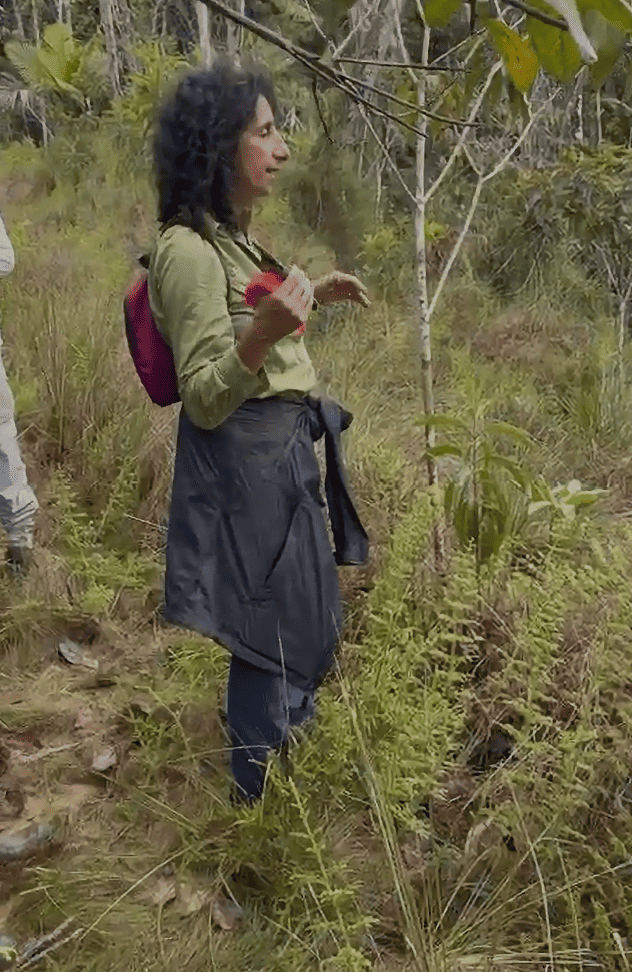
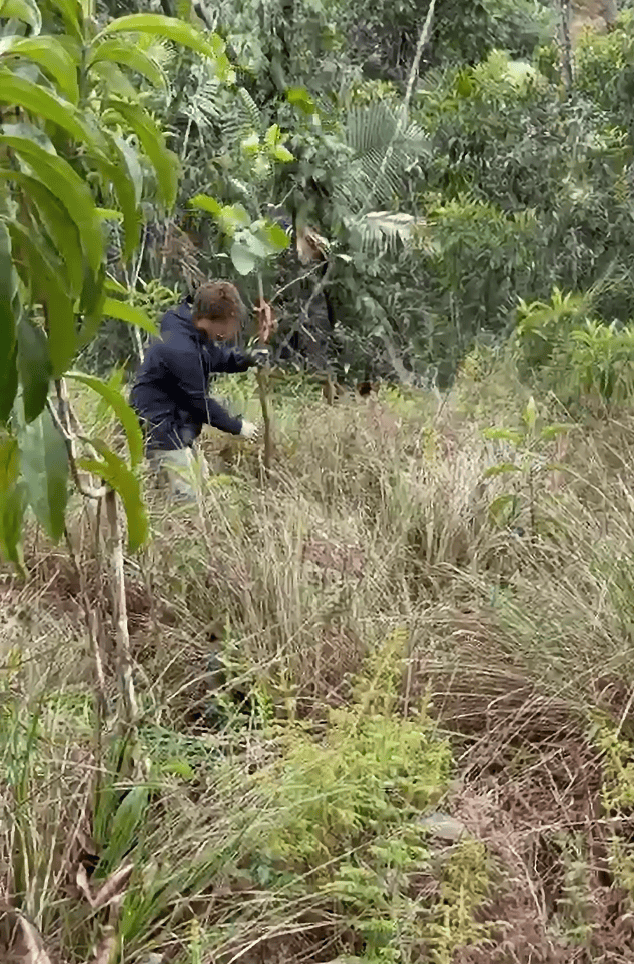
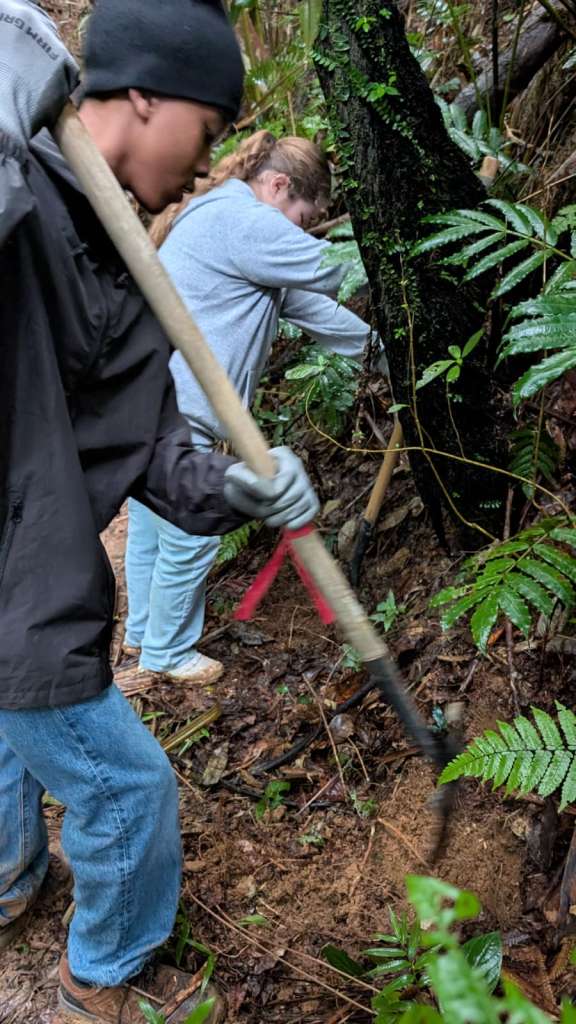
Over several hours of steady effort, the crew strengthened sections of the trail, creating drainage ditches and pruning undergrowth away from the trail—the backbone that makes exploration safe and accessible. After working hard in the heat and humidity and with the challenge of razor grass, everyone refueled with a wholesome lunch back at the homestead. Seeing those teens come together to repair our trail was a powerful reminder of how service and nature intertwine.

The Globalworks Difference

Globalworks isn’t just a travel company—they’re a community builder. As described on their website, they make “intentionally crafted itineraries” designed to encourage resilience, leadership, confidence, self-reliance, and curiosity in teens. They’re committed to immersive community service.

See : globalworkstravel.com
Their model of blending service, reflection, cultural exchange, and adventure provides an enriching backdrop for experiences like ours—and it’s clear that this isn’t just travel, but travel with purpose.

Full Circle, Full Hearts

Hosting Globalworks again on the Ethnobotanical Trail feels deeply meaningful. From 2003 to today, these partnerships help not just our environment but also the growth of young people who return home more capable, connected, and confident. We’re proud to collaborate with them, and to know that these trails, built by teamwork and care, will continue to educate and inspire. (Teenagers grow up and return to volunteer again, now with their own teenagers!!!)
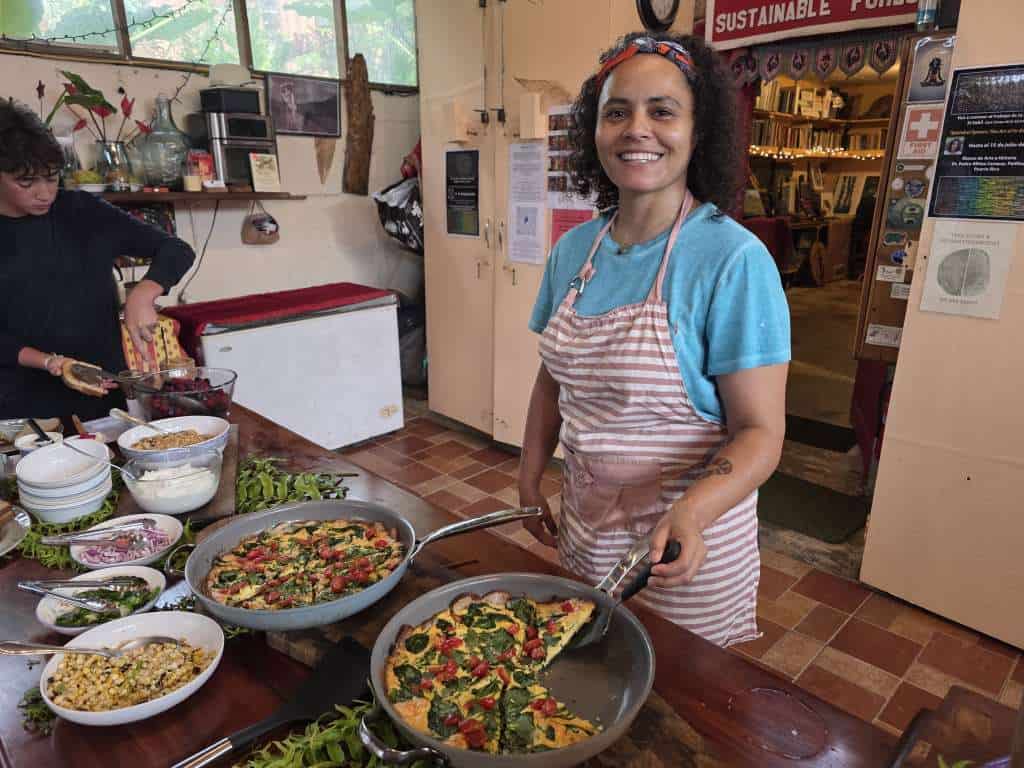
Thank you to Jon, Lauren, Jorge, Sarah, Anthony, and every one of the 19 teens—and of course, a big shout-out to 3T for keeping everyone fueled with a great lunch. Here’s to many more years of partnership, growth, and active service in the rainforest!

Photos by 3t Vakil, Jorge Flores, & Jon Warwick

New Research Published, June 2025

Through the Storm: New Research Highlights Forest Vulnerability in Puerto Rico, June 2025

(a) Tracks for some of the more recent storms to impact the island of Puerto Rico; and (b) aerial photos showing Las Casas de la Selva before and after the storm. Photo credit: Thrity Vakil.

We’re proud to share the publication of a powerful new peer-reviewed article by Michael W. Caslin, co-authored with Madhusudan Katti, Stacy A. C. Nelson, and Thrity Vakil, in the MDPI journal Land (July 2024). The study—“Tabonuco and Plantation Forests at Higher Elevations Are More Vulnerable to Hurricane Damage and Slower to Recover in Southeastern Puerto Rico”—is a milestone not just in forest research, but in Michael’s personal journey as he nears completion of his PhD.

This is no armchair science. Michael has spent years on the ground at Las Casas de la Selva in Patillas, Puerto Rico, conducting fieldwork under challenging and often extreme conditions. From muddy mountain slopes to tangled understories, he painstakingly gathered data across 75 forest plots—returning again and again, rain or shine, to document how forests have responded to the brutal force of Hurricane Maria.
Using 360° photography, virtual reality analysis, and spatial modeling tools, Michael’s research paints a clear picture: higher-elevation forests, especially those dominated by native tabonuco trees or plantation species, are more vulnerable to hurricane damage and are slower to recover. These findings are essential for shaping future forest management and climate resilience strategies in Puerto Rico and beyond.

And best of all, the publication in the journal “Land” published by MDPI (Multidisciplinary Digital Publishing Institute), is open access, meaning anyone can read it, with no subscriptions or paywalls in the way.

🔗 Read the study here

MDPI (Multidisciplinary Digital Publishing Institute) It is a publisher of open access scientific journals, founded in 1996 and based in Basel, Switzerland.

Congratulations, Michael—for your unwavering commitment, your brilliant fieldwork, and this important scientific contribution. We’re honored to have supported your work at Las Casas de la Selva.

Michael Caslin and Prof Madhusudan Katti in the Las Casas forest, 2023
L-R: Alfredo Lopez, George Locascio, Larry Birdflask, Michael Caslin, and Prof Madhusudan Katti, 2023

Michael Caslin first arrived at Las Casas de la Selva as a volunteer with the Earthwatch Institute’s citizen science program in 2012, returning again in 2014—two formative trips that sparked a deep and lasting passion for tropical forests. Immersed in the rhythms of the rainforest and the hands-on work of sustainable forestry, Michael quickly stood out for his curiosity, commitment, and keen observational skills. Those early experiences planted the seeds for what would grow into a decade-long journey of research, culminating in his doctoral work. What began as a volunteer project evolved into a personal mission: to understand how forests endure, adapt, and recover in the face of increasingly extreme climate events.

Update: 12 December 2025 – Michael graduated from NC State University with a PhD in Forestry and Environmental Resources. Bravo, Dr. Caslin!
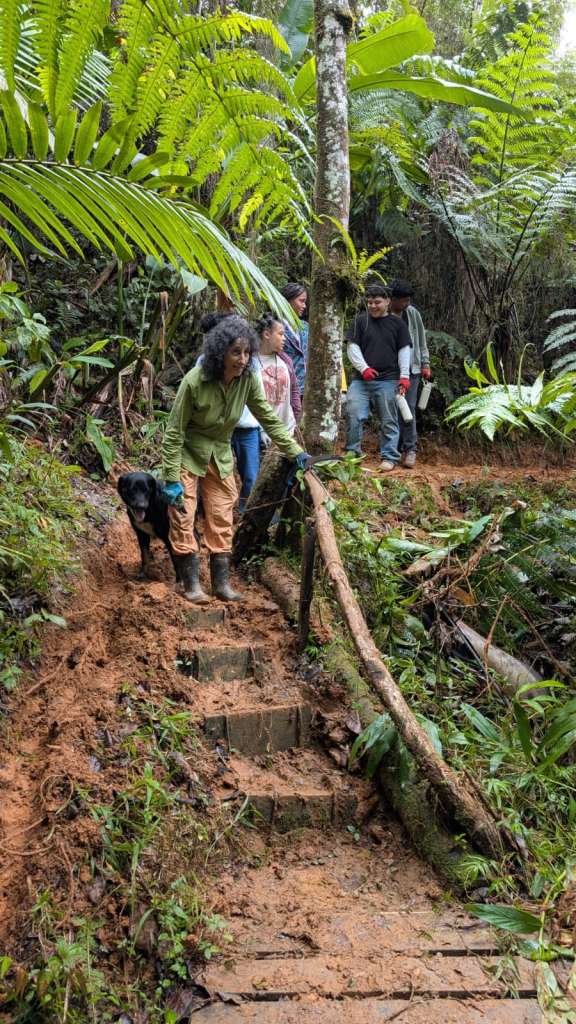
Photo by Jennifer Catherine Caslin

3t interview by Gessie Houghton, June 2025


Behind the Brush: A Two-Month Conversation between 3t Vakil & Gessie Houghton on The Spandrel Spaces Series (art inspired by life in the rainforest). June 2025


🎤 Interview by Gessie Houghton, October Gallery | Blog by 3t Vakil

After nearly two months of exchanging thoughts across oceans, I’m delighted to share a conversation that has left me feeling seen in ways few interviews ever have. Art writer Gessie Houghton of the October Gallery—the London space that helped shape my early journey—recently interviewed me about Spandrel Spaces, the series that has emerged, almost ferally, from the tangled aftermath of climate upheaval and personal transformation.
Gessie didn’t just ask questions—he excavated. He dug through the outer layers of paint and daily life until we were talking about the pulse beneath it all: awe, process, memory, and the liminal zones that birth something new.

“All I wanted to do was paint — as though my very life depended on it.”
— 3t Vakil, on painting after Hurricane Fiona

The interview begins with Fiona. After that storm, I wasn’t just exhausted. I was altered. I describe it in the interview as an “awe-ma”—a term that emerged spontaneously, because what I felt wasn’t trauma. It was a kind of cracked-open reverence. Everything in my world—mud, roots, wreckage, sky—was vibrating with some larger, ferocious intelligence. And I just wanted to respond to it. With a brush. With color. With a hand that moved faster than my mind.

“At night… I become the willing recipient of a universal download.”
— on the creative process

We talked about how these paintings come—fast, sometimes within a single night. Gessie was stunned when I told him I’d made 71 pieces between April 2024 and January 2025. But I couldn’t stop. Not when the muse was breathing down my neck and whispering secrets in the form of gestures, textures, and botanical phantoms. These aren’t tidy paintings. They’re events. Surges. They’re the visual equivalent of listening hard to the rainforest, and letting it speak through you.

“The emergent forms could exist in tension with themselves…
The canvases didn’t need a center or even a fixed orientation.”
— on letting go of traditional composition

What I loved most about Gessie’s approach was that he didn’t flatten my work into just one narrative. We spoke about the ways each piece evolves—not from a concept, but from a collision of sensation, intuition, and movement. Sometimes a brushstroke that was meant to be canopy becomes root. Sometimes what I think is emergence becomes descent. That’s the beauty of the Spandrel: it exists in the margin, the byproduct, the evolutionary detour. Just like me.

“Spandrel Spaces… are important arenas where the marvellous begins to manifest.”
— on naming and the concept behind the series

We even talked about naming—how every title in Spandrel Spaces carries the echo of a botanical genus/species. It’s part taxonomy, part poetry. Part invented Latin, part metaphysical joke. Naming, for me, is a way to anchor mystery—not to resolve it, but to give it a place to stand.

Download the full interview

I hope you’ll take time to read the full piece. It’s generous, layered, and full of unexpected turns—just like the series itself. Thank you, Gessie, for drawing this out of me. And to those of you who’ve been following the work from the shadows or the sidelines: here’s your backstage pass.

See you in the spandrel space.

—3t

Gerard Houghton is a writer, art-critic and videographer based in London. Graduating from Churchill College, Cambridge, he spent two years in West Africa working as an interpreter. In 1980, he moved to Japan where he taught Literature and Linguistics at two of Japan’s more prestigious universities. On his return to London, in 1994, he became Director of Special Projects at October Gallery, a central-London gallery specializing in contemporary art from around the planet. As well as writing essays, articles and catalogues he has edited a number of publications on the many international artists October Gallery represents.

Shoulder to Shoulder, June 2025

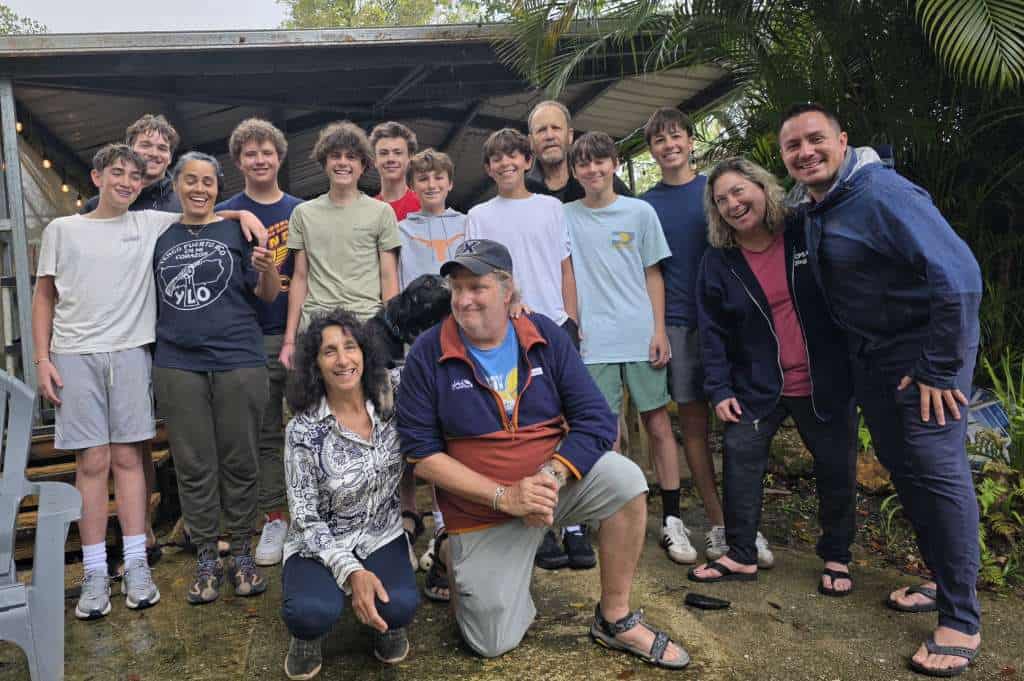
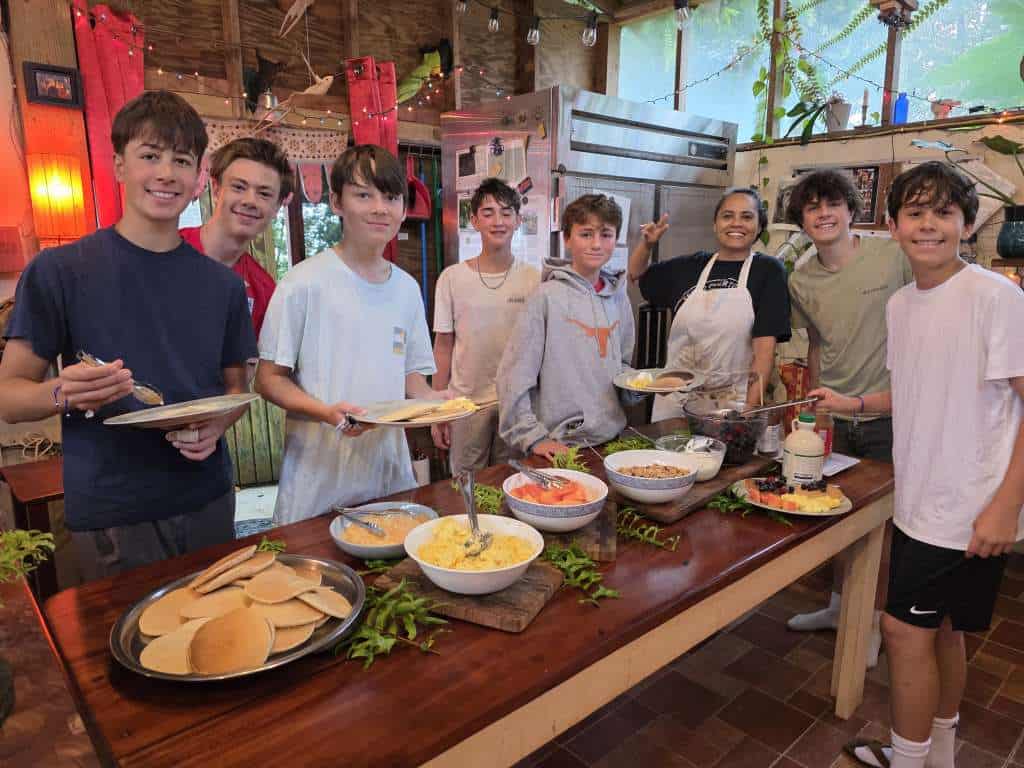
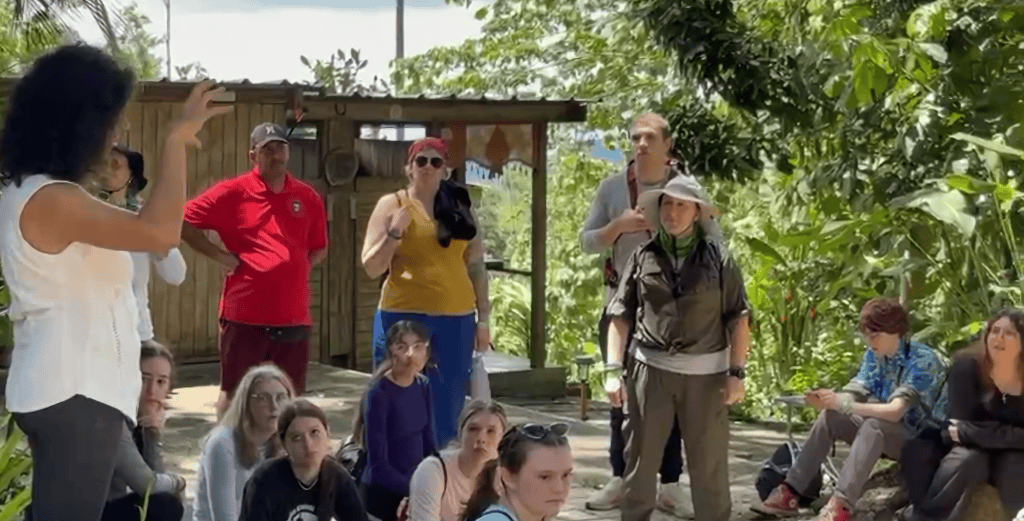
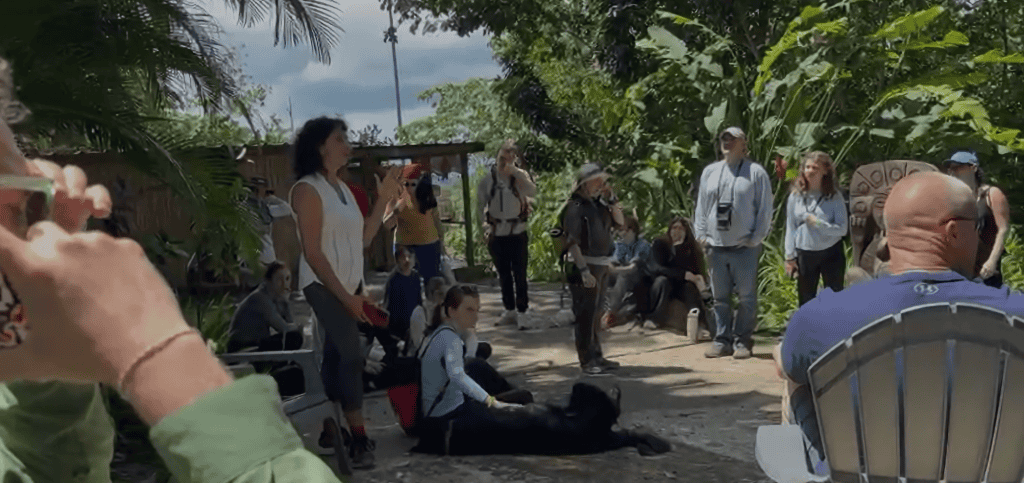
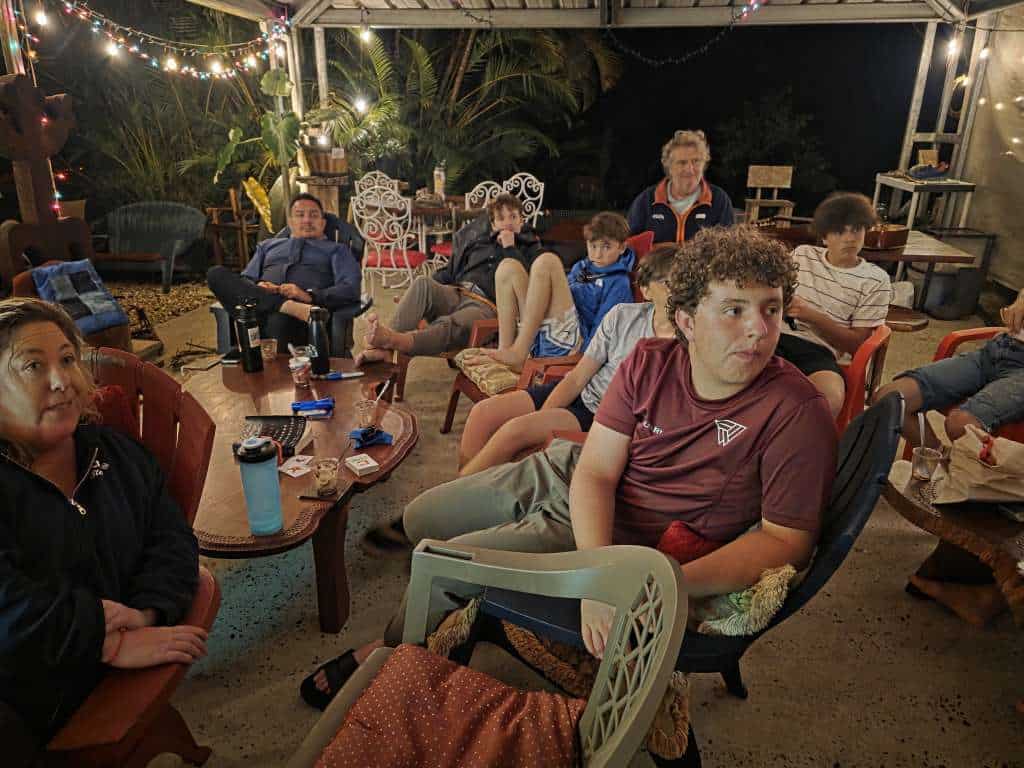
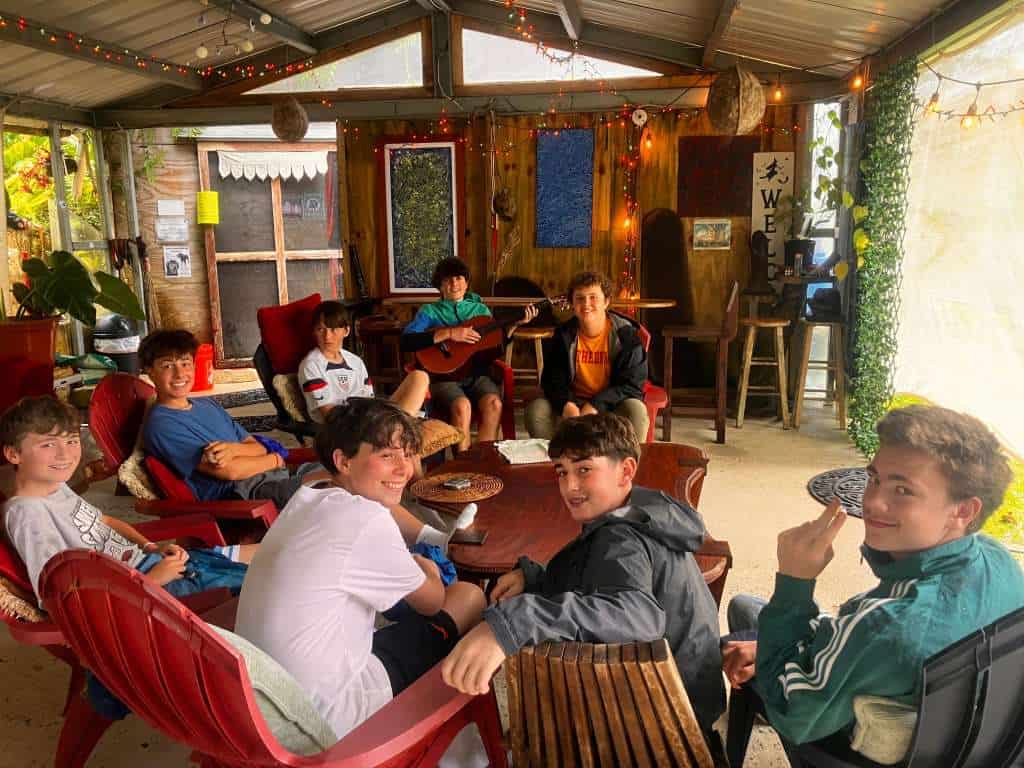
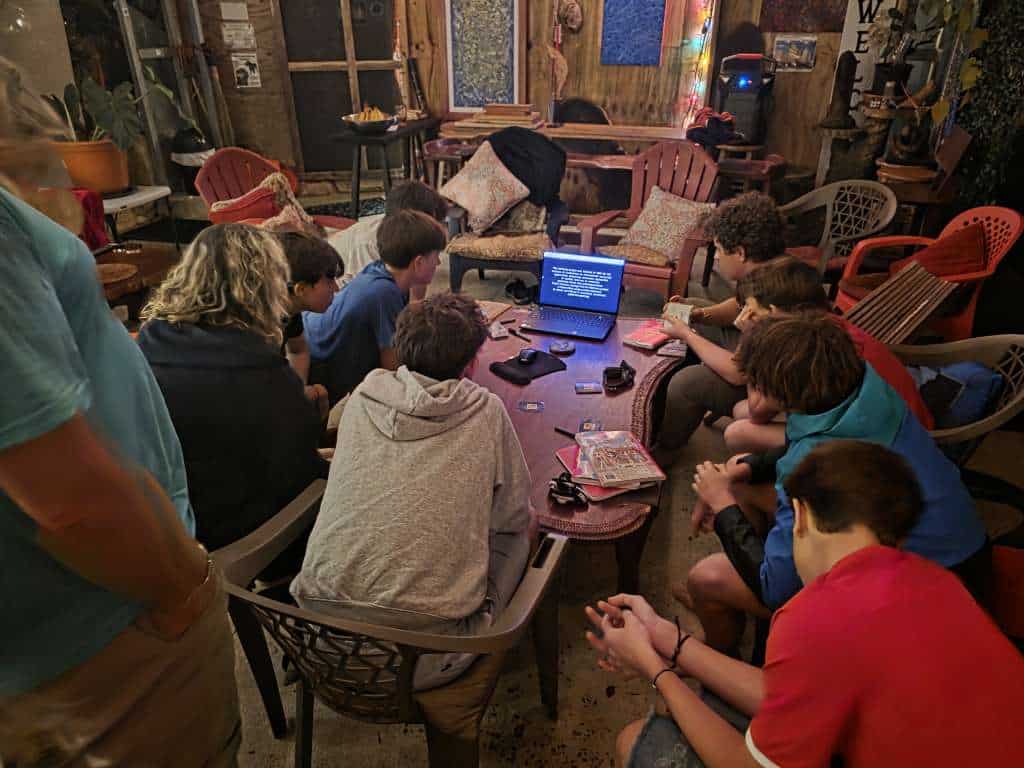
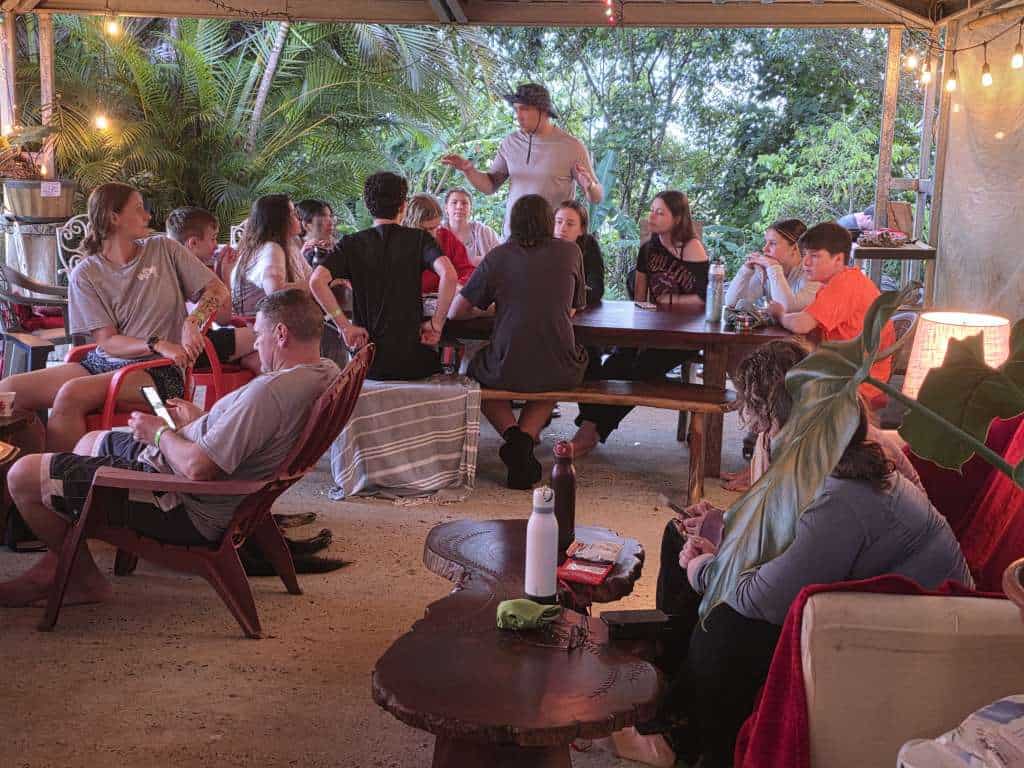
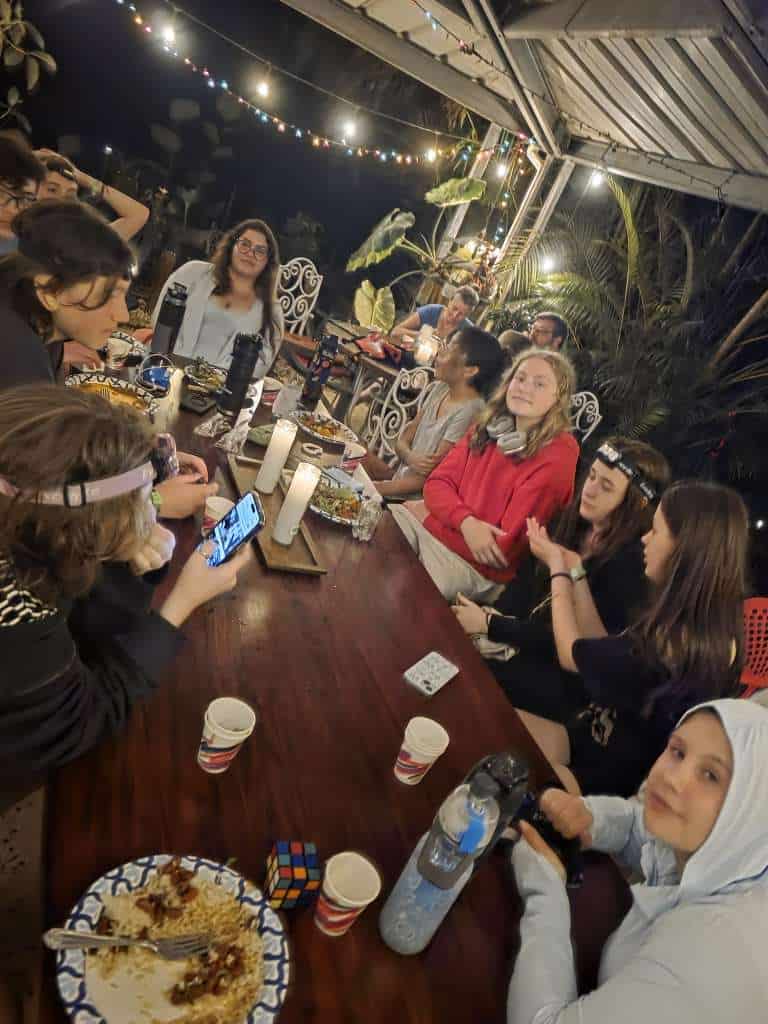
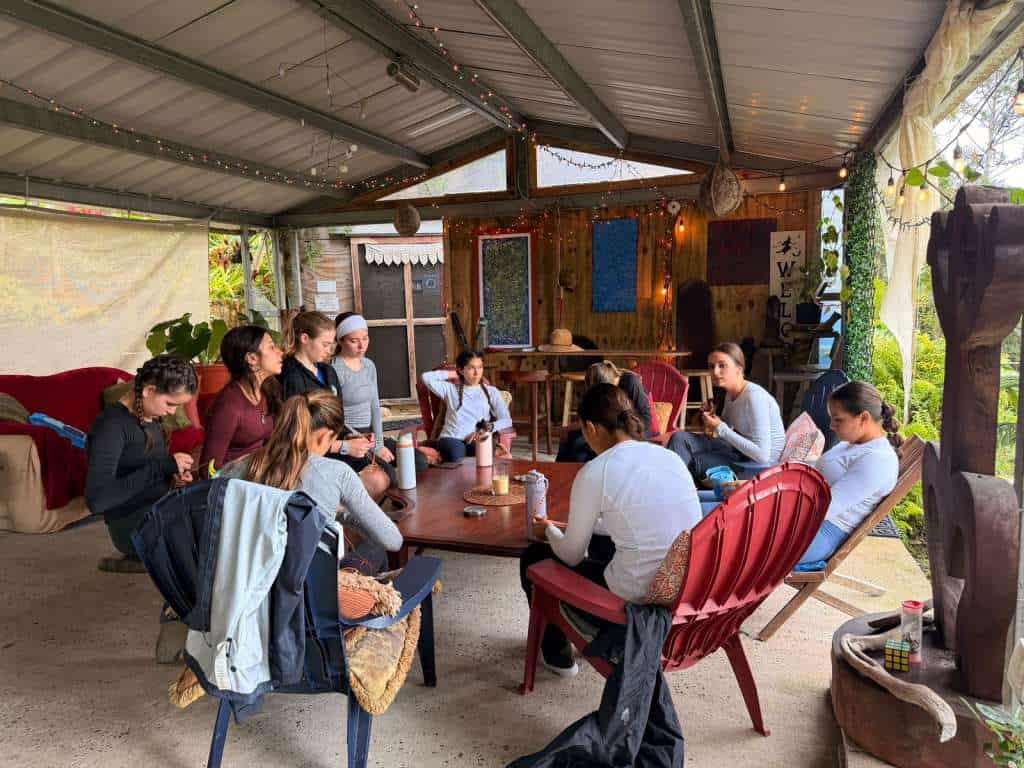
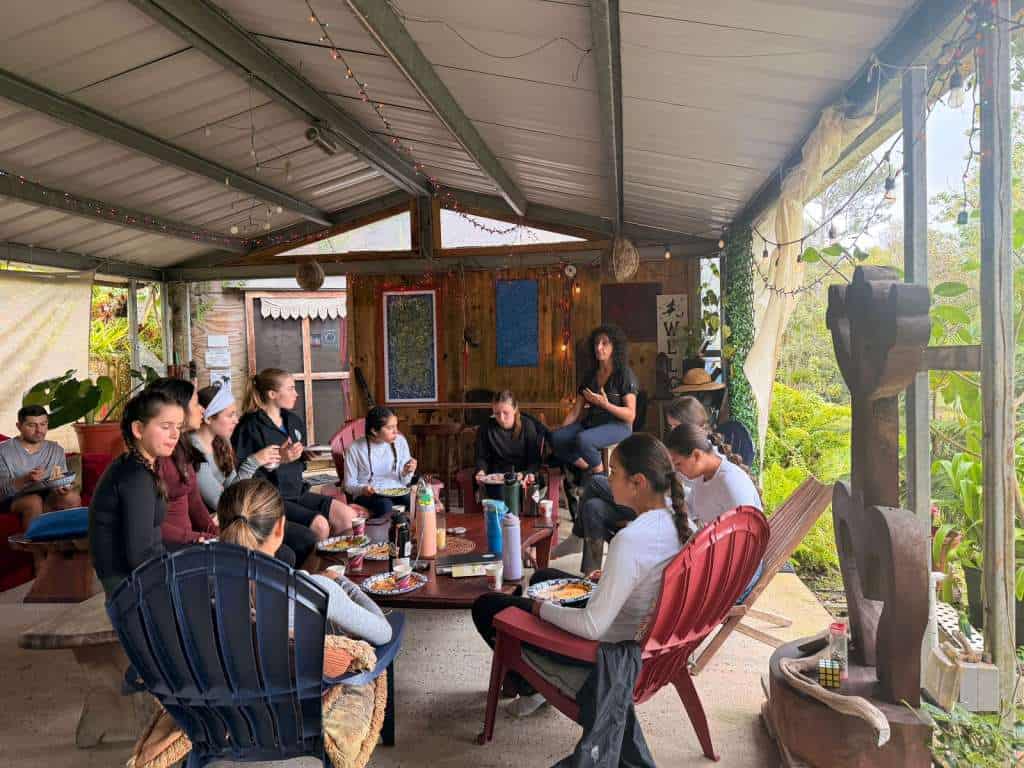
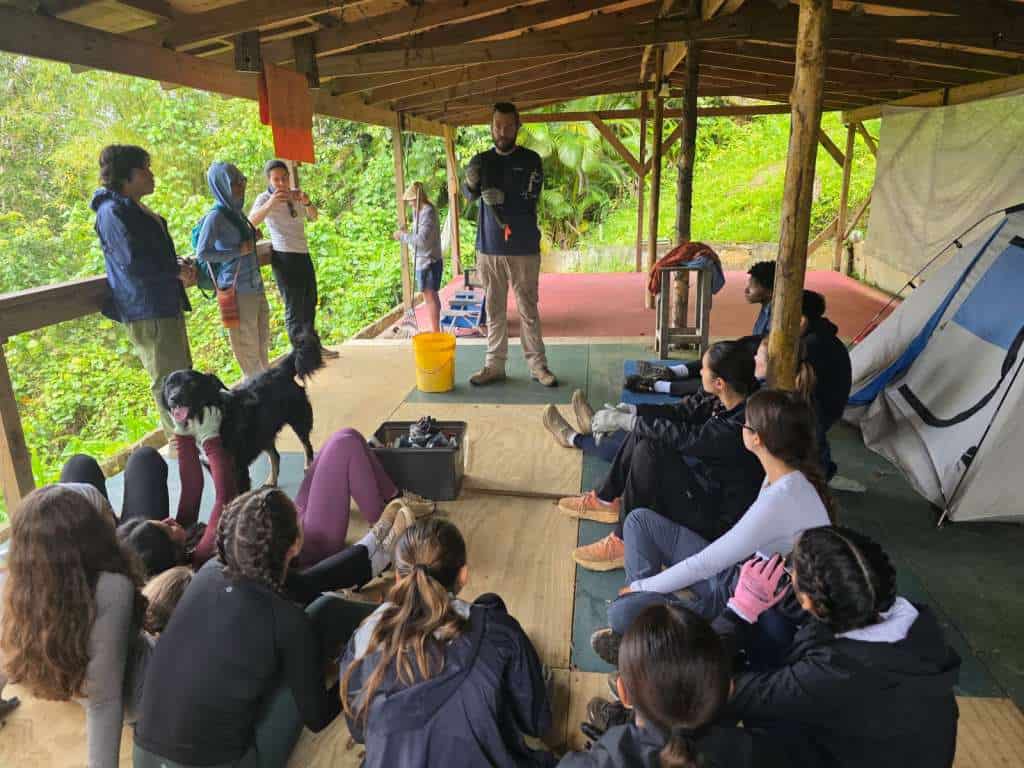
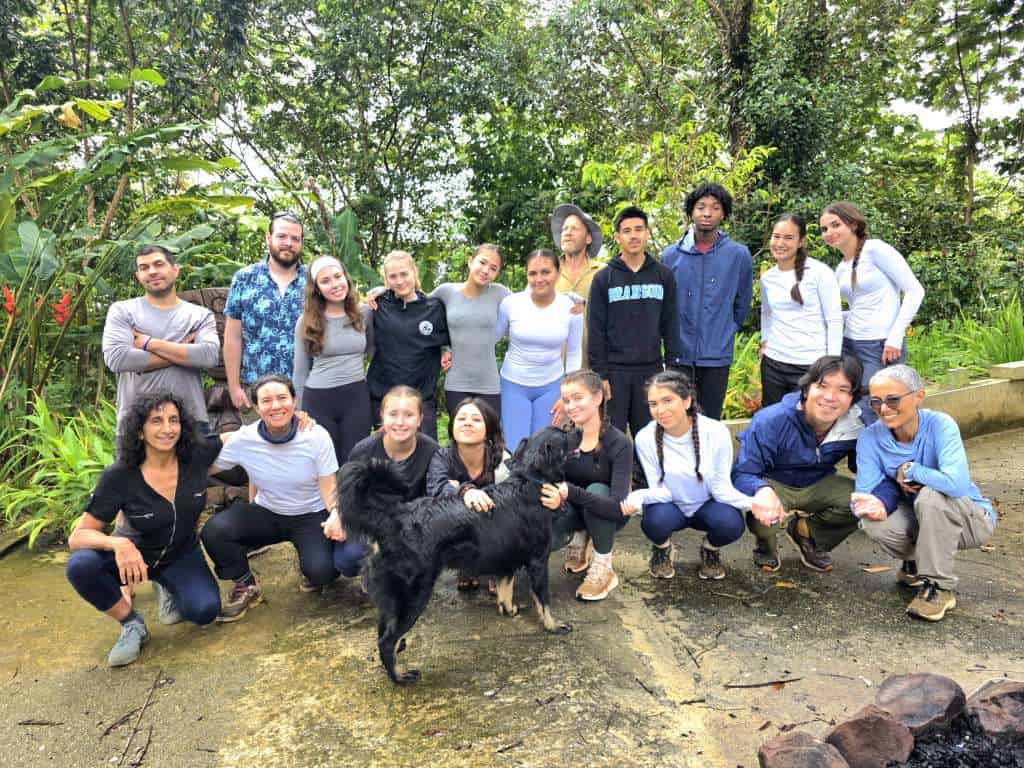
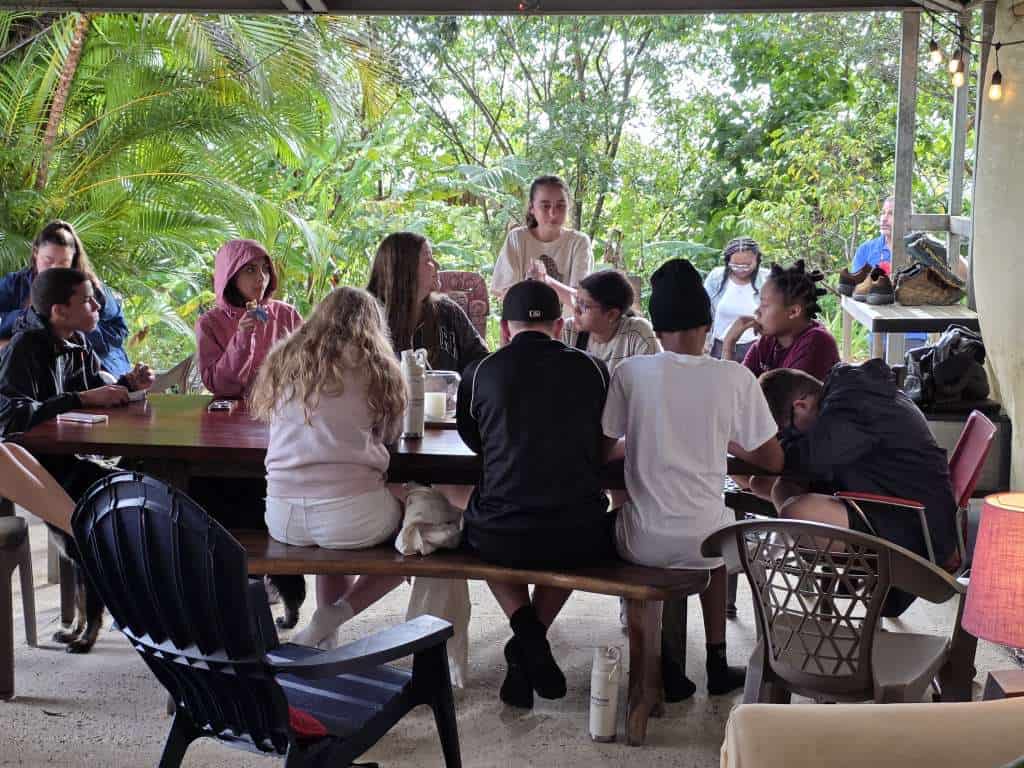
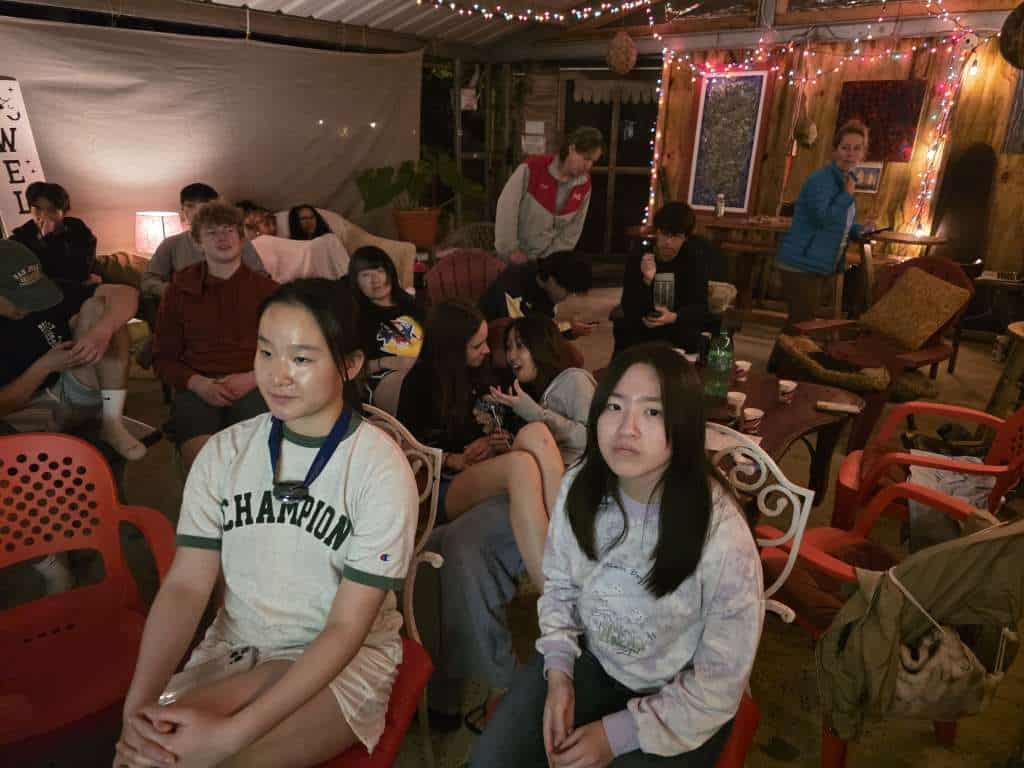
This June, we had the pleasure of meeting two incredible groups of teenagers through the inspiring organization Shoulder to Shoulder—a nonprofit based in Colorado that brings students into global service learning experiences. With 14 students in each group, these visits brought a vibrant mix of energy, curiosity, and heartfelt engagement to the rainforest at Las Casas de la Selva.

On June 12th, the first group arrived, eager to dive into learning about sustainable forestry, conservation, and life in a tropical rainforest. These young people from all over the US—many of them visiting Puerto Rico for the first time—spent the day exploring the land, asking deep questions about our work, and reflecting on how our mission resonates with their own values and sense of purpose.

Then, on June 15th, a second group joined us—this time from Thayer Academy from Boston. They were guided on an immersive walk through the forest by Erid Román Rosario, who brought the ecosystem to life through stories about its flora, fauna, and the regenerative practices we’ve developed over the decades. Eric is part of a new wave of passionate young people stepping into leadership roles here.

We’re especially excited to be encouraging Erid, who is beginning to explore our forests in depth and share that knowledge through guided walks. After many years of 3t leading tours, it’s deeply rewarding to see the next generation stepping up. This not only supports our work at Las Casas de la Selva, but it also ensures that the knowledge, care, and spirit of the project continue to grow beyond a single person’s efforts.

These visits are exactly why we do what we do—because when young people step into this forest, when they stand on this land and breathe in the humid air of resilience, they begin to understand something vital about the relationship between humans and nature.

Huge thanks to the Shoulder to Shoulder team, group leaders Brian Sweeney and Adelina Valle Martinez, the teachers and leaders who accompany these students, and to the young people themselves—who showed up with open minds and generous hearts.

We hope they carry a piece of this forest with them wherever they go.

Shoulder to Shoulder’s mission is to nurture “ethical leadership” by placing students shoulder‑to‑shoulder with grassroots nonprofit leaders tackling real-world issues—like climate change, gender equality, food security, healthcare, and Spanish-language immersion. If you know a motivated middle or high schooler eager to grow through service, Shoulder‑to‑Shoulder might just be the transformative journey they need.

3t Vakil Art Exhibition to July 2025

Photo by Raúl Quinones Rosado

3t Vakil Paintings 2024-2025

Great news for art enthusiasts and nature lovers! Due to popular demand, the exhibition “Spandrel Spaces: The Art of In-Between” by artist Thrity Vakil (3t) at the Museo de Arte e Historia Dr. Pedro Albizu Campos in Patillas has been extended until July 15th, 2025.

Don’t miss this captivating collection that beautifully explores vibrant intersections between ecology, botanically inspired forms, consciousness, and abstract expression. Thrity’s paintings highlight intricate patterns influenced by rainforest biodiversity and invite viewers to reflect deeply on humanity’s profound relationship with nature. Each piece engages ecological themes, drawing parallels between botanical structures, environmental sustainability, and metaphysical contemplations.

Experience this unique fusion of botanically inspired artistry, ecological awareness, philosophy, and creative vision. We warmly invite you to immerse yourself in the intricate beauty and ecological depth of Spandrel Spaces: The Art of In-Between.

Exhibition now on display until July 15th, 2025.
Directions: https://maps.app.goo.gl/qDUrgEuEn6d1psZJ6

Please let 3t know by email if you would like a personal tour of the exhibition for individuals or groups (3t@3tvakil.com).
Paintings from the series can be purchased online at: 3tvakil.com/shop.

All paintings in this series:
Medium: Acrylic Paint on PVC Panel,  

Size: 44” x 20”
To learn more, visit the website: 3tvakil.com.

Houghton University May 2025

Houghton University Students Explore Sustainability and Science

We were delighted to welcome Dr. John M. Rowley, Professor of Chemistry and Director of Science Honors at Houghton University, NY, and his enthusiastic students to Eye on the Rainforest. Their visit featured an insightful guided walk through our lush forest led by 3t, exploring rich ecological interactions and deepening their understanding of tropical forest sustainability and conservation.

The students from Houghton University are diving into exciting research projects this May, covering important topics such as microclimate under the canopy, vegetation health near human developments, invasive plant species, and mangrove ecosystems. Our forest serves as a valuable natural laboratory, particularly for their investigations into microclimates and vegetation dynamics.

We look forward to hosting the Houghton team again in 2026 for more tailored research opportunities, continuing our meaningful collaboration and shared passion for environmental stewardship and education. Thank you, Dr. Rowley and students, for your visit—we’re inspired by your commitment to exploring and protecting tropical forests!

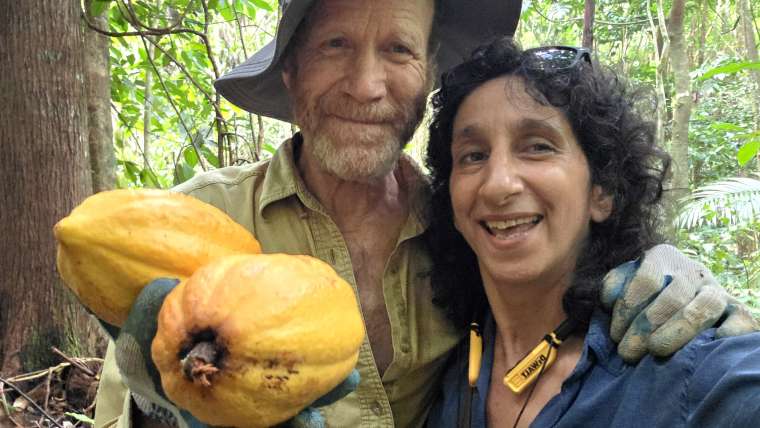
During their visit, the group experienced some tropical delights firsthand. The students got to open a cacao pod (Theobroma cacao) and tasted for the very first time the sweet, fruity pulp surrounding the seeds—seeds that will eventually be transformed into chocolate. Additionally, everyone enjoyed sampling the uniquely flavorful Guanabana, also known as Graviola (Annona muricata), immersing their senses further into the rich biodiversity of our rainforest.

Translate »