All Posts

Charles H. Barrows STEM Academy: 13-14 April 2026

Charles H. Barrows STEM Academy: 13-14 April 2026

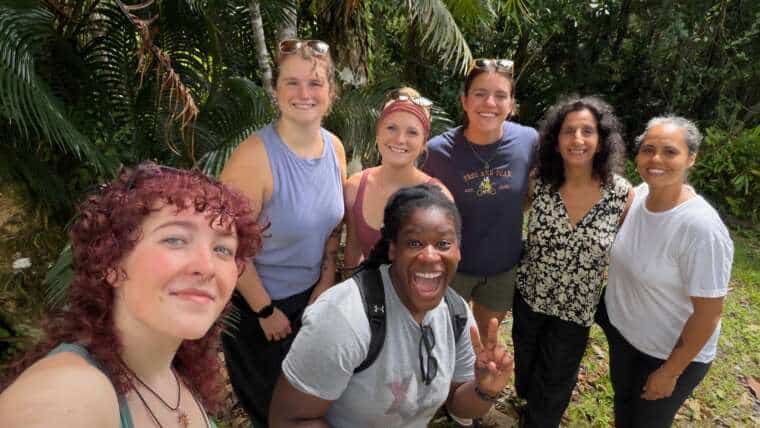
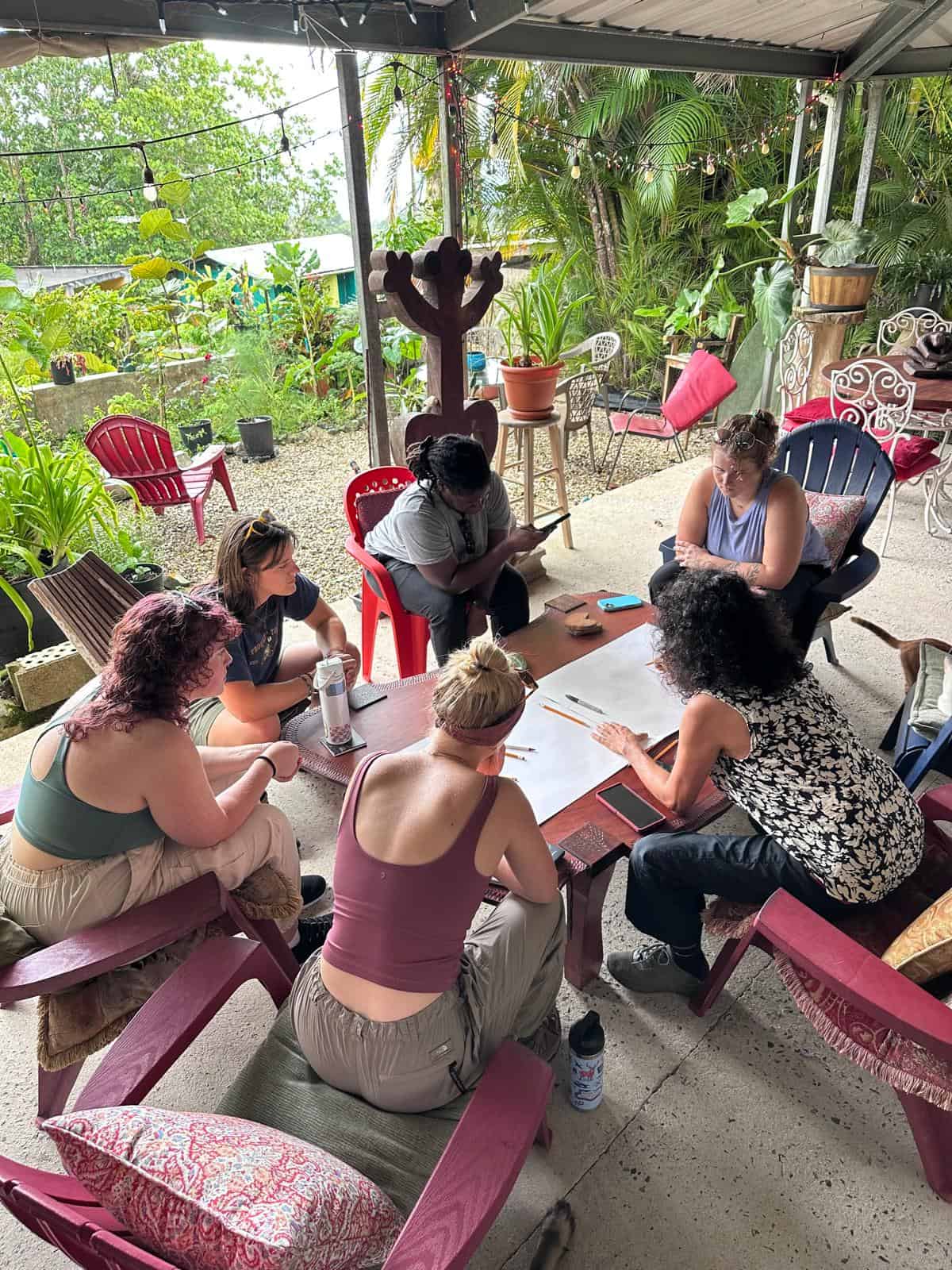
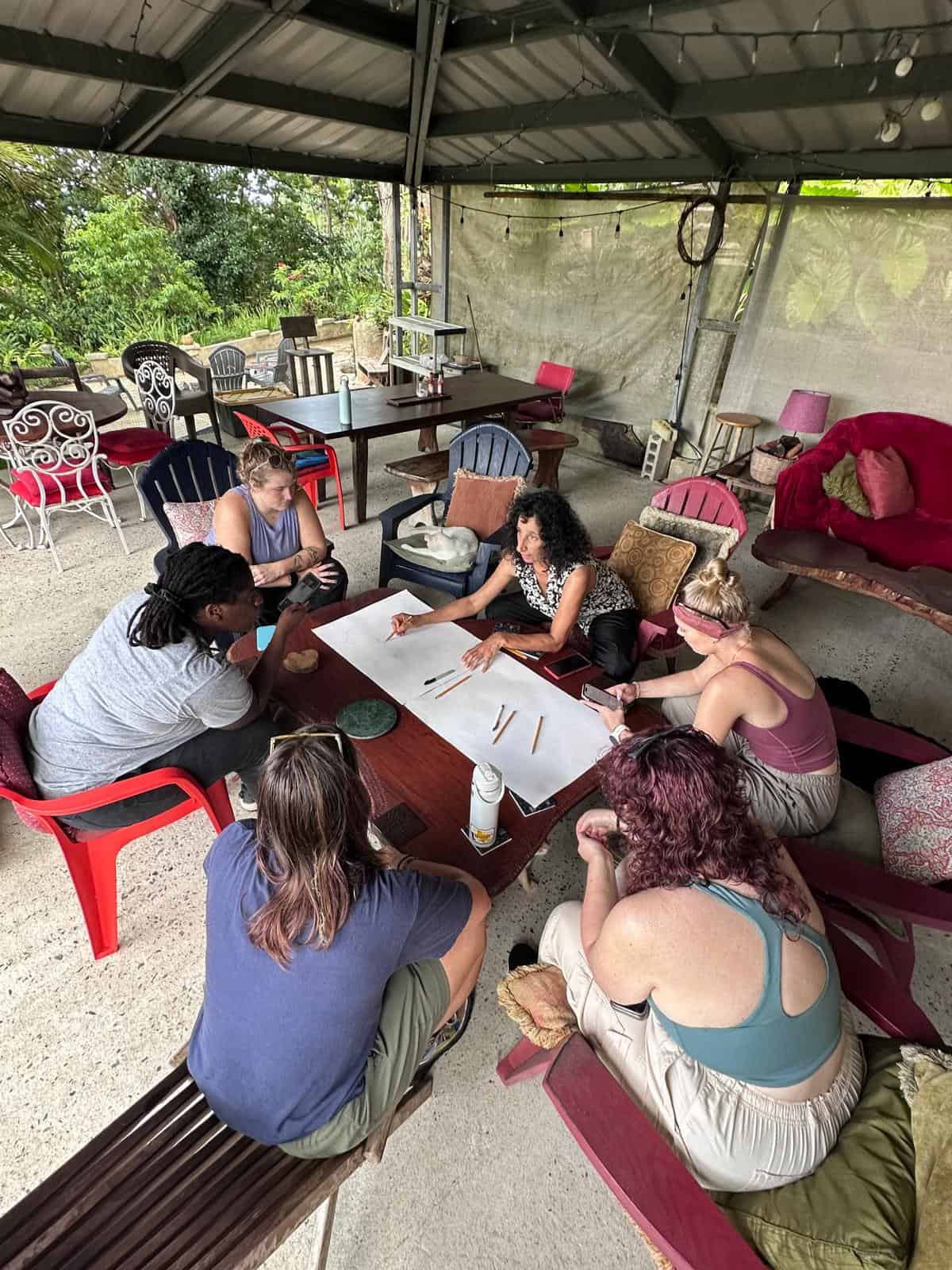
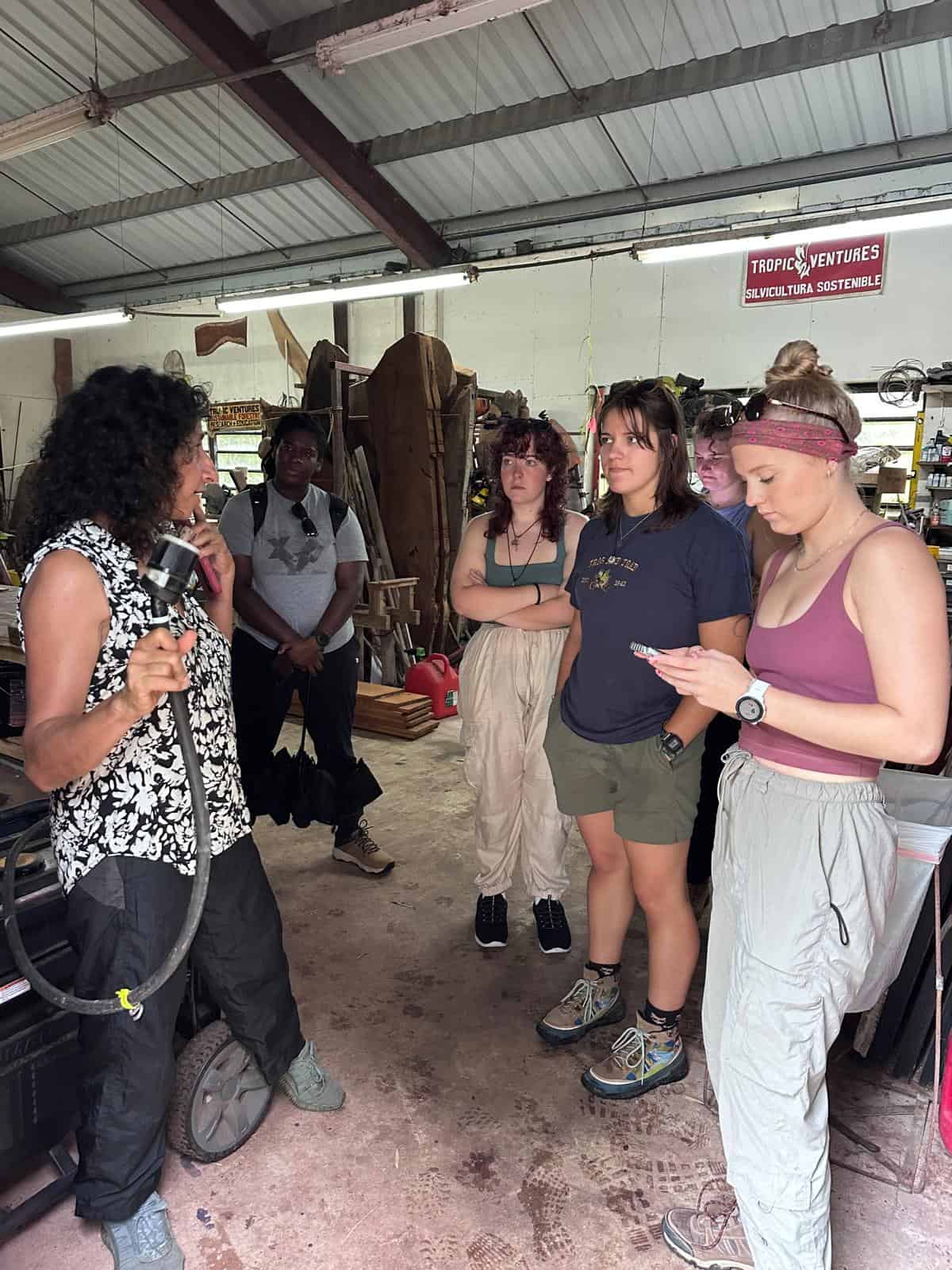
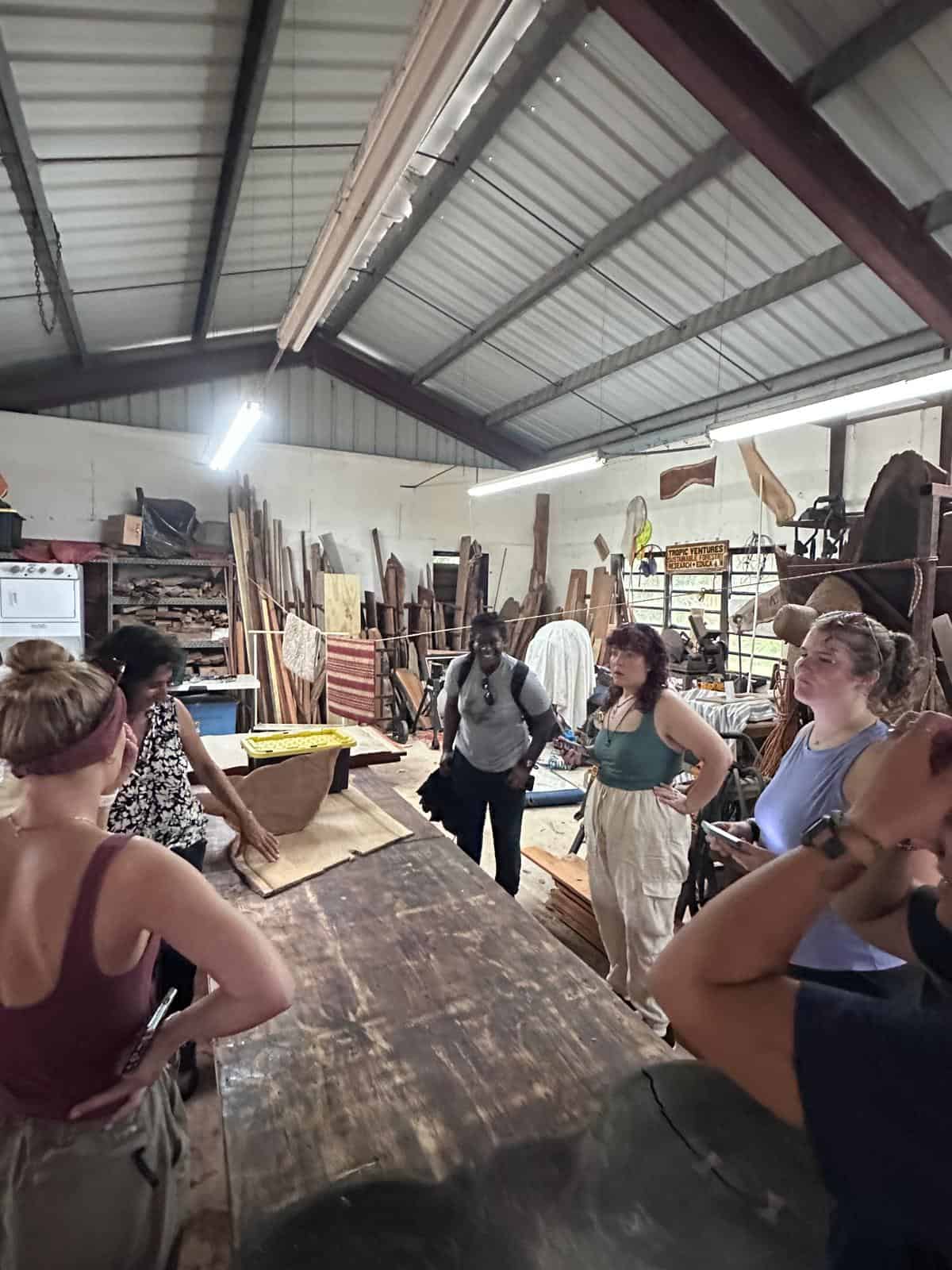
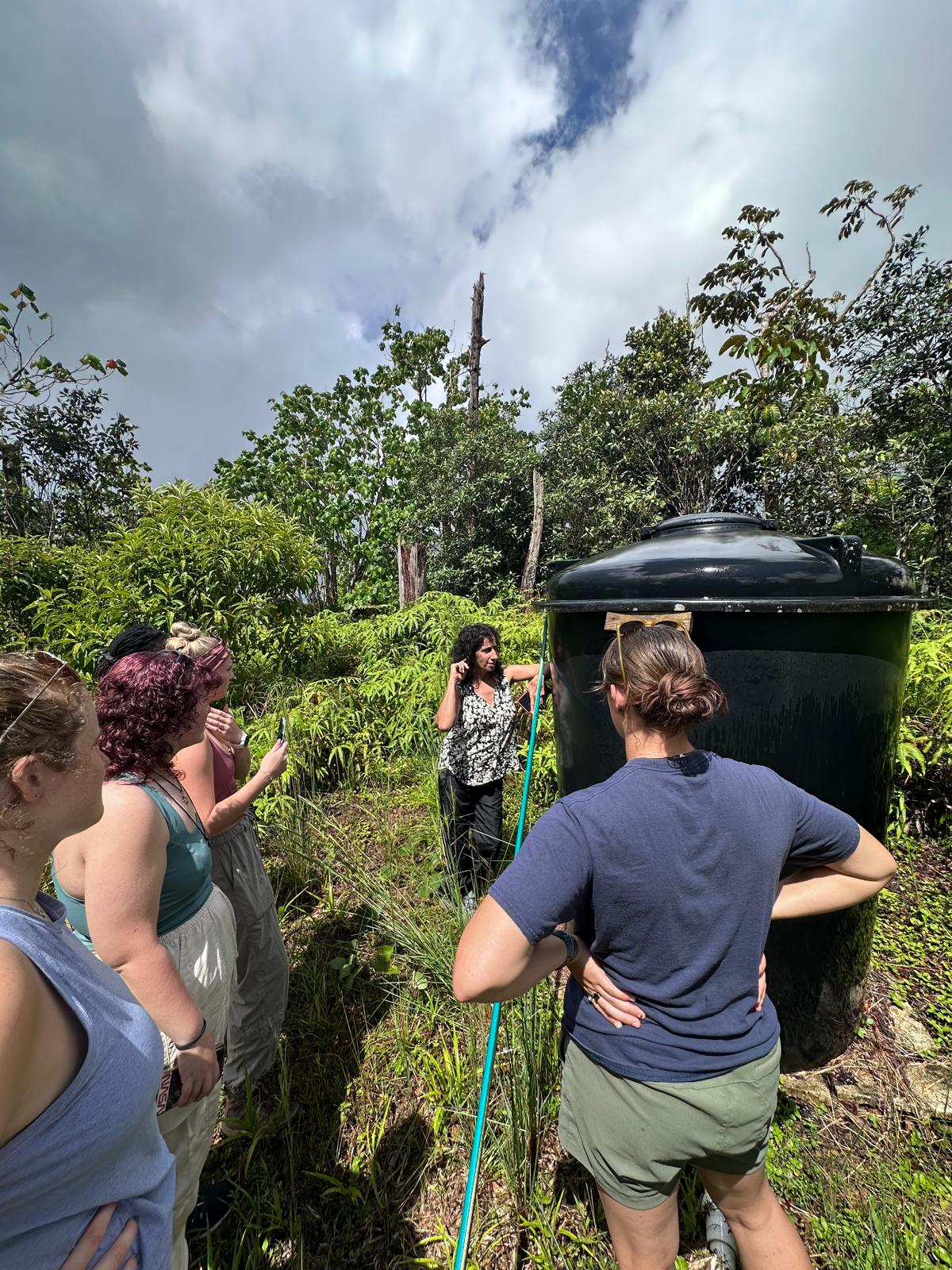
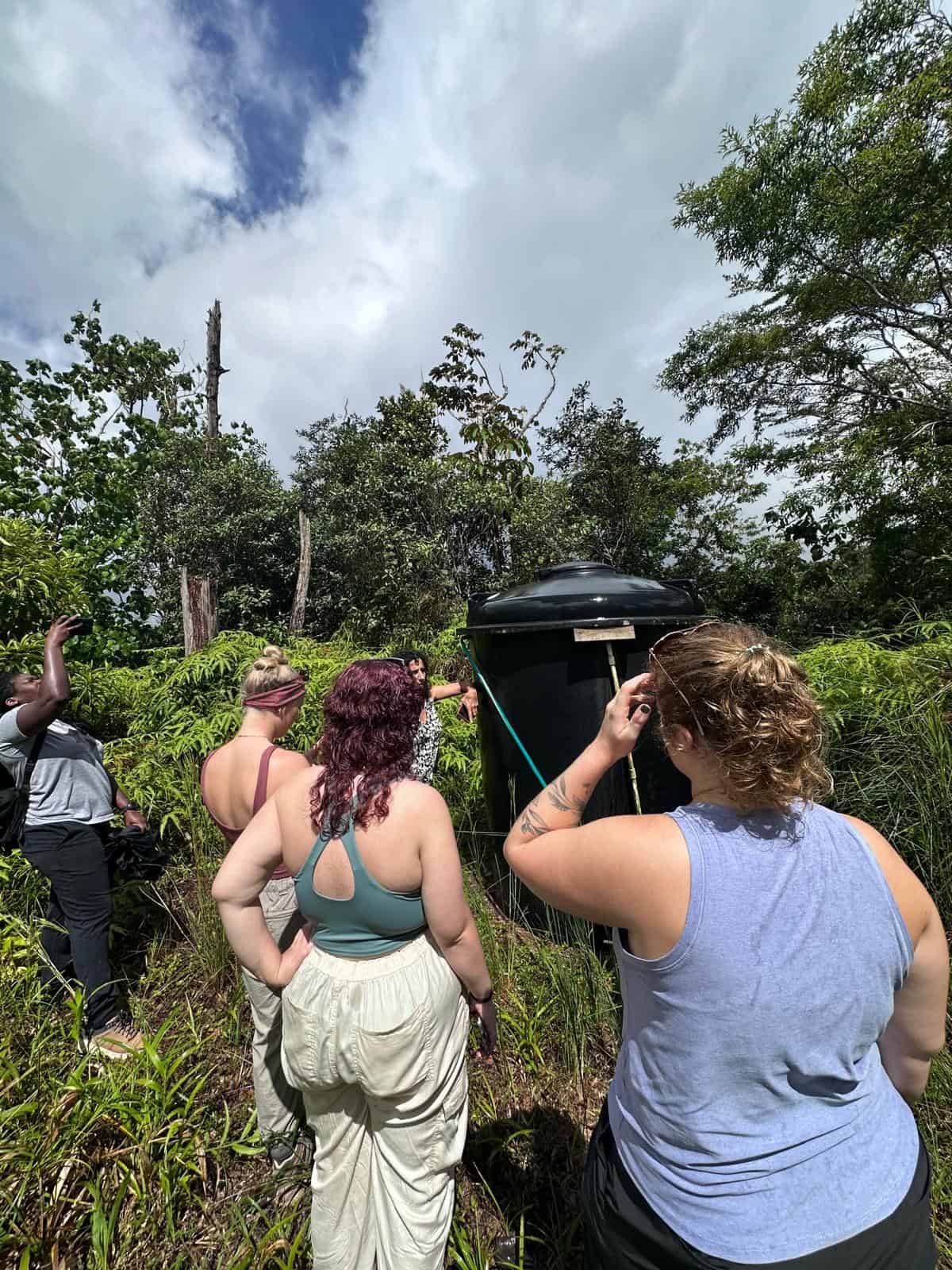
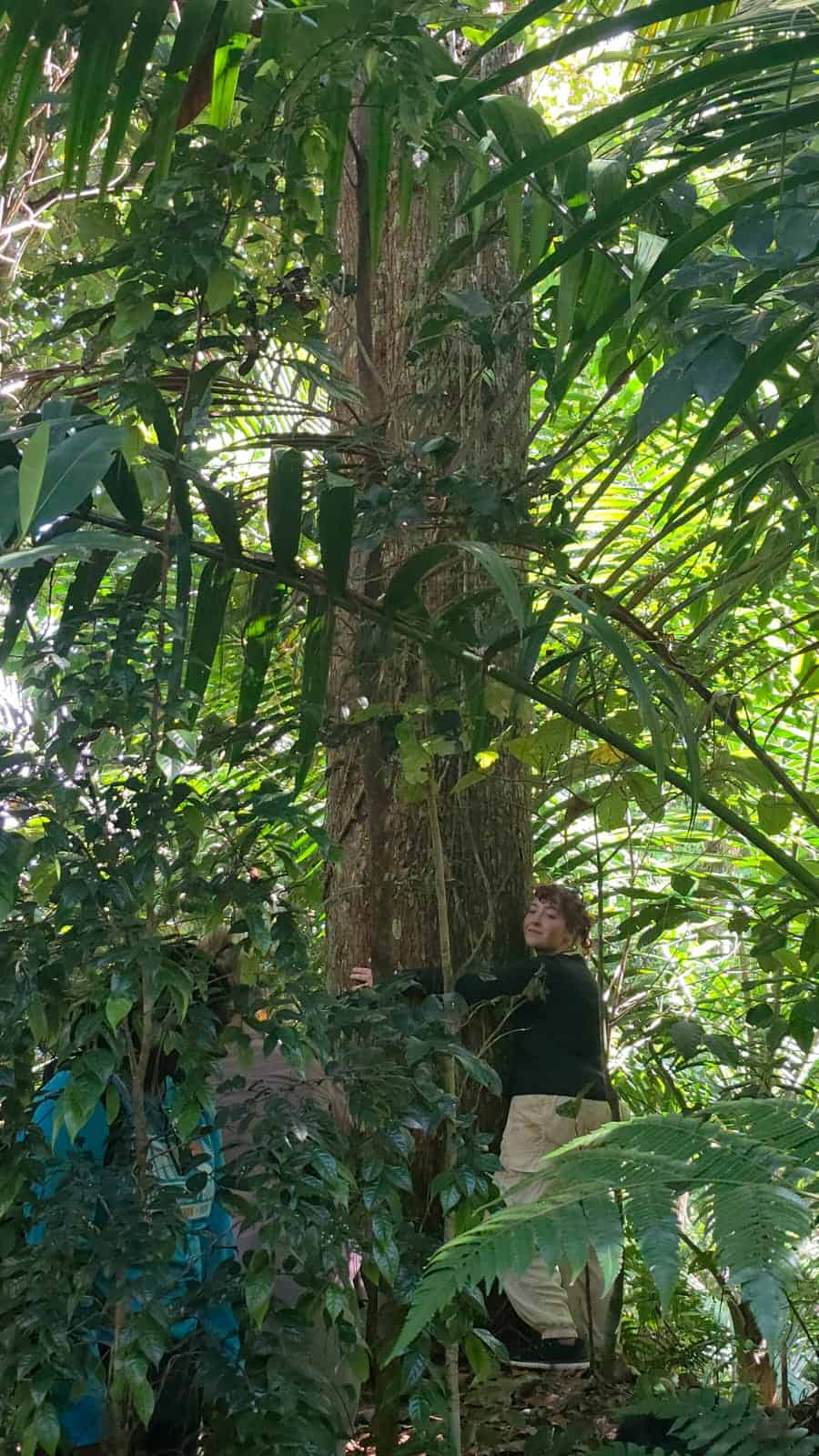
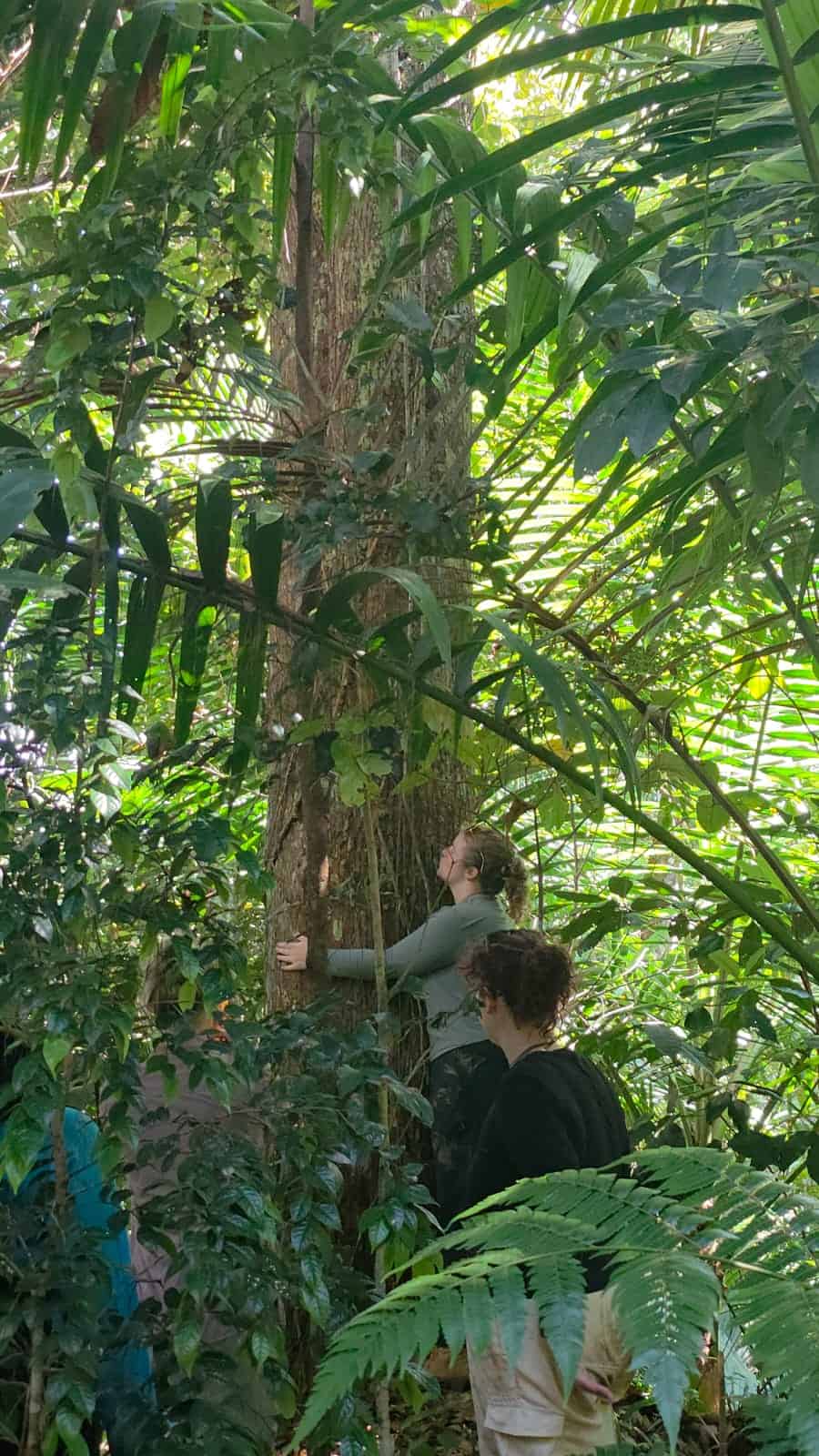
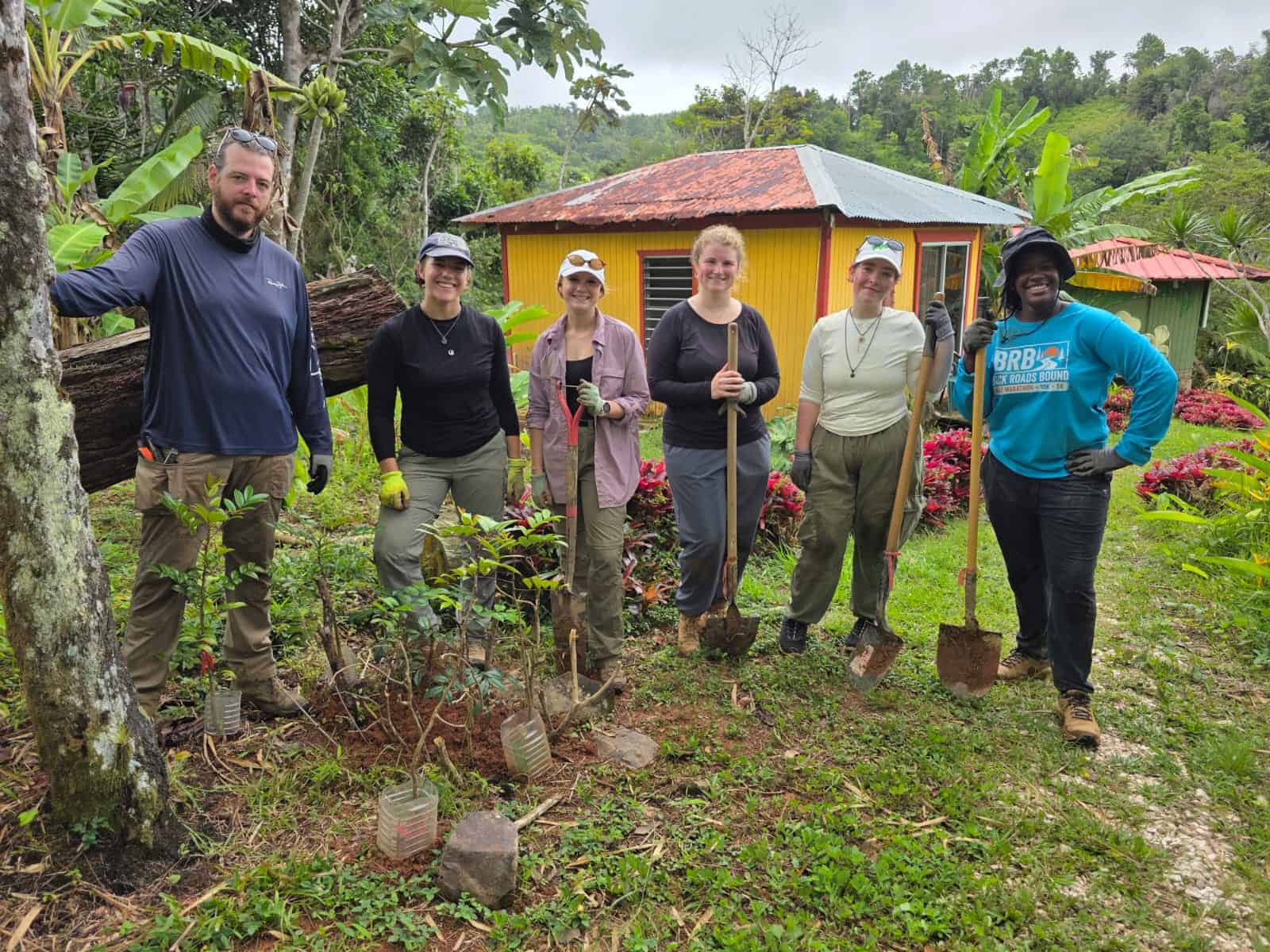
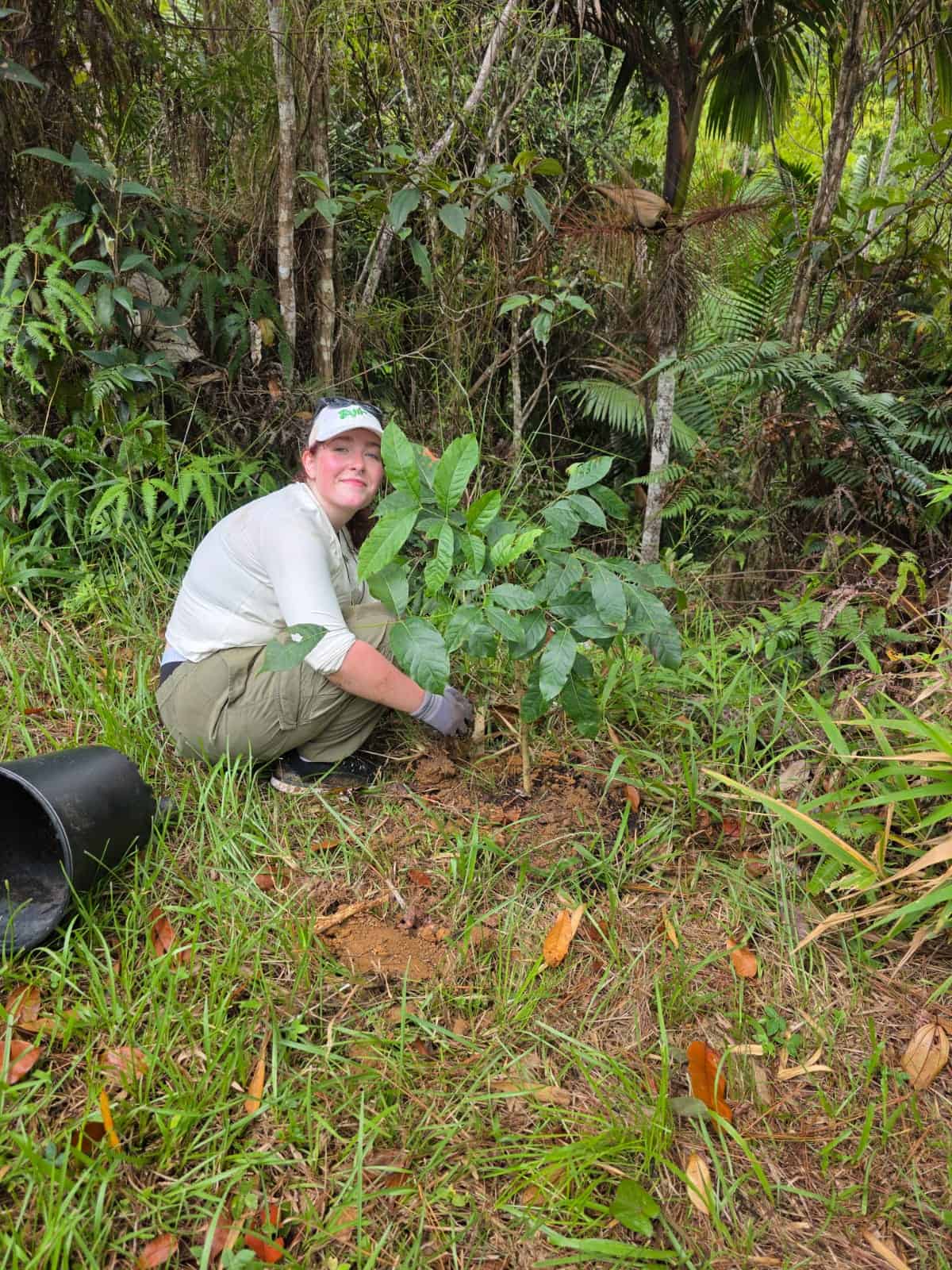
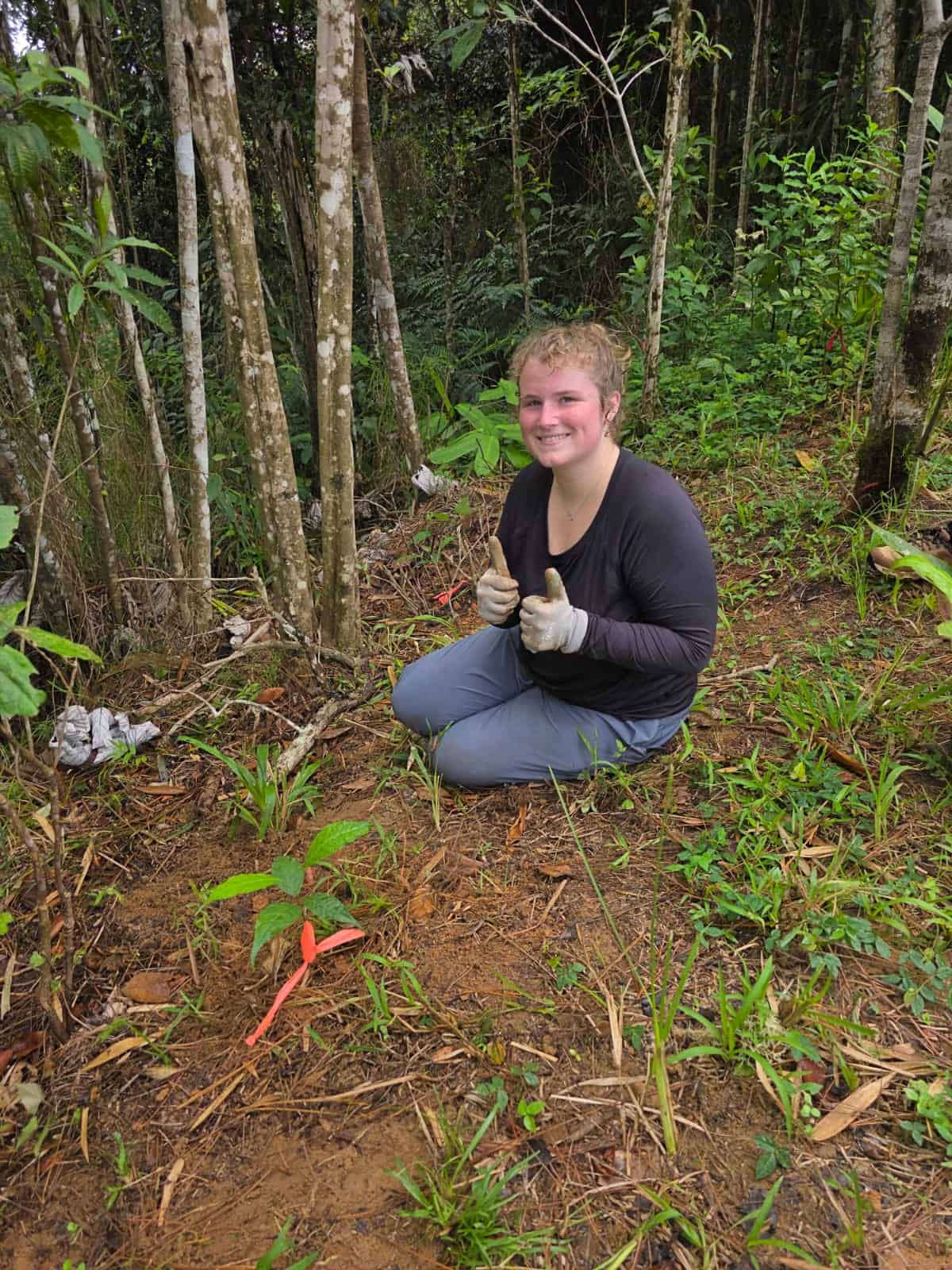
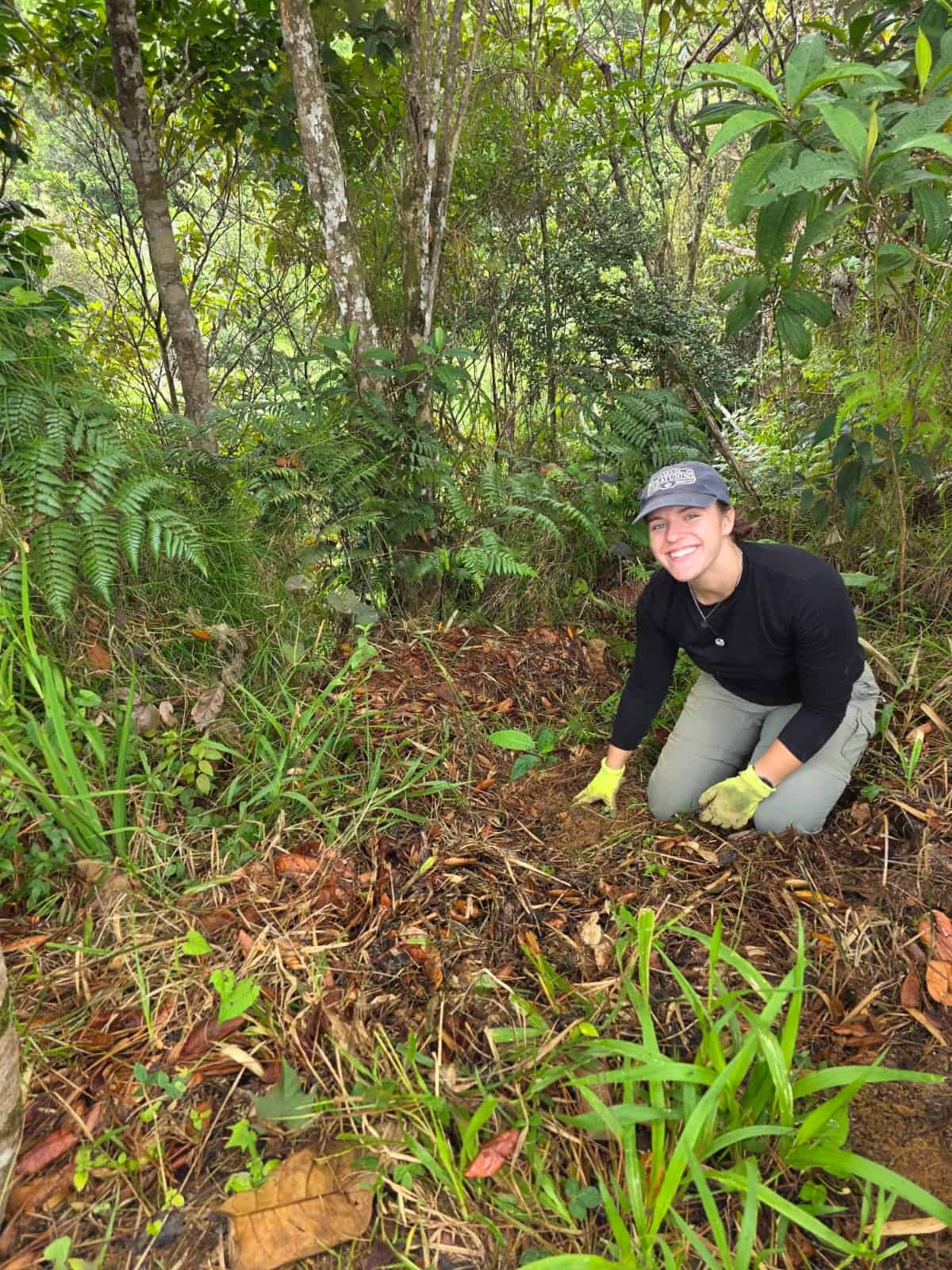
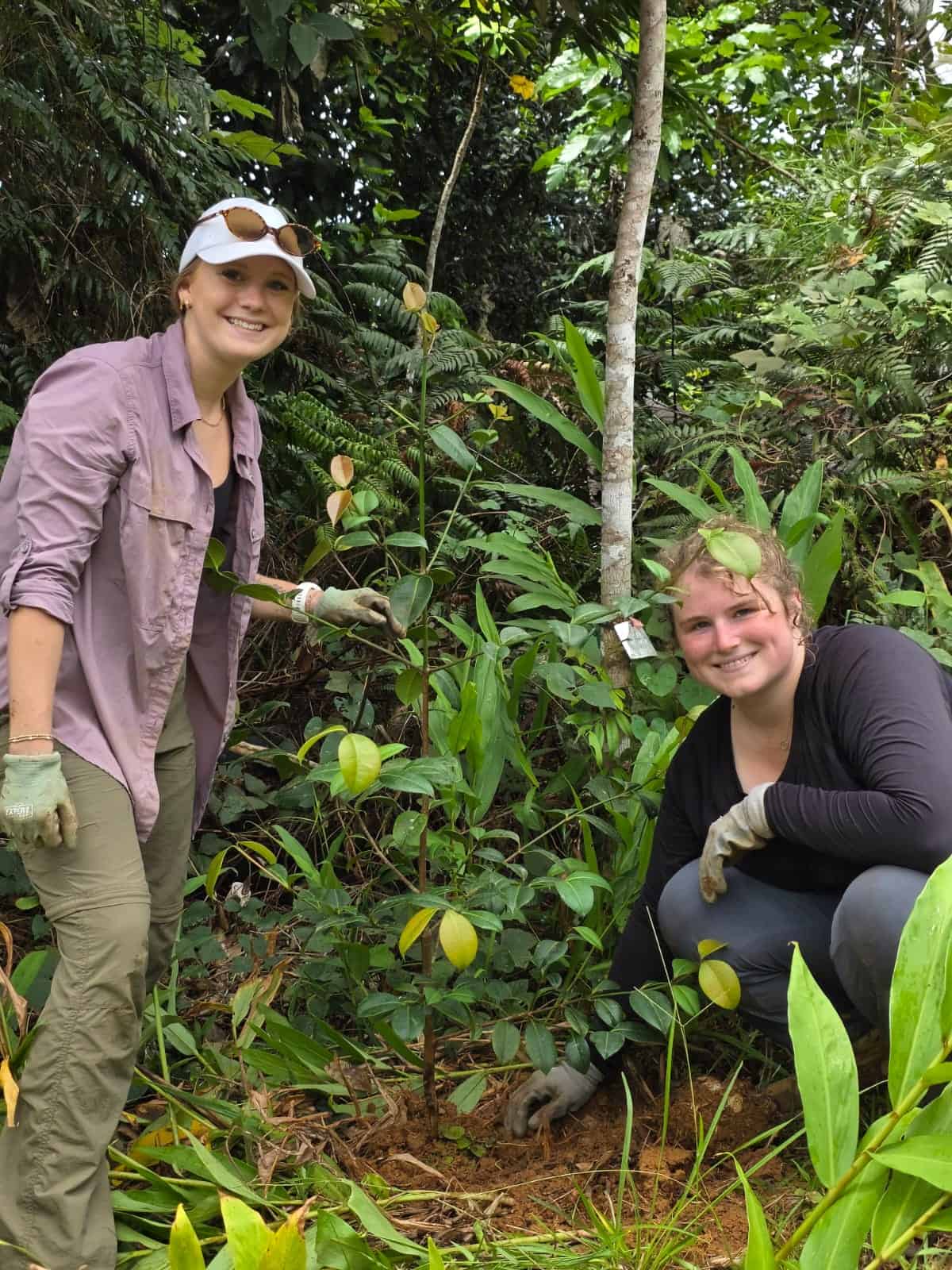
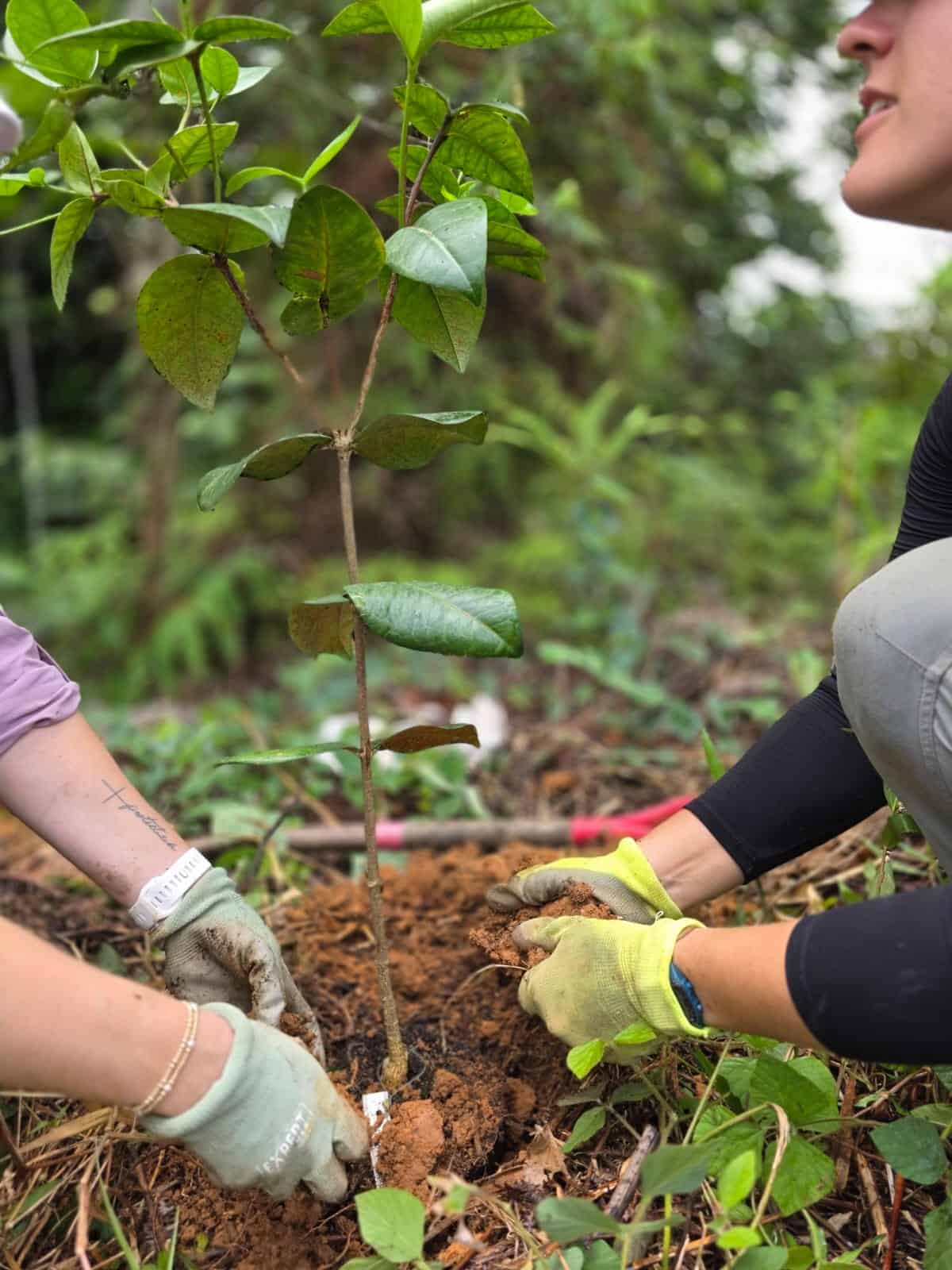
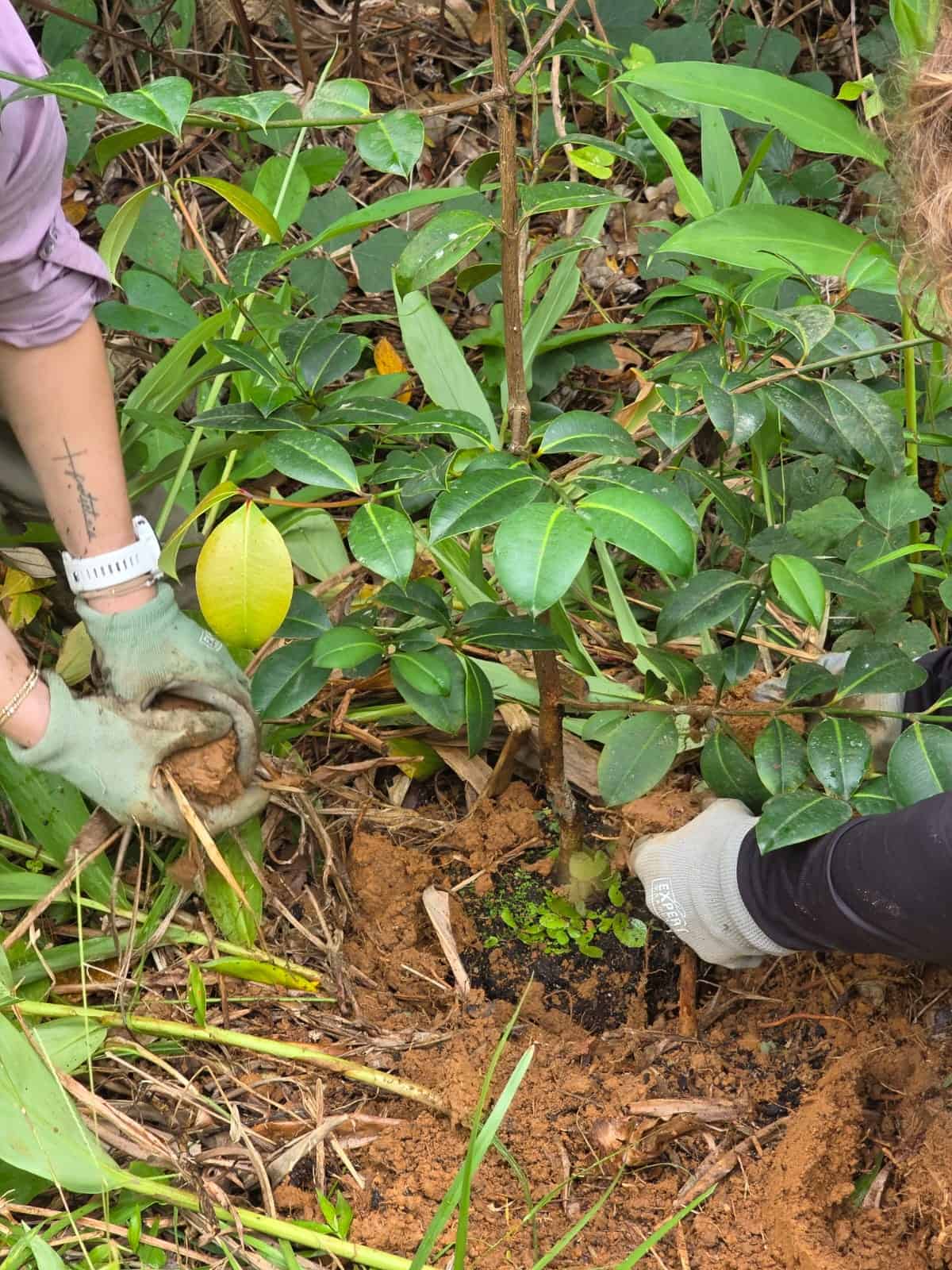
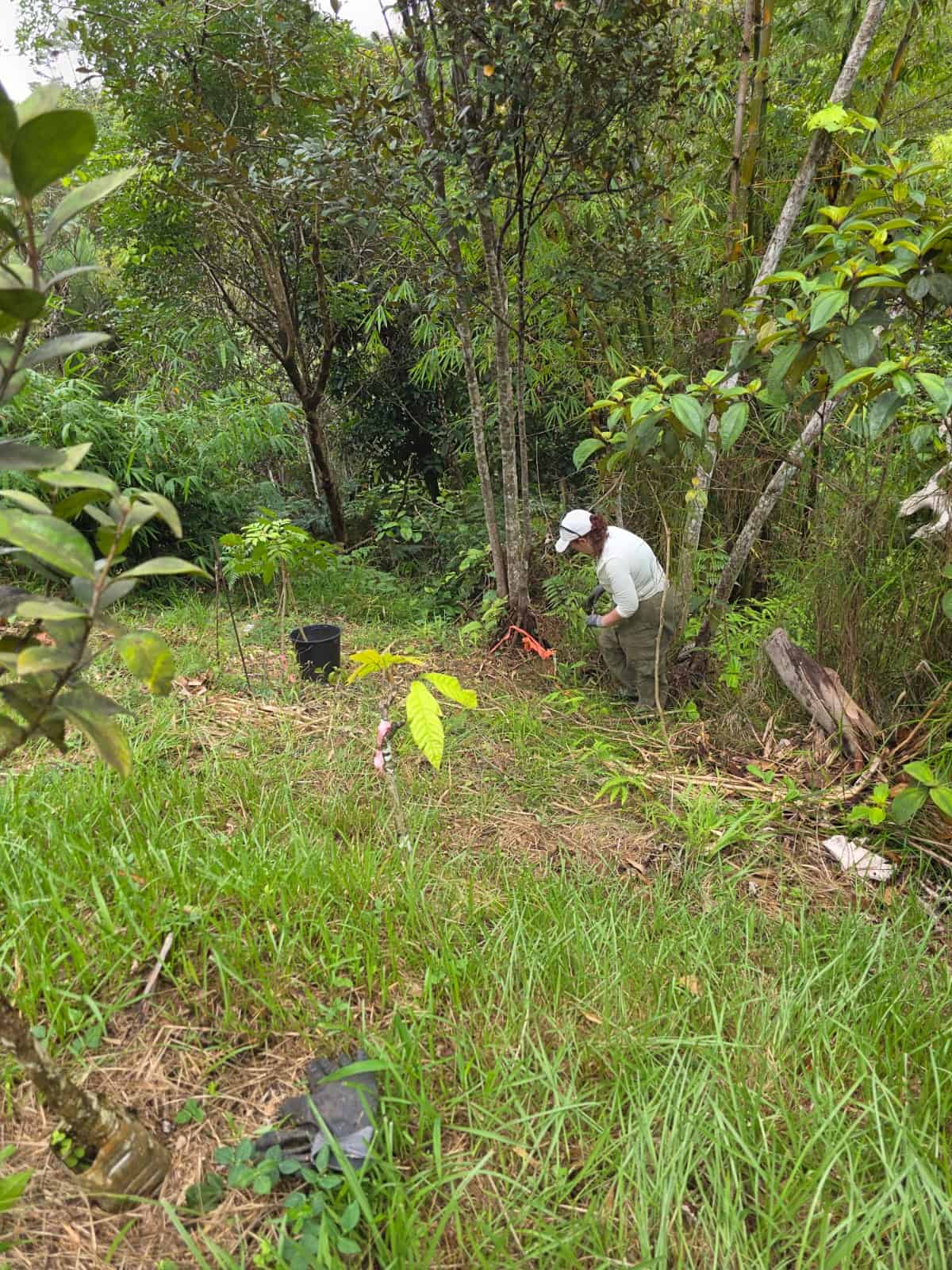
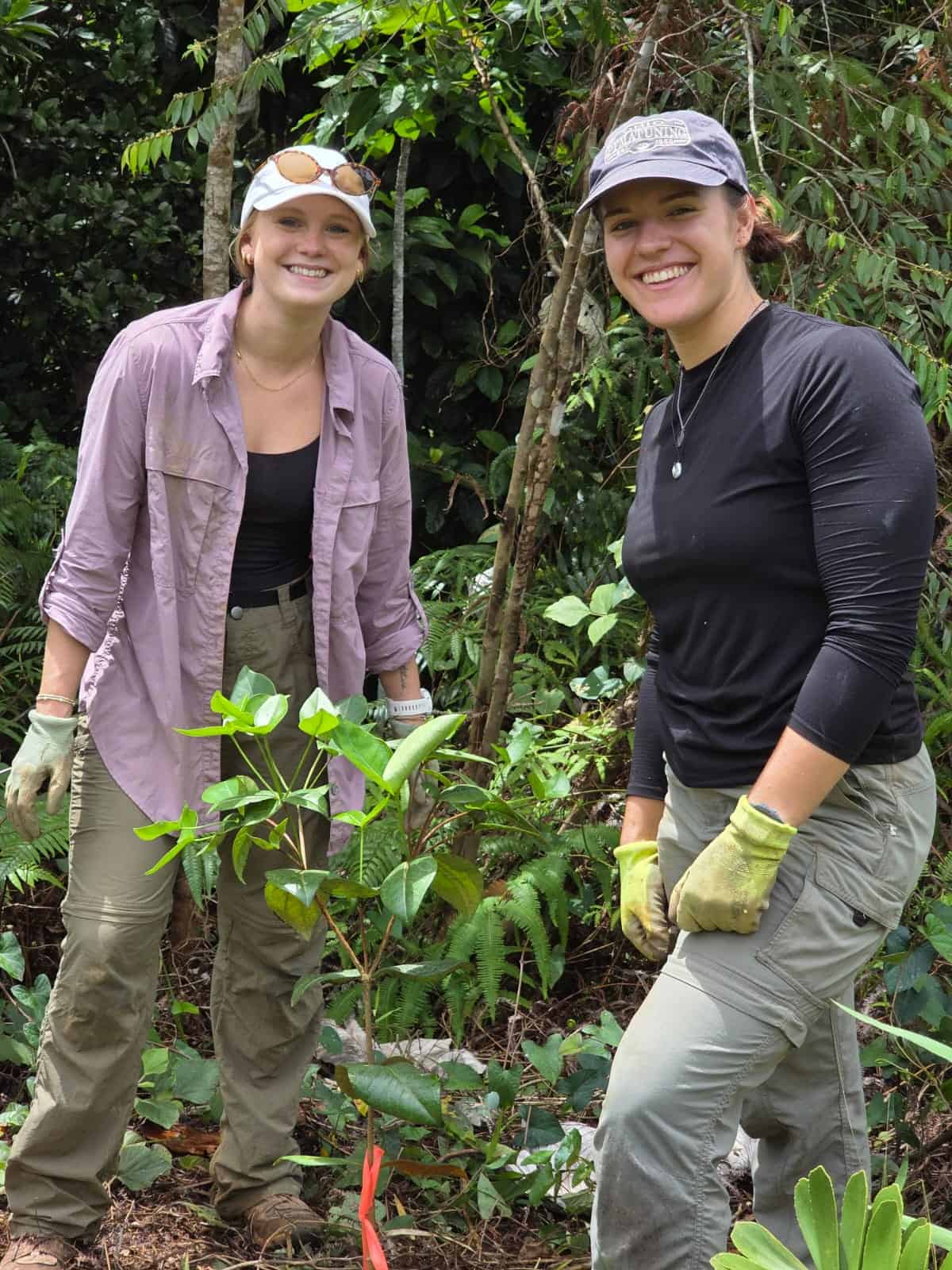
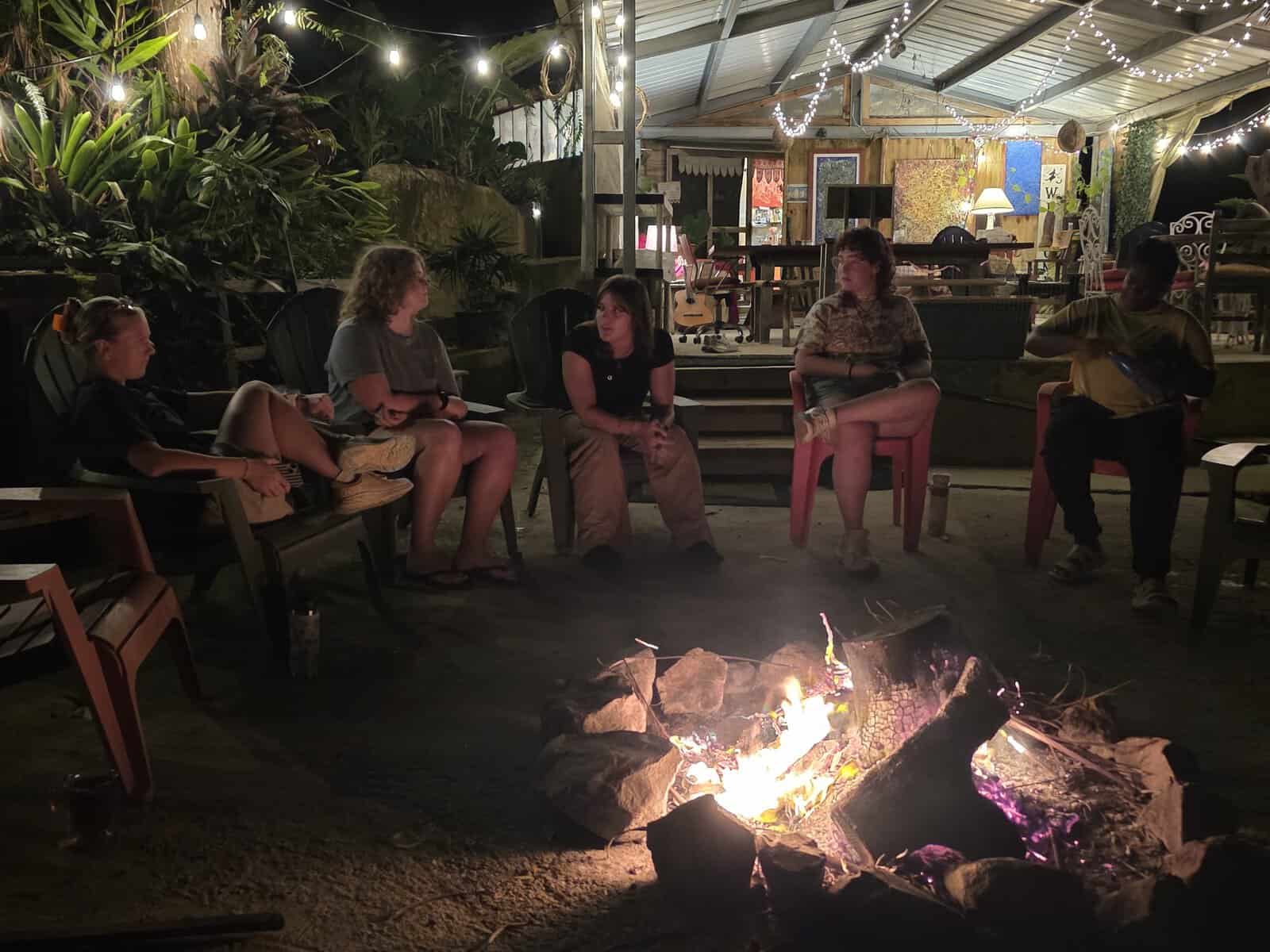
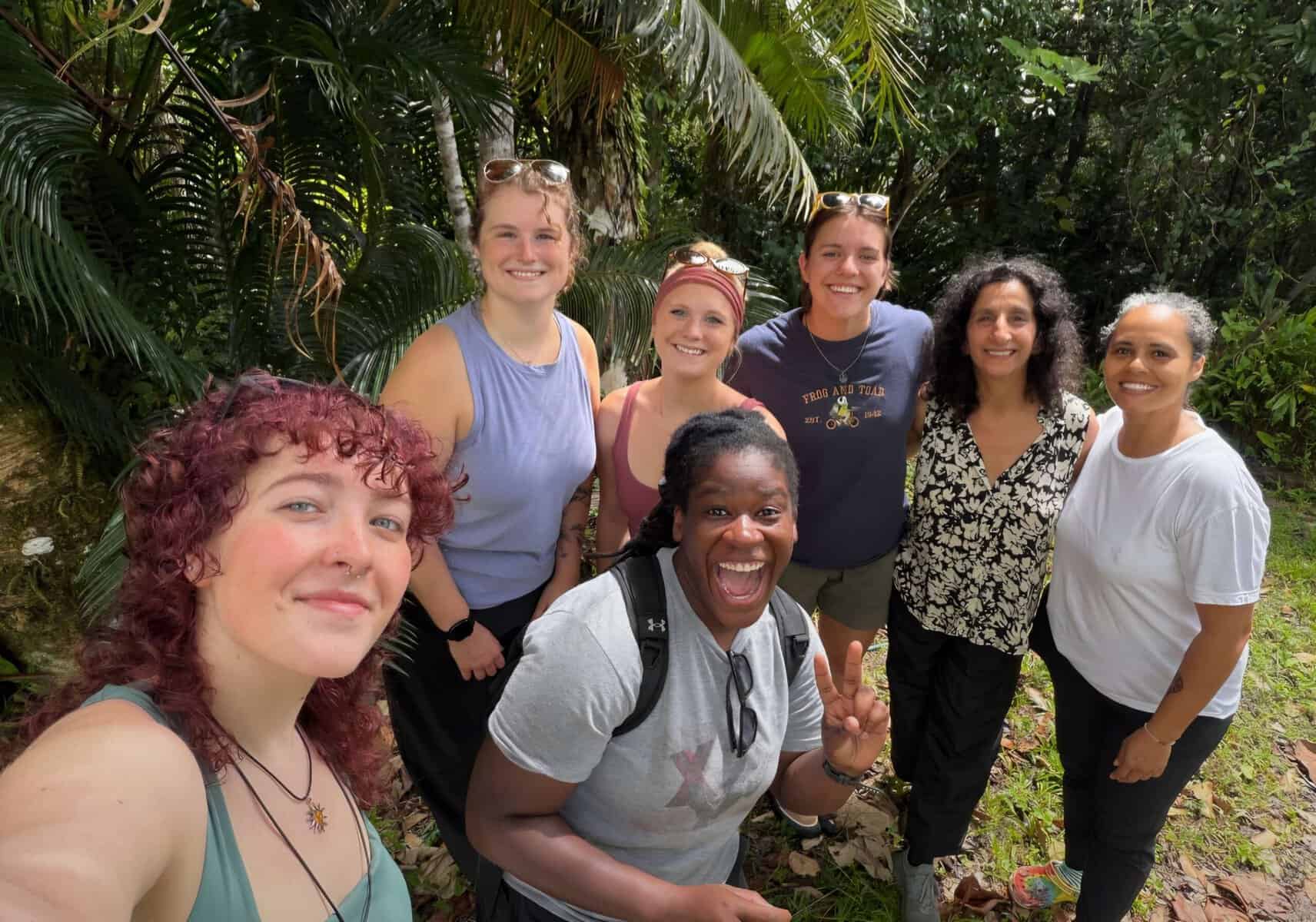
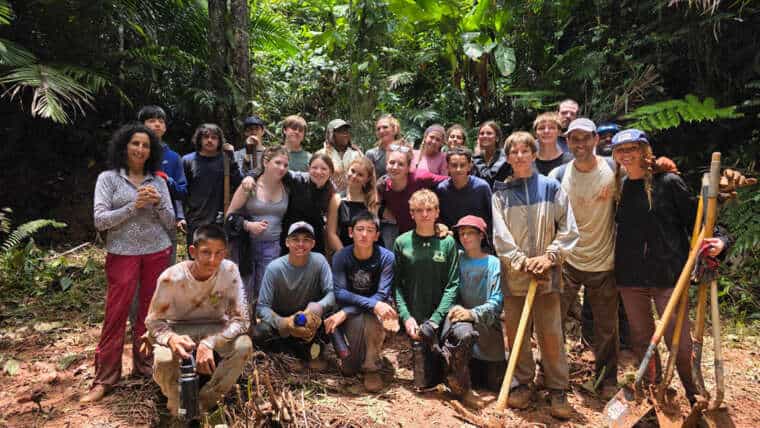
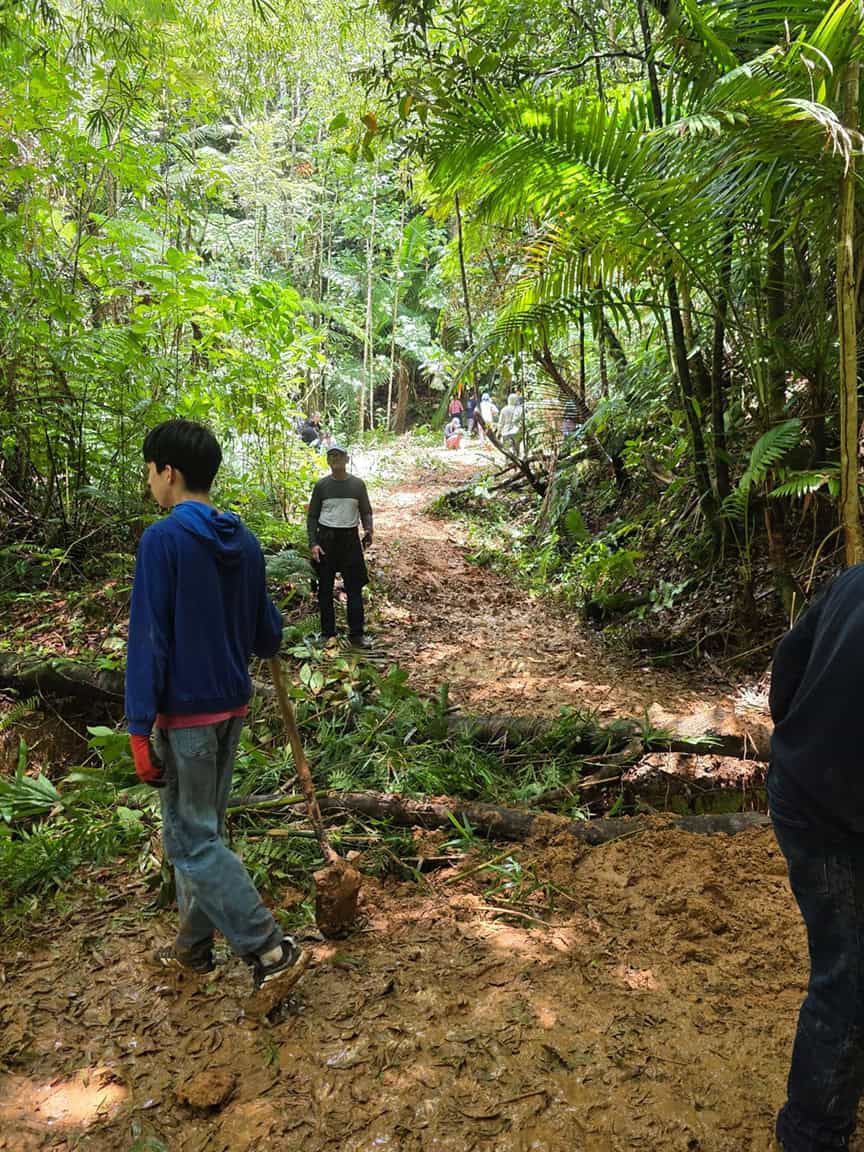
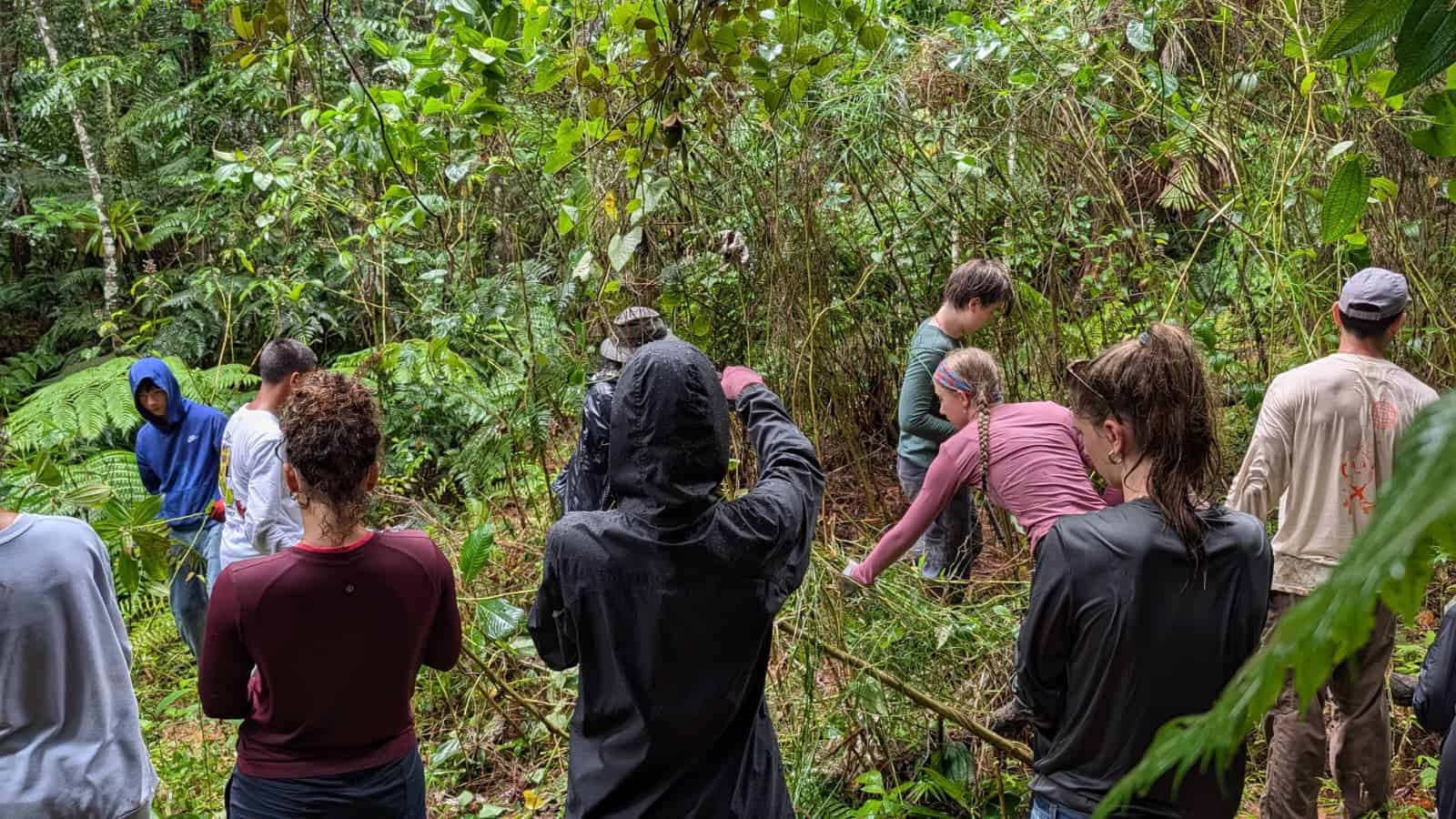
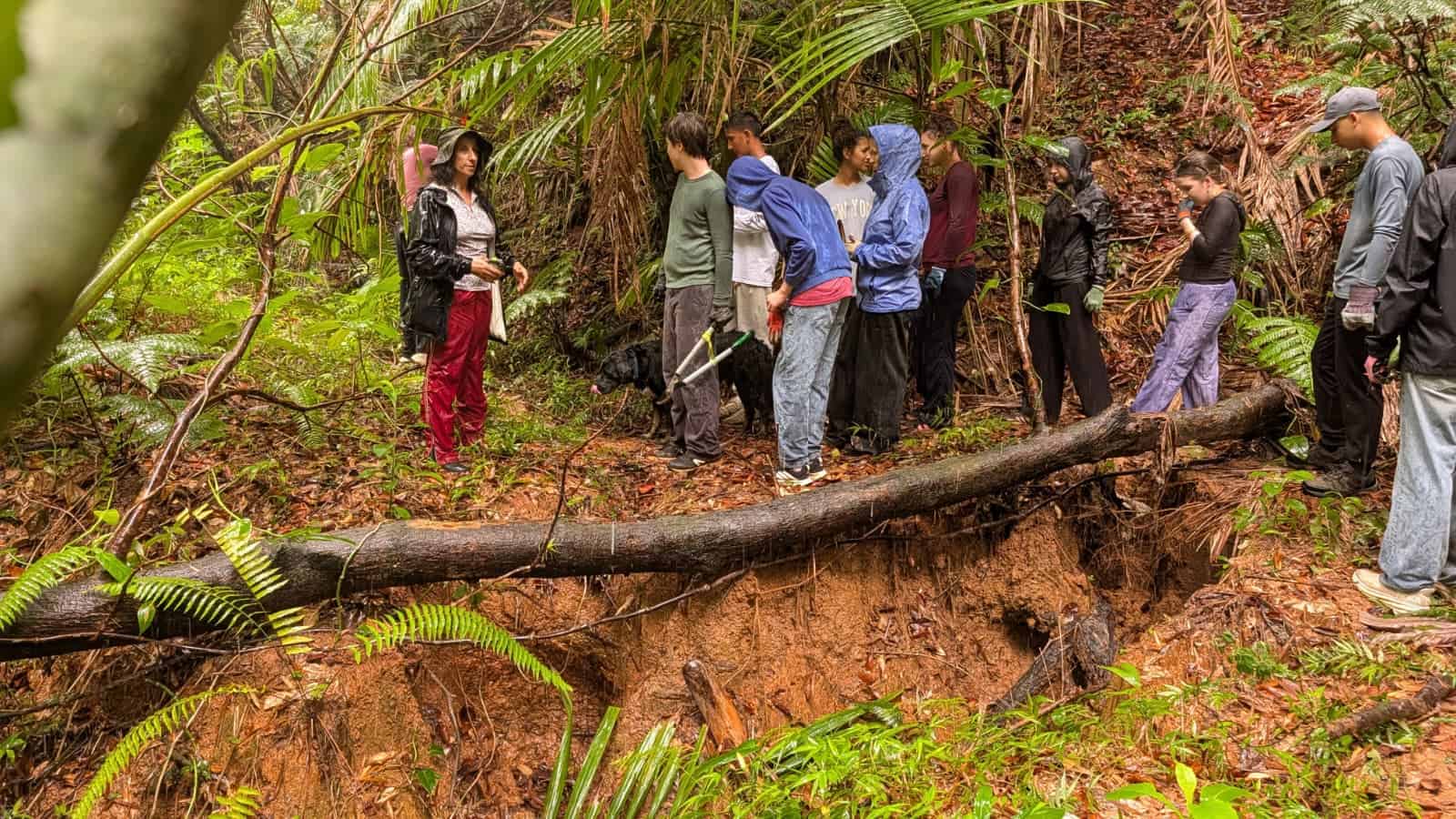
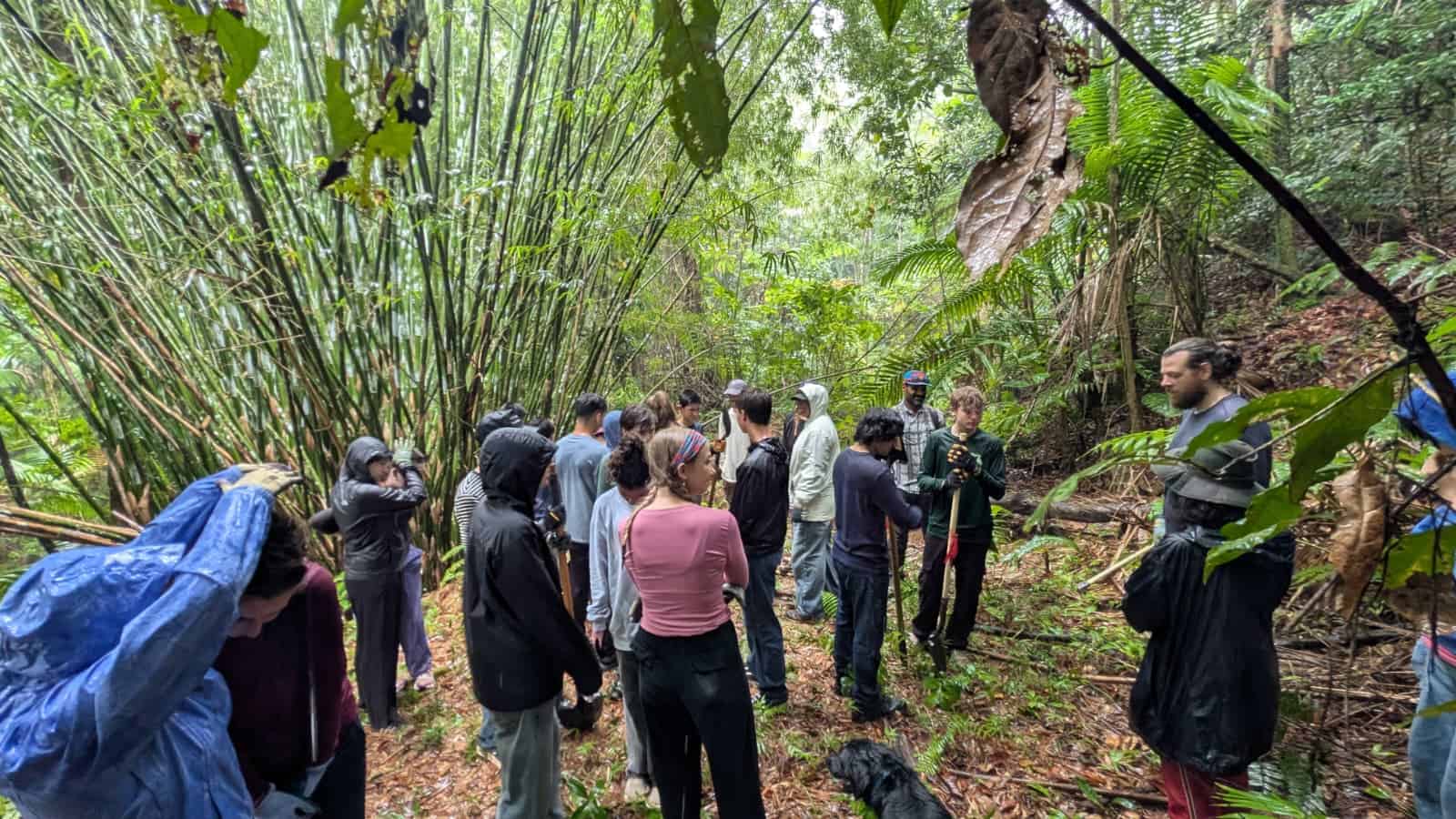
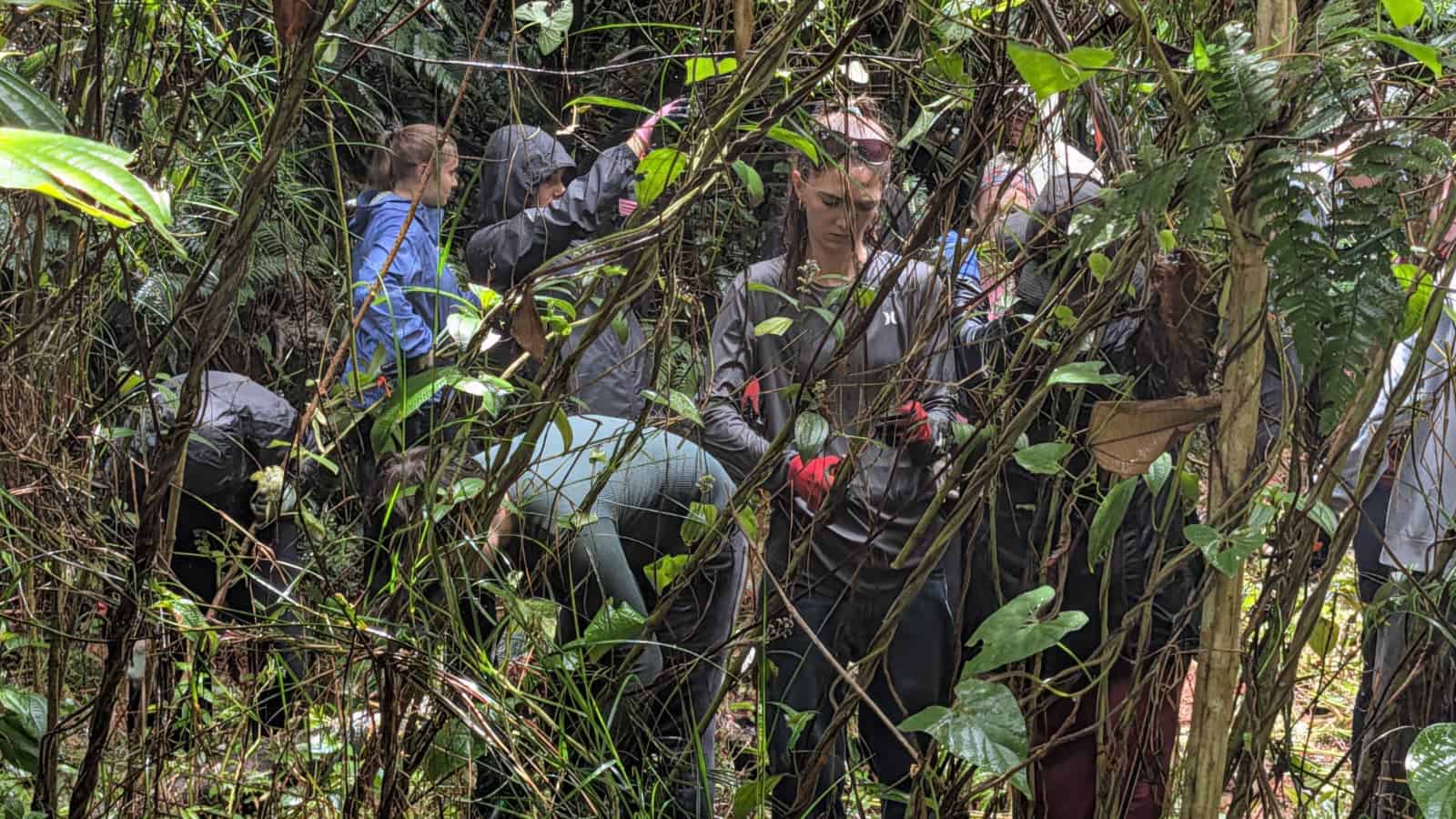
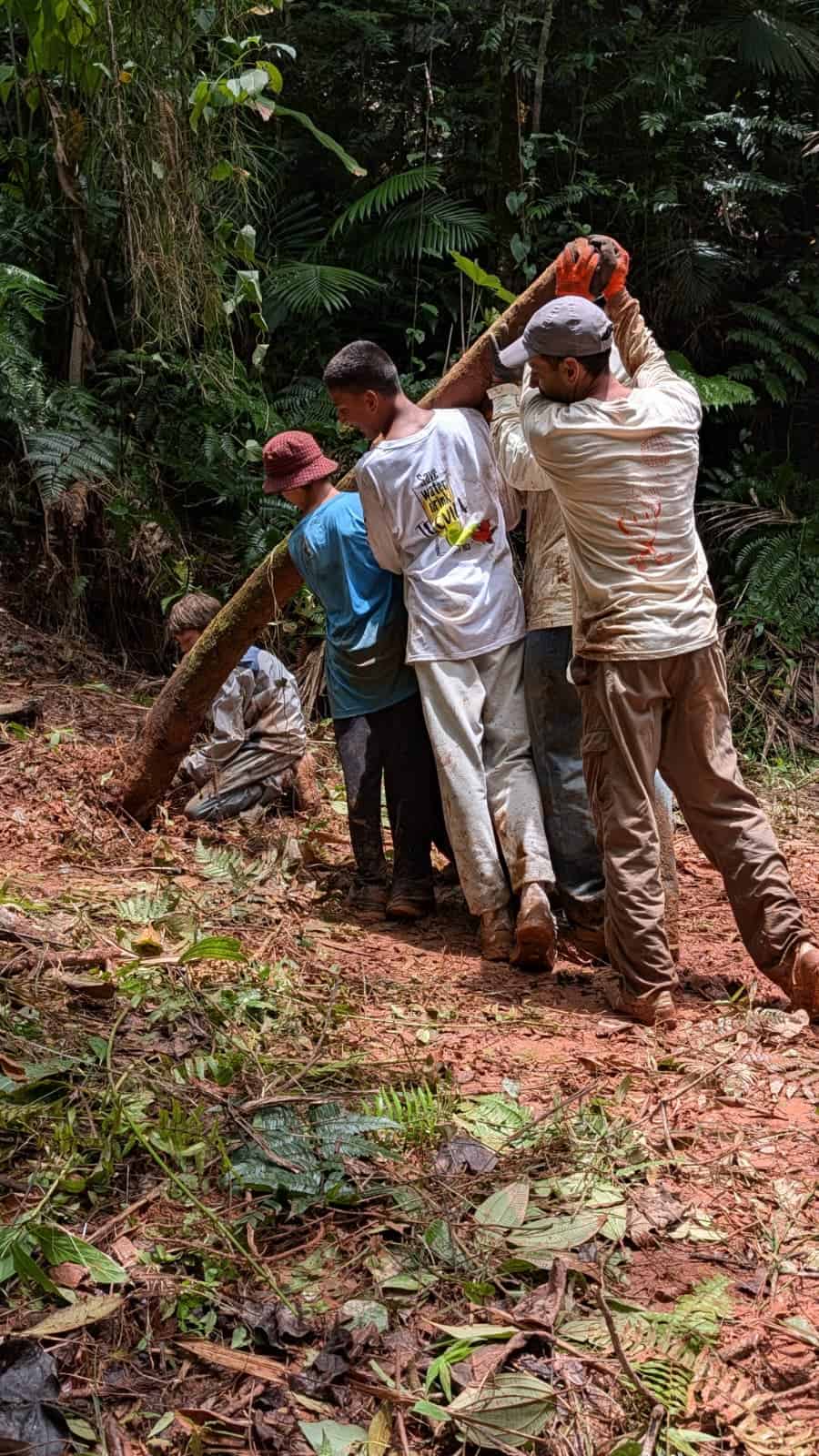
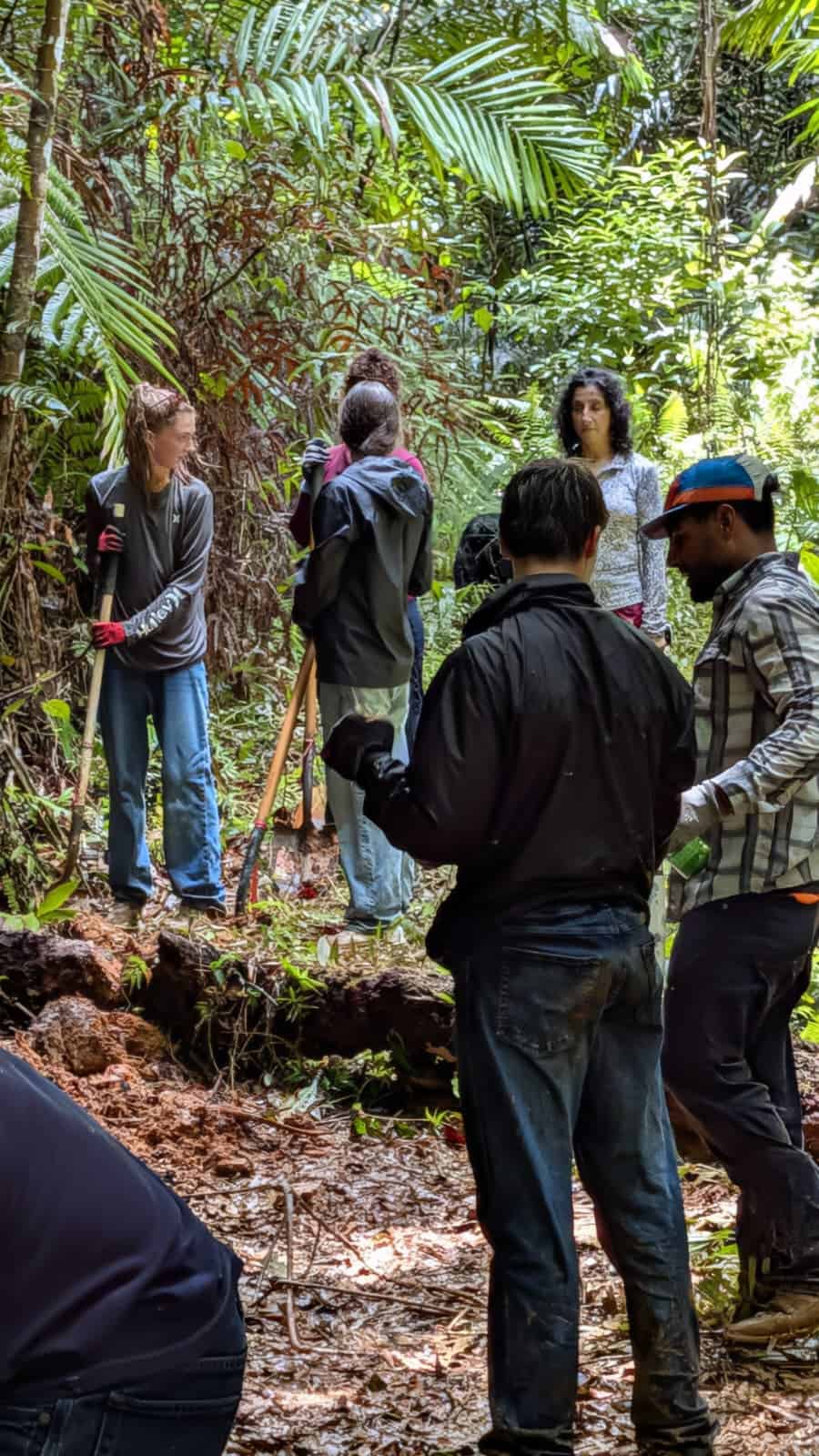
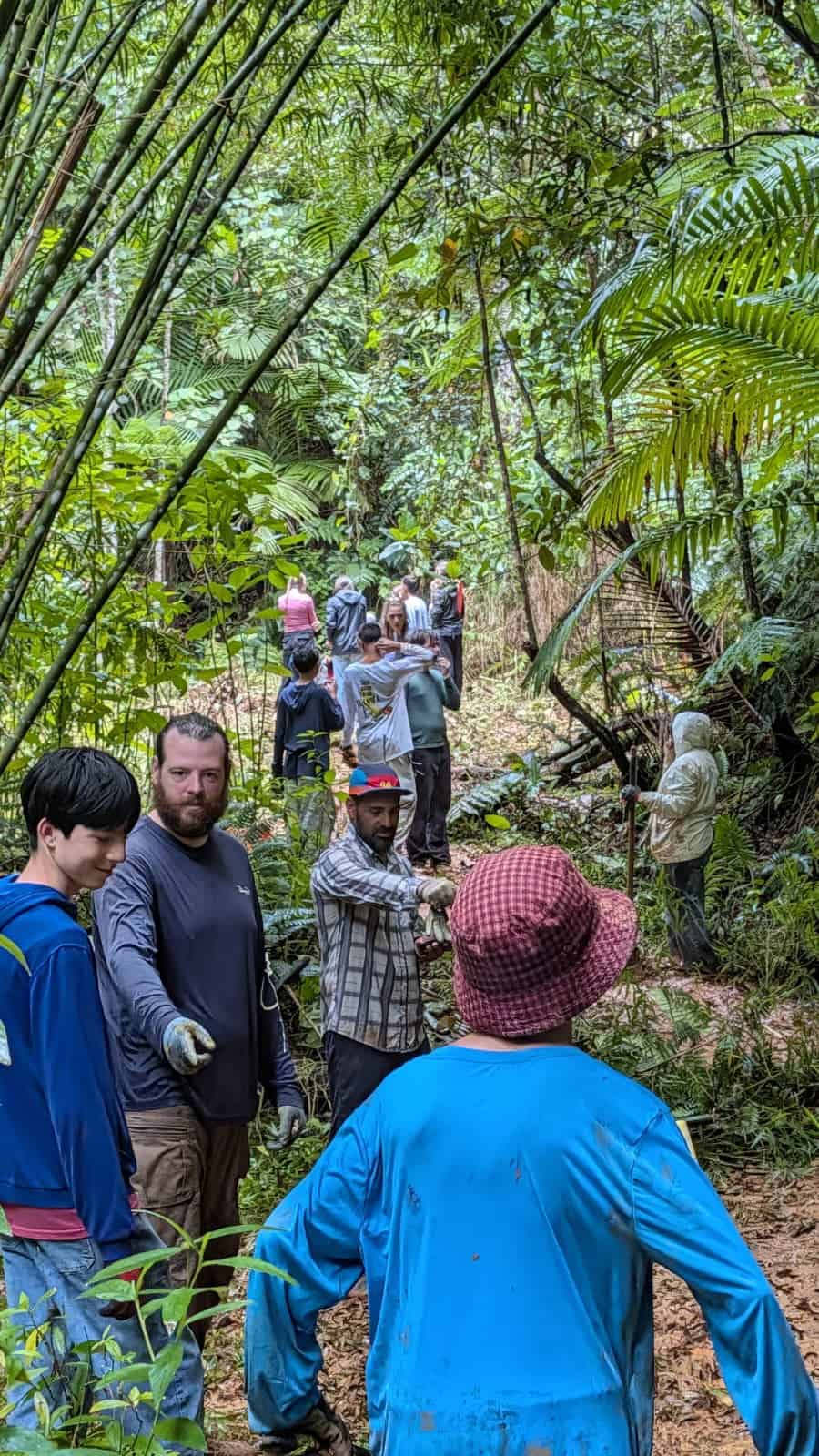
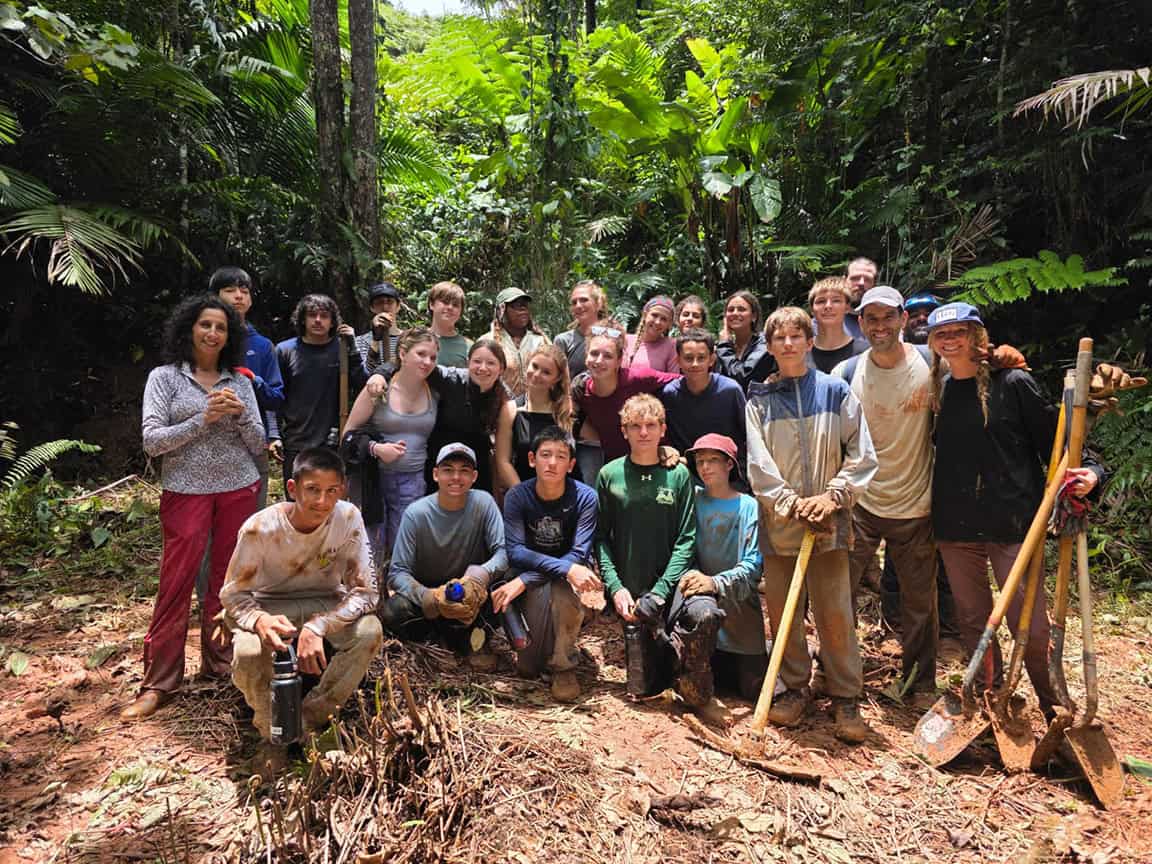
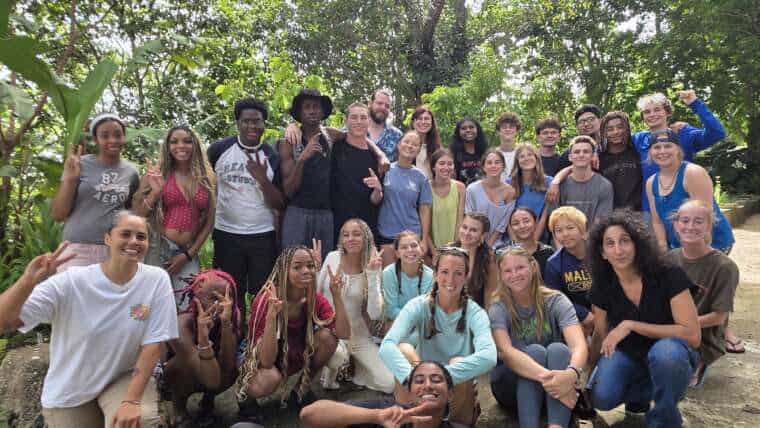
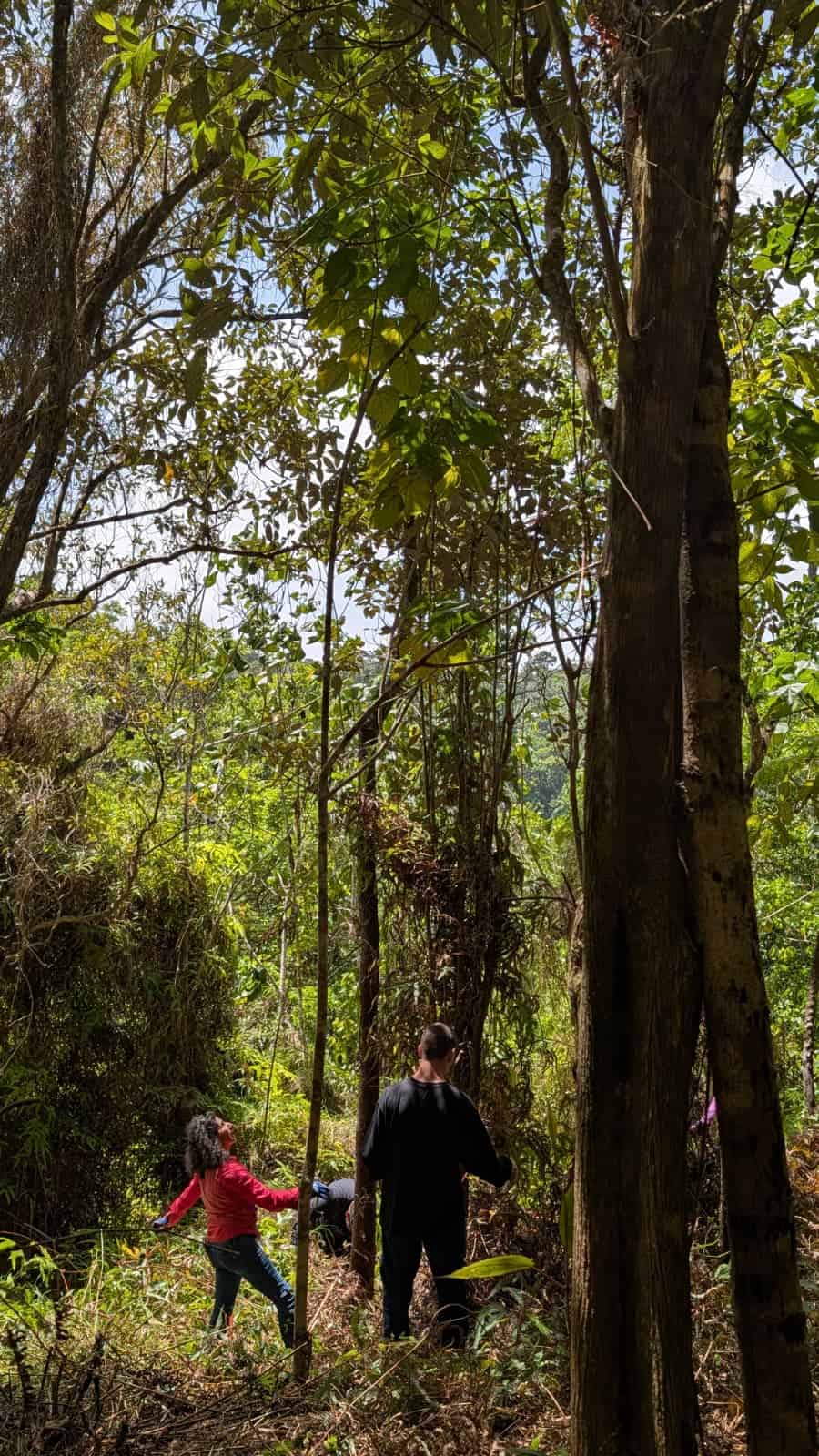
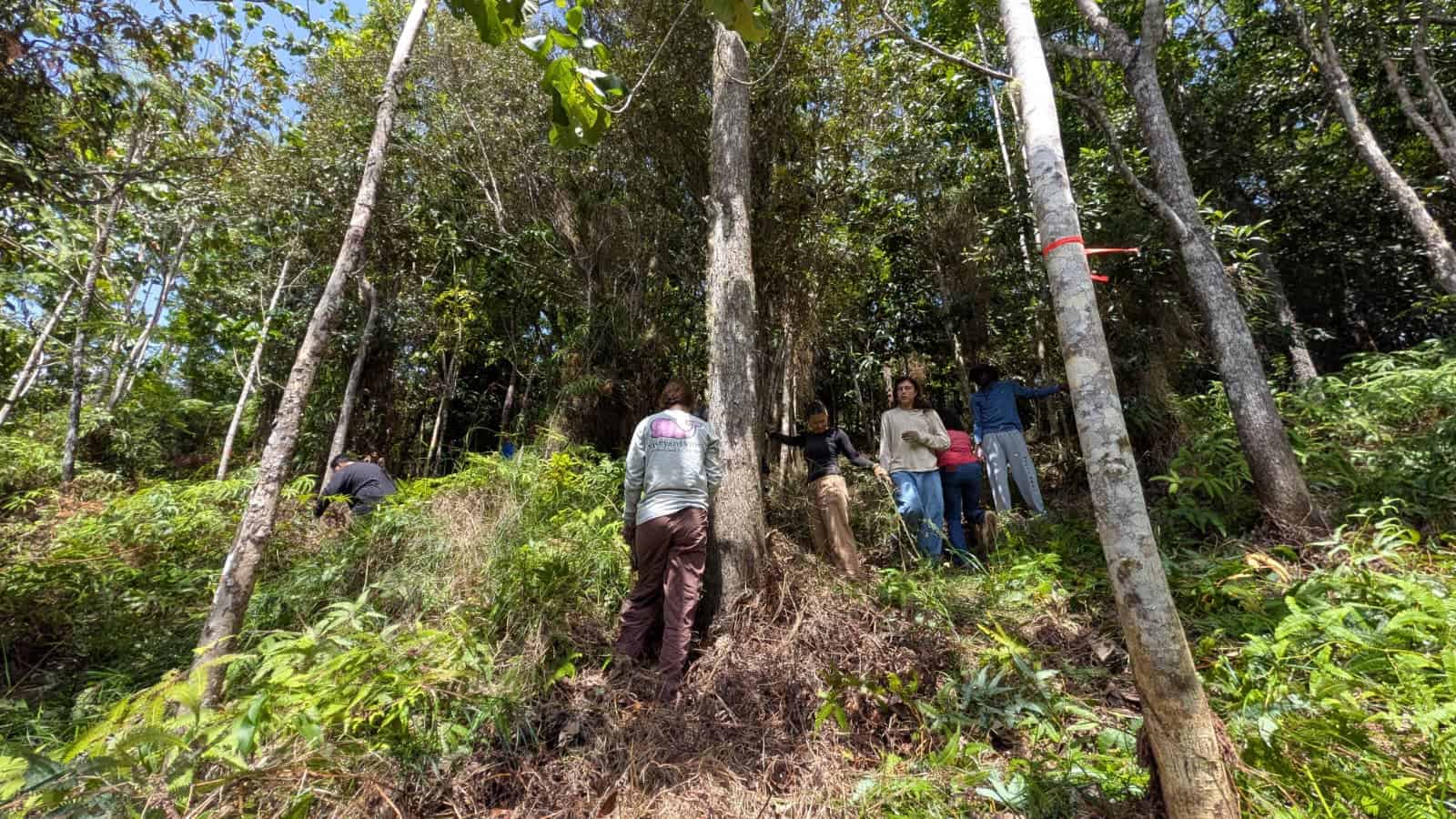
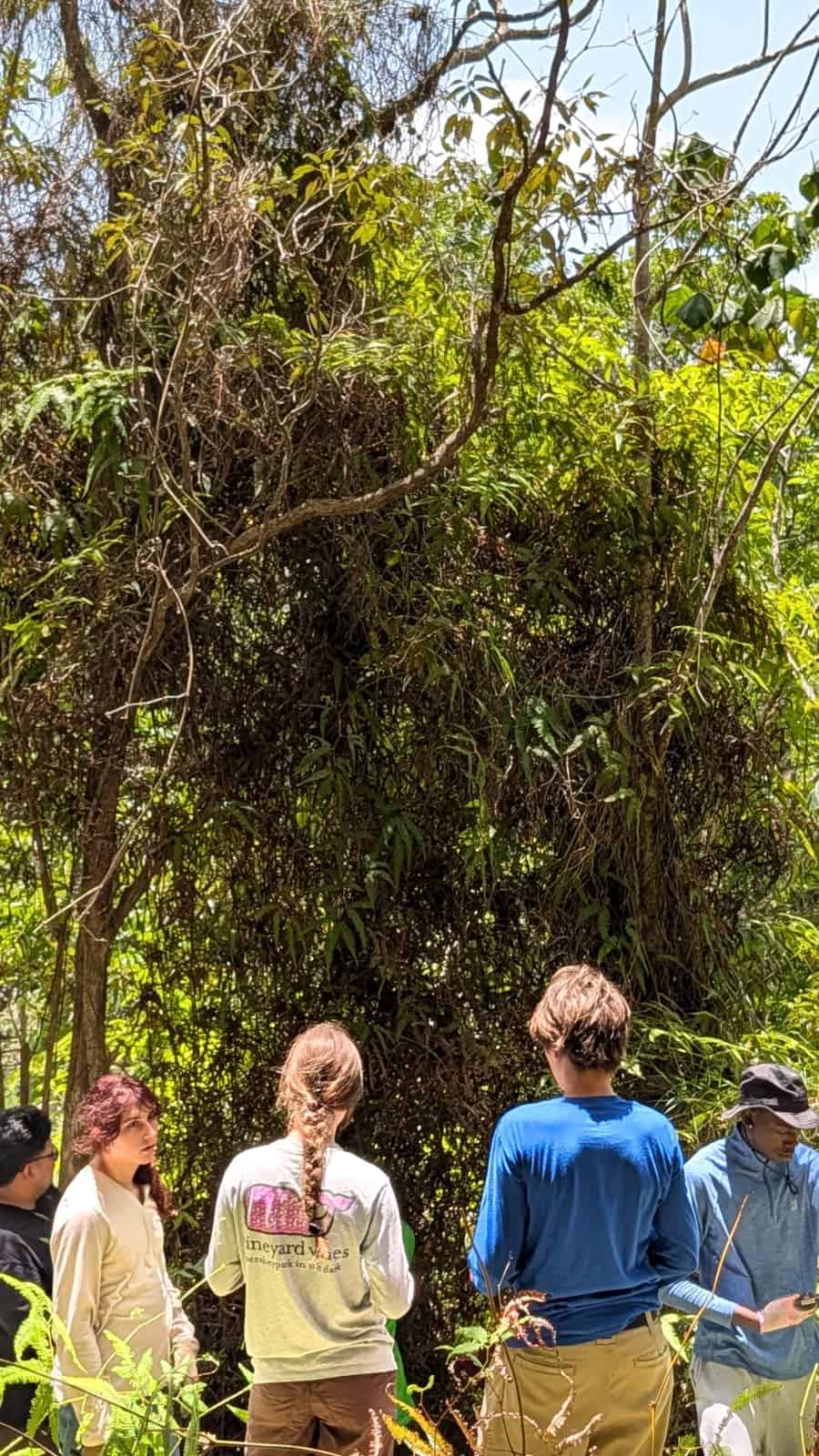
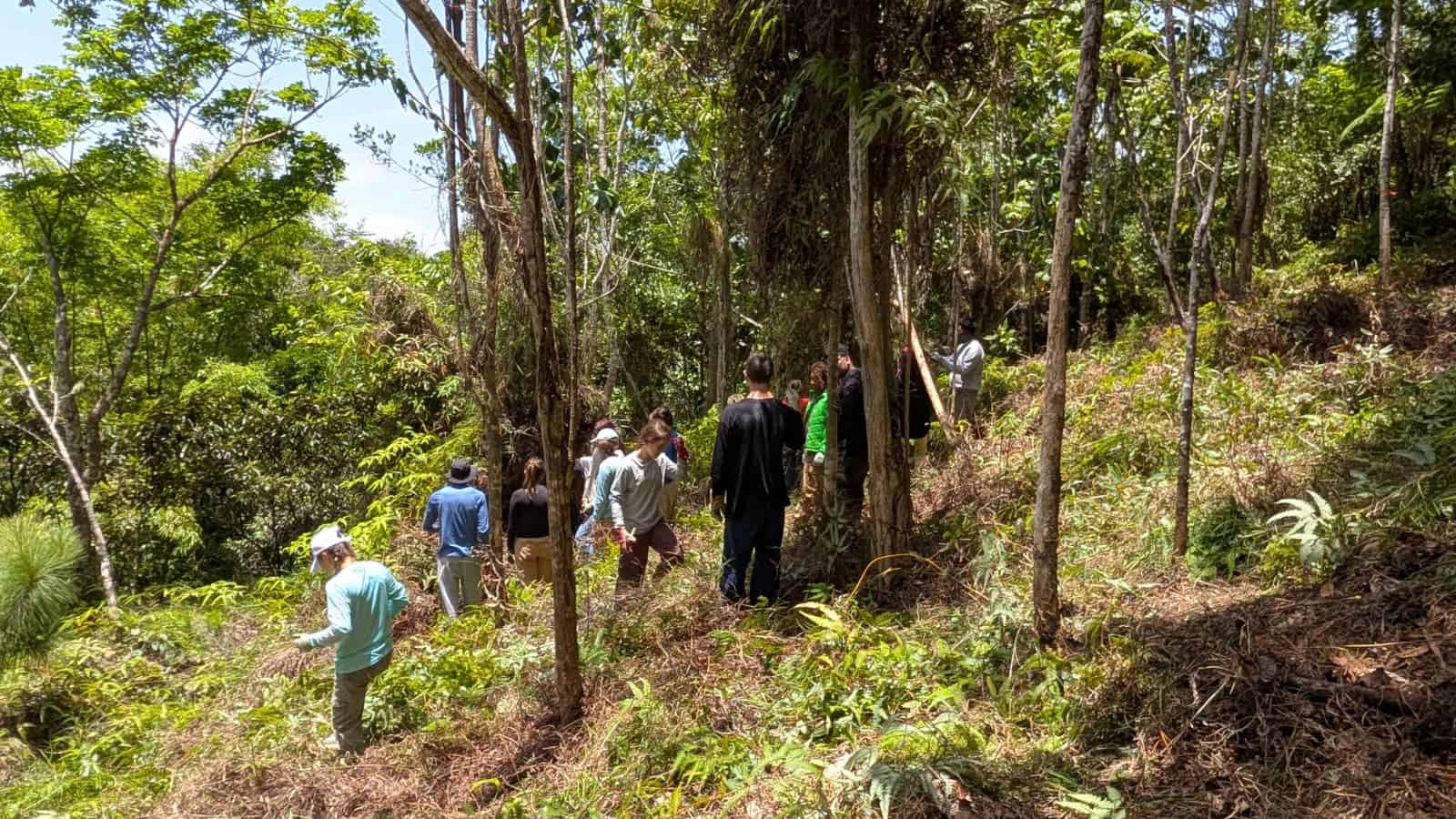
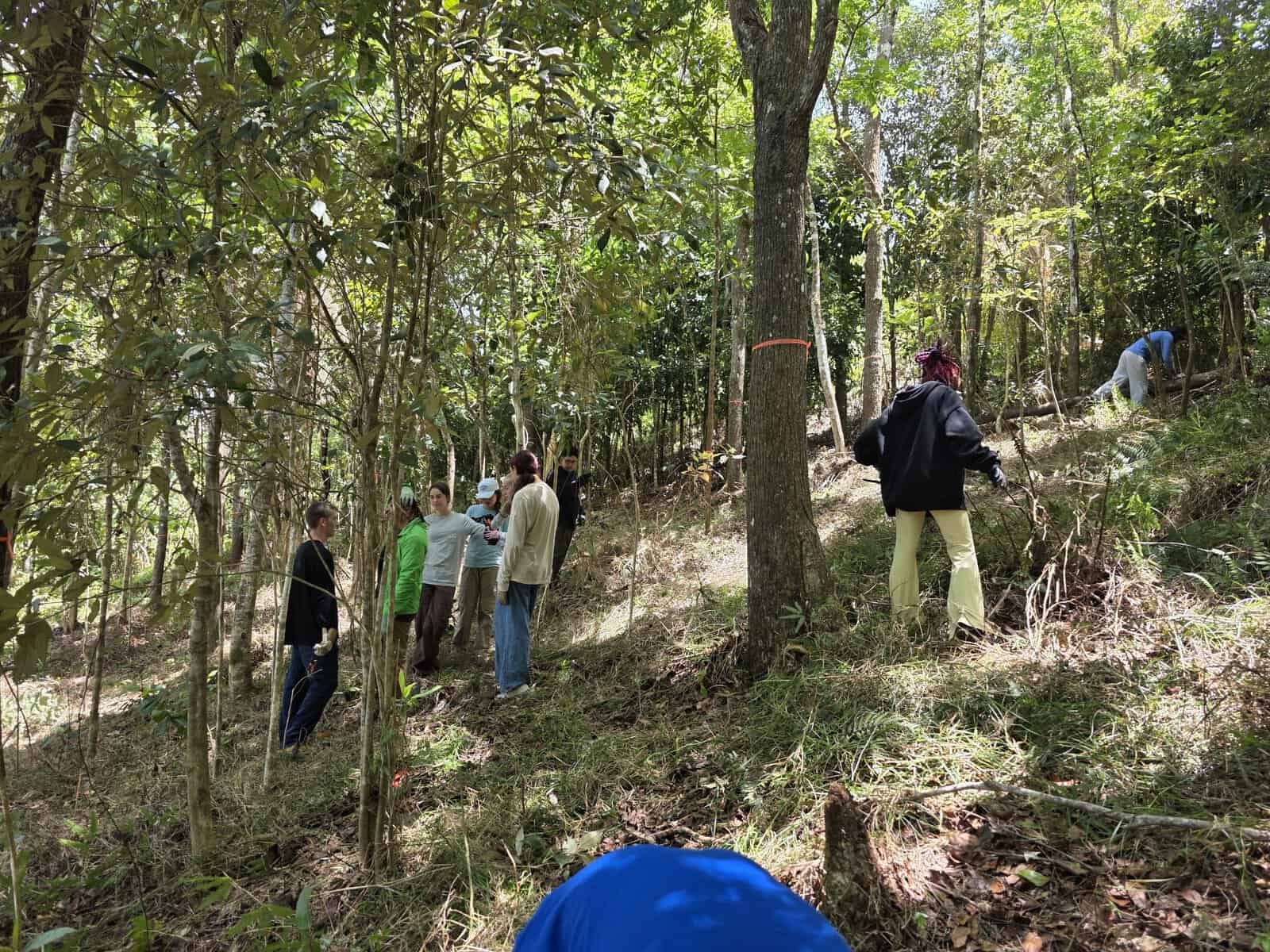
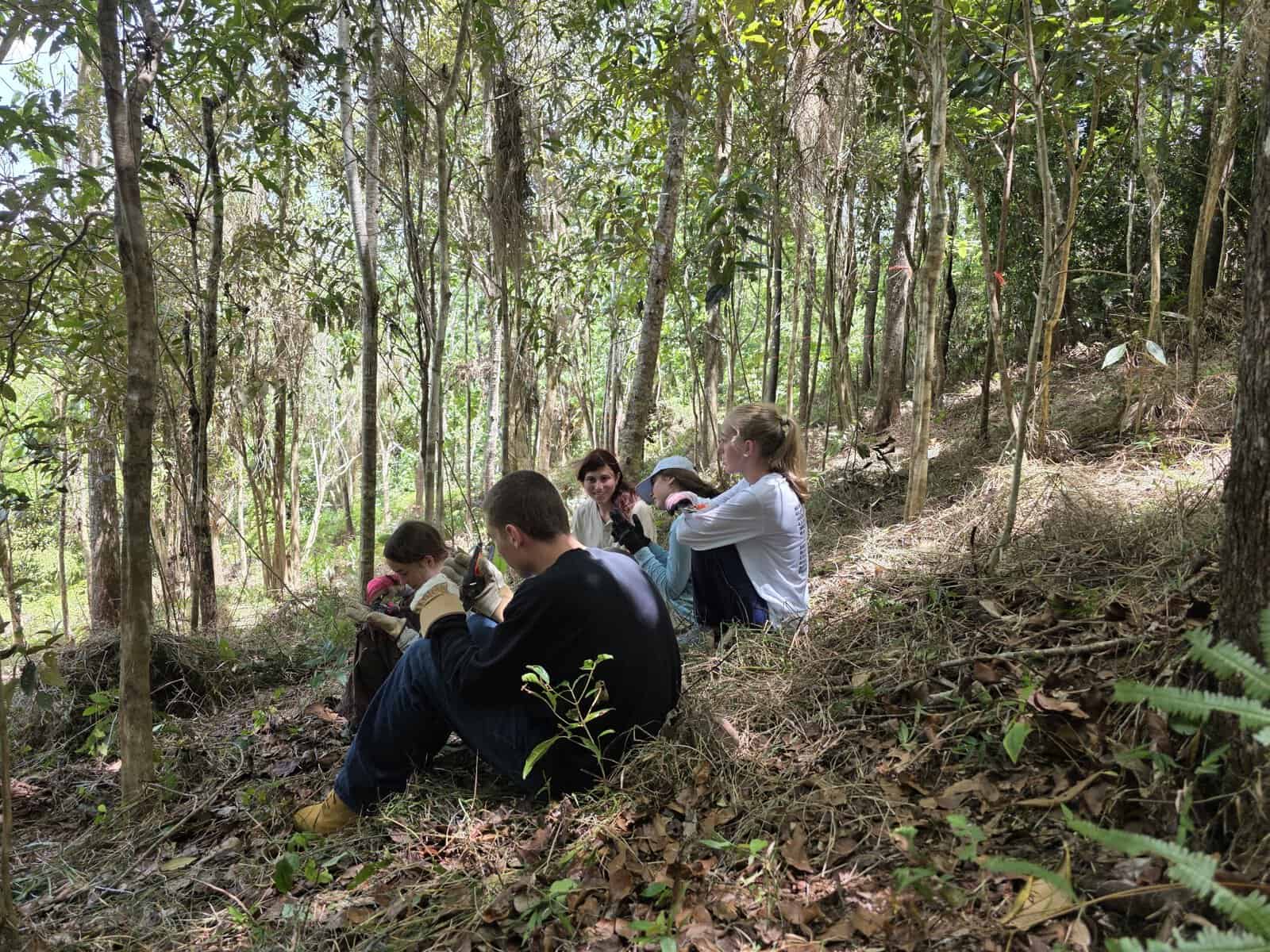
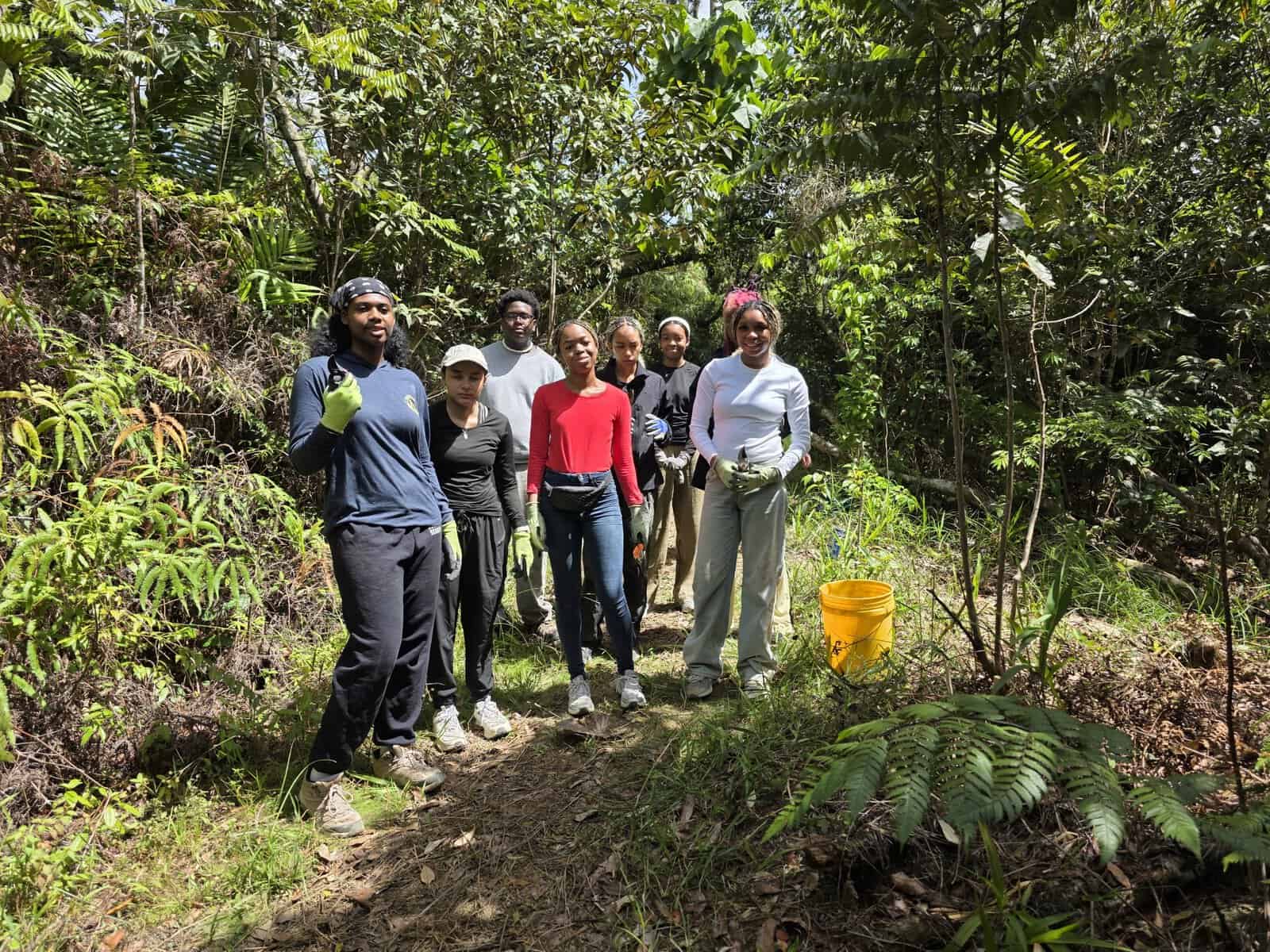
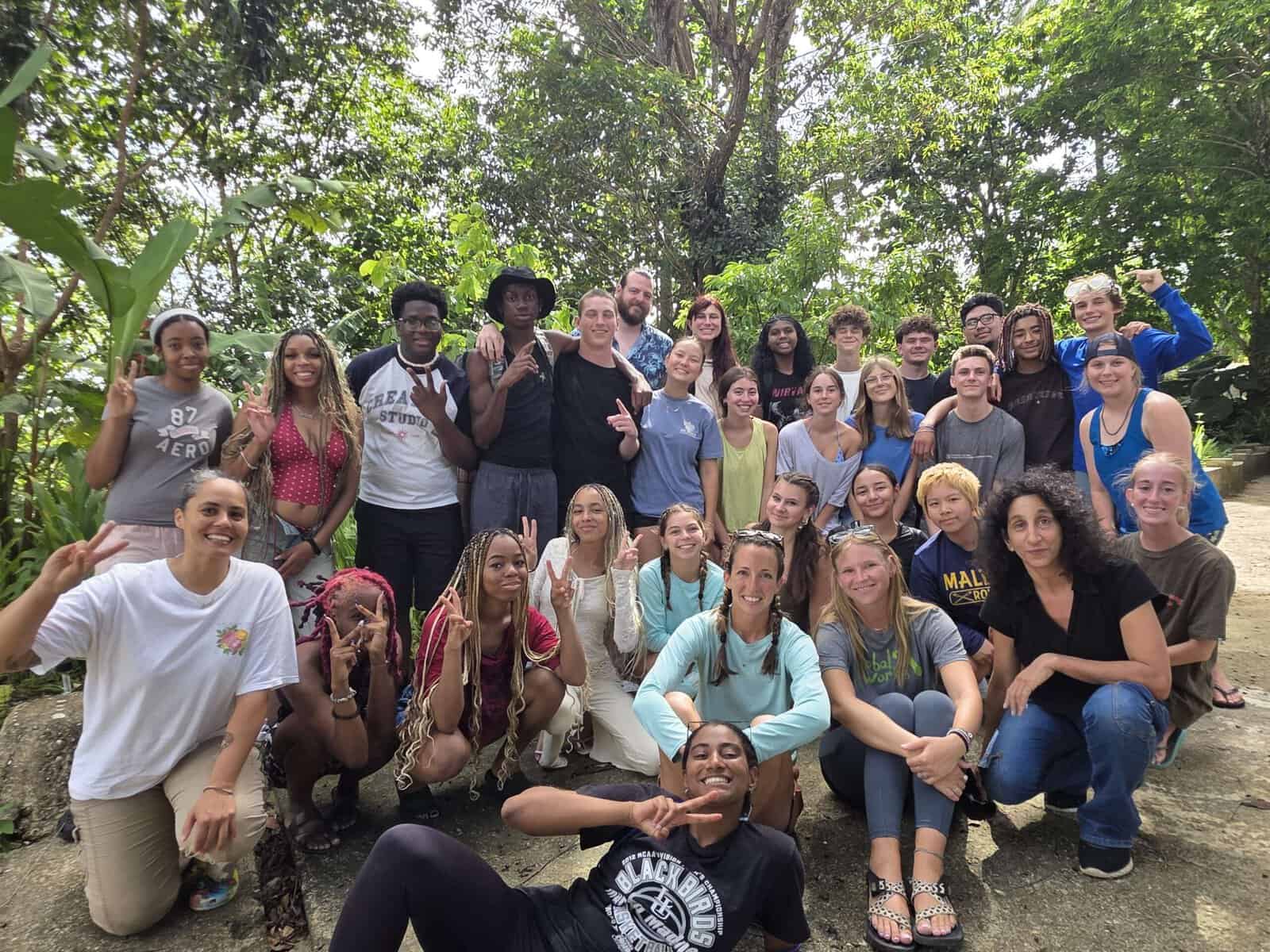
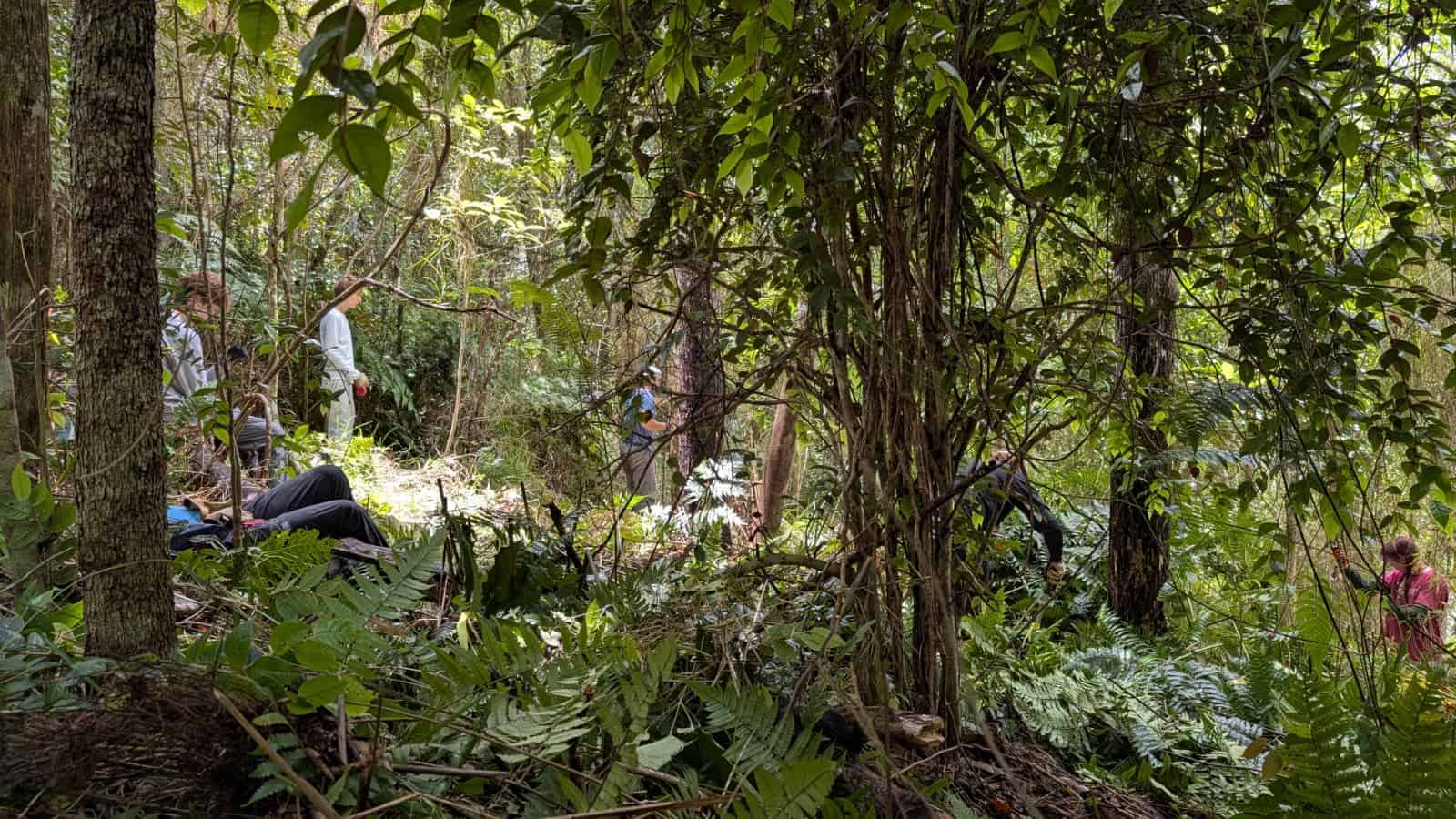
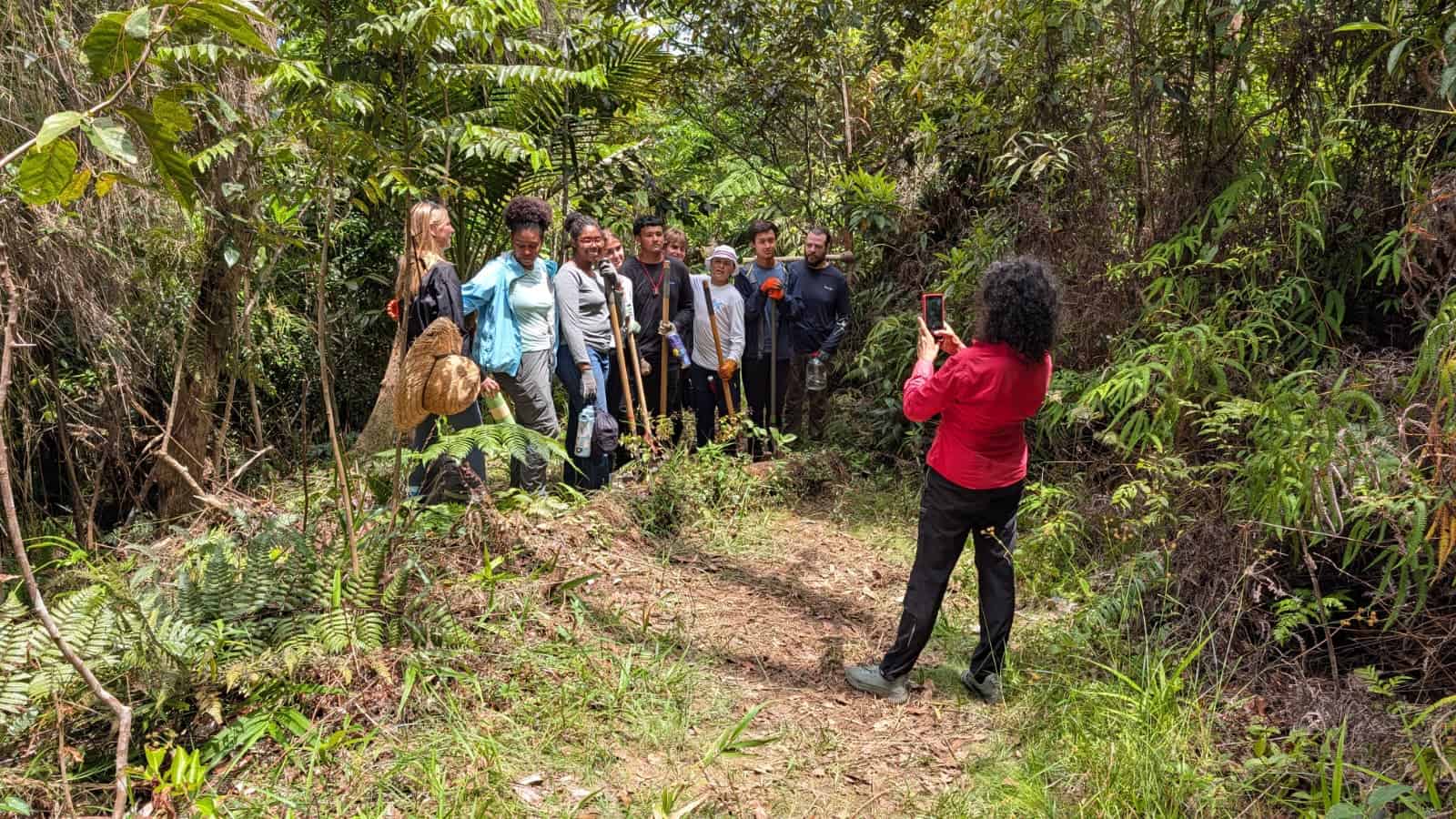
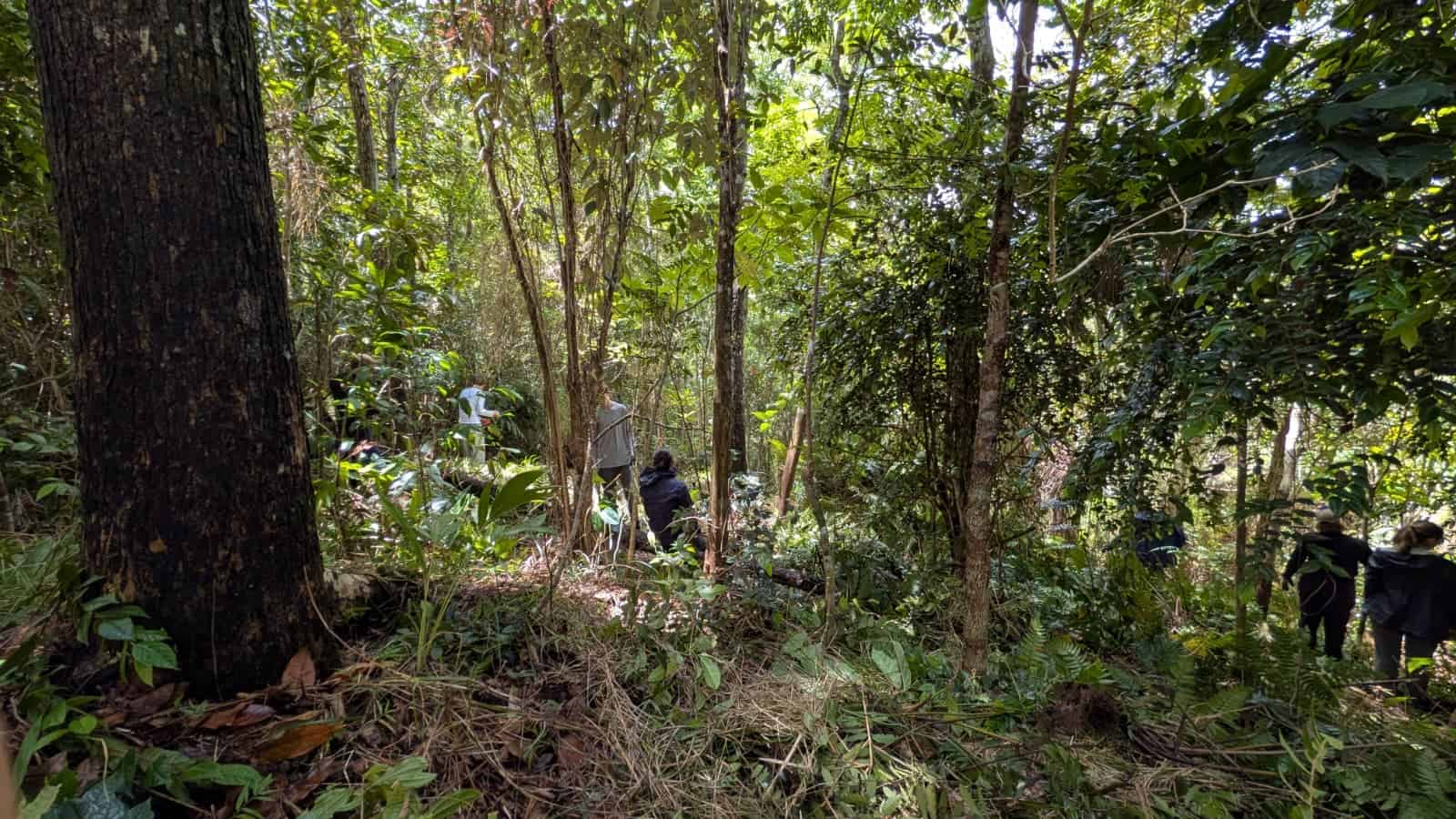
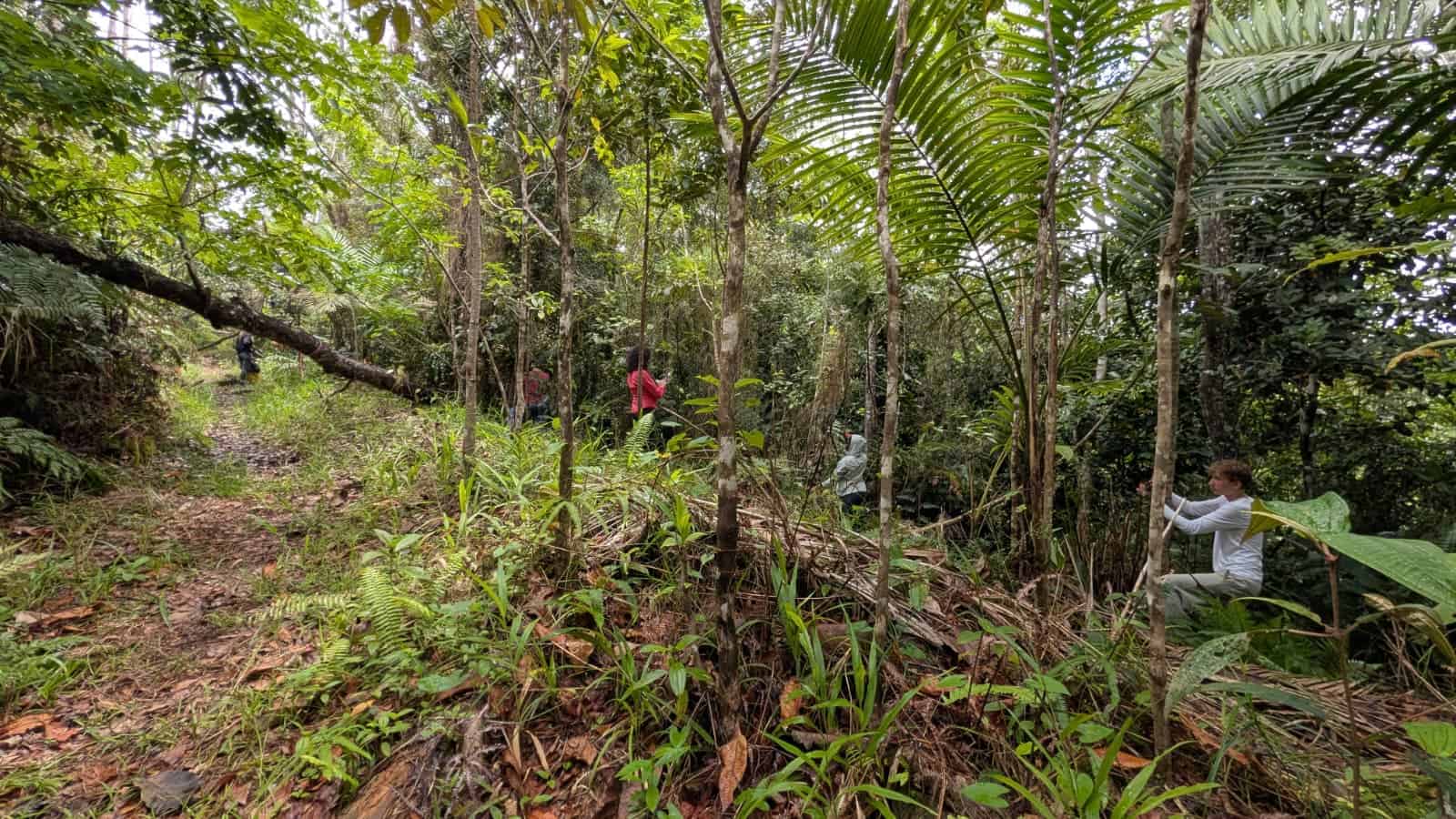
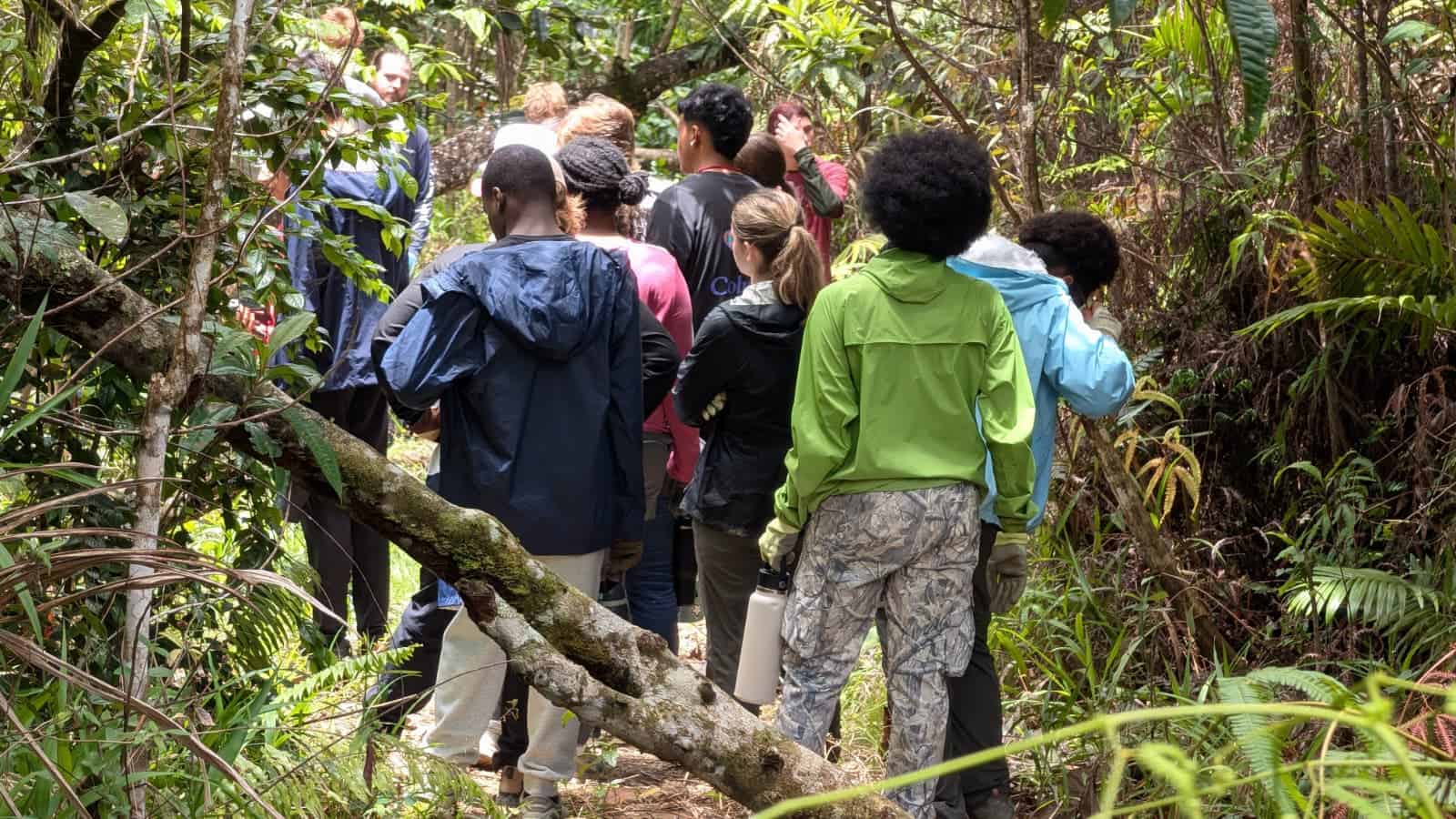
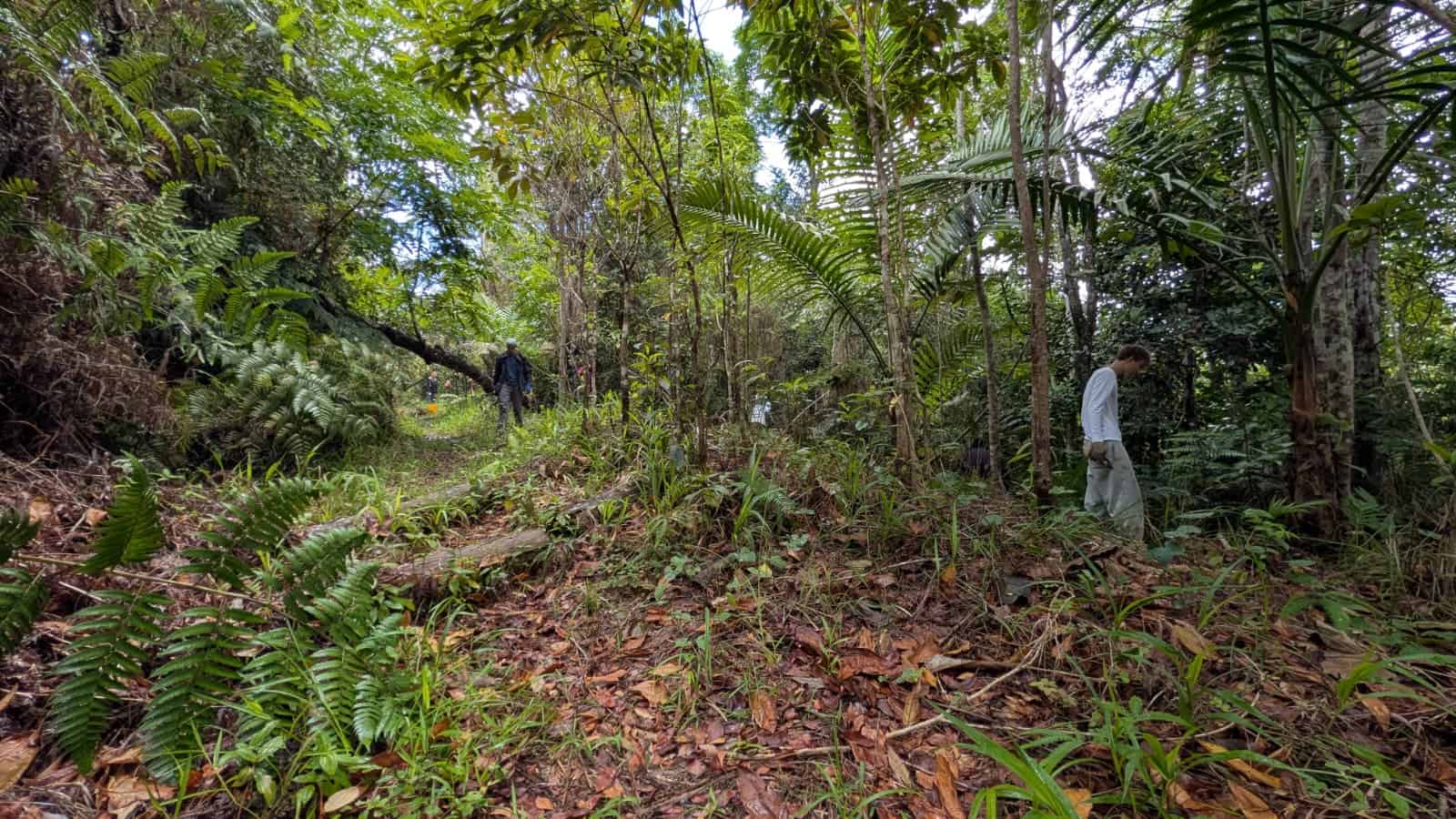
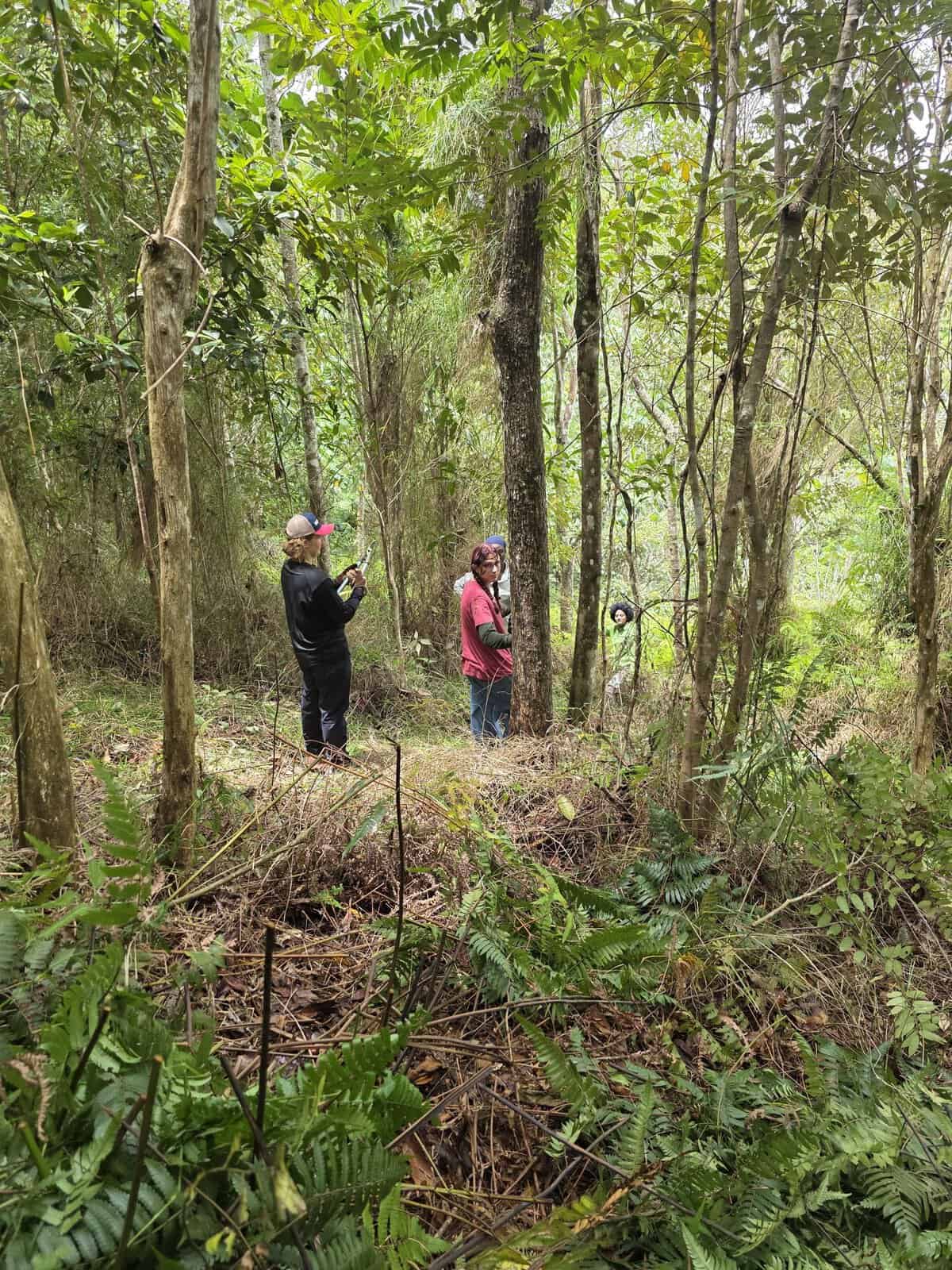
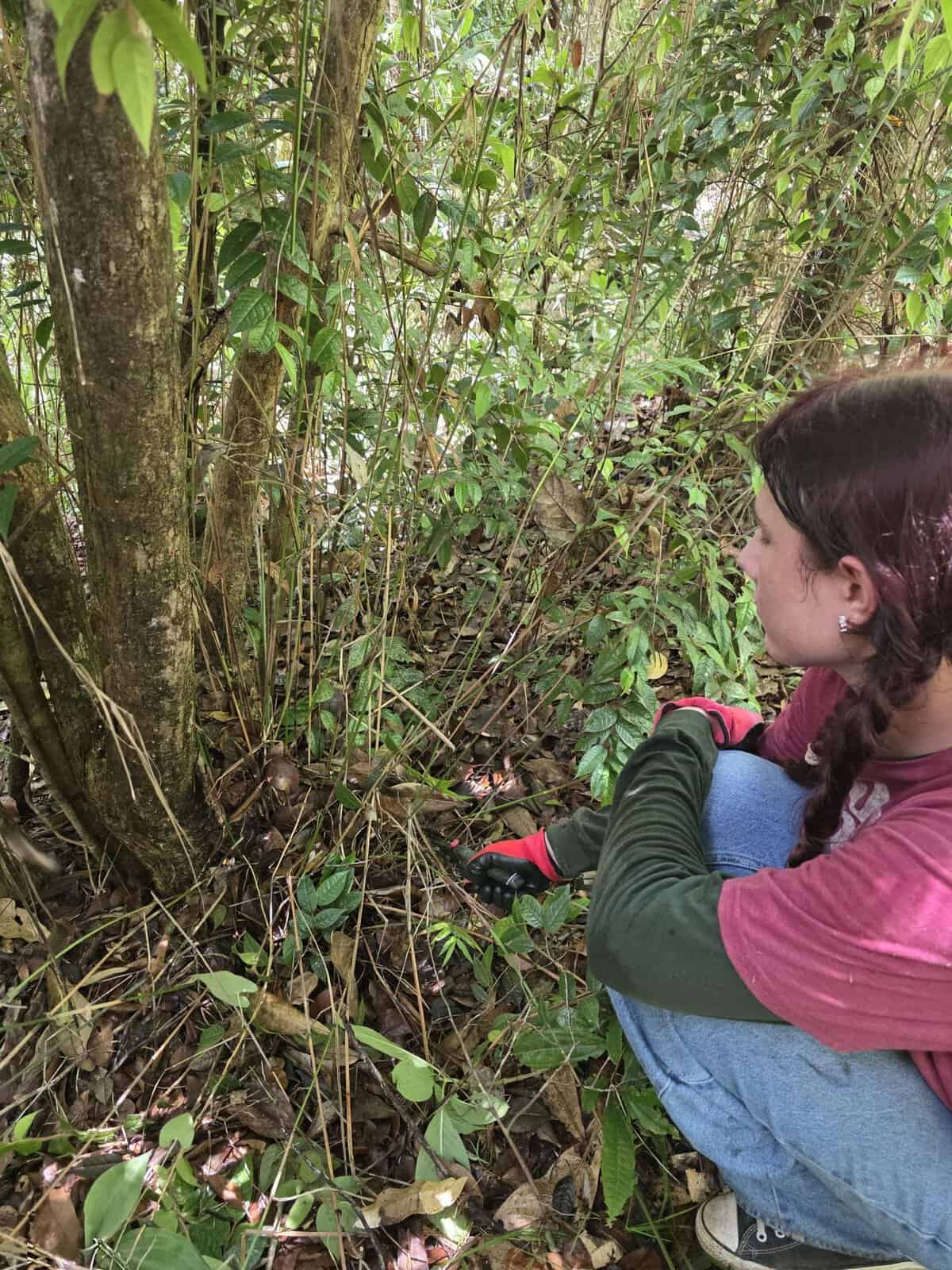
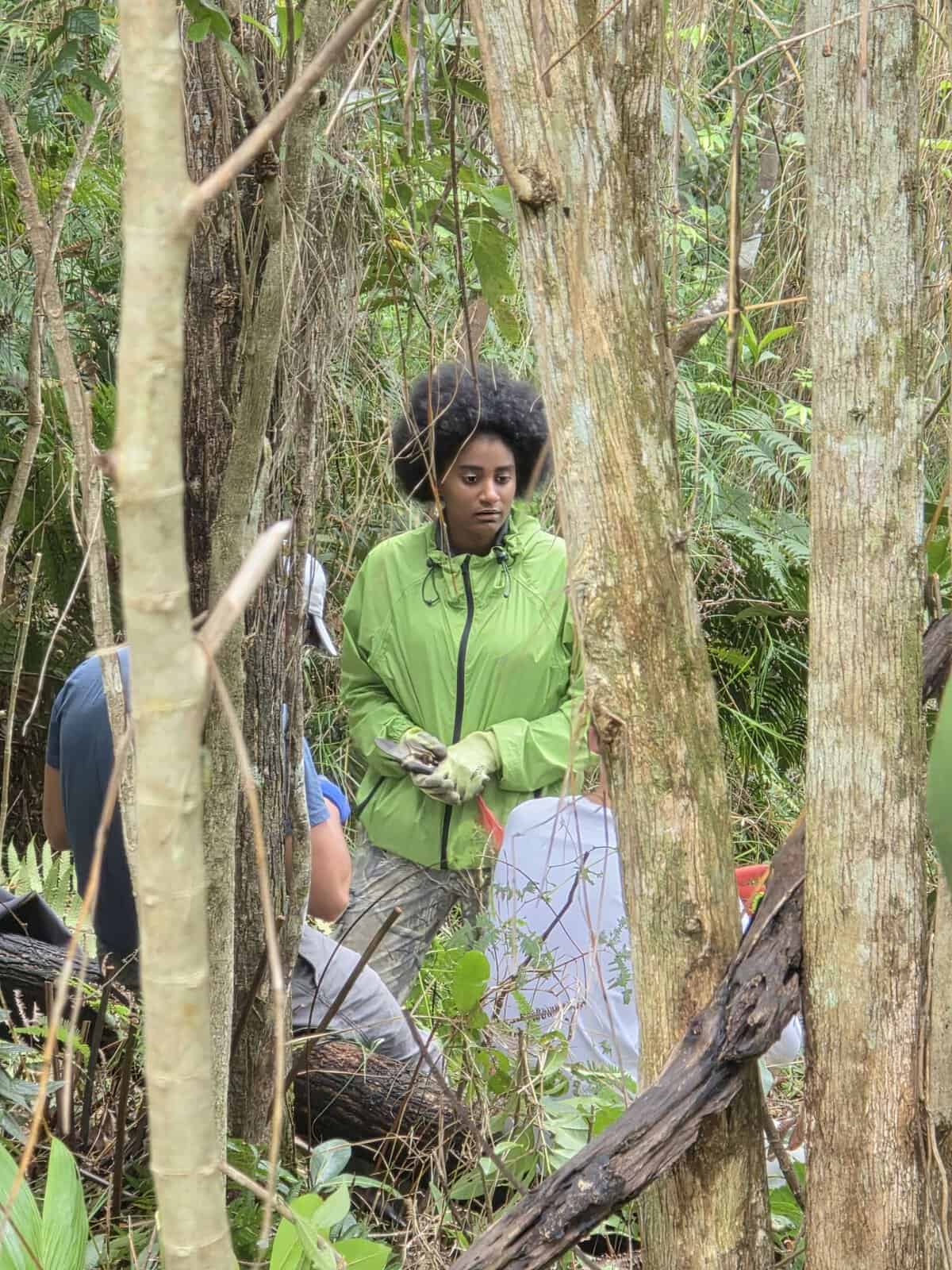
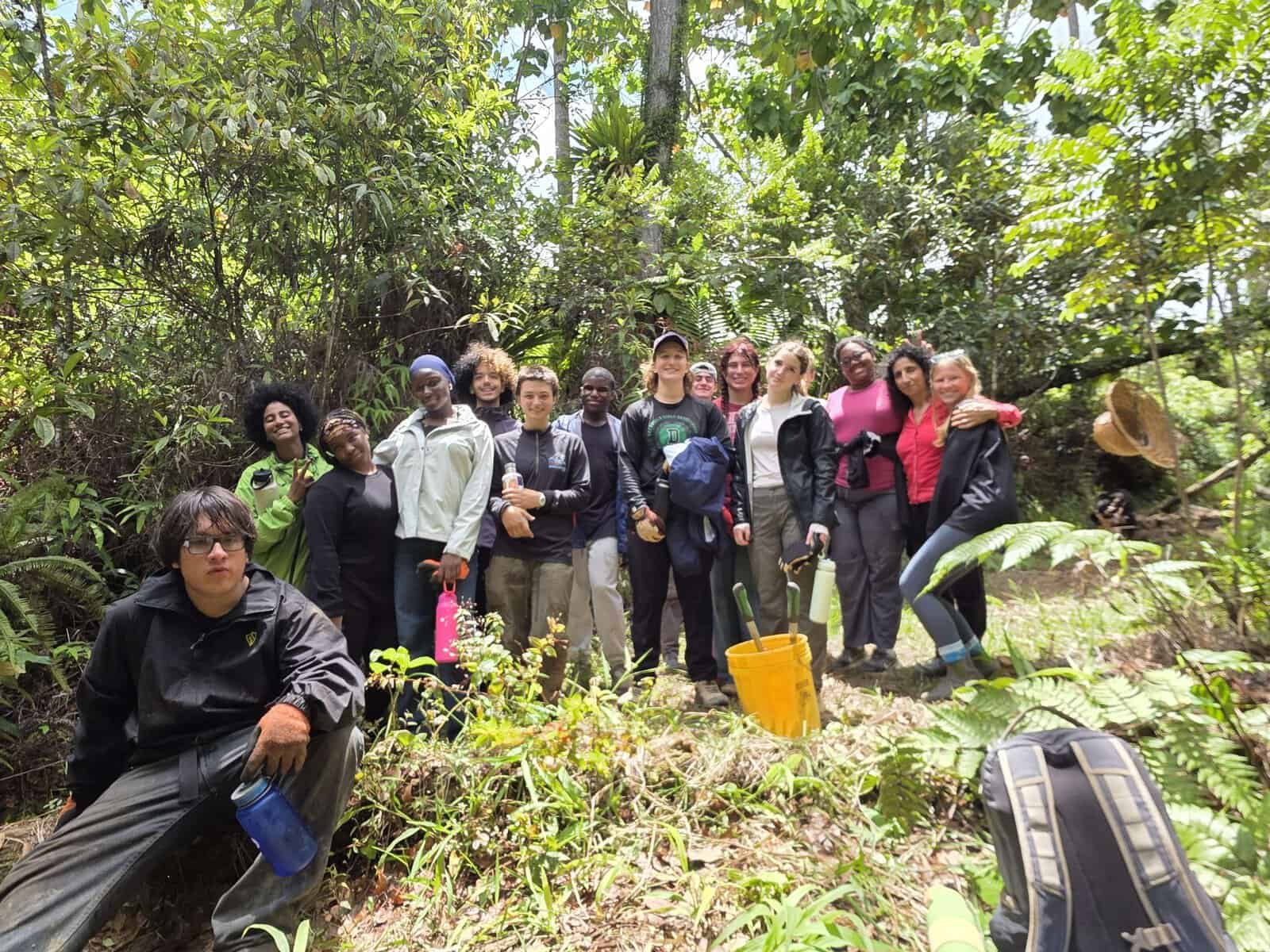
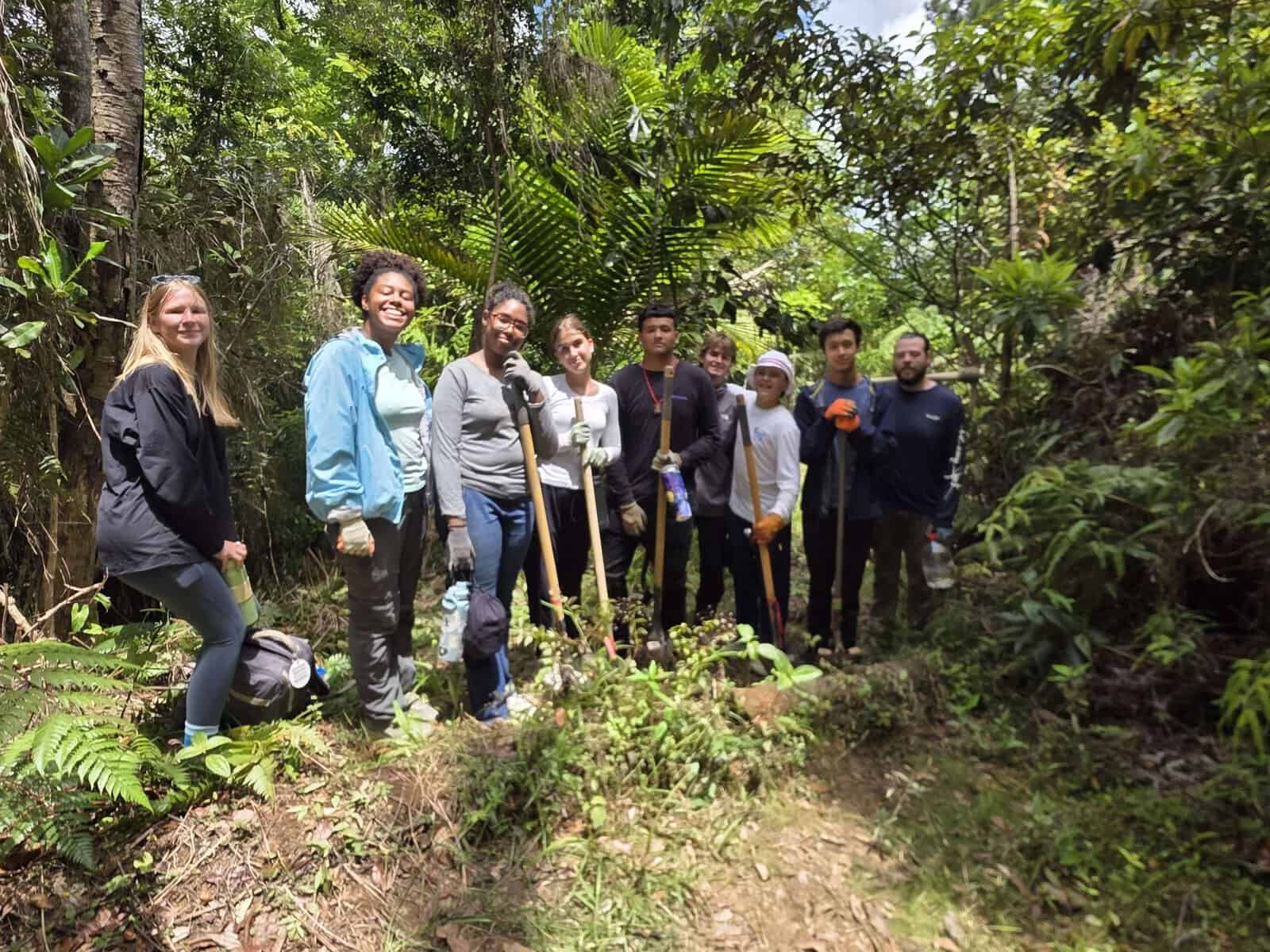
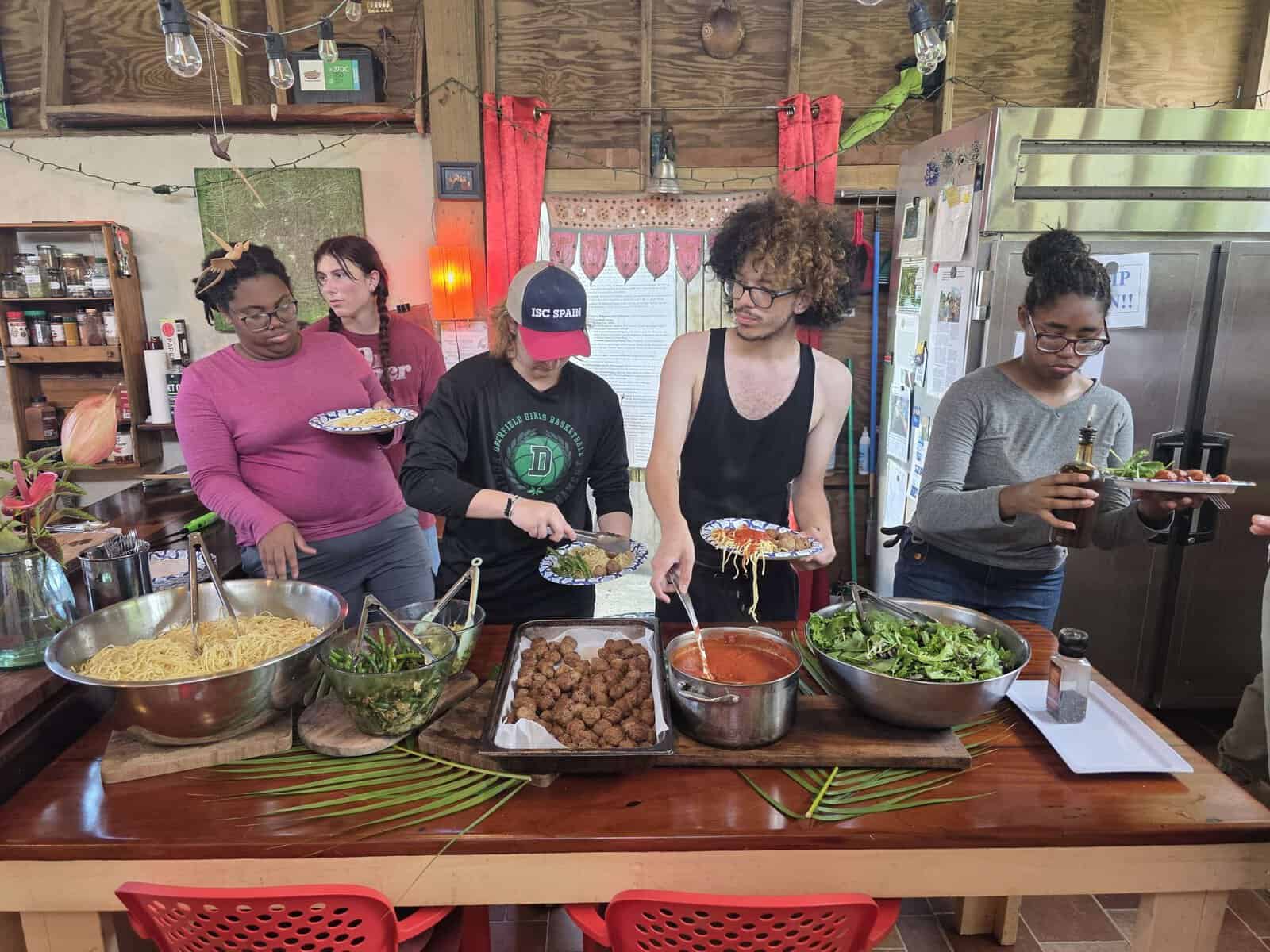
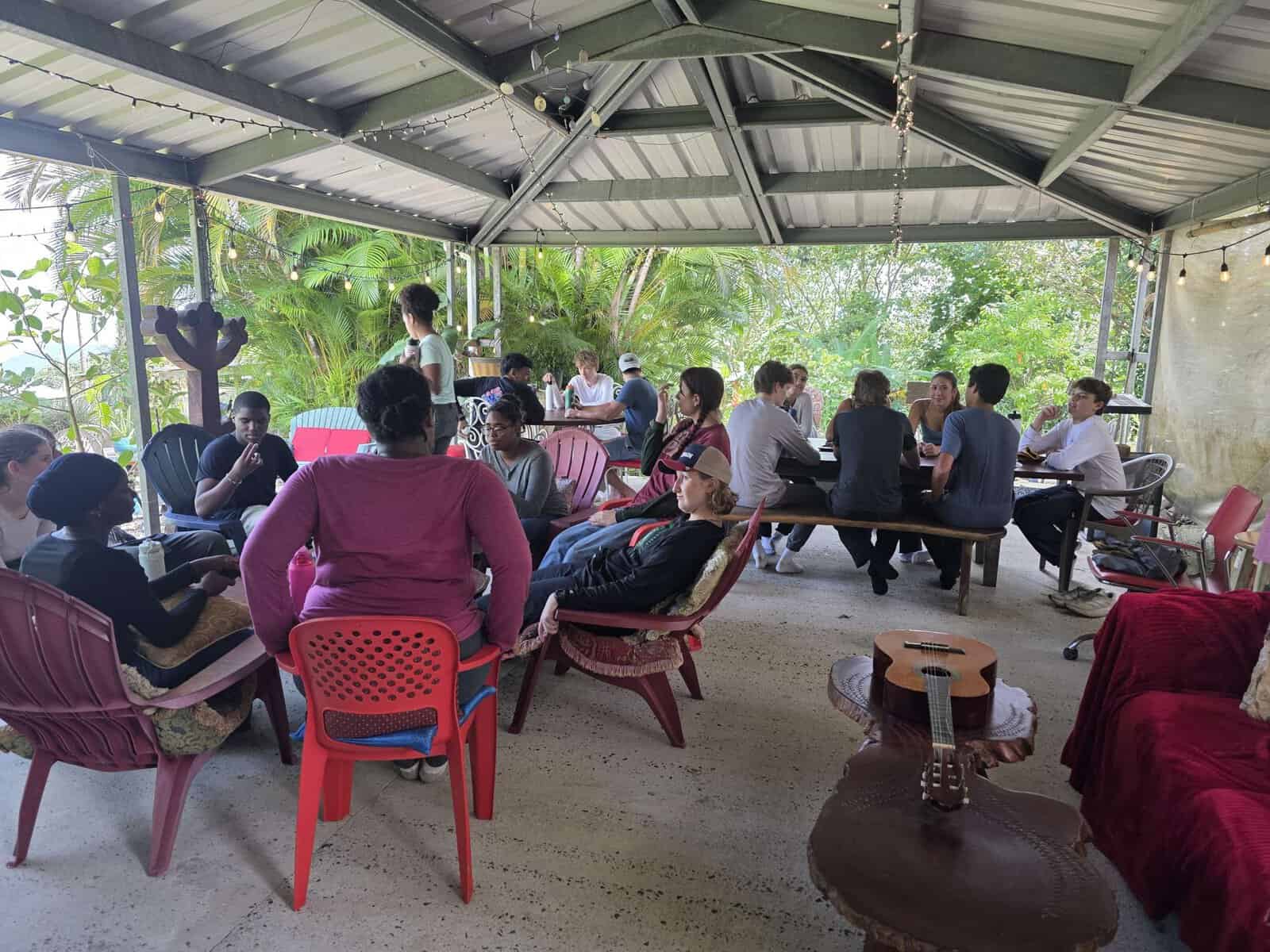
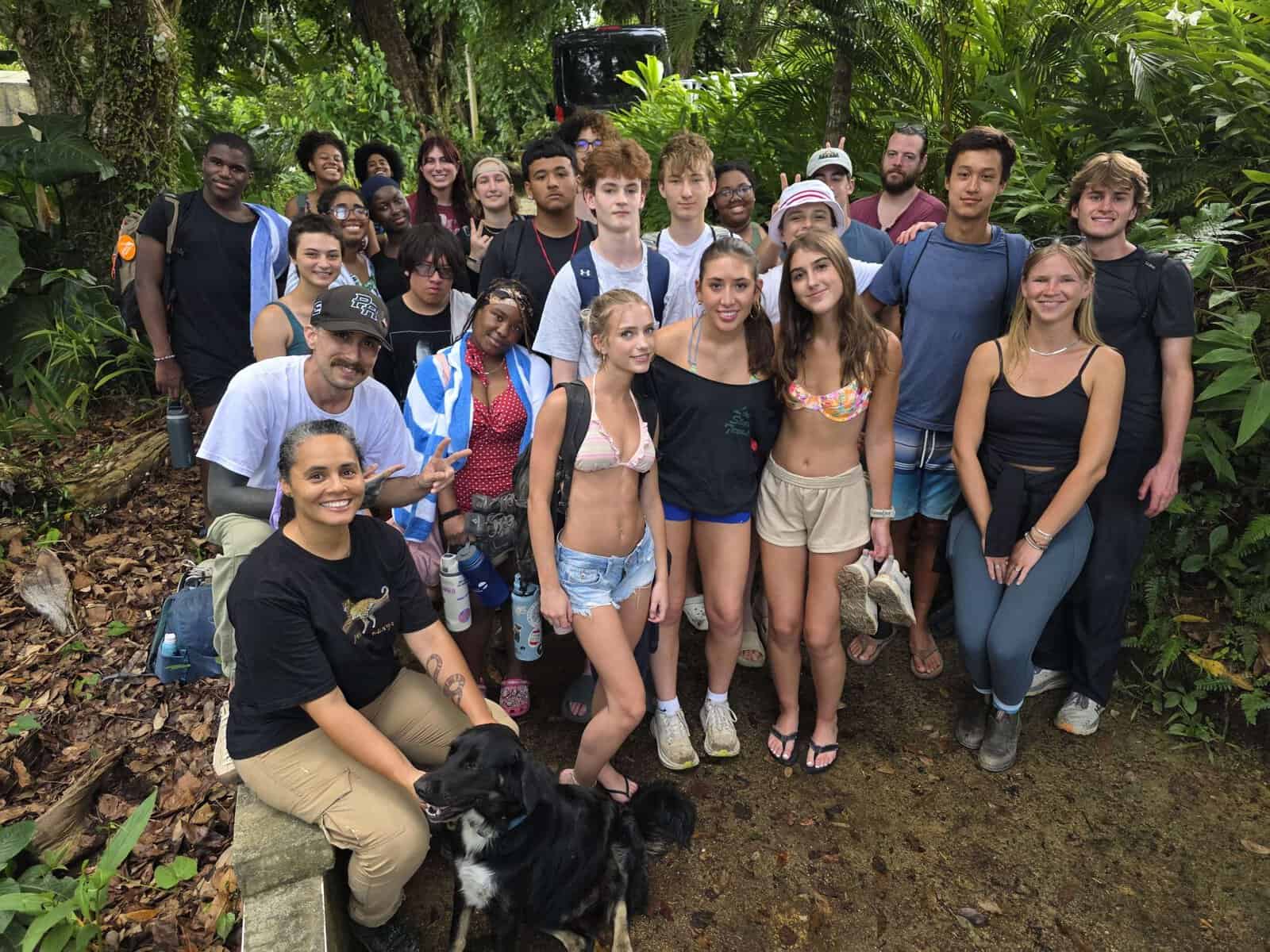
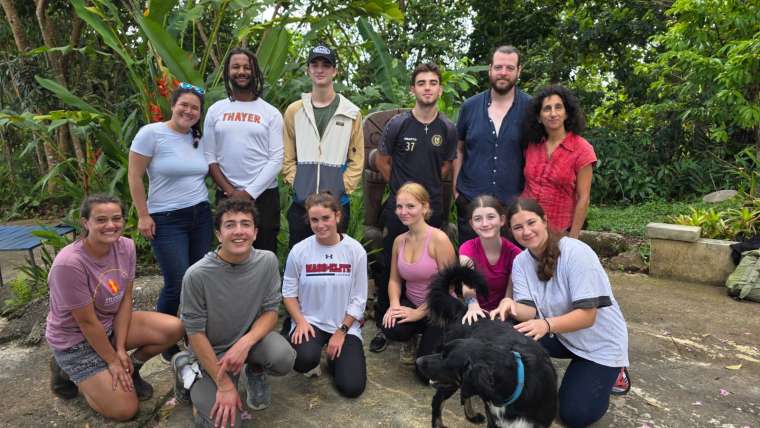
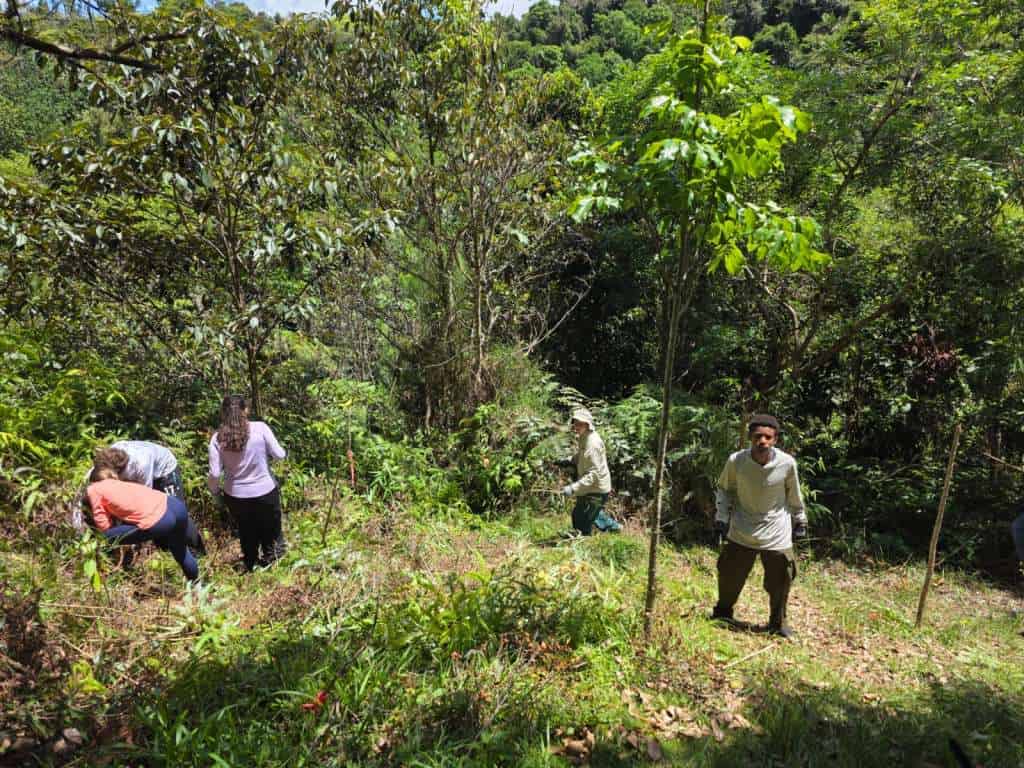
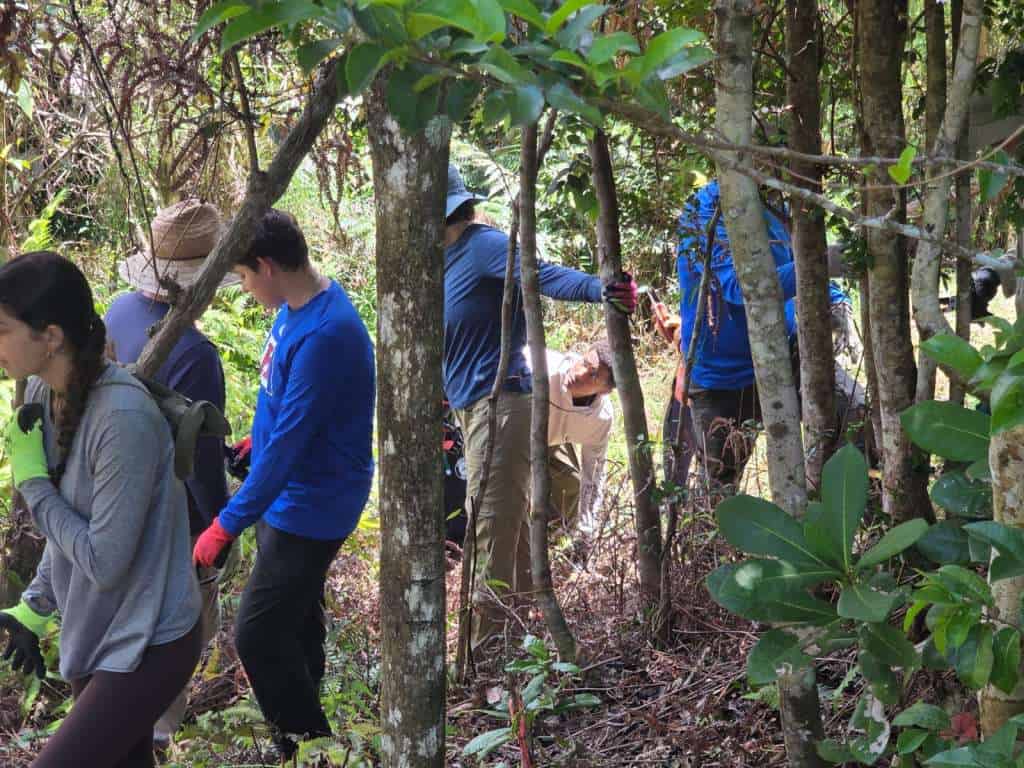
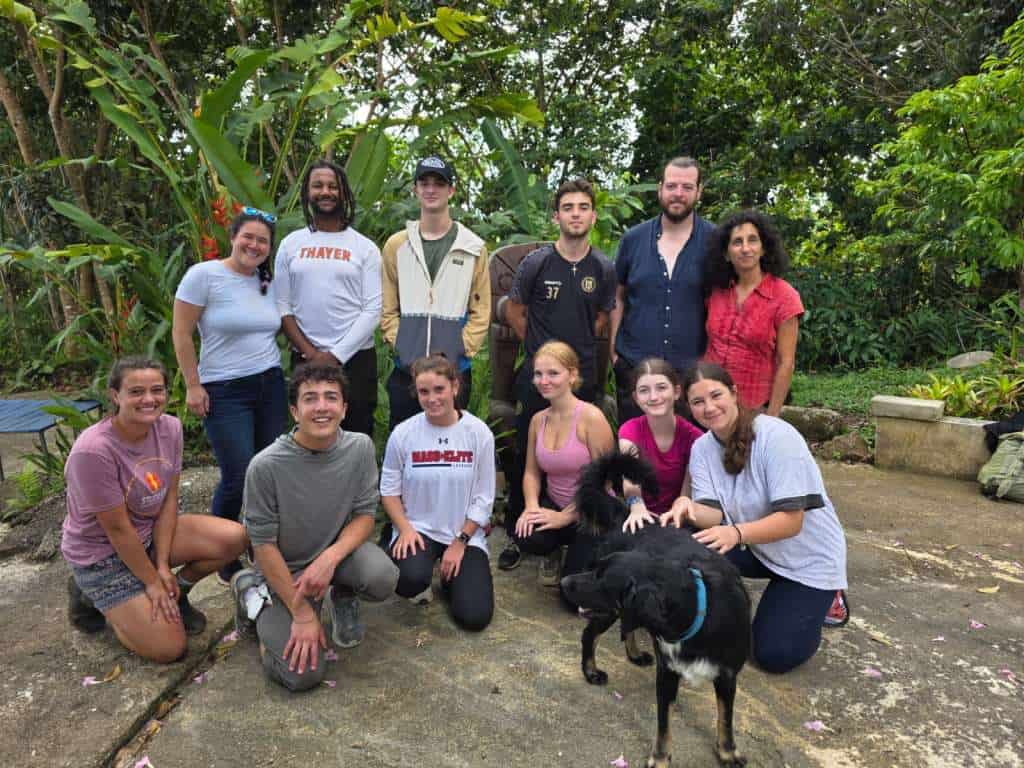
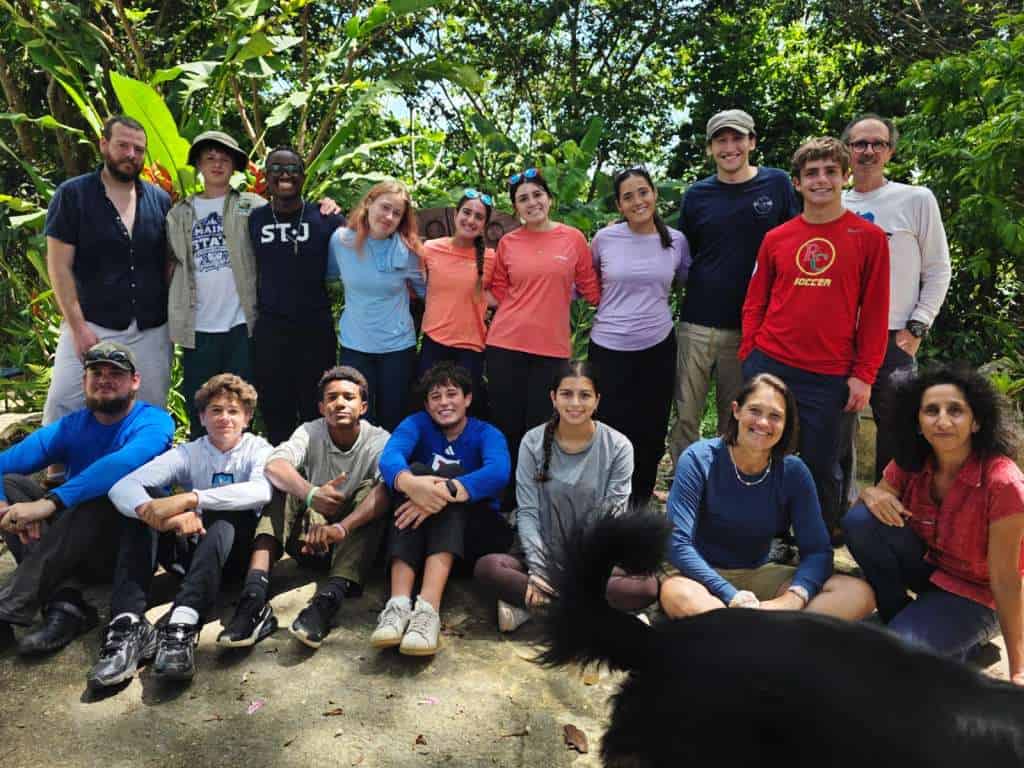
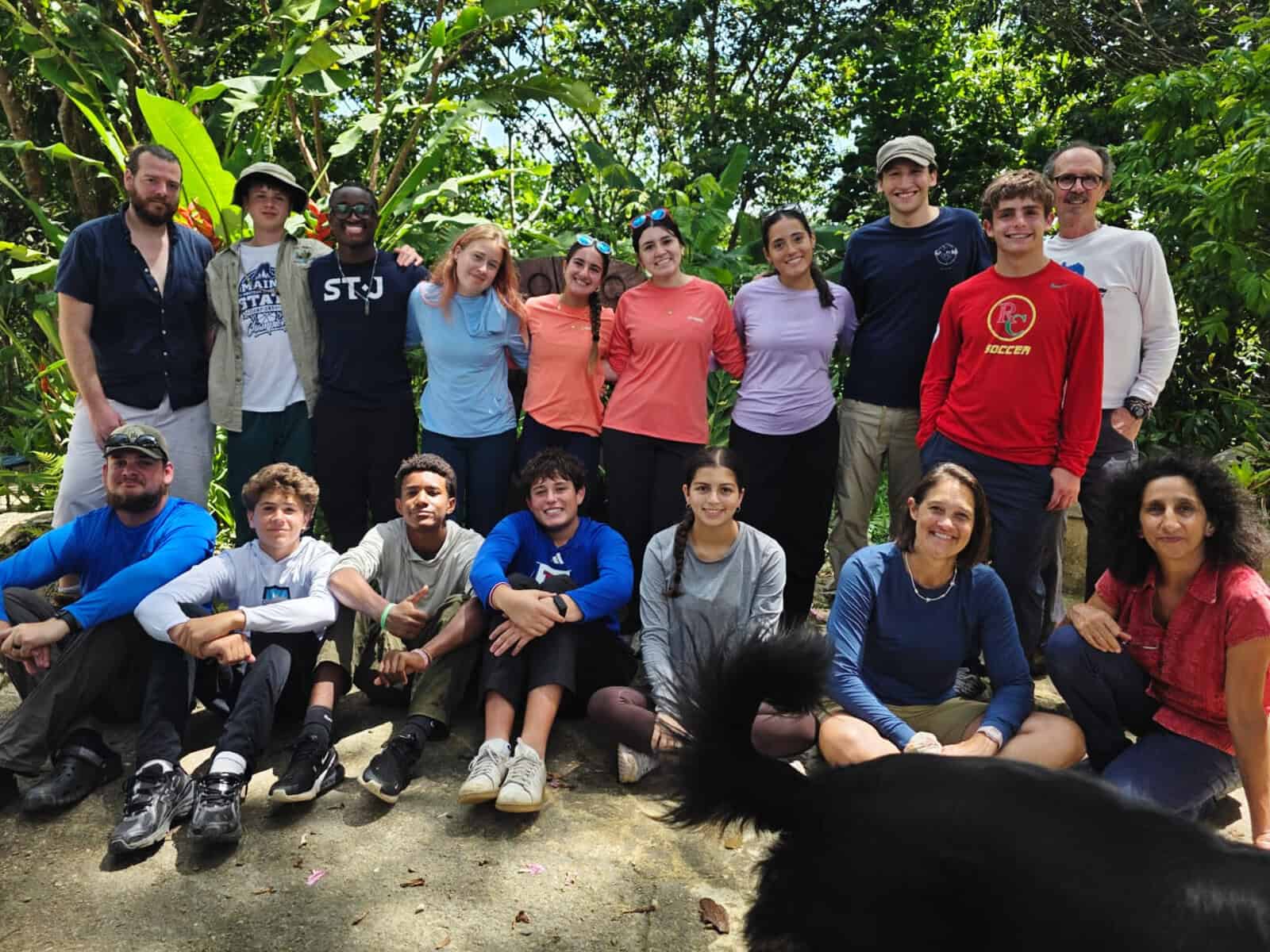
We had a large enthusiastic group with us from Charles H. Barrows STEM Academy, 21 students and 16 staff and parents for an afternoon of service and an overnight stay. They came ready to work, and that matters here. We split into three mixed teams of students and adults and moved straight onto the land.

Team Caoba

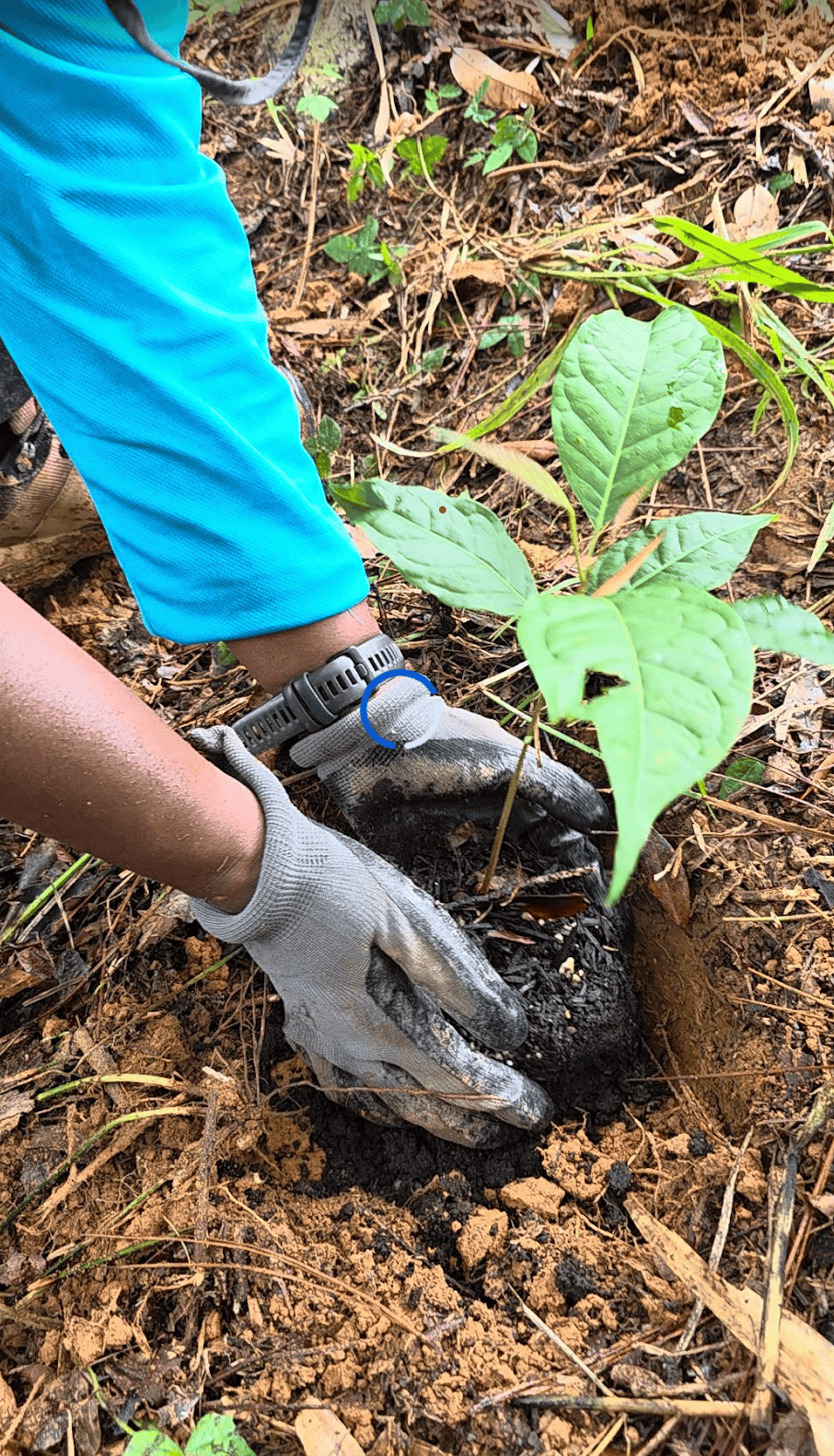
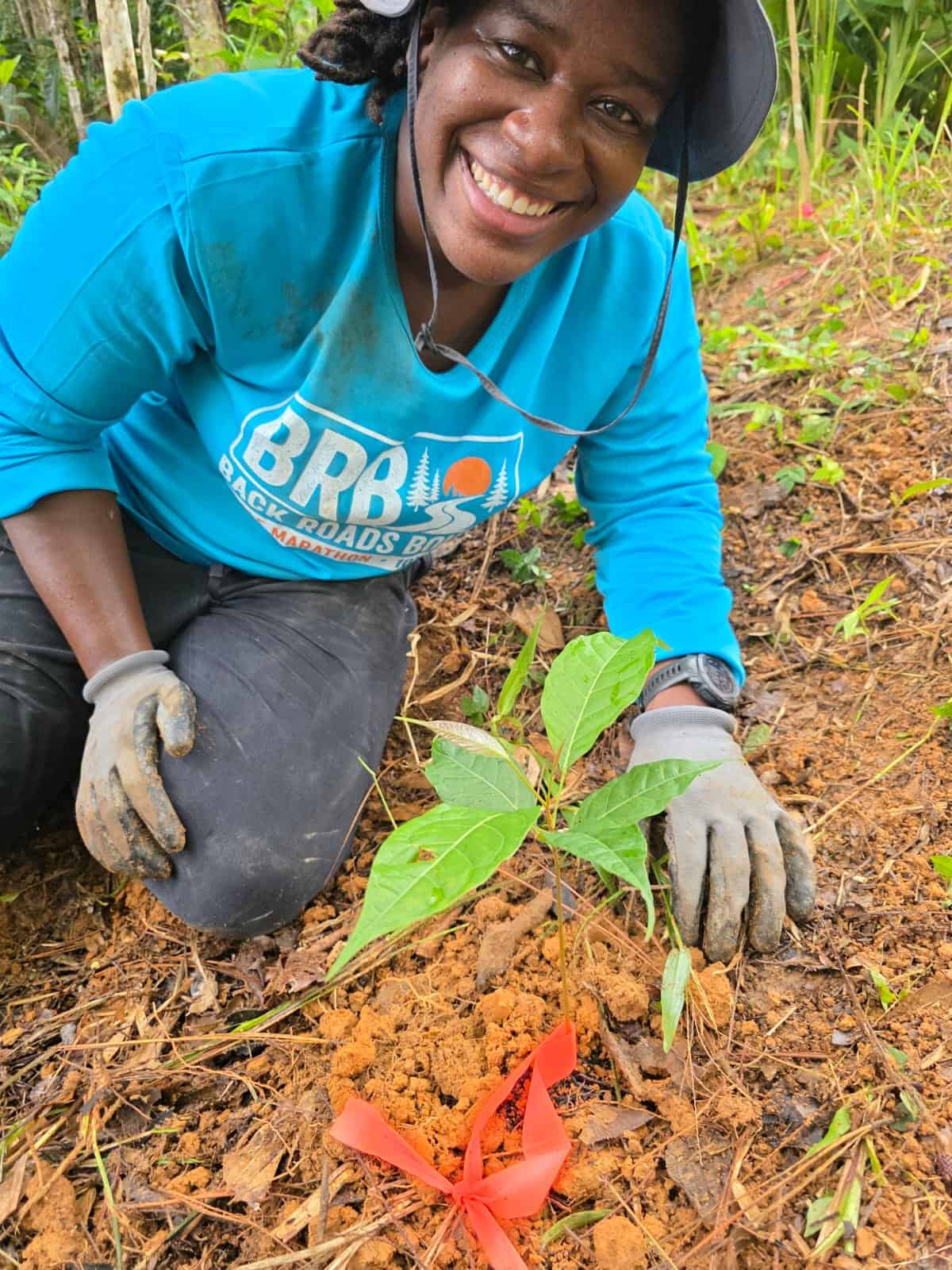
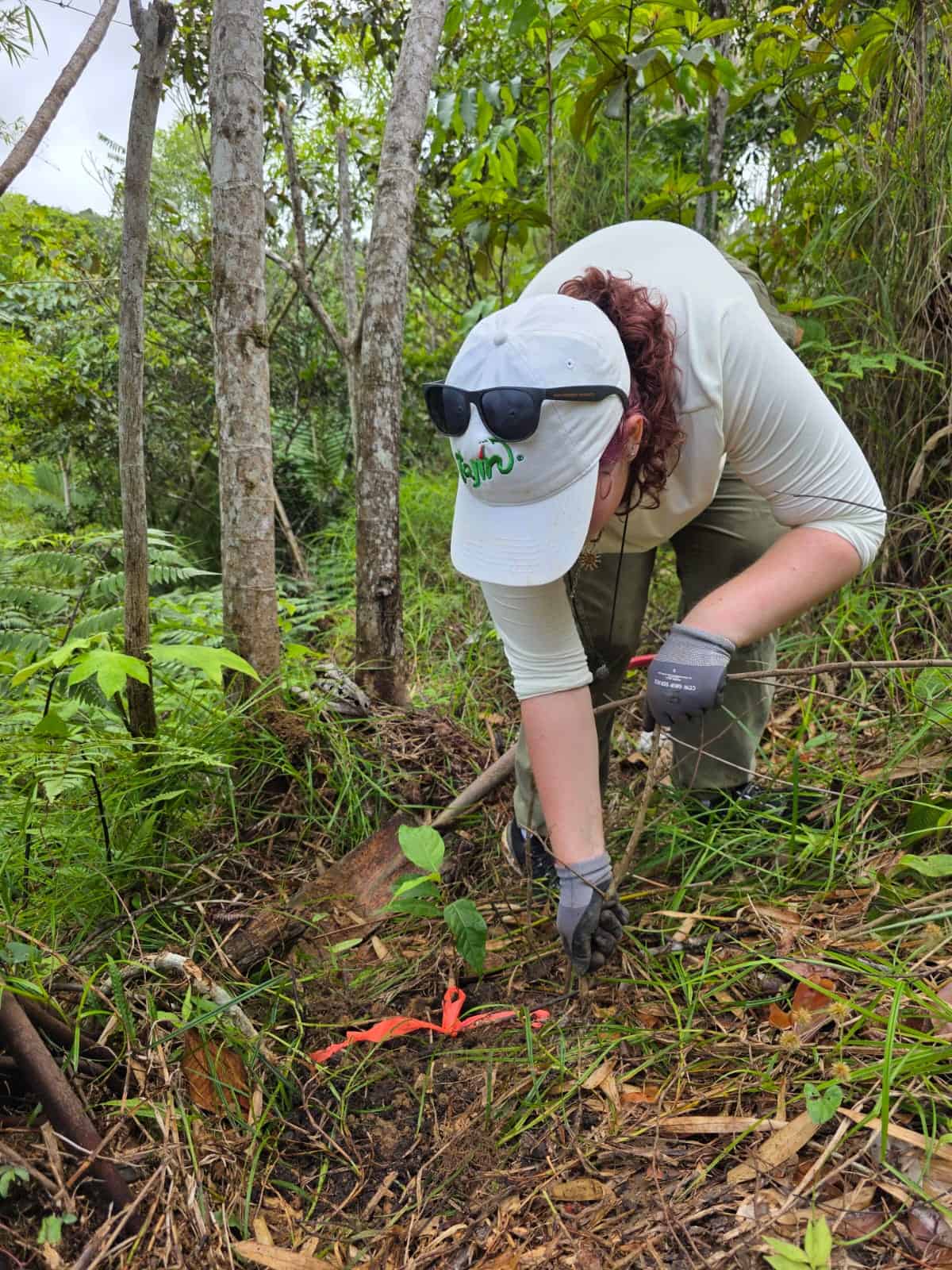
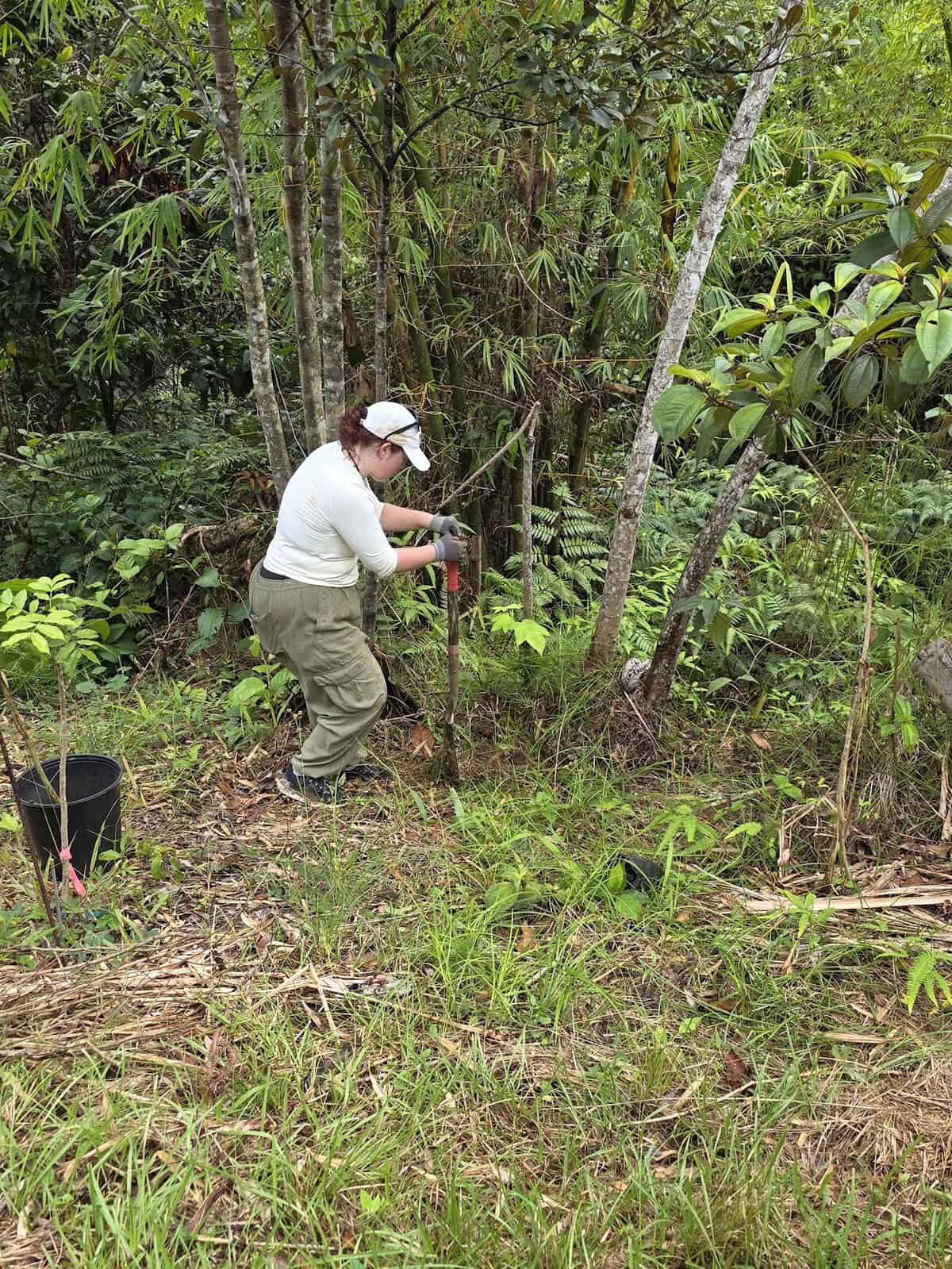
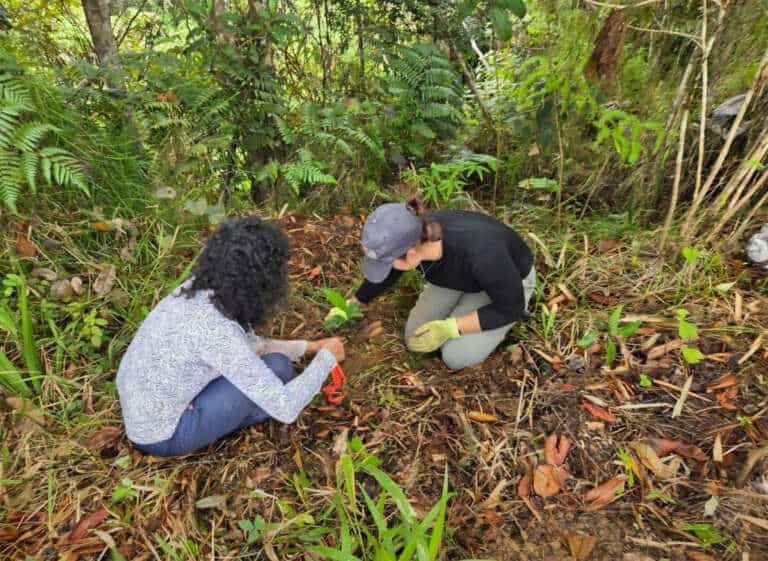
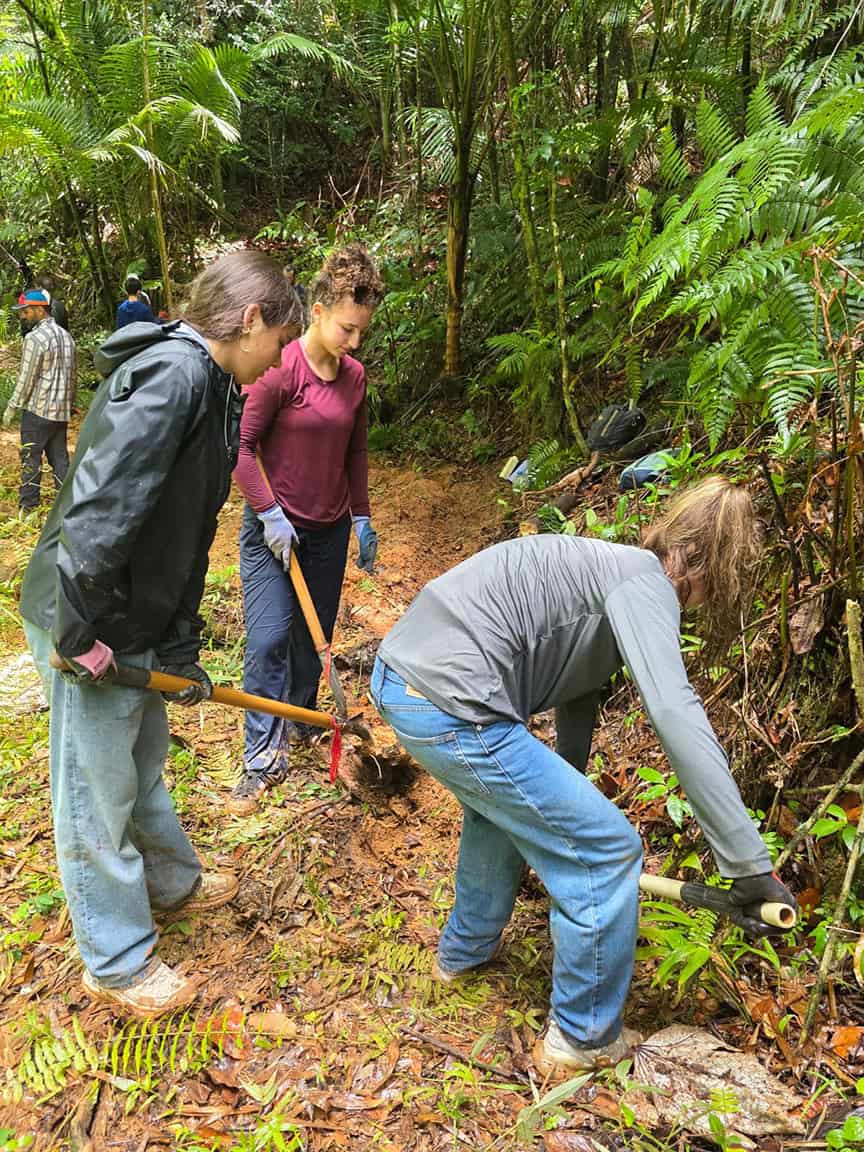
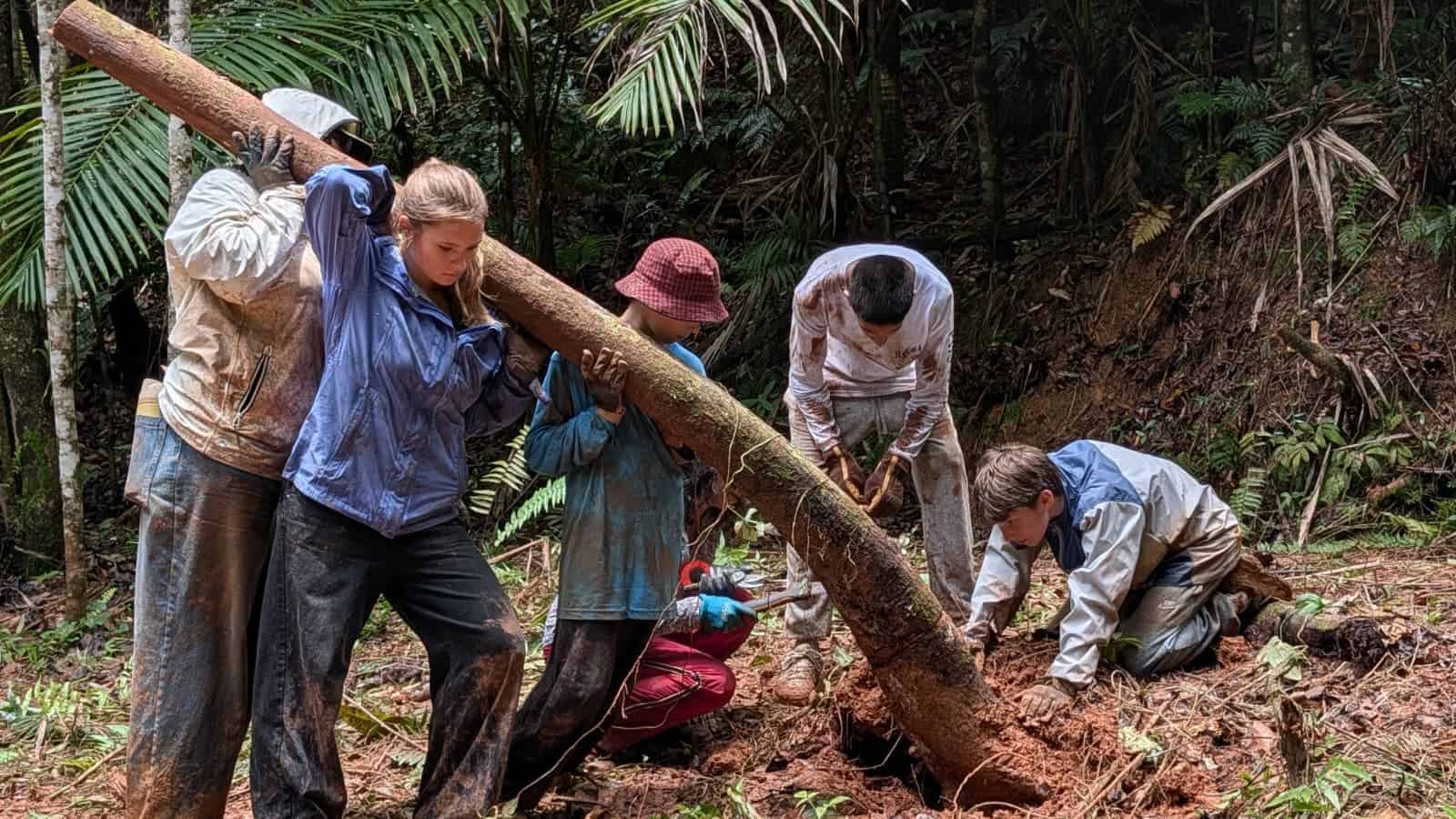
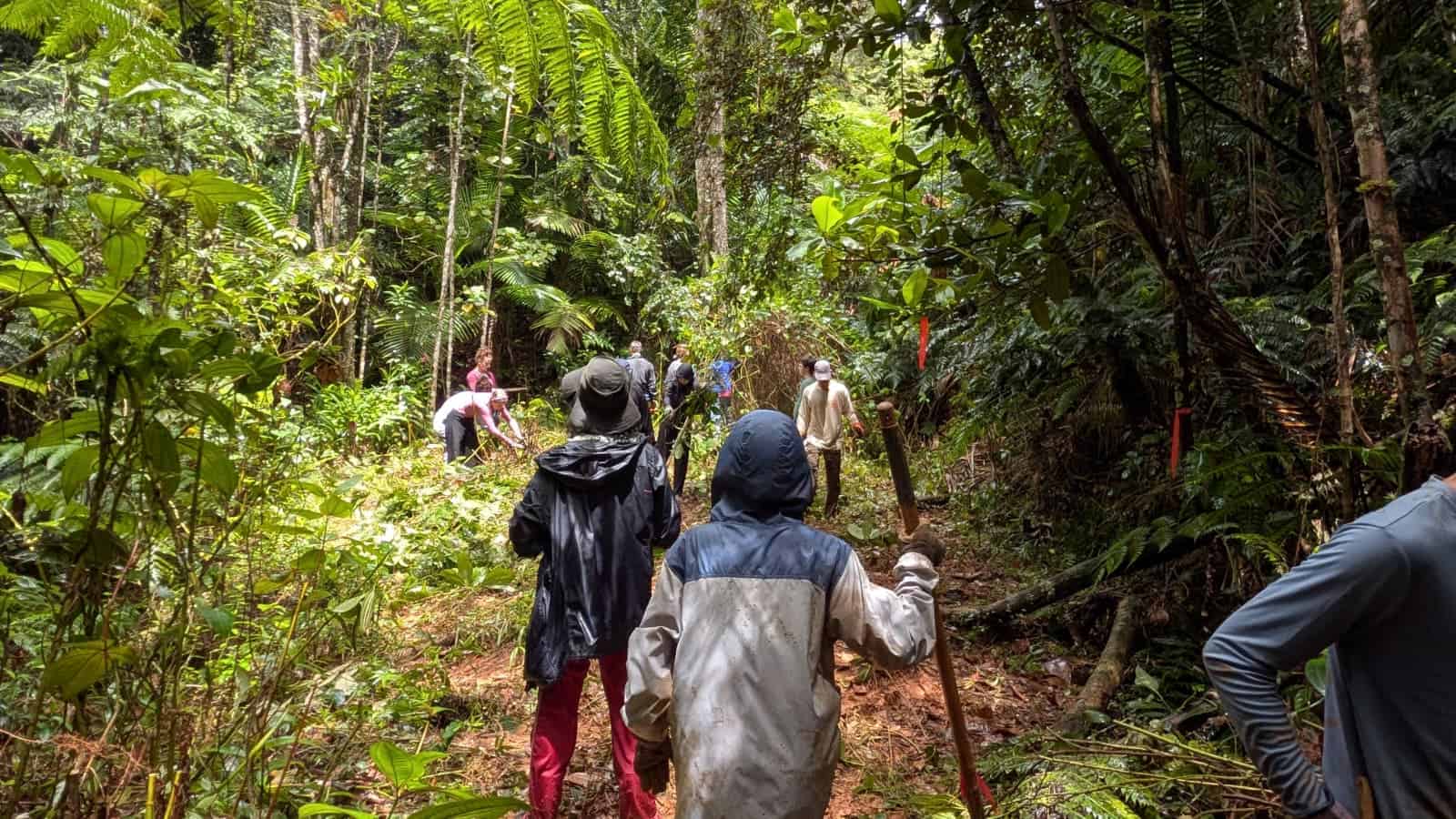
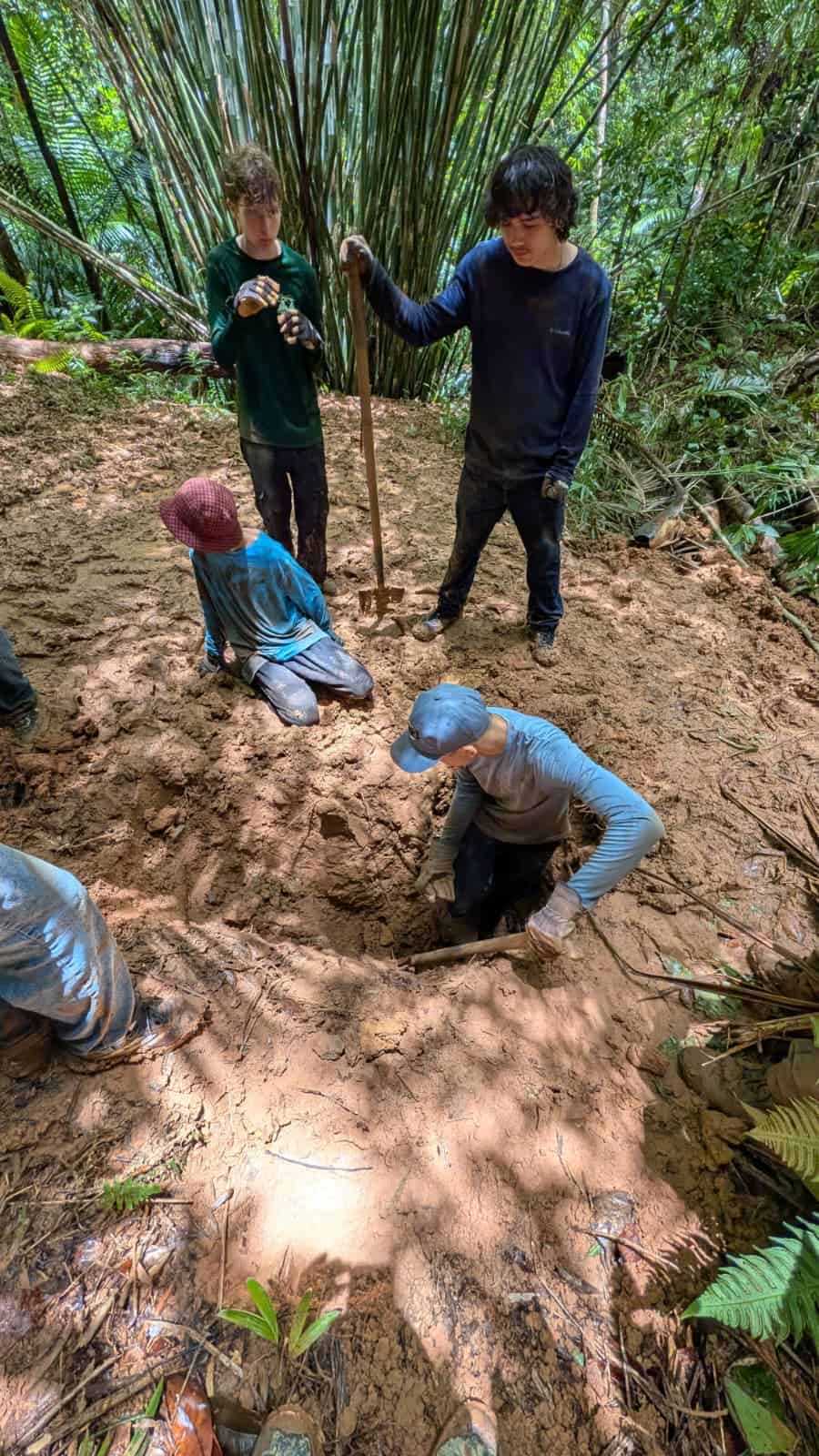
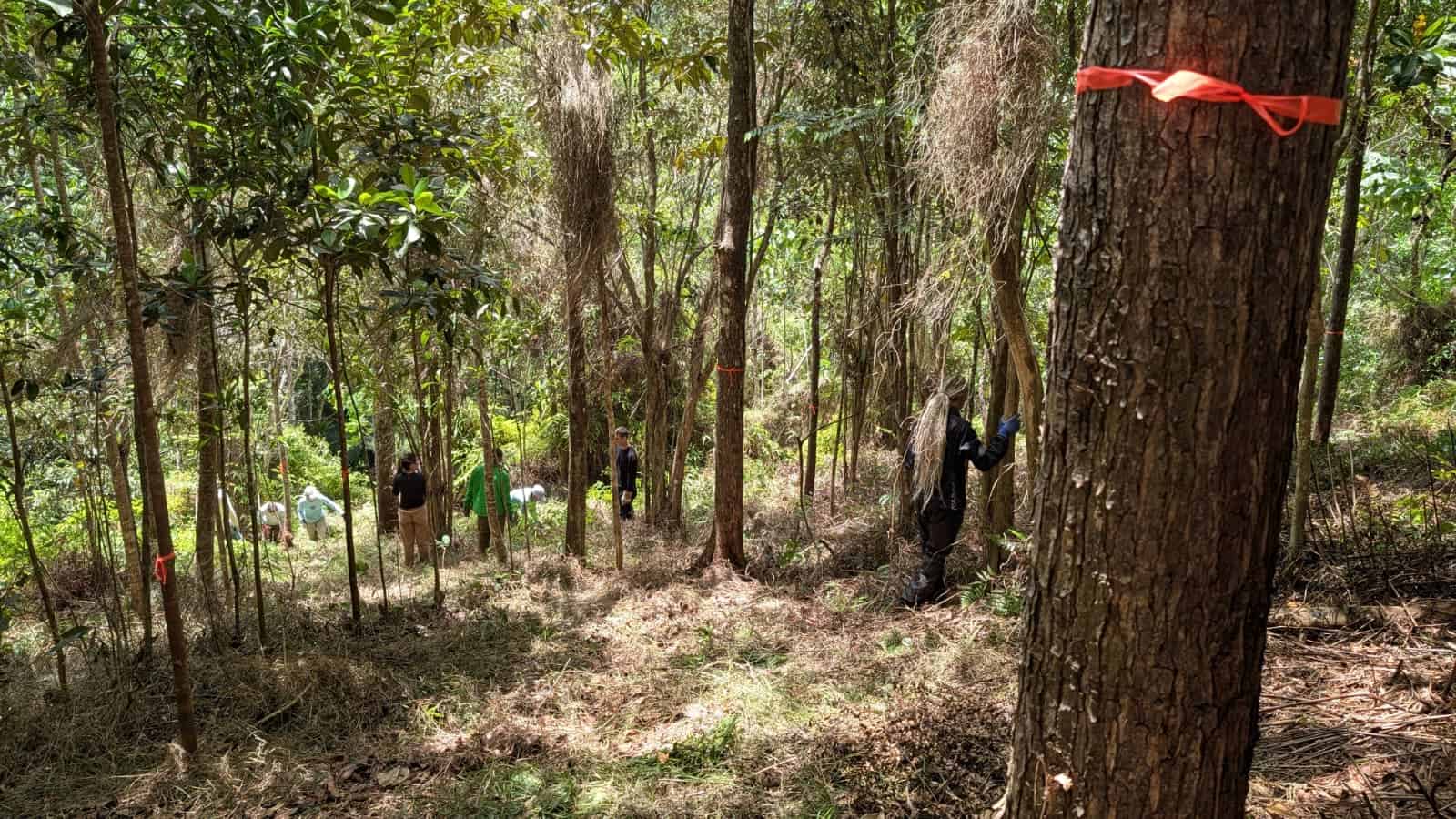
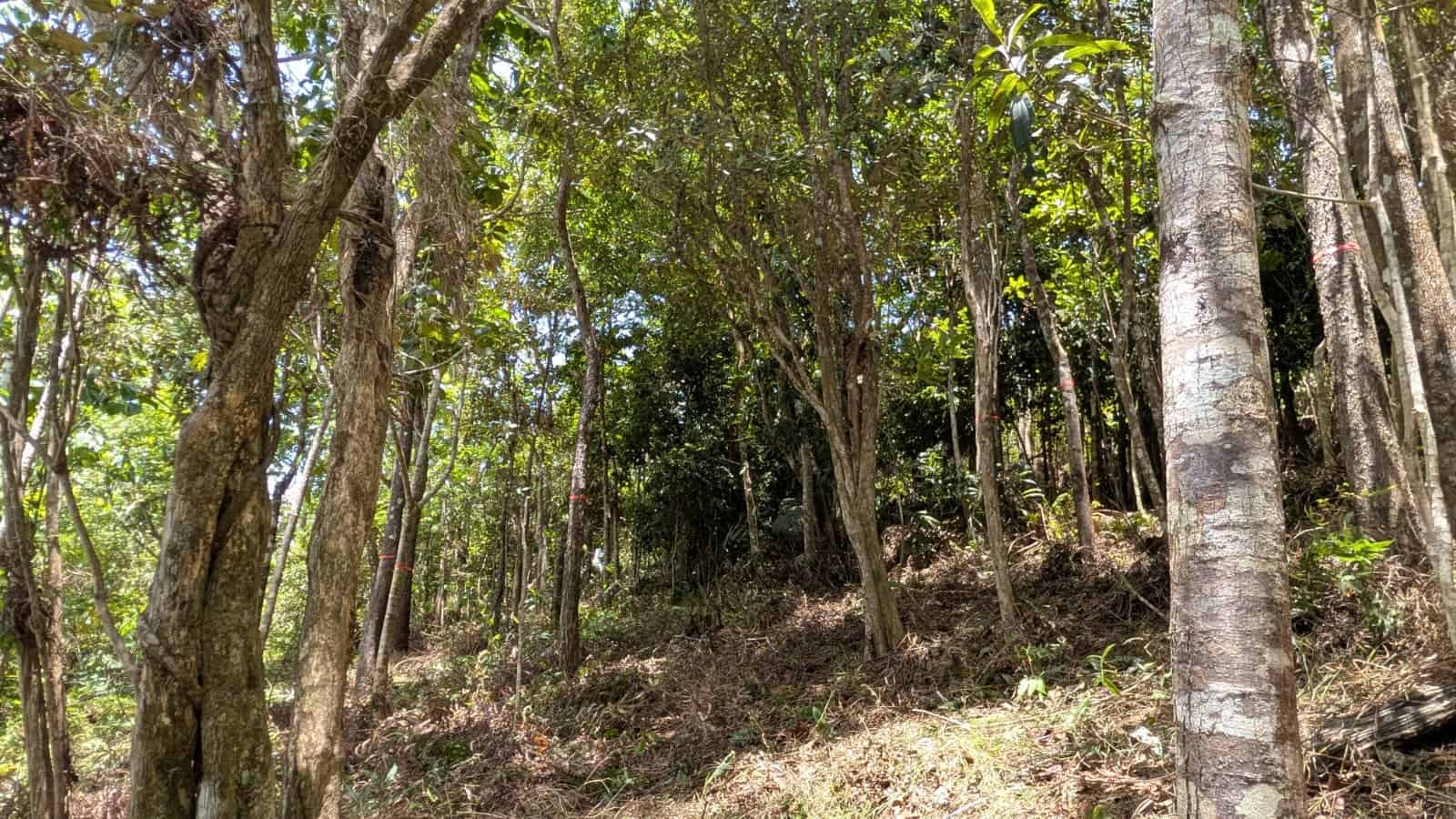
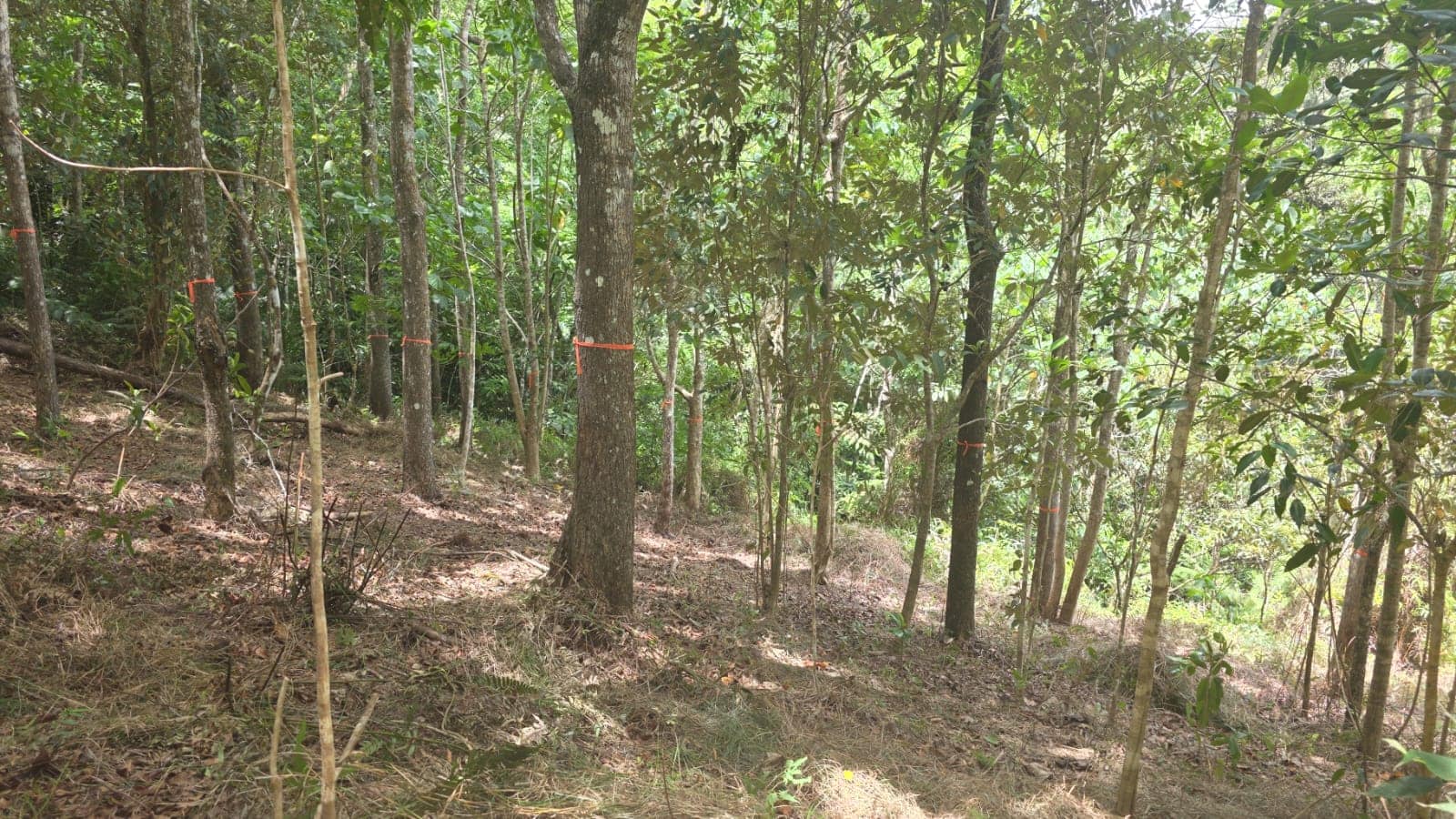
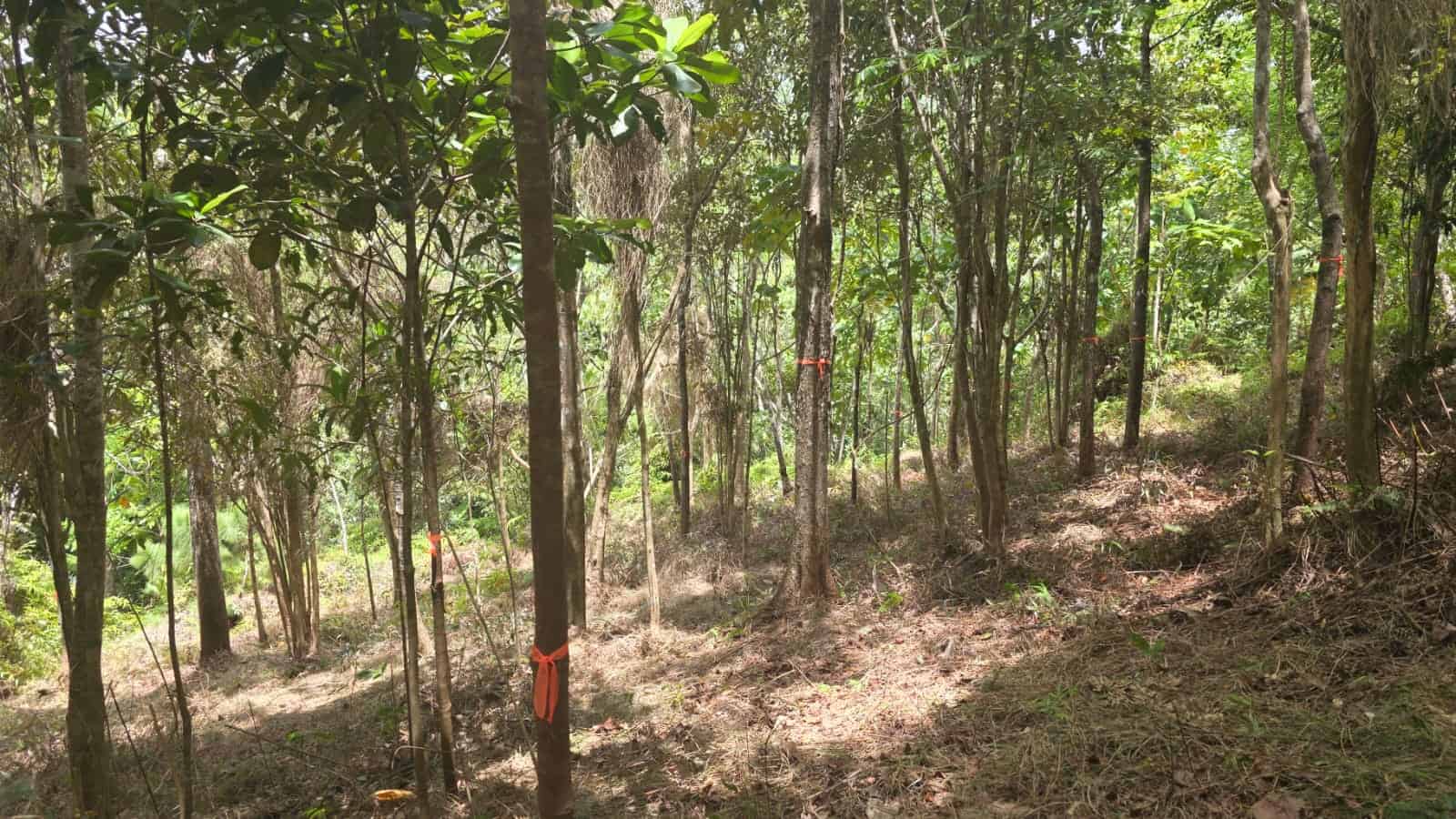
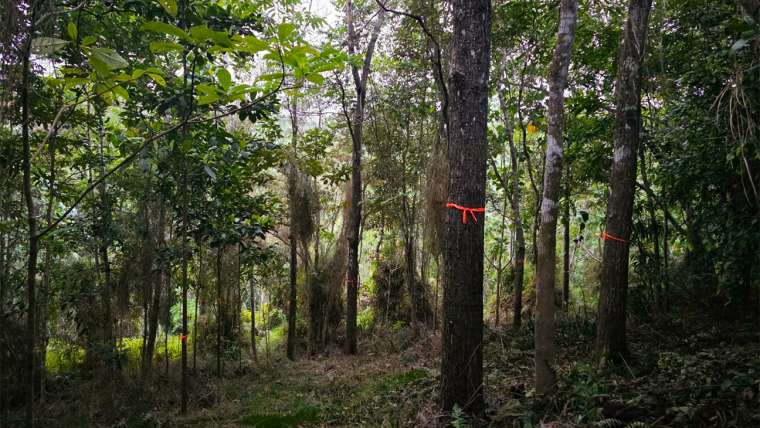
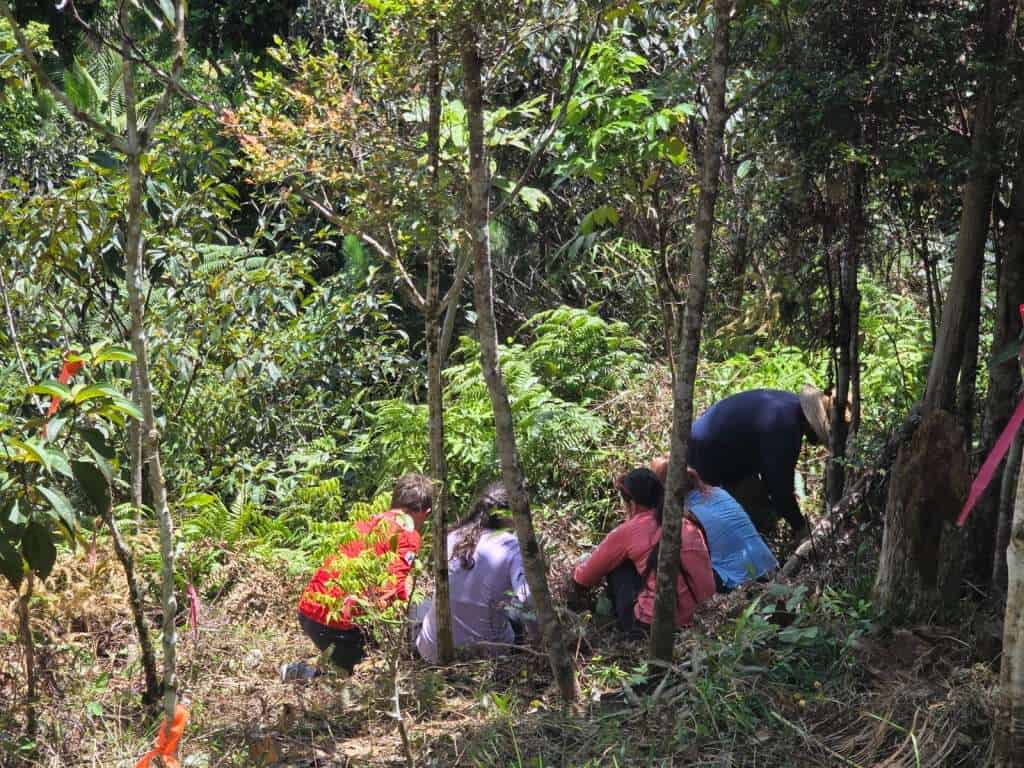
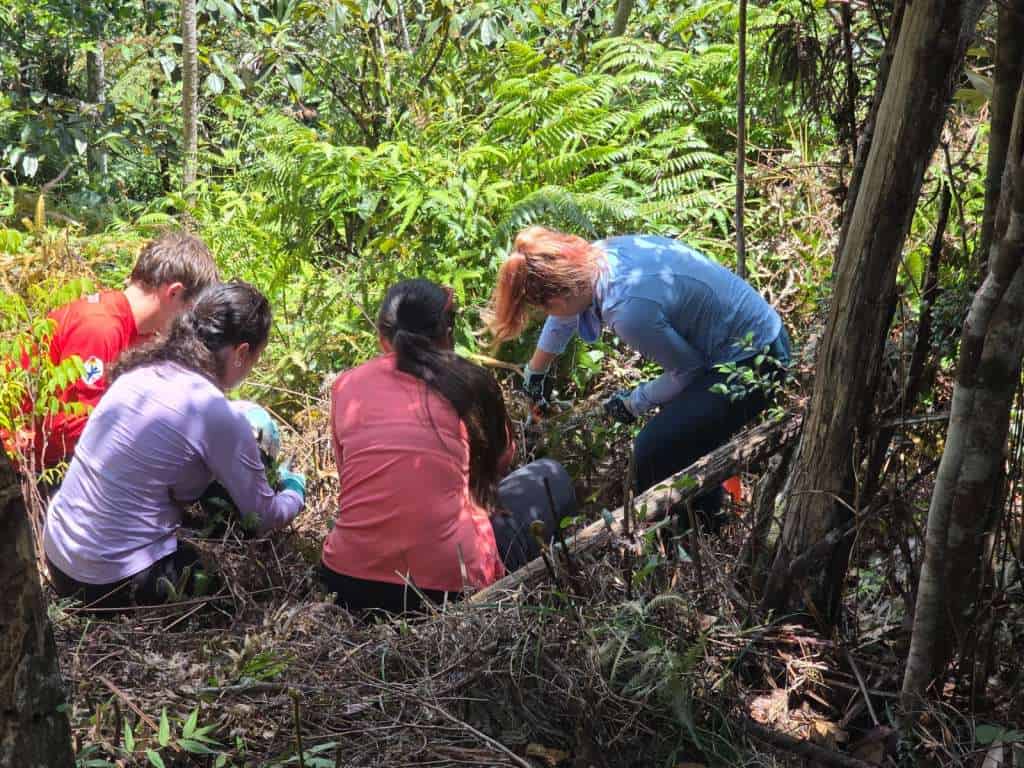
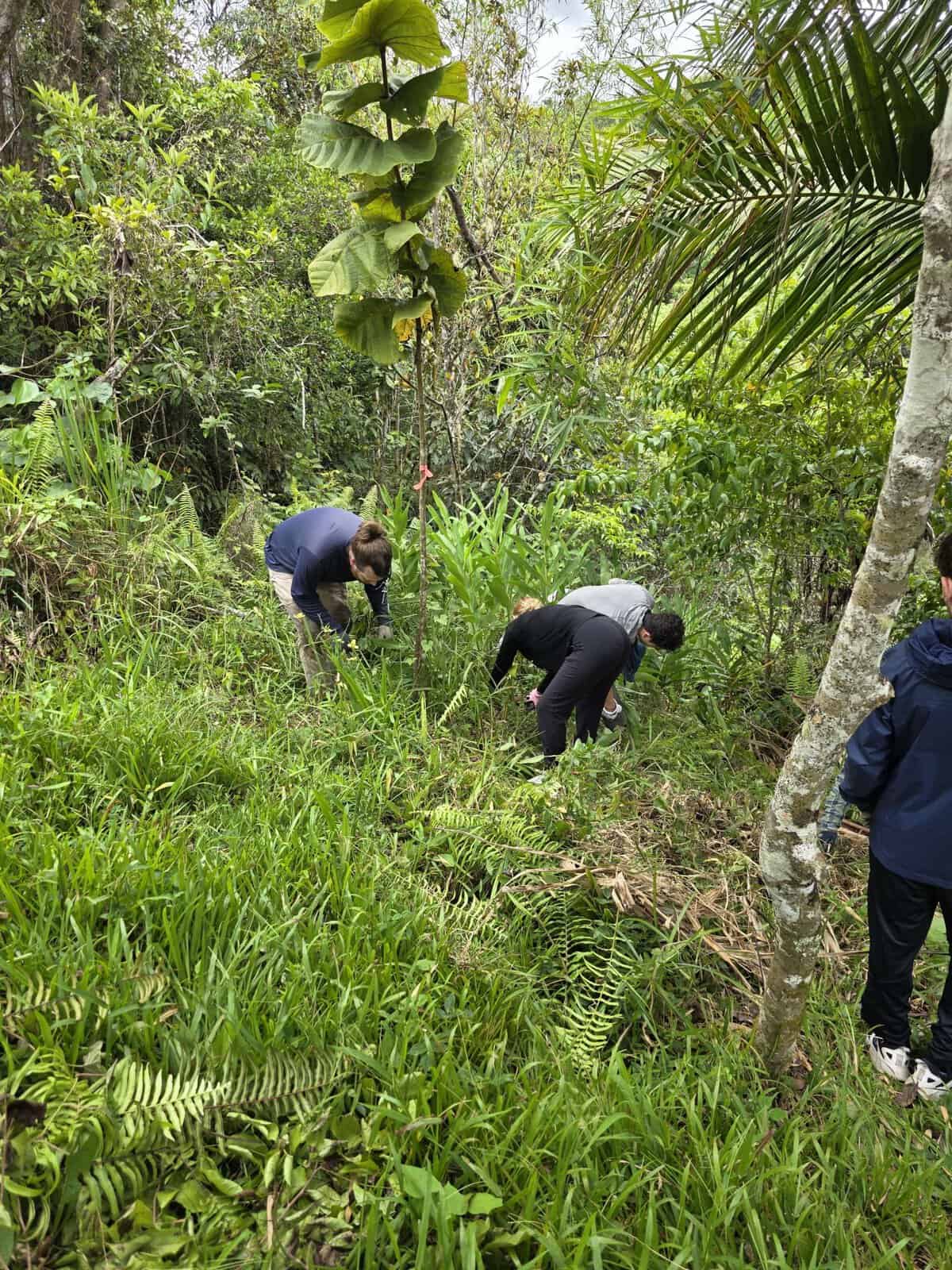
Team Caoba, led by 3t. On the slopes, teams prepared land for tree planting. This is careful work. Clearing just enough. Opening space without destabilizing the hillside. Understanding how water moves, how roots will hold, and where the next generation of trees can take hold.

Team Ausubo

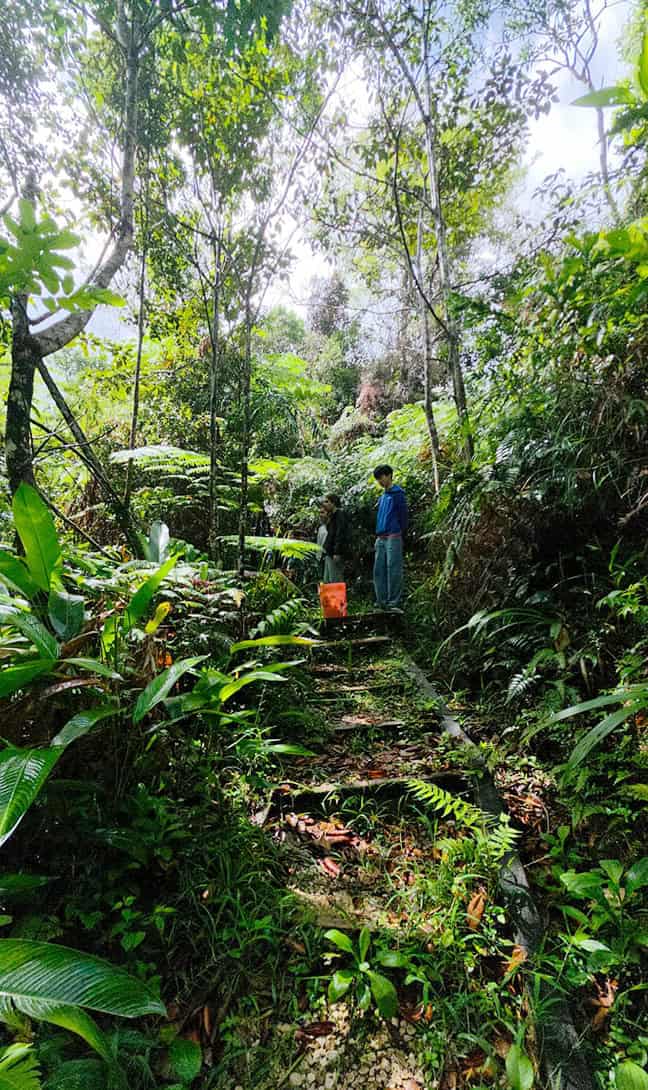
Team Ausubo, led by Jon. On a steeper section, steps were built into the slope. Physical, repetitive, and precise. Each step placed to hold, to last, and to make the trail usable over time.

Team Tabonuco

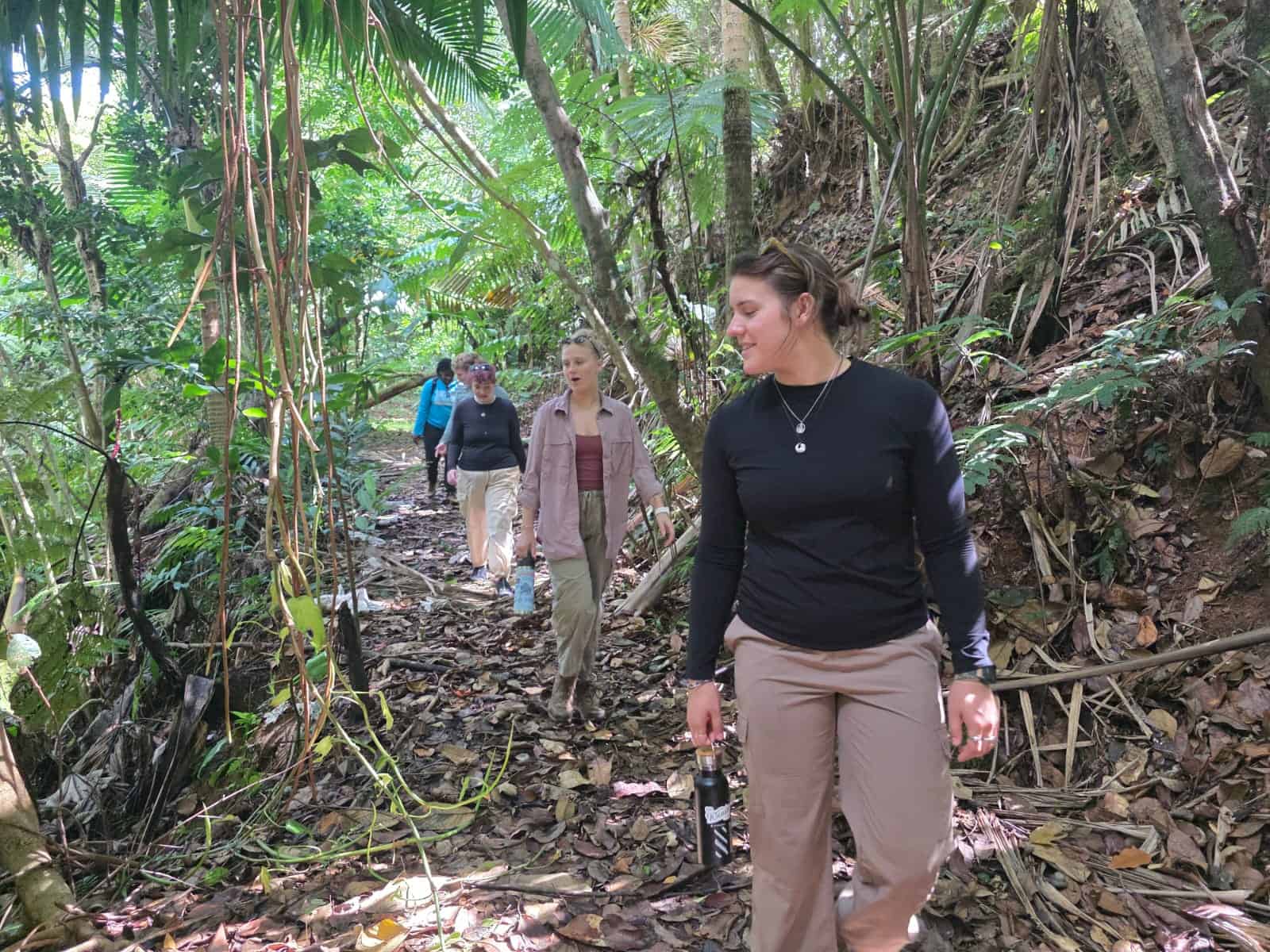
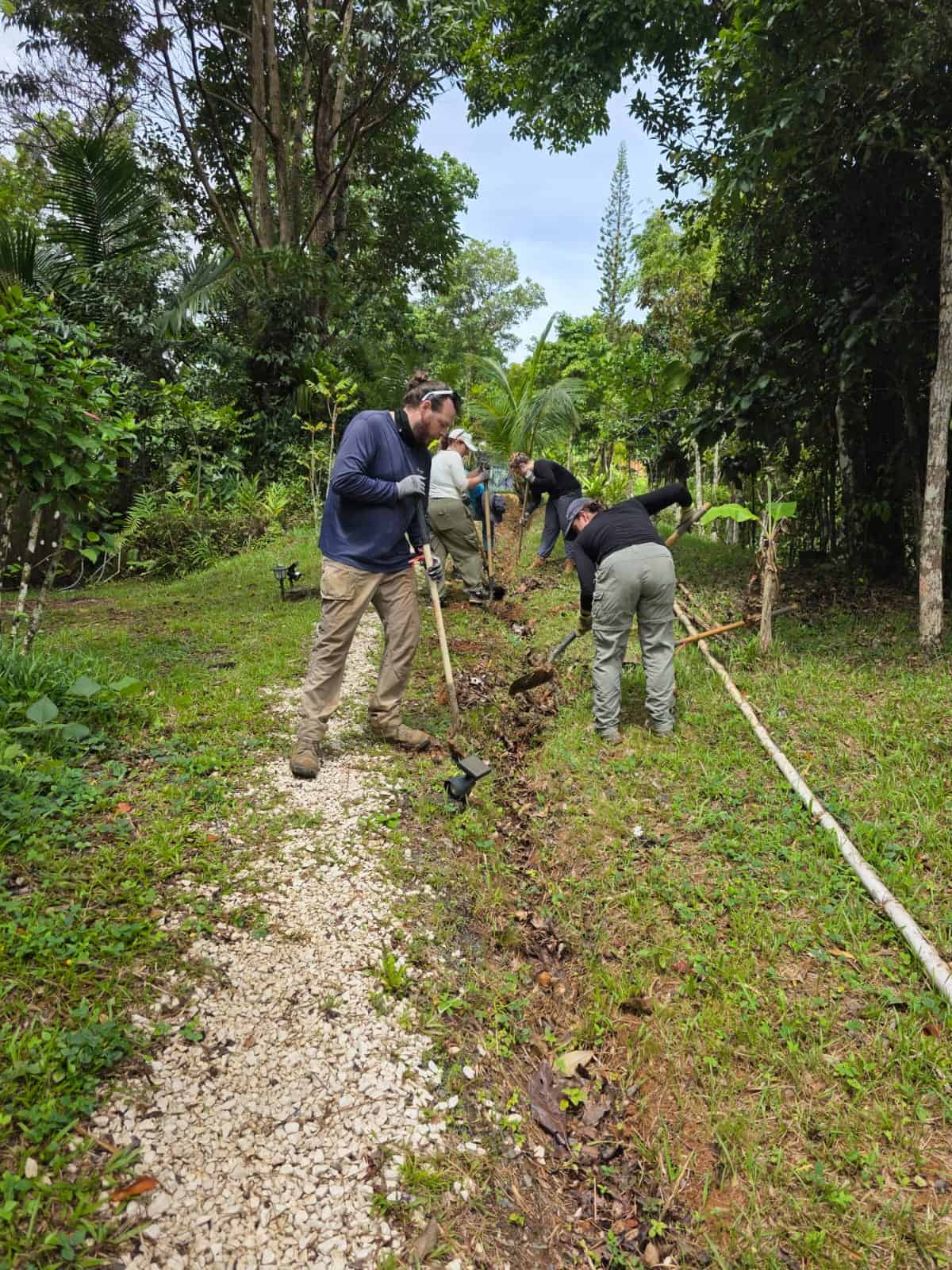
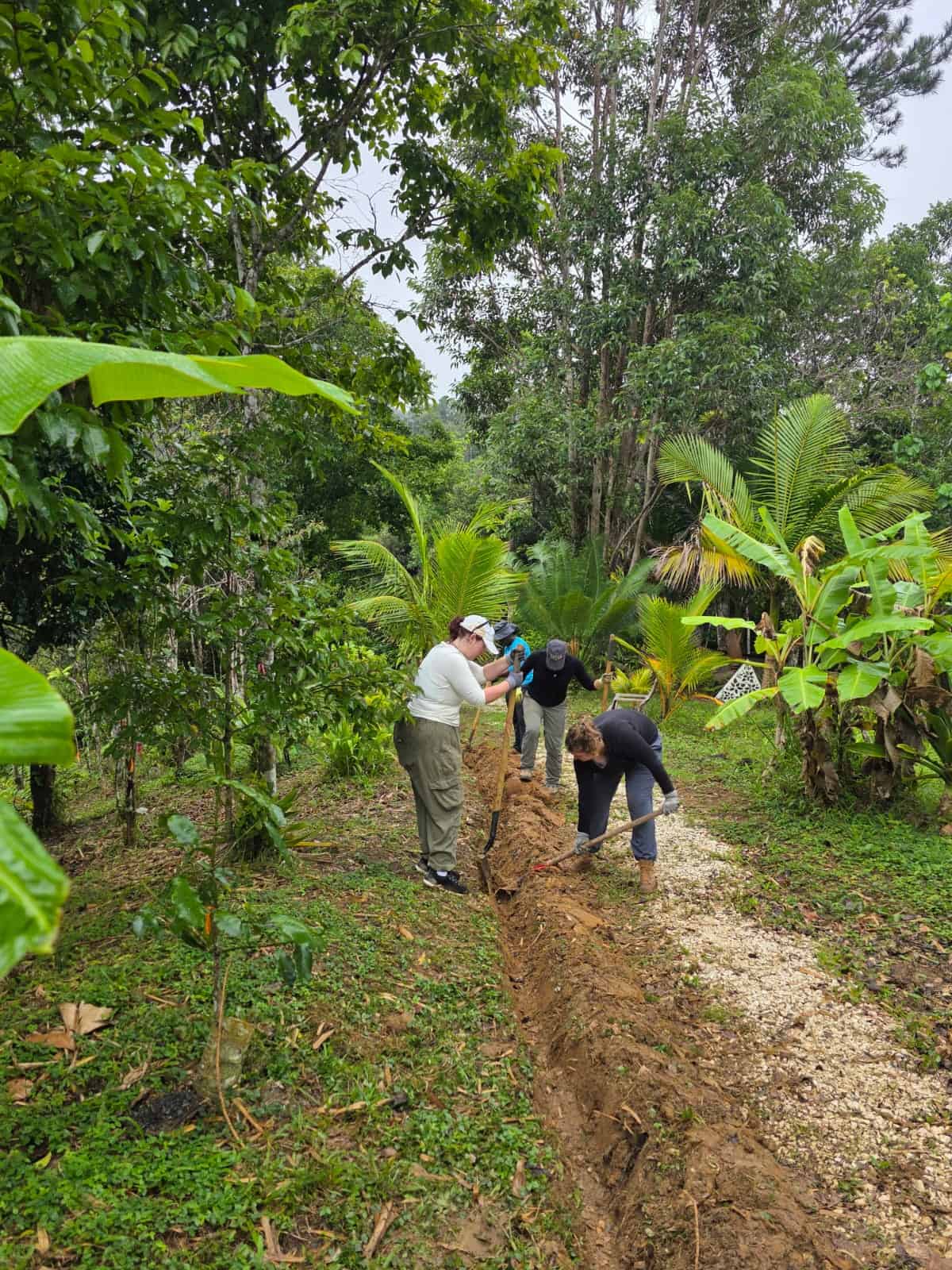
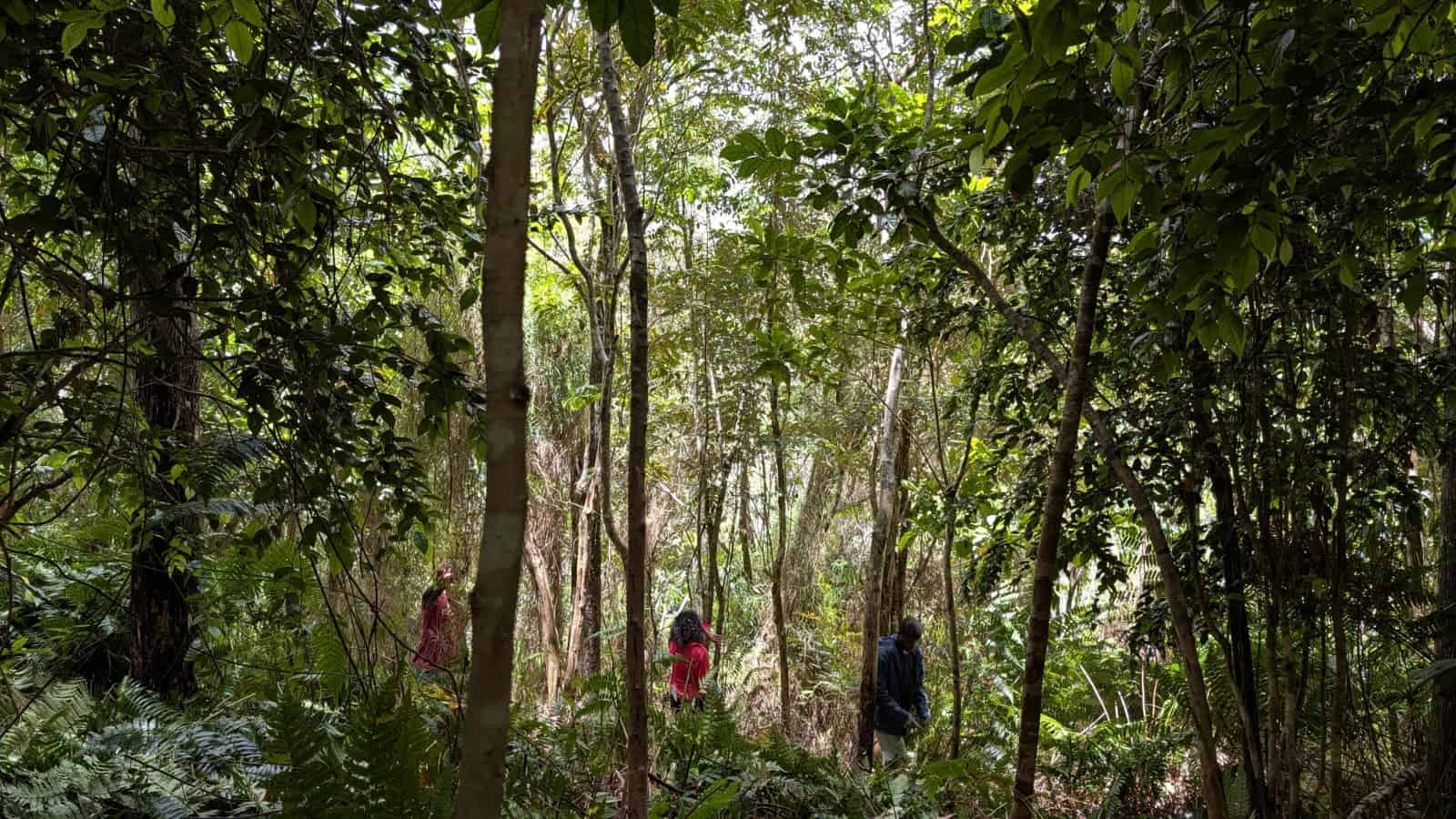
Team Tabonuco, led by Mercury. On the ethnobotanical trail, another group focused on drainage. In the rainforest, water defines everything. If it is not guided, it erodes. If it is managed, it supports the system. Students worked to open channels, move debris, and keep the trail intact.

Everyone had to pay attention. The slopes don’t allow shortcuts, you have to read the ground, watch your footing, and work together. Their STEM focus showed up in the right way, not as something separate but embedded in the work. Water flow, soil stability, structure, all of it right there in front of them. At the same time, their 3 R’s were clear. Respect for the place and each other, responsibility for the job in hand, and reflection in the moments when they stopped and looked at what they had actually done.

At Las Casas, this kind of work has lasting impact. The trail holds its shape and allows walkers to traverse the forest safely; the water moves as it should, and the land is set for the next phase of planting.

They were here a short time, but they left work behind that will keep doing its job.

Bernardo Benetti and 3t Vakil

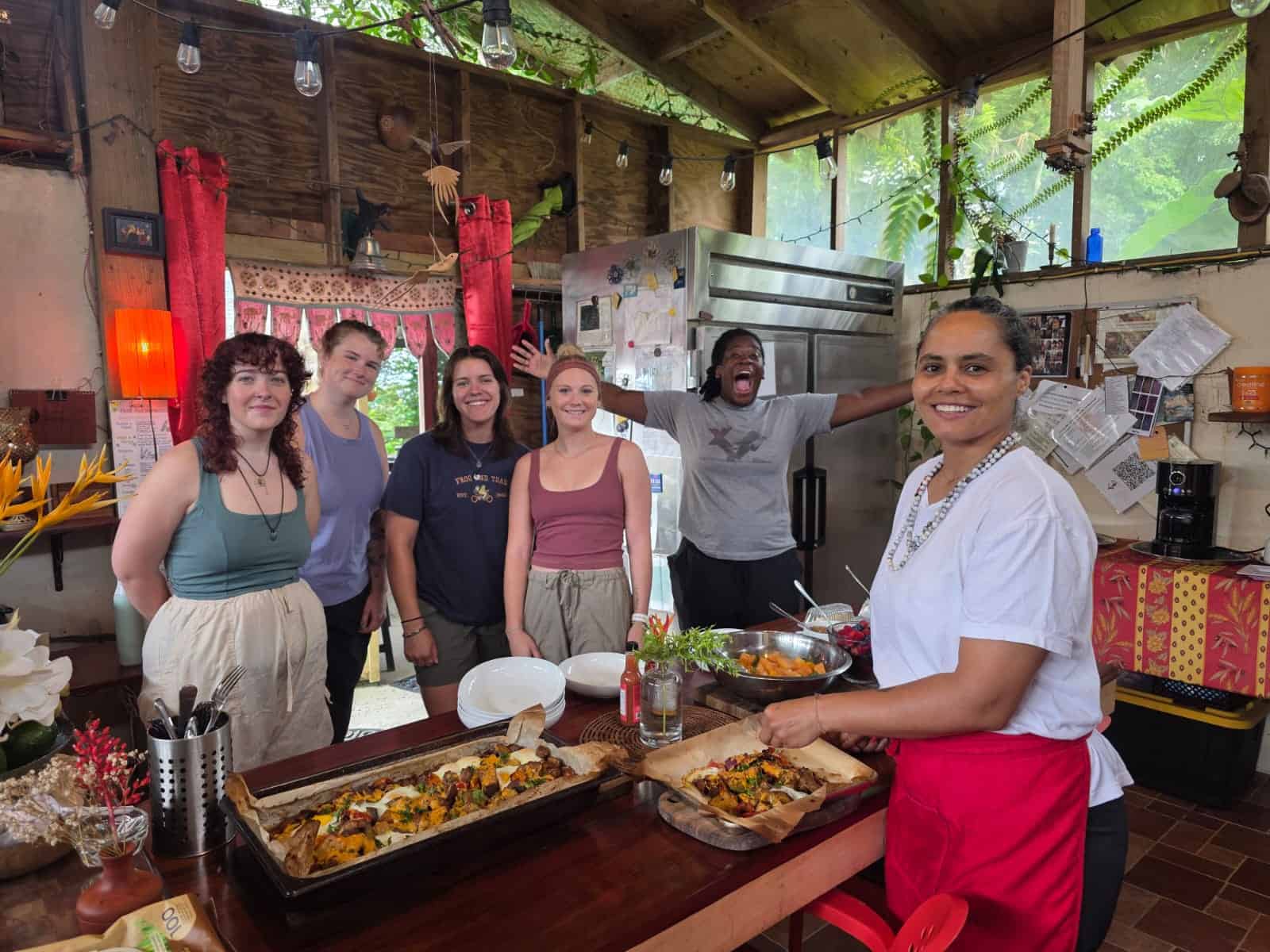
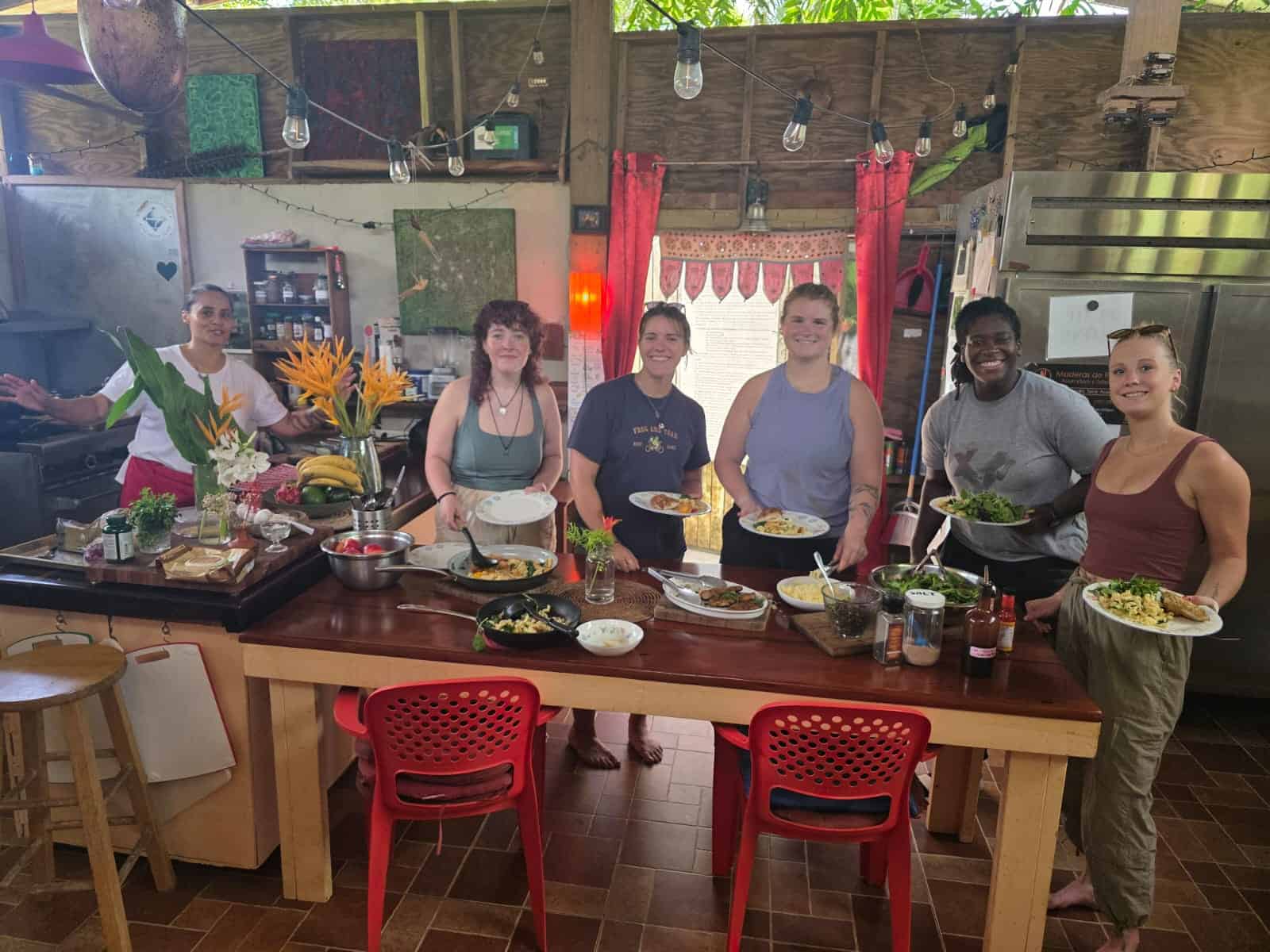
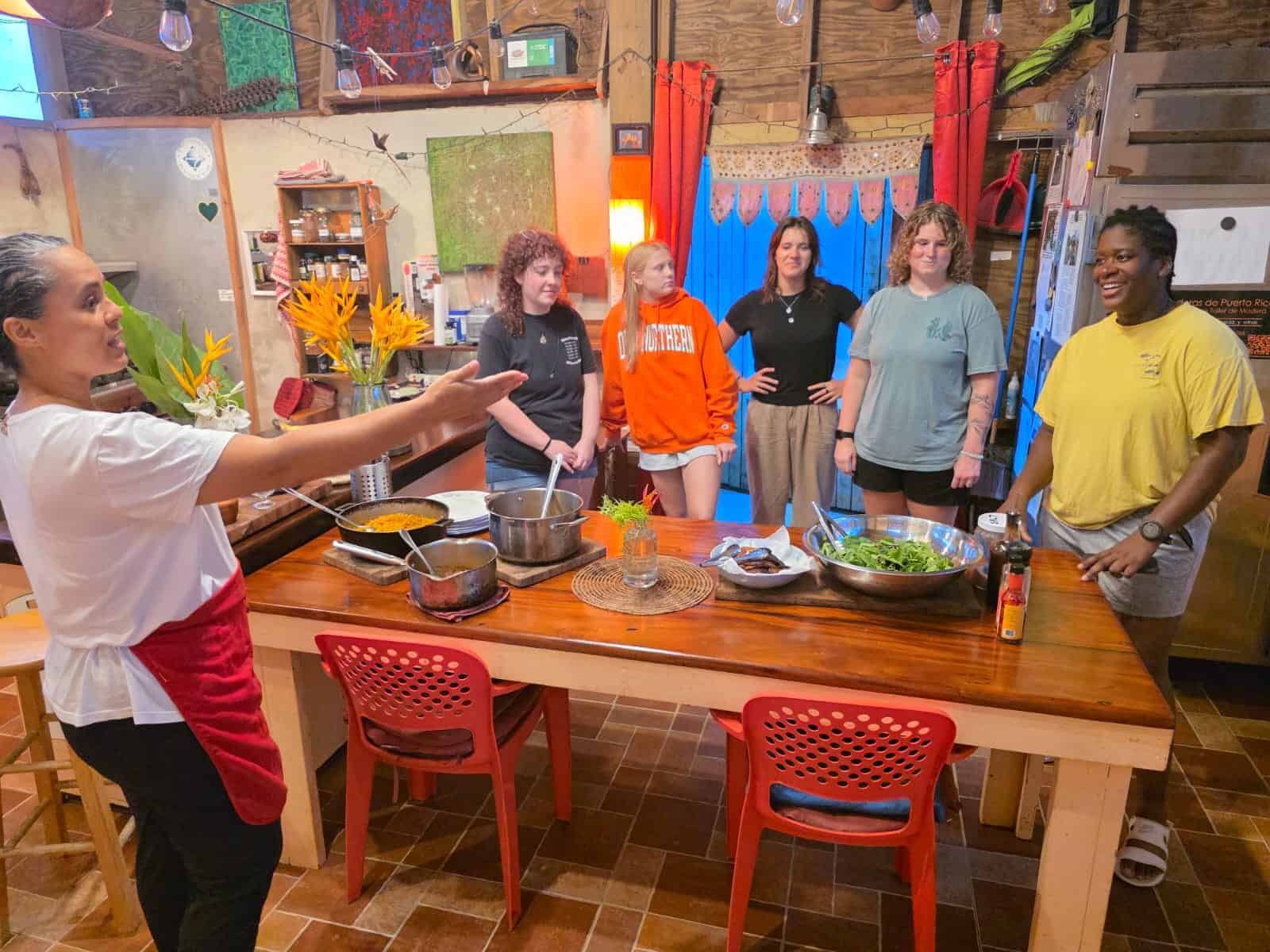
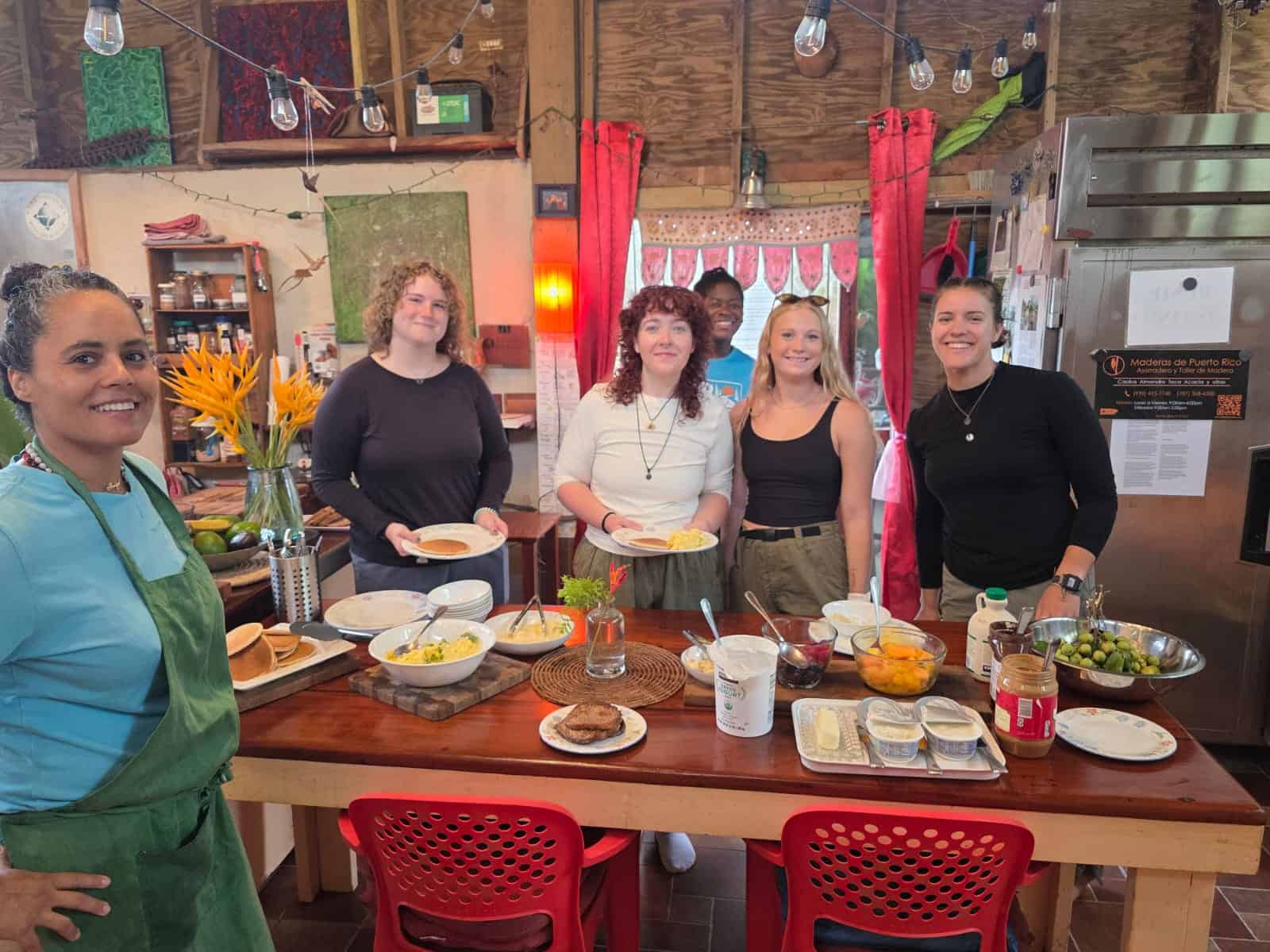
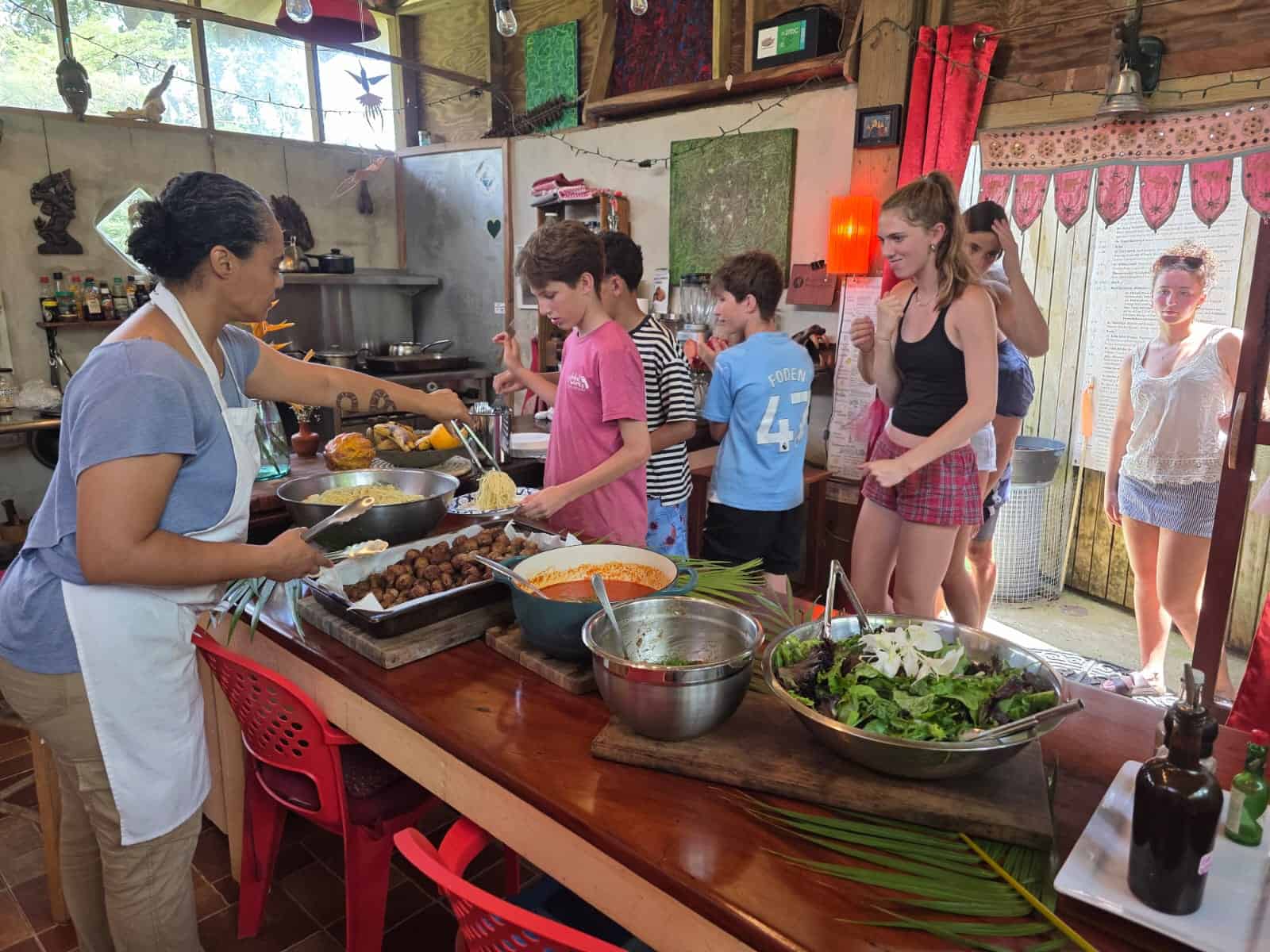
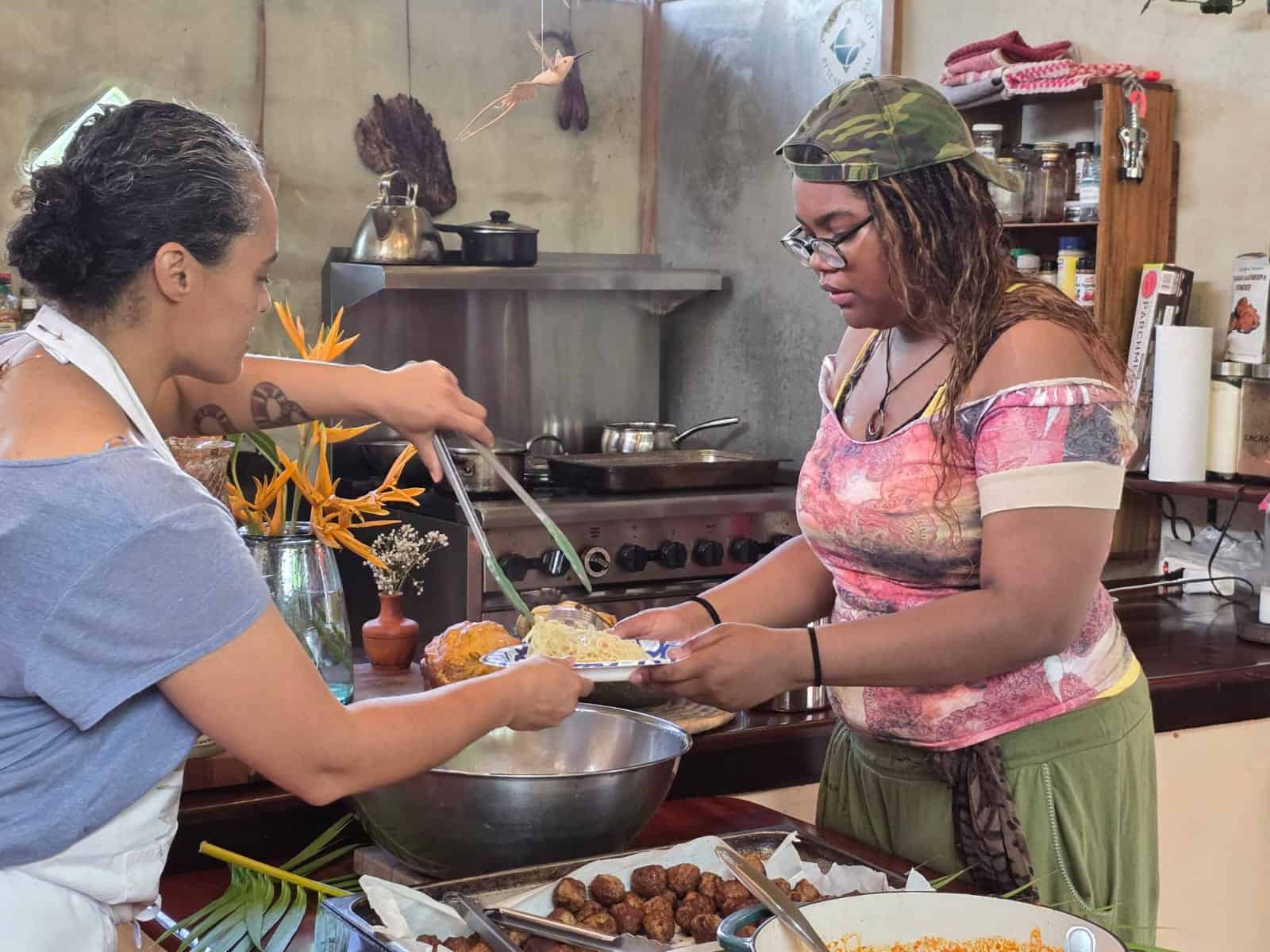
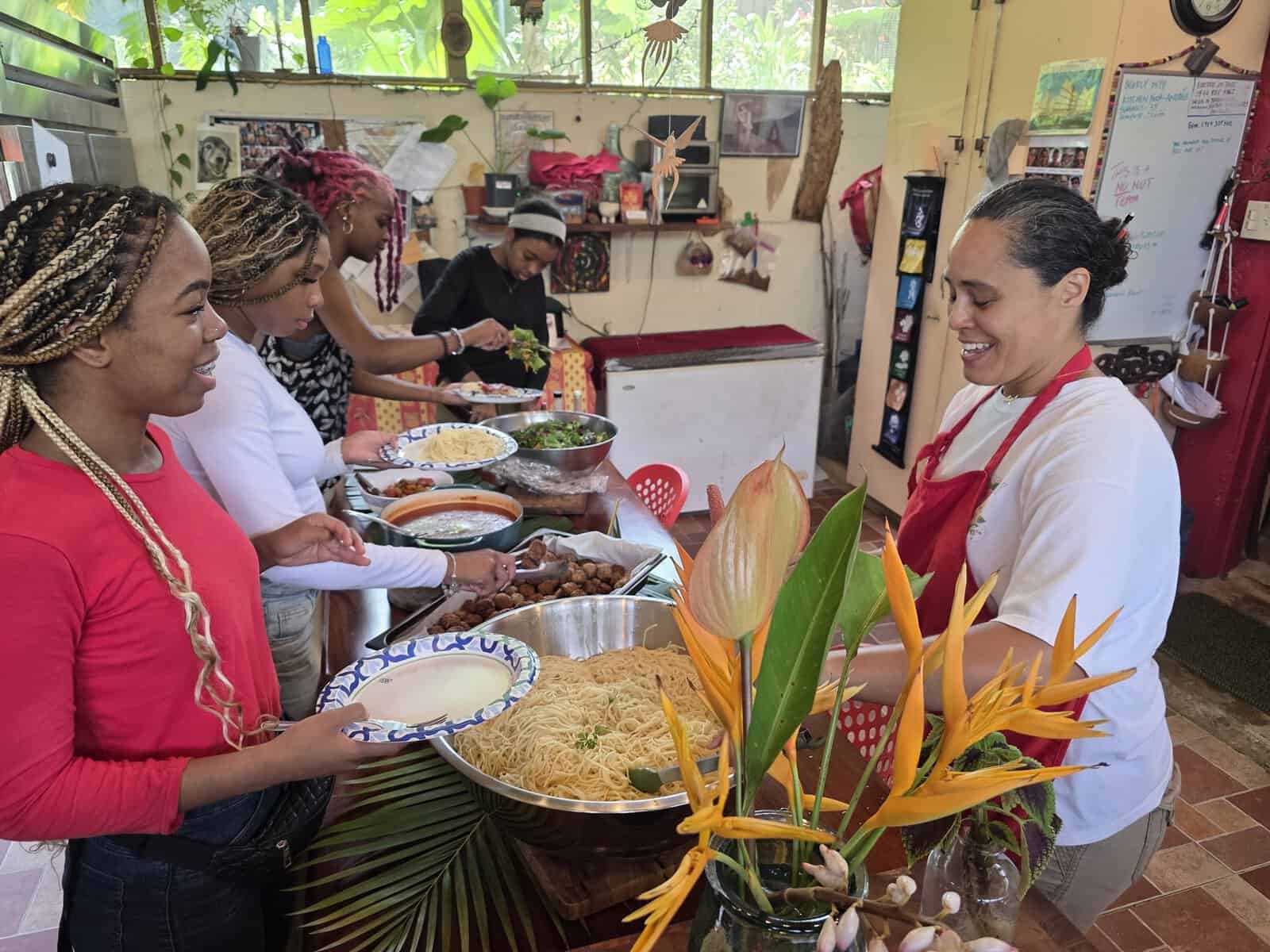
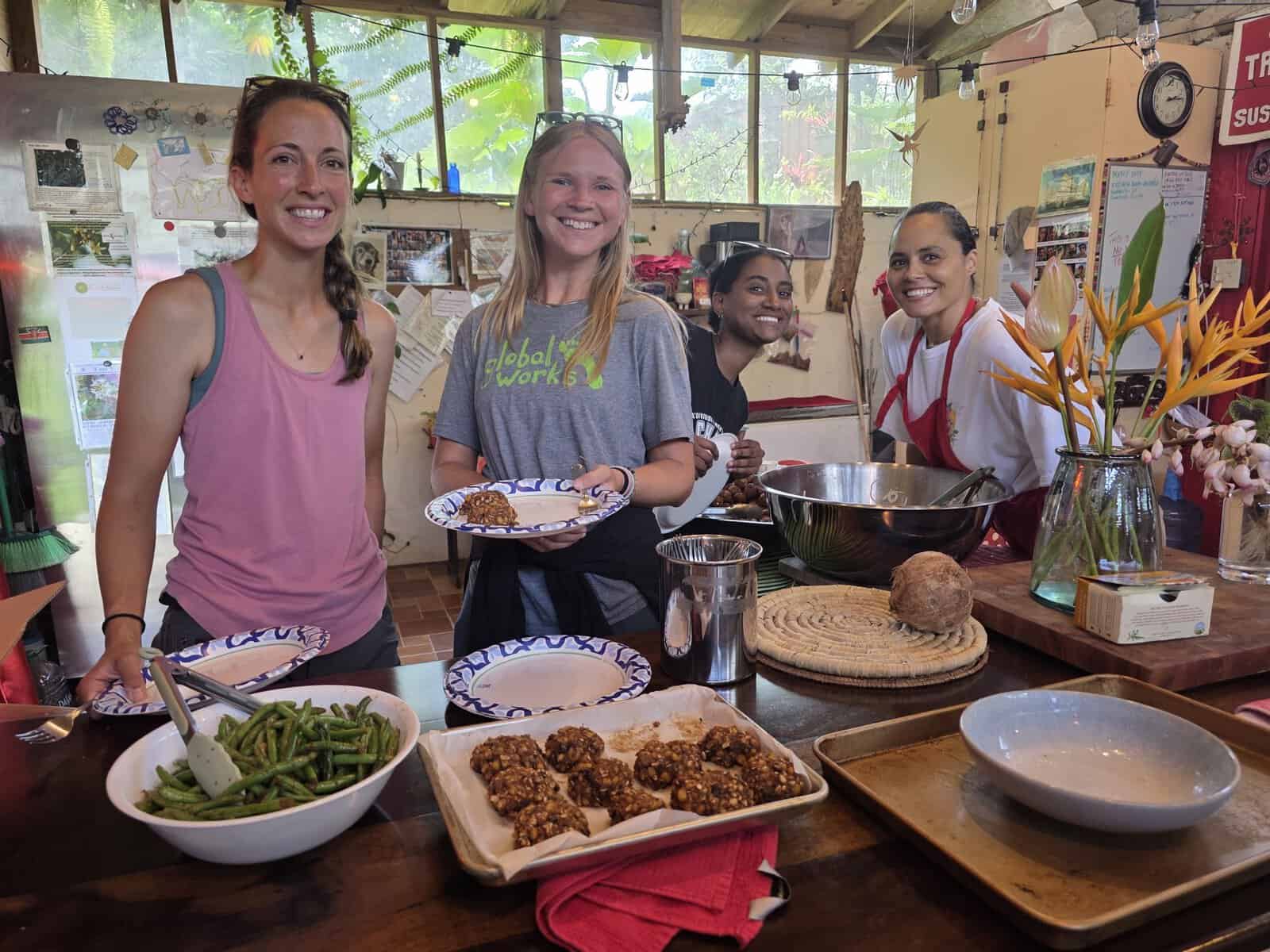
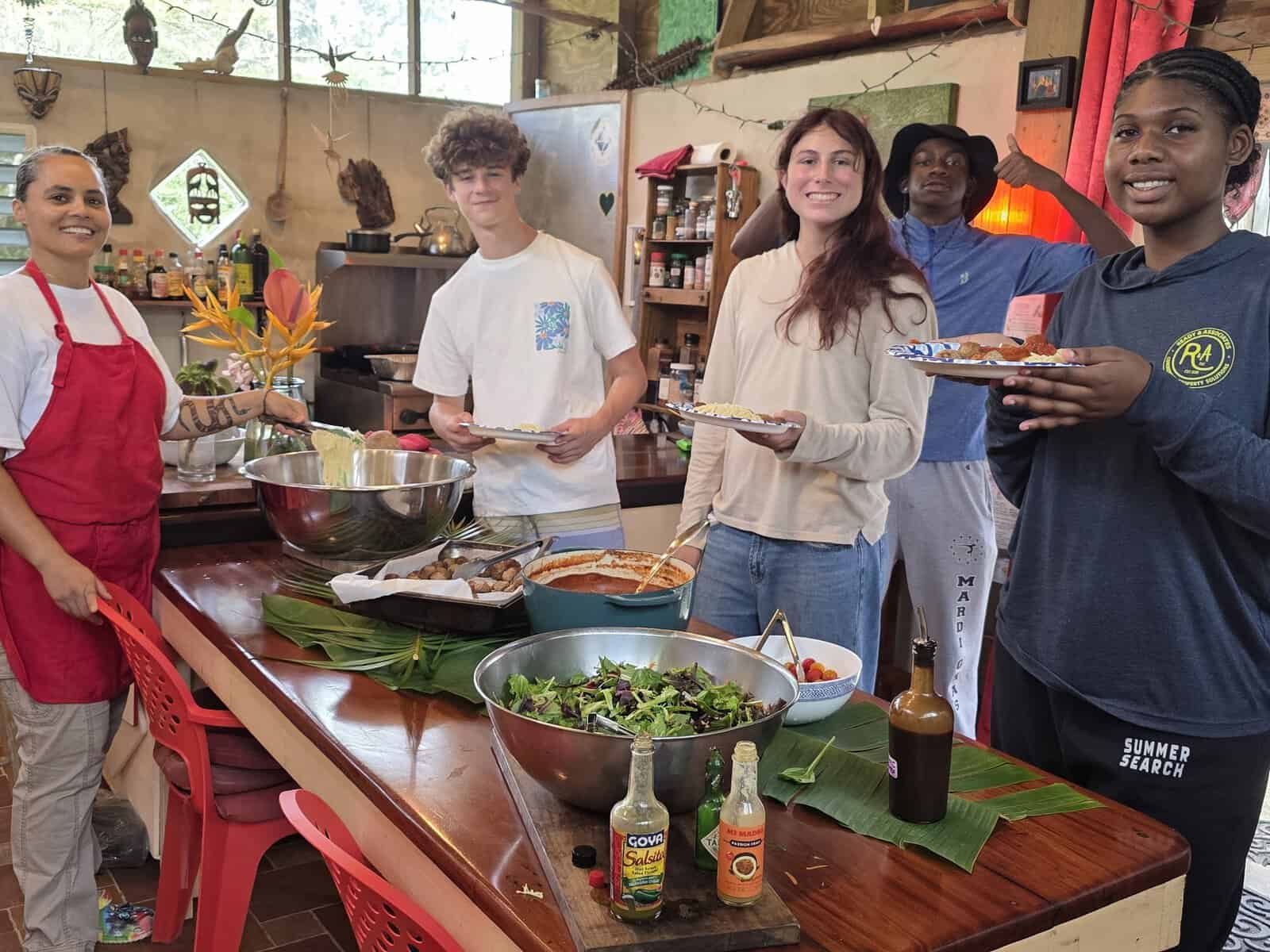
Thank you to Chef Monique Nieves for the food that kept everyone going through the day, and for taking a group out on a night walk. Thanks as well to Jon Warwick, and Mercury, artist in residence, for working alongside 3t on crew leadership, and to Gregg Dugan, writer in residence, for his work in the kitchen, and on the grounds, and thoughtful input throughout.

Appreciation to Nicole, Kim, and Nick for their steady leadership with the group, and to School Tours of America, together with Bernardo Benetti, for continuing to bring groups that show up ready to engage and do the work.

Photos by 3t Vakil, Nicole Bay, & Jon Warwick

April 2026

The Branson School, CA, 7th April, 2026

Branson School: A Day of Work in the Forest, 7th April, 2026

For a single day, 15 students (15-17 years), and staff from The Branson School, Marin County, CA, stepped into the working landscape of Las Casas de la Selva. It was a day of real service work.

They joined us on the forest road, where maintenance is constant and essential. Under the guidance of Jon Warwick, who led the crew with clarity and pace, the students got straight into it. Branches were cut back, ferns were cleared from the road edges, and bamboo was pruned where it had begun to close in. The goal was simple: keep the road open, safe, and functional in a place where growth never stops.

The work demanded attention and effort. Tools in hand, the group moved steadily along the road, learning quickly that in the rainforest, maintenance is not a one-time task. It is ongoing, physical, and necessary for everything else we do here to function.

What stood out was their willingness to engage. No hesitation. No standing back. They worked as a team, taking direction and finding rhythm in the process. This is where learning shifts. Not abstract, but grounded in action.

Back at base, 3t prepared a delicious lunch. Simple, direct, and well earned. Food really tastes different after a morning of physical work, it brings people together in a different way. Conversations and questions over lunch delved into the history of the project. Thanks to group leader, Adelina, and school staff, Sabrina and Matt. Writer, Gregg Dugan and visual artist Mercury, who are both on extended art residencies at Las Casas de la Selva, provided behind-the-scenes help with all and everything.

The visit reflects something important about Branson’s stated values: courage, kindness, honor, and purpose. These are not just ideas to talk about. They show up in how students step into unfamiliar environments, take on physical challenges, and contribute to something beyond themselves. At Las Casas, this kind of exchange matters. Students arrive for a short time, but the work they do stays. A cleared road section, a maintained path, a space that continues to function because of their effort.

About the Program

This visit was made possible through Shoulder-to-Shoulder, a program founded in 2007 to respond to a simple but urgent question: What can we do? Under the direction of Bill Cotter (director of programming), the organization connects students with real-world projects across multiple continents. What began with one school and a small group of students has grown into a global network spanning 12 sites, built on partnerships between schools, nonprofits, businesses, and philanthropists. Their focus is clear: developing ethical leaders who can navigate a complex world while balancing growth, social responsibility, and environmental stewardship. Programs like this one at Las Casas are where that intention meets action. One day. Real impact.

April 2026.

Dugan – Writer in Residence, March 2026

Gregg Dugan -Writer in Residence, Las Casas de la Selva, Patillas, Puerto Rico, March 2026

Gregg Dugan is a writer, performer, and lifelong explorer whose work moves across oceans, stages, ecosystems, and stories. In 1974, he co-built the research vessel Heraclitus, a 140-ton Chinese sailing junk in Oakland, California, and went on to serve as captain for seven years, logging over 50,000 miles of deep-sea and coastal voyaging and research across the Pacific, Caribbean, Mediterranean, Atlantic, and Indian Oceans. Along the way, the crew called in the ports of more than forty nations, often performing as the theater ensemble Studio III.

Gregg Dugan, March 2026 (Photo by 3t Vakil)

Dugan’s path continued through a wide range of cultural and ecological work. In 1980, he became director and general manager of Les Marronniers, a conference center and farm near Aix-en-Provence, France, where he hosted workshops, conferences, rehearsals, and performances while also managing orchards and working as a director, actor, and writer with the resident theater ensemble. He later toured internationally with the Theater of All Possibilities in the early 1980s. In 1985, he moved to Texas, where he served as general manager, then CEO and president of the Caravan of Dreams performing arts center in Fort Worth, contributing to its theater, music, and creative programming, and performing in over twenty productions as part of the Caravan Repertory Company. During this time, he also chaired the Fort Worth Main Street Arts Festival for four consecutive years.

From 1991 to 1993, Dugan lived on-site at the Biosphere 2, working as a tree crop specialist. He participated in field collections for the rainforest and ocean biomes and managed the rainforest greenhouses, continuing his engagement with living systems at a planetary scale.

Afterward, he founded Two Birds Productions, producing video work across diverse locations including Puerto Rico, Santa Fe, London, Egypt, New York City, Vancouver Island, and the Sonoran Desert. He wrote The Missing Links in 1998, and later completed Books I–V of the Human Race Series in 2023, a long-form exploration of human experience through narrative, place, and reflection.

Dugan is currently writer-in-residence at Las Casas de la Selva, Patillas, Puerto Rico, for a three-week writing residency, using this time in the rainforest to deepen his ongoing exploration of narrative, place, and the human condition. His presence brings a rare depth of lived inquiry, where decades of movement across disciplines converge within the immediacy of the forest.

Research Vessel Heraclitus, 1977, two years after being built.
Gregg Dugan on RV Heraclitus 1975

Dugan and 3t share a long history with the Institute of Ecotechnics that stretches across landscapes and decades, from working side by side in the organic fruit orchard at the ranch in Santa Fe, NM, to time spent together in the forest at Las Casas more than twenty years ago studying trees and coqui frogs as field leaders on Earthwatch expeditions. Their paths have continued to intersect through a shared commitment to learning by doing, grounded in lived experience rather than abstraction.

Both artists carry a deep reverence for performance, philosophy, and the unfolding of ideas through action. Their reunion at Las Casas now feels less like a return and more like a continuation of a conversation that has never really stopped.

Featured photo: Dugan in Fort Worth, Texas shooting a scene for film on Ornette Coleman. 1977.

Gregg Dugan’s website: 2birdshrs.com
Books I–V of the Human Race Series in 2023

Related links:
www.rvheraclitus.org
https://eyeontherainforest.org/related-ecotechnic-and-cultural-projects/
https://en.wikipedia.org/wiki/Theater_of_All_Possibilities
https://en.wikipedia.org/wiki/Caravan_of_Dreams
https://www.bbc.com/future/article/20250703-how-the-biosphere-2-experiment-changed-our-understanding-of-the-earth
www.eyeontherainforest.org
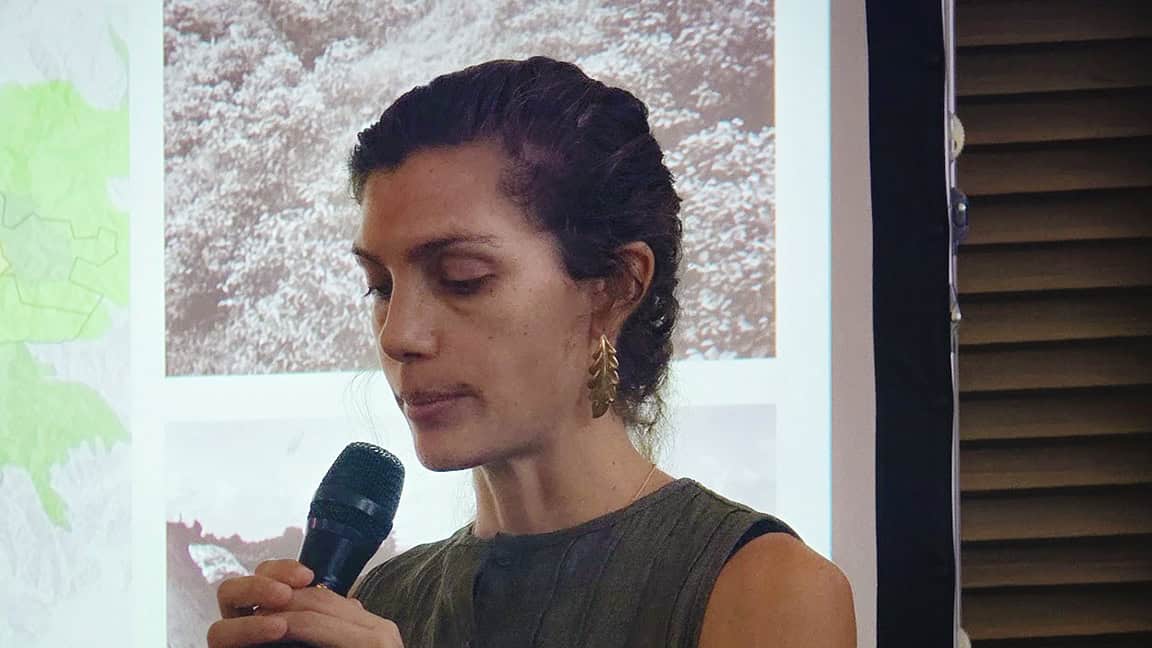
Mercury – Artist in Residence, March 2026

Mercury, artist in residence, Las Casas de la Selva, Patillas, Puerto Rico, March 2026

Mercury is a second-generation Boricua artist and activist based in Hartford, Connecticut, working across disciplines with a focus on site-specific installation. Their practice is situational, shaped by available materials and grounded in themes of Bori identity, language, and the urgency of the present moment. Alongside their art, Mercury engages directly with housing issues, addressing the impacts of gentrification through creative and community-based approaches.

For the past four years, Mercury has spent winters at Las Casas de la Selva, connecting with the land through both conservation work and art-making that responds to the surrounding environment. Their time here reflects a deeper process of reconnection to Puerto Rico as part of the diaspora experience.

Mercury is now developing a vision for a reciprocal residency exchange, linking diasporic artists from U.S. cities with Caribbean-based creatives. Their work moves between place, identity, and possibility, with a dream that reaches as far as outer space.

@mercury___________________ yrucrem.com

Mercury at Las Casas de la Selva, Patillas, Puerto Rico, March 2026

At a time when the world feels increasingly fractured, we are reminded why places like Las Casas de la Selva matter, and we are very glad to welcome Mercury into residence with us.

Residency here is not about retreat in the conventional sense. It is about immersion. Living inside a forest that is constantly in motion. Growth, decay, regeneration, pressure, release. The rainforest does not offer stillness so much as it offers continuity, and in that continuity there is space to think, to feel, and to respond. In moments of global unrest, the role of the artist becomes sharper. Not to explain the world, but to witness it, to translate it, and sometimes to sit with what cannot be resolved.

Having Mercury here now brings another layer of observation into the work of Las Casas, where science, forestry, and lived experience are already in dialogue. Their presence matters. Not as an addition, but as part of an ongoing process. The forest holds many forms of intelligence. Artistic practice is one of them.

We look forward to seeing what emerges.


Other work by Mercury

Snowball: 2016 – ongoing, Miami & New York, Performance with felt suit

Snowball is an ongoing performance in which Mercury attends art fairs throughout miami and new york wearing a handmade reproduction of joseph beuysfelt suit. Once inside the art fair, they sit in high traffic areas peddling live drawings to passersby. Mercury neither asks permission nor announces themselves when performing this piece. Selling art at an art event without permission, even in the guise of performance, doesn’t usually go over well with organizers, so Mercury is usually escorted out by security.

Photos courtesy of Mercury and 3t

Foreign Language Academy, TN. March 2026

Foreign Language Academy Visit | March 22–23, 2026

From March 22 to 23, we hosted 25 teenagers (13-14-year-olds) from the Foreign Language Academy in Tennessee, traveling with Vamonos Tours and accompanied by chaperone Cruz Rodriguez. The group was led by school staff Michelle Aguirre-Hill, Lauren Jenkins, Michelle Aguirre, Ruth Aguilera, and Tim Nash.

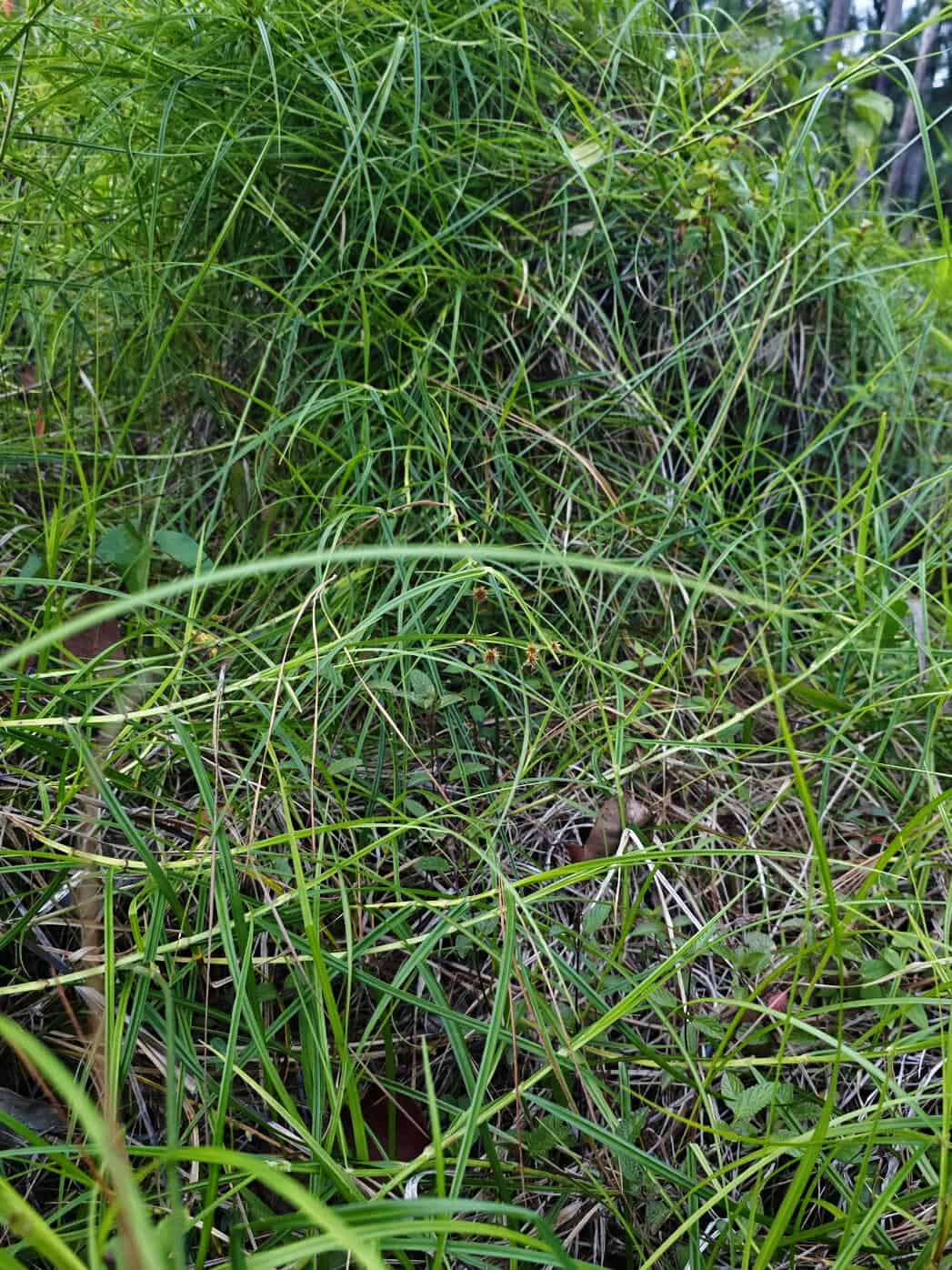
They arrived in a wet stretch of weather and went straight to work. Rain was constant, the ground saturated, and conditions demanding. The focus of the work was the Ethnobotanical Trail. Working alongside crew leaders 3t, Jon, and Mercury, the group took on essential tasks across the trail system. This included cutting back aggressive razor grass (Scleria secans), a perennial scrambling sedge in the Cyperaceae family. Since Hurricane Maria opened the canopy, increased light has driven rapid growth of razor grass and vines, making this ongoing work critical.

They also pruned along the trail corridor, opened new sections of trail, and built drainage to stabilize the path and move water effectively through the landscape.

The drainage work was especially important. In heavy rain, unmanaged water quickly damages trails, leading to erosion and long-term degradation. What they built will hold through future storms and continued use.

Despite the conditions, the group kept a strong pace. No complaints, no slowing down. Just steady work in the rain. The team stayed for two nights and, in that short time, made a clear and lasting impact on the trail system. Monique Nieves (below) kept everyone well fed with excellent meals throughout their stay.

This is the kind of work that matters here. Each group steps into something already underway, and what they contribute becomes part of a larger system that supports the forest, the trails, and those who come after. We really appreciate the effort, the attitude, and the willingness to work under real conditions.

Fountain Valley School | 10–13 March 2026

Fountain Valley School | 10–13 March 2026

Fountain Valley School has been coming to Las Casas de la Selva since 2013. Each group steps into work that is already underway and leaves something that continues beyond them.

This year’s visit, March 10 to 13, was a wet one; but it did not slow us down. The students were willing to stay put in the heaviest of showers.

The students got straight into practical work. A hillside drainage ditch was cleared to restore proper water flow and stabilize the slope. On another bank, they built a debris dam to slow erosion and hold soil in place. Hard, manual labor, but critical in this terrain.

We also continued longer-term conservation work. Six Garcinia portoricensis (Palo de Cruz) were planted out. These trees come from our 2021 collaboration with Botanic Gardens Conservation International. What started as propagation in the nursery is now moving into the forest. This is multi-year work and each group becomes part of that chain.

See more here: https://eyeontherainforest.org/plant-conservation/

Nursery work was carried out alongside this. Seedlings were tended and the nursery was raked of leaves and cleaned up. Drainage work on the main drive was also completed, which is essential to keeping access intact during heavy rains.

The group worked with focus and good energy throughout. Mercury and Jon led the crews with 3t, and the students were willing to take on whatever was needed. On the ethnobotanical trail, half the group worked on drainage ditches and the other half on clearing overgrowth. The work on razor grass clearing was a challenge, but all the students worked really hard and withstood the heavy downpours.

Evenings were boisterous and fun, with food and conversations, time off all devices, and the forest providing an intense peace and tranquility. An afternoon of conversations encouraged teenagers to interact with someone they had not spent much with.

Monique and Jaguey kept everyone well-fed with delicious meals. That part matters more than people realize. Happy teenagers are well-fed teenagers!!

3t, Jon Warwick, and Mercury were crew leaders. Thank you to Deb Prantl and Sue Tibbets for their continued leadership and for bringing these groups here year after year. The work gets done, but more importantly, the students leave having experienced something direct and real. And the forest holds the rest.

Fountain Valley School | 10–13 March 2026

Dedham High School, 14-17 Feb 2026

Dedham High School, 14-17 Feb 2026

In 2011, Abby Zuckerman arrived at Las Casas de la Selva as a young volunteer. She was 20 years old at the time, curious, open, and ready for hard work in the rainforest. See image below. She really valued that time, and that early experience stayed with her. Years later, now a biology and environmental science teacher, Abby returned…this time with her students.

Dedham High School students came to Las Casas de la Selva for a four-day immersive stay. They arrived during a very rainy time and were quickly introduced to the reality of tropical fieldwork: heavy rains, slick trails, and humid days.

The students took on meaningful, hands-on tasks that directly support ongoing forest restoration efforts. Under the guidance of crew leaders 3t and Jon, they worked in the nursery, in the forest pruning bamboo, trimming trees, and clearing debris and razor glass from areas around saplings and new areas being prepared for new tree planting. It was real work—physical, muddy, and often challenging—but the group met it with energy, humor, and resilience.

Behind the scenes, the days were anchored by the kitchen team. Monique Nieves and Jagüey kept everyone fed, warm, and grounded, creating a shared space where conversations from the field carried into the evenings over meals and laughter.

Despite the rain—or perhaps because of it—the experience was deeply connective. The students lived the rhythms of the rainforest, learned what ecological restoration looks like on the ground, and gained insight into what it means to work collectively in a living system that does not bend to convenience.

One of the unexpected highlights of the week was the talent show, improvised in an afternoon after a long morning working in the rain. What started casually quickly turned into a joyful, slightly chaotic celebration of creativity and courage. Students sang, played music, told stories, and performed skits, while others surprised everyone with humor and sheer nerve. Laughter echoed through the forest, barriers dissolved. In that moment, the rainforest was not just a place of labor and learning, but a shared home—alive with voices, confidence, and the kind of connection that only comes when people feel safe enough to be fully themselves.

For us, there is something especially meaningful about this visit. Abby’s return, now as an educator bringing her own students, reflects the long arc of experiential learning. What begins as a formative experience for one young volunteer can, years later, ripple outward to inspire dozens more.

We are grateful to Abby, to Dedham High School, and to every student who showed up ready to work, adapt, and engage fully with the forest—even in the rain.

We also extend our thanks to Cruz Rodriguez and Maritza from Vámonos, whose coordination and helped make this visit possible. Their care, logistics, and attention to detail ensured that the group could focus fully on learning, working, and experiencing the rainforest in a way that was both safe and deeply engaged.

Photos by 3t Vakil, and Abby Zuckerman, Feb 2026

Update from Abby: “Thrity the parents and students have not stopped raving about their experience at Las Casas and how formative and impactful it was for them. We are so lucky that you have built such a special place!”

Thank you, Abby. What makes Las Casas de la Selva special, comes from teamwork and the cumulative efforts of many people over more than forty years—staff, volunteers, students, scientists, cooks, crew leaders, and caretakers, past and present. It’s a living place shaped by shared work, persistence, and care across generations, and we’re grateful your students became part of that continuum, even if only for a short time.

How satisfying!

Comp Sci High, Bronx, NY, 11 Feb 2026

From code to canopy: Comp Sci High in the Field

Recently we had the pleasure of hosting a group of students from Comp Sci High, NY, a dynamic learning community rooted in the South Bronx that prepares young people with academic strength, computational fluency, professional skills, and real-world experience. Comp Sci High’s mission is to empower students to access college, careers, and meaningful opportunities through technology and community-based learning, building emotional, professional, technical, and civic capacities that will support success long after graduation.

What happens when students who are immersed in computational thinking and future-focused pathways step out of the classroom into a place like Las Casas de la Selva, in the rainforest? They bring curiosity, resilience, and a willingness to contribute in new, hands-on ways.

About a dozen students from diverse backgrounds, including places like Ghana, Senegal, Nigeria, and Bangladesh, joined us for a day of clearing work on our ethnobotanical trail. Together, they helped remove encroaching vegetation, making the trail more accessible for visitors and researchers alike. Their energy turned what could have been just a task into shared learning, exploring how forests grow, how trails evolve, and how collective effort shapes the land.

Guiding the group through technique, safety, and decisions in the field was Jon Warwick, whose grounded approach helped everyone engage confidently with tools and tasks. We were also joined by group organizer Bill Cotter of Shoulder 2 Shoulder and school staff Dennis Pooler and James Kale, whose support ensured the day flowed smoothly and meaningfully.

In the afternoon, 3t served a nourishing lunch that gave everyone a chance to rest and reflect on the morning’s work. Conversations ranged from the forest and the history of Las Casas de la Selva, to hurricane survival. We are grateful for this group’s thoughtful participation and engagement. It was a vivid example of how young people can extend the values they learn in school – teamwork, problem-solving, and perseverance – into new environments where those skills matter in tangible, ecological ways. We look forward to future collaborations that bridge classroom learning and real-world stewardship.

Photos by 3t Vakil, Jon Warwick, Bill Cotter, Feb 2026

Rocky Mountain School, Co. 8 Feb 2026

A Day of Service on the Ethnobotanical Trail

We were grateful to welcome a group from Rocky Mountain School to Las Casas de la Selva for a focused day of service work on our ethnobotanical trail. Days like this sit at the heart of what Las Casas represents: learning by doing, caring for place through direct action, and understanding forest systems from the ground up. The crew worked under the guidance of Jon Warwick, who led pruning and trail maintenance along sections of the ethnobotanical trail that see regular use by researchers, students, and visitors. Careful pruning is not just about access; it is about encouraging healthy plant structure, protecting sensitive understory species, and keeping the trail legible without overwhelming the forest’s own rhythms.

Students approached the work with focus and good humor, quickly finding their stride with hand tools and learning how each cut has consequences over time. Trail work in a rainforest is always dynamic. Growth is constant, and maintenance becomes an ongoing dialogue with the landscape rather than a one-time task.

By the end of the day, areas of the trail were clearer, safer, and better defined, but more importantly, the forest had been met with attentive care. These moments of shared labor leave a quiet imprint. They build relationships between people, between people and place, and between learning and responsibility. 3t provided a delicious lunch!

We thank Rocky Mountain School and staff Brittany Bergin-Foss and Sierra Aldrich, for bringing their energy and curiosity into the forest and for contributing to the ongoing stewardship of Las Casas de la Selva. Many thanks to Fernando of Carite 3.0 and to Bill Cotter of Shoulder 2 Shoulder for bringing the group to us.

February 2026

Ramona – Artist in Residence, January 2026

Artist Ramona’s residency at Las Casas de la Selva, January 2026

Ramona’s residency project, “Community Ecologies: My neighbor is me, I am my neighbor grows out of a long-standing commitment to understanding human–nature relationships through slow, field-based practice. Working in watercolor and poetry, she approaches the rainforest not as scenery, but as a living community shaped by interdependence, reciprocity, and shared resilience.

At Las Casas de la Selva, her focus is on observation. Daily forest walks. Listening. Sketching. Taking notes. Paying attention to micro-ecologies and subtle interactions among species. Her practice draws equally from ecological training and artistic intuition, allowing scientific knowledge and creative expression to inform one another rather than compete.

The questions guiding her work are deceptively simple:
How do rainforest communities sustain one another?
How does the more-than-human nourish, support, and coexist?
What can these systems teach us about our own planetary interdependence?

Ramona’s background in ecology, natural resource management, and restoration has given her deep experience within academic science. At the same time, she is acutely aware of its limitations. Scientific knowledge, as it is often communicated, remains inaccessible to many and shaped by narrow epistemologies. Her work seeks another route. Art becomes a mode of science communication that is human, embodied, and relational.

This residency is also a preparation.

Beginning in 2026, Ramona plans to undertake a visual narrative storytelling project during a walk around the world, traversing five continents. See this link for more: www.thecollectivecanvas.org She will carry this methodology with her: painting, writing, observing, and documenting community ecologies across vastly different landscapes and cultures. The artistic development she is cultivating now will guide how she tells those stories later.
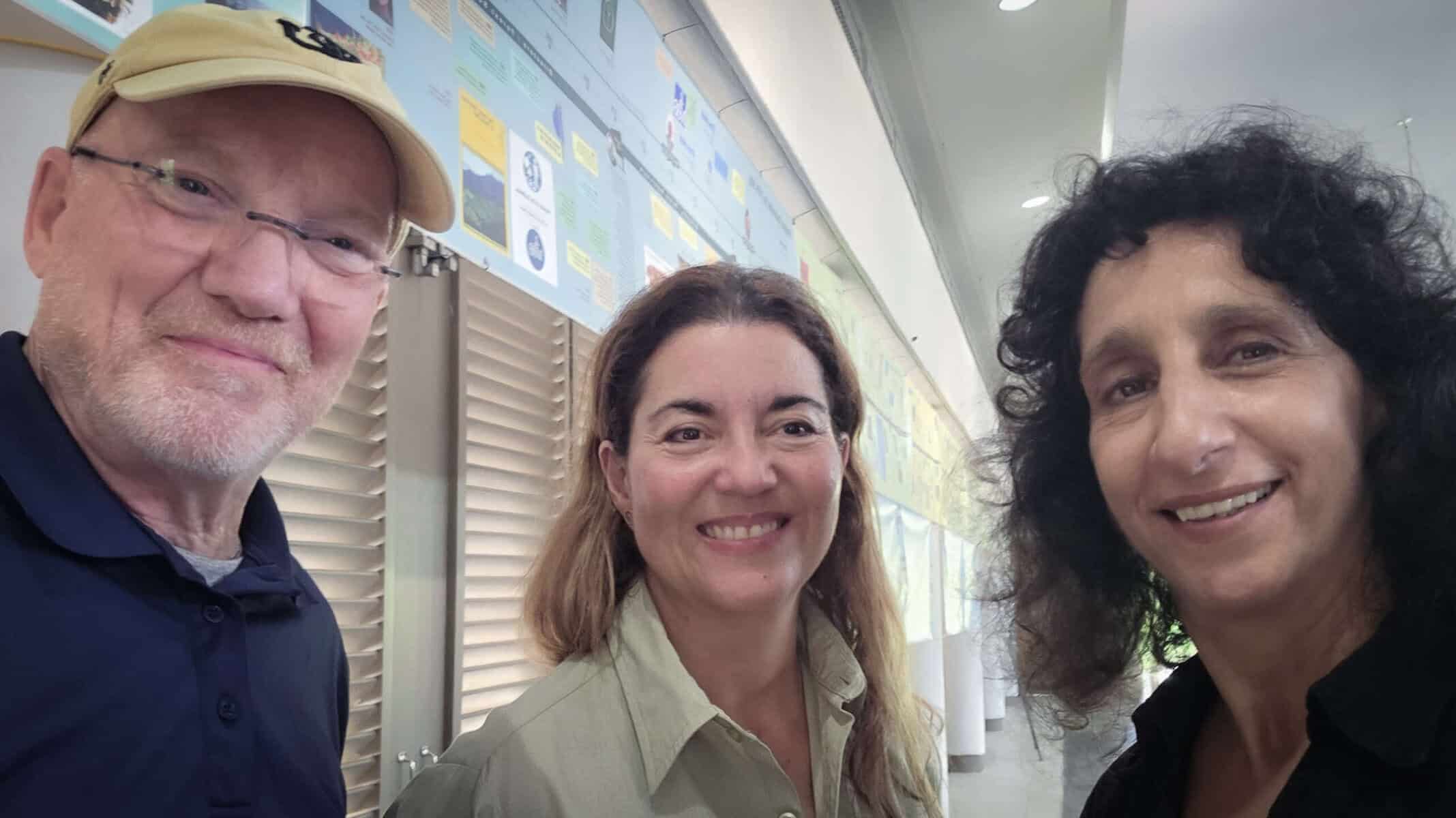
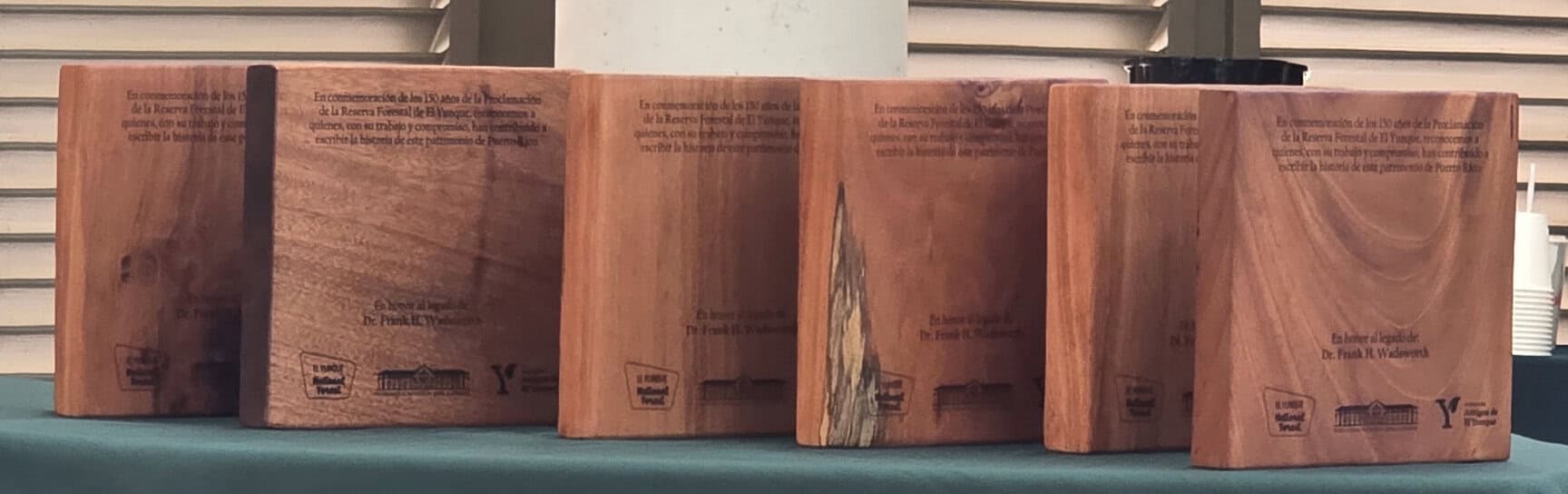
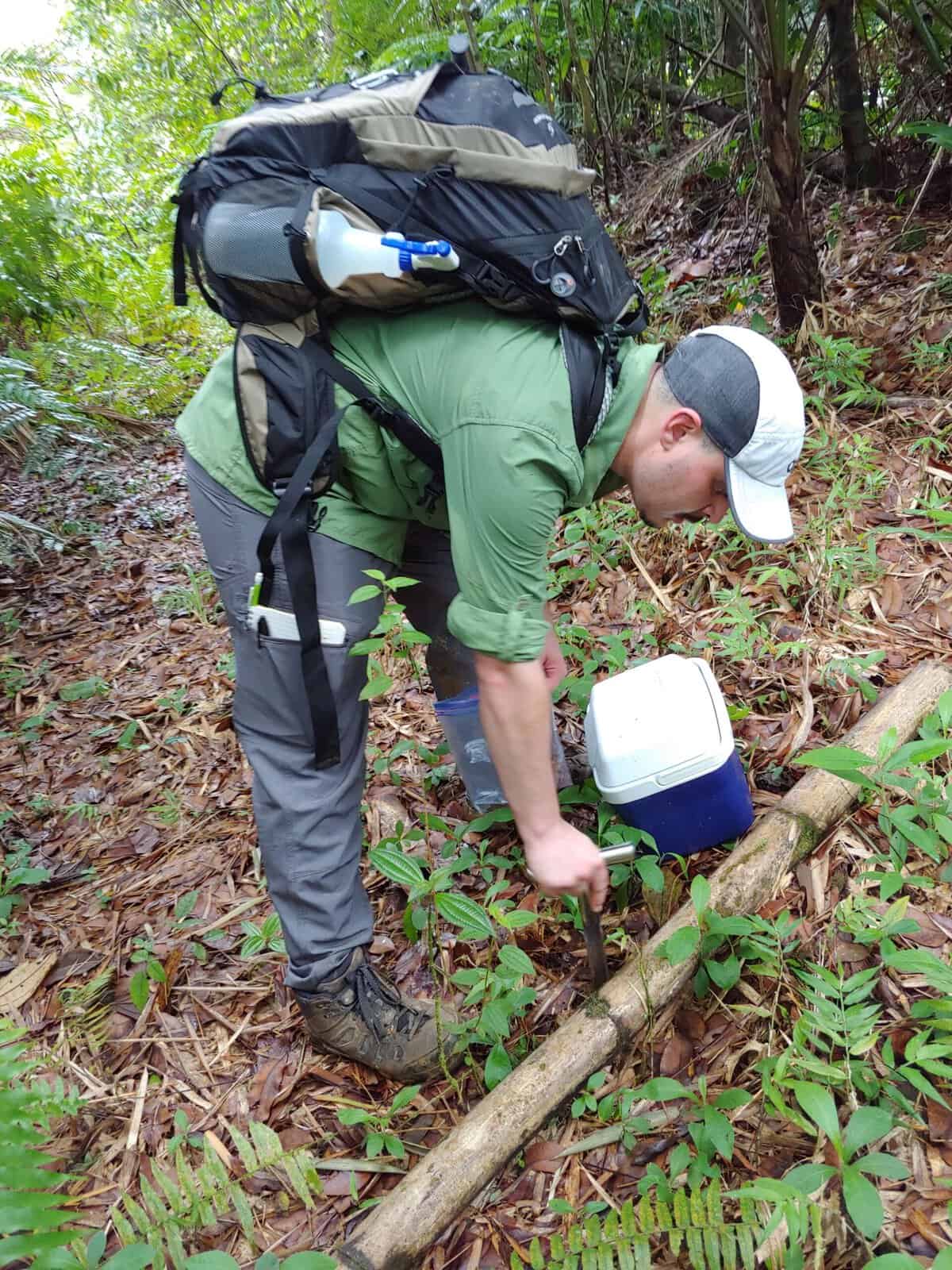
Her proposed outputs include a series of paintings accompanied by poems, field notes, and an online exhibition, as well as a small workshop centered on observation and reciprocity in artistic practice. But beyond deliverables, what is being formed is a way of working that can move across borders without extracting from place.

Ramona’s website: https://www.ramonamraz.com/

Las Casas de la Selva offers an ideal beginning. Not as a backdrop, but as a collaborator. A place where slowing down is not a luxury, but a necessity, and where attention itself becomes a form of care. See here for more info: https://eyeontherainforest.org/artist-residencies-at-las-casas-de-la-selva/

Above: Some of Ramona’s work, Jan 2026
Ramona is actively seeking funding for her walk around the world.
Please make contact if you are able to help in any way.

Photos by 3t Vakil

Translate »