Artist Residency

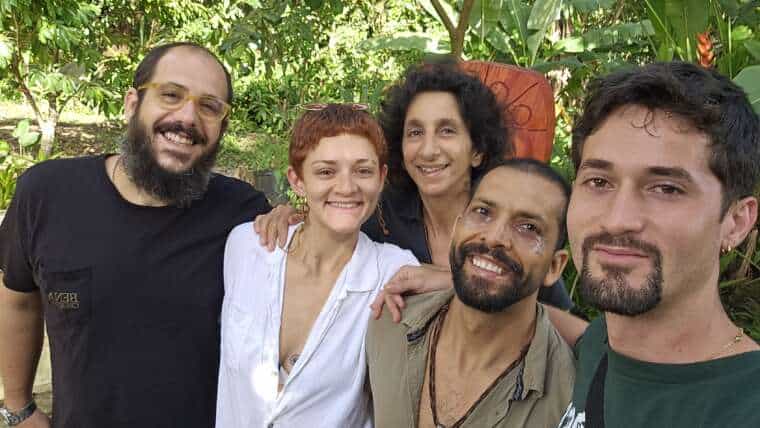
La Sangre Se Llama: Mercury’s Residency at Las Casas de la Selva, March/April 2026

La Sangre Se Llama: Mercury’s Residency at Las Casas de la Selva, March/April 2026


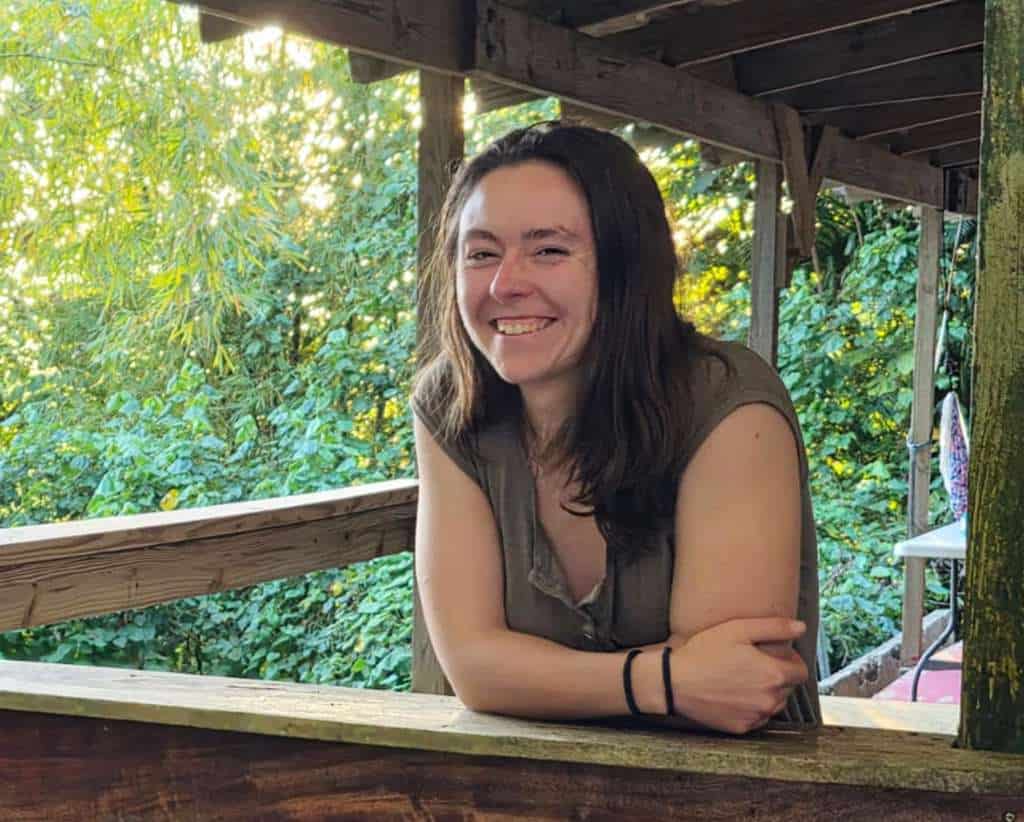
Mercury spent March and April 2026 in residence at Las Casas de la Selva, Patillas, Puerto Rico, living and working within the rainforest landscape of southeastern Puerto Rico. A second-generation Boricua artist and activist based in Hartford, Connecticut, Mercury works across disciplines with a focus on site-specific installation, using available materials and responding directly to place, memory, language, and the conditions of the present moment. Their practice is deeply connected to questions of Bori identity, diaspora, and belonging. Alongside their artistic work, Mercury is actively engaged in housing justice and community-based responses to gentrification, bringing together activism and creative practice in ways that feel immediate and lived rather than theoretical.

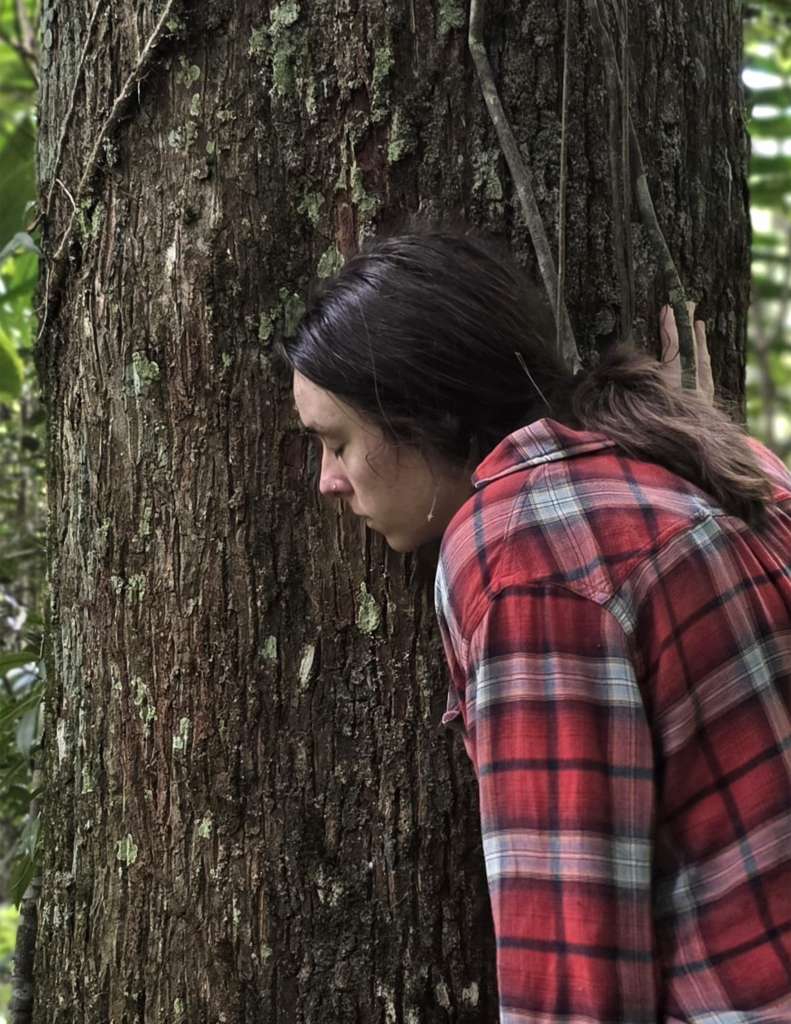
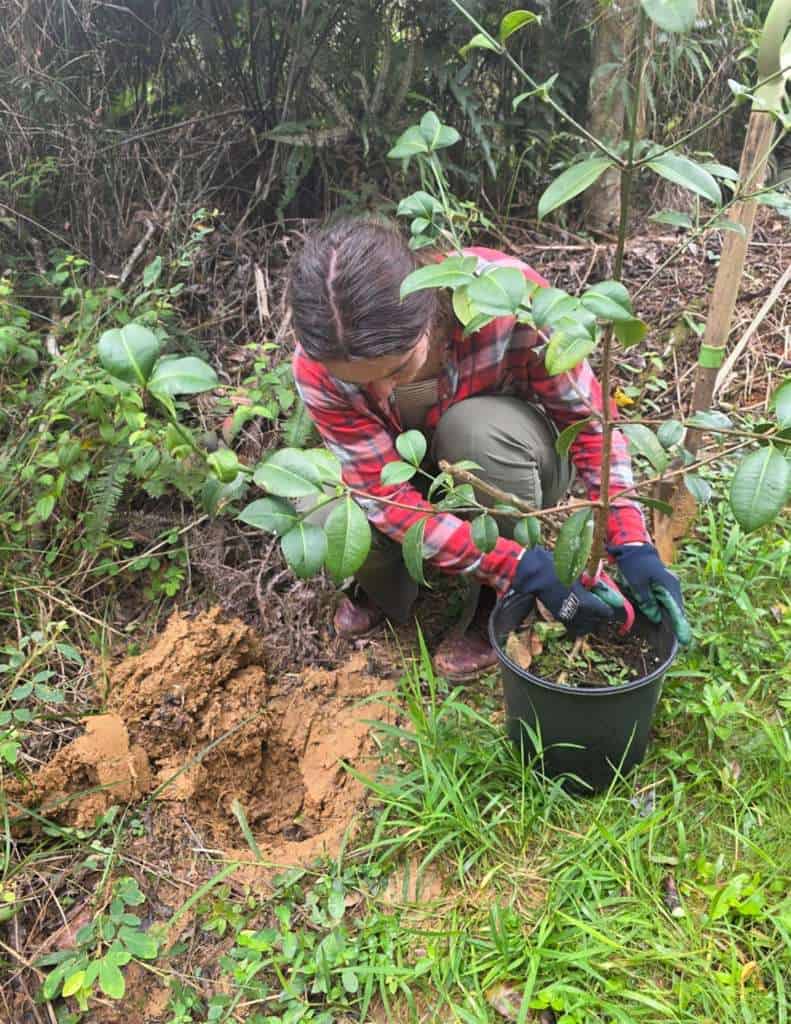
For the past four years, Mercury has spent winters at Las Casas de la Selva, gradually building a relationship with the land through conservation work, forestry activities, and art-making shaped by the surrounding environment. Their time here reflects an ongoing process of reconnection to Puerto Rico as part of the diaspora experience, a relationship that is neither fixed nor simple, but constantly unfolding.

Mercury wrote:

“My mom used to always say, “la sangre se llama” – I believe that. Boricuas navigate identity in a way that not many can understand. There isn’t a single quality we can hold up and say, “Here! This is what makes me Puerto Rican.” We straddle all the demographics. Hell, even the land itself is having an identity crisis between sovereignty and statehood. Like electrons that exist in multiple places at once, my people embody contradiction.

Yet the blood still calls. There’s a whisper in our DNA that stubbornly reminds us where home is. I like to imagine there’s a homing beacon buried deep under the Atlantic in what is called the “Puerto Rico Trench” and the coqui’s are like bluetooth speakers for that message. As a child of the Diaspora I am at the cutting edge of identity. What I am feels like a moving target… and I’m ok with that now. What they say on the island, “lo inventa” ?

“The fact that I
am writing to you
in English
already falsifies what I
wanted to tell you.
My subject:
how to explain to you that I
don’t belong to English
though I belong nowhere else”
― Gustavo Perez Firmat, Bilingual Blues: Poems, 1981-1994”

Those reflections resonate strongly within Las Casas itself, a place that has always existed between categories. Forest and laboratory. Homestead and research site. Art space and working forestry project. Puerto Rico itself often occupies this same in-between terrain, and Mercury’s work moves fluidly through those tensions rather than attempting to resolve them.

At a time when the world feels increasingly fractured, we are reminded why places like Las Casas de la Selva matter, and we are very glad to welcome Mercury into residence with us.

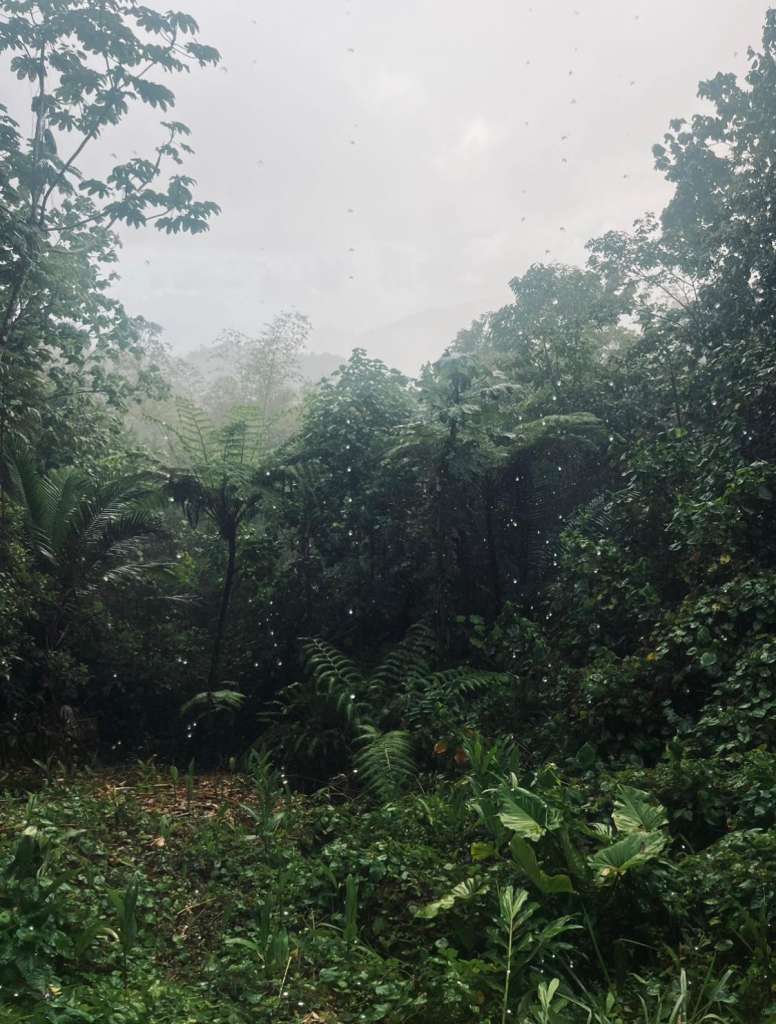
Residency here is not about retreat in the conventional sense. It is about immersion. Living inside a forest that is constantly in motion. Growth, decay, regeneration, pressure, release. The rainforest does not offer stillness so much as it offers continuity, and in that continuity there is space to think, to feel, and to respond. In moments of global unrest, the role of the artist becomes sharper. Not to explain the world, but to witness it, to translate it, and sometimes to sit with what cannot be resolved.

Having Mercury here brought another layer of observation into the work of Las Casas, where science, forestry, conservation, and lived experience are already in dialogue. Their presence mattered not as an addition, but as part of an ongoing process. The forest holds many forms of intelligence. Artistic practice is one of them.

Throughout the residency, Mercury created works that communicated through material, placement, gesture, and atmosphere. Using found objects, reclaimed materials, text, and interventions within the environment itself, the pieces carried the same qualities present in their writing: movement between worlds, layered identities, uncertainty, humor, tension, and an ongoing search for orientation. The works did not attempt to dominate the landscape. Instead, they entered into conversation with it.

Some pieces felt provisional, almost like signals or transmissions left briefly within the forest. Others carried the feeling of maps without fixed destinations, reflecting Mercury’s continuing exploration of diaspora identity and the unstable, shifting experience of belonging. Across the work there remained a sensitivity to communication itself: how people call to one another across distance, language, memory, geography, and history.

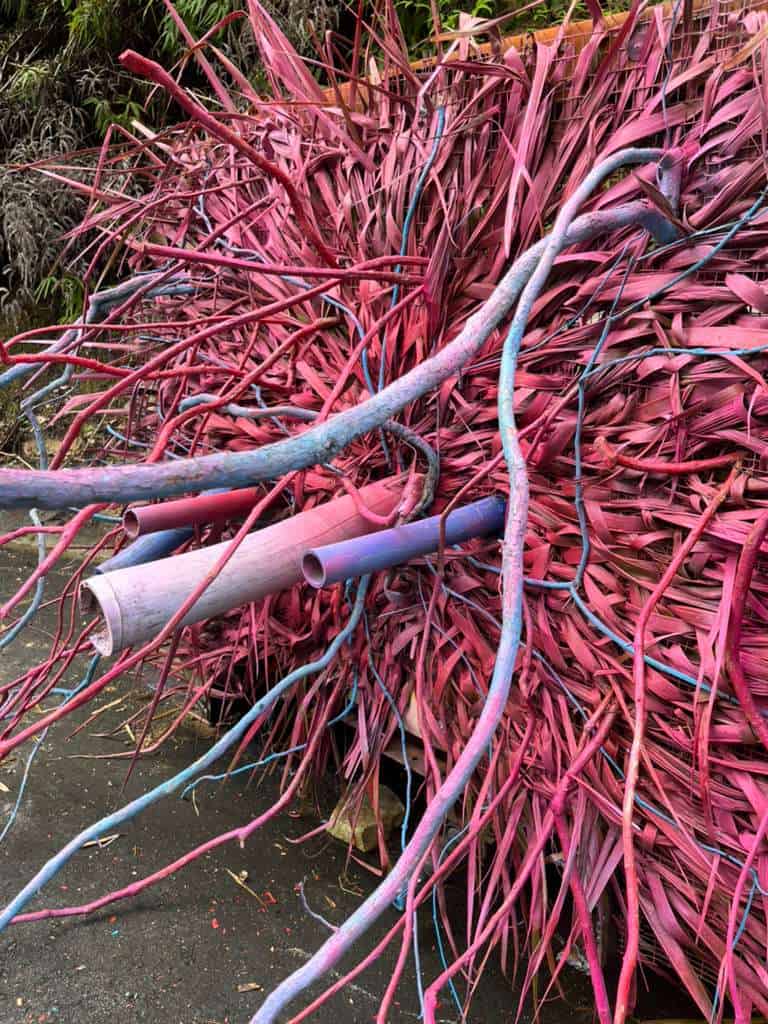
Mercury’s installations during the residency moved through the landscape like signals, mutations, or living interruptions within the rainforest itself. The works carried the same tension present in their writing: between diaspora and homeland, decay and emergence, ruin and adaptation. Found industrial materials, abandoned objects, vegetation, color, and gesture became part of an evolving language that felt both playful and deeply charged.

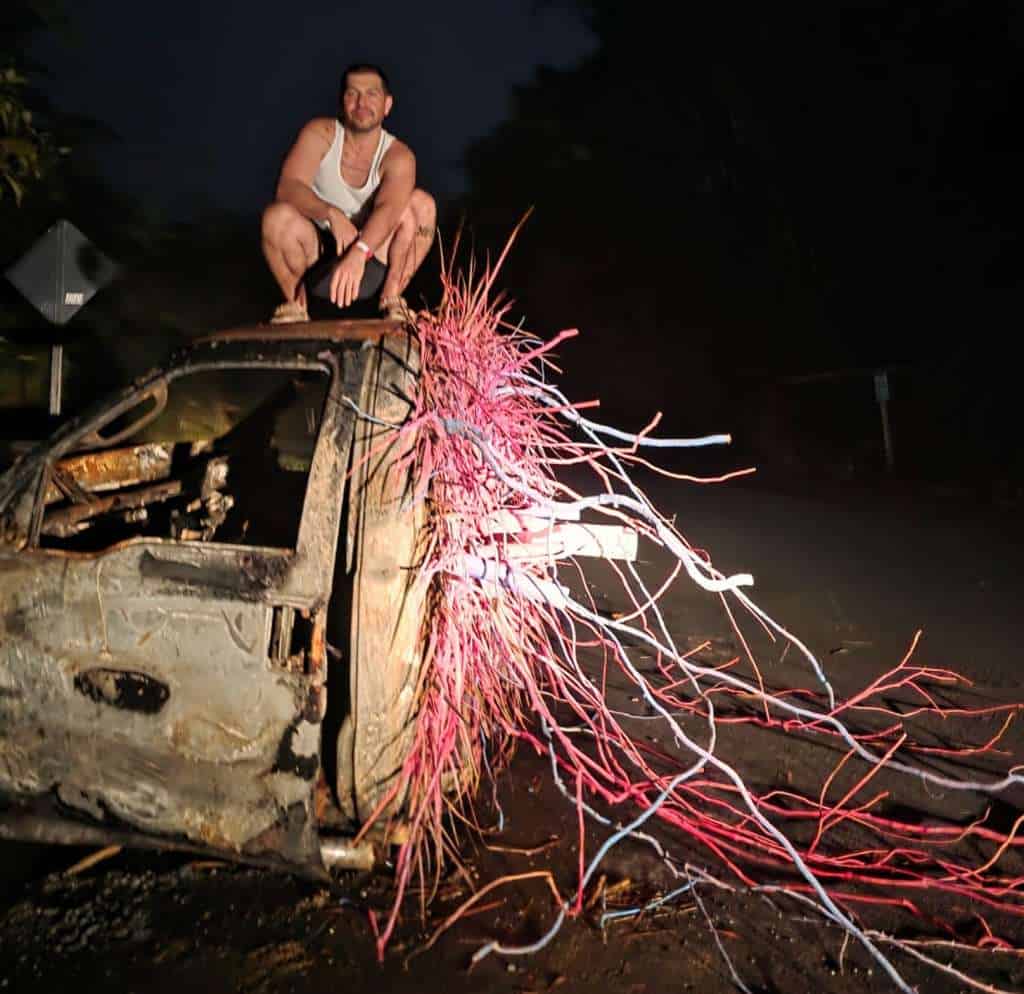
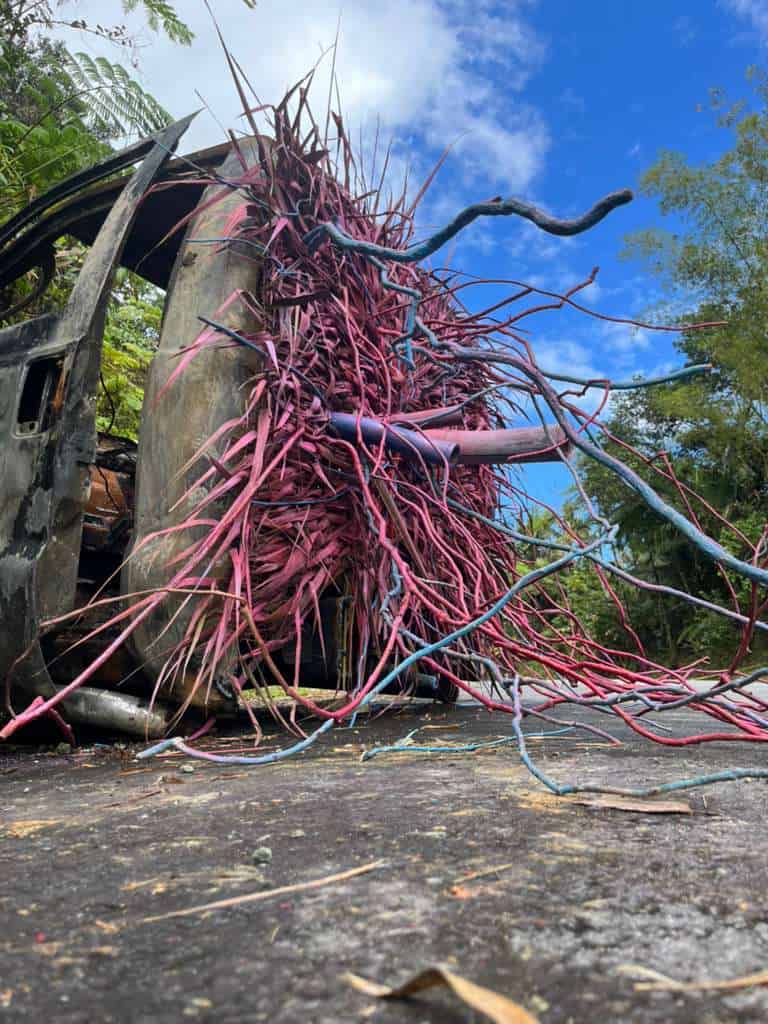
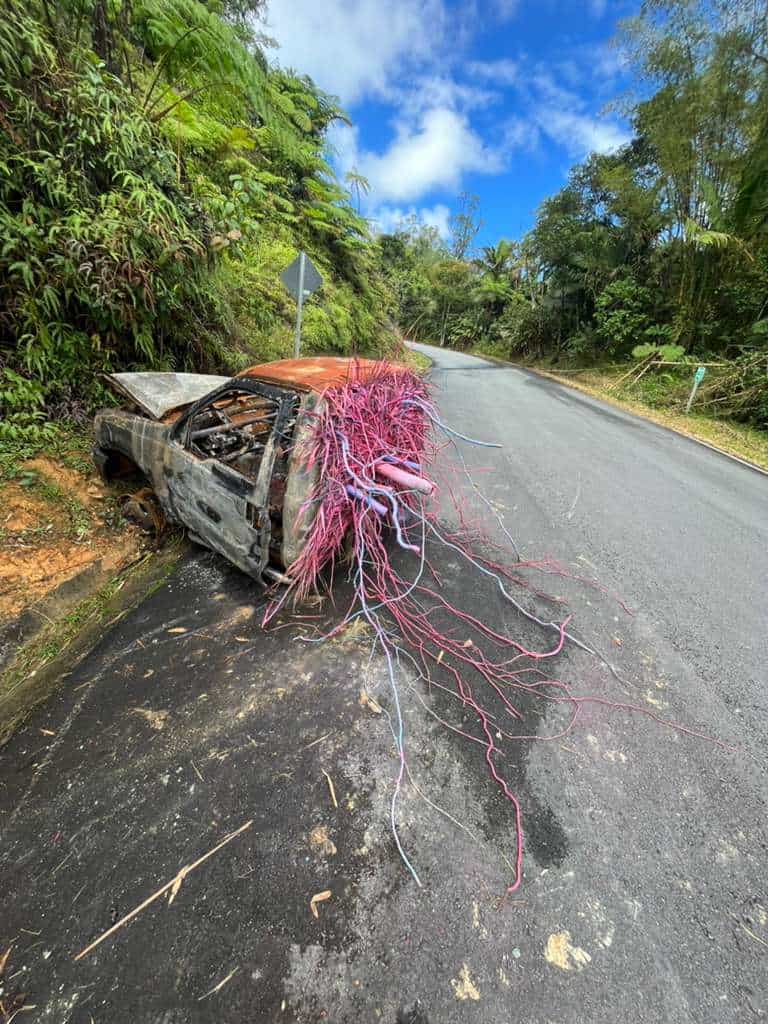
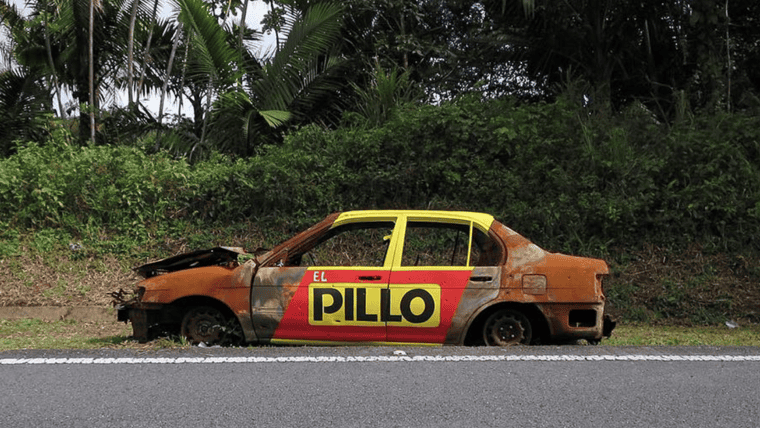
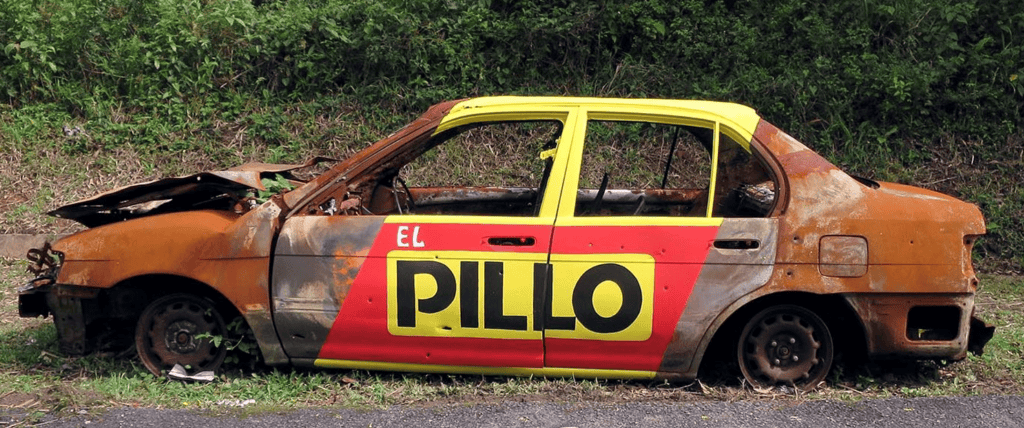
One of the most striking interventions transformed the burned shell of an abandoned vehicle into what appeared almost like an organism erupting outward into the roadside environment. Long tendrils and root-like forms exploded from the vehicle in electric reds, pinks, violets, and blues, blurring distinctions between machine, plant, nervous system, and coral reef. The piece felt simultaneously wounded and alive, as if the forest itself had begun reclaiming industrial debris through a strange new biology. Mercury’s work often communicates this sense of unstable identity, where categories collapse and hybrid forms emerge from contradiction.

Beside the winding mountain roads leading to Las Casas de la Selva, the sculpture altered the experience of the landscape itself. It interrupted expectation. Drivers and walkers encountered something that felt part science fiction, part rainforest growth, part psychic eruption. In many ways, the work echoed Mercury’s own reflections on Boricua identity existing across multiple realities at once, “like electrons that exist in multiple places at once.”

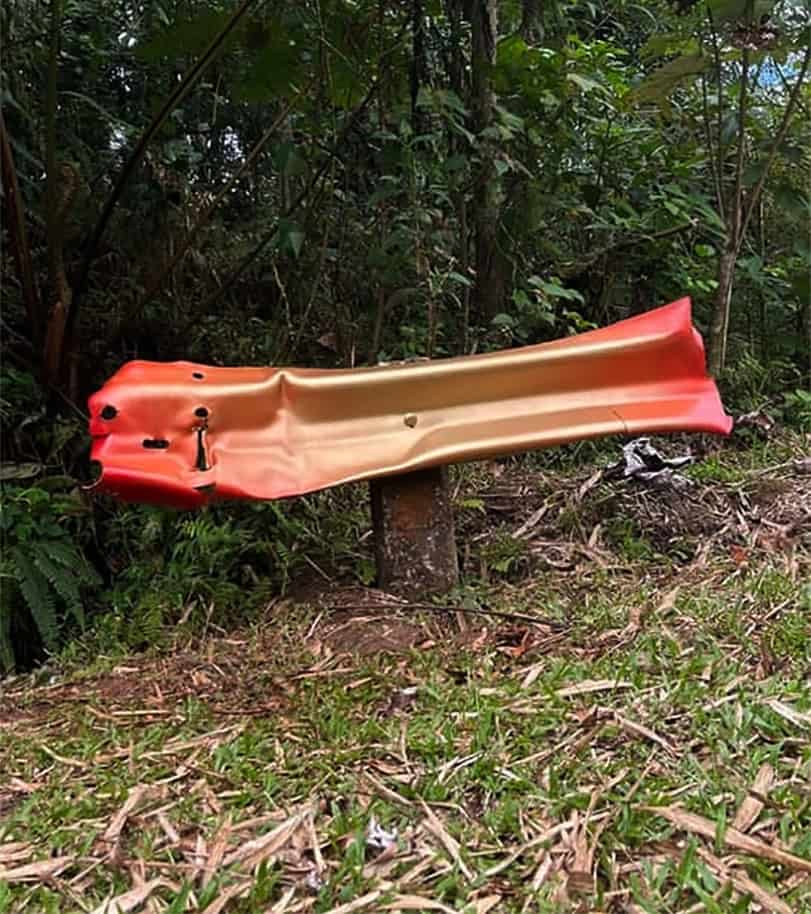
Another intervention used a discarded section of roadside guardrail, isolated against the dense vegetation. The object became strangely vulnerable once removed from its original function. Painted in warm gradients that shifted between industrial warning colors and tropical sunset tones, the piece quietly transformed infrastructure into something almost bodily. Mercury’s installations repeatedly ask how human systems sit inside the forest and how those systems change once nature begins absorbing them back into its own rhythms.


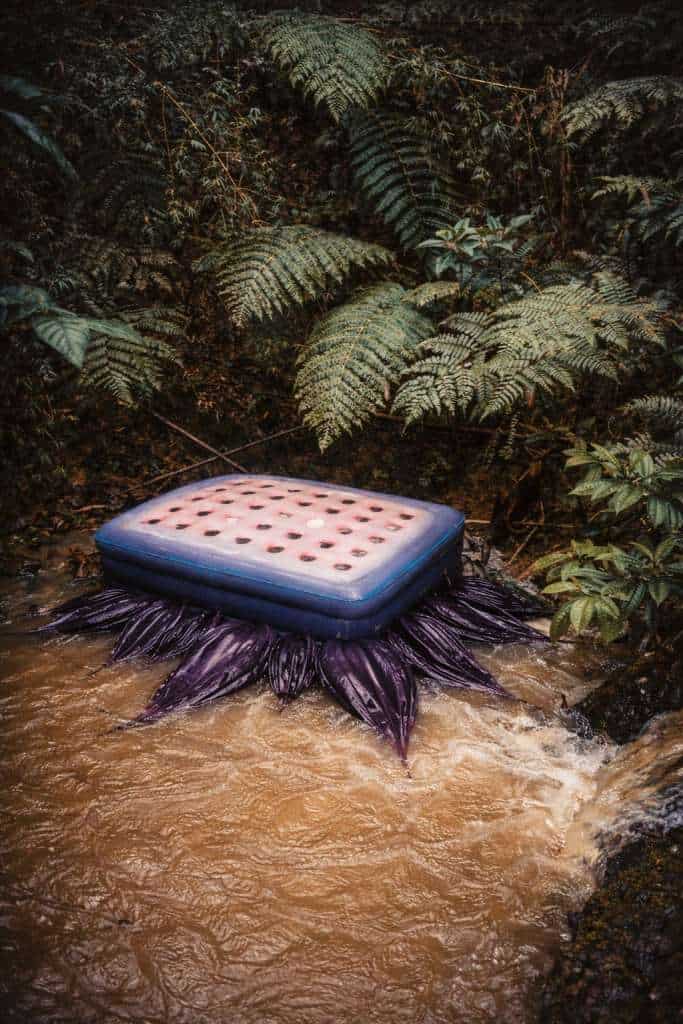
A further work placed a mattress-like form within a rushing stream, surrounded by dark purple organic structures that resembled petals, sea life, or protective membranes. The image carried a dreamlike ambiguity. Shelter floating inside instability. Domesticity displaced into rainforest water systems. Rest made impossible yet still attempted. Mercury’s work communicates through this kind of unresolved symbolism, allowing emotional and ecological readings to exist simultaneously.

Across all of the installations there is an ongoing sensitivity to communication itself. Tendrils become antennae. Roots resemble wiring. Streams feel like information systems. Objects seem to transmit signals rather than fixed meanings. The works never fully settle into certainty, and that openness is part of their power.

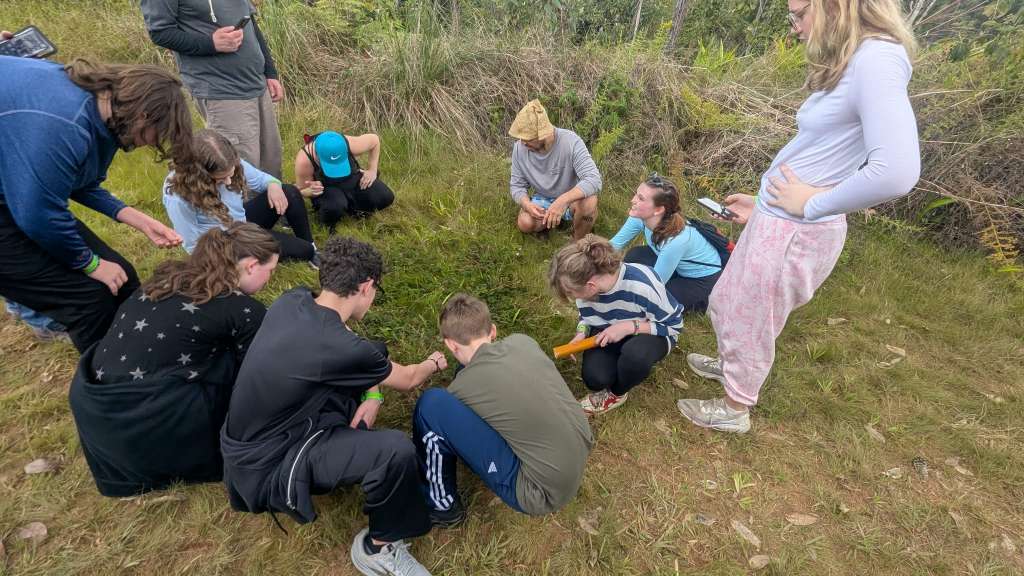
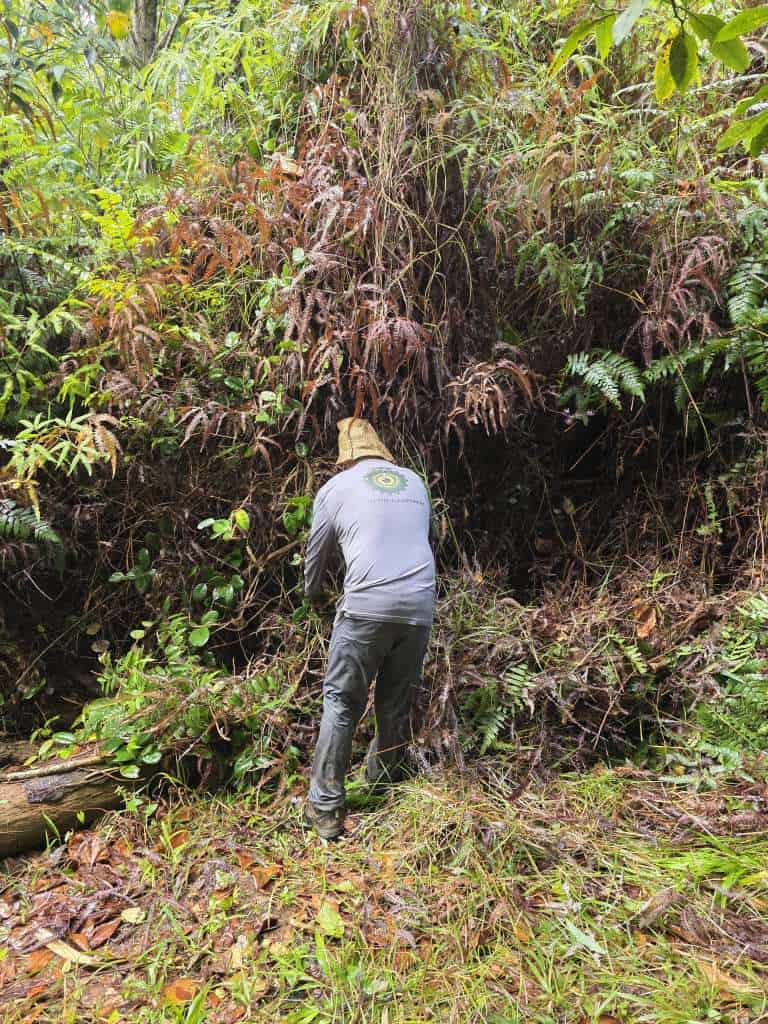
At Las Casas, Mercury was not only an artist in residence but also an active and valued member of the working community. Alongside developing installations and ideas, they became an ace volunteer, contributing directly to ongoing forestry work, conservation projects, maintenance, and daily crew activities. Mercury also worked closely with visiting teen groups, helping guide young people through the realities of living and working within the rainforest environment. Their presence moved easily between art-making, physical labor, conversation, mentorship, and shared communal work, reflecting the spirit of Las Casas itself, where creative practice and practical work are inseparable.

What emerged during the residency was not simply a body of artworks, but a deeper integration into the ongoing life of the forest project. Mercury’s installations did not stand apart from Las Casas. They grew out of it, responding to its roads, streams, debris, histories, labor, contradictions, and living systems. In that sense, the work became another way of listening to the forest and translating what it means to belong, partially, provisionally, and honestly, to a place.

Mercury is now developing a broader vision for a reciprocal residency exchange connecting diasporic artists from cities across the United States with Caribbean-based creatives. It is an idea rooted not simply in travel, but in exchange, relationship, and mutual recognition. Their work continues to move between place, identity, and possibility, extending even toward imagined futures and outer space, while remaining grounded in the realities of land, culture, and community.

We look forward to seeing what emerges next from Mercury’s evolving practice and from the continuing dialogue between art, forest, and identity at Las Casas de la Selva.

You can follow Mercury’s work at:
@mercury___________________ yrucrem.com

Photos by 3t Vakil and Mercury, 2026

Dugan – Writer in Residence, March 2026

Gregg Dugan -Writer in Residence, Las Casas de la Selva, Patillas, Puerto Rico, March 2026

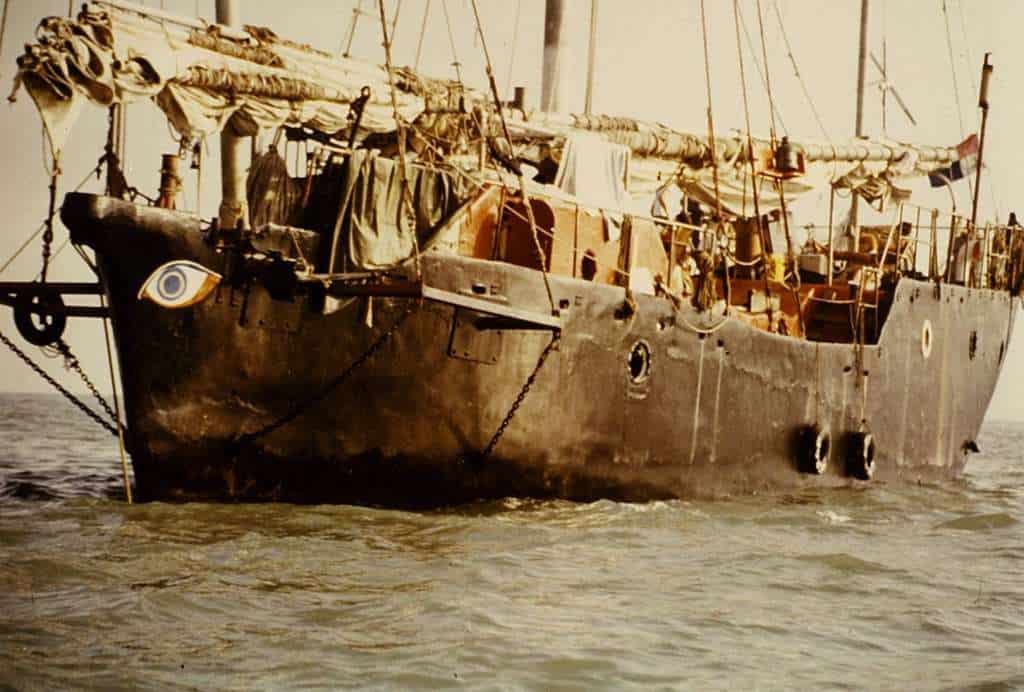
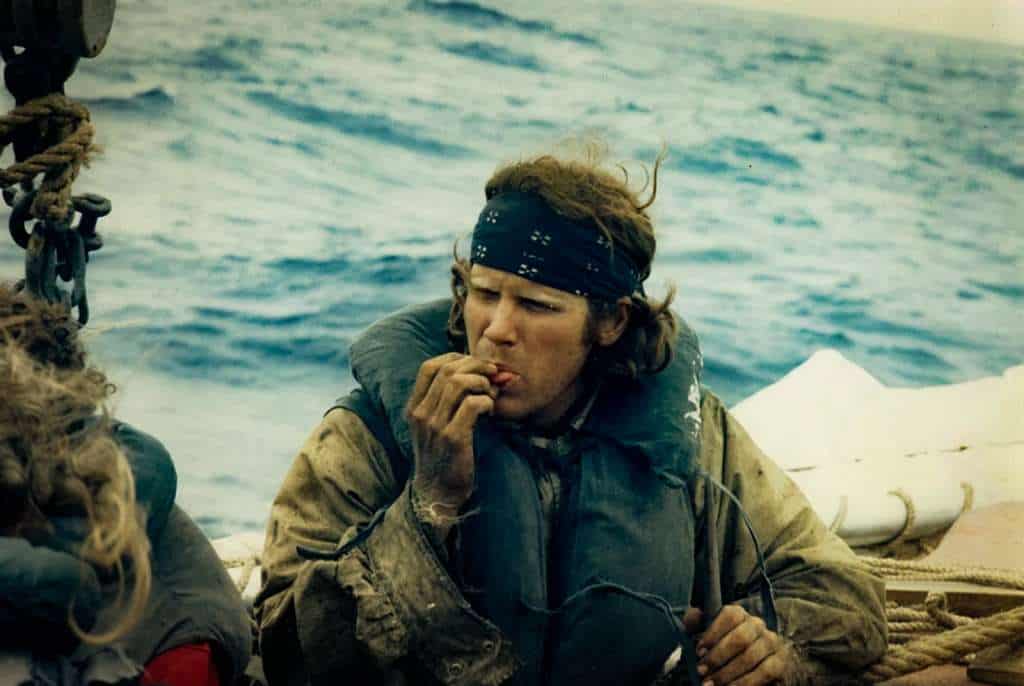
Gregg Dugan is a writer, performer, and lifelong explorer whose work moves across oceans, stages, ecosystems, and stories. In 1974, he co-built the research vessel Heraclitus, a 140-ton Chinese sailing junk in Oakland, California, and went on to serve as captain for seven years, logging over 50,000 miles of deep-sea and coastal voyaging and research across the Pacific, Caribbean, Mediterranean, Atlantic, and Indian Oceans. Along the way, the crew called in the ports of more than forty nations, often performing as the theater ensemble Studio III.

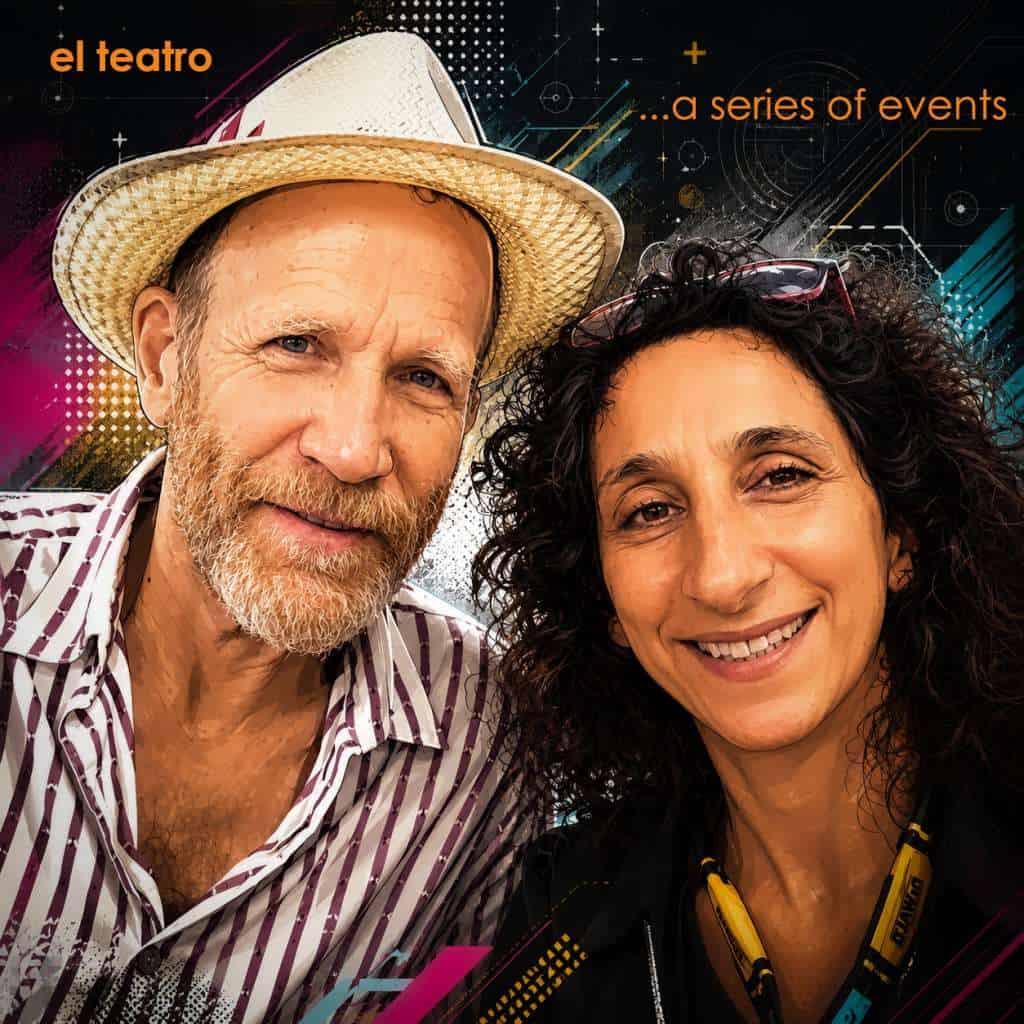
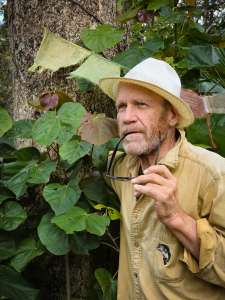
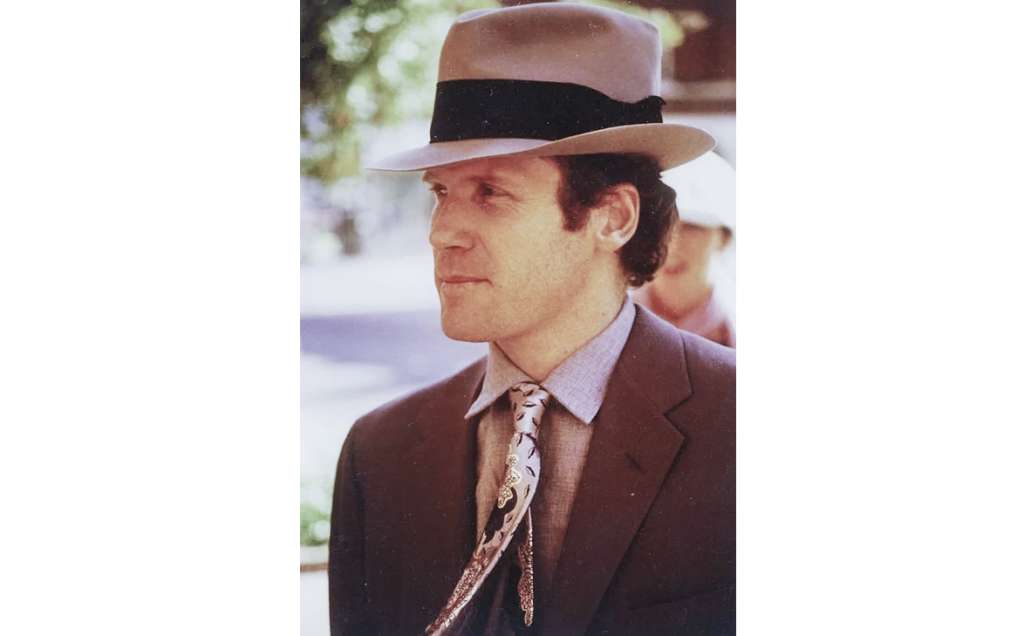
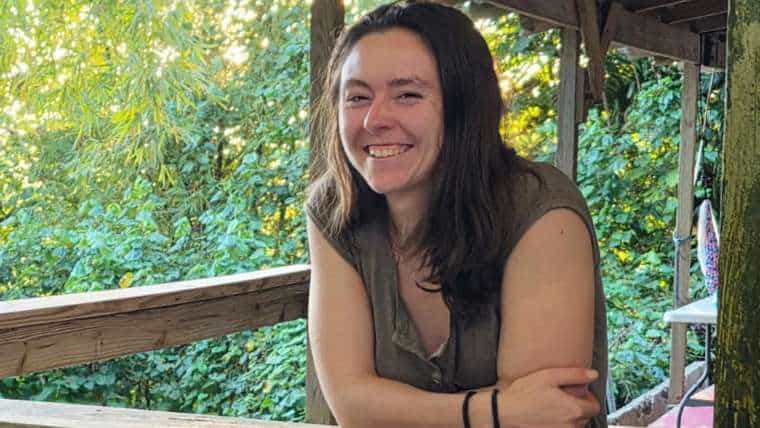
Gregg Dugan, March 2026 (Photo by 3t Vakil)

Dugan’s path continued through a wide range of cultural and ecological work. In 1980, he became director and general manager of Les Marronniers, a conference center and farm near Aix-en-Provence, France, where he hosted workshops, conferences, rehearsals, and performances while also managing orchards and working as a director, actor, and writer with the resident theater ensemble. He later toured internationally with the Theater of All Possibilities in the early 1980s. In 1985, he moved to Texas, where he served as general manager, then CEO and president of the Caravan of Dreams performing arts center in Fort Worth, contributing to its theater, music, and creative programming, and performing in over twenty productions as part of the Caravan Repertory Company. During this time, he also chaired the Fort Worth Main Street Arts Festival for four consecutive years.

From 1991 to 1993, Dugan lived on-site at the Biosphere 2, working as a tree crop specialist. He participated in field collections for the rainforest and ocean biomes and managed the rainforest greenhouses, continuing his engagement with living systems at a planetary scale.

Afterward, he founded Two Birds Productions, producing video work across diverse locations including Puerto Rico, Santa Fe, London, Egypt, New York City, Vancouver Island, and the Sonoran Desert. He wrote The Missing Links in 1998, and later completed Books I–V of the Human Race Series in 2023, a long-form exploration of human experience through narrative, place, and reflection.

Dugan is currently writer-in-residence at Las Casas de la Selva, Patillas, Puerto Rico, for a three-week writing residency, using this time in the rainforest to deepen his ongoing exploration of narrative, place, and the human condition. His presence brings a rare depth of lived inquiry, where decades of movement across disciplines converge within the immediacy of the forest.

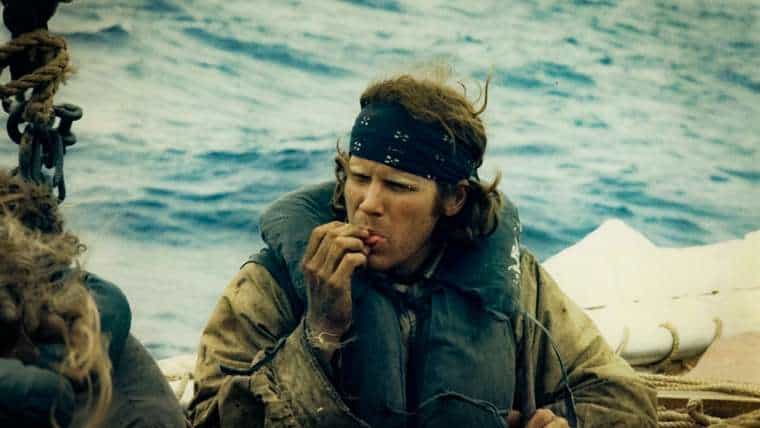
Research Vessel Heraclitus, 1977, two years after being built.
Gregg Dugan on RV Heraclitus 1975

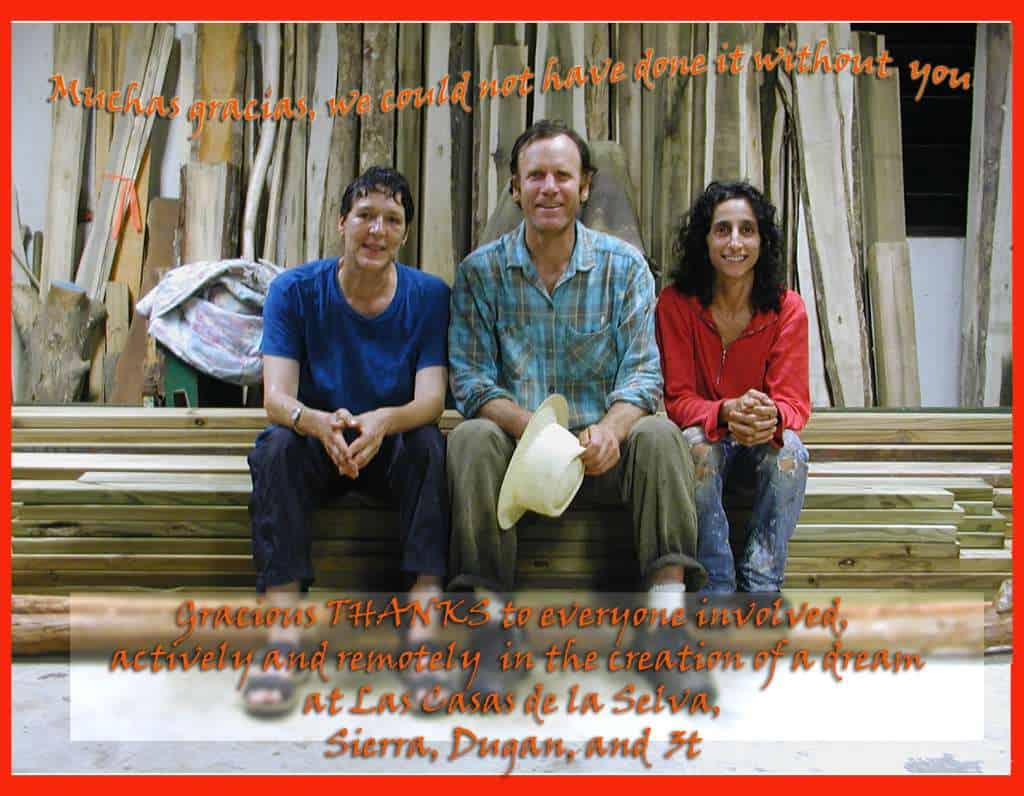
Dugan and 3t share a long history with the Institute of Ecotechnics that stretches across landscapes and decades, from working side by side in the organic fruit orchard at the ranch in Santa Fe, NM, to time spent together in the forest at Las Casas more than twenty years ago studying trees and coqui frogs as field leaders on Earthwatch expeditions. Their paths have continued to intersect through a shared commitment to learning by doing, grounded in lived experience rather than abstraction.

Both artists carry a deep reverence for performance, philosophy, and the unfolding of ideas through action. Their reunion at Las Casas now feels less like a return and more like a continuation of a conversation that has never really stopped.

Featured photo: Dugan in Fort Worth, Texas shooting a scene for film on Ornette Coleman. 1977.

Gregg Dugan’s website: 2birdshrs.com
Books I–V of the Human Race Series in 2023

Related links:
www.rvheraclitus.org
https://eyeontherainforest.org/related-ecotechnic-and-cultural-projects/
https://en.wikipedia.org/wiki/Theater_of_All_Possibilities
https://en.wikipedia.org/wiki/Caravan_of_Dreams
https://www.bbc.com/future/article/20250703-how-the-biosphere-2-experiment-changed-our-understanding-of-the-earth
www.eyeontherainforest.org

Mercury – Artist in Residence, March 2026

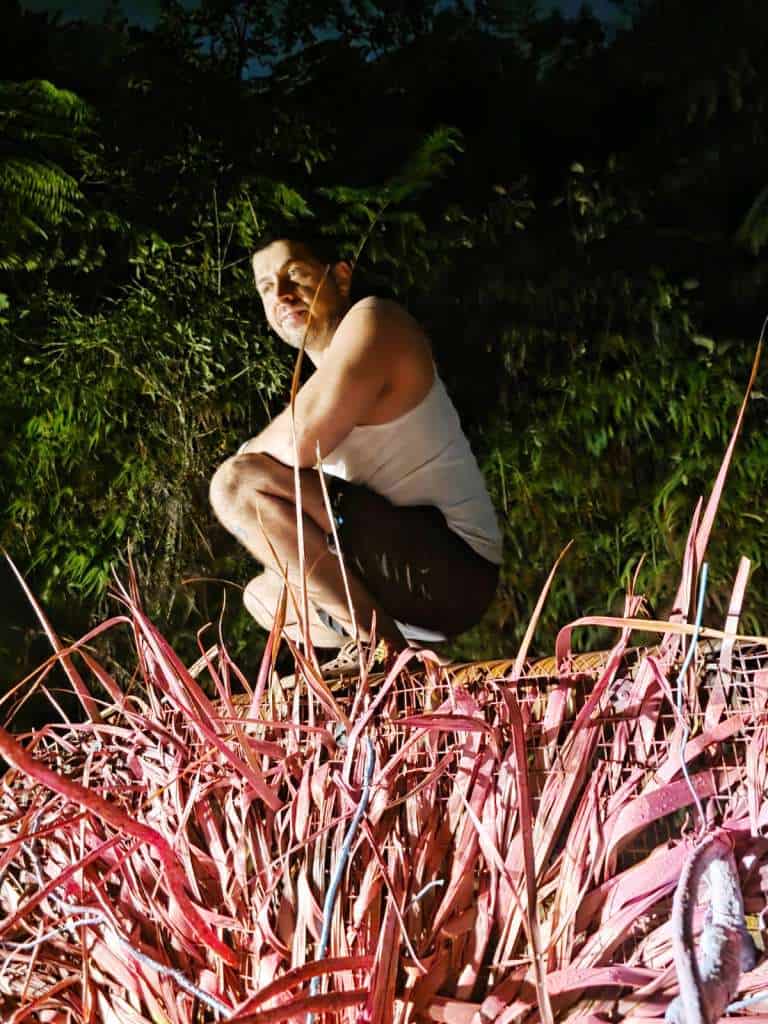
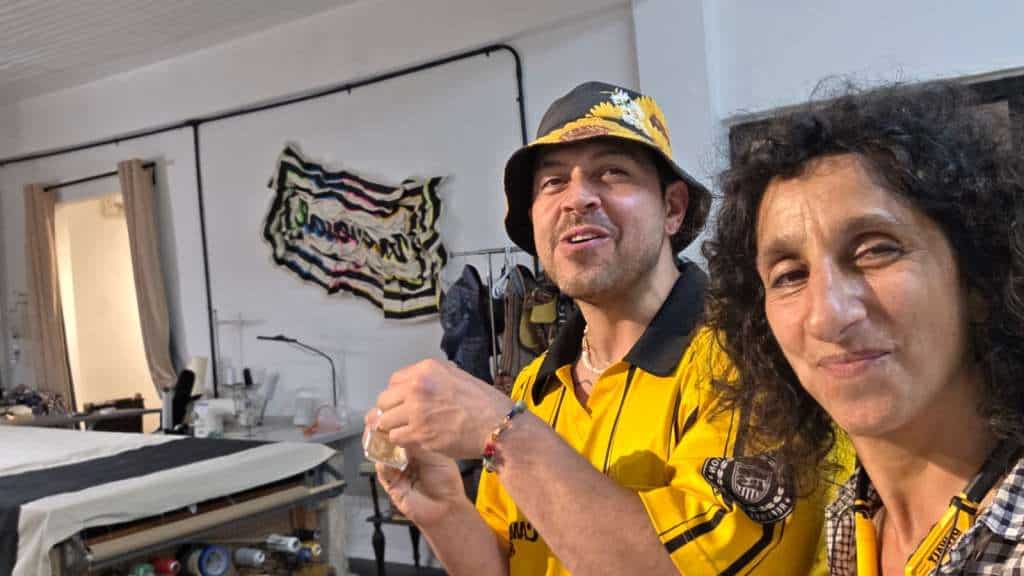
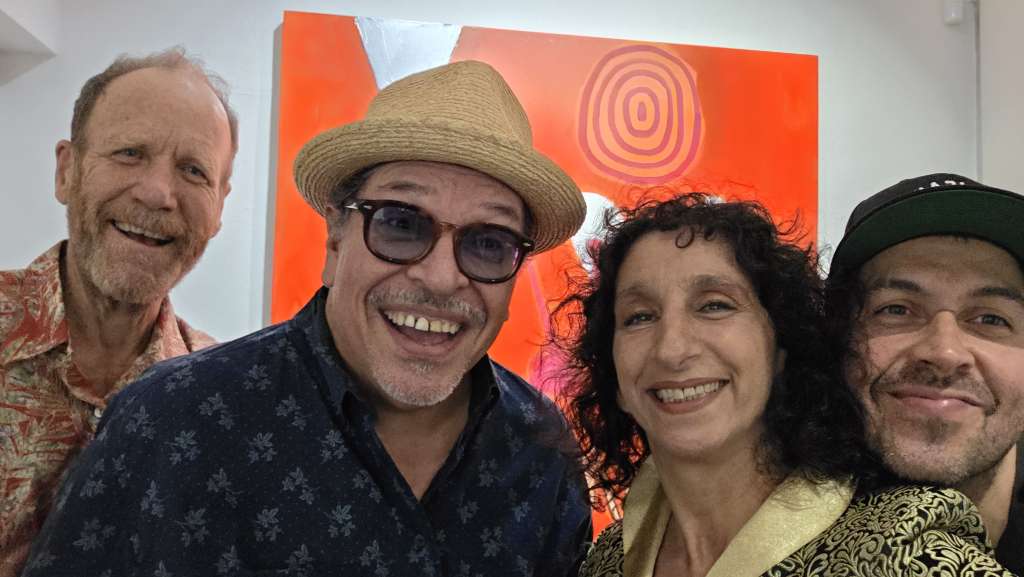
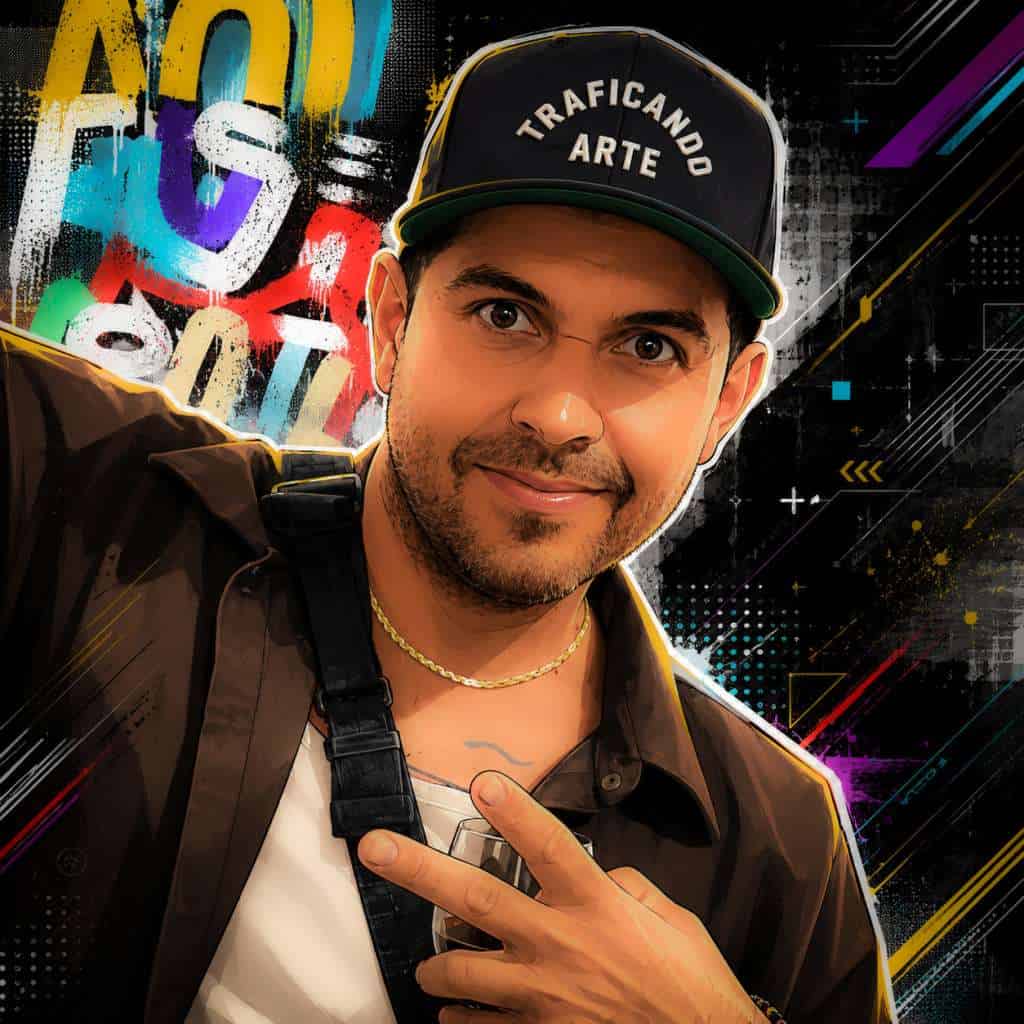
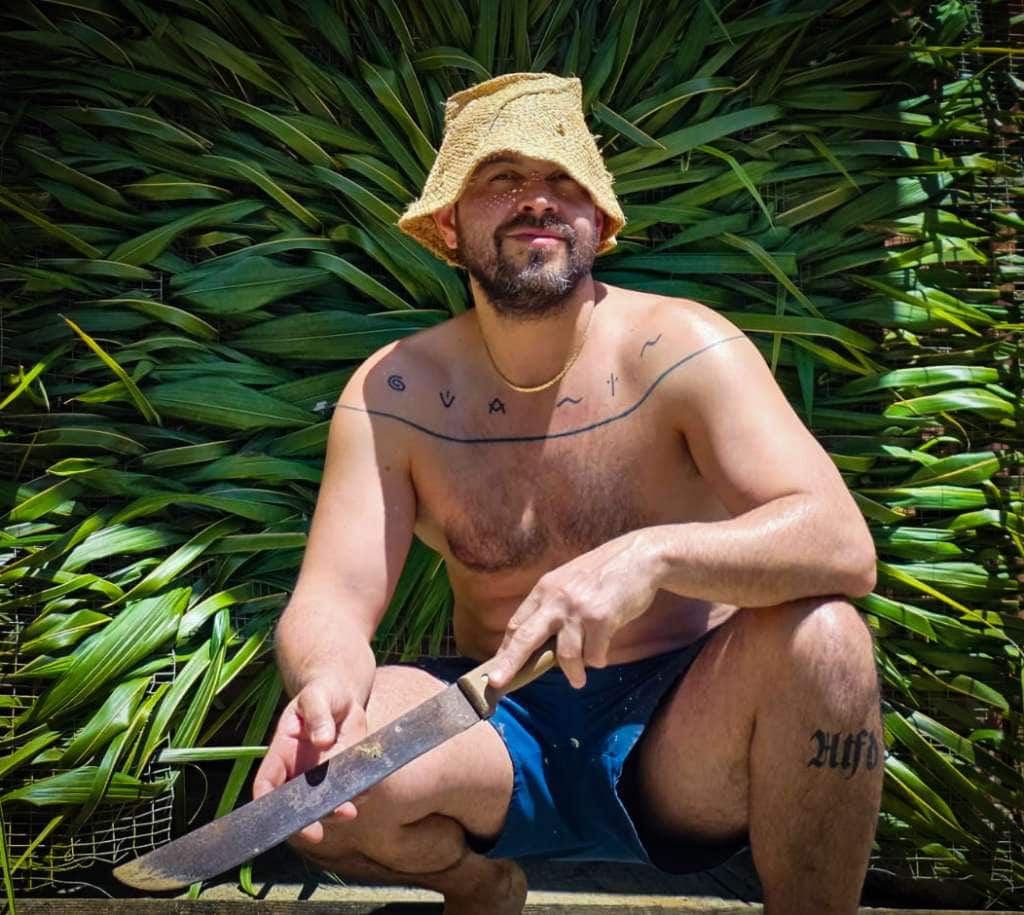
Mercury, artist in residence, Las Casas de la Selva, Patillas, Puerto Rico, March 2026

Mercury is a second-generation Boricua artist and activist based in Hartford, Connecticut, working across disciplines with a focus on site-specific installation. Their practice is situational, shaped by available materials and grounded in themes of Bori identity, language, and the urgency of the present moment. Alongside their art, Mercury engages directly with housing issues, addressing the impacts of gentrification through creative and community-based approaches.

For the past four years, Mercury has spent winters at Las Casas de la Selva, connecting with the land through both conservation work and art-making that responds to the surrounding environment. Their time here reflects a deeper process of reconnection to Puerto Rico as part of the diaspora experience.

Mercury is now developing a vision for a reciprocal residency exchange, linking diasporic artists from U.S. cities with Caribbean-based creatives. Their work moves between place, identity, and possibility, with a dream that reaches as far as outer space.

@mercury___________________ yrucrem.com
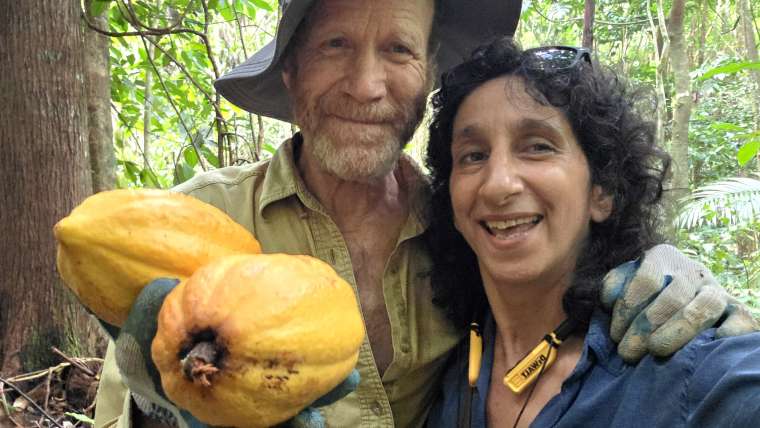
Mercury at Las Casas de la Selva, Patillas, Puerto Rico, March 2026

At a time when the world feels increasingly fractured, we are reminded why places like Las Casas de la Selva matter, and we are very glad to welcome Mercury into residence with us.

Residency here is not about retreat in the conventional sense. It is about immersion. Living inside a forest that is constantly in motion. Growth, decay, regeneration, pressure, release. The rainforest does not offer stillness so much as it offers continuity, and in that continuity there is space to think, to feel, and to respond. In moments of global unrest, the role of the artist becomes sharper. Not to explain the world, but to witness it, to translate it, and sometimes to sit with what cannot be resolved.

Having Mercury here now brings another layer of observation into the work of Las Casas, where science, forestry, and lived experience are already in dialogue. Their presence matters. Not as an addition, but as part of an ongoing process. The forest holds many forms of intelligence. Artistic practice is one of them.

We look forward to seeing what emerges.


Other work by Mercury

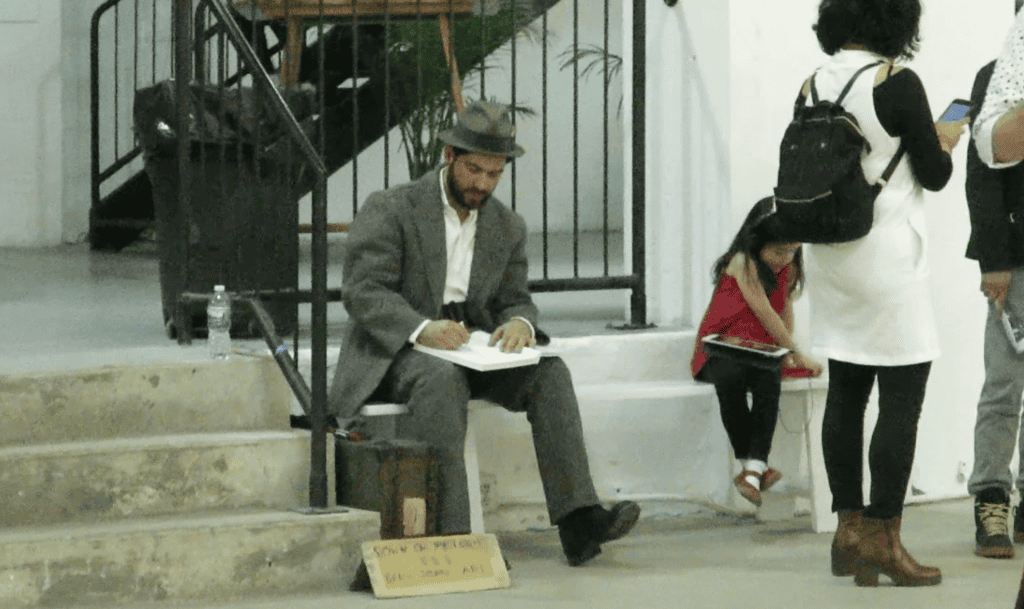
Snowball: 2016 – ongoing, Miami & New York, Performance with felt suit

Snowball is an ongoing performance in which Mercury attends art fairs throughout miami and new york wearing a handmade reproduction of joseph beuysfelt suit. Once inside the art fair, they sit in high traffic areas peddling live drawings to passersby. Mercury neither asks permission nor announces themselves when performing this piece. Selling art at an art event without permission, even in the guise of performance, doesn’t usually go over well with organizers, so Mercury is usually escorted out by security.

Photos courtesy of Mercury and 3t

Ramona – Artist in Residence, January 2026

Artist Ramona’s residency at Las Casas de la Selva, January 2026

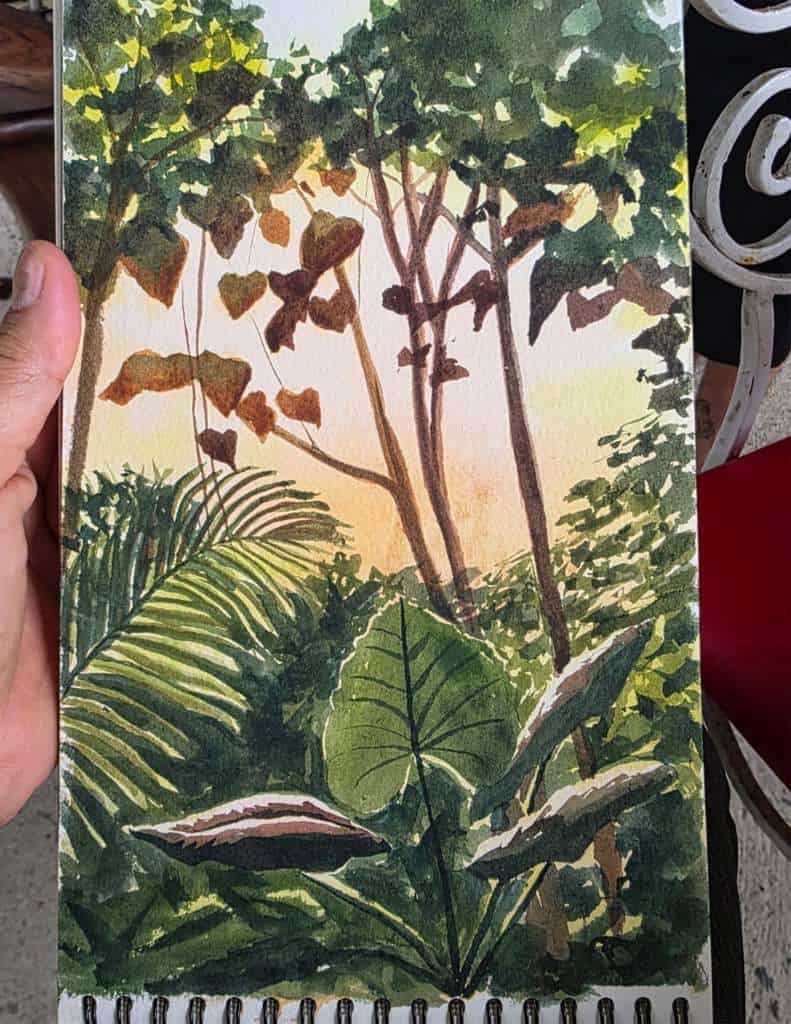
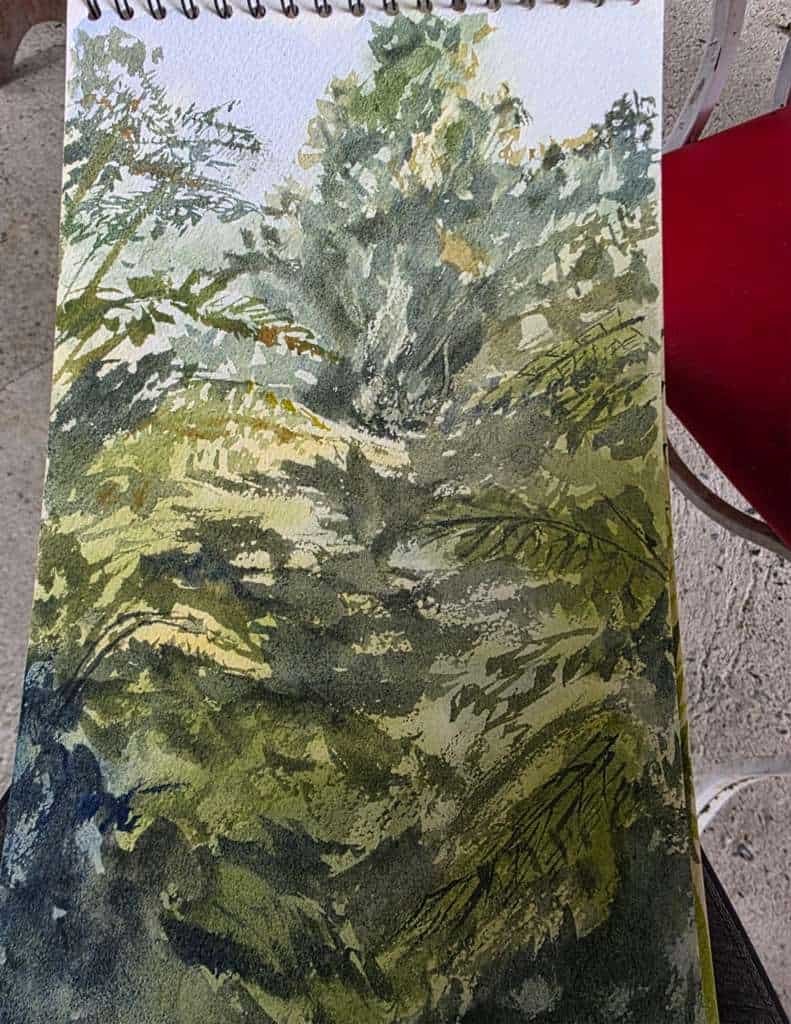
Ramona’s residency project, “Community Ecologies: My neighbor is me, I am my neighbor grows out of a long-standing commitment to understanding human–nature relationships through slow, field-based practice. Working in watercolor and poetry, she approaches the rainforest not as scenery, but as a living community shaped by interdependence, reciprocity, and shared resilience.

At Las Casas de la Selva, her focus is on observation. Daily forest walks. Listening. Sketching. Taking notes. Paying attention to micro-ecologies and subtle interactions among species. Her practice draws equally from ecological training and artistic intuition, allowing scientific knowledge and creative expression to inform one another rather than compete.
The questions guiding her work are deceptively simple:
How do rainforest communities sustain one another?
How does the more-than-human nourish, support, and coexist?
What can these systems teach us about our own planetary interdependence?

Ramona’s background in ecology, natural resource management, and restoration has given her deep experience within academic science. At the same time, she is acutely aware of its limitations. Scientific knowledge, as it is often communicated, remains inaccessible to many and shaped by narrow epistemologies. Her work seeks another route. Art becomes a mode of science communication that is human, embodied, and relational.

This residency is also a preparation.

Beginning in 2026, Ramona plans to undertake a visual narrative storytelling project during a walk around the world, traversing five continents. See this link for more: www.thecollectivecanvas.org She will carry this methodology with her: painting, writing, observing, and documenting community ecologies across vastly different landscapes and cultures. The artistic development she is cultivating now will guide how she tells those stories later.

Her proposed outputs include a series of paintings accompanied by poems, field notes, and an online exhibition, as well as a small workshop centered on observation and reciprocity in artistic practice. But beyond deliverables, what is being formed is a way of working that can move across borders without extracting from place.

Ramona’s website: https://www.ramonamraz.com/

Las Casas de la Selva offers an ideal beginning. Not as a backdrop, but as a collaborator. A place where slowing down is not a luxury, but a necessity, and where attention itself becomes a form of care. See here for more info: https://eyeontherainforest.org/artist-residencies-at-las-casas-de-la-selva/

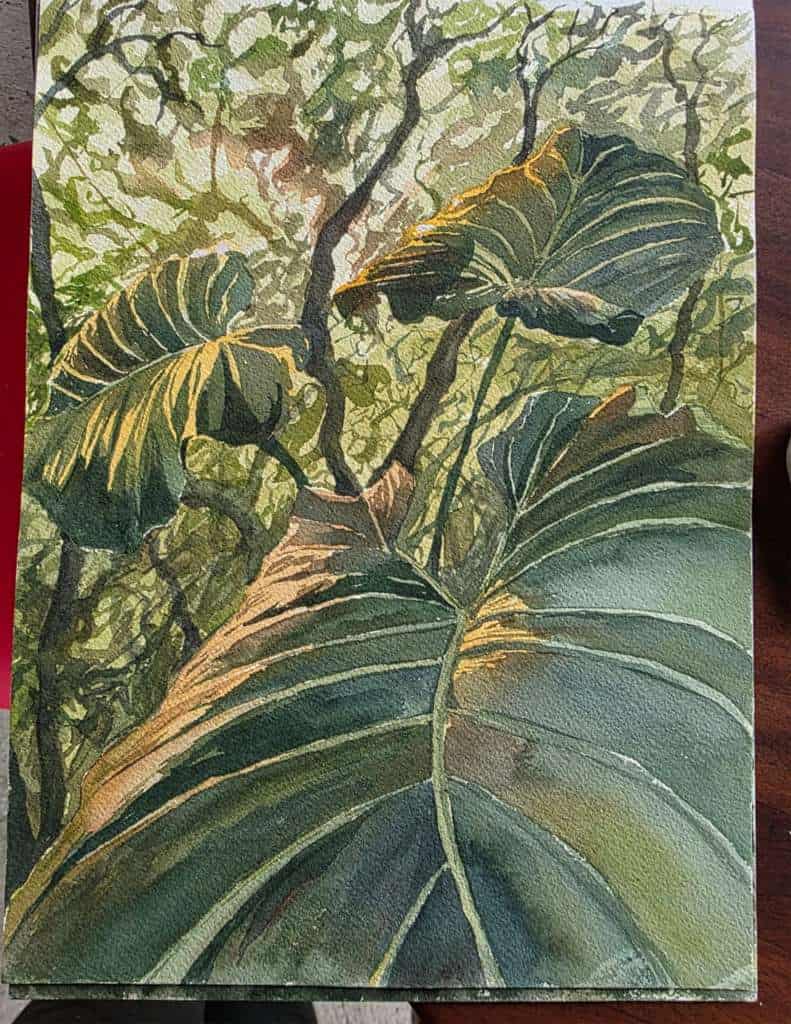
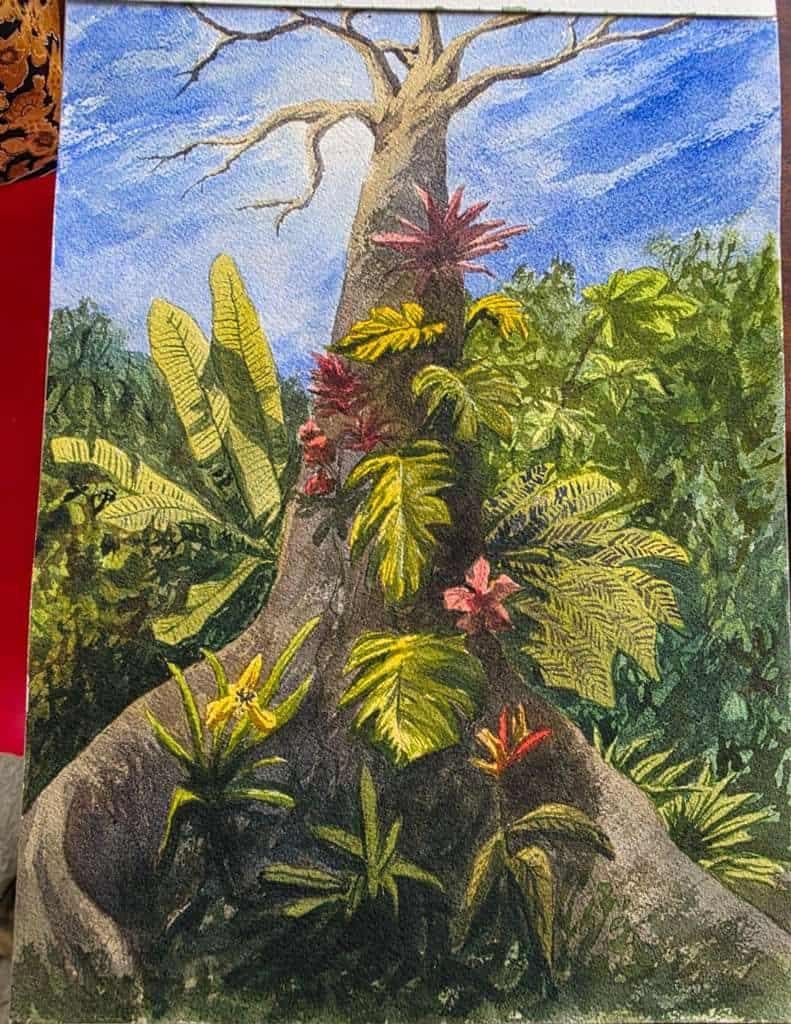
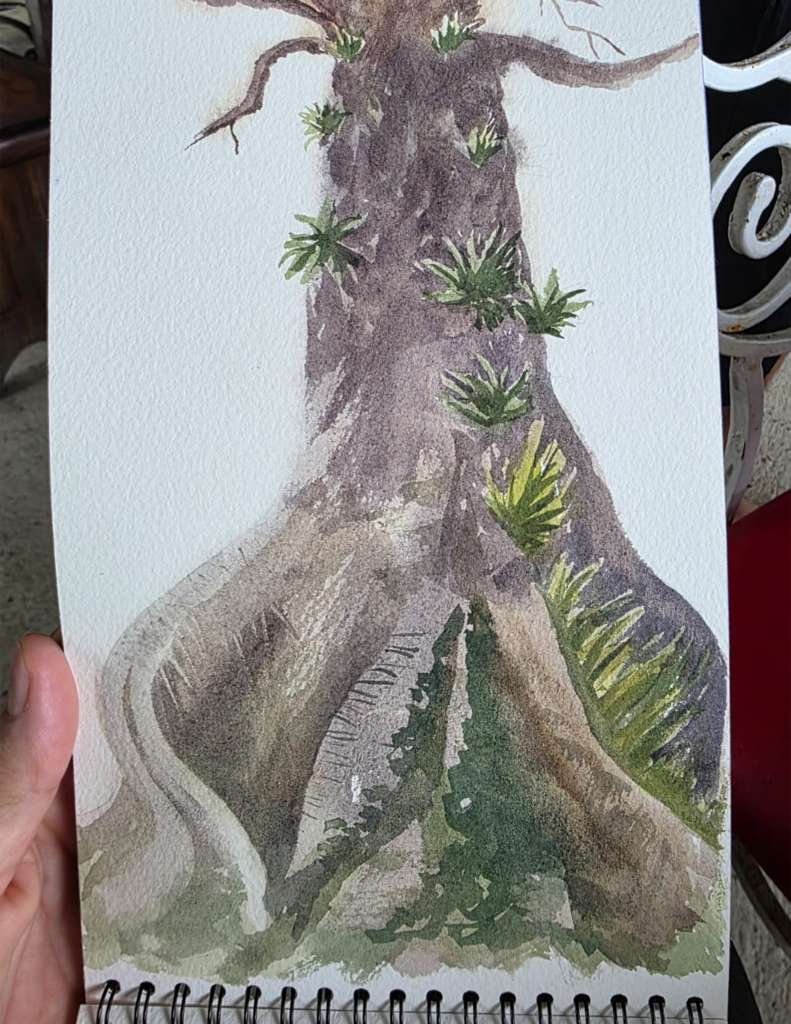
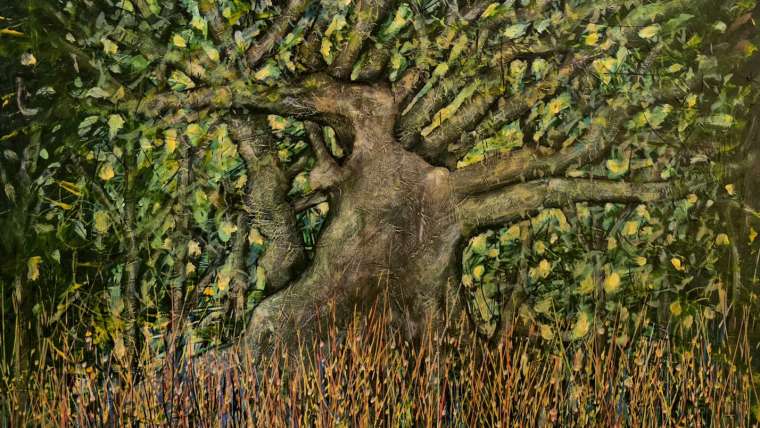
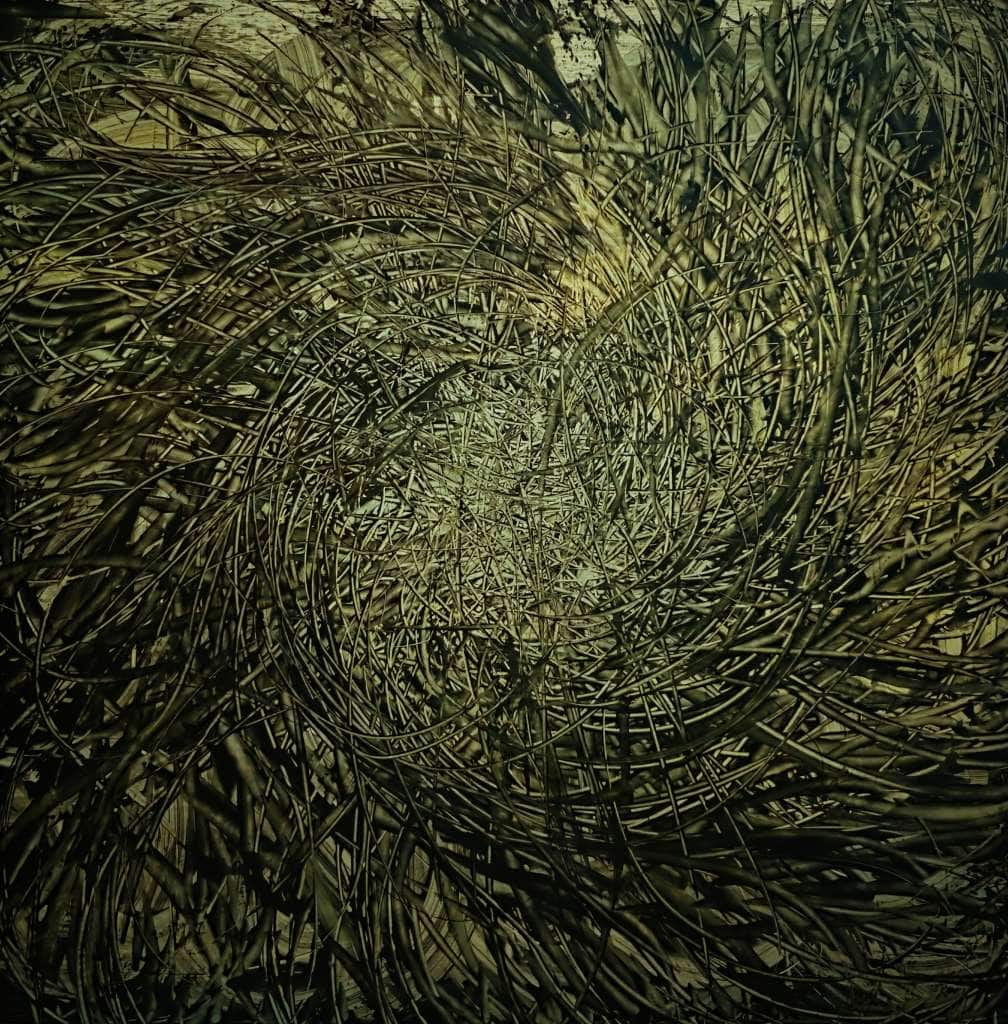
Above: Some of Ramona’s work, Jan 2026
Ramona is actively seeking funding for her walk around the world.
Please make contact if you are able to help in any way.

Photos by 3t Vakil

Artist Residencies at Las Casas de la Selva, 2026

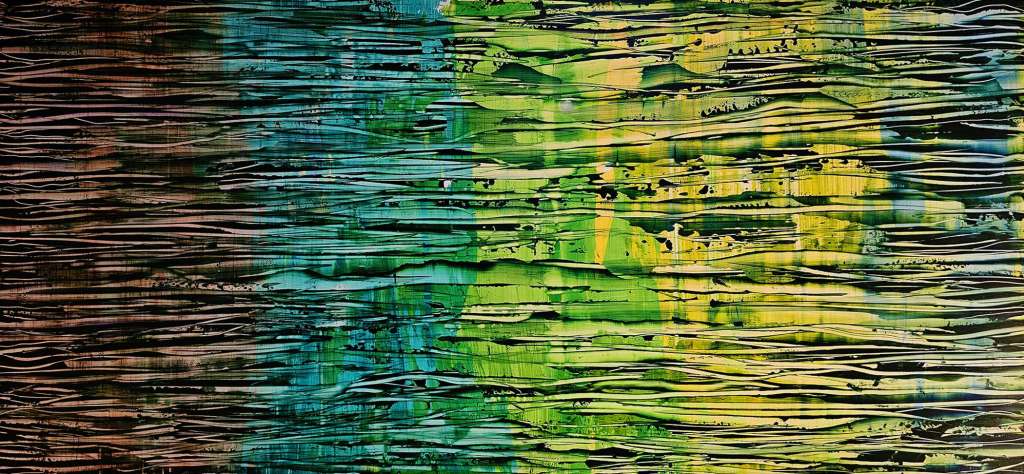
Pluvialis spectratum, Acrylic Paint on PVC Panel, 44” x 20”, #28 of the ‘Spandrel Spaces’ Series, 3t Vakil, 2024,

Las Casas de la Selva invites artists to spend time working quietly in a living rainforest.

This Artist-in-Residence opportunity is process-centered and low-pressure. It is designed for artists of all disciplines who want to step away from noise, deadlines, and constant output and instead focus on attention, observation, and slow practice in relationship with place.

There are no production quotas, exhibition requirements, or deliverables. Walking, listening, thinking, painting, writing, sketching, dancing, or simply being present are all valid forms of work here.

Residencies are intentionally simple and accessible.
Cost: $35 per day – this covers food and operating costs.
Bring what you need to create your art.
We have forest products that can be used here, like wood, sticks, leaves, and vines etc.
Length of stay is flexible and shaped collaboratively.
Dates will depend on other groups at the project.

This residency, for any age, may be a good fit if you are:

  • seeking time to recalibrate or begin something new
  • interested in ecology, place-based work, or slow practice
  • comfortable working independently and respectfully in a rainforest setting
  • looking for inspiration
  • in need of peace and quiet, and contemplation

Las Casas de la Selva is a working rainforest, research site, and conservation project. Artists are guests within a larger living system and community and are always welcome to help on various projects

The residency is directed by Thrity Vakil (3t), who is herself an artist and is available for conversation, reflection, meditation, and mentoring during the stay. Engagement is informal and responsive, shaped by the needs and interests of each resident.

Contact 3t@eyeontherainforest.org to discuss.

Work slowly. Listen deeply. Let the forest lead.

“Specimen 14 Rizocirca tumultuosa (Collected: August 20, 2025)” From: ATLAS OF INNER BLOOMING BIOMES – A Fictional Herbarium Catalogue of Inner and Outer Expeditions, by 3t Vakil

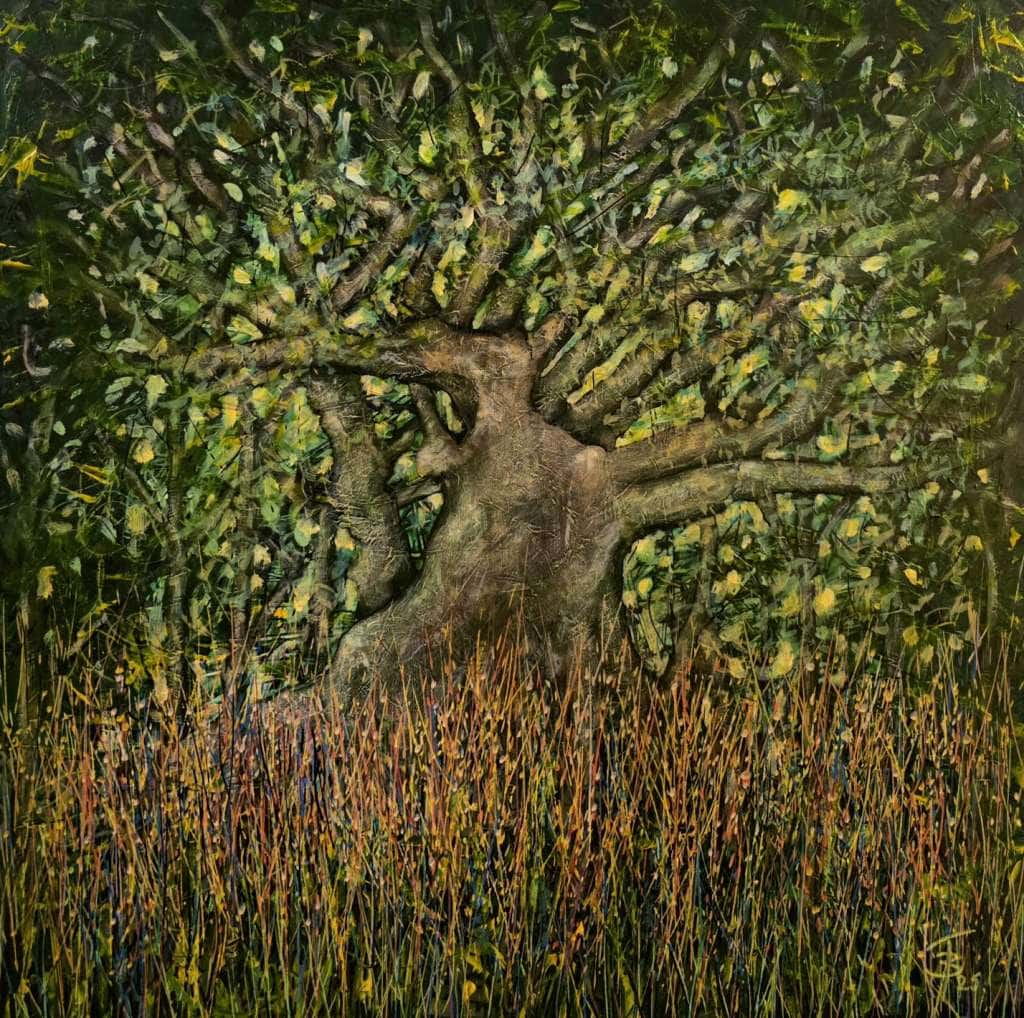
That Tree, Acrylic Paint on PVC Panel, 24” x 24”, by 3t Vakil, 2026

Translate »