Where storytelling meets the forest: Gregg Dugan, writer-in-residence, March/April 2026
Art, science, and the watershed: forests, friendships, and futures.
Some relationships are measured not in months or years, but in landscapes.
Las Casas de la Selva has always been shaped by long-term commitments: trees planted decades ago that now tower above the forest canopy, research projects unfolding across generations, and friendships that continue to evolve alongside the land itself.
Among those enduring relationships is that between Gregg Dugan and Thrity (3T) Vakil. Their shared history stretches back decades through expeditions, storytelling, conservation work, filmmaking, construction, work with teenagers, and creative collaboration. Gregg is not simply a visitor to Las Casas; he is part of its story.
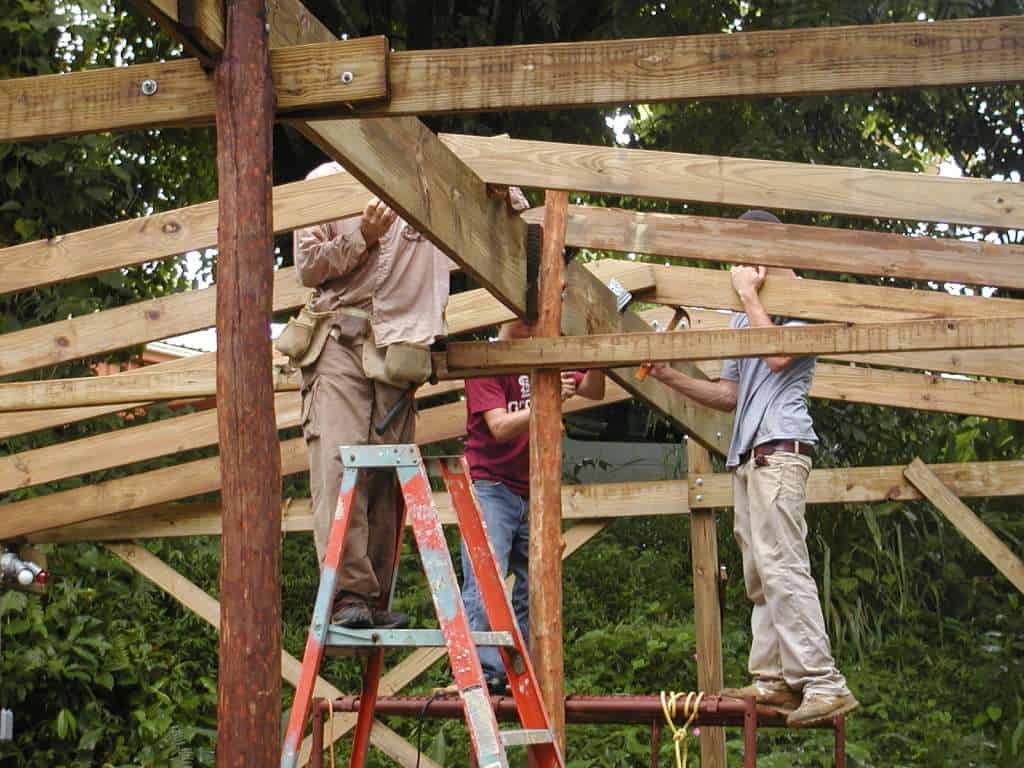
An early member of the Institute of Ecotechnics, Dugan served as the lead builder of El Teatro in the early 2000s and the open-air gathering space that has become one of the cultural hearts of Las Casas de la Selva. Built through the efforts of teen volunteers, local materials, ingenuity, and persistence, El Teatro has hosted students, researchers, artists, volunteers, musicians, performances, discussions, and countless moments of community life. Like the forest itself, it has weathered storms, adapted, and endured.
But Dugan’s connection to the land goes much deeper than construction.
Over the years, he spent extended periods living in a tent in Icaco Valley, immersed in the rhythms of the rainforest and documenting the landscape through video, writing, and observation. Much of that material now serves as an invaluable archive, capturing earlier stages of the forest’s development and preserving moments that have become increasingly important as the project matures. Footage shot more than twenty years ago shows young plantations, newly planted cacao seedlings, volunteer activities, and landscapes that have since transformed dramatically.
Today, those archives provide living evidence of ecological change. Trees that appeared as saplings in early recordings now rise high above the valley floor. Trails have shifted, forests have matured, and entire chapters of Las Casas history remain preserved through Dugan’s lens.
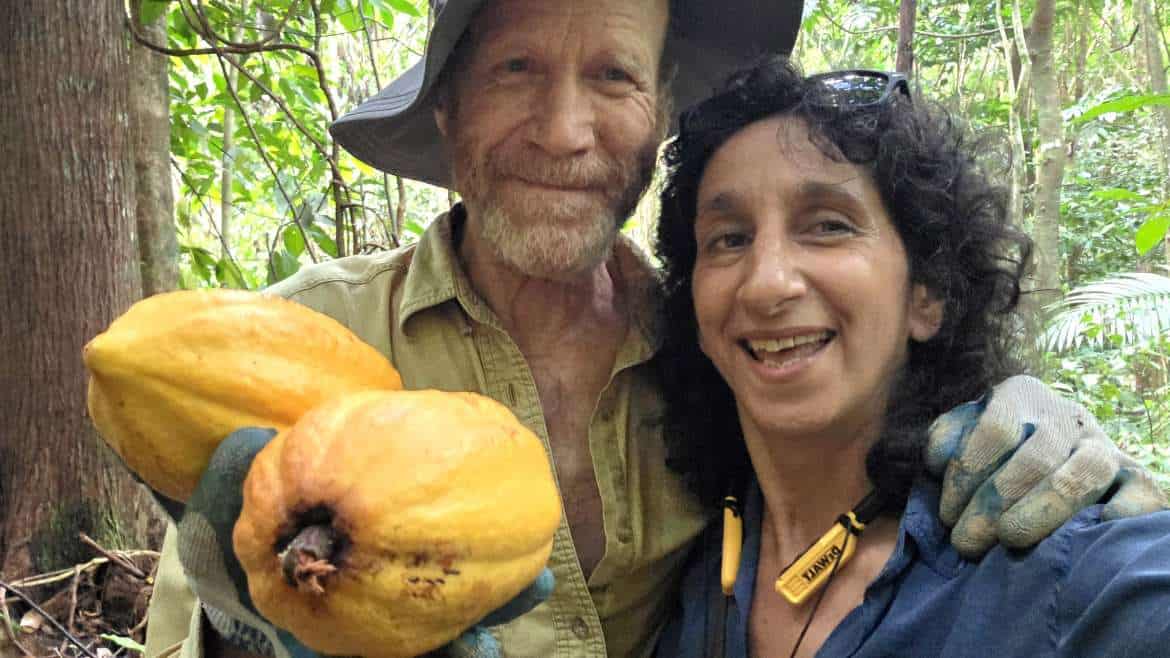
During a return visit in 2026, 3T and Dugan revisited some of the cacao plantings in Icaco Valley and found trees that had grown to maturity and were producing fruit. Many of these were among the cacao trees that Dugan himself planted more than twenty years earlier. A small number of pods were harvested for propagation, creating a tangible link between past efforts and future plantings, carrying forward a vision that continues to evolve.
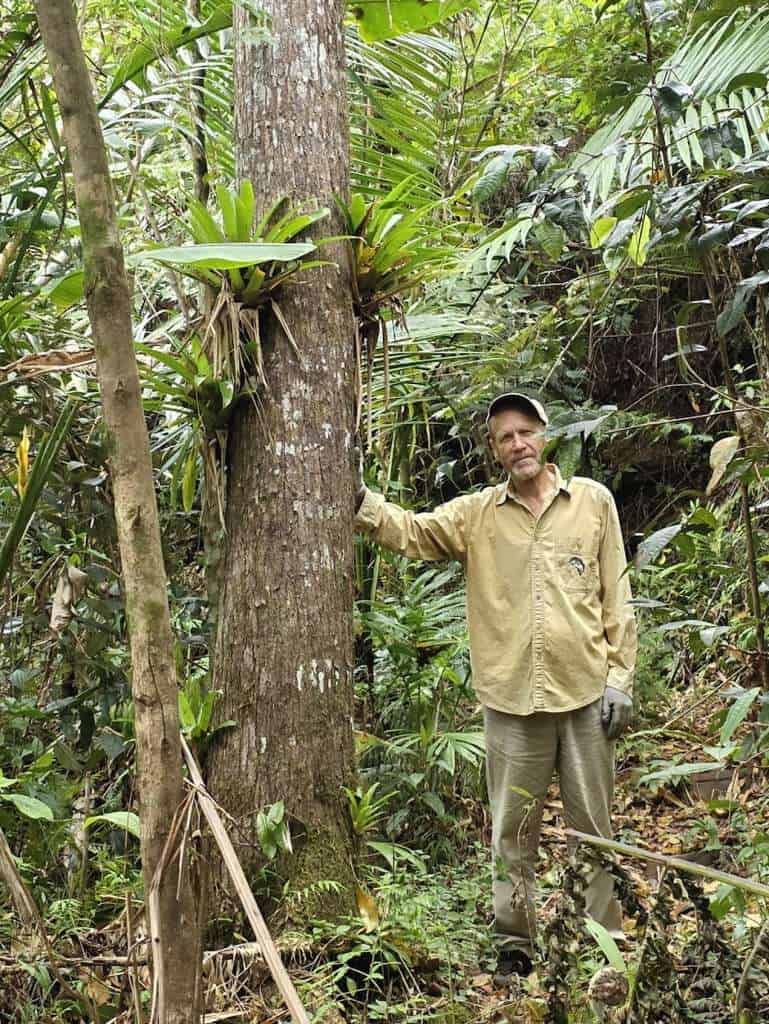
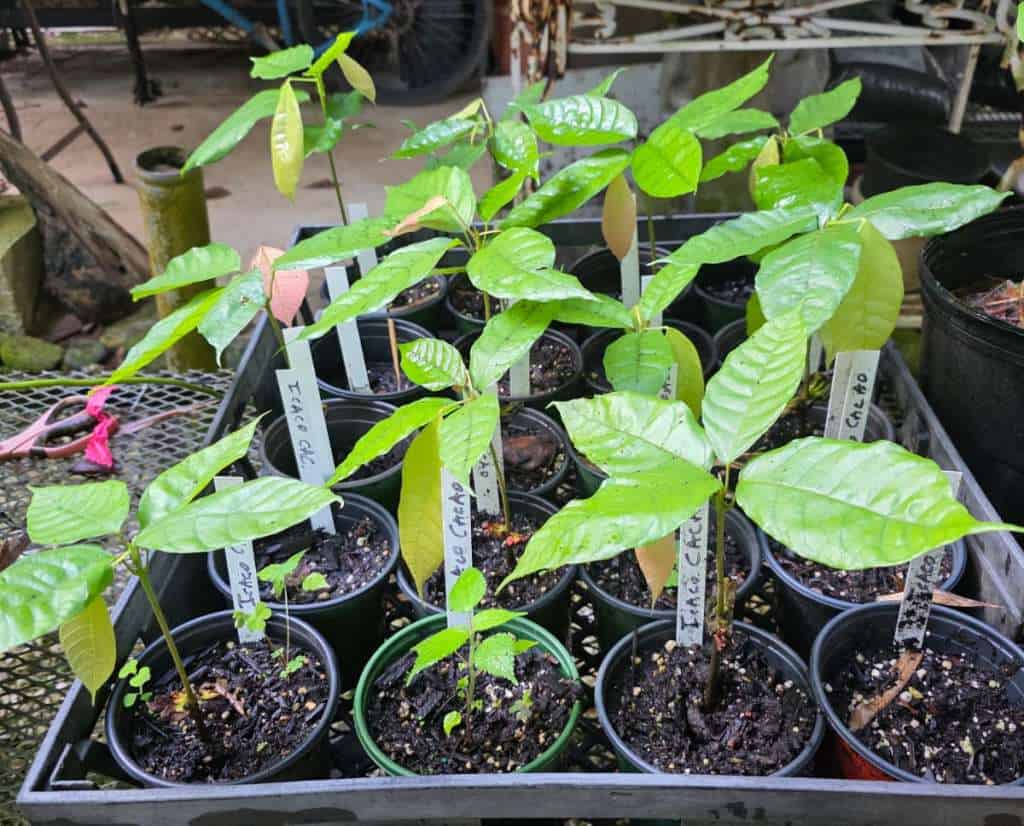
For more than twenty years, 3T has continued planting trees across the property, including tropical timber species, native trees, and endangered Puerto Rican plants as part of ongoing restoration and conservation programs. Cacao has become another important thread in that long story. Following Hurricane Maria in 2017, a new cacao orchard was established around the Las Casas homestead, complementing the earlier valley plantings and expanding the vision for regenerative agroforestry on the property.
Today, cacao is once again becoming an important focus at Las Casas. Seedlings propagated from the Icaco trees are growing, new plantings are being established, older trees are being maintained, and harvests are collected for both use and future propagation. The long-term goal is both practical and symbolic: to become producers of cacao while demonstrating another example of regenerative land use within a working rainforest landscape.
The story of Las Casas has always been one of planting for futures that may not arrive for decades. Forestry teaches patience. Cacao teaches patience. Friendships do too. Today, more than twenty years after helping build El Teatro, Dugan’s connection to the project continues in a new form.
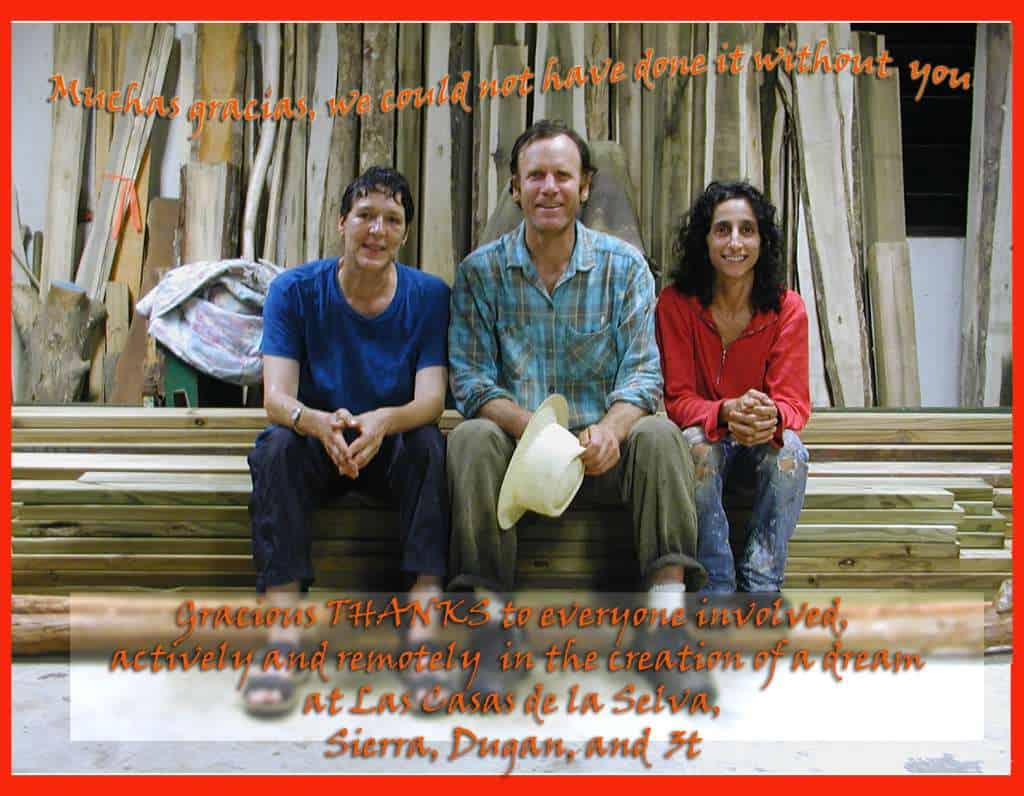
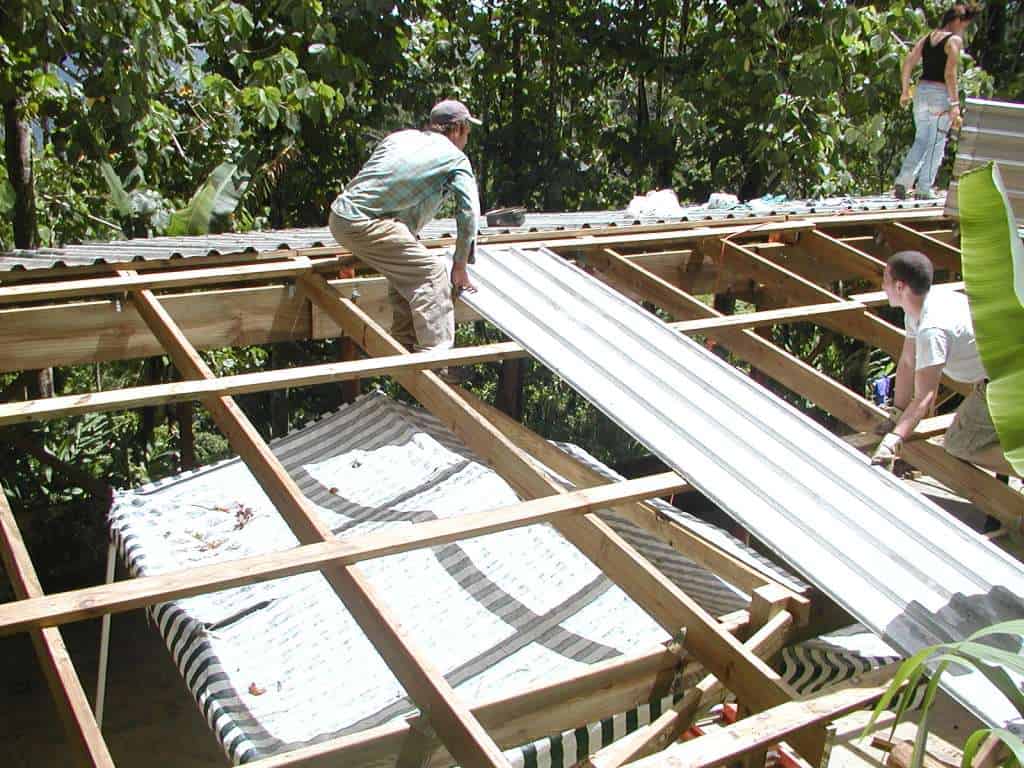
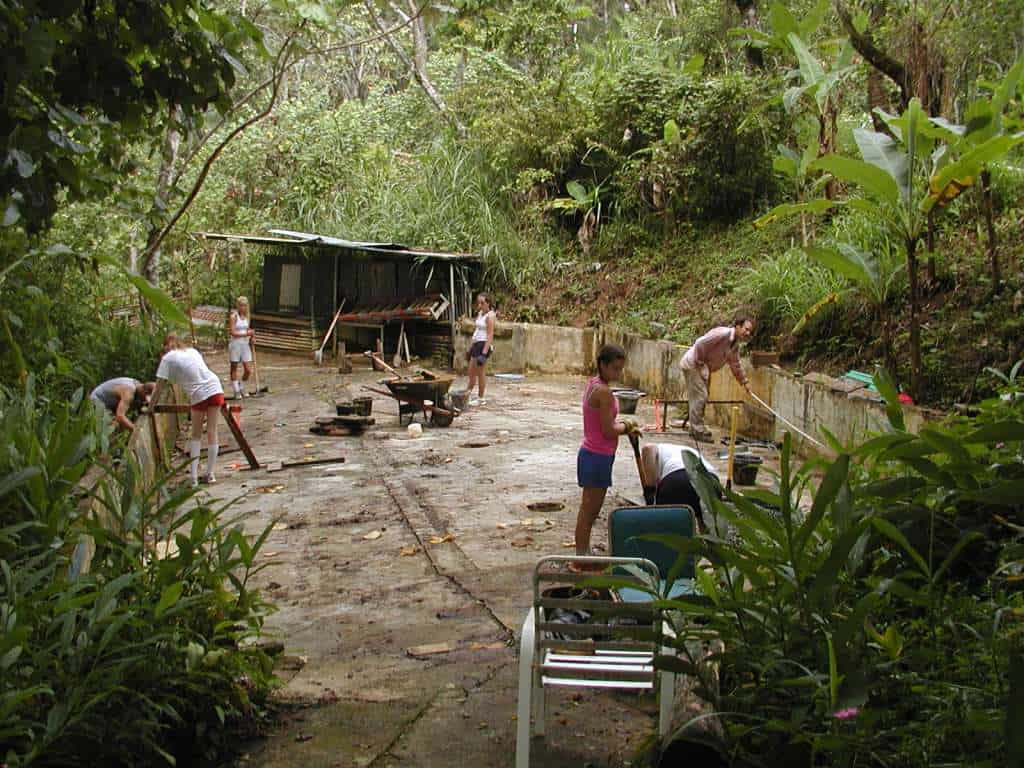
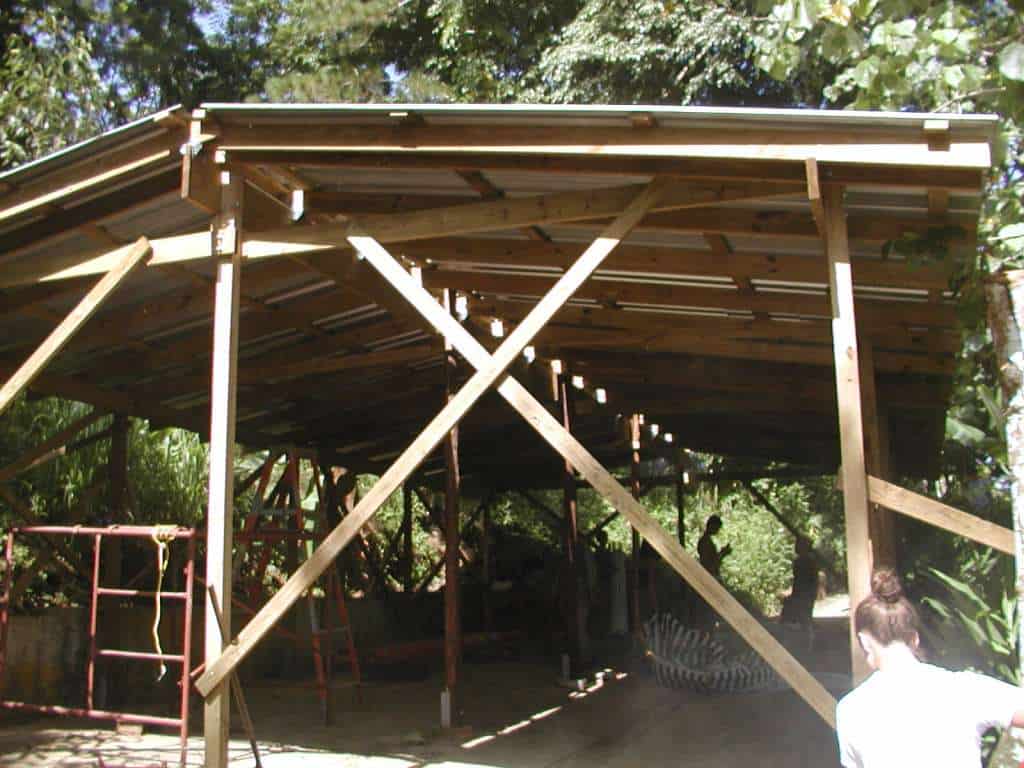
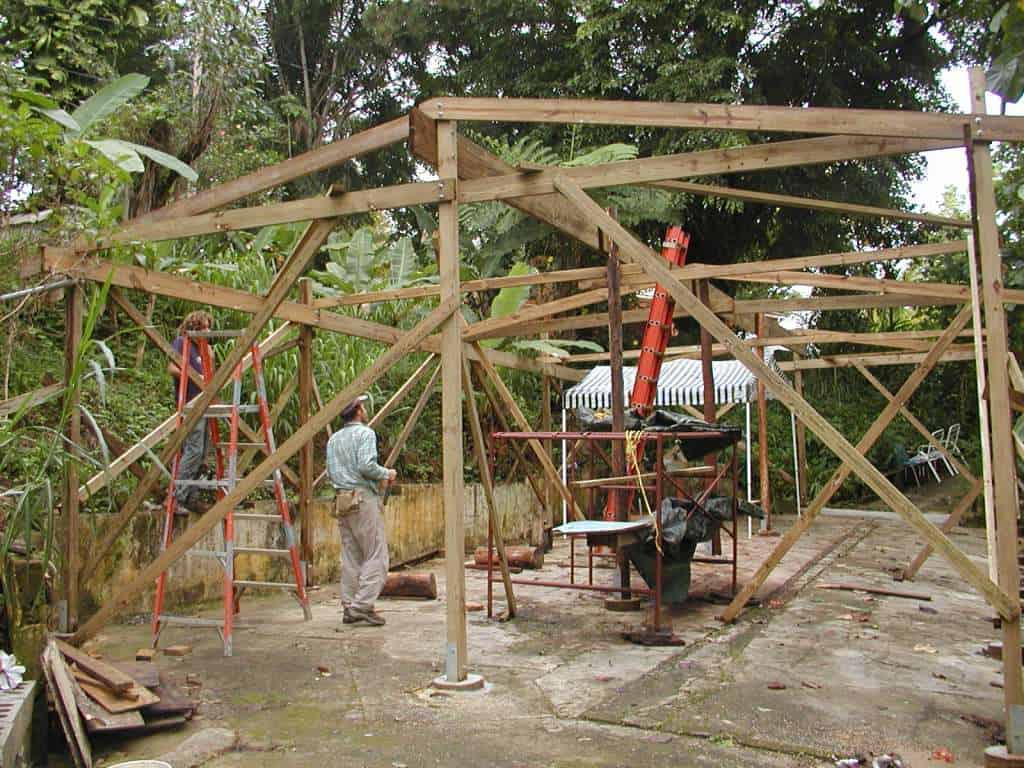
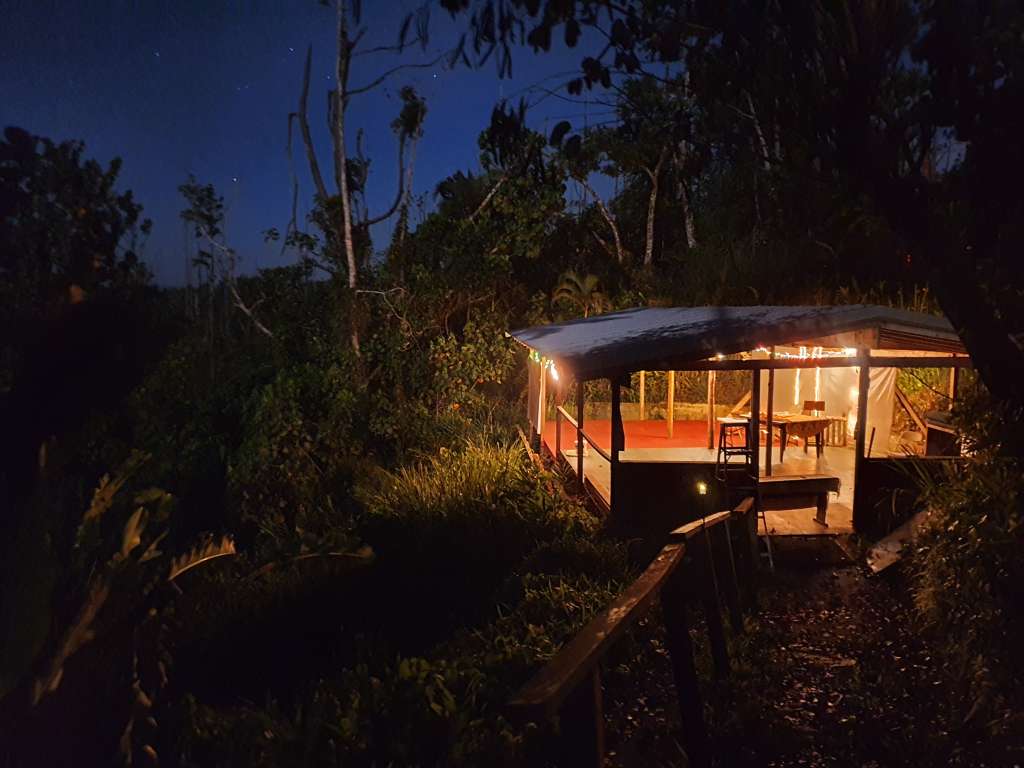
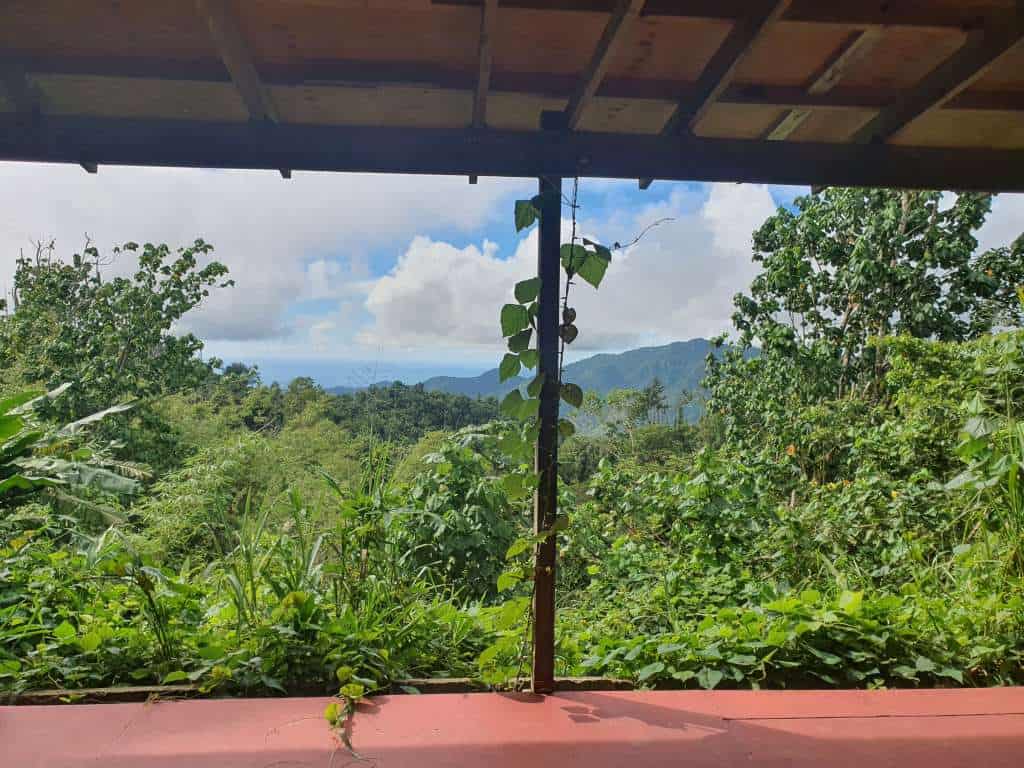
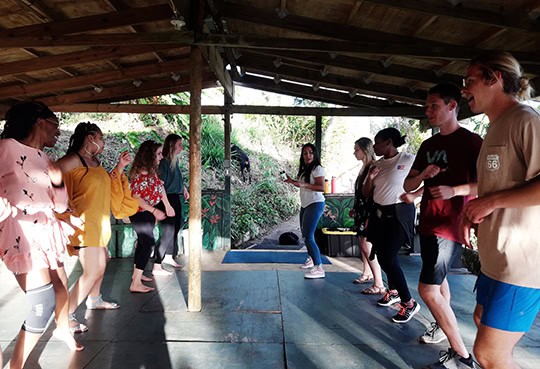
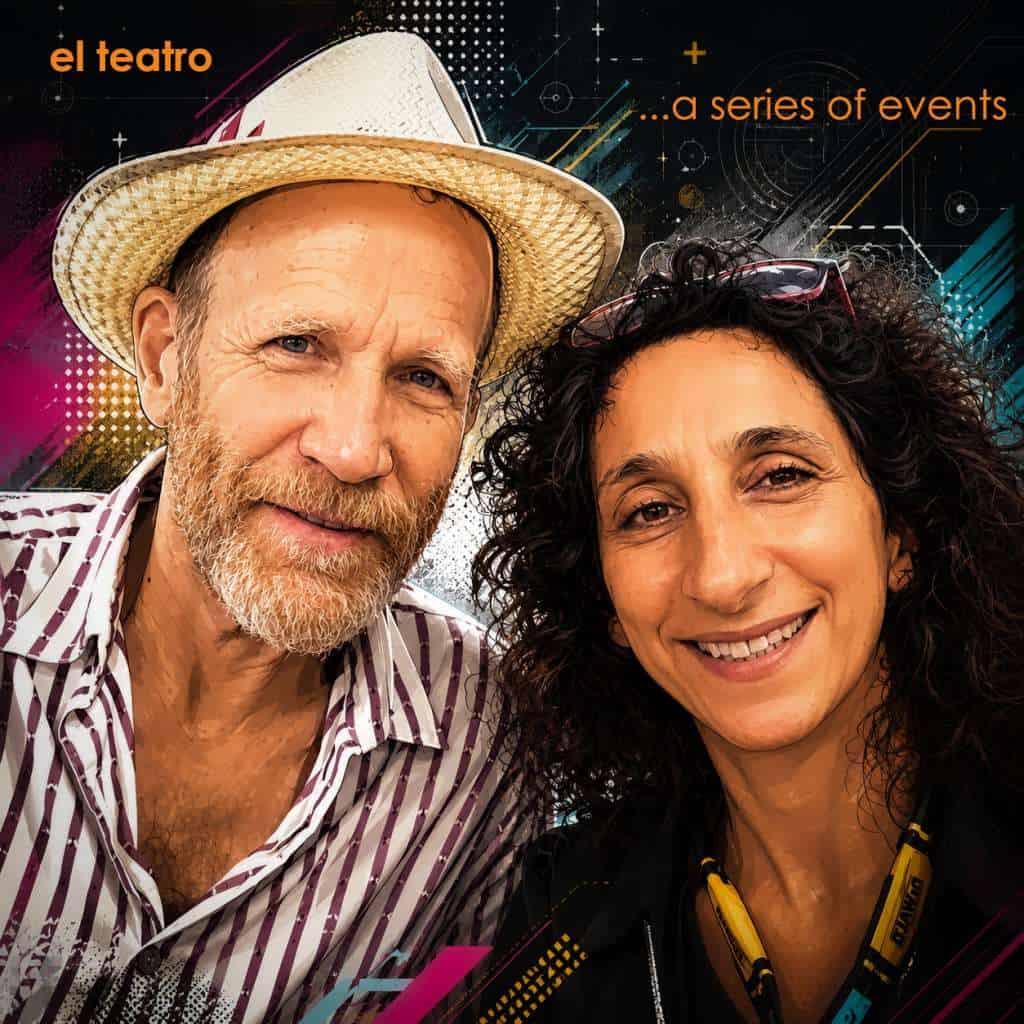
What began as a physical structure in the rainforest is evolving into a broader collaborative vision. Together, Gregg and 3T are developing El Teatro: A Series of Events, an ongoing exploration that moves fluidly between ideas, remote conversations, writings, videos, artistic projects, scientific inquiry, and public engagement. The project embraces the idea that meaningful work often happens between disciplines, where storytelling meets ecology, art meets technology, and friendship becomes a catalyst for new possibilities.
Gregg Dugan/Writer in Residence:
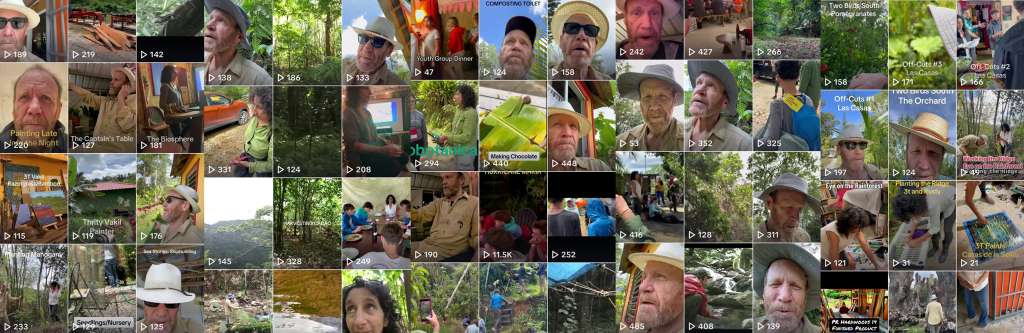
“3T, project manager of eyeontherainforest.org, gave me a fancy title: ‘Writer-in-Residence’. ‘Do something on TikTok,’ she suggested—each posting just a minute or less. The other end of the spectrum from Two Birds Productions.
So, a TikTok series. I’d never even seen a TikTok. Twenty episodes or so, I’m thinking. Shot in the Patillas District of Puerto Rico. Celebrating the rainforest and the Las Casas de la Selva sustainable forestry project.
3T helps me set up a TikTok account. During my six-week stay, the number of postings grows to 80. It’s a TikTok thing, 3T tells me, all about workflow—just post it and move on.
To the drone thing, say, the tech is there, or close enough, to survey the watershed remotely. What a storyline. The watershed. A long-term proposition. And finally, the Coda and a last-gasp effort at clearing the decks—decks built by, for, and with Puerto Rican hardwoods.
Move on; that’s the TikTok way. And more—more of everything, including Two Birds. Is this really what the world needs?
Be a producer, not a consumer, 3T and Andrés say.
Two Birds uses the rainforest and Las Casas de la Selva as set and setting for a TikTok series of 80 postings – a celebration.
And it’s not the first time—2Birds and Las Casas and 3T go way back, with Icaco Valley footage already decades old, hardwood trees now 100 feet tall, cacao… living proof.
Special thanks to my collaborator, facilitator, and friend, 3T Vakil—project manager, artist, and the biggest inspiration of them all.”
There is a certain symmetry in this evolution.
Two decades ago Dugan helped build a gathering place within the rainforest. Today, through El Teatro, Eye on the Rainforest, and ongoing collaborations with Las Casas, he is keen to help 3t build new spaces for connection—digital, creative, scientific, and educational.
The tools have changed. Timber, nails, and hand tools have given way to cameras, editing software, social media platforms, drones, and remote sensing technologies. Yet the purpose remains remarkably similar: bringing people together around the living story of the forest.
That story is now entering a new chapter.
Conversations that begin as videos, essays, or online exchanges increasingly lead toward practical conservation initiatives. Among the most exciting is the growing effort to employ drone and LiDAR technology to better understand the Las Casas landscape. What once required weeks of fieldwork can now be complemented by detailed aerial mapping, watershed analysis, terrain modeling, biomass estimation, and forest monitoring.
For Dugan and 3T, this emerging work feels like a natural continuation of decades spent observing the land from the ground. The questions remain much the same: How is the forest changing? What stories does the landscape tell? How can we understand it more deeply? The methods evolve, but the curiosity endures.
At Las Casas, science, art, storytelling, forestry, and friendship have never existed in separate worlds. They are part of the same ecosystem.
And like the forest itself, they continue to grow.
Visit us in Puerto Rico, get involved! – volunteer! join in! www.eyeontherainforest.org
Two Birds Productions/Human Race: www.2birdshrs.com