Conservation

El Yunque at 150: A Celebration of Forest, Science and People

El Yunque at 150: A Celebration of Forest, Science and People

By 3t Vakil | Eye On The Rainforest | 29 September 2026

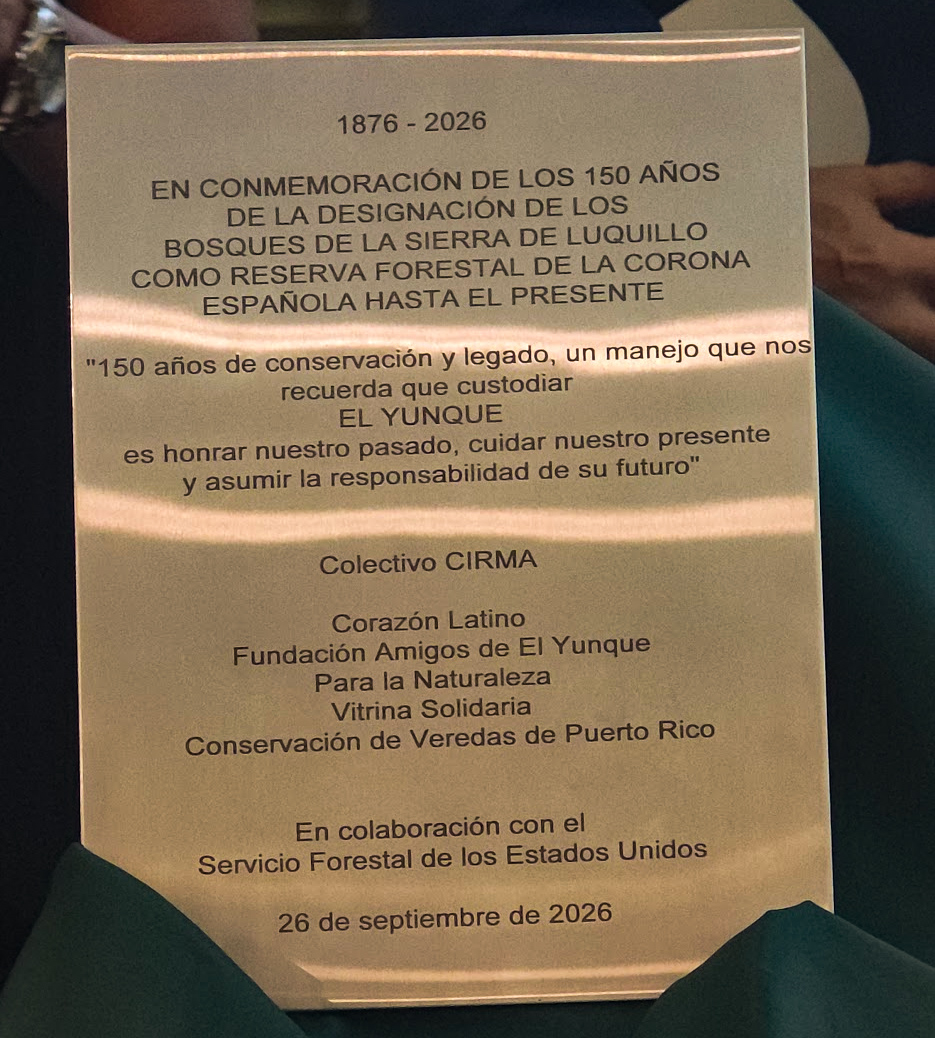
On 26 September 2026, El Portal de El Yunque filled with people celebrating 150 years since the Luquillo Mountains were designated a forest reserve. The anniversary brought together the history of the land, the science that has helped us understand it, and the people whose lives have been devoted to its care.

El Yunque National Forest and the USDA Forest Service’s International Institute of Tropical Forestry organized the free public celebration in collaboration with the Friends of El Yunque Foundation. The day coincided with National Public Lands Day and included educational presentations, historical and contemporary photographs, children’s activities, information stations, local artisans, regional products and live music.

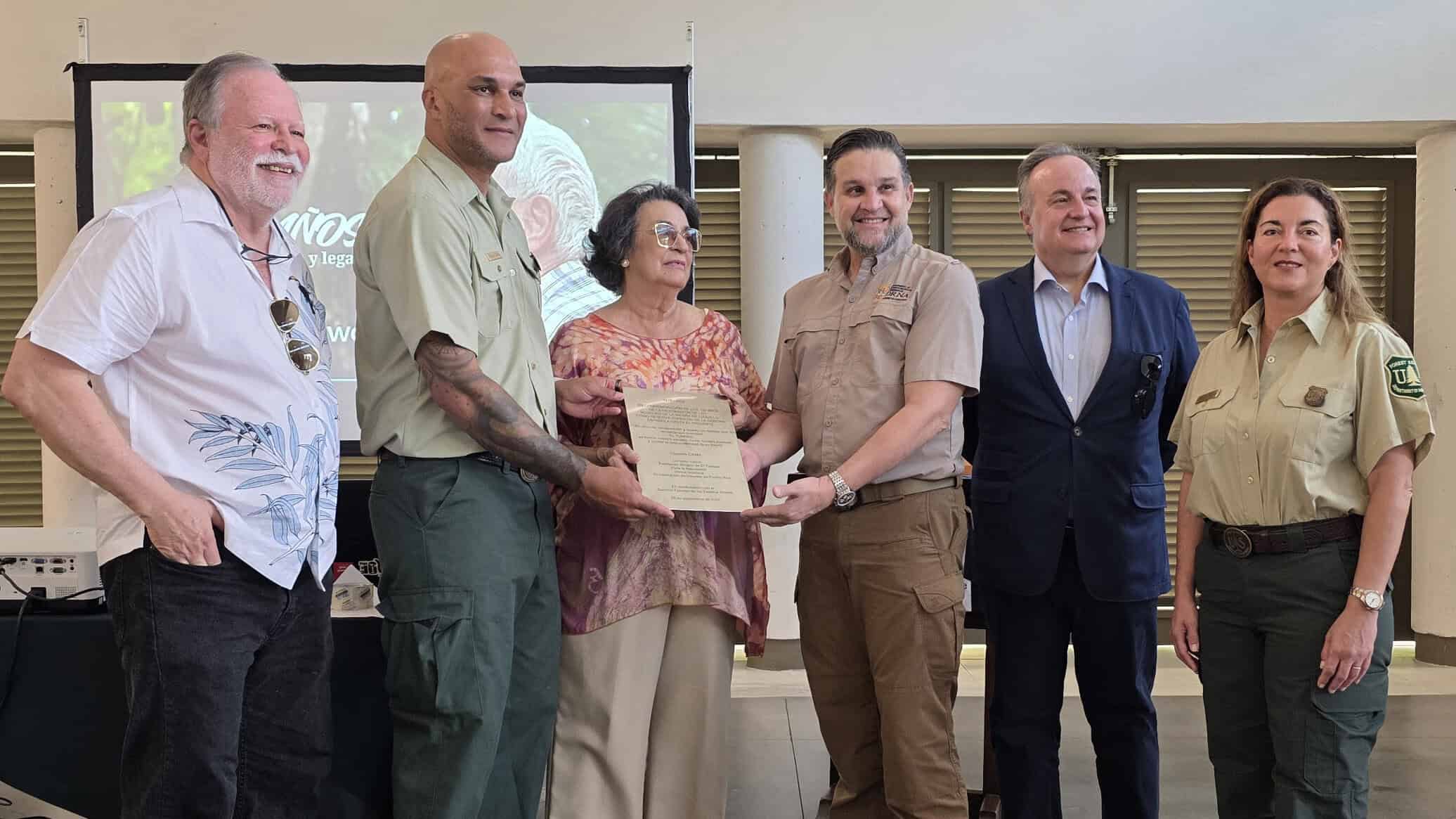
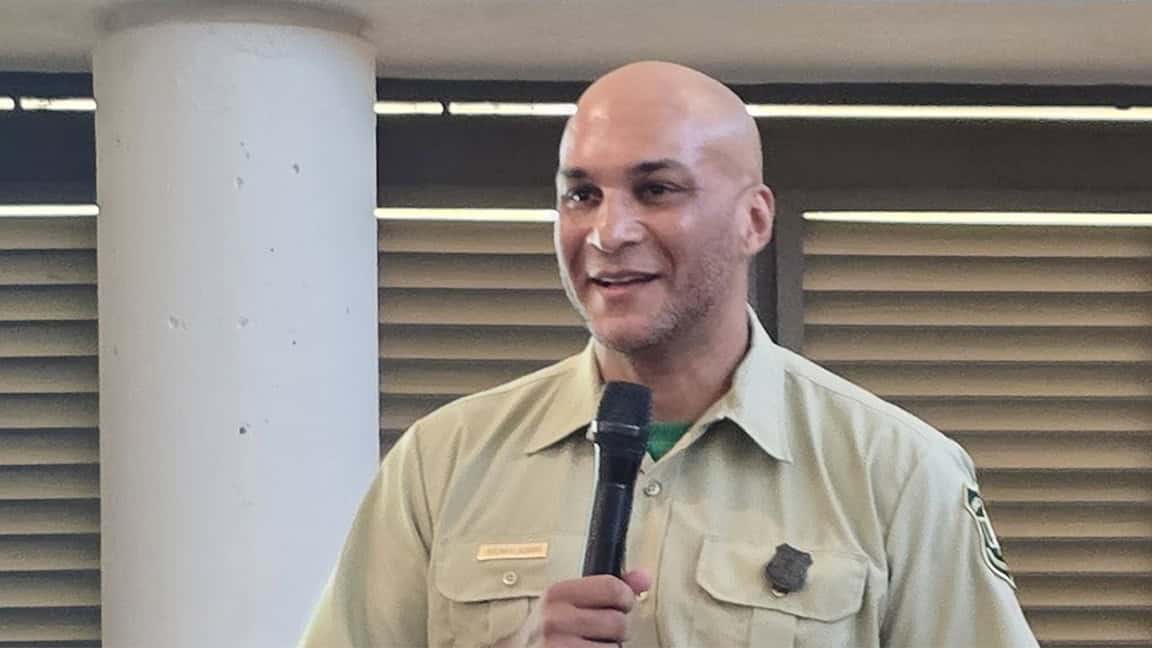
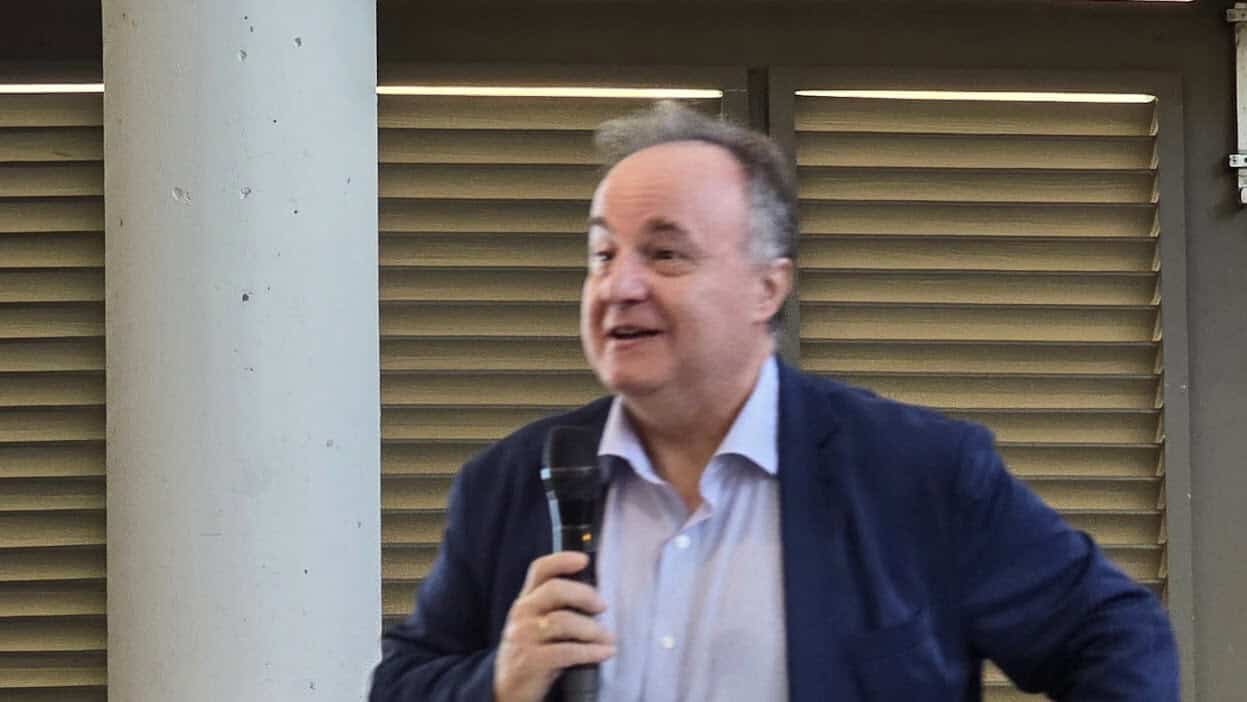
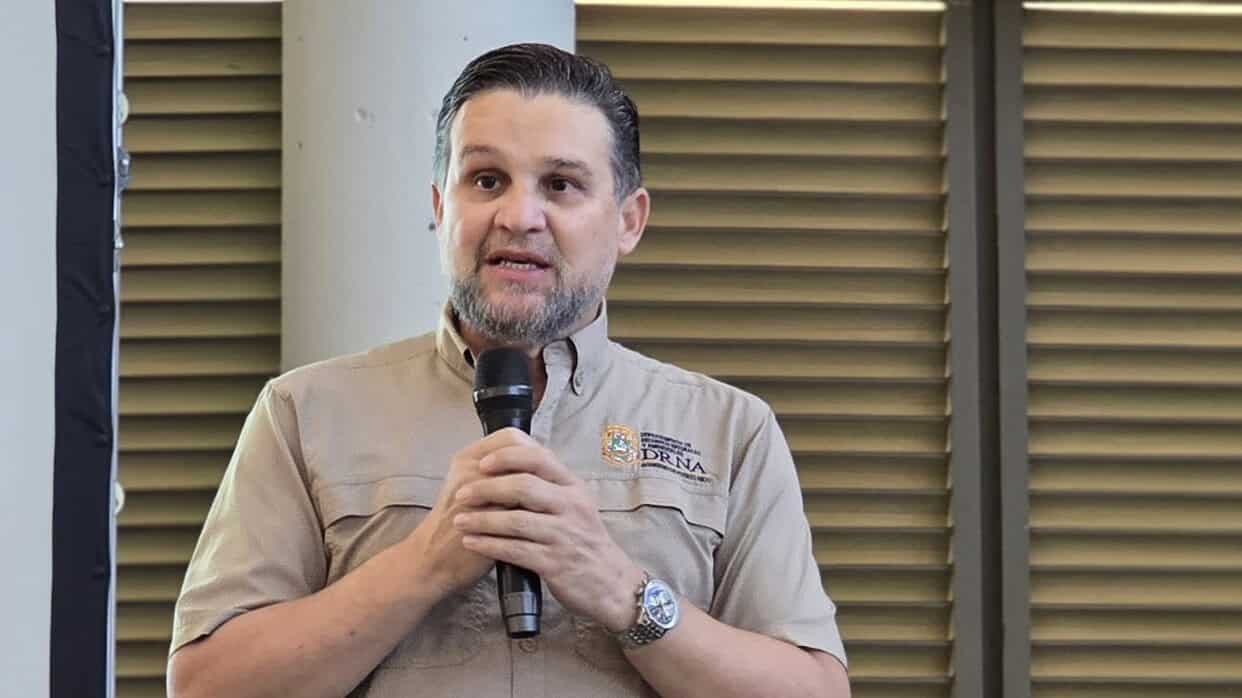
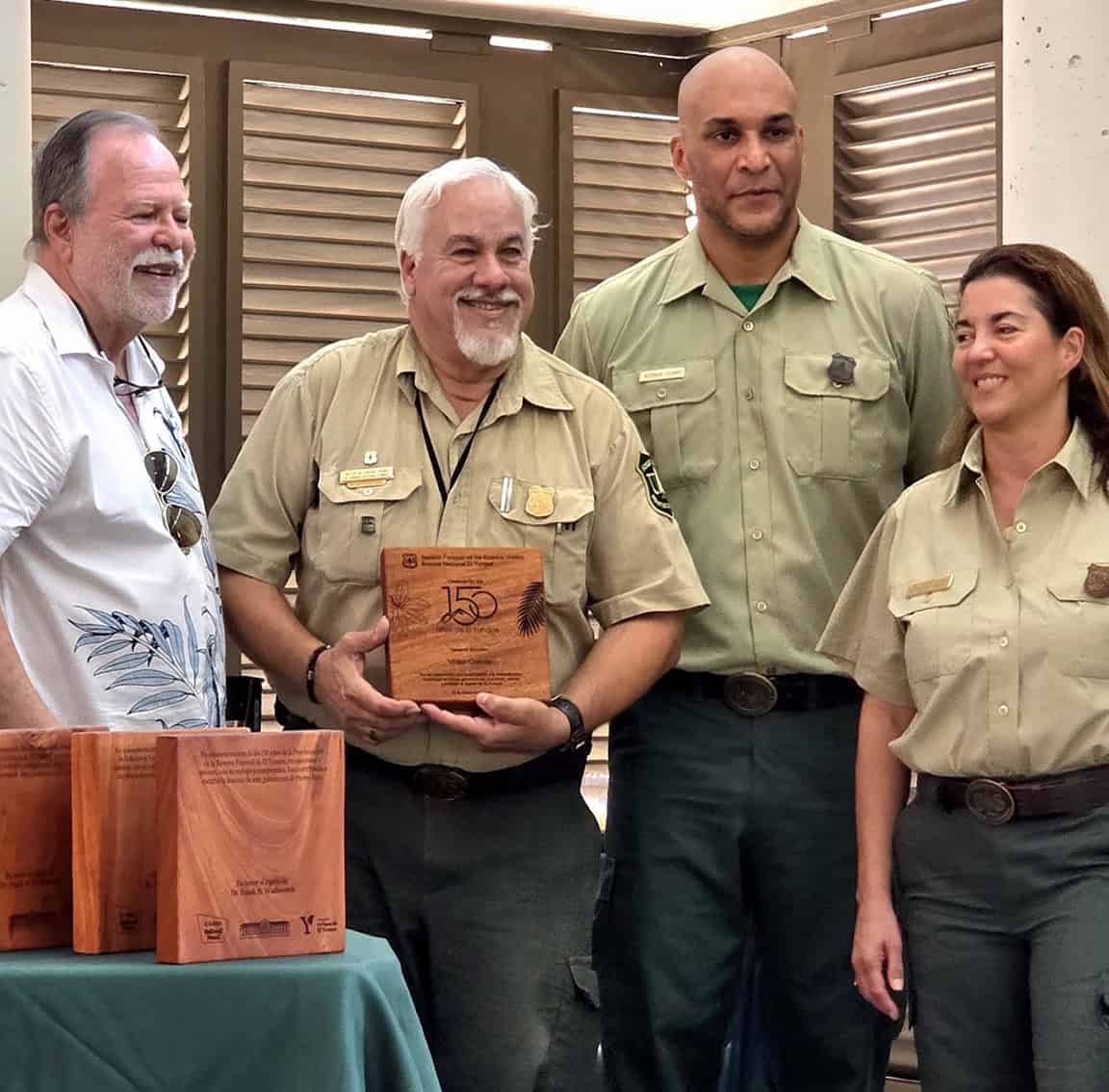
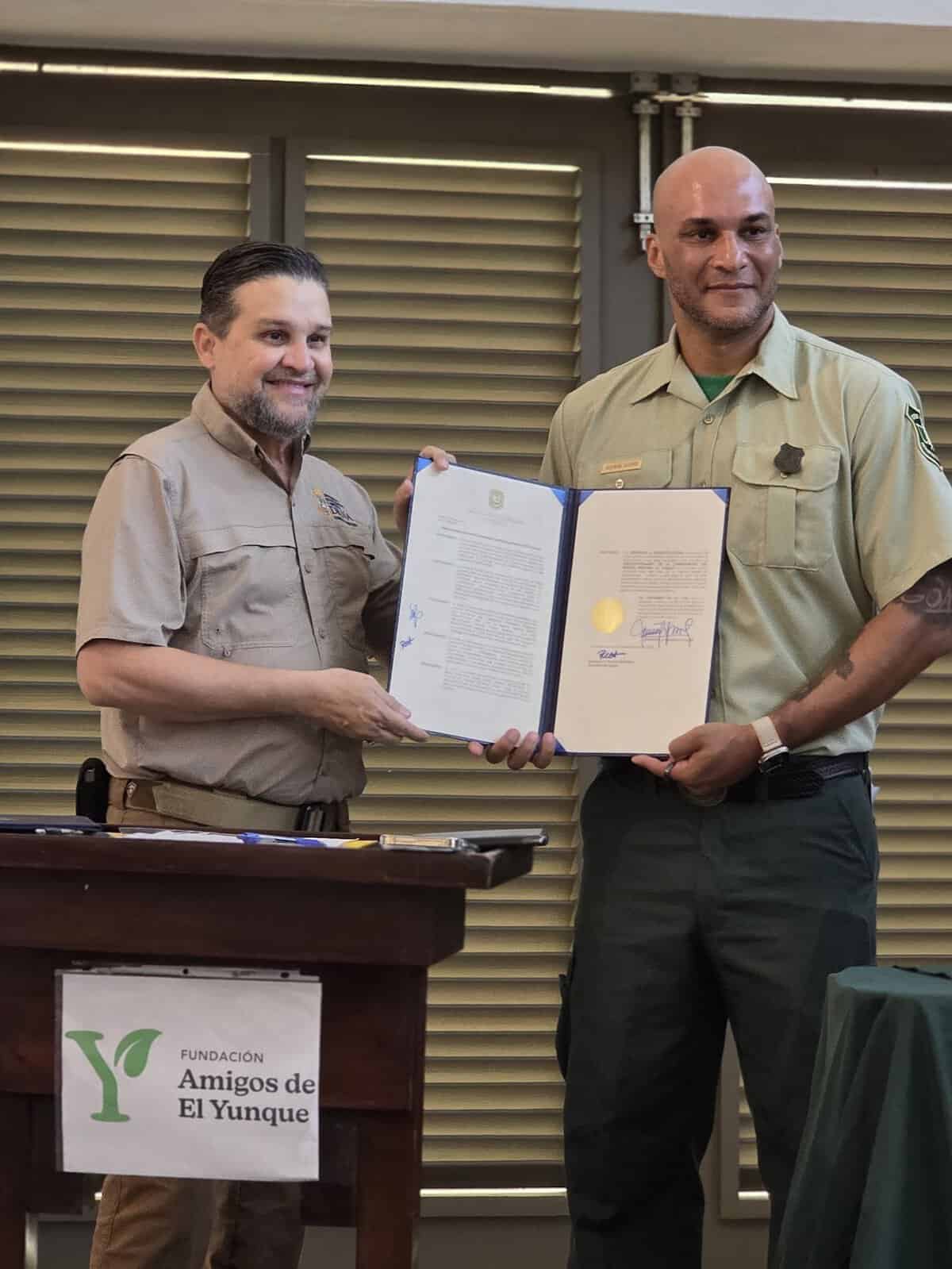
Puerto Rico’s Secretary of Natural and Environmental Resources, Waldemar Quiles, presented Keenan Adams, Forest Supervisor of El Yunque National Forest, with a proclamation from the Governor of Puerto Rico. The proclamation commemorated the 150th anniversary of the designation of the Luquillo Mountains as a forest reserve.

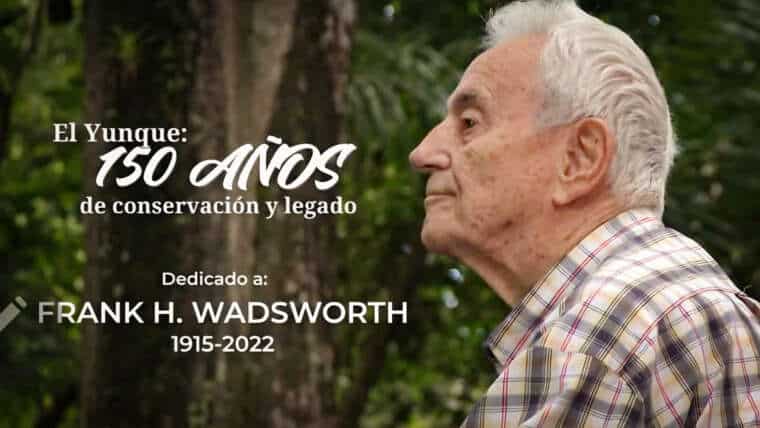
Honoring Dr. Frank H. Wadsworth

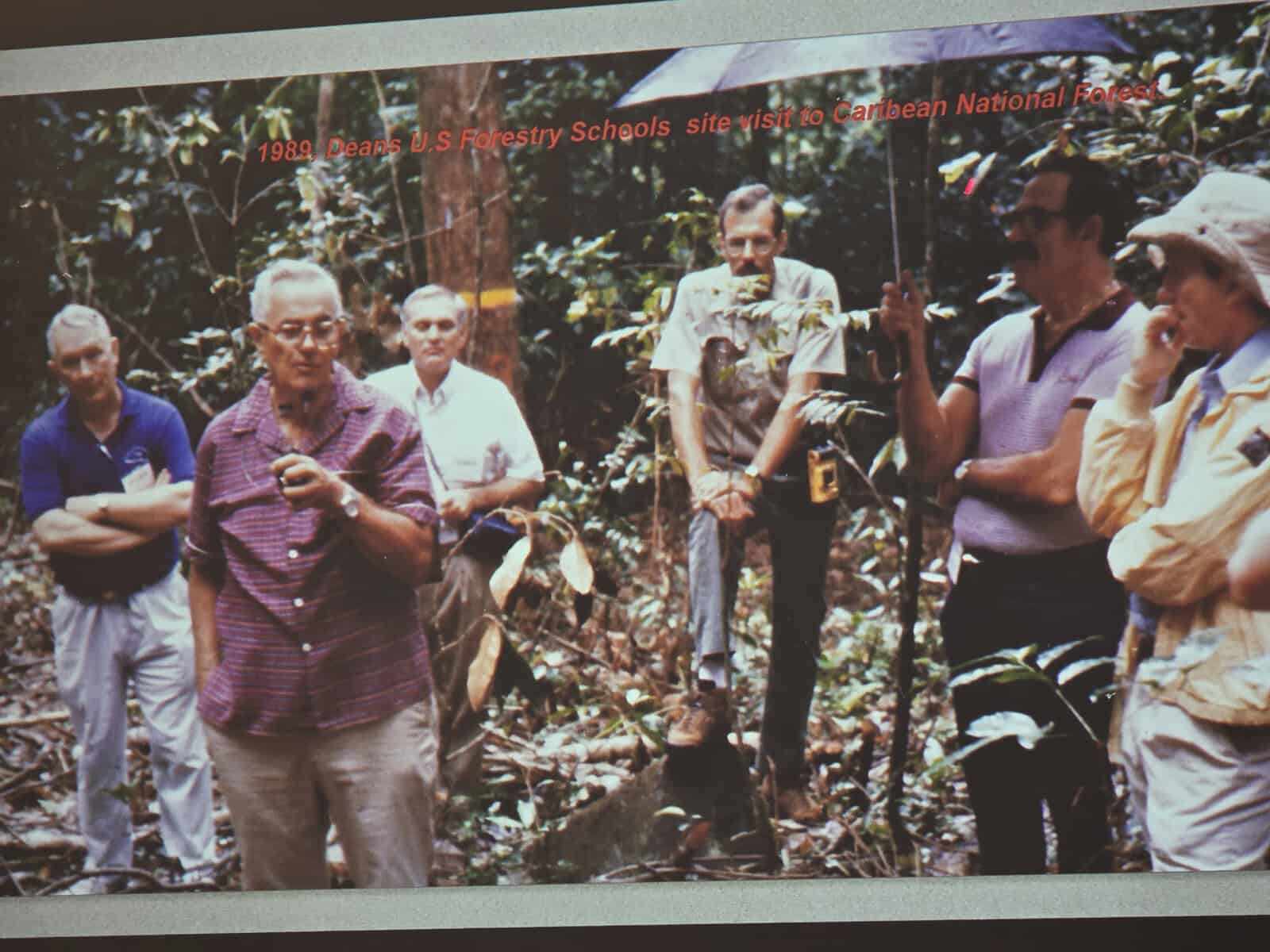
The 150th anniversary celebration was dedicated to Dr. Frank H. Wadsworth. Born in Chicago on 26 November 1915, Wadsworth earned a doctorate in forestry from the University of Michigan. He came to Puerto Rico in 1942 and began a career with the U.S. Forest Service that would span decades. He served as supervisor of the Caribbean National Forest and later directed the International Institute of Tropical Forestry.
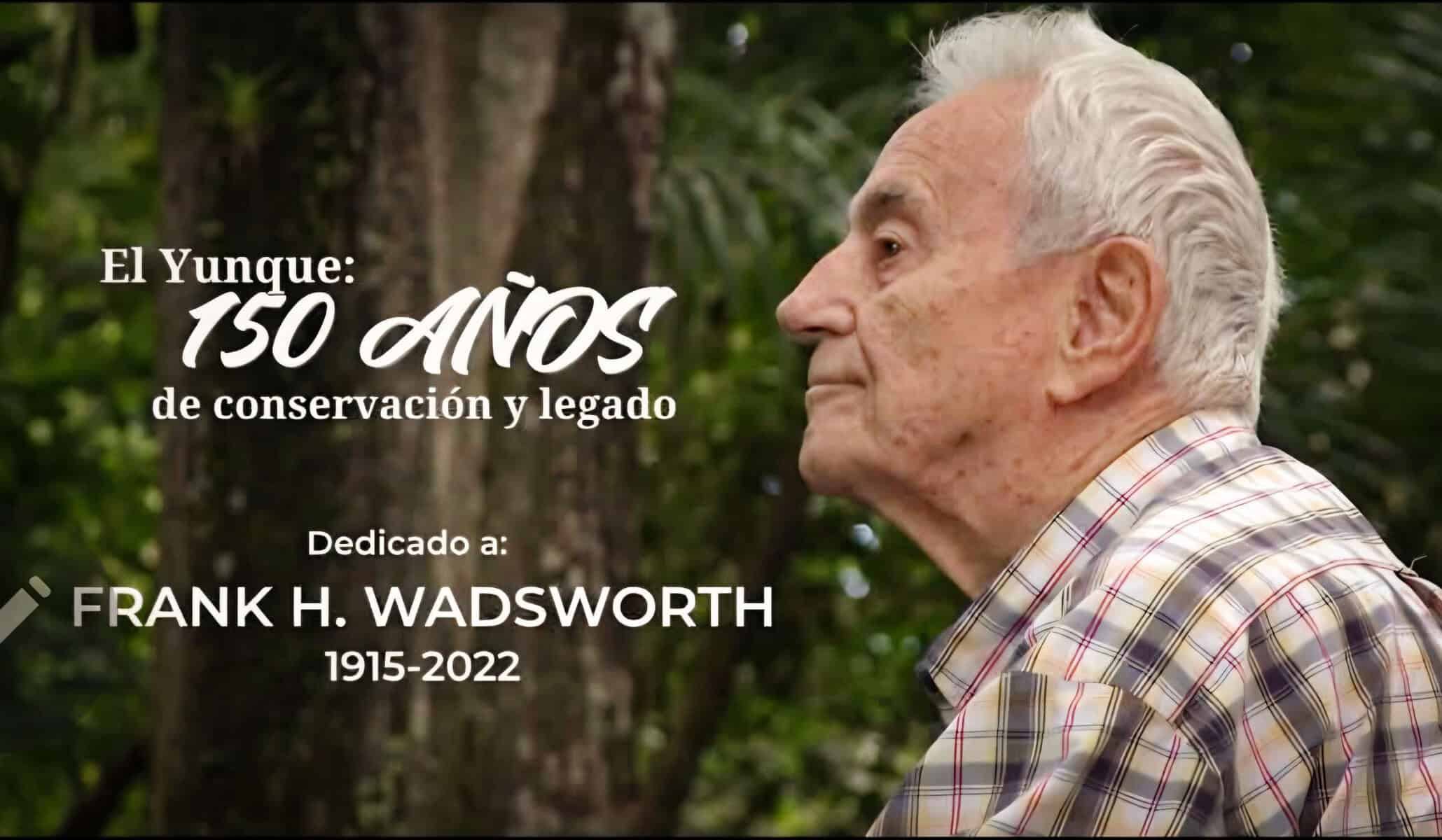
Graphic credit to René Pedrosa, GeoAmbiente

Wadsworth carried out more than a hundred investigations and helped build the body of knowledge on which forest conservation and management in Puerto Rico and the wider Caribbean continue to draw. With Elbert Little, he co-authored Common Trees of Puerto Rico and the Virgin Islands. He also worked with Little and R. O. Woodbury on Flora of Virgin Gorda. His legacy lives in those publications, in the scientists and foresters he influenced, and in the forests he spent his life working to understand and protect.

At Las Casas de la Selva, Frank Wadsworth’s legacy is deeply personal. In the early 1980s of our sustainable forestry project in the mountains of Patillas, he advised and mentored its founders. He helped them see what tropical forestry could make possible: Puerto Rico could grow beautiful, valuable hardwoods while caring for its forests and watersheds. Then Secretary of DRNA, Hilda Soltero was particularly helpful in that era to secure the land on which to carry out this ambitious project of which 300 acres would be for timber planting, and 700 acres to be left as watershed protection and conservation.

Frank mentored and encouraged us again in the early 2000s, as we began thinning and harvesting trees planted 17 years earlier and finding markets for their timber. After Hurricane María, he was especially proud to see Puerto Rico Hardwoods recover valuable fallen trees—particularly mahogany—and give the wood a new life. Frank firmly believed that a wood industry could thrive in Puerto Rico if its forests were managed responsibly. His confidence in that possibility, and in our ability to do the work, has stayed with us.
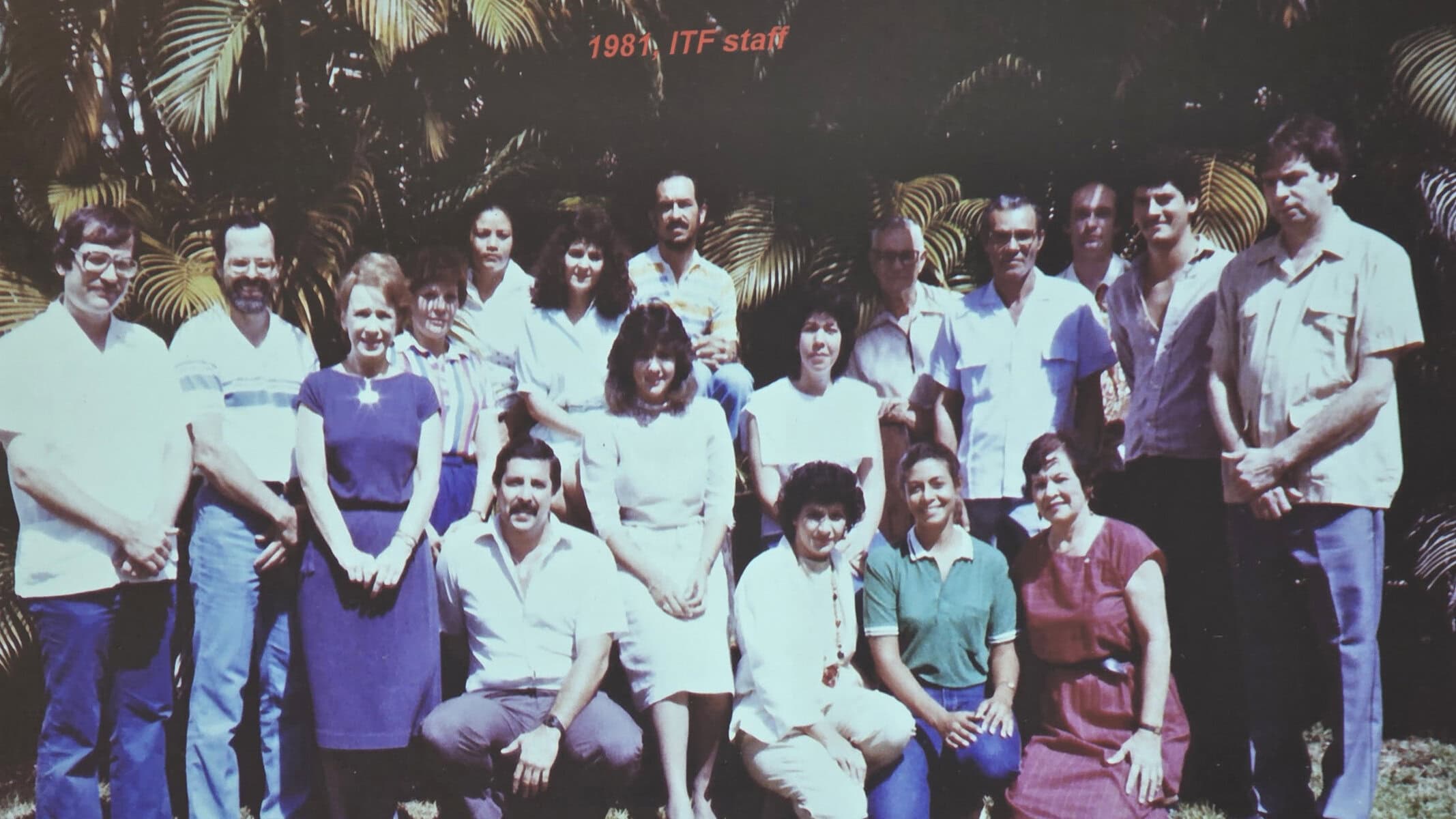
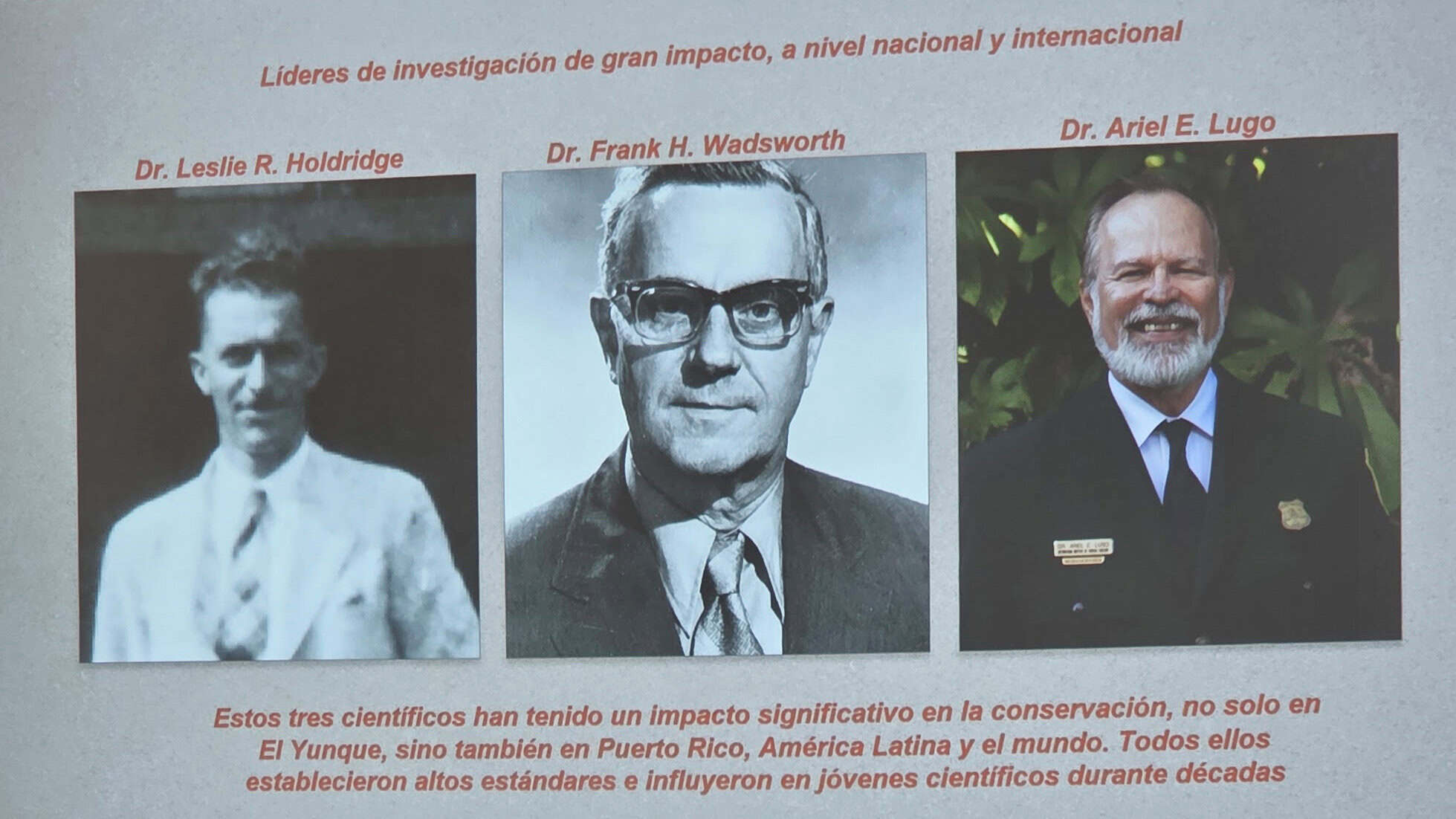
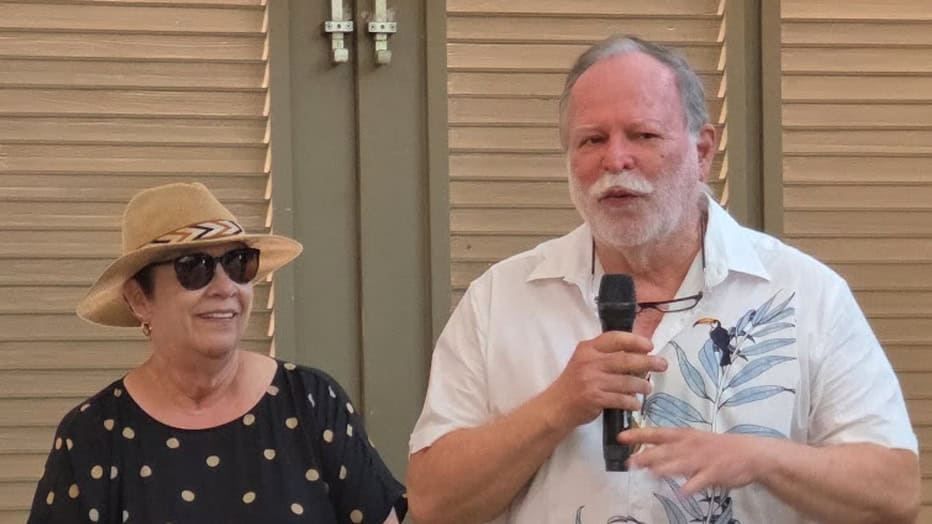
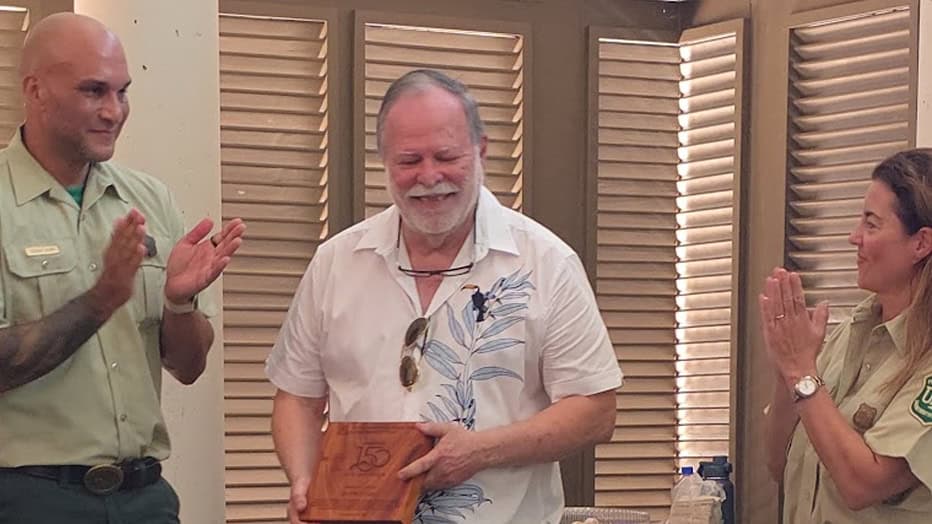
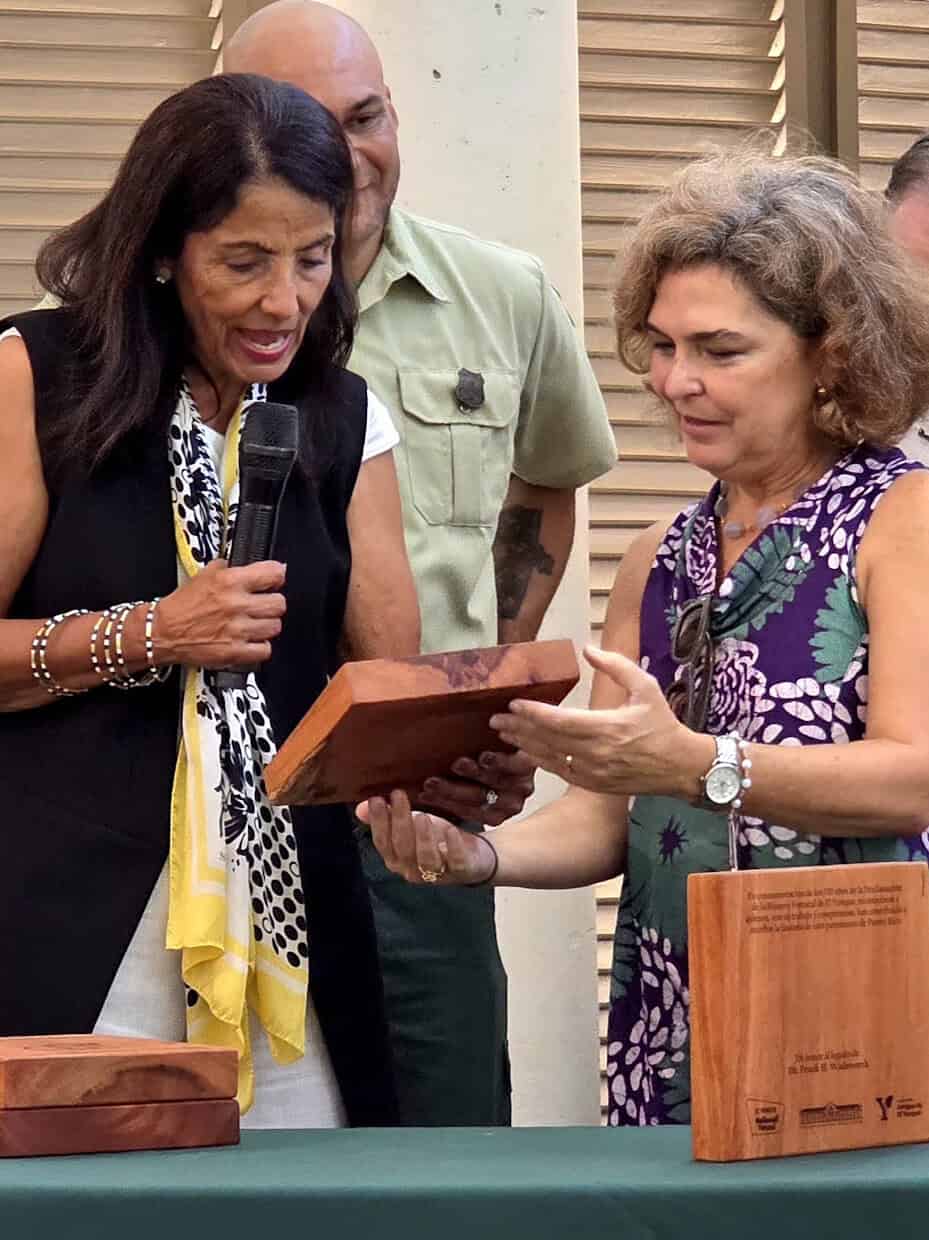
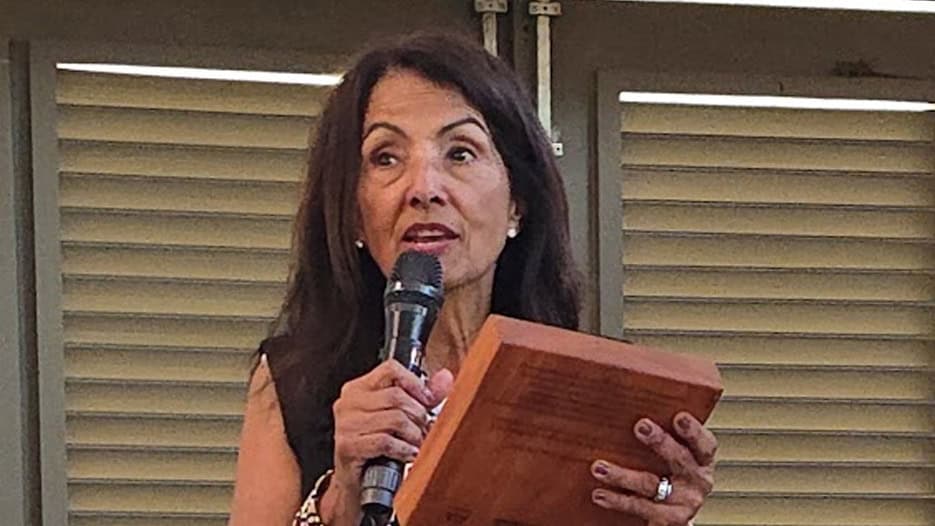
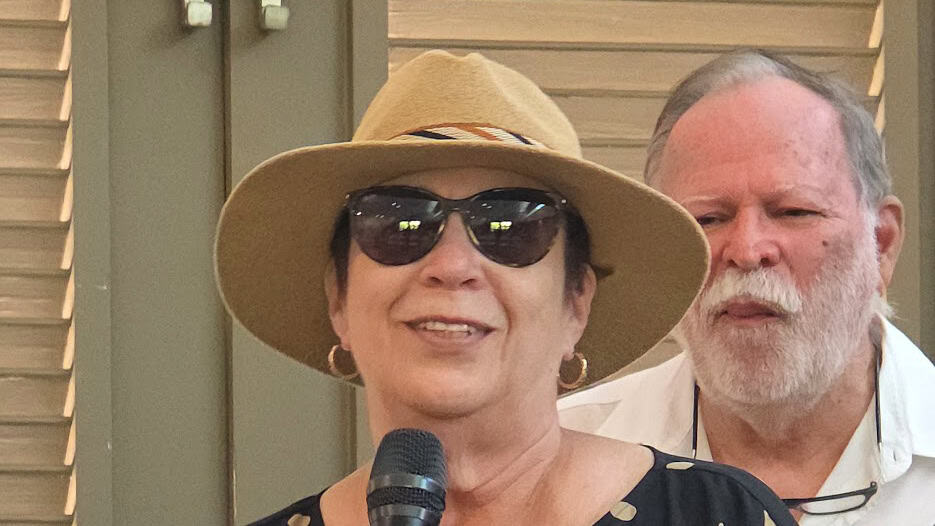
Frank's beloved wife, Isabelita Colorado, received the award honoring his extraordinary contribution to El Yunque and tropical forestry.

A forest with 150 years of protected history

In 1876, King Alfonso XII of Spain designated approximately 10,000 hectares—24,710 acres—of the Luquillo Mountains as a forest reserve. It was an early recognition of the value of protecting the region’s forests, soils and water. In 1903, President Theodore Roosevelt established the Luquillo Forest Reserve under United States administration.The forest’s role has continued to grow. In 1956, it was designated the Luquillo Experimental Forest, acknowledging its importance to research. Generations of scientists have since studied its trees, wildlife, rivers, soils and responses to hurricanes. El Yunque is a living forest and one of the world’s most intensively studied tropical forests. The anniversary programme made room for many ways of telling that story. María Falcón served as master of ceremonies.
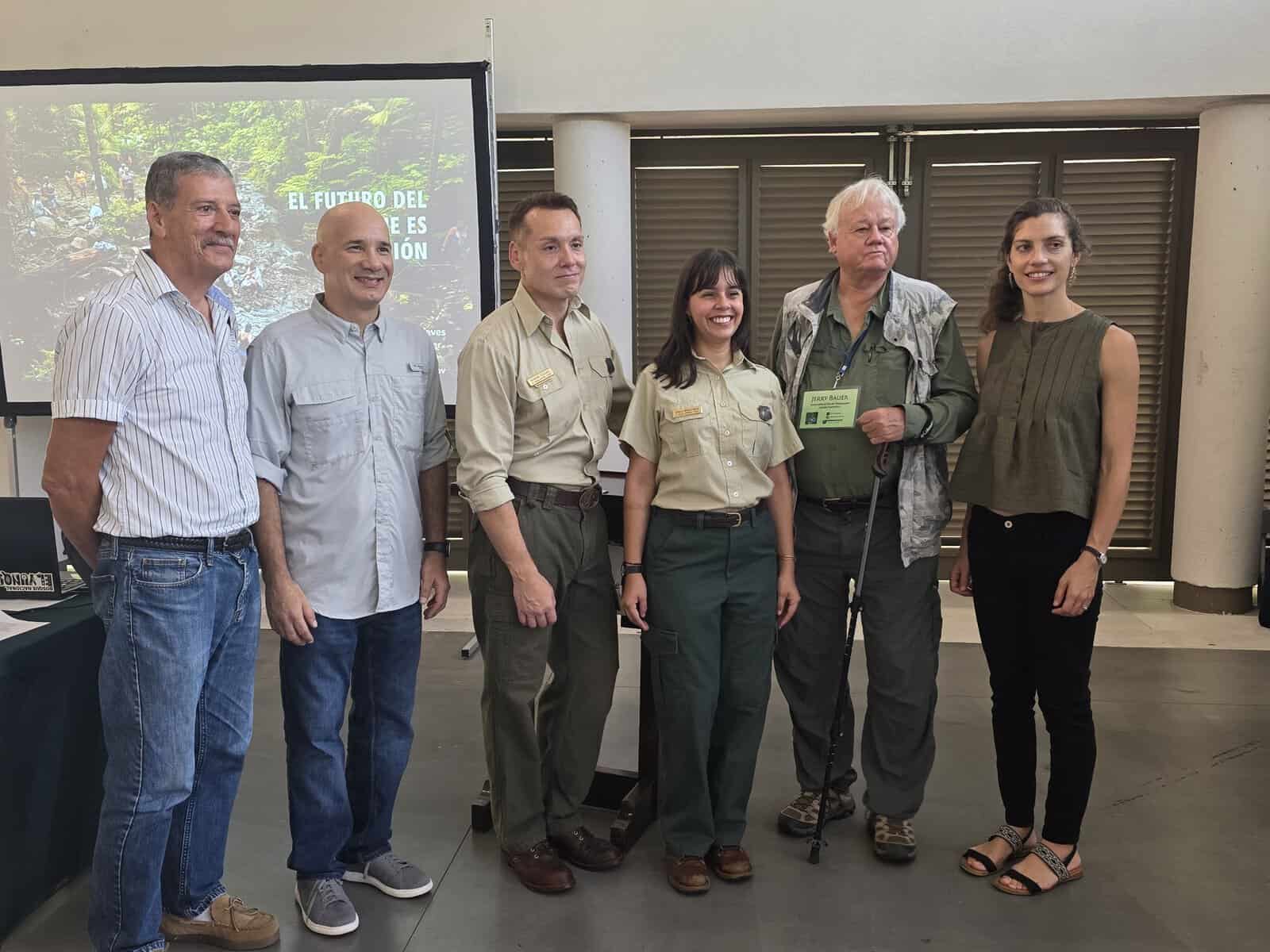
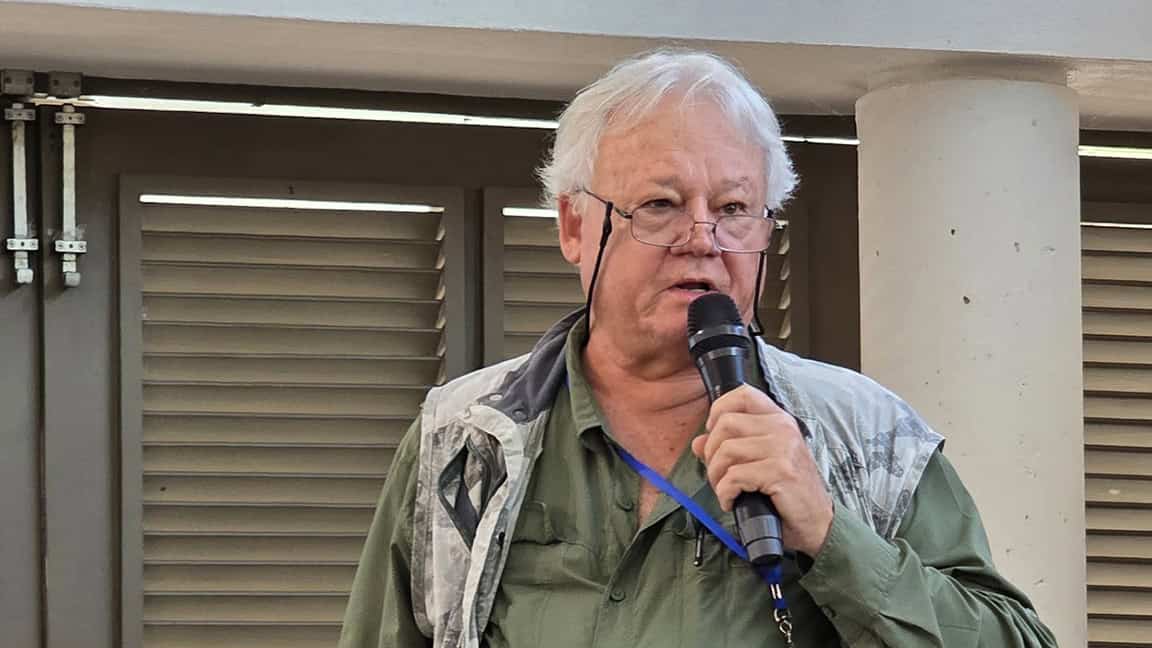
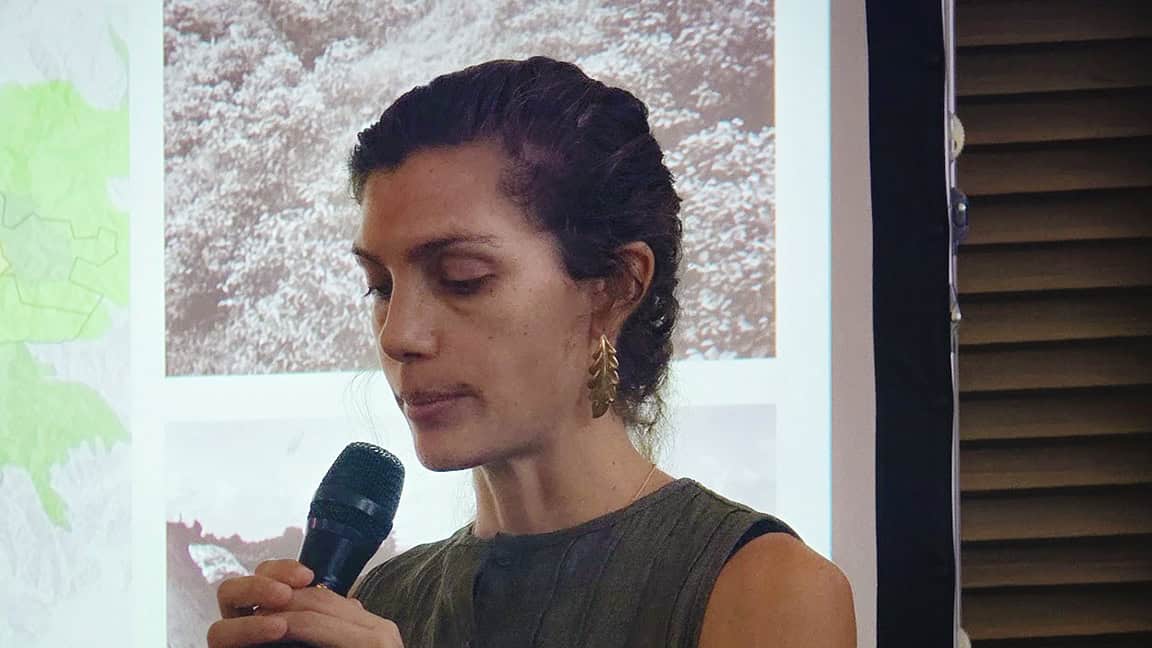
L-R: Historians Carlos Domínguez Cristóbal and Jorge Nieves, archaeologist Raymond Feliciano, El Yunque land planner Gabriela Morales, retired Forest Service photographer Jerry Bauer, and Luquillo Long-Term Ecological Research programme researcher Monique Picón were among the speakers. Together, their fields reflect the many layers of El Yunque’s history: its people and landscapes, the record preserved in photographs, and the knowledge built through long-term observation.
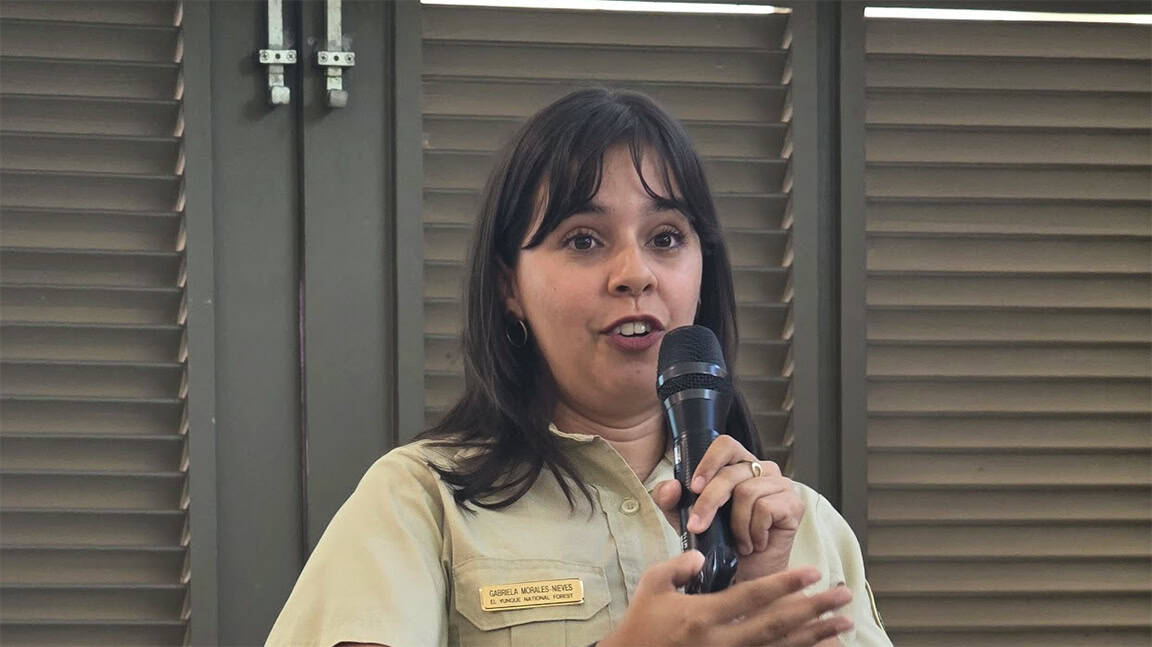
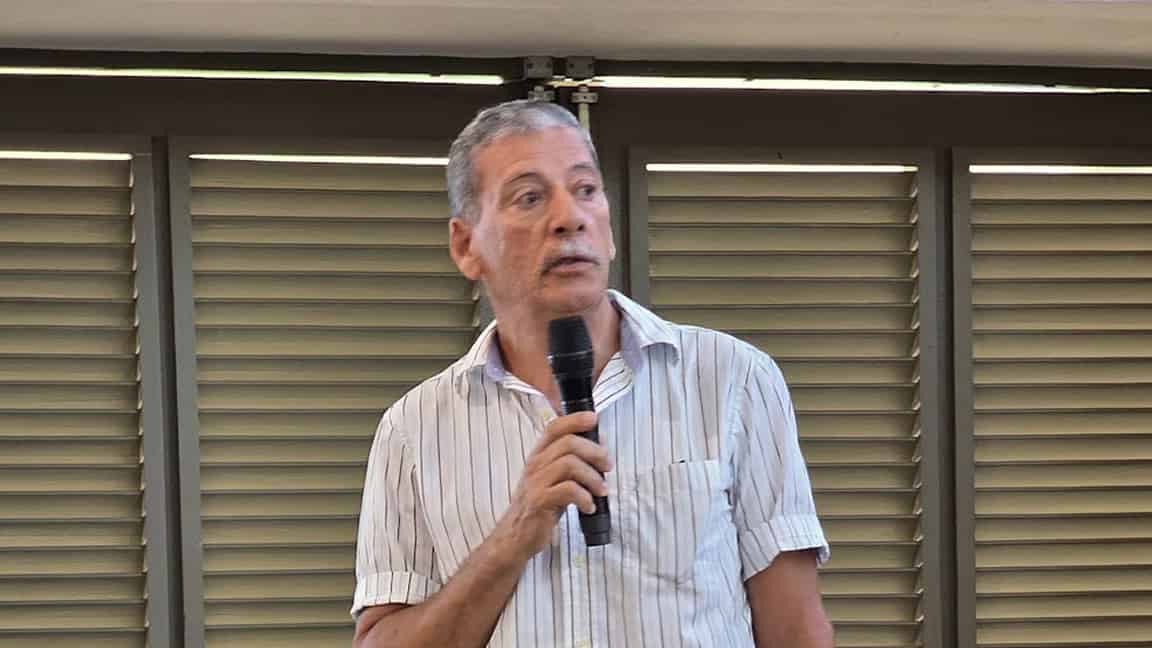
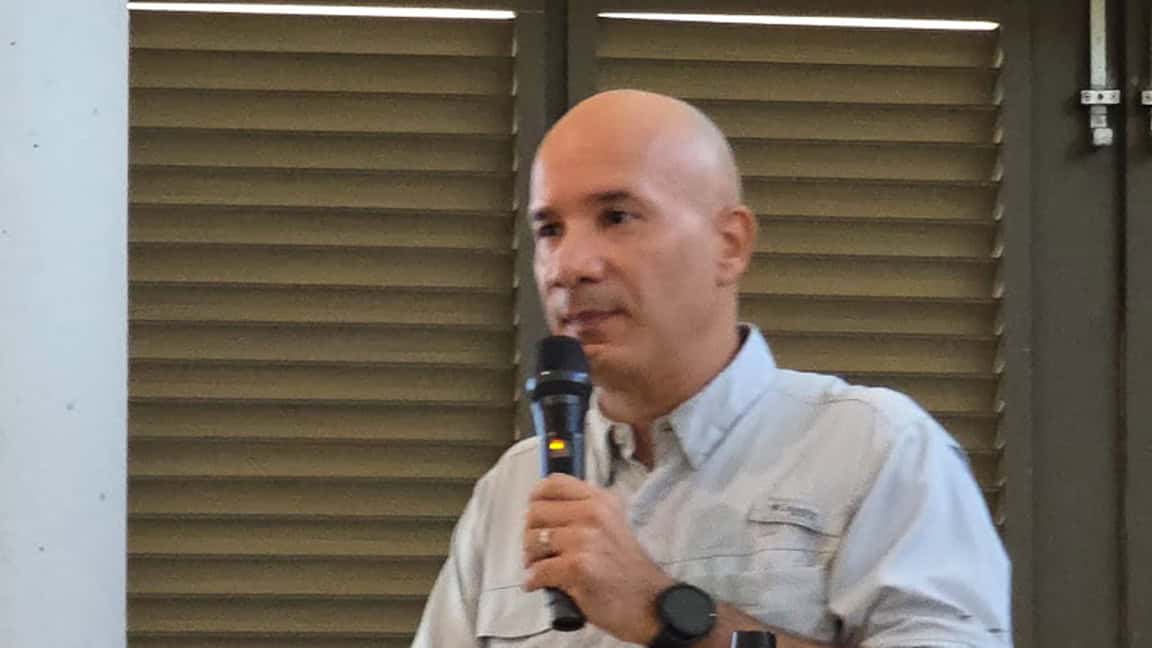
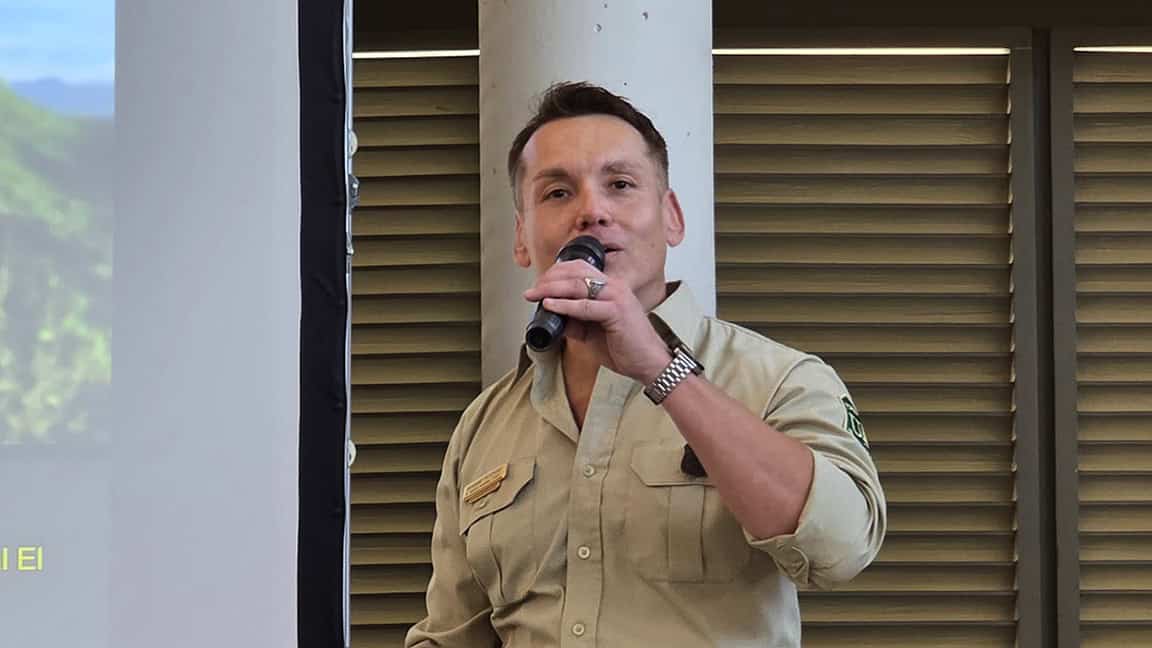
Presenters and Award Ceremony Participants
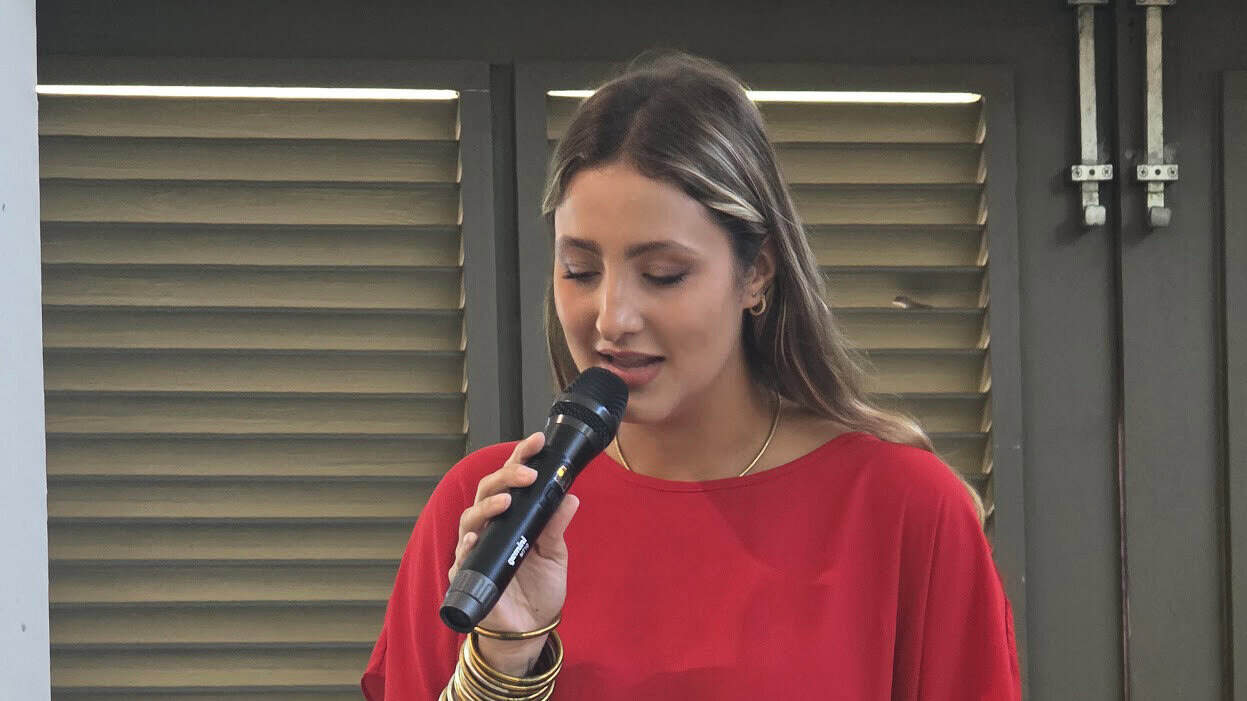
María Falcón, journalist, producer and director of series and documentaries on nature, the environment and culture.
Dr. Grizelle González, Director of the International Institute of Tropical Forestry.
Keenan Adams, Forest Supervisor of El Yunque National Forest.
Fabiola Morales Losa, Río Grande Tourism Office.
José María Muriel Palomino, Consul General of Spain.
Waldemar Quiles, Secretary of the Puerto Rico Department of Natural and Environmental Resources.
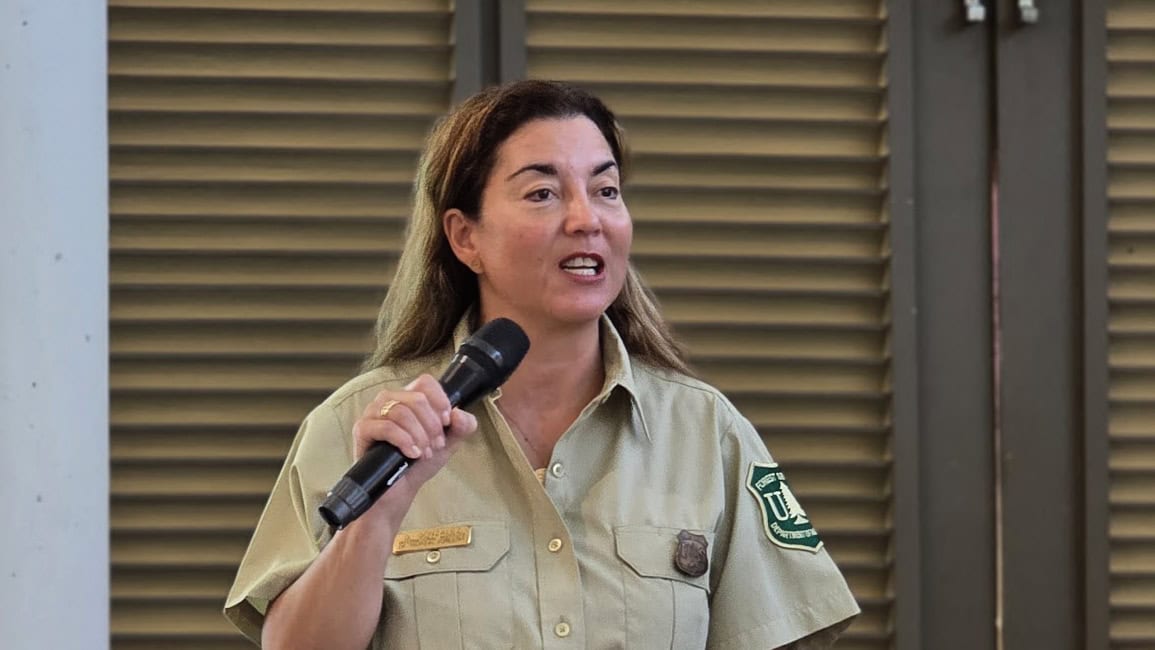
Recognitions

The ceremony also honored people whose work represents different parts of forest conservation. These awards told an important story of their own. Protecting a forest takes research and management, but also education, relationships with neighboring communities and the ability to work together over many years.
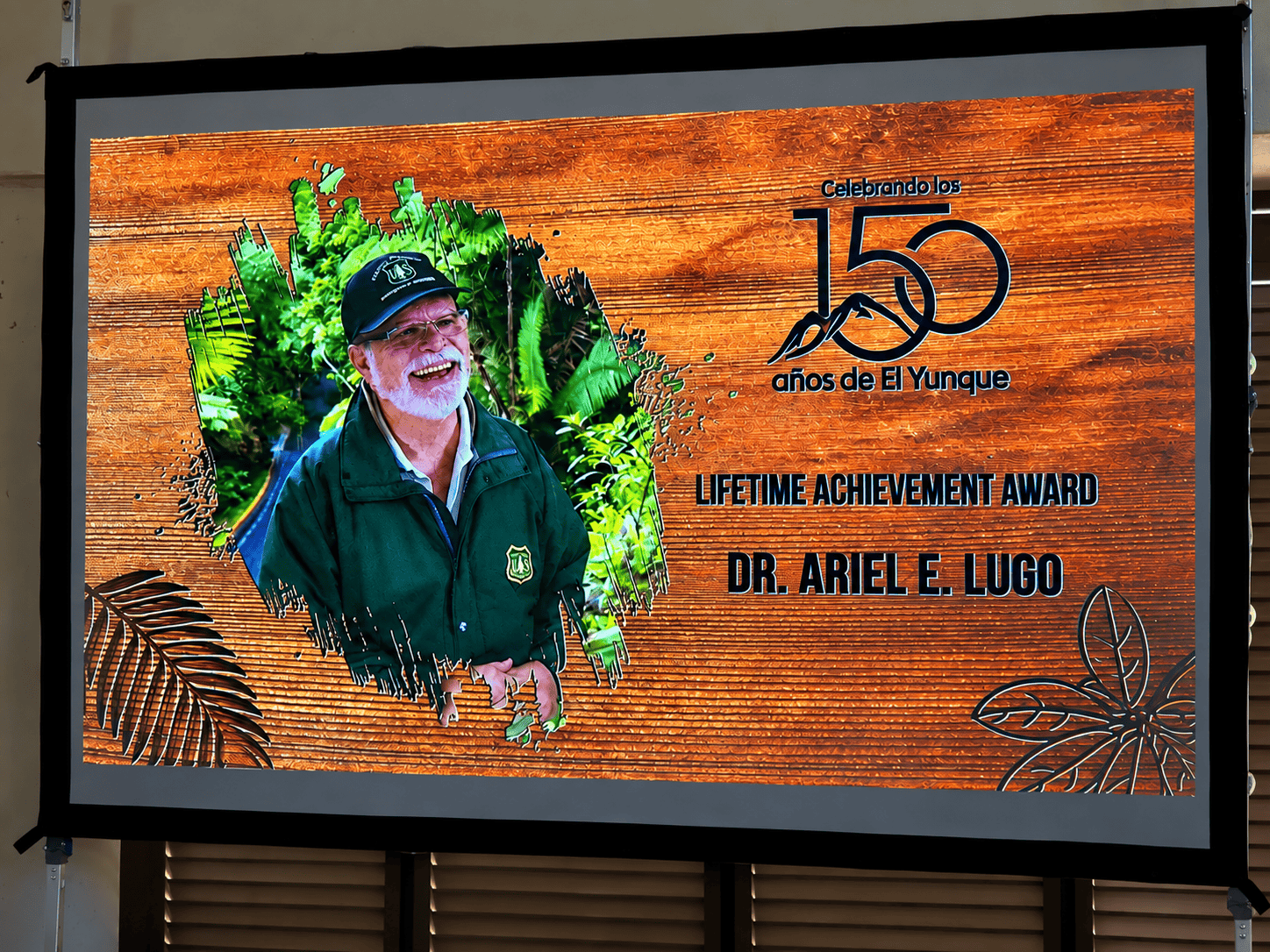
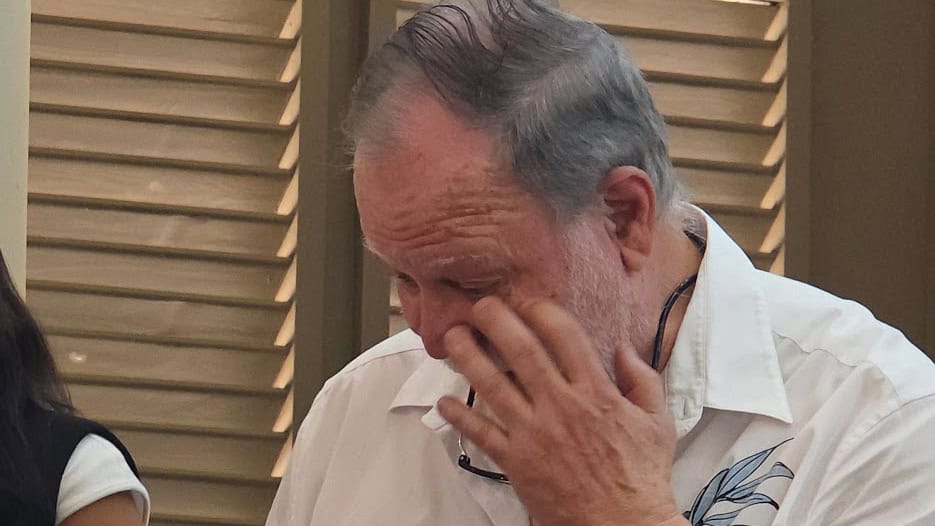
Lifetime Achievement: Dr. Ariel Lugo, scientist, ecologist and former Director of the USDA Forest Service’s International Institute of Tropical Forestry, was honored for his lifelong contributions to tropical forest science and conservation. His wife, Helen, also spoke, bringing her exuberant warmth to the celebration.
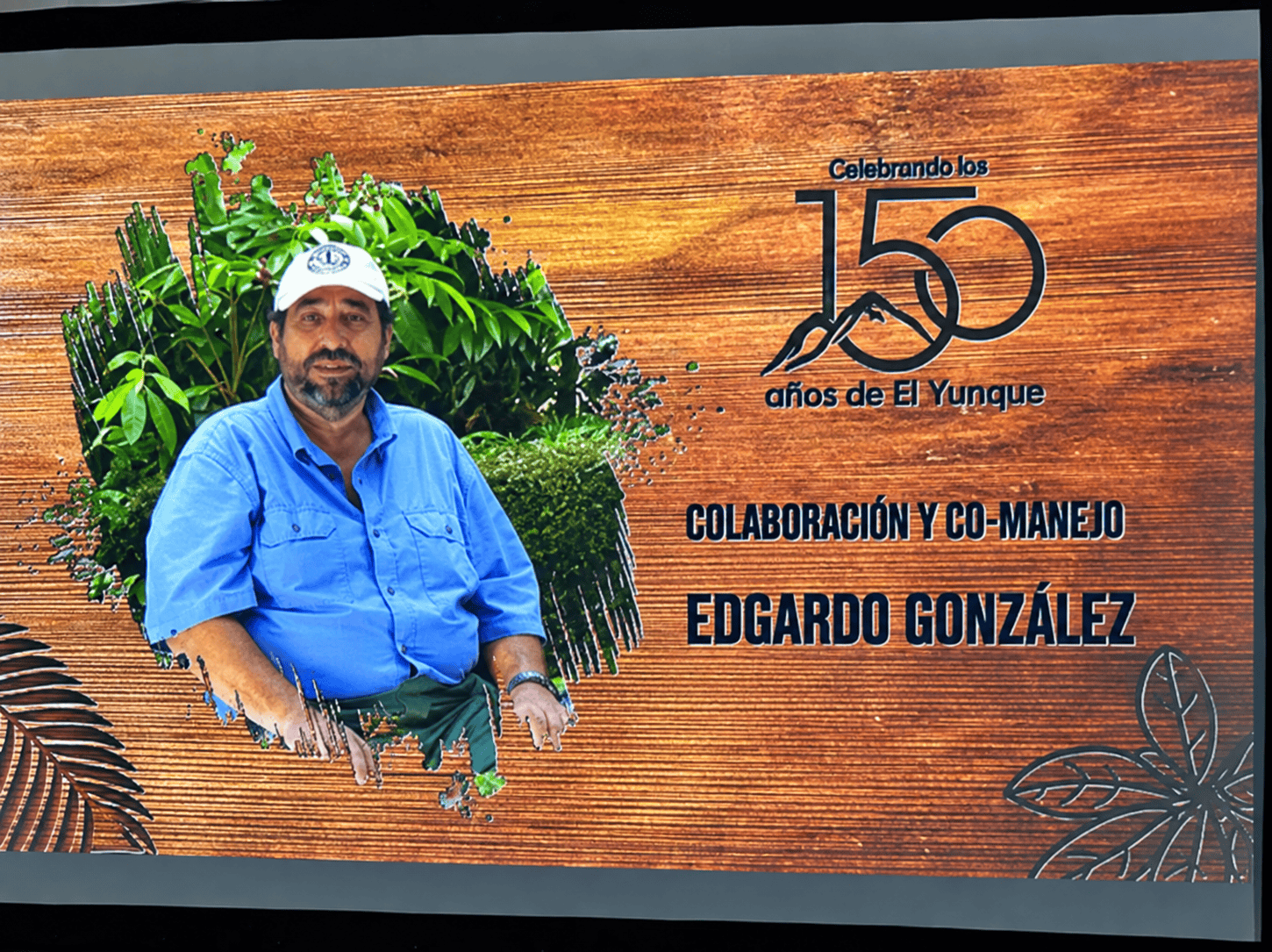
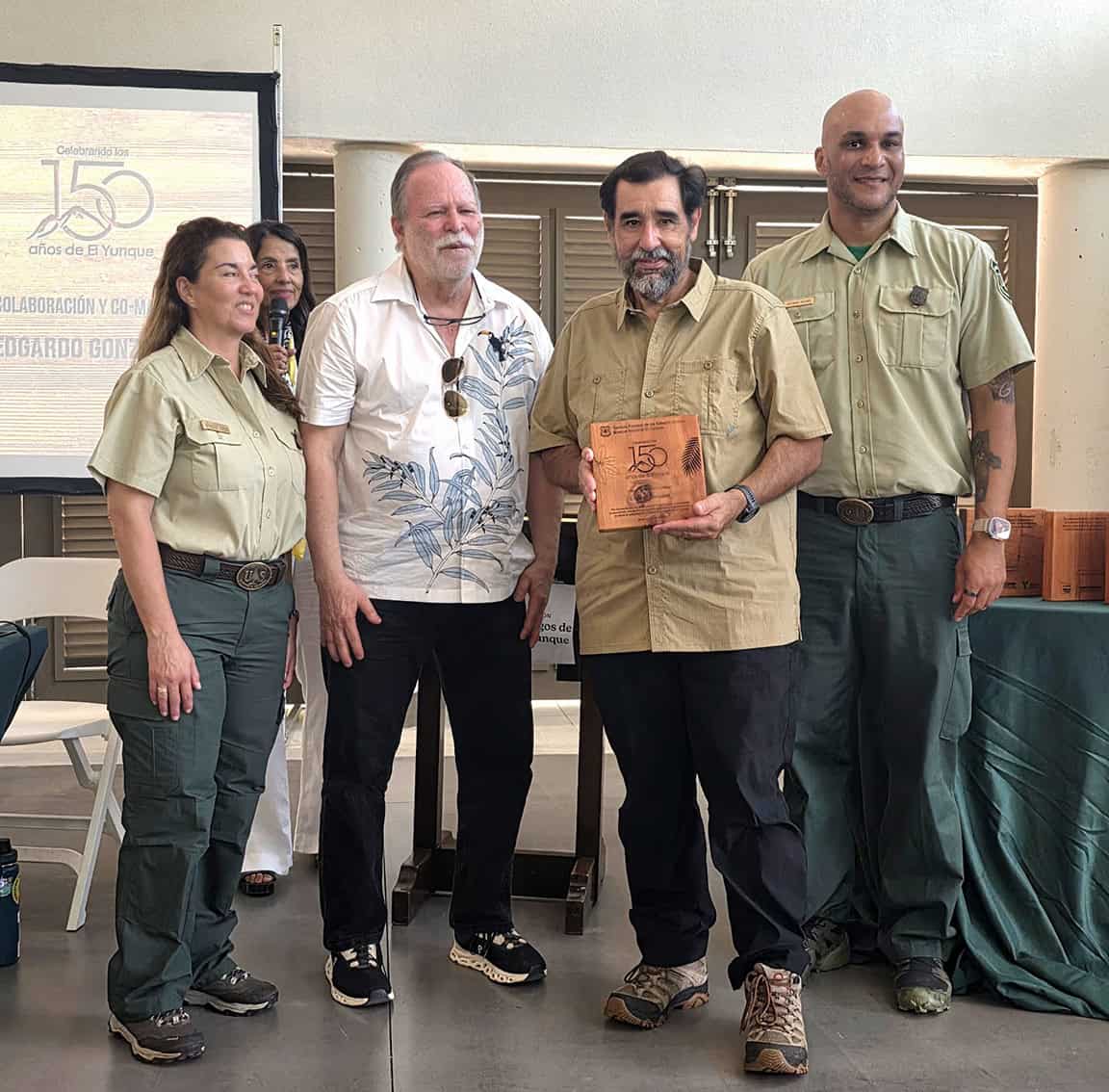
Collaboration and Co-management: Dr. Edgardo González, Director of the Centro para la Conservación del Paisaje

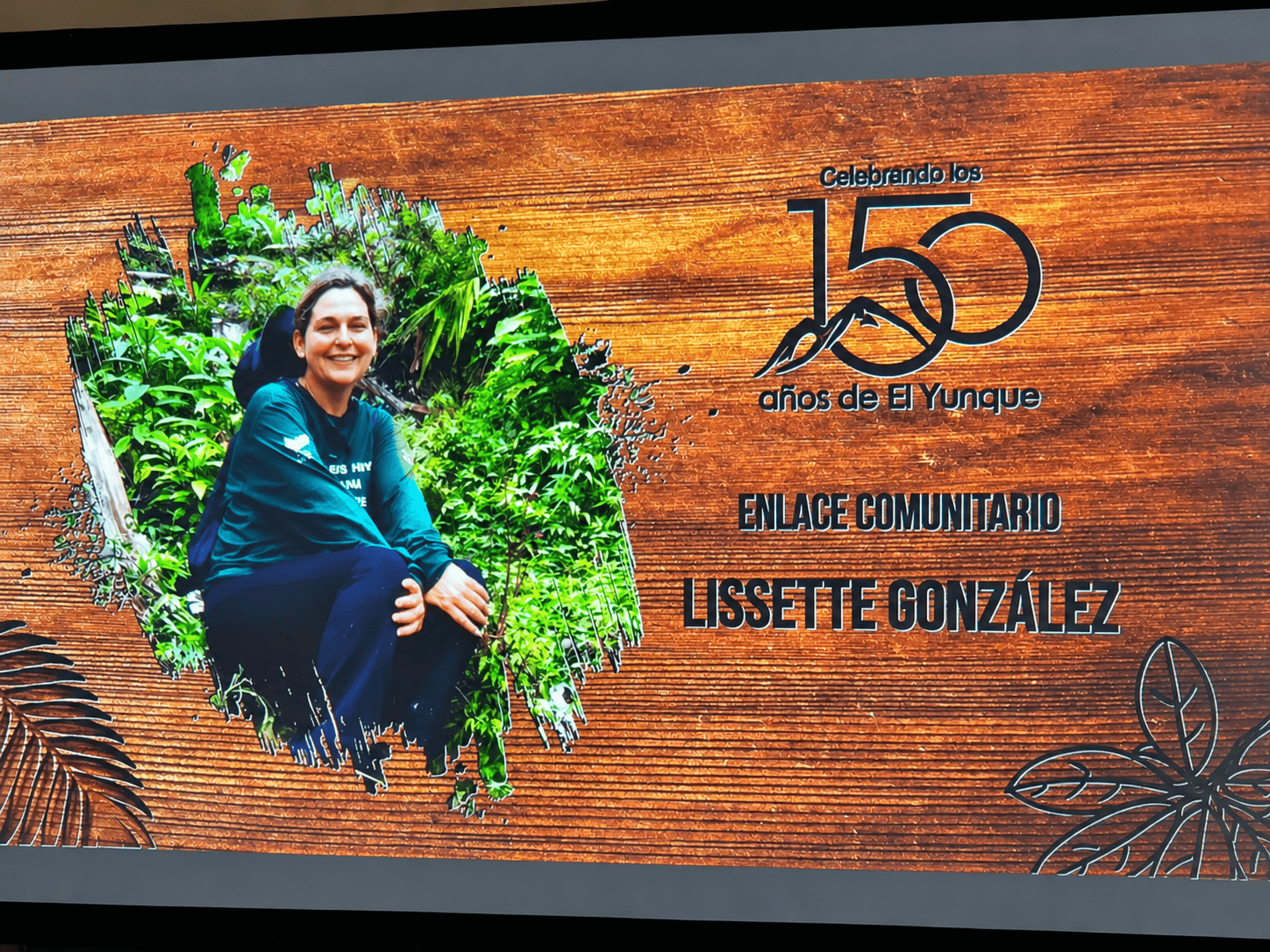
Community Liaison: Lissette González, former Executive Director of Fundación Amigos De El Yunque

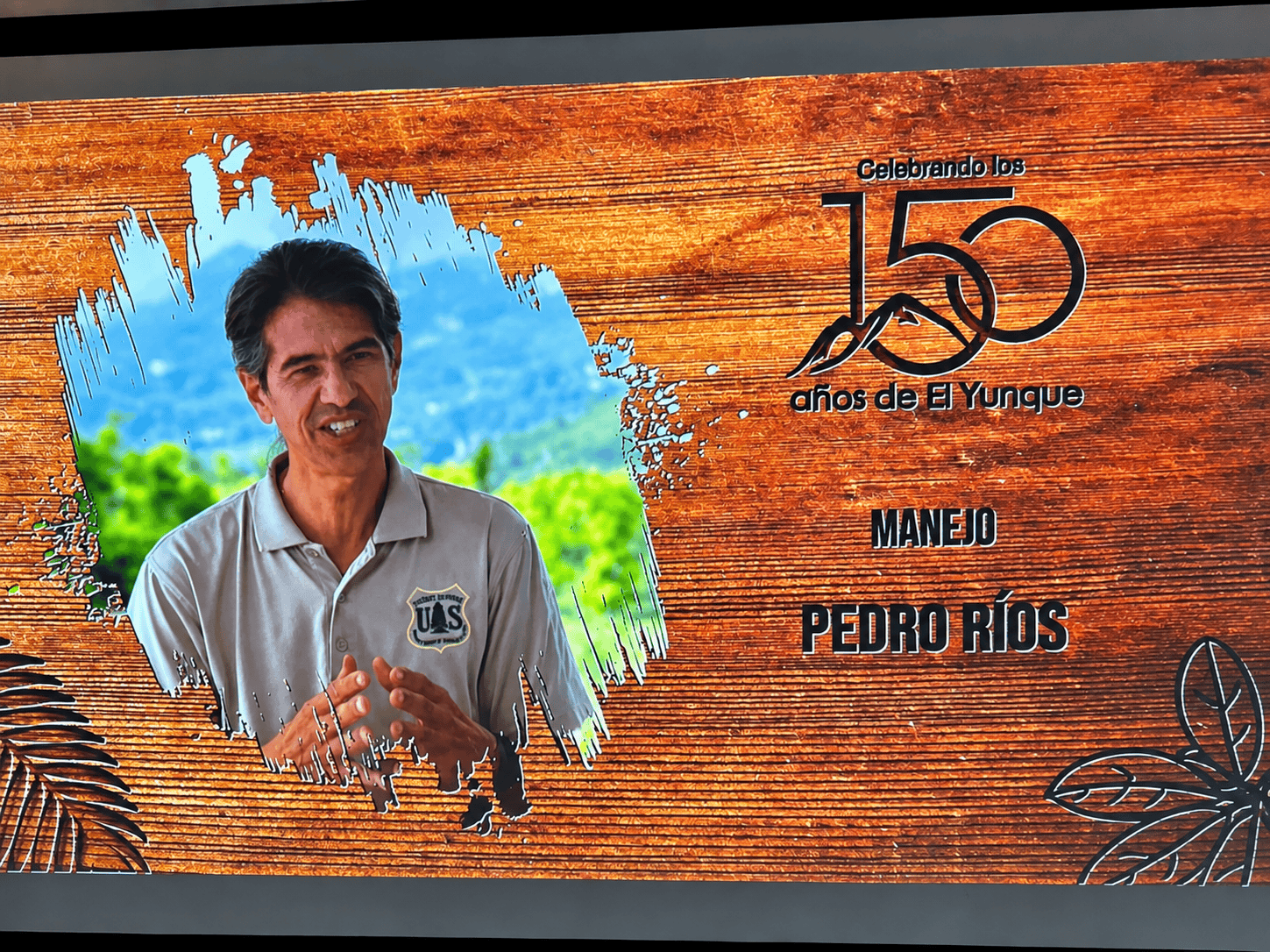
Management:
Pedro Ríos, Leader of the Ecosystem Management and Planning Team at El Yunque National Forest

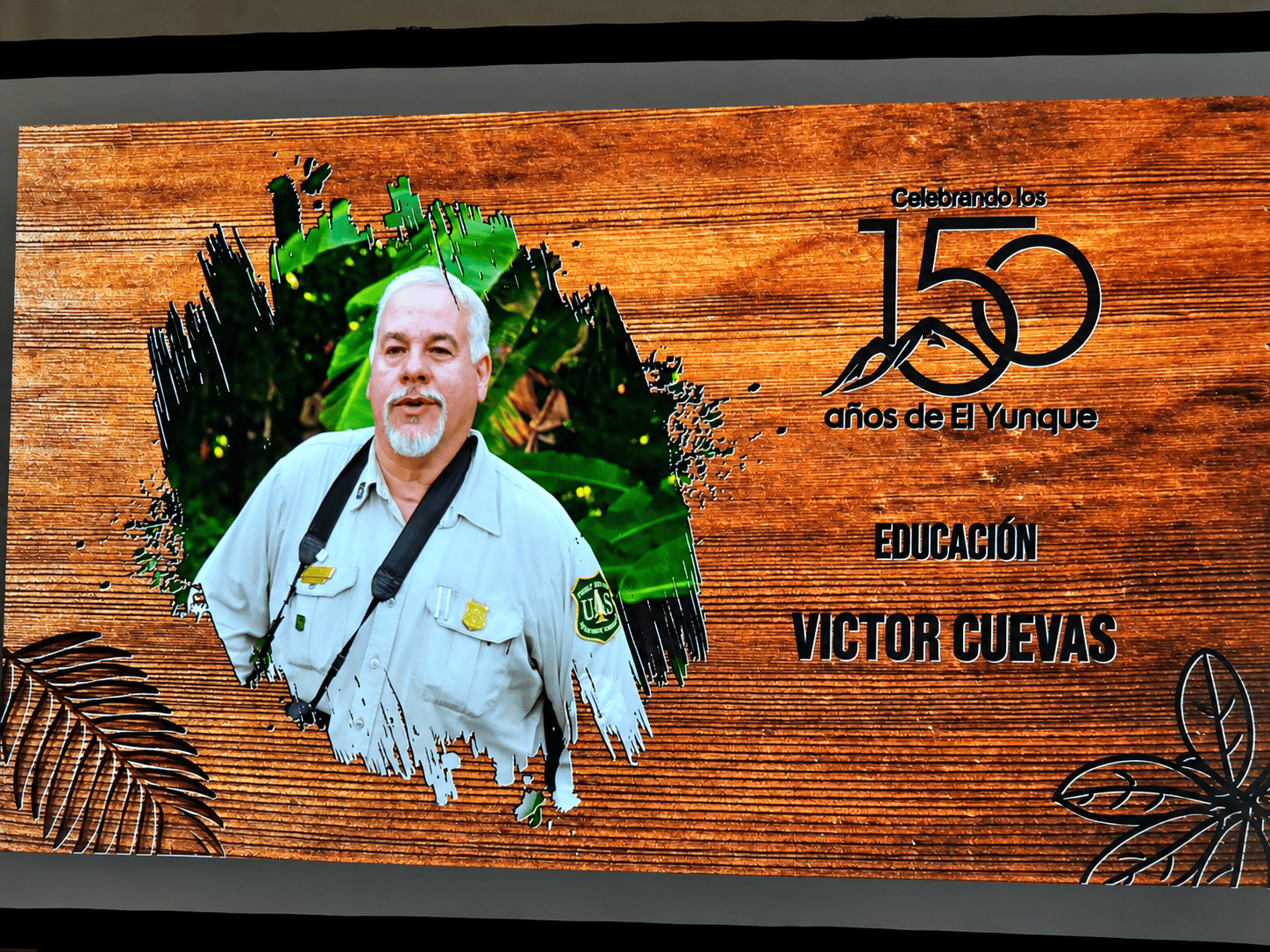
Education:
Víctor M. Cuevas, wildlife biologist, environmental interpreter and educator with the U.S. Forest Service

Investigation:
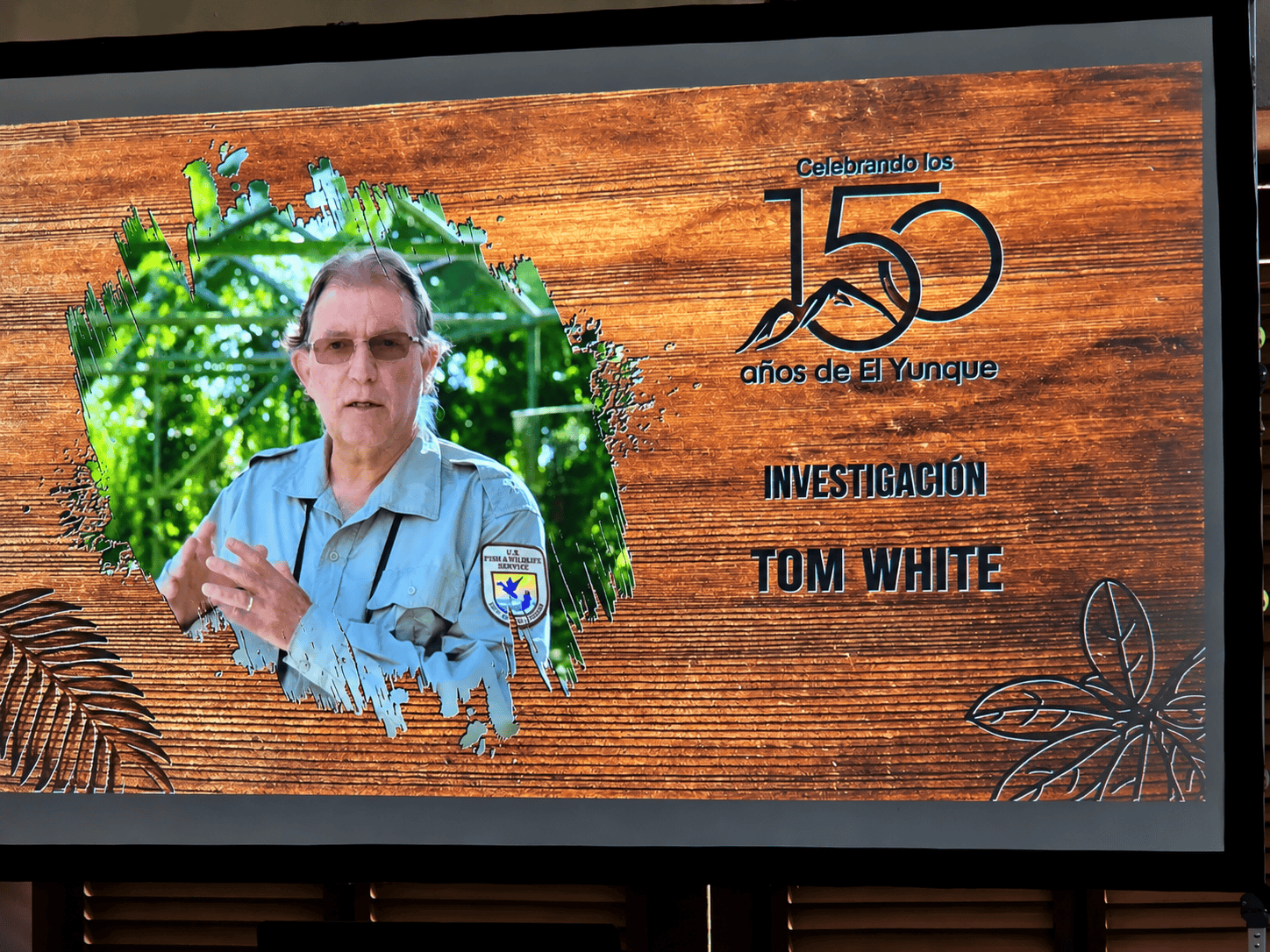
Dr. Tom H. White, wildlife ecologist and biologist with the U.S. Fish and Wildlife Service
What we carry into the next 150 years

An anniversary asks us to look backward, but a forest always asks us to look ahead. The 1876 designation began a long history of protection. The work since then has been carried by researchers, forest staff, educators, community members and countless others who have returned to the forest year after year.

At Las Casas de la Selva, we feel that continuity in our own daily work: protecting watersheds, restoring endangered trees, learning from hurricanes and bringing young people into direct contact with the rainforest. Forest conservation is never finished. It is a commitment renewed through attention and action.

These photographs capture moments from a day of recognition and celebration at El Portal. They also remind us that El Yunque’s greatest legacy is alive all around us—in the forest itself, in the knowledge it continues to yield, and in the people who will care for it next.

Acknowledgements

Huge heartfelt thanks to María Falcón for guiding the programme and holding everything together throughout the day.

Thank you to Fundación Amigos de El Yunque, El Yunque National Forest and the International Institute of Tropical Forestry for organizing the celebration, and to the staff of the El Portal de El Yunque Rainforest Center for welcoming everyone and helping make the day possible.
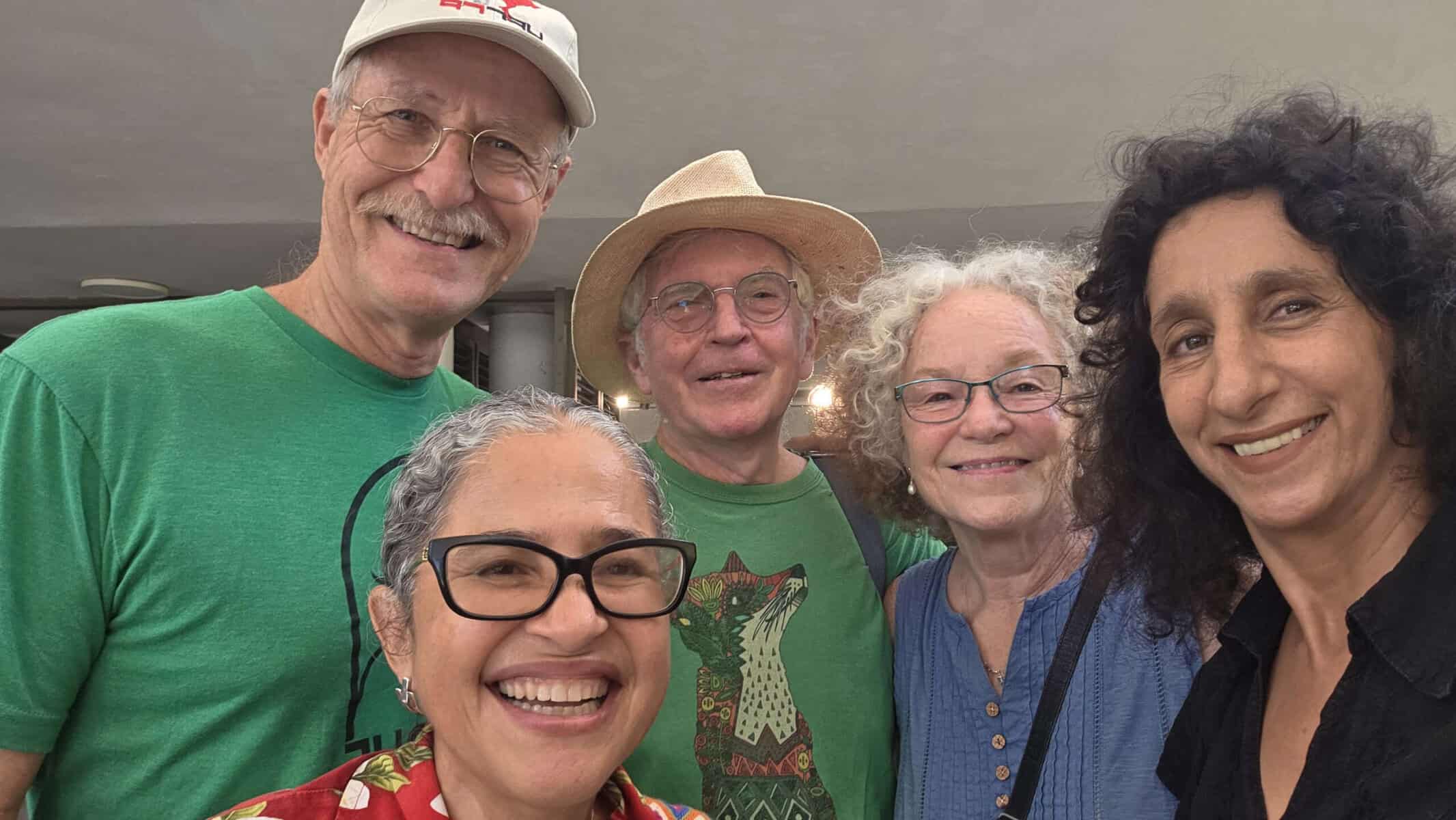
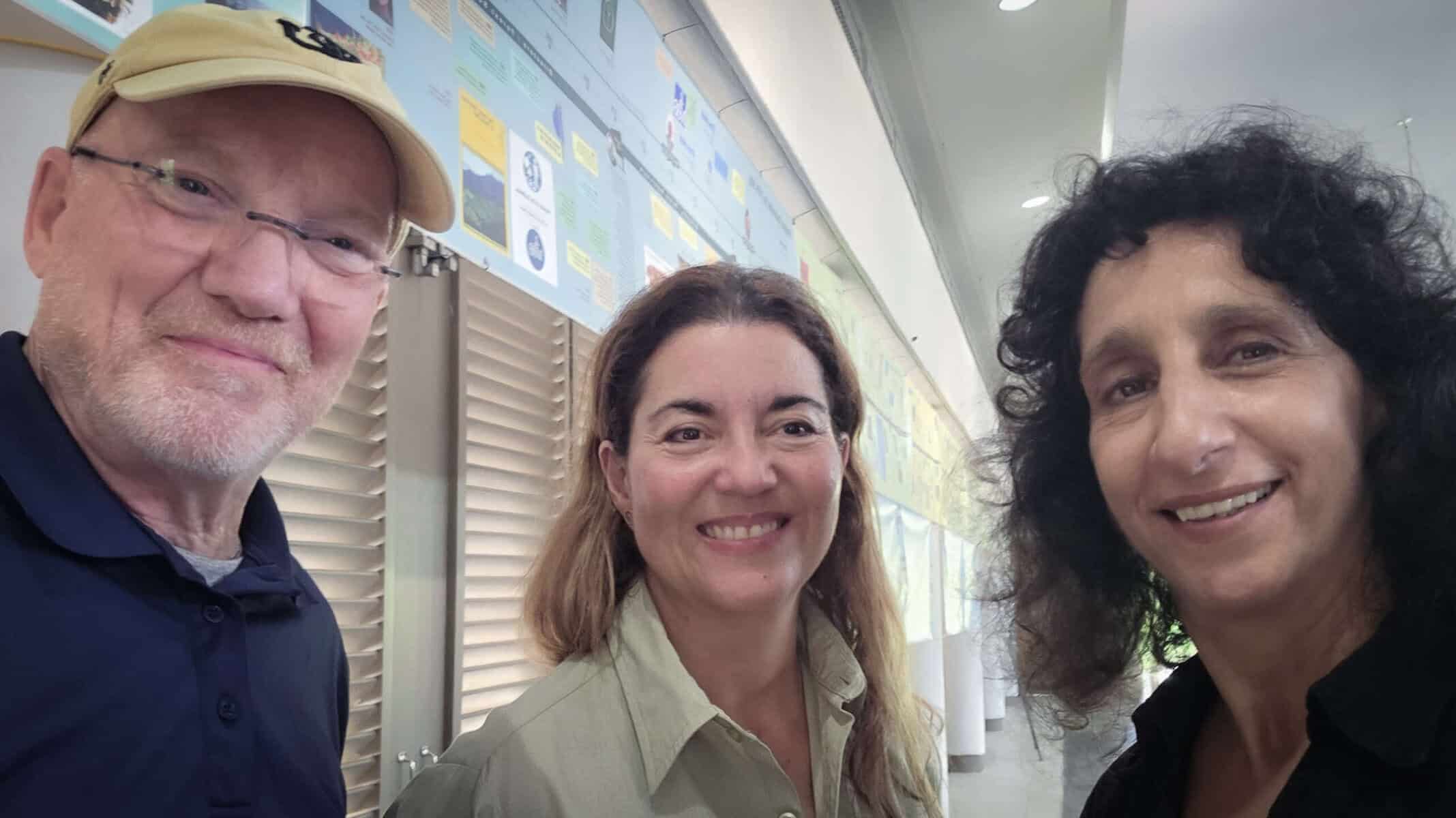
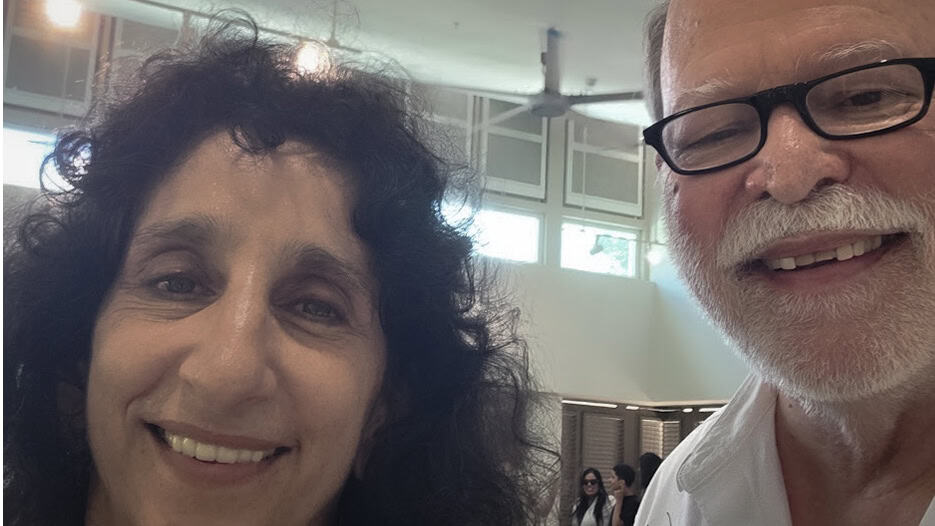
Thank you to my friends involved in tropical forestry, ecology, and wood! It was wonderful to spend some time with Dr. Jim Ackerman, Dra. Elvia Melendez, Dr. William Gould, Dra. Grizelle Gonzalez, Richard & Andria Druitt, Ariza Torres, and Ariel Lugo!
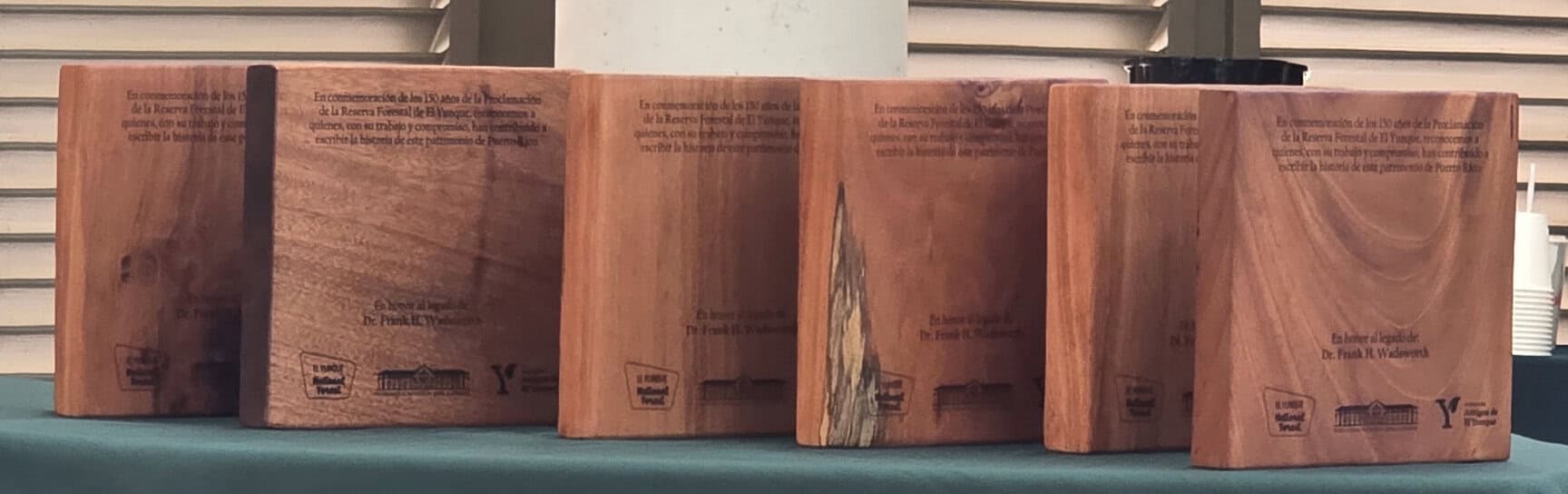
There was a special connection for us in the awards themselves: the mahogany awards themselves were partially made by Puerto Rico Hardwoods. Wood became a way to honor lives dedicated to forests. We were delighted to contribute something made here in Puerto Rico to such a meaningful occasion.
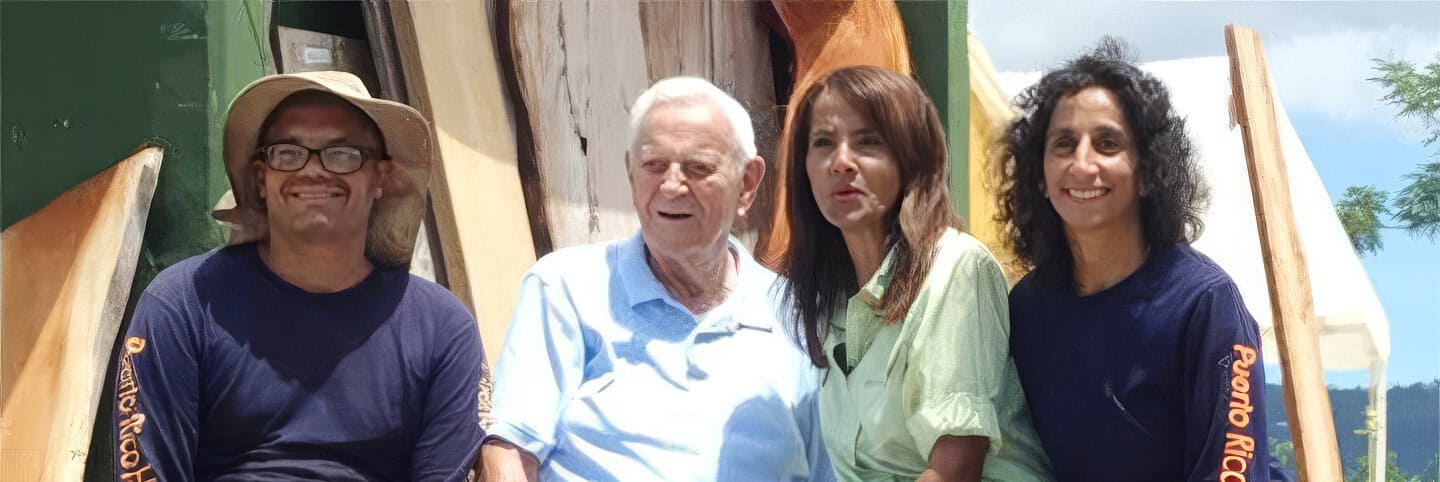
2019 Frank Wadsworth visits the Puerto Rico Hardwoods yard in Caguas. L-R Andrés Rúa, Frank H. Wadsworth, Maria Falcon, 3t Vakil

Thrity ‘3t’ Vakil, FLS, President,
Tropic Ventures Research & Education Foundation
Sustainable Forestry & Rainforest Enrichment Project,
Las Casas de la Selva,
| HC 63 Box 3879, Patillas, | Puerto Rico, 00723
Whatsapp:+1 787 329 7761
www.eyeontherainforest.org
www.ecotechnics.edu
www.3tvakil.com
www.prhardwoods.com

Photos by 3t Vakil, Sept 2026
Rare Plant Partnerships 2024-2025

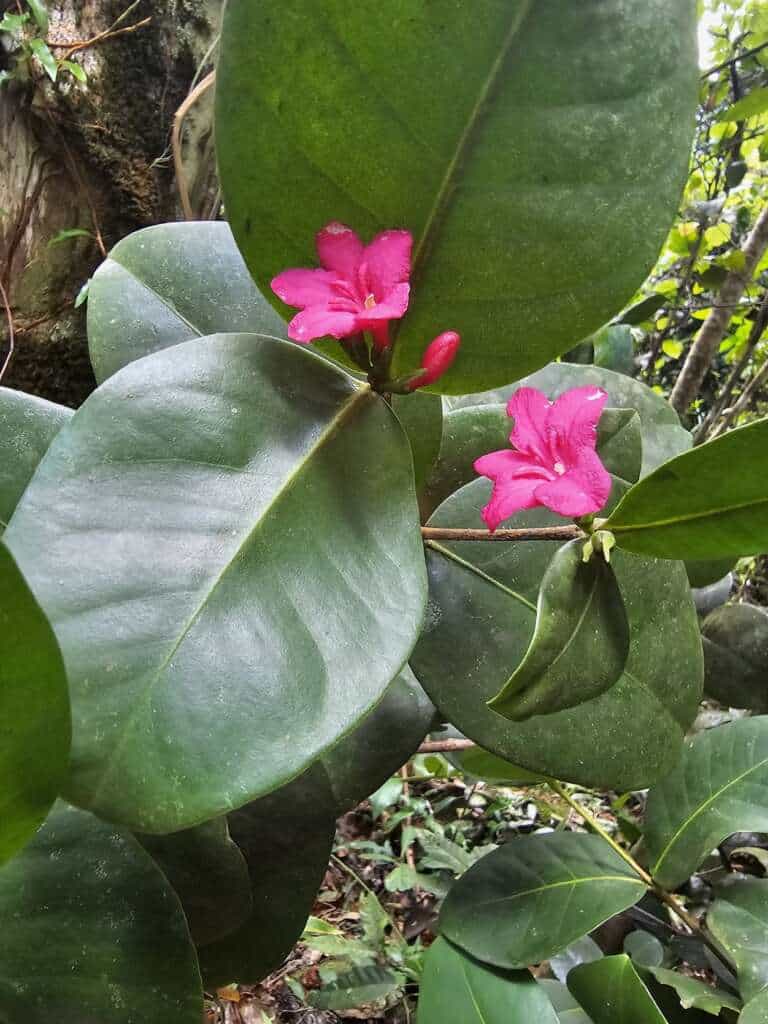
Conservation in Action: Ravenia urbani and the power of persistence: US Forest Service Rare Plant Partnerships 2024-2025

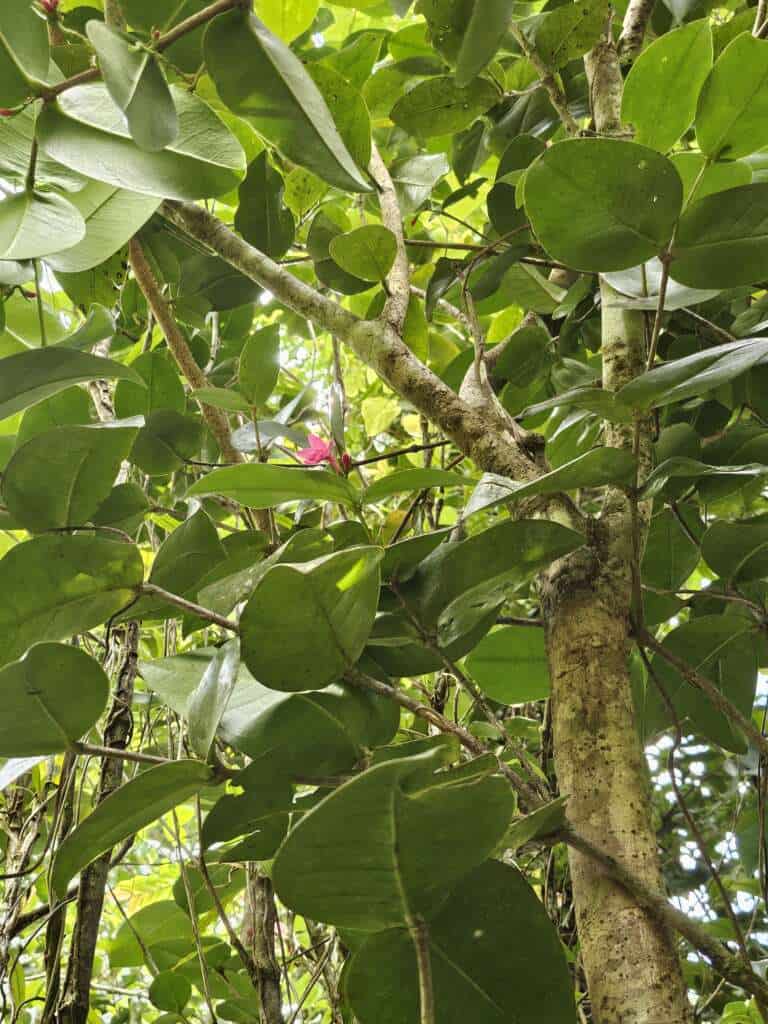
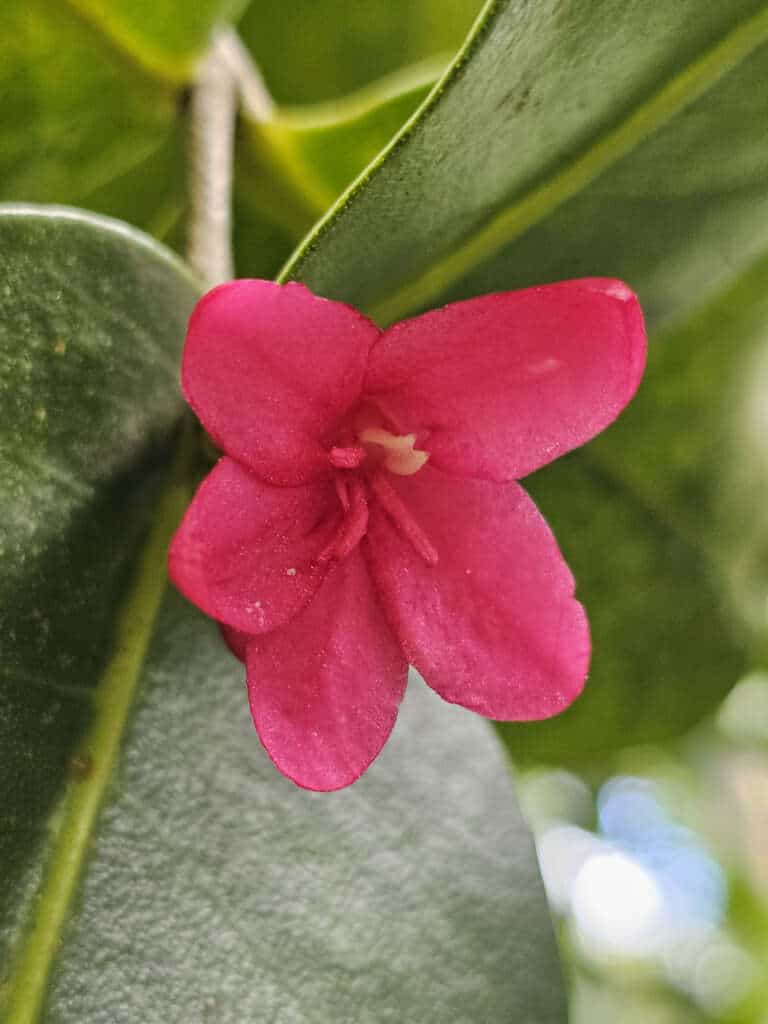
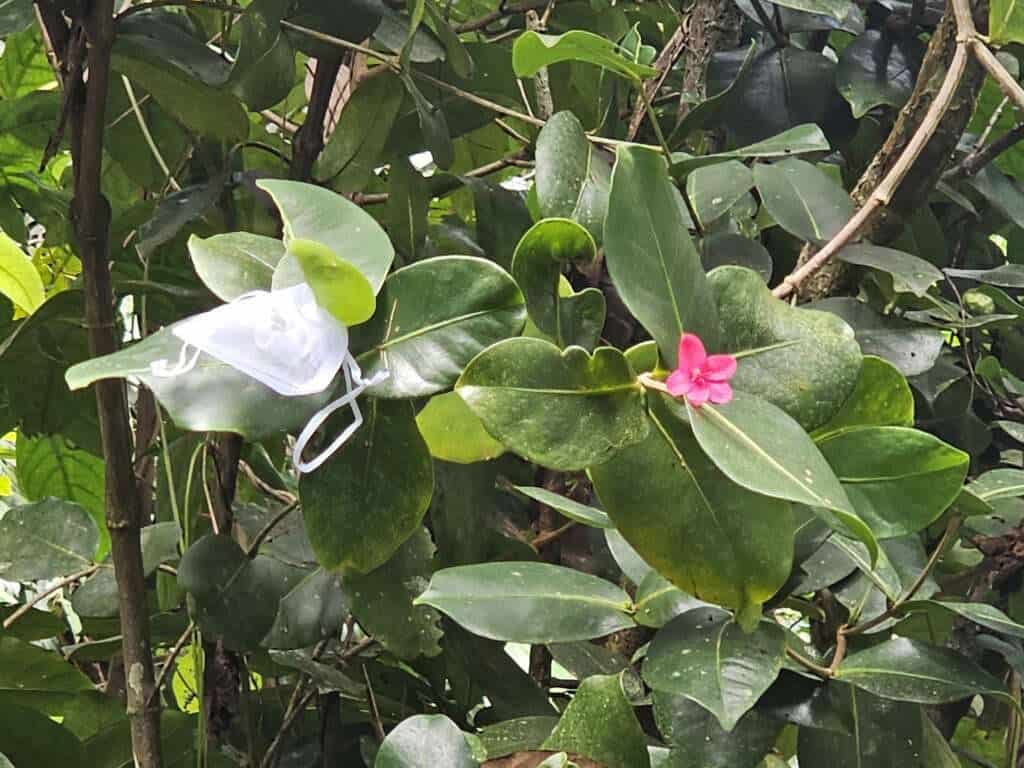
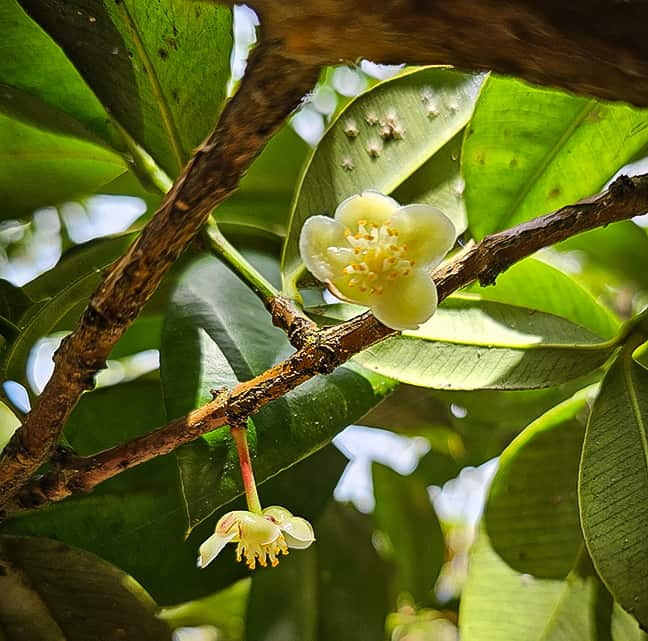
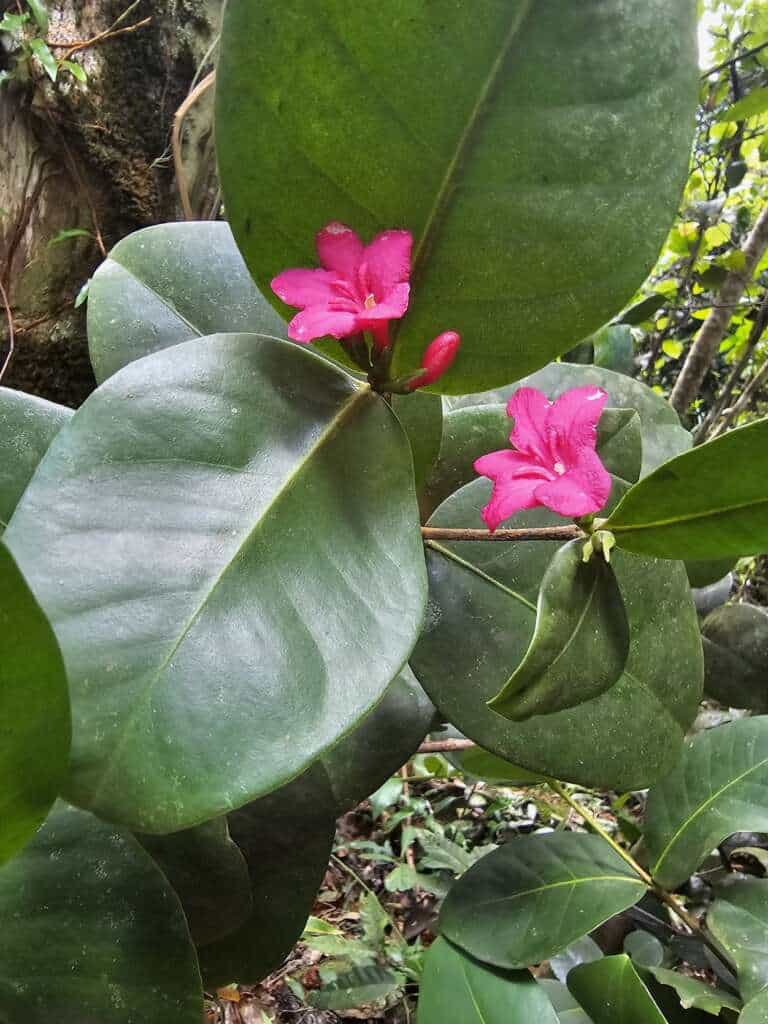
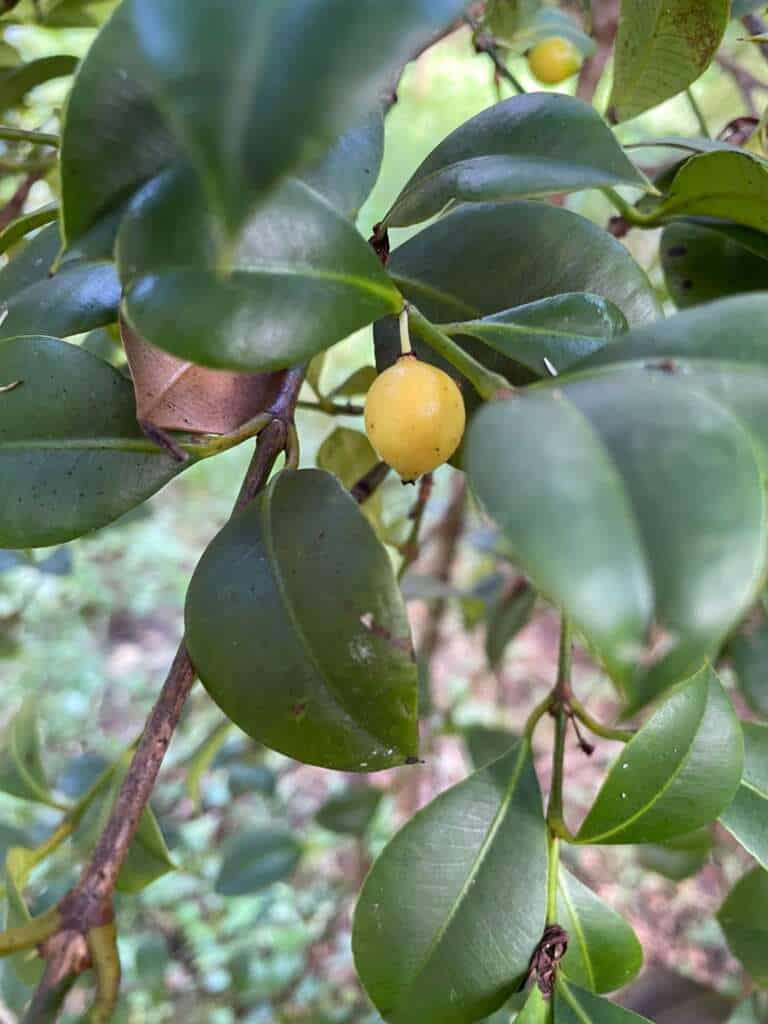
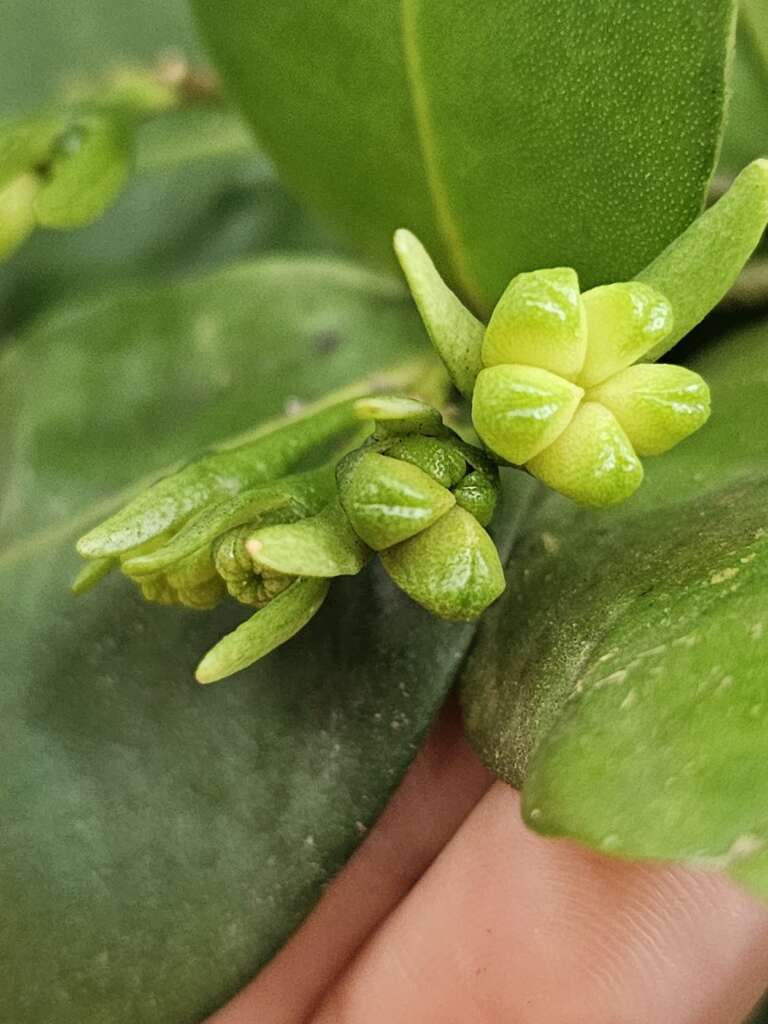
Over the past year, our team at Eye on the Rainforest has made remarkable strides in the conservation of Ravenia urbani, one of Puerto Rico’s most vulnerable endemic tree species. Supported by the US Forest Service Rare Plant Partnership, our 2024–2025 project focused on safeguarding this rare plant through seed collection, nursery propagation, habitat surveys, and community engagement.

Despite the hurdles—late permit approvals, and Hurricane Ernesto sweeping across the region just as Ravenia urbani was flowering—we persevered. These challenges didn’t slow our momentum; instead, they reinforced the urgency and relevance of our work.

What We Accomplished

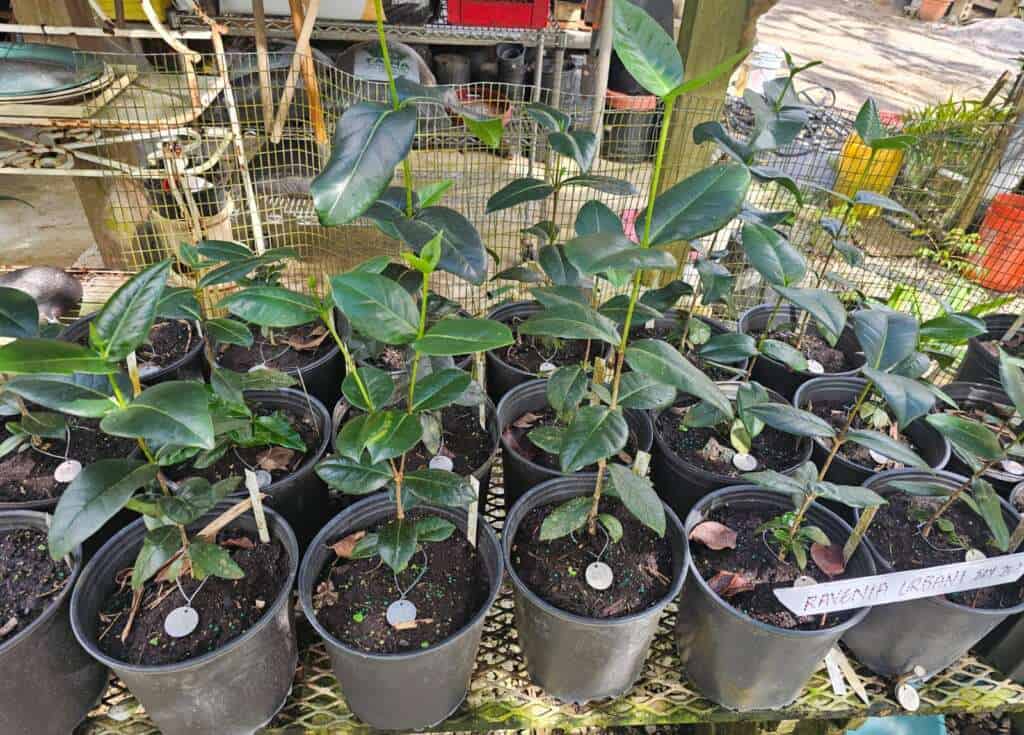
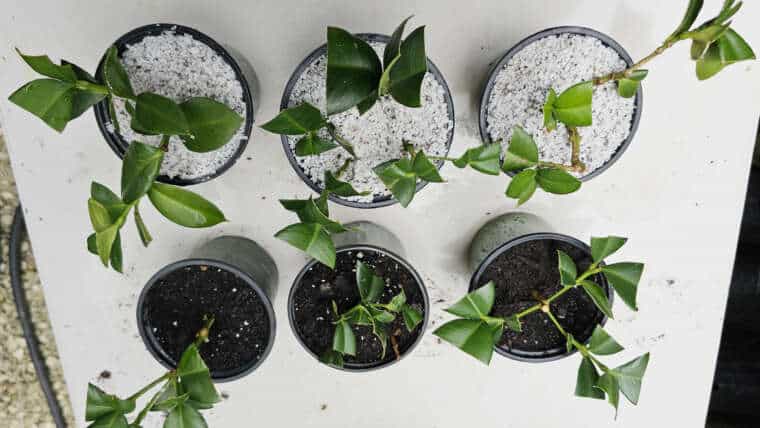
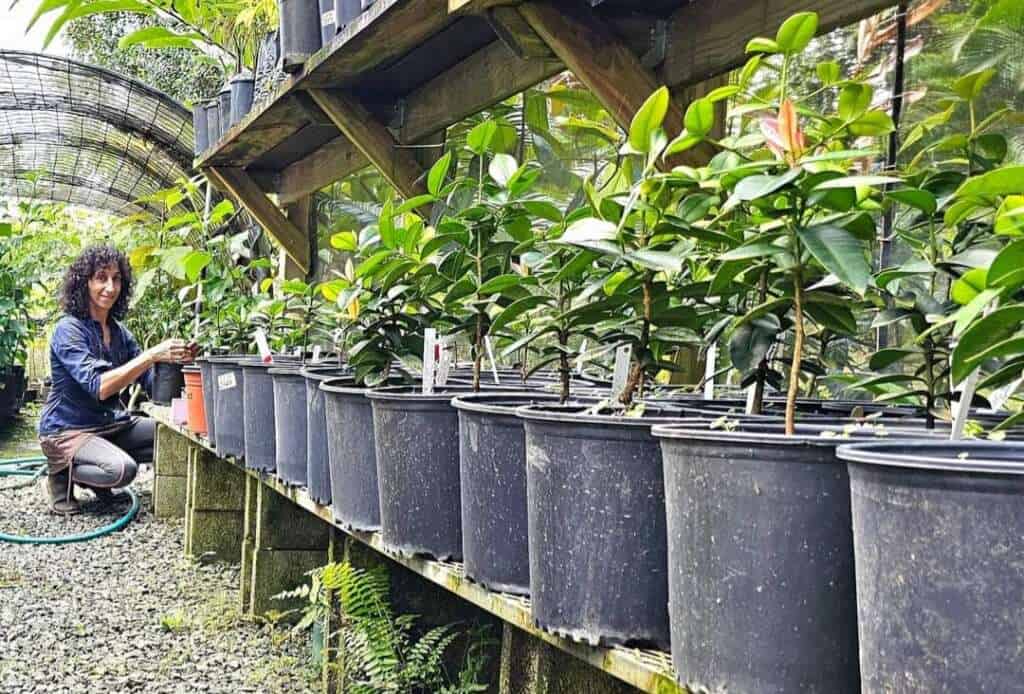
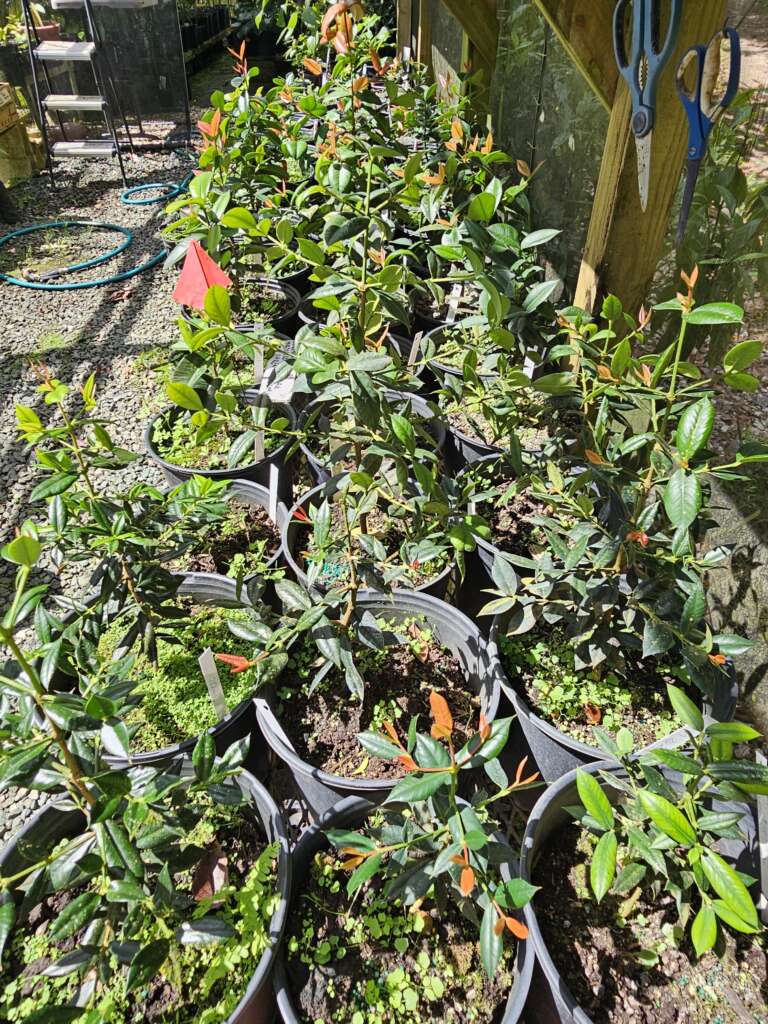
60 thriving seedlings from the 2023 propagation continue to grow strong in our nursery at Las Casas de la Selva.
276 endemic trees, including R. urbani, were planted across in-situ and ex-situ sites.
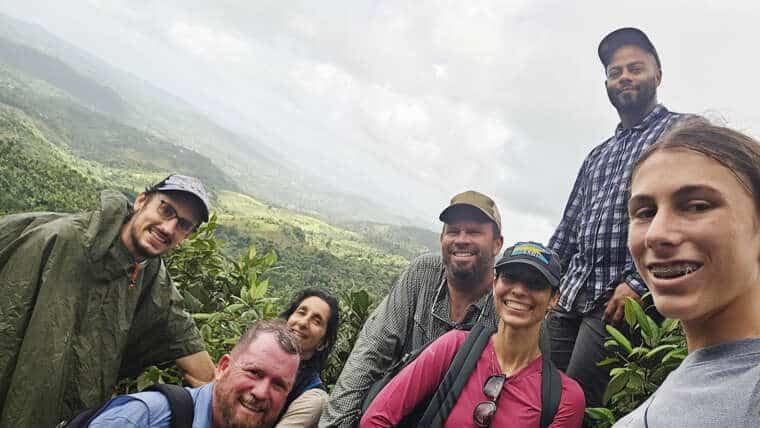
Botanical expeditions were carried out in El Yunque, Cerro de Cabro, Patillas, Yabucoa, and Carite State Forest—some in remote, uncharted terrain.
Seed collection yielded just five seeds due to the storm—but even a single viable seed carries promise.
Field surveys expanded our understanding of the species’ range and informed our developing Species Recovery and Management Plan.
Hands-on outreach brought students, educators, and community members into the heart of the rainforest to experience conservation firsthand.

Connecting People to Plants

Throughout 2024 and 2025, we welcomed schools and groups from across Puerto Rico and the mainland U.S.—from Susquehanna University, PA, to Urbe Apie from Caguas. Visitors planted trees, tended nursery seedlings, helped with trail work, and learned what it means to care for an endangered species. These immersive experiences didn’t just teach—they inspired. We’re laying the groundwork for a formal mentorship program to nurture young Puerto Rican botanists through training, research, and field participation. Because protecting our forests means building a future of local leadership.

Science That Grows Roots

We continue to contribute growth data to the Global Tree Assessment, working alongside partners like BGCI, El Yunque National Forest, and Para la Naturaleza. Our work with Ravenia urbani—from nursery care, to expeditions to locate plants and collect fruits for seed —feeds directly into a broader understanding of forest health and plant resilience.

A Living Legacy

In a year marked by both challenge and achievement, Ravenia urbani has become more than a species we protect. It has become a symbol of endurance, collaboration, and ecological commitment. We particularly thank BGCI, the US Forest Service, for giving us this opportunity. Sustained funding is essential to protect endangered species like Ravenia urbani and engage communities in their long-term survival. With continued support, we will keep planting, teaching, exploring—and protecting what matters most.

Thanks to Jon Warwick, Dr. Mark Nelson, Ricardo Santiago, Tom White, and the incredible botanical team.

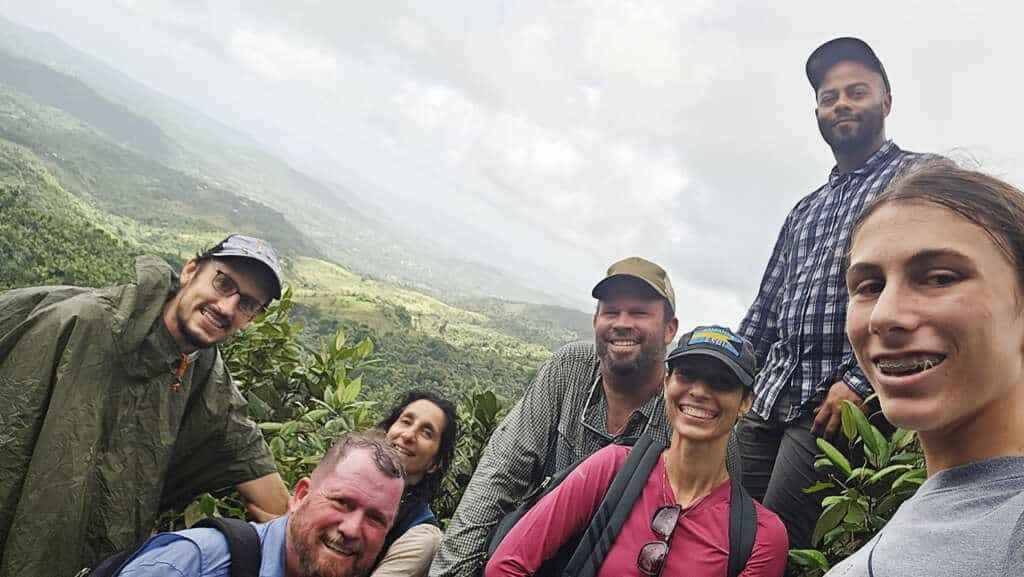
Featured image below shows team members at the summit of Cerro del Cabro, Patillas/Yabucoa, 650m, surrounded by mountain forest. 10 Aug 2024. L-R: Kurt Miller, Ian, 3t Vakil, Angel Collazo, Sarah Plauche, Erid Roman, & Colston Collazo

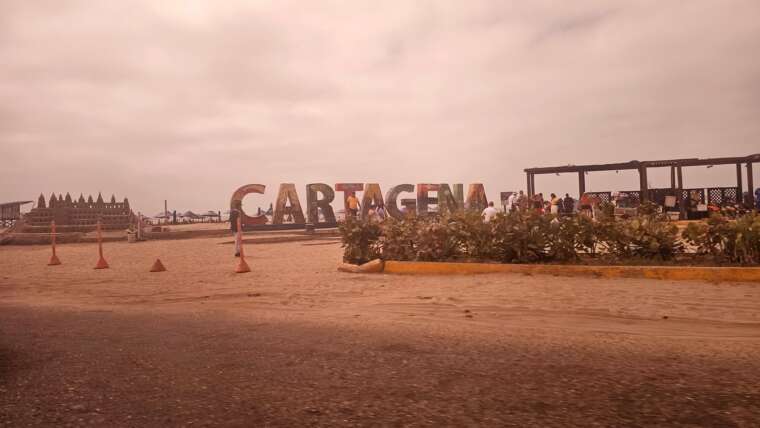
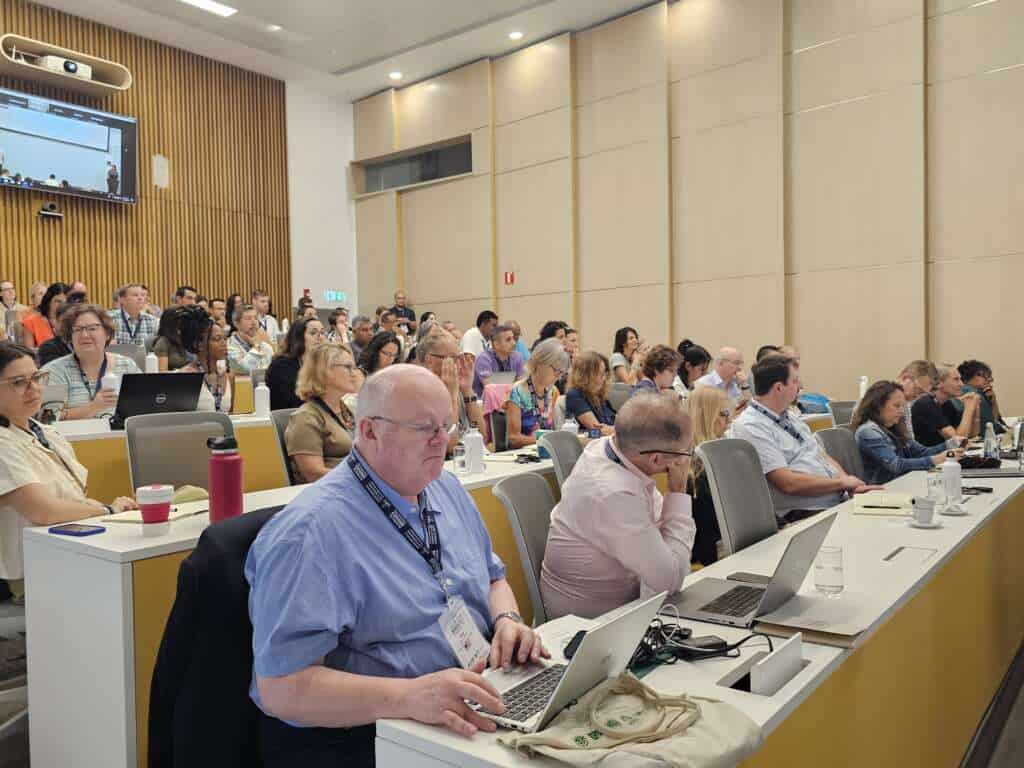
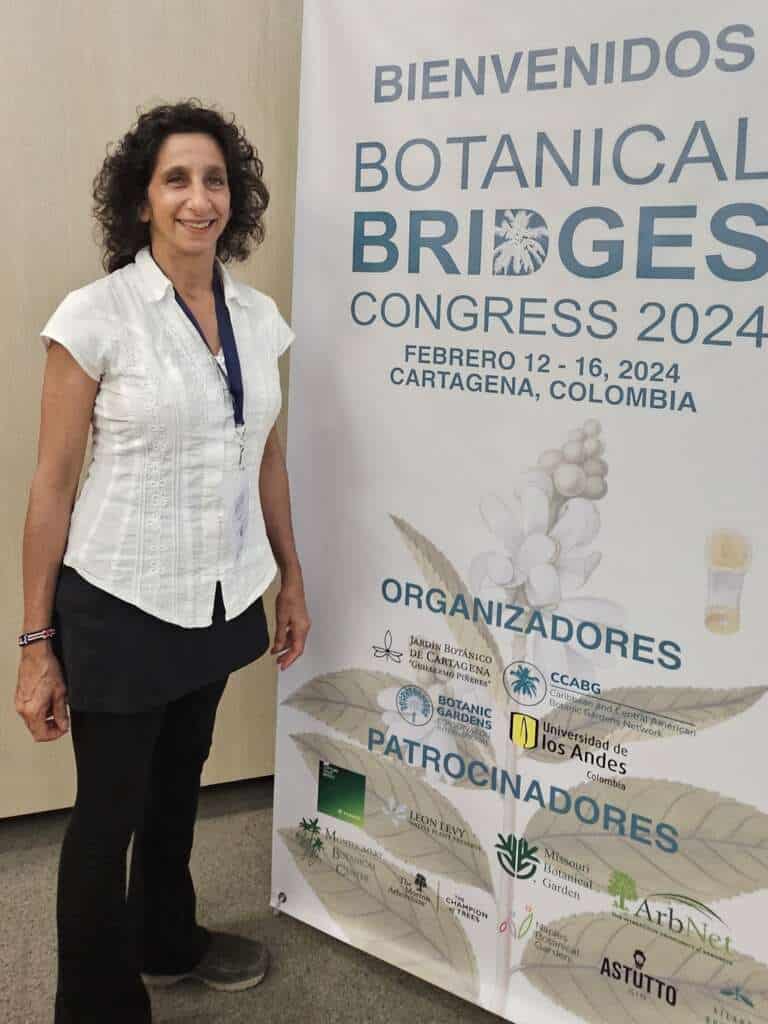
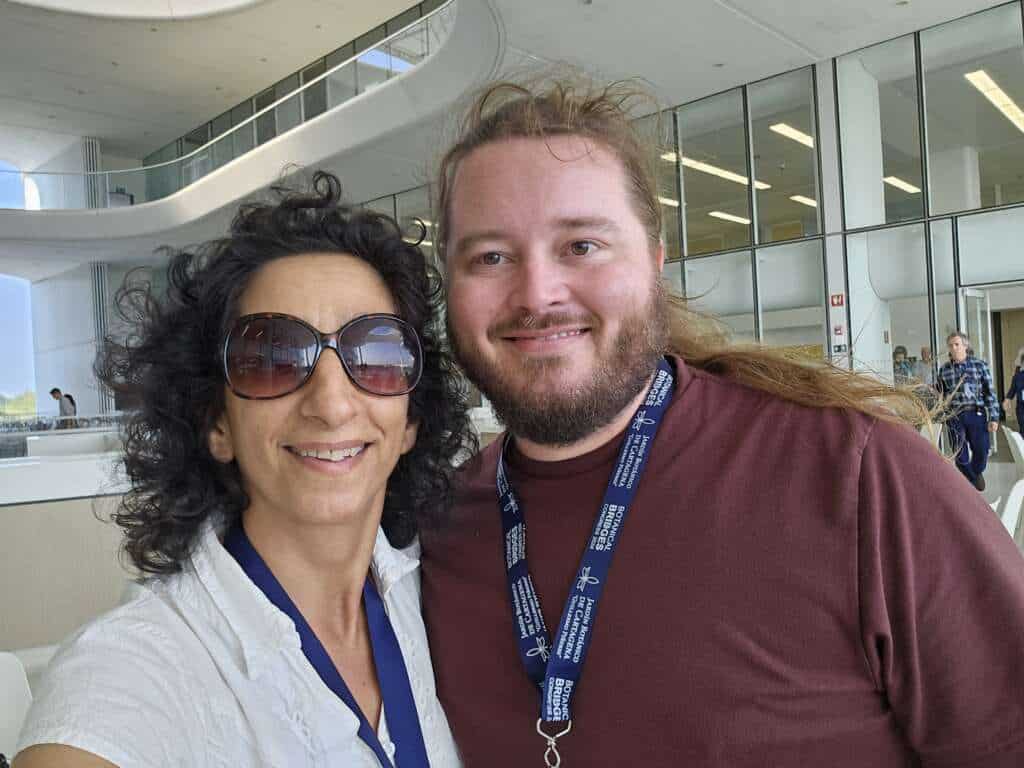
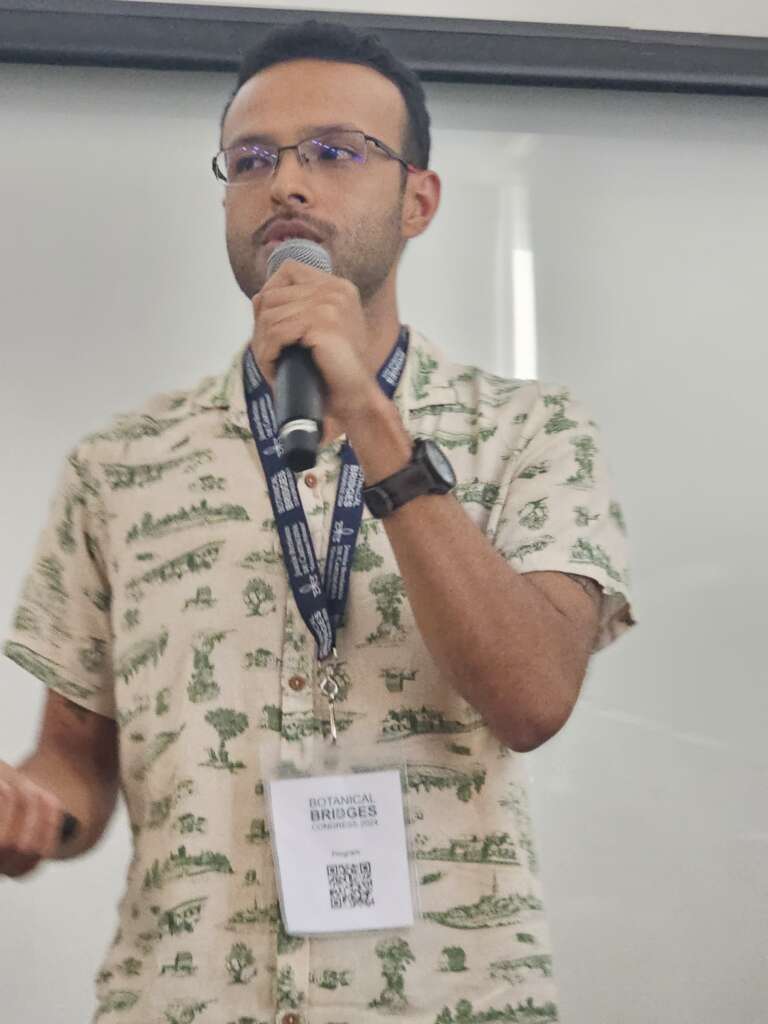
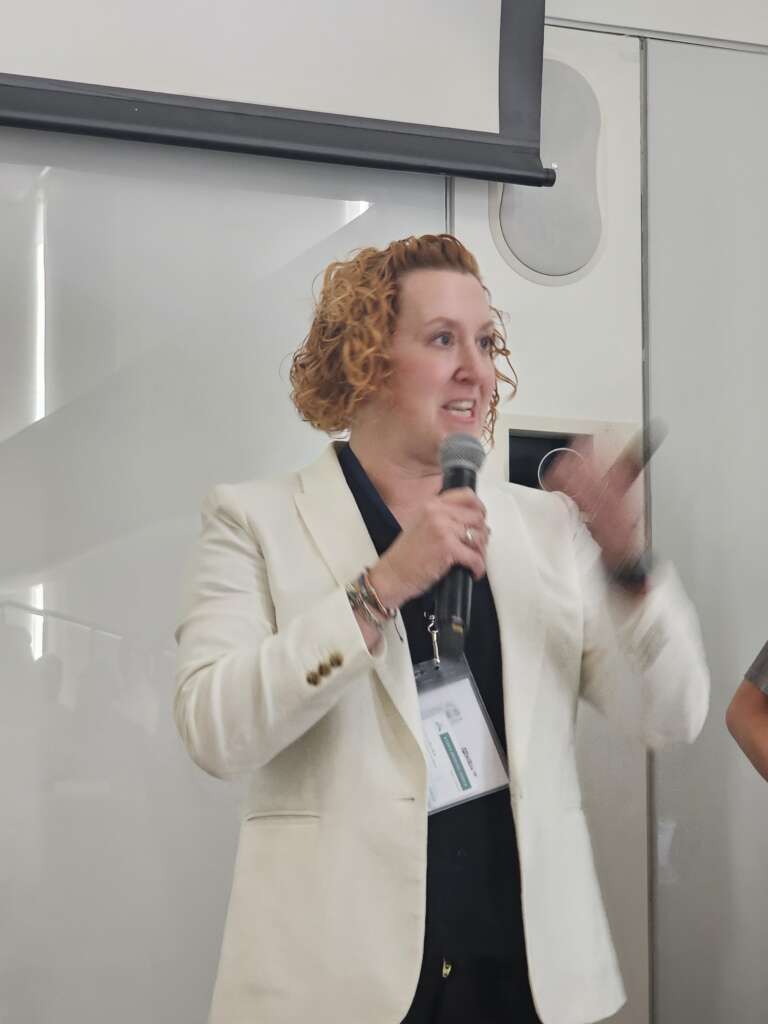
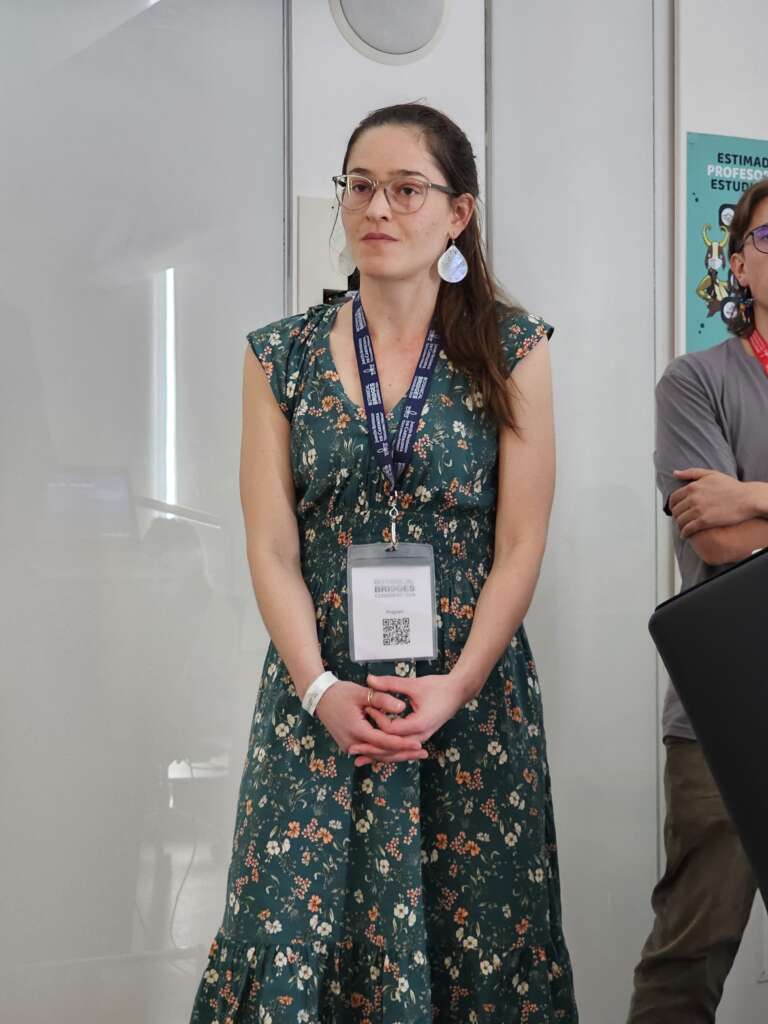
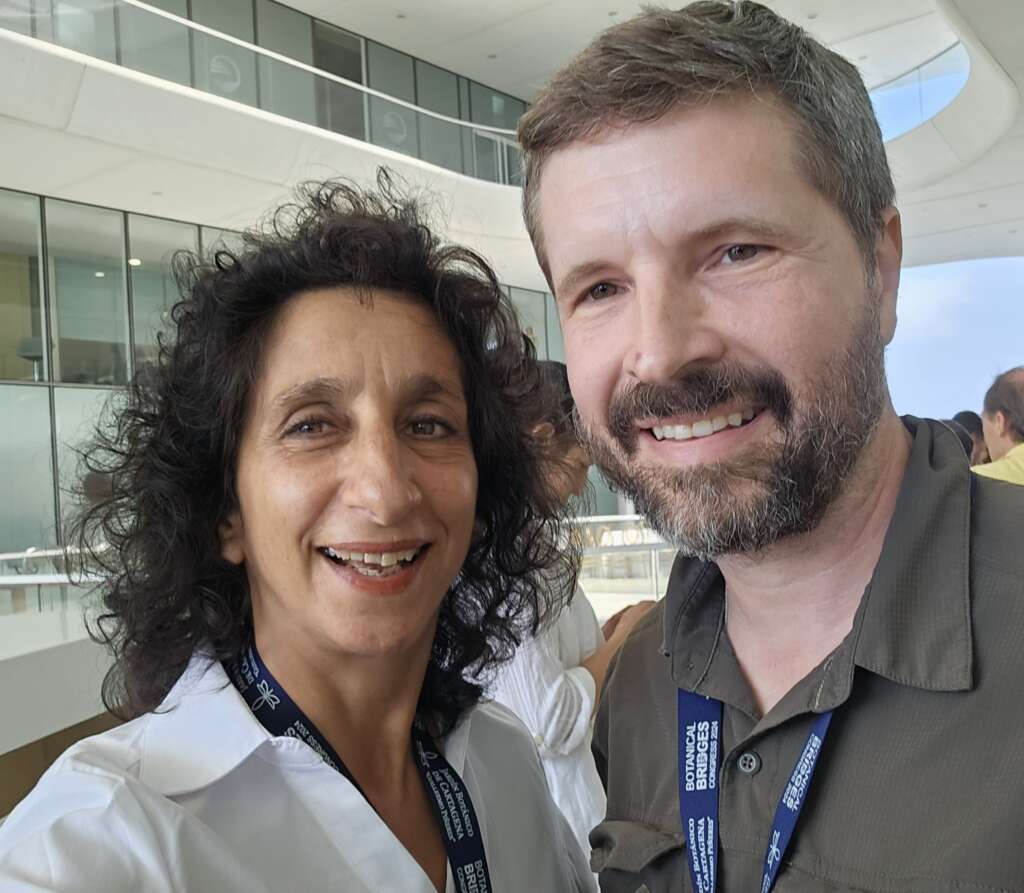
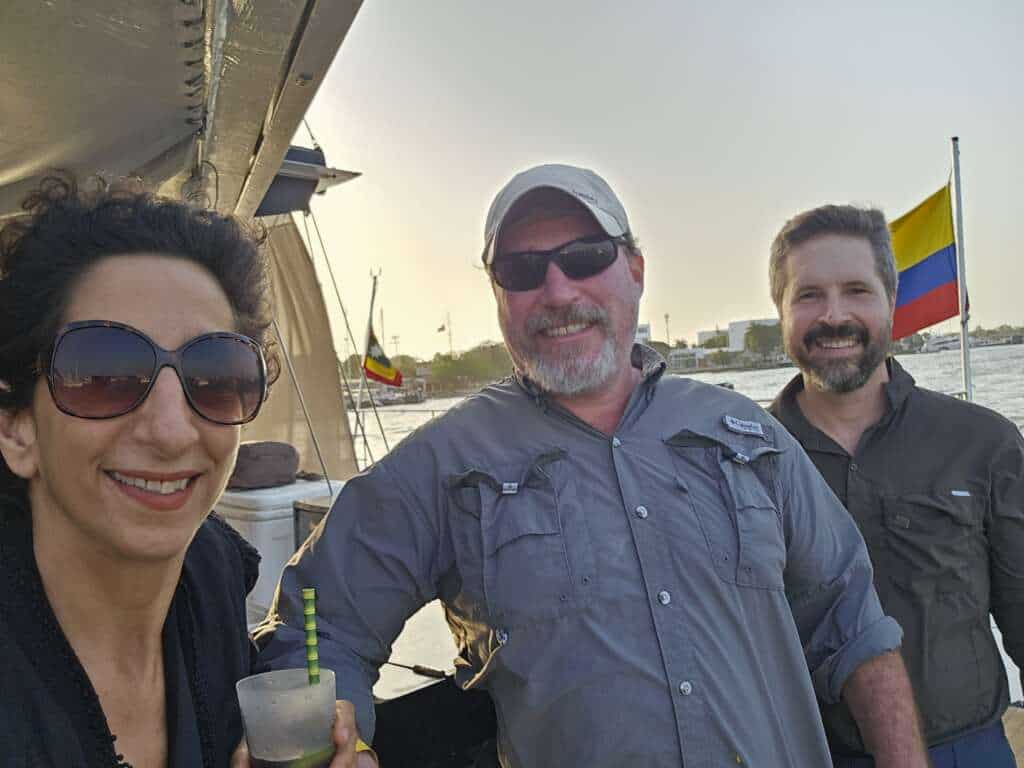
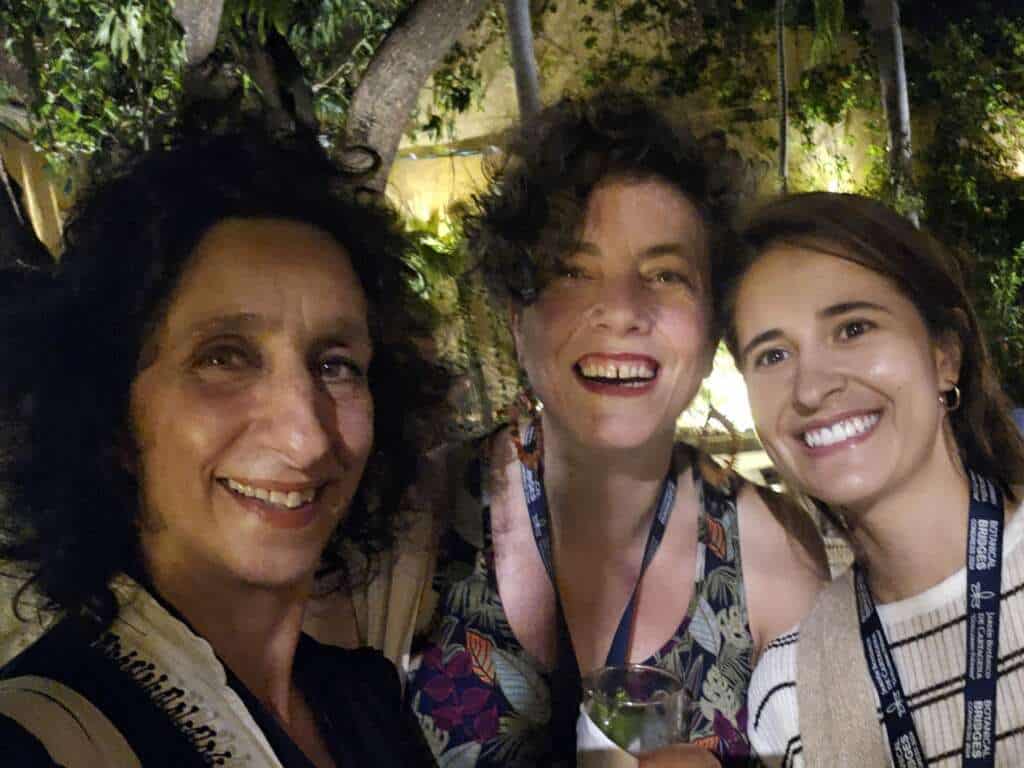
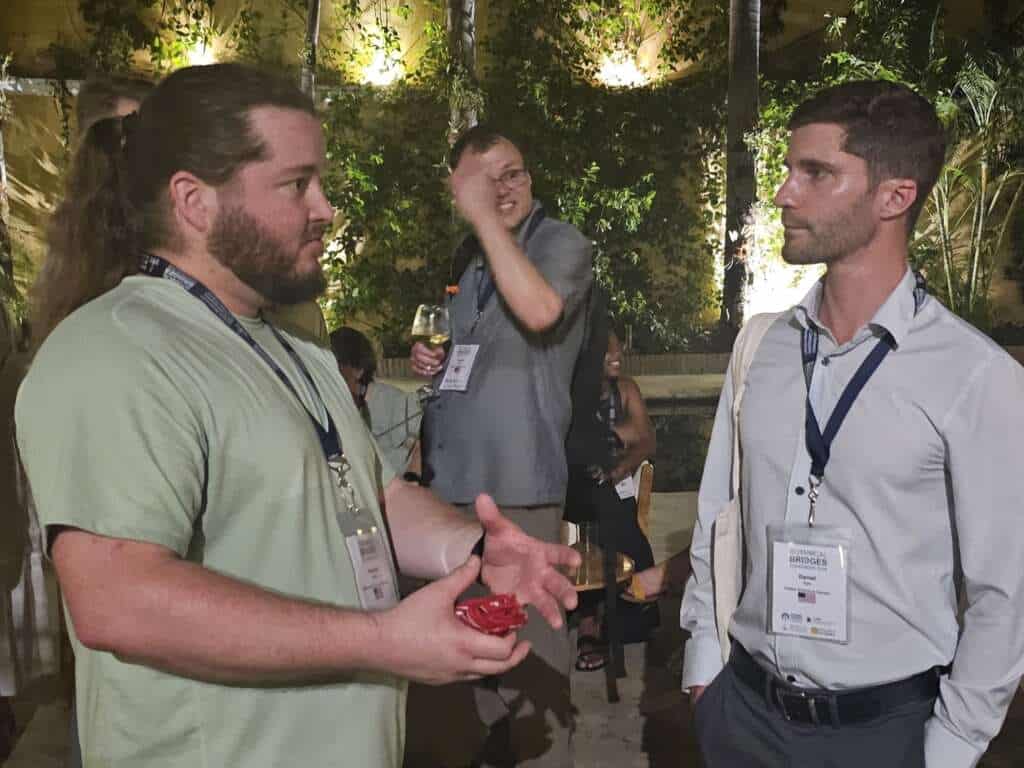
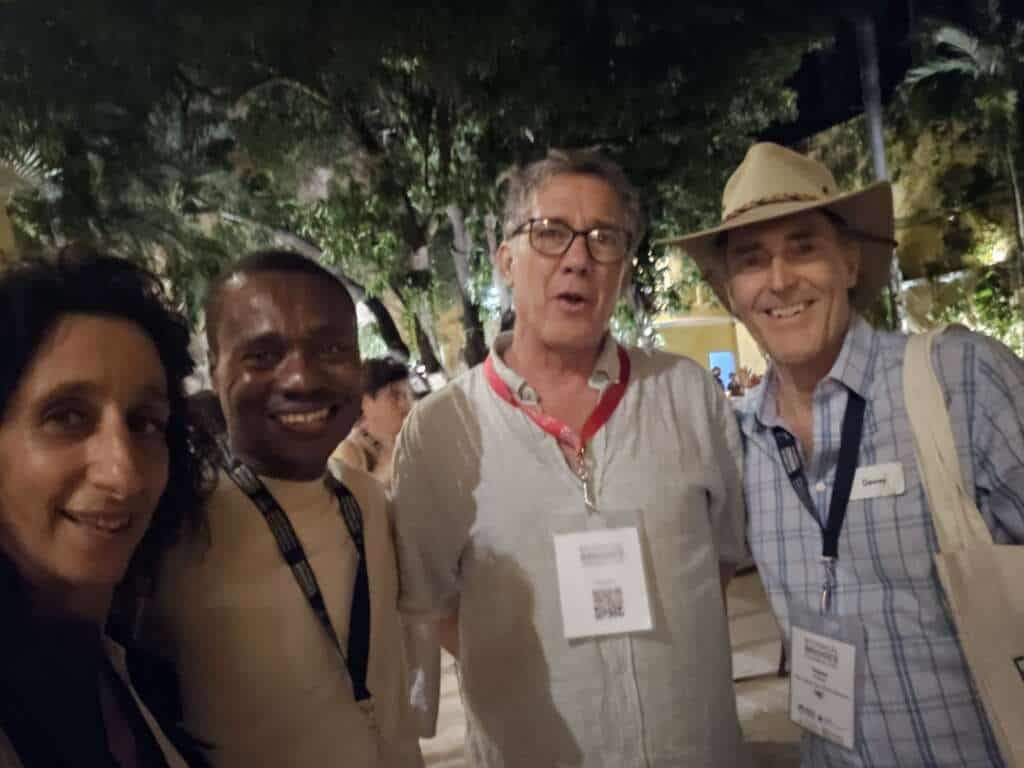
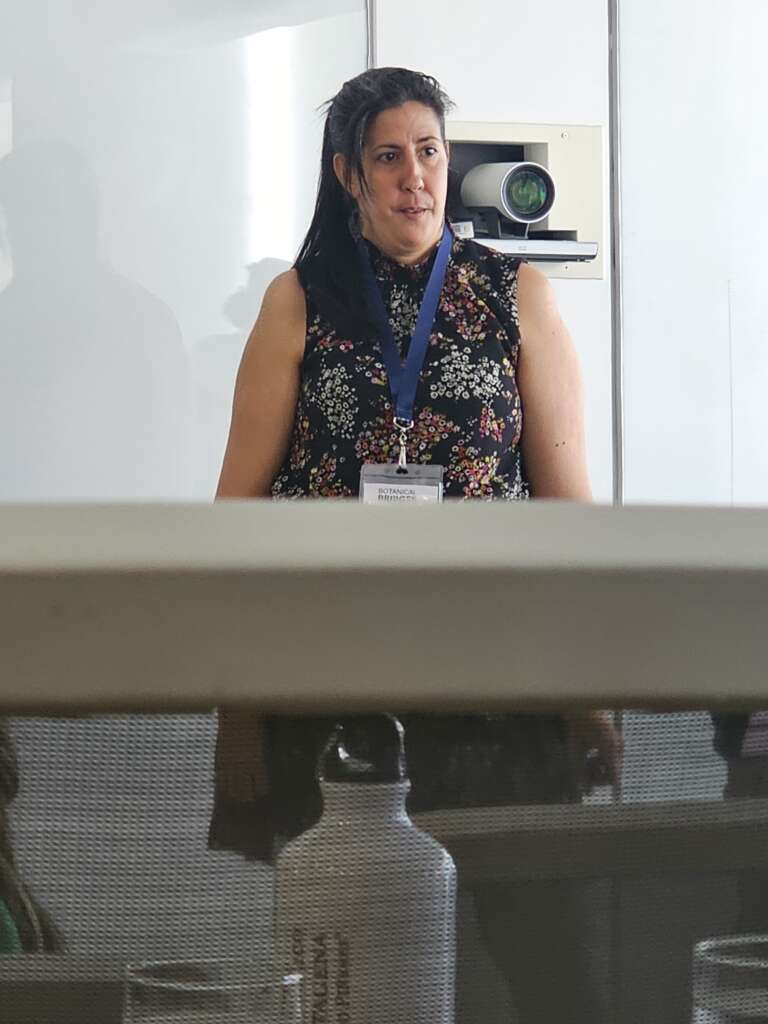
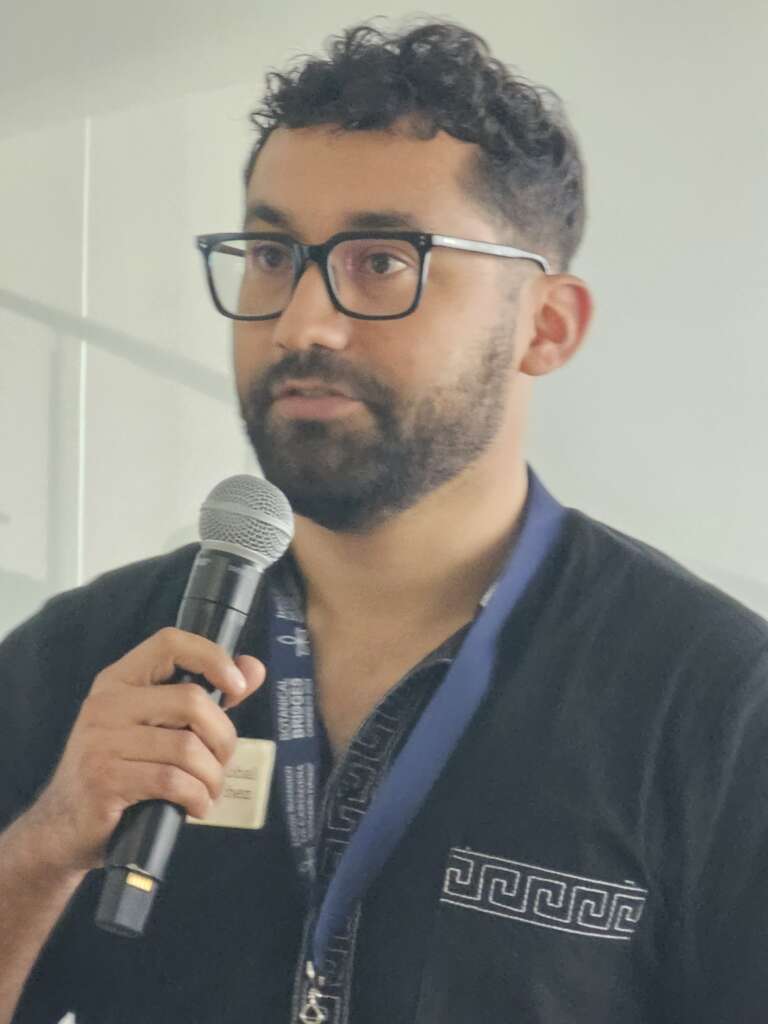
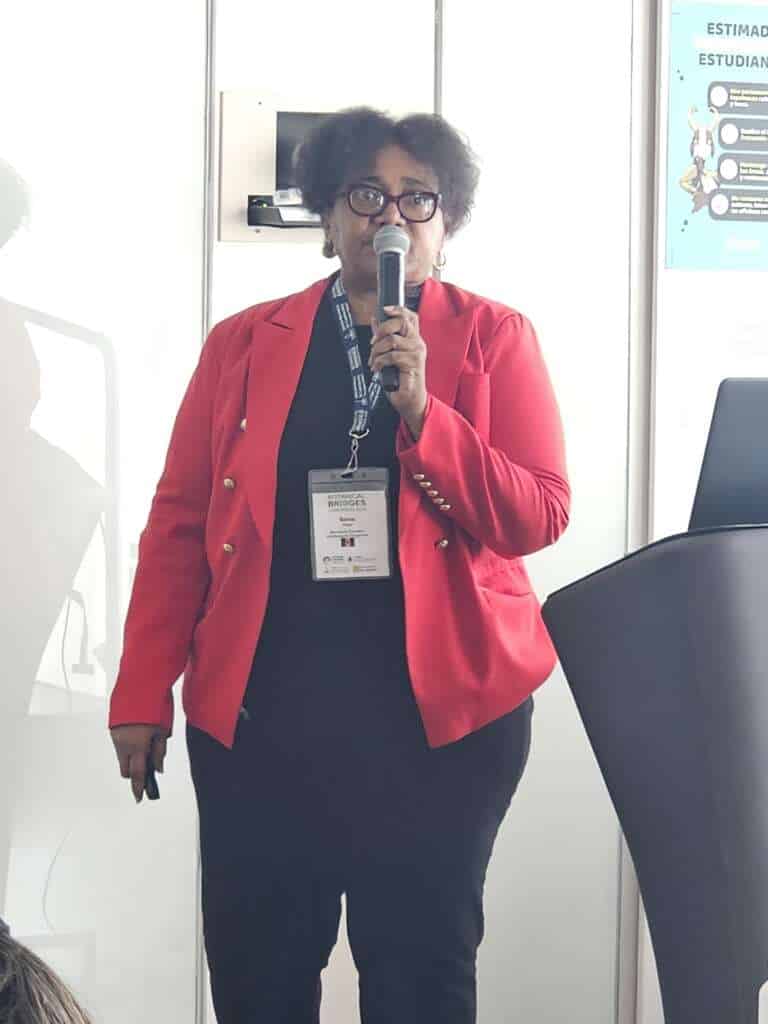
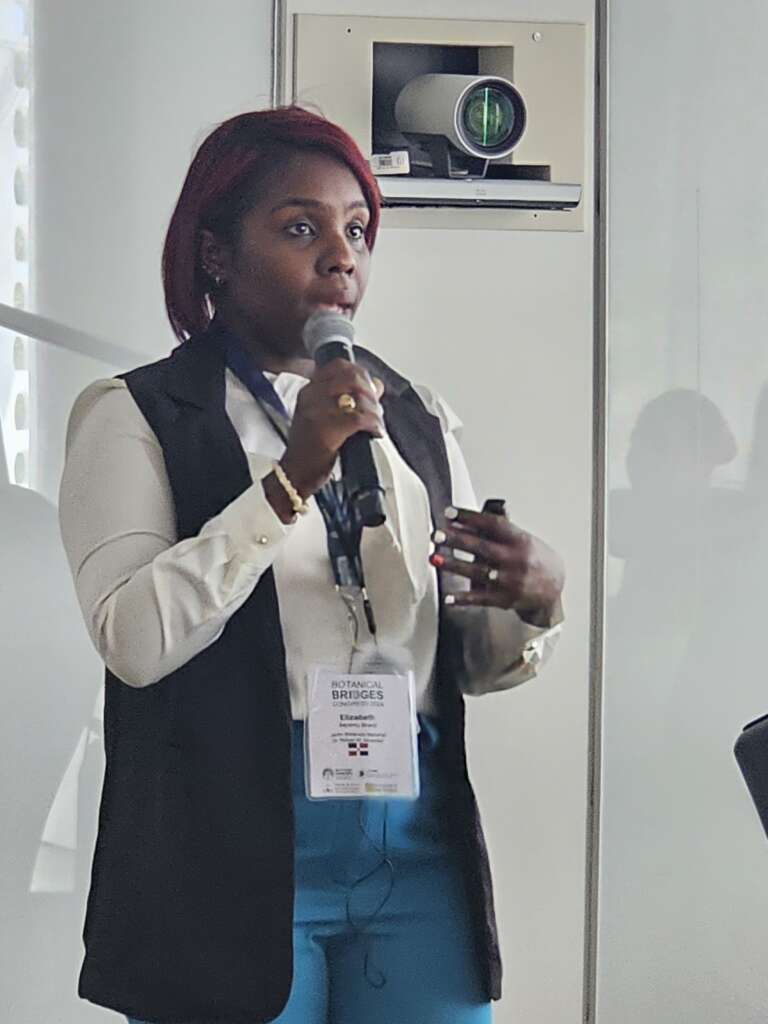
Cartagena, Colombia Feb 2024

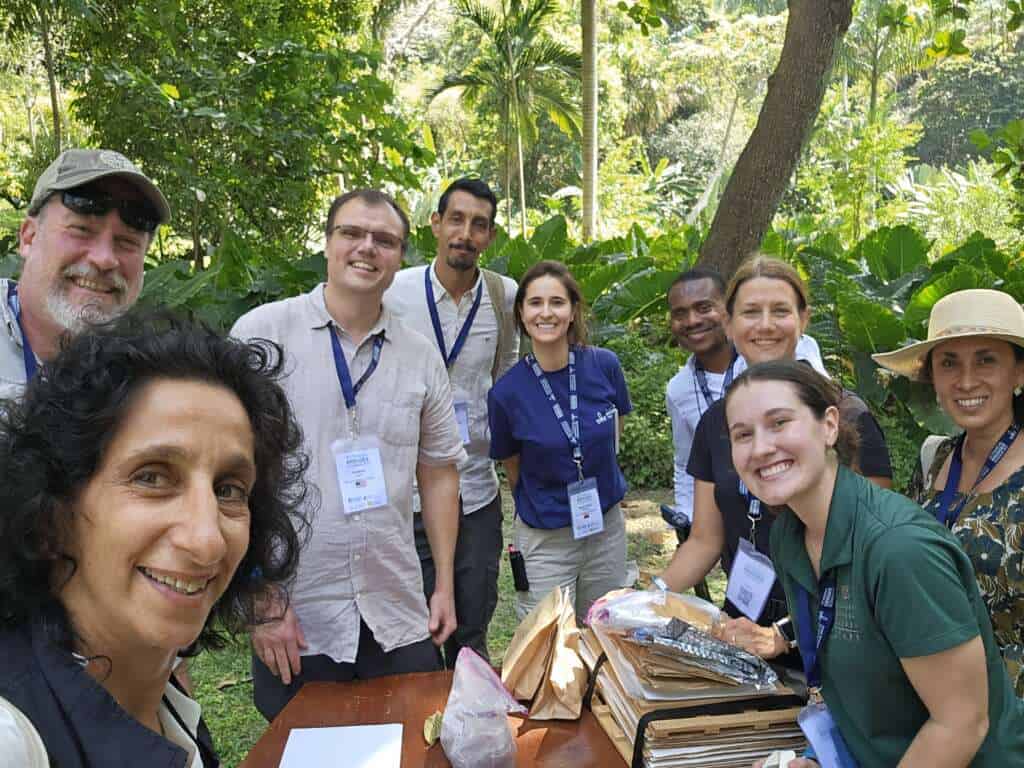
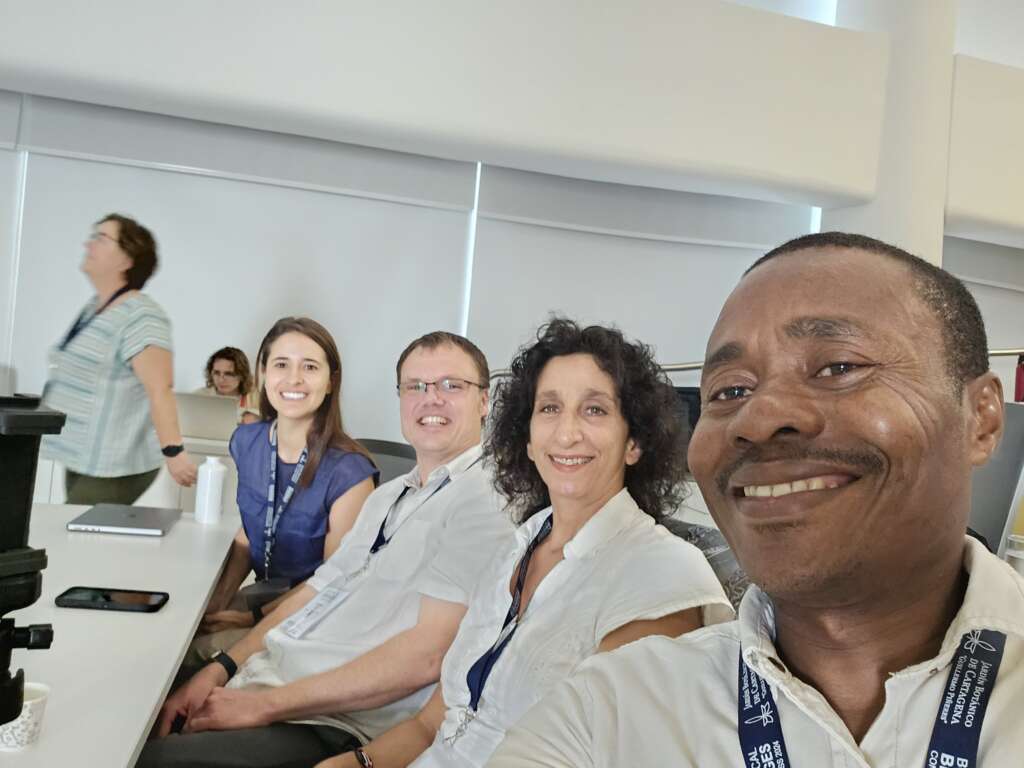
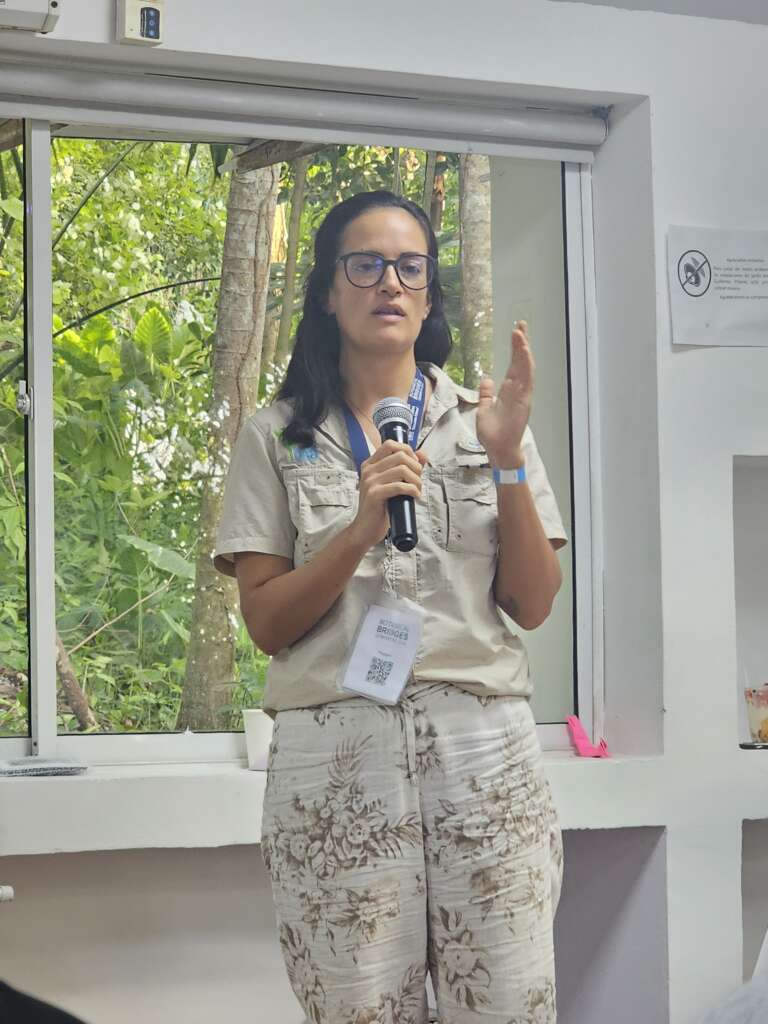
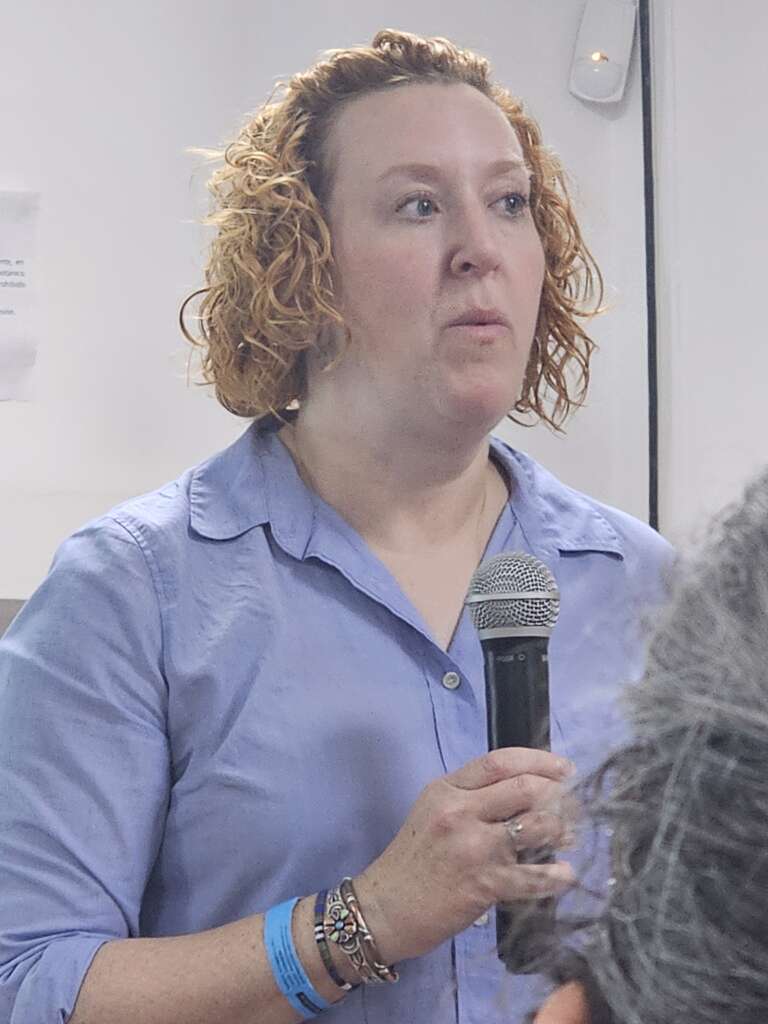
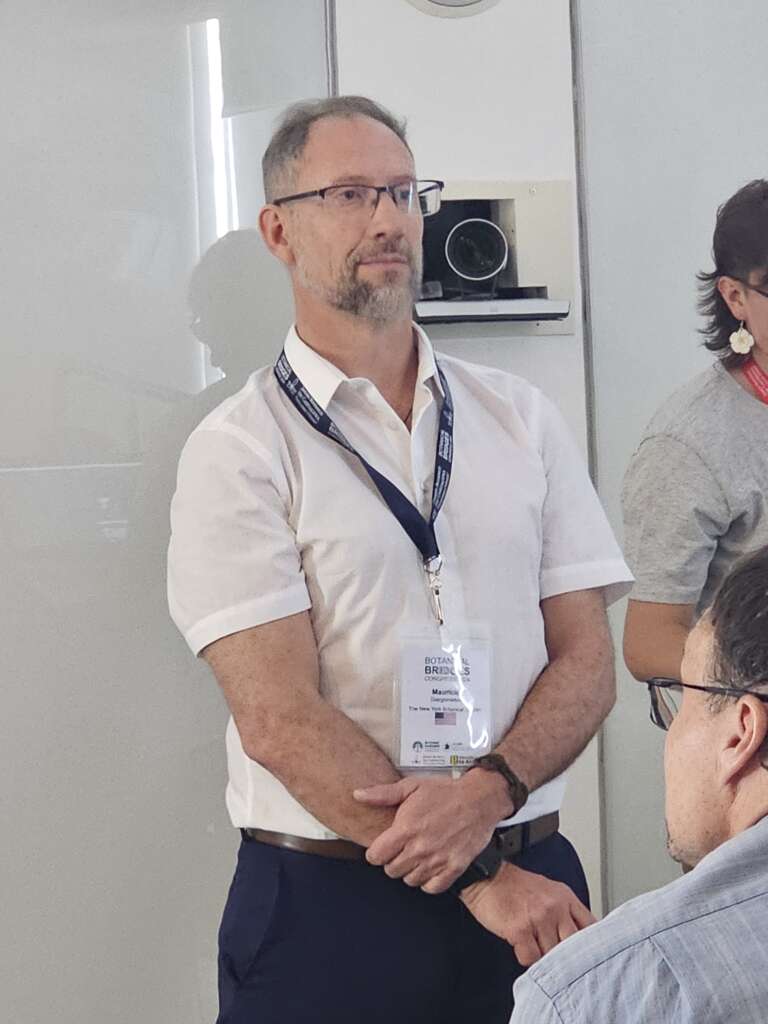
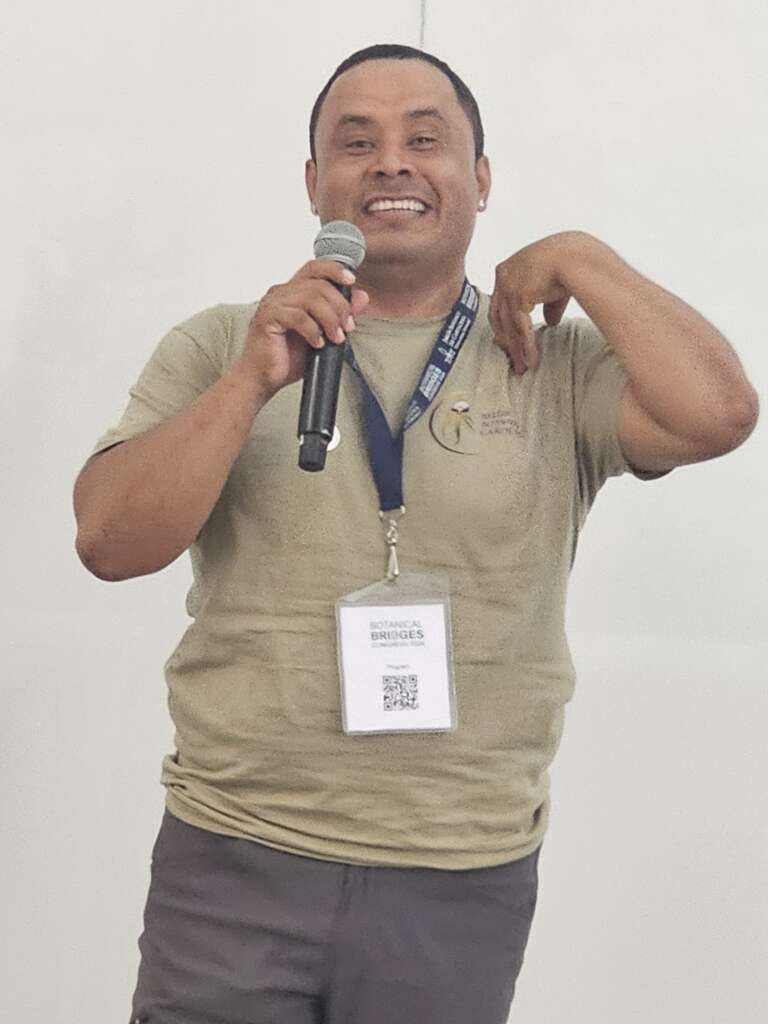
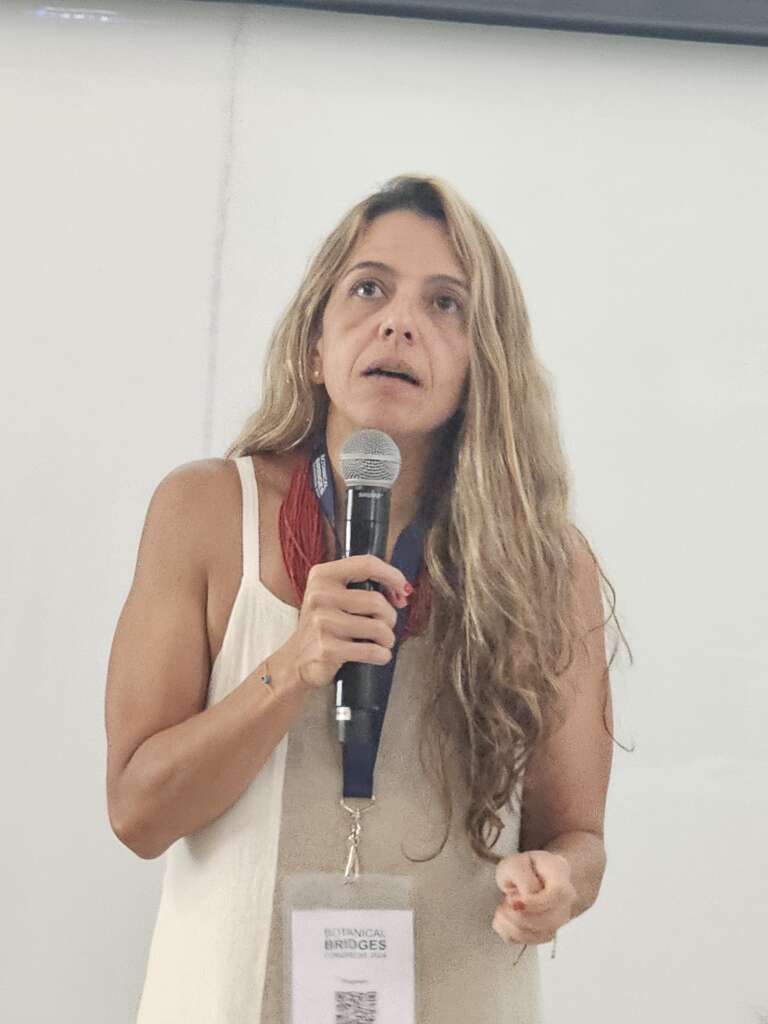
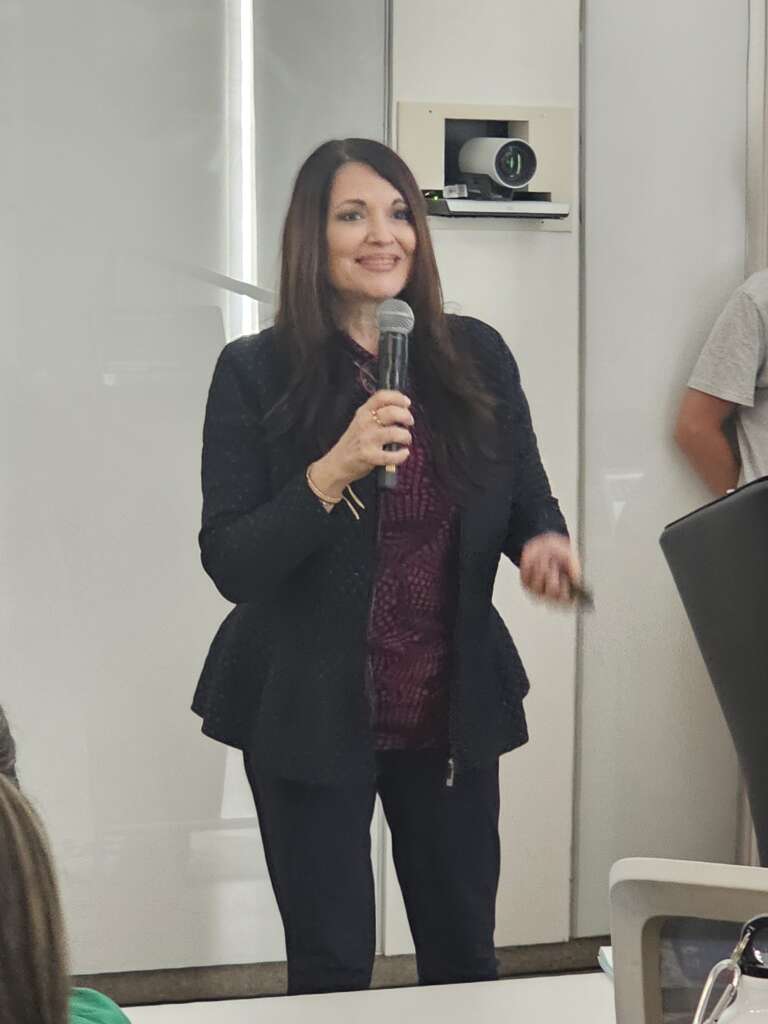
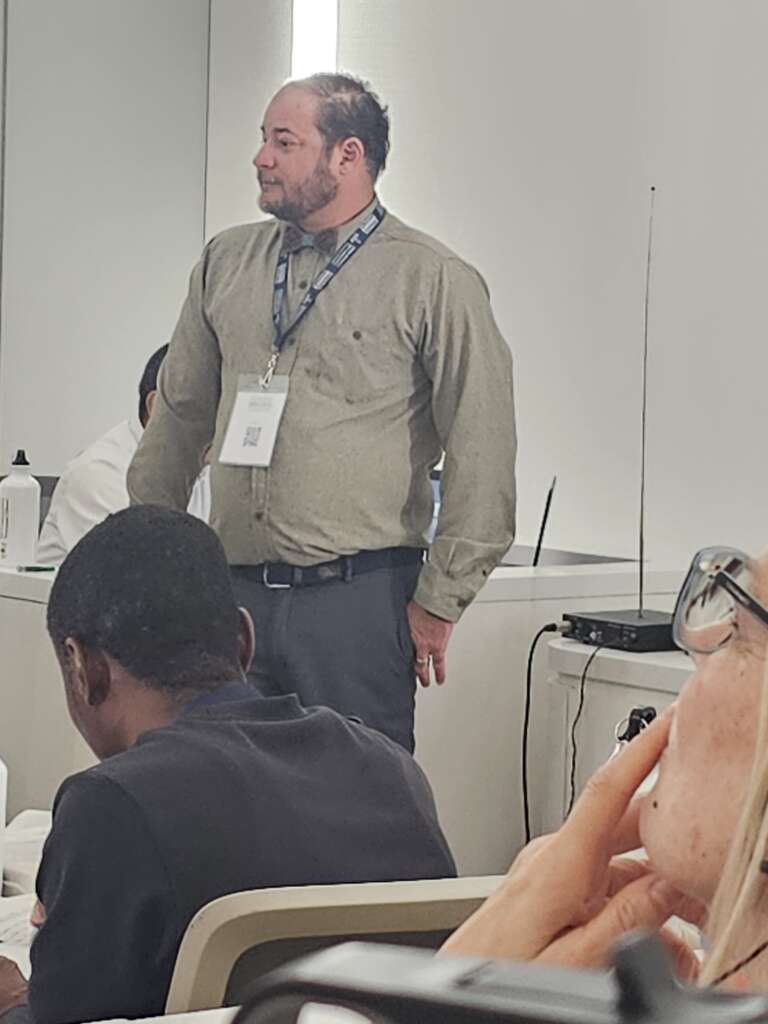
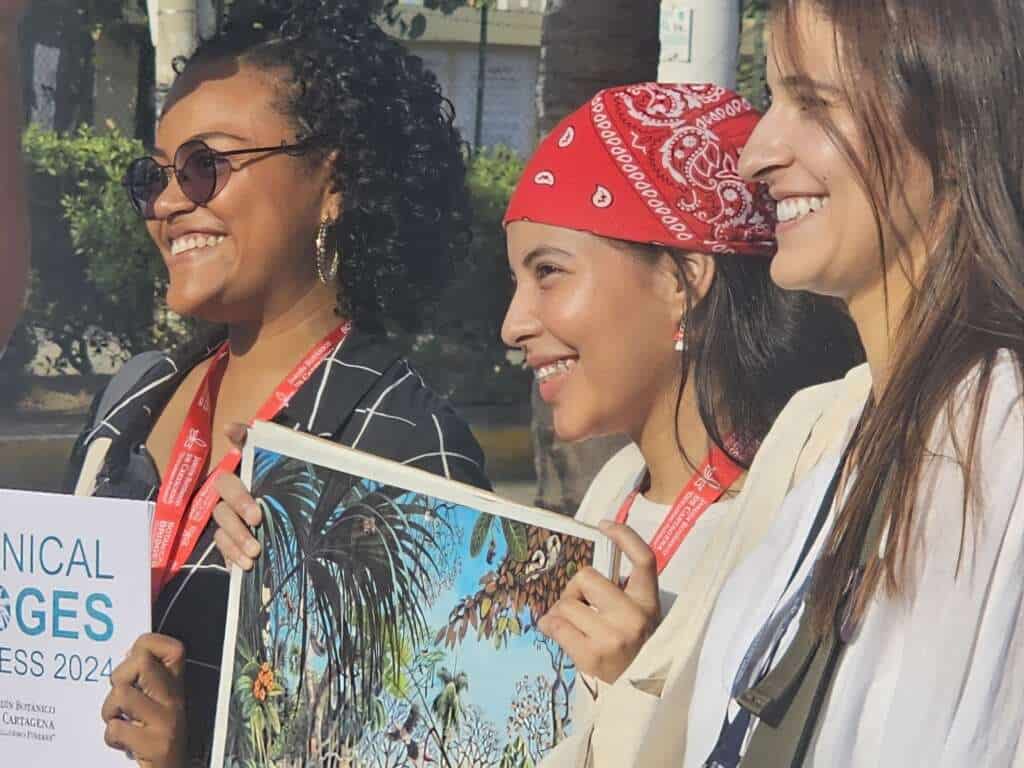
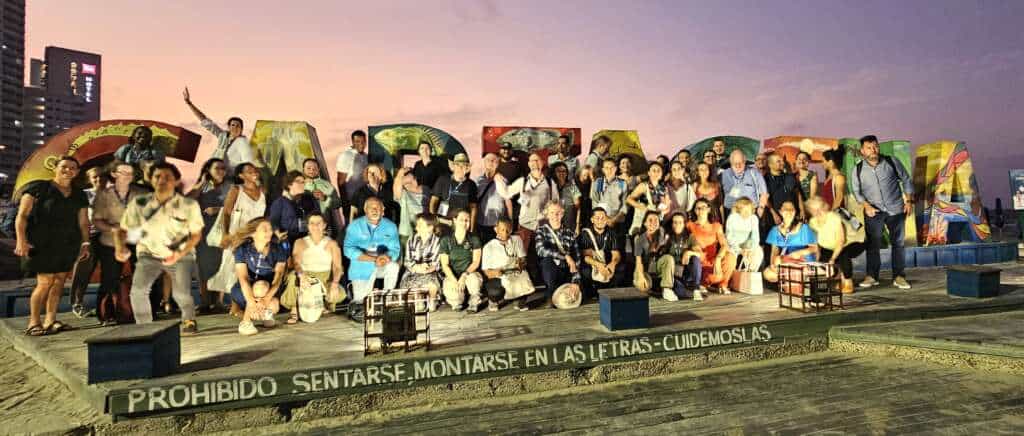
Notes from 3t: I have returned from the heart of Cartagena with renewed vigor and a treasure trove of insights. The Botanical Bridges Congress was not just a gathering; it was a clarion call to those of us dedicated to preserving the rich tapestry of plant diversity in the Caribbean and Central American region. This area, a cradle of unparalleled botanical wealth, hosts species that whisper the ancient tales of our planet’s green heritage, many of which find sanctuary nowhere else on Earth.

Yet, as we stand witness to the relentless threats of habitat destruction, invasive species encroachment, and the ever-looming specter of climate change, the urgency to act becomes ever more pressing. It is within this crucible of challenge that the power of collaboration shines through. The Congress underscored the indispensable role of forging and nurturing connections across the spectrum of institutions dedicated to plant conservation—a united front in the battle to protect our green legacy.

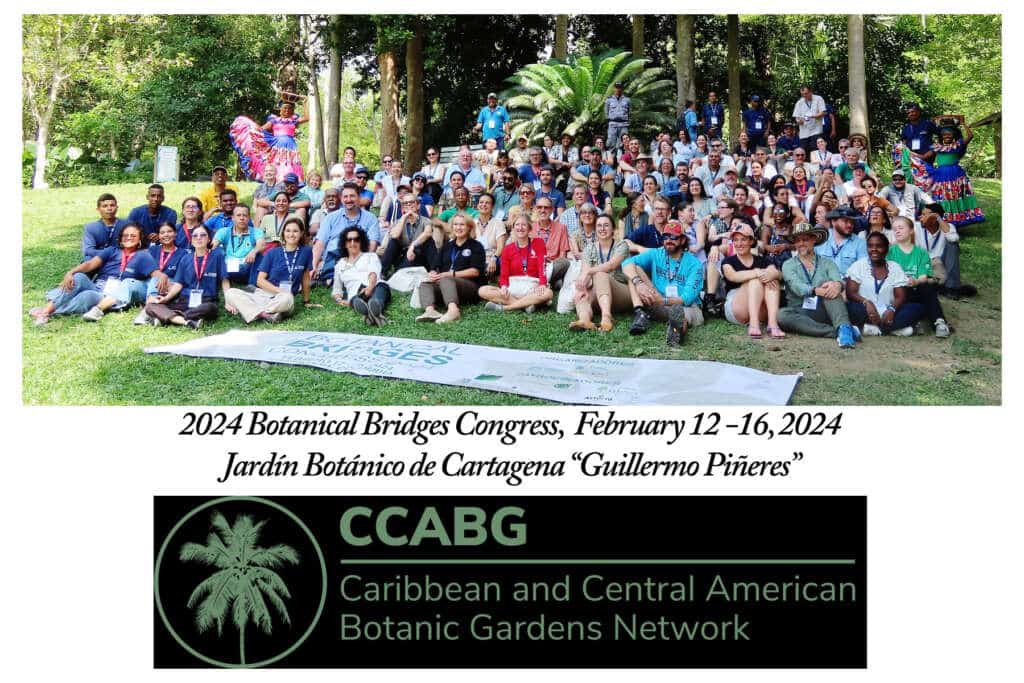
This year’s Botanical Bridges Congress, a testament to the collaborative spirit encouraged by the Caribbean and Central American Botanic Gardens Network (CCABGN) alongside past and present host organizations and the stalwart support of Botanic Gardens Conservation International (BGCI), was a melting pot of ideas, strategies, and shared dreams. The partnership forged in 2019 between Naples Botanical Garden (NBG) and BGCI, further strengthened by the appointment of a dedicated coordinator in 2022, exemplifies the collective commitment to bolstering the botanic garden community’s role in our region’s conservation efforts.

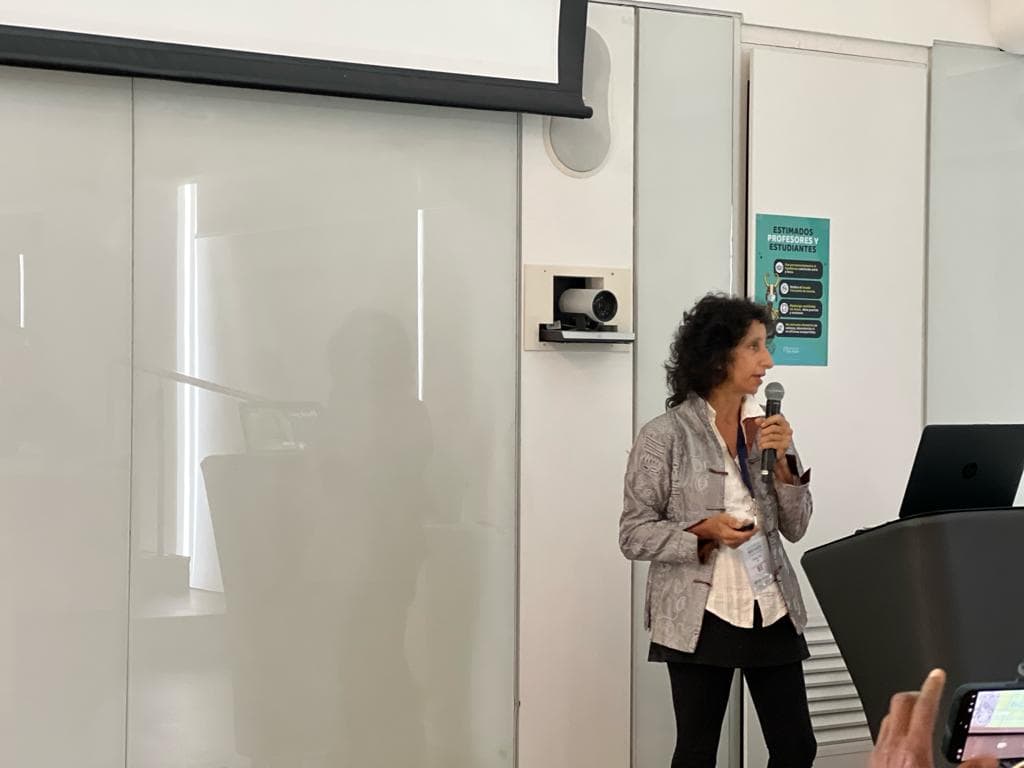
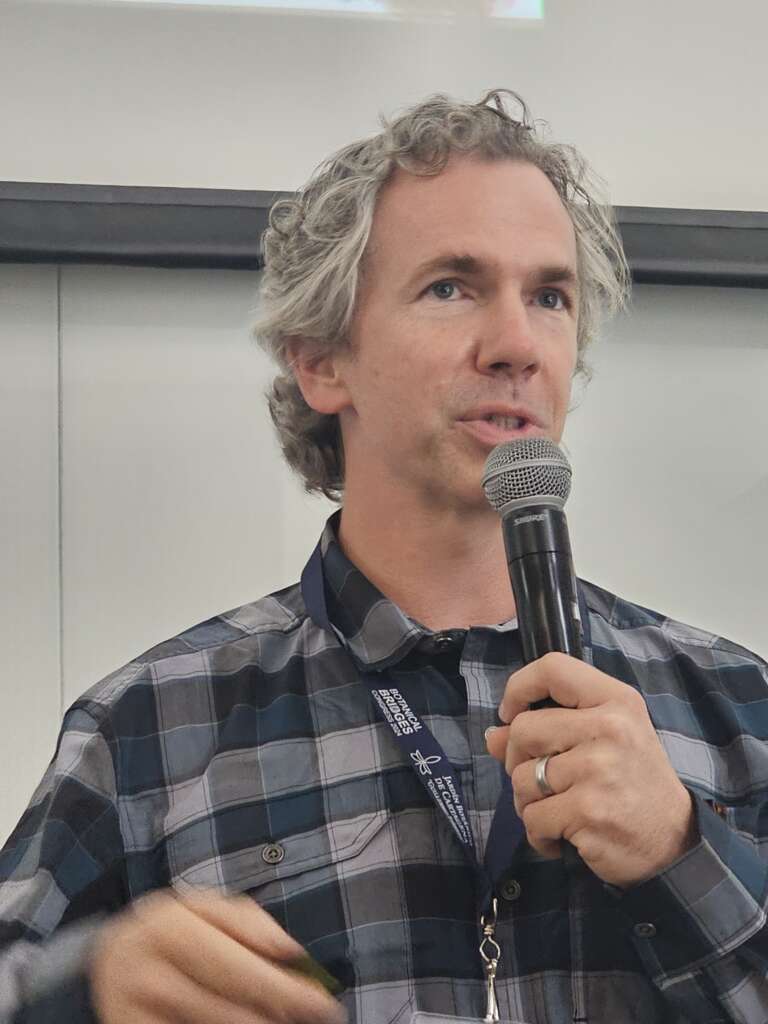
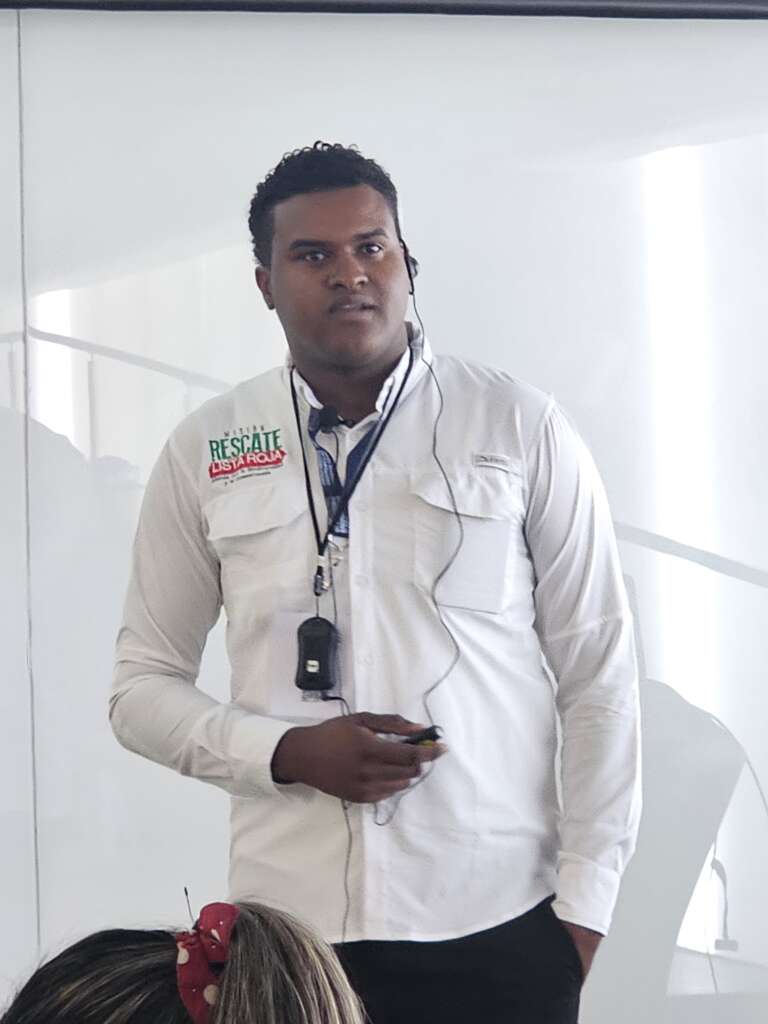
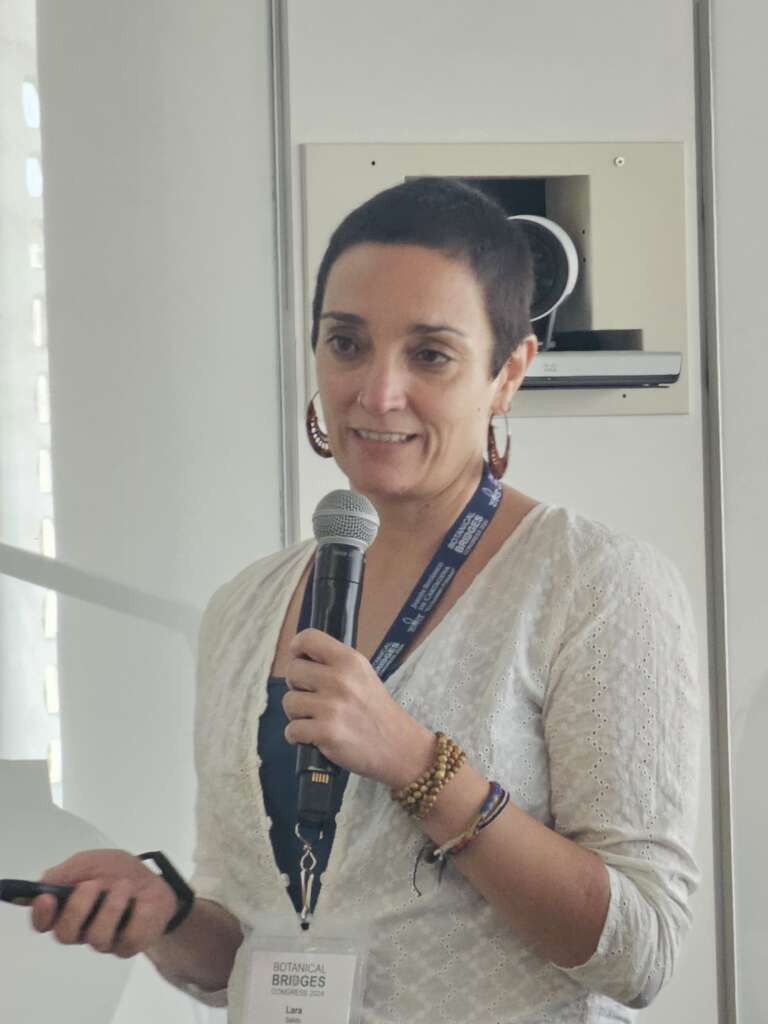
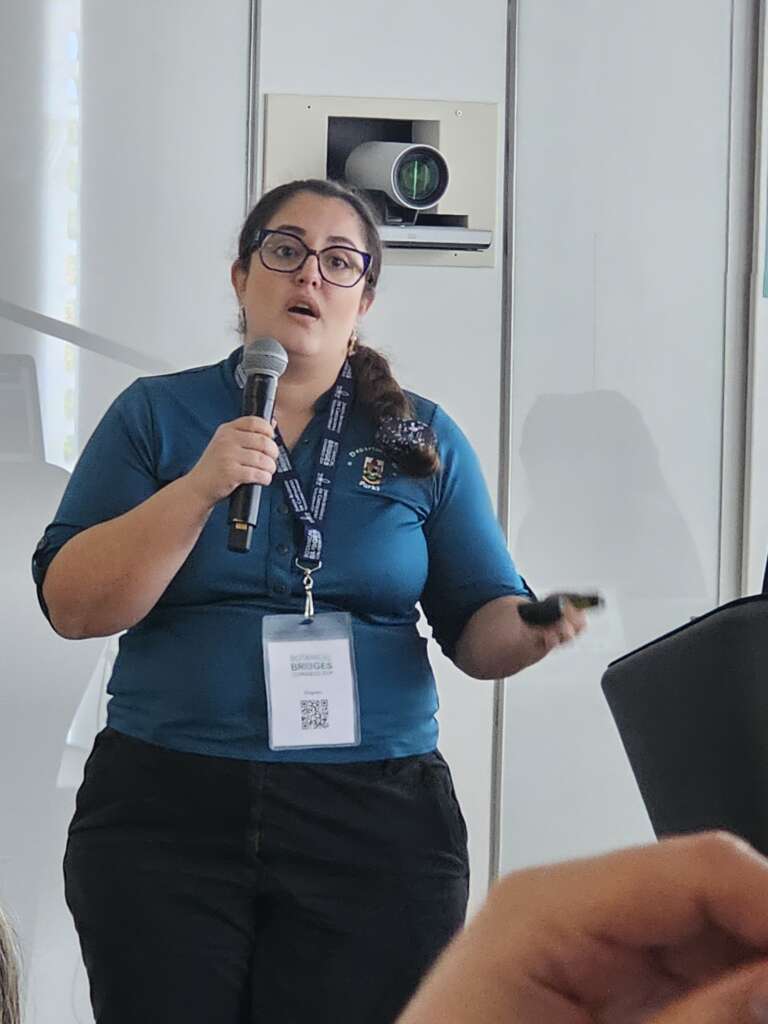
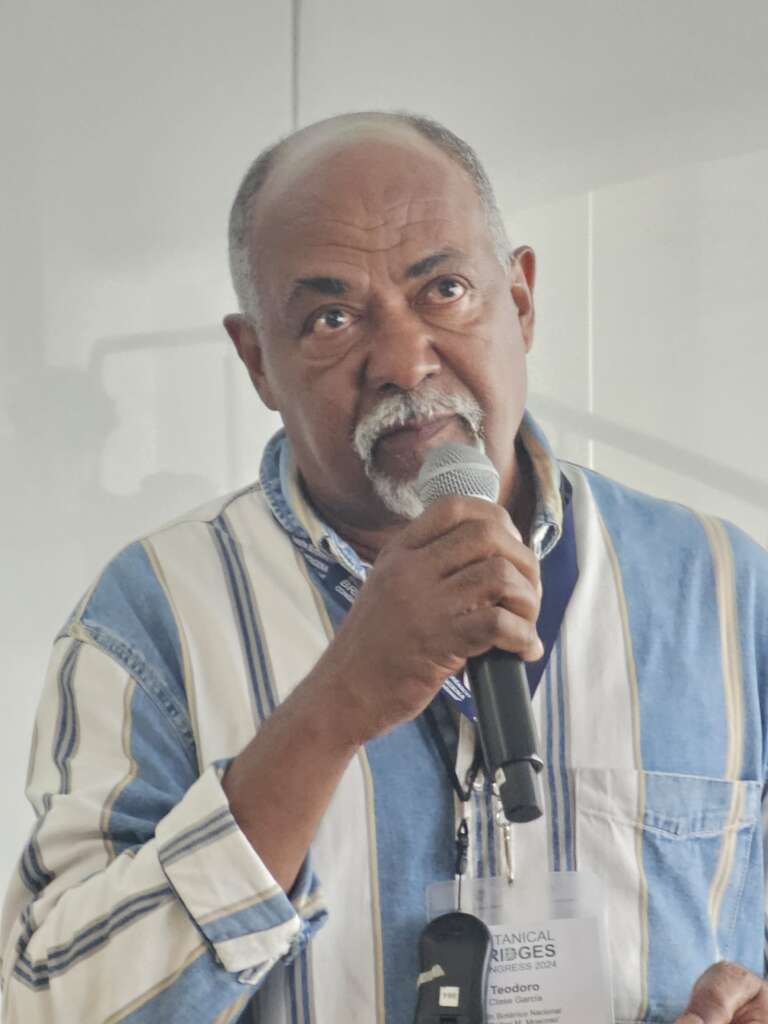
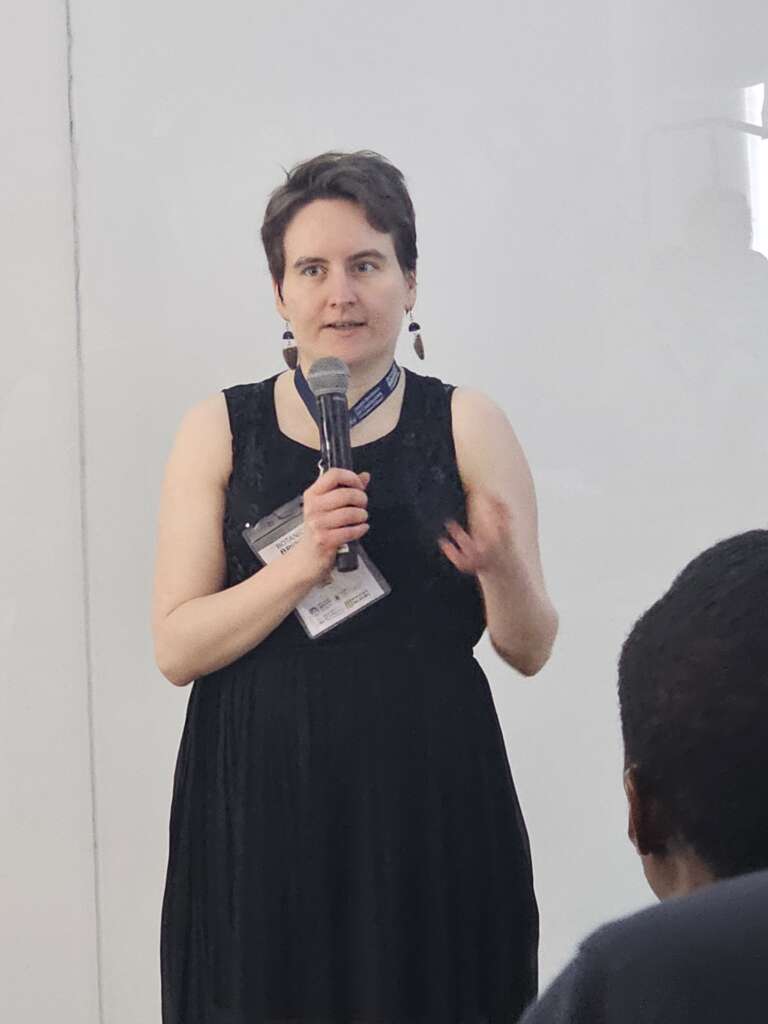
My contribution to this grand dialogue was a presentation entitled “Resilience in the Face of Natural Disasters: Conservation Efforts and Challenges for Endangered Endemic Species at Eye On The Rainforest,” aimed at casting a spotlight on the critical yet often overlooked aspect of our work: the resilience and recovery of ecosystems in the aftermath of natural calamities, such as 2017’s Hurricane Maria, and 2022’s Hurricane Fiona. Sharing our experiences and lessons learned, we delve into the essence of what it means to protect and nurture the fragile bastions of biodiversity that are endemic species.

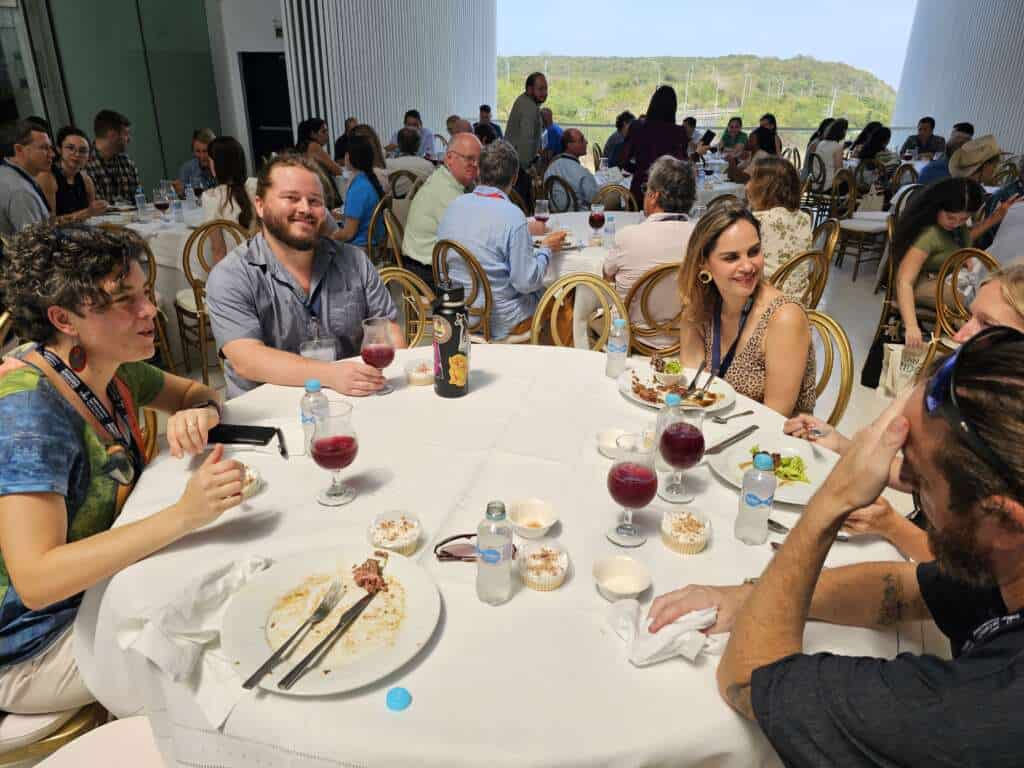
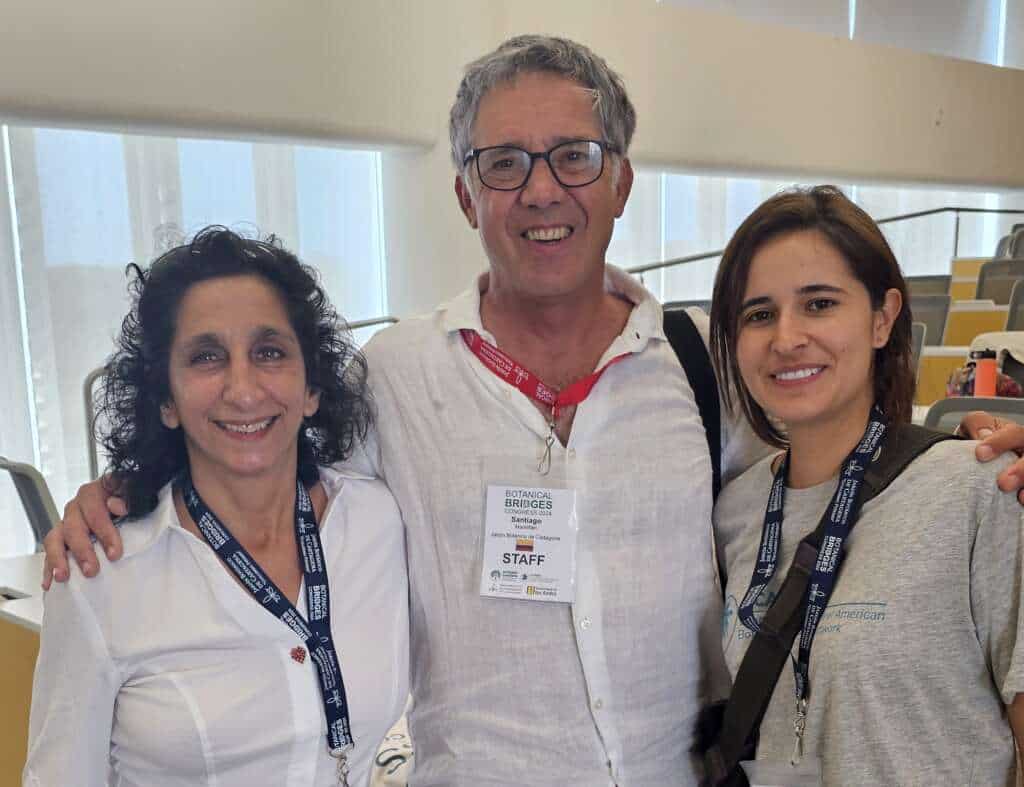
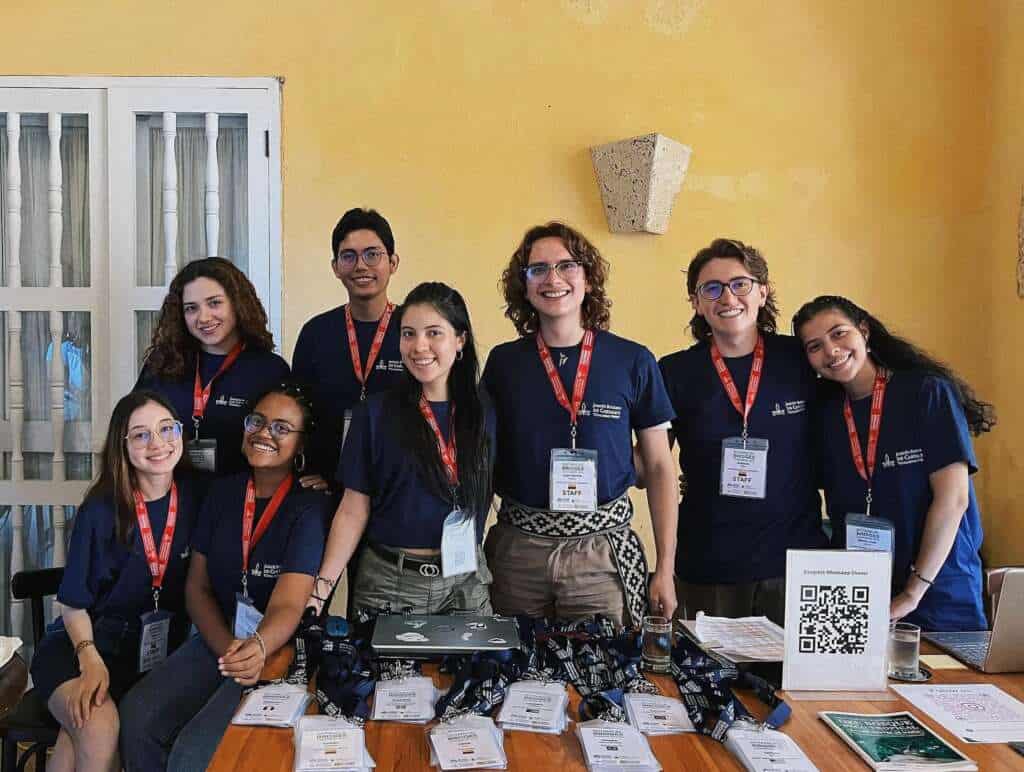
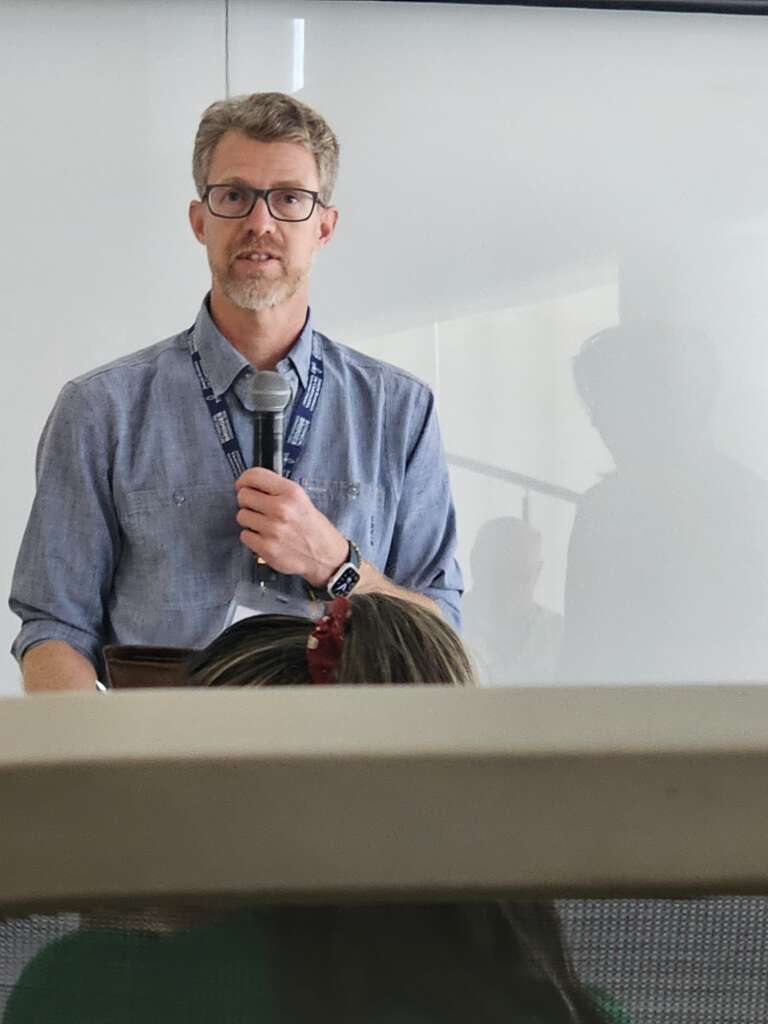
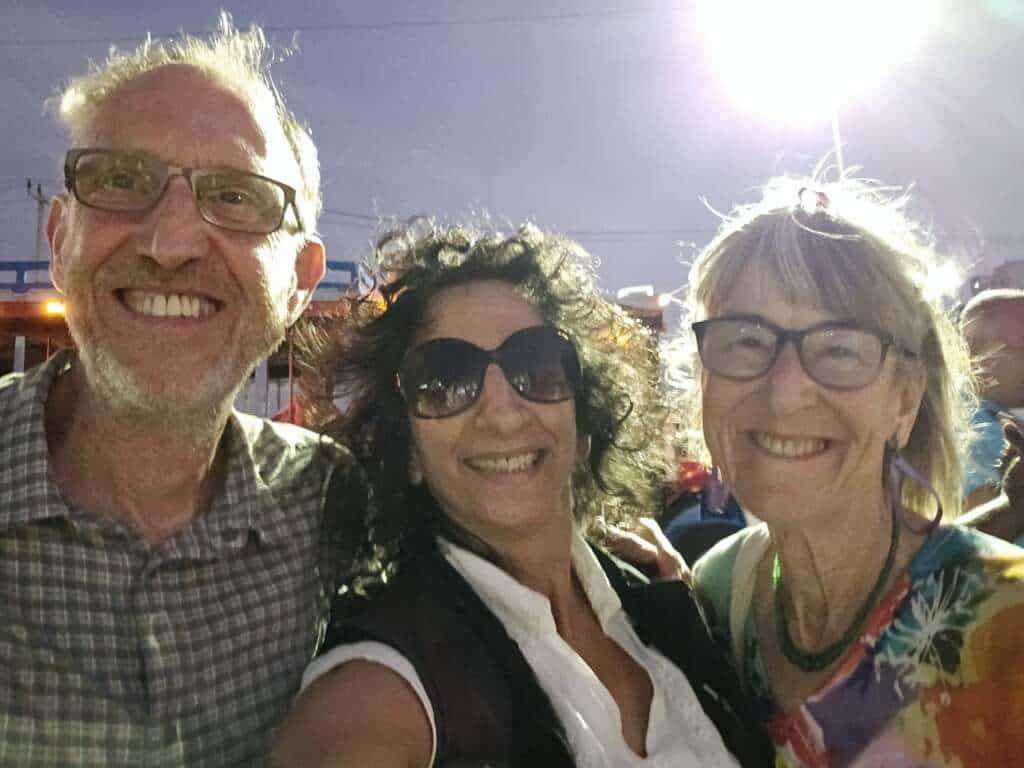
The congress was an extraordinary confluence of minds and missions, and my heart is full of gratitude for our gracious hosts, Santiago Madrinan and Maria Contreras, leaders of Jardín Botánico de Cartagena “Guillermo Piñeres, and their diligent and extremely fun team of students from the university. Their hospitality and meticulous planning set the stage for a truly impactful gathering. The food was spectacular!


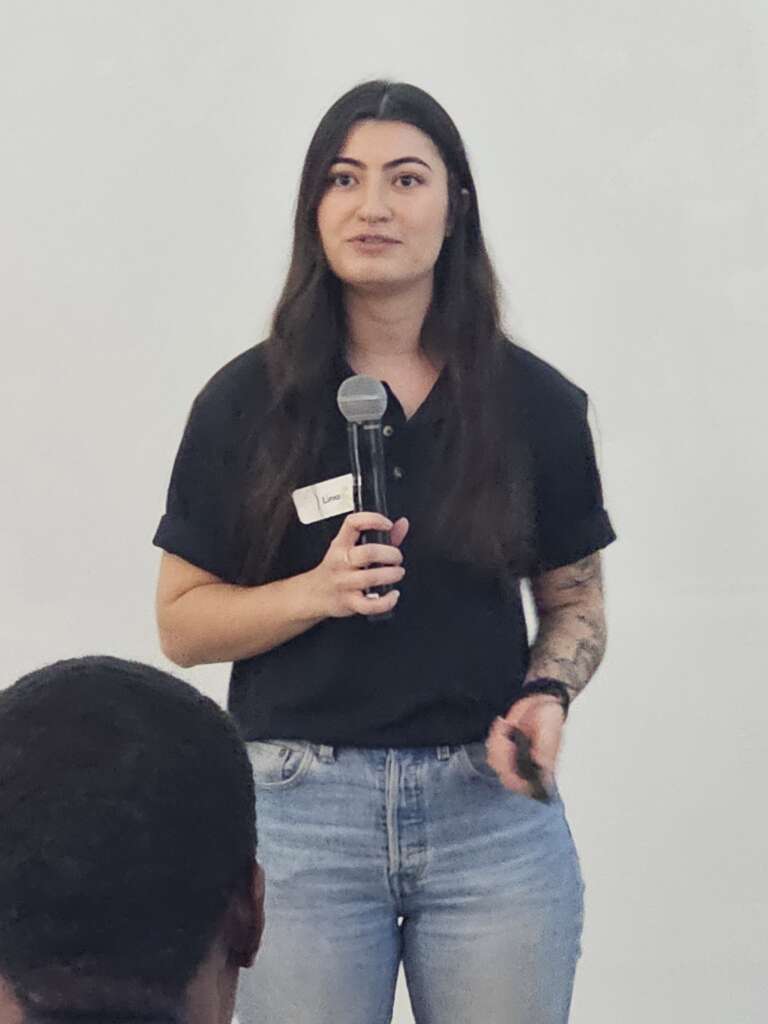
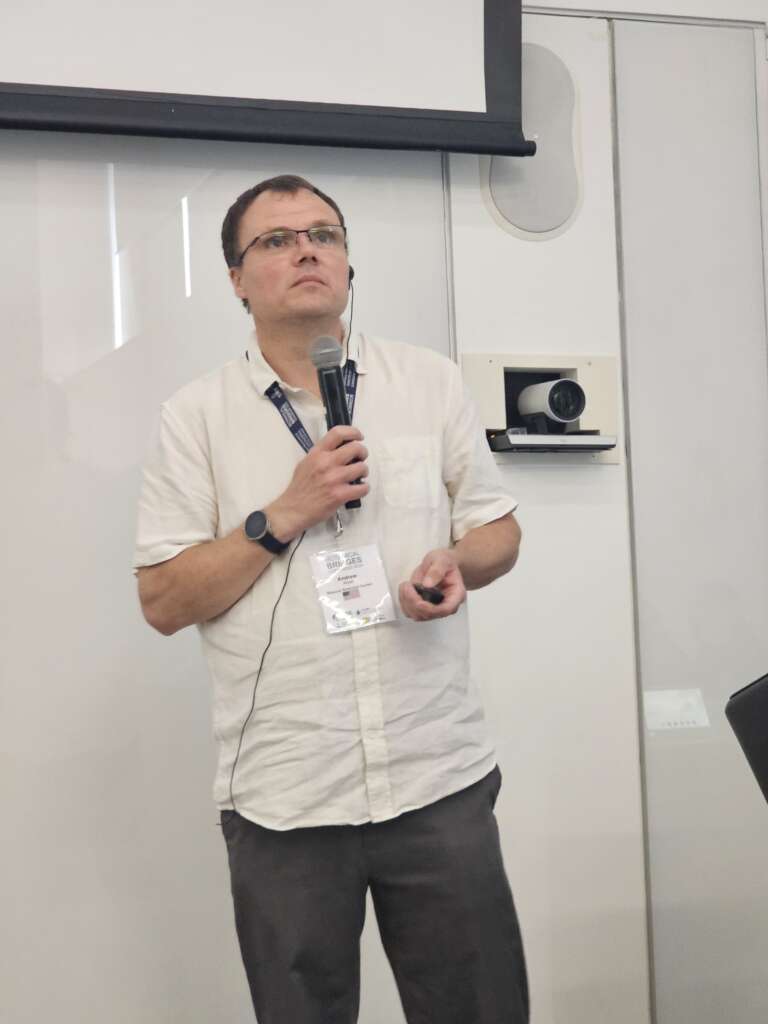
Special thanks are also due to Chad Washburn (NBG), Noelia Alvarez (BGCI), Lina Ramirez (BGCI), and Andrew Wyatt (Missouri Botanical Gardens), whose support made my participation possible, covering the logistical necessities that often pose barriers to sharing our voices and visions. Also, thanks to Patricia Malcolm (BGCI), who has been key in accepting our proposals for continued work with endangered endemic species in Puerto Rico.

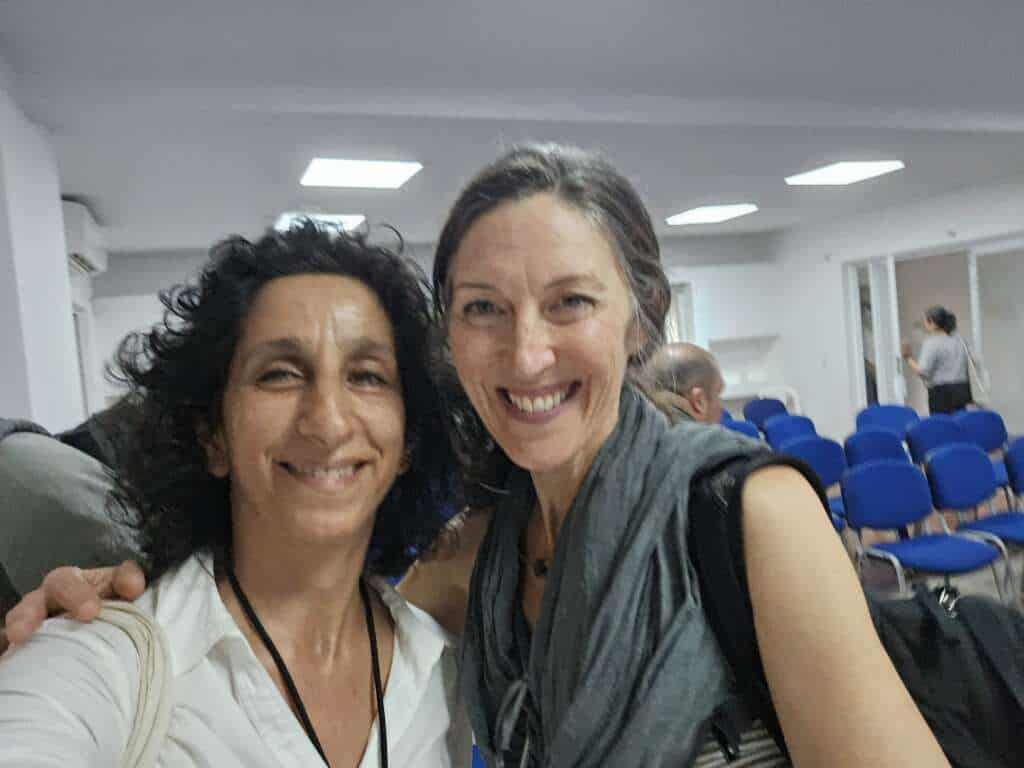
As I reflect on the experiences of the past five days, the conversations, the learning, and the shared commitment to our cause, I am filled with hope. I have met some wonderful people here. Together, under the banner of #BotanicalBridges, we move forward, united in our dedication to plant conservation and the belief that, through collaboration, we can secure the future of our planet’s botanical wonders for generations to come.

Thank you all!!

Conservation in Patillas, Jan 2024


In the realm of botanical conservation, Thrity (3t) Vakil, serving as the director of Tropic Ventures Research & Education Foundation (TVREF), has been at the forefront of a significant project aimed at safeguarding endangered endemic tree species in Puerto Rico. Under her leadership, TVREF, in collaboration with Botanic Gardens Conservation International (BGCI) and the Global Tree Campaign (GTC), embarked on an ambitious initiative to conserve two of Puerto Rico’s threatened endemic tree species: Palo de Cruz, Garcinia portoricensis (Clusiaceae) and Tortugo Prieto Ravenia urbani (Rutaceae).

The conservation project’s genesis can be traced back to 2021, when the Naples Botanical Garden in Florida secured a grant from the Association of Zoological Horticulture. This funding was pivotal for constructing a new tree nursery at Las Casas de la Selva in Patillas, Puerto Rico, addressing a critical need following the destruction wrought by Hurricane Maria in 2017, which decimated the existing tree nurseries. The partnership with BGCI and the GTC, formalized through a 2021 agreement, significantly enhanced the project’s scope and potential impact.

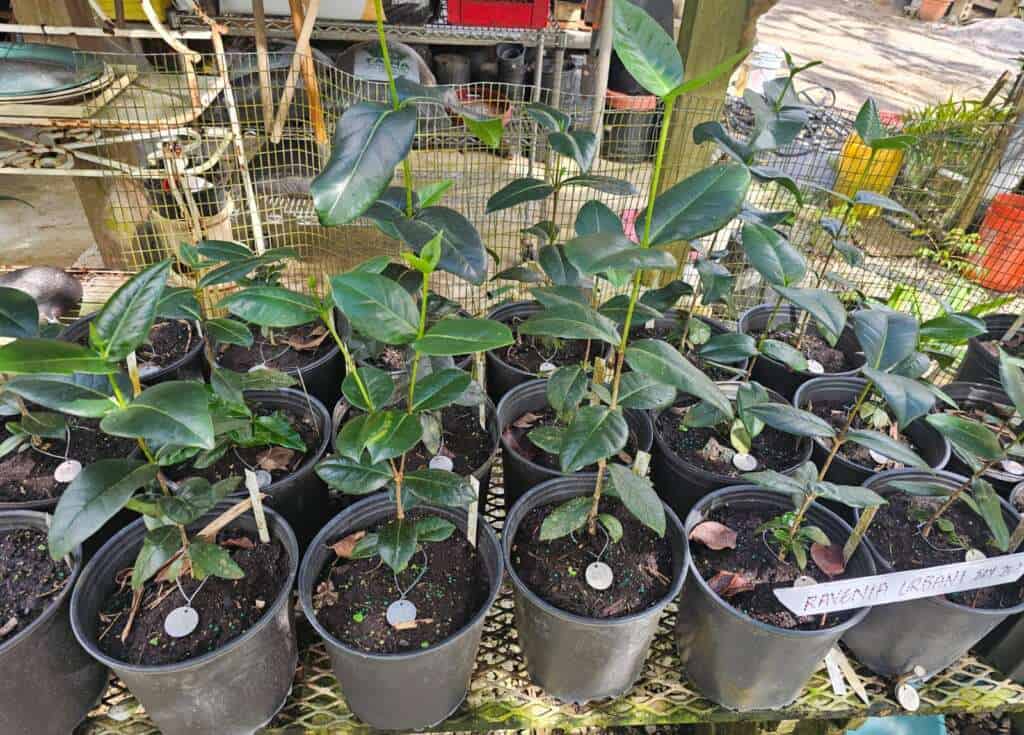
Garcinia portoricensis is growing in the nursery at Las Casas de la Selva. Dec 2023

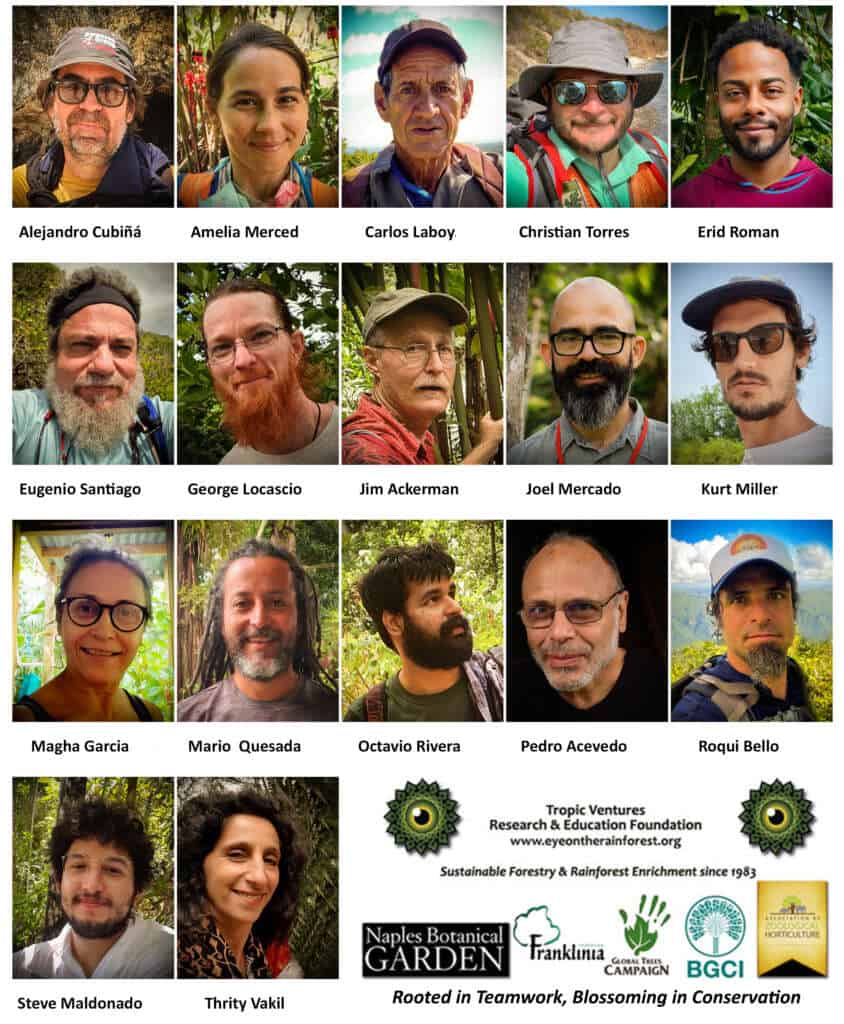
3T brought together a world-class multidisciplinary team of specialists in various fields, including plant and tree sciences, ecology, agronomy, biology, taxonomy, bryology, pteridology, mycology, lepidoptery, lichenology, and zoology.

The team was tasked with advancing the project’s objectives within the 930-acre forest property in the southeast mountains of Puerto Rico, adjacent to the Carite State Forest, known as Las Casas de la Selva. This property, established in 1983, is recognized as a certified stewardship forest and operates under an approved forest stewardship management plan. It is designated as an auxiliary forest. The team also carried out botanical expeditions to other areas on the island of Puerto Rico.


The project, under 3T’s guidance, has updated conservation assessments, mapped populations, established an ex-situ collection, created propagation protocols, and will implement in-situ conservation programs. Educational initiatives targeting local schools and the development of an integrated action plan for national authorities are also key components of the project’s strategy.

3T’s leadership in this collaborative conservation effort stands as a testament to the potential for positive impact on the preservation of endangered endemic trees in Puerto Rico. As 2024 progresses, the collective efforts of TVREF, BGCI, NBG, GTC, and other partner organizations are poised to contribute significantly to the long-term survival of Garcinia portoricensis and Ravenia urbani, securing their legacy for future generations. January 2024

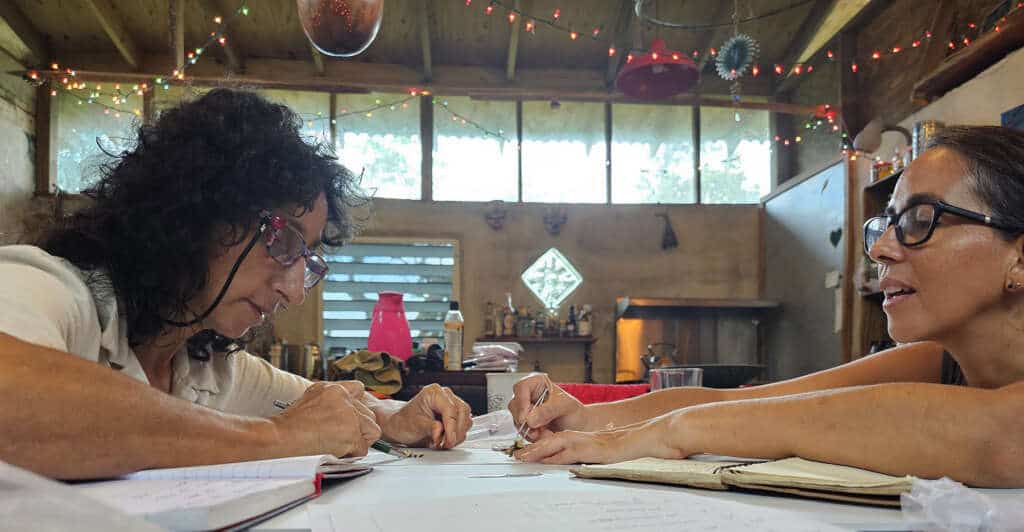
Thrity Vakil & Amelia Merced extracting seeds from the seed cases of Ravenia urbani

Links:

Securing the conservation of endemic trees in Puerto Rico

Eye on the Rainforest’s Conservation Endeavors in Puerto Rico | Botanic Gardens Conservation International (bgci.org)

Meet three Naples Botanical Garden partners to understand the environmental pressures they face, the ways in which they are striving to make a difference, and why NBG champions their causes. September 2021. Go to Pages 16-18, to read about the work we are doing with endangered endemics
Conserve Magazine Pages 16-18.pdf

Translate »