Horticulture

Conservation milestone for Cornutia obovata, critically endangered endemic.

From sapling to seed: a conservation milestone for Cornutia obovata, critically endangered Puerto Rican endemic.

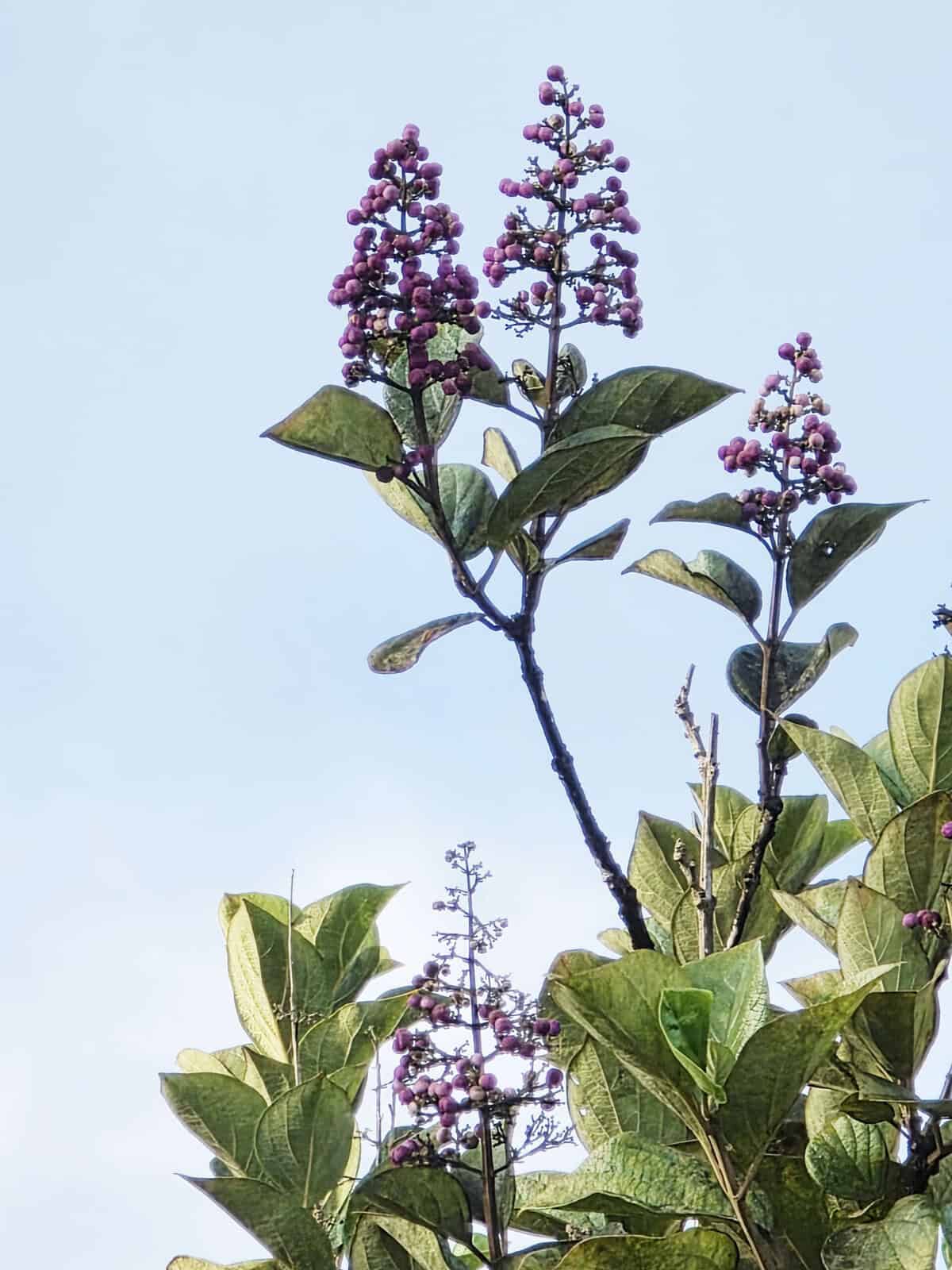
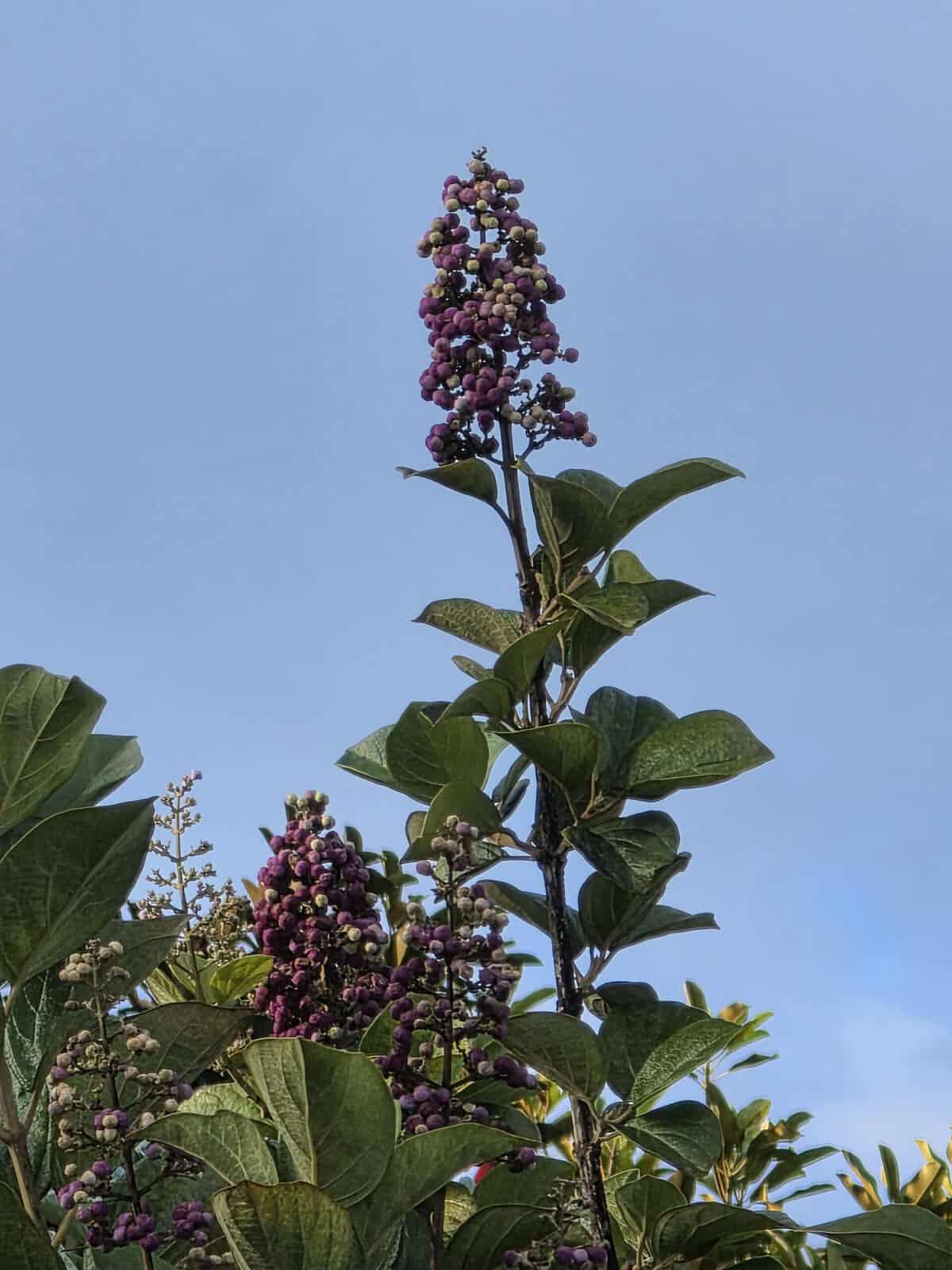
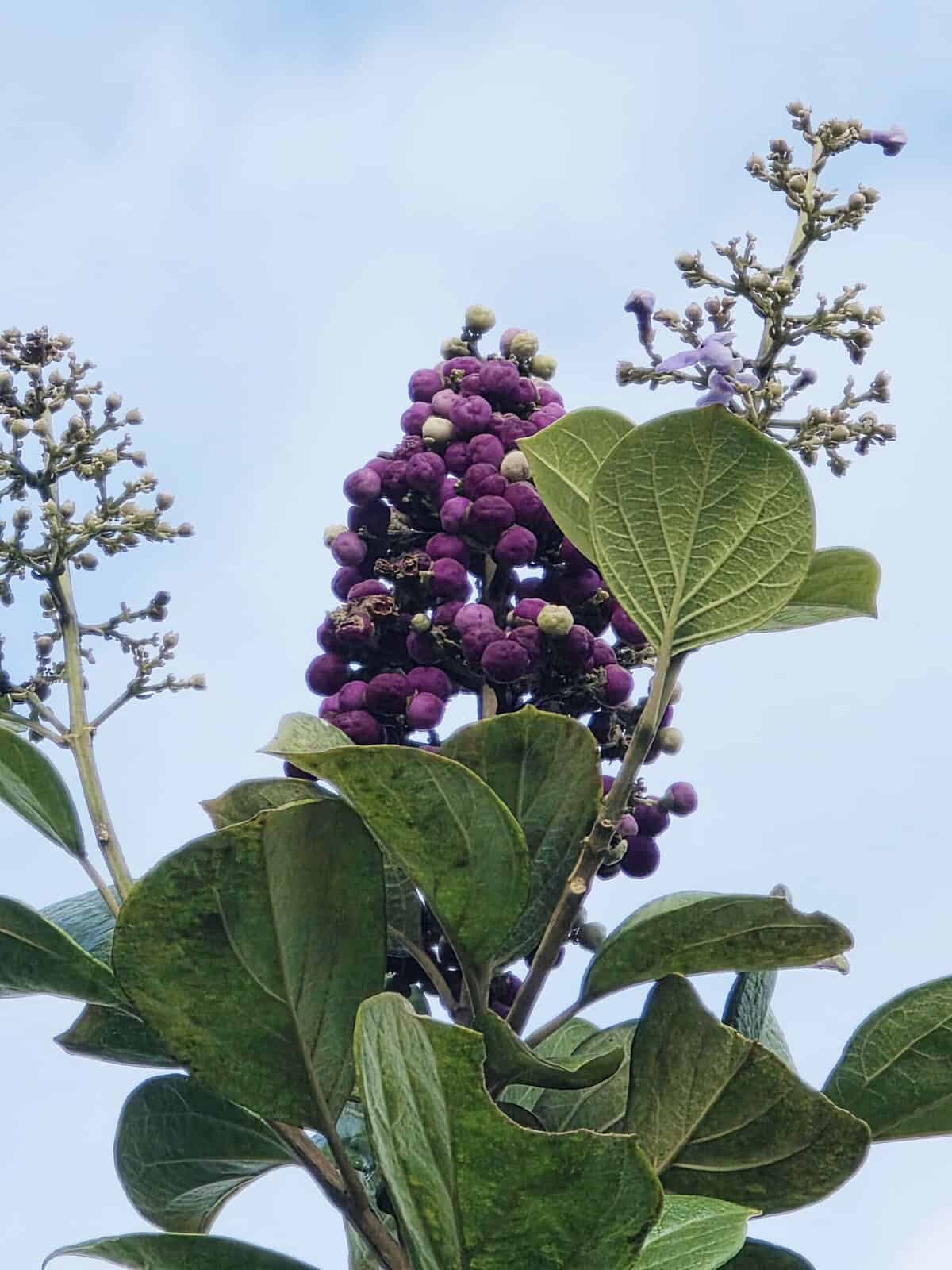
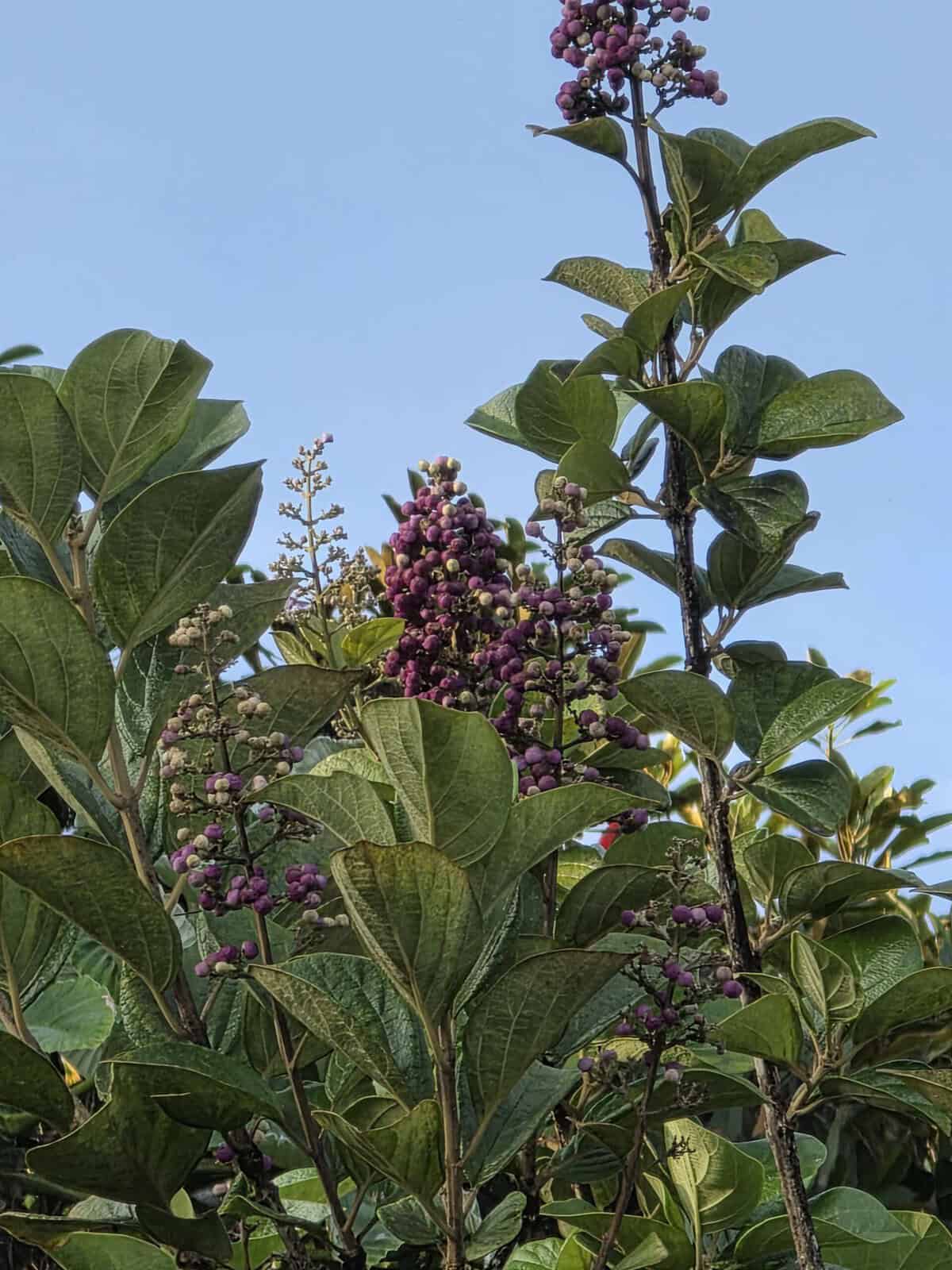
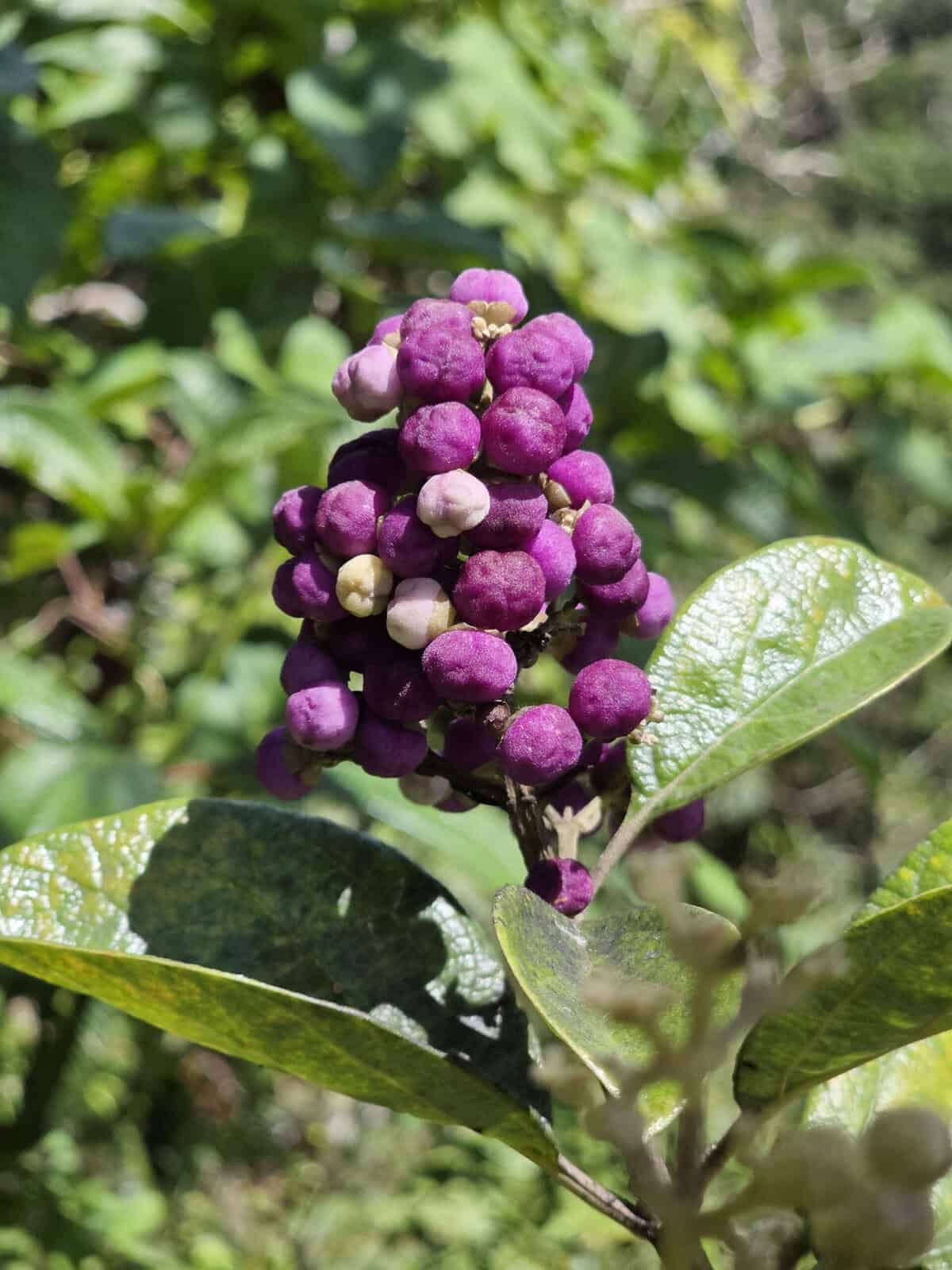
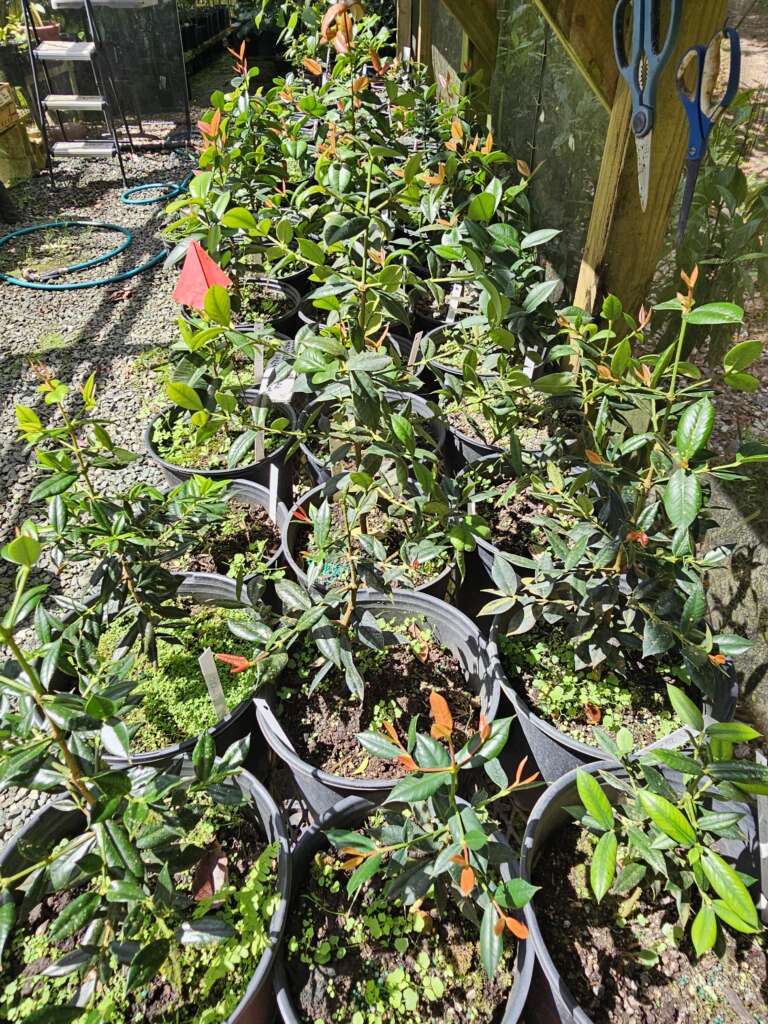
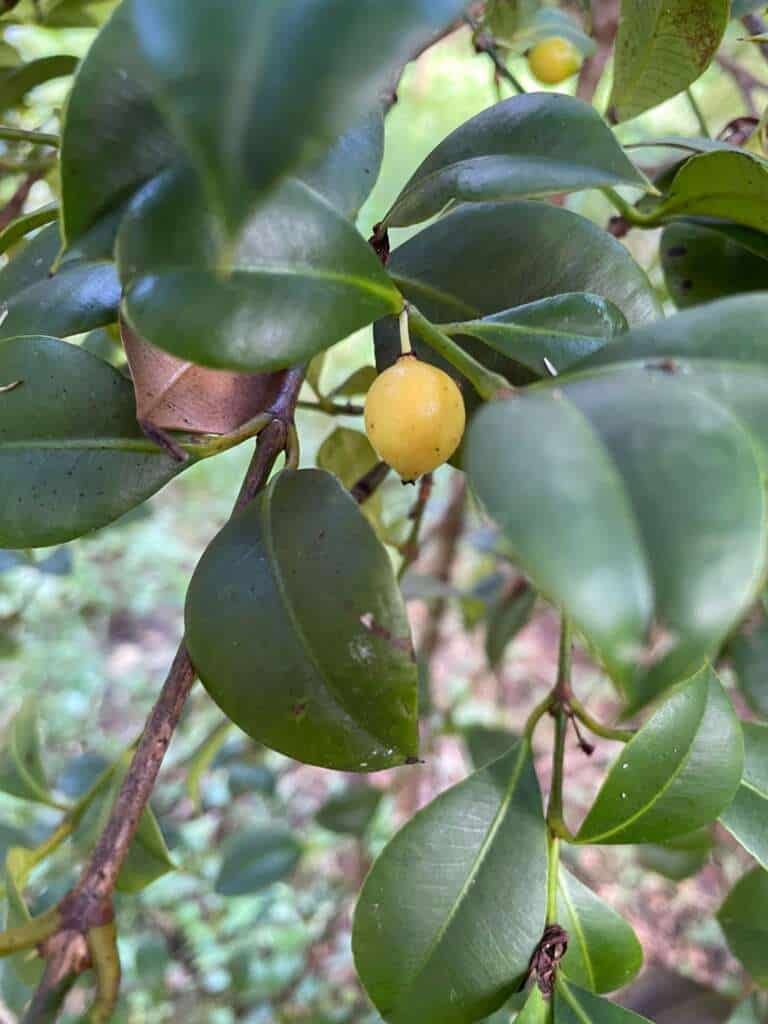
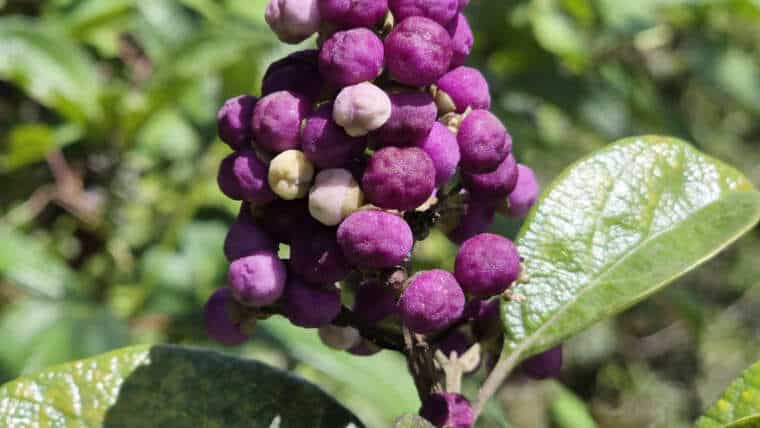
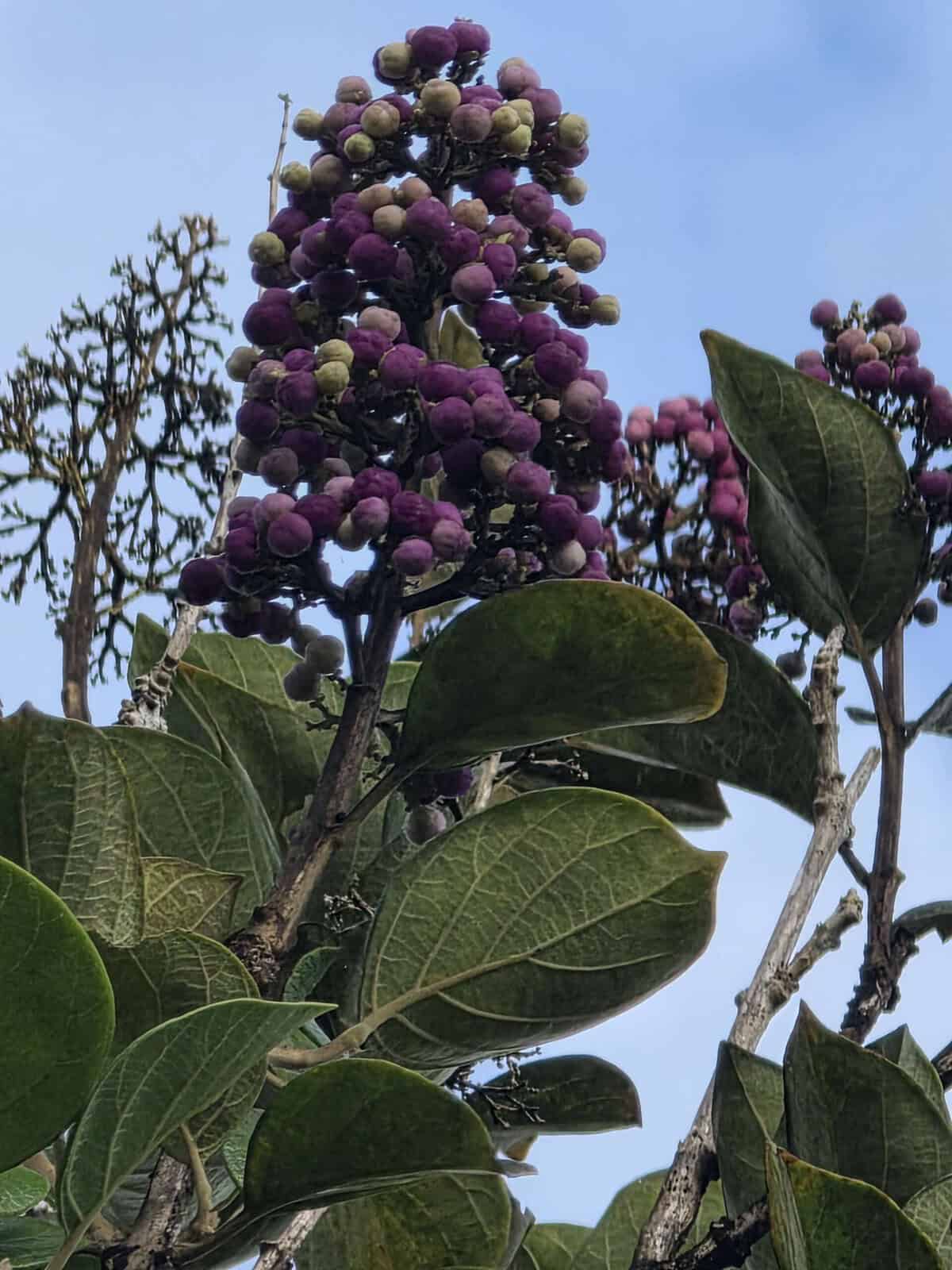
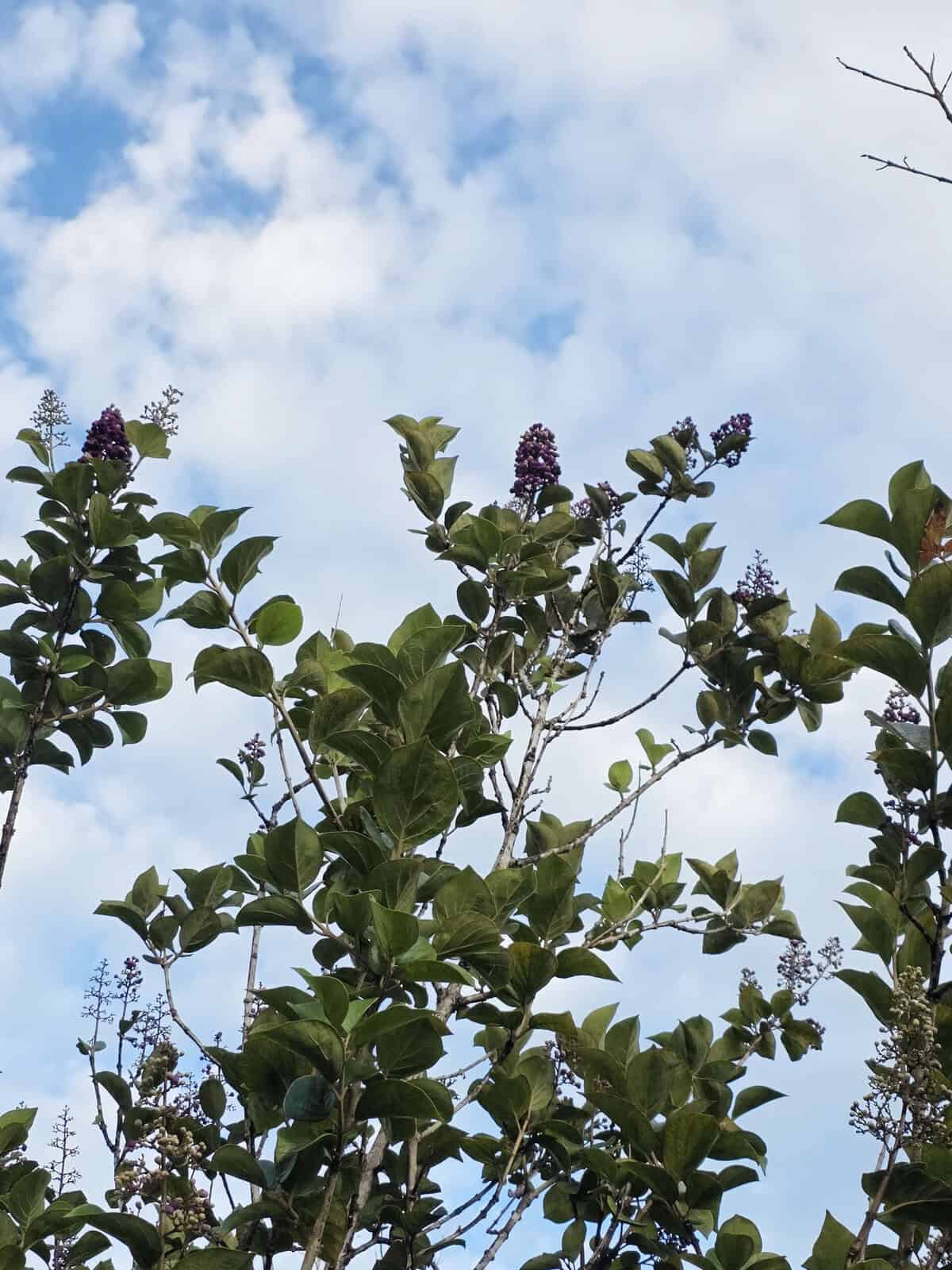
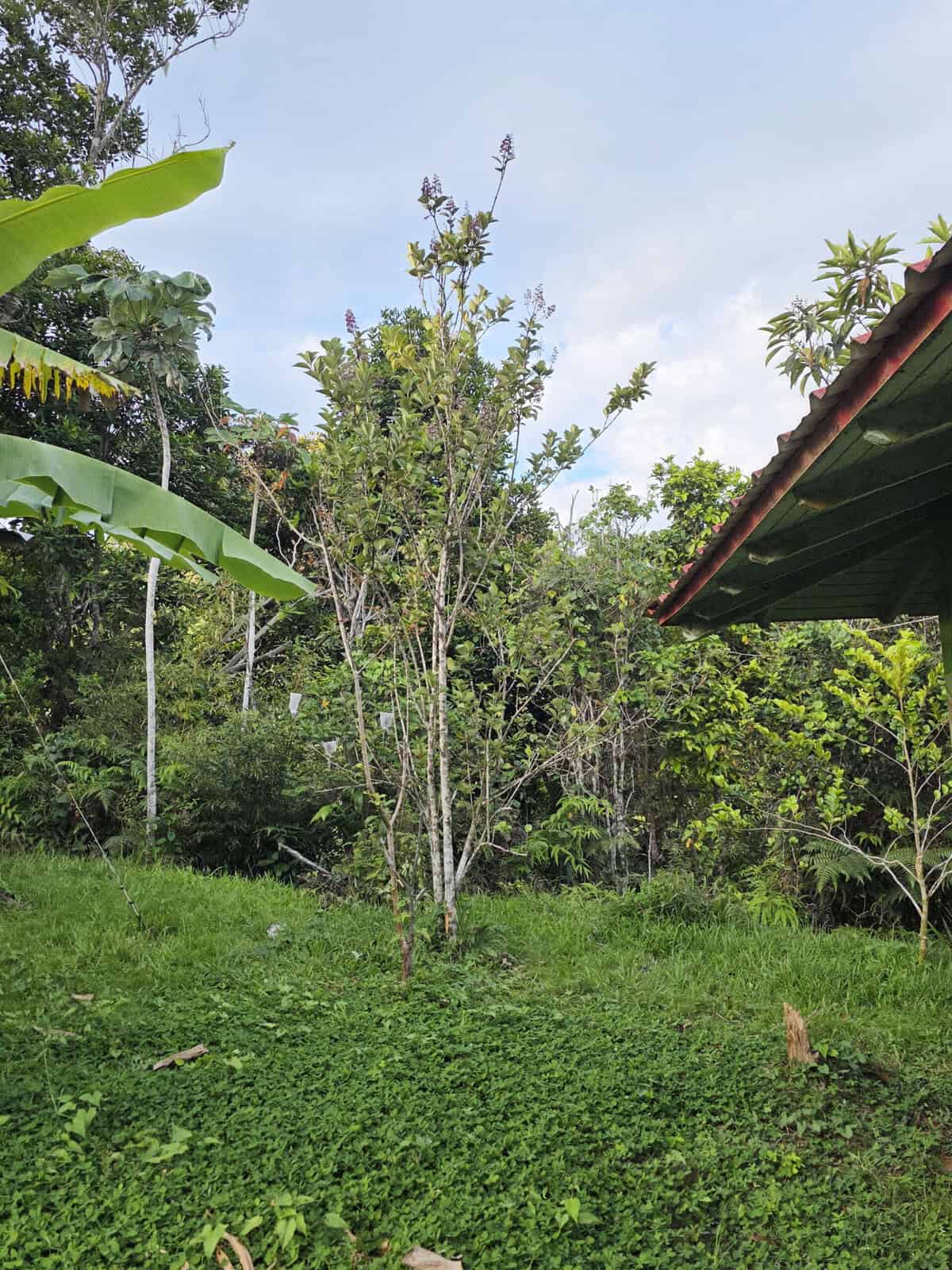
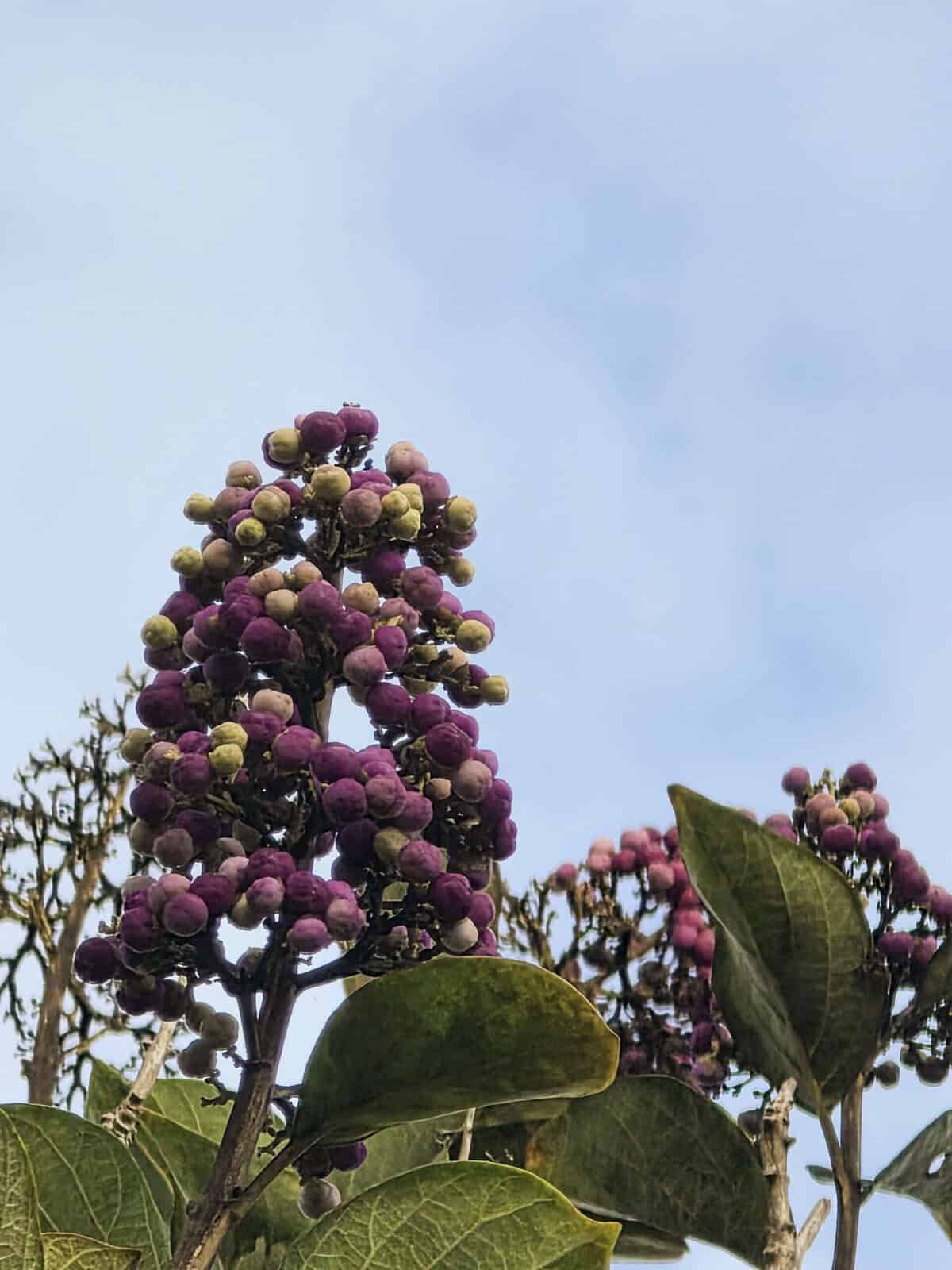
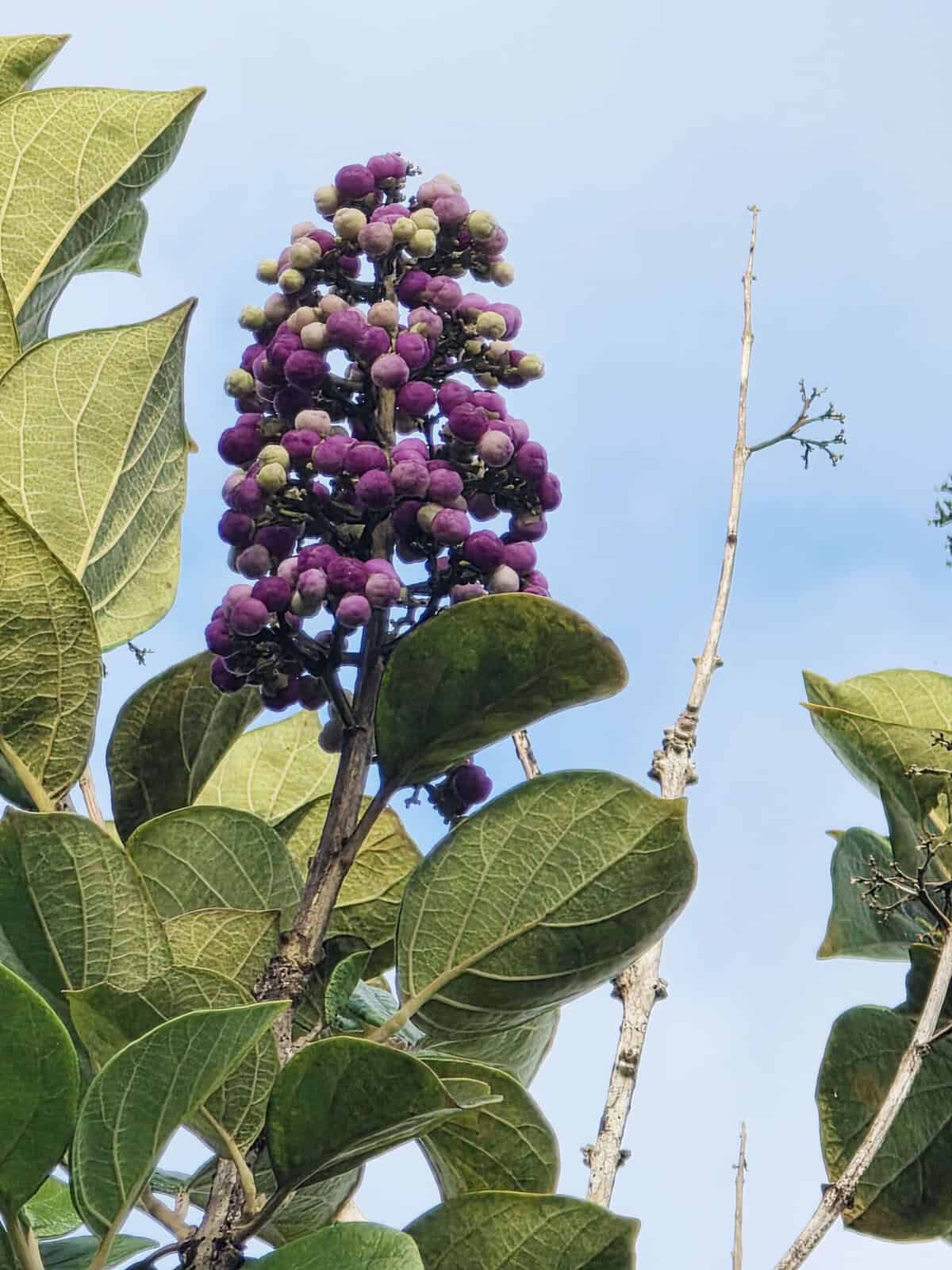
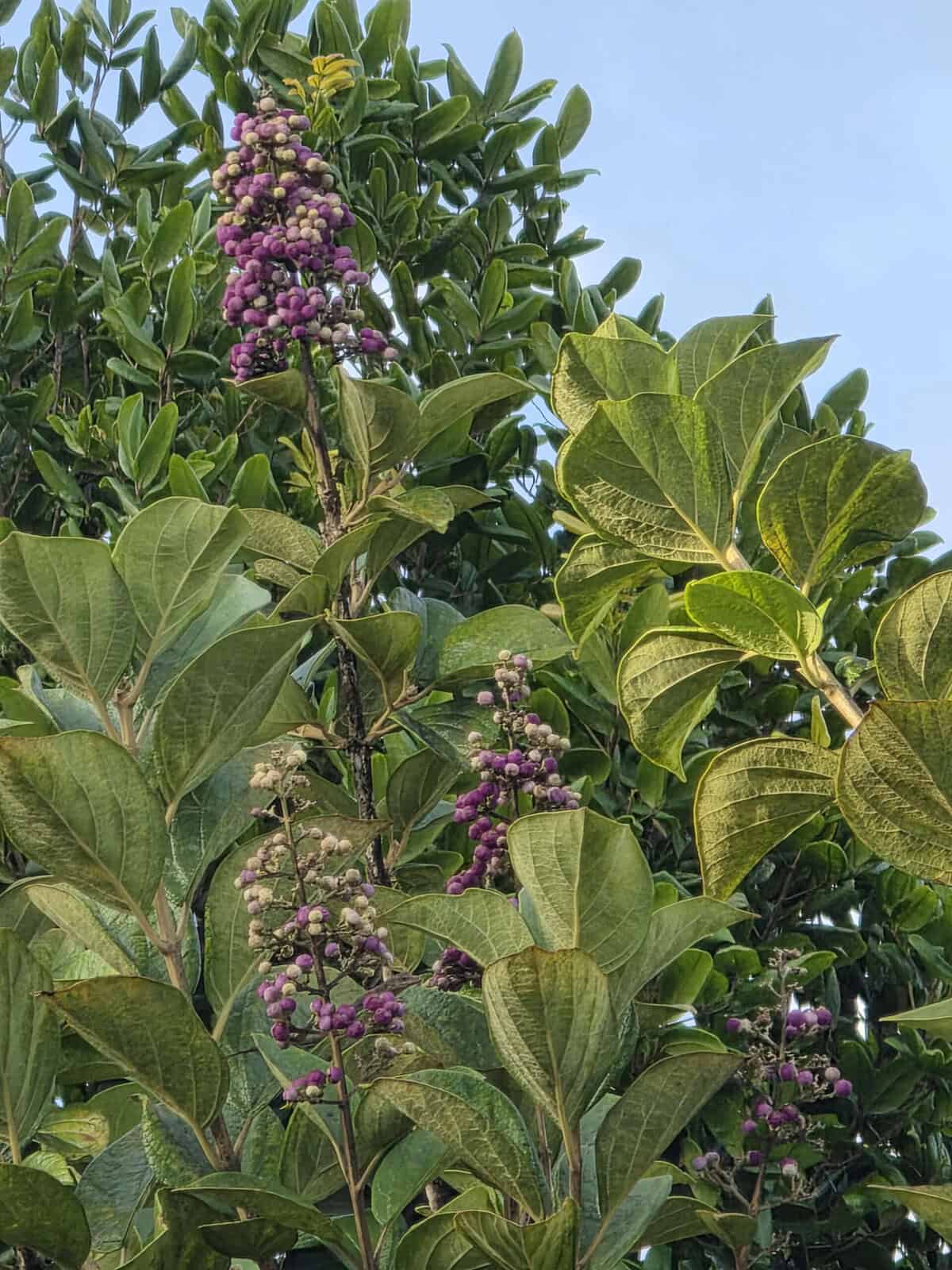
Thirteen years after planting, a Cornutia obovata at Las Casas de la Selva is producing its first substantial crop of fruit. Approximately 20 feet tall and growing near the homestead, the tree is now bearing an abundance of small purple fruits. Collection has begun to support further propagation trials. This is a joyful milestone in a long-term conservation effort, and an opportunity to learn more about a species that has proved challenging to propagate in our nursery.
A cooperative conservation effort

The tree was planted during a 2013–2015 cooperative project involving Tropic Ventures Research & Education Foundation, the U.S. Fish and Wildlife Service’s Partners for Fish and Wildlife Program, and the Earthwatch Institute. The project was developed to support the recovery of Puerto Rico’s endangered endemic flora and fauna through tree planting, habitat enhancement, nursery development, and long-term monitoring.

Las Casas de la Selva’s 930-acre property adjoins Carite State Forest and lies within the upper Río Grande de Patillas watershed, providing an important setting for sustained habitat conservation. As part of this collaboration, the U.S. Fish and Wildlife Service provided approximately 120 Cornutia obovata saplings for planting at Las Casas de la Selva.

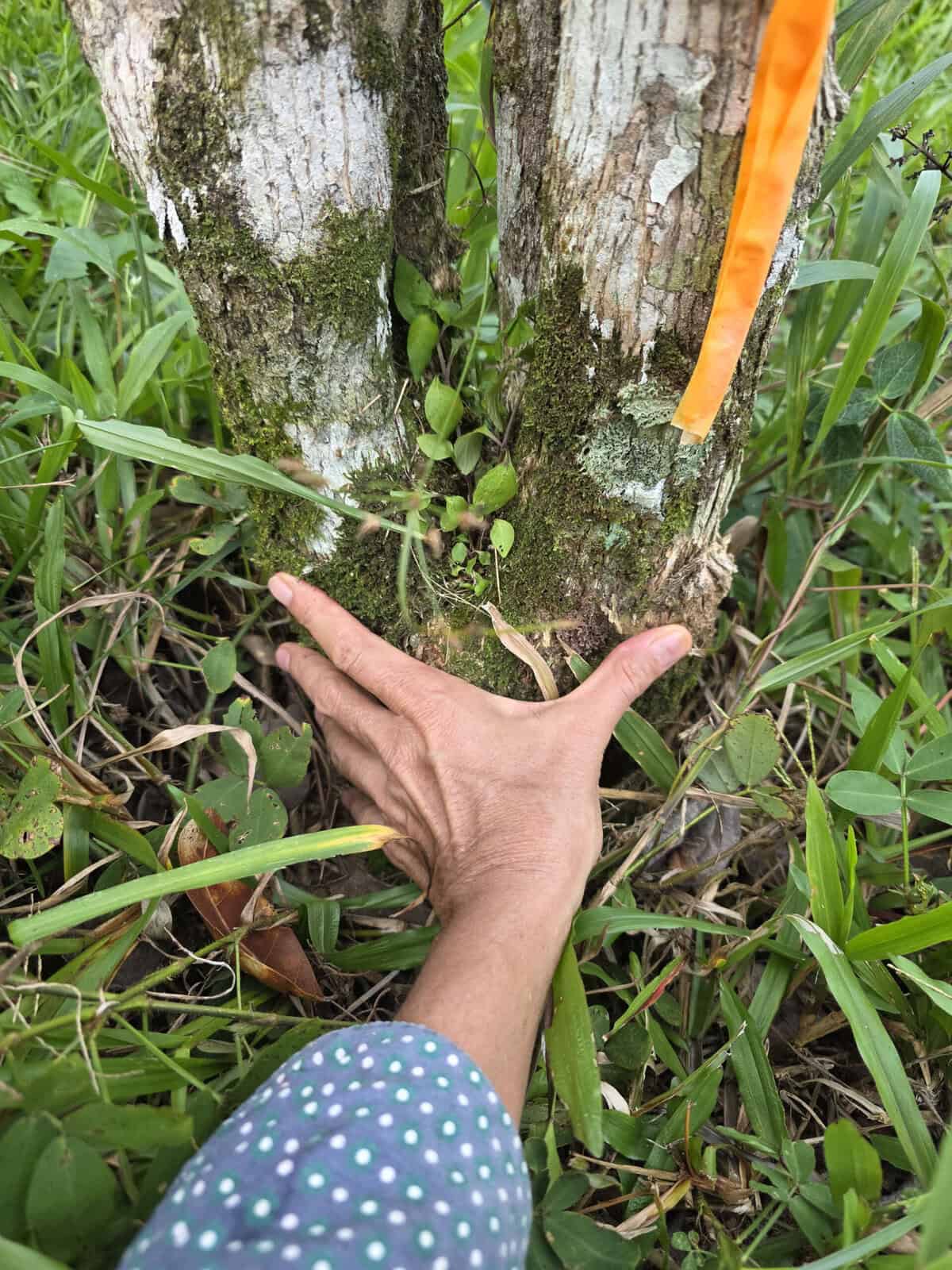
The homestead tree featured here is one of those individuals.Its abundant fruiting this year marks a transition from caring for a planted sapling to collecting locally produced seed for a potential new generation.
Years of propagation attempts

Our experience also demonstrates that fruit production does not necessarily translate into successful seedling establishment.

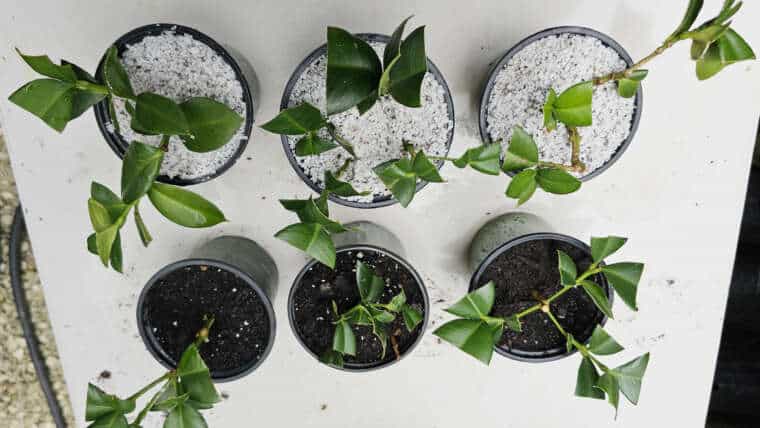
Over approximately ten years, project director Thrity “3t” Vakil has successfully propagated Cornutia obovata from cuttings, while seed propagation has proved considerably more challenging.

Trials involving hundreds of seeds have included sowing fresh and dried seeds, sowing with the fruit intact, and soaking or drying material for periods ranging from 24 hours to two weeks. Across these attempts, only three seedlings have successfully established! Emergence was observed after approximately two to three months, and possibly longer. These observations come from practical nursery work rather than a controlled germination experiment. As containers were relocated during routine nursery operations, treatment identities could not always be reliably maintained through the extended period before emergence. Consequently, we cannot determine which preparation method produced the successful seedlings or calculate treatment-specific germination rates.

Hurricanes, severe weather, and limitations in staff and nursery infrastructure have added to the difficulty of maintaining consistent conditions and uninterrupted records. These results do not establish the causes of the species’ conservation status. They do, however, identify propagation as a significant practical challenge in our work and highlight the value of carefully documented trials.
An opportunity for collaborative learning

The current fruit crop offers an opportunity to build on this experience. Clearly labelled seed batches, recorded preparation methods, consistent observations, and sufficient monitoring time could help distinguish successful approaches and improve future propagation efforts.

We welcome contact from nursery practitioners, researchers, conservation organizations, and experienced growers interested in participating. We would particularly value collaborators able to document their methods and share observations on emergence and seedling survival.

Fruit is currently available, October 2026, and interested participants should contact 3t at Las Casas de la Selva promptly to coordinate collection and discuss propagation efforts.

Donations supporting nursery infrastructure and ongoing conservation work are deeply appreciated. When a grant ends, the care of the plants continues. Watering, monitoring growth, managing pests, protecting seedlings, and maintaining nursery facilities require infrastructure, supplies, and sustained human attention. Much of this follow-up work at Las Casas de la Selva is carried out without any dedicated funding, through unpaid time and effort. Your donation helps sustain the years of care needed to turn a funded planting project into a lasting conservation achievement.

For everyone involved in the original planting, this abundant fruiting is cause for celebration. Thirteen years of growth have brought us to a new stage: an opportunity to extend the original partnership’s work through fresh seed, shared knowledge, and, we hope, many more Cornutia obovata trees. 
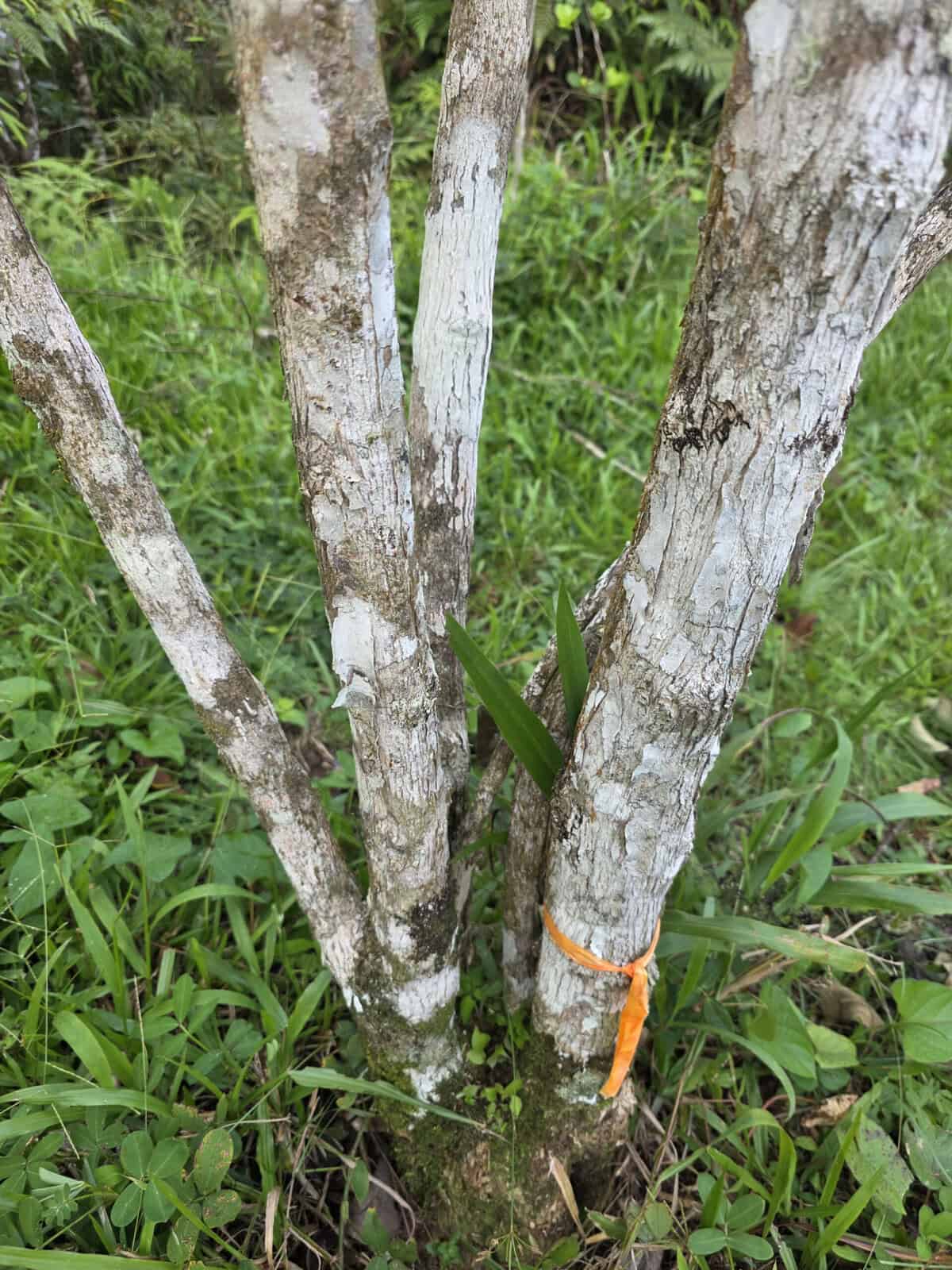
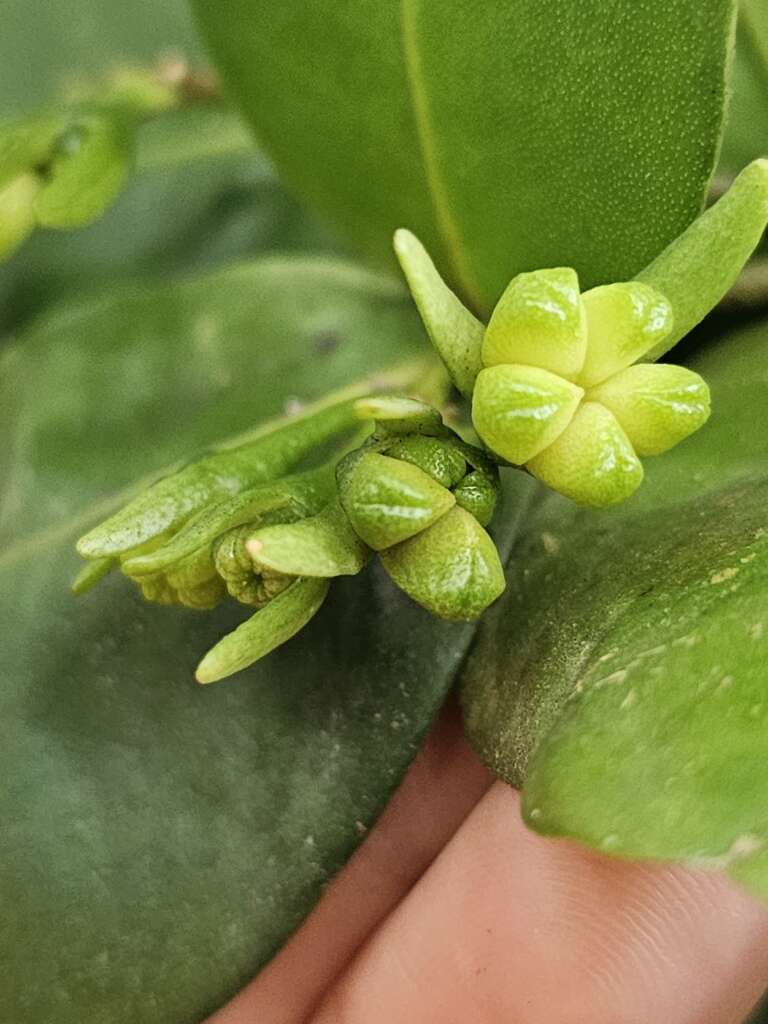
Cornutia obovata, commonly known as capá jigüerilla, nigua, or palo de nigua, is a rare evergreen tree endemic to Puerto Rico. It belongs to the mint family, Lamiaceae, although it was formerly classified in the verbena family, Verbenaceae.

The species can reach approximately 10 metres (33 feet) in height. Its oval leaves grow in opposite pairs and have hairy undersides, while its tubular purple flowers appear in clusters. It occurs in mountain forests, including areas with limestone and serpentine soils.

When Cornutia obovata was federally listed as endangered in 1988, only seven wild individuals were known. By 1998, eight plants had been documented across a few mountain locations. These historical counts illustrate its longstanding rarity; they are not a current population estimate.

Its small, scattered populations make it vulnerable to habitat loss, severe disturbances, and the loss of individual trees. Protecting its forest habitat, maintaining cultivated plants, and improving propagation methods are important contributions to its conservation.

All photos by 3t Vakil, October 2026

Ms. Thrity ‘3t’ Vakil, FLS, President,
Tropic Ventures Research & Education Foundation
Sustainable Forestry & Rainforest Enrichment Project,
Las Casas de la Selva,
| HC 63 Box 3879, Patillas, | Puerto Rico, 00723
3t@eyeontherainforest.org
+1 787 329 7761 Whatsapp
www.eyeontherainforest.org
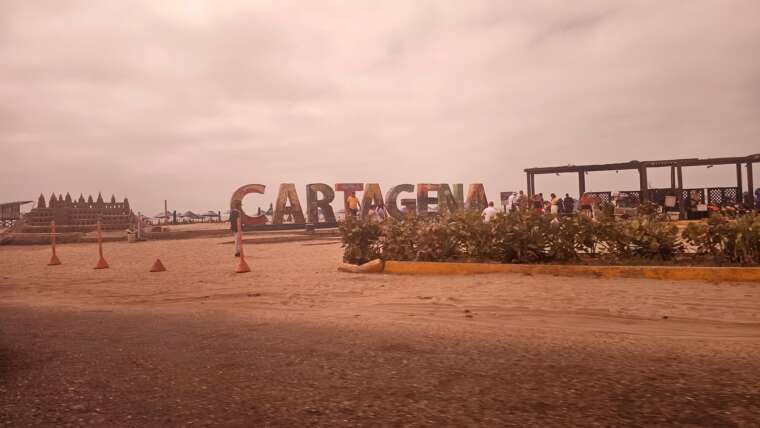
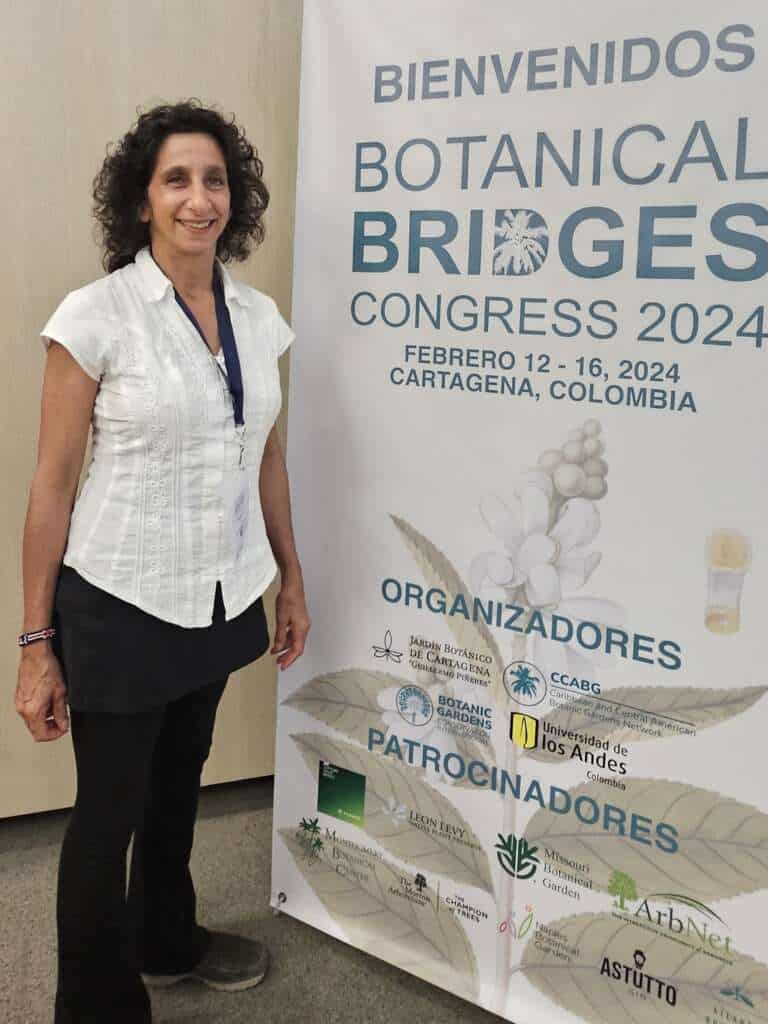
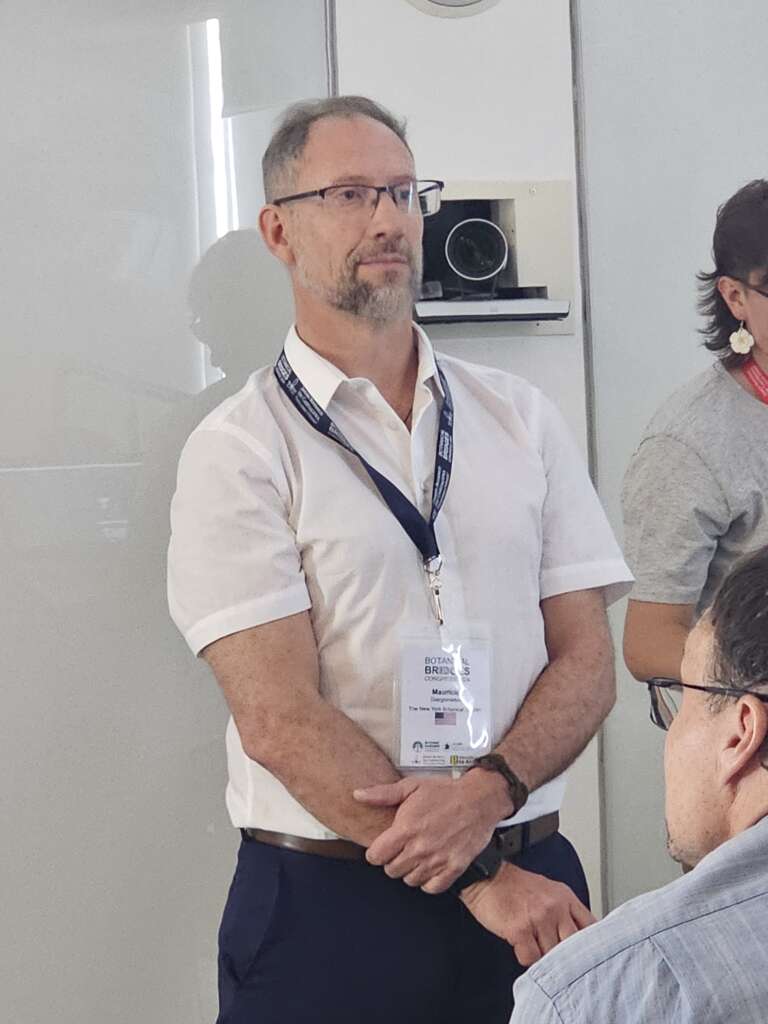
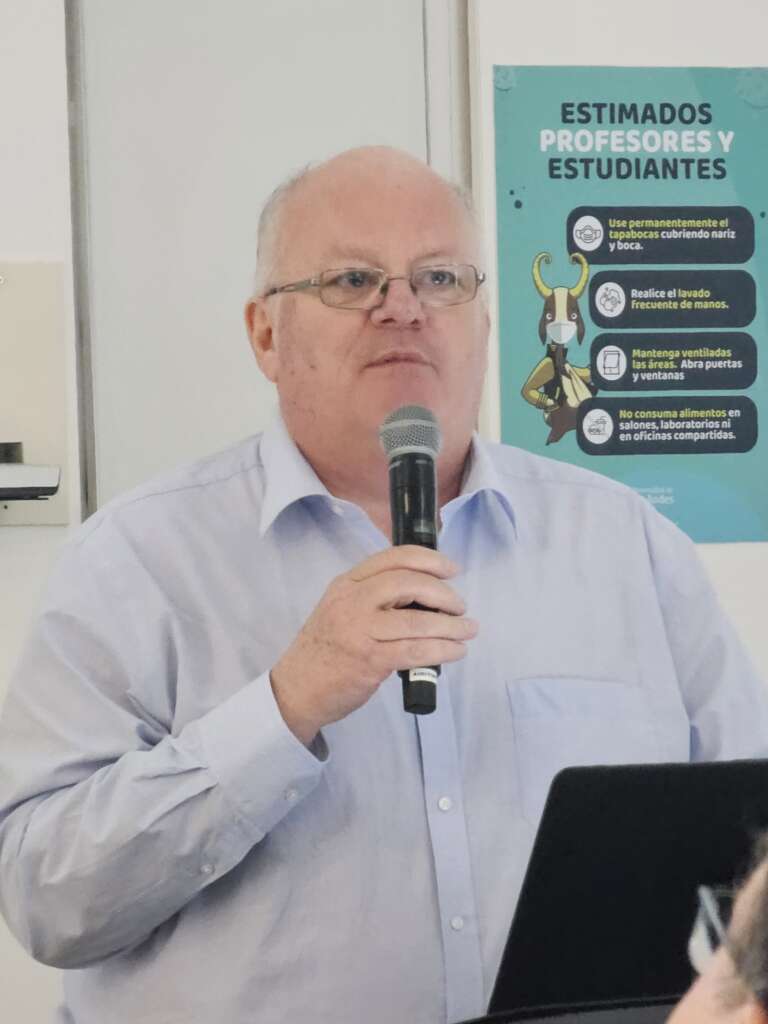
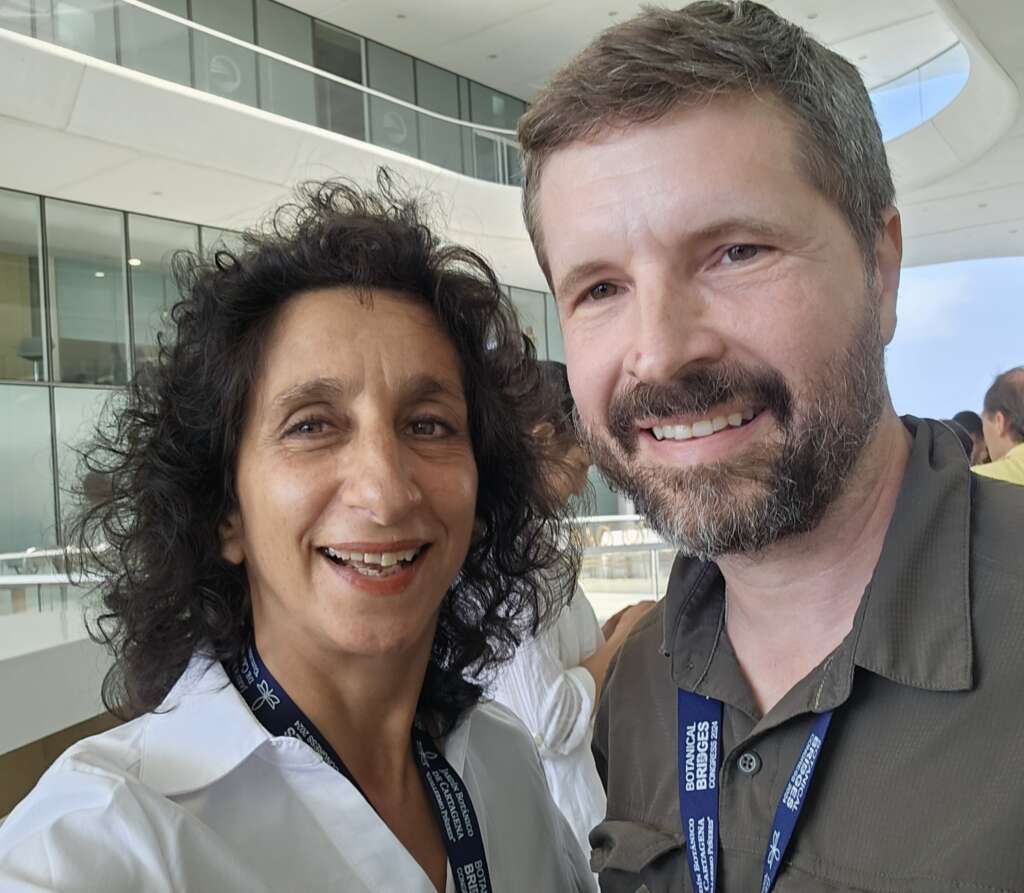
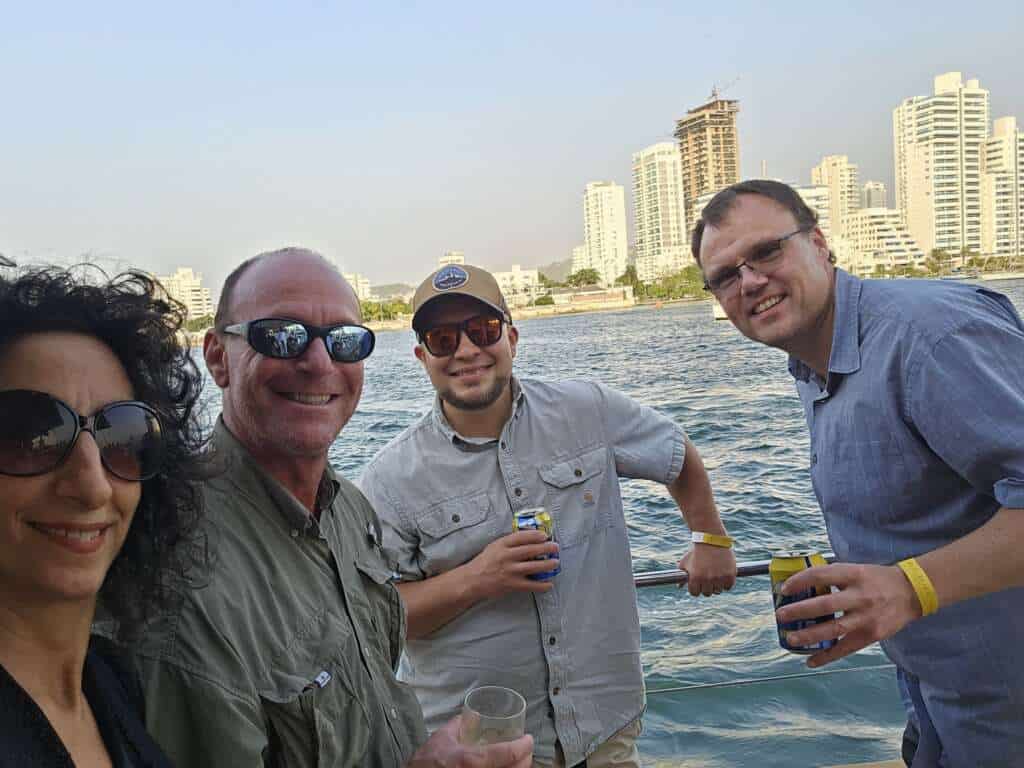
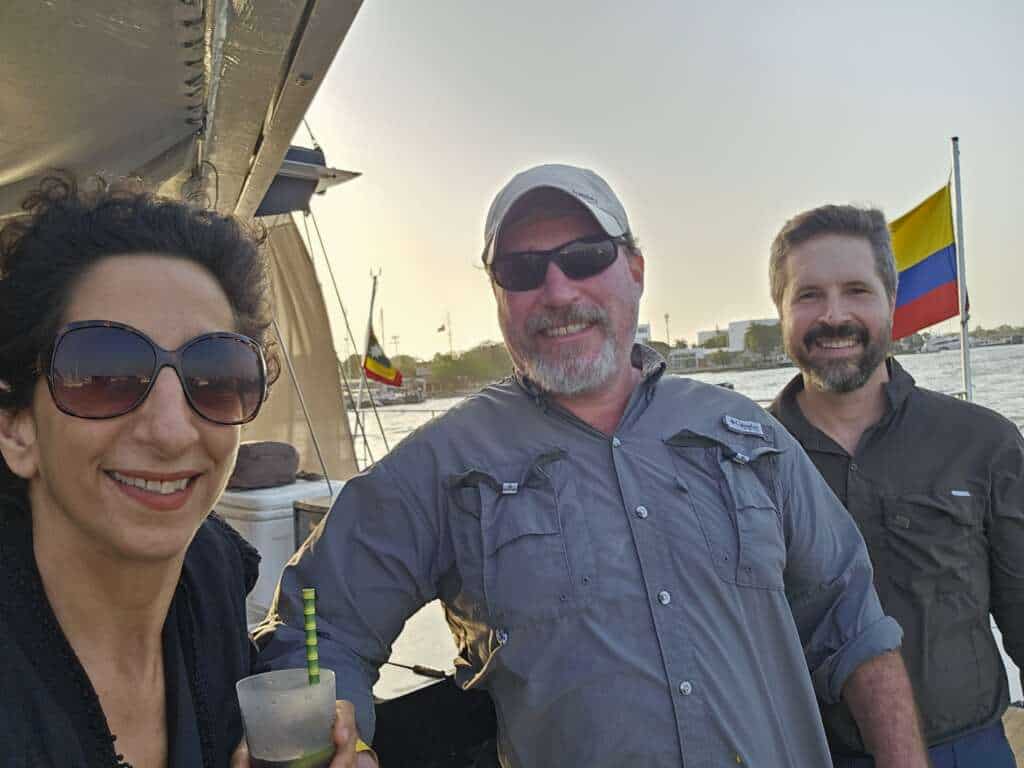
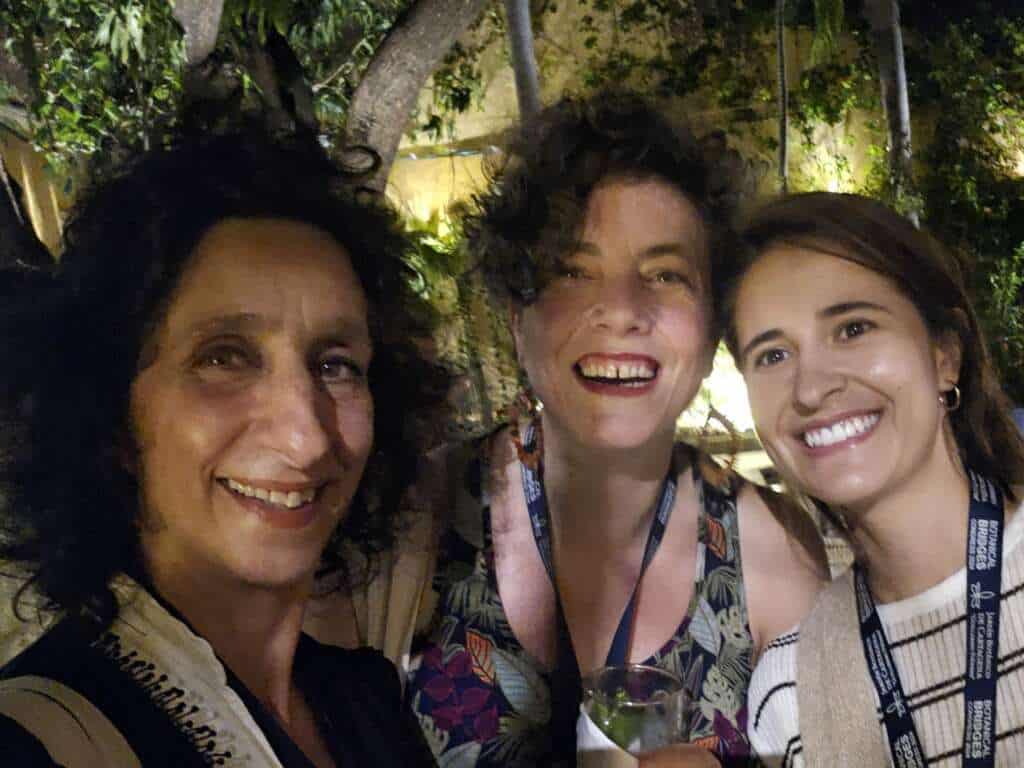
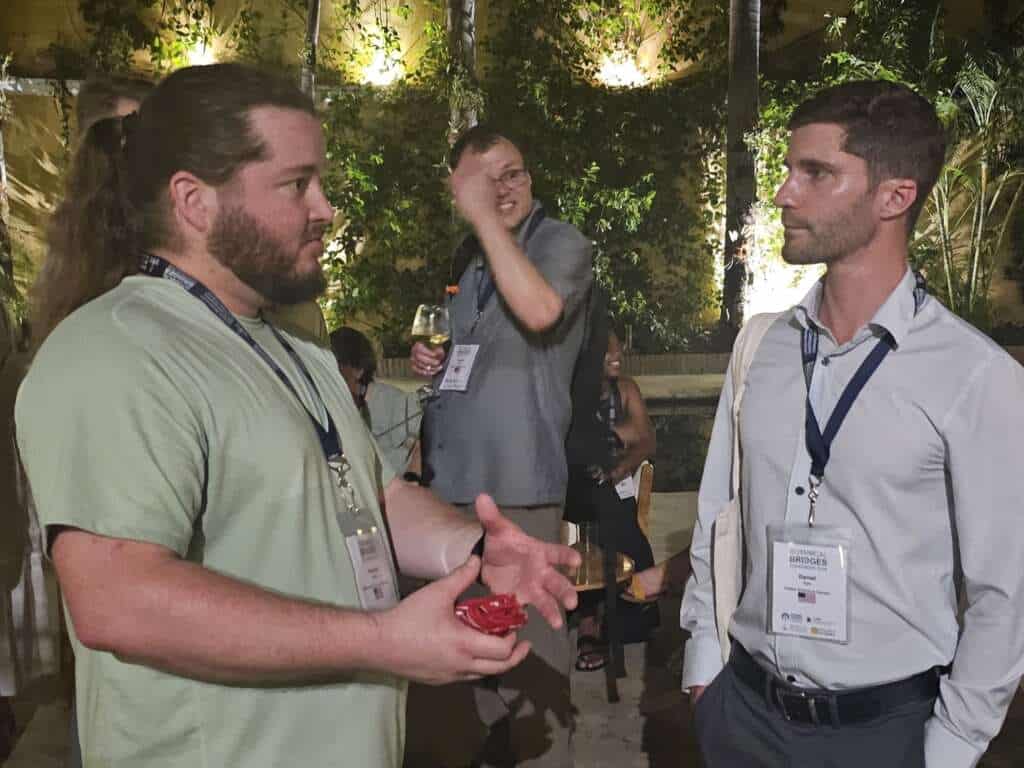
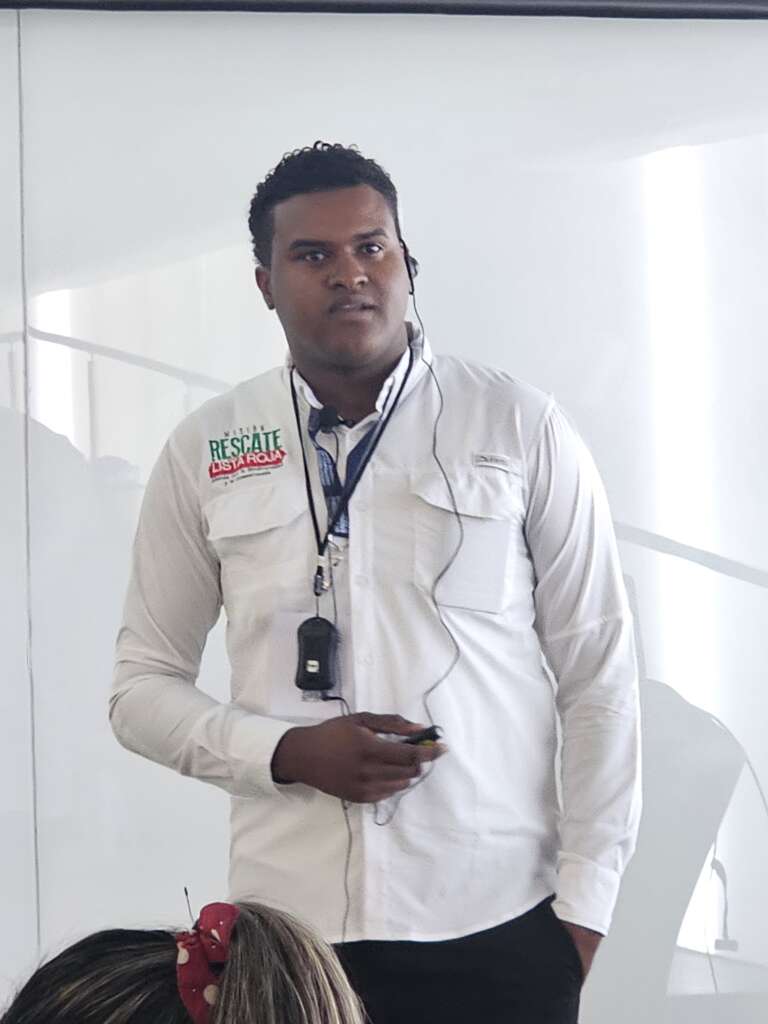
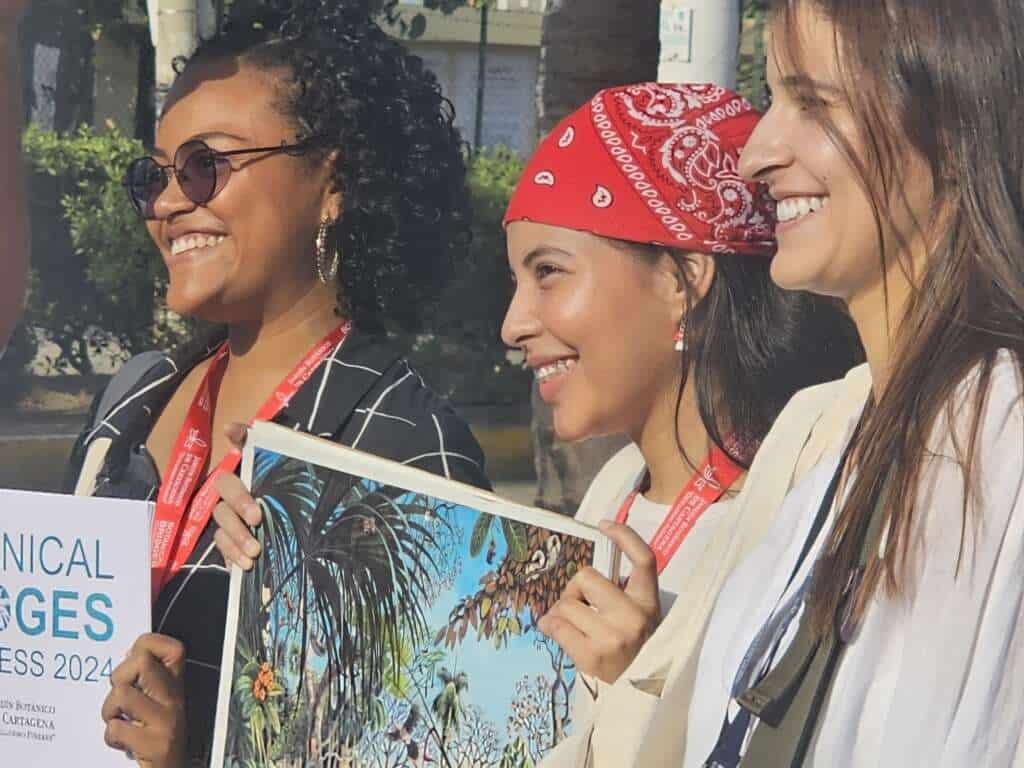
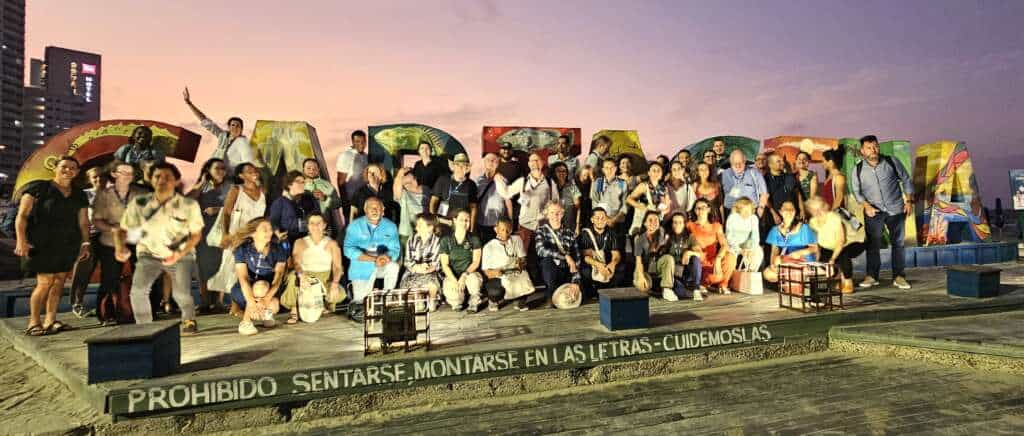
Cartagena, Colombia Feb 2024

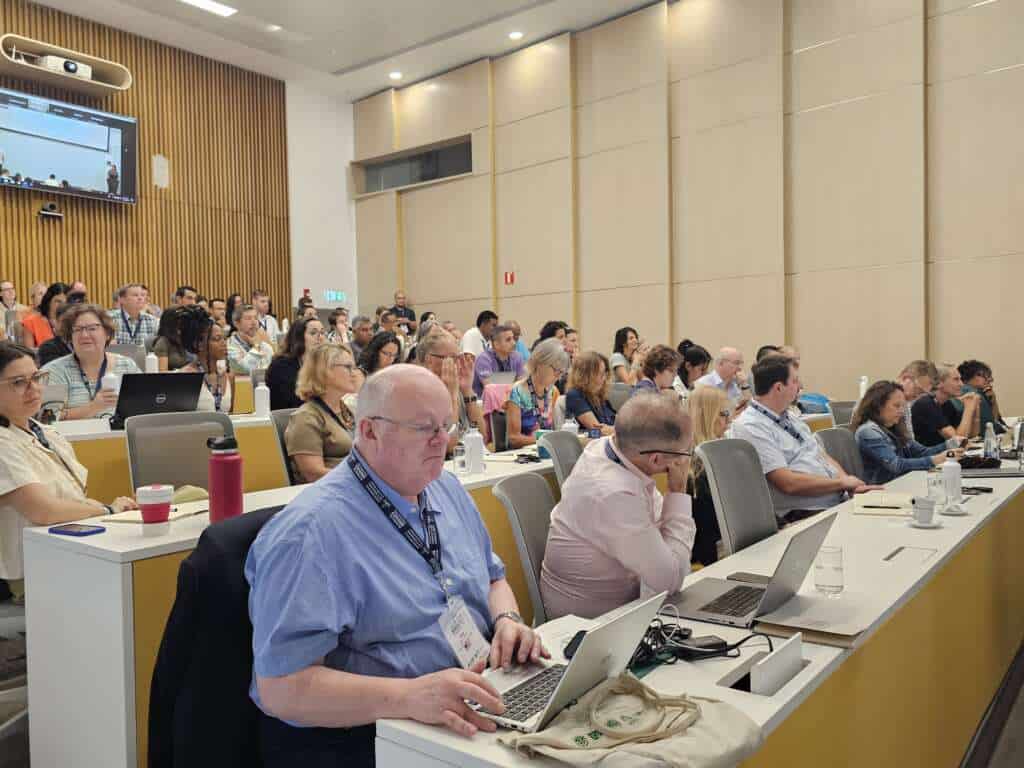
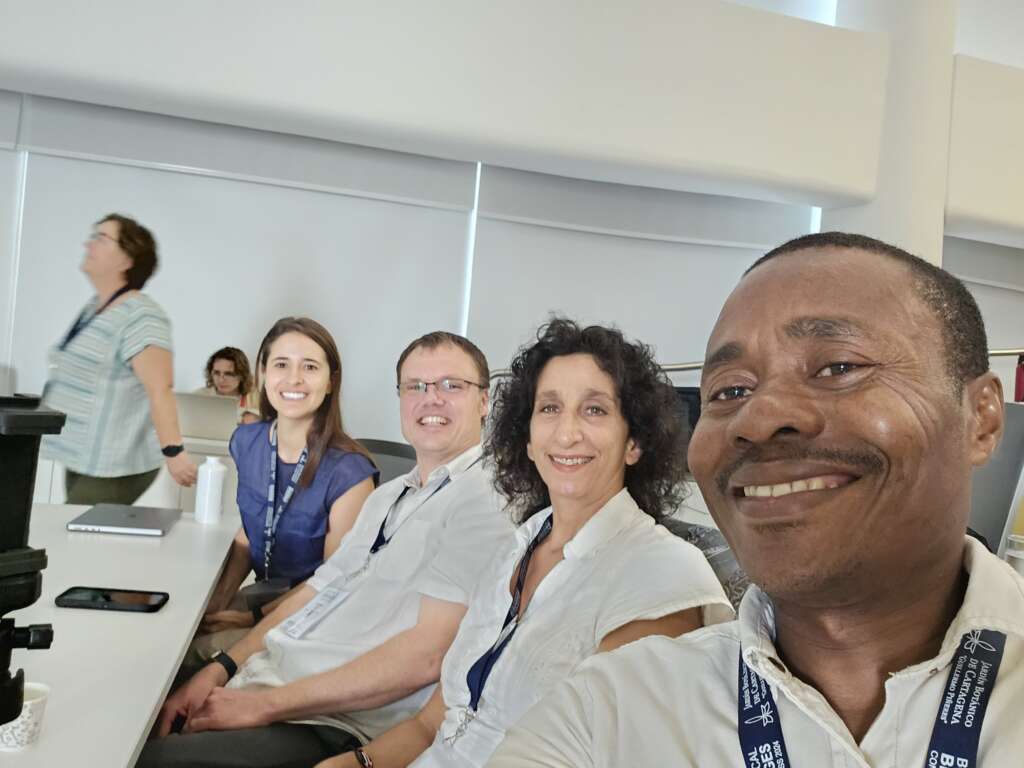
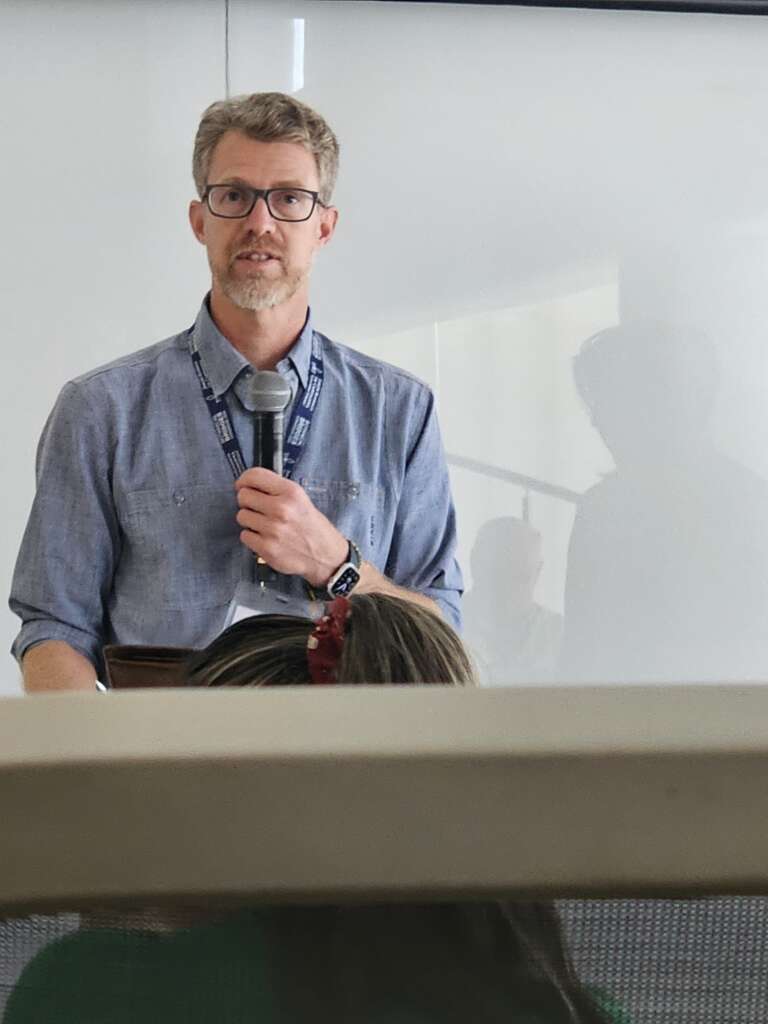
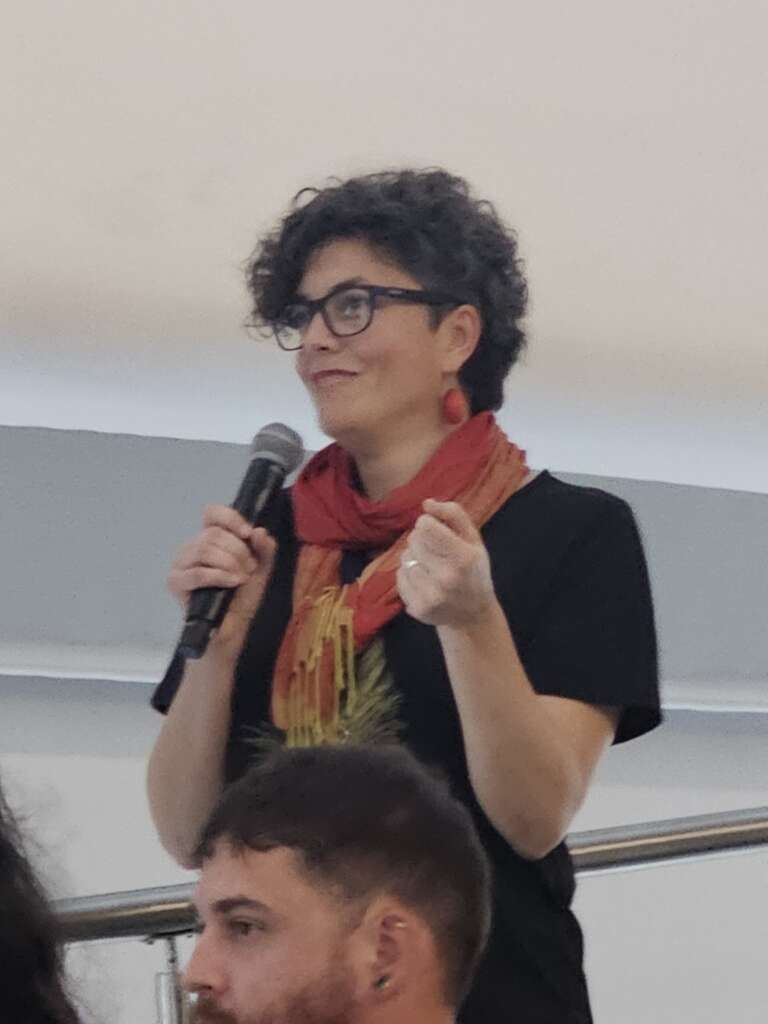
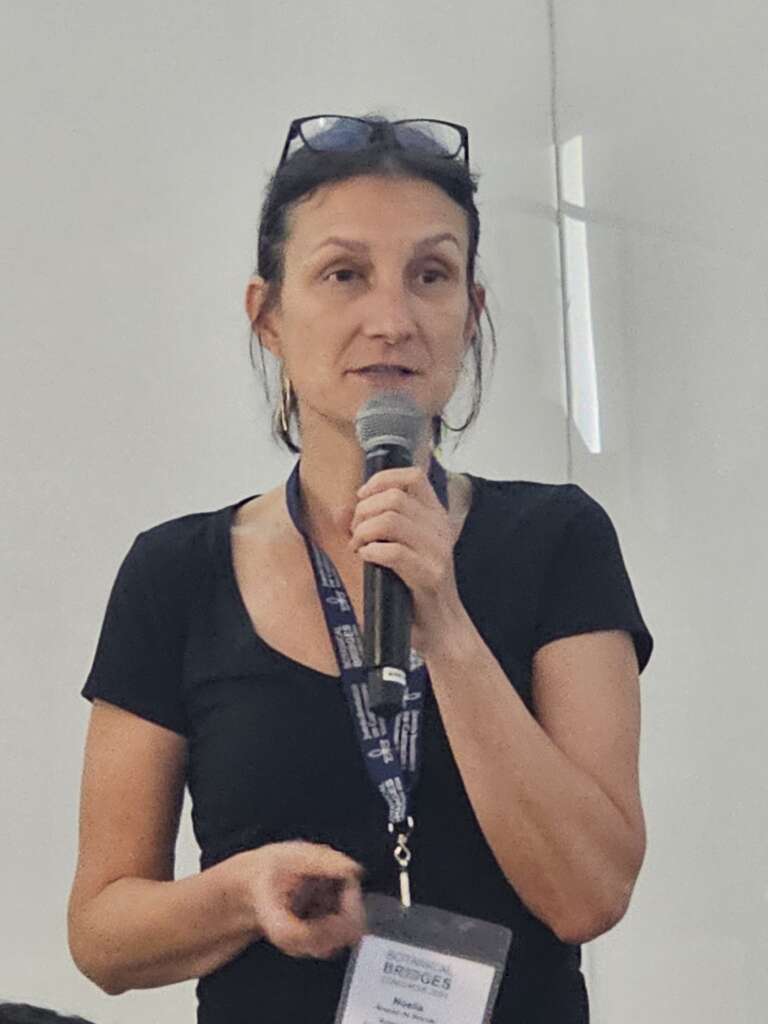
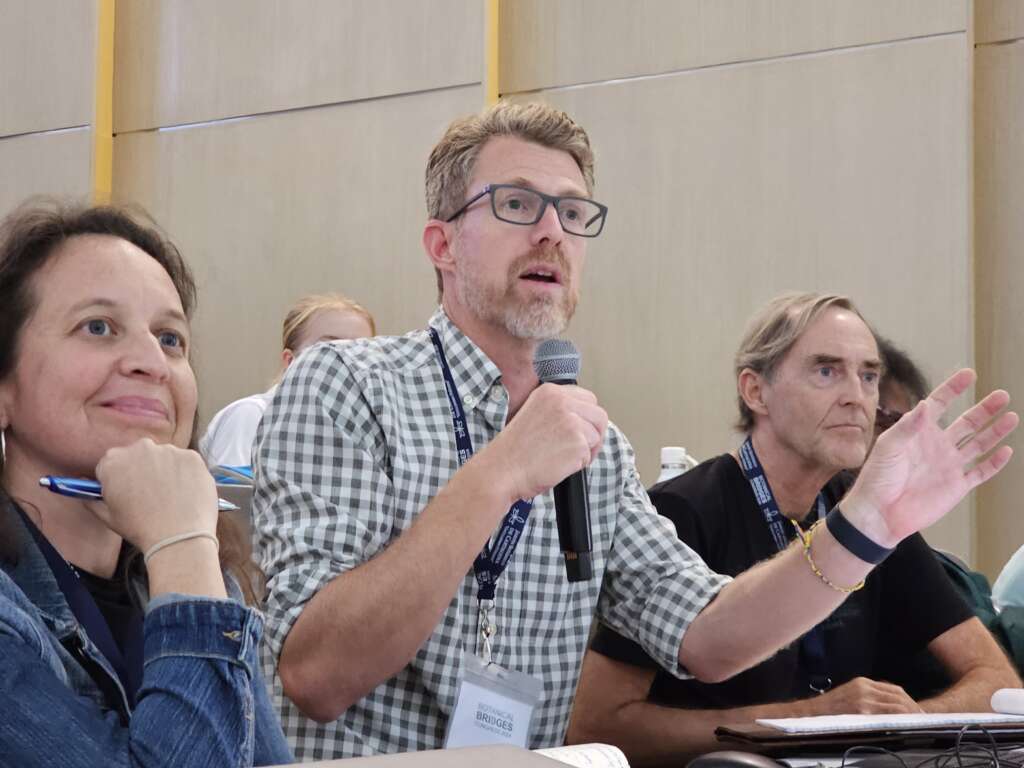
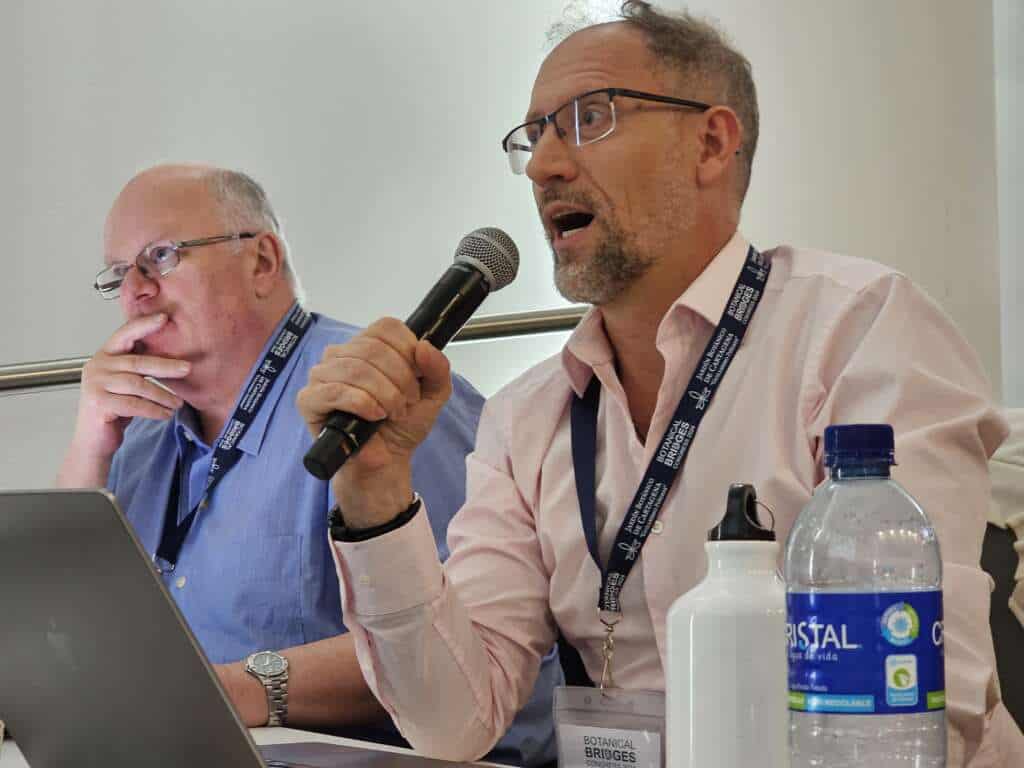
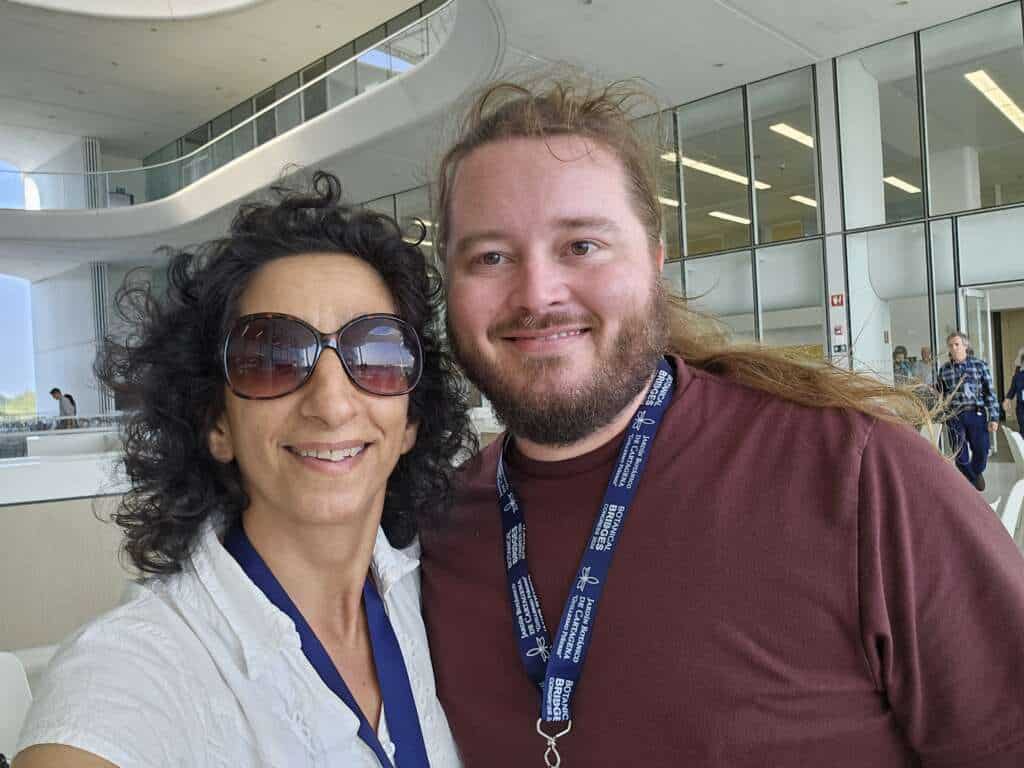
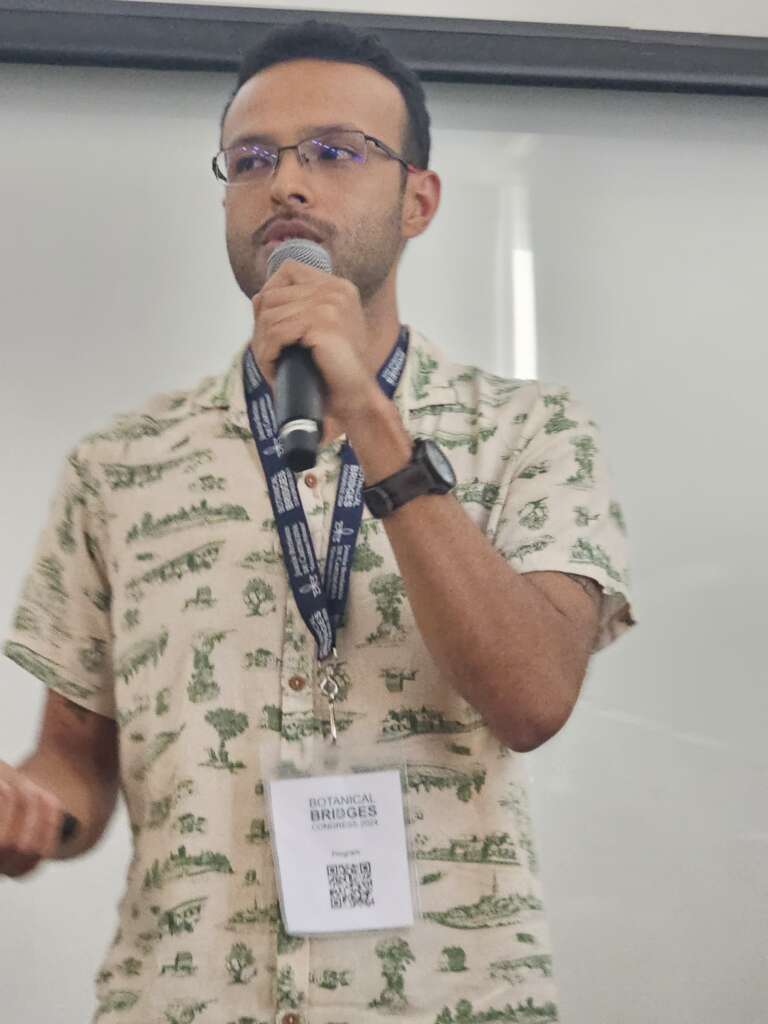
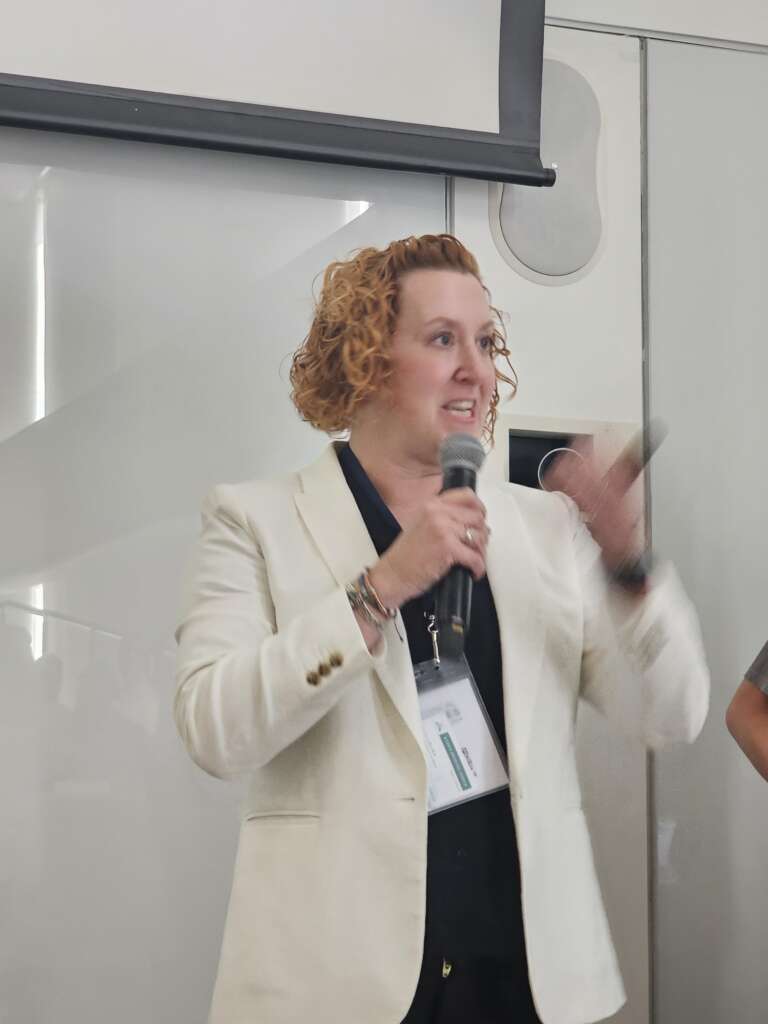
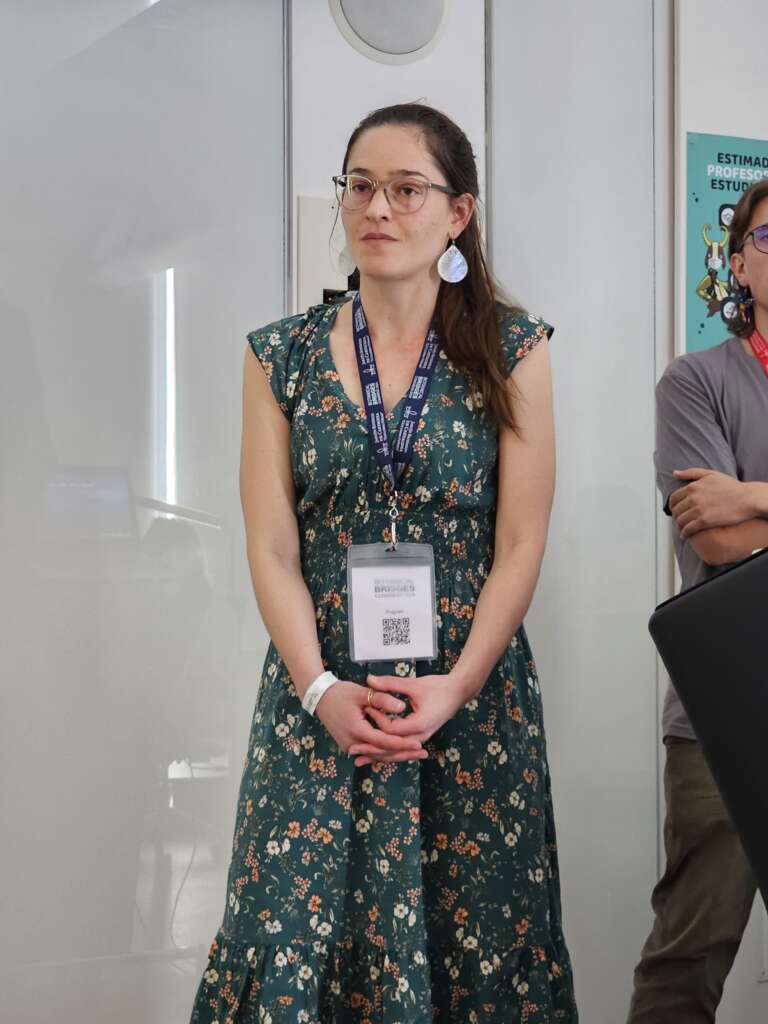
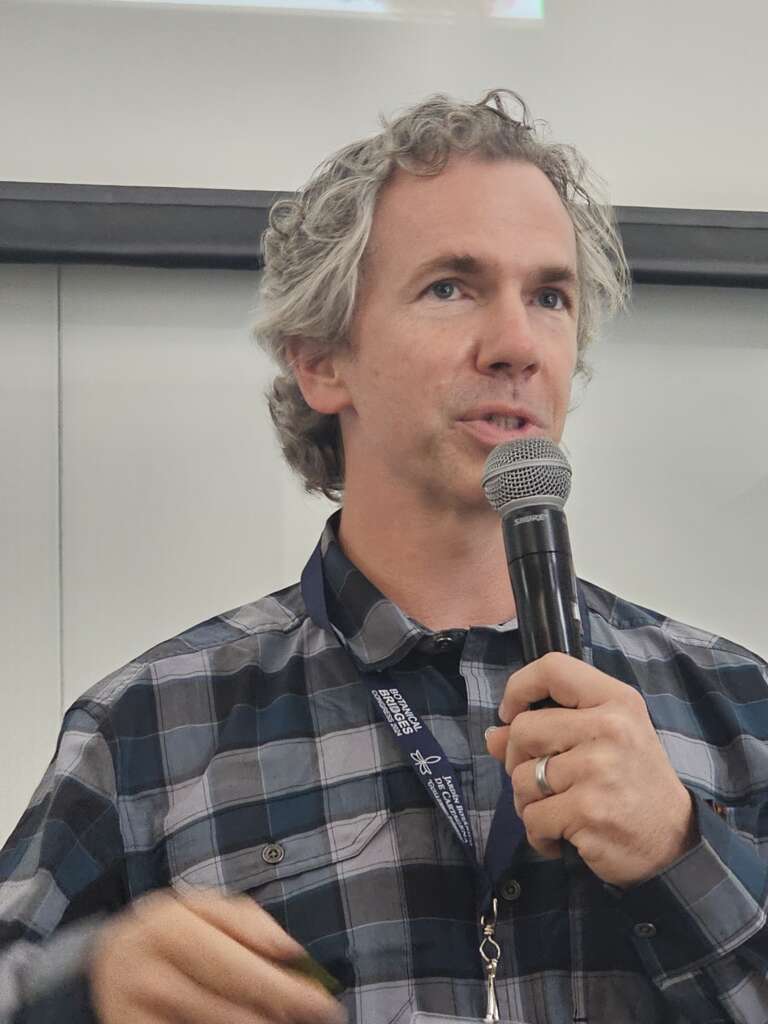
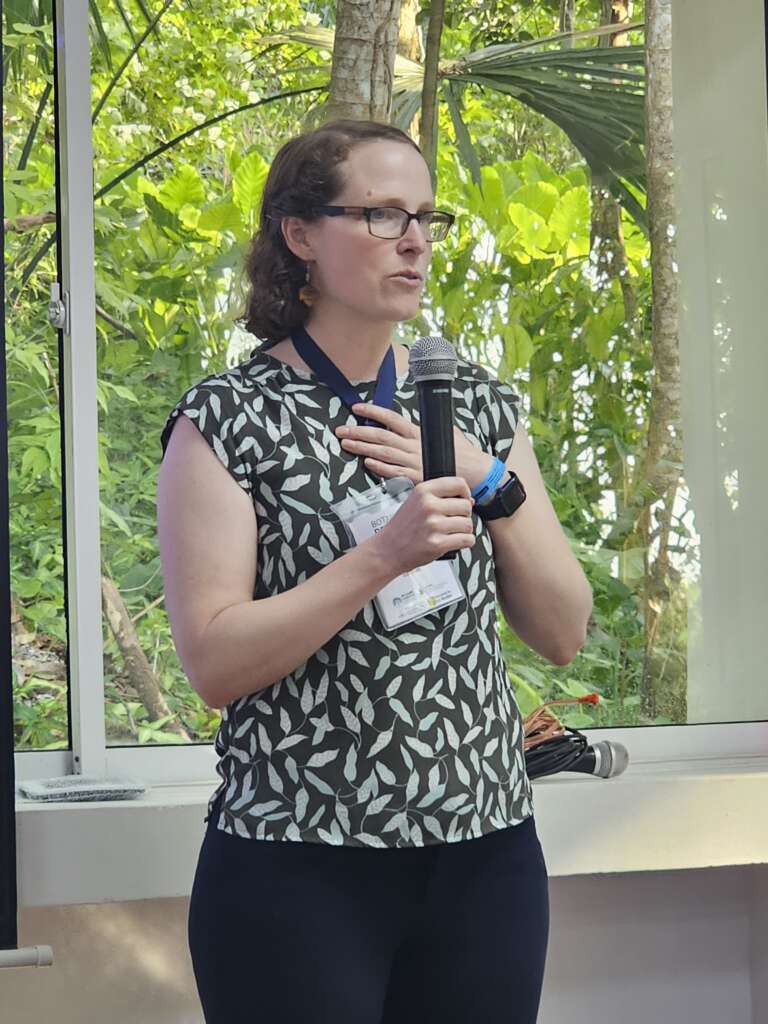
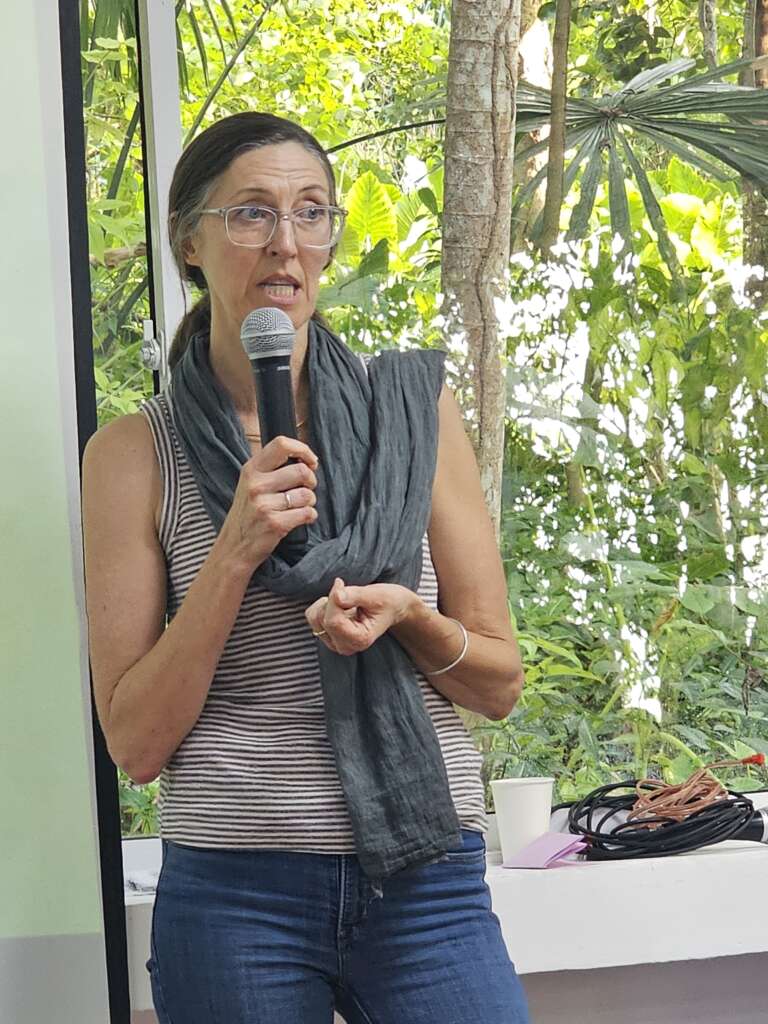
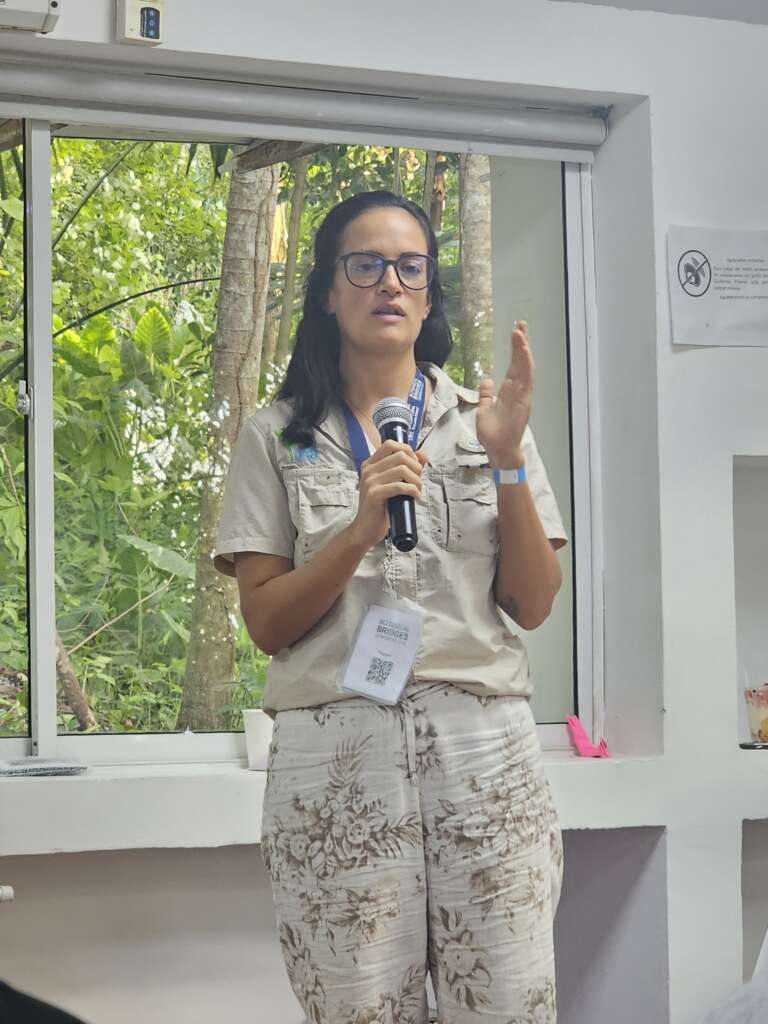
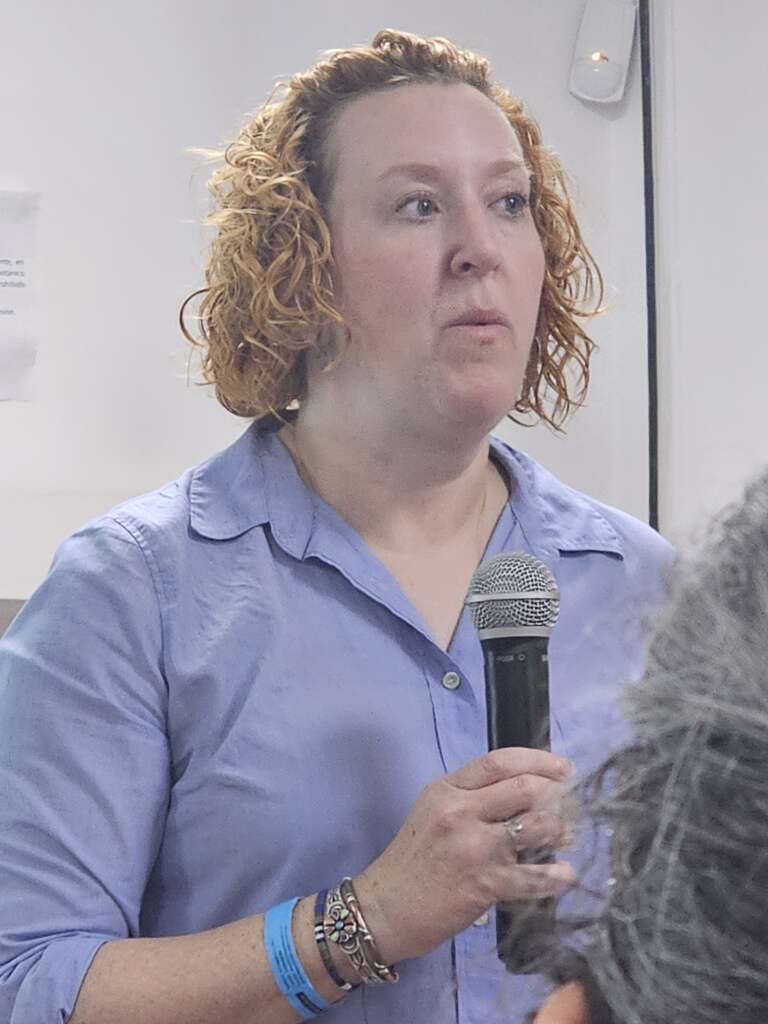
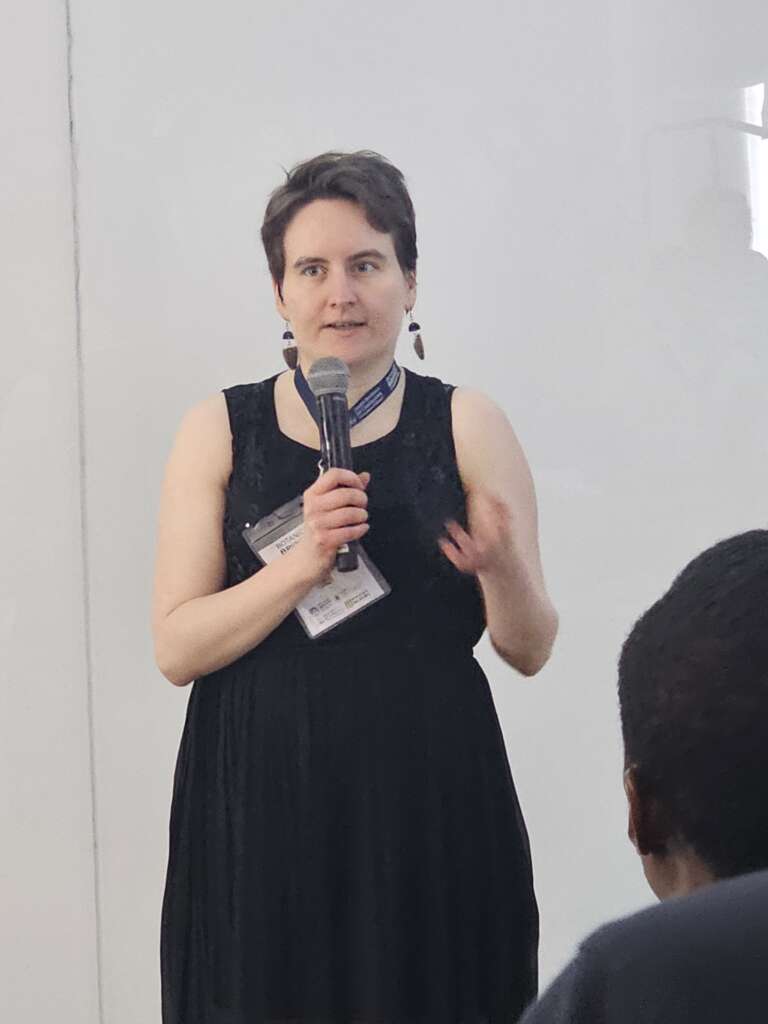
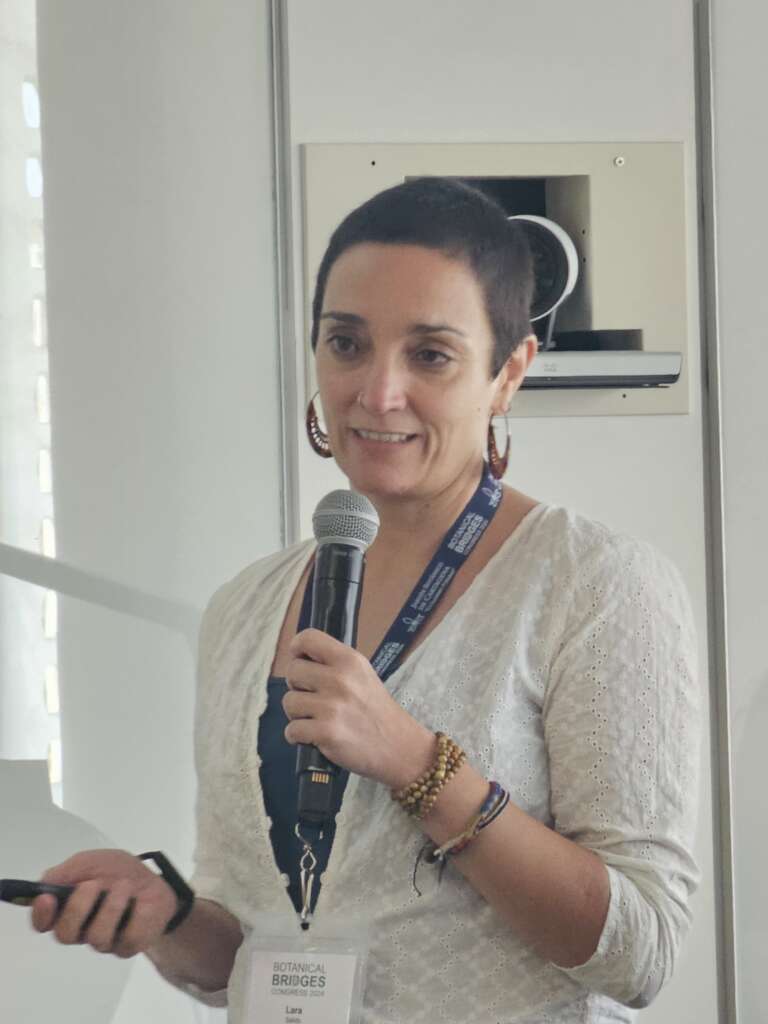
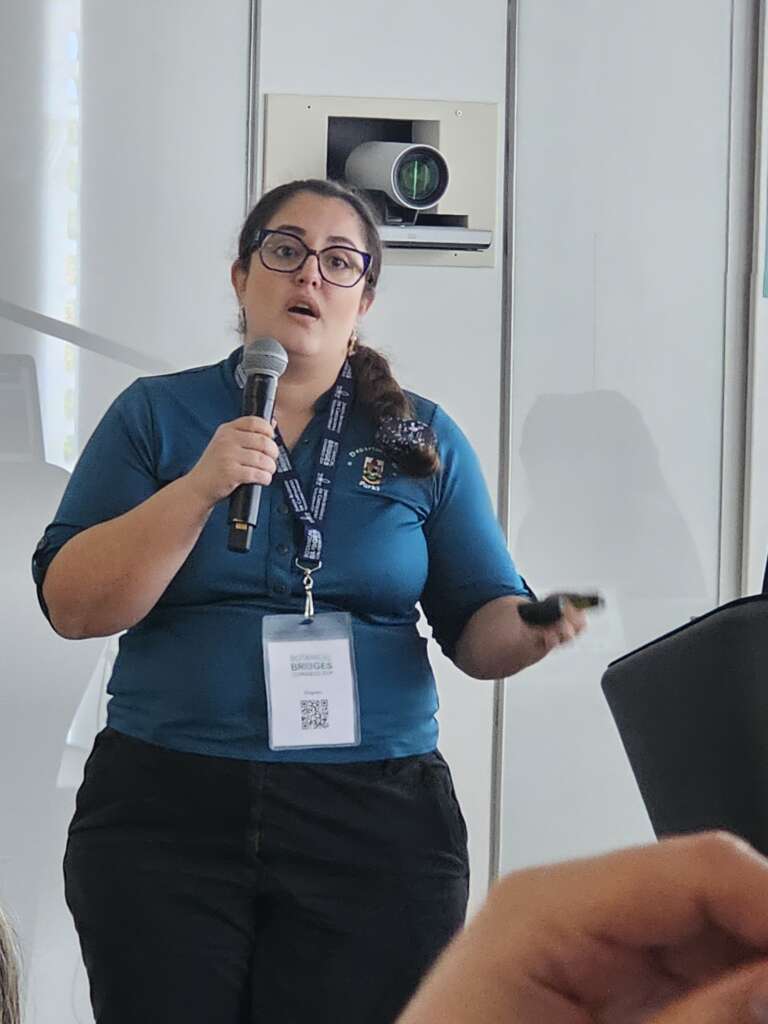
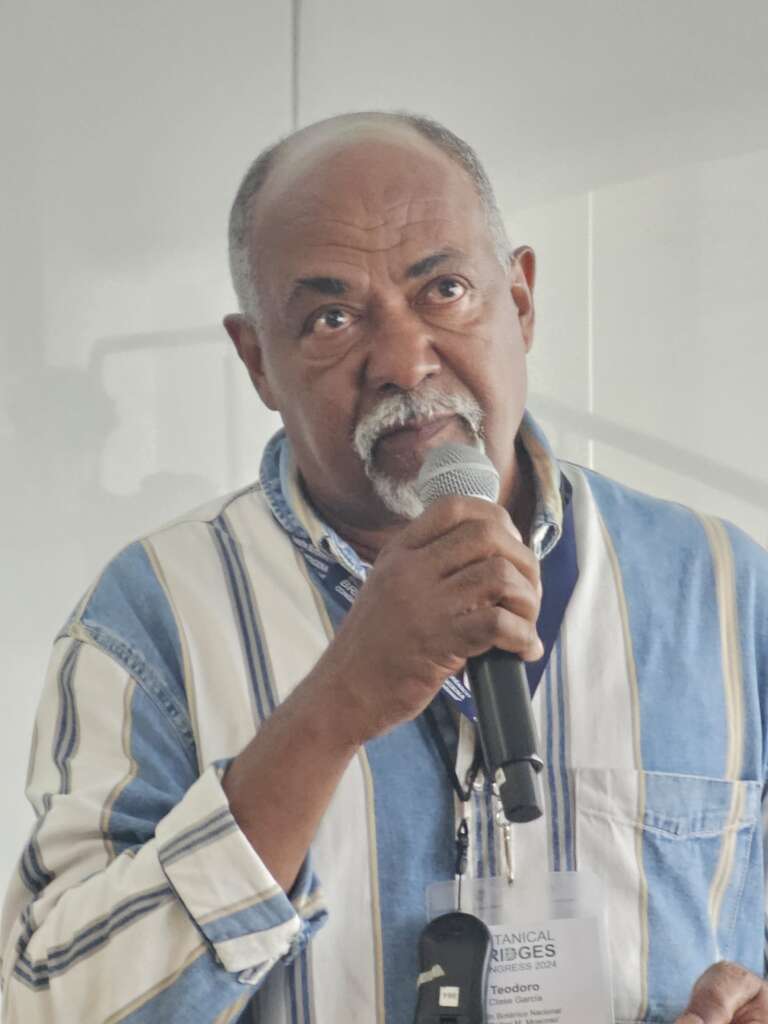
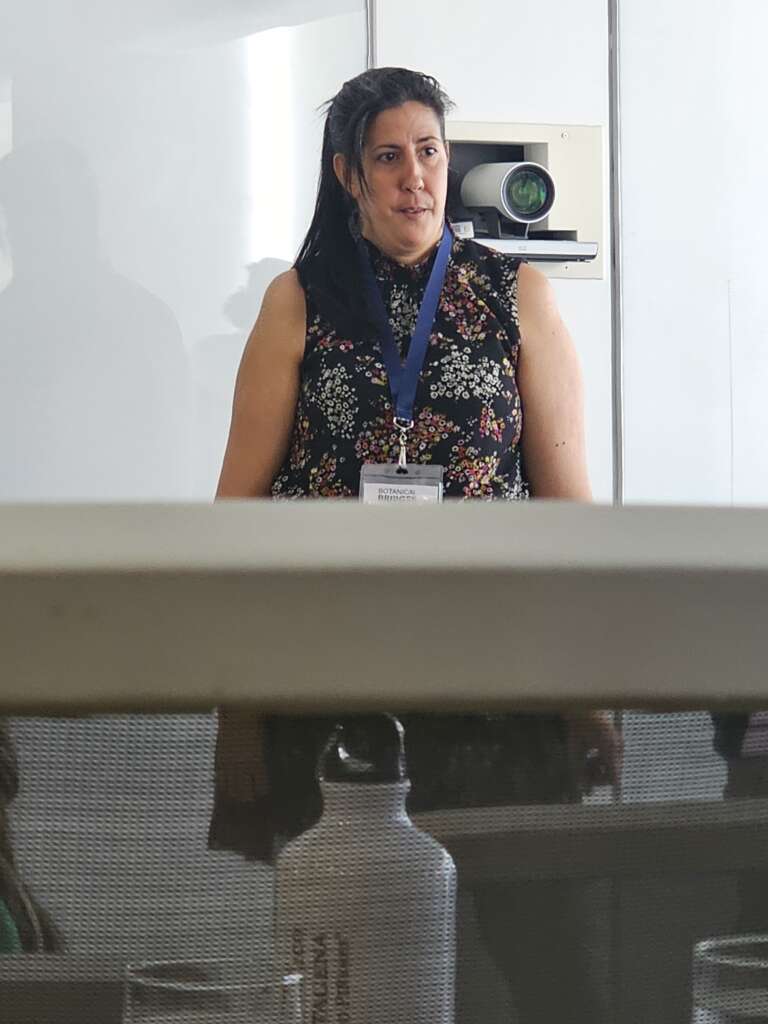
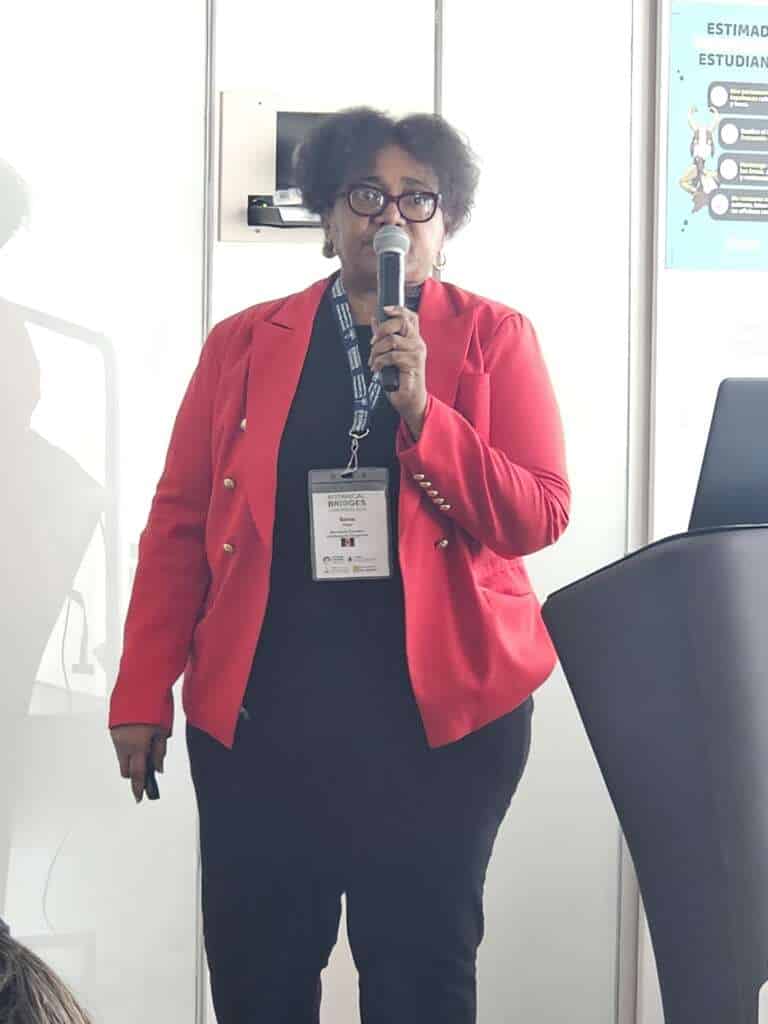
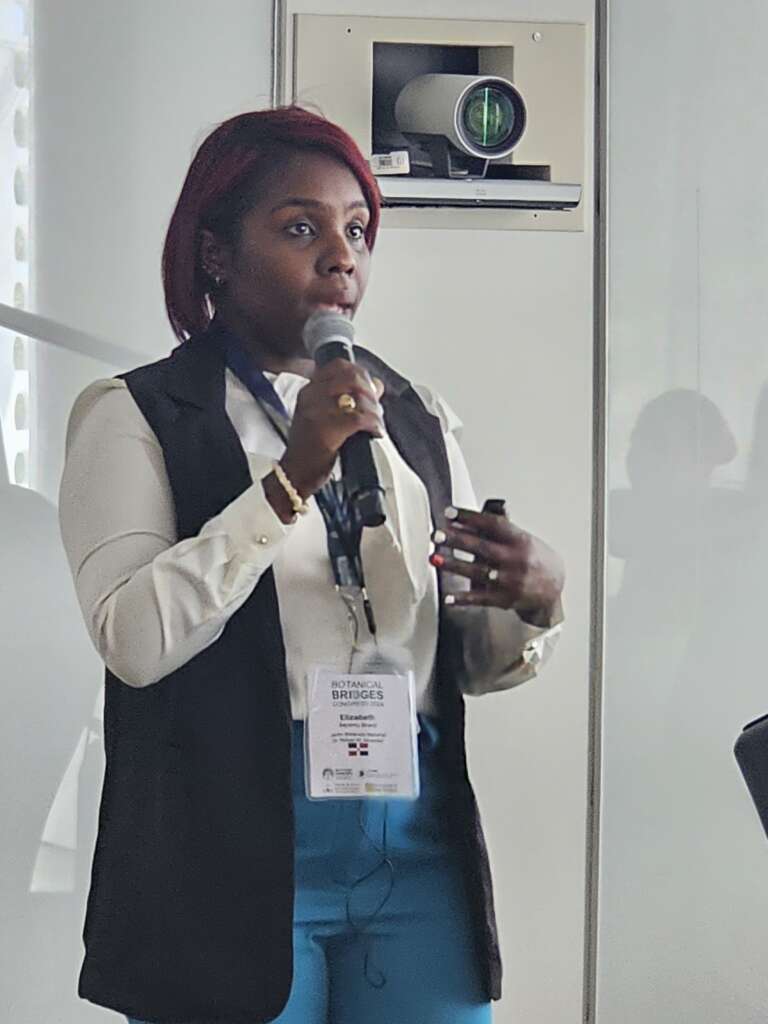
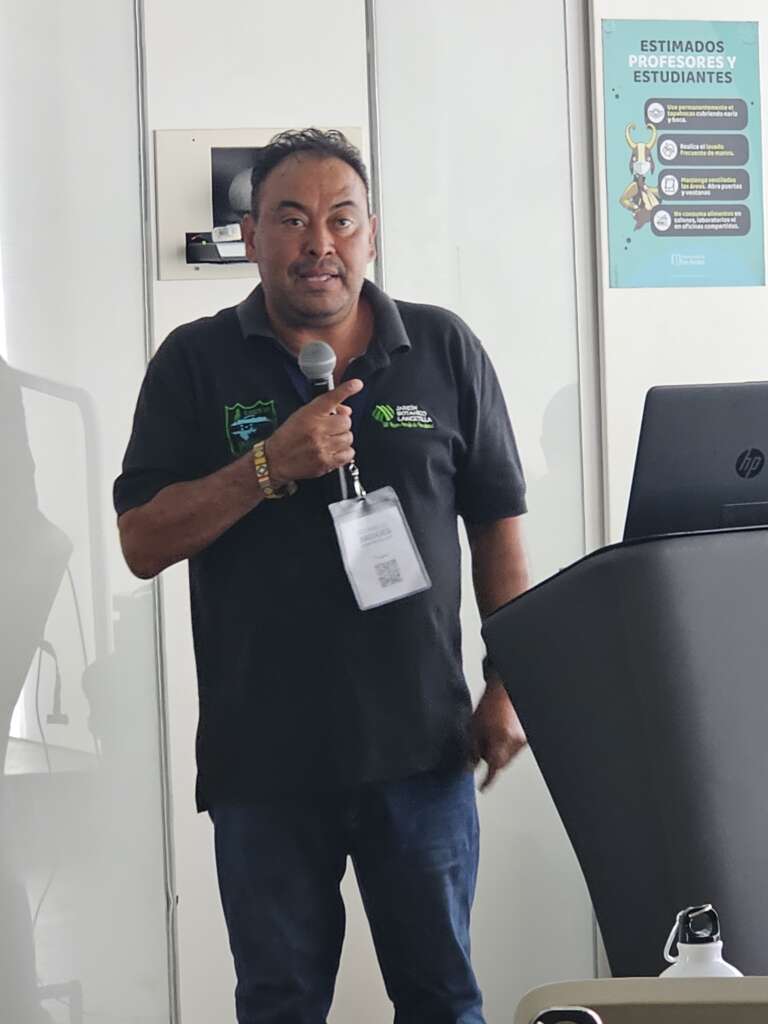
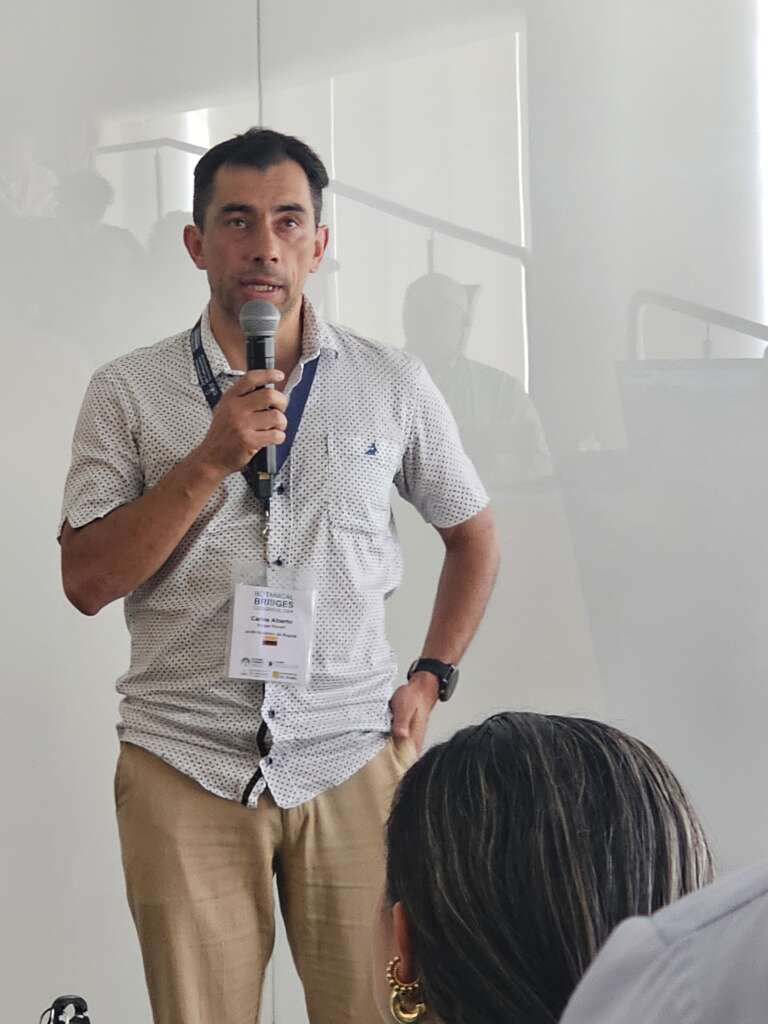
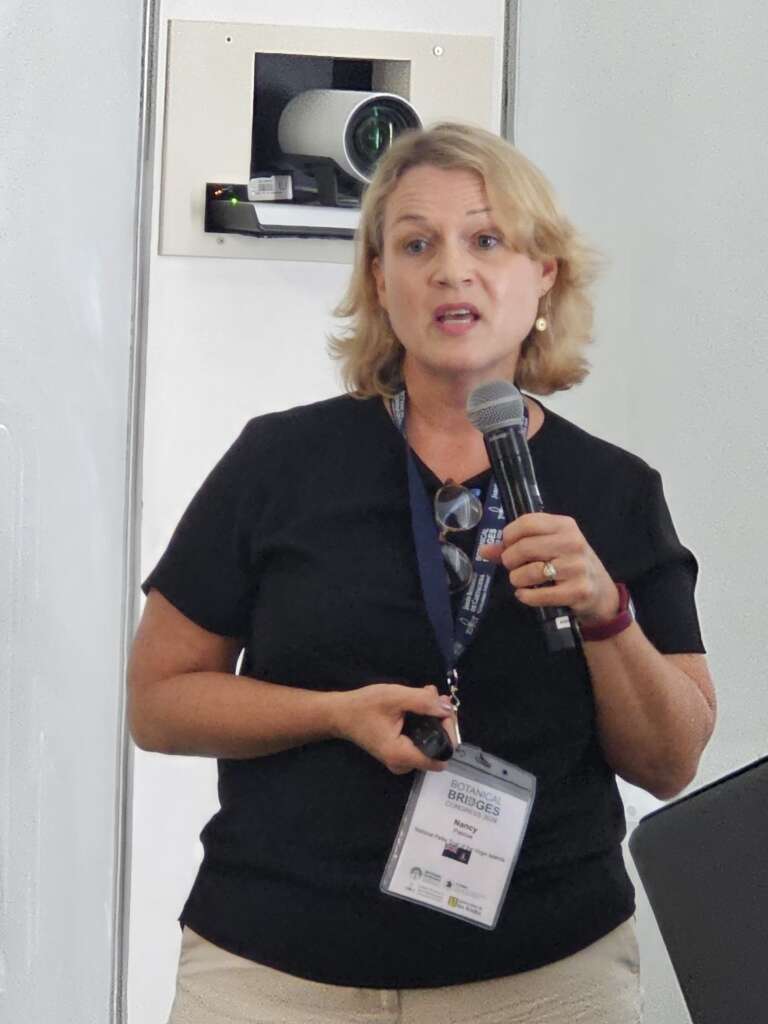
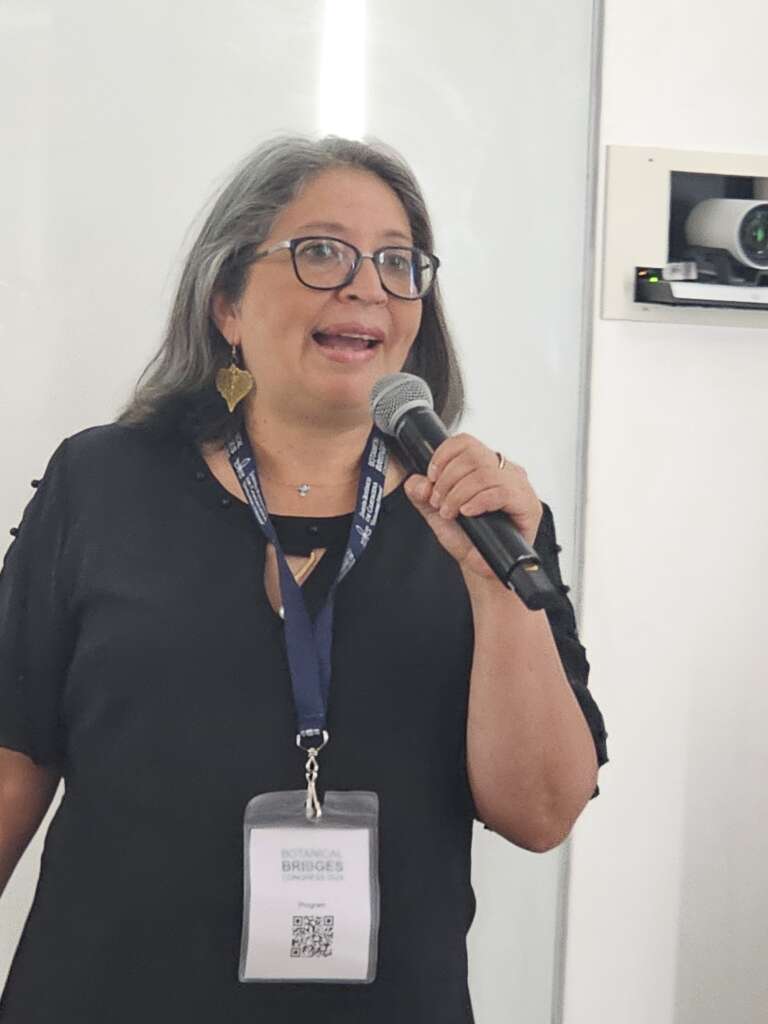
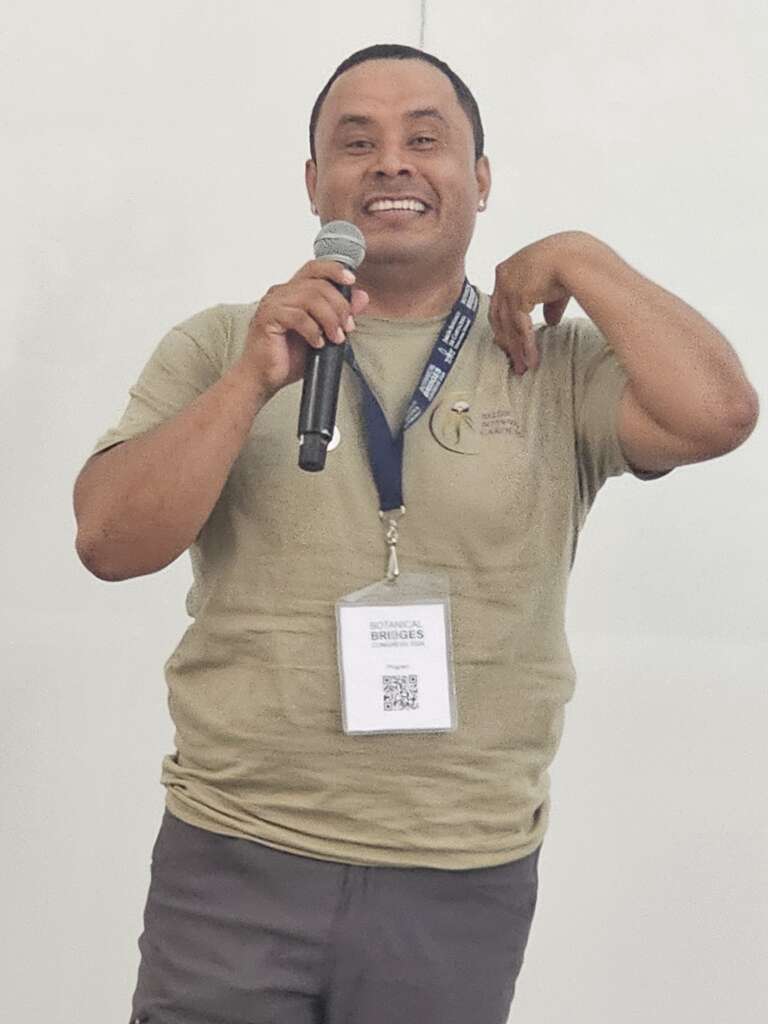
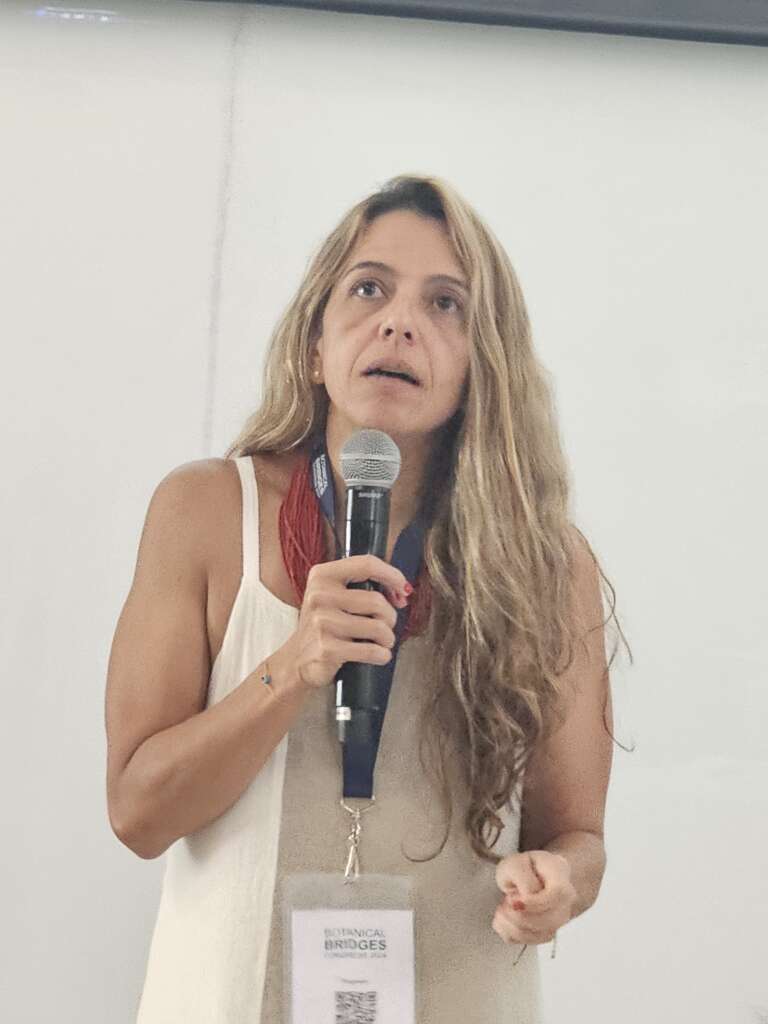
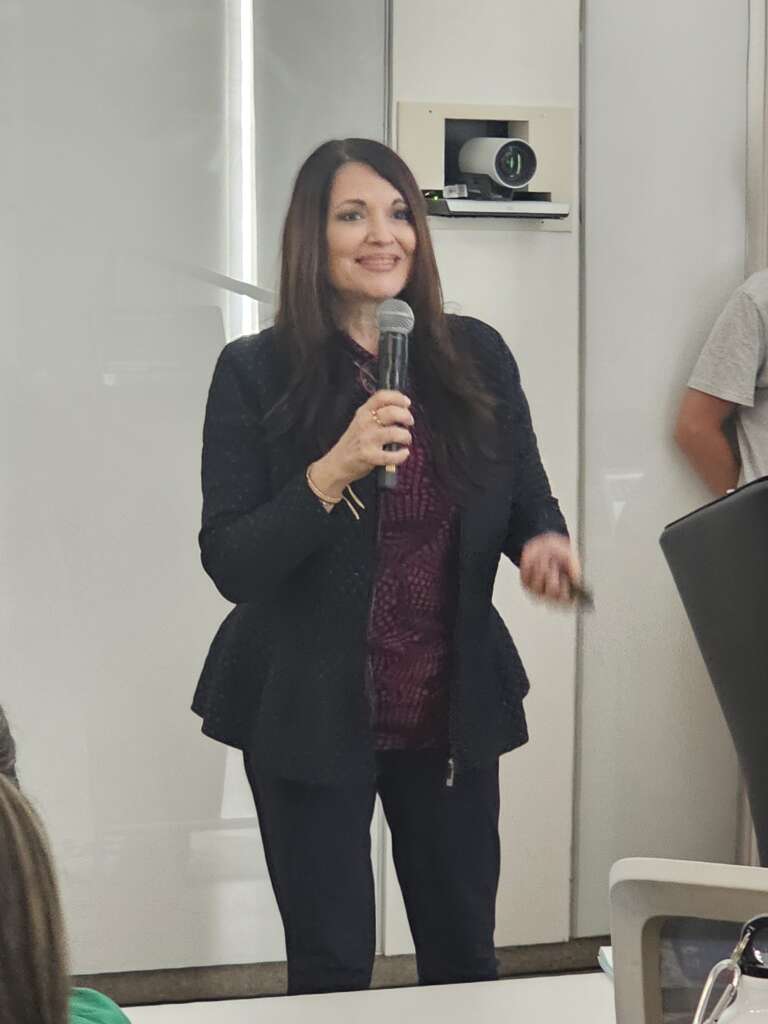
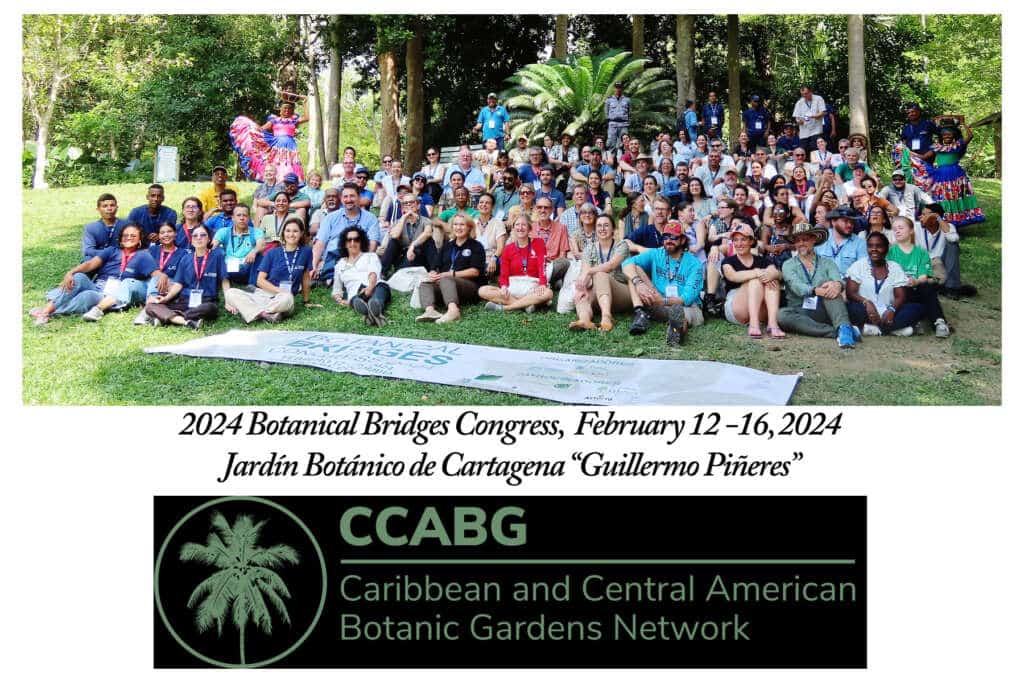
Notes from 3t: I have returned from the heart of Cartagena with renewed vigor and a treasure trove of insights. The Botanical Bridges Congress was not just a gathering; it was a clarion call to those of us dedicated to preserving the rich tapestry of plant diversity in the Caribbean and Central American region. This area, a cradle of unparalleled botanical wealth, hosts species that whisper the ancient tales of our planet’s green heritage, many of which find sanctuary nowhere else on Earth.
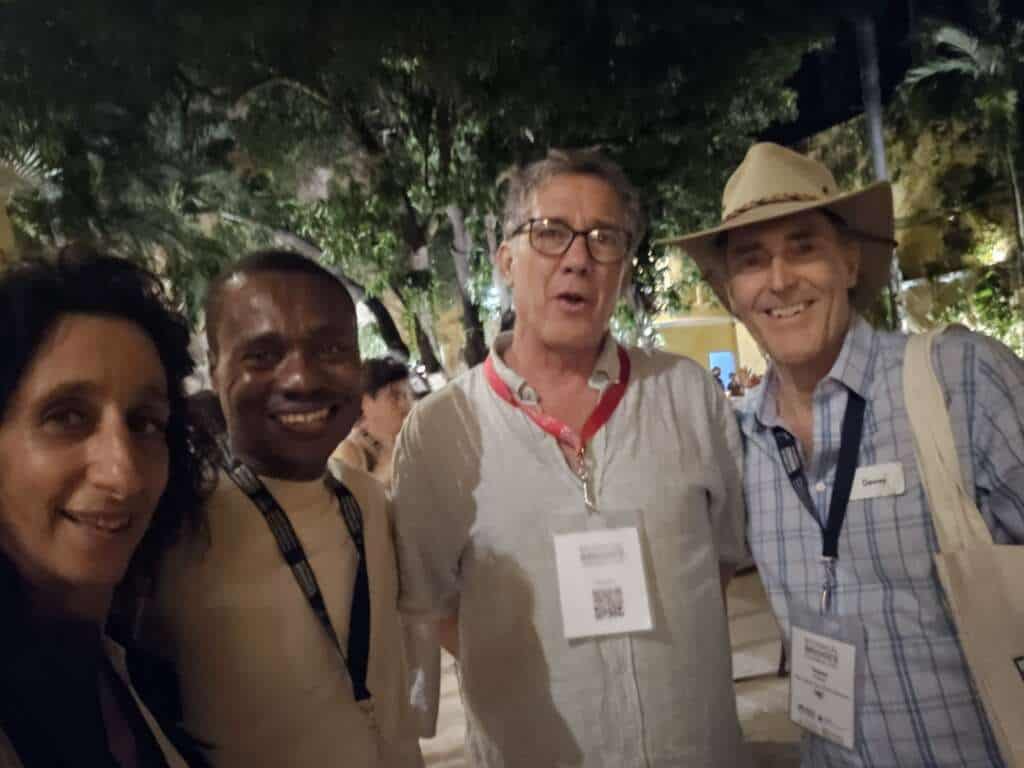
Yet, as we stand witness to the relentless threats of habitat destruction, invasive species encroachment, and the ever-looming specter of climate change, the urgency to act becomes ever more pressing. It is within this crucible of challenge that the power of collaboration shines through. The Congress underscored the indispensable role of forging and nurturing connections across the spectrum of institutions dedicated to plant conservation—a united front in the battle to protect our green legacy.

This year’s Botanical Bridges Congress, a testament to the collaborative spirit encouraged by the Caribbean and Central American Botanic Gardens Network (CCABGN) alongside past and present host organizations and the stalwart support of Botanic Gardens Conservation International (BGCI), was a melting pot of ideas, strategies, and shared dreams. The partnership forged in 2019 between Naples Botanical Garden (NBG) and BGCI, further strengthened by the appointment of a dedicated coordinator in 2022, exemplifies the collective commitment to bolstering the botanic garden community’s role in our region’s conservation efforts.

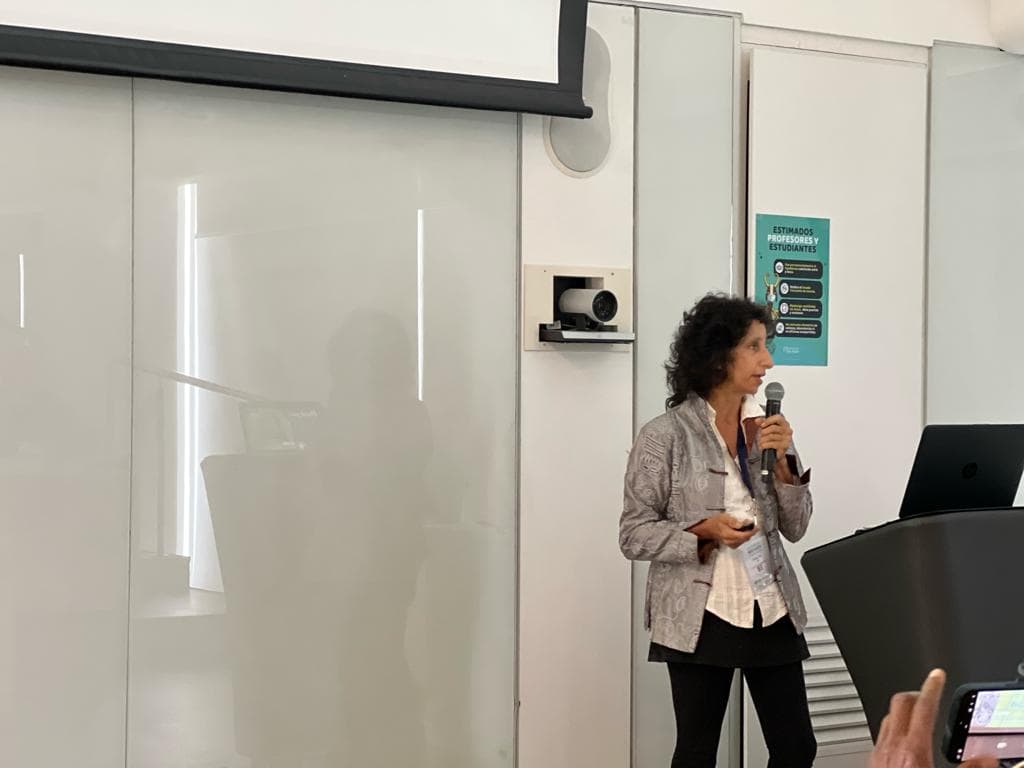
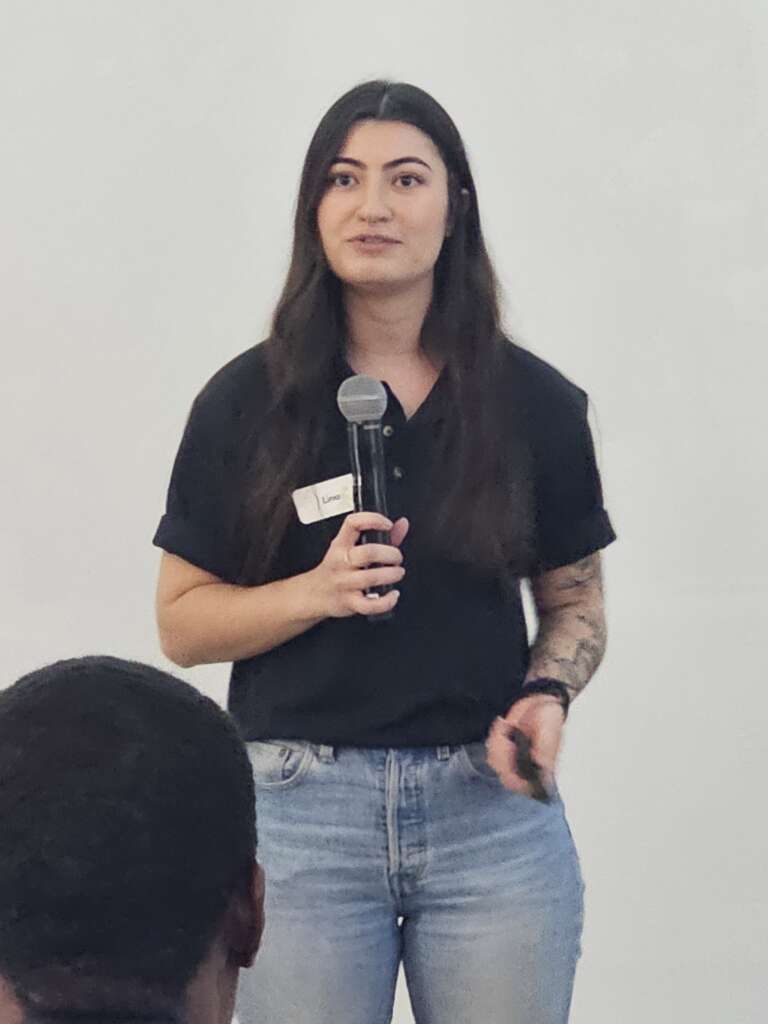
My contribution to this grand dialogue was a presentation entitled “Resilience in the Face of Natural Disasters: Conservation Efforts and Challenges for Endangered Endemic Species at Eye On The Rainforest,” aimed at casting a spotlight on the critical yet often overlooked aspect of our work: the resilience and recovery of ecosystems in the aftermath of natural calamities, such as 2017’s Hurricane Maria, and 2022’s Hurricane Fiona. Sharing our experiences and lessons learned, we delve into the essence of what it means to protect and nurture the fragile bastions of biodiversity that are endemic species.

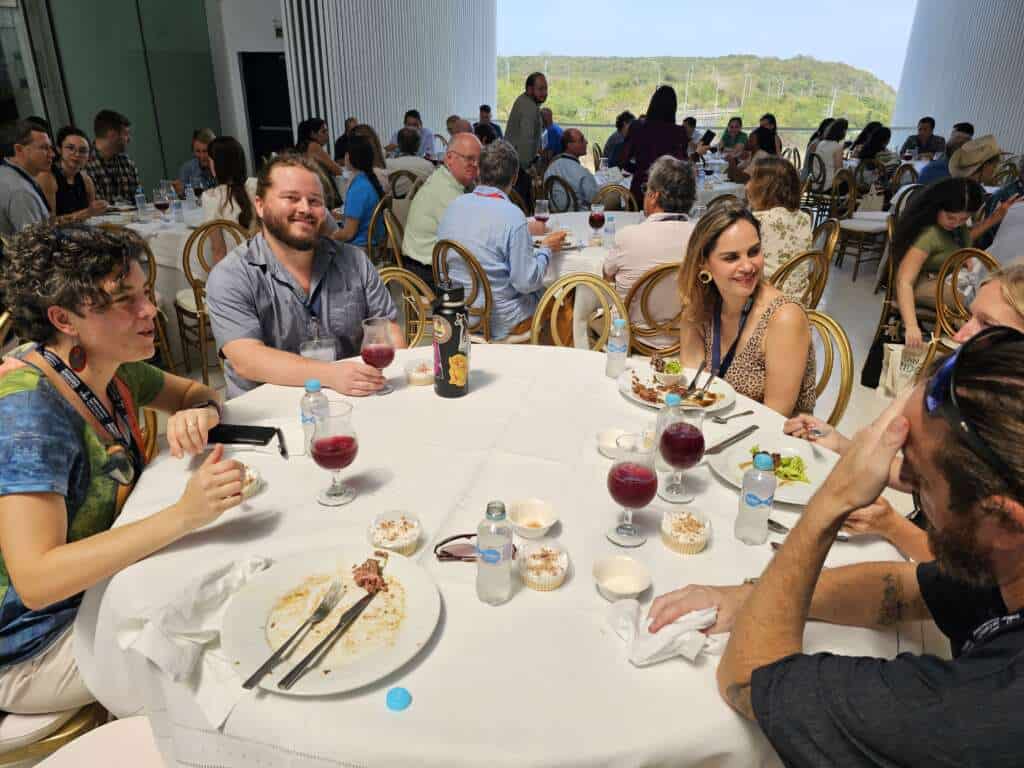
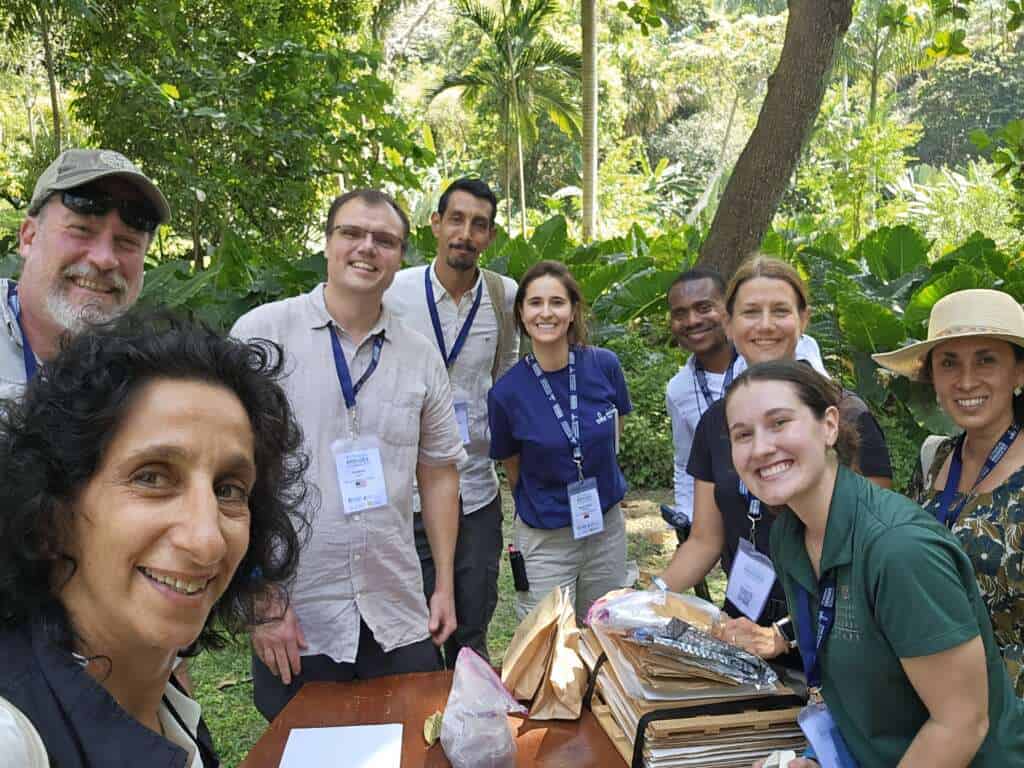
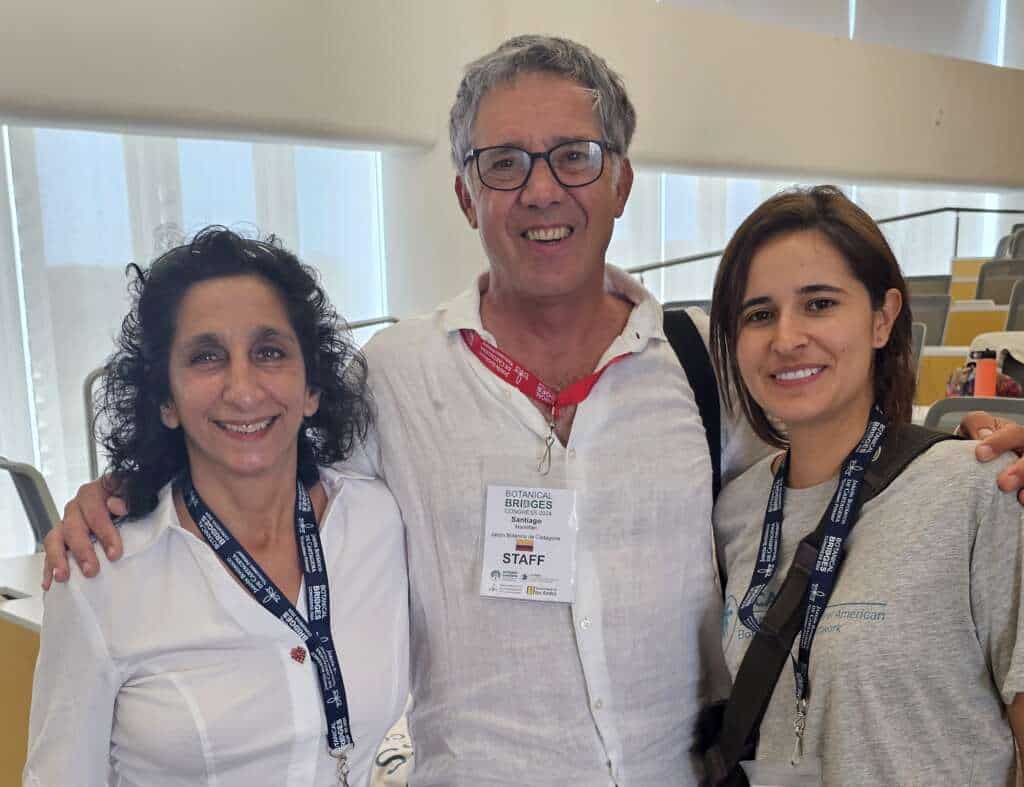
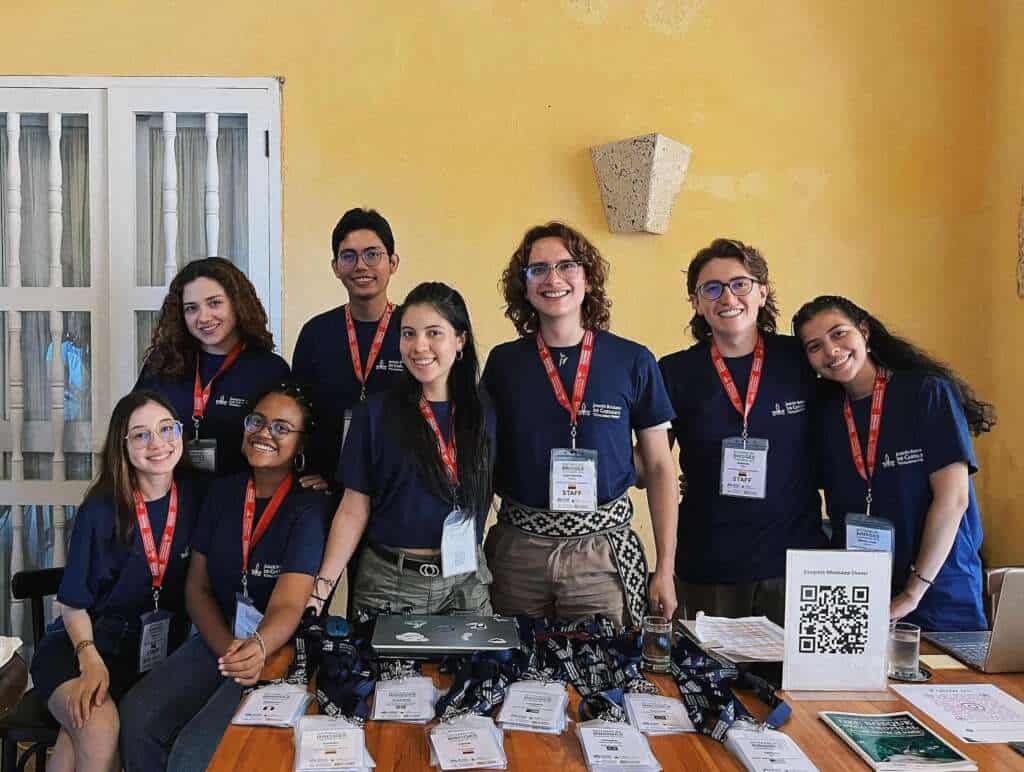
The congress was an extraordinary confluence of minds and missions, and my heart is full of gratitude for our gracious hosts, Santiago Madrinan and Maria Contreras, leaders of Jardín Botánico de Cartagena “Guillermo Piñeres, and their diligent and extremely fun team of students from the university. Their hospitality and meticulous planning set the stage for a truly impactful gathering. The food was spectacular!


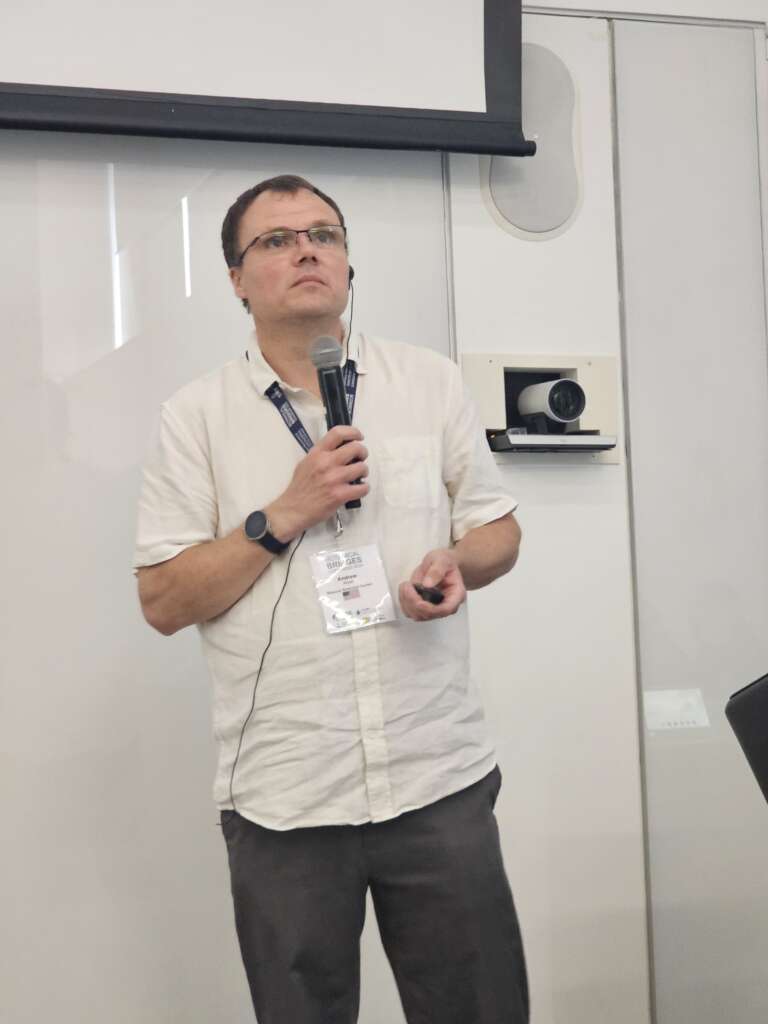
Special thanks are also due to Chad Washburn (NBG), Noelia Alvarez (BGCI), Lina Ramirez (BGCI), and Andrew Wyatt (Missouri Botanical Gardens), whose support made my participation possible, covering the logistical necessities that often pose barriers to sharing our voices and visions. Also, thanks to Patricia Malcolm (BGCI), who has been key in accepting our proposals for continued work with endangered endemic species in Puerto Rico.

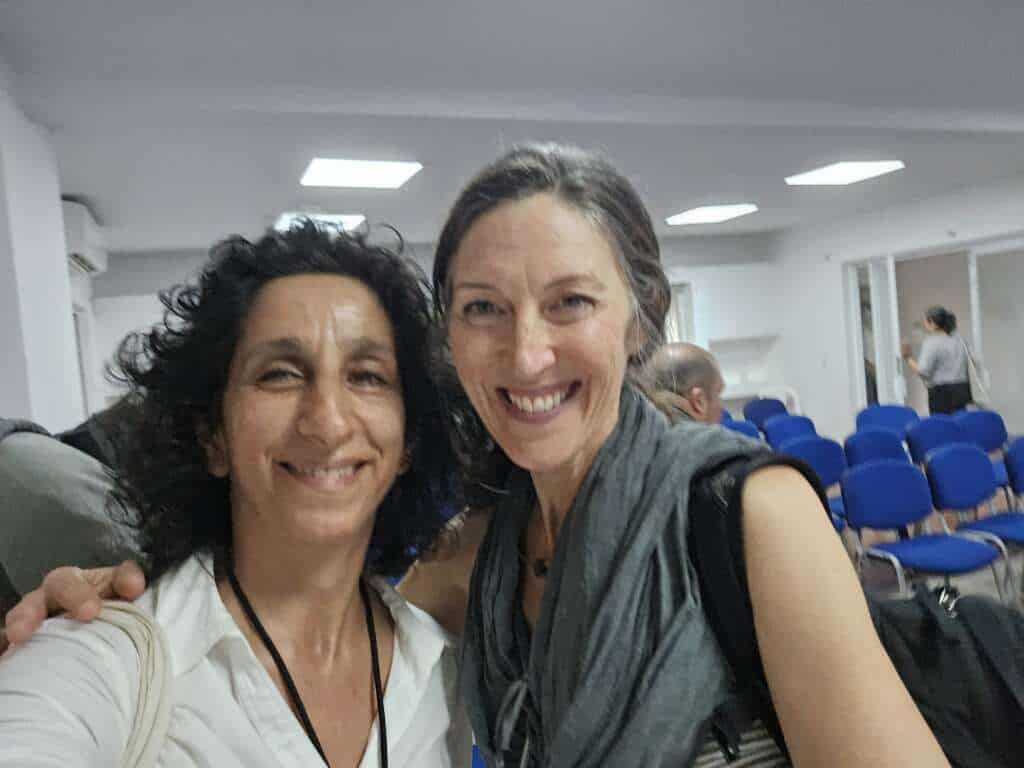
As I reflect on the experiences of the past five days, the conversations, the learning, and the shared commitment to our cause, I am filled with hope. I have met some wonderful people here. Together, under the banner of #BotanicalBridges, we move forward, united in our dedication to plant conservation and the belief that, through collaboration, we can secure the future of our planet’s botanical wonders for generations to come.

Thank you all!!

Conservation in Patillas, Jan 2024


In the realm of botanical conservation, Thrity (3t) Vakil, serving as the director of Tropic Ventures Research & Education Foundation (TVREF), has been at the forefront of a significant project aimed at safeguarding endangered endemic tree species in Puerto Rico. Under her leadership, TVREF, in collaboration with Botanic Gardens Conservation International (BGCI) and the Global Tree Campaign (GTC), embarked on an ambitious initiative to conserve two of Puerto Rico’s threatened endemic tree species: Palo de Cruz, Garcinia portoricensis (Clusiaceae) and Tortugo Prieto Ravenia urbani (Rutaceae).

The conservation project’s genesis can be traced back to 2021, when the Naples Botanical Garden in Florida secured a grant from the Association of Zoological Horticulture. This funding was pivotal for constructing a new tree nursery at Las Casas de la Selva in Patillas, Puerto Rico, addressing a critical need following the destruction wrought by Hurricane Maria in 2017, which decimated the existing tree nurseries. The partnership with BGCI and the GTC, formalized through a 2021 agreement, significantly enhanced the project’s scope and potential impact.

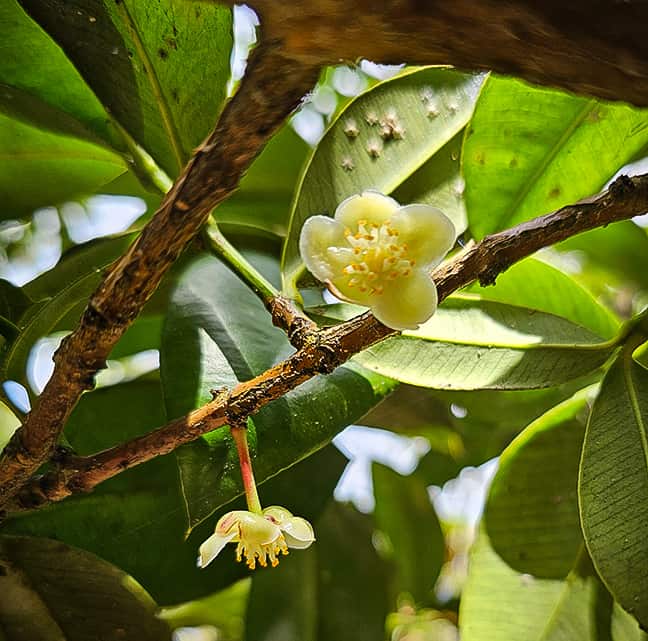
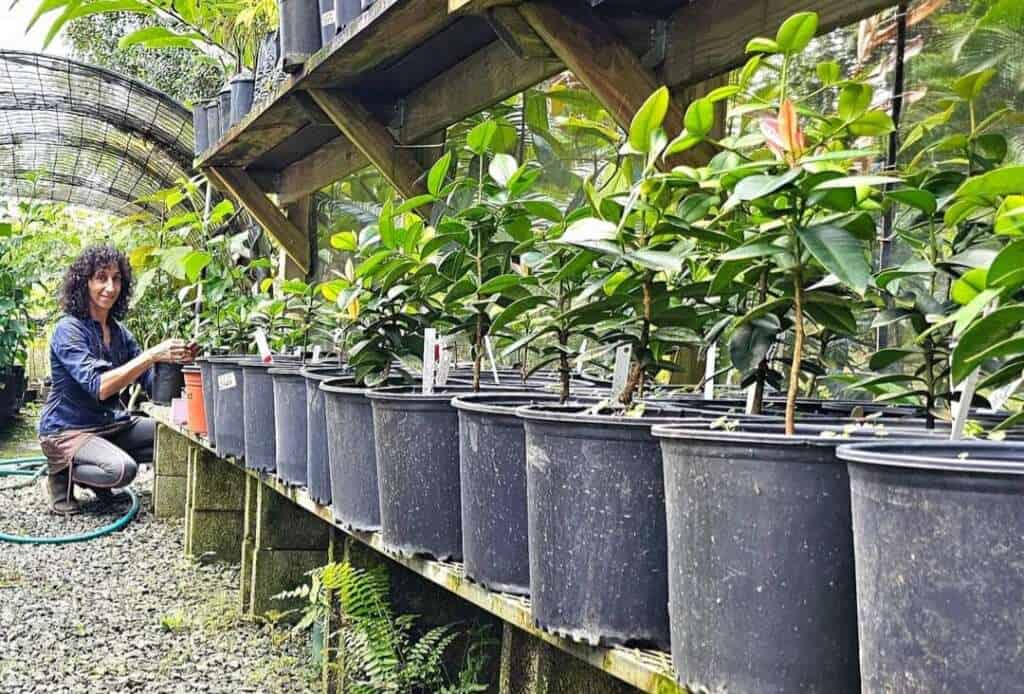
Garcinia portoricensis is growing in the nursery at Las Casas de la Selva. Dec 2023

3T brought together a world-class multidisciplinary team of specialists in various fields, including plant and tree sciences, ecology, agronomy, biology, taxonomy, bryology, pteridology, mycology, lepidoptery, lichenology, and zoology.

The team was tasked with advancing the project’s objectives within the 930-acre forest property in the southeast mountains of Puerto Rico, adjacent to the Carite State Forest, known as Las Casas de la Selva. This property, established in 1983, is recognized as a certified stewardship forest and operates under an approved forest stewardship management plan. It is designated as an auxiliary forest. The team also carried out botanical expeditions to other areas on the island of Puerto Rico.


The project, under 3T’s guidance, has updated conservation assessments, mapped populations, established an ex-situ collection, created propagation protocols, and will implement in-situ conservation programs. Educational initiatives targeting local schools and the development of an integrated action plan for national authorities are also key components of the project’s strategy.

3T’s leadership in this collaborative conservation effort stands as a testament to the potential for positive impact on the preservation of endangered endemic trees in Puerto Rico. As 2024 progresses, the collective efforts of TVREF, BGCI, NBG, GTC, and other partner organizations are poised to contribute significantly to the long-term survival of Garcinia portoricensis and Ravenia urbani, securing their legacy for future generations. January 2024

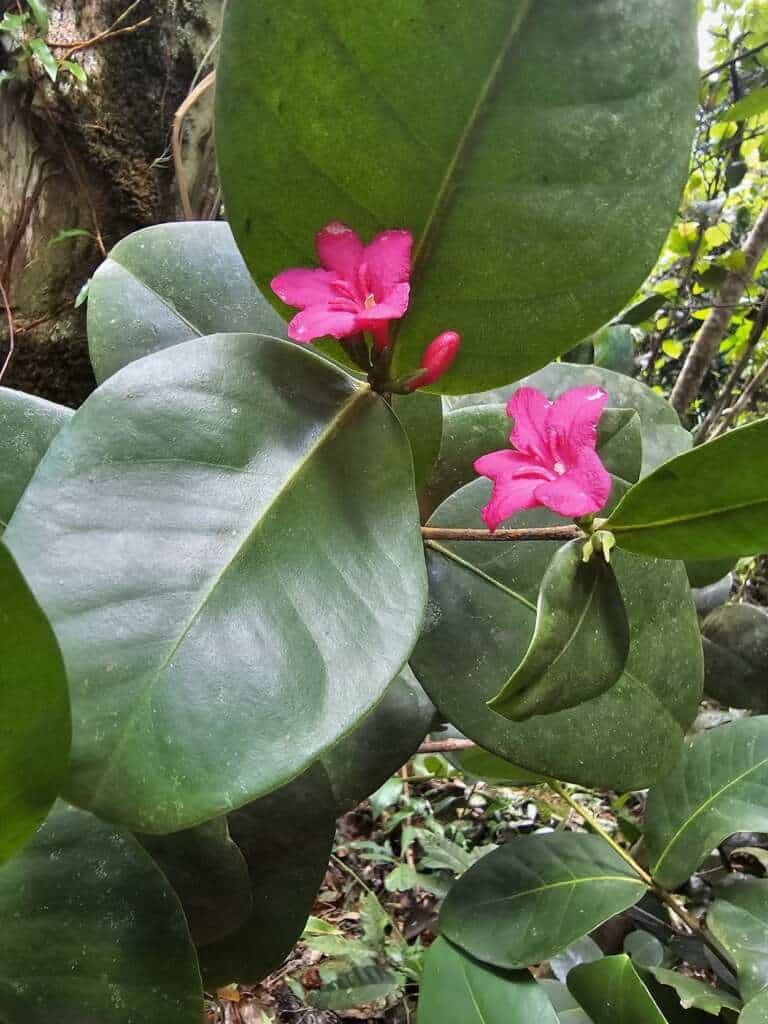
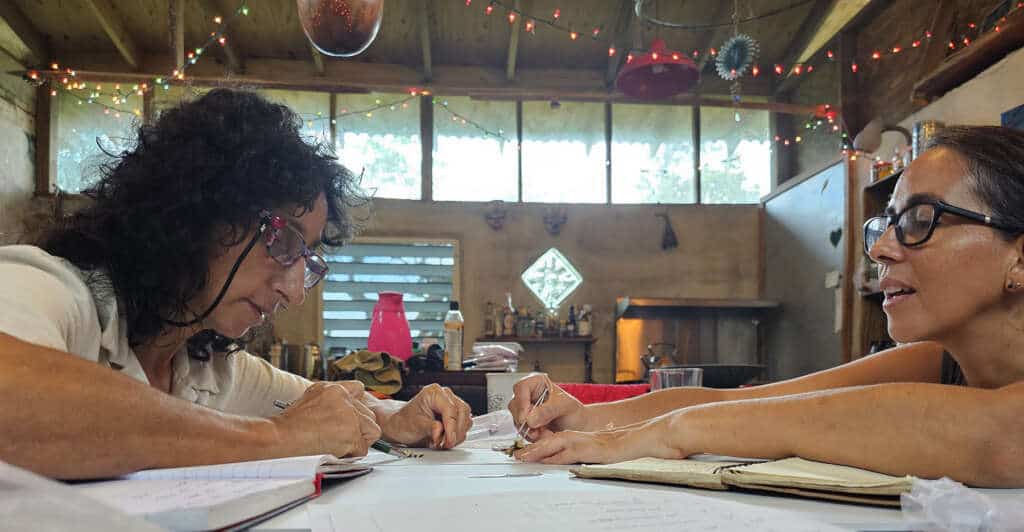
Thrity Vakil & Amelia Merced extracting seeds from the seed cases of Ravenia urbani

Links:

Securing the conservation of endemic trees in Puerto Rico

Eye on the Rainforest’s Conservation Endeavors in Puerto Rico | Botanic Gardens Conservation International (bgci.org)

Meet three Naples Botanical Garden partners to understand the environmental pressures they face, the ways in which they are striving to make a difference, and why NBG champions their causes. September 2021. Go to Pages 16-18, to read about the work we are doing with endangered endemics
Conserve Magazine Pages 16-18.pdf

Havana, Cuba, Nov 2023

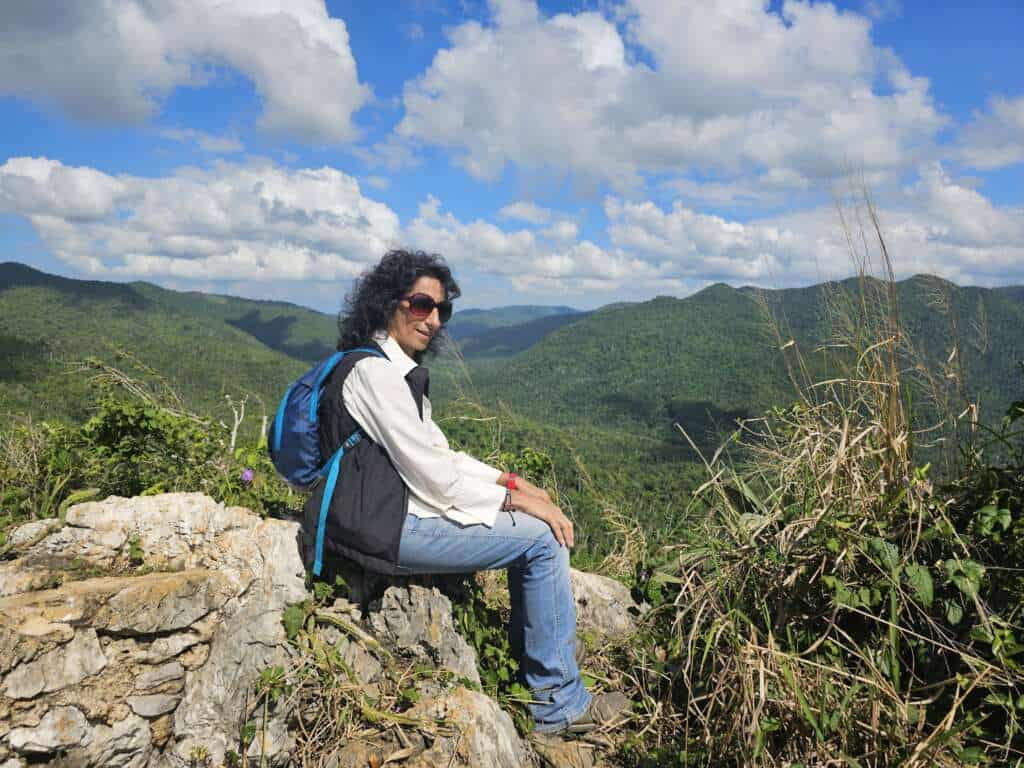
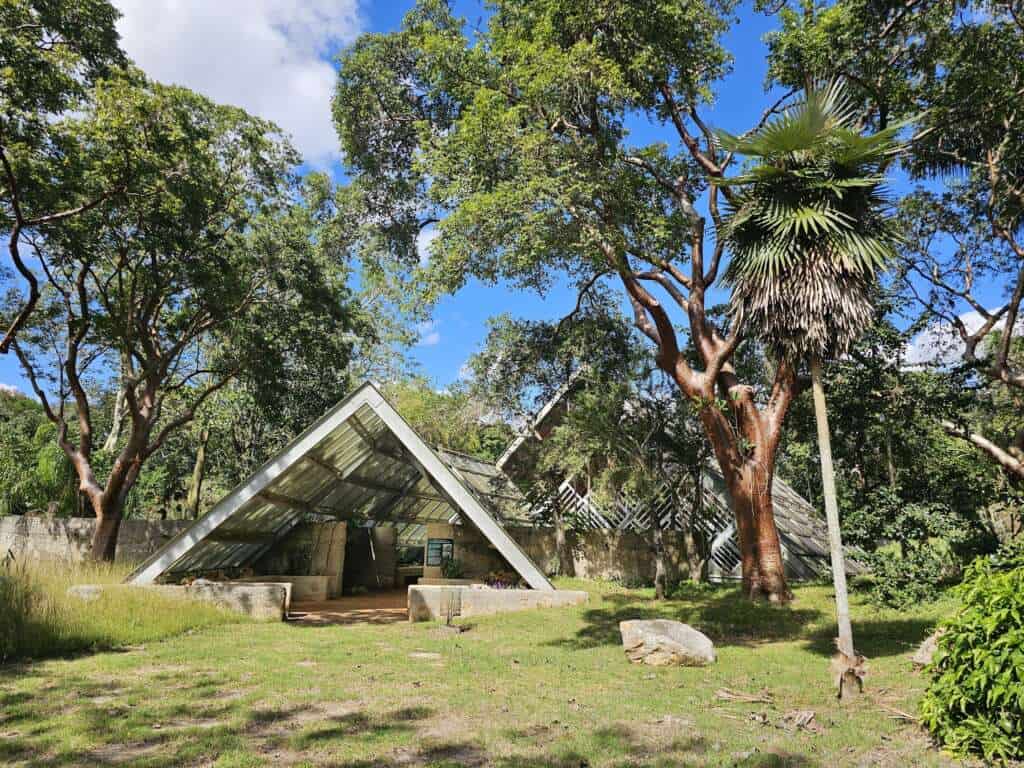
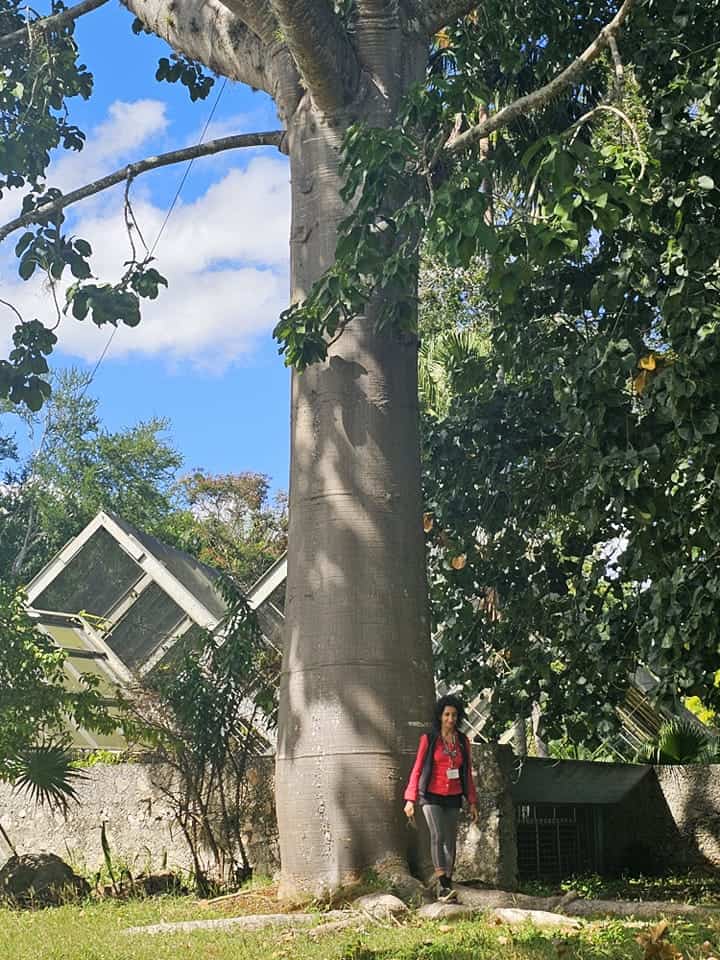
3t at Mirador Loma el Mogote, NE Cuba

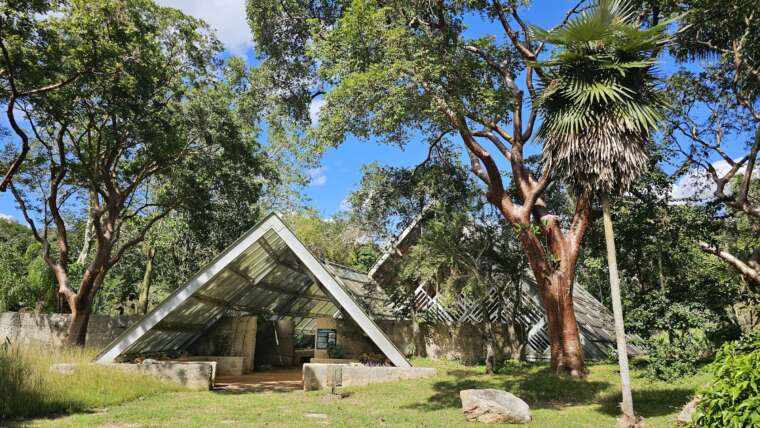
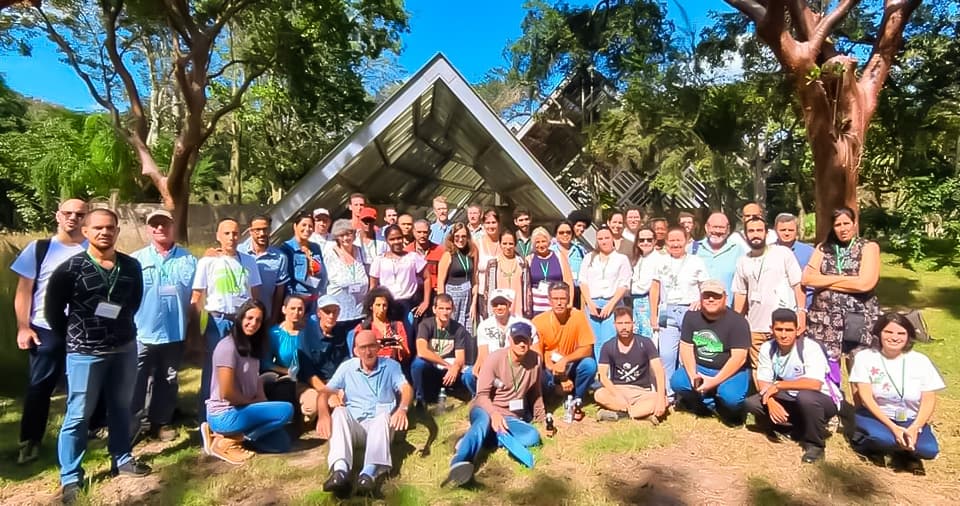
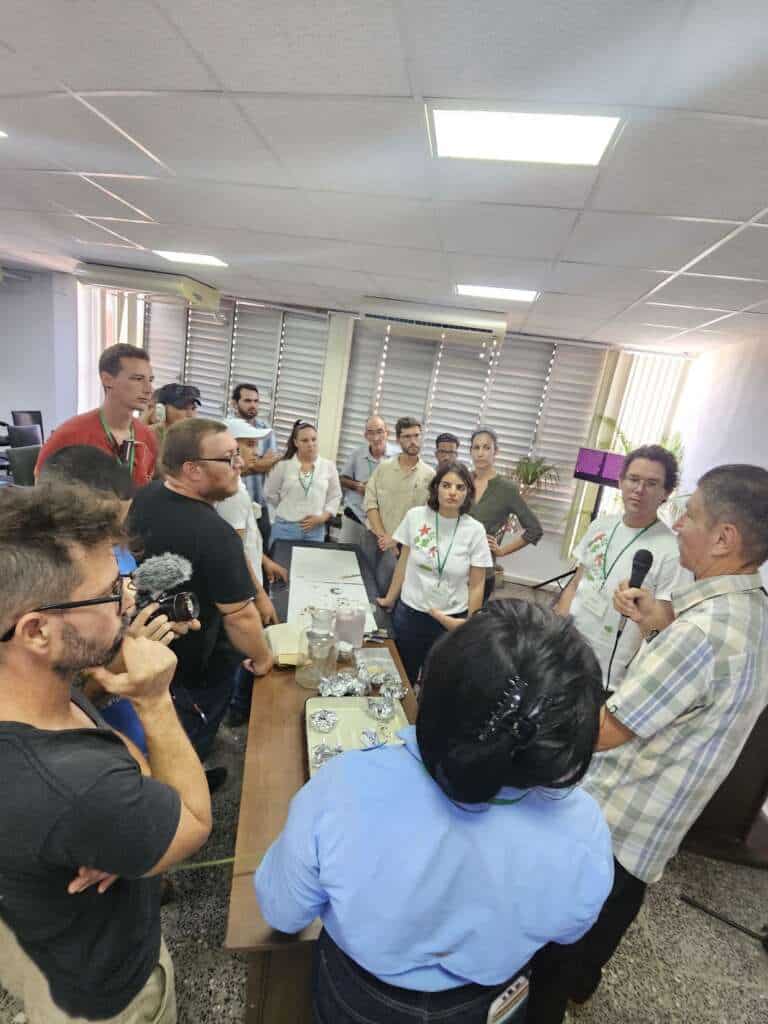
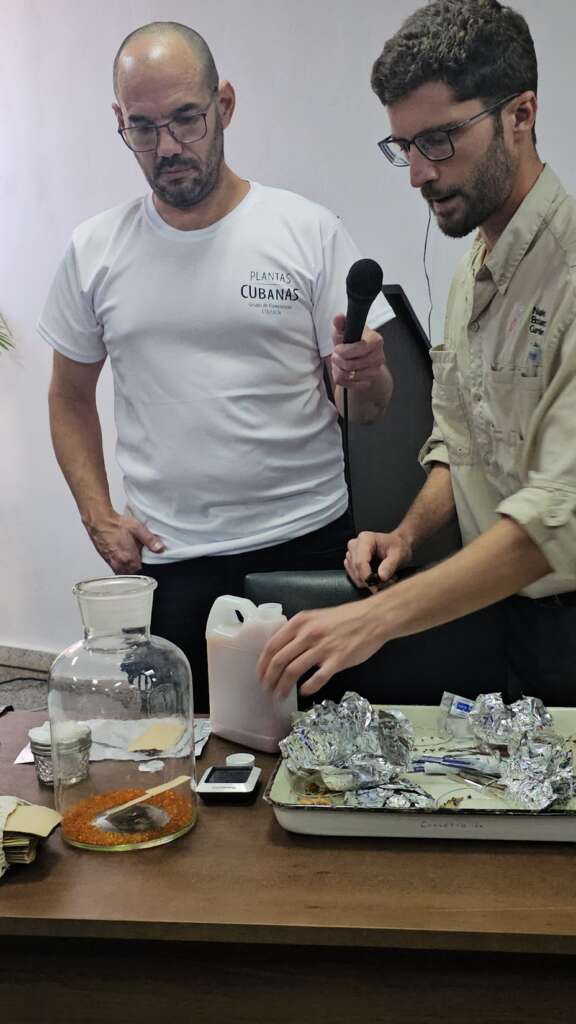
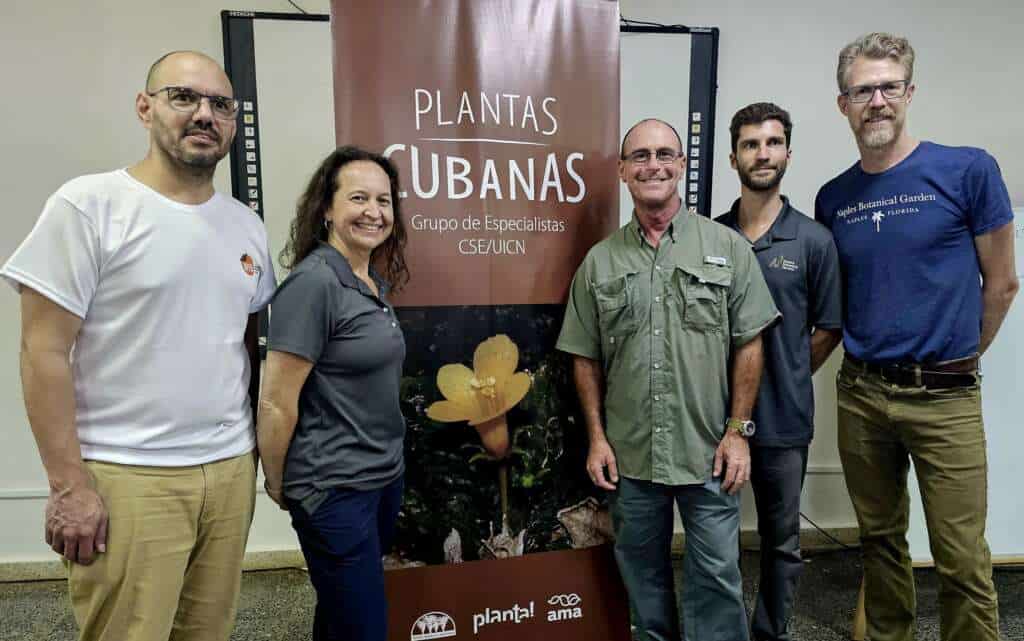
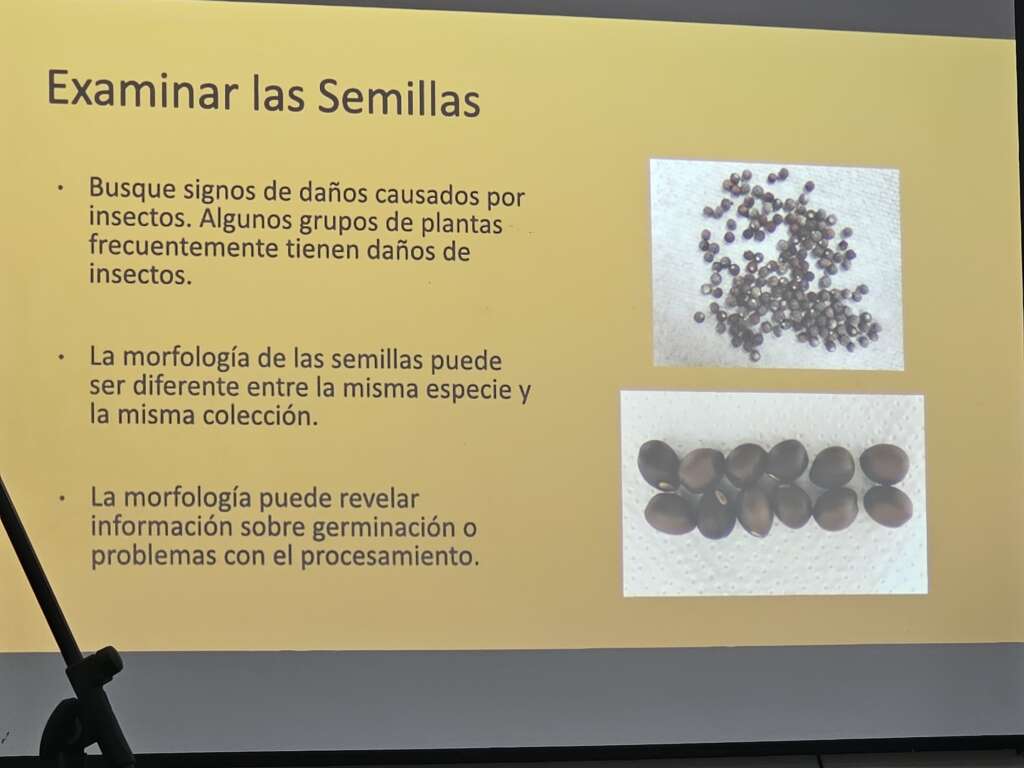
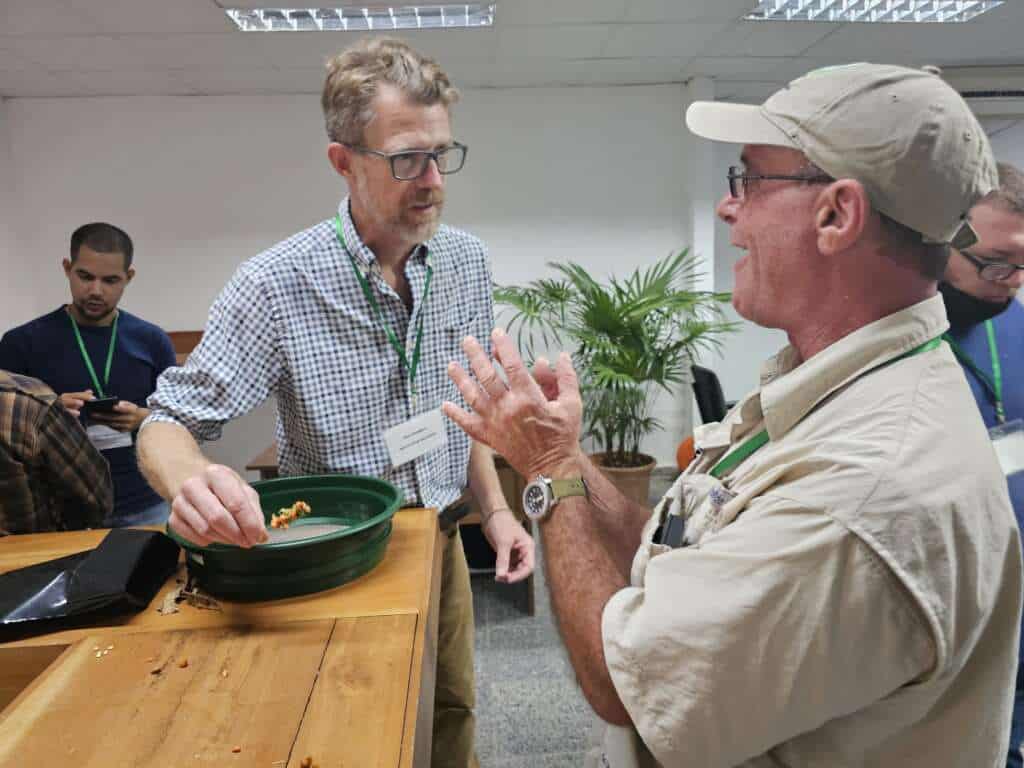
Conservation Horticulture workshop, Cuba

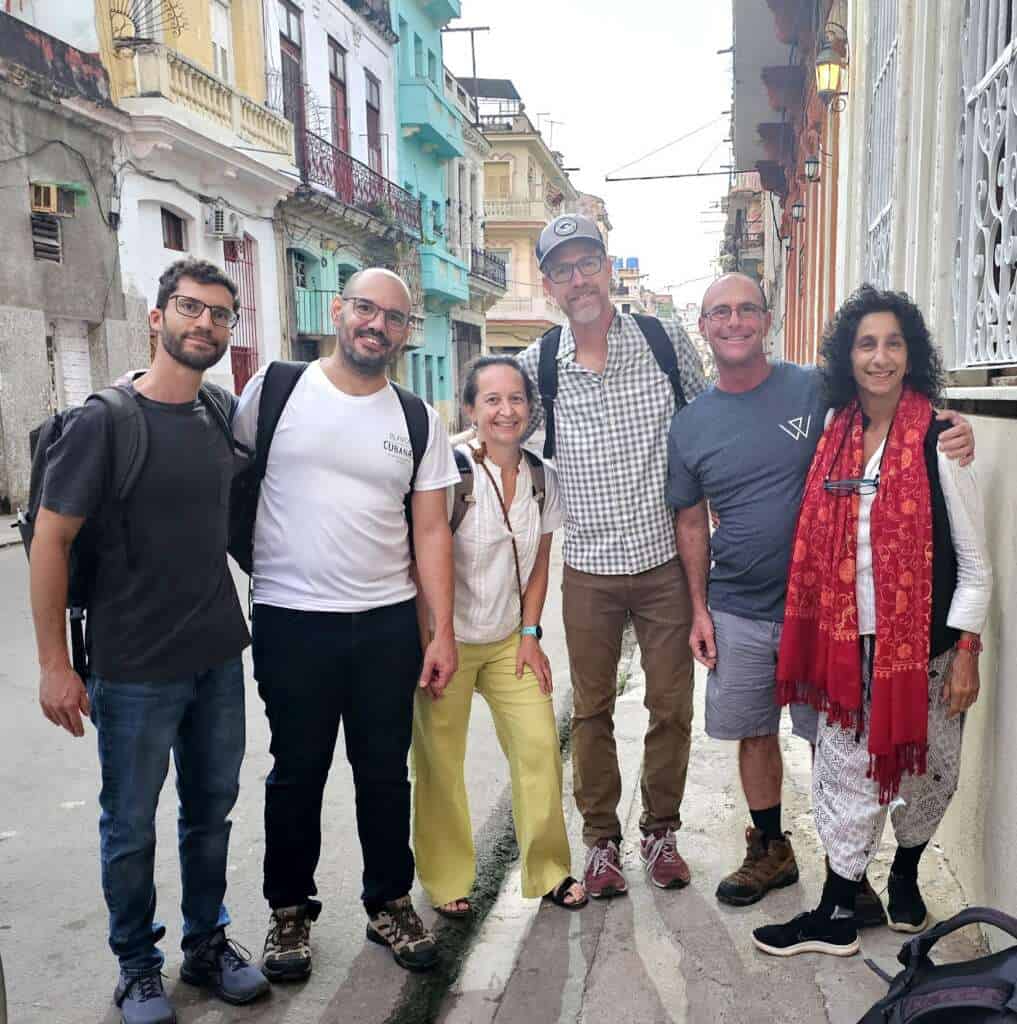
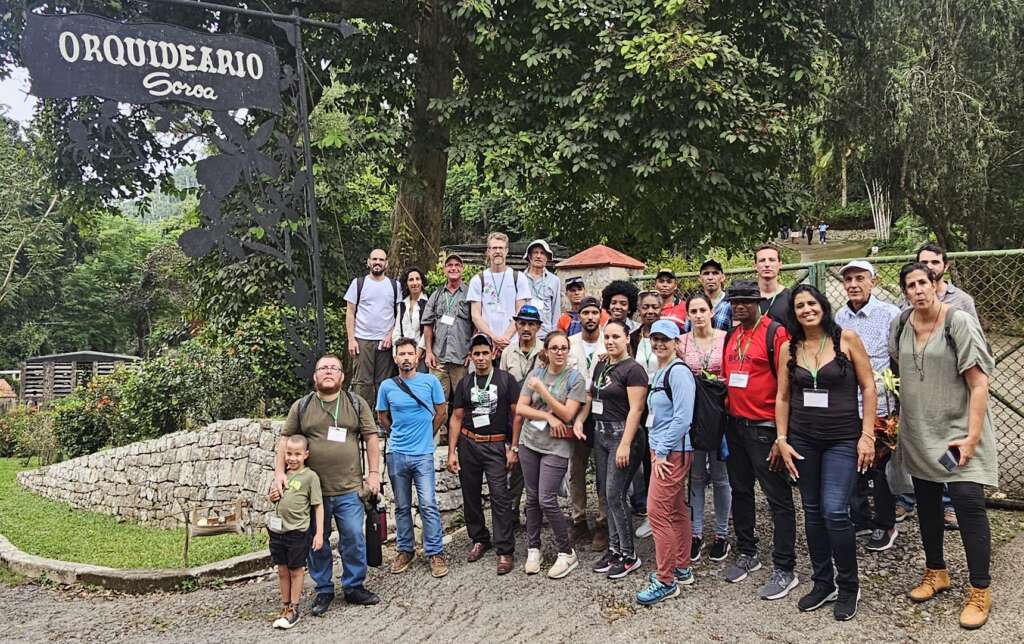
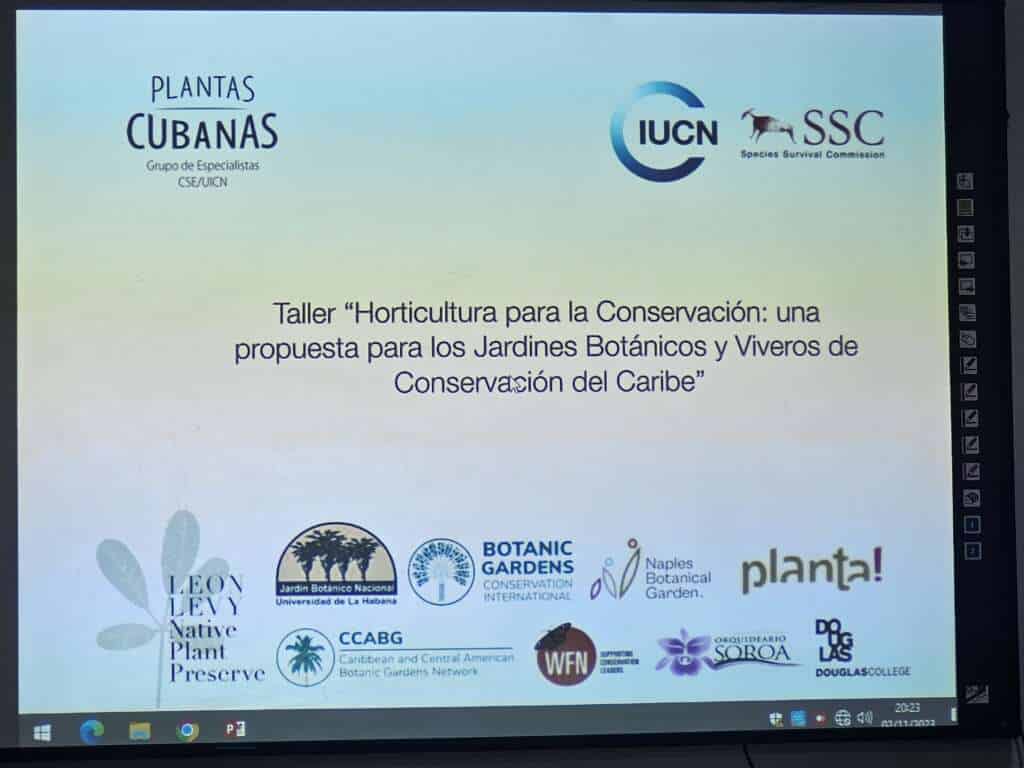
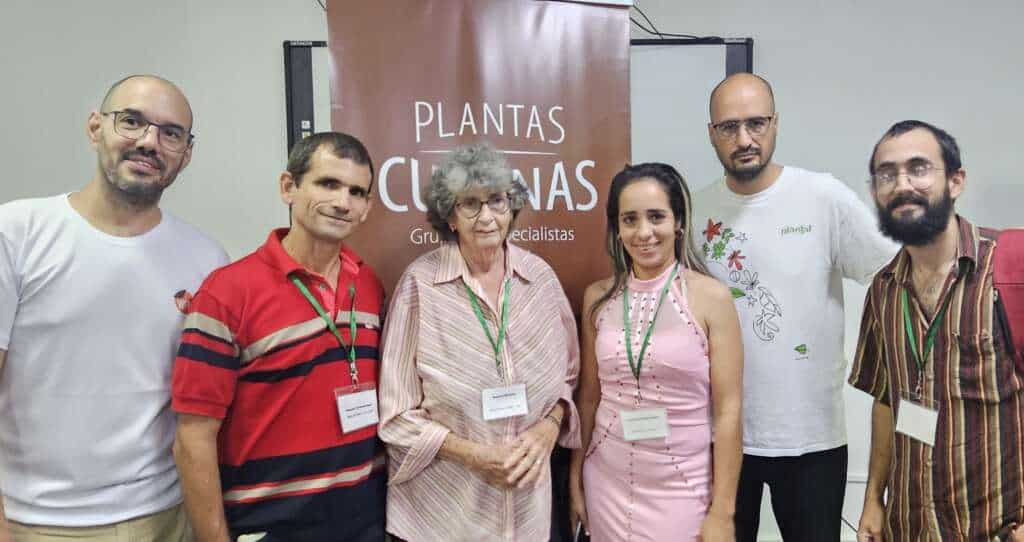
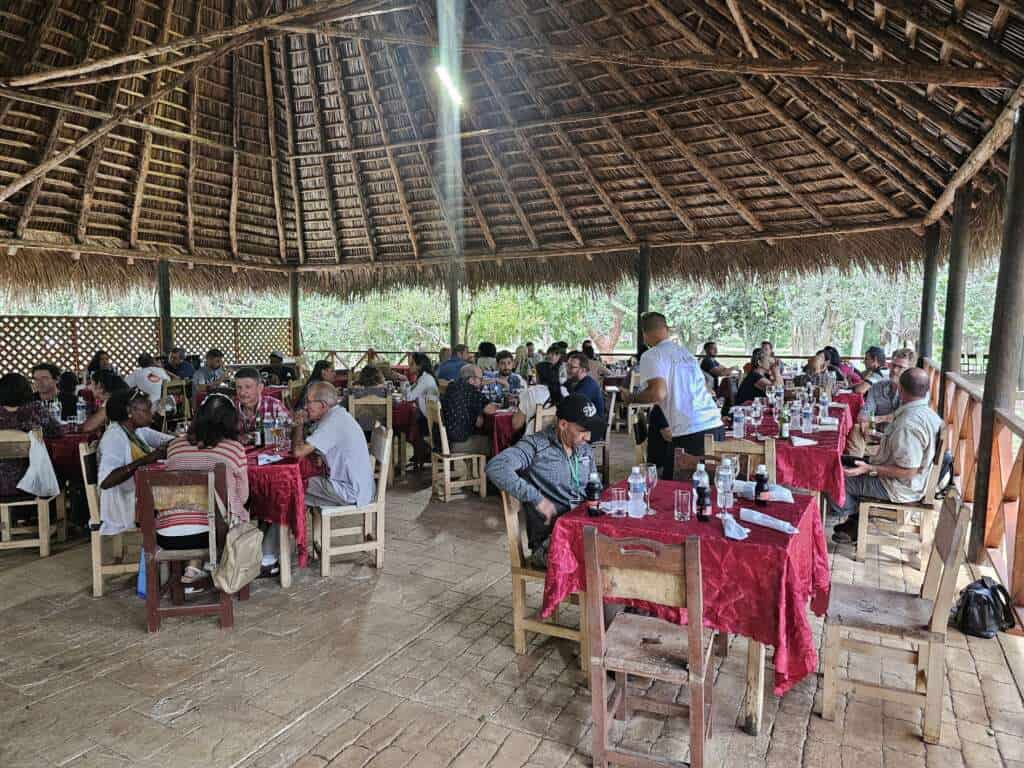
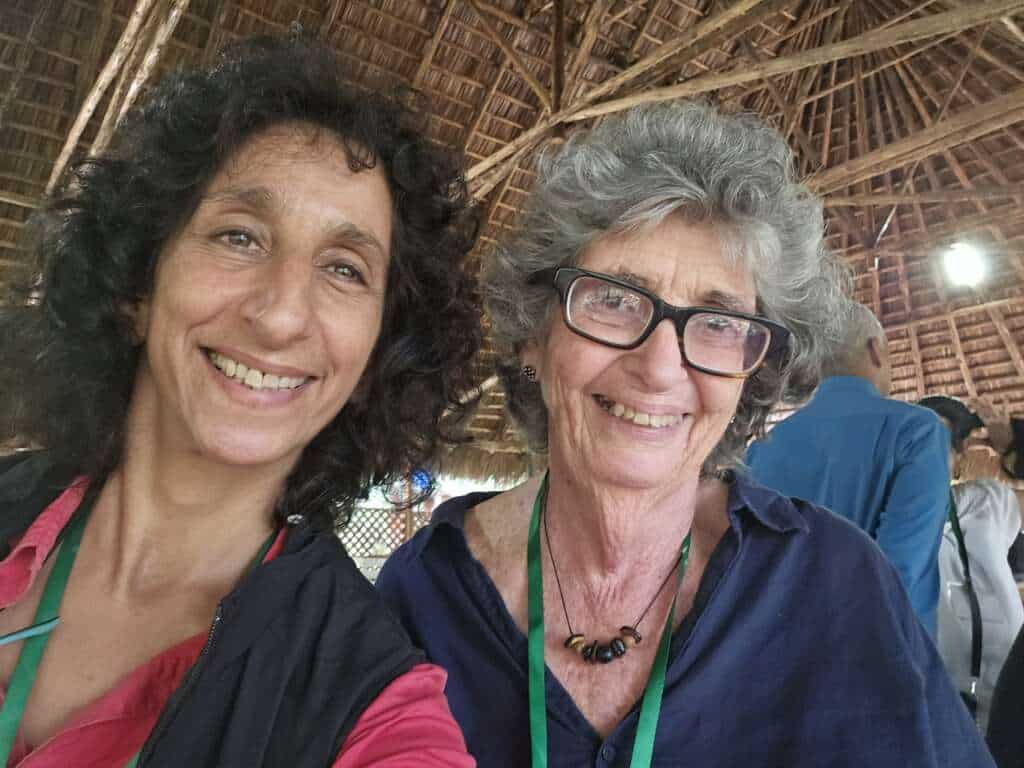
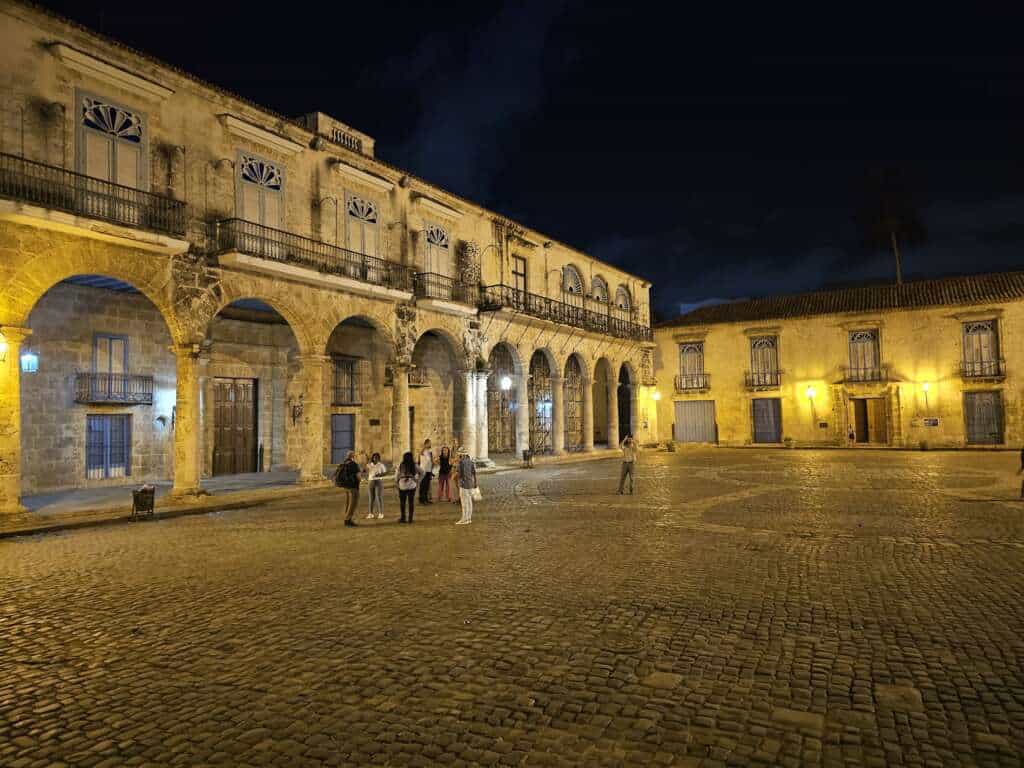
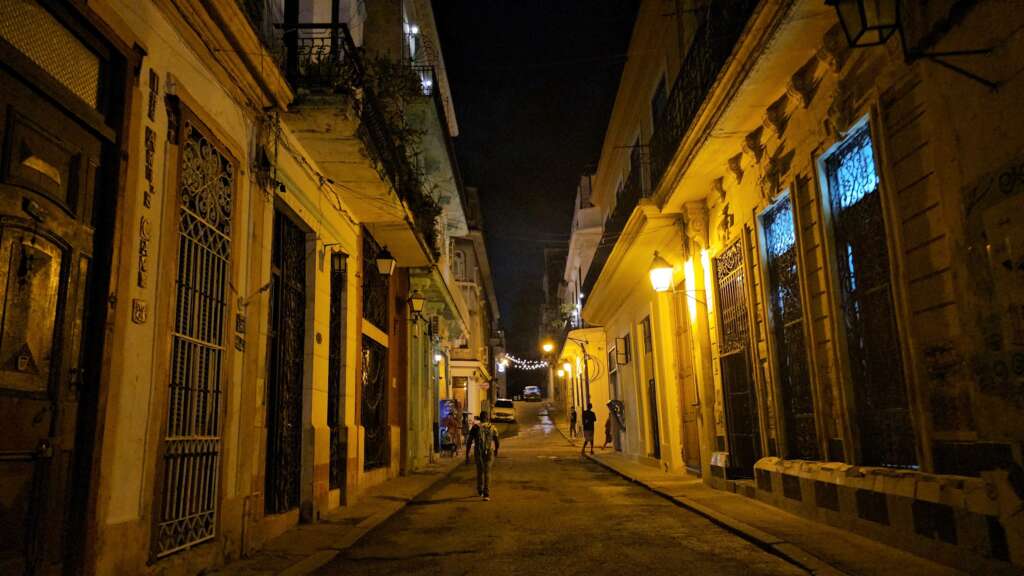
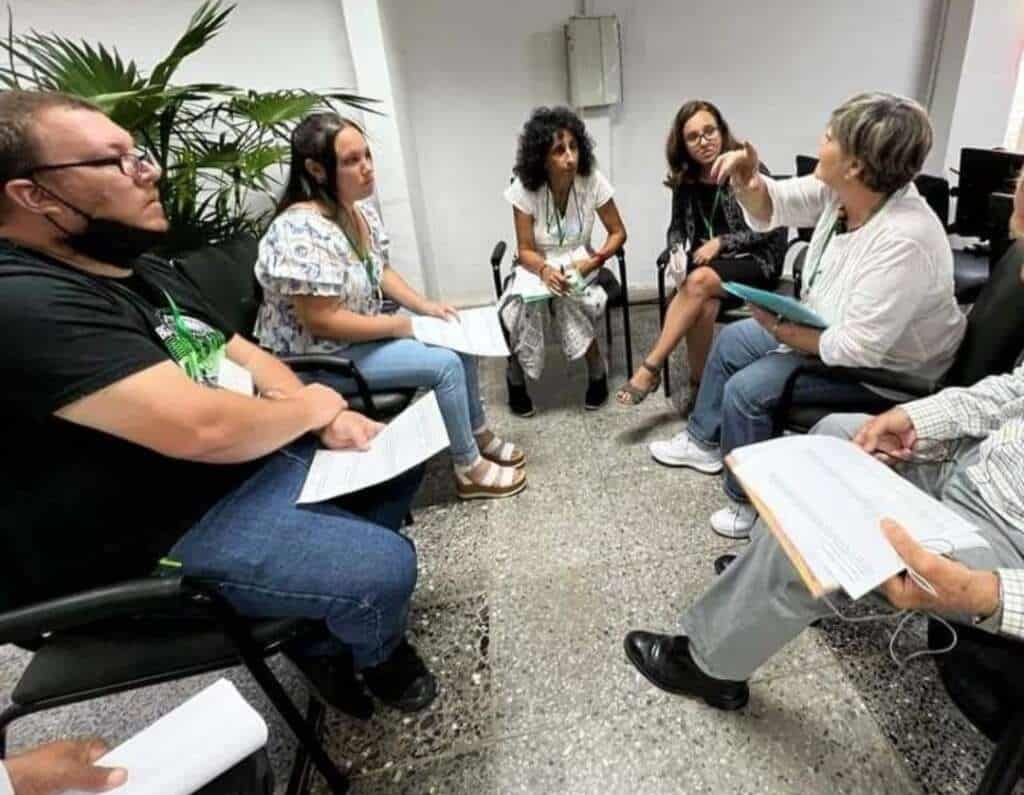
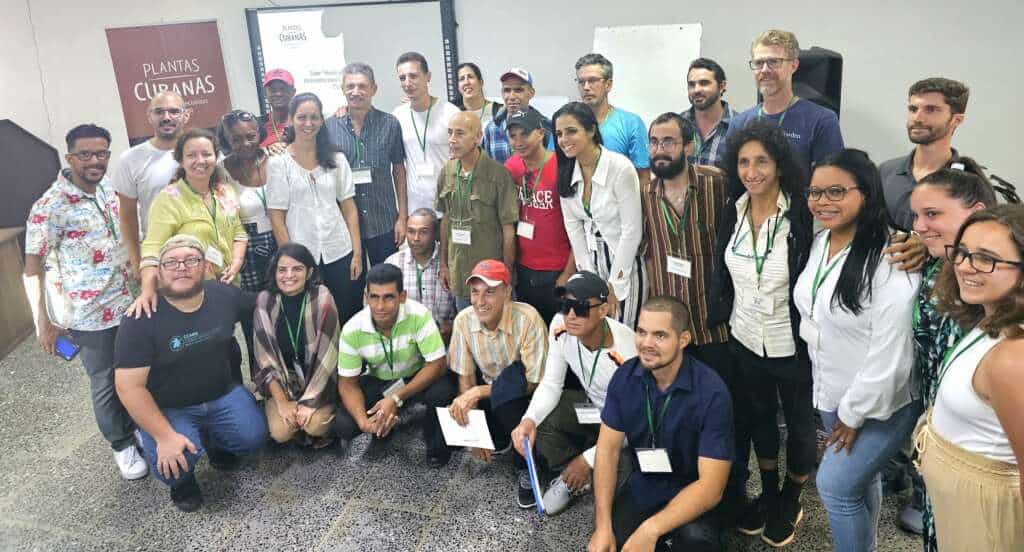
3t Vakil was invited to attend the November 2024 “Horticulture for Conservation” workshop in Havana, Cuba. Hosted at Havana’s National Botanical Garden, Jardín Botánico Nacional – UH -Cuba (JBN), this gathering united experts from Cuba, the Bahamas, Puerto Rico, the Dominican Republic, and the United States, creating fertile ground for collaboration.

The workshop was organized by the CSE/IUCN Cuban Plant Specialist Group, the National Network of Botanical Gardens of Cuba, and the Network of Botanical Gardens of the Caribbean and Central America, receiving support from several key organizations. These sponsors included the National Botanical Garden (JBN), the Leon Levy Native Plant Preserve of the Bahamas, Botanic Gardens Conservation International, the Whitley Fund for Nature, and Planta – Plantlife Conservation Society, all highlighting the shared commitment to sustainable conservation practices.

For 3T, the event was a perfect match with our mission at Las Casas de la Selva, emphasizing horticulture’s role in conservation. It opened new avenues for innovative strategies and allowed us to form valuable connections with leading botanists and conservationists dedicated to preserving the Caribbean’s botanical heritage.

The diverse participation underscored the significance of collaborative efforts in addressing environmental challenges. Sharing knowledge and resources, the workshop aimed to bolster the resilience of botanical gardens and conservation nurseries as centers for biodiversity and conservation education. 3T’s journey to Havana marked a significant stride towards building stronger botanical conservation networks. The collaborations formed and the insights gained promise to have a lasting impact on the conservation of the Caribbean’s botanical treasures. This workshop has not only reinforced the importance of unity in conservation efforts but also set the stage for future projects and innovations, paving the way for a greener Caribbean and beyond. Nov 2023

Translate »