Tag: rare trees

Cathedral School, California, with Global Works, 16-18th April 2026

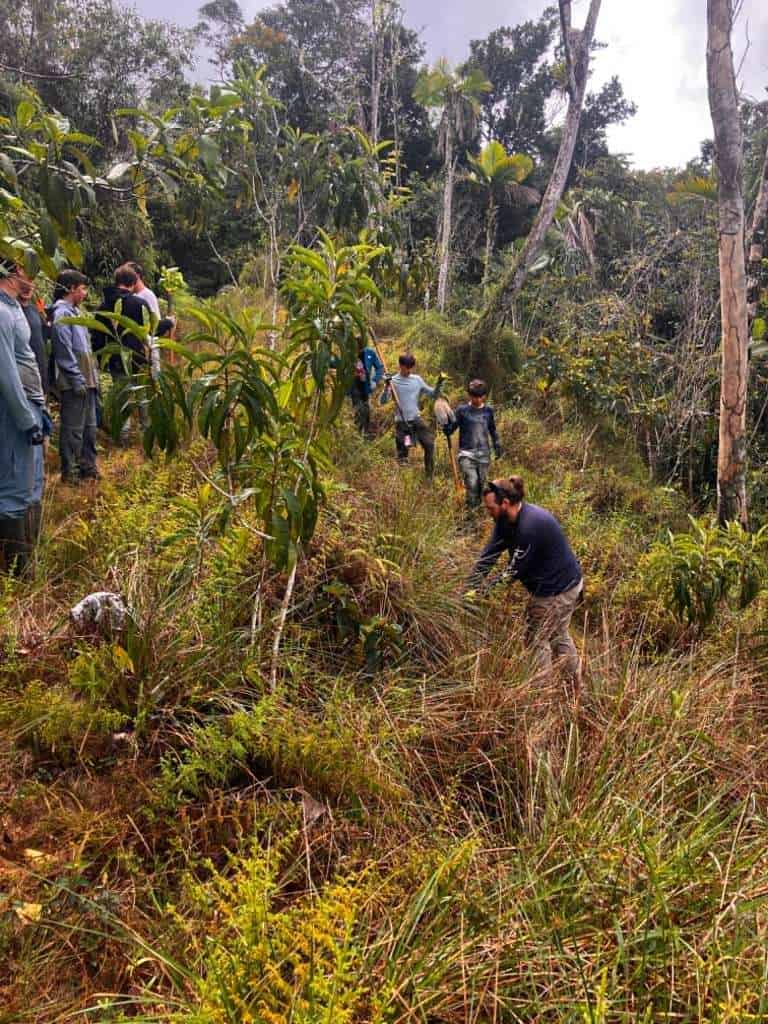
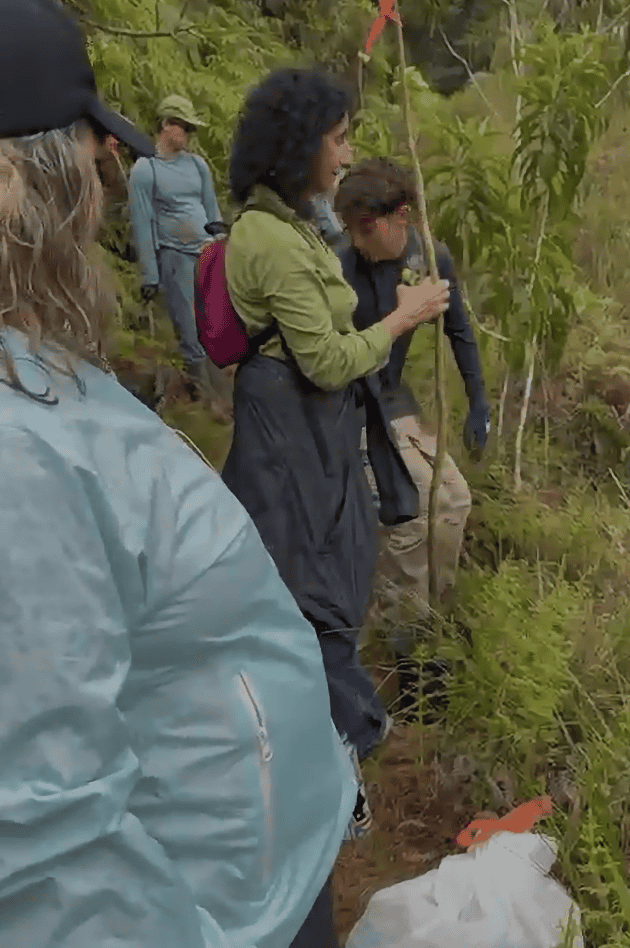
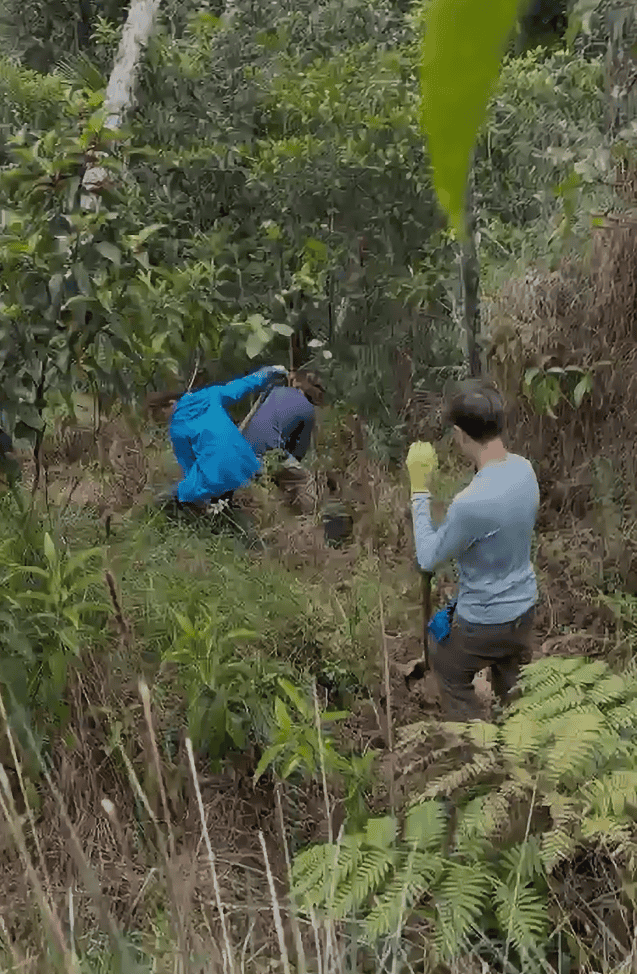
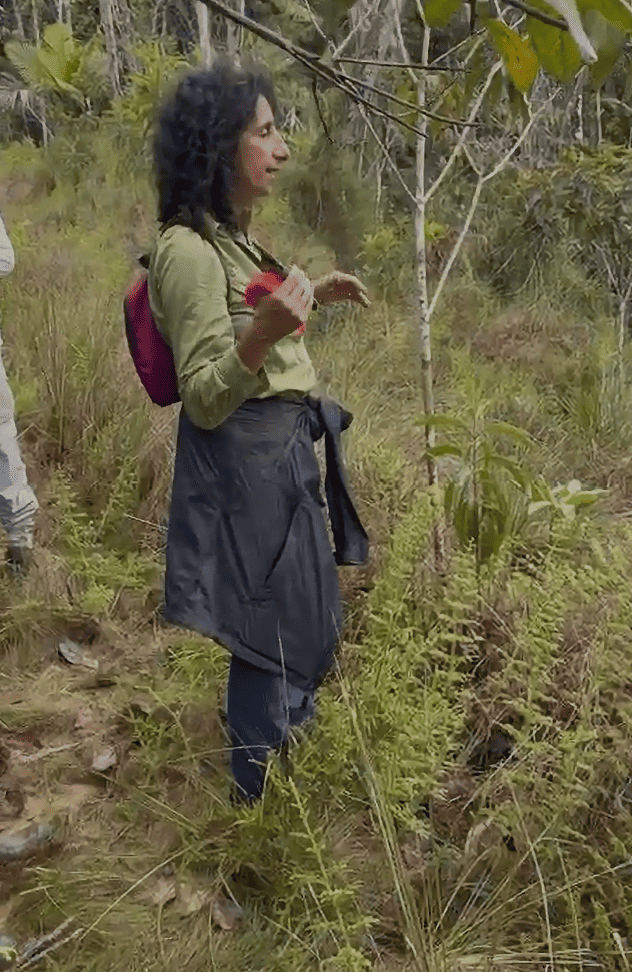
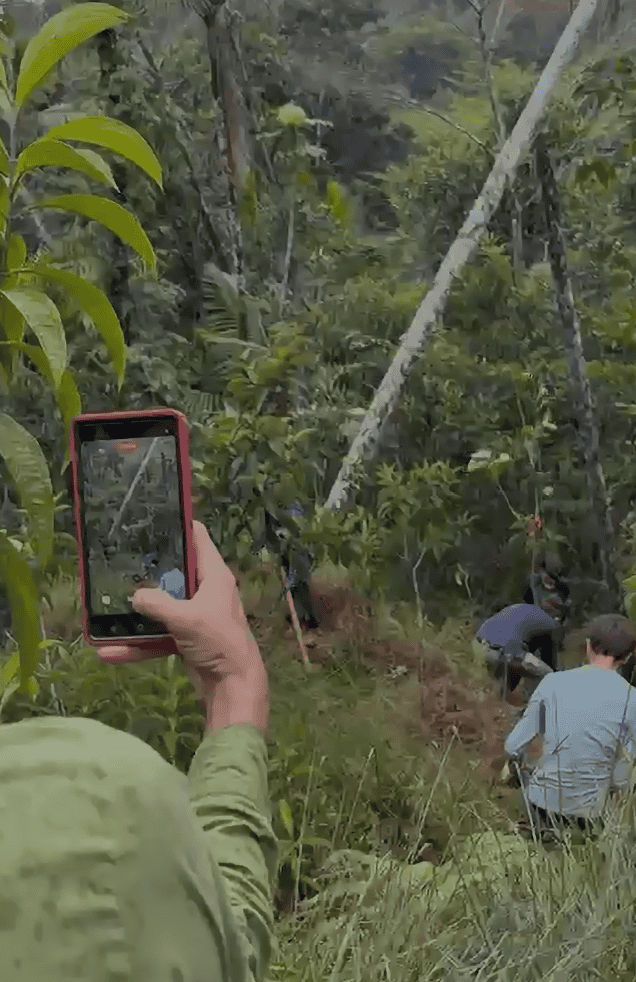
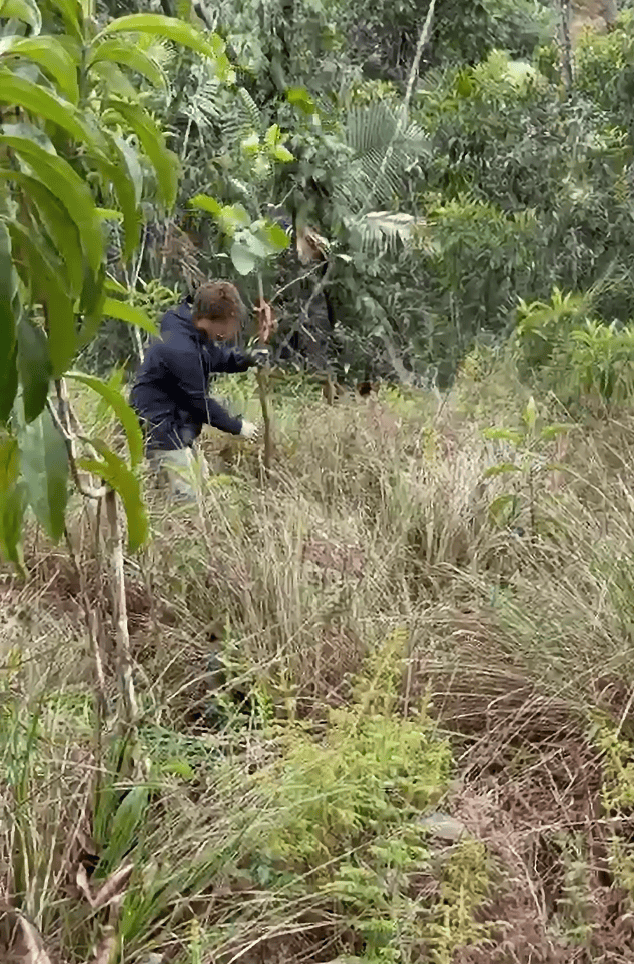
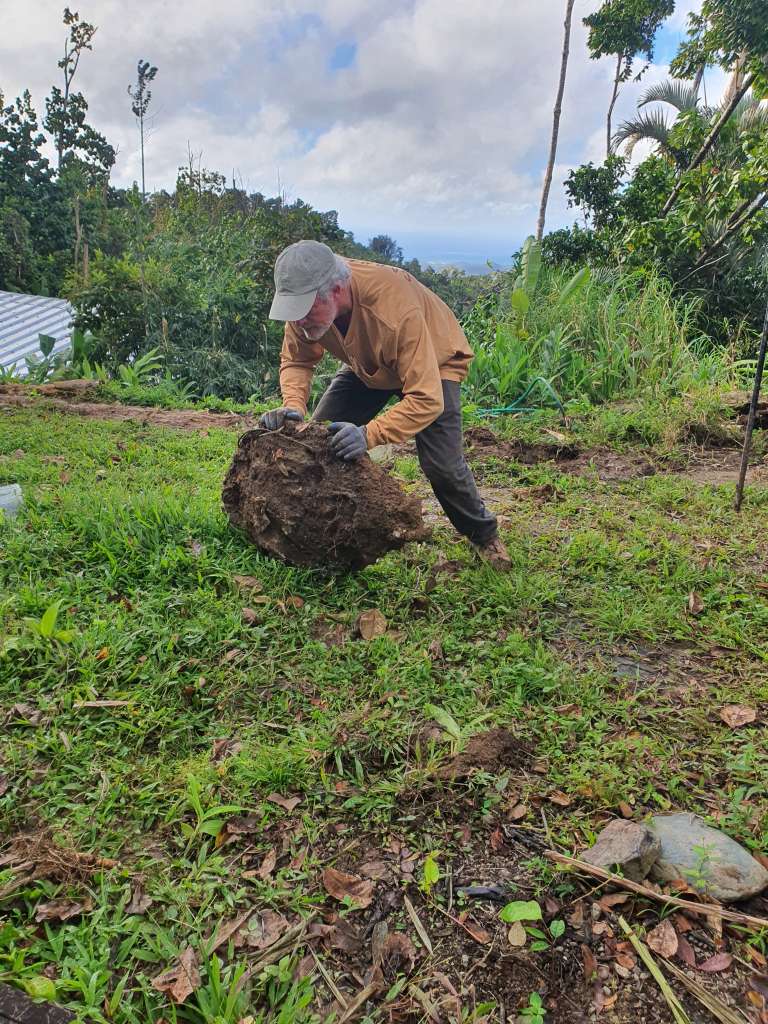
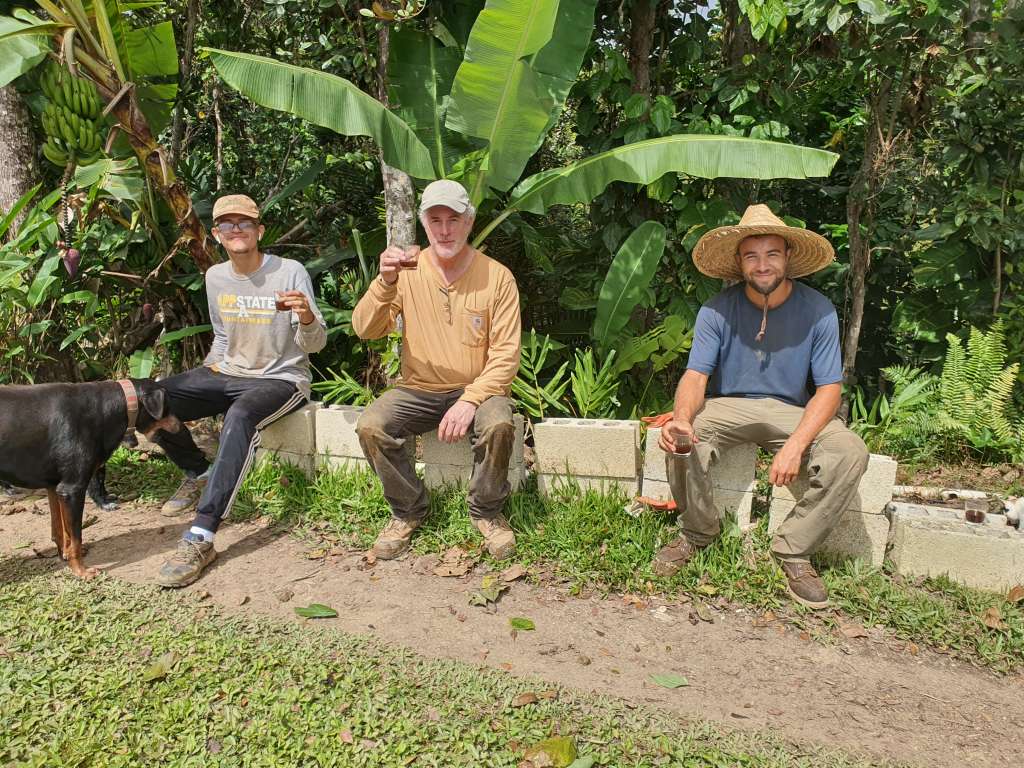
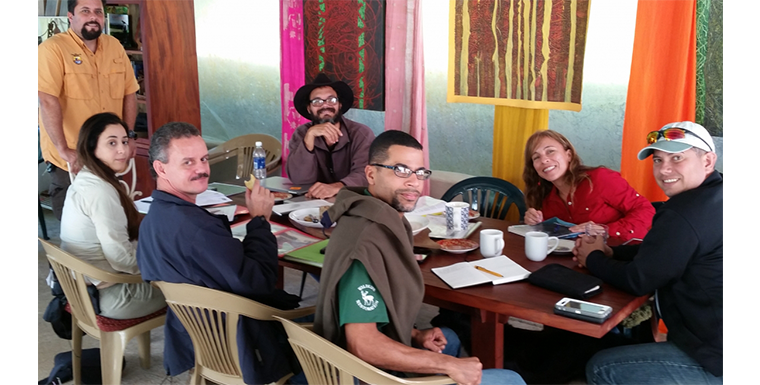
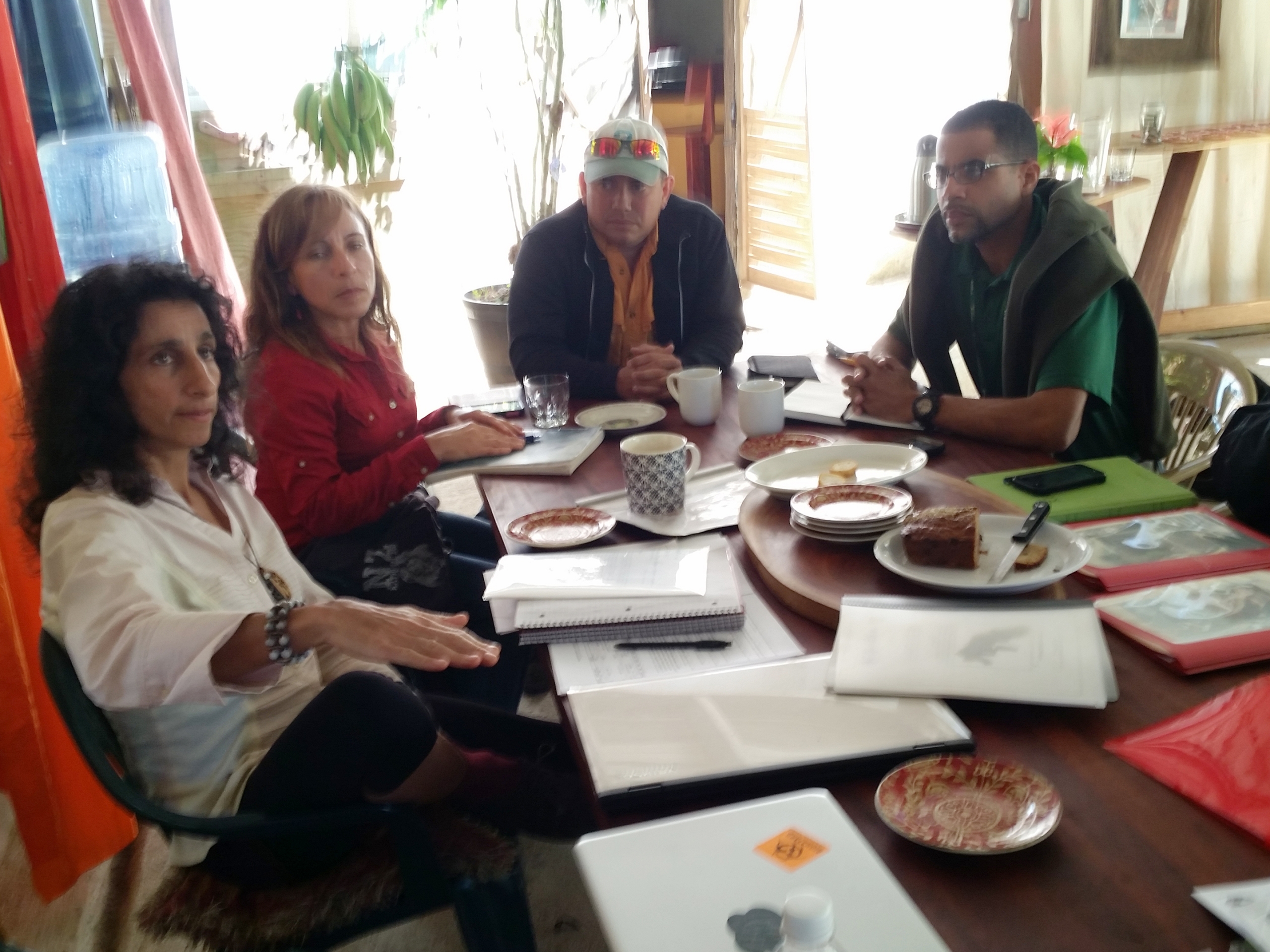
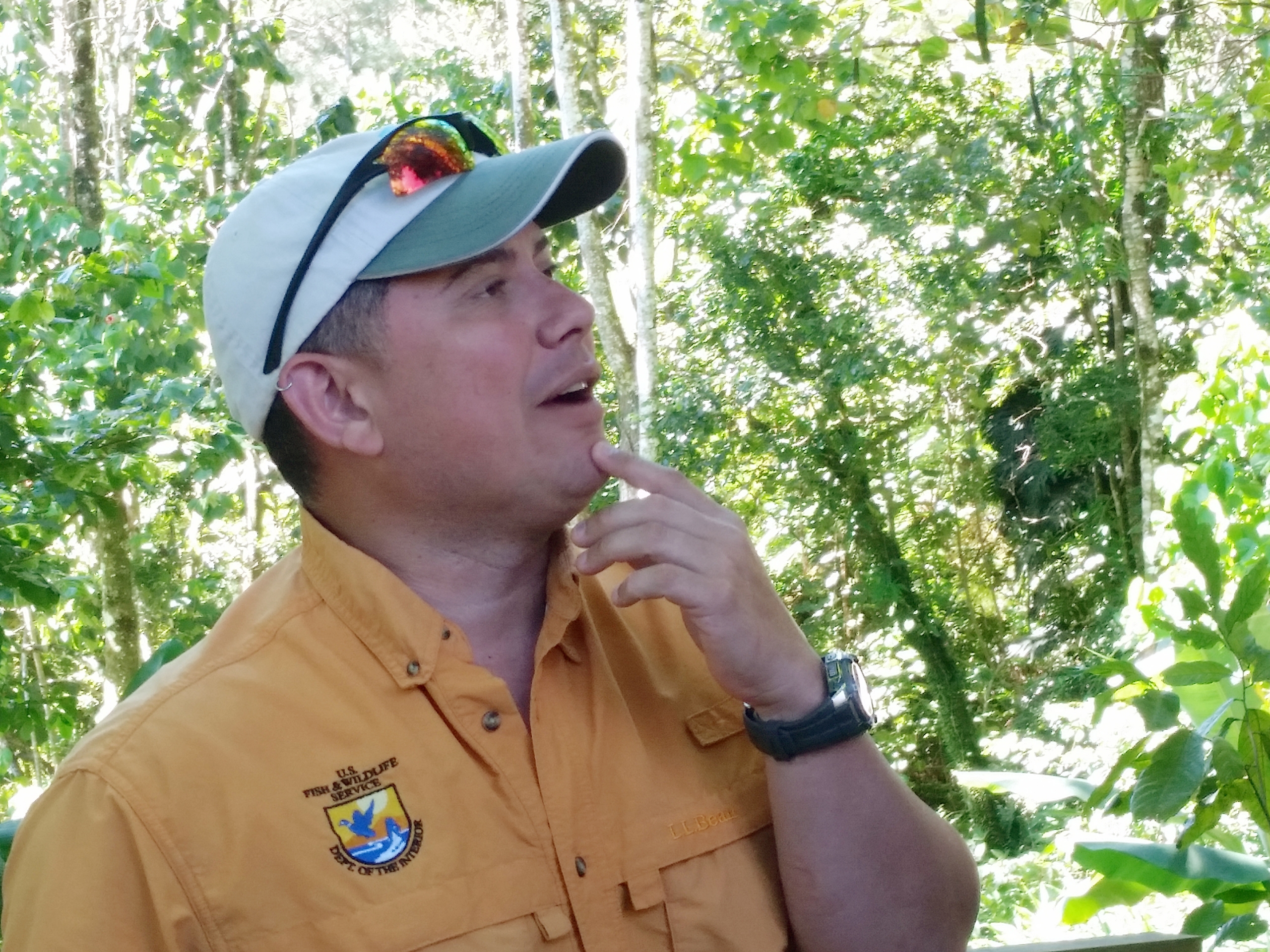
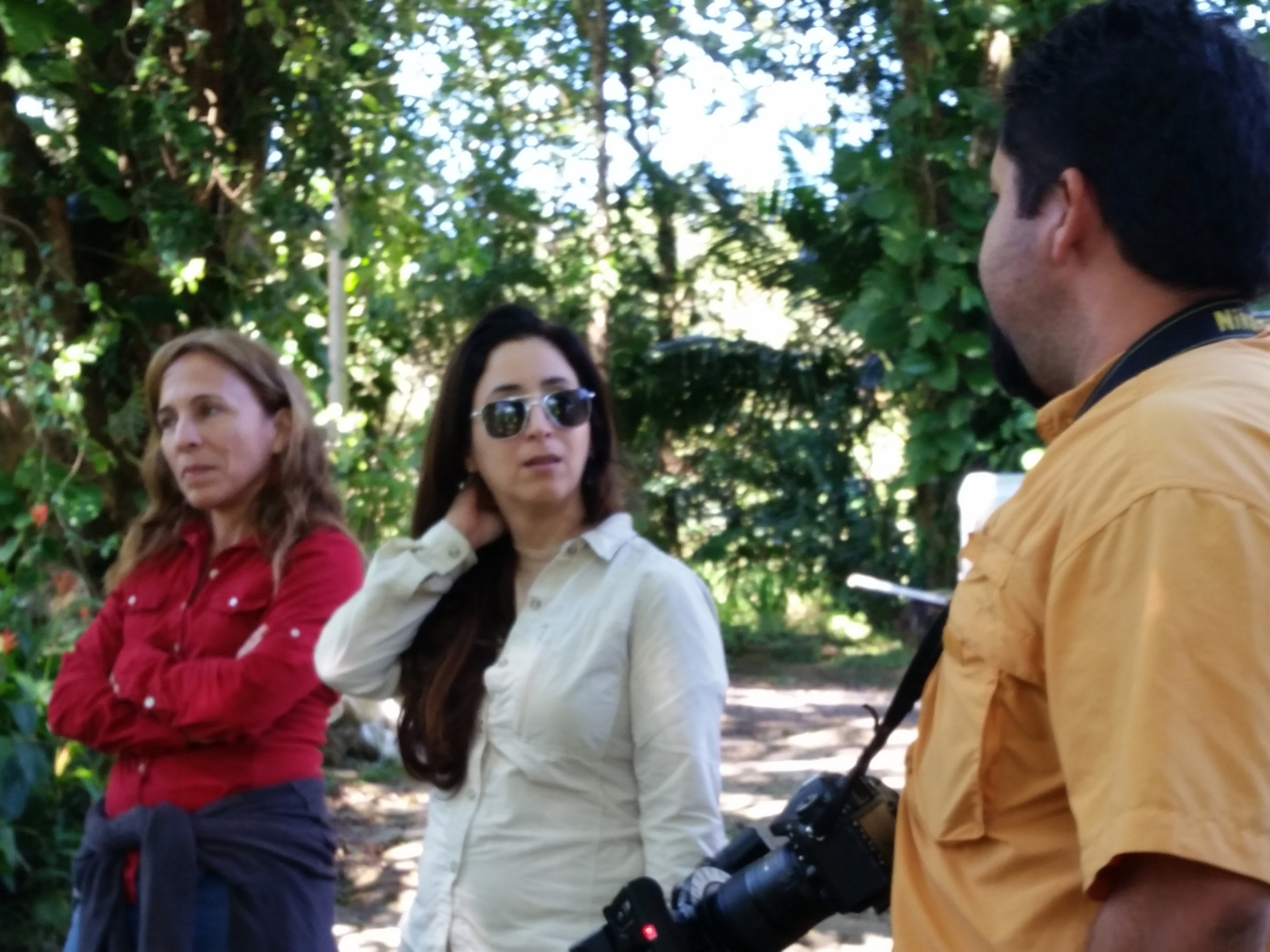
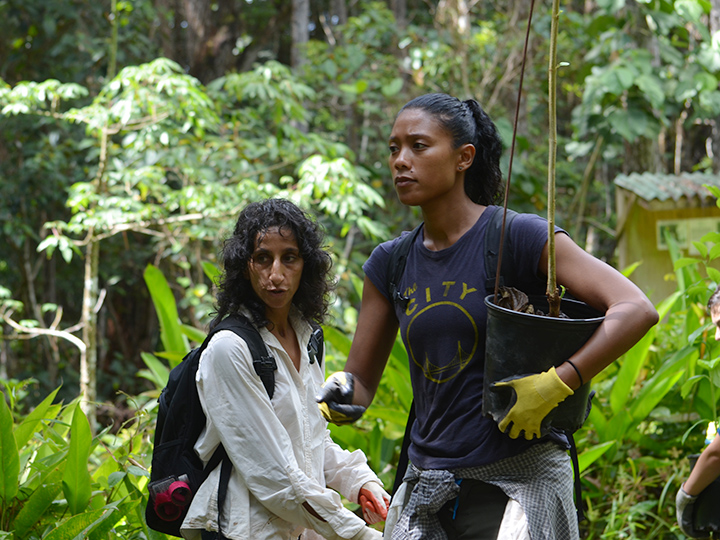
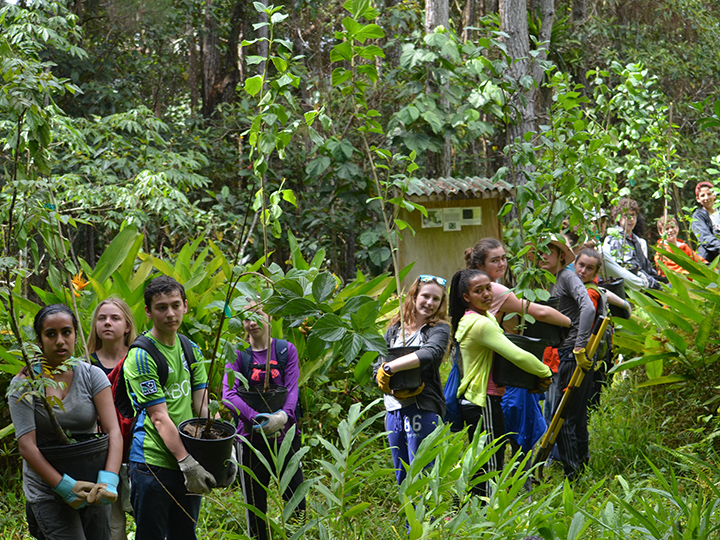
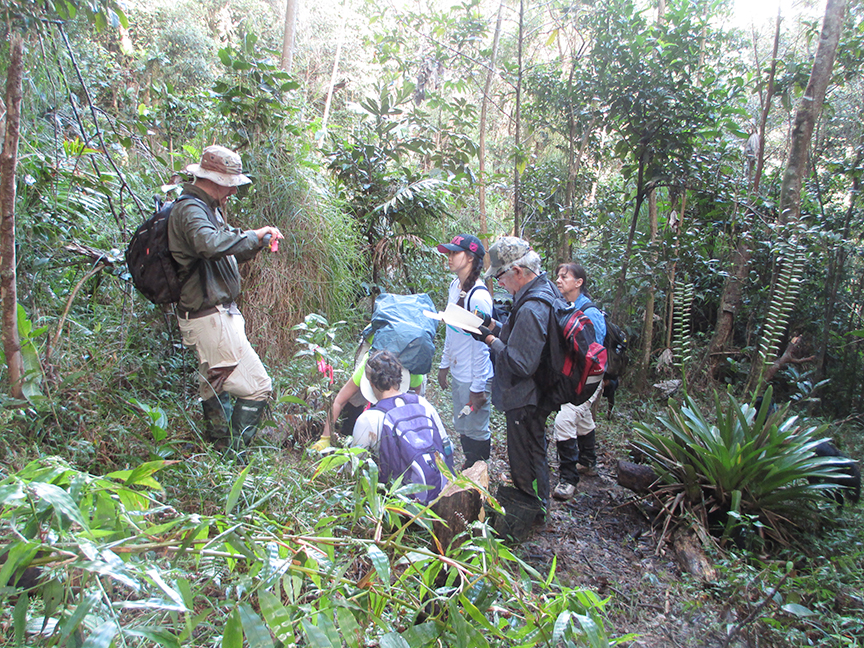
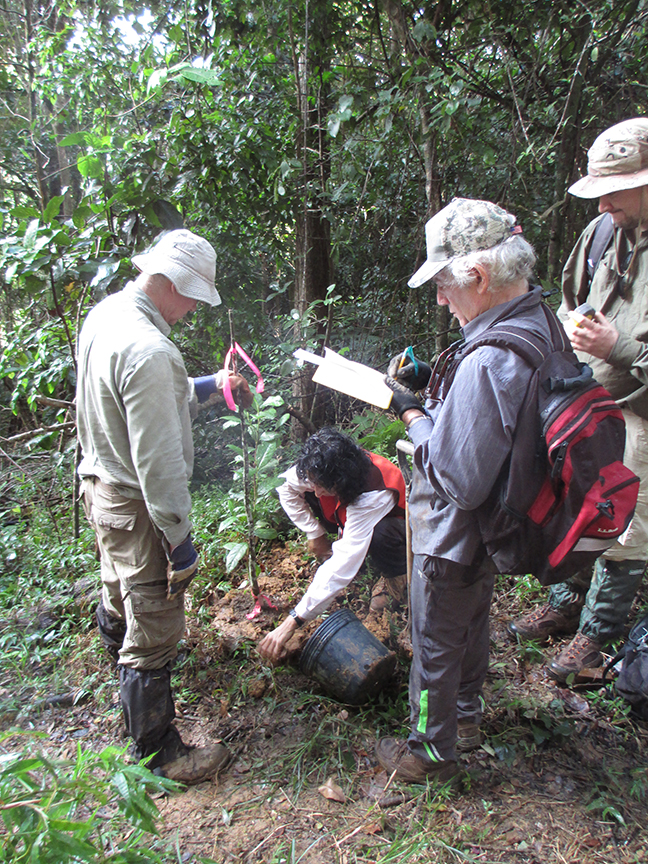
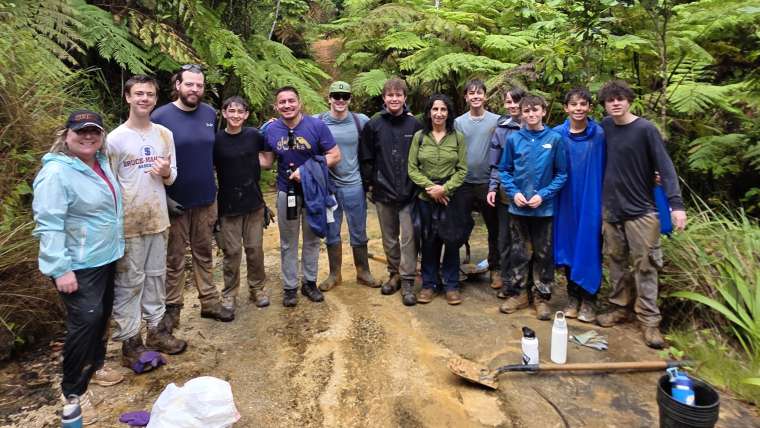
Cathedral School students Planting Pisonia horneae in the Sierra de Cayey 16-18 April 2026

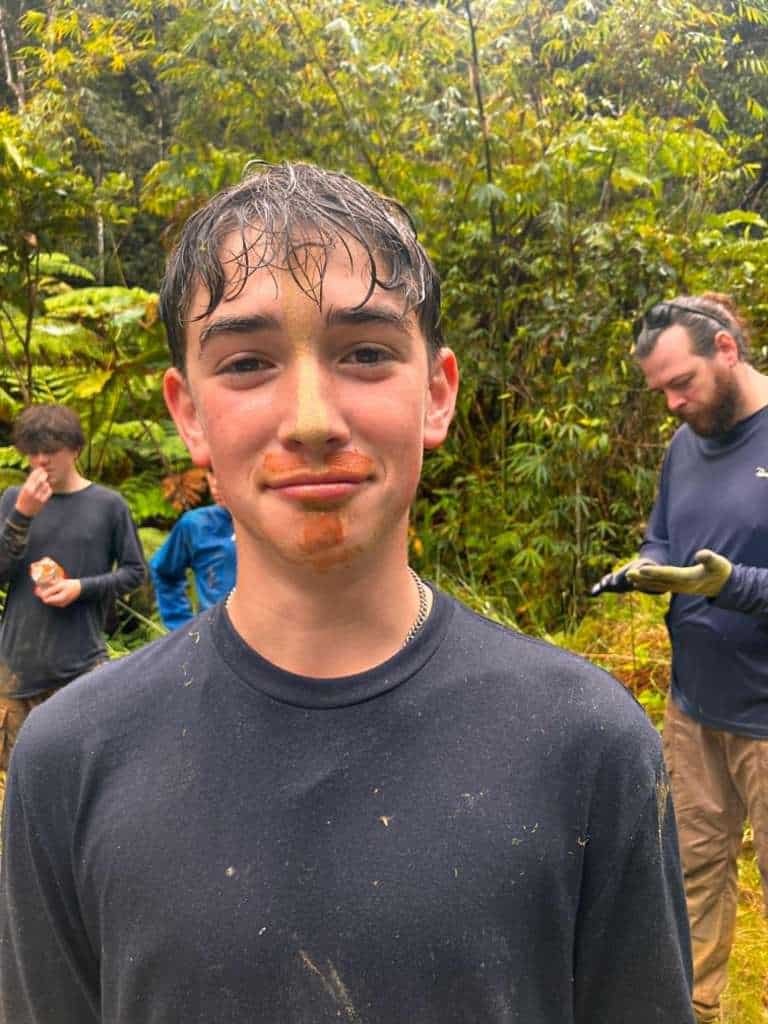
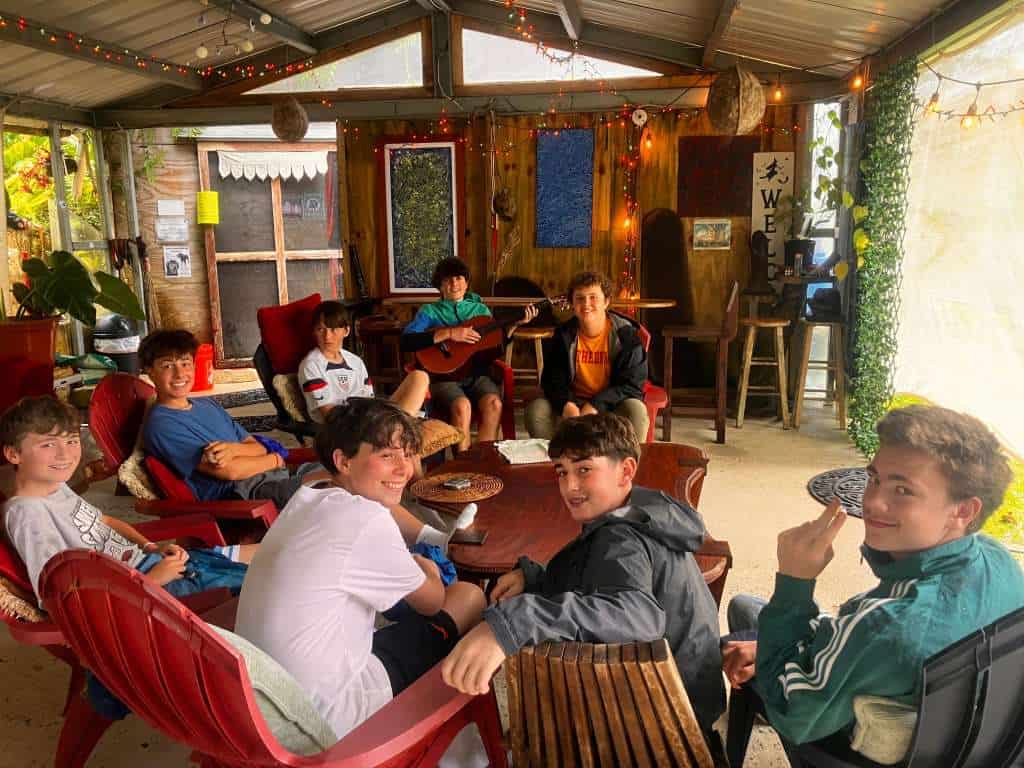
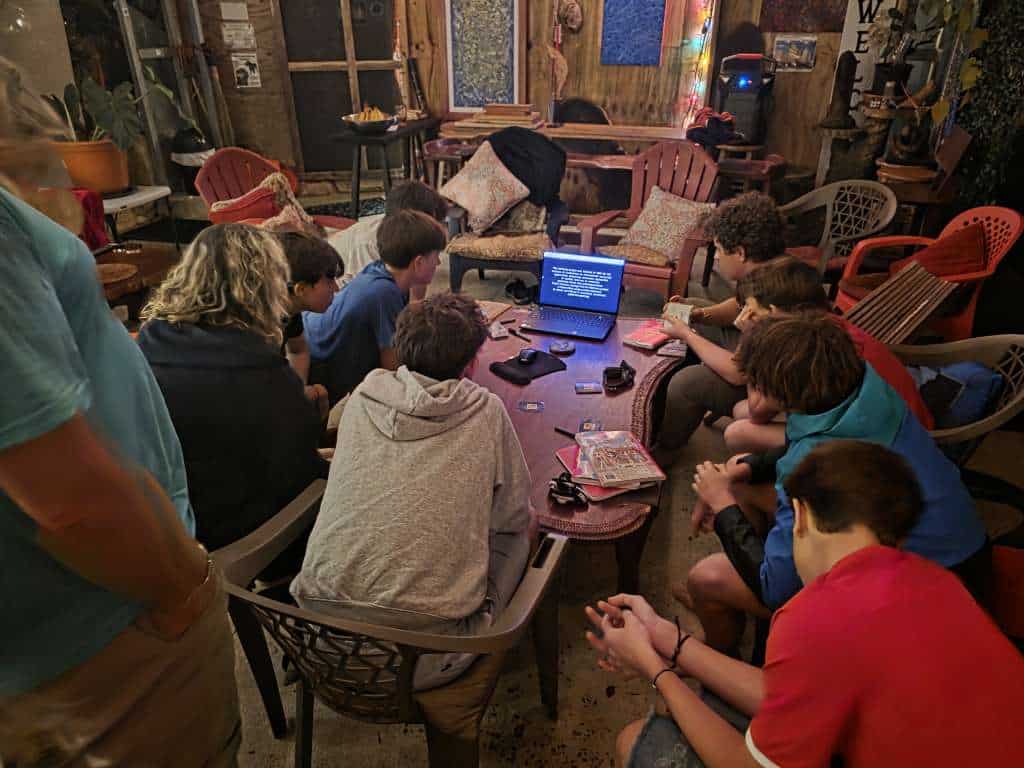
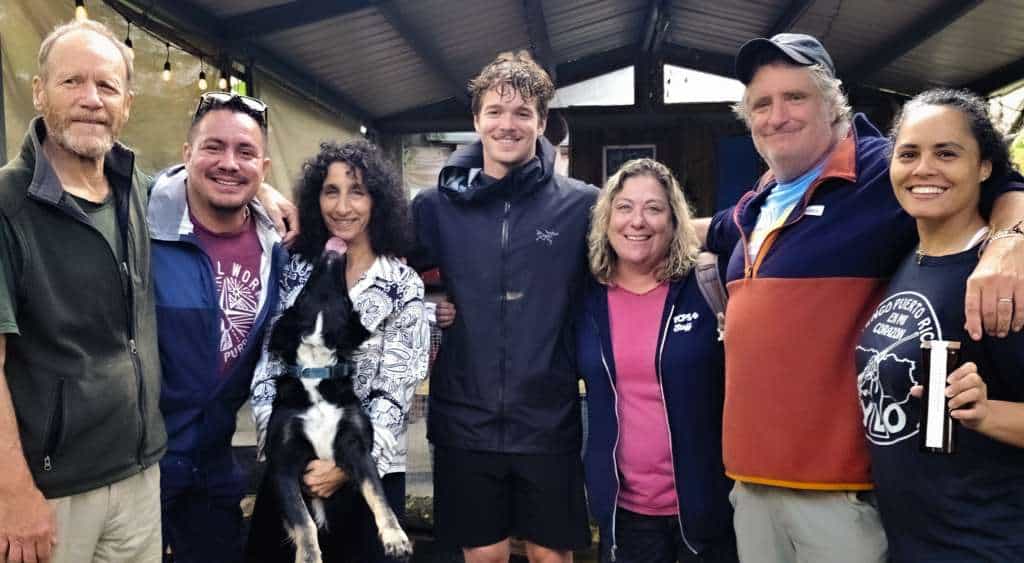
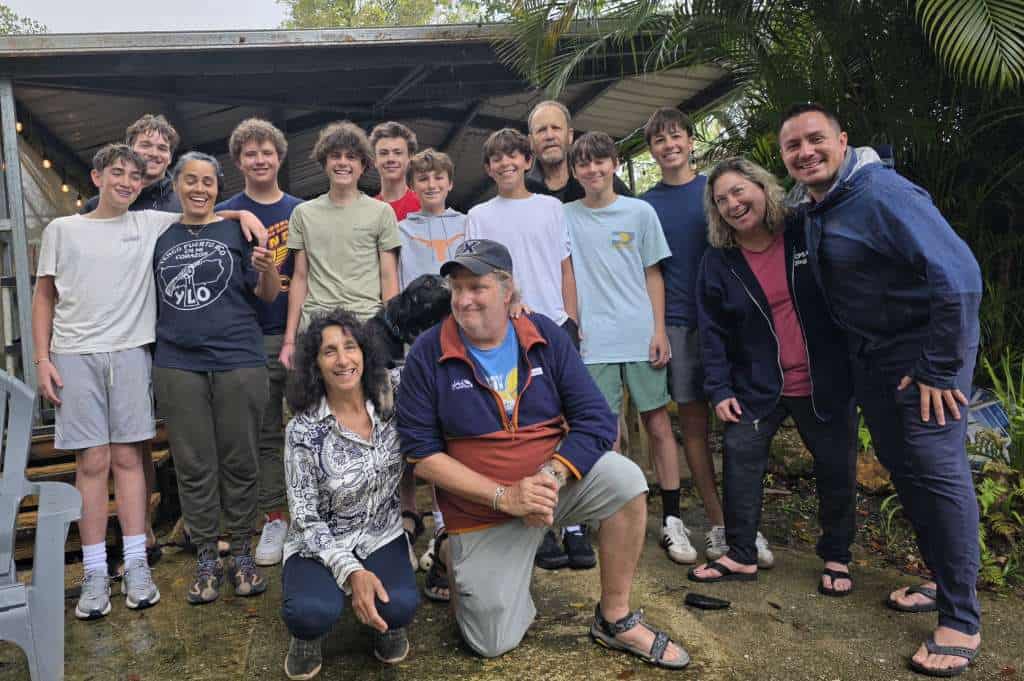
In April we welcomed 14 year old students from Cathedral School, San Francisco, CA, brought to us by Global Works.

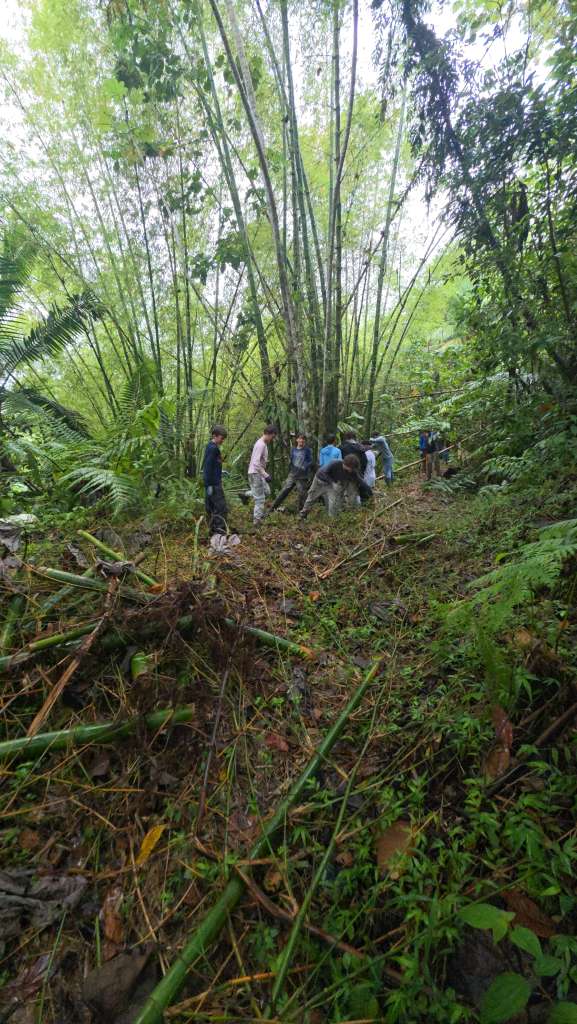
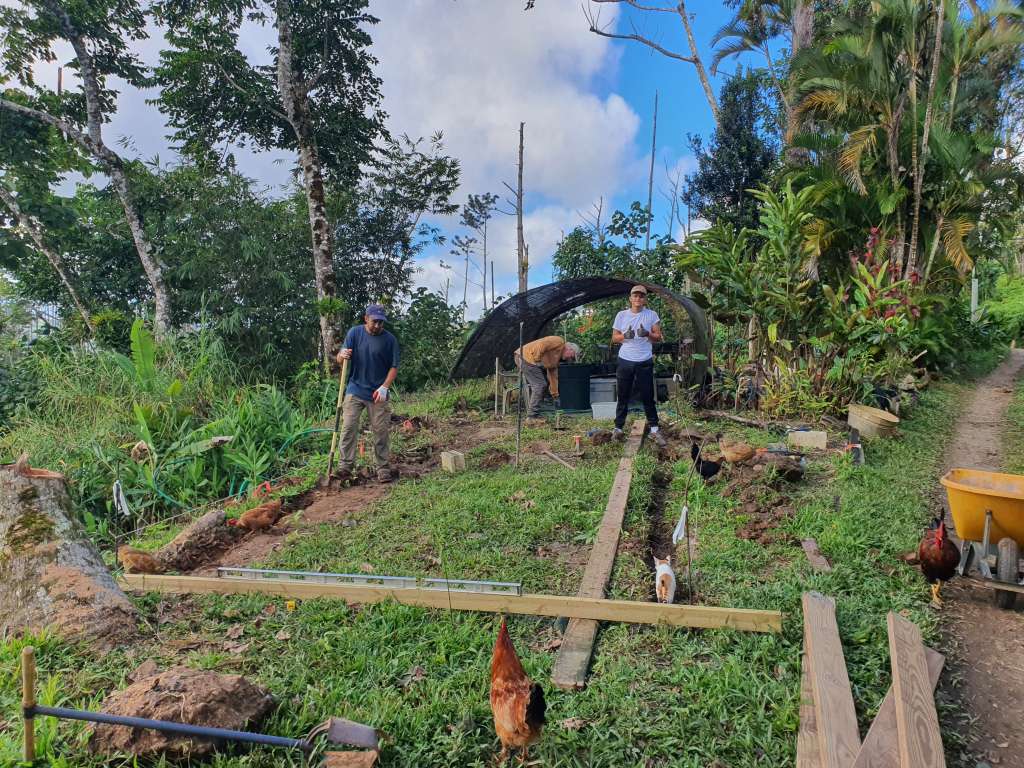
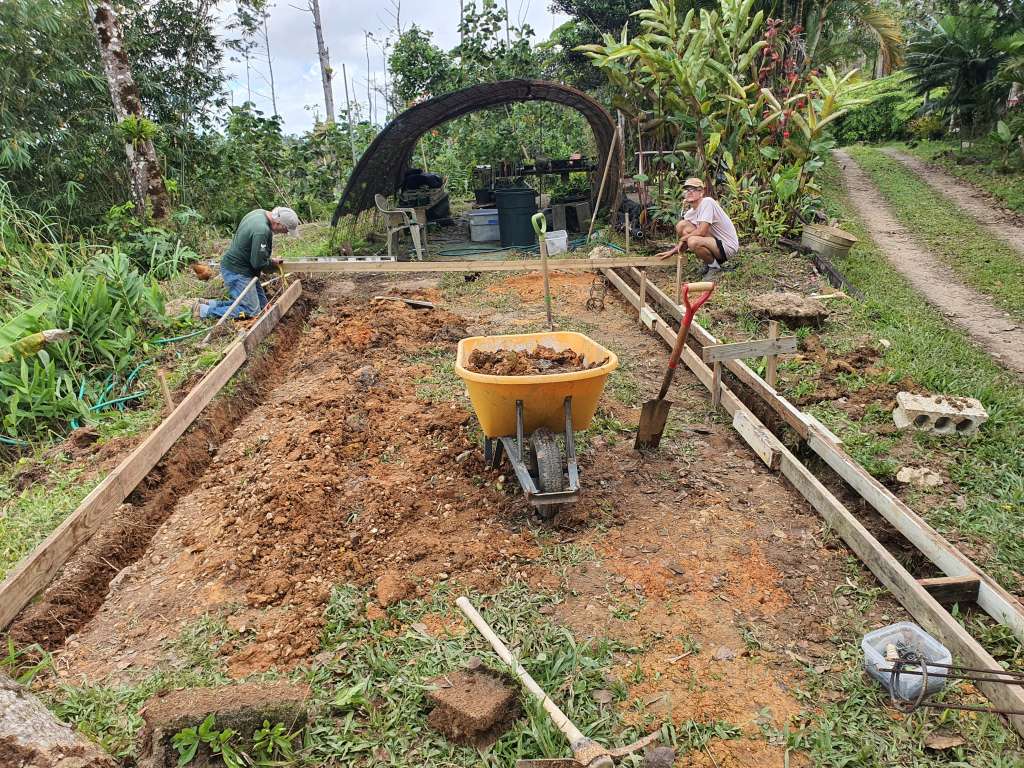
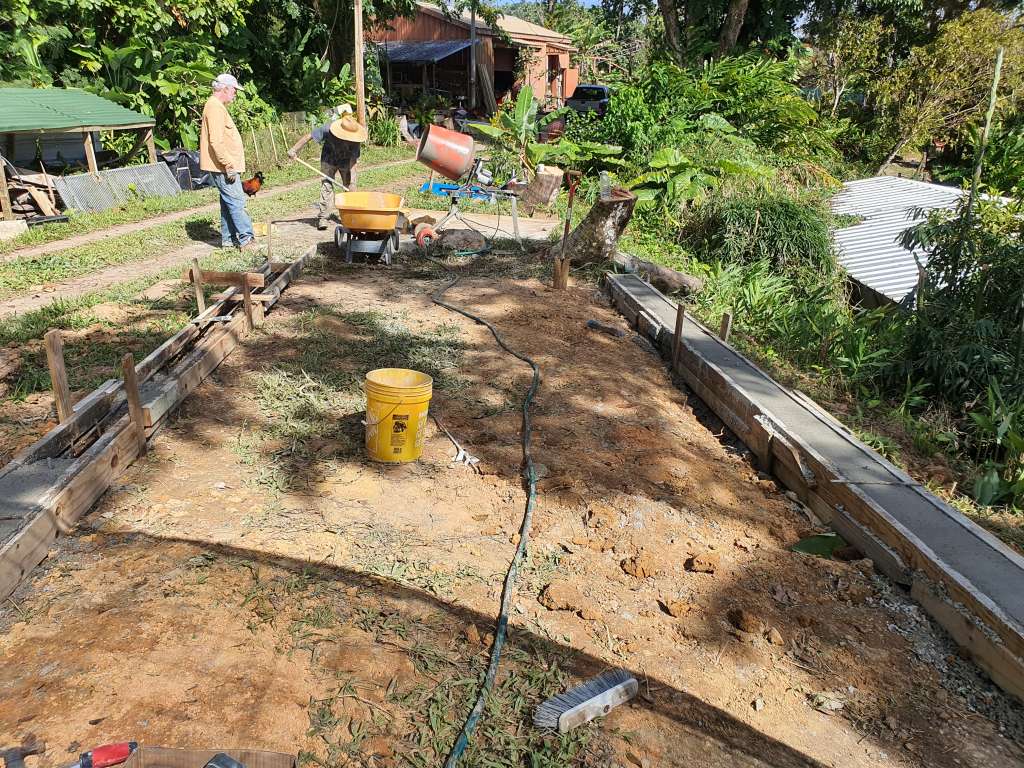
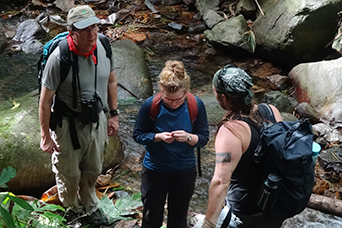
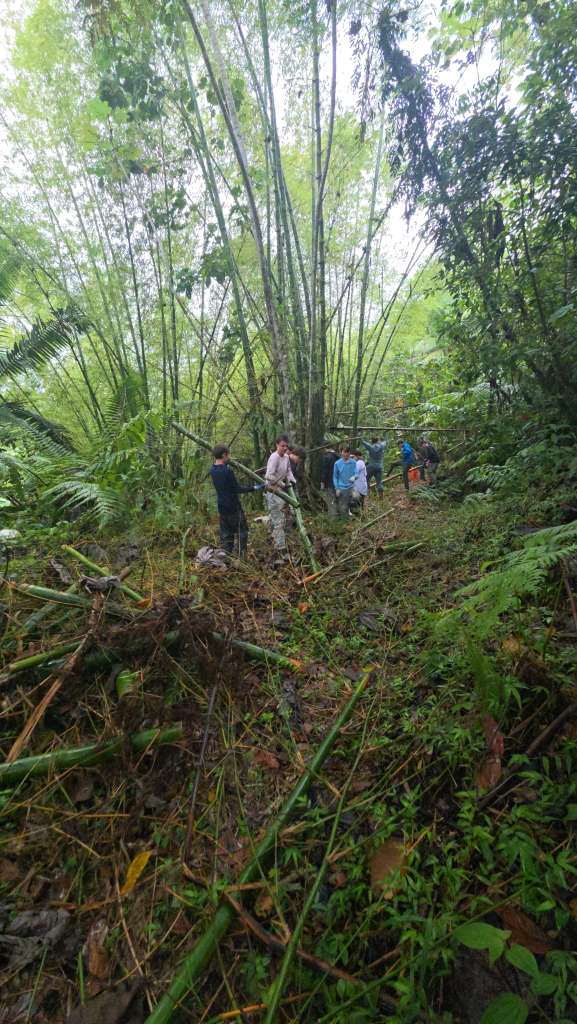
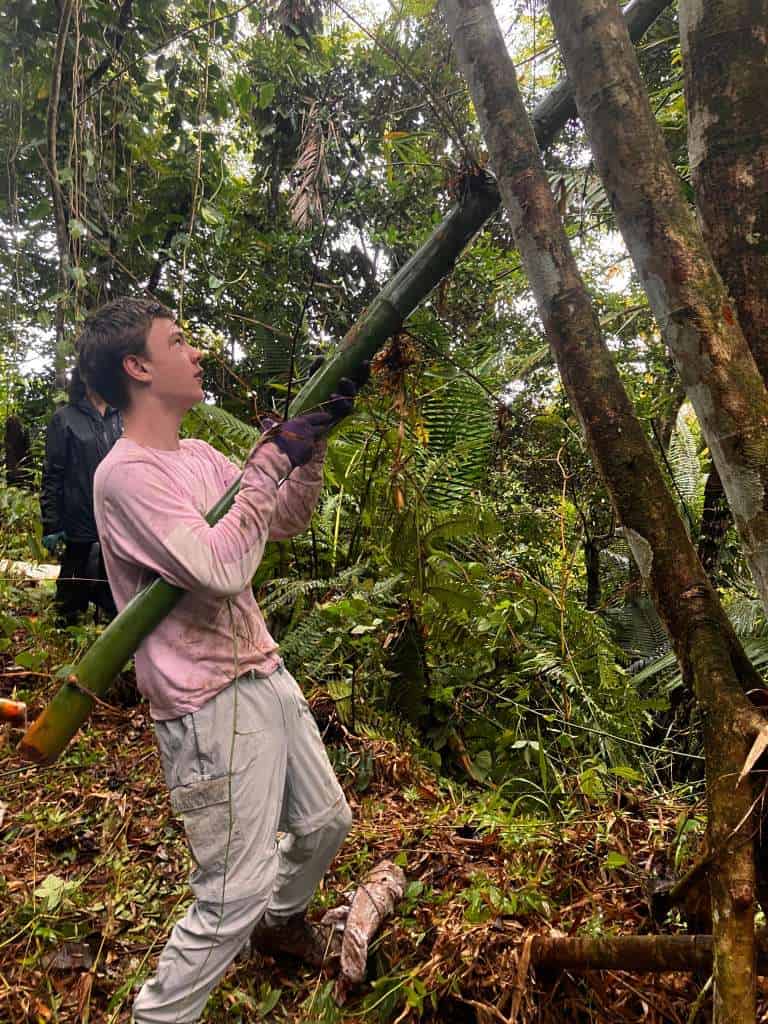
Founded in the mid-1950s, Cathedral School for Boys was built on the idea that strong academics should be matched by equally strong character. The school emphasizes intellectual rigor alongside values of community, integrity, and service, with a clear belief that what students do with their learning matters as much as the learning itself. On the first afternoon of arrival, despite the rain, we went out to clear an area that had broken bamboo that was leaning on one of the trails.
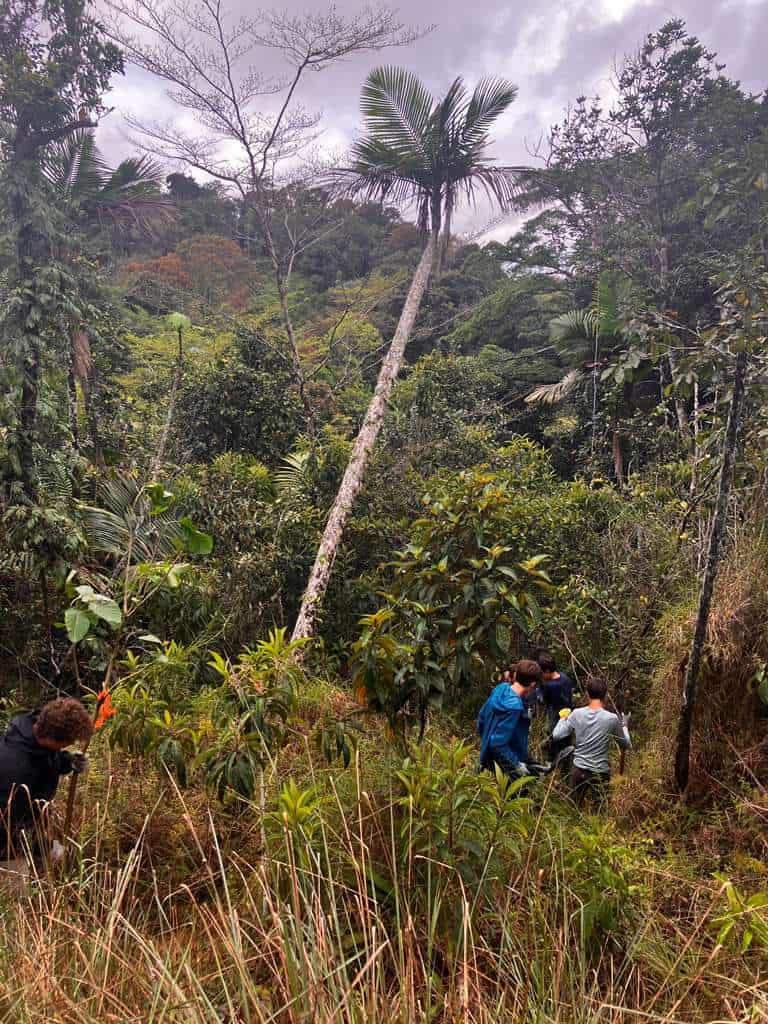
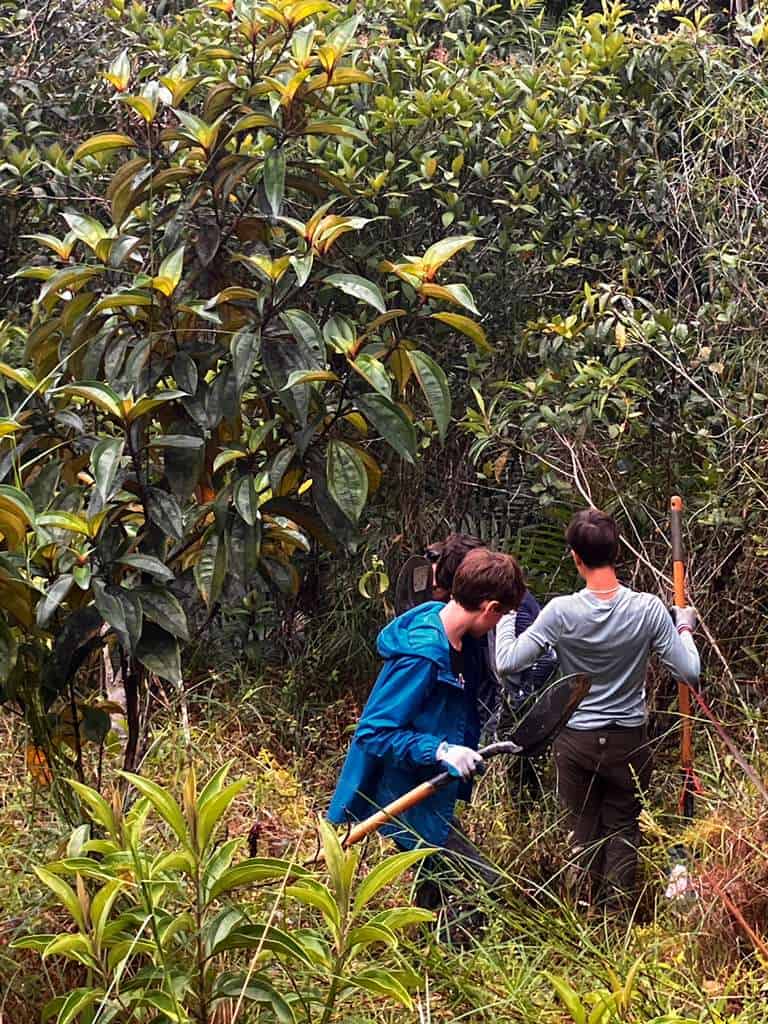
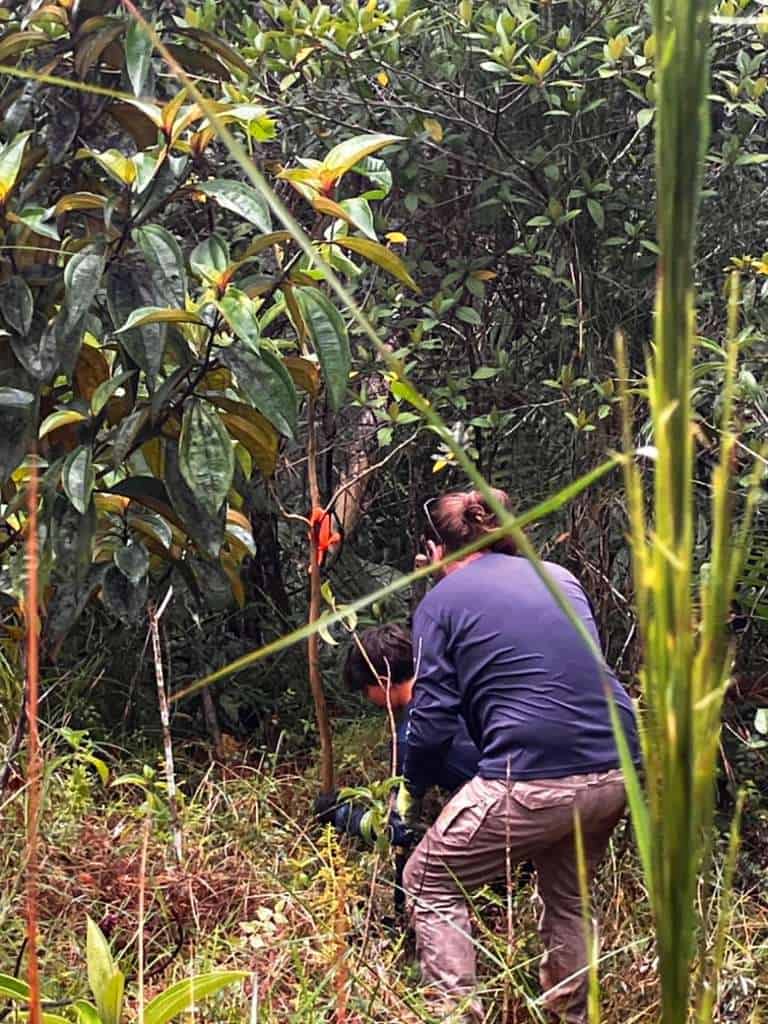
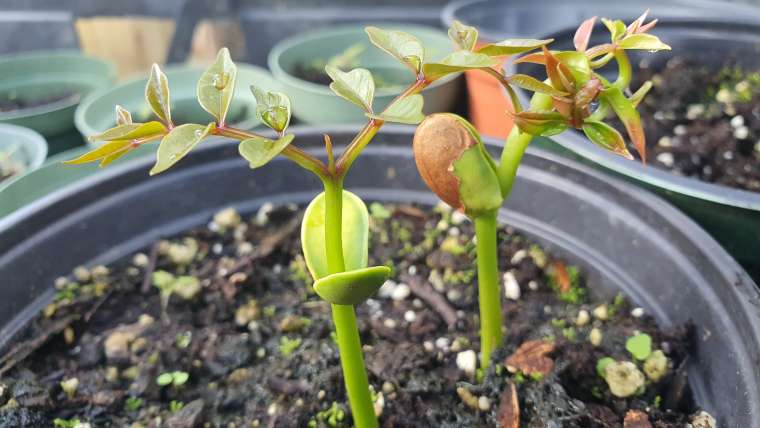
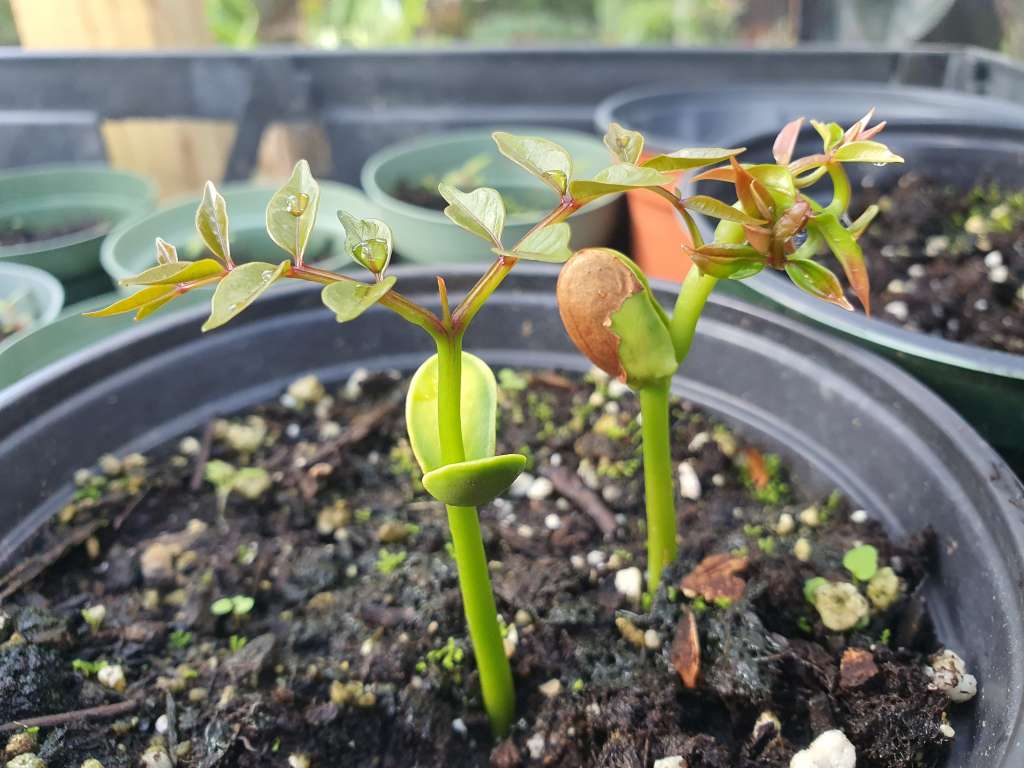
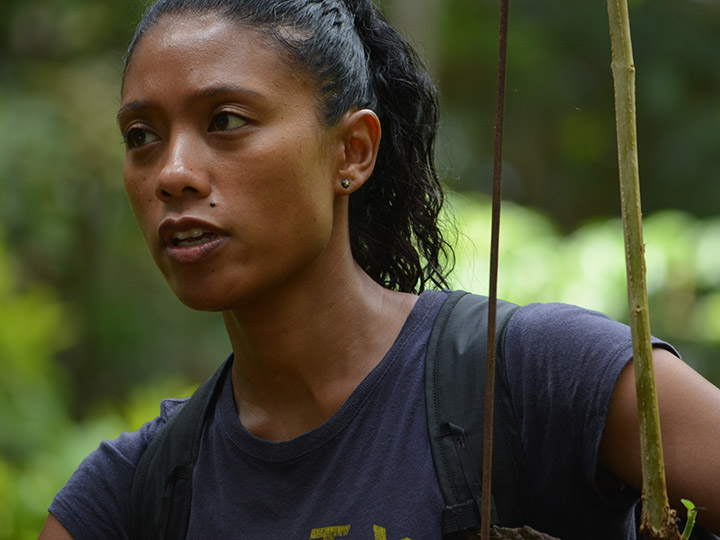
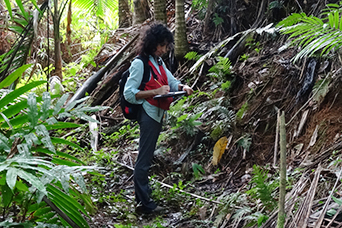
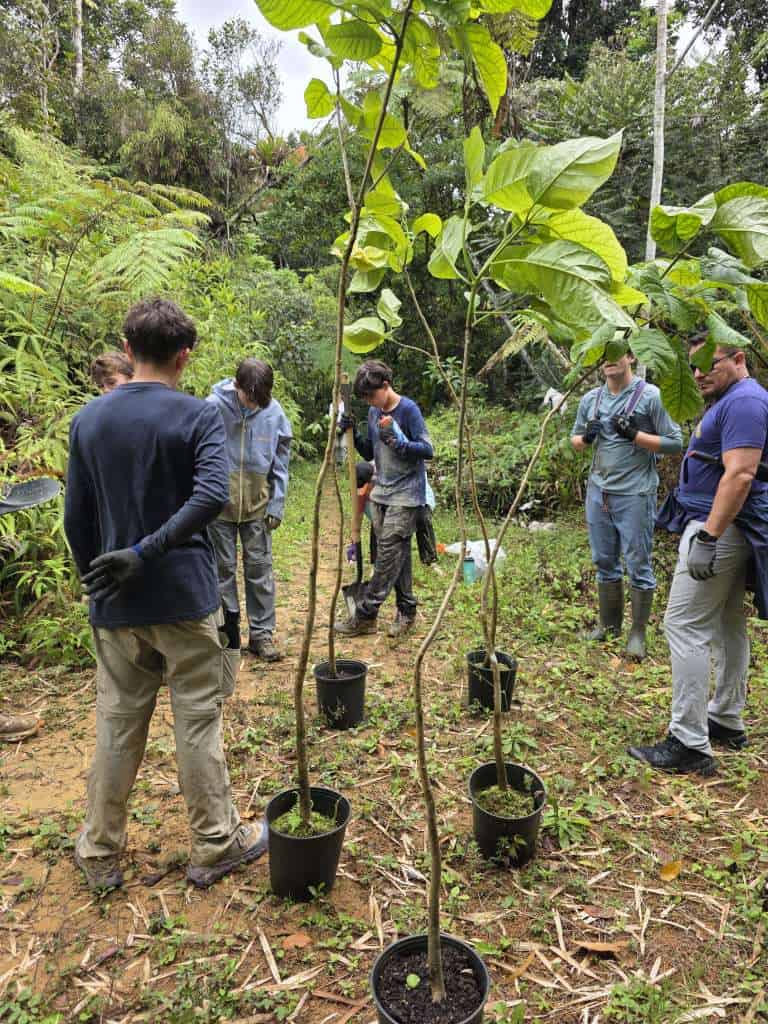
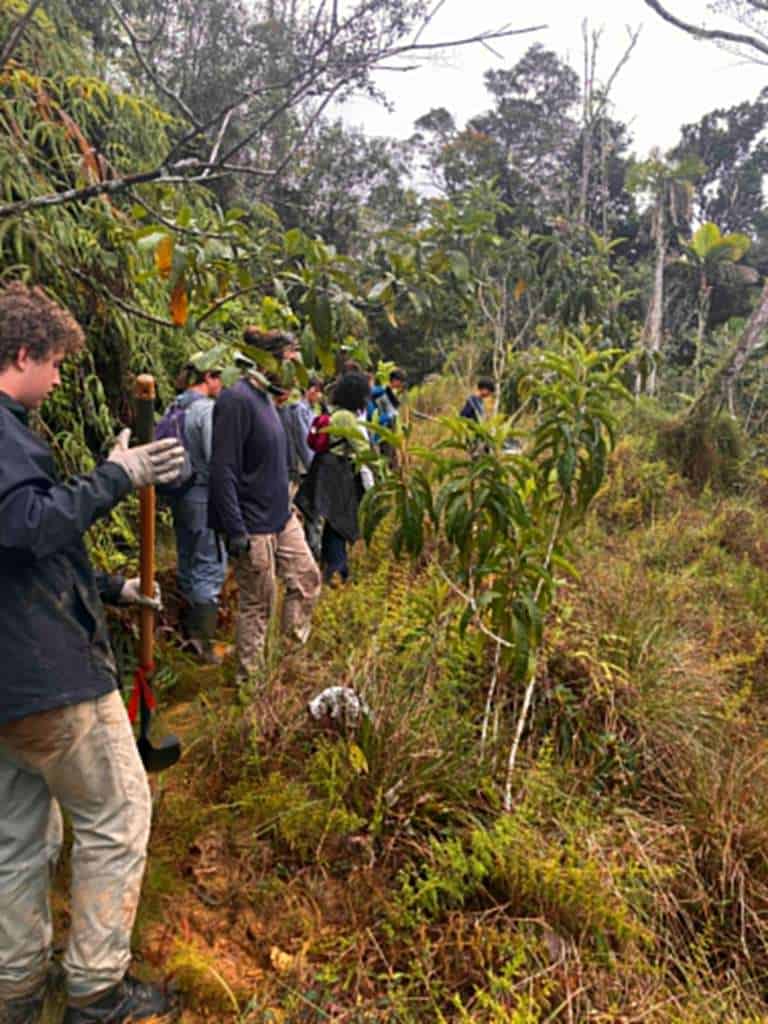
The next day, 17th April 2026, we planted 8 Pisonia horneae saplings in the Eye on the Rainforest landscape here in the Sierra de Cayey. These trees were grown from seeds collected by botanist Steve Maldonado from wild individuals in the karst area of Aguadilla, Punta Borinquen in 2021. Now they are back in the ground where they belong. 3t was ecstatic as she, Jon Warwick, and multi-media artist and writer-in-residence Gregg Dugan, led a team to plant these saplings into the forest.
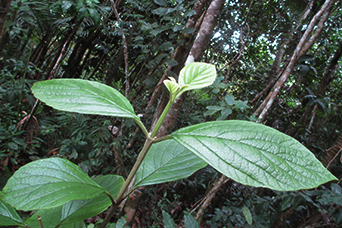
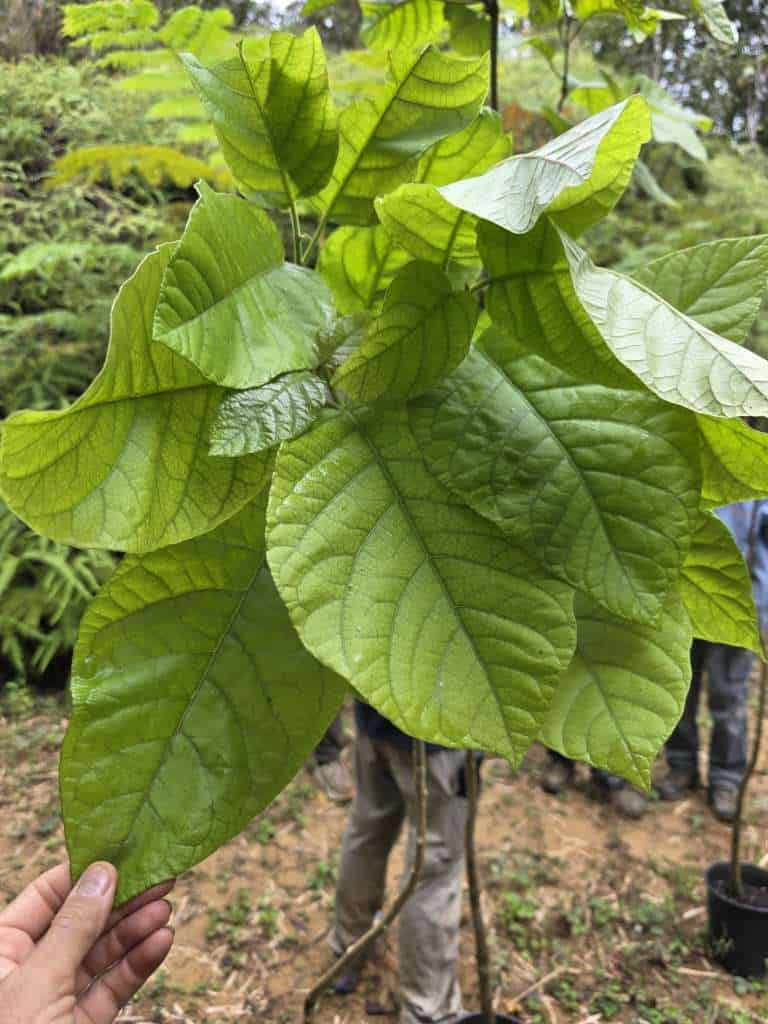
The Caribbean is one of the most biologically rich regions in the world. Even now, new plant species are still being described. Puerto Rico, despite being one of the best-studied islands in the region, continues to reveal species that went unrecognized for decades. Pisonia horneae is one of those. For years, specimens of this tree were misidentified, lumped under other species, or left unresolved. Botanists working through old collections, field observations, and living material eventually realized they were looking at something distinct. It was formally described in 2017 and named after Frances Horne, an illustrator who spent 45 years documenting the plants of Puerto Rico, much of her work never fully acknowledged. https://www.sciencedirect.com/org/science/article/pii/S1314201117000716

The tree itself belongs to the genus Pisonia, often called “birdcatcher trees.” The name comes from their seeds, which are coated in sticky glands. In some species, these can cling to birds and use them for dispersal. This is not a tree you notice easily. It does not dominate. It appears in small numbers, often as single individuals or small clusters, usually in recovering forest. You find it on slopes, ravines, and rocky ground, places where forest has been disturbed and is rebuilding. It sits in that middle layer of the forest. Not canopy, not understory, just part of the structure.
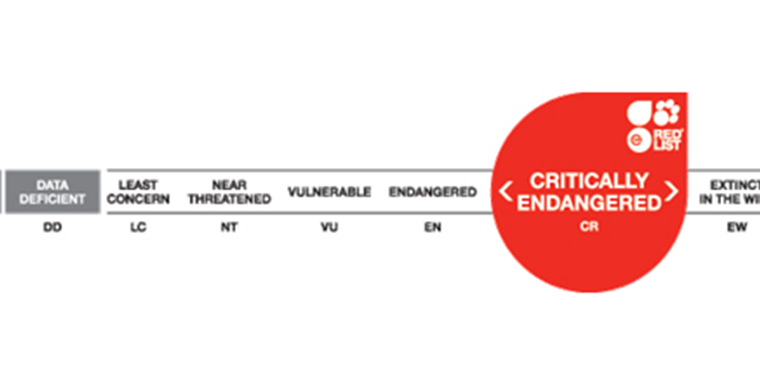
Right now, it is considered imperiled. There may be as few as 1 to 250 individuals remaining. Across Puerto Rico, it is scattered and fragmented. In the north, there are a few places where it is more common. Outside of that, especially in the east, it becomes extremely rare. In some historical locations, it is no longer found. There have been a few individuals recorded in the Sierra de Cayey. That is why planting here matters.

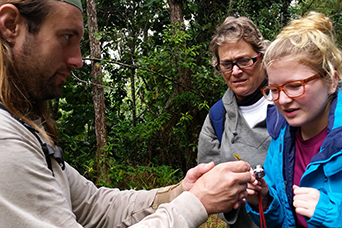
By the end of the morning, 8 young trees were in the ground. This is what restoration looks like. Not large numbers. Not quick results. Just the steady return of species that should already be here. Puerto Rico now has six known species of Pisonia. This is one of the rare ones. Watching these teens plant the saplings was a joy! Now we watch them grow…the teens as well as the trees!
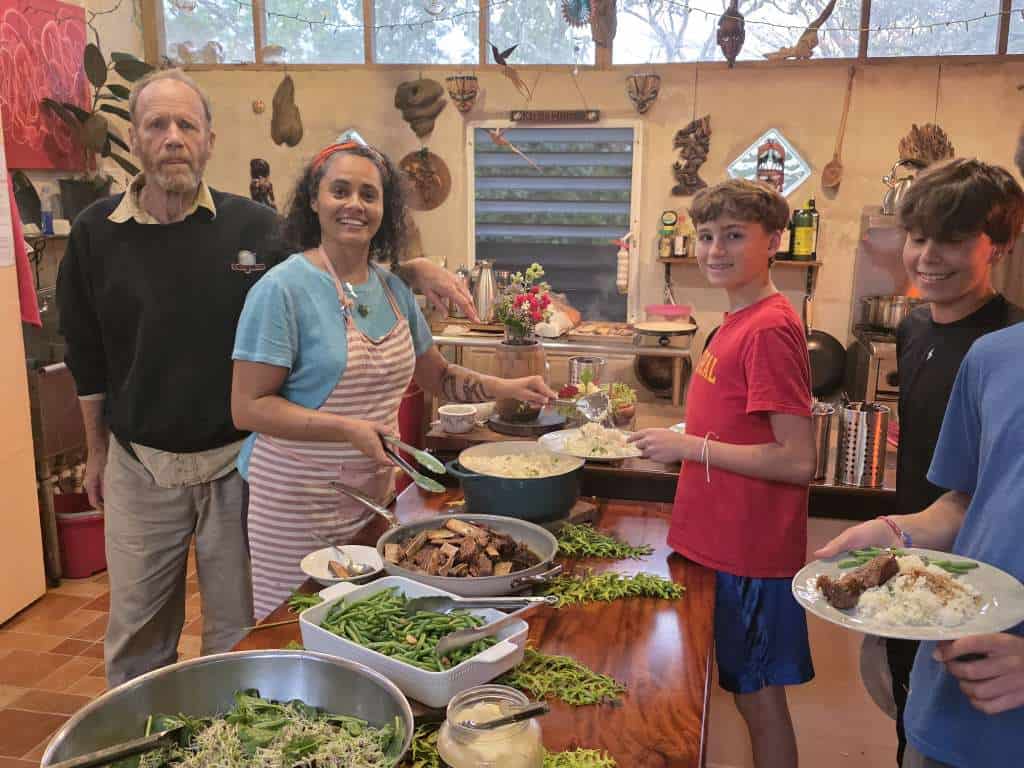
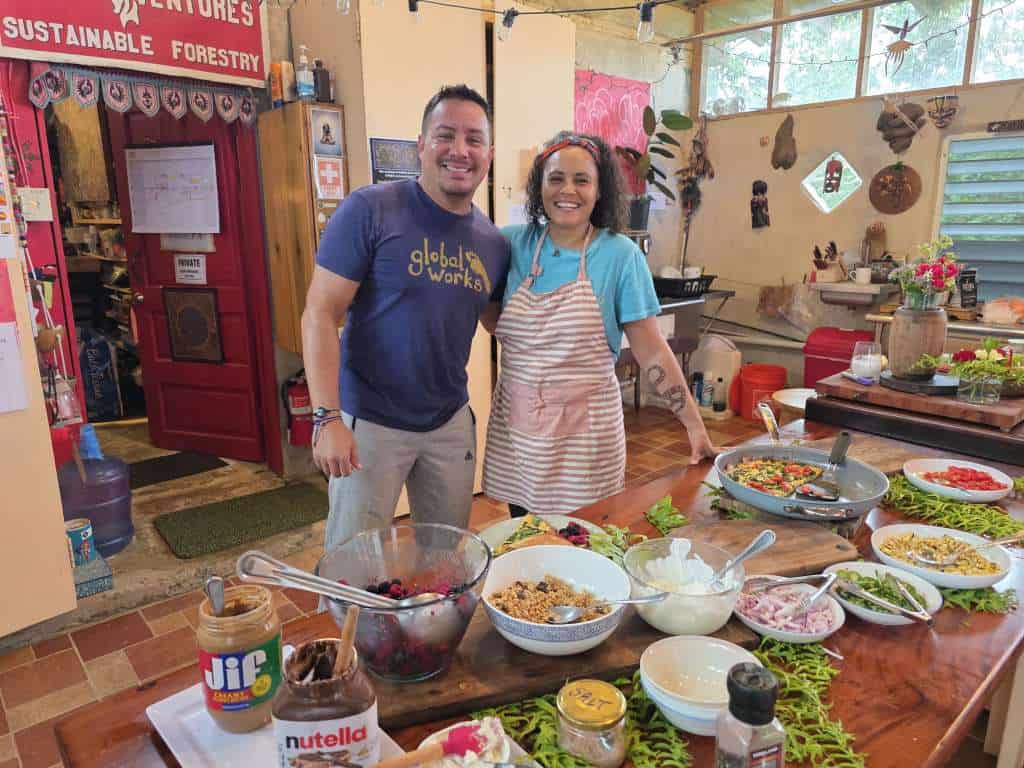
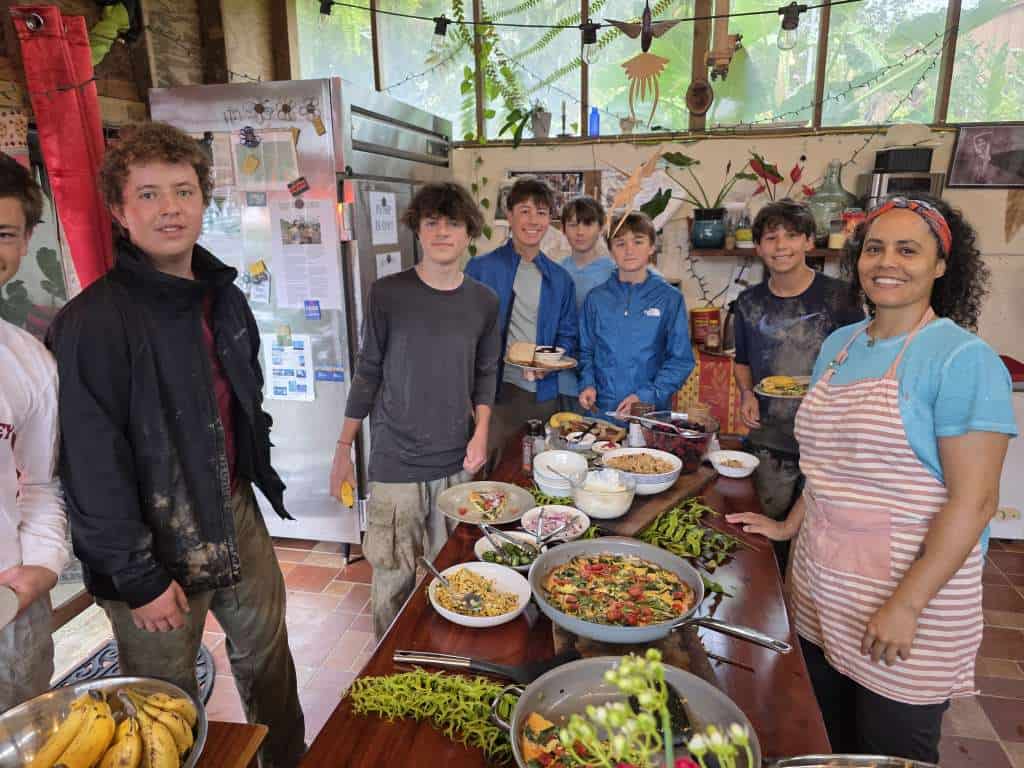
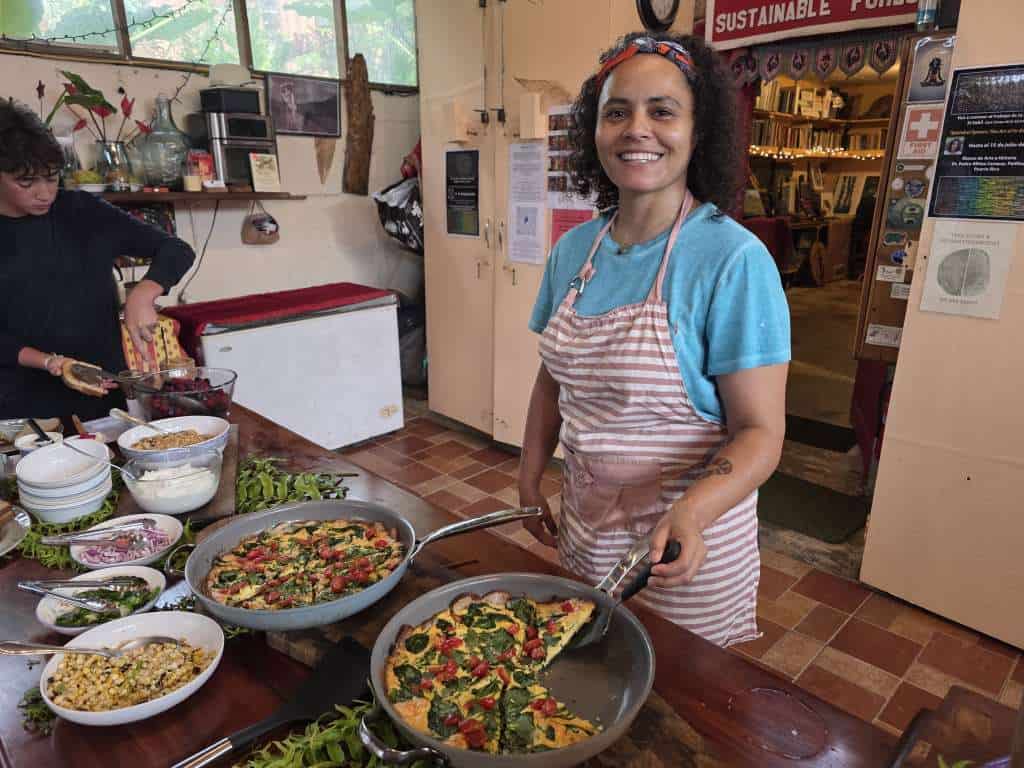
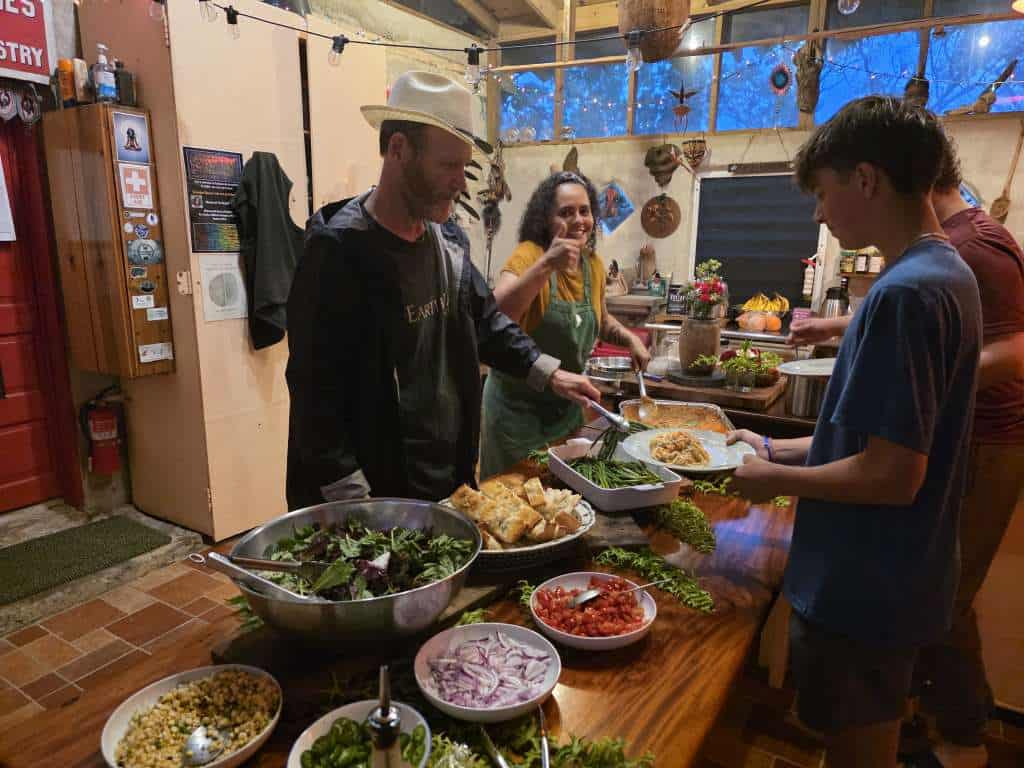
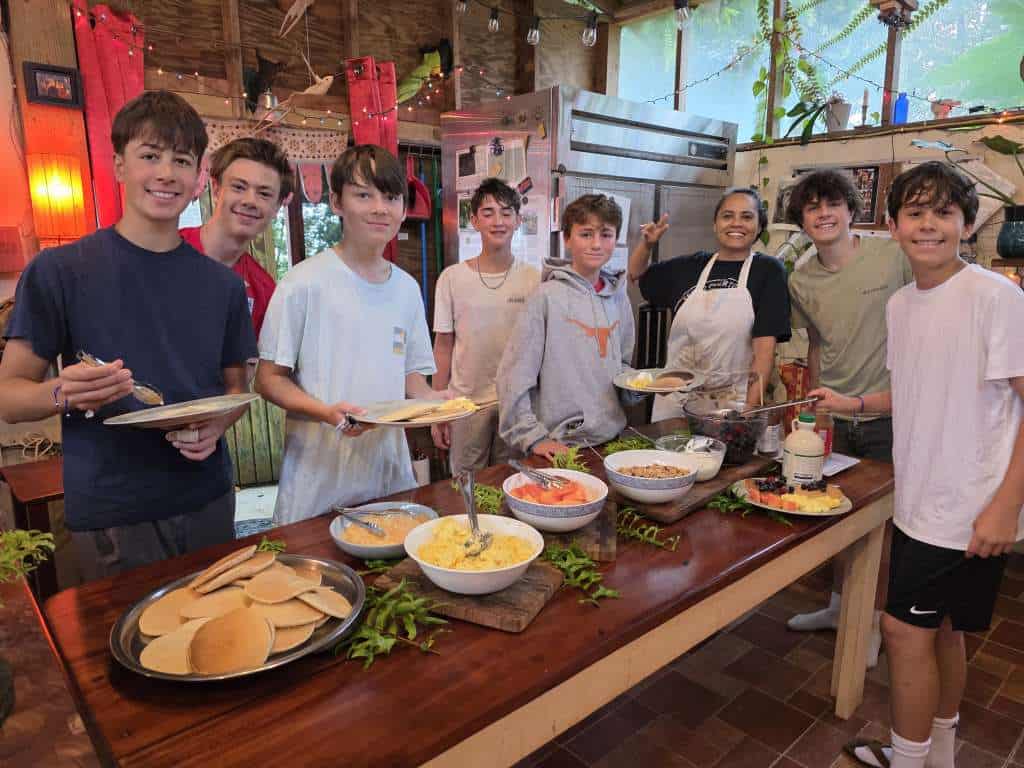
Chef Monique Nieves provided delicious meals throughout, and Dugan was extra help in the kitchen.
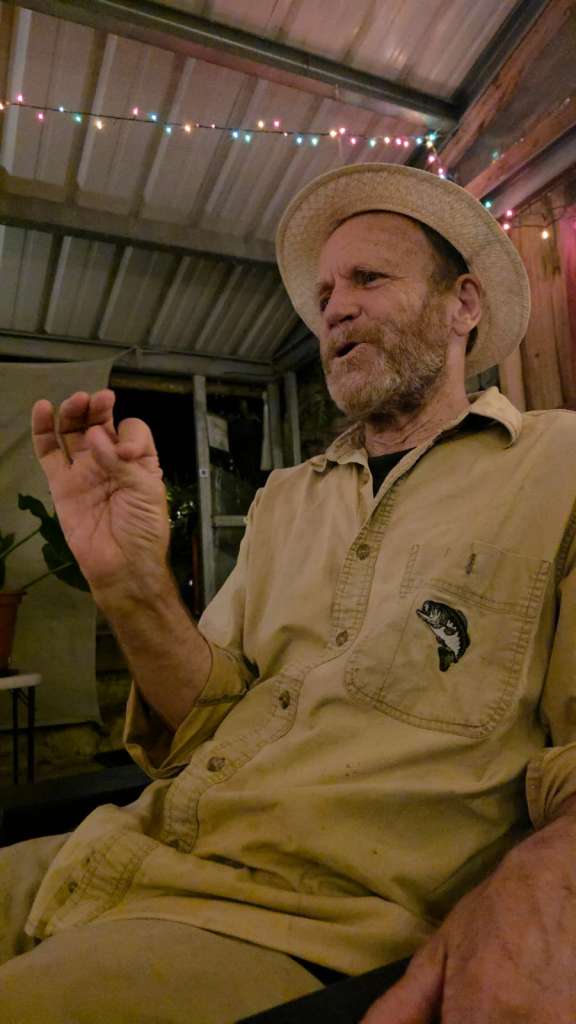
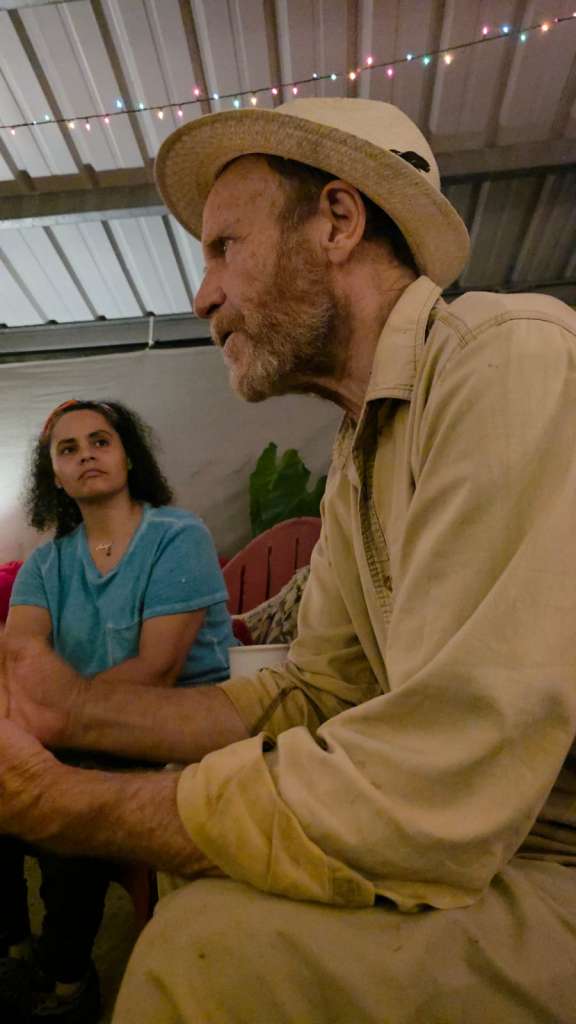
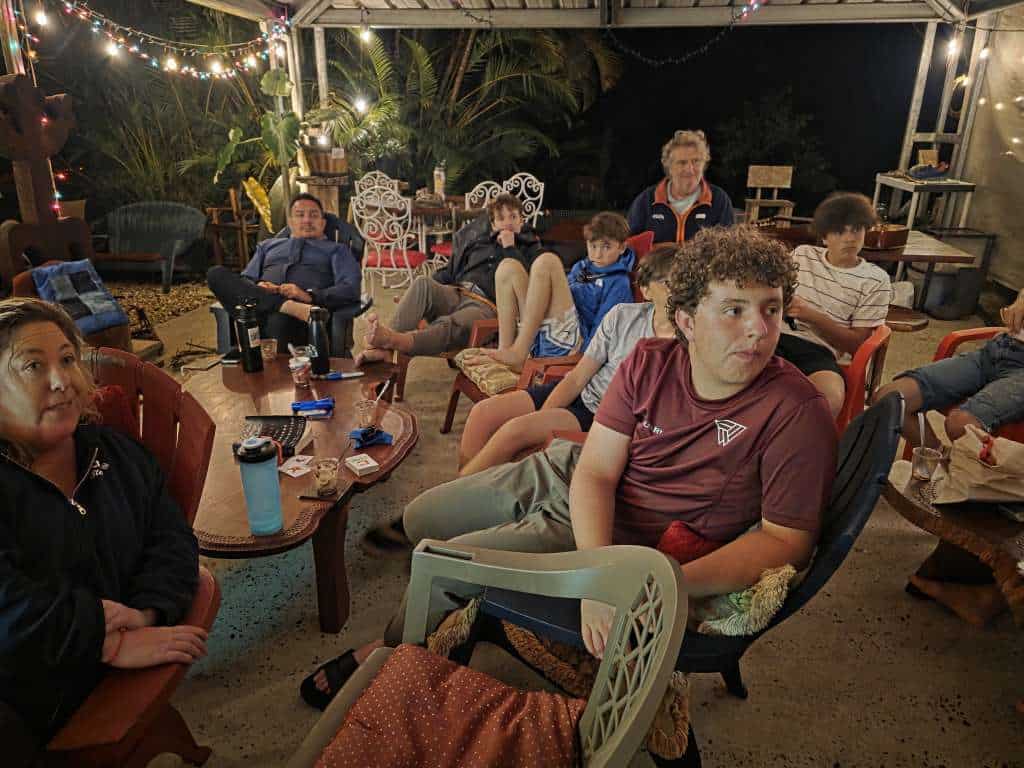
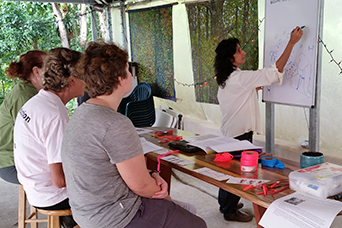
Gregg Dugan, who helped build the RV Heraclitus and was Captain of the ship for several years had the students enthralled with stories of sea adventures on one evening. Dugan is writer-in-residence at Las Casas de la Selva for two months, March and April 2026.
See Dugan’s website: https://www.2birdshrs.com/
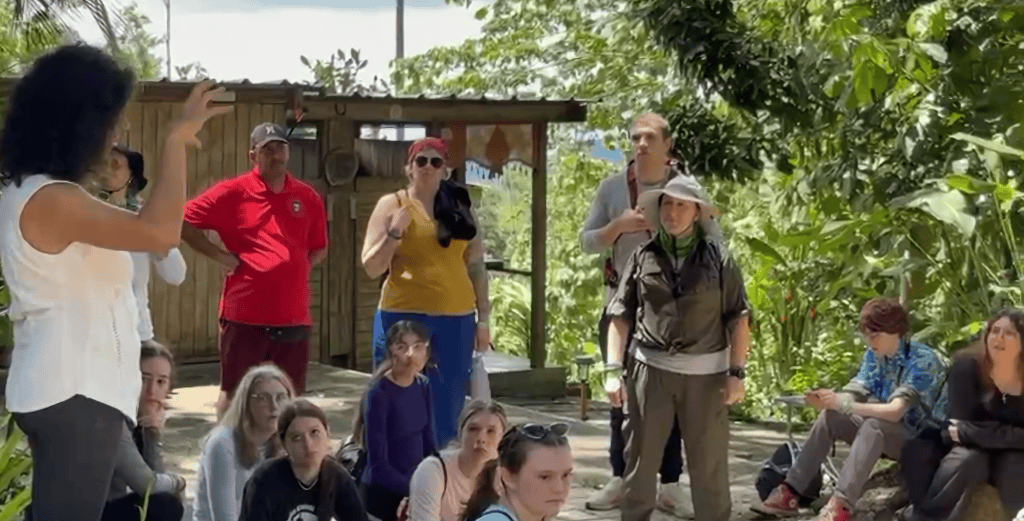
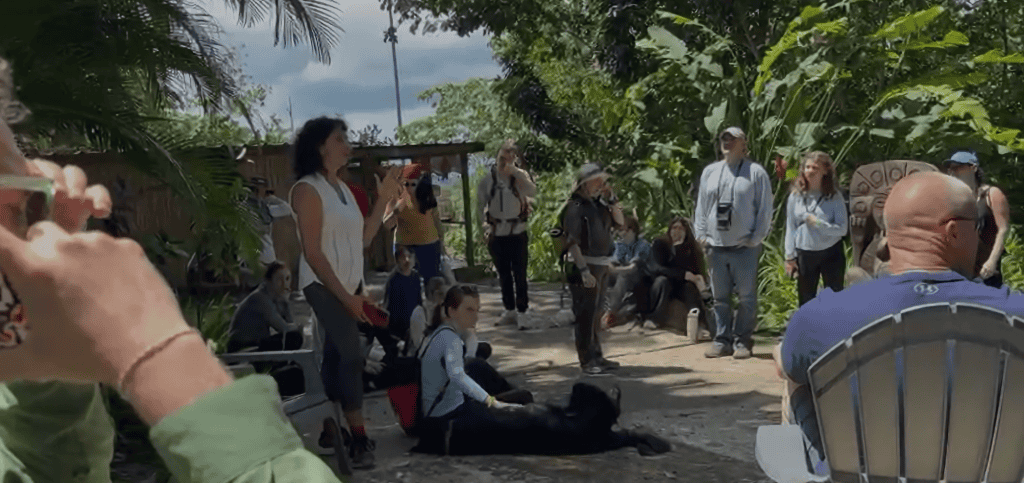
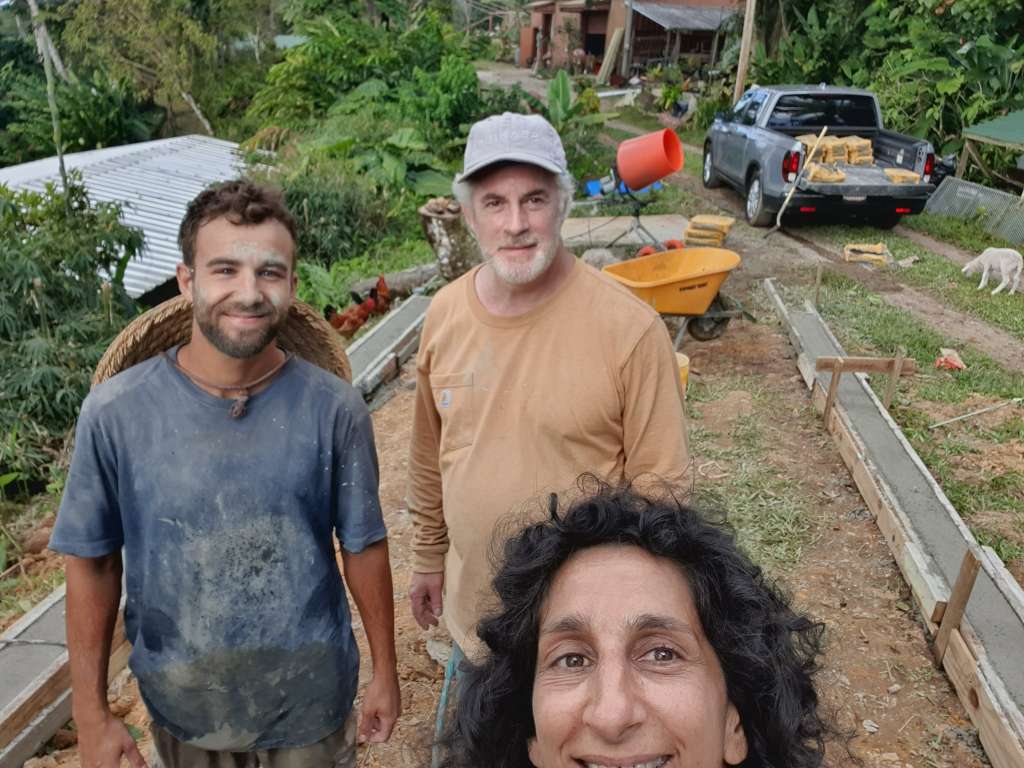
Cathedral School, California, school staff: Chris Corrigan and Caitlyn Toropova.
Chris has been bringing teen school groups to Eye on The Rainforest for over a decade now.
Brought to us by Global Works – International Community Service with leaders Randall Vargus Guido and Luke Southall. Thank you all.

See more images: https://photos.app.goo.gl/ZN8pWenzRwG3x6XW6
Photos by 3t Vakil, Chris Corrigan, Gregg Dugan, and Caitlyn Toropova.
Rare Plant Partnerships 2024-2025

Conservation in Action: Ravenia urbani and the power of persistence: US Forest Service Rare Plant Partnerships 2024-2025

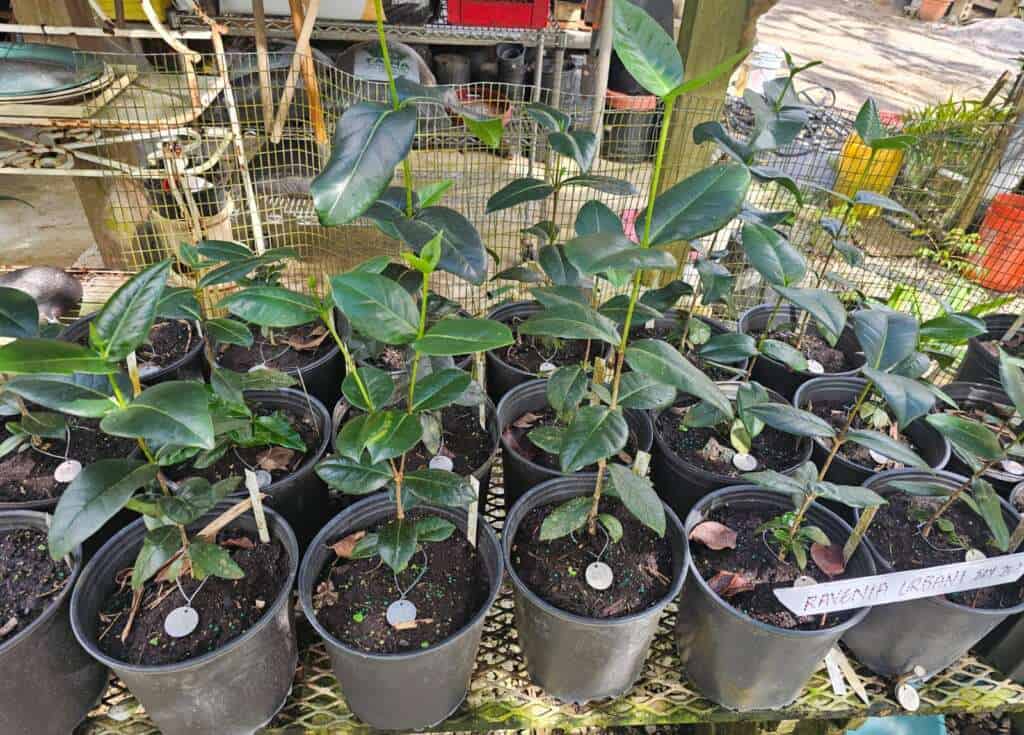
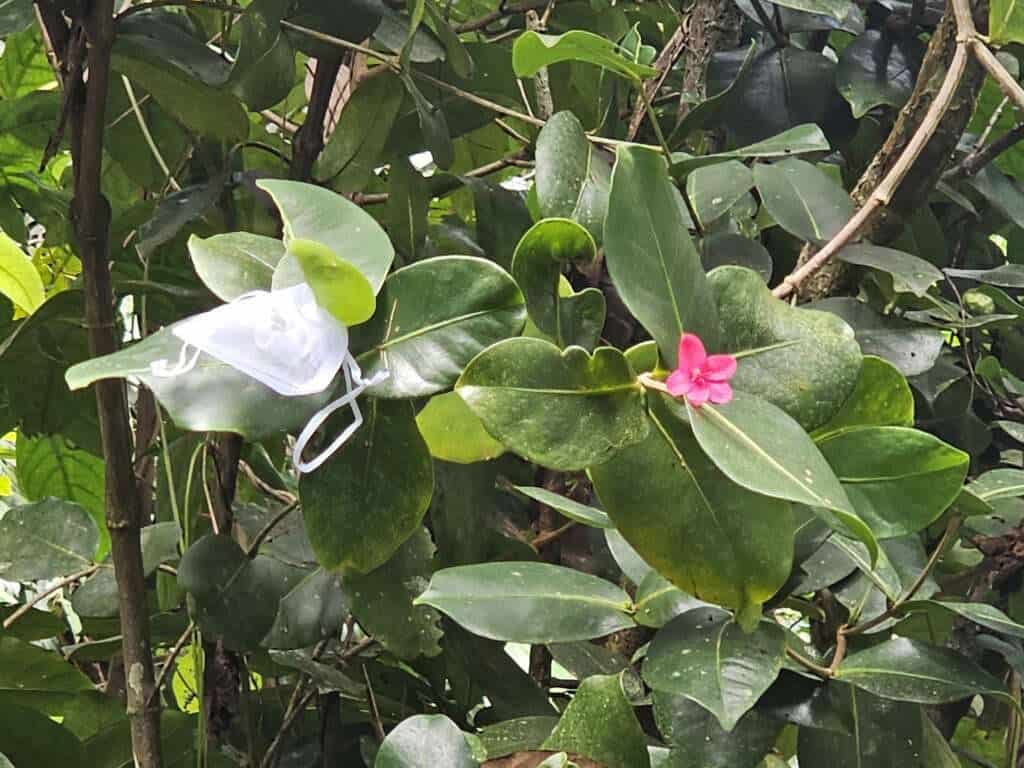
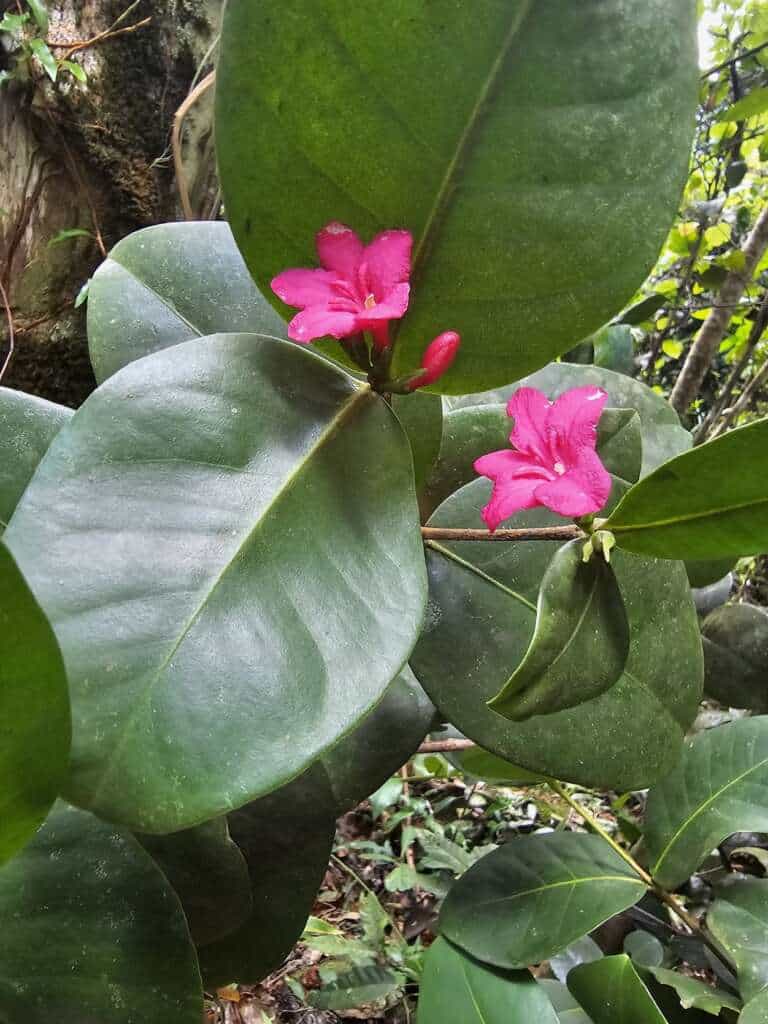
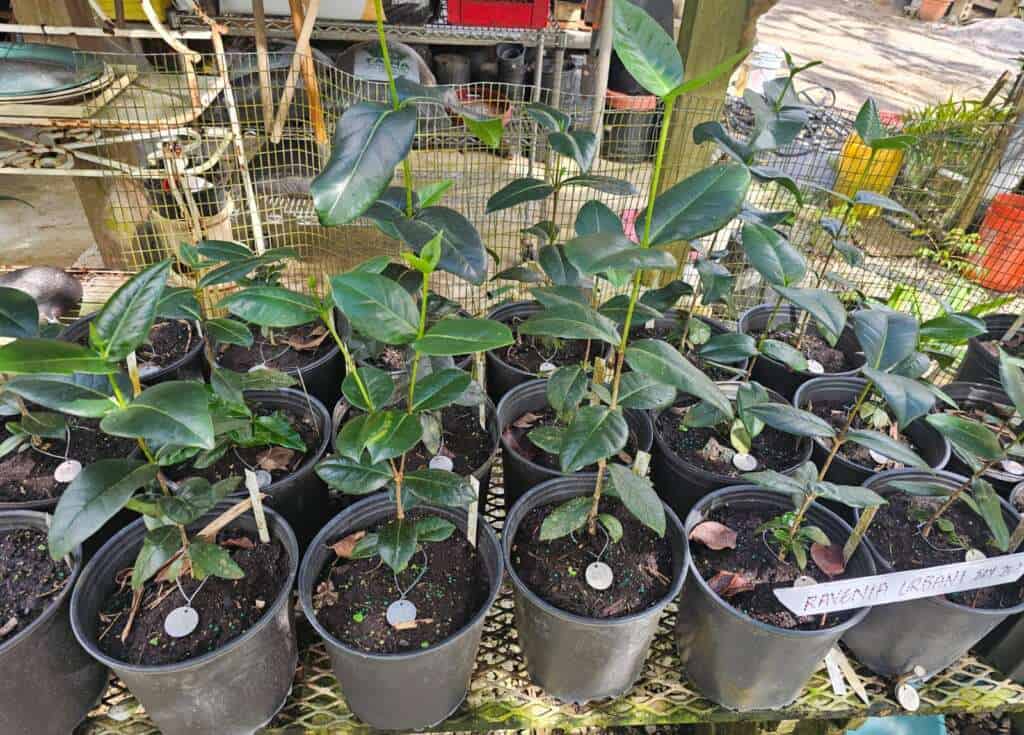
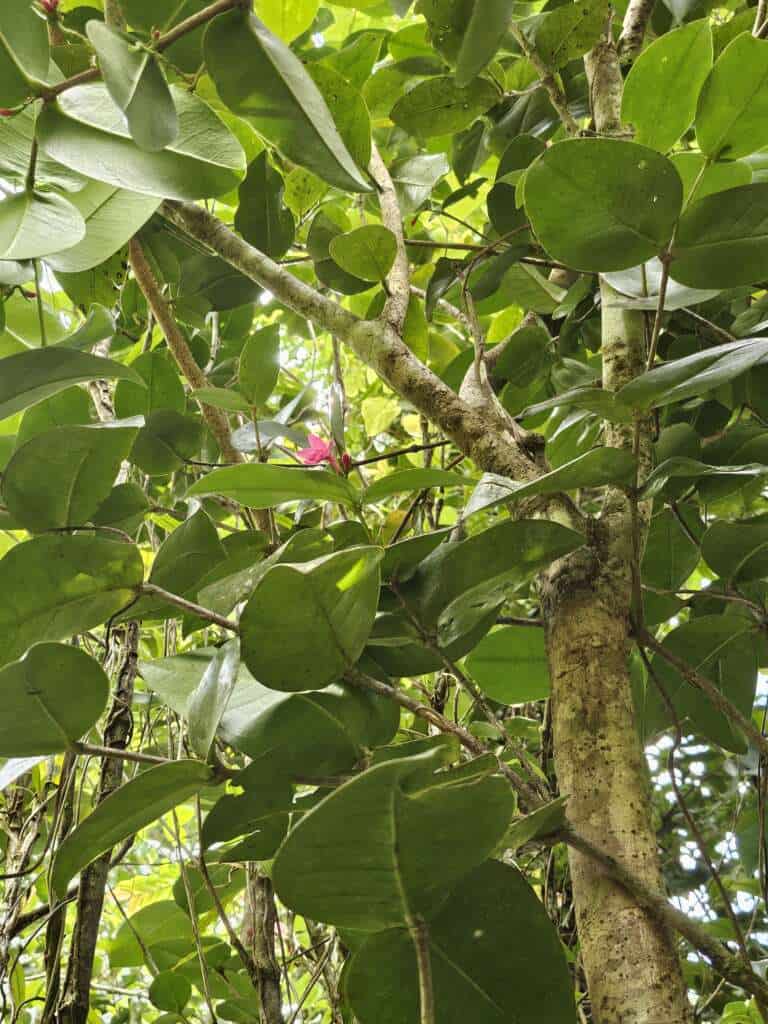
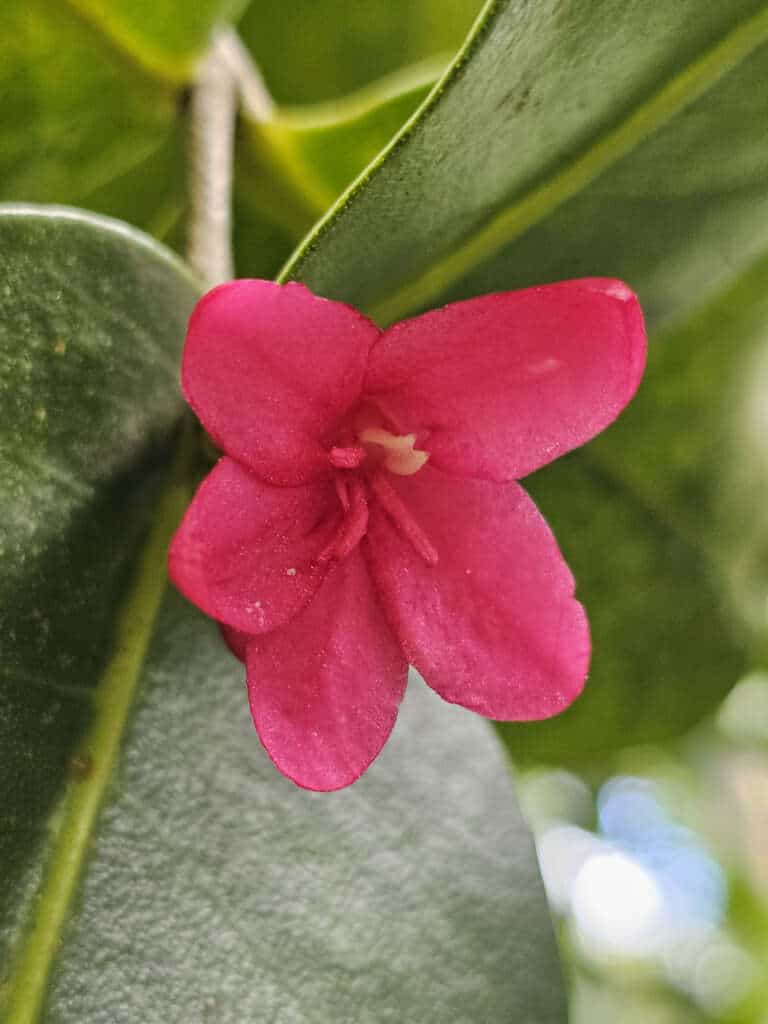
Over the past year, our team at Eye on the Rainforest has made remarkable strides in the conservation of Ravenia urbani, one of Puerto Rico’s most vulnerable endemic tree species. Supported by the US Forest Service Rare Plant Partnership, our 2024–2025 project focused on safeguarding this rare plant through seed collection, nursery propagation, habitat surveys, and community engagement.

Despite the hurdles—late permit approvals, and Hurricane Ernesto sweeping across the region just as Ravenia urbani was flowering—we persevered. These challenges didn’t slow our momentum; instead, they reinforced the urgency and relevance of our work.

What We Accomplished

60 thriving seedlings from the 2023 propagation continue to grow strong in our nursery at Las Casas de la Selva.
276 endemic trees, including R. urbani, were planted across in-situ and ex-situ sites.
Botanical expeditions were carried out in El Yunque, Cerro de Cabro, Patillas, Yabucoa, and Carite State Forest—some in remote, uncharted terrain.
Seed collection yielded just five seeds due to the storm—but even a single viable seed carries promise.
Field surveys expanded our understanding of the species’ range and informed our developing Species Recovery and Management Plan.
Hands-on outreach brought students, educators, and community members into the heart of the rainforest to experience conservation firsthand.

Connecting People to Plants

Throughout 2024 and 2025, we welcomed schools and groups from across Puerto Rico and the mainland U.S.—from Susquehanna University, PA, to Urbe Apie from Caguas. Visitors planted trees, tended nursery seedlings, helped with trail work, and learned what it means to care for an endangered species. These immersive experiences didn’t just teach—they inspired. We’re laying the groundwork for a formal mentorship program to nurture young Puerto Rican botanists through training, research, and field participation. Because protecting our forests means building a future of local leadership.

Science That Grows Roots

We continue to contribute growth data to the Global Tree Assessment, working alongside partners like BGCI, El Yunque National Forest, and Para la Naturaleza. Our work with Ravenia urbani—from nursery care, to expeditions to locate plants and collect fruits for seed —feeds directly into a broader understanding of forest health and plant resilience.

A Living Legacy

In a year marked by both challenge and achievement, Ravenia urbani has become more than a species we protect. It has become a symbol of endurance, collaboration, and ecological commitment. We particularly thank BGCI, the US Forest Service, for giving us this opportunity. Sustained funding is essential to protect endangered species like Ravenia urbani and engage communities in their long-term survival. With continued support, we will keep planting, teaching, exploring—and protecting what matters most.

Thanks to Jon Warwick, Dr. Mark Nelson, Ricardo Santiago, Tom White, and the incredible botanical team.


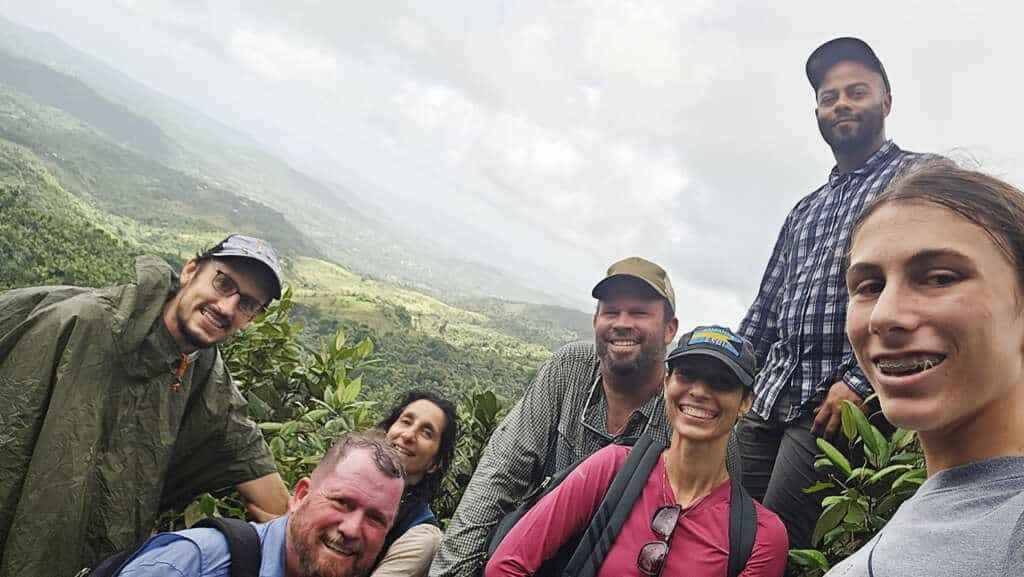
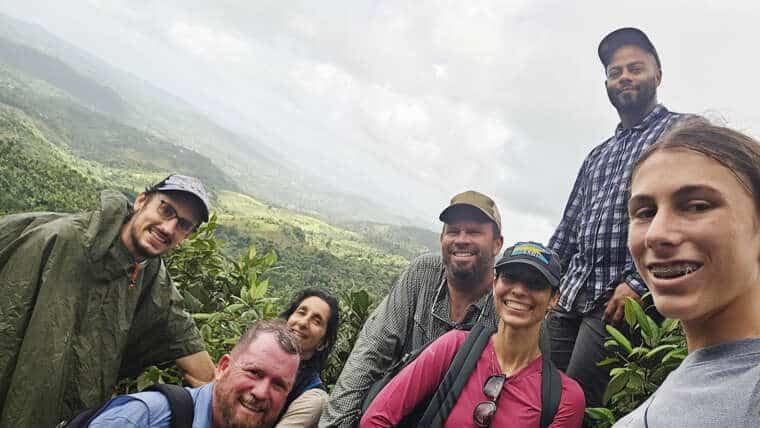
Featured image below shows team members at the summit of Cerro del Cabro, Patillas/Yabucoa, 650m, surrounded by mountain forest. 10 Aug 2024. L-R: Kurt Miller, Ian, 3t Vakil, Angel Collazo, Sarah Plauche, Erid Roman, & Colston Collazo

Nursery Build 2021

In early 2021 Tropic Ventures Research & Education Foundation partnered with Naples Botanical Garden in Naples, Florida, to prioritize efforts to conserve on-site species most at risk from extinction through seed banking, multiple off-site backup collections, development of propagation protocols, assessment of extinction risk for the IUCN Red List, and out-planting on the site. The Association of Zoological Horticulture provided a grant towards this endeavor. AZH is a non-profit membership organization dedicated to the advancement of horticulture in zoos, zoological parks, botanic gardens, and aquariums.

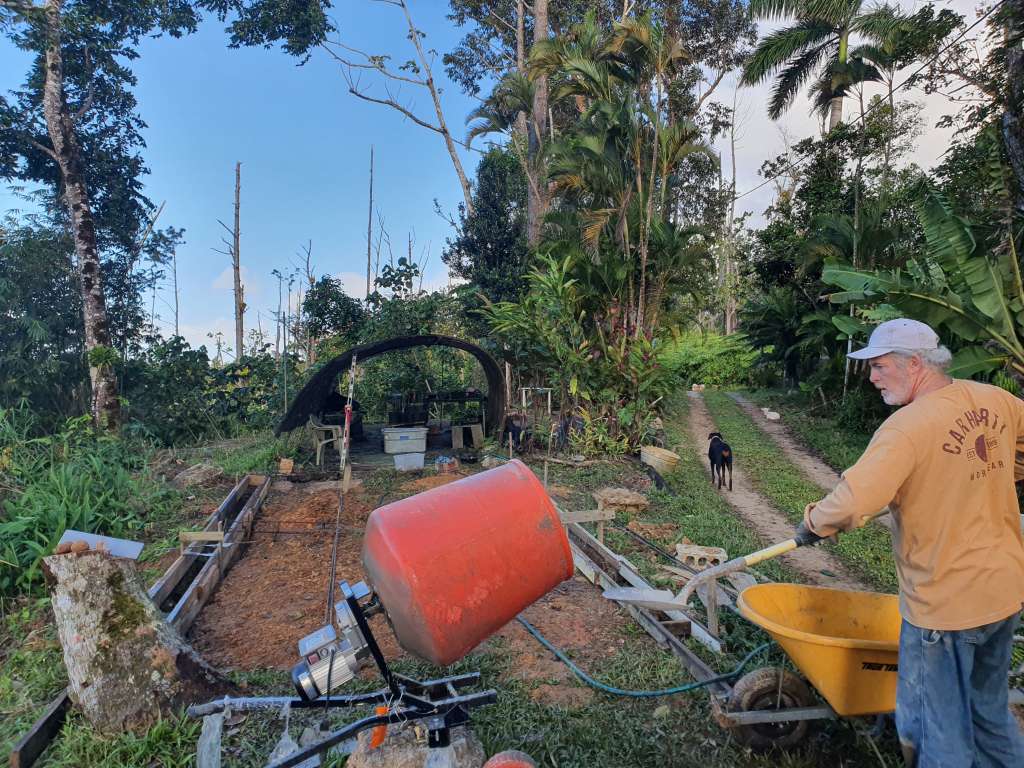
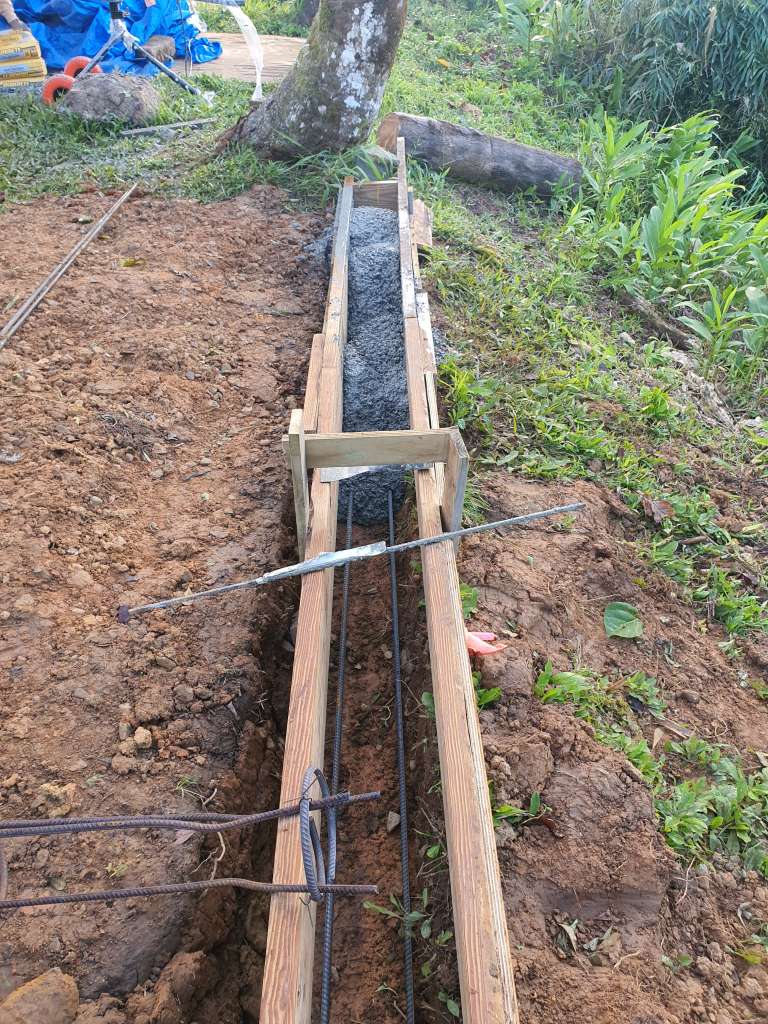
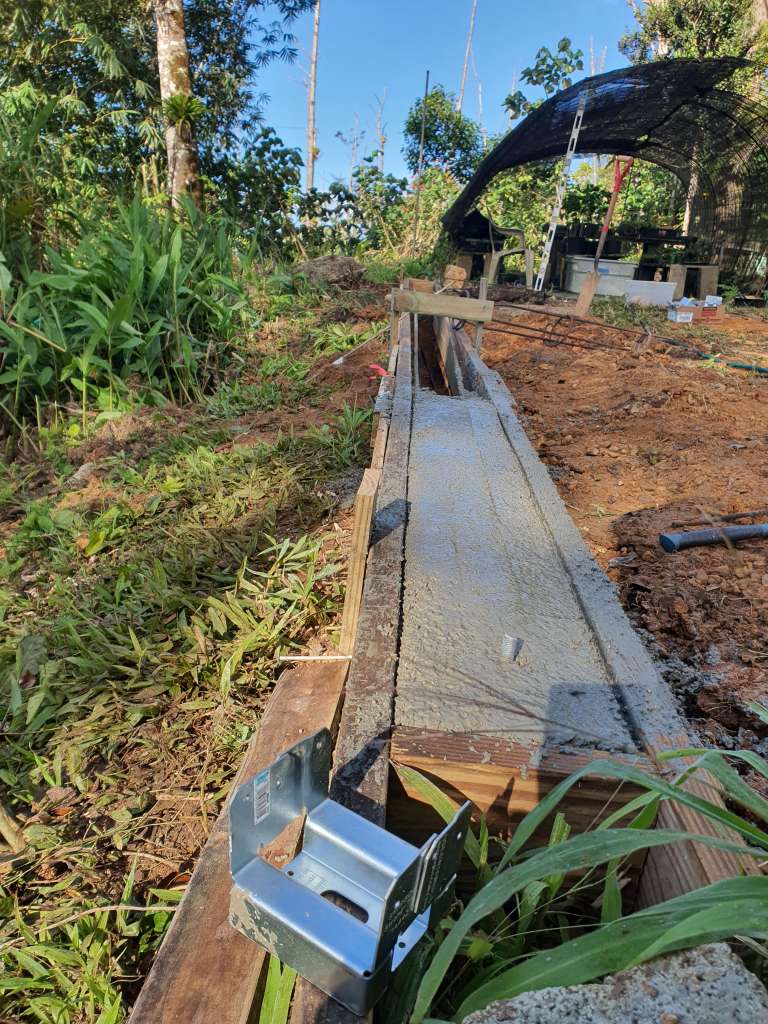
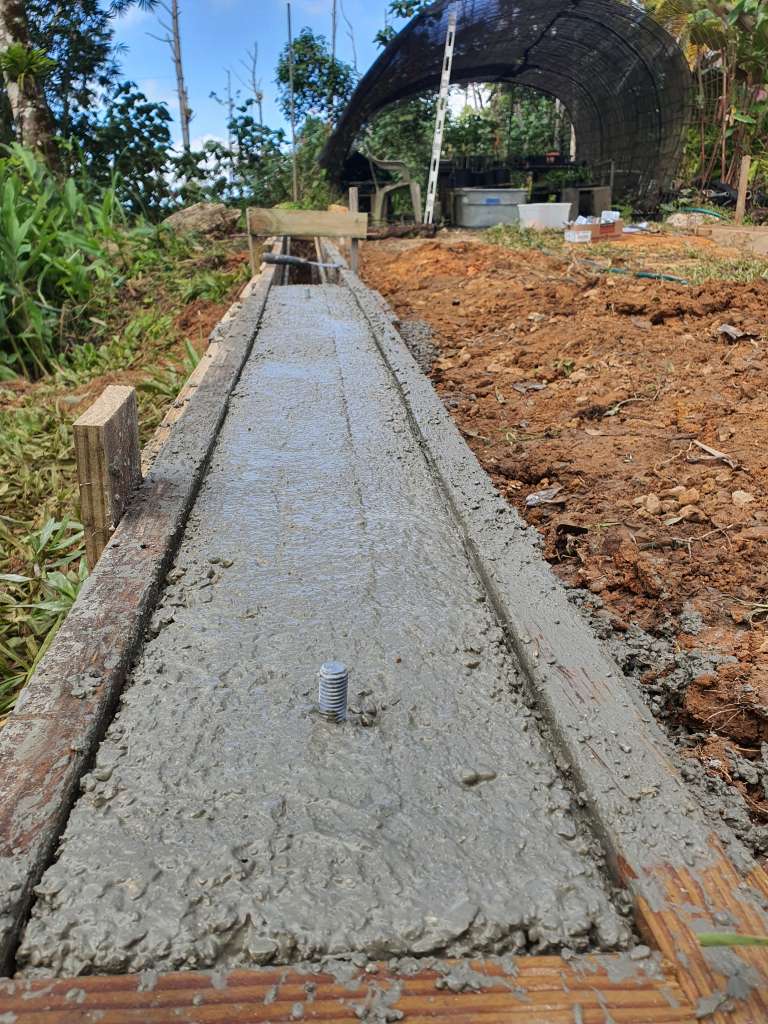
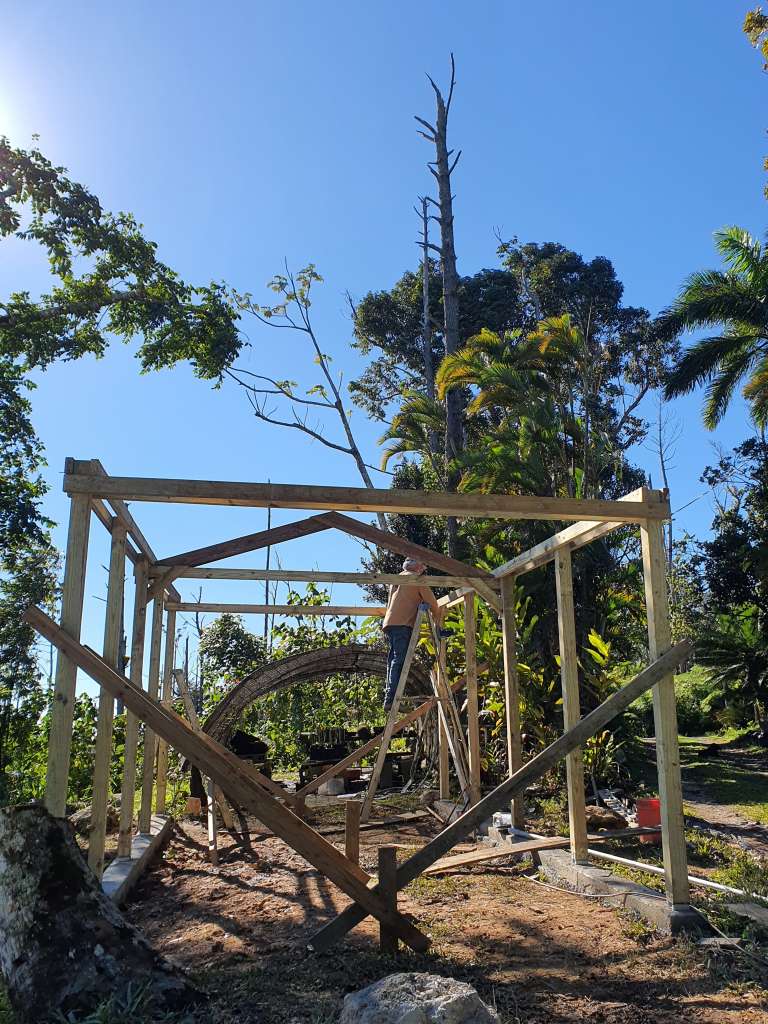
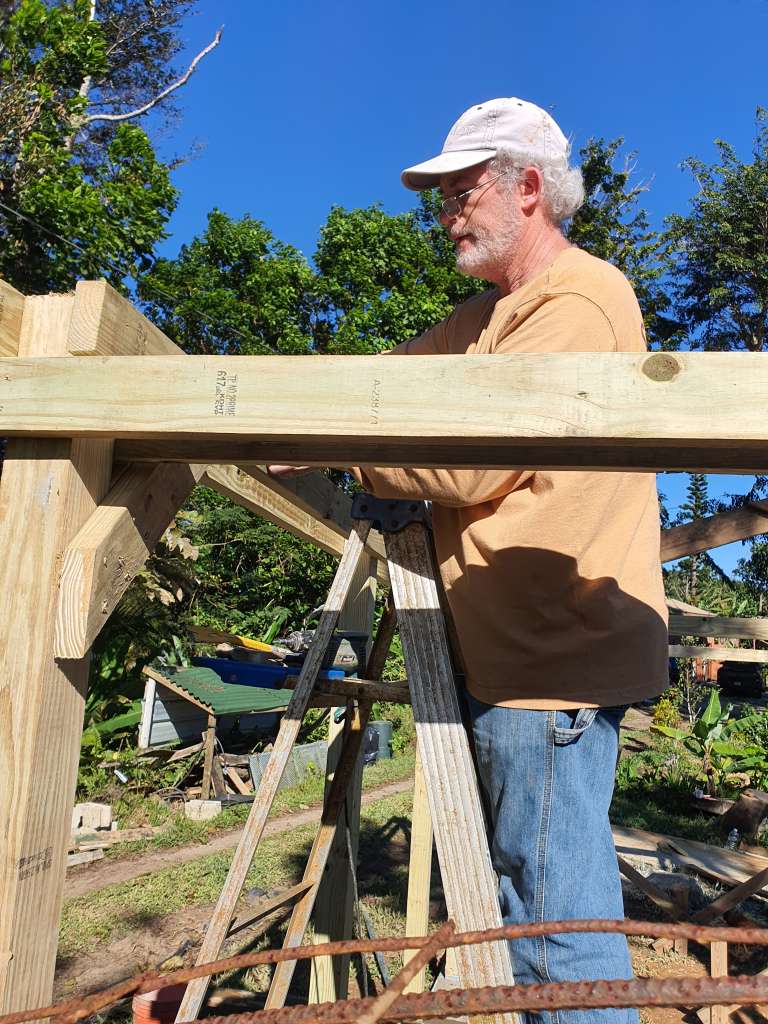
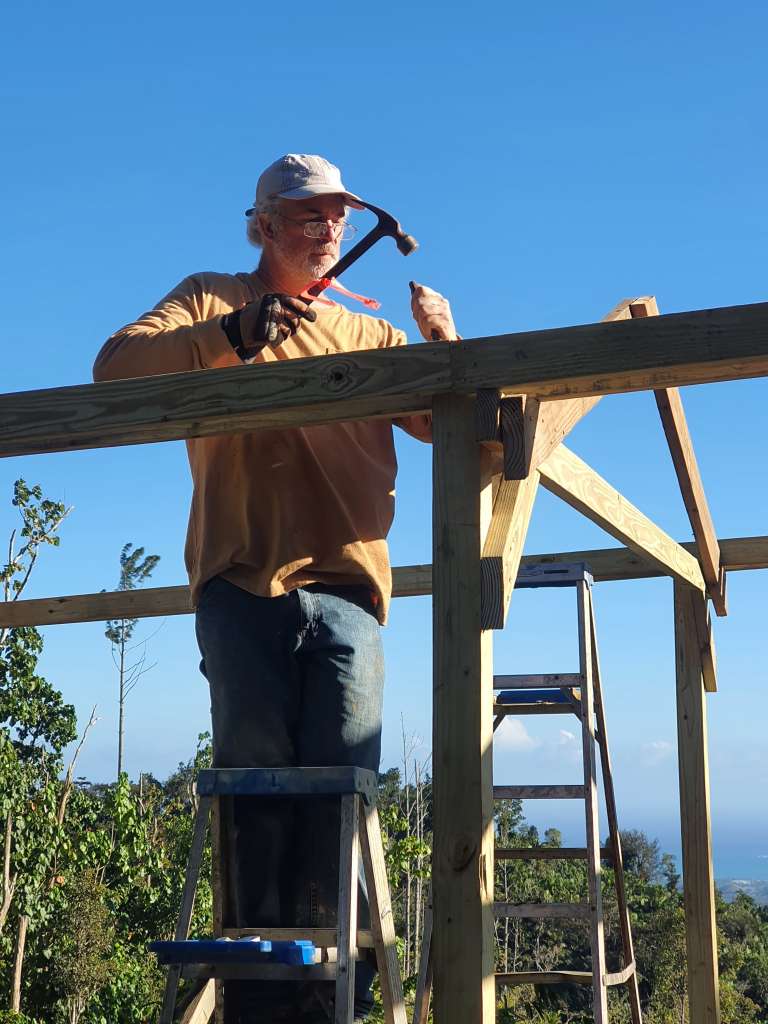
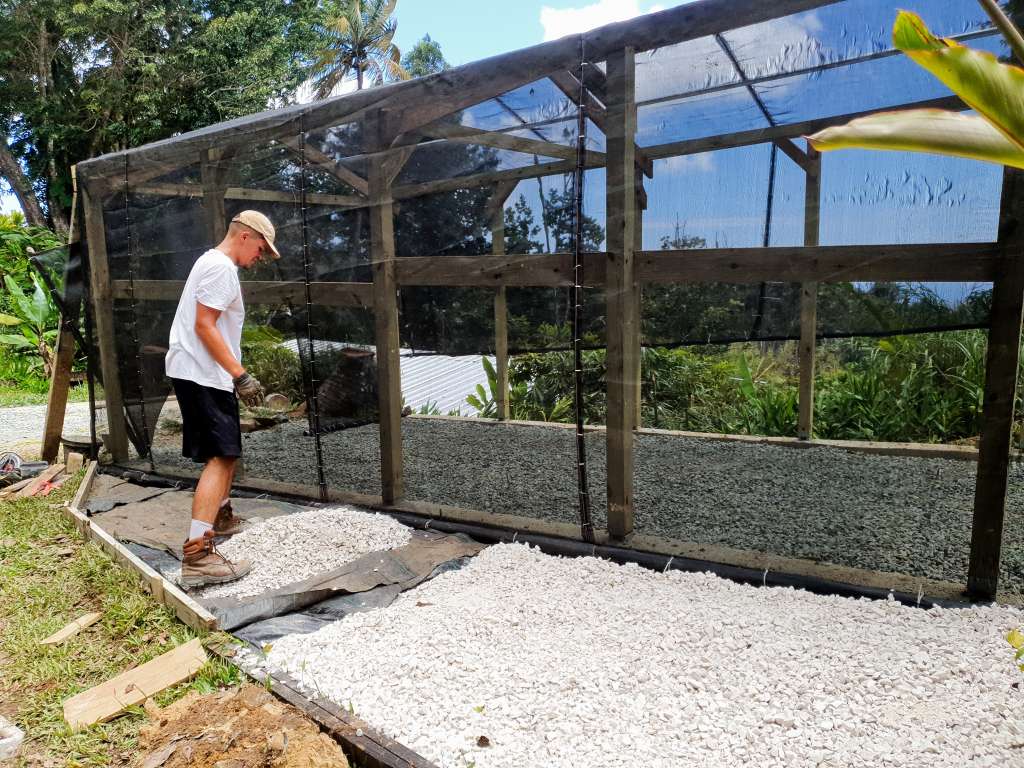
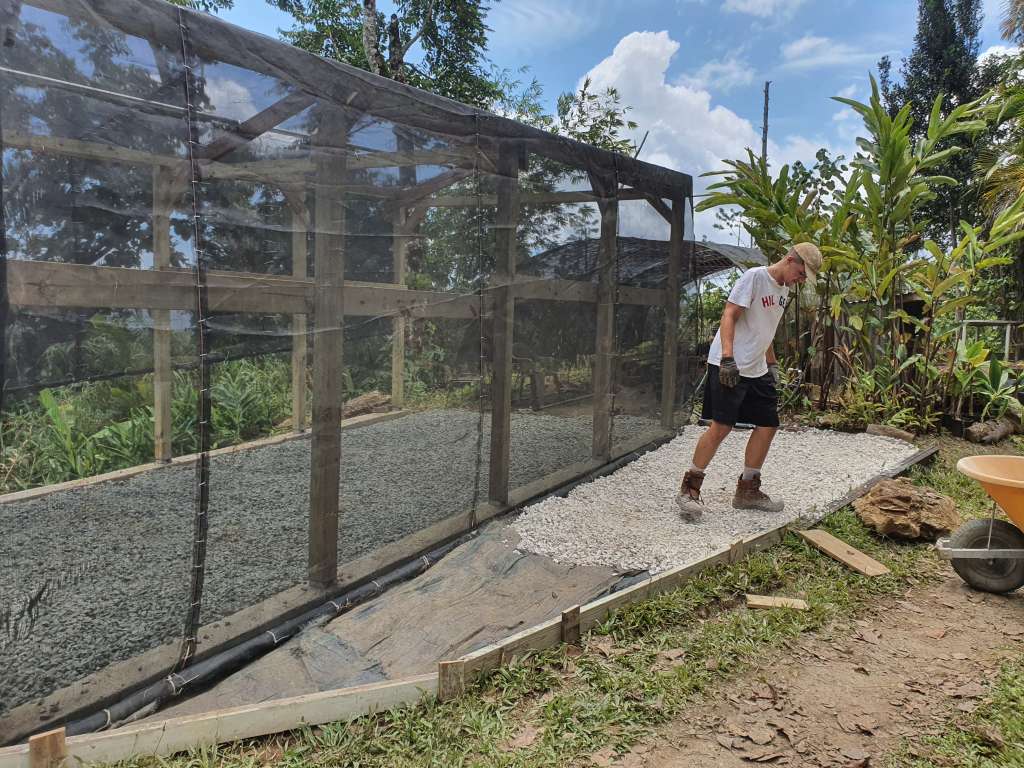
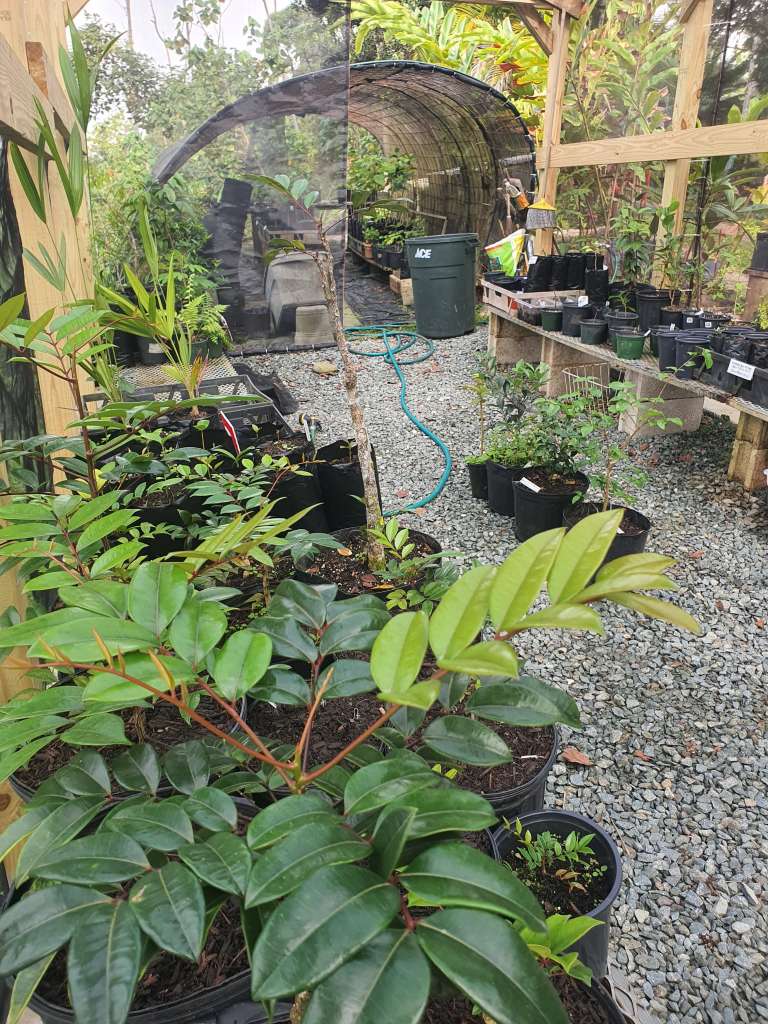
Architect David Henebry, who has been volunteering his time and building skills at Las Casas since 2018, designed the nursery, and in March 2021 arrived on a 10 day trip, and with a team effort including 3t, Axel Rúa, & Diego Marvel, a strong, hurricane-resistant shade-tree nursery, and a small soils shed came into being, along with a 10’ x 10’ seed nursery, which is still in progress.

As a result of this partnership, the Botanic Gardens Conservation International via the Franklinia Foundation, & the Global Tree Campaign have started a new collaboration with us to survey for endangered endemic trees of Puerto Rico. We are over the moon about this.

BGCI is a registered charity and company in England and Wales, and in the U.S. as a 501(c)(3) non-profit organization. www.bgci.org

Chad Washburn, Director of the Naples Botanical Garden, will join us in the field later in 2021.

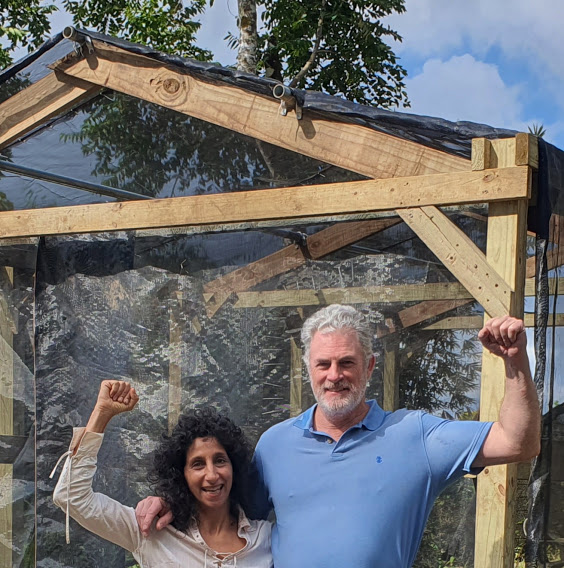
3t Vakil & David Henebry, March 2021

2017 Collaborations begin

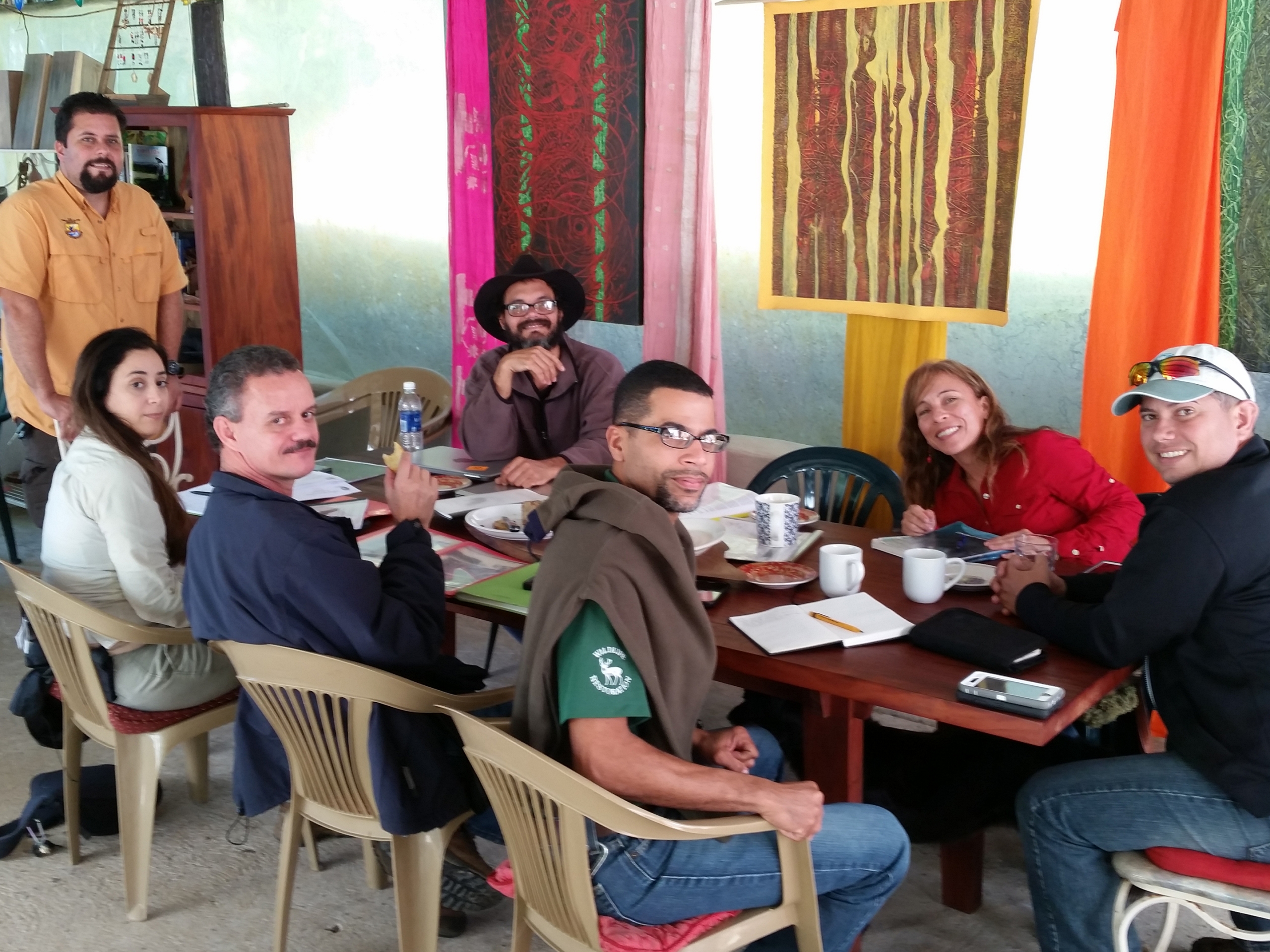
19th January 2017: First planning meeting at Las Casas de la Selva about our next collaborative habitat restoration project, working with endemic and endangered Eugenia haematocarpa (Myrtaceae) on private lands in the Sierra de Cayey, and the vicinity of the Carite Commonwealth Forest.

This project is a collaboration between US Fish and Wildlife Service and Puerto Rico Department of Natural Resources (PRDNER).

The tree we will be working with is Eugenia haematocarpa (uvillo), known only from the Caribbean National Forest in the Luquillo Mountains and on private property adjacent to the Carite Commonwealth Forest in the Sierra de Cayey. The Caribbean National Forest in the Luquillo Mountains has six distinct populations consisting of 119 individuals and the Carite population consists of 15 individuals.

Images by 3t Vakil January 2017

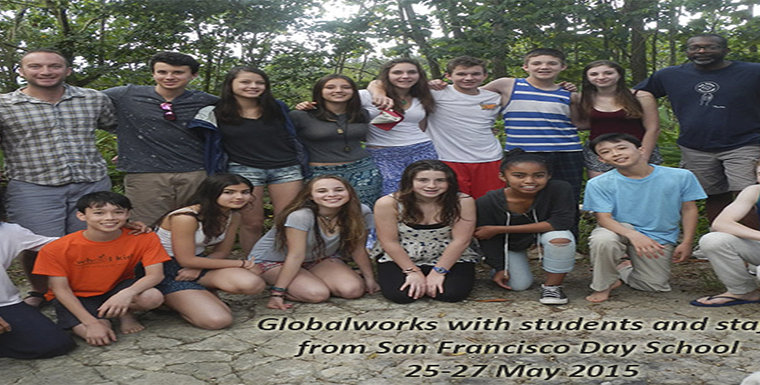
Globalworks teenagers, Treeplanting, May 2015

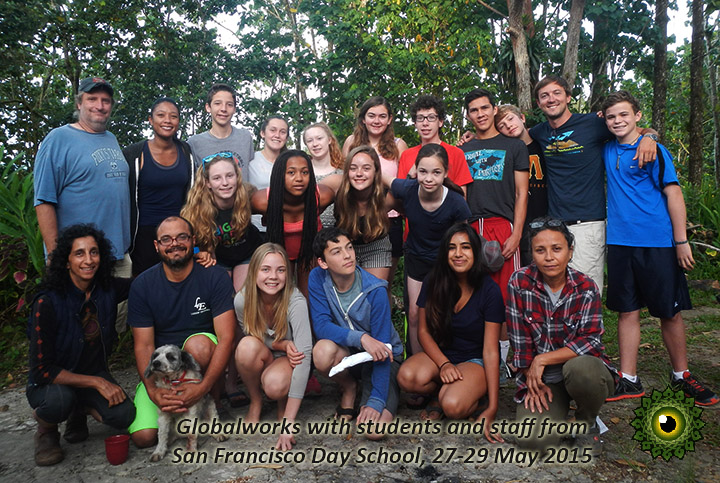
Globalworks brought the whole of the 8th Grade from San Francisco Day School to Las Casas de la Selva, May 2015.

We hosted three teams consecutively, for three days each. This wonderful bunch of teens planted critically endangered endemic Cornutia obovata trees in the forest.

Thanks to SFDS teacher Chris Corrigan for his tremendous leadership skills, and the enthusiasm he has brought to Las Casas over the last several years on Globalworks expeditions. Thanks to all the wonderful staff and students for the hard-work planting these Cornutia obovata out in the forest, and for the wonderful evenings back at the homestead. We salute you all! Thank you also to Globalworks staff, and to Las Casas volunteers Alfredo Lopez and Helen Galli, for all their help.
All pix by 3t Vakil unless otherwise credited.

See more about this tree-planting project https://eyeontherainforest.org/?p=5462

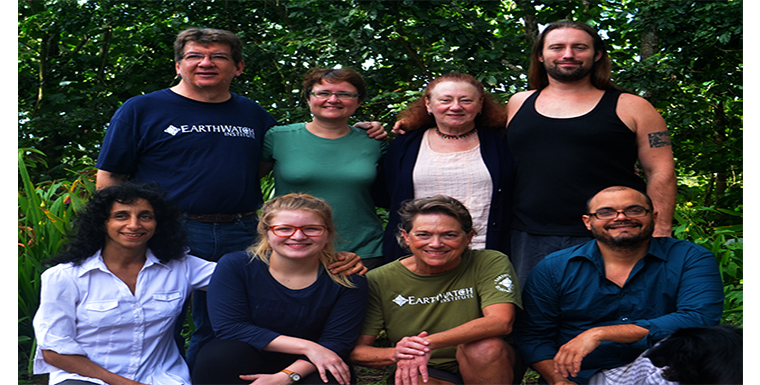
Earthwatch Team: December 2014 -January 2015

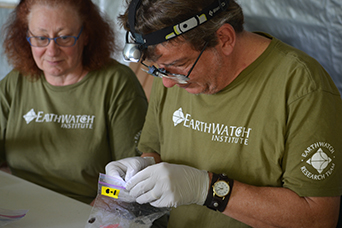
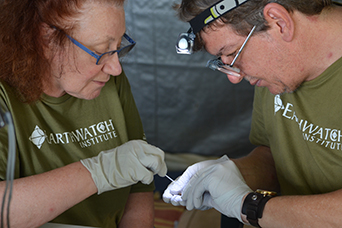
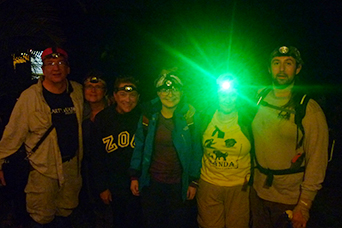
Back L-R: Stan Rullman Cindy Stieger, Margaret Baisley, PI Norman Greenhawk
Front L-R: PI 3t Vakil, Charlotte Field, Colleen Casey, Andrés Rúa
All pix on this page thanks to all above.

See Stan’s Blog about this trip!
https://earthwatchunlocked.wordpress.com/2015/04/30/from-trees-to-coquis-an-earthwatch-scientist-explores-puerto-ricos-rainforest/ 2015

Earthwatchers at Las Casas

Planting endangered endemicsWe have an enthusiastic team of Earthwatchers here till the 6th January 2014. Continuing our collaborative project with Fish & Wildlife, we planted critically endangered endemic tree saplings, Styrax portoricensis and Cornutia obovata. To date 116 Styrax and 21 Cornutia have been planted in our spectacular secondary forest here in the Mira Flores mountain, better known as Las Casas de la Selva.

Why volunteer here?

Why volunteer at Las Casas de la Selva? See this 3 minute video by Ben Zenner.

This 3 min video was produced by Ben Zenner, a volunteer of Las Casas de la Selva in April of 2013. Ben is a videographer and graphic designer, and is in the process of developing a non profit design firm to help organizations with their online media presence and funding efforts, and to connect students and individuals with potential volunteer opportunities. For more information about Ben and his project called Volunteer Dream, check out his website: www.benzenner.com/

Thank you Ben!

Translate »