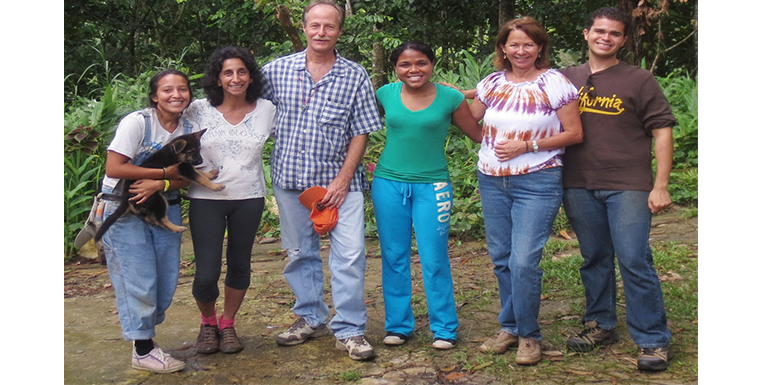
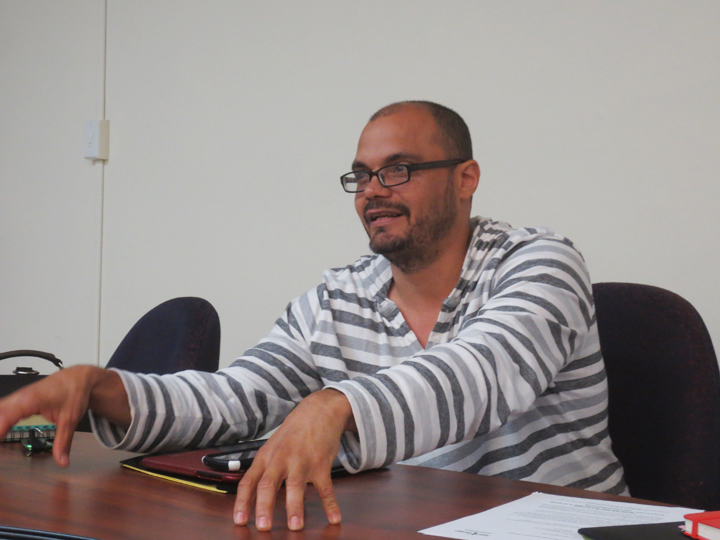
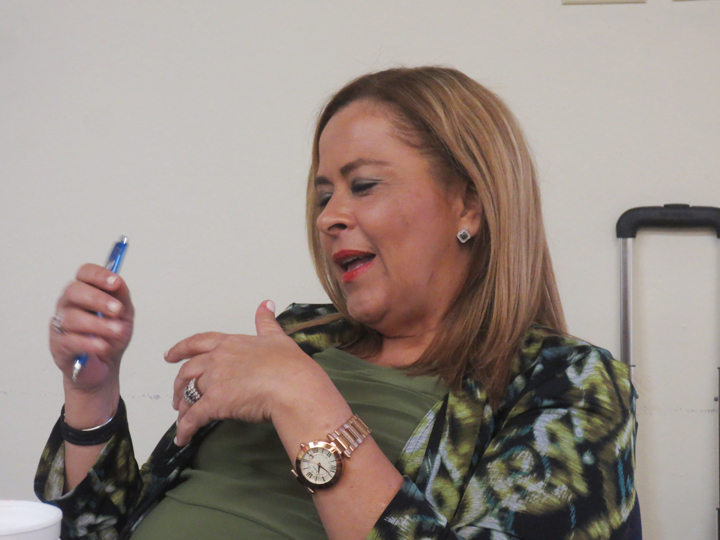
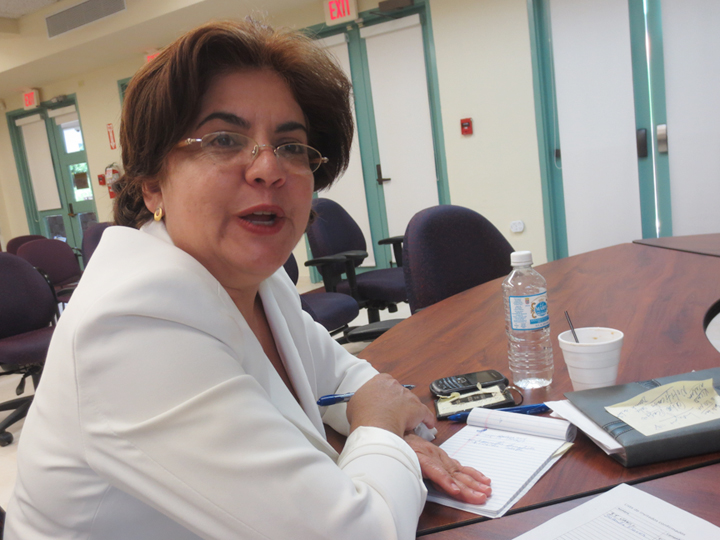
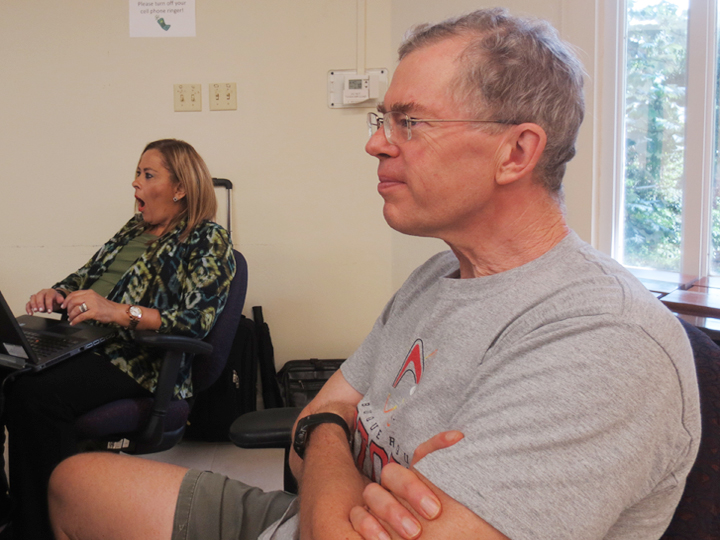
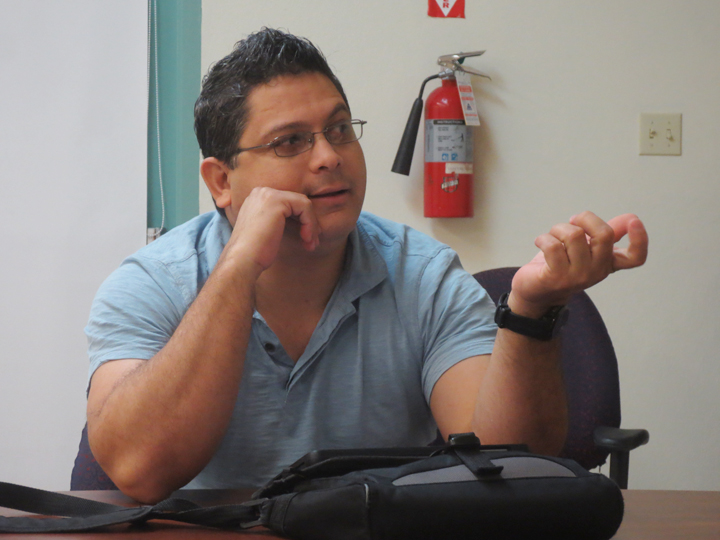
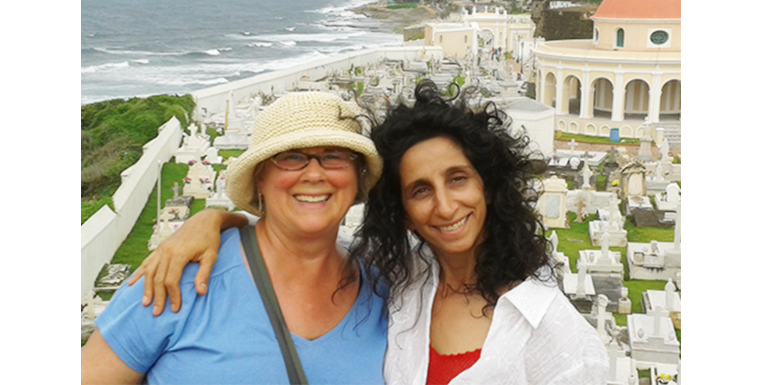
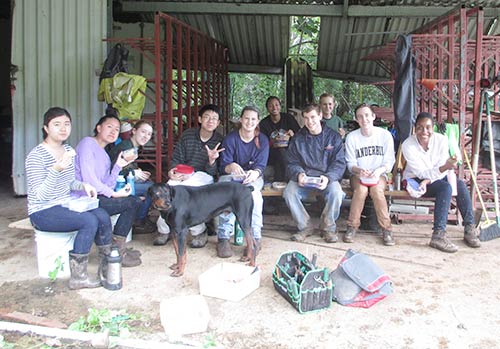
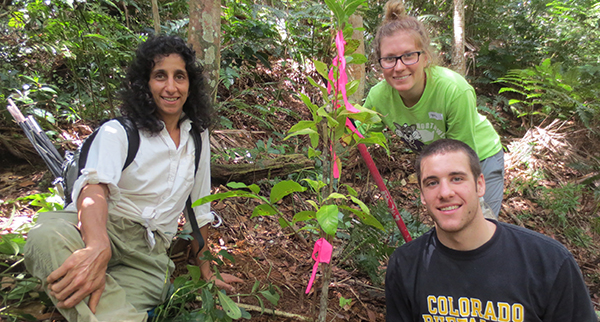
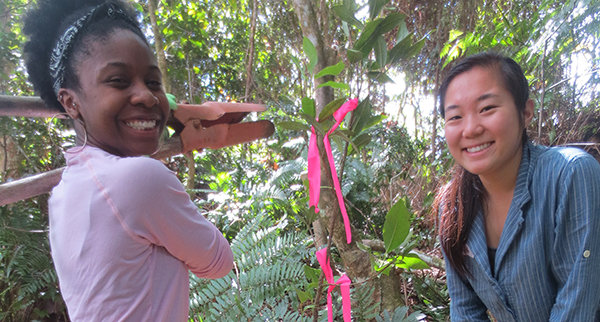
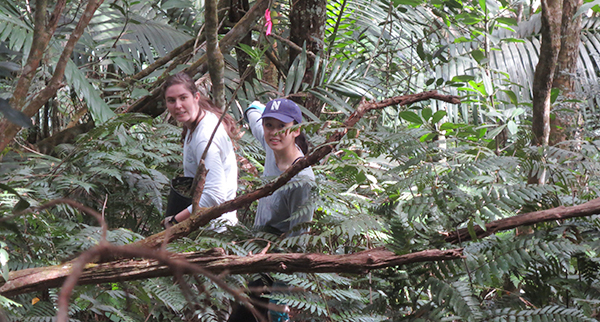
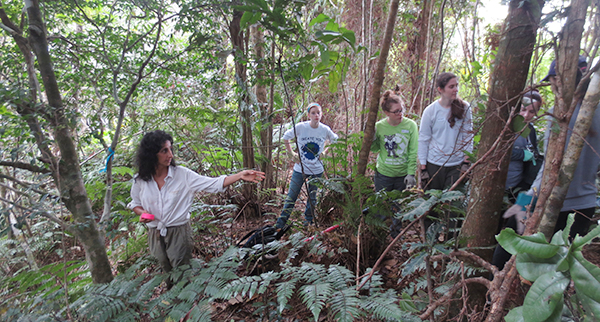
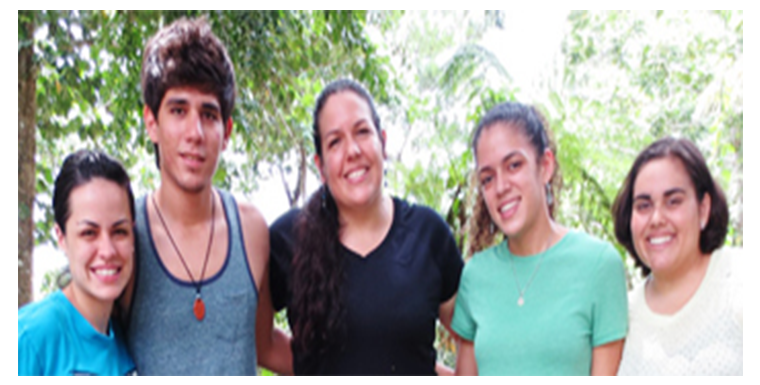
L-R: Tania Hernandez Caraballo, 3t, Jim Ackerman, Escarlin Reyes Genao, Carmen-Iris Rodriguez, and Joel Salcedo Mejias (Pic by Andrés R♪a)
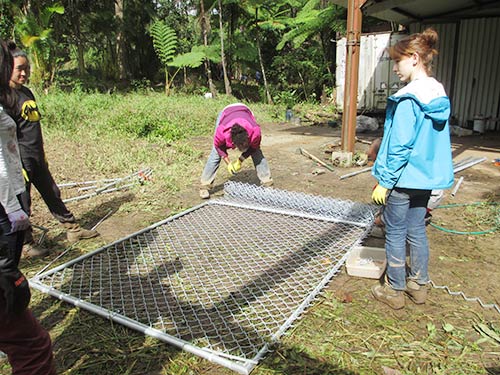
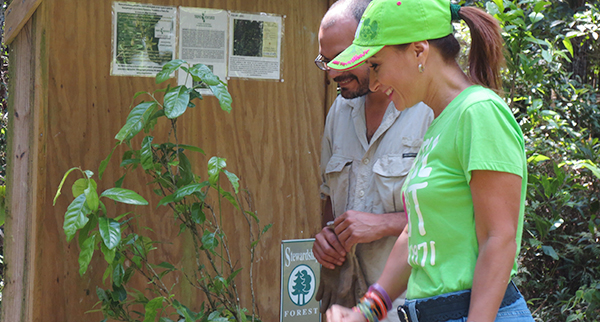
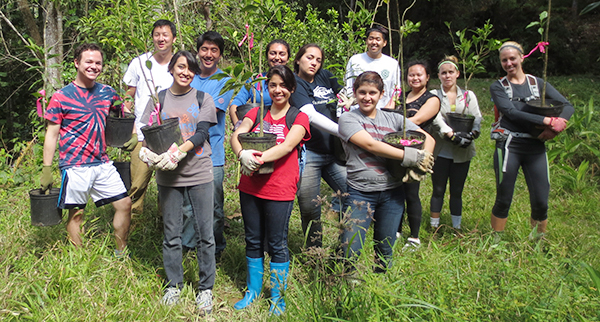
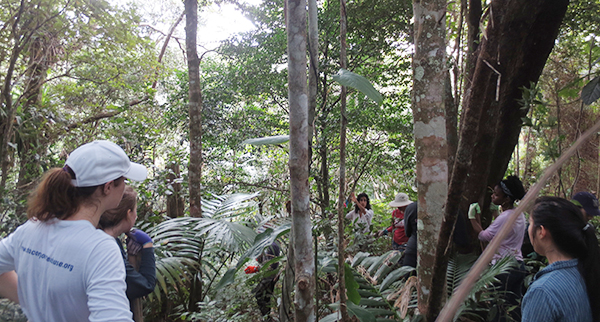
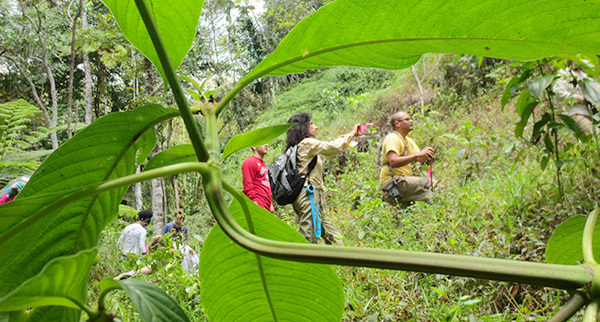
Prof. Jim Ackerman brought his students to Las Casas de la Selva to make observations on exotic orchids and pines. Our friend Carmen Iris, (second from right), studied with Jim 26 years ago. Always a pleasure to spend time with Jim and get the downloads on his current studies and forest insights.
Oh, and the puppy is the new addition to Carmen Iris and Alberto Rodriguez’ household. An adorable pedigree German Shepherd, 2 months old, called Ninja,
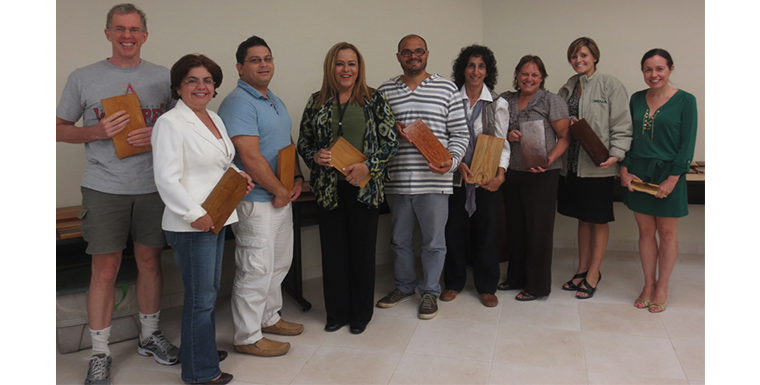
L-R: Mark Schofield (Ex-Editor of Fine Woodworking Magazine); Yolanda Flores (Department of Agriculture); Augusto Carvajal (Biologist); Magaly Figueroa (USDA Forest Service, IITF); Andrés Rúa (Tropic Ventures Research & Education Foundation); 3t Vakil (Tropic Ventures Sustainable Forestry Project); Connie Carpenter (US State & private Forestry, IITF); Christina Cabrera (Departmento de Recursos Naturales y Ambientales, Ayudante Especial, Oficina del Secretario); Aileen Amador (Departamento de Transportación y Obras Públicas).
CADA meeting at the International Institute of Tropical Forestry, 30th August 2013. Consejo Asesor para el Desarrollo Agroforestal de Puerto Rico
“Working towards the development of Sustainable Forestry in Puerto Rico, and the research and creation of a forest products industry and relevant markets.”
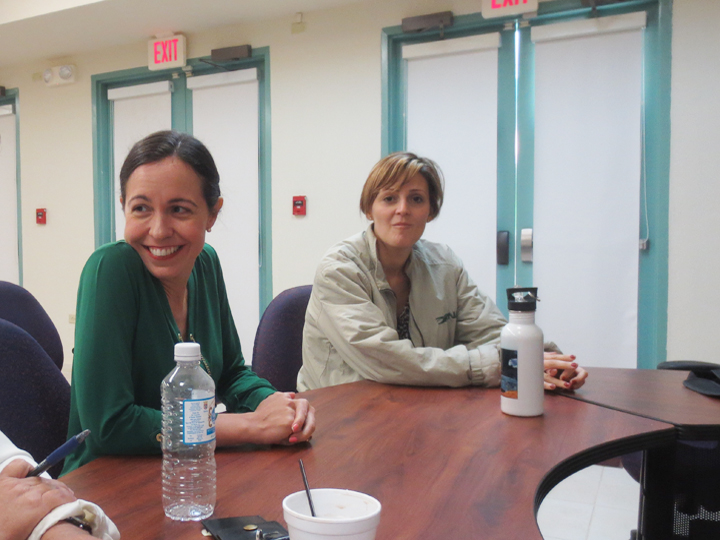
Aileen Amador and Christina Cabrera
Andrés Rúa
Magaly Figueroa
Andrés Rúa shows off the collection of 130 Puerto Rican woods to Dr. Ariel Lugo, Director of the International Institute of Tropical Forestry.
Yolanda Flores
Mark Schofield
Augusto Carvajal
See www.nuestramadera.org for more info on this new council and its mission, founded in May 2013 by Andrés Rúa and 3t Vakil.
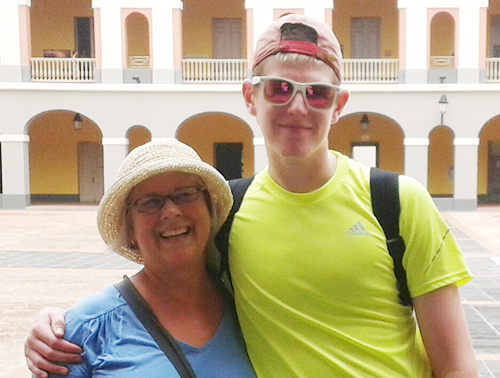
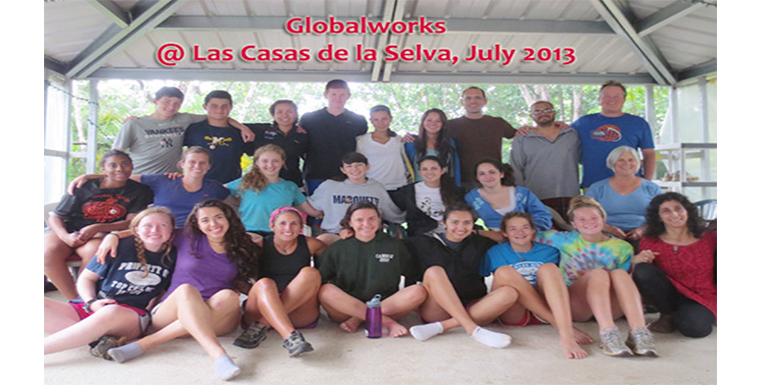
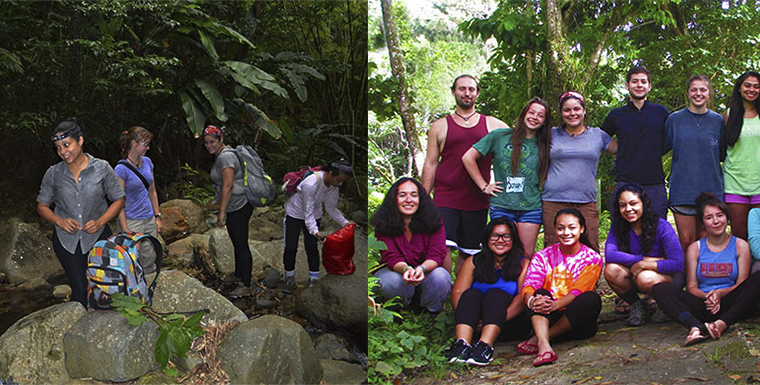
When great friends come to visit! 3t’s friend Sally J. Richardson, and her 17 year old nephew, Sean Hitchcock, visited for three weeks, and in their time at Las Casas, helped with all aspects of homestead life and assisted magnificently with the organization and work with Globalworks teenagers and the Upward Bound Appalachian team. Sean, you were a star and we really appreciated your hard work in the field with the teams, and your quiet getting on with everything, and we especially loved your smile! Sally, tremendous gratitude for your upbeat humor in all situations and your generosity. We loved having you both here!
We did let them off the ranch a few times, and we did visit El Morro Fort in Old San Juan on a beautiful day. Sally and Sean went snorkeling on a Catamaran trip around Icacos and Lobos islands of the NE coast. They also managed to squeeze in a kayak trip in the Bioluminescent bay. A bio bay is a body of water that contains millions of micro-organisms, called “dinoflagellates”, that glow in the dark for a second when agitated. It is a rare, natural wonder that Sally and Sean were lucky enough to experience.
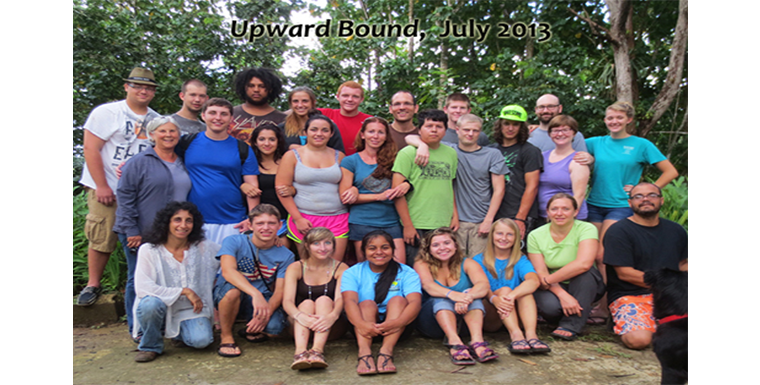
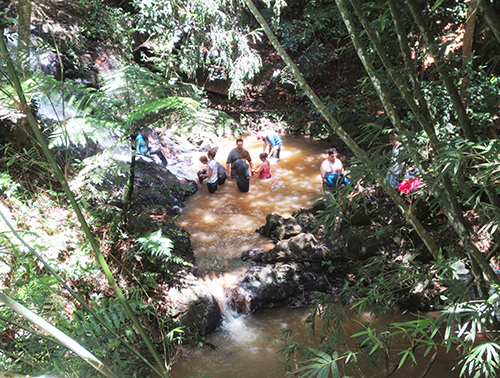
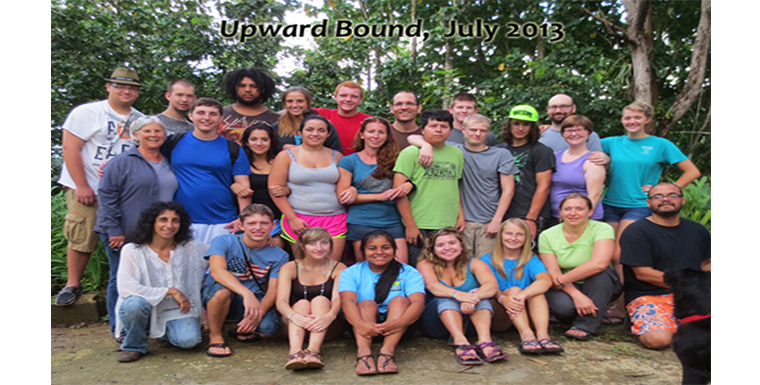
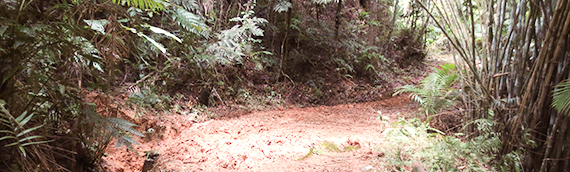
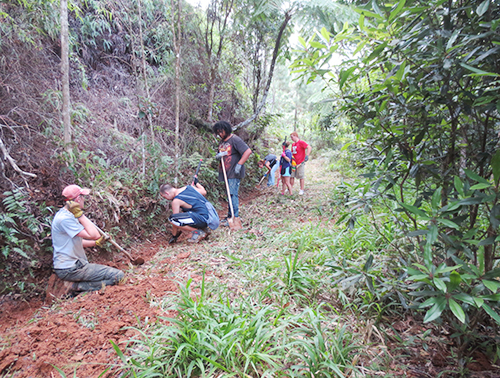
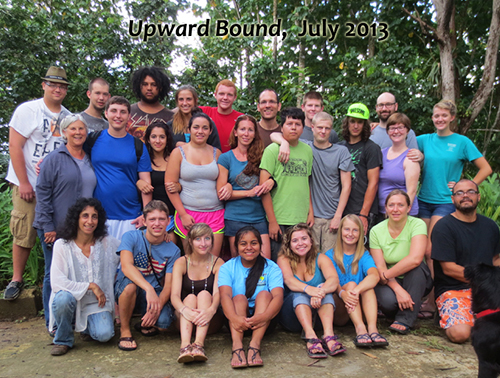
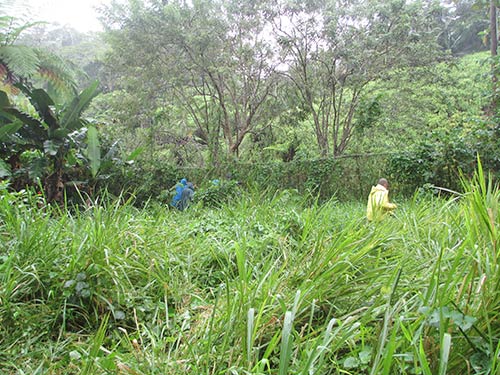
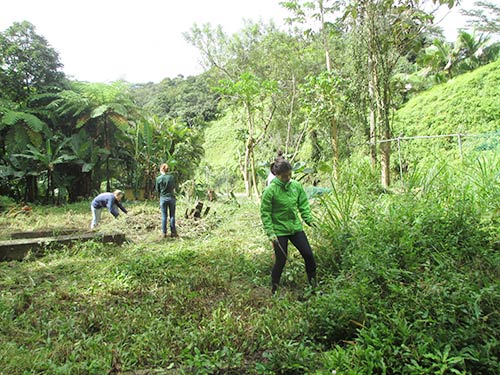
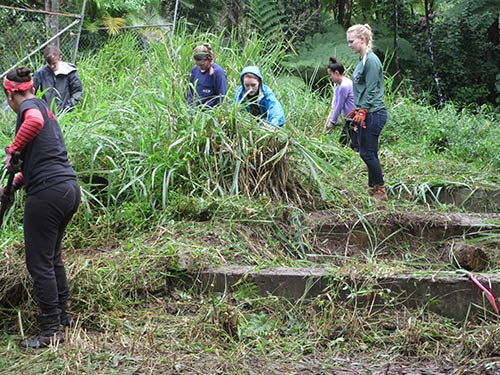
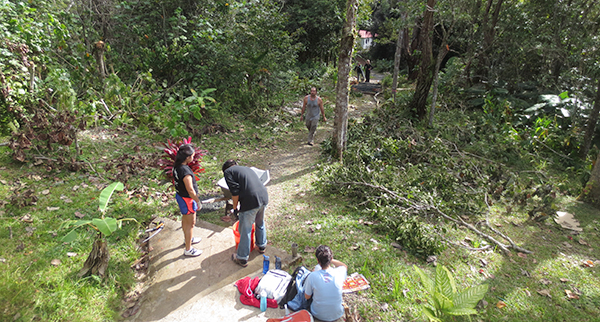
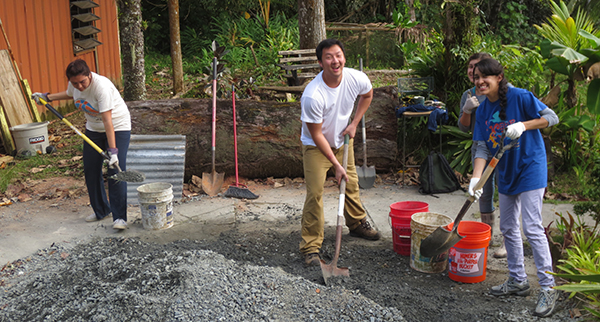
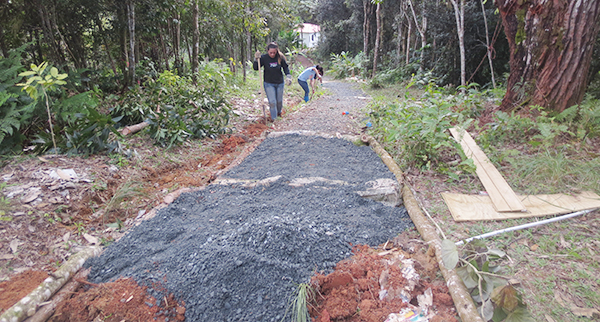
Appalachian State University organize Upward Bound for incoming students…this great bunch spent 5 days with us and helped on trail blazing, ditch digging, and erosion control and really got far on the forest road. You guys did an awesome job, we really appreciate your work!
Thanks David Rodriguez for all your help and work with the Globalworks and App teams!
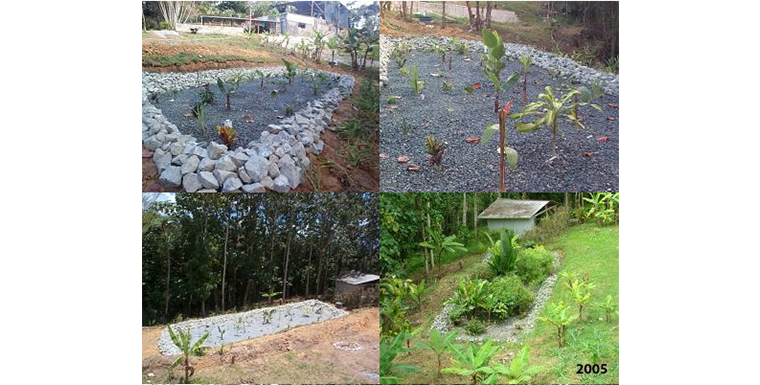
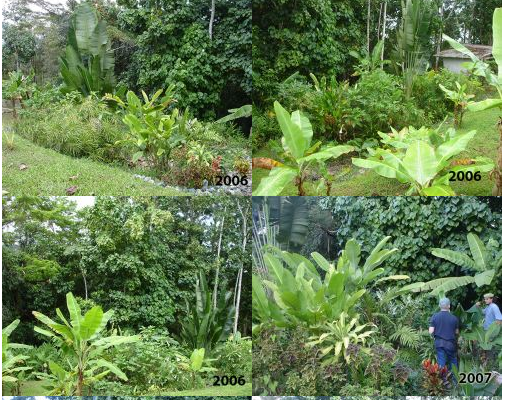
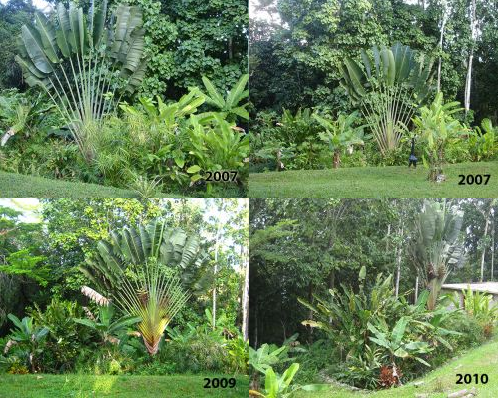
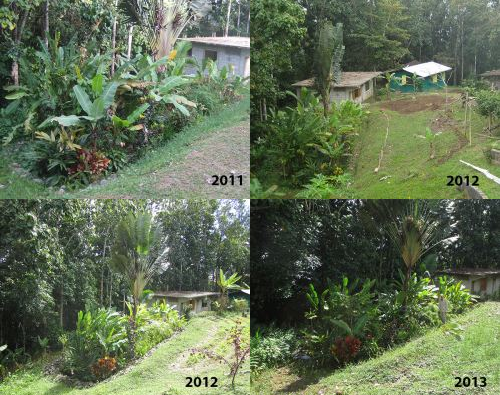
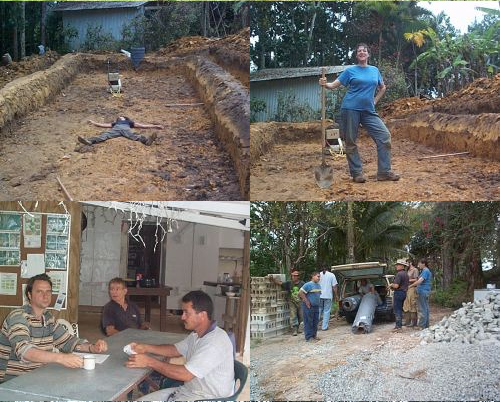
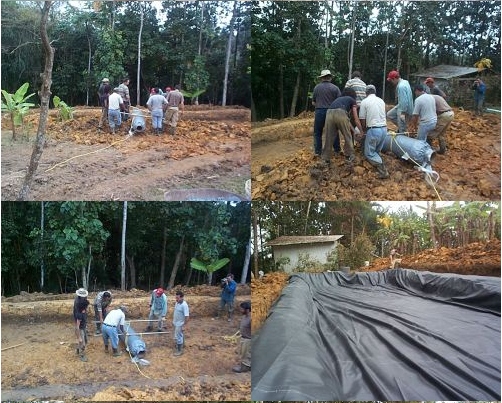
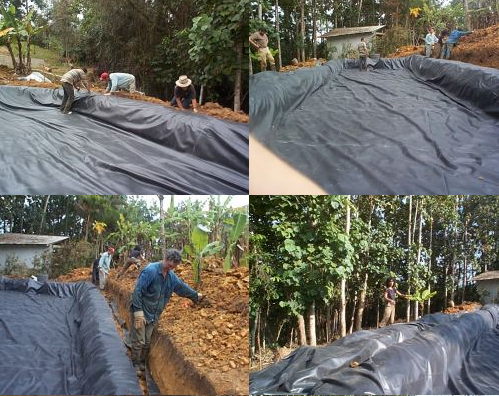
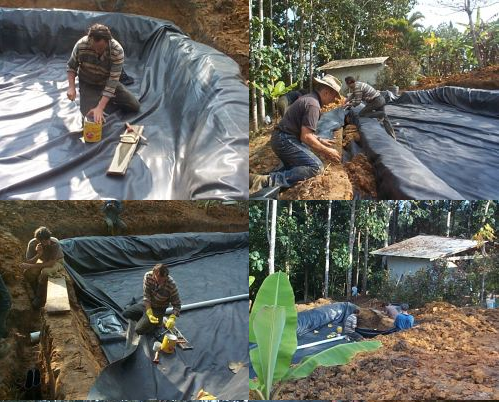
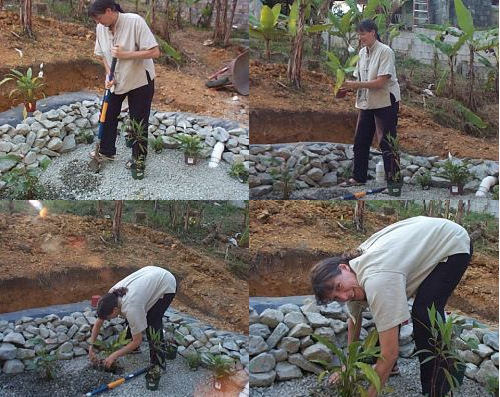
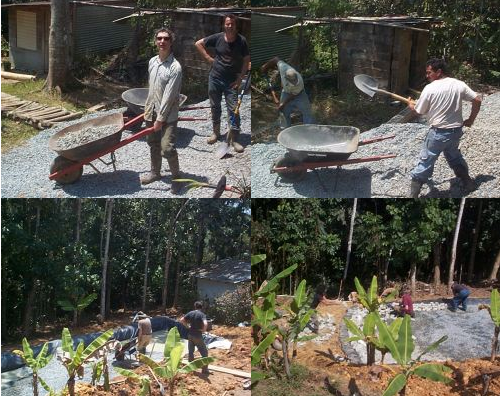
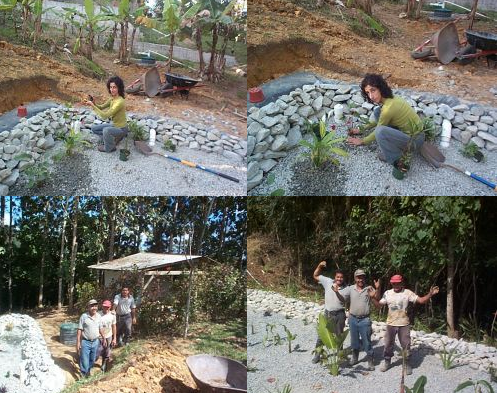
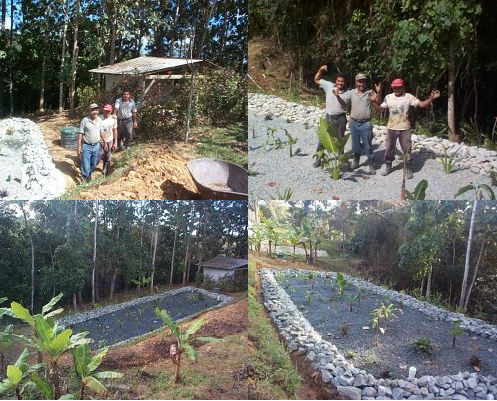
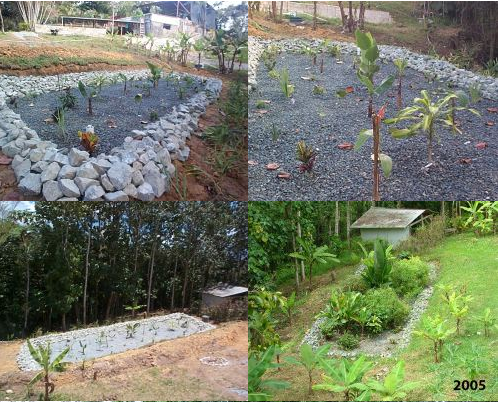
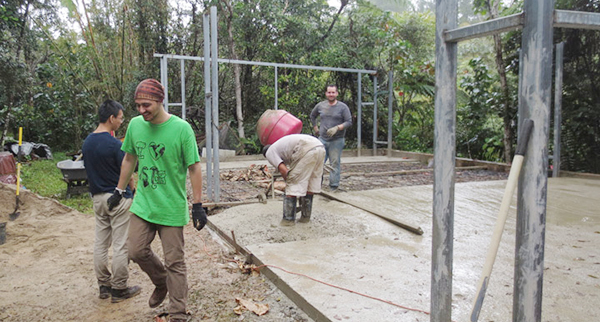
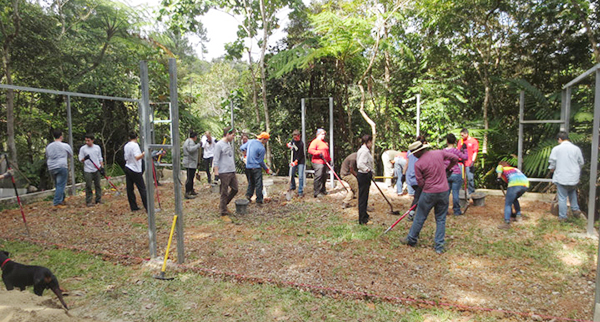
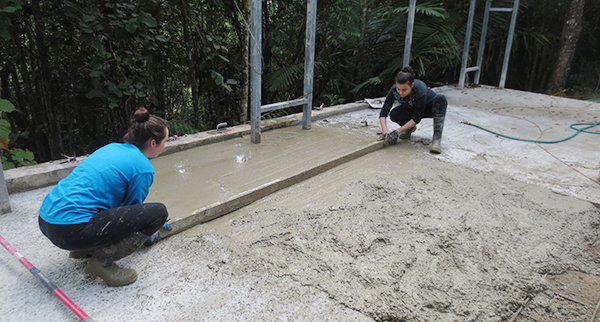
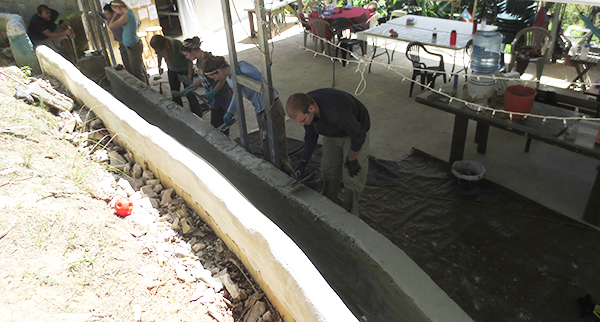
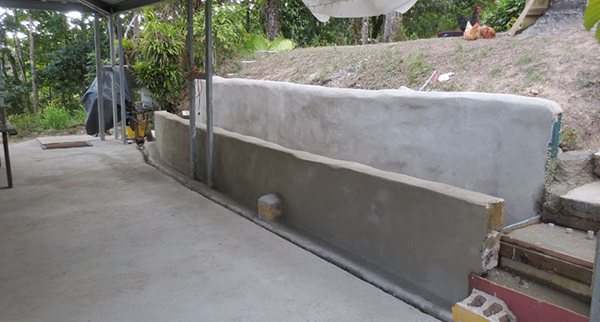
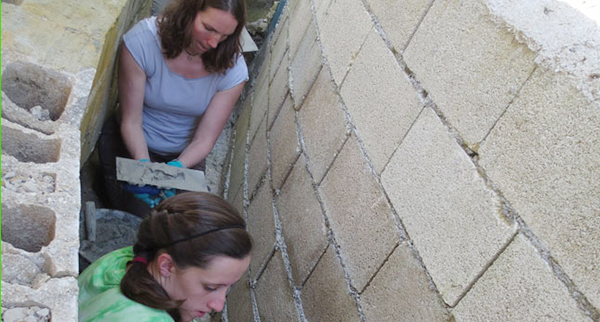
April 2004 was one of the driest seasons at Las Casas de la Selva which proved to be very fortunate for an exciting and busy session with the construction of a Wastewater Garden at the homestead. The team that gathered to complete this project in 15 days were: Dr. Mark Nelson, Chairman of the Institute of Ecotechnics, Mark ‘Laser’ Van Thillo, Abigail Alling, Gessie Houghton, Robert Townsend, Gregg Dugan, Chris ‘Dolphin’ Cook, Gilberto ‘Tingo’, Carmelo Torre, Javier Rojas, Sally Silverstone, 3t Vakil.
Wastewater Gardens® were developed by Dr. Mark Nelson, Chairman of the Institute of Ecotechnics and head of Wastewater Gardens International. The system was originally developed as part of the pioneering Biosphere 2 closed ecological system in Arizona. The system uses the technology of subsurface flow constructed wetlands so that there is never any exposed wastewater – thus preventing odor and accidental human contact.
Wastewater Gardens are an ecological, low cost, low maintenance solution to the problem of human waste. Improperly treated sewage causes ecological damage, pollutes drinking water supplies, and is literally a waste of potentially valuable freshwater enriched with nutrients in a world increasingly short of water resources. Using no mechanical or moving parts and no chemicals, all wastewater is recycled via a gravity system into elegant, biologically diverse gardens that produce lovely flowers as well as fruit and vegetables that can be eaten by humans, fodder crops for animal consumption or fuel-wood and fiber. The systems are carefully sealed so no wastewater contaminates the soil, ground water, rivers, lakes, or coastal waters.
Big Thanks to: Zabel Corporation, and Brian Borders for parts and filters for the Wastewater Garden. Firestone Corporation, and Marco Seiber for the donation of the liner for the Wastewater Garden and with all the help in getting it to us on time.
This Waste Water garden was built with a Grant from the Departamento de Recursos Naturales y Ambientales Puerto Rico. Gracious thanks to all those who made it possible.
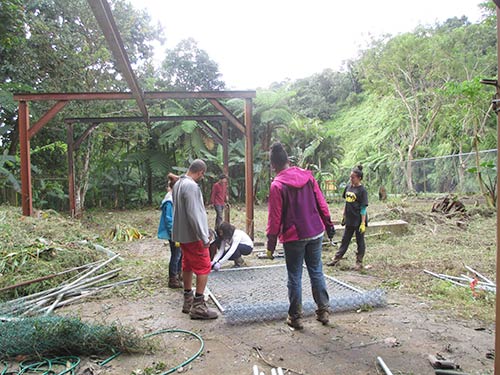
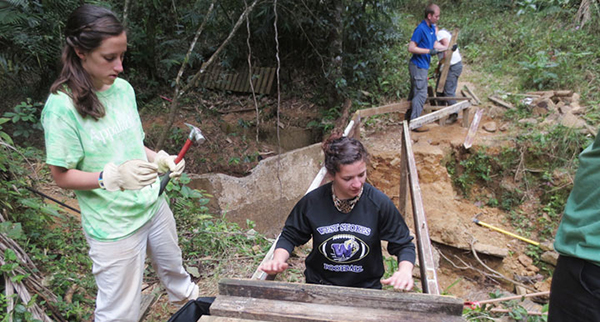
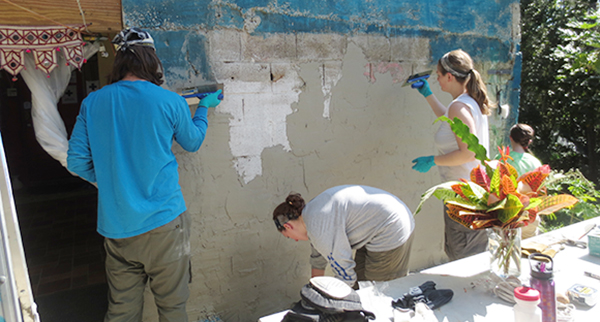
We always appreciate the help that our volunteer groups provide, and help us get this project off the ground, sometimes literally!
Thank you to students of: Appalachian State University, Pepperdine University, Vanderbilt University, Northeastern University, and Northwestern University.
Frogging at Las Casas de la Selva! Patricia Caligari (center) is pursuing a Masters Degree at University of Puerto Rico. L-R: Rosangela, Michel, Naomi and Monica are her assistants in the field and they are taking credits as part of their bachelor degrees.
Geographic assessment of the response of three different endemic Puerto Rican anurans to the pathogenic fungusBatrachochytrium dendrobatidis (Bd)
ABSTRACT
Chytridiomycosis is a lethal infectious disease caused by the pathogenic chytrid fungus Batrachochytrium dendrobatidis(Bd), which is responsible for the extinction of many amphibians worldwide. In Puerto Rico three species of Eleutherodactylus disappeared potentially due to this pathogen, and many others are at risk. A synergistic effect between Bd and climate was shown for two species at El Yunque, but this relationship has not been tested in other species or forests. The purpose of this study is to evaluate the status of Bd in three endemic species, Eleutherodactylus wightmanae, Eleutherodactylus coqui, and Leptodactylus albilabris, which differ in conservation status, ecology and life history, in three highland forests across the island. Results from this study will enhance our understanding of the mechanisms of Bd under enzootic conditions.