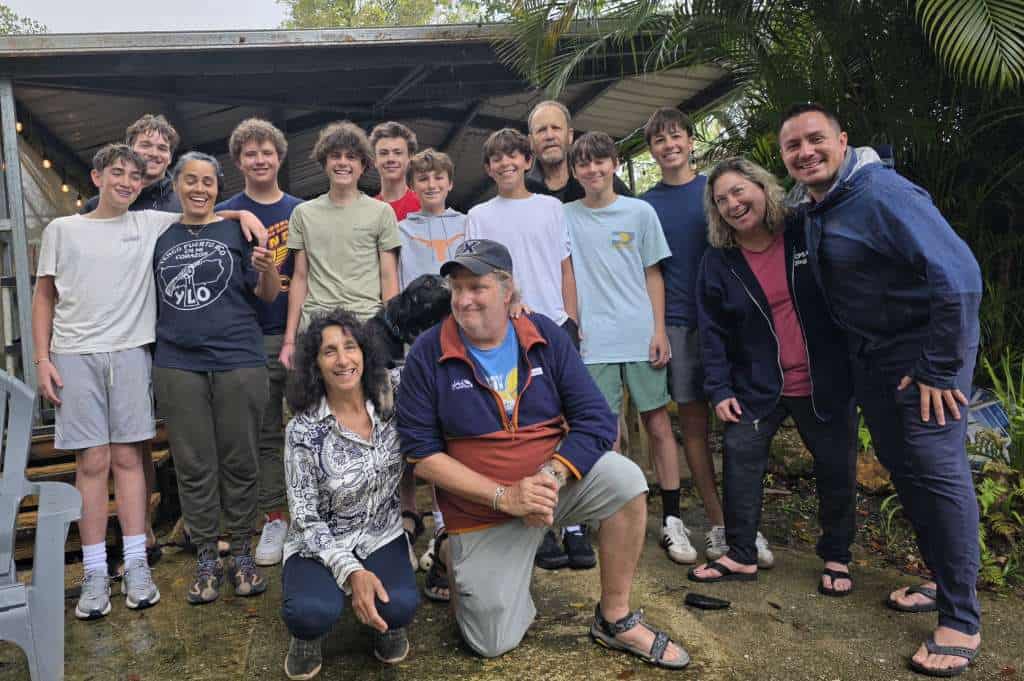
Cathedral School students Planting Pisonia horneae in the Sierra de Cayey 16-18 April 2026
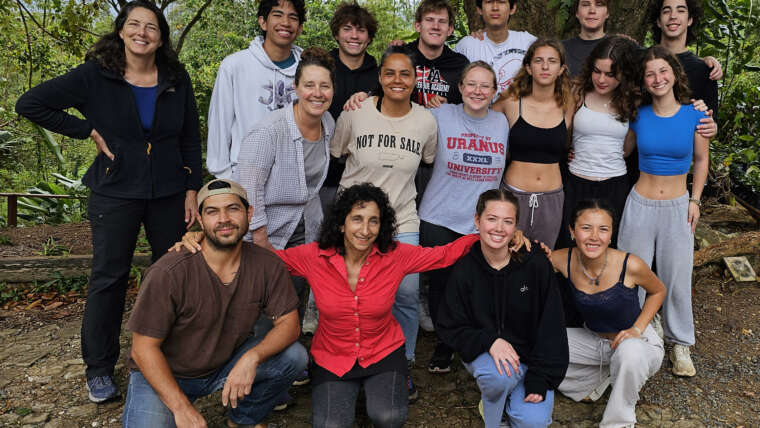
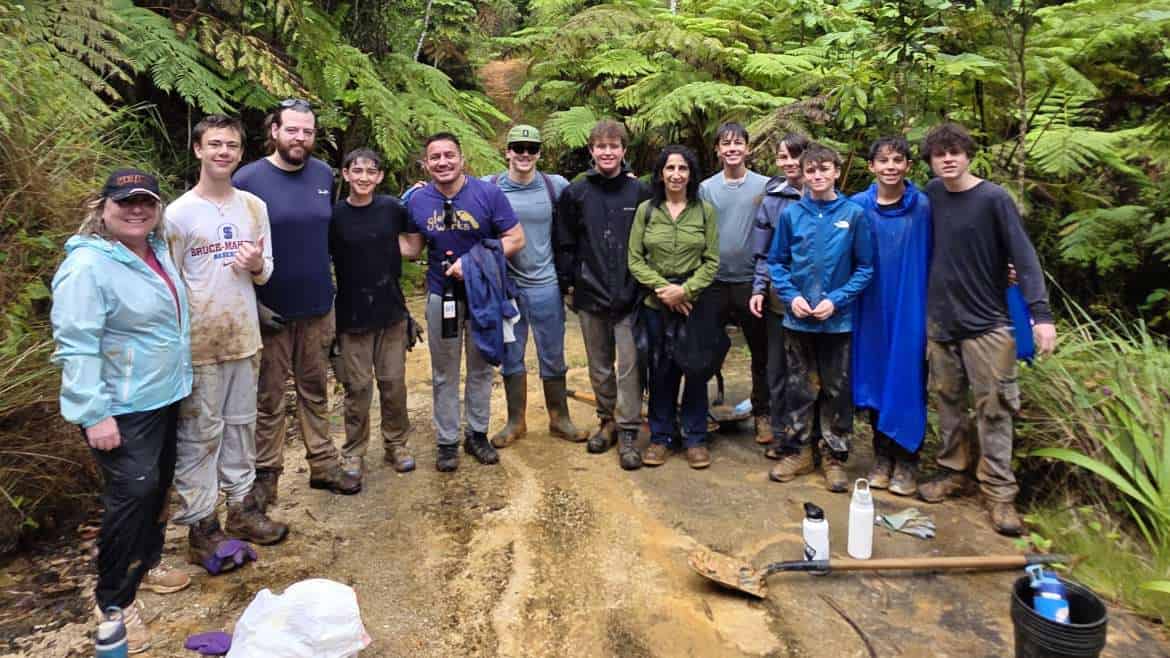
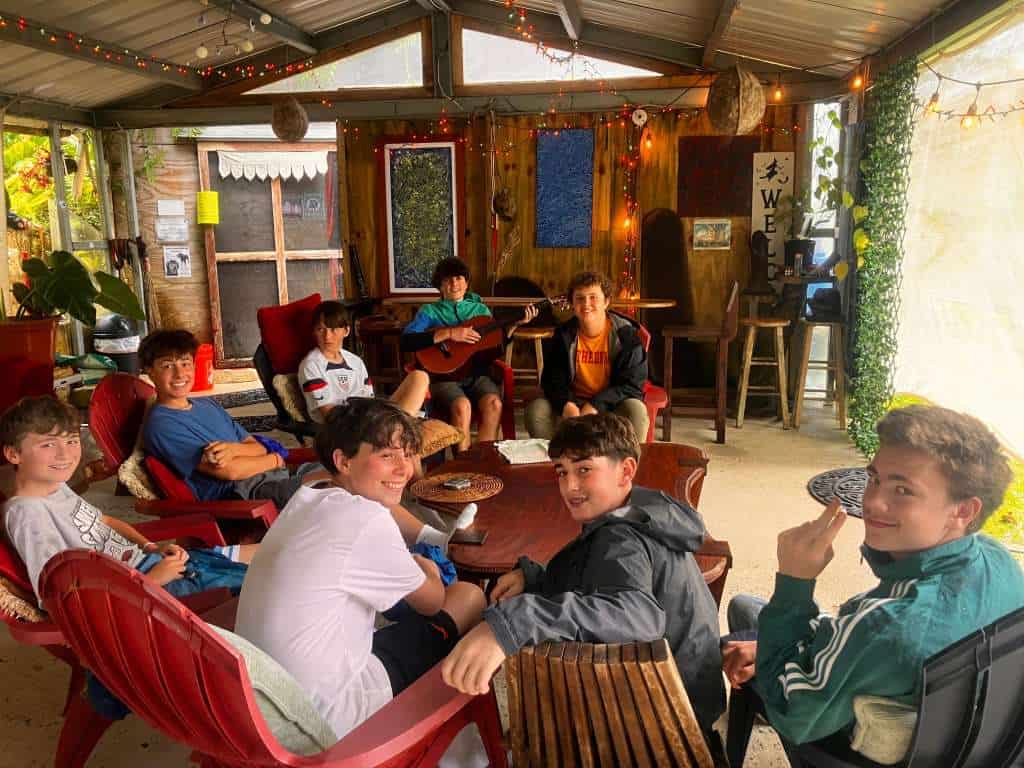
In April we welcomed 14 year old students from Cathedral School, San Francisco, CA, brought to us by Global Works.
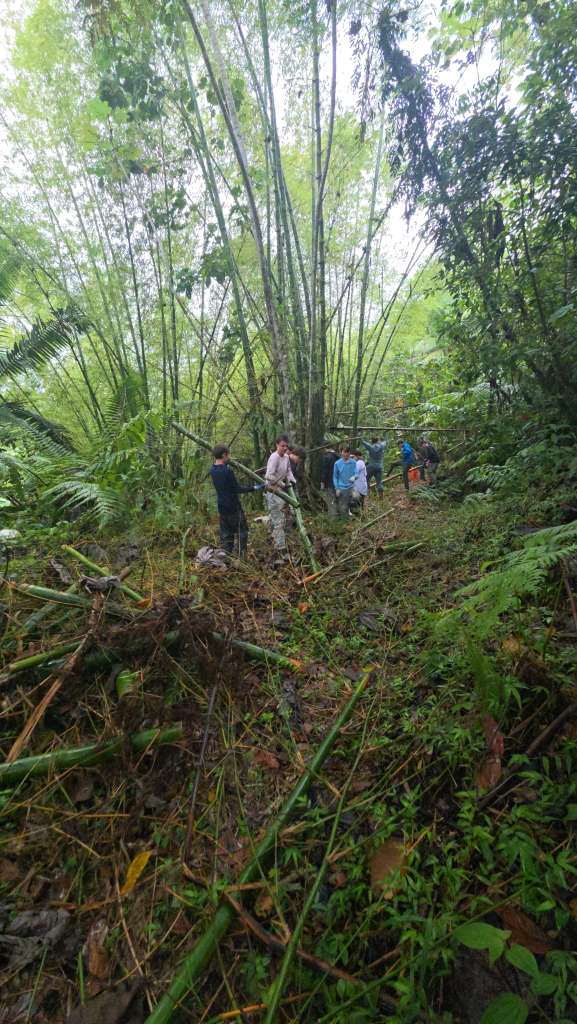
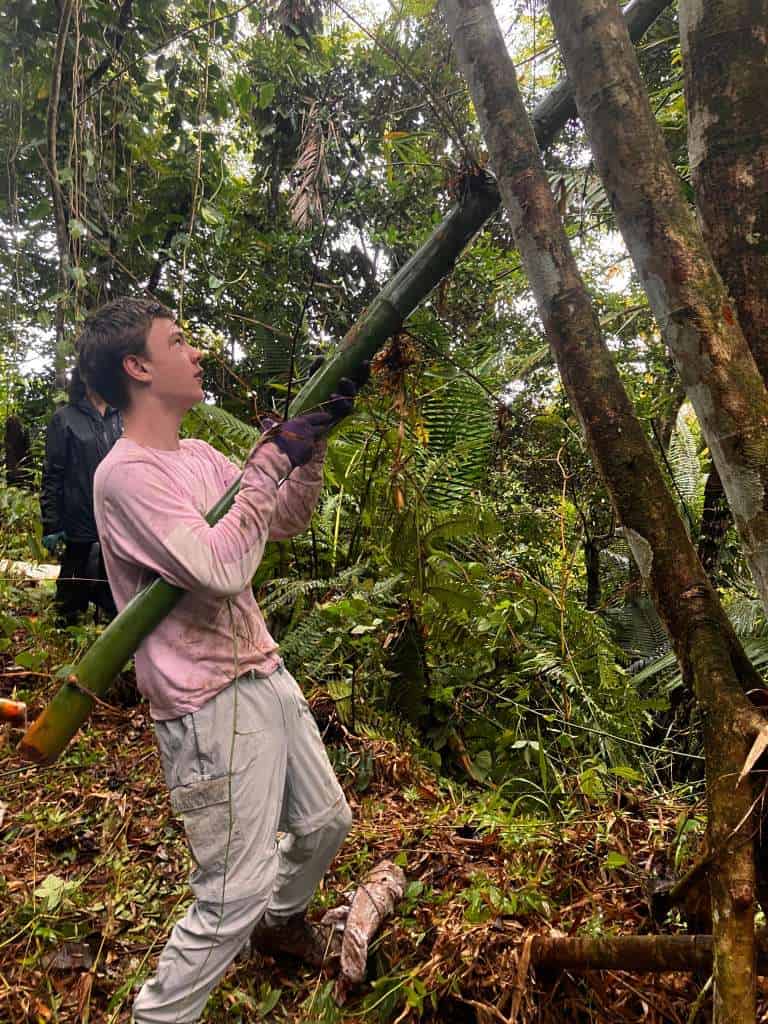
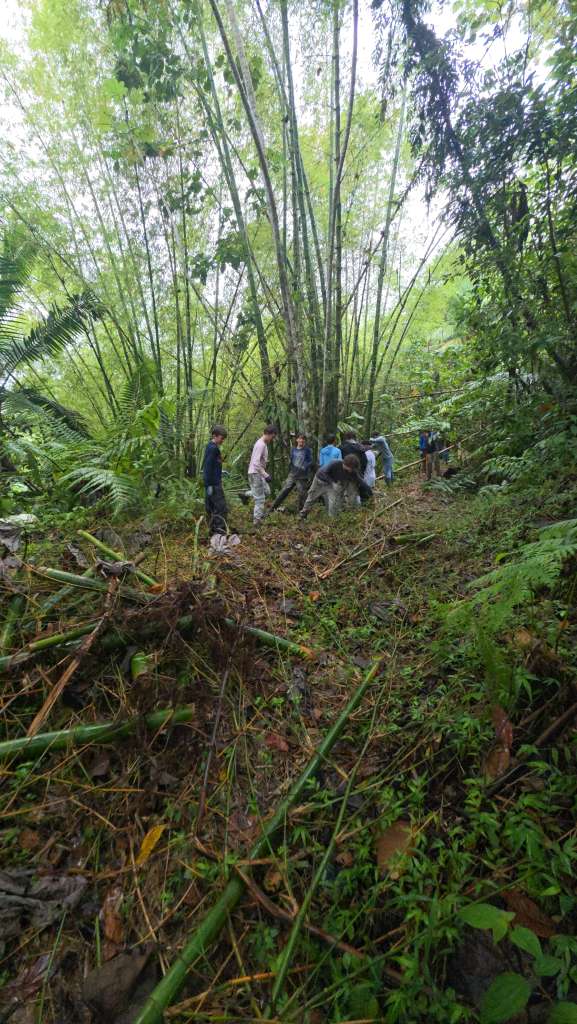
Founded in the mid-1950s, Cathedral School for Boys was built on the idea that strong academics should be matched by equally strong character. The school emphasizes intellectual rigor alongside values of community, integrity, and service, with a clear belief that what students do with their learning matters as much as the learning itself. On the first afternoon of arrival, despite the rain, we went out to clear an area that had broken bamboo that was leaning on one of the trails.
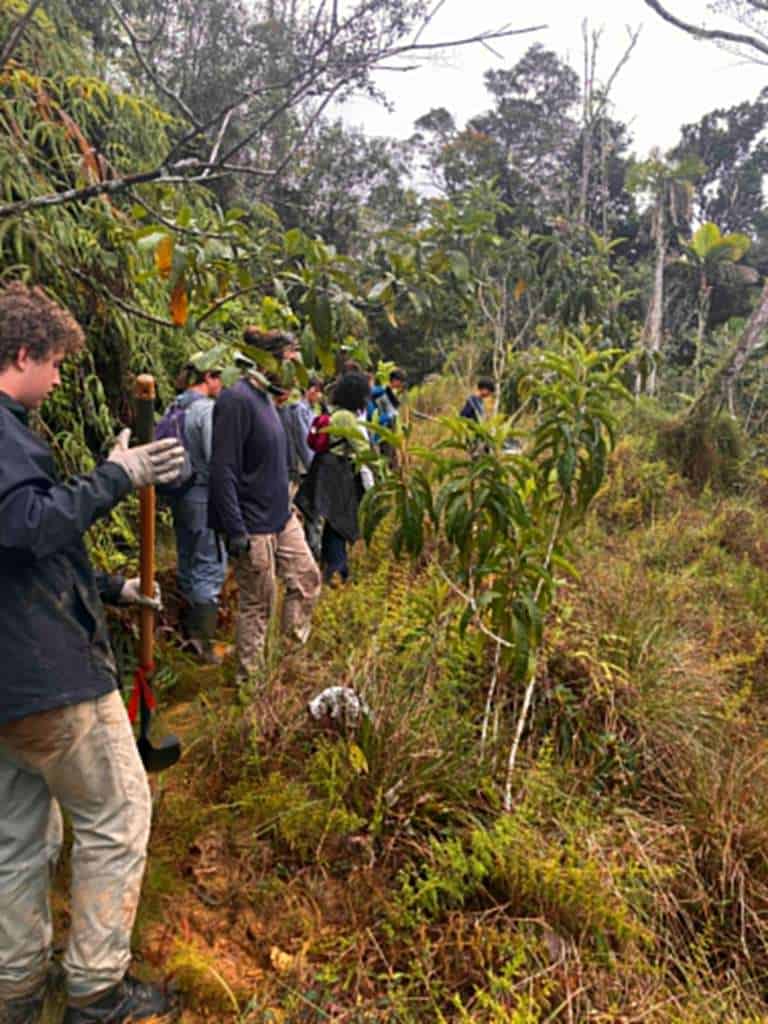
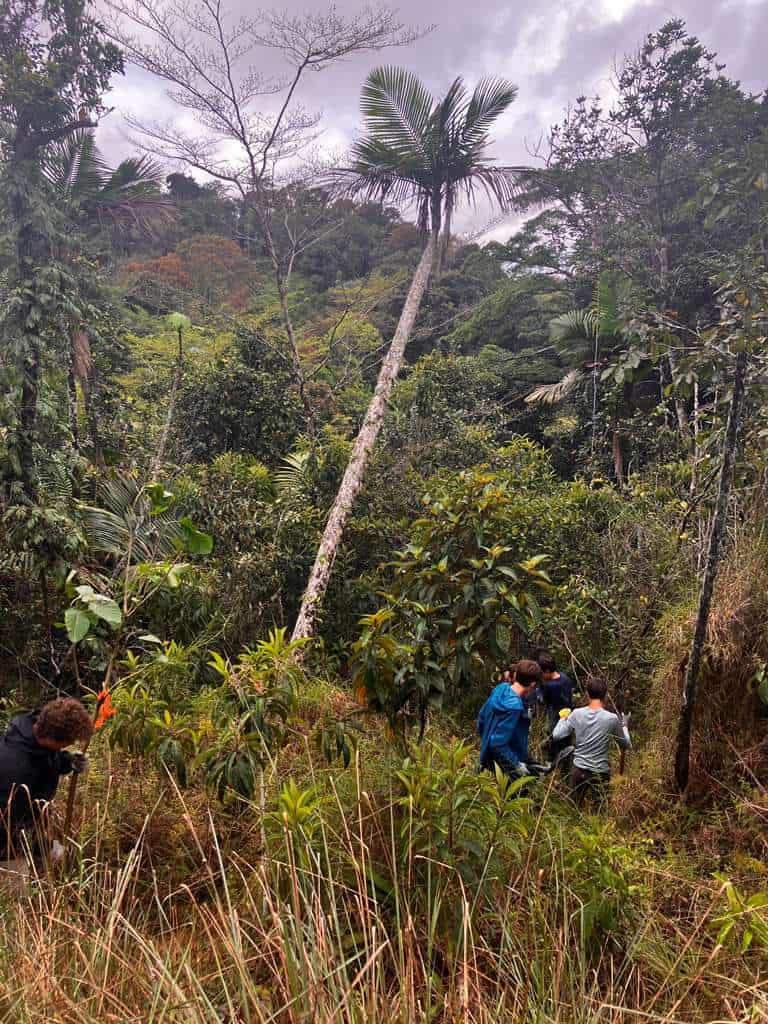
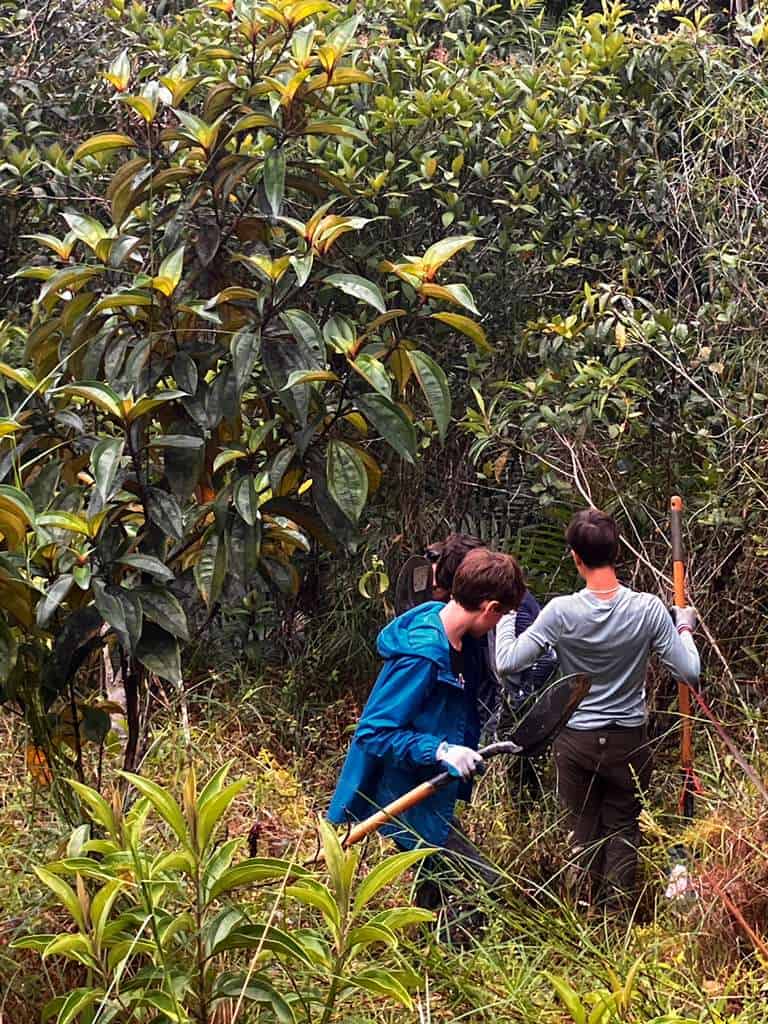
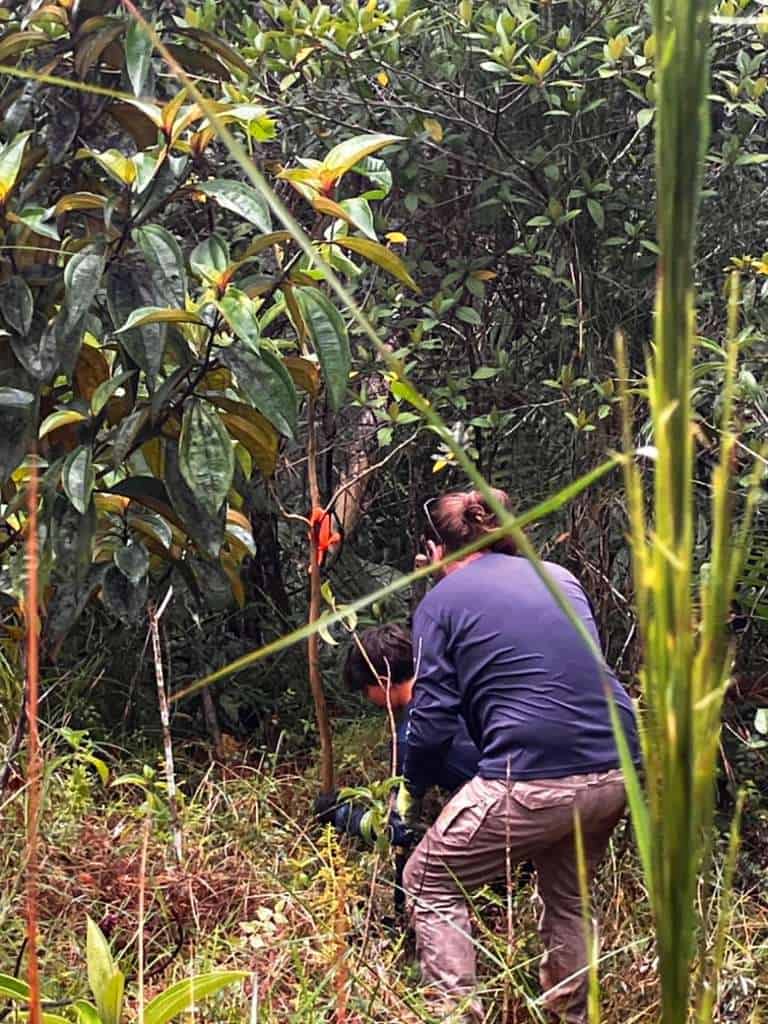
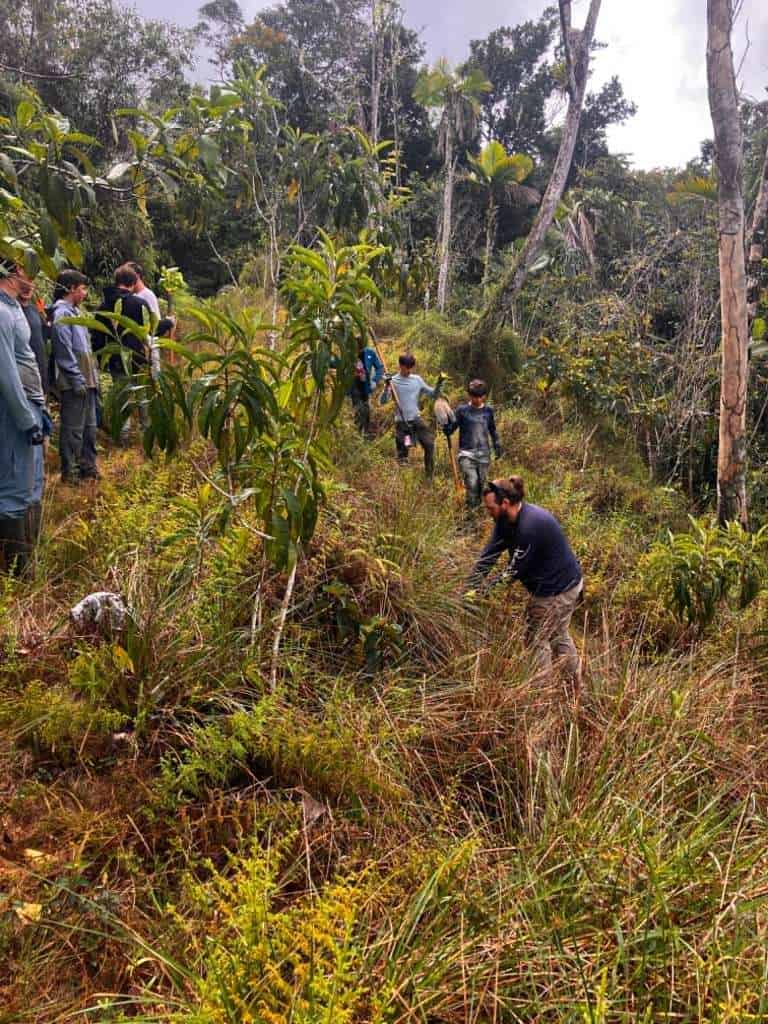
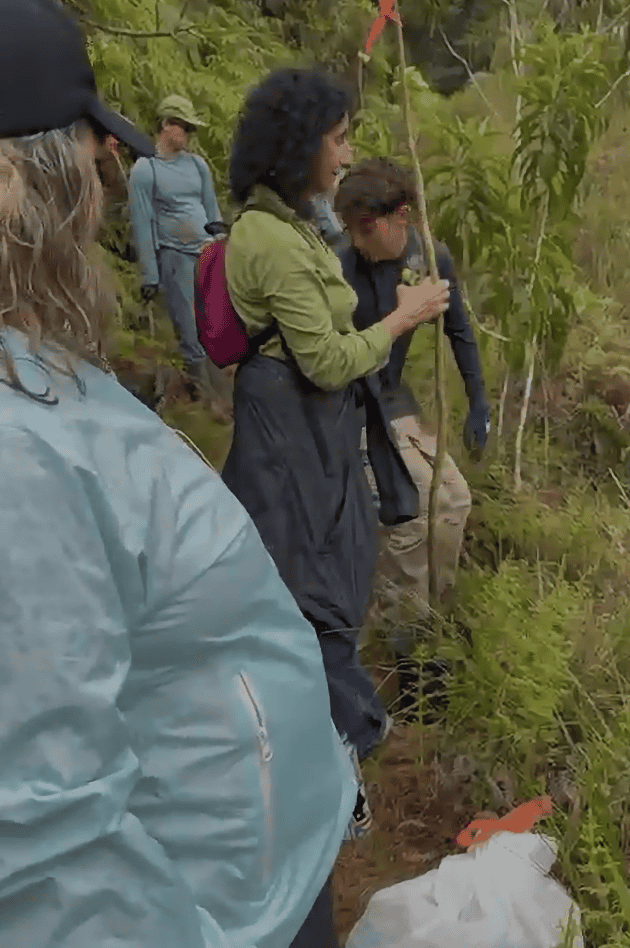
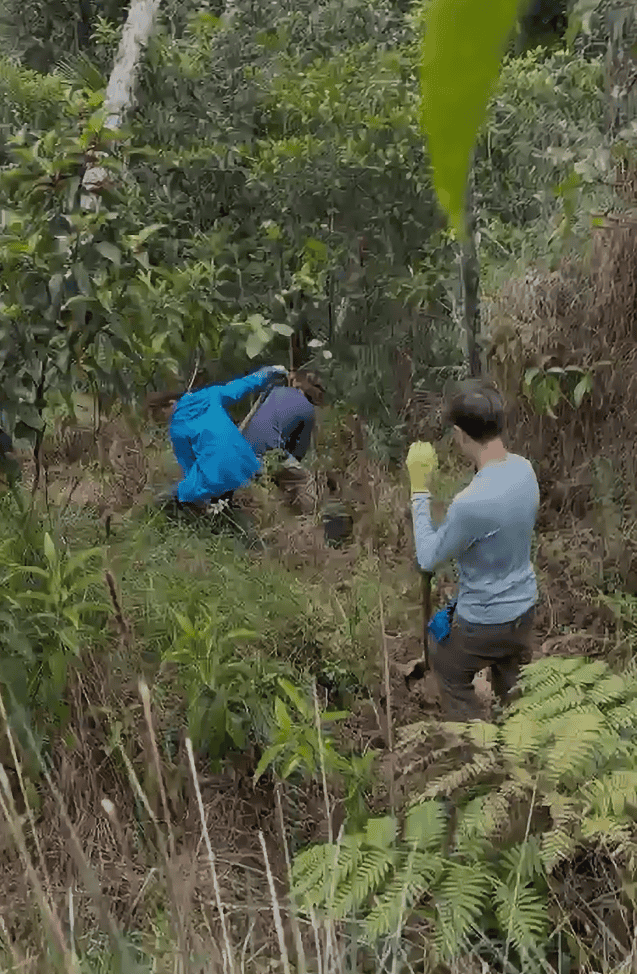
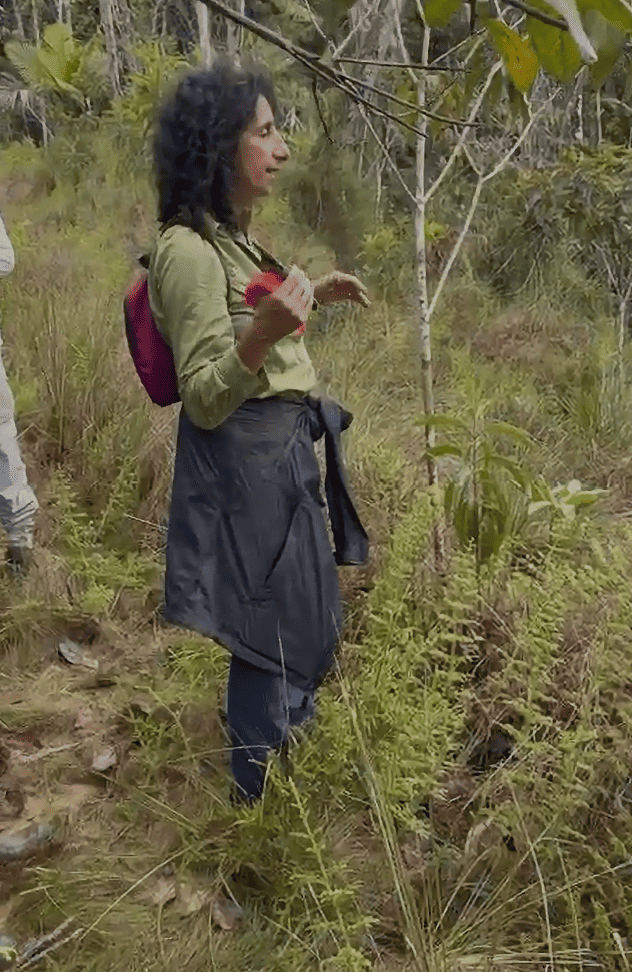
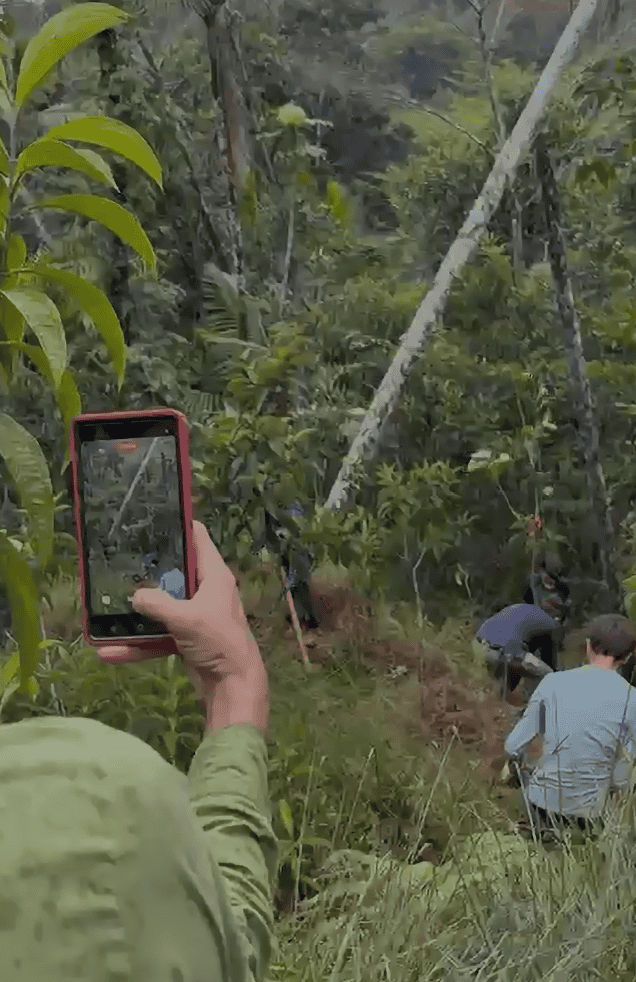
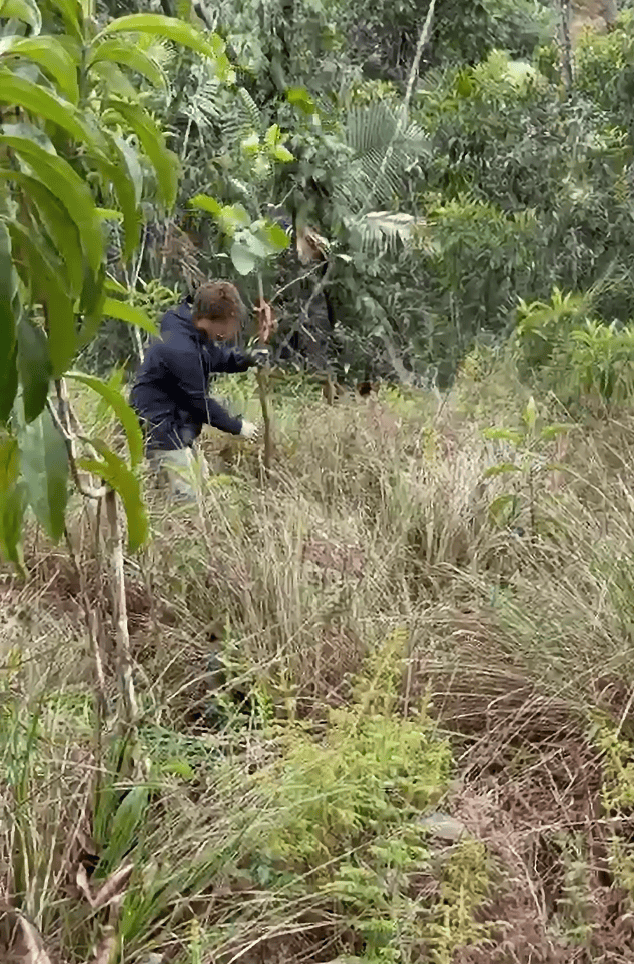
The next day, 17th April 2026, we planted 8 Pisonia horneae saplings in the Eye on the Rainforest landscape here in the Sierra de Cayey. These trees were grown from seeds collected by botanist Steve Maldonado from wild individuals in the karst area of Aguadilla, Punta Borinquen in 2021. Now they are back in the ground where they belong. 3t was ecstatic as she, Jon Warwick, and multi-media artist and writer-in-residence Gregg Dugan, led a team to plant these saplings into the forest.
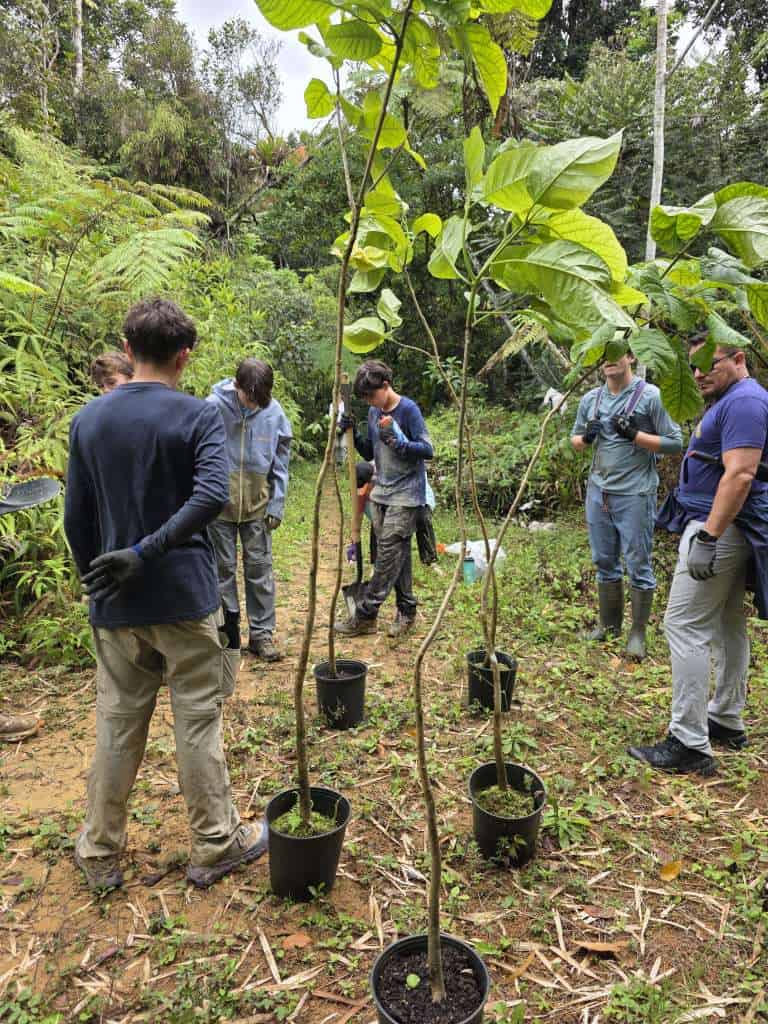
The Caribbean is one of the most biologically rich regions in the world. Even now, new plant species are still being described. Puerto Rico, despite being one of the best-studied islands in the region, continues to reveal species that went unrecognized for decades. Pisonia horneae is one of those. For years, specimens of this tree were misidentified, lumped under other species, or left unresolved. Botanists working through old collections, field observations, and living material eventually realized they were looking at something distinct. It was formally described in 2017 and named after Frances Horne, an illustrator who spent 45 years documenting the plants of Puerto Rico, much of her work never fully acknowledged. https://www.sciencedirect.com/org/science/article/pii/S1314201117000716
The tree itself belongs to the genus Pisonia, often called “birdcatcher trees.” The name comes from their seeds, which are coated in sticky glands. In some species, these can cling to birds and use them for dispersal. This is not a tree you notice easily. It does not dominate. It appears in small numbers, often as single individuals or small clusters, usually in recovering forest. You find it on slopes, ravines, and rocky ground, places where forest has been disturbed and is rebuilding. It sits in that middle layer of the forest. Not canopy, not understory, just part of the structure.
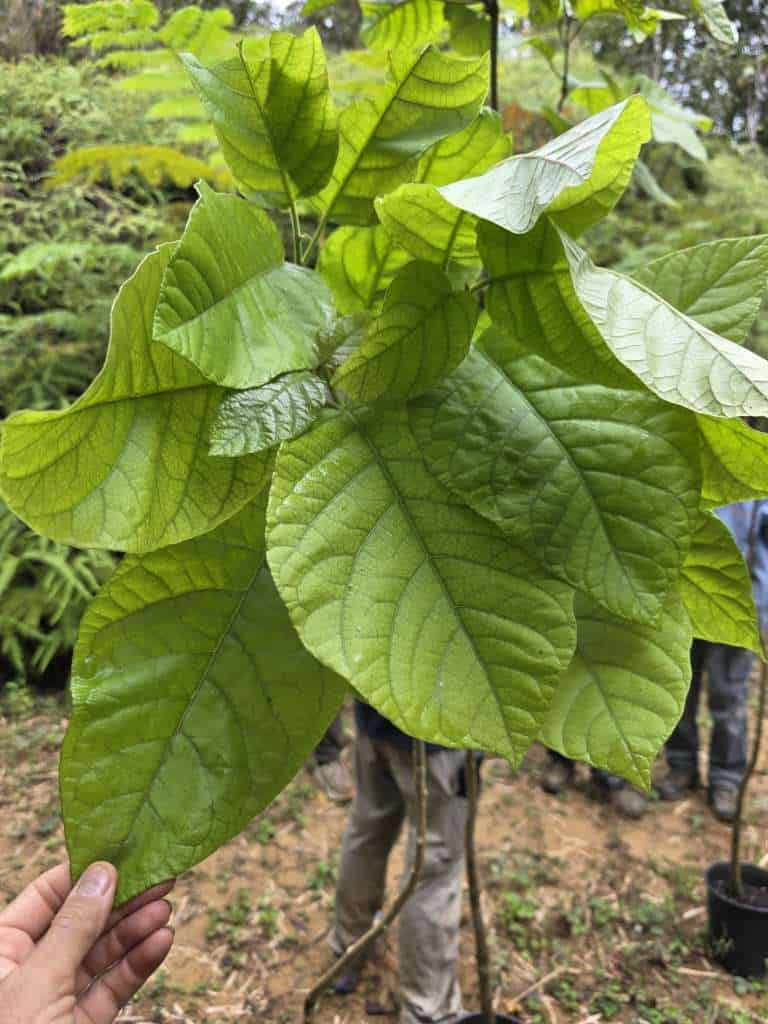
Right now, it is considered imperiled. There may be as few as 1 to 250 individuals remaining. Across Puerto Rico, it is scattered and fragmented. In the north, there are a few places where it is more common. Outside of that, especially in the east, it becomes extremely rare. In some historical locations, it is no longer found. There have been a few individuals recorded in the Sierra de Cayey. That is why planting here matters.
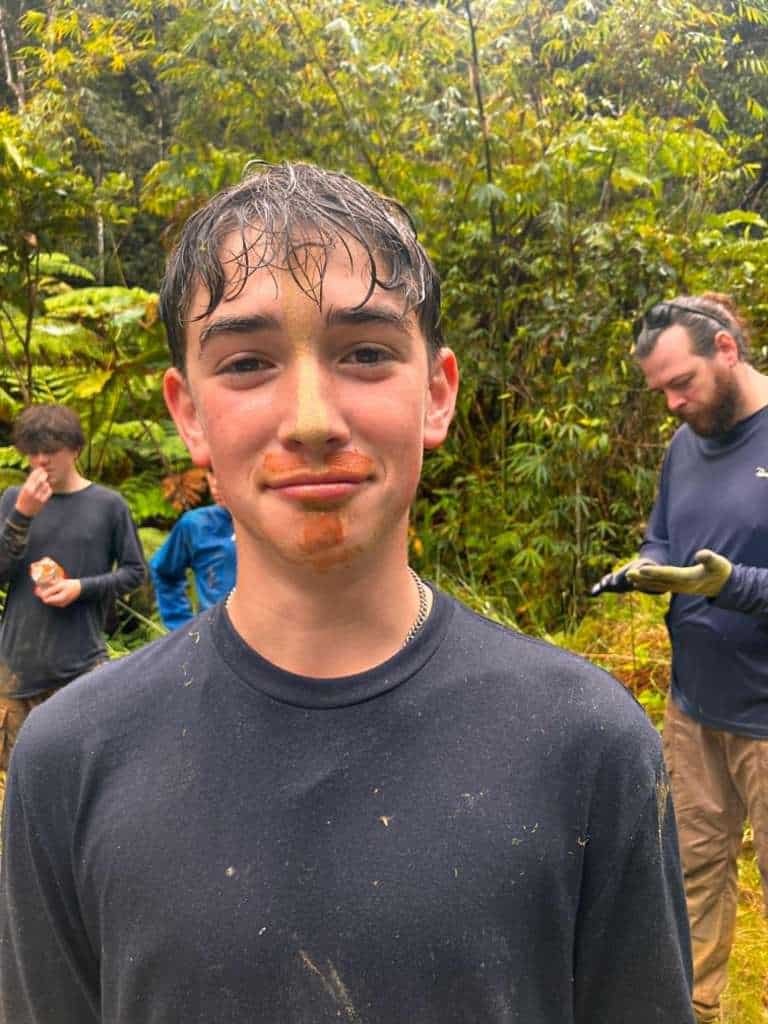
By the end of the morning, 8 young trees were in the ground. This is what restoration looks like. Not large numbers. Not quick results. Just the steady return of species that should already be here. Puerto Rico now has six known species of Pisonia. This is one of the rare ones. Watching these teens plant the saplings was a joy! Now we watch them grow…the teens as well as the trees!
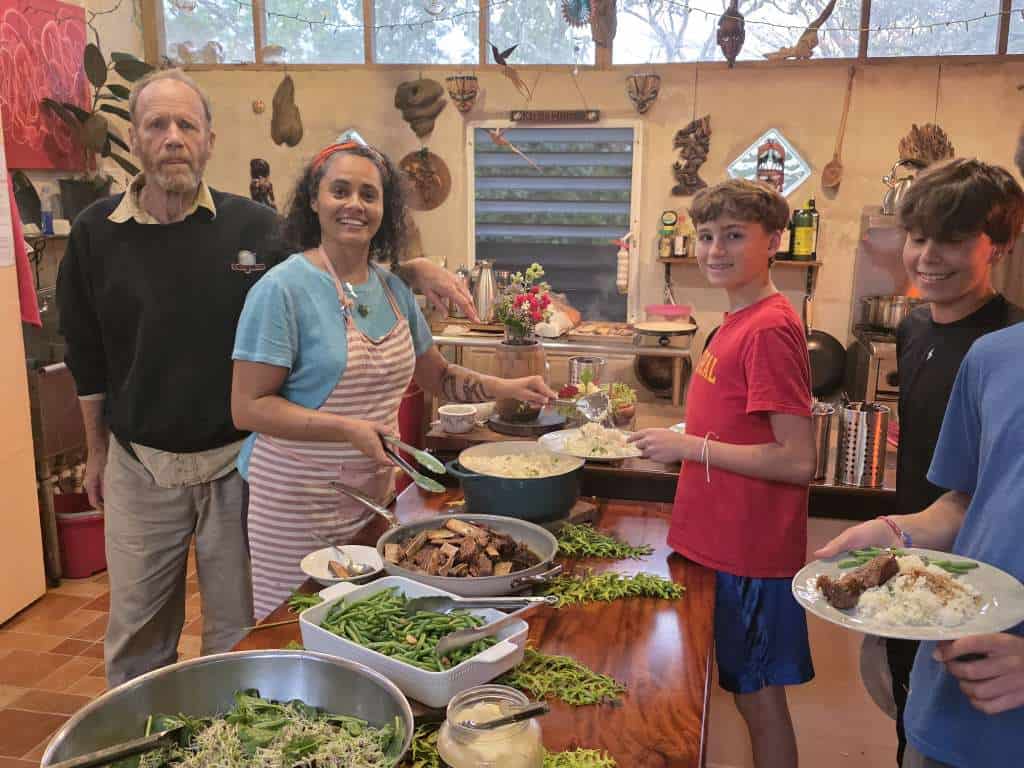
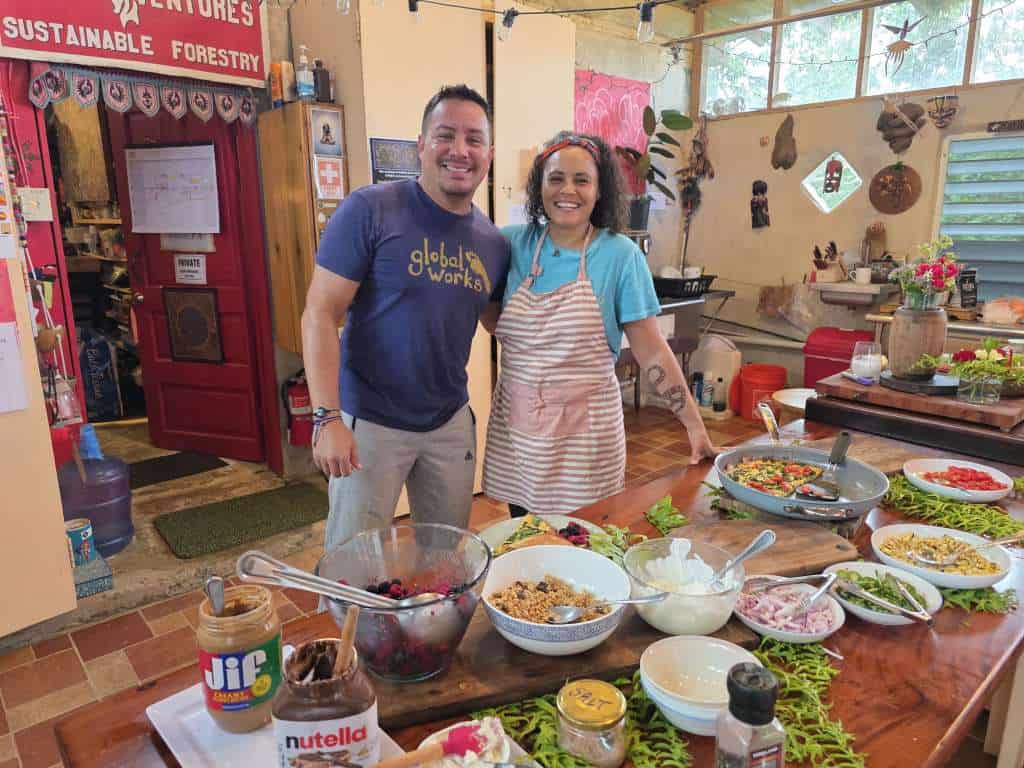
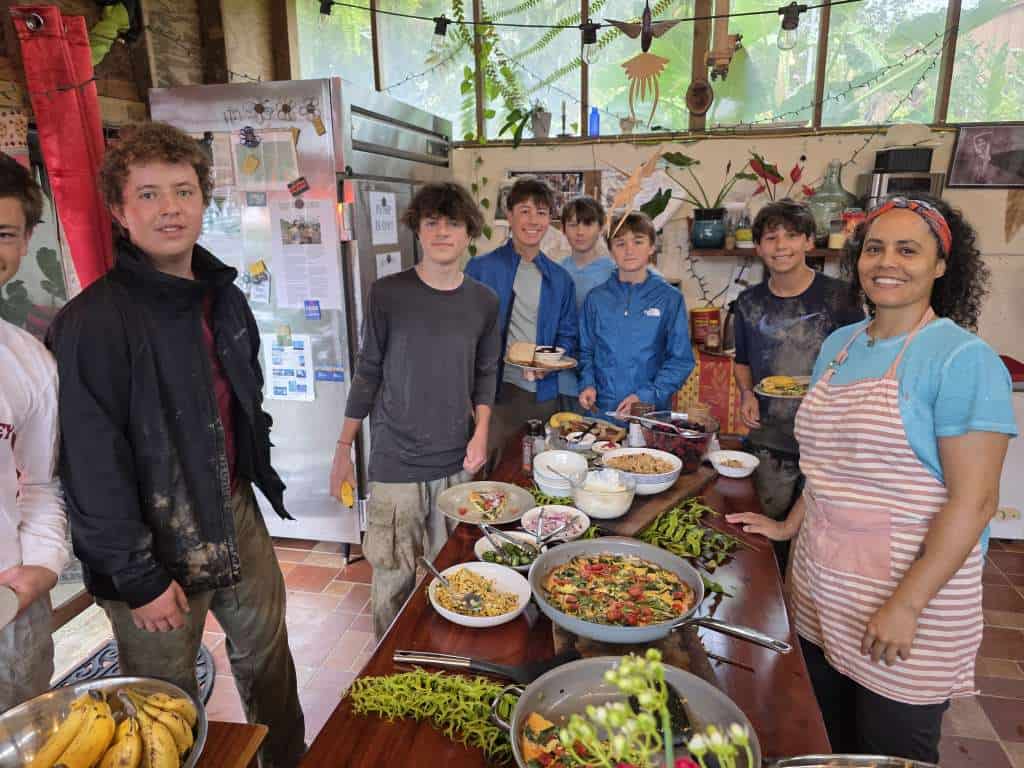
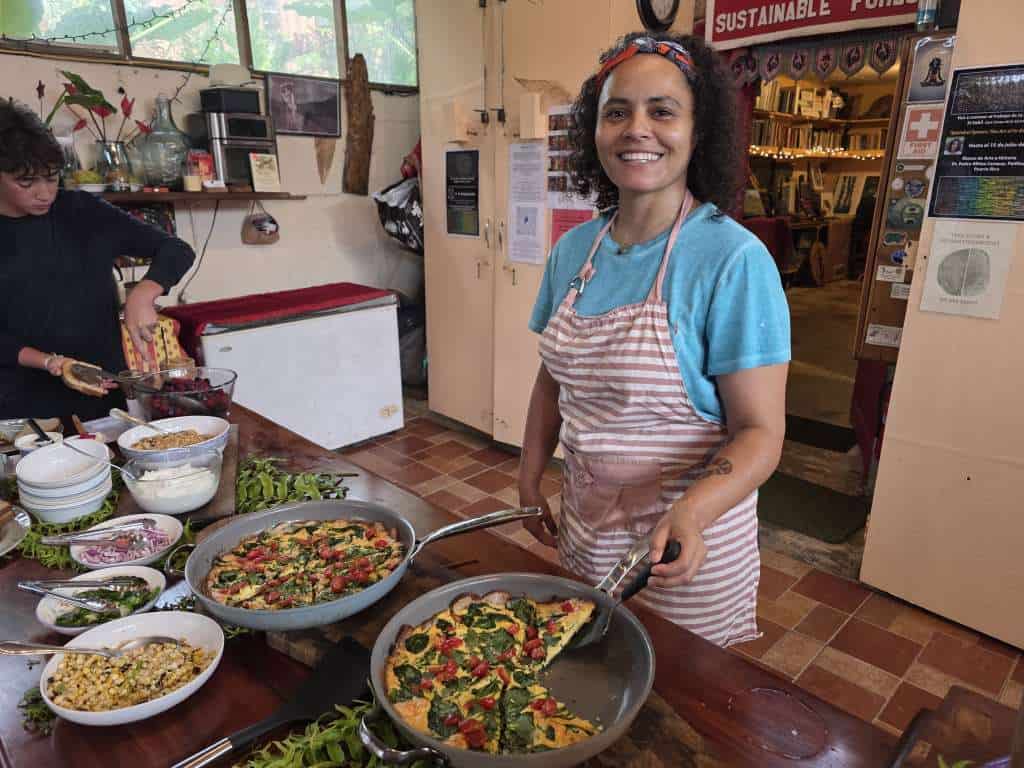
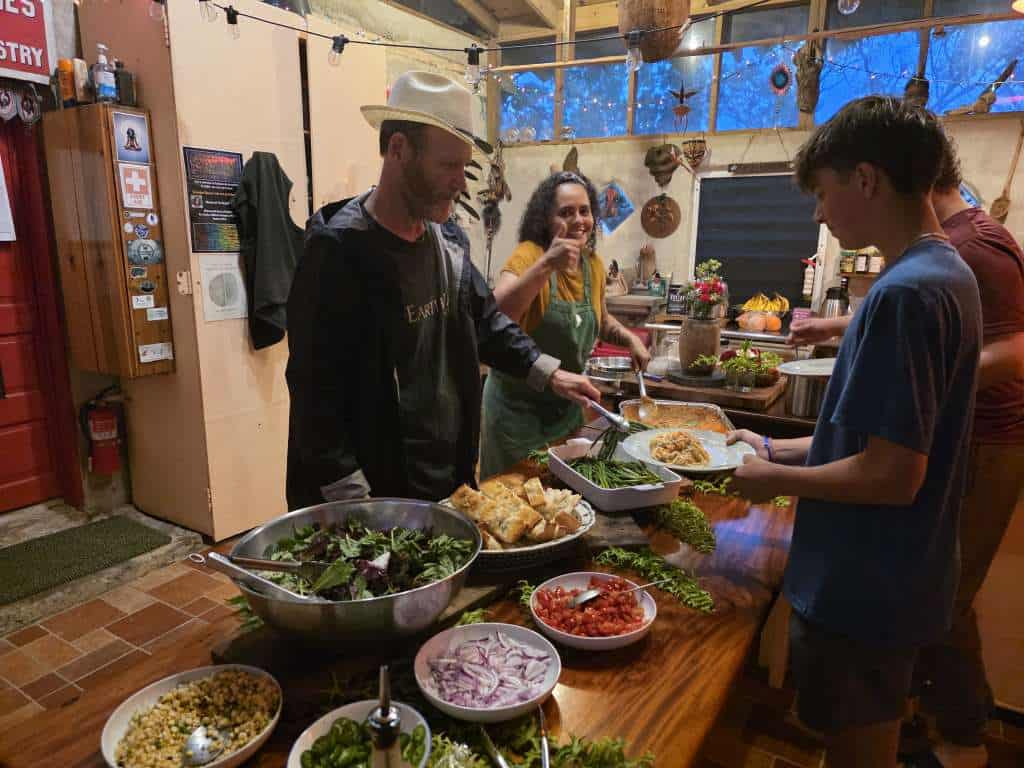
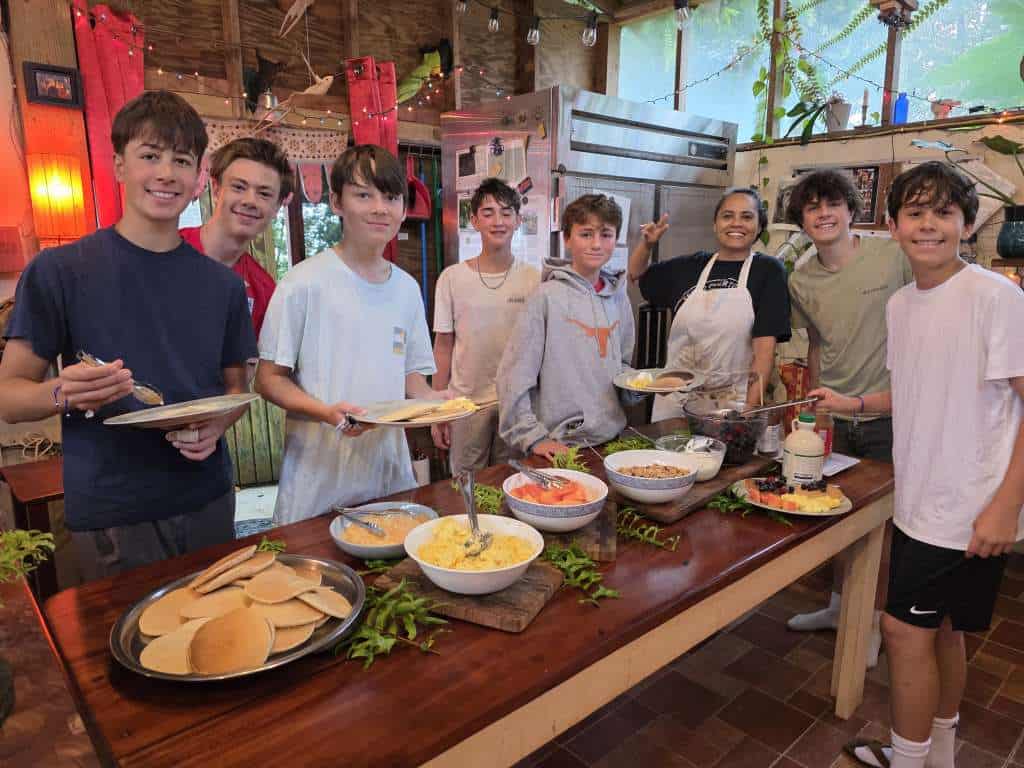
Chef Monique Nieves provided delicious meals throughout, and Dugan was extra help in the kitchen.
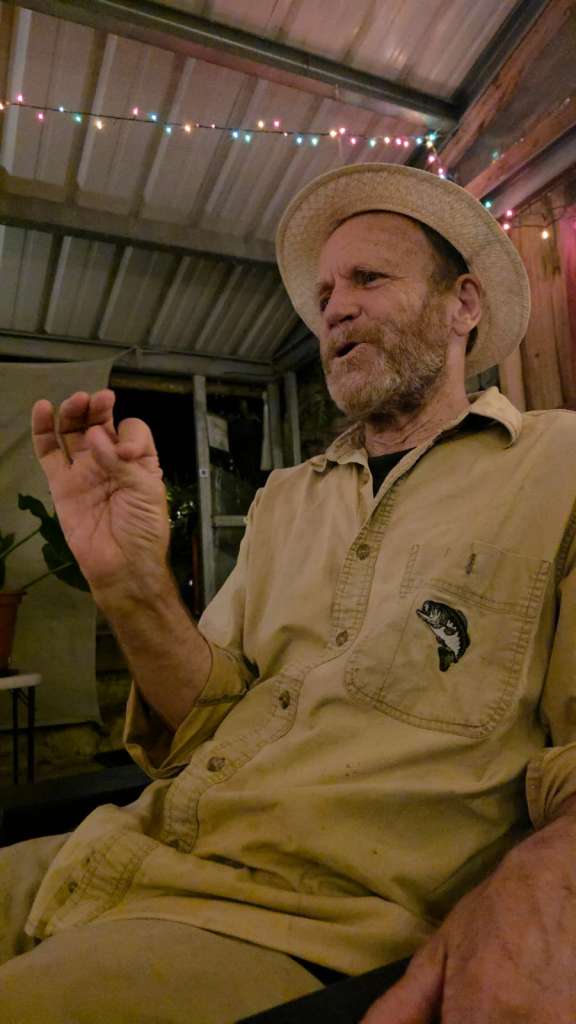
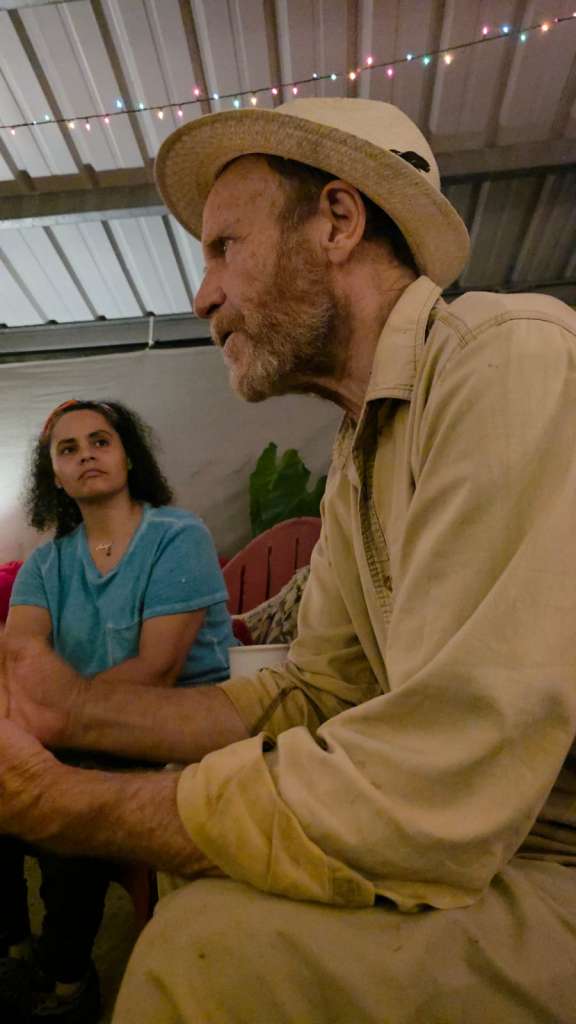
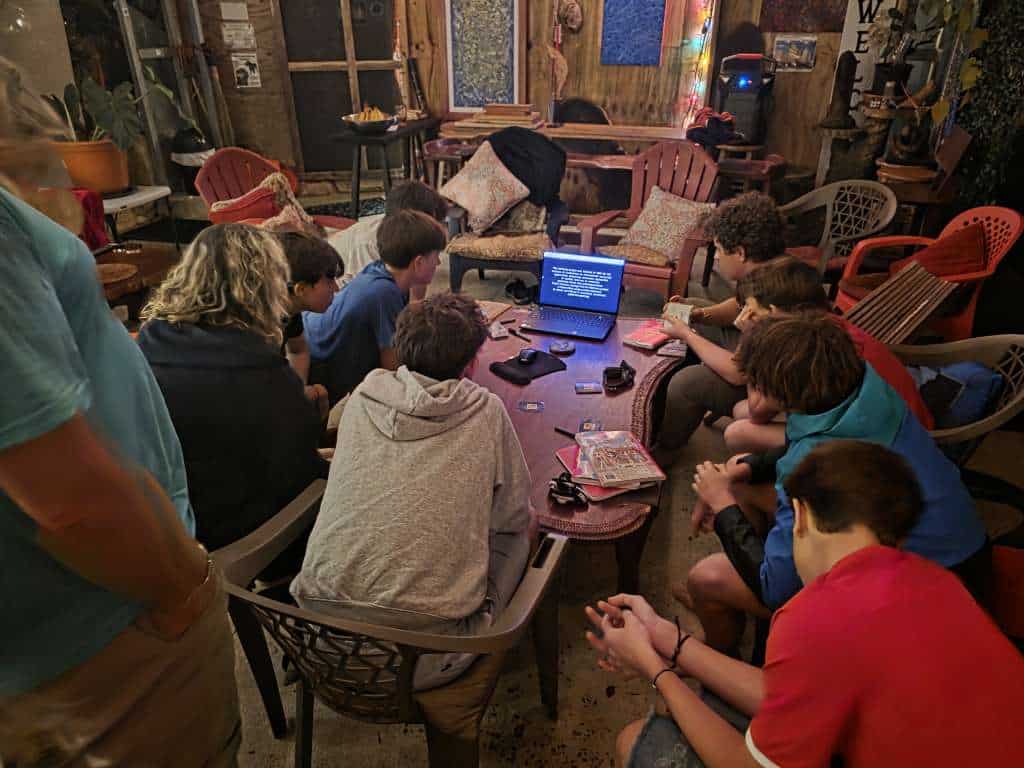
Gregg Dugan, who helped build the RV Heraclitus and was Captain of the ship for several years had the students enthralled with stories of sea adventures on one evening. Dugan is writer-in-residence at Las Casas de la Selva for two months, March and April 2026.
See Dugan’s website: https://www.2birdshrs.com/
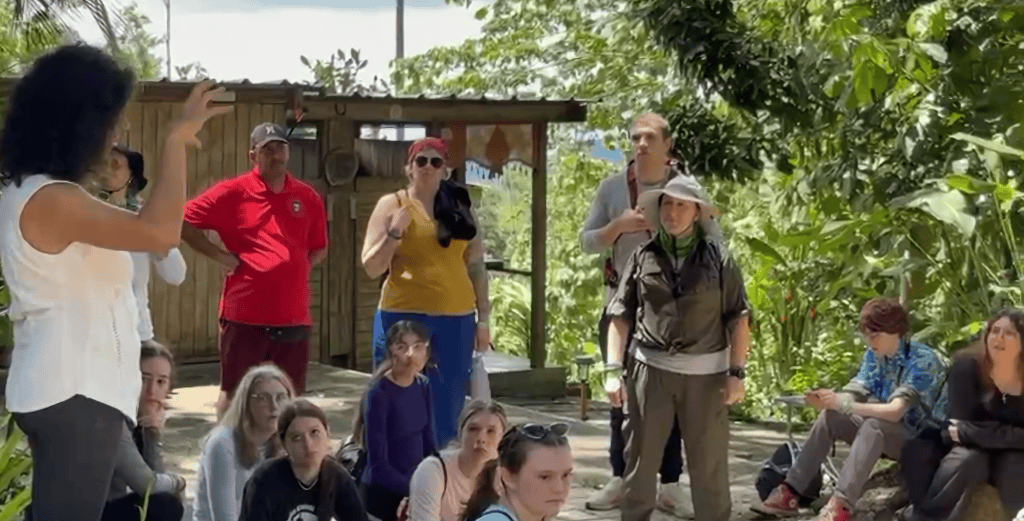
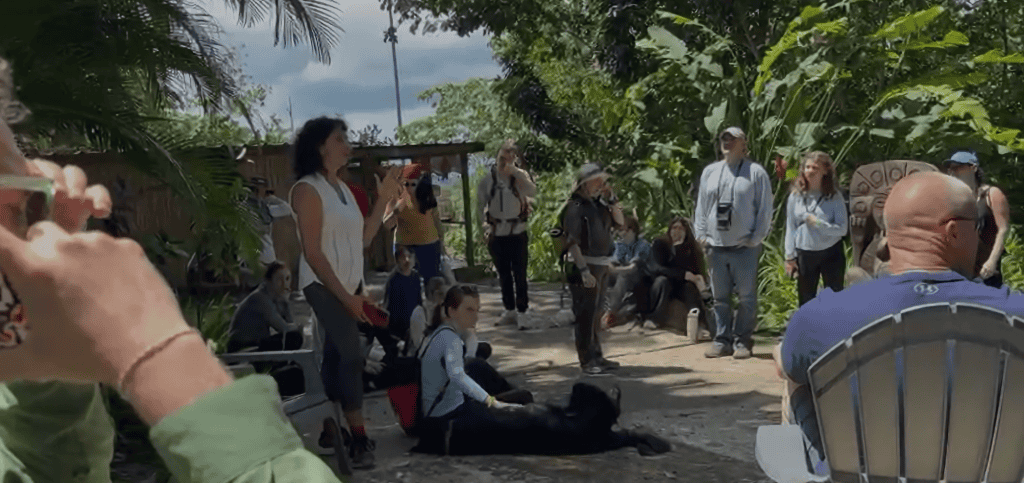
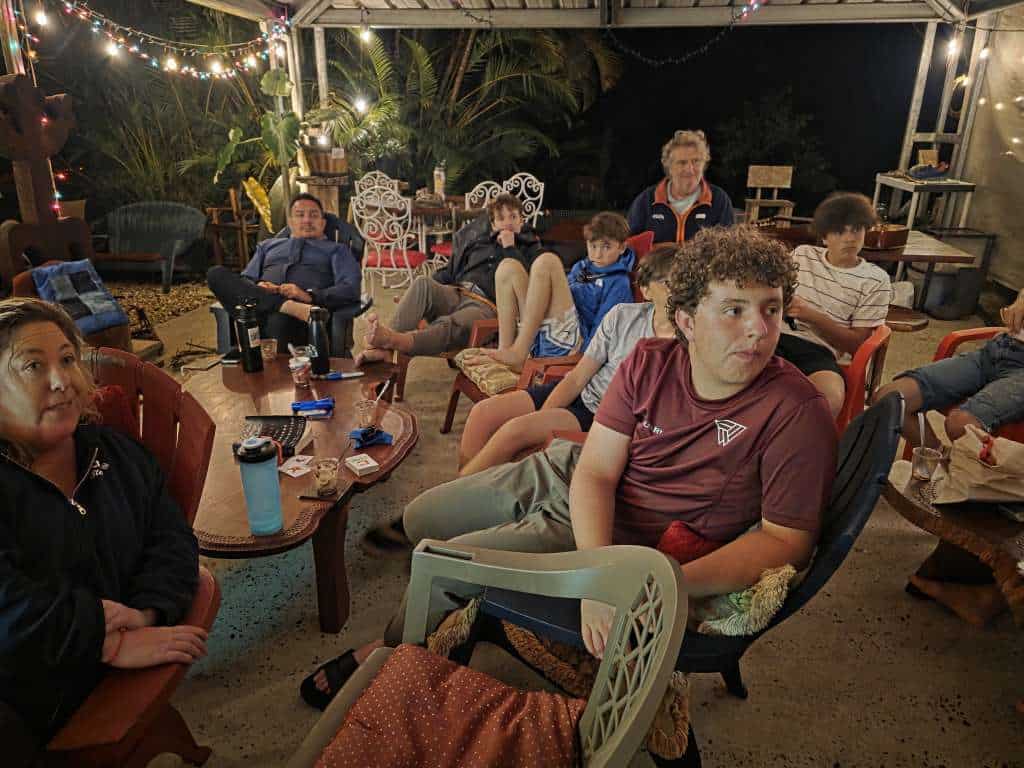
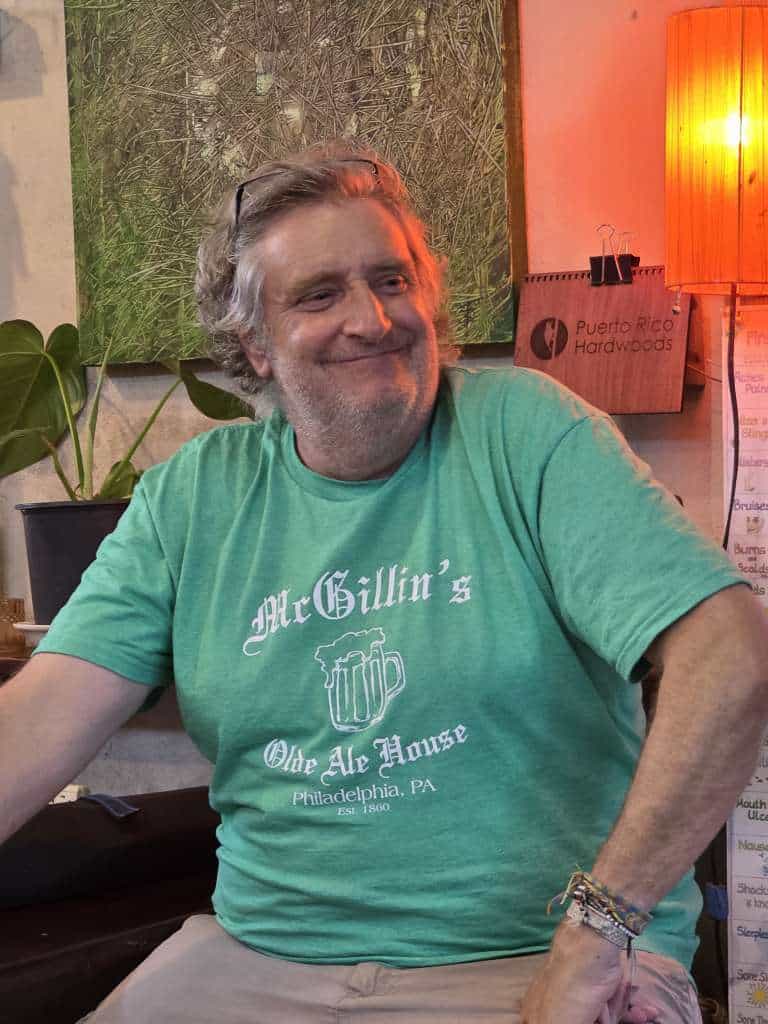
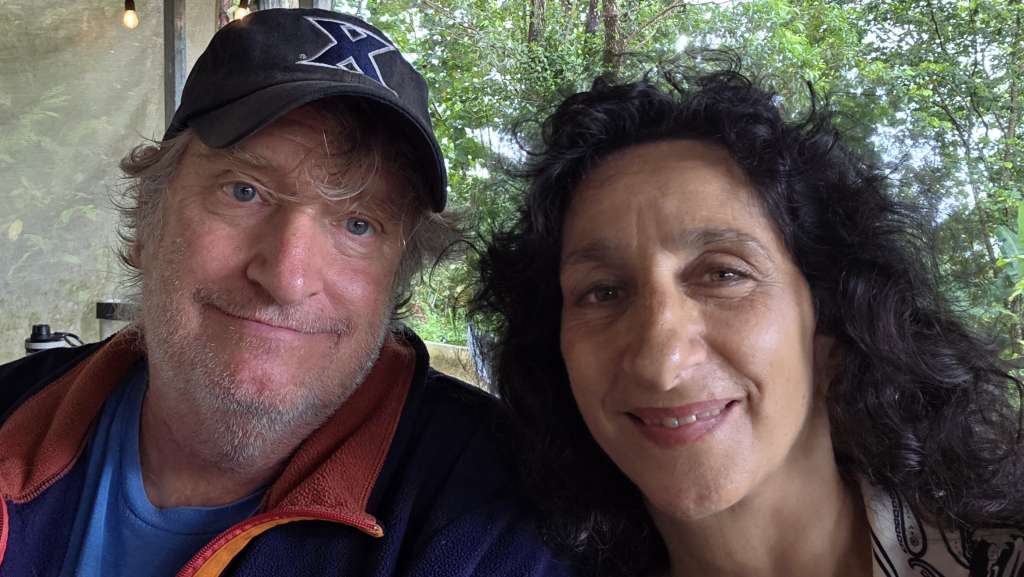
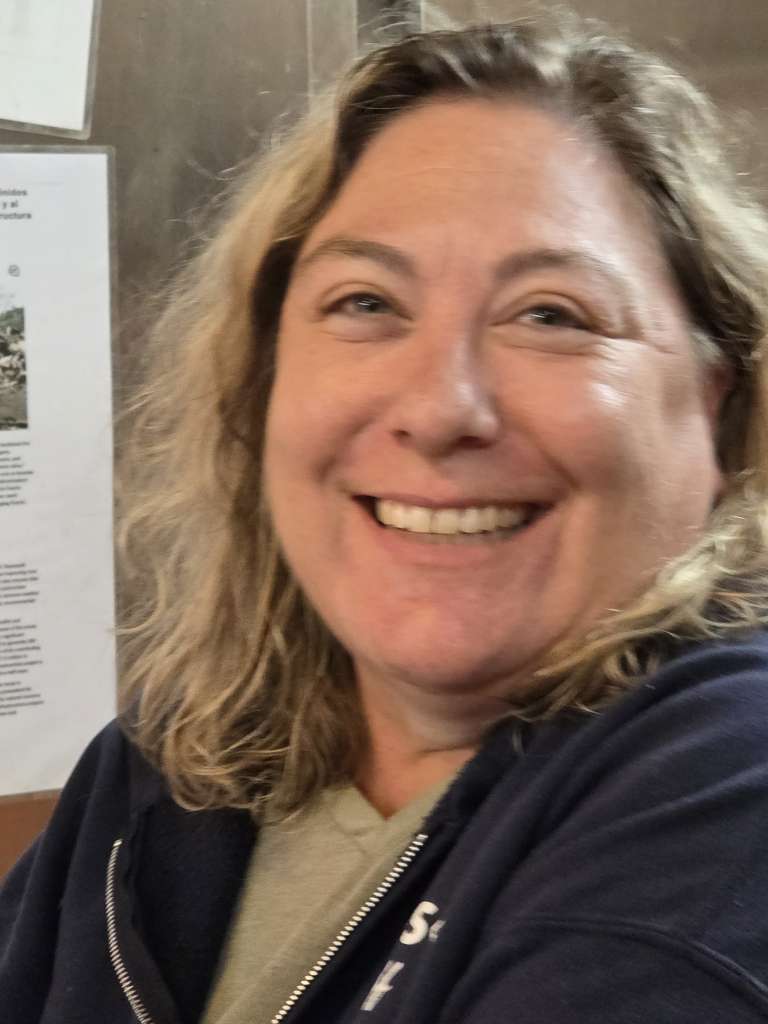
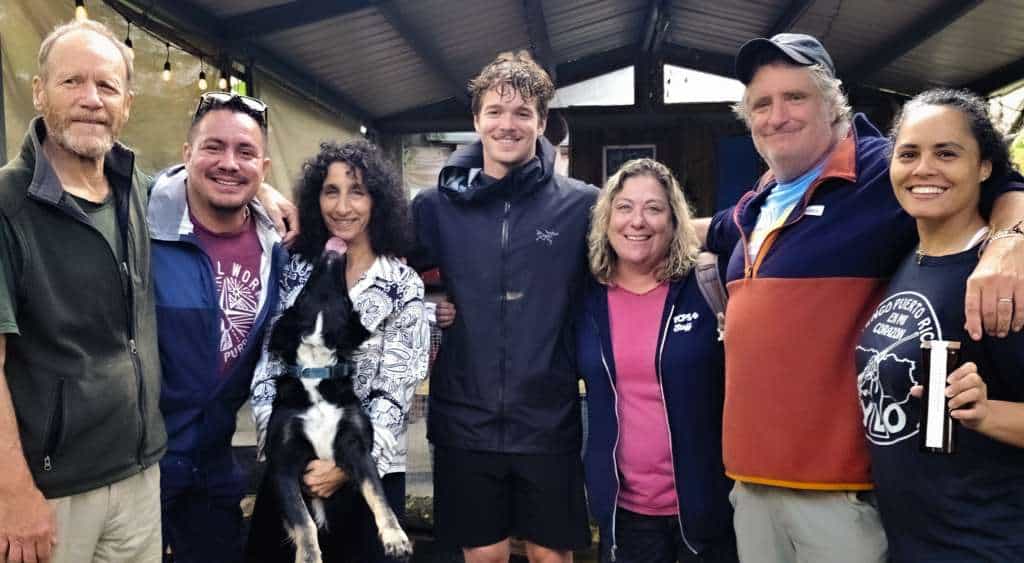
Cathedral School, California, school staff: Chris Corrigan and Caitlyn Toropova.
Chris has been bringing teen school groups to Eye on The Rainforest for over a decade now.
Brought to us by Global Works – International Community Service with leaders Randall Vargus Guido and Luke Southall. Thank you all.
See more images: https://photos.app.goo.gl/ZN8pWenzRwG3x6XW6
Photos by 3t Vakil, Chris Corrigan, Gregg Dugan, and Caitlyn Toropova.