Shoulder-to-Shoulder: Young hands preparing tomorrow’s forest
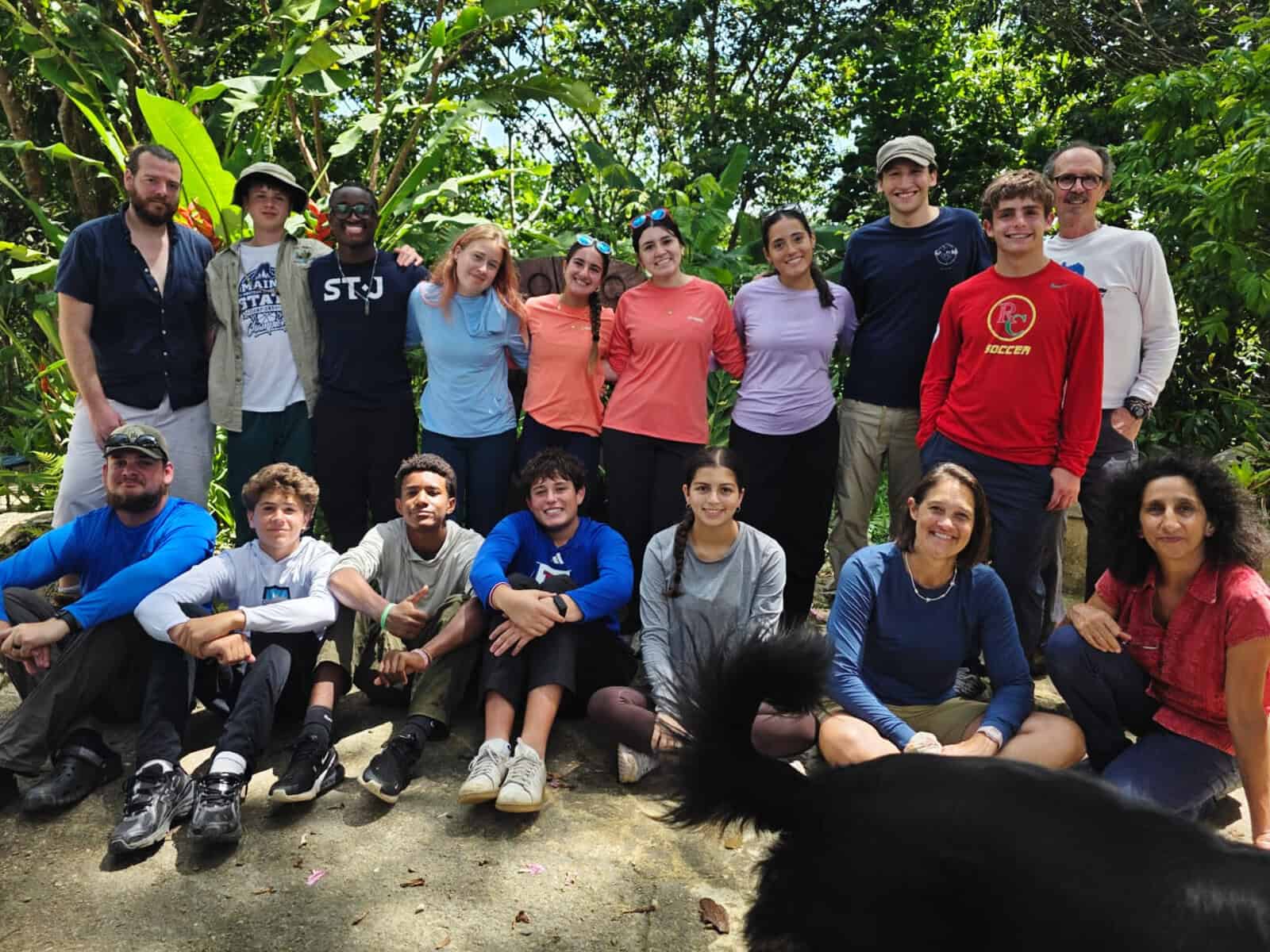
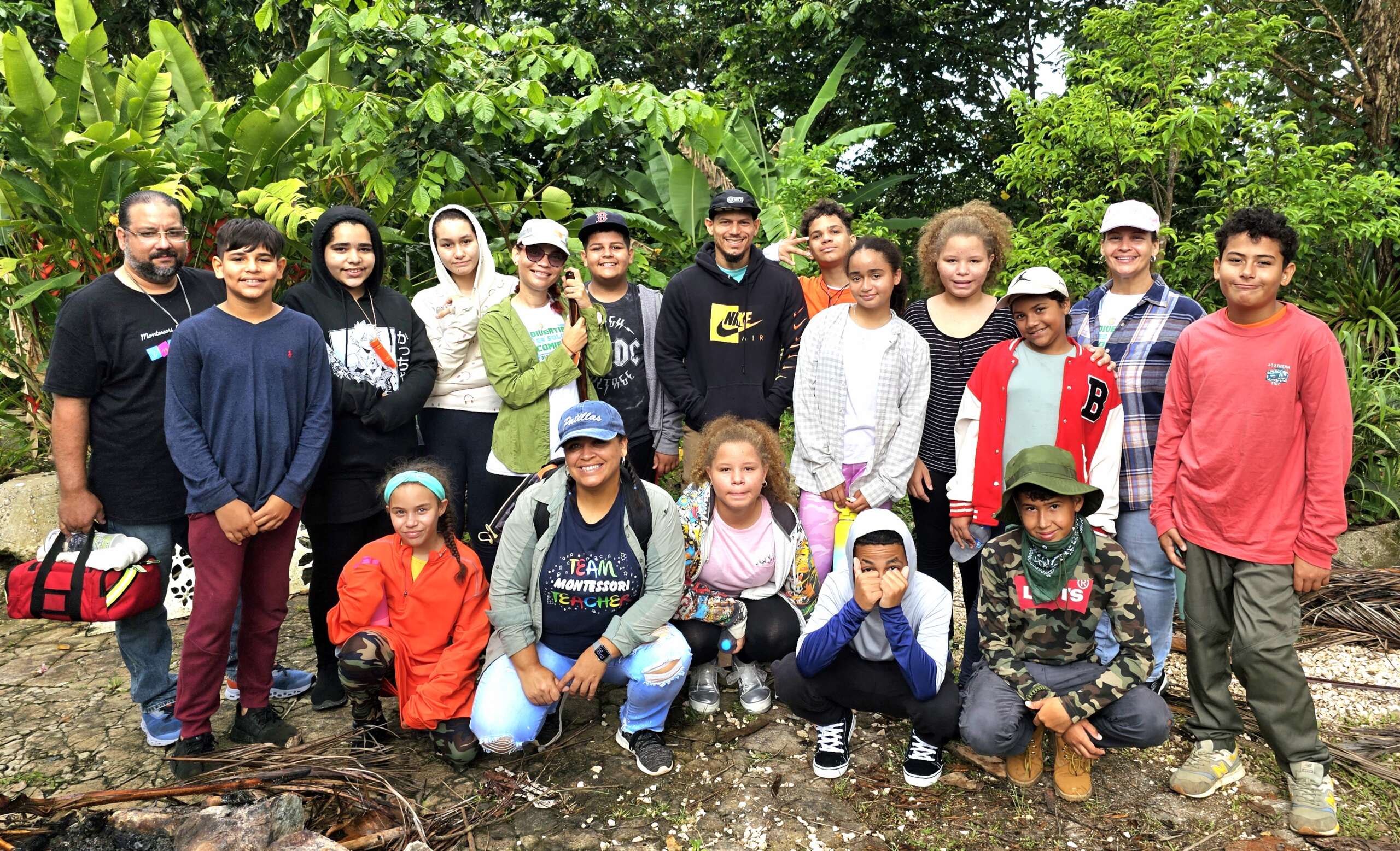
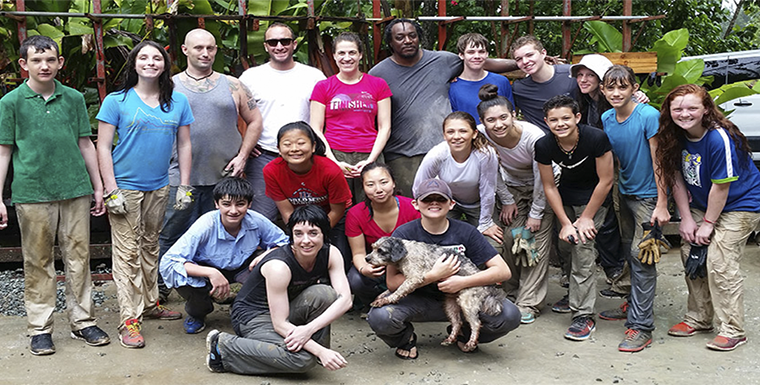
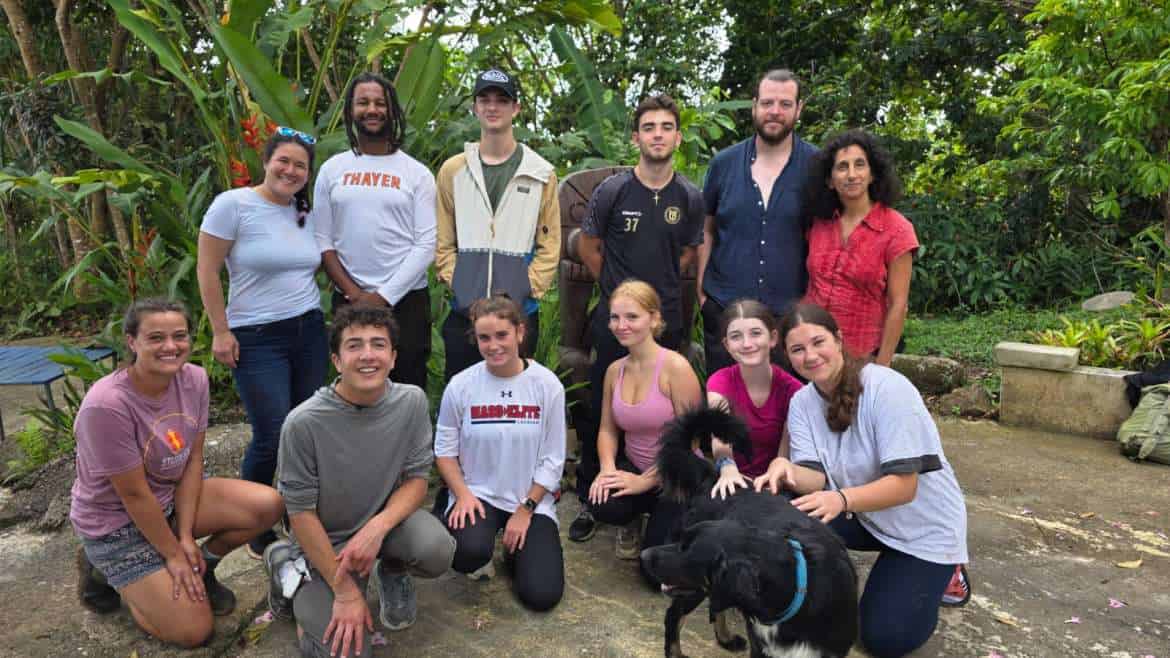
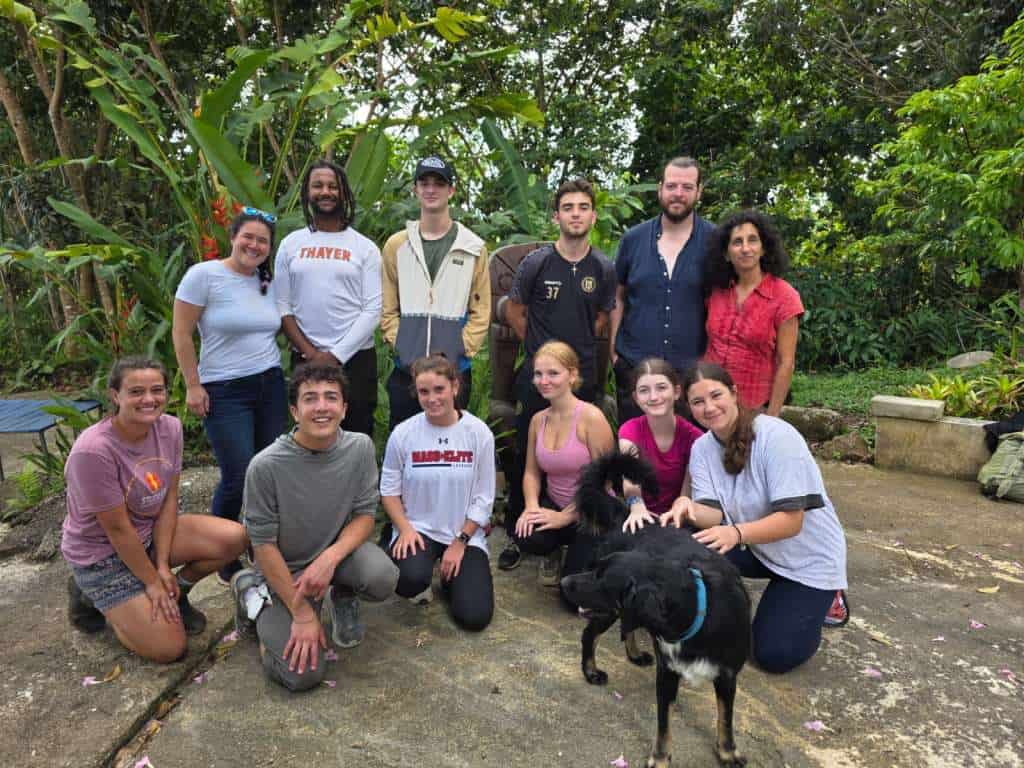
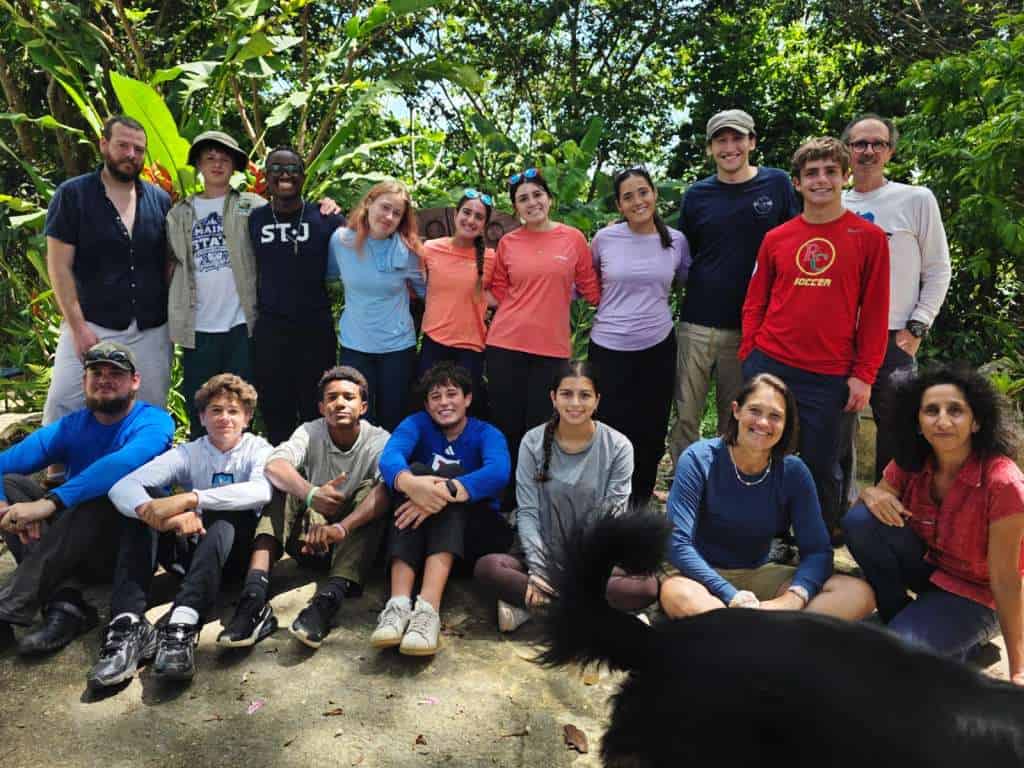
This June, Las Casas de la Selva had the pleasure of welcoming not one but two remarkable groups through the Shoulder-to-Shoulder (SStS) program. One group was made up of students from Thayer Academy, Braintree, Massachusetts, and their staff, Sarah, Matt, and Leanna, and the second brought together high school students from across the United States, with staff Cassandra, Jim, and Ben. Though they came from different schools, backgrounds, and communities, they shared something important: a willingness to work hard, learn deeply, and contribute to something larger than themselves.
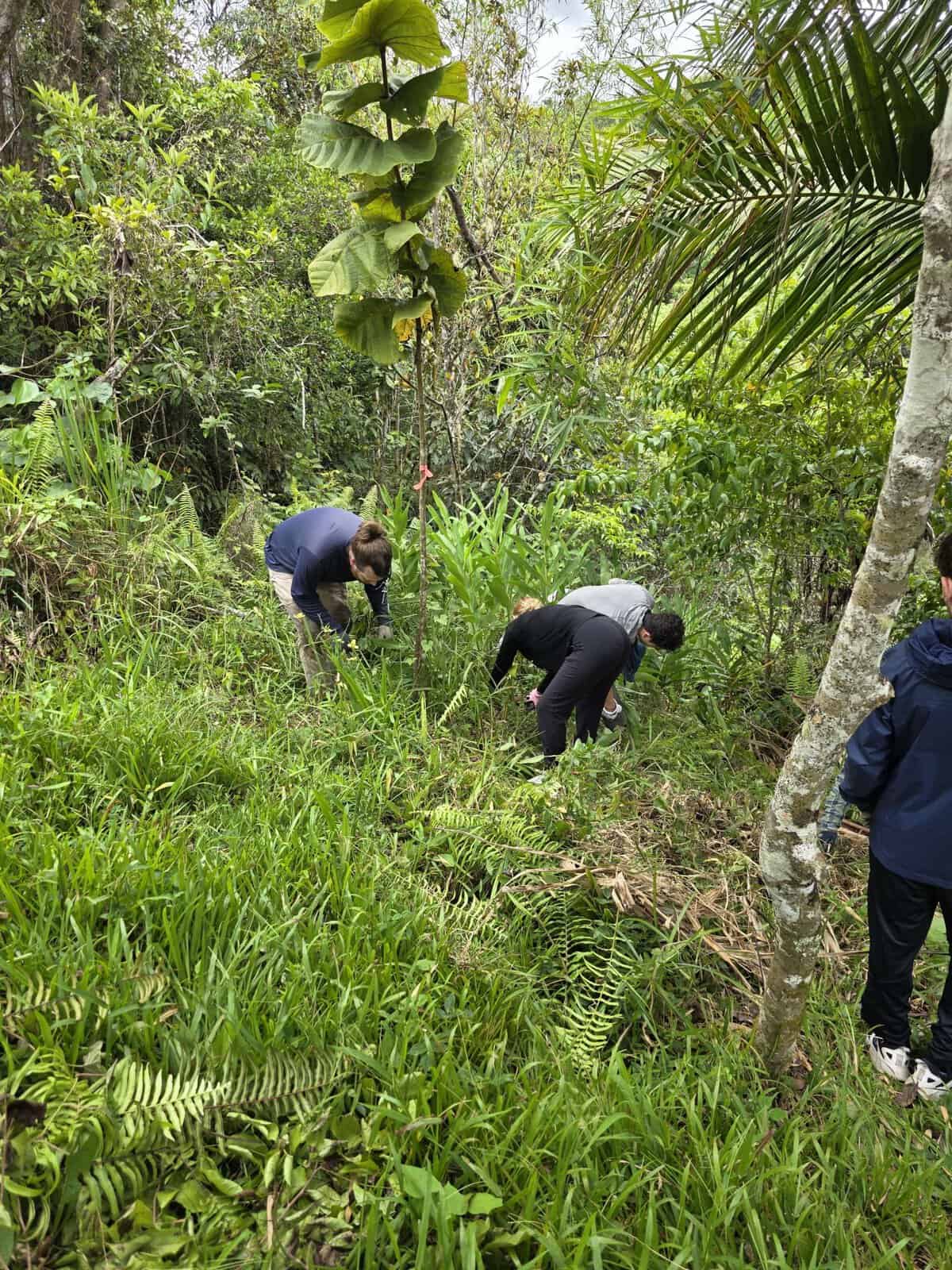
Their task was not glamorous; they took on a most important and physically demanding job in rainforest restoration—clearing hillsides of fern and razor grass in preparation for future tree planting.
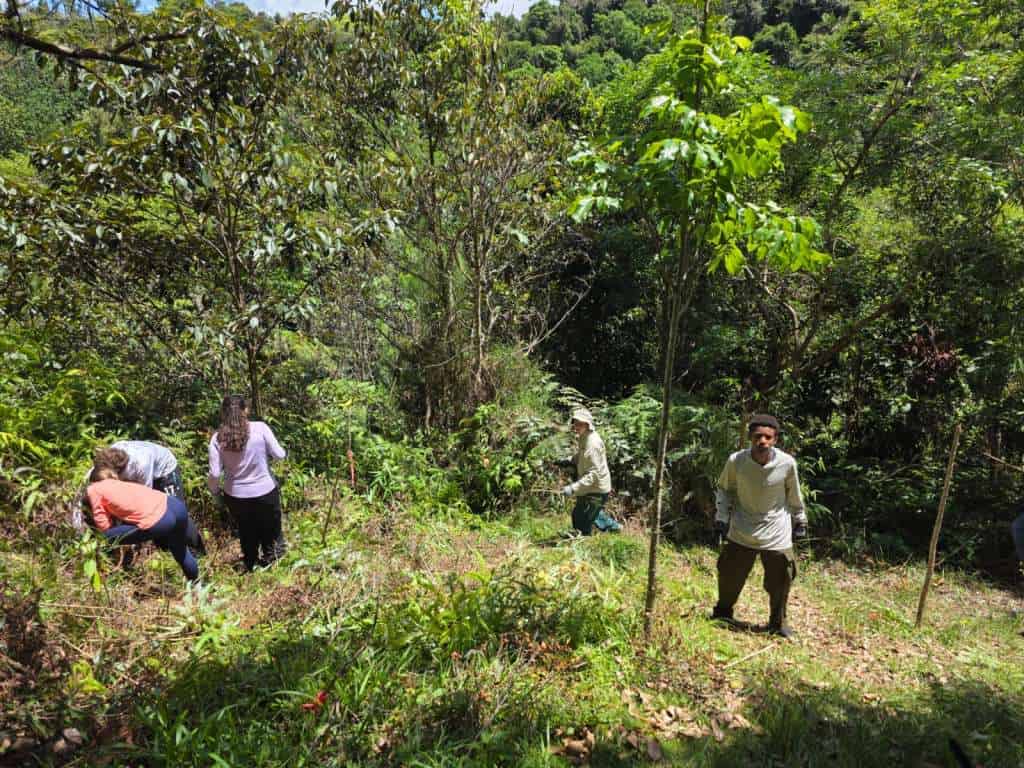
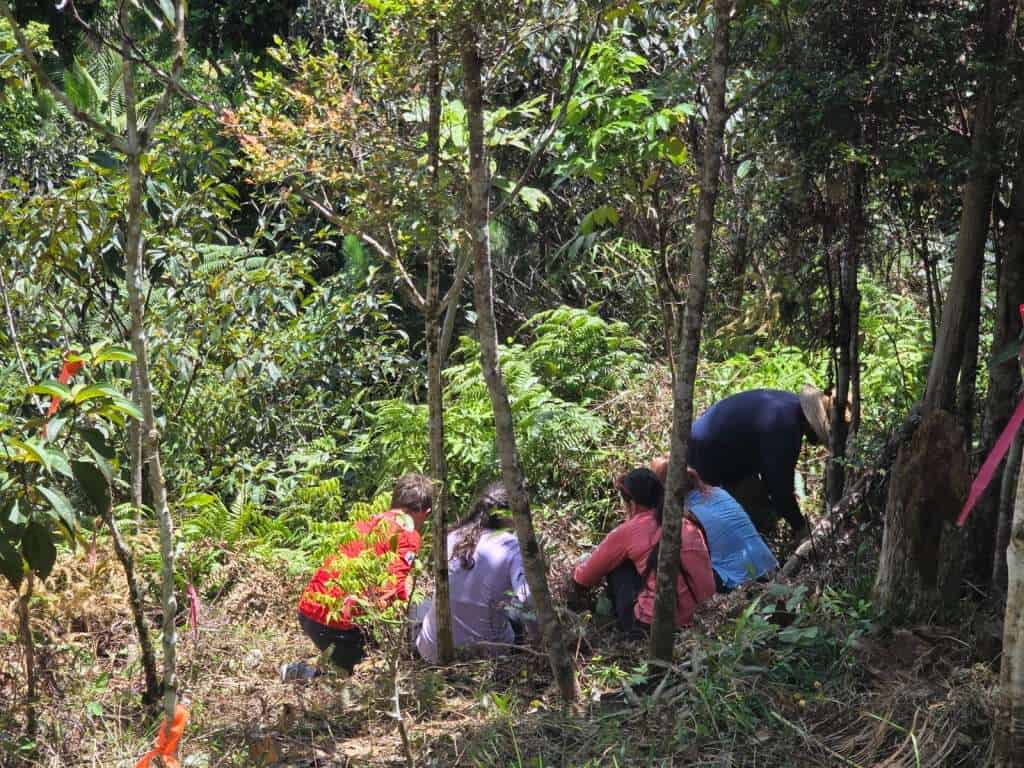
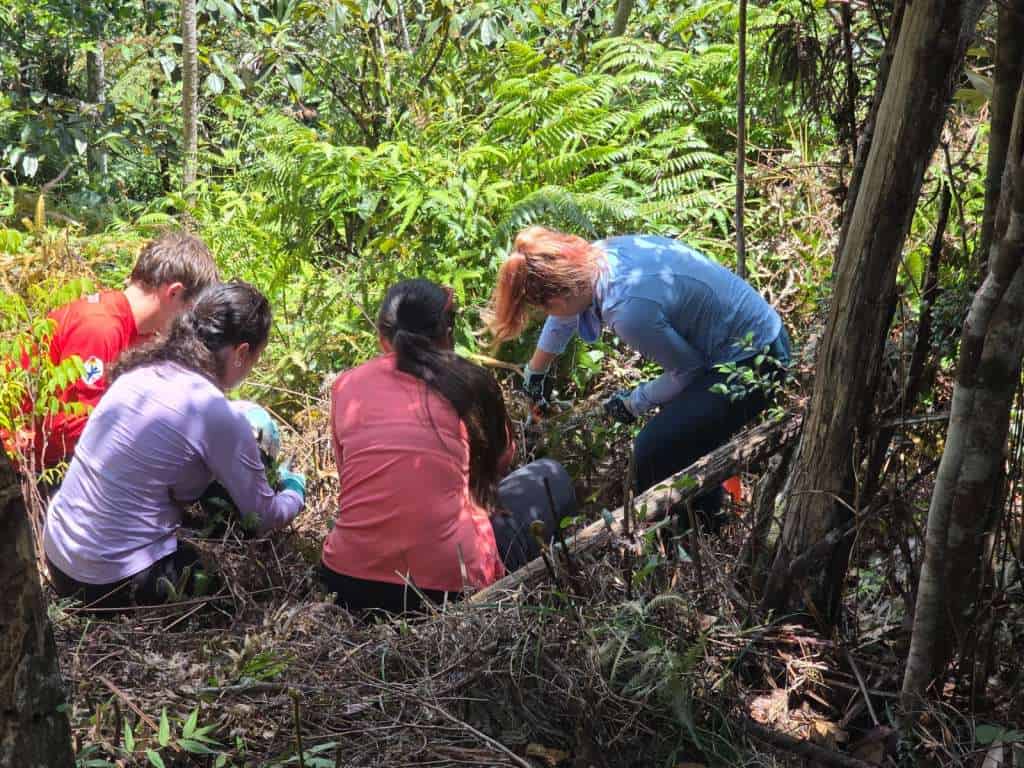
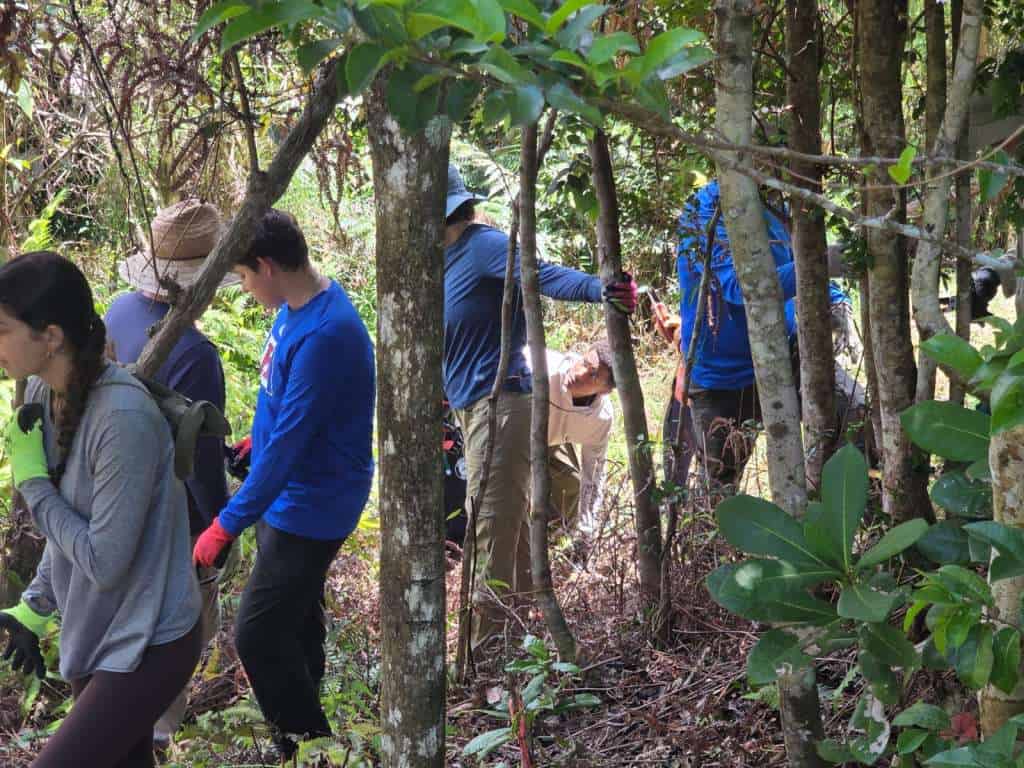
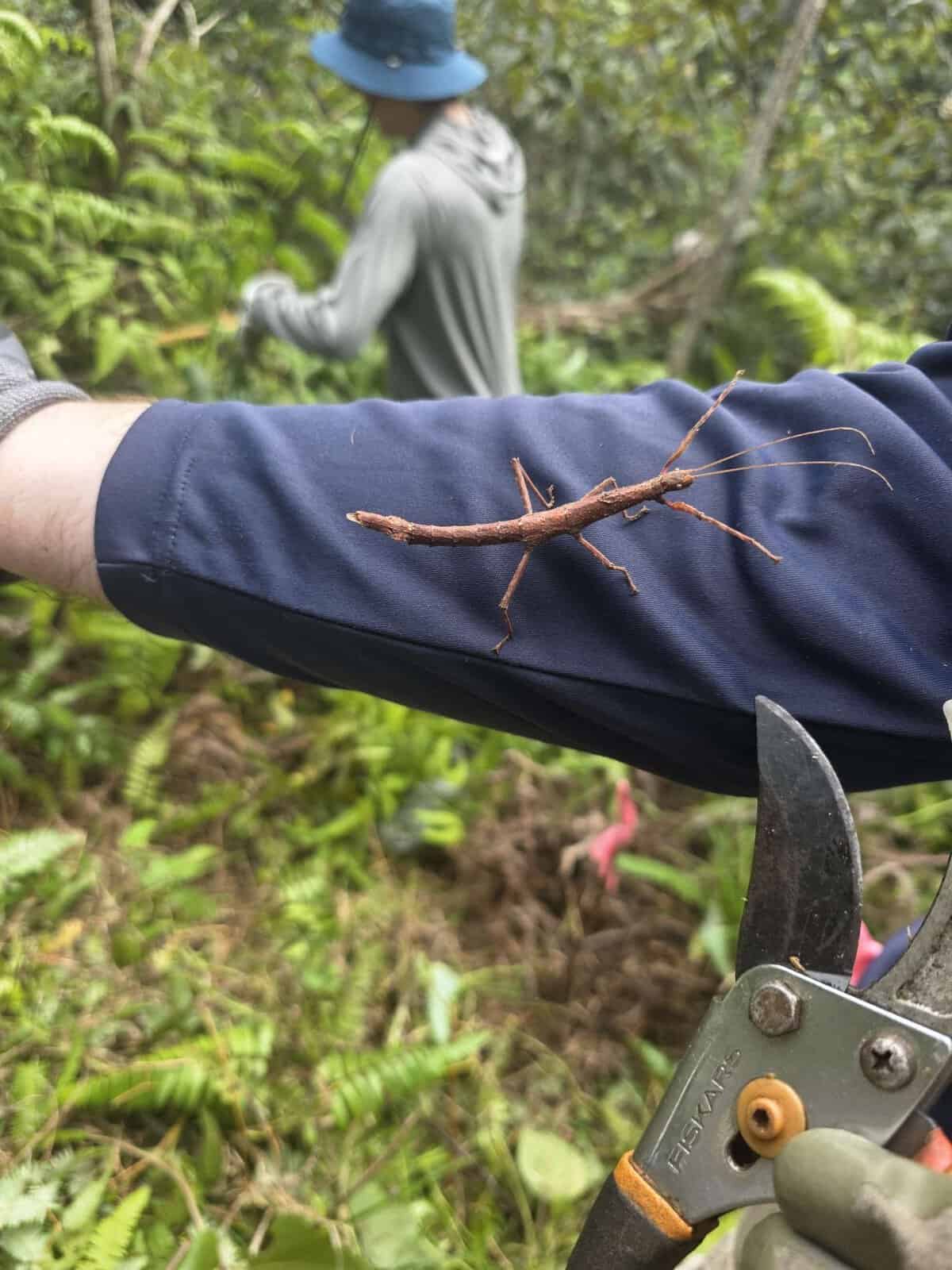
Anyone who has worked in a tropical mountain forest knows that preparing a site for planting is often harder than the planting itself. Steep slopes, dense vegetation, and the relentless growth of tropical plants like razor grass require determination and teamwork. Yet these students embraced the challenge. Armed with loppers, hand tools, gloves, and a great deal of enthusiasm, they cleared pathways and planting areas that will soon become home to new trees.
The work was led by Jon Warwick, who guided the crews with patience, good humor, and an eye for both safety and purpose. Under his leadership, the students learned that restoration is not simply about planting trees. It is about understanding landscapes, working as a team, and recognizing that meaningful environmental stewardship often begins with tasks that demand persistence and care.
Every branch cut and every patch of hillside cleared represented an act of preparation for something that may take decades to fully reveal itself. Forest restoration is an exercise in optimism. The people who prepare the ground may never sit beneath the full canopy of the trees they make possible. Yet they work anyway; their efforts are an investment in the future.
At Las Casas de la Selva, we often say that forests are built by many hands over many years. The rainforest surrounding us today bears the marks of countless volunteers, researchers, students, and staff who have contributed their labor since the project began more than four decades ago. Trails, nurseries, drainage systems, restoration sites, and young forests all exist because people chose to invest their time and energy in a place they may only know briefly.
The students of Shoulder-to-Shoulder became part of that continuing story.
Their visit also reflected the larger mission of Shoulder-to-Shoulder itself. Founded in 2007 in response to a simple but profound question—“What can we do?”—the organization was created to provide students with opportunities to explore real-world challenges and discover meaningful ways to engage with them. What began with one school, thirty students, and three nonprofit partners has grown into a global network that now spans four continents, twelve program sites, and numerous partner schools and organizations.
At the heart of Shoulder-to-Shoulder is a belief that the world’s challenges require ethical leadership. The organization seeks to inspire and support generations of leaders who understand that progress cannot be measured solely by economic growth, but must also account for social responsibility and environmental stewardship. Ethical leadership asks people to work collaboratively, think critically, and act with an awareness of how their decisions affect communities and ecosystems.
These values were visible throughout the students’ time at Las Casas.
Rainforest restoration is, by its very nature, an ethical act. It requires people to consider timescales beyond their own lives and to make choices that benefit future generations. It asks participants to appreciate the intricate relationships between forests, watersheds, biodiversity, and human well-being. Most importantly, it reminds us that meaningful environmental work is rarely accomplished alone.
Shoulder-to-Shoulder’s model recognizes this reality. By bringing together schools, nonprofits, businesses, and philanthropists, the organization creates opportunities for collaboration across sectors that might not otherwise meet. It demonstrates that complex global problems require partnerships and shared responsibility.
For many of the students, this experience was also a lesson in the value of physical work. Clearing vegetation on steep rainforest slopes under tropical conditions demands endurance and resilience. The labor encourages teamwork and reveals something that is increasingly difficult to experience in modern life: the satisfaction of accomplishing something tangible with one’s own hands.
At the end of each day, tired but smiling students returned from the hillsides knowing they had made a real contribution. The cleared areas awaiting planting are visible evidence of their efforts, but perhaps the greater result is less tangible. Experiences like these often plant seeds of another kind.
A student who has spent a day clearing a hillside for future forest restoration may never again think of trees as abstract environmental symbols. Forests become places that require care, patience, and human commitment. Conservation becomes something one participates in rather than merely discusses.
And, of course, no day of hard work in the rainforest would have been complete without good food. While Jon led the crews in the field, 3t made sure everyone returned to delicious home-cooked lunches, and a talk after lunch about the project. Sharing meals together is another important part of the experience—a time to rest, laugh, reflect on the day’s work, and build friendships across schools and communities. Sometimes moments around a table often become some of the most enduring memories of service experiences. They remind us that community is built not only through shared labor but also through shared meals, conversations, and moments of appreciation.
As we look at the cleared hillsides and anticipate the upcoming tree planting, we are grateful to both Shoulder-to-Shoulder groups for their energy, curiosity, and willingness to contribute. The trees that will one day grow there will stand as living reminders that restoration begins with preparation and that meaningful change often starts with people who are willing to ask a simple question:
What can we do?
This year, the answer was clear. They came to a rainforest in Puerto Rico, picked up tools, worked together on steep hillsides, shared meals, and helped prepare the ground for a forest that future generations will inherit. That is ethical leadership in action.
Thanks to Bill Cotter, Director of International Programs SStS, for bringing these teams to us.