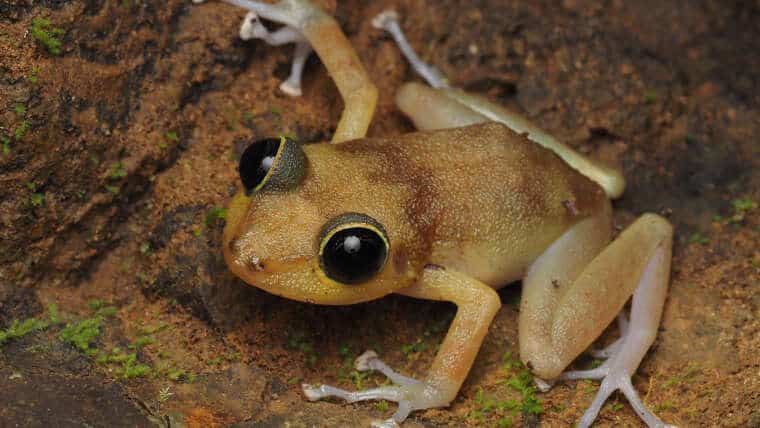
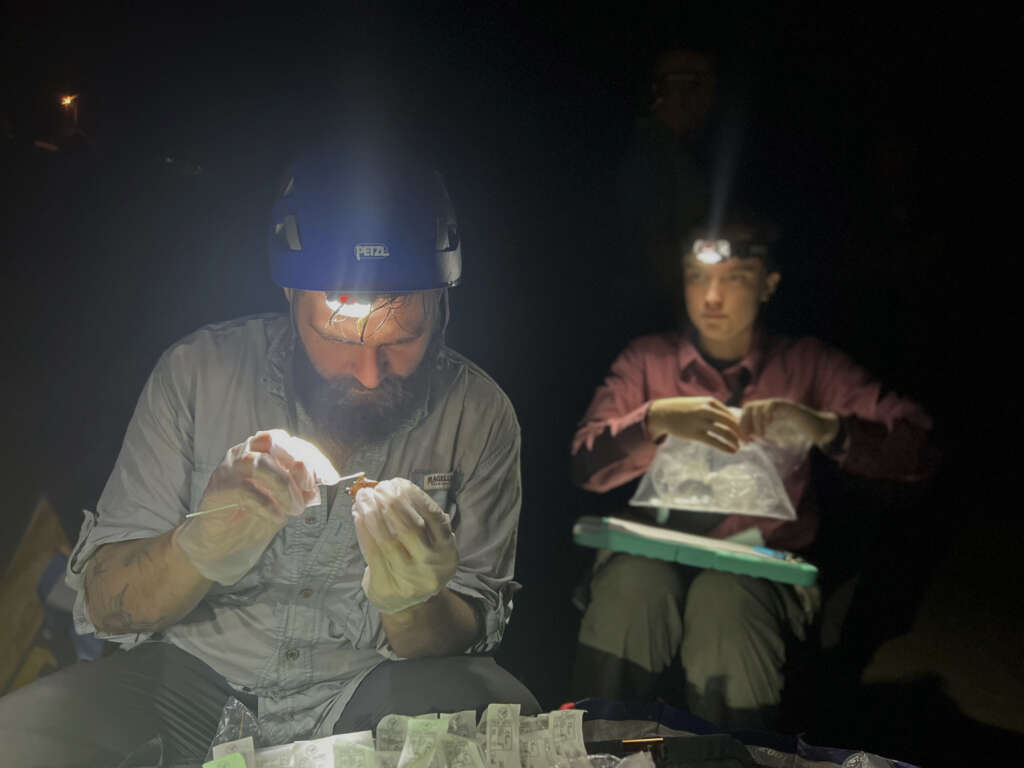
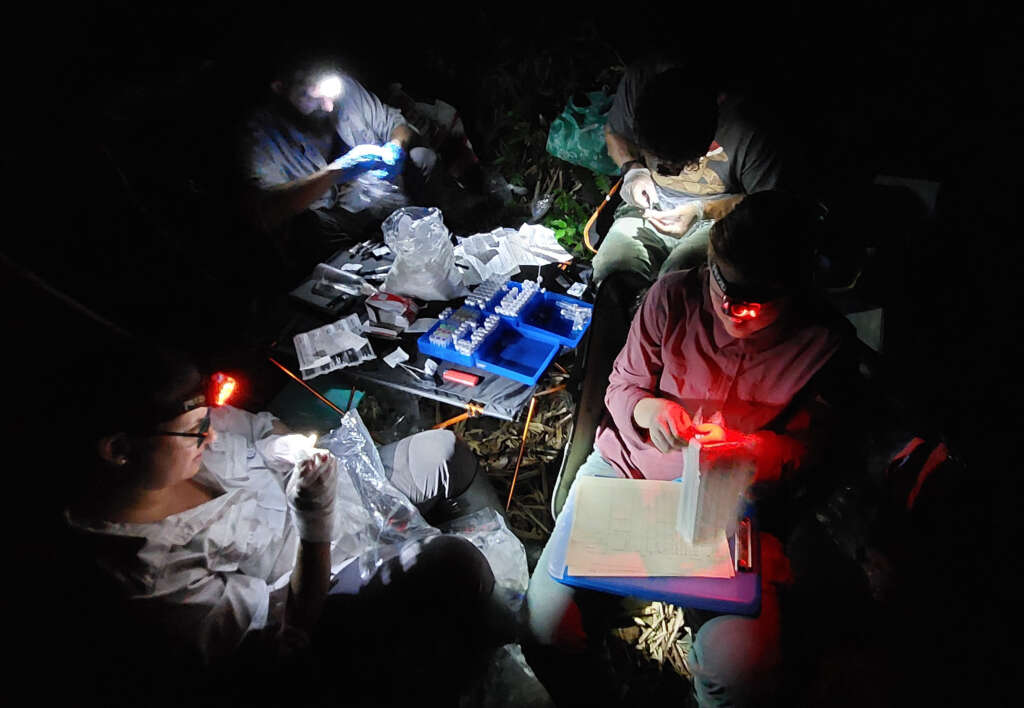
A cooperative agreement between the Caribbean USFWS and the University of Florida (UF) just completed the last coquí guajón (E. cooki) survey for this project at one of the populations within Las Casas de la Selva property.
Last time this population was surveyed was back in 2013, with Norman Greenhawk. Despite the recent heat wave, the team led by Dr. Ana Longo and her graduate students (https://thelongolab.com/), was able to catch and release 30 coquí guajón frogs.
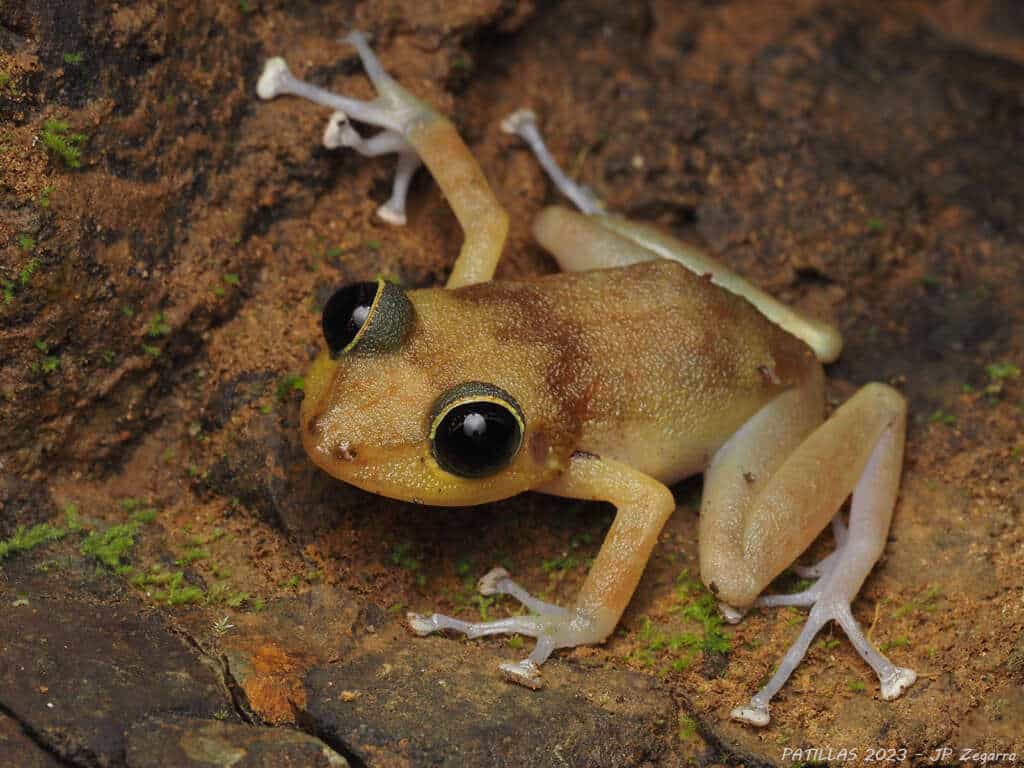
Coquí guajón, Eleutherodactylus cooki, juvenile in Icaco Valley, Patillas, Photo by JP Zegarra
Survey effort included general frog counts, genetic samples, chytrid fungus swabs and tick prevalence. This population is quite unique since it is one of the few known coquí guajón populations to co-occur with both the coquí caoba (E. richmondi) and the coquí melodioso (E. wightmanae), among other species.
Another peculiarity is that this coquí guajón population lacks ticks, perhaps because of its protected habitat and farther distance from human disturbance. In general, this coquí guajón population seems in good condition, but there are concerns with the potential effects of climate change on all coquí frog species. Ultimately, the consequences of these anomalies in demographic responses might not be immediately apparent, and can potentially affect reproduction and recruitment in the coquí guajón populations and other species as well.
Thanks to Jan P. Zegarra (Fish & Wildlife Biologist) for the info and these great photos from this recent survey, care of USFWS-Caribbean Ecological Services Field Office.
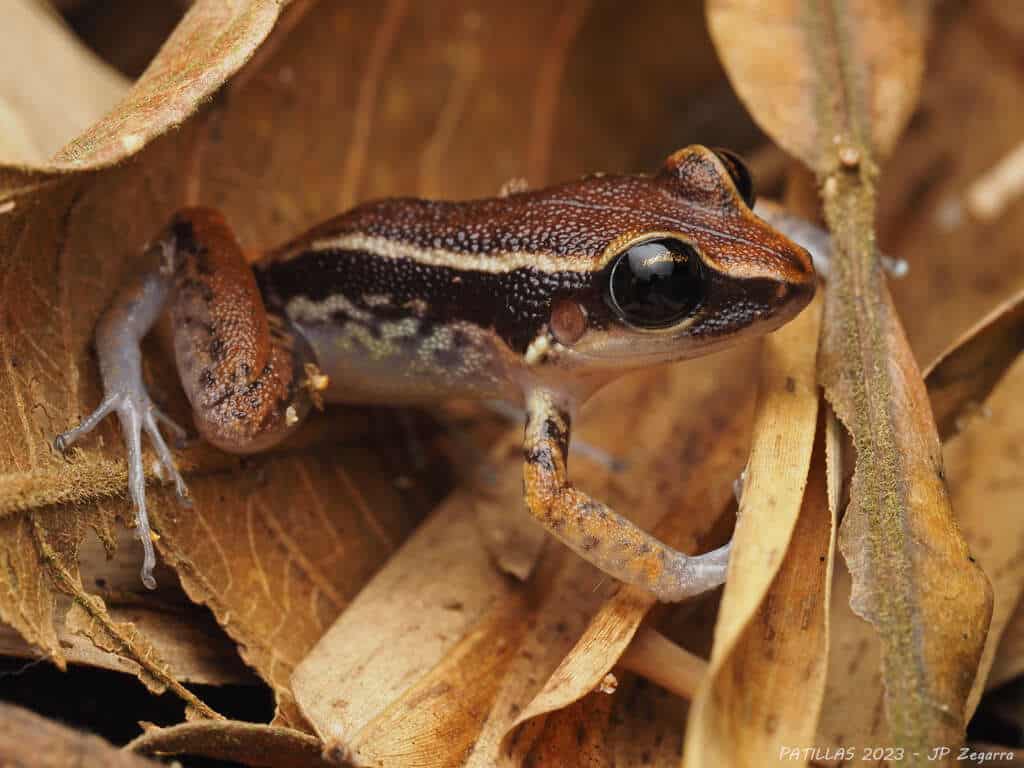
Coquí caoba,Eleutherodactylusrichmondi, Icaco Valley, Patillas, Photo by JP Zegarra
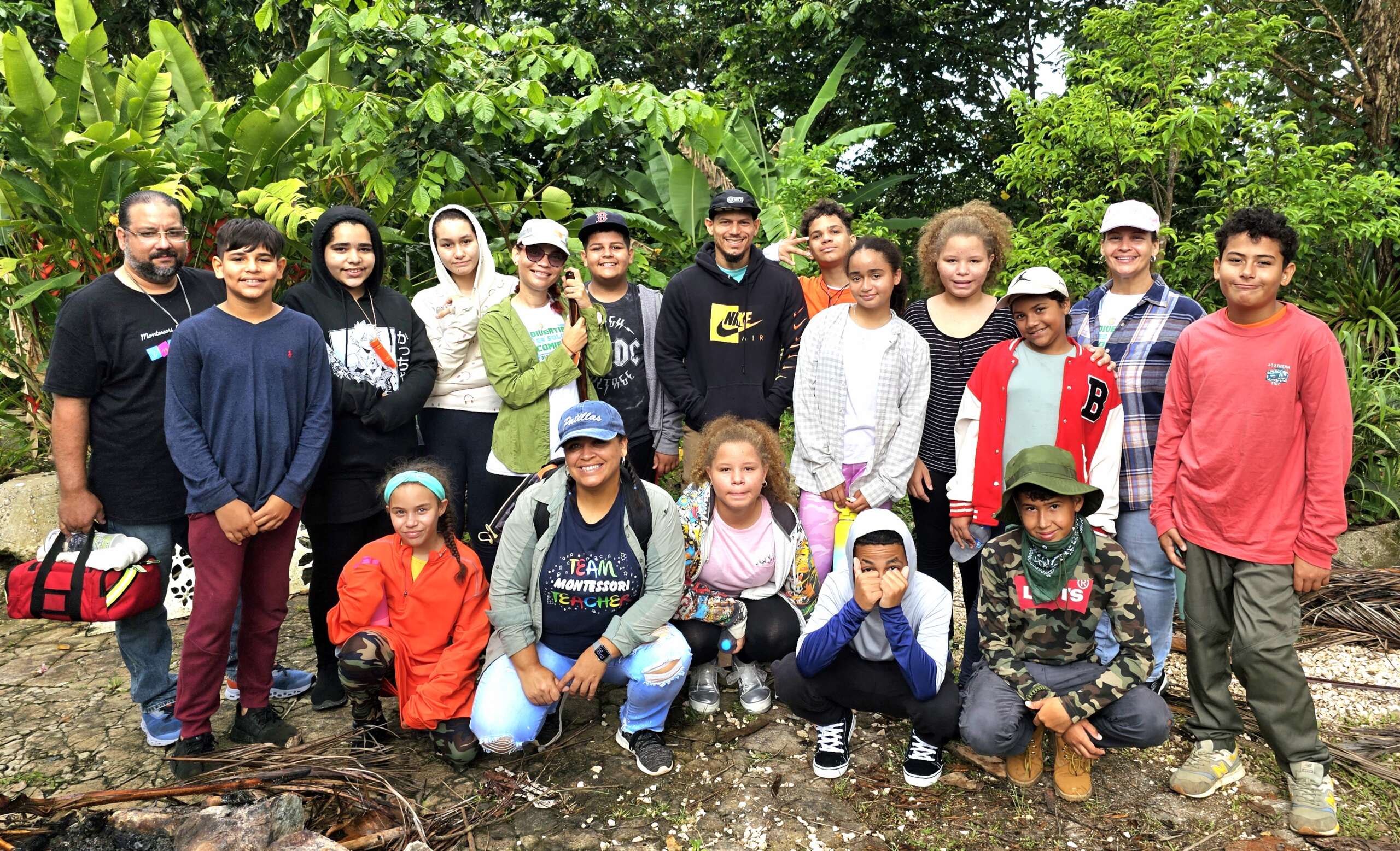
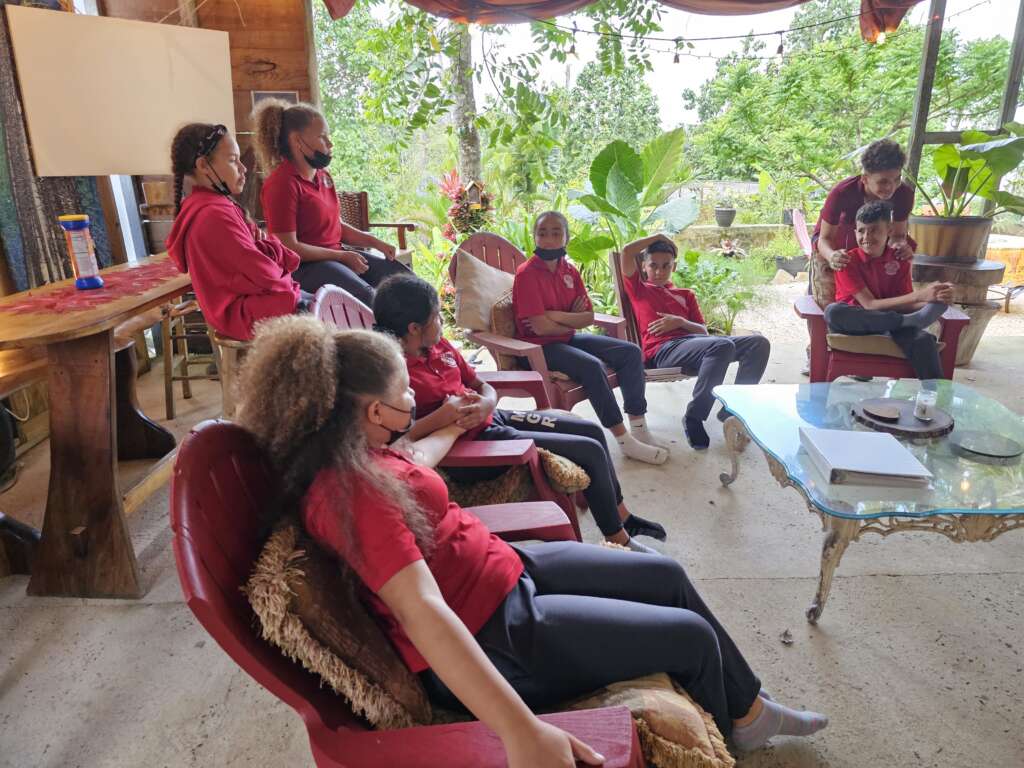
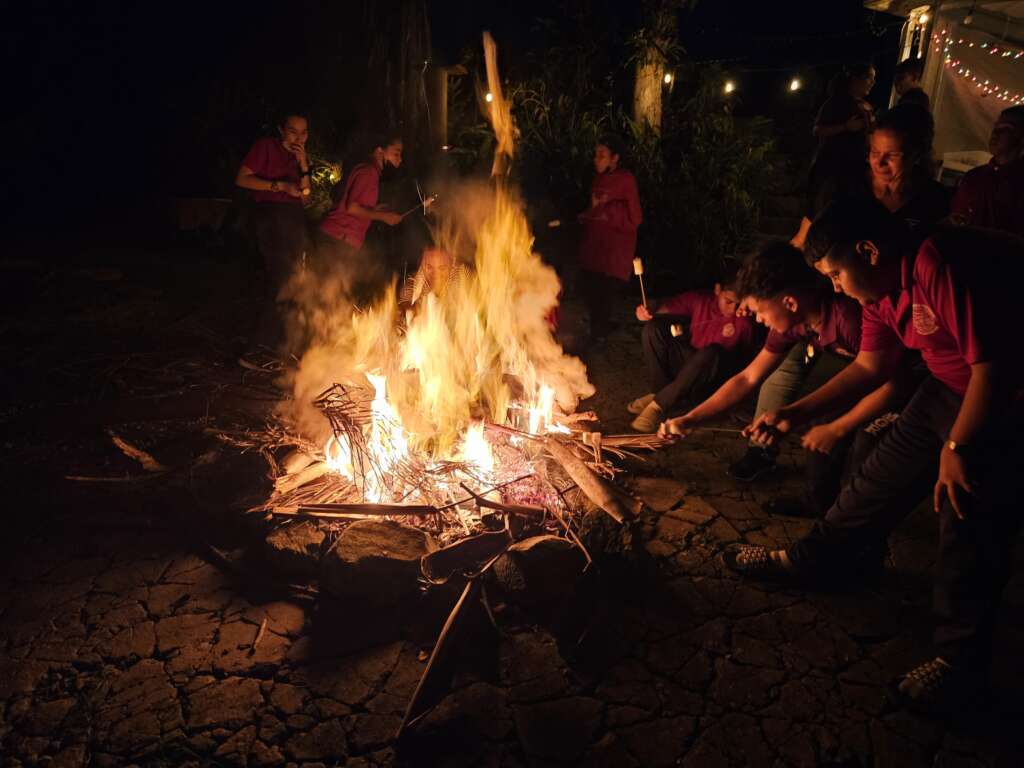
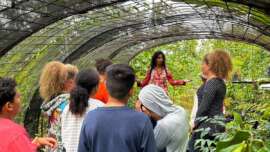
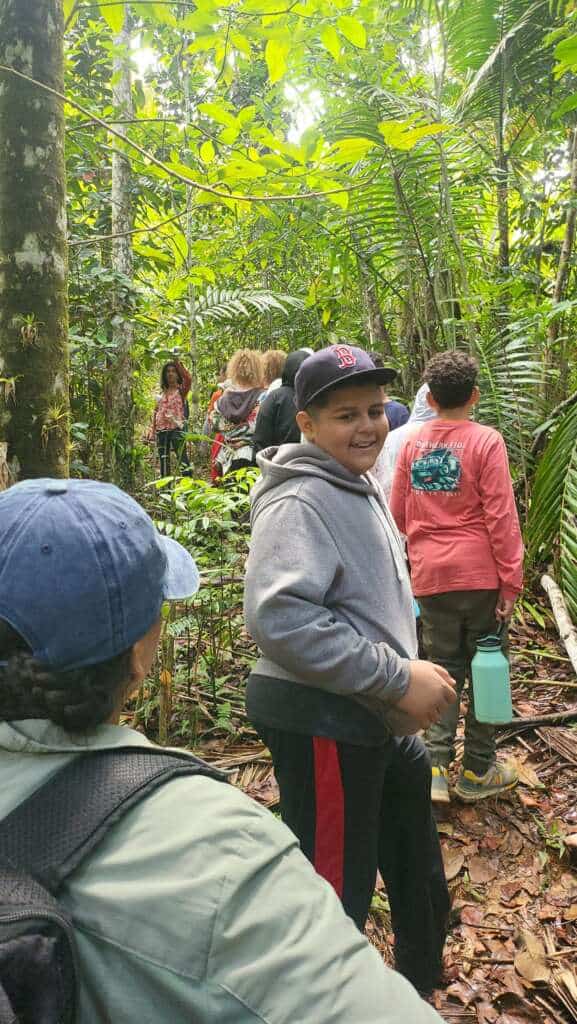
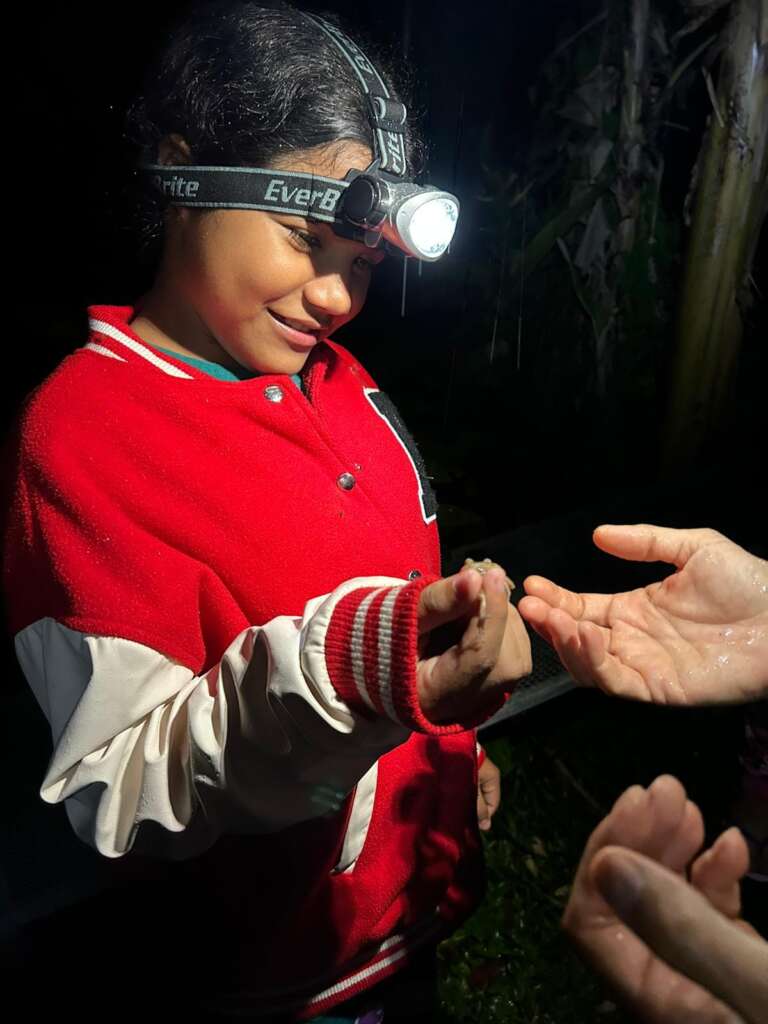
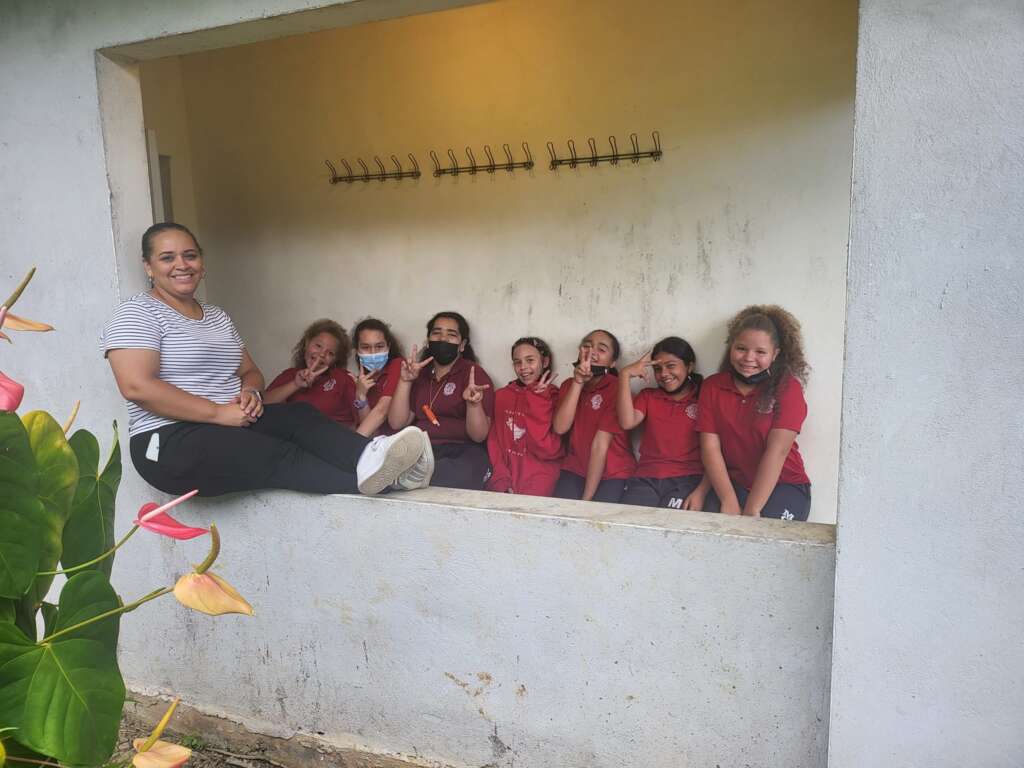
A Magical Night in the Rainforest : Endangered Species & An Unforgettable Experience for Students of Montessori-Guillermo Riefkohl, Patillas, 25th – 26th May 2023.
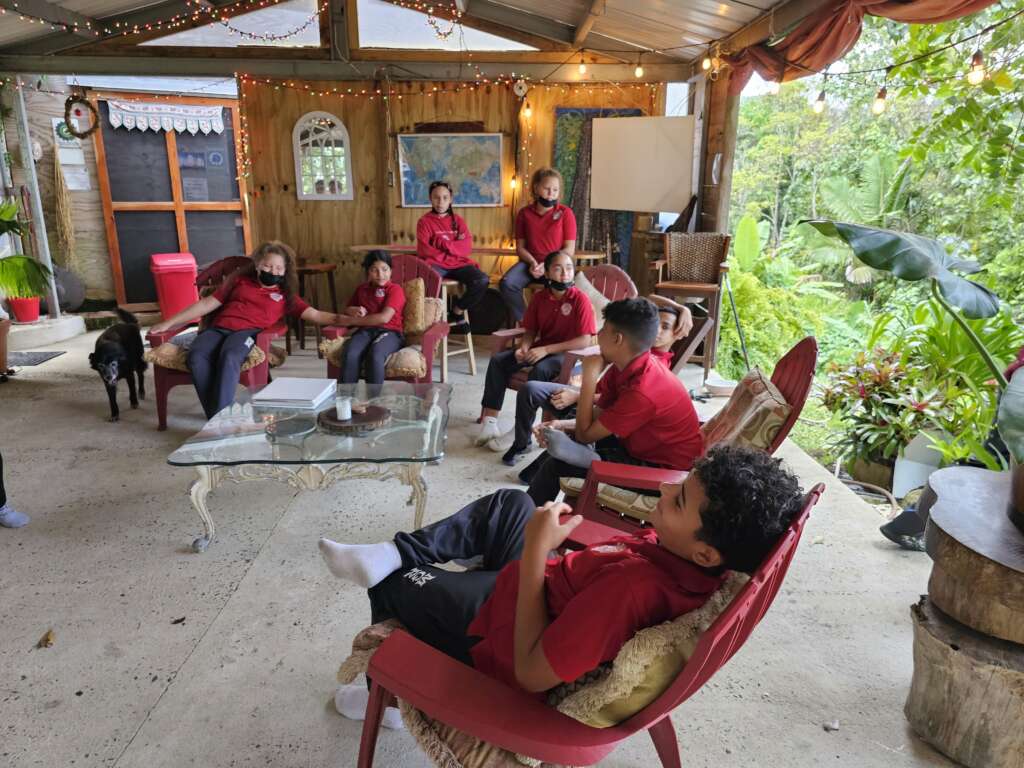
Deep in the heart of Patillas, located on the southern coast of Puerto Rico, sits a Montessori school, Escuela Guillermo Riefkohl. Steeped in rich traditions, the school is not just an educational institution, but a place where kids are nurtured and encouraged to explore the world beyond the textbook. Education is not confined within the four walls of a classroom; it’s about fostering a love for learning, teaching an appreciation for our surroundings, and nurturing an inquisitive spirit. The opportunity to spend a night in the rainforest is just one example of the extraordinary experiences that this local school offers its students, ensuring they grow not just academically, but also emotionally and with an environmental consciousness.
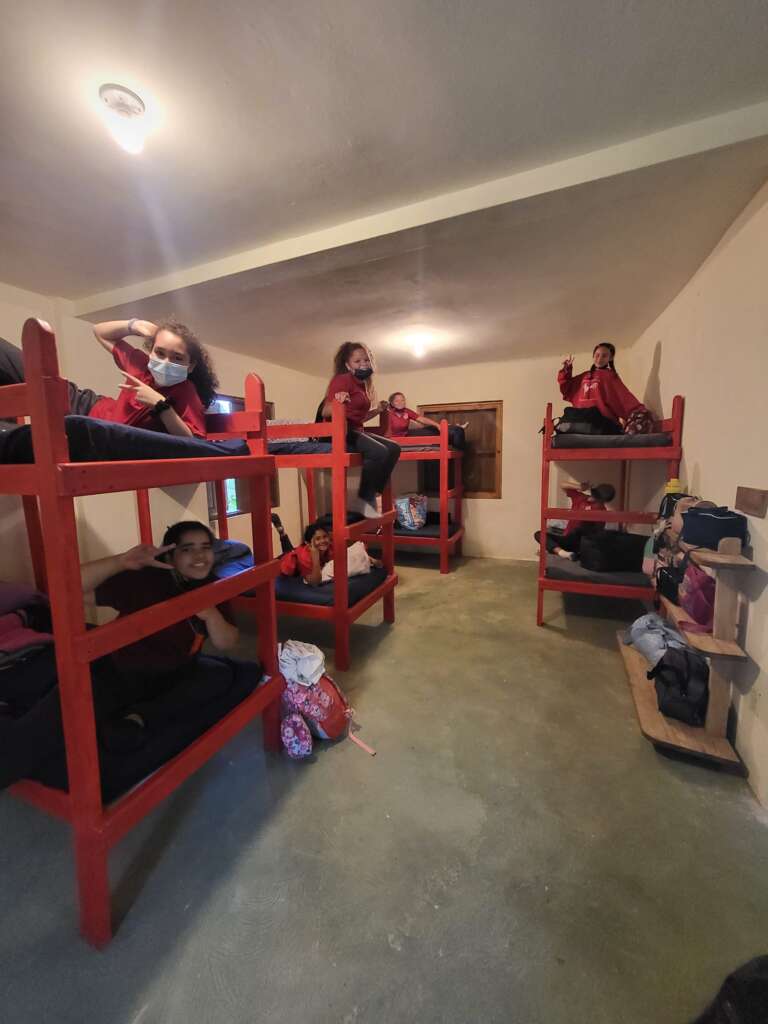
Recently, they embarked on an adventure that will forever be etched in their memories: a night under the canopy of the rainforest at Las Casas de la Selva.
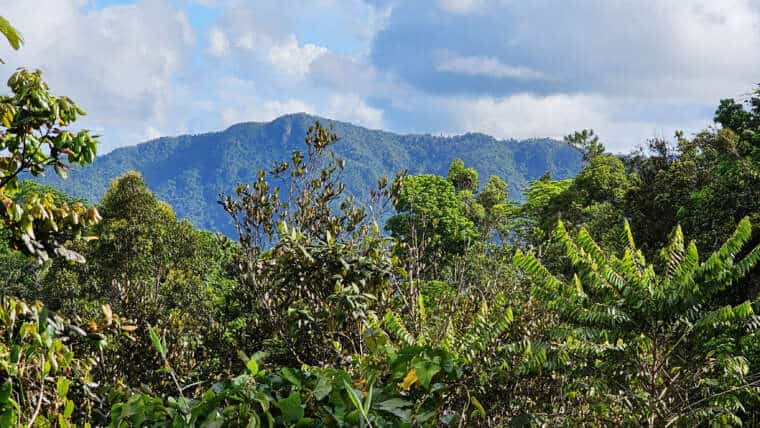
Las Casas de la Selva, located in the forested mountains of Carite in Patillas, is a 40 year old sustainable forestry and rainforest enrichment project, a sanctuary of Puerto Rico’s native flora and fauna. The spectacular location brims with life, from the humble coquis – the island’s charming, melodious frogs – to anoles, stick insects, and an array of beetles, painting a vivid picture of the island’s biodiversity.
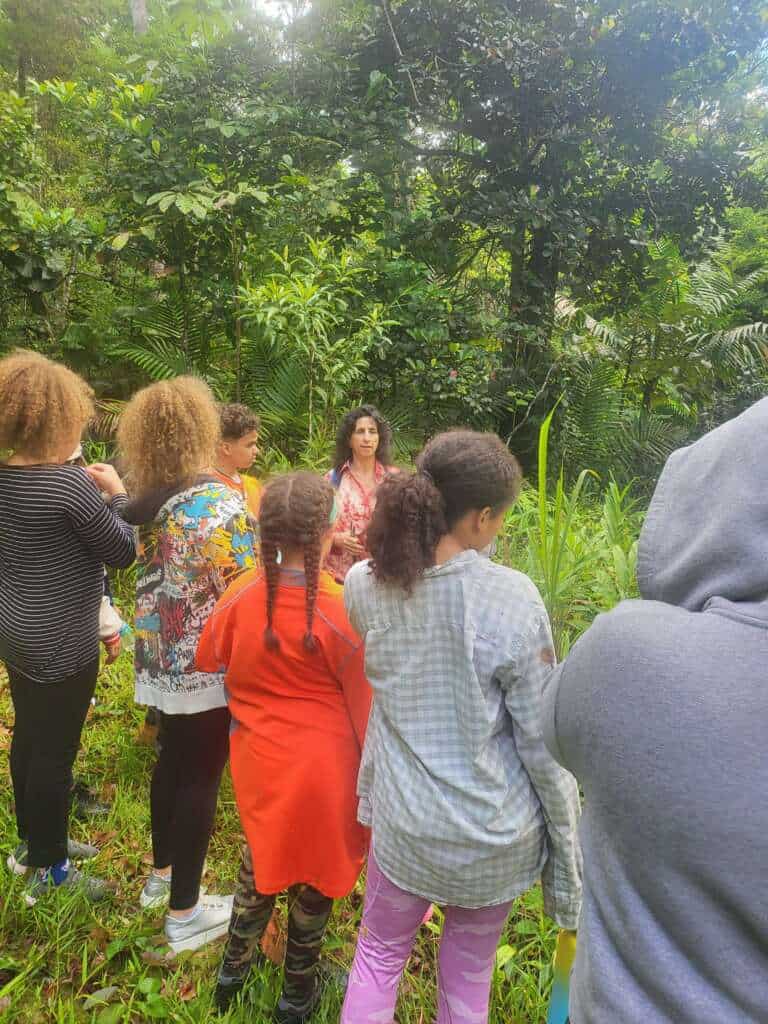
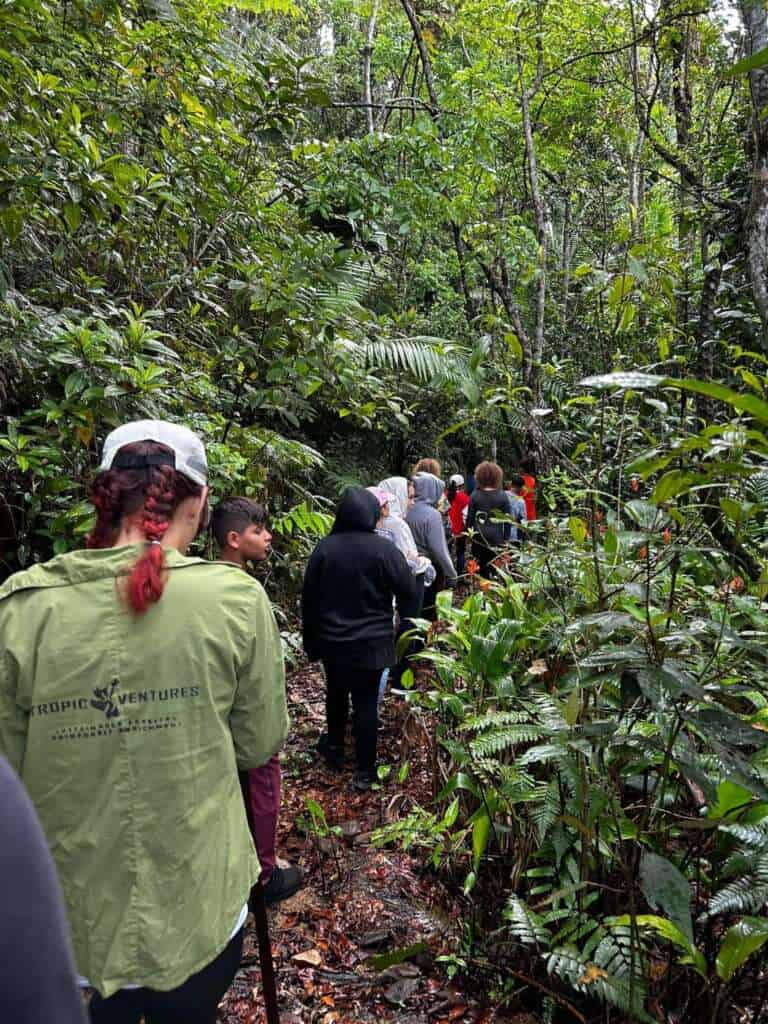
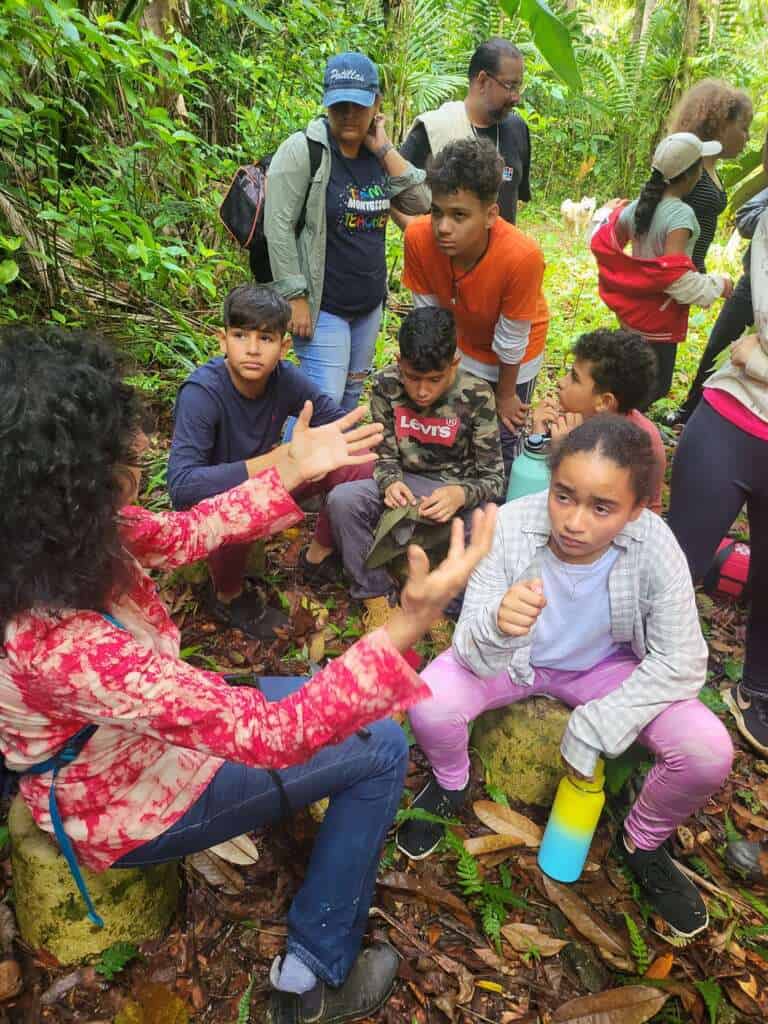
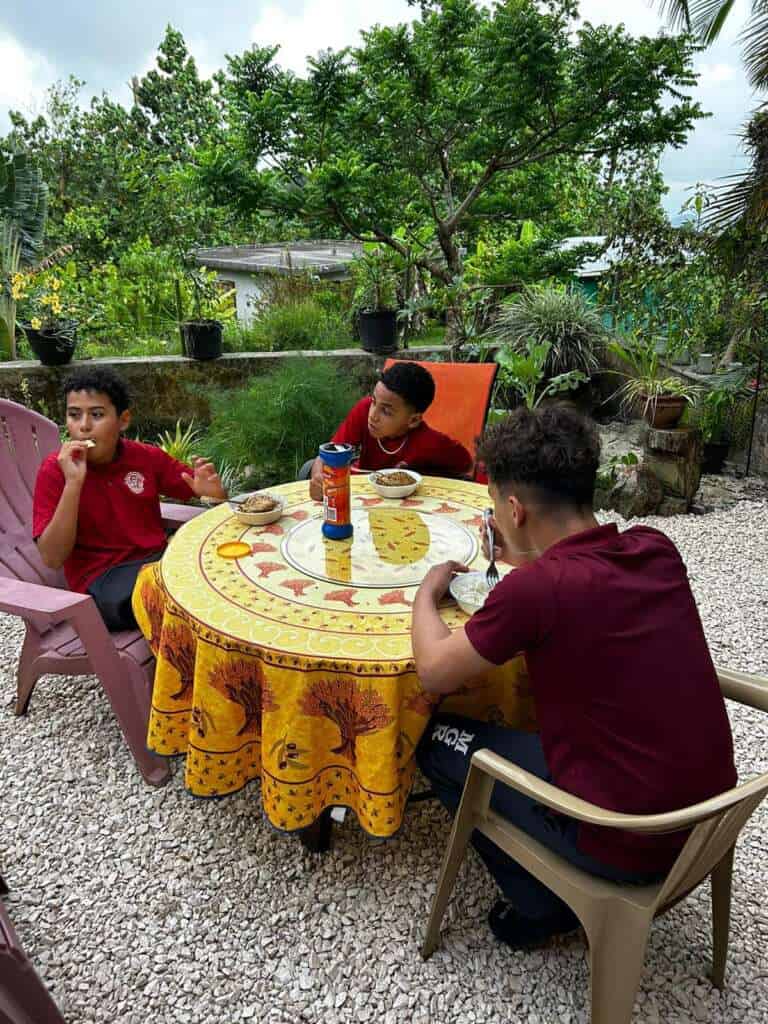
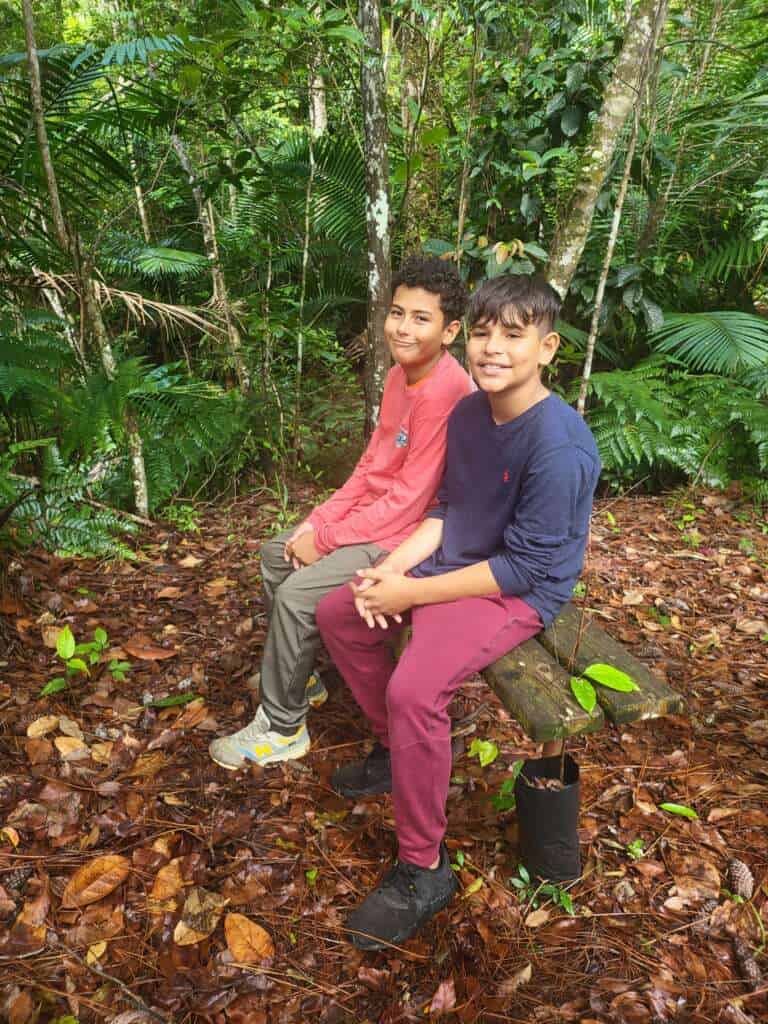
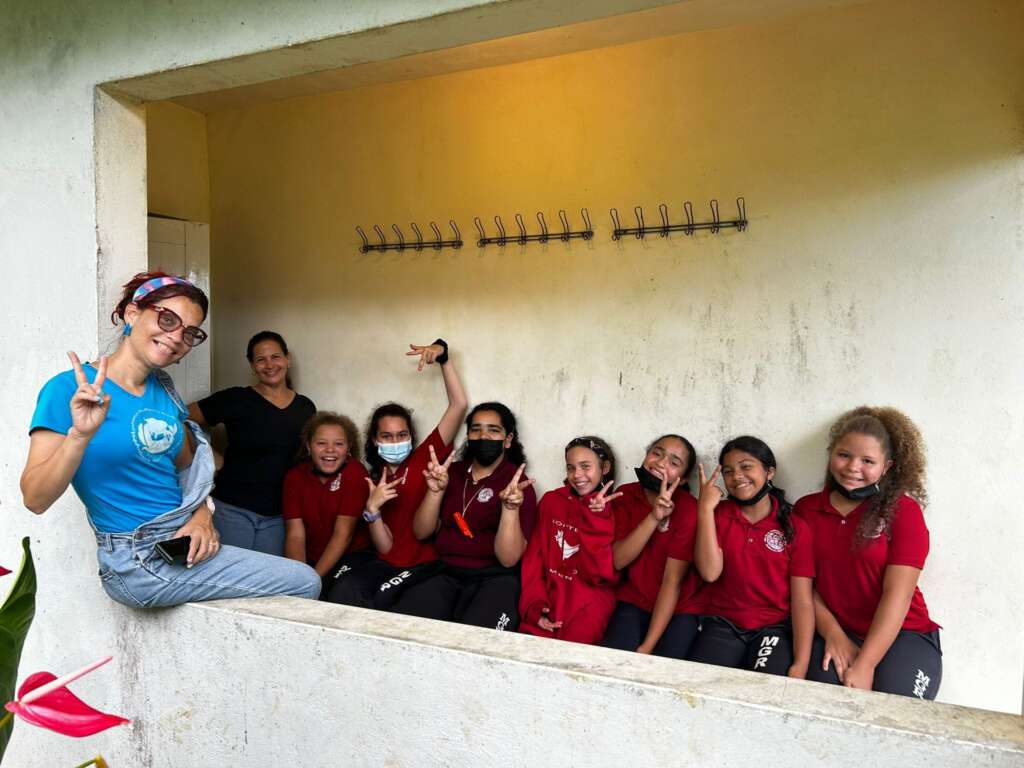
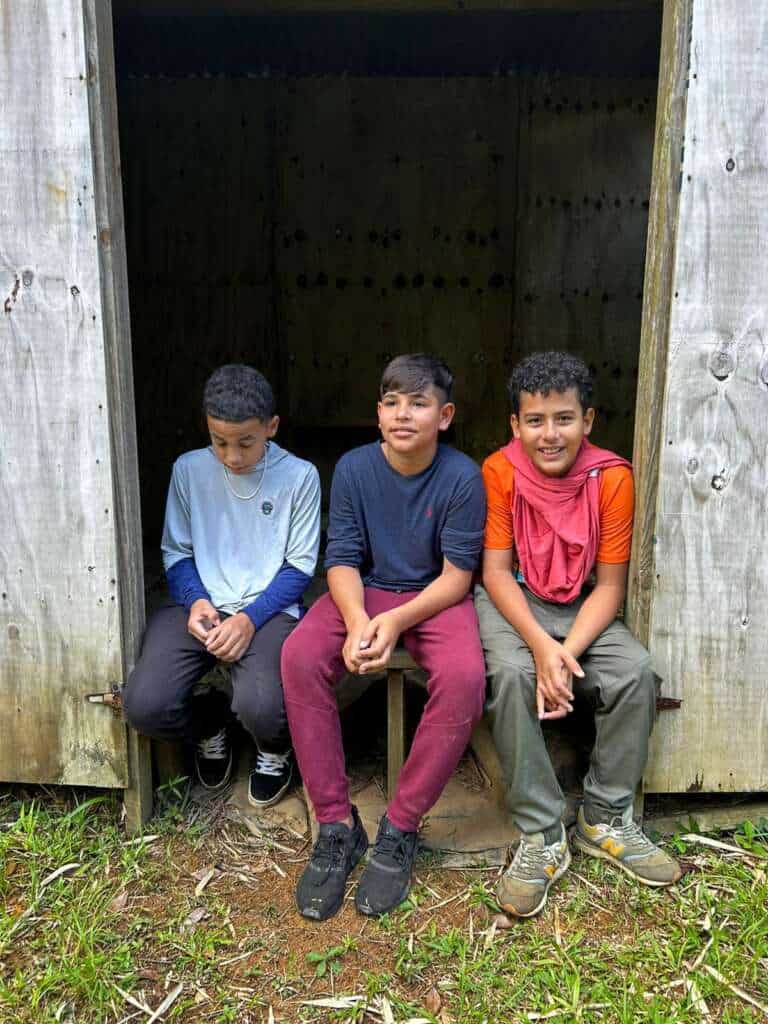
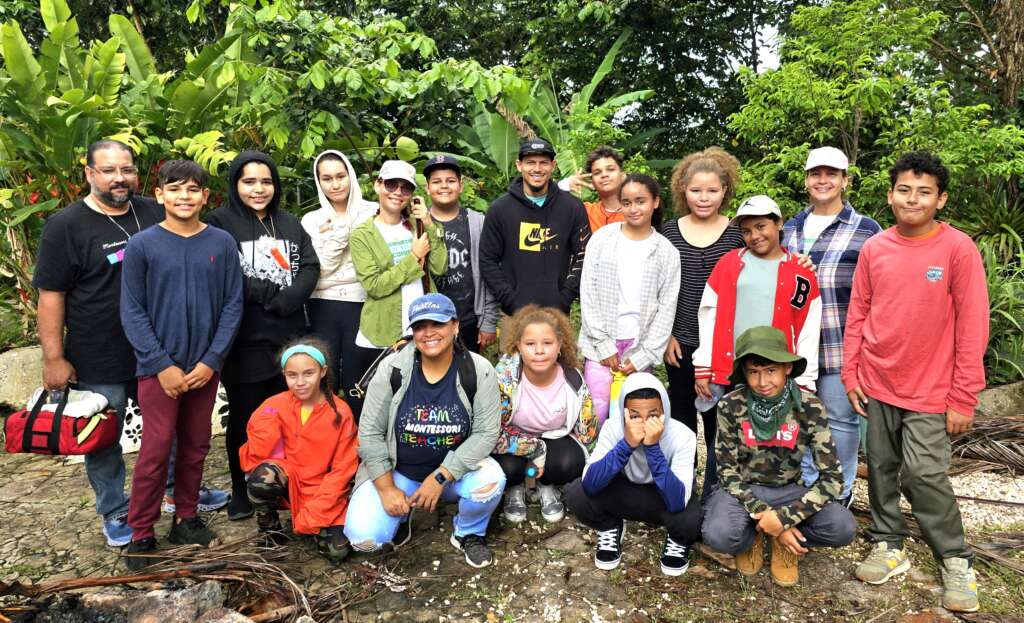
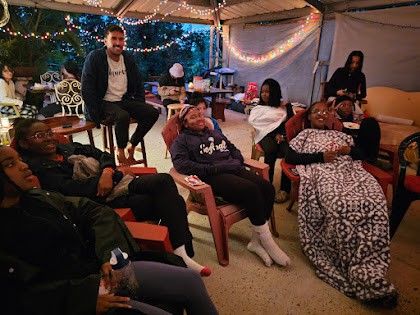
Escuela Guillermo Riefkohl students, aged 11 and 12, were lucky enough to spend a night amidst this thriving wilderness. This venture was more than just a school trip. For many, it represented their first journey away from the comforting confines of their homes and the warm, familiar embrace of their parents. For some, this was their first voyage into the rainforest, an ecosystem so different from their urban surroundings, filled with the thrill of uncharted territory and the promise of discovery.
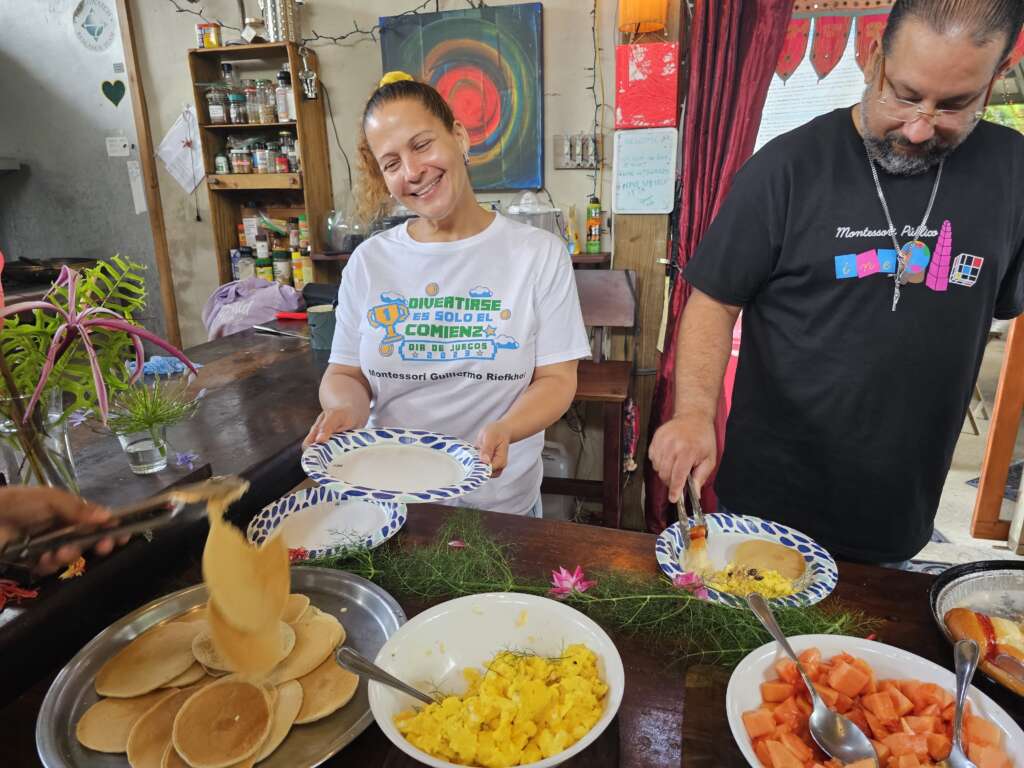
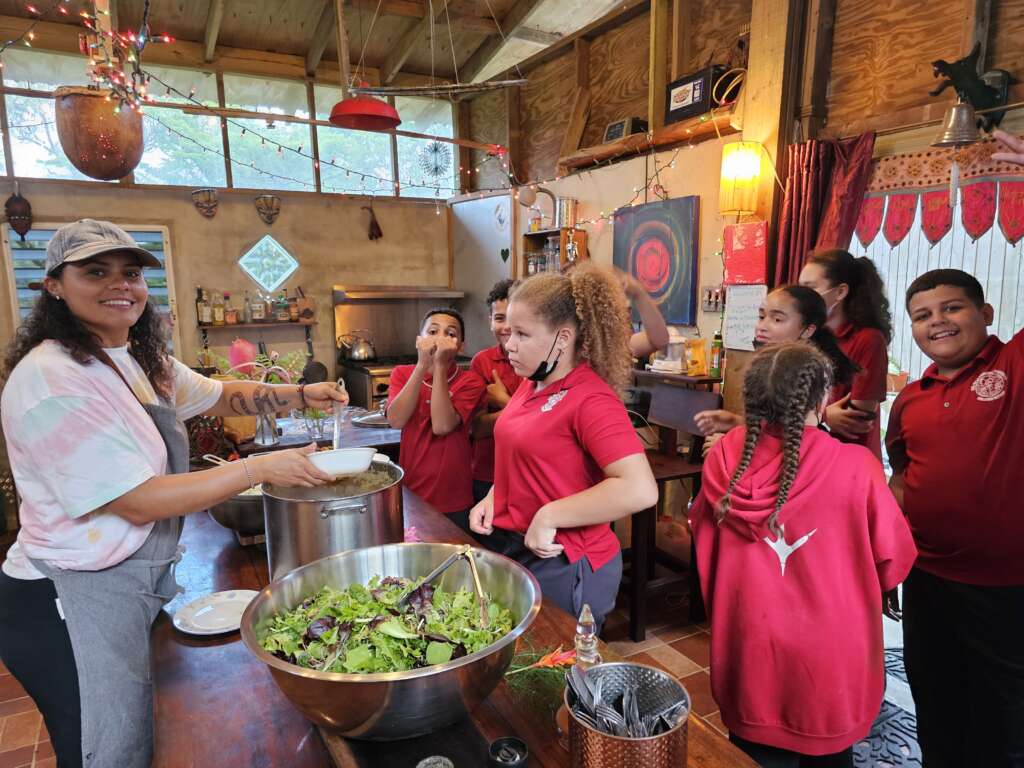
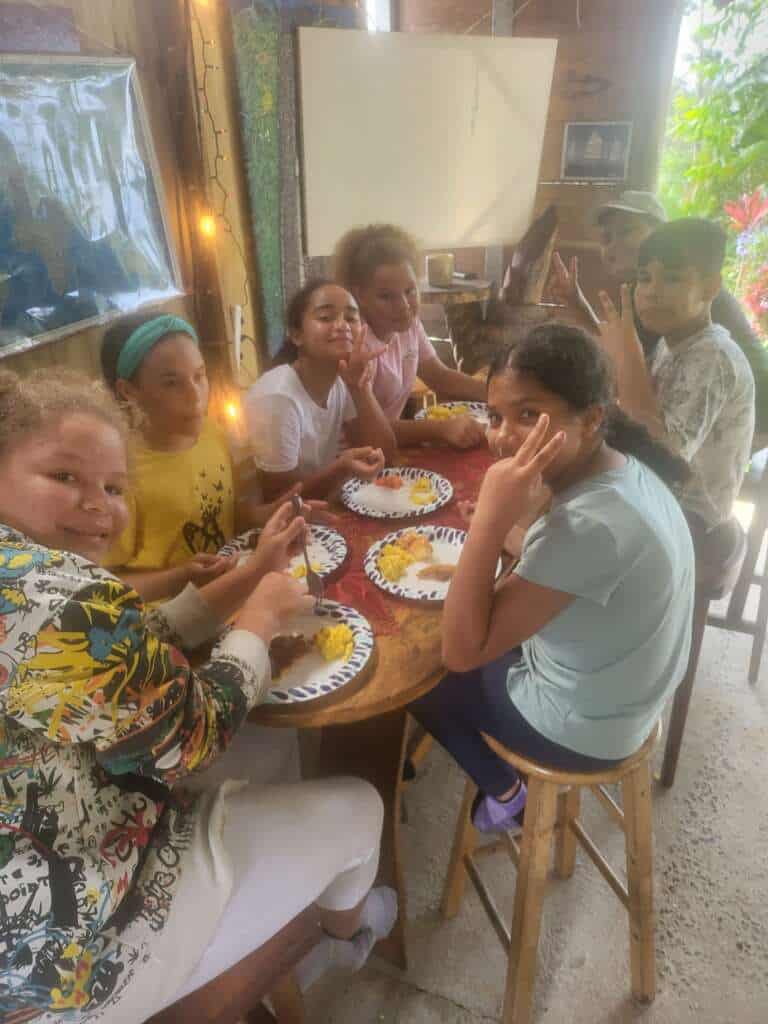
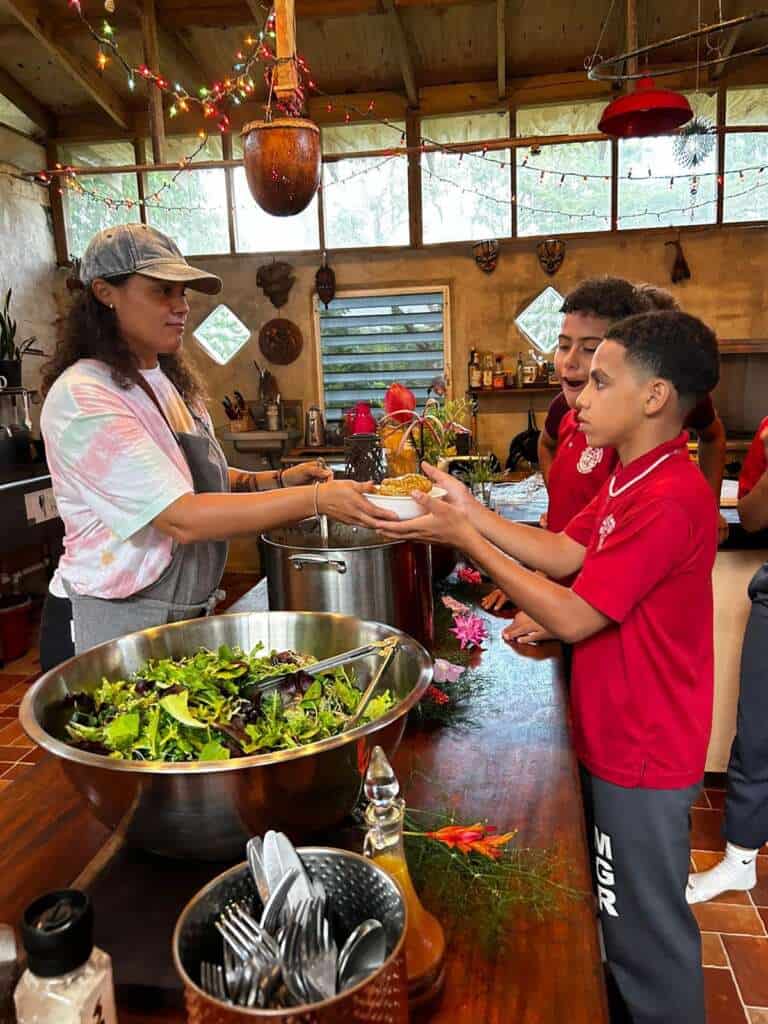
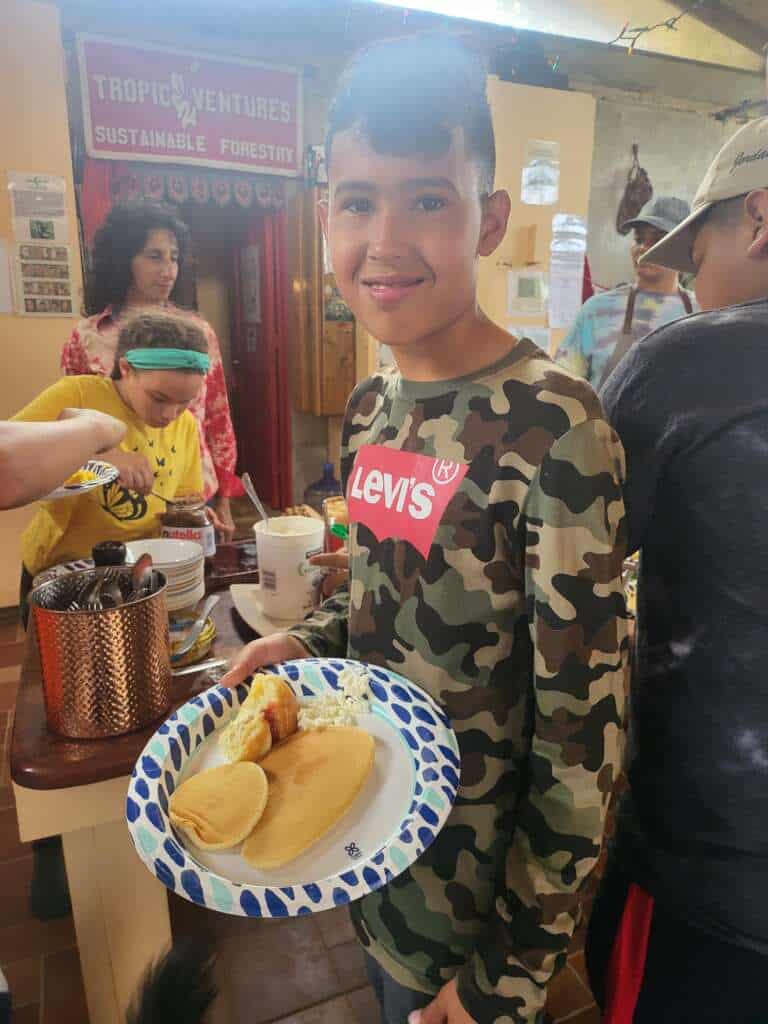
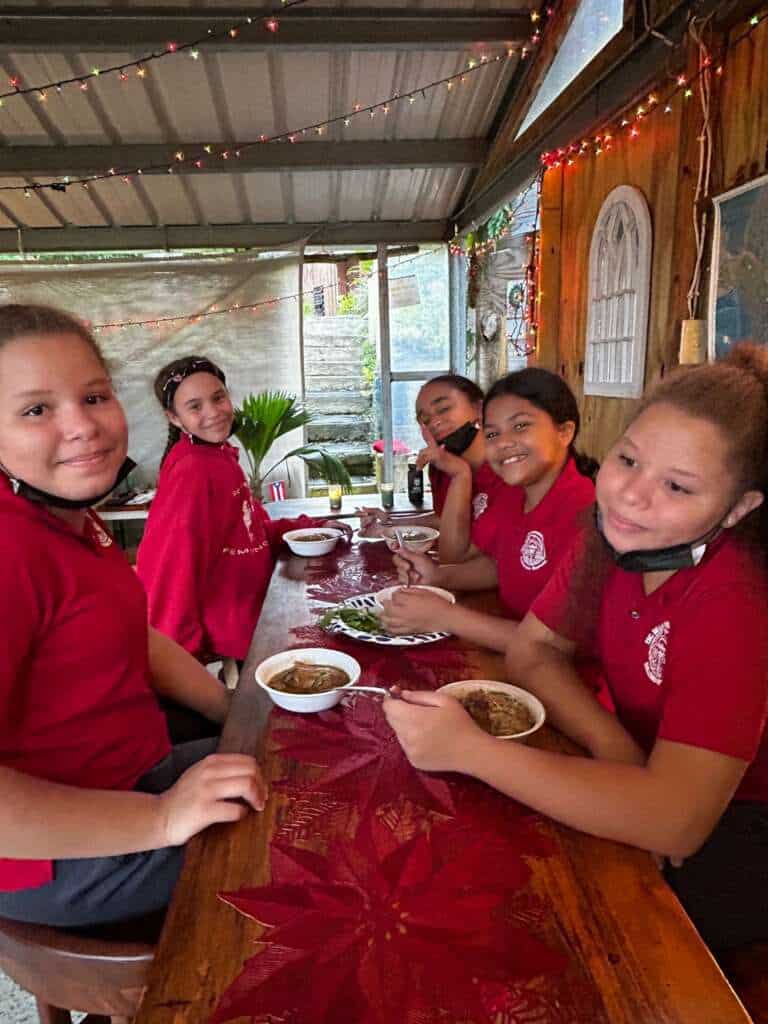
A million thanks to the great teachers behind this project, Ilianexcis Pérez and Teresa Sabtiago. Their dedication and passion for education went beyond the standard curriculum, opening up a world of natural wonders for the young learners. They understood the immeasurable value in letting kids breathe the wild air, touch the damp earth, and listen to the soothing symphony of the rainforest – experiences that kindle a lifelong fascination with nature. Dedicated staff team also included Angela, Caesar, and Alexis, with their expertise and unwavering commitment, played a pivotal role in making this expedition safe, educational, and immensely enjoyable for the kids. Monique Nieves, chef, provided nutritious & delicious meals.
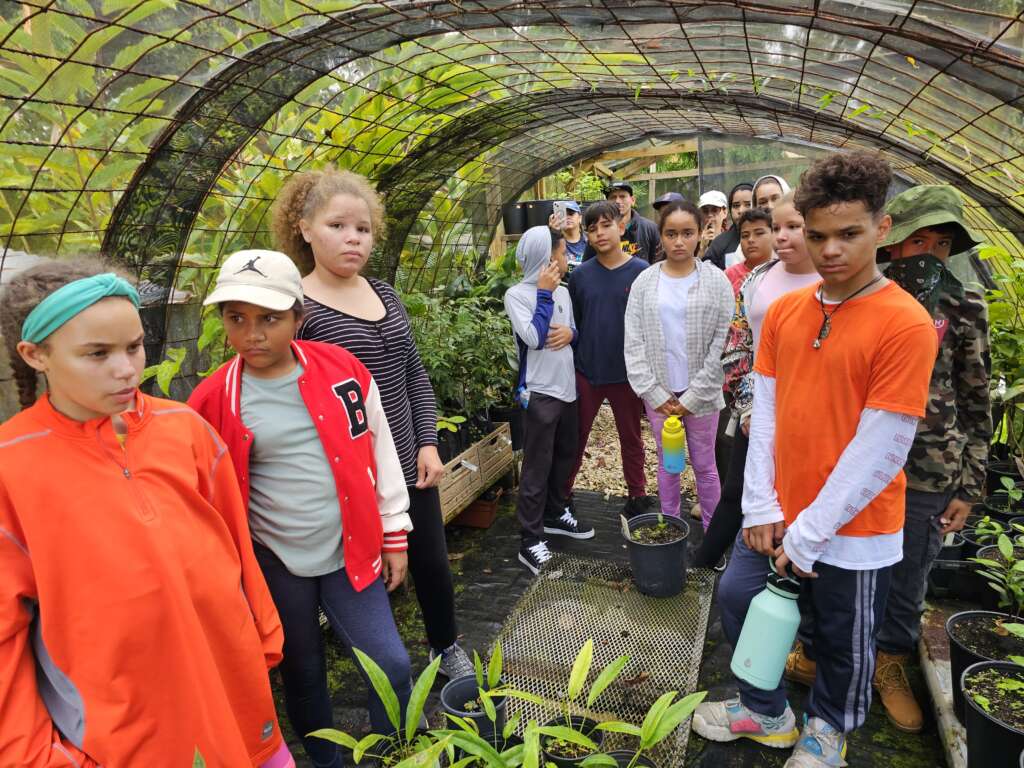
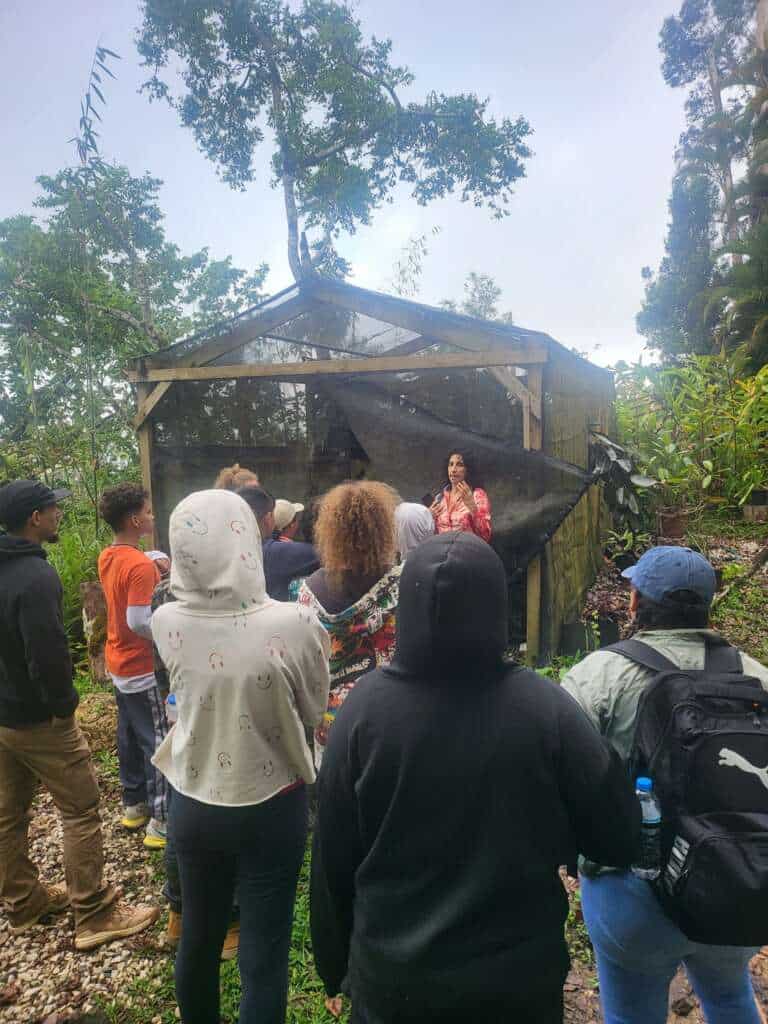
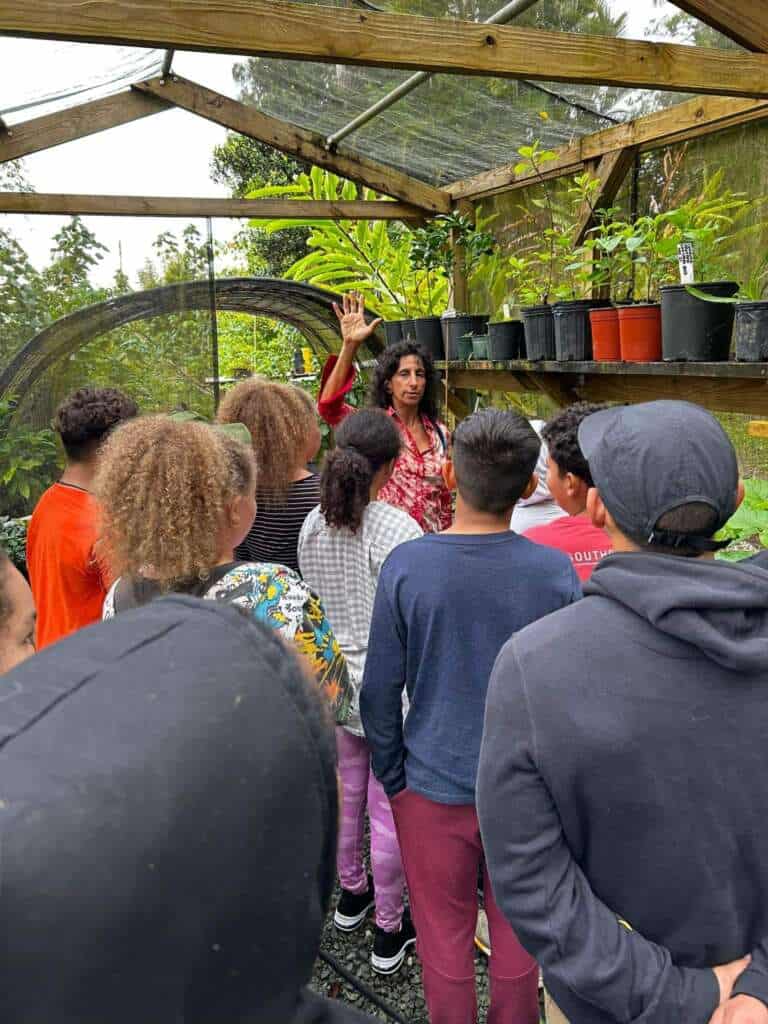
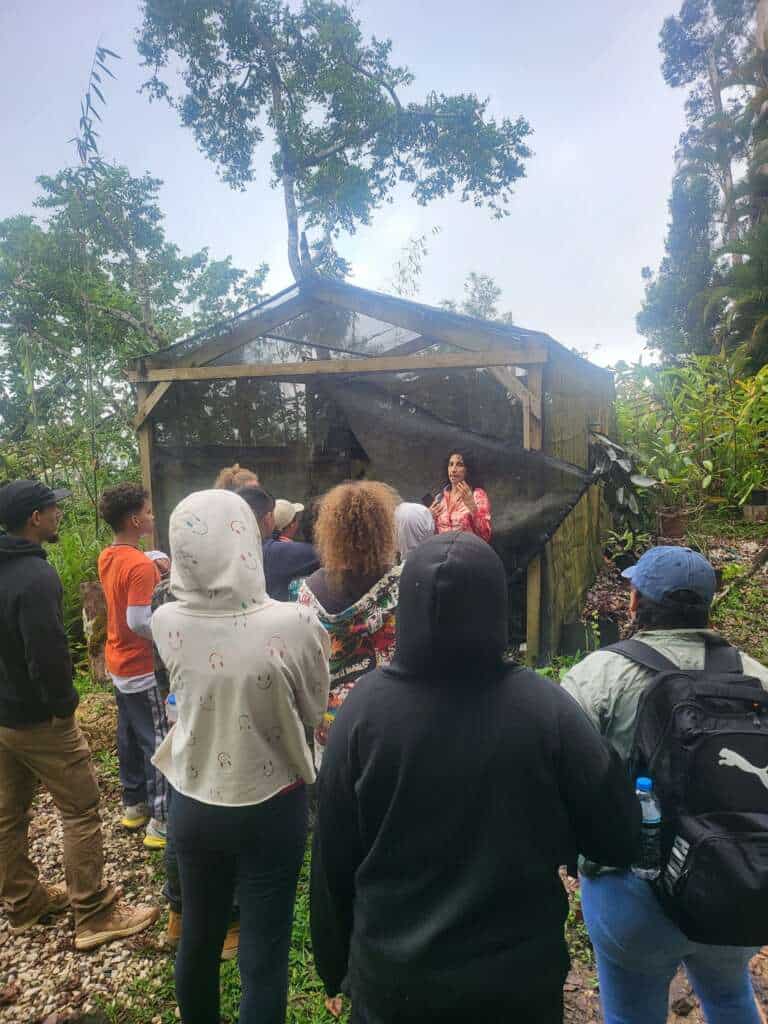
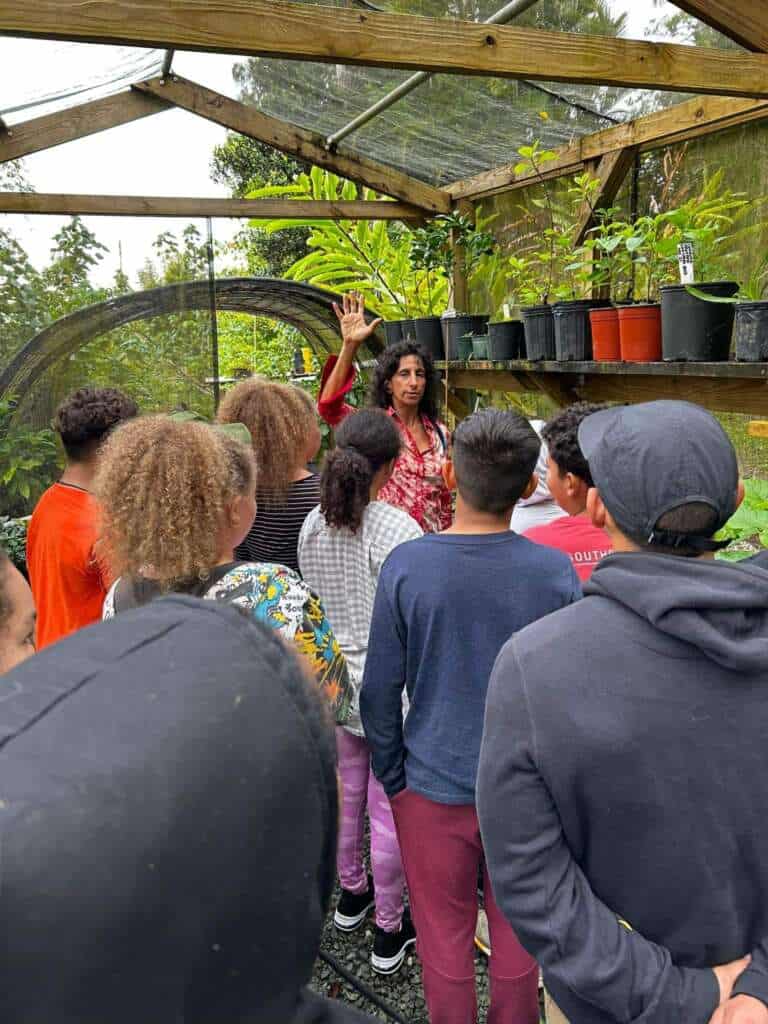
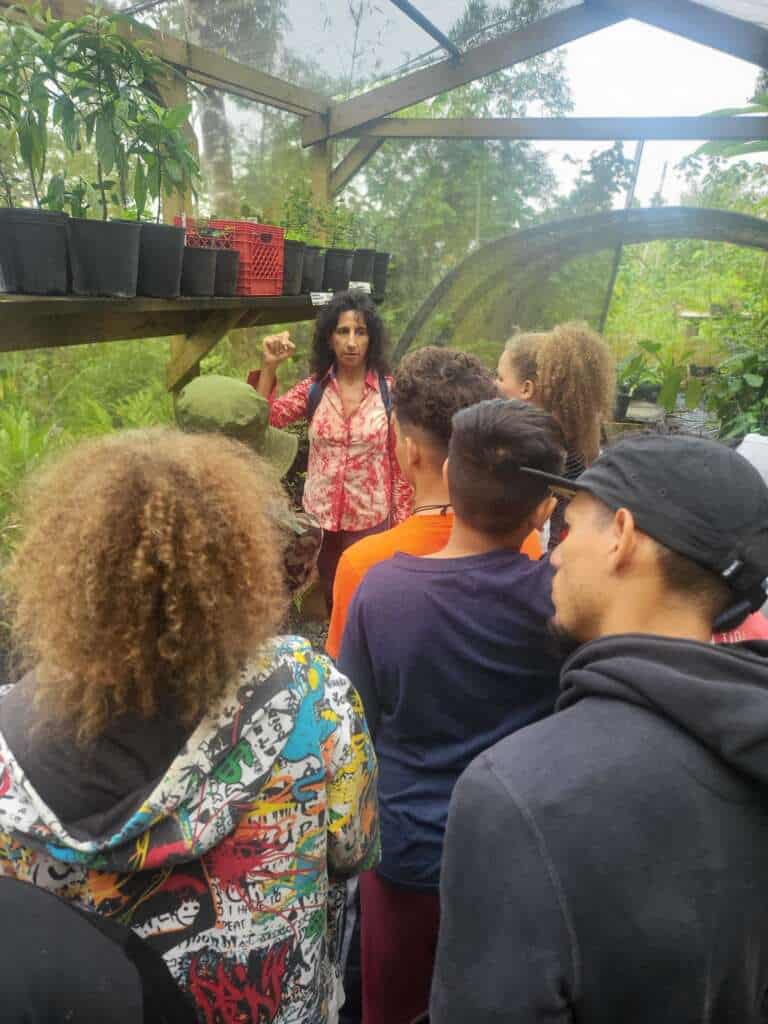
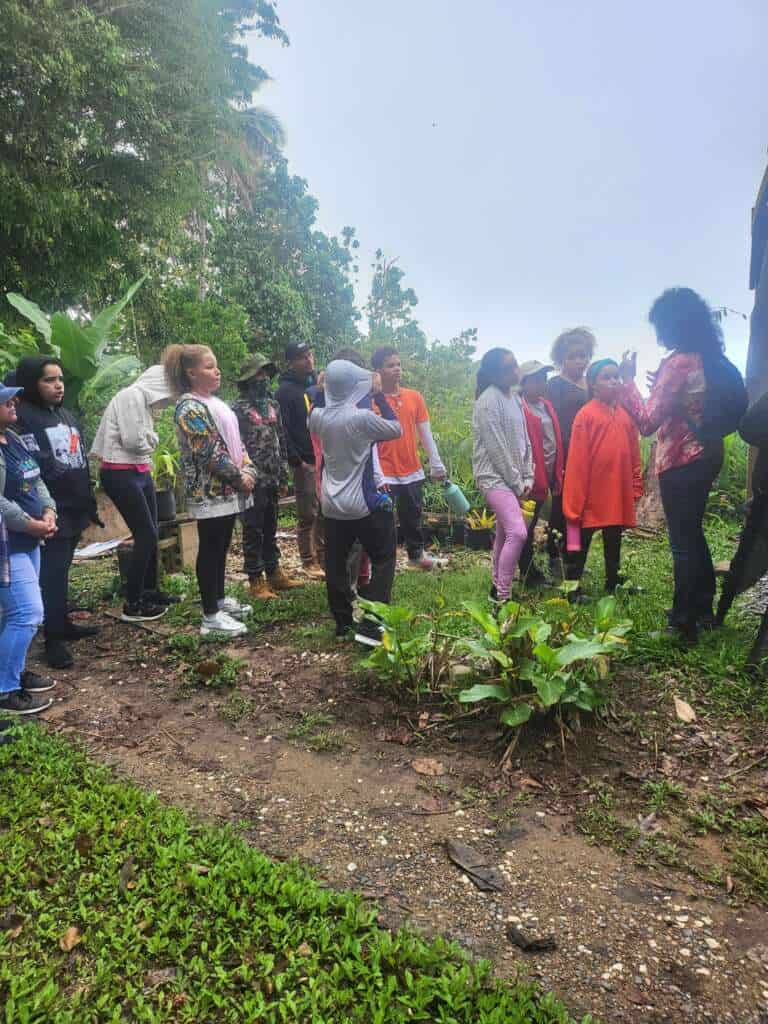
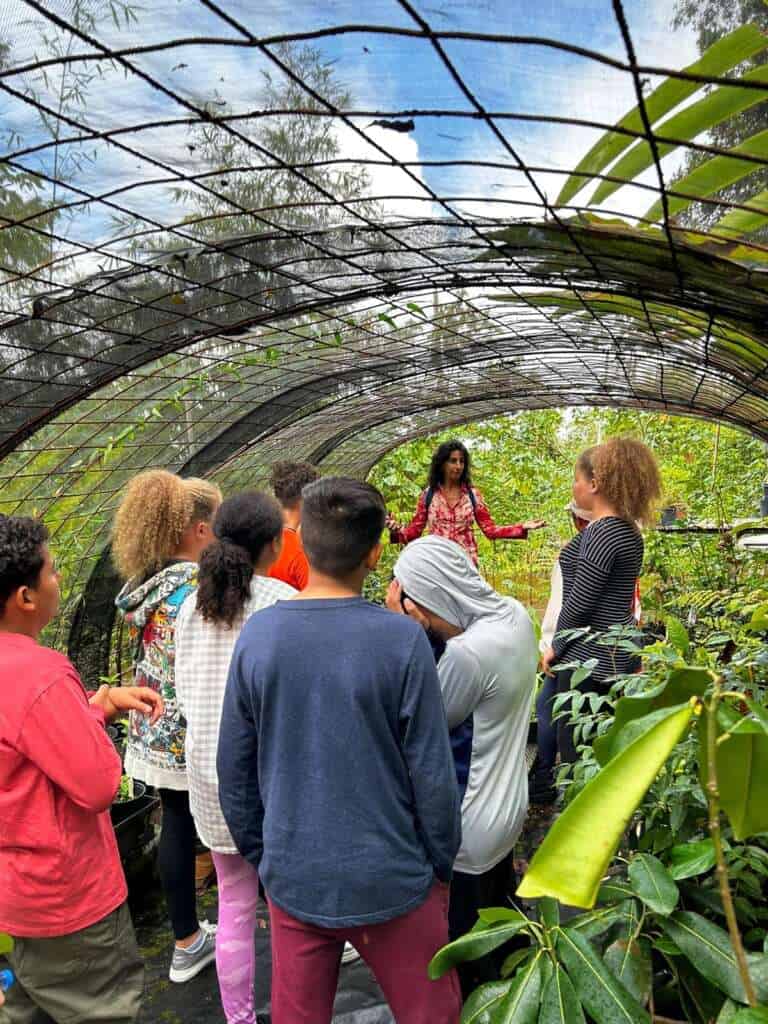
The students were there to spend time with 3t (Thrity Vakil, director), to discover and learn about the rare and endangered plant species that 3t and her botanical team are working with, in collaboration with The Botanical Gardens Conservation International. Namely Palo de Cruz (Garcinia portoricensis), and Tortuga Prieto (Ravenia urbanii), as well as several other critically endangered species such as Palo de Nigua (Cornutia obovata), and Palo de Jazmin (Styrax portoricensis).
From the dense canopy overhead to the rich soil underfoot, every inch of the rainforest is teeming with life, and much of this life is a mystery, just waiting to be unraveled. It was under the guidance 3t, that the students of Escuela Guillermo Riefkohl ventured into this unexplored wilderness. As the director of Las Casas de la Selva, 3t and her botanical team are spearheading efforts to understand and conserve some of the rainforest’s most precious inhabitants.
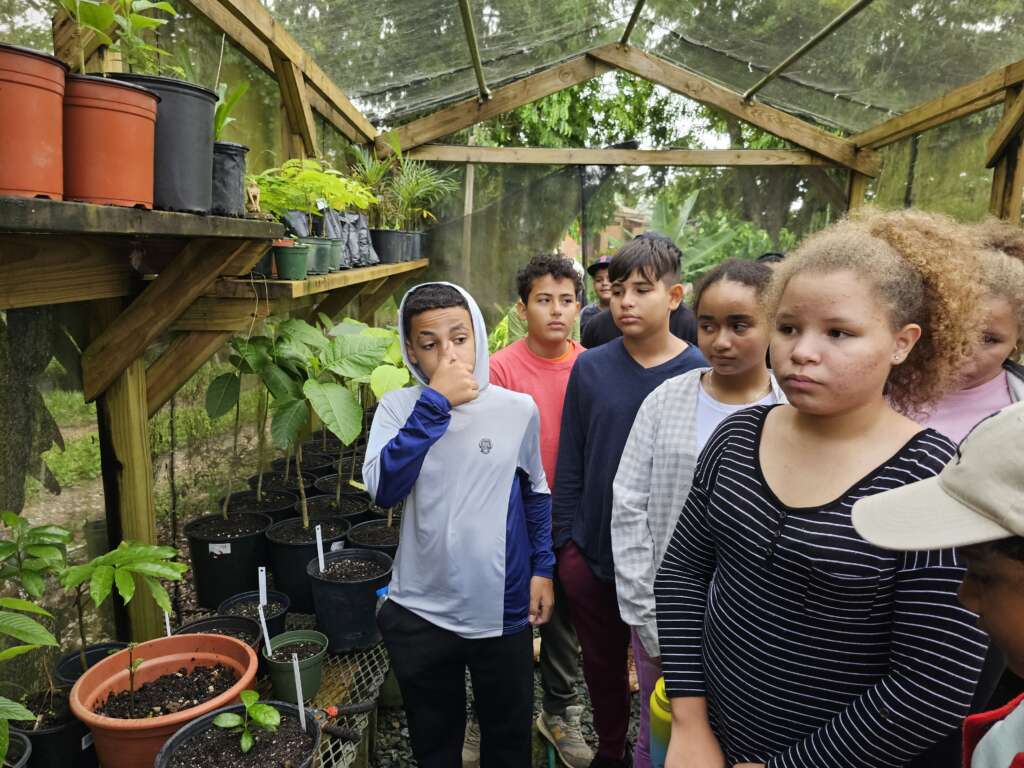
An integral part of their visit was the chance to delve deep into the world of two incredibly rare and endangered plant species – Palo de Cruz (Garcinia portoricensis) and Tortuga Prieto (Ravenia urbanii). These are not just plants, but living fragments of Puerto Rico’s unique biological heritage, struggling for survival in an increasingly threatened ecosystem.
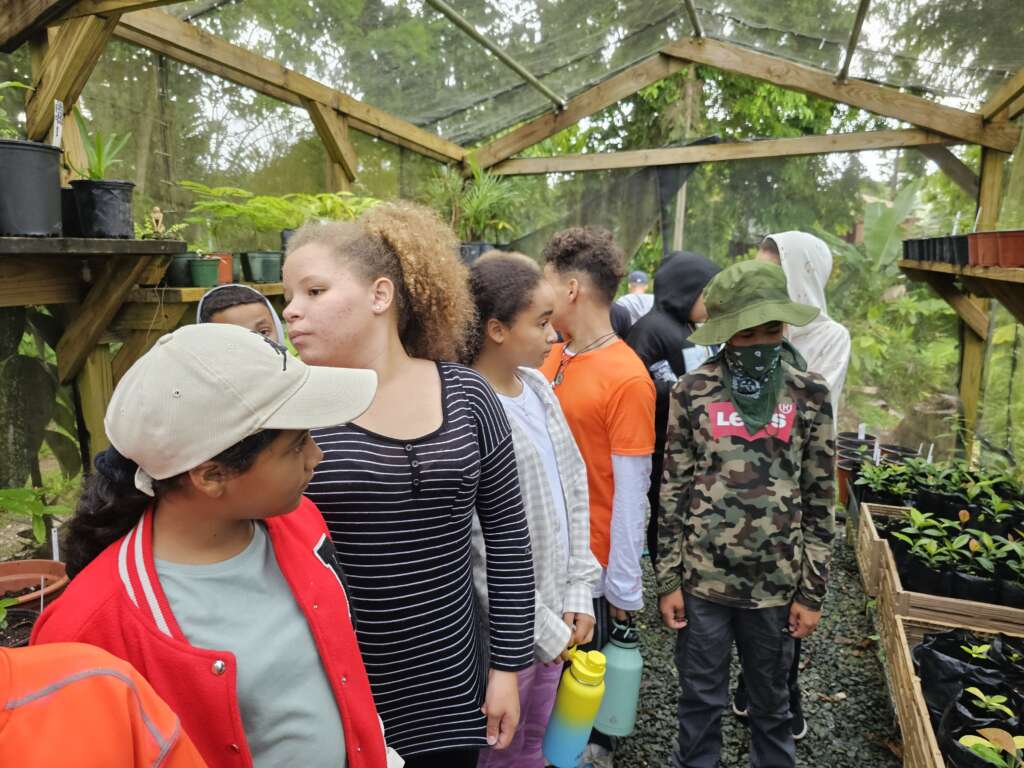
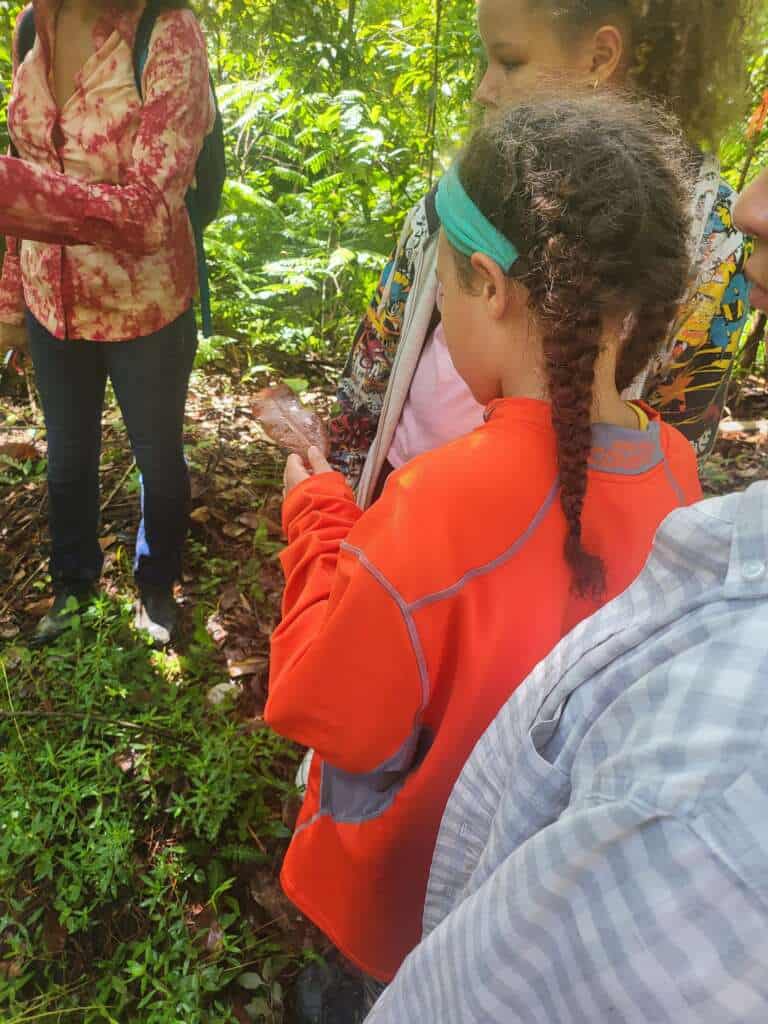
Guided by 3t’s passion and expertise, the students embarked on an exciting journey of discovery. They learned about these plants, the role of diversity inthe complex web of rainforest life, and the urgent need for their conservation. Through hands-on experience, they saw, touched, and understood the critical work 3t and her team are doing to preserve these species for future generations.
Imagine their wide-eyed awe as they beheld the seedlings of Palo de Cruz, a species as enigmatic as it is rare, with its glossy leaves and sharp point, or the Tortuga Prieto, trees found nowhere else in the world but Puerto Rico. They discussed the challenges faced by these plants, felt the urgency of their plight, and hopefully understood the profound importance of conservation work.
By inviting the students into this world, 3t opened their eyes to the miracles of the rainforest and the dire need to protect it. With every leaf they turned, every question they asked, and every answer they discovered, the students were not only learning about the world around them but also their role in it. And who knows, perhaps among those students, inspired by 3t’s work, is a future botanist or conservationist, ready to take up the torch and continue the fight for Puerto Rico’s incredible natural heritage.
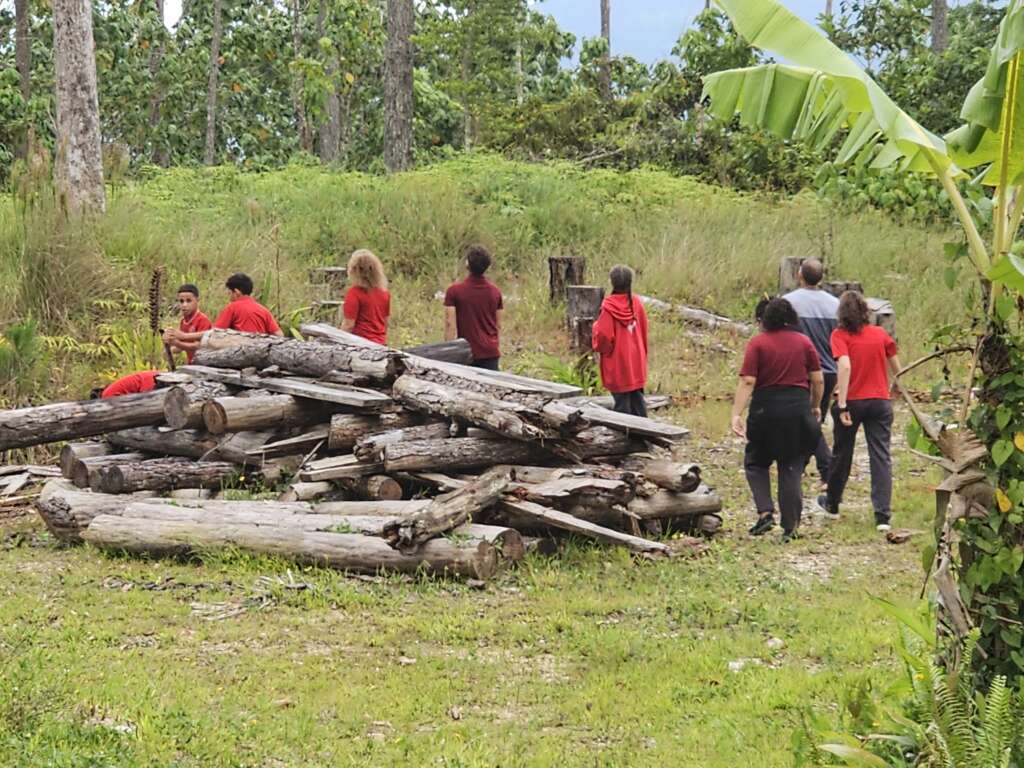
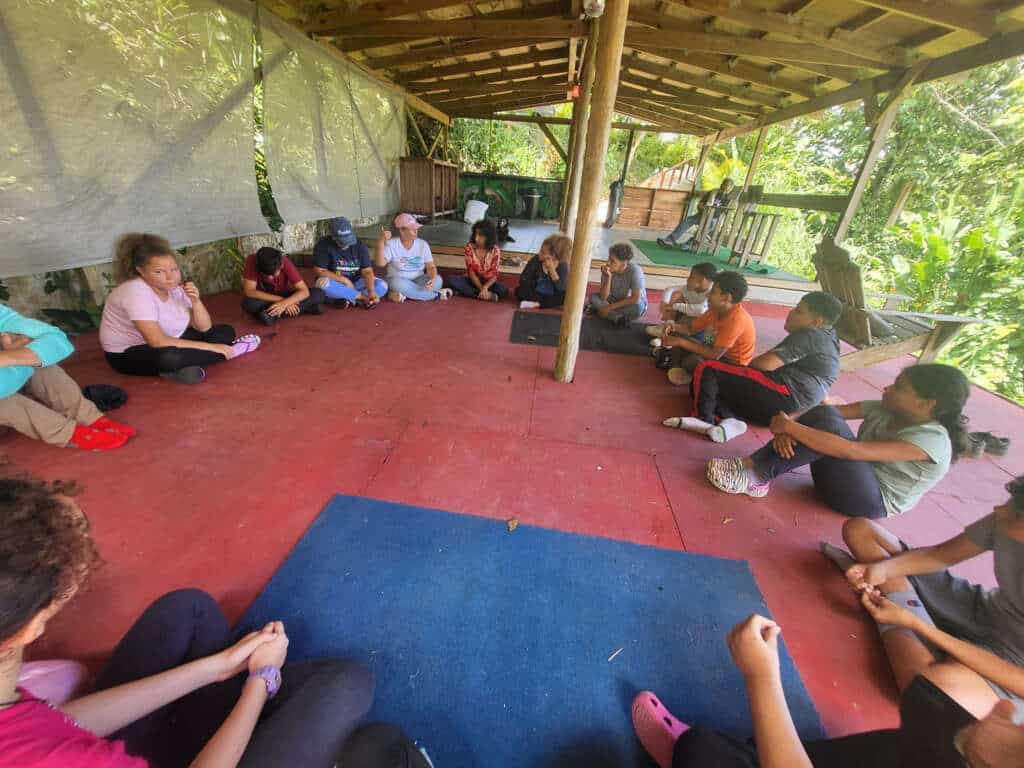
The children of Escuela Guillermo Riefkohl were not merely visitors, but rather explorers for the night, embarking on an unforgettable journey of discovery. Imagine the laughter echoing through the forest as the kids played games, their wide-eyed wonder at the sight of anole lizards disappearing into the foliage, the joy of spotting a stick insect camouflaged on a branch, and the awestruck silence as they listened to the nocturnal serenade of coquis under the starlit sky.
This enchanting encounter with the rainforest was more than just a night of fun. It was a vital, transformative educational experience that has, undoubtedly, shaped these children’s perception of the natural world. As they walked away from Las Casas de la Selva, they carried with them not just memories of a thrilling adventure, but a newfound respect for nature, understanding of biodiversity, and a spark of curiosity that will hopefully fuel their quest for knowledge for years to come.
Come on a Guided Walk Talk tour!!Celebrate 40 years with us
Friday 29th July 2023 Time: 9.30am – 2.00pm
Cost: $45per head, includes a delicious home-cooked lunch, salad, & beverages Discover the captivating forest of Las Casas de la Selva, Patillas, Puerto Rico, with passionate hosts, Thrity 3t Vakil and Raquel Torres, in English and Spanish.
For 20 people only. Limited availability, reserve now to avoid disappointment. Come on this extraordinary journey and celebrate 40 years of sustainable forestry at Las Casas de la Selva! Don’t miss out on this special occasion to explore nature’s wonders on a guided walk, have a delicious lunch, & conversations in the company of fellow nature enthusiasts. Wear comfortable walking shoes and appropriate outdoor attire: long-trousers & long-sleeved shirt.
Join us for an exclusive guided walk through this remarkable sustainable forestry project, celebrating its 40th anniversary. Commemorate 40 years of conservation and responsible forestry.
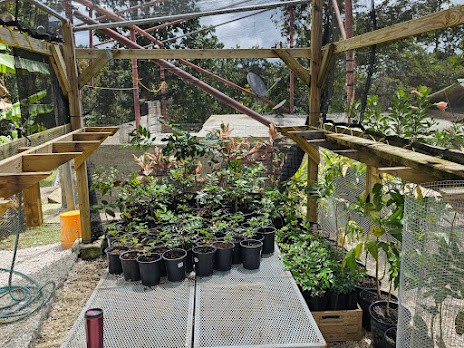
Immerse and yourself in the breathtaking beauty of the reforested land and timber plantation. Witness the rich biodiversity of native flora and fauna. See the devastating landslides caused by Hurricane Fiona. See the nursery of endangered endemic species and learn about our collaborations with the Botanical Gardens Conservation International.
RSVP by 25th July 2023 to pay & secure your spot & tell us your dietary preference and allergy issues. We accept Paypal (3t@eyeontherainforesty.org) and ATH Movil (787 329 7761) Email: raqueltorresarzola@gmail.com
If you have a group of 20 and would like a tour, please contact us for alternative dates. We look forward to seeing you here!!
This event is part of an ongoing series of events to celebrate our 40th Anniversary. Please consider making a donation to wards the project if you would like to support our work. https://eyeontherainforest.org/donate/ Thank you!
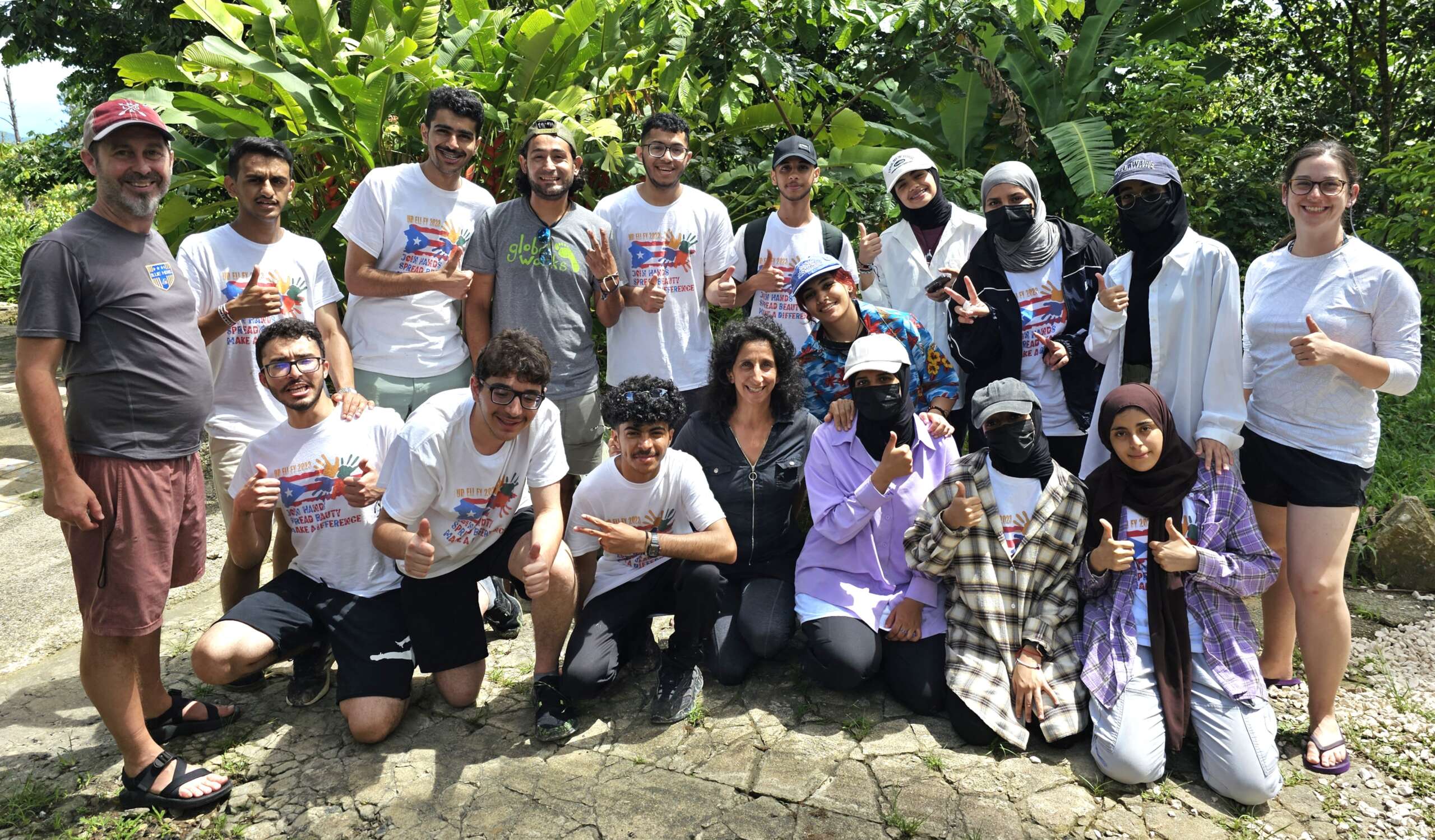
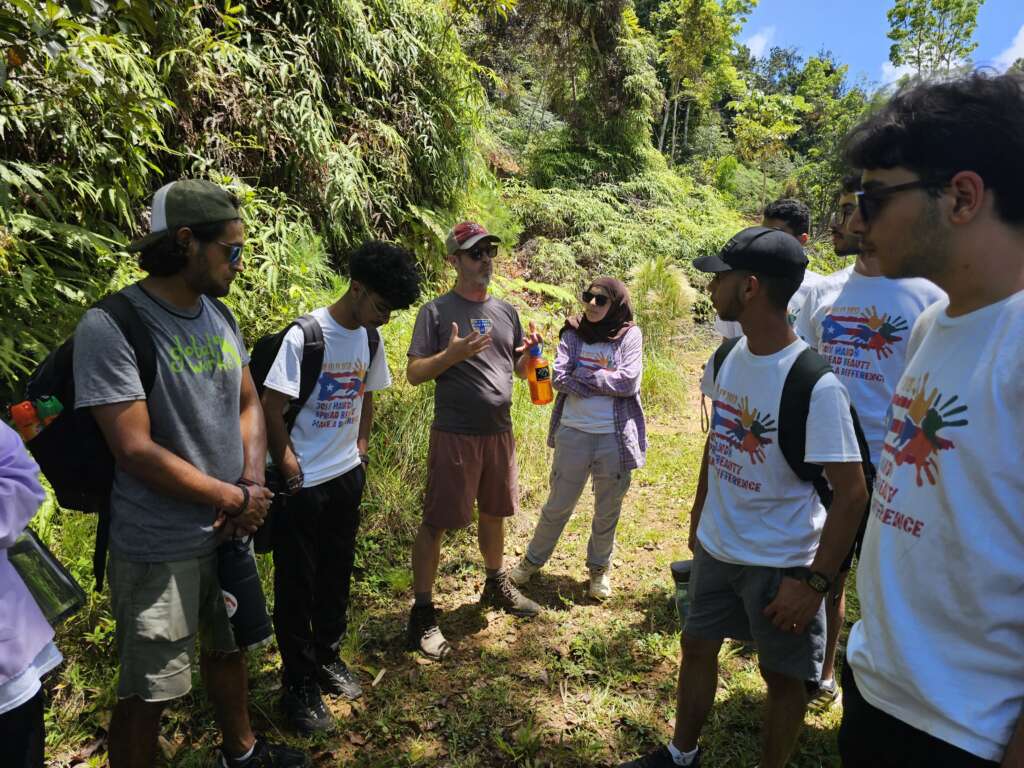
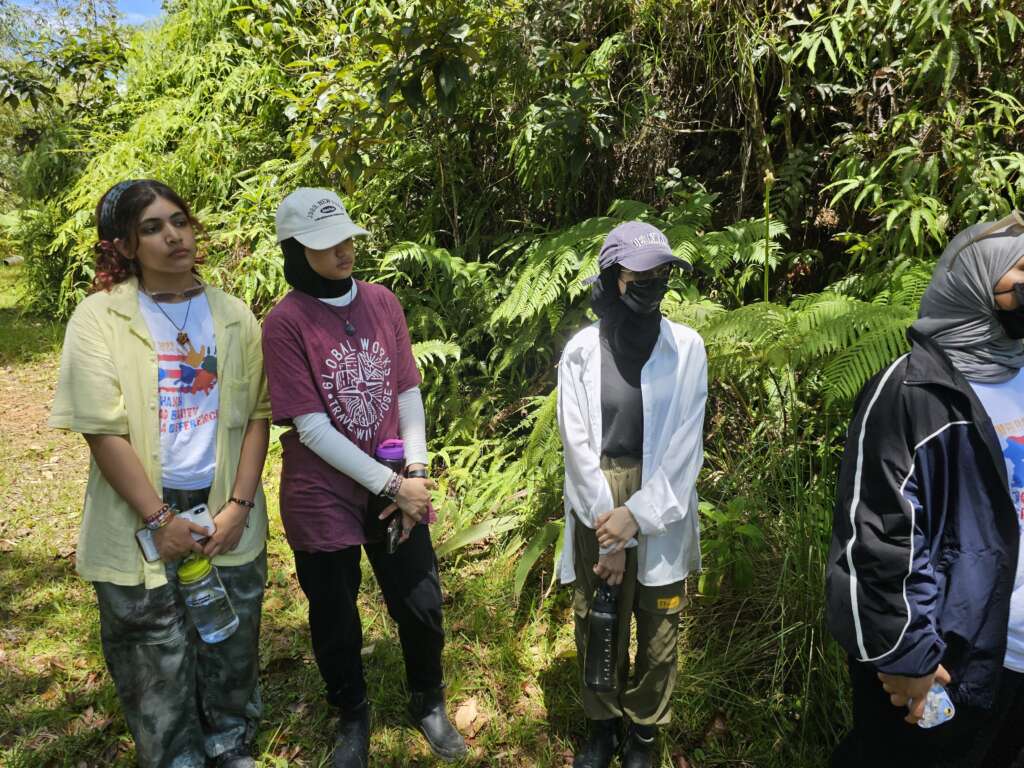
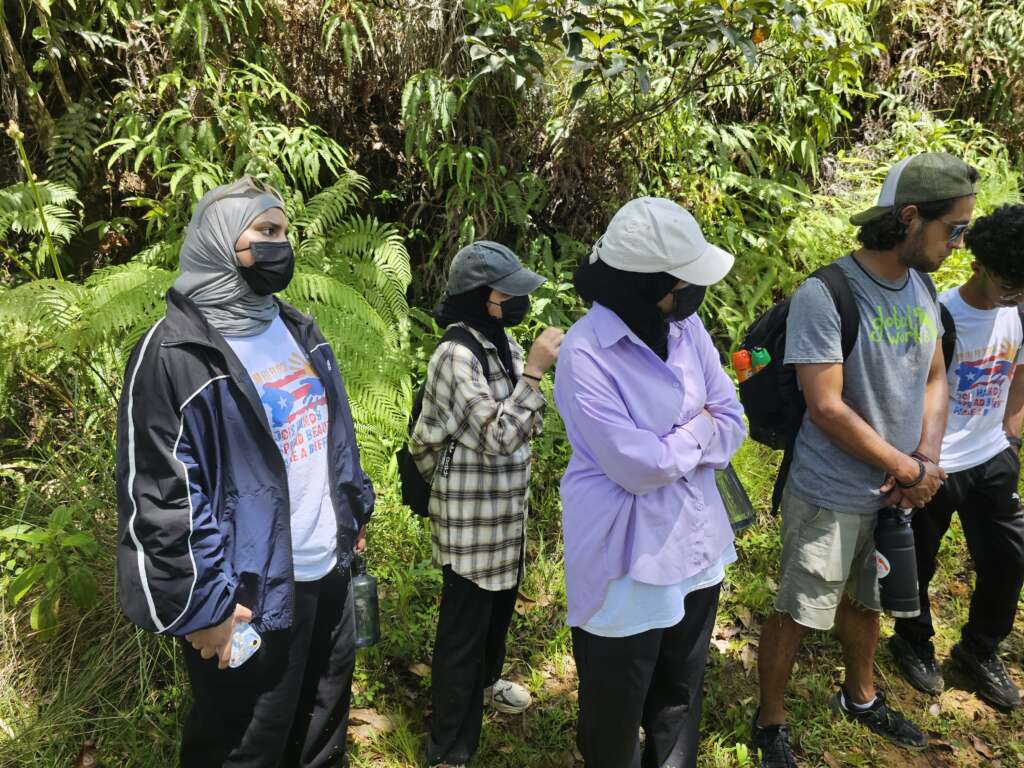
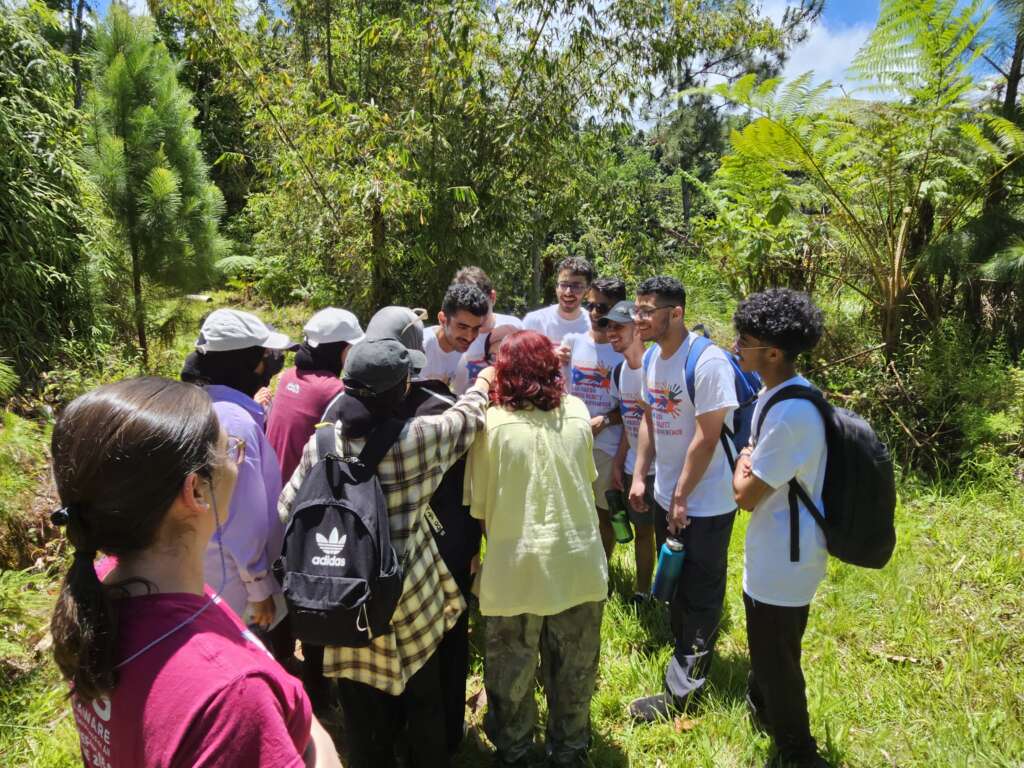
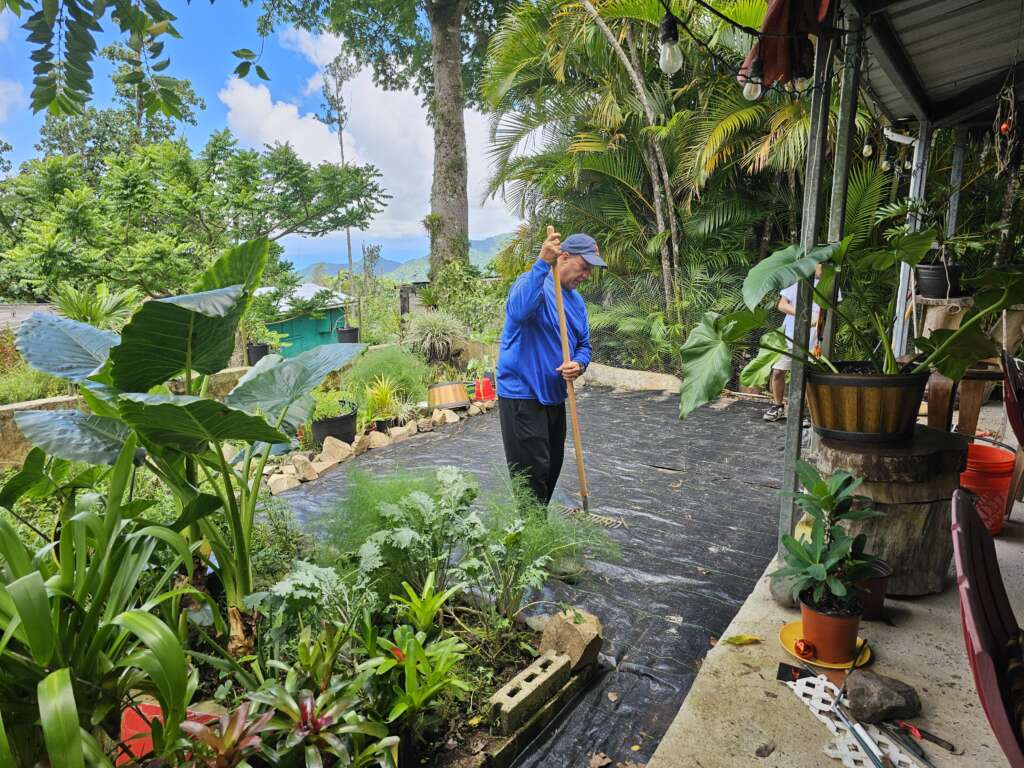
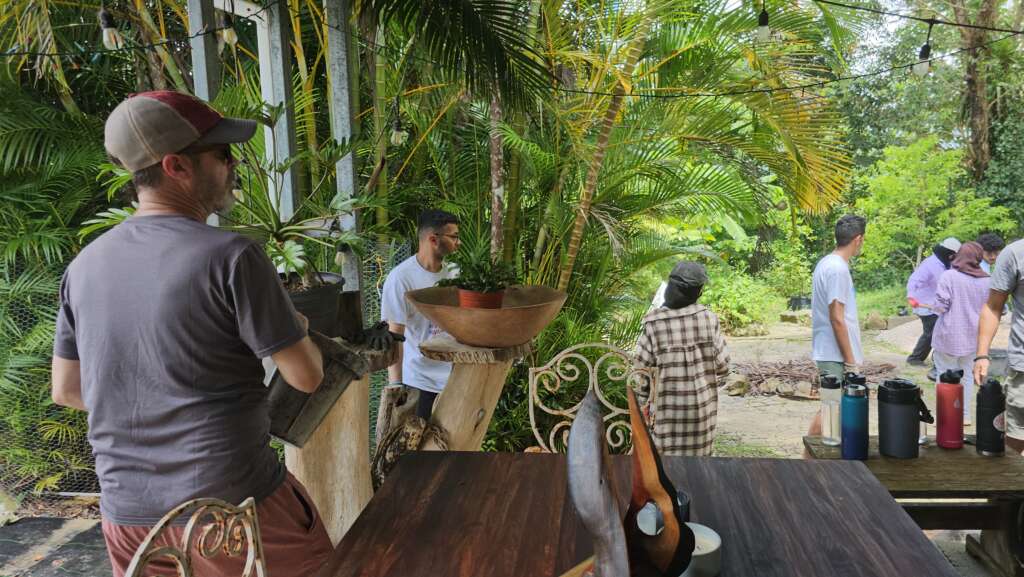
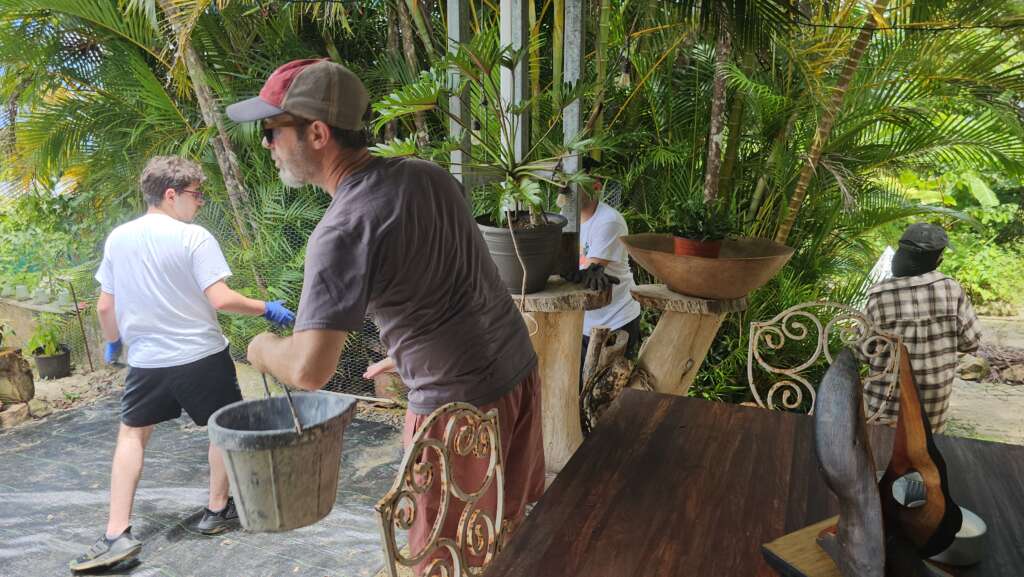
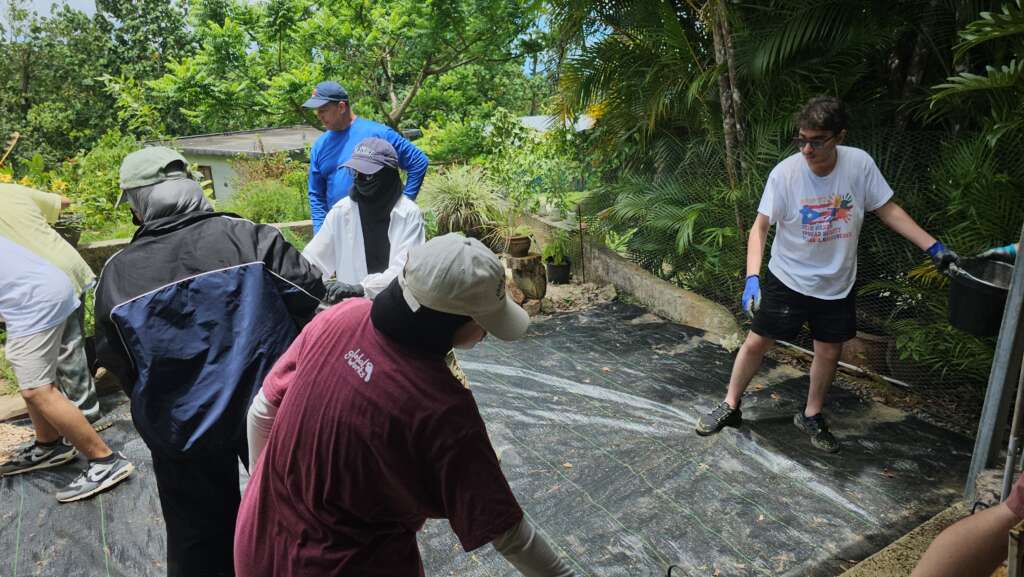
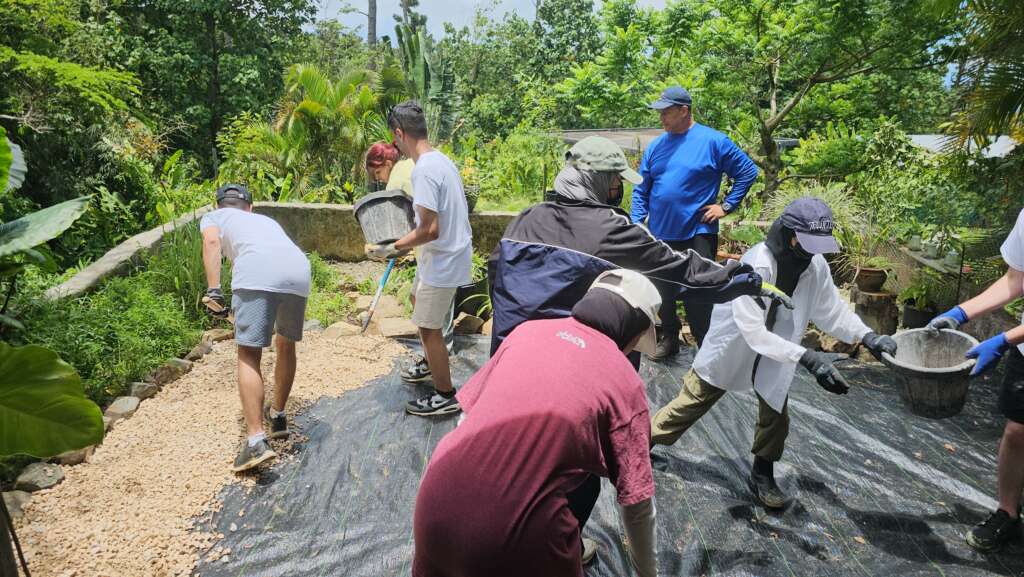
A Day of Joyful Volunteering in the Puerto Rican Rainforest- Globalworks & University of Delaware, 24 May 2023
(In case English is not your first language, you can translate this website. Click the TRANSLATE button at top right.)
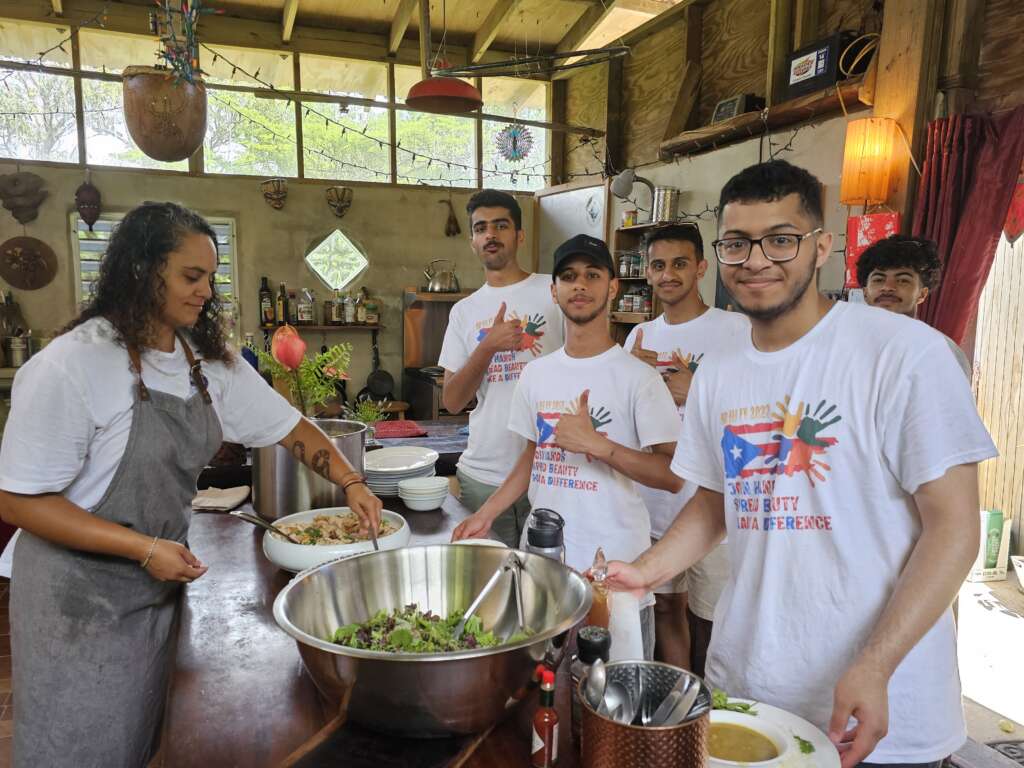
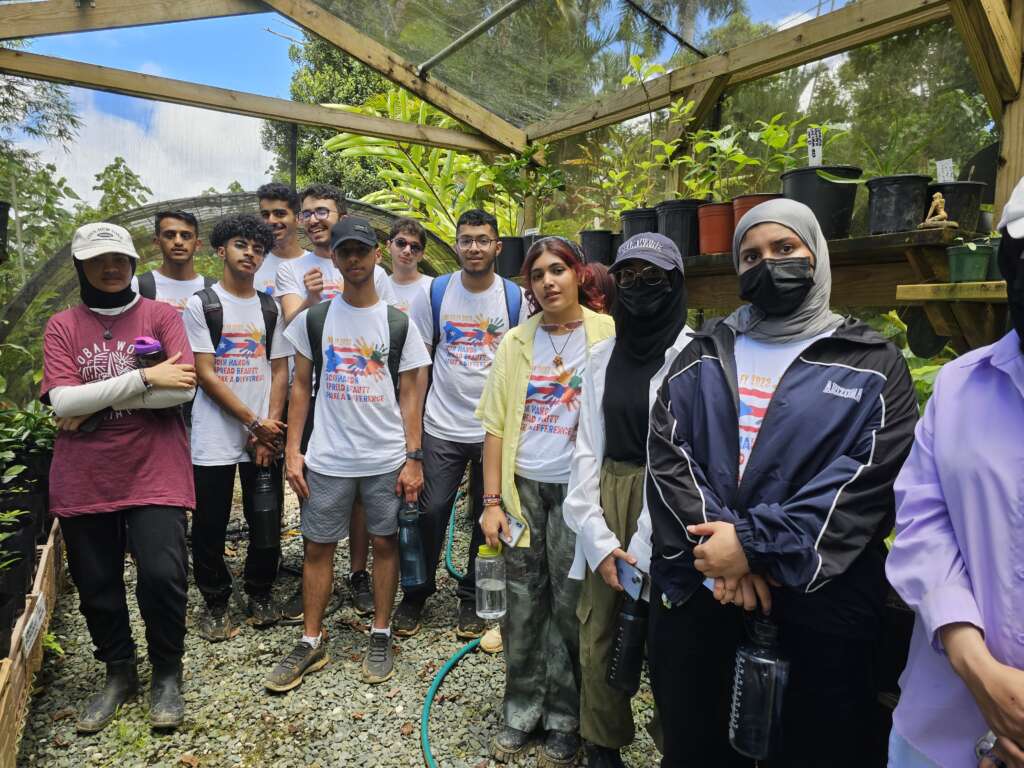
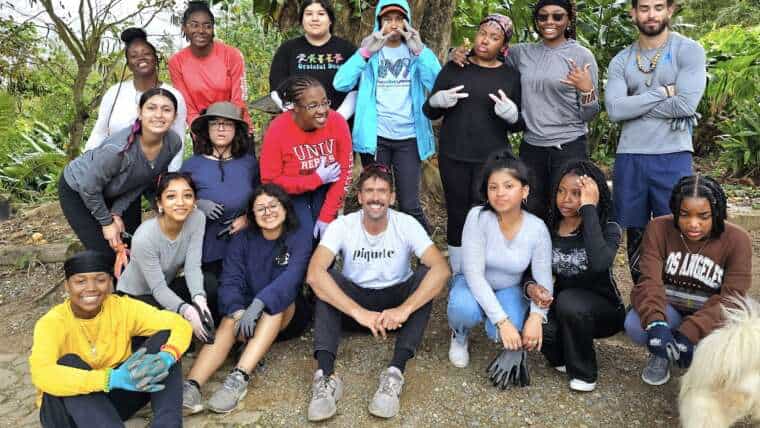
In a heartwarming convergence of cultures and a shared passion for environmental conservation, a group of bright young adults from Saudi Arabia embarked on a life-changing journey to the rainforest project, Las Casas de la Selva, in Patillas, Puerto Rico. Brought together by Globalworks International, an organization dedicated to facilitating service holidays for teenagers, these enthusiastic students spent a day immersing themselves in the rainforest’s beauty. The day was filled with awe-inspiring moments, meaningful discussions, and unforgettable memories.
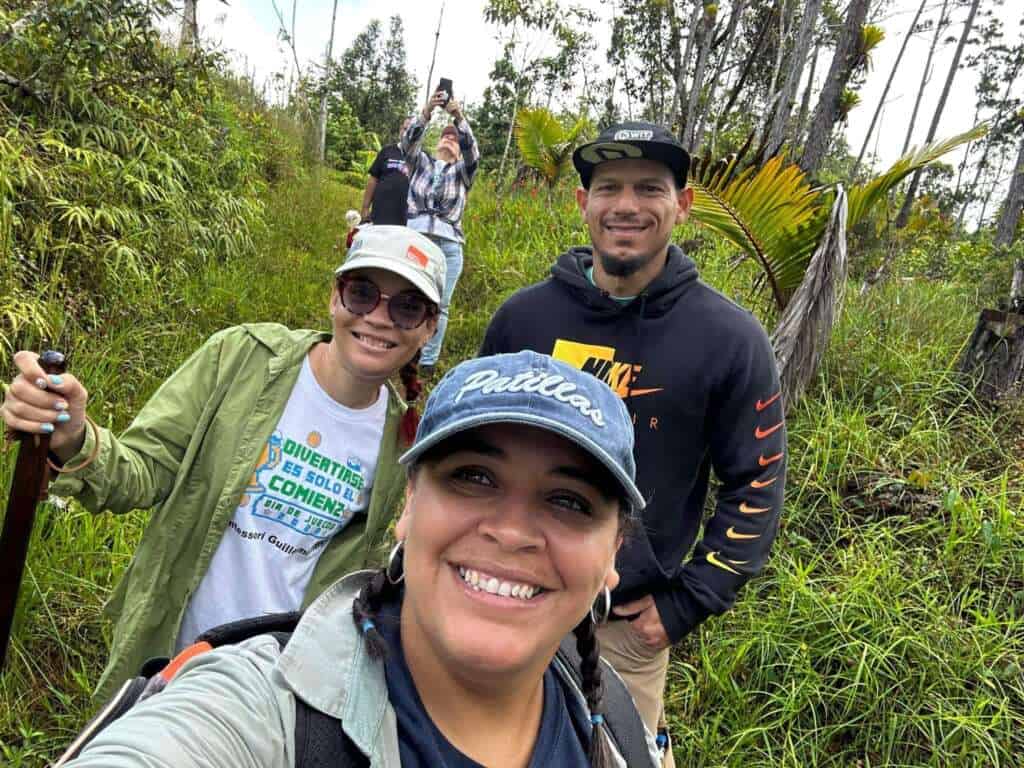
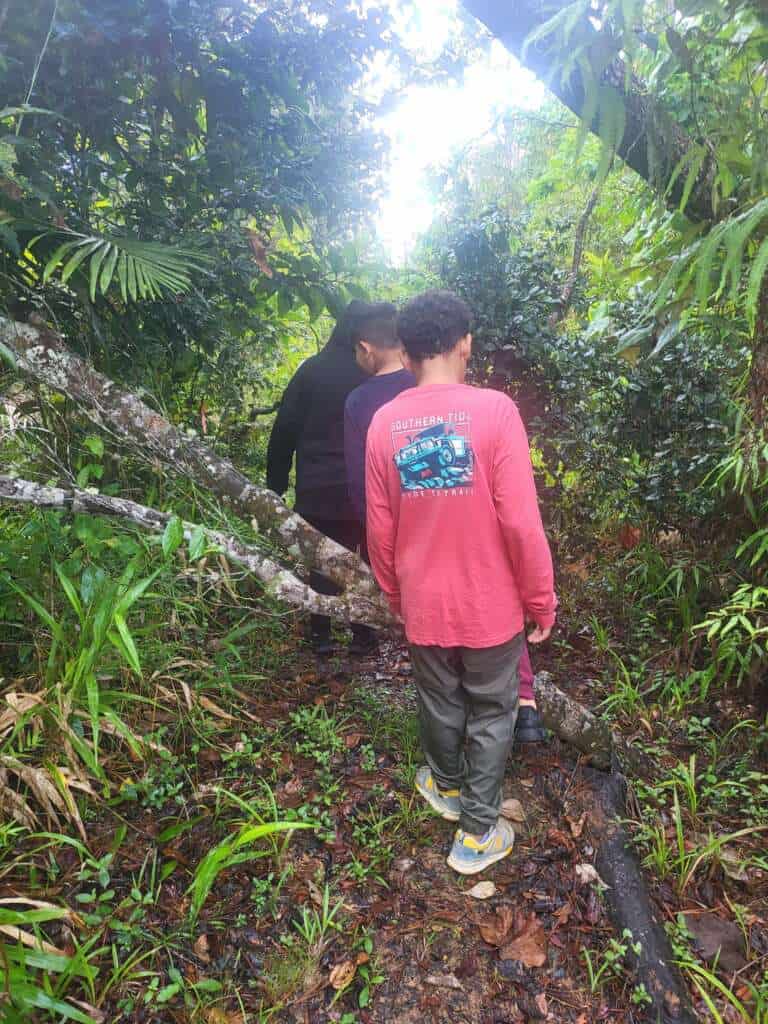
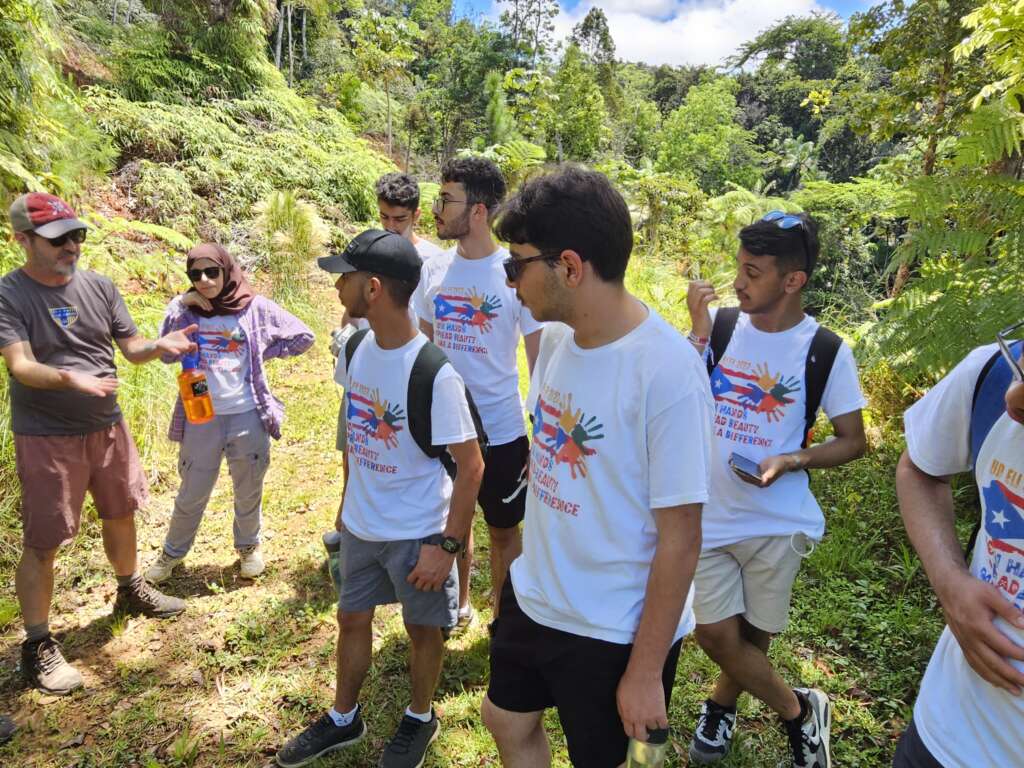
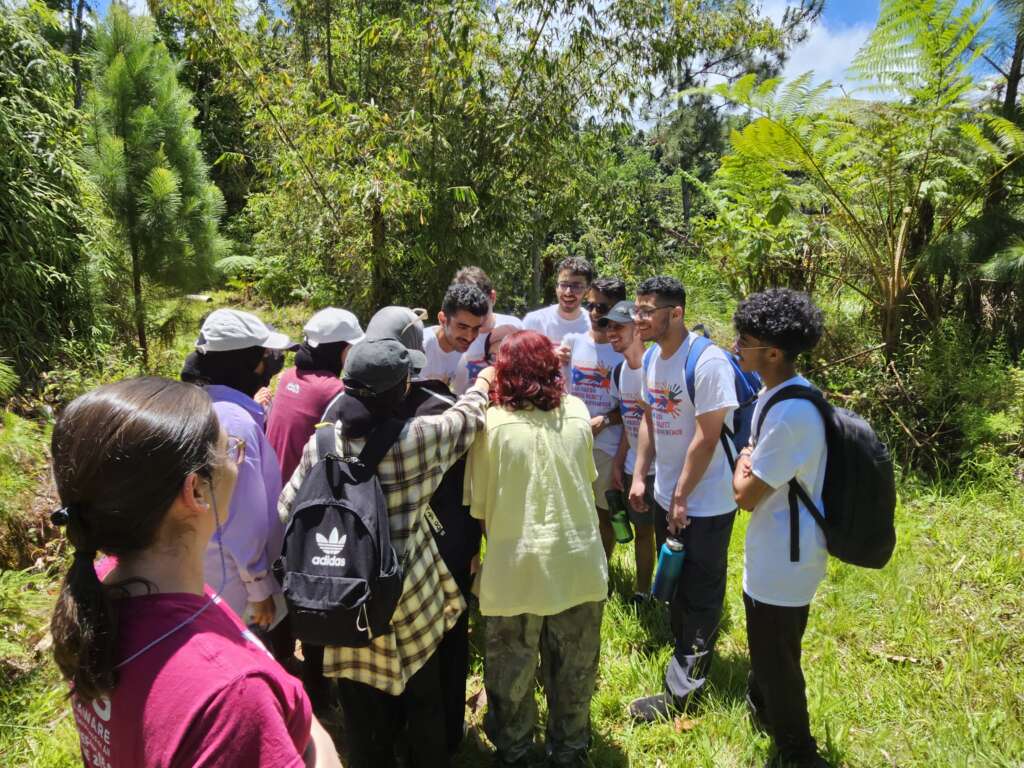
Exploring the Rainforest’s Resilience: The day began with a guided hike led by Thrity Vakil (3t) at Las Casas de la Selva. As the group ventured deeper into the rainforest, they witnessed firsthand the devastating impact of Hurricane Fiona, which struck Puerto Rico in September 2022. The trail revealed landslides and fallen trees, reminding everyone of the immense power of nature. However, amidst the destruction, there was a sense of hope as new life emerged, highlighting the rainforest’s remarkable resilience.
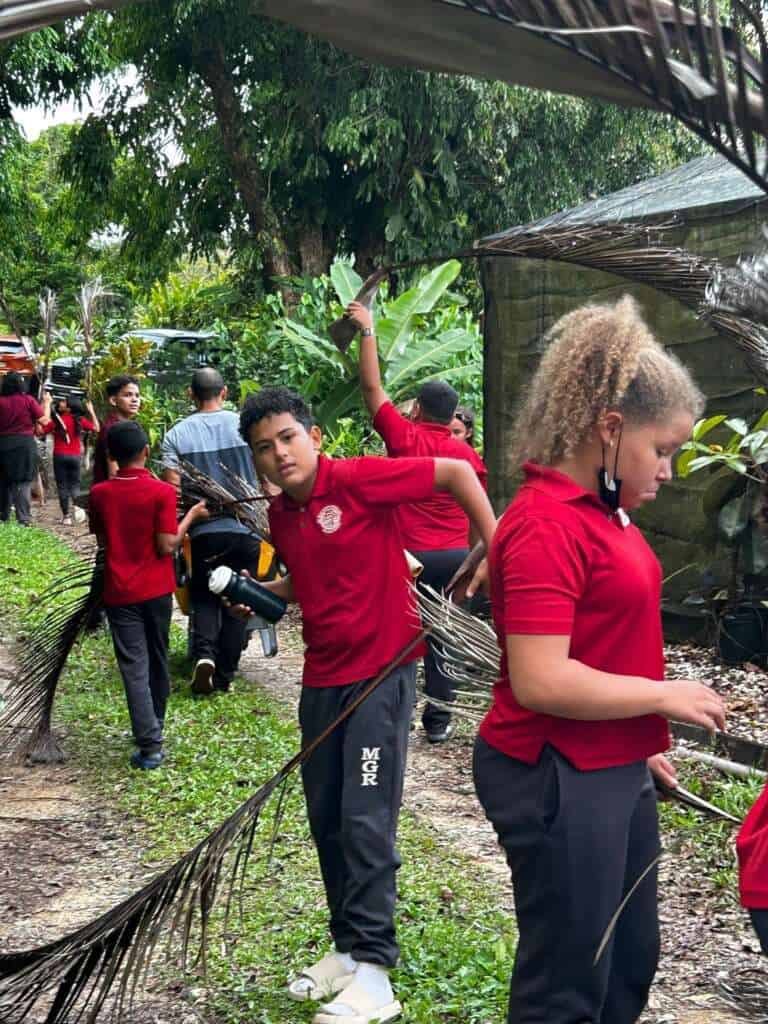
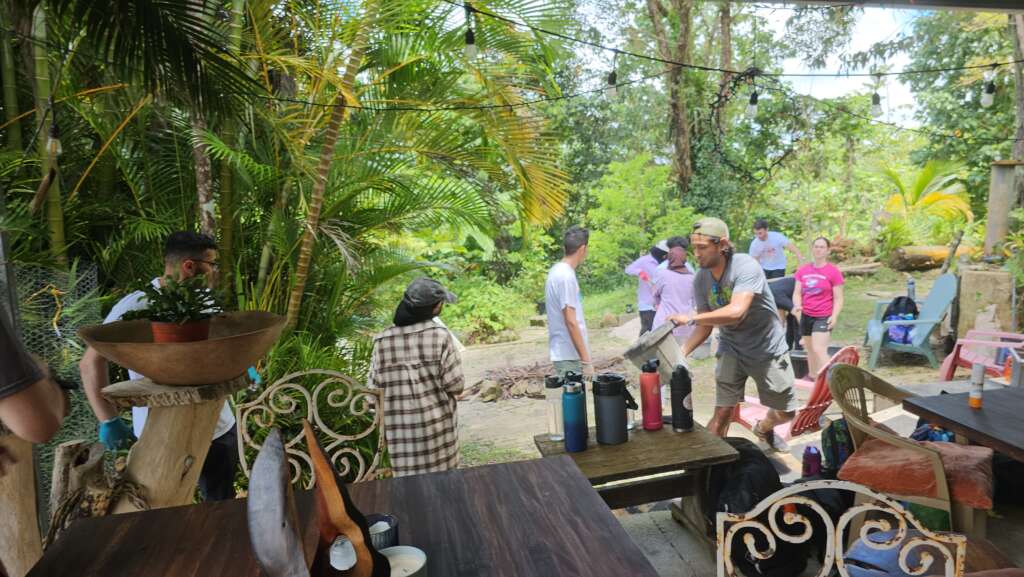
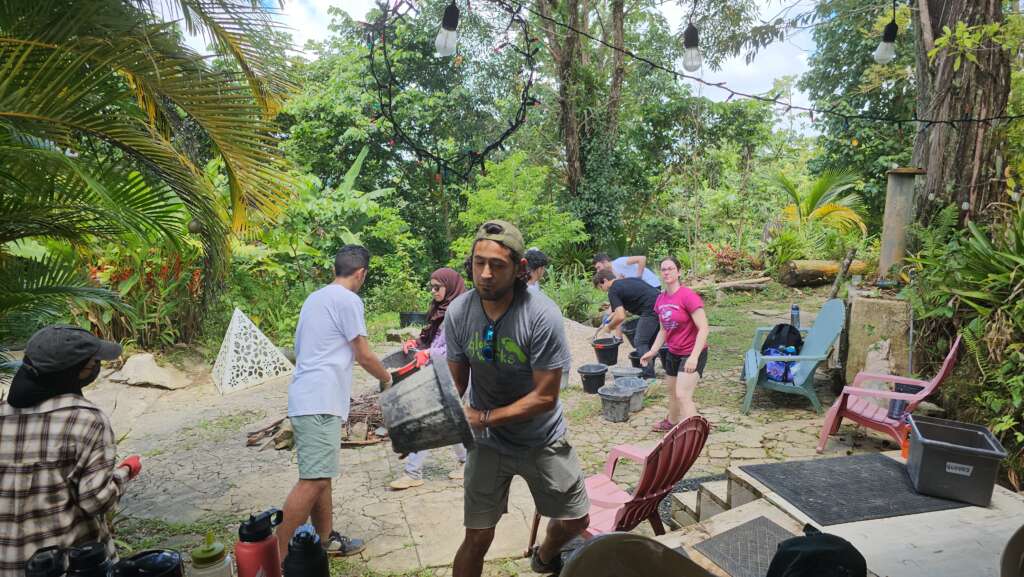
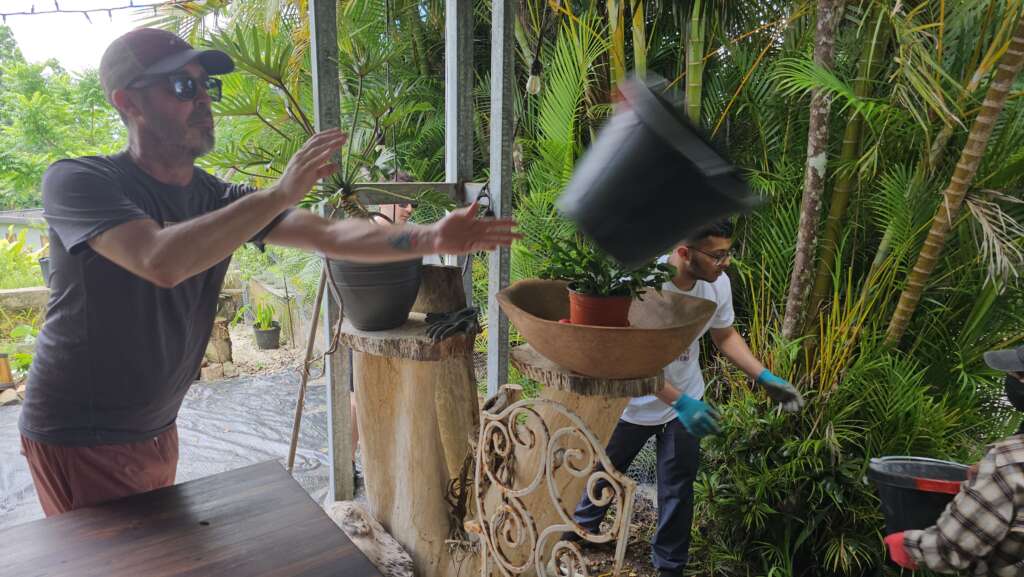
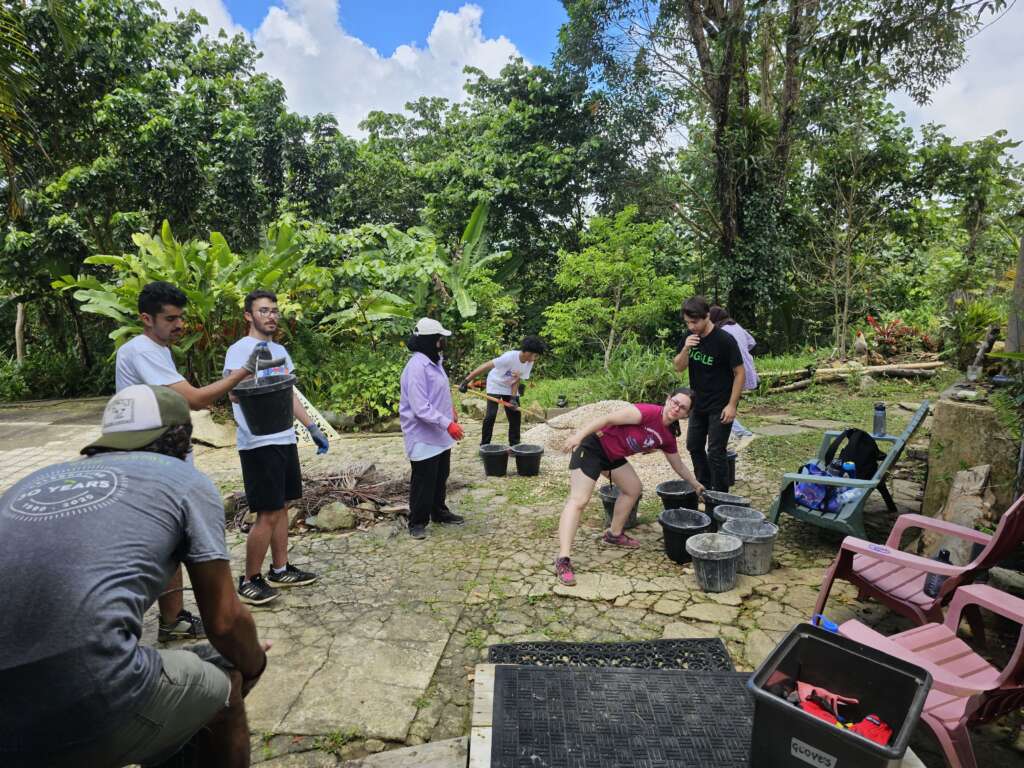
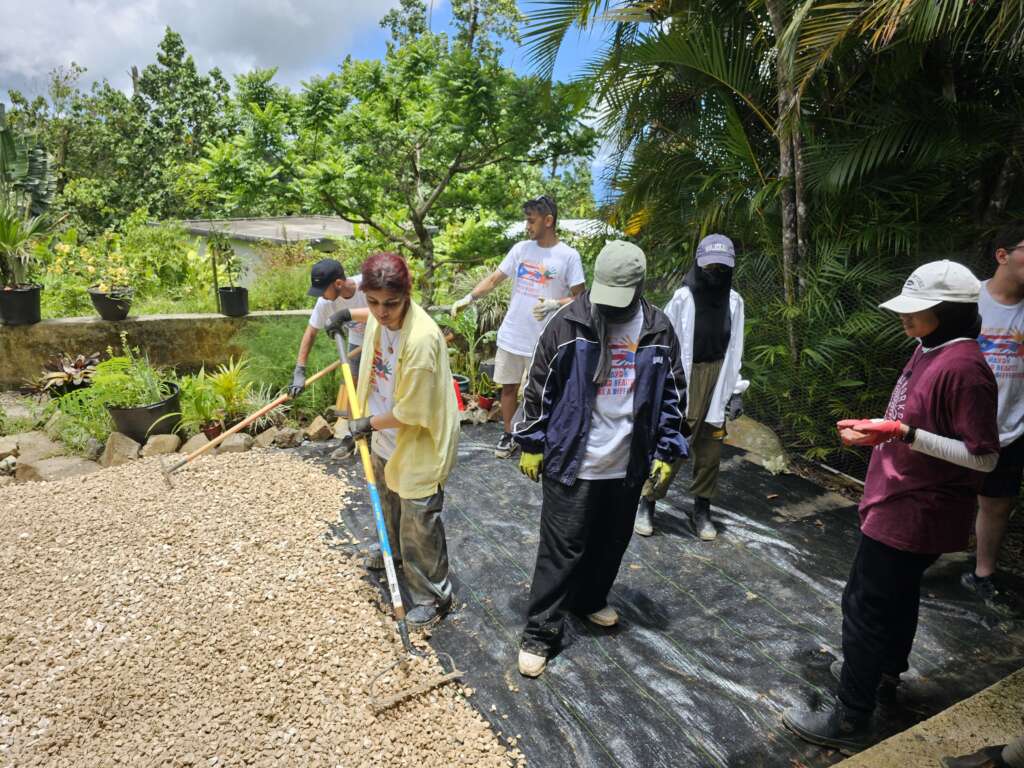
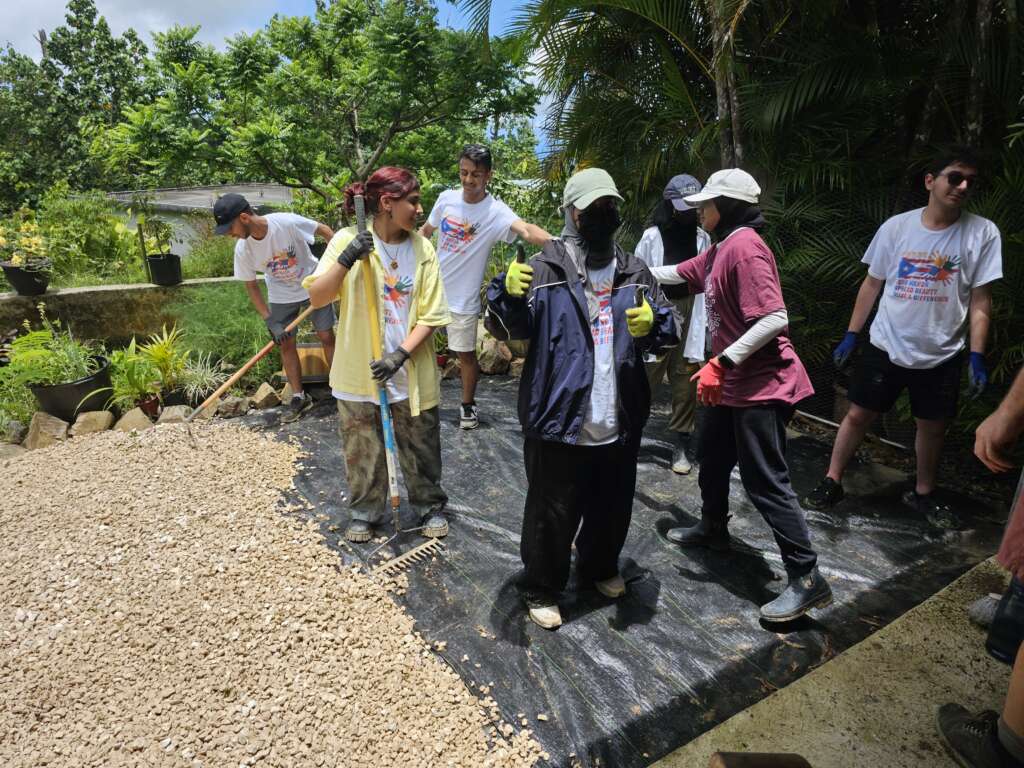
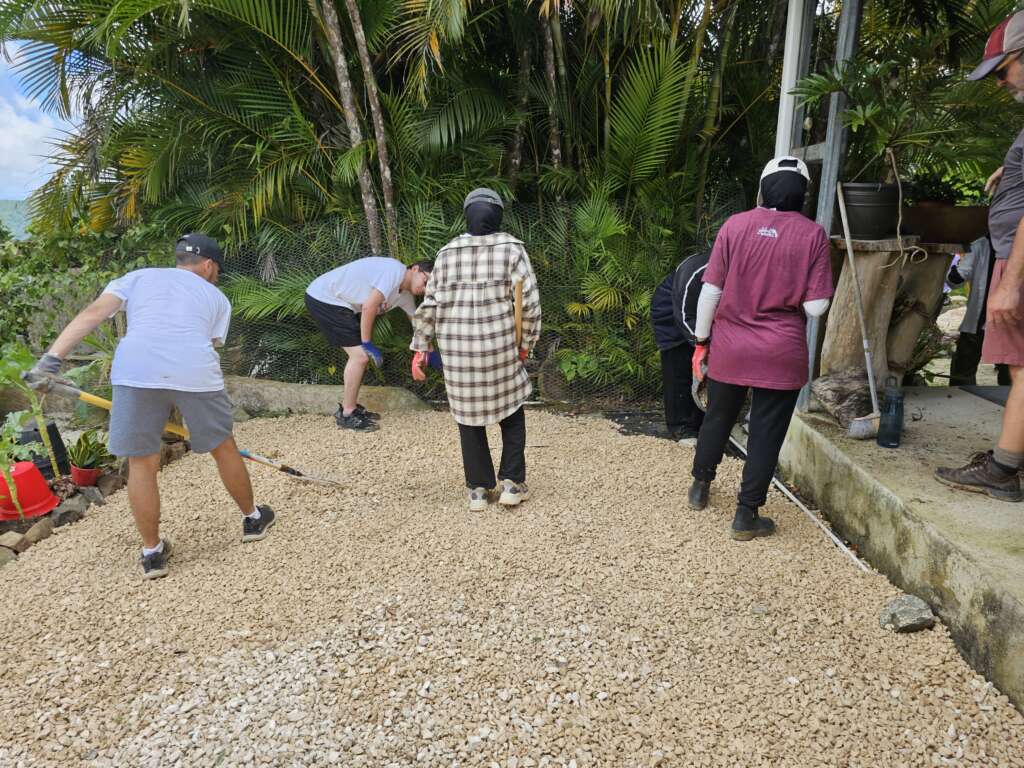
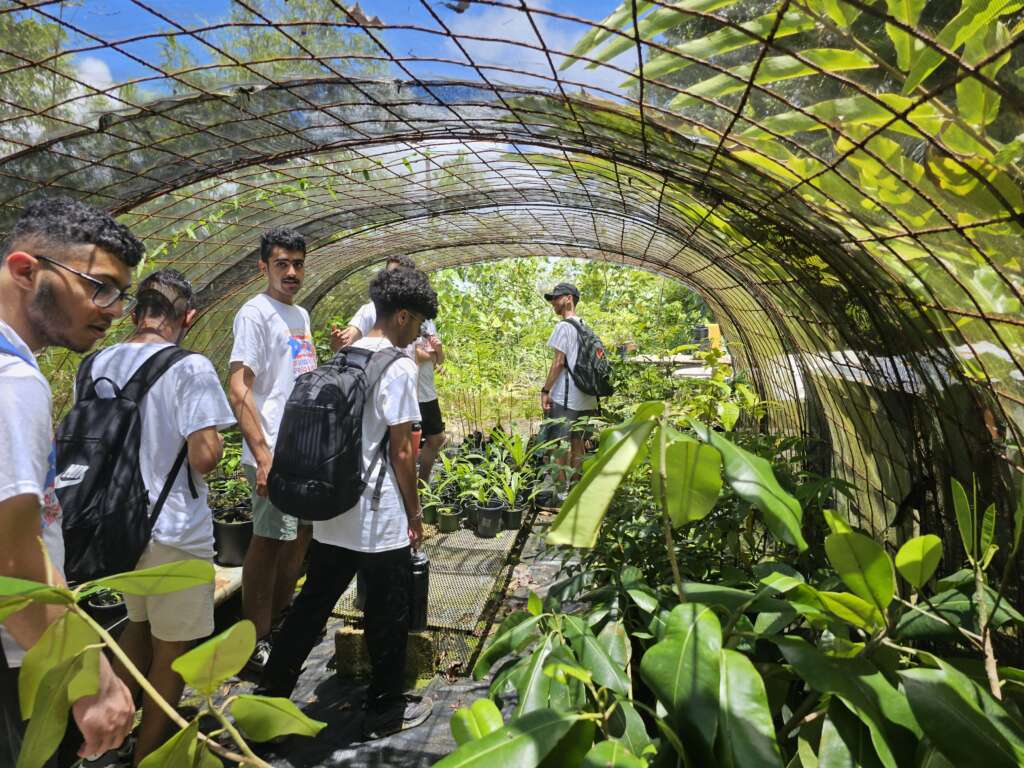
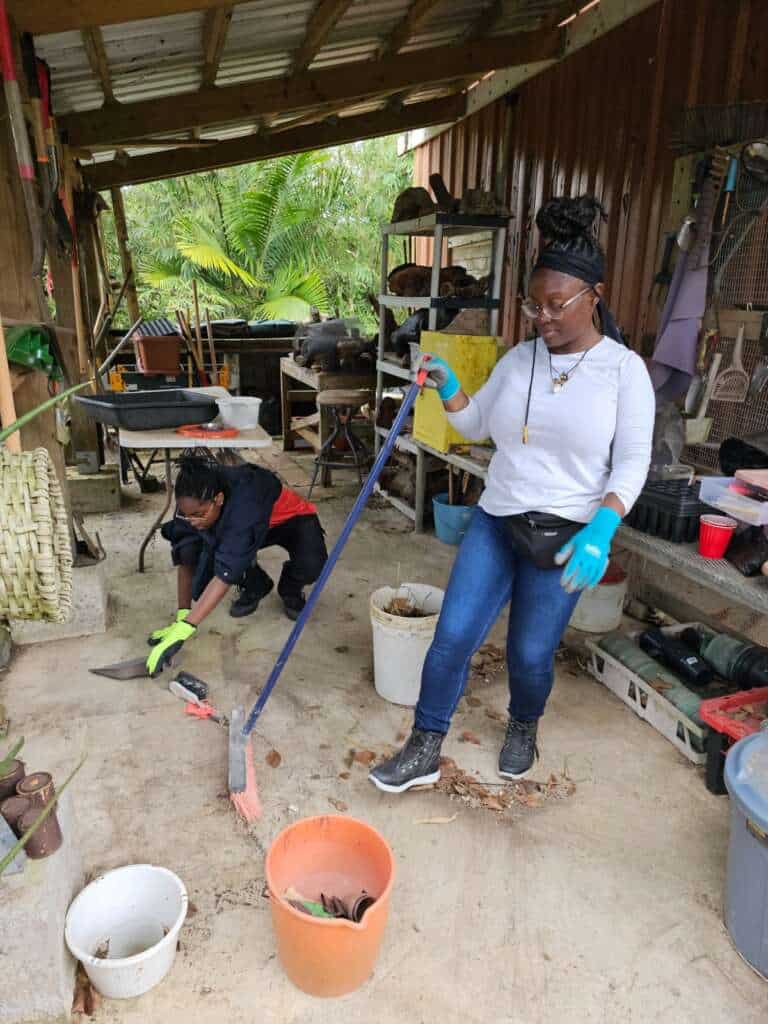
After the enlightening hike, and some time looking at critically endangered plants in the nursery, it was time for the Saudi Arabian students to roll up their sleeves and contribute their labor! Their task involved carrying buckets of gravel to complete the construction of a new front garden area near the open-air dining room. With determination and a sense of purpose, they worked together, displaying teamwork and a strong work ethic. Among the leaders of the garden task were Alfredo and Potin, who shared their knowledge and expertise, ensuring that the project proceeded smoothly.
The Saudi Arabian students, with their unique perspectives and backgrounds, engaged in enlightening conversations and the students’ genuine curiosity and eagerness to learn left a lasting impression on everyone, fostering an atmosphere of intellectual growth and cultural exchange.
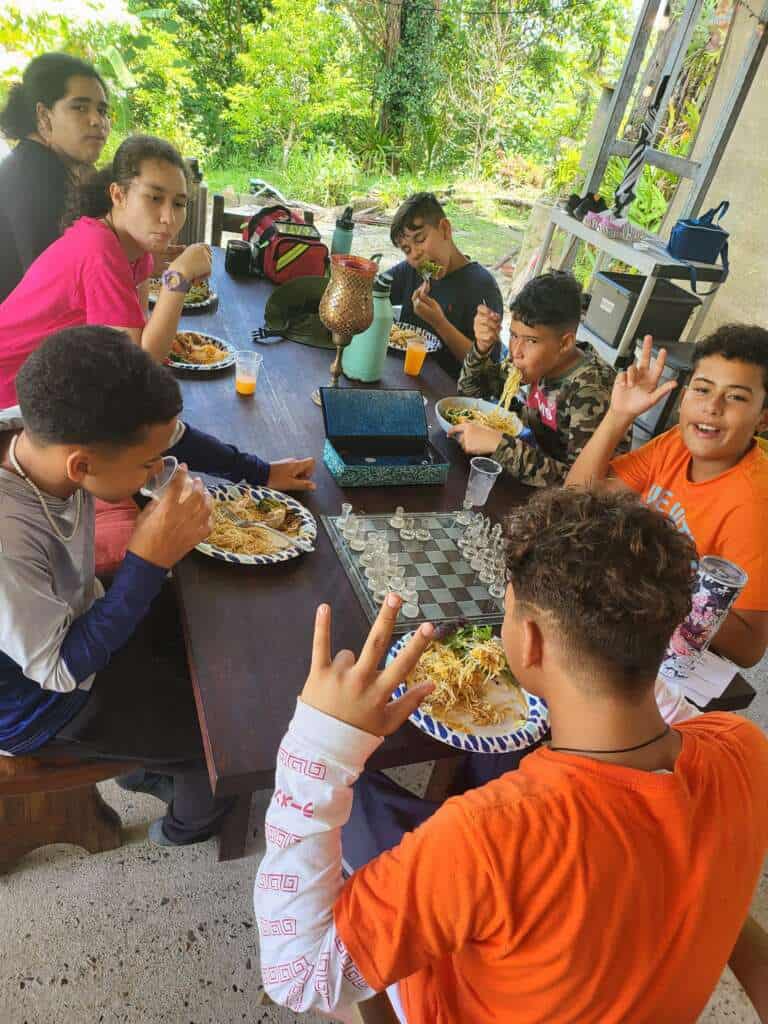
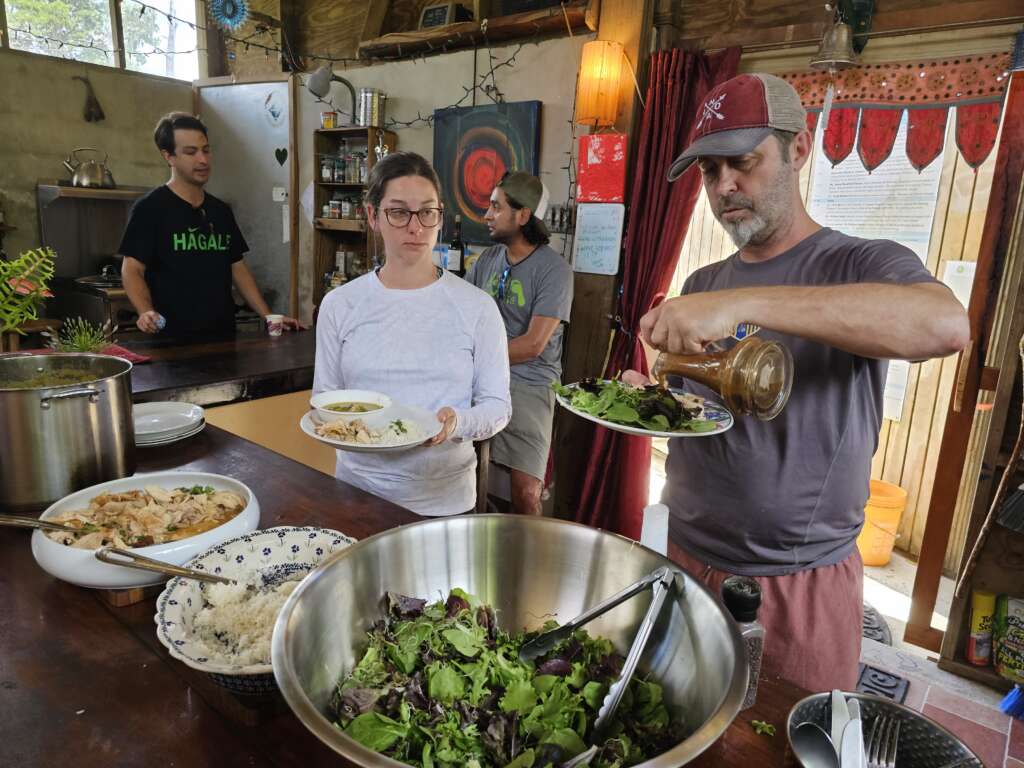
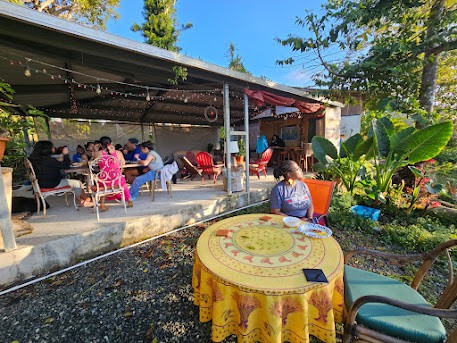
As the morning’s activities drew to a close, the students’ hard work and dedication were rewarded with a mouthwatering lunch prepared by Monique Nieves, chef at Las Casas de la Selva. The tantalizing aromas filled the air, and with gratitude and satisfaction, the group savored the delicious meal, knowing that it was well-earned after their efforts.
The day spent by the students from the University of Delaware, (ELI-SABIC 22),volunteering at Las Casas de la Selva, Patillas, Puerto Rico, was a beautiful testament to the power of unity and collaboration. Through their participation in Globalworks International’s service holiday program, these young adults not only experienced the wonders of the Puerto Rican rainforest but also contributed to the project. This joyous experience serves as a reminder that by working together, we can create a brighter and more sustainable future for our planet.
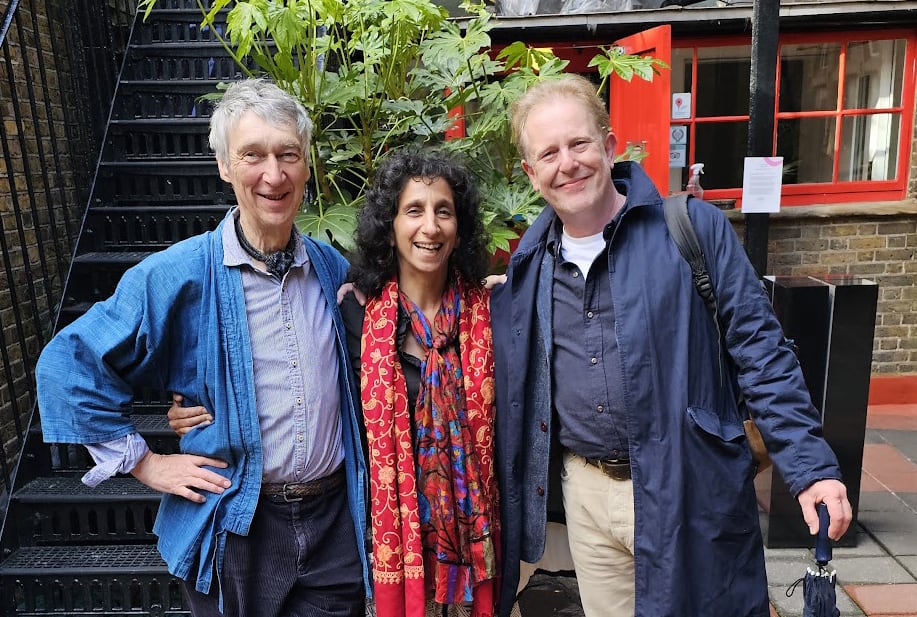
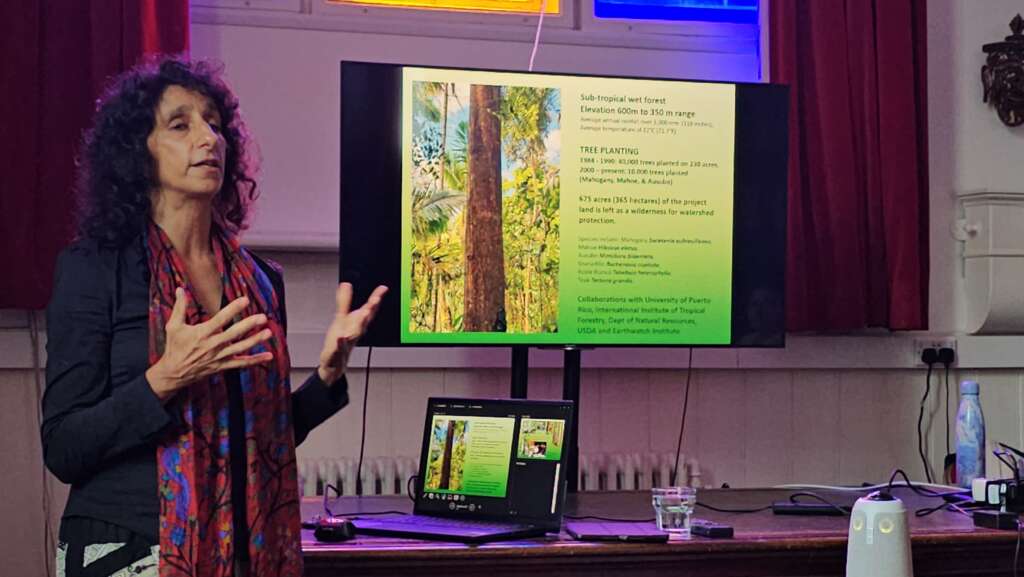
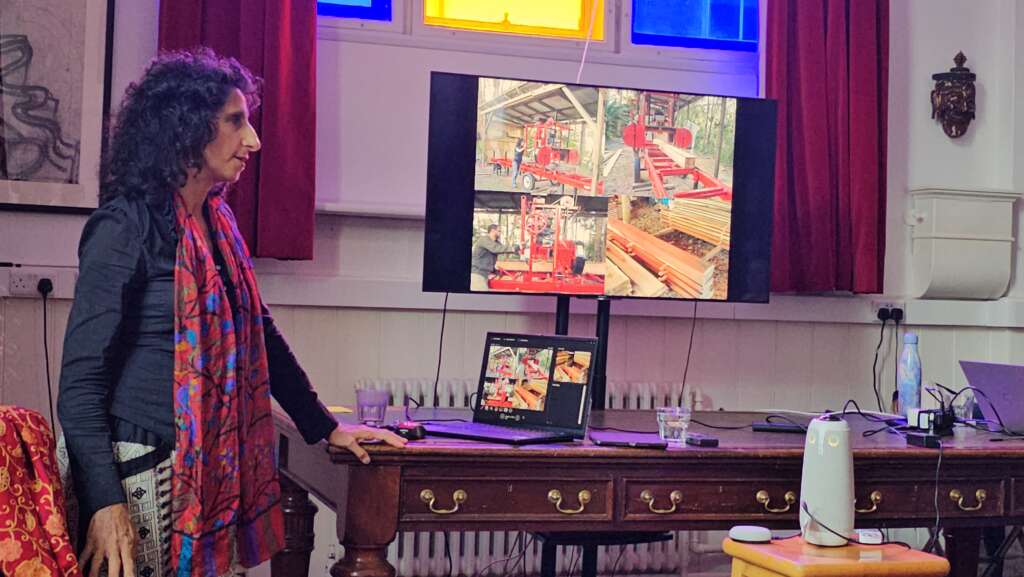
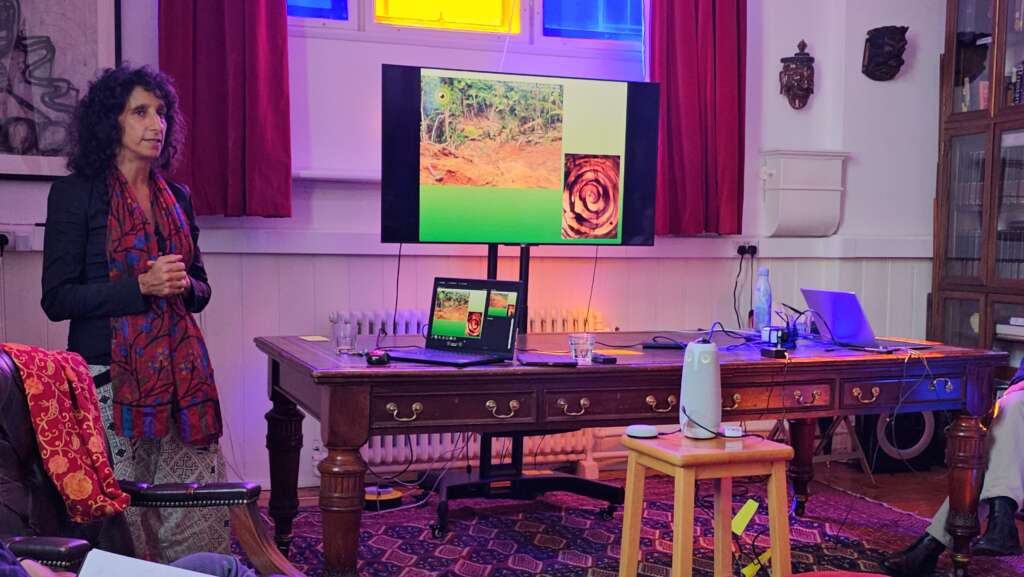
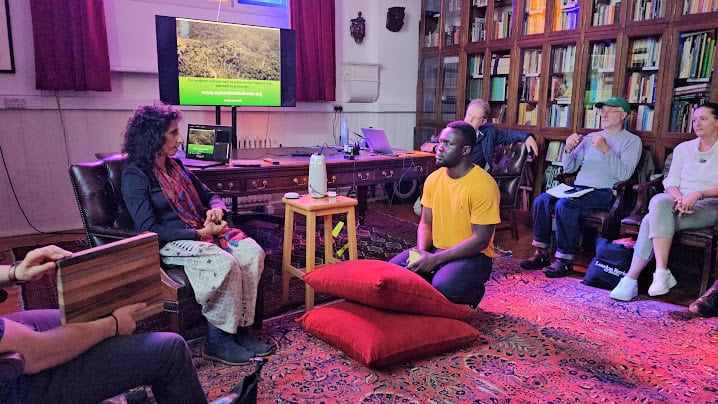
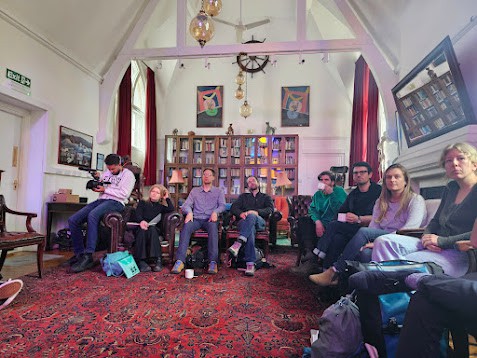
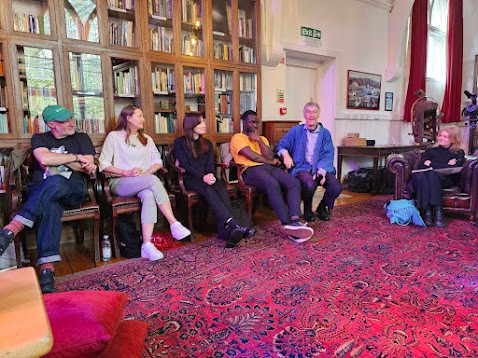
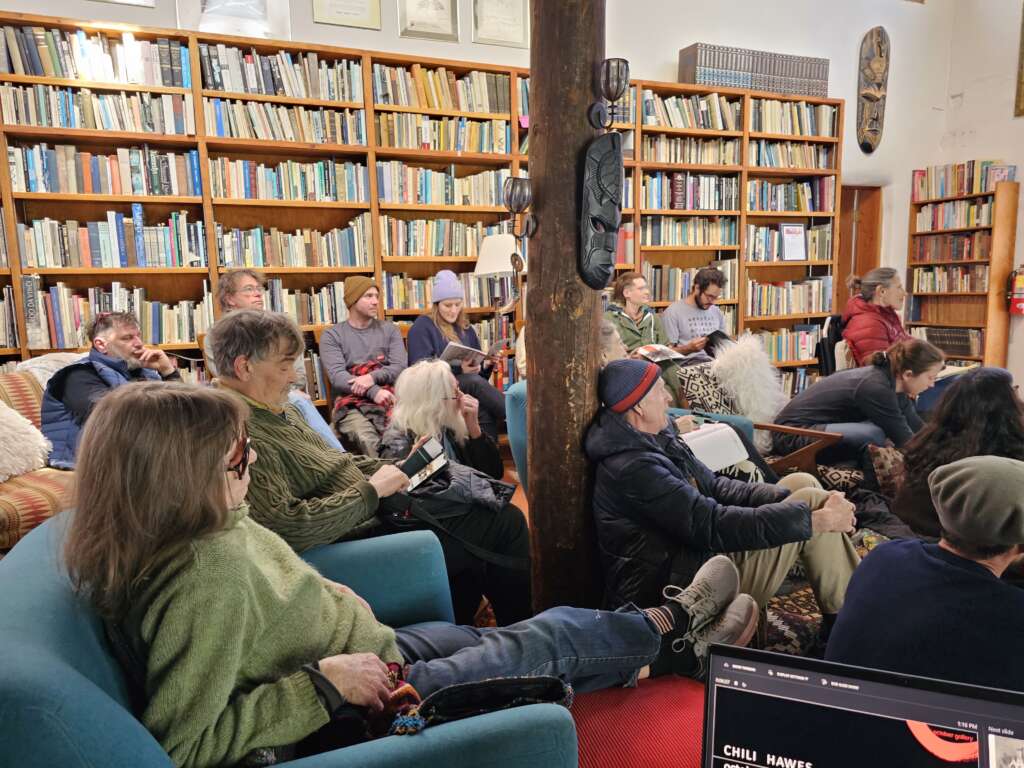
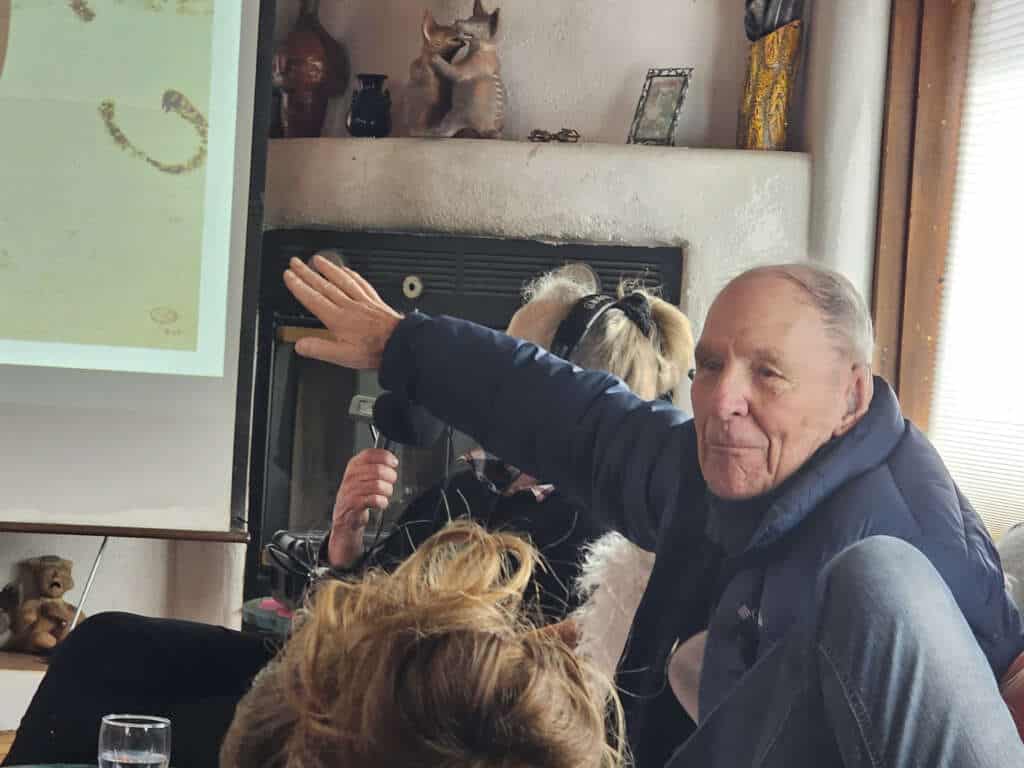
On the 5th of May 2023, an exciting event took place at the transvangard October Gallery’s library clubroom in Bloomsbury, London. The students of The New School of the Anthropocene (NSOTA) were in for a treat as they gathered, both in person and virtually via Zoom, to listen to a captivating talk by Thrity (3t) Vakil.
(In case English is not your first language, you can translate this website. Click the TRANSLATE button at top right.)
3t shared her incredible 23-year journey and experiences in sustainable forestry and rainforest enrichment. The focus of her talk was the remarkable Las Casas de la Selva project in Patillas, Puerto Rico, which has been flourishing for over four decades. Founded in 1983 by the visionary elders of the Institute of Ecotechnics, www.ecotechnics.org , Las Casas de la Selva has been at the forefront of sustainable forestry in the Caribbean. She told the story of the Institute’s Research Vessel Heraclitus, that sailed up the Amazon on an ethnobotanical expedition, where the crew came away having experienced first-hand the effects of deforestation and illegal logging. On arrival to Puerto Rico, 3t elaborated on the early days of the project, emphasizing the crew’s urgent need to “do something necessary that was not being done.” After many meetings and discussions the idea to start a sustainable forestry project in Puerto Rico was conceived.
3t spoke passionately about her life in the rainforest, including the many years of scientific studies, wood-harvesting, tree-growing, endangered tree conservation, nurserywork, and her own artwork that became an integral part of the initiative.
Despite facing numerous challenges over the years, including hurricanes, earthquakes, the COVID-19 pandemic, and most recently, calamitous landslides from Hurricane Fiona, Las Casas de la Selva has persisted. 3t shared stories of resilience and adaptation, highlighting how Puerto Rico Hardwoods, an essential outcome of the project, has thrived, and pioneered efforts to rescue wood destined for landfill after the devastating Hurricane Maria in 2017.
The talk provided a platform for NSOTA students to engage with 3t directly. Questions and answers flowed, creating an informative and thought-provoking afternoon. The students, both present in the clubroom and joining from various locations worldwide, gained valuable insights into sustainable forestry and the importance of environmental stewardship. The event left the audience inspired and motivated to make a positive impact on the planet. 3t Vakil’s engaging storytelling and profound experiences at Las Casas de la Selva served as a reminder of the power of vision, determination, and collaboration in creating sustainable solutions.
“The New School of the Anthropocene is an experiment. But it is also an act of repair. In partnership with October Gallery in London, we seek to reinstate the intellectual adventure and creative risk that formerly characterised arts education before the university system capitulated to market principles and managerial bureaucracy.
The pause enforced by the Covid-19 pandemic in 2020 afforded a unique opportunity to rethink the wider basis of our educational practices, against a context of unimaginable climate catastrophe and irreversible species extinction; of economic depression and sanctioned inequality.
The New School was the response: founded by an ensemble of experienced academics from the higher educational world alongside artists and practitioners, none of whom regard education as a business and their students as customers.
We recognise the pitiless financialisation of the university world and the dismal situation of the student-consumer, for whom vast debt is a passport for crossing the threshold to adulthood and social participation. We observe the demoralisation of exploited teachers within a casualised workforce whose energies are drained by a technocratic culture of audit and administration. We witness the purposeful and systematic dismantling of adult education, the crude instrumentalisation of learning and a joyless culture of accreditation.
Collectively we can do better. We see that higher educational institutions in their current form are ill-placed to foster the new critical and creative ways of working collaboratively that are necessary for social renewal and ecological recovery.
The New School explores radical new possibilities – affordable, flexible, transparent – for non-residential degree-level education. We wish to explore how higher education can shift away from reproducing the destructive practices of the present and preparing students for what David Graeber termed “bullshit jobs,” and instead forge a viable future for the generations to come. “
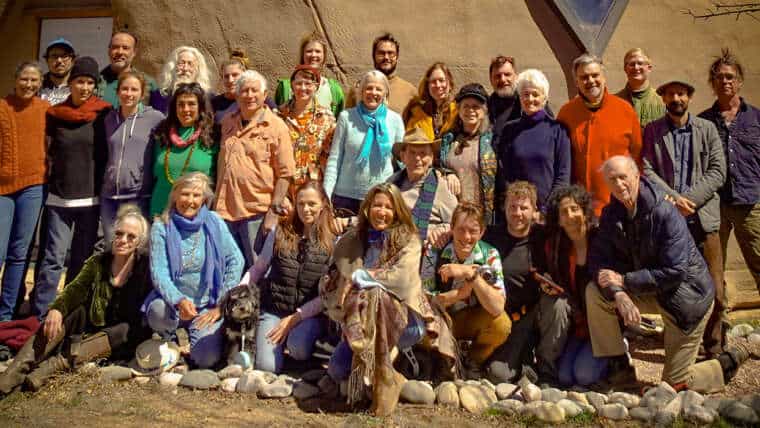
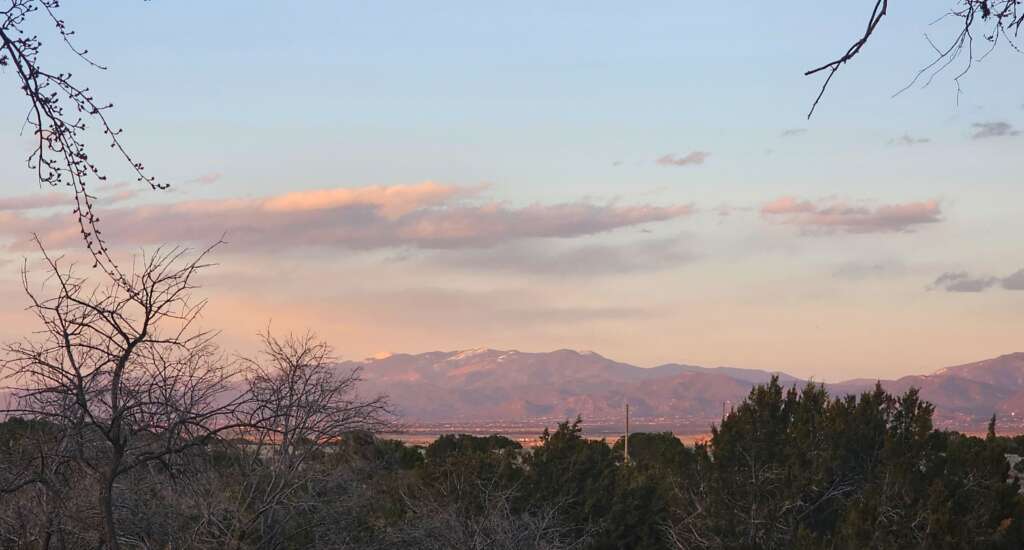
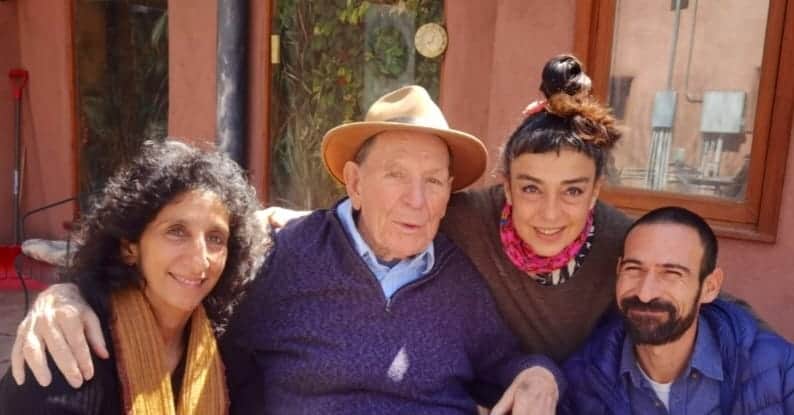
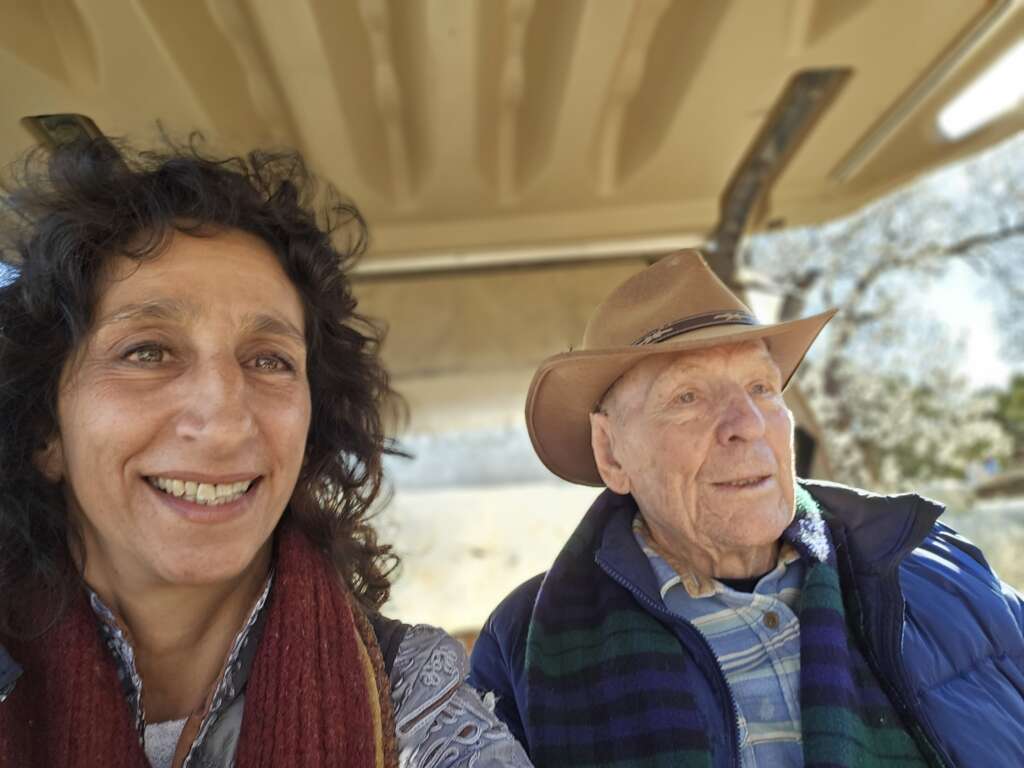
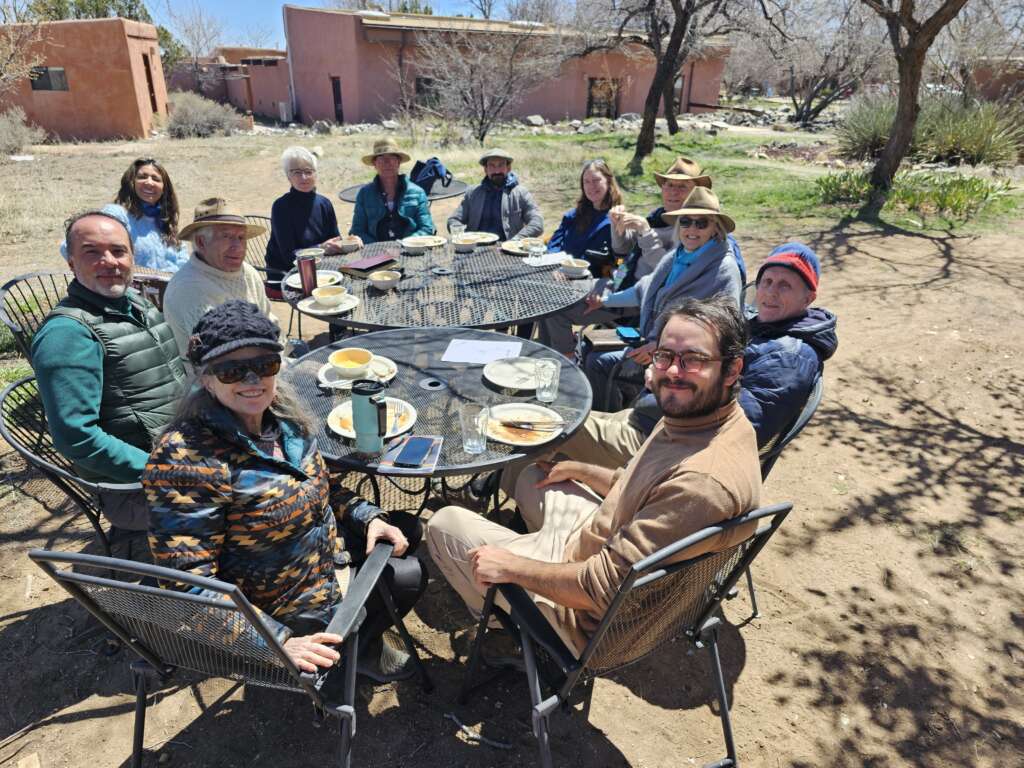
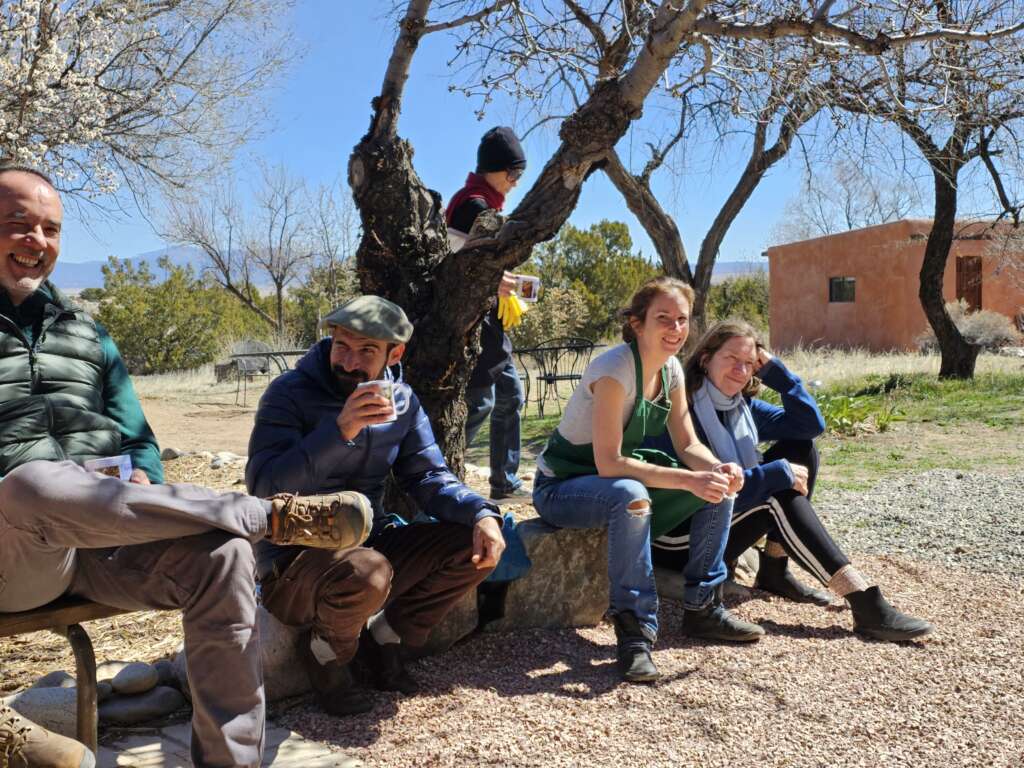
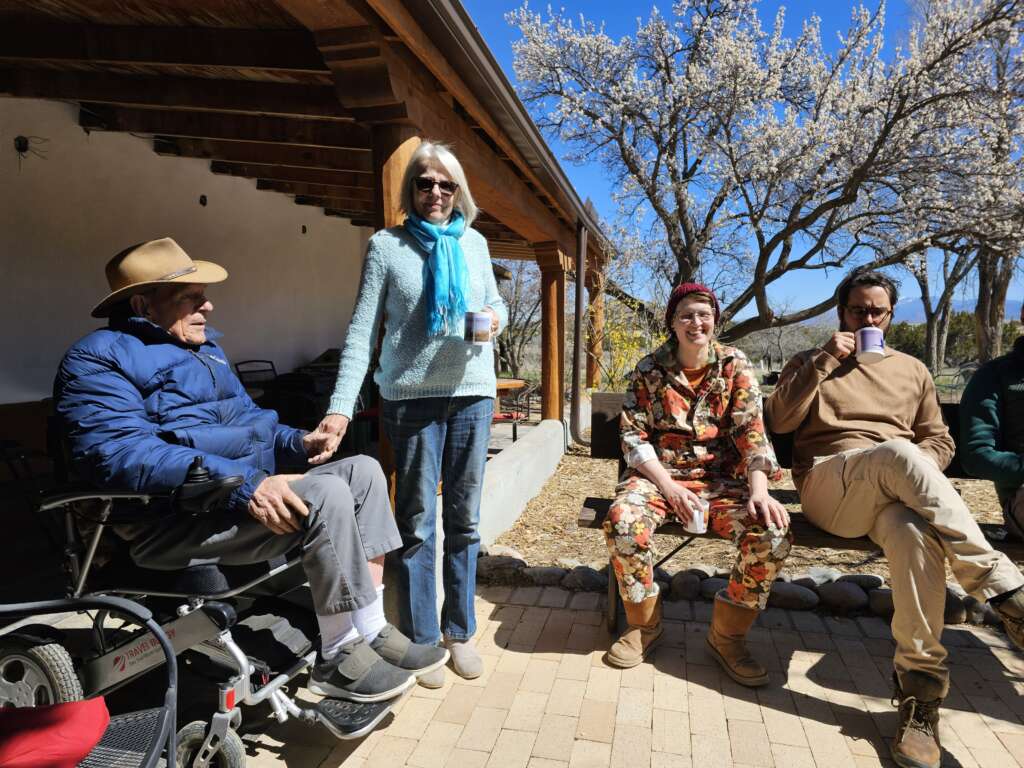
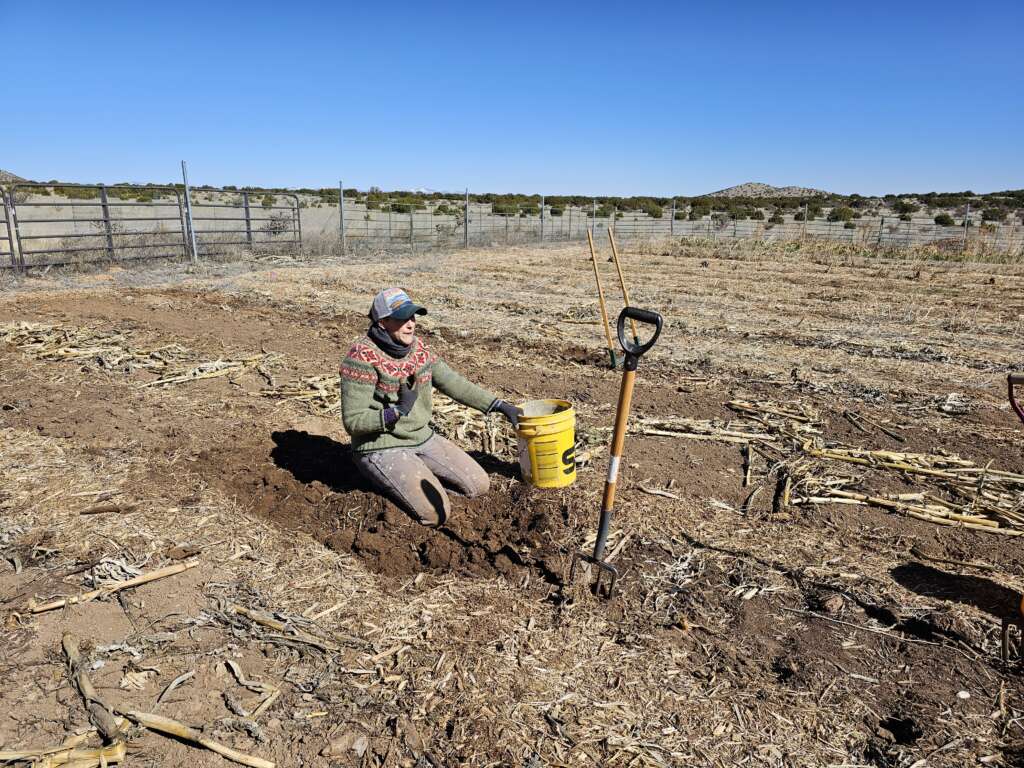
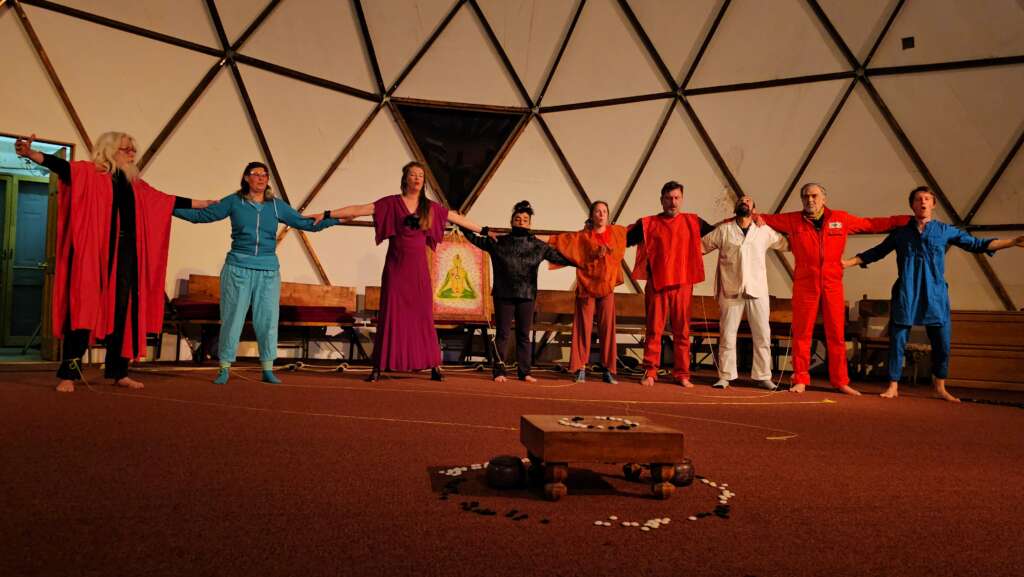
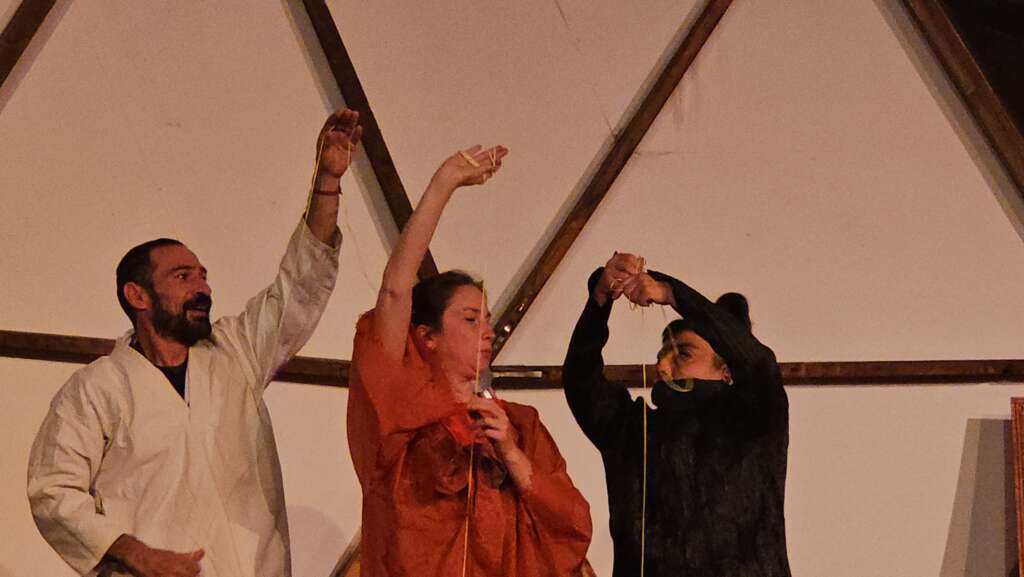
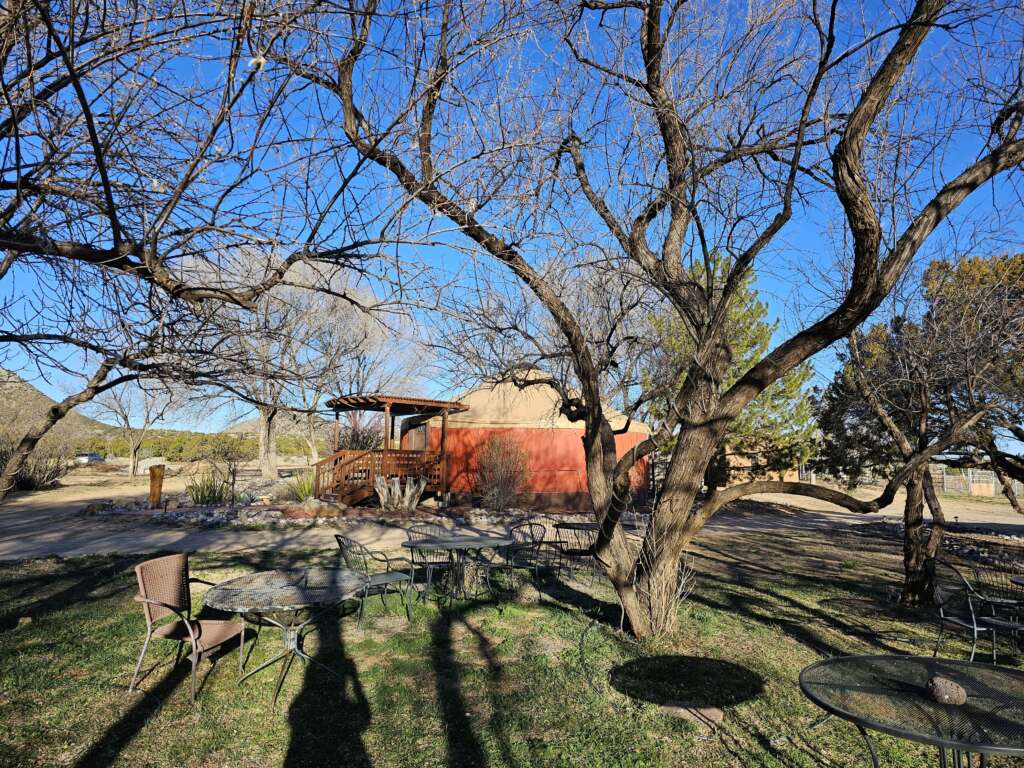
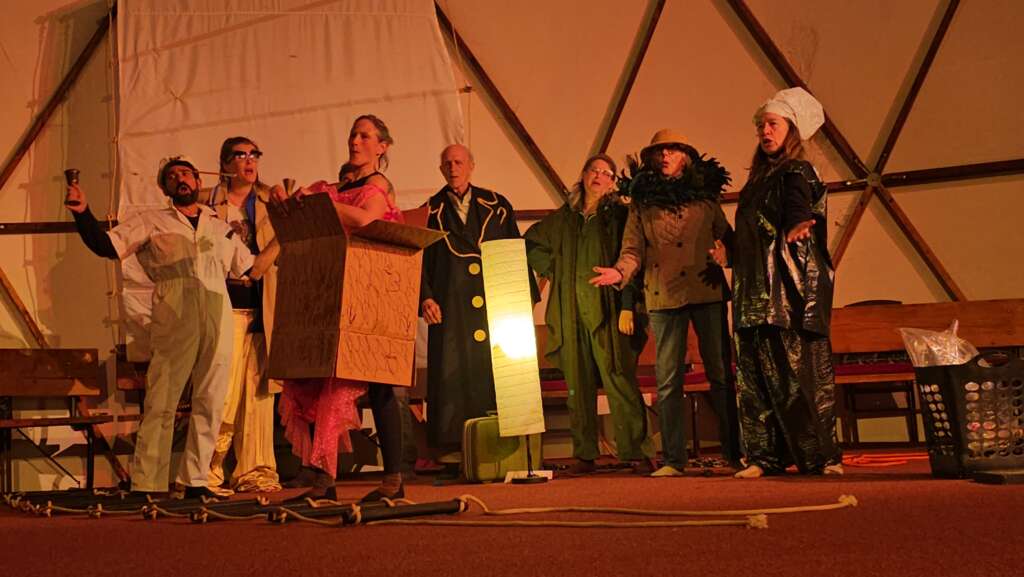
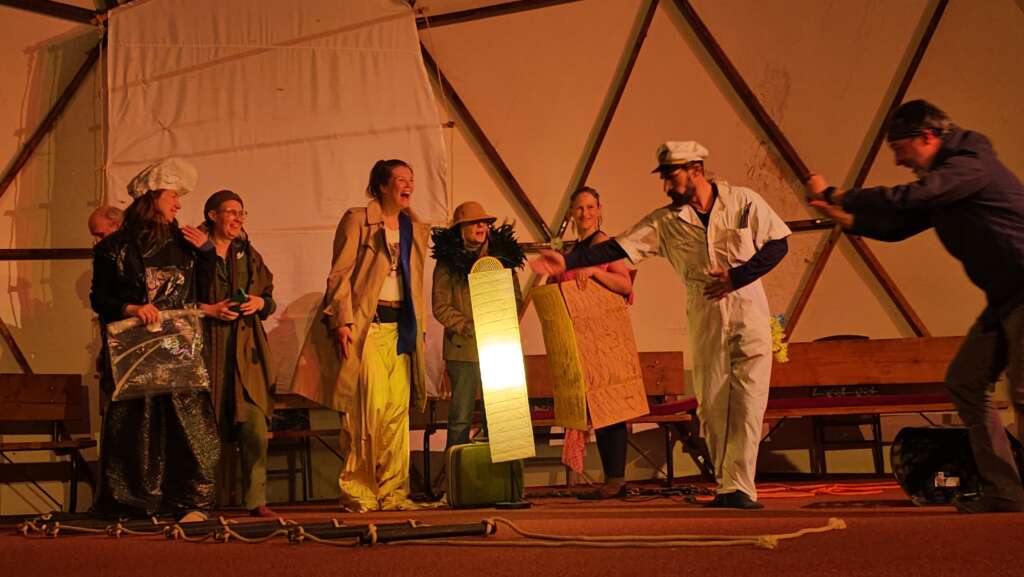
Synergist Conference at Synergia Ranch, Santa Fe, New Mexico 2-8 April 2023
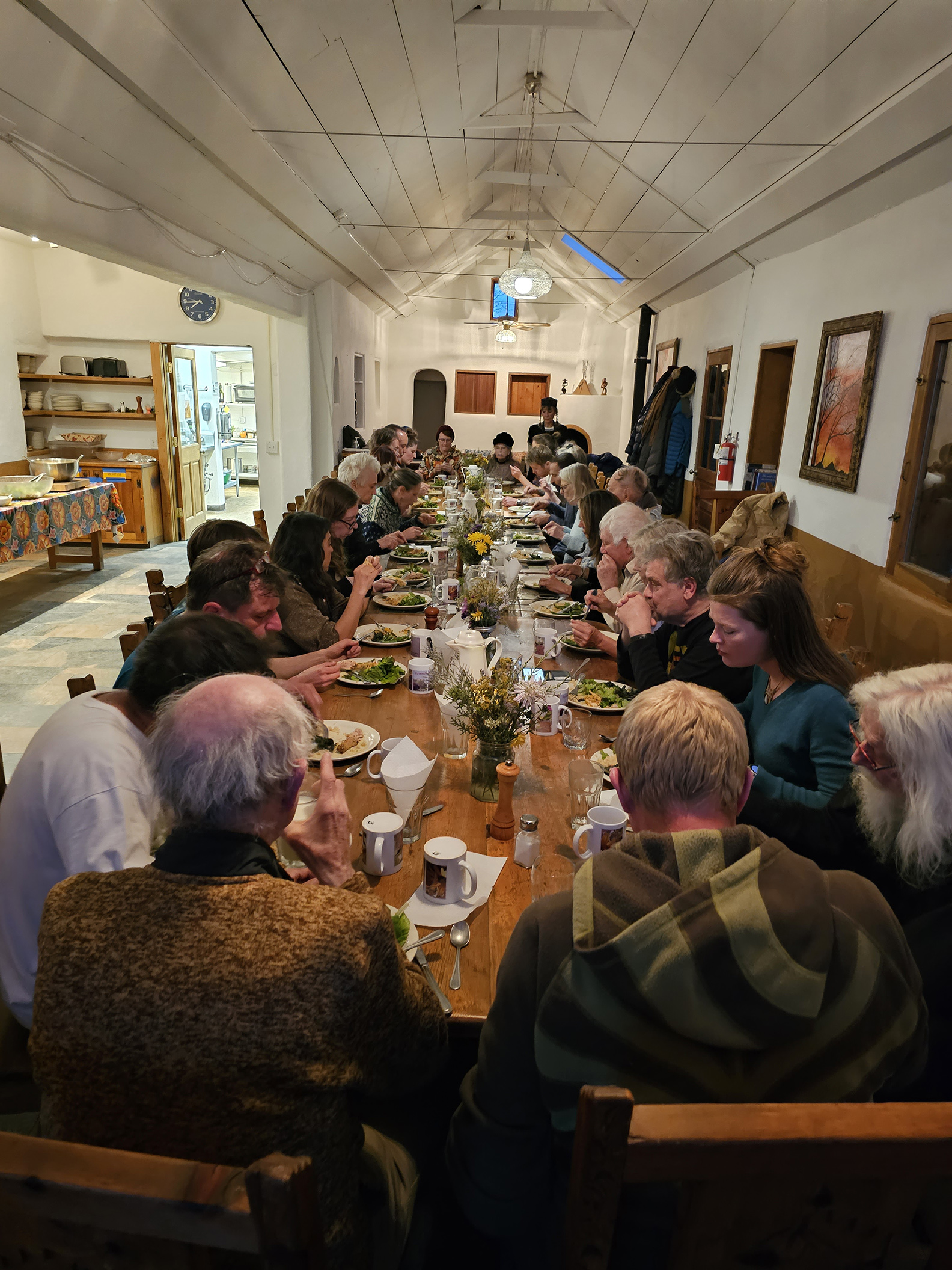
The Institute of Ecotechnics Annual gathering took place in Santa Fe this year after a three year break through covid. Synergia Ranch Center for Innovation has been the Institute’s Headquarters since the 1960s.
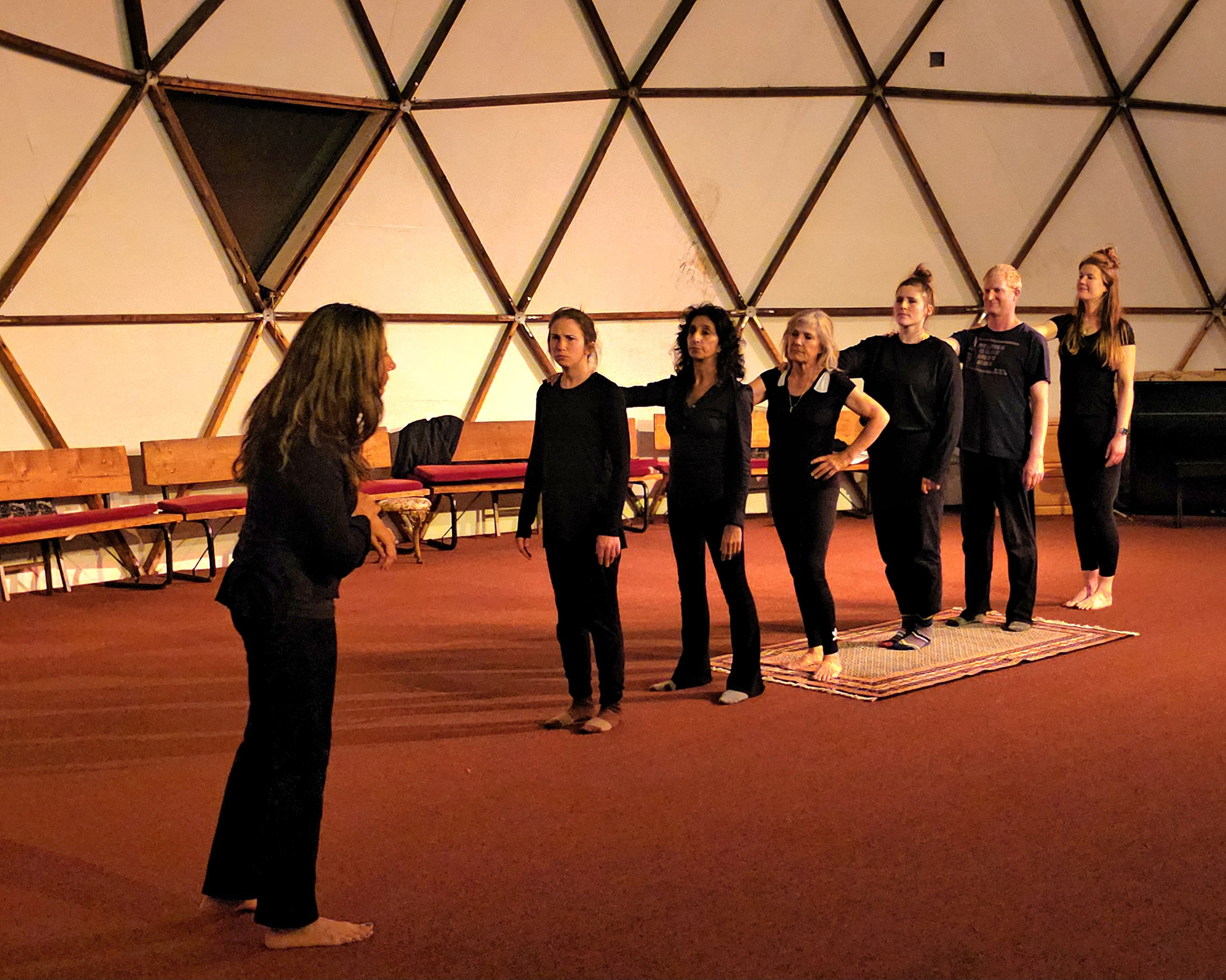
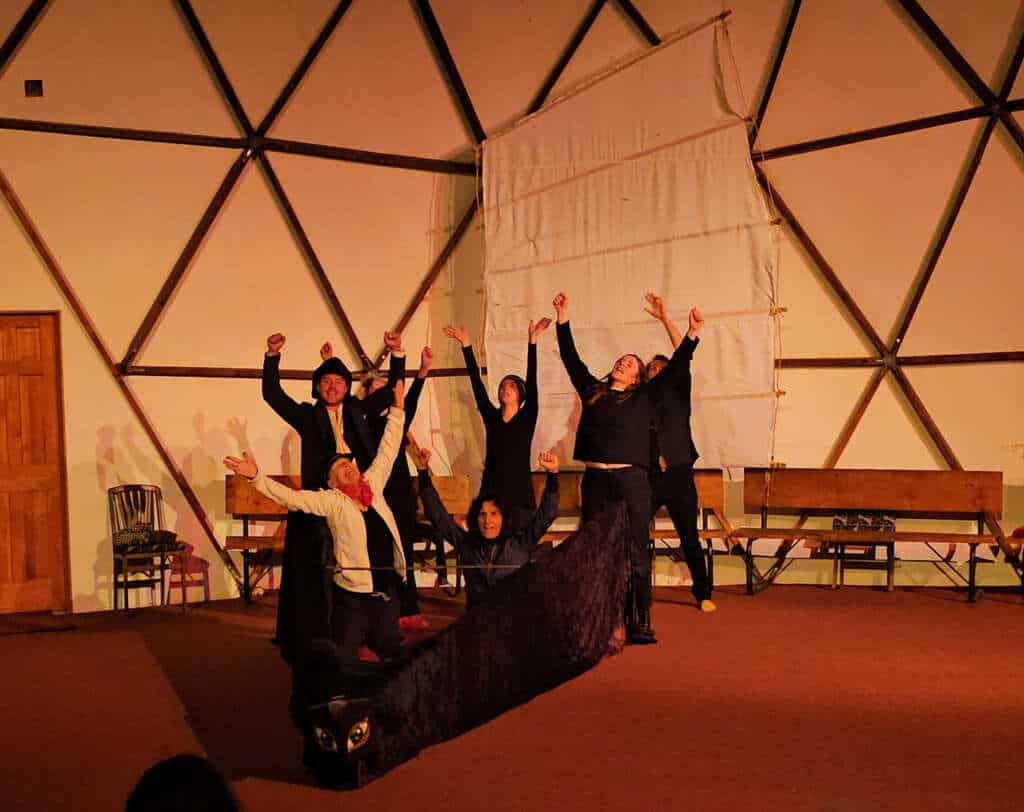
It was a delight to see all our friends from around the world, all tending to amazing projects; Science, Art, Regenerative Agriculture, Orchardry, Forestry, Seapeople, Wastewater Gardens, & Technics. Friends came in from Spain, Italy, Netherlands, Croatia, Yucatan, UK, Turkey, USA, Puerto Rico, Brazil, and Argentina. It was a magical time, filled with meetings, meditation, theater, creative groups, presentations, and delightful cuisine.
Biospheric Academy is an international project to connect multidisciplinary programs within the framework of innovative projects that operate in different countries, covering the five main biomes of the earth: mountains, oceans, forests, deserts and cities. This is a strategic alliance between projects of the Institute of Ecotechnics https://ecotechnics.edu/2012/05/the-biospheric-academy/, Fundación de Actividades Biosféricas (Argentina):https://www.fundacionab.org.ar/ Fundación Matutu (Brazil): https://www.matutu.org/ Holistic Research Institute of Montserrat, Catalonia (Spain): http://treeangle.org/team/
Democracy Prep at the Agassi Campus, 21-23 March 2023
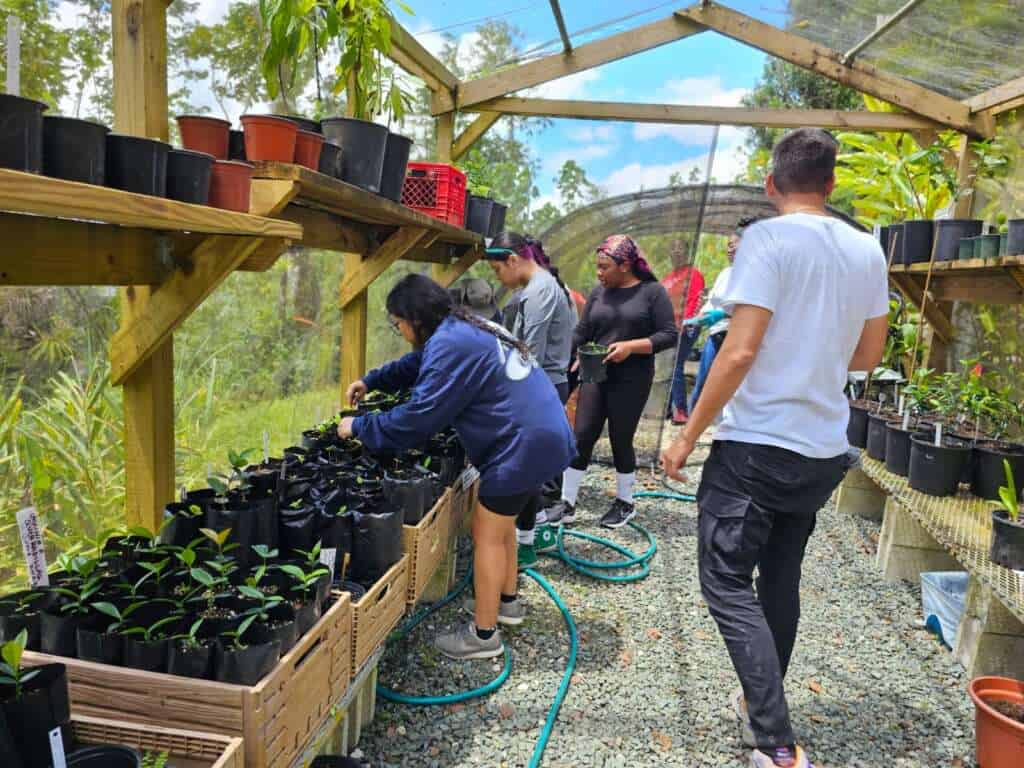
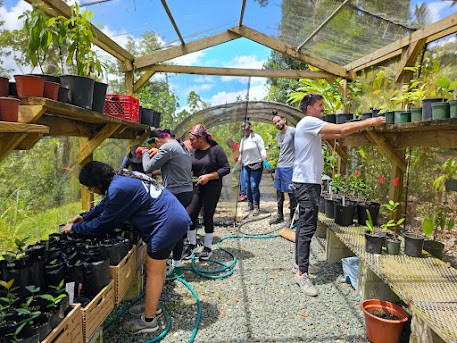
Between March 21 and March 23, 2023, Las Casas de la Selva rainforest welcomed a vibrant team of students from Democracy Prep at the Agassi Campus, Las Vegas, Nevada. Their energy was contagious as they eagerly embraced the multifaceted wonders of this natural haven, engaging with both its rich ecology and the pressing work of conservation.
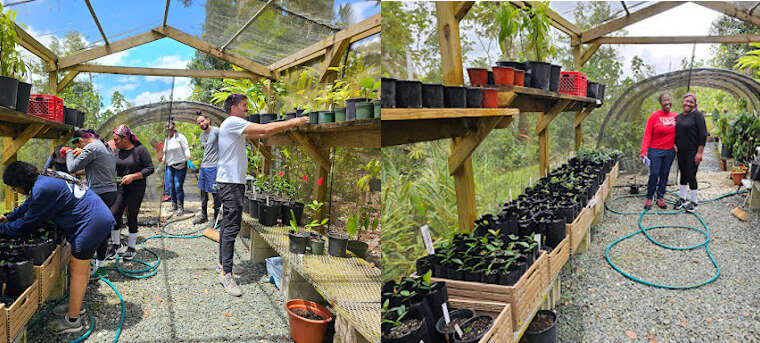
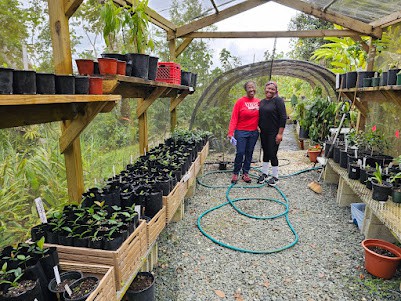
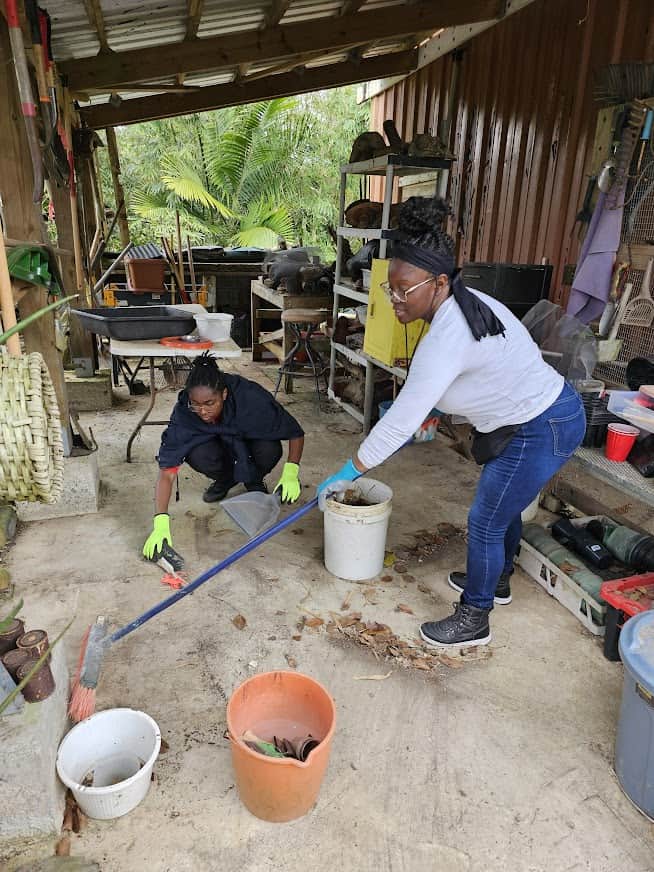
The team from Democracy Prep immersed themselves wholeheartedly in the practical aspects of rainforest conservation. Working tirelessly in the nurseries, they took up the tasks of repotting, organizing, and cleaning with a zeal that spoke volumes about their commitment. Their contribution was invaluable, providing essential support to the ongoing efforts to preserve and nurture the unique biodiversity housed within Las Casas de la Selva. Under the guardianship of Las Casas de la Selva, the rainforest is far more than just a stunning display of nature’s grandeur. It’s a thriving laboratory of life, a haven for many of Puerto Rico’s unique and endemic species. The team from Democracy Prep was given an insider’s view into conservation initiatives, conducted in partnership with the Botanical Gardens Conservation International. This experience gave them a tangible understanding of the unwavering commitment and labor that goes into preserving the planet’s fragile ecosystems.
The students’ education extended beyond conservation techniques. They were introduced to two precious jewels of the rainforest, both incredibly rare and endangered plant species: Palo de Cruz (Garcinia portoricensis) and Tortuga Prieto (Ravenia urbanii). These plants represent more than just biological entities; they are key characters in the narrative of Puerto Rico’s distinct biological legacy. To truly value and conserve the rainforest’s complex ecosystem, one must understand the role and importance of these species.
The students from Democracy Prep were given the unique opportunity to observe and study these plants in their natural surroundings. This firsthand experience was not only educational but also fostered a sense of connection and responsibility toward these endangered species and the environment as a whole. Their journey was not just a visit to a rainforest, but a voyage into the heart of conservation, a glimpse into the intricate interplay of life, and an unforgettable lesson in environmental stewardship.
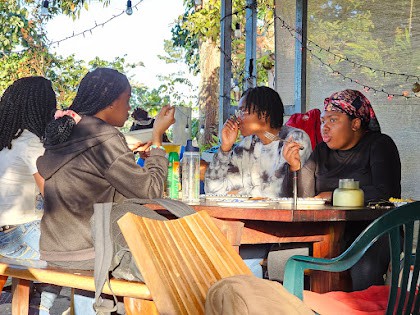
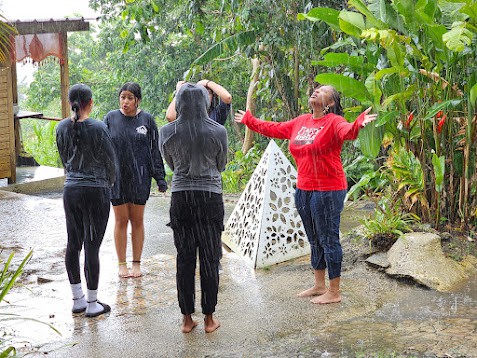
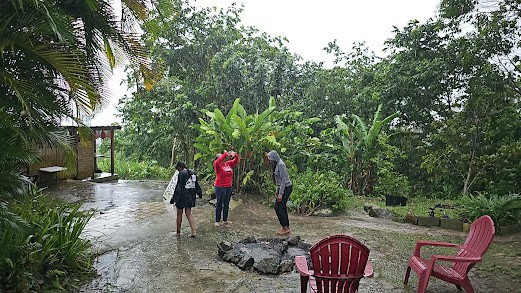
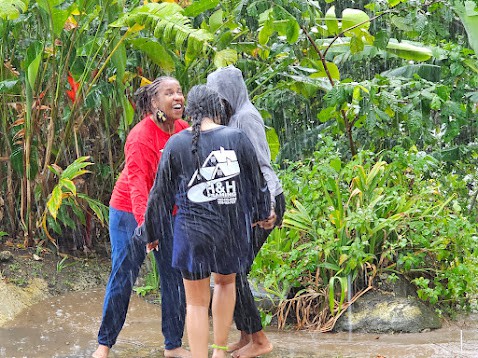
However, it wasn’t all about work. Amidst the labor and learning, the students fell in love with the experience of being in the heart of the rainforest. The resonance of nature, the rustle of leaves, the trickling water, the chattering of wildlife, and the refreshing rain showers – all these elements combined to create a symphony of sensations that captivated the young explorers.
Even the rainfall, which could have been viewed as a setback, was embraced with joy. Dancing and laughing in the rain, they found in this shared experience a magic that brought them even closer to the spirit of the rainforest.
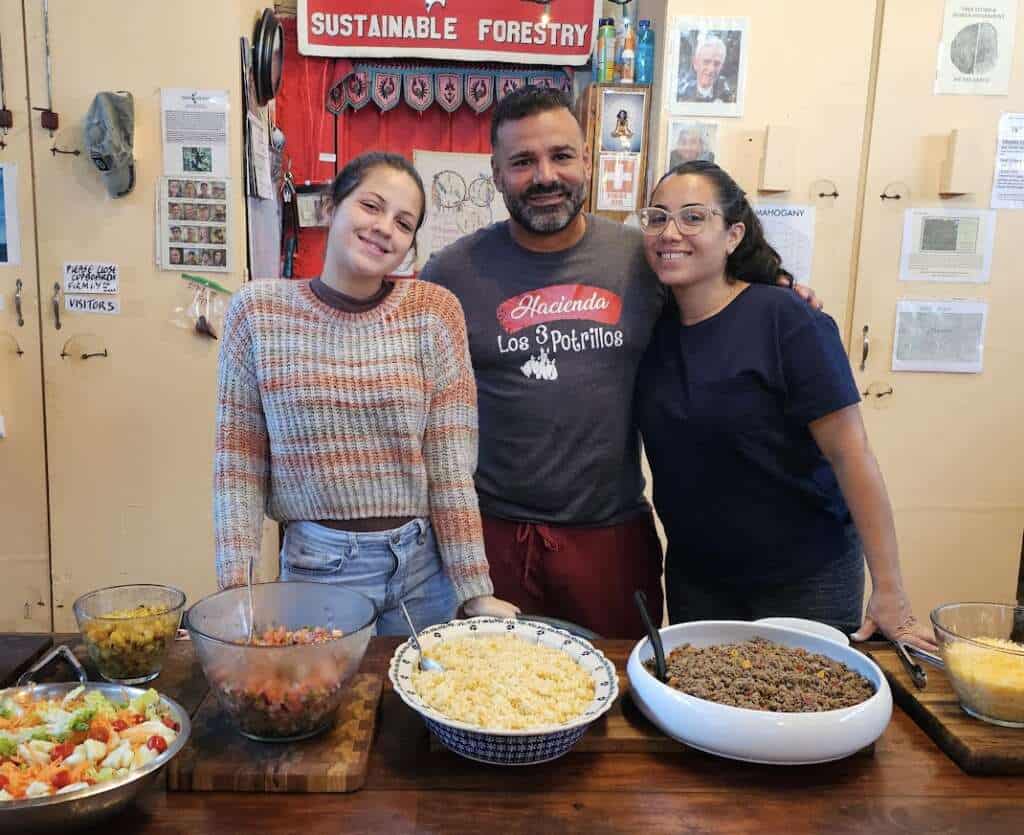
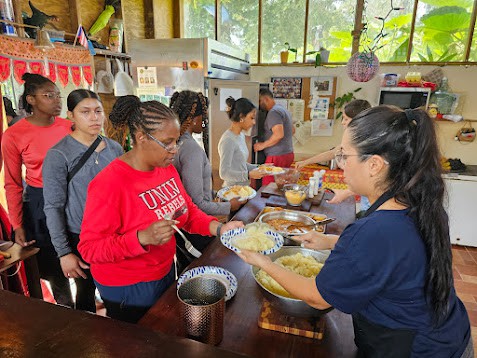
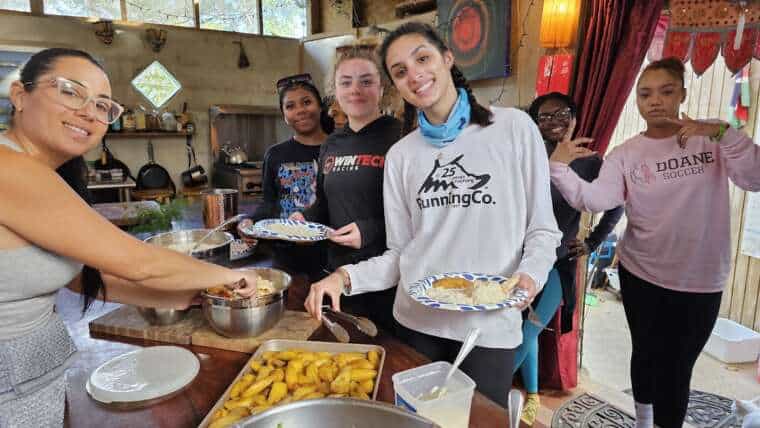
Their remarkable journey to the heart of Puerto Rico was made possible by Vamanos Tours, who ensured the smooth logistics of their trip. Their days were punctuated with mouth-watering meals, thanks to the exceptional culinary skills of Yara Soler. Her meals, a delightful blend of local ingredients and traditional recipes, offered an additional layer of cultural immersion. Soler’s kitchen was ably supported by Joel and Adrianna, whose hard work and dedication greatly contributed to the overall experience.
The time spent by Democracy Prep students at Las Casas de la Selva was more than a field trip; it was an intimate encounter with nature, a journey into the world of conservation, and a celebration of camaraderie under the Puerto Rican sky. It was a testament to the transformative power of experiences that combine learning, labor, and love for the environment. The memories and lessons they took away will undoubtedly continue to inspire them long after their return to Nevada. Their adventure in the rainforest is a reminder that sometimes the best classroom is the one with no walls.
We appreciate the collaboration we have with Vamanos! Reach out to them if you have a large school group that you would like to travel with, get all over the island, and also stay a few nights, or all nights, with us. https://www.vamonostours.com/about-us/ Vámonos is a minority-owned educational tour company incorporated in the state of Delaware. Founder, Jorge Pardo, started the company in 2002 after six years of taking his own students on cultural and Spanish immersion tours of his island. With a 100% teacher background, they know what it is like to organize these tours from a teacher’s perspective. Therefore, they help teachers throughout the entire sign-up process and provide more than what’s expected in terms of trip preparation.
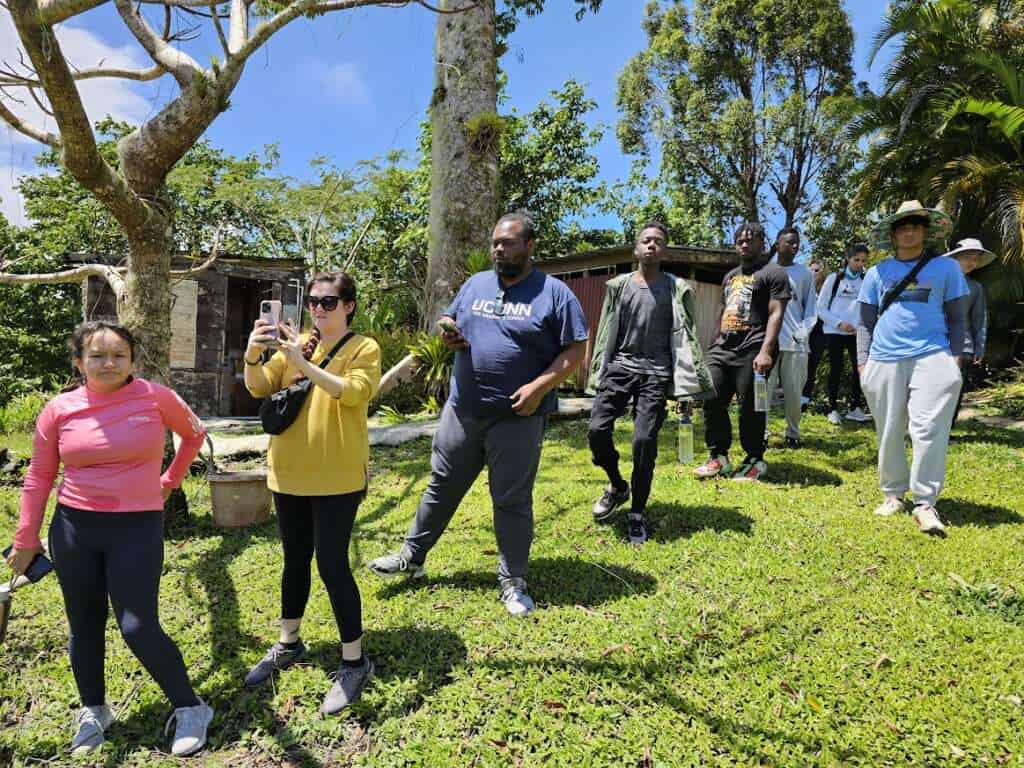
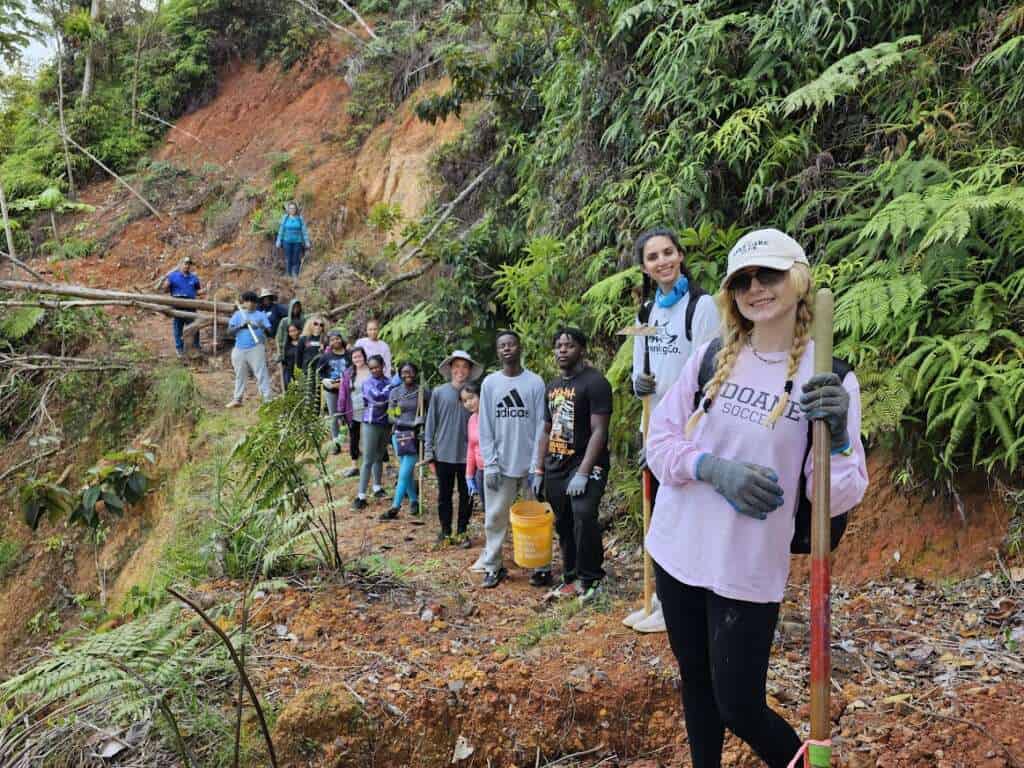
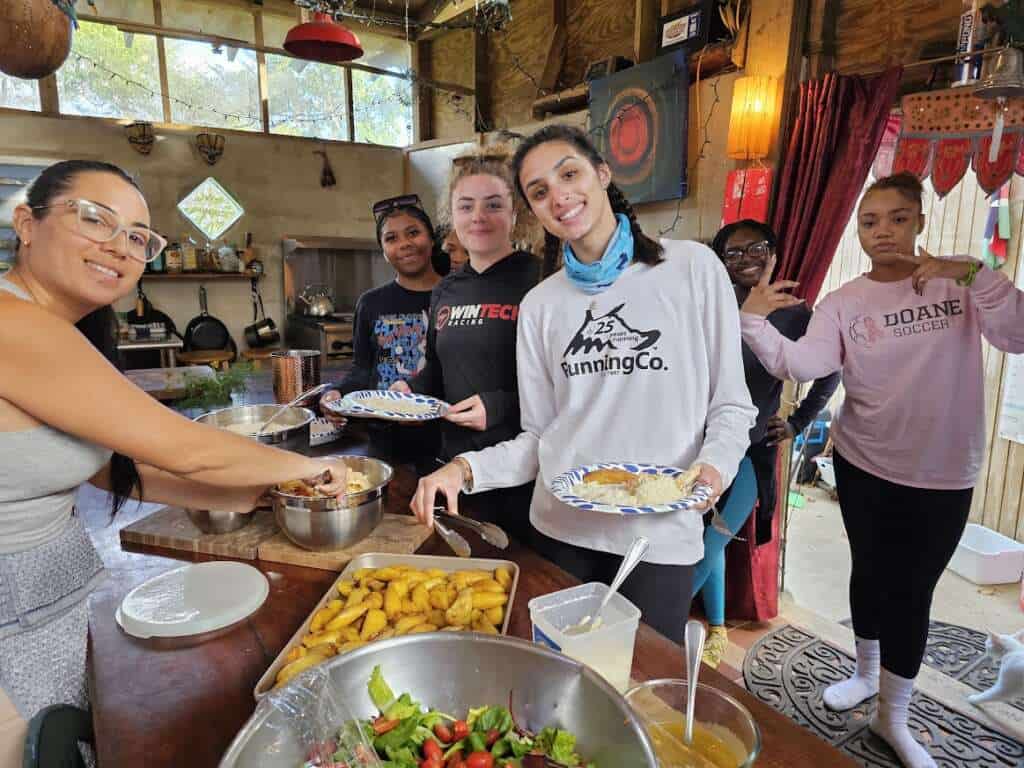
A team of 14 eager young students from Doane Academy in Burlington, New Jersey arrived at Las Casas de la Selva, ushered in by the experienced guides of Vamanos Tours, and 5 school staff. Though their stay was short, the impact of their visit will resonate for many days and years to come.
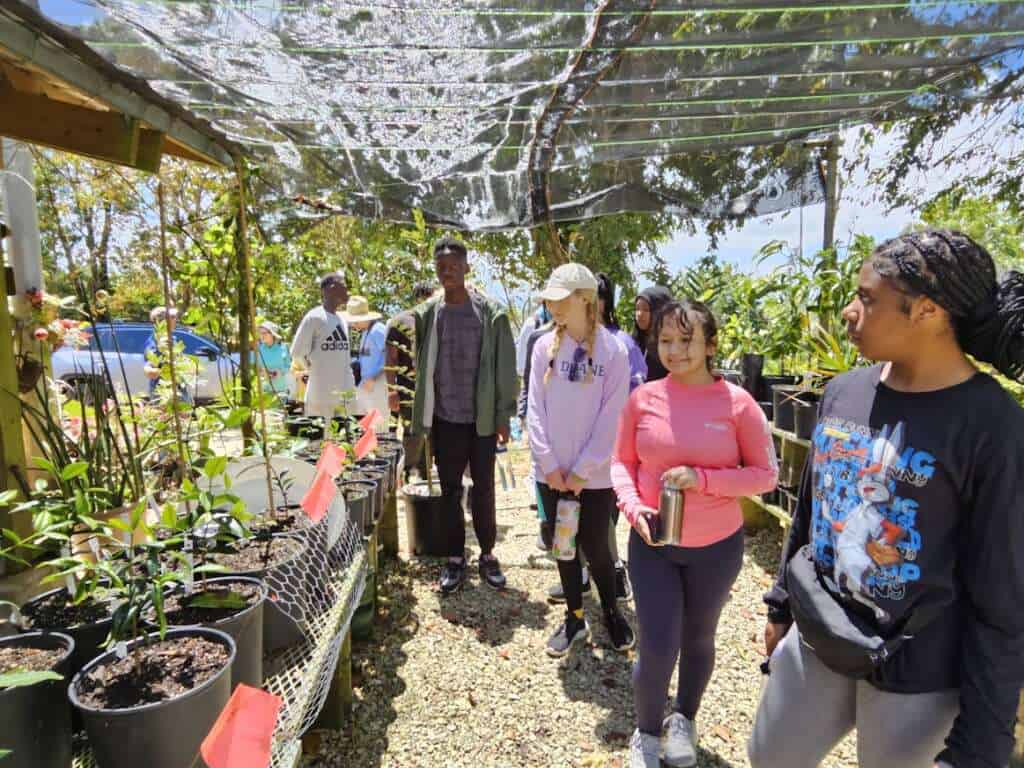
Under the stewardship of Las Casas de la Selva, the rainforest serves as more than just a natural spectacle. It’s a living laboratory and a sanctuary for many of Puerto Rico’s endemic species. The students were introduced to ongoing conservation projects, undertaken in collaboration with the Botanical Gardens Conservation International. These initiatives, aimed at preserving the biodiversity of the rainforest, offered the students a firsthand look at the work and dedication required to protect our planet’s delicate ecosystems. They gained an understanding of the urgency and importance of conservation work. Through these encounters, they learned about the delicate balance that characterizes the rainforest and the role they can play in maintaining it.
In particular, they learned about two incredibly rare and endangered plant species: Palo de Cruz (Garcinia portoricensis) and Tortuga Prieto (Ravenia urbanii). These aren’t just plants but important chapters in the story of Puerto Rico’s unique biological heritage. Understanding these species is essential to conserving the rainforest’s intricate web of life, and the students were privileged to see and learn about these plants in their natural habitat.
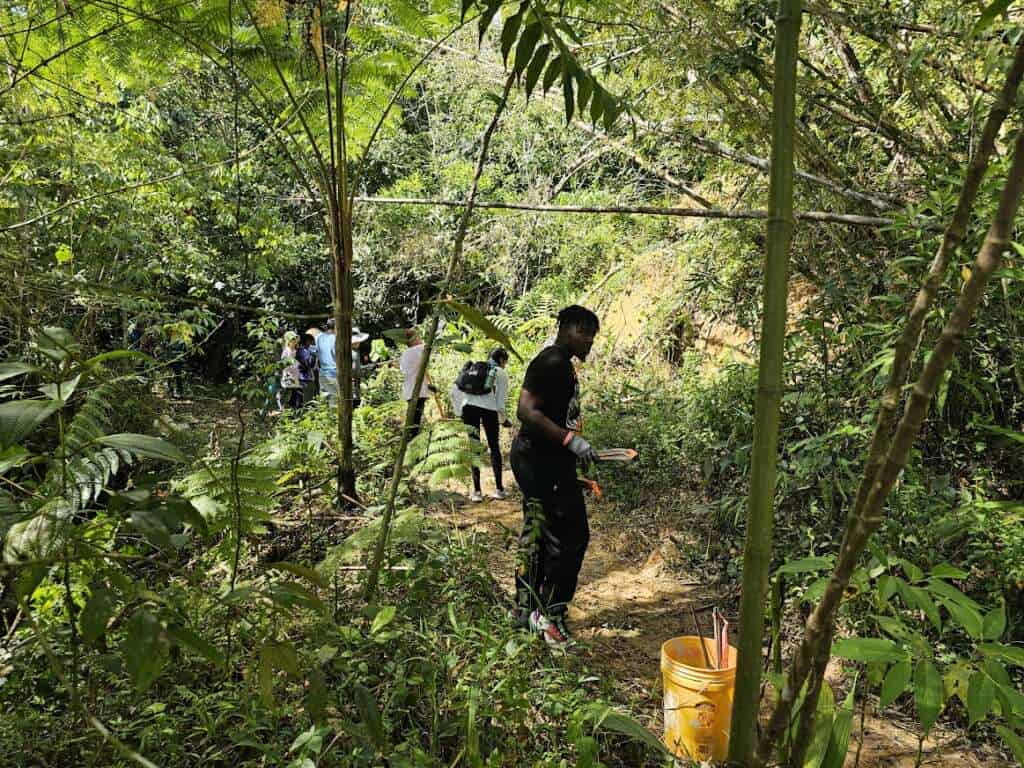
The Doane Academy students stepped into the shoes of conservationists for the day, engaging in the noble task of trail clearing. The trails within the lush landscape of Las Casas de la Selva serve as vital lifelines, not just for the human visitors, but for the incredible biodiversity that calls this place home. Keeping them clear and safe is a task of utmost importance, ensuring that the delicate balance of the forest ecosystem remains undisturbed.
Equipped with tools and buoyed by a shared purpose, the students worked diligently, clearing fallen leaves and branches, smoothing out rugged areas, and ensuring the trails remain accessible for future explorations. The task was not only a lesson in conservation work, but also an exercise in teamwork, as students learned to synchronize their efforts, becoming parts of a cohesive whole, much like the rainforest itself.
After a day of hard work, they embarked on a hike along the ethnobotanical trail, delving deep into the heart of the forest. This wasn’t just any walk in the woods. As they navigated the trail, they had a chance to discover and learn about the extraordinary plant species that inhabit this rainforest. The trail provided them with a window into the fascinating world of ethnobotany, demonstrating the profound relationship between humans and plants.
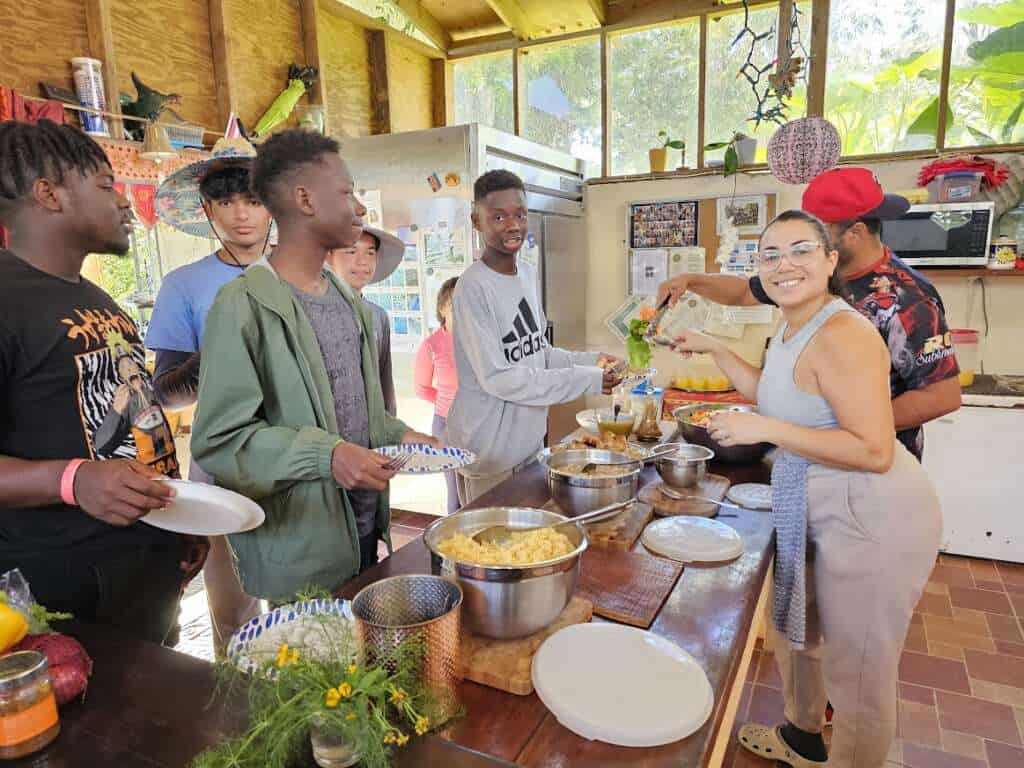
The day’s activities culminated in a culinary treat, courtesy of Yara Soler. Her exceptional cuisine added a flavorful finish to a day packed with learning and action, providing the students with a well-deserved reward. Nourished by Soler’s delicious creations, they ended their day on a high note, their hearts filled with unforgettable memories and newfound appreciation for the conservation work being done at Las Casas de la Selva.
Even as their visit concluded, the experiences and knowledge gained during this single day will undoubtedly continue to resonate with the Doane Academy students. They left a part of themselves in the forest trails they cleared, and in return, they carried away valuable lessons in conservation, teamwork, and respect for nature’s intricate tapestry. And hopefully, their brief foray into the world of Las Casas de la Selva has sown the seeds of lifelong stewardship for our planet’s precious resources.
The time spent at Las Casas de la Selva by the students of Doane Academy was an immersive lesson in ecology and conservation. They didn’t just observe the rainforest; they experienced it, understood it, and contributed to its well-being. In the process, they came away with an experience that combined exploration, education, and stewardship, fostering a deep respect for the natural world that will hopefully last a lifetime.
We appreciate the collaboration we have with Vamanos! Reach out to them if you have a large school group that you would like to travel with, get all over the island, and also stay a few nights, or all nights, with us. https://www.vamonostours.com/about-us/ Vámonos is a minority-owned educational tour company incorporated in the state of Delaware. Founder, Jorge Pardo, started the company in 2002 after six years of taking his own students on cultural and Spanish immersion tours of his island. With a 100% teacher background, they know what it is like to organize these tours from a teacher’s perspective. Therefore, they help teachers throughout the entire sign-up process and provide more than what’s expected in terms of trip preparation.