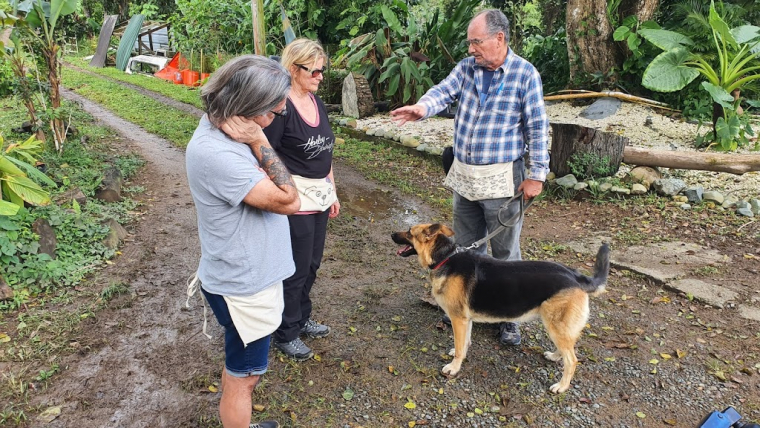
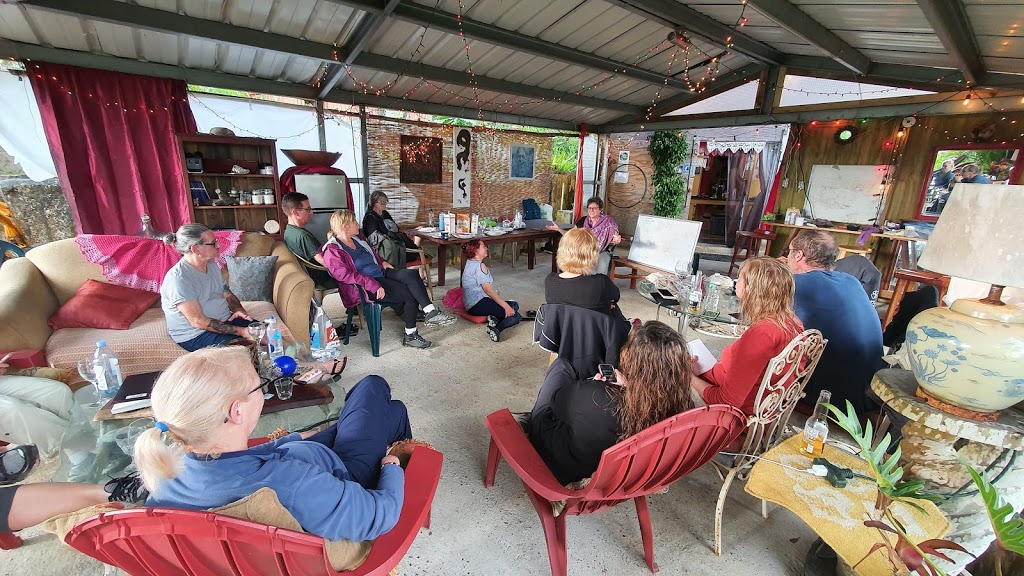
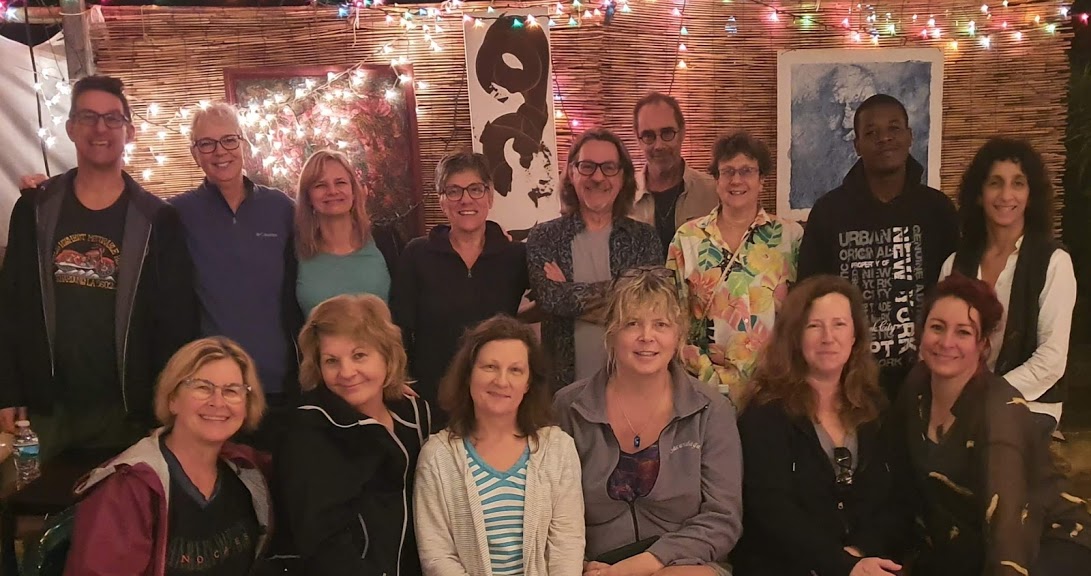
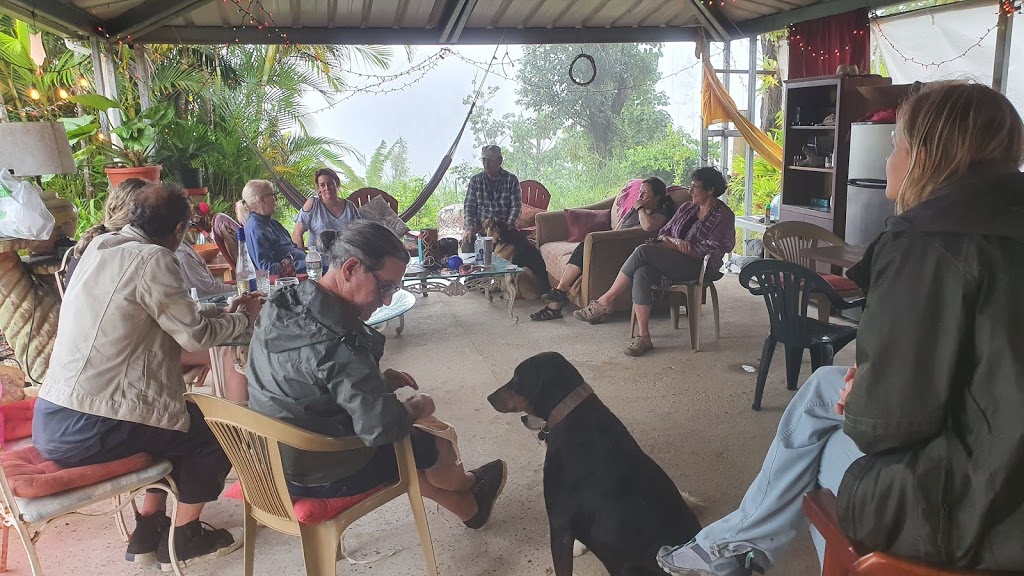
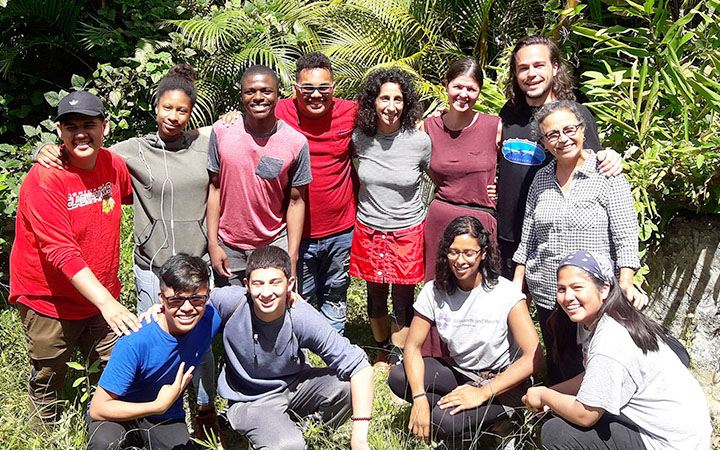
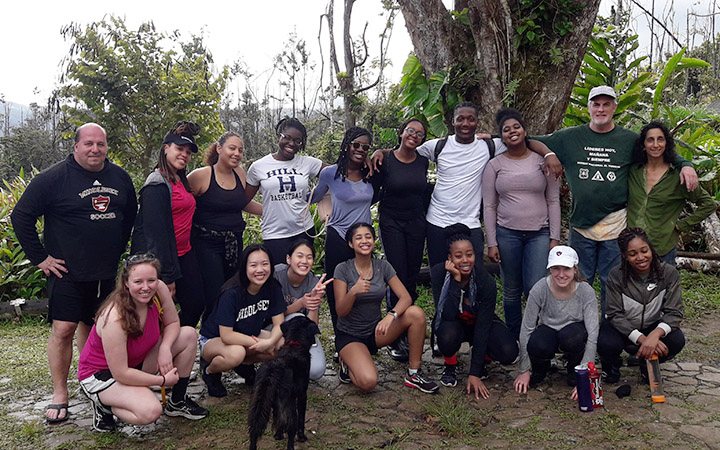
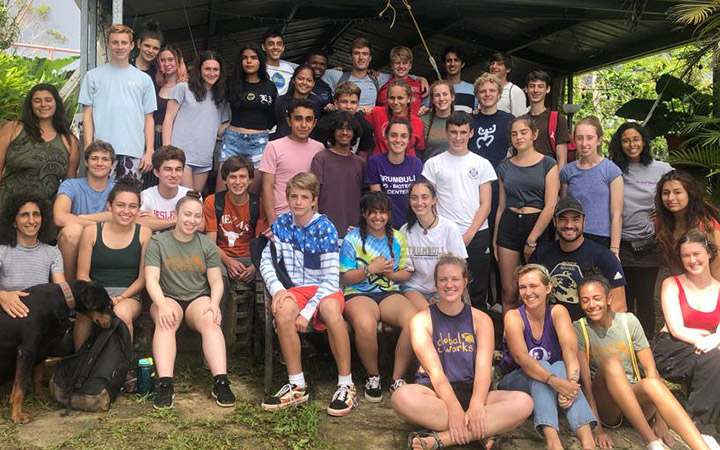
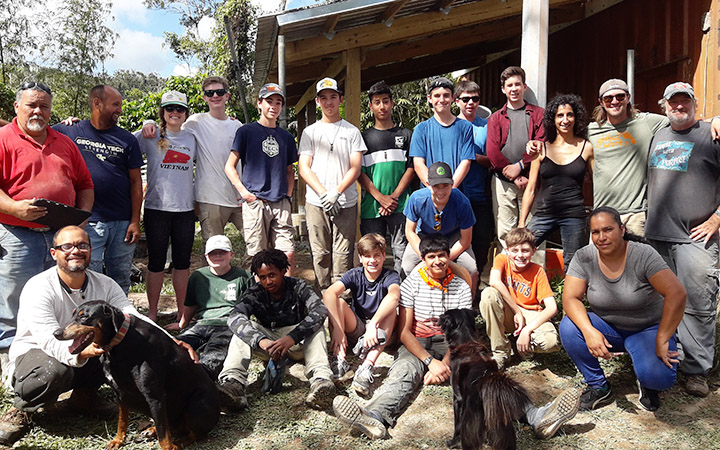
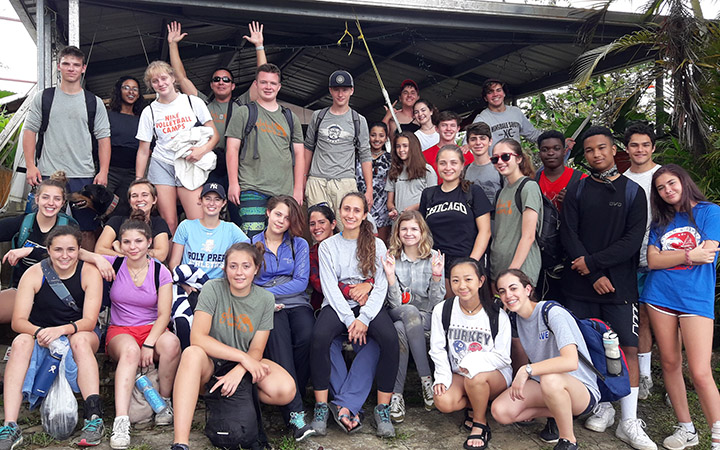
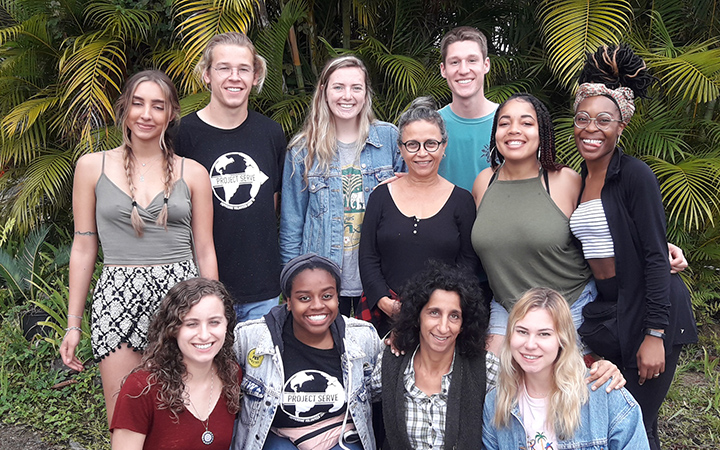
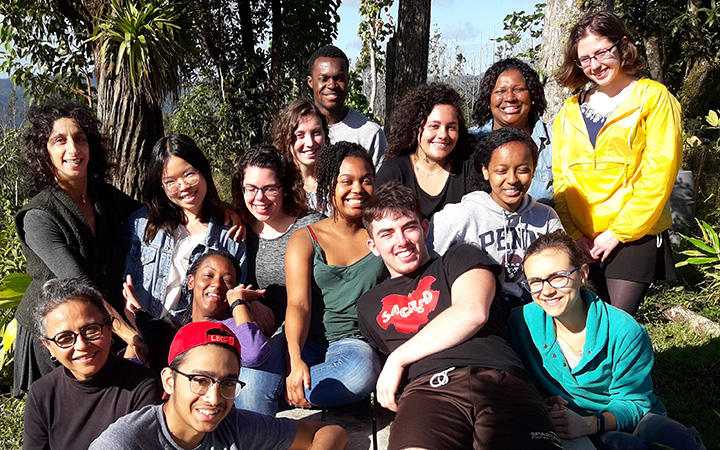
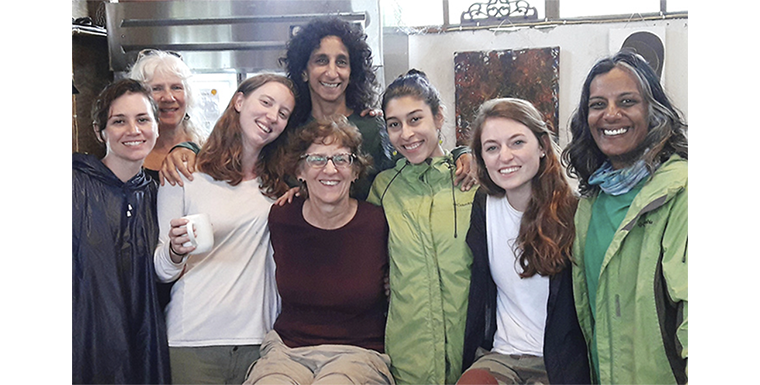
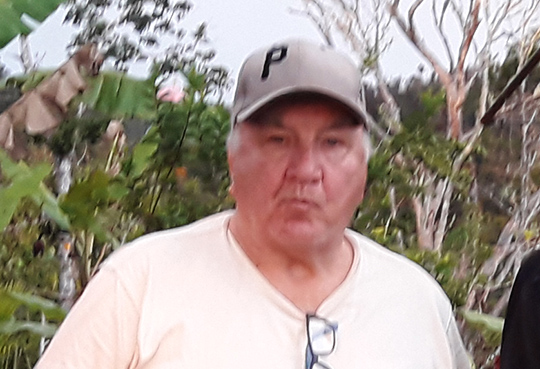
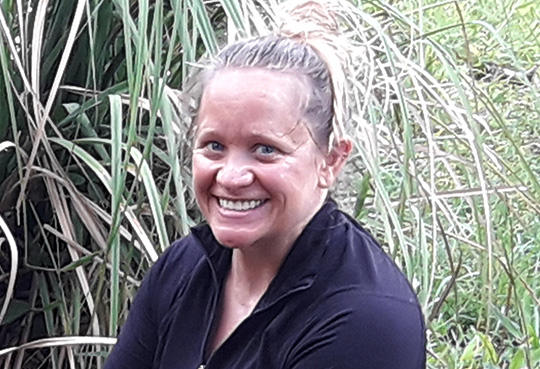
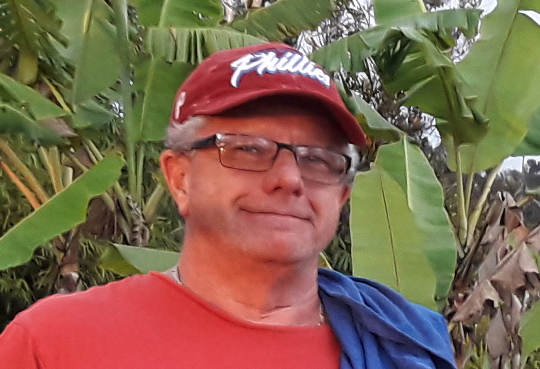
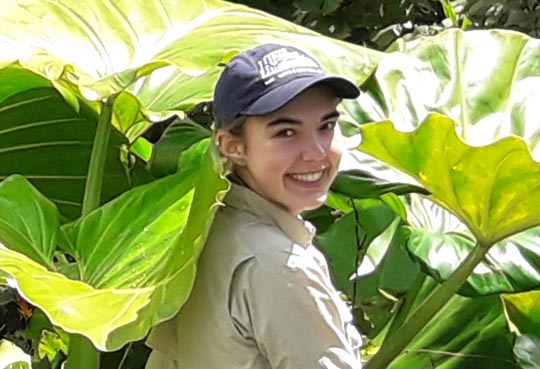
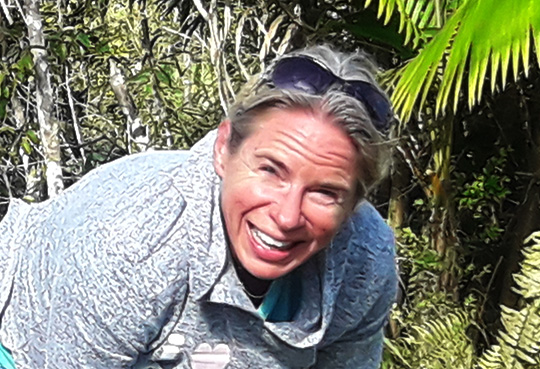
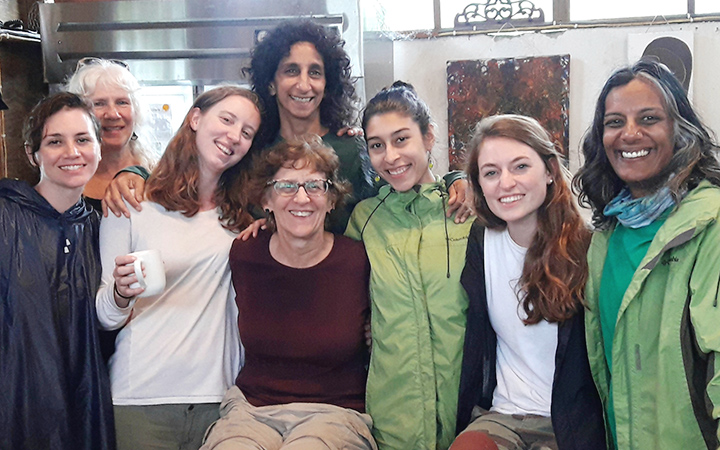
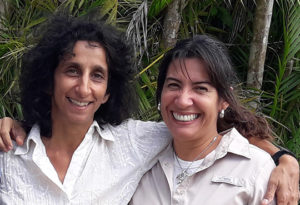
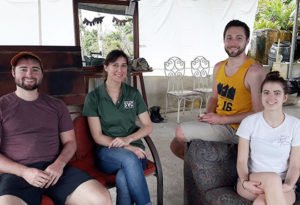
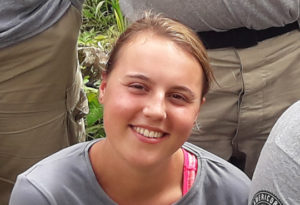
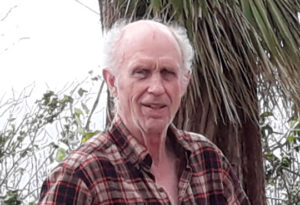
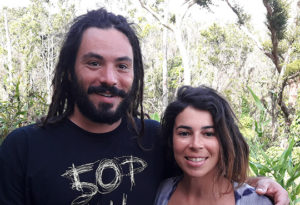
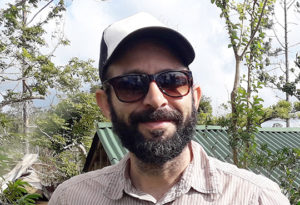
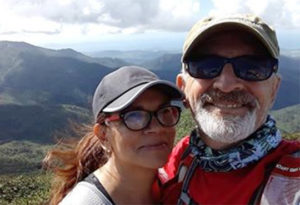
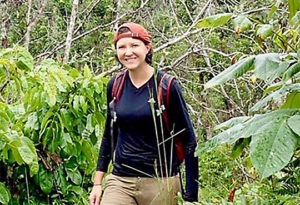
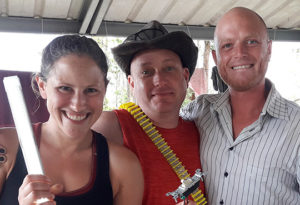
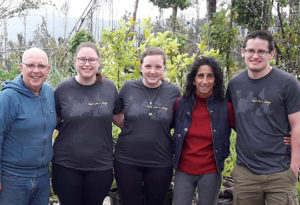
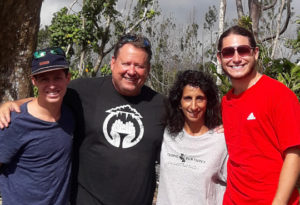
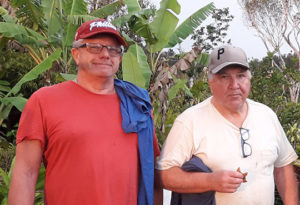
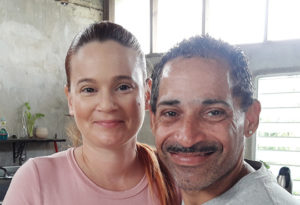
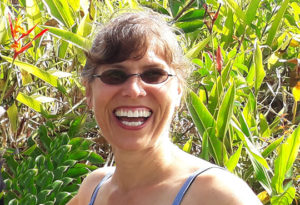
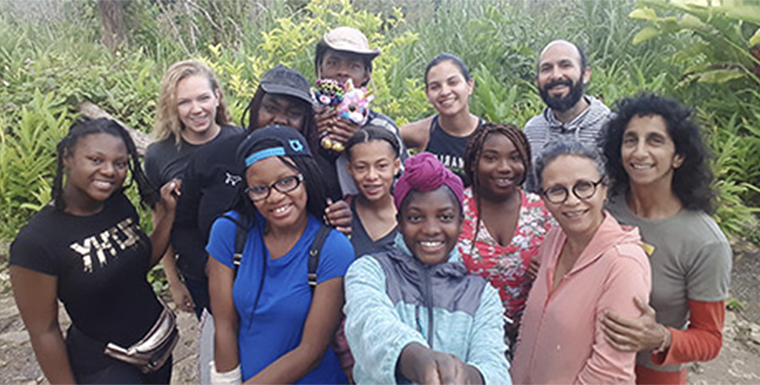
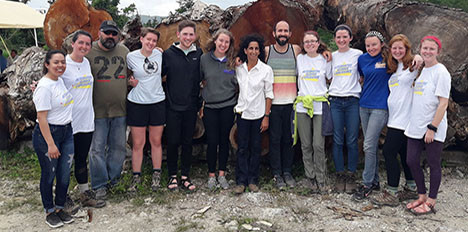
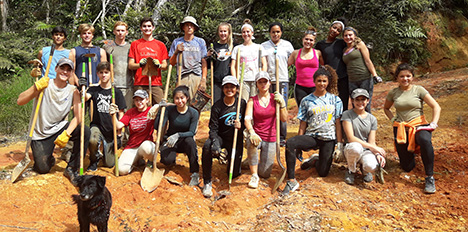
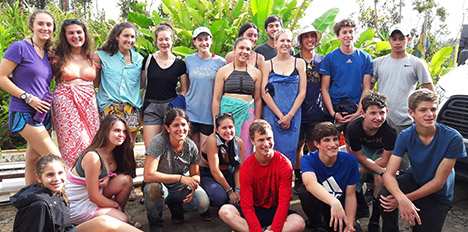
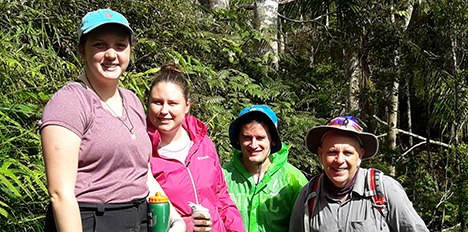
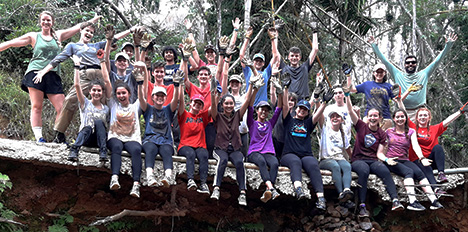
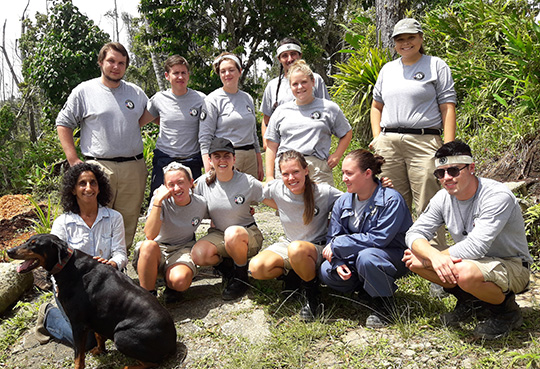
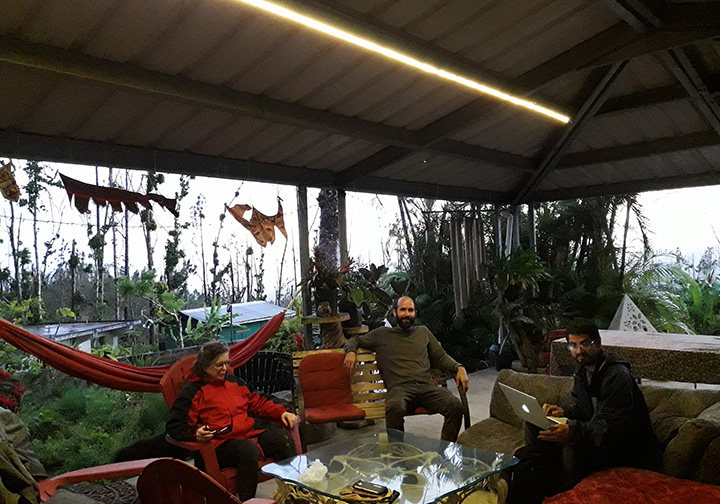
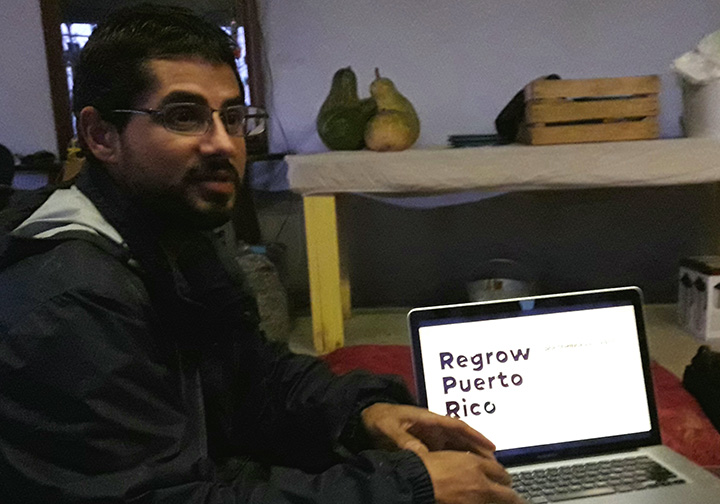
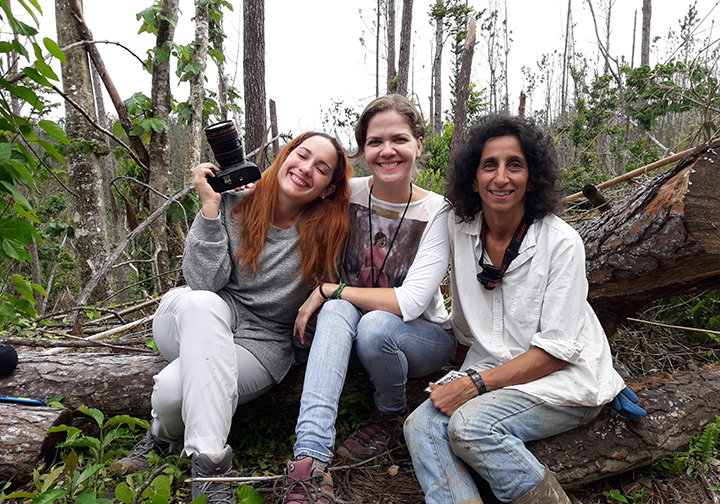
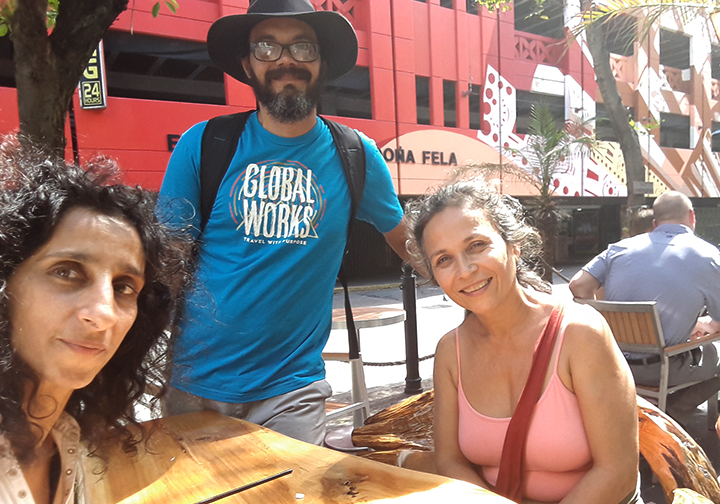
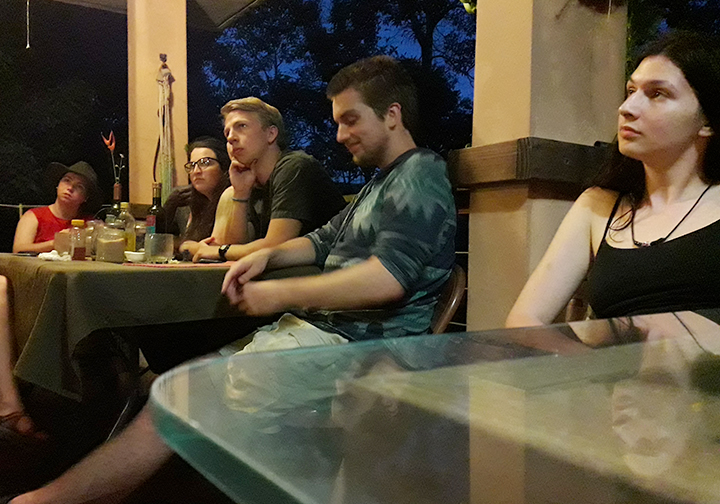
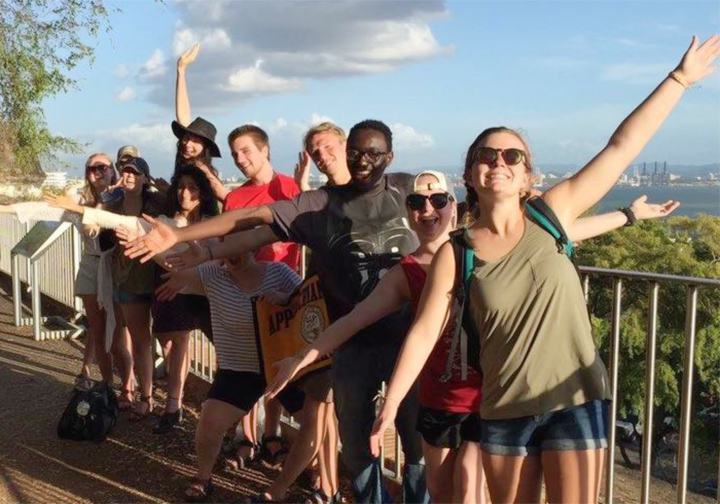
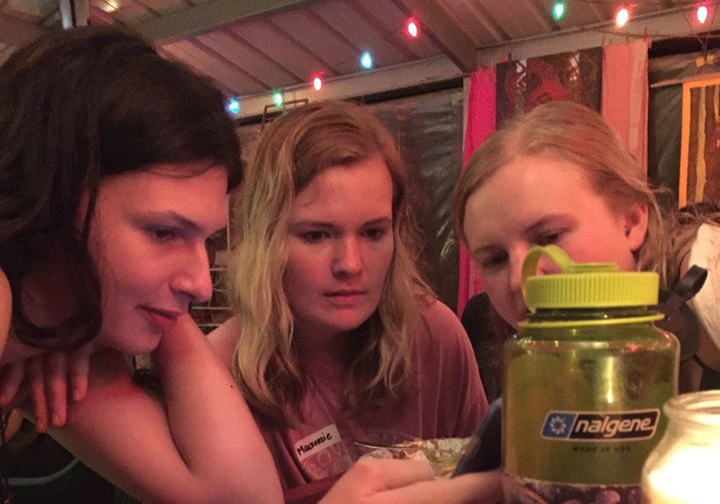
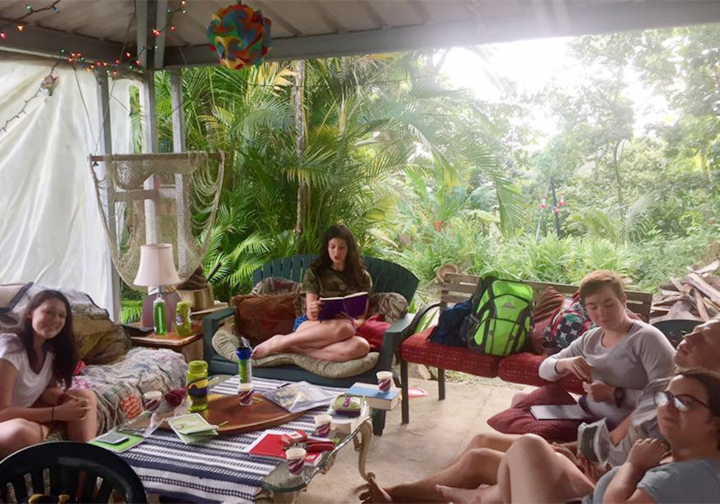
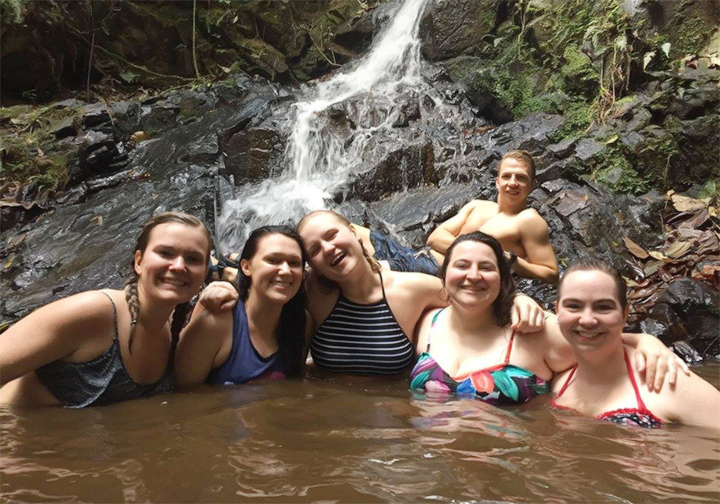
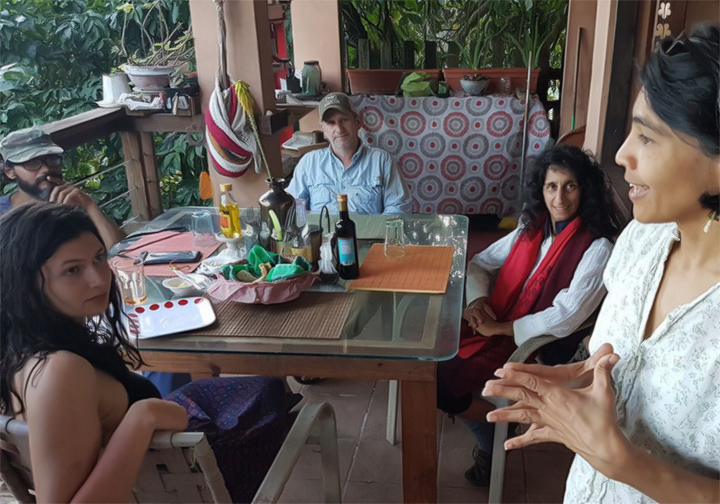
Debbie Jacobs has been organizing travel adventures for nearly three decades, including leading group adventures to Puerto Rico. She has been bringing various groups to Las Casas de la Selva since the 90s.
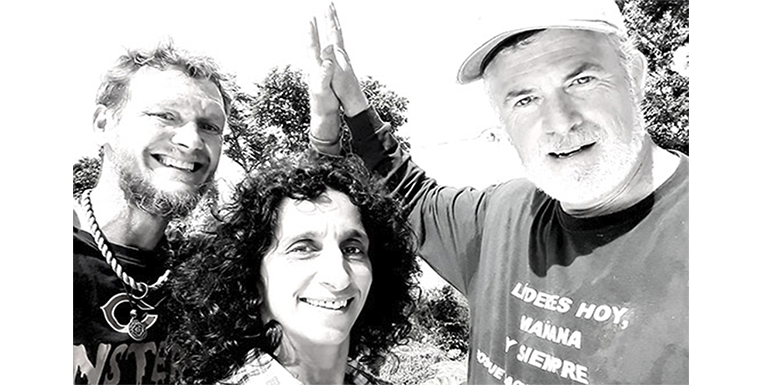
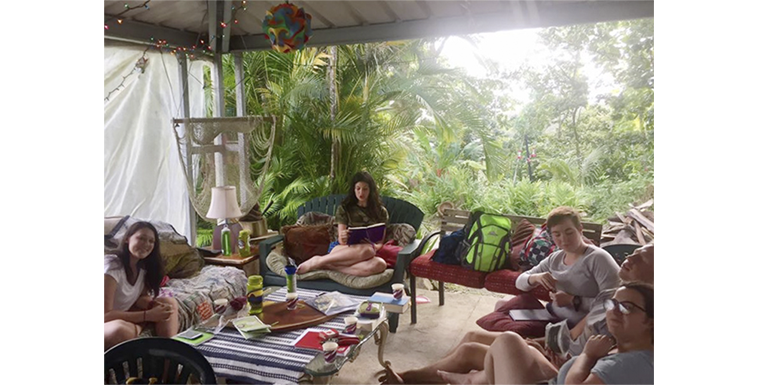
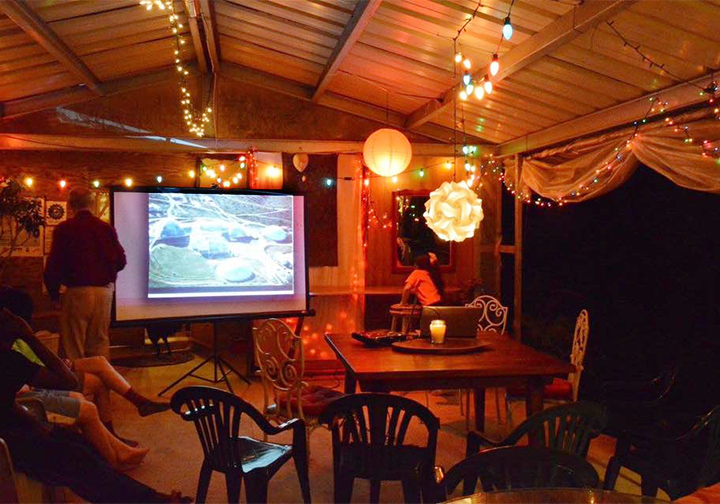
She has always been foremost a dog trainer, and finally about four years ago realized her dream of organizing dog-training groups to visit Puerto Rico. She is excited to be combining her passion for traveling and sharing unique environments with people, along with her enthusiasm for helping pet owners discover the most effective and humane ways to communicate with their dogs. The team also travels to animal sanctuaries and shelters, where they train the staff and animals, helping with the stray dog situation that is ongoing.
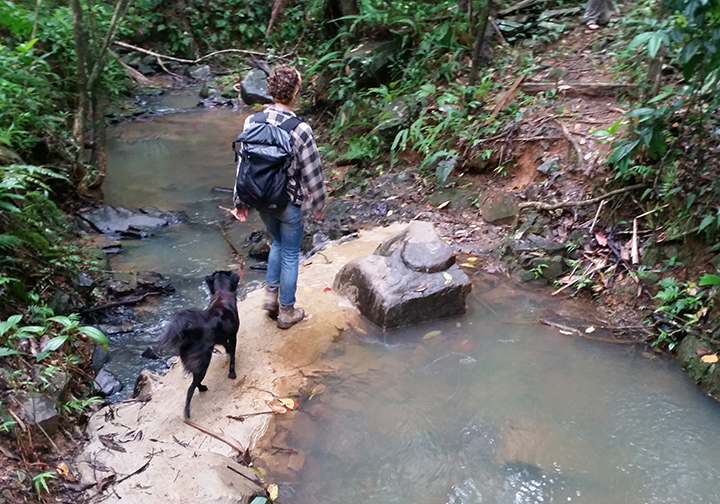
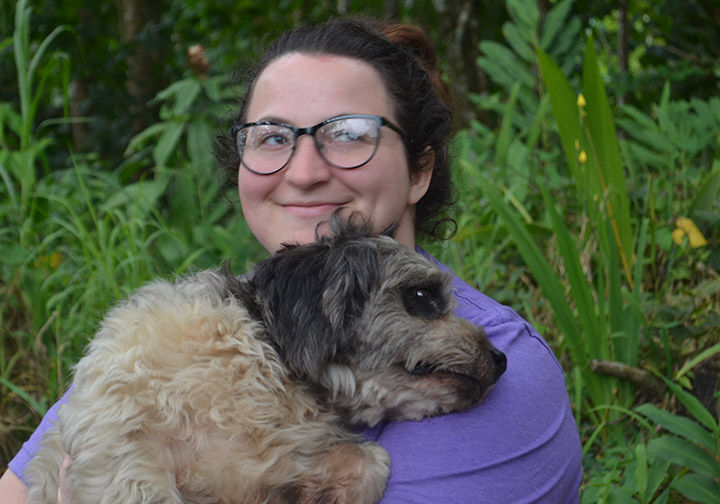
Part of Debbie’s ten-day Puerto Rico trips includes several days at Las Casas. During the day, she offers the latest animal training techniques and shares them with her team. Getting people to visit Las Casas is always a good thing, and gives us the chance to spread the word about the work we do in sustainable forestry. We also invite our friends who have dogs that need training. It is actually the case that the humans need as much training as the animals! By showing people how to have a positive and trusting relationship with their pets, they support dogs in doing what they can do so well – become our best friends and treasured members of our families. Having our own dogs makes Las Casas a favorite place for Debbie’s team, and Negralora, Nogal, and Yagrumo get to learn best behaviors as a result of this positive reinforcement training. Kailash, our 15 year old cat is also trained in various ways, (yes, you can teach an old cat new tricks!), as well as some of the chickens!
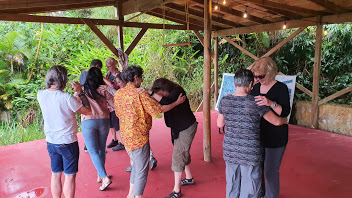
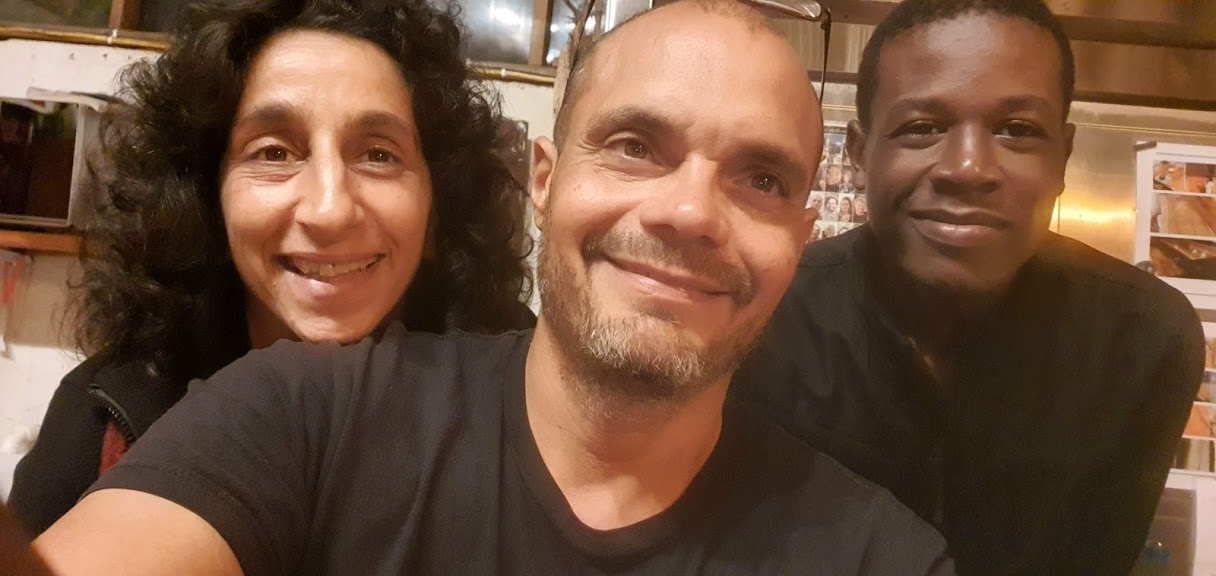
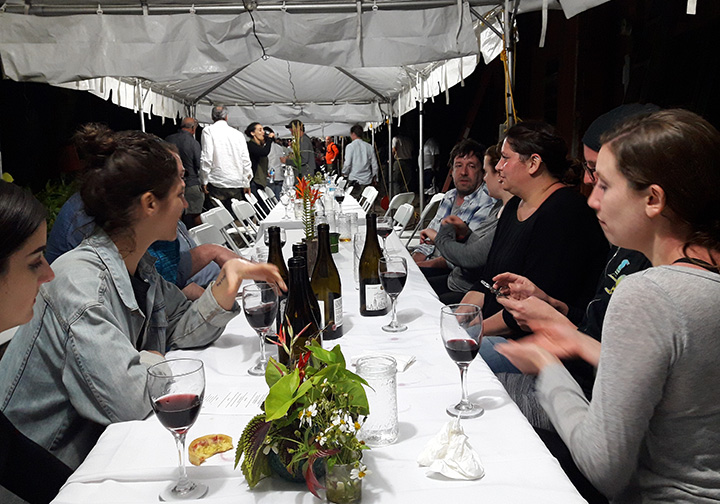
Debbie’s trip is a perfect combination of community service, dog training skills, education and practice, and flat-out fun. Delicious meals were cooked by 3t and a up-lifting salsa dance class by Yari Soler.
Professionals in the industry she has trained with include Jean Donaldson (https://www.academyfordogtrainers.com/), and Bob Bailey. Debbie is also currently studying to become a Registered Behavior Technician, an international certification that indicates she is qualified to work with Board Certified Behavior Analysts in implementing behavior modification plans with people.
Debbie Jacobs, CPDT-KA, CAP2, is the author of ‘A Guide To Living With & Training A Fearful Dog’ and ‘Does My Dog Need Prozac?’
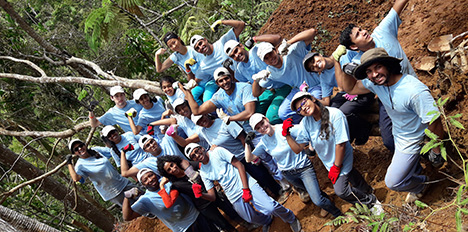
Since 1985, Greenheart International has been a catalyst for global transformation through the facilitation of cultural exchange programs, eco-fair trade purchasing, personal development opportunities, volunteer service initiatives, and environmental advocacy projects. Greenheart International is endorsed by the City of Chicago for the promotion of international education, environmental awareness, and citizen diplomacy, with an ardent commitment to sustainable practices, a steadfast dedication to expanding worldviews, and an abiding passion for planetary change. Greenheart International sends teenagers abroad to learn new things and immerse themselves into different cultures.
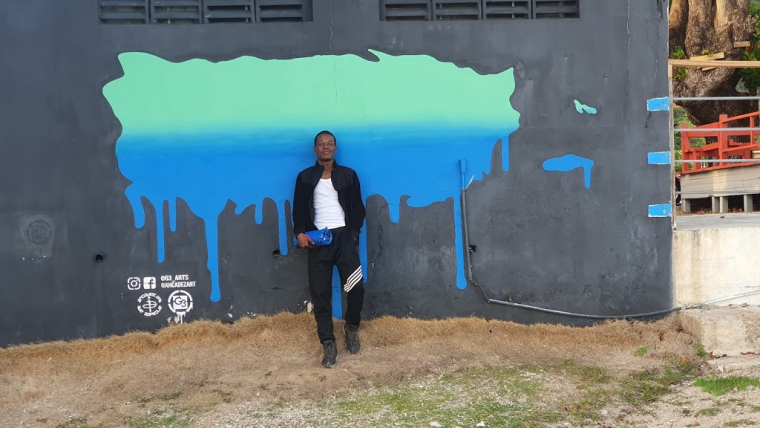
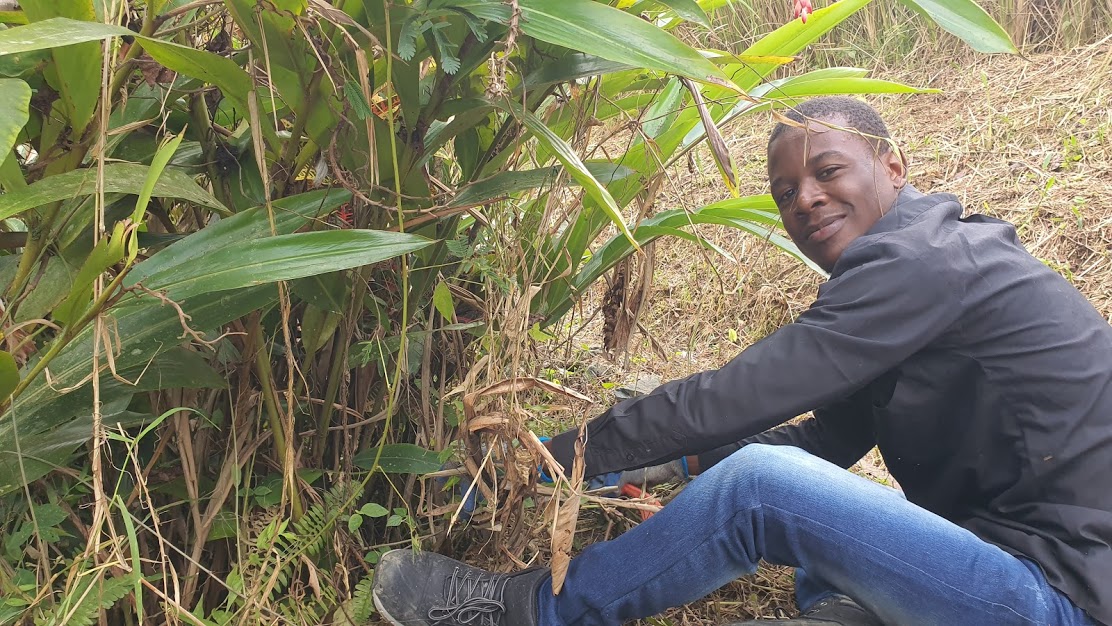
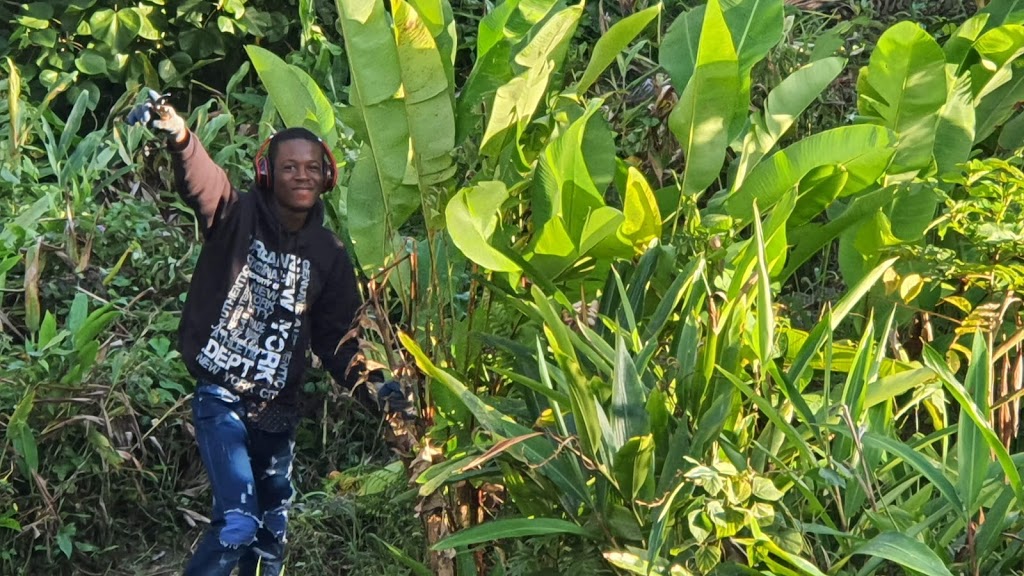
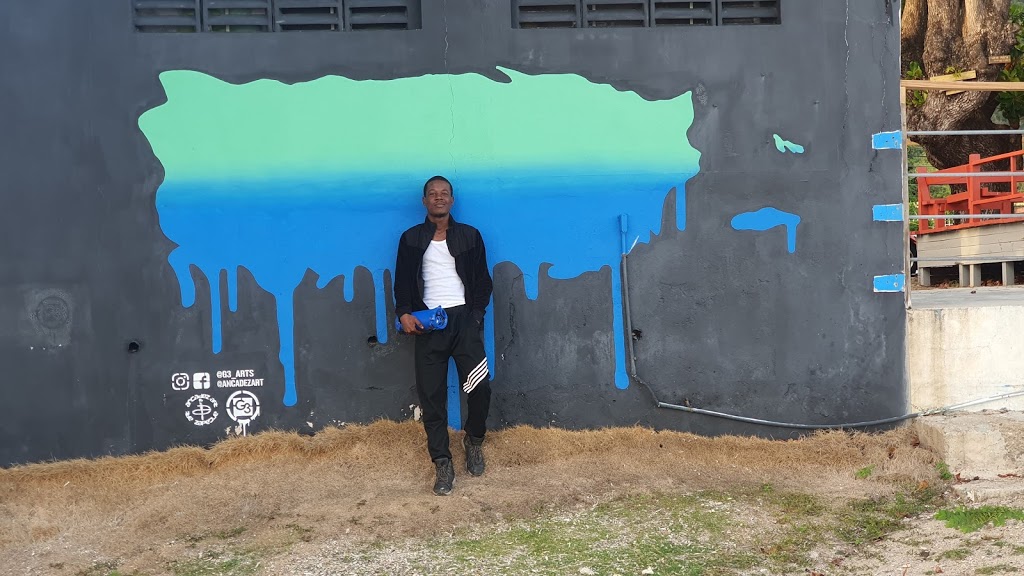
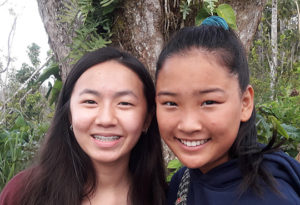
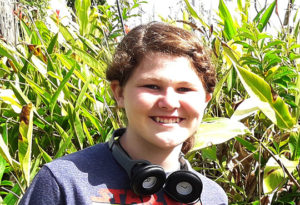
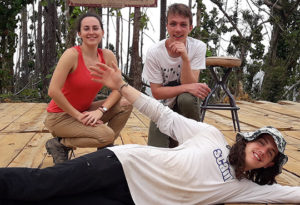
Jovany, 19, from Port-au-Prince, Haiti, won a scholarship from Greenheart,and volunteered at Las Casas de la Selva in January 2020 for 10 days. He was a great volunteer and jumped enthusiastically into all tasks that he was given, including pruning in the gardens, and helping to host a visiting team.
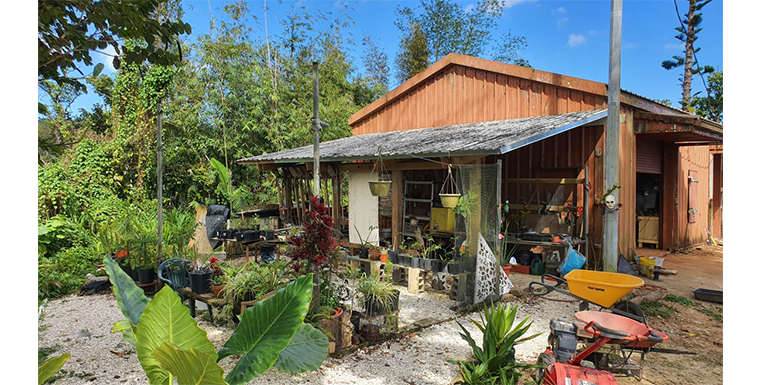
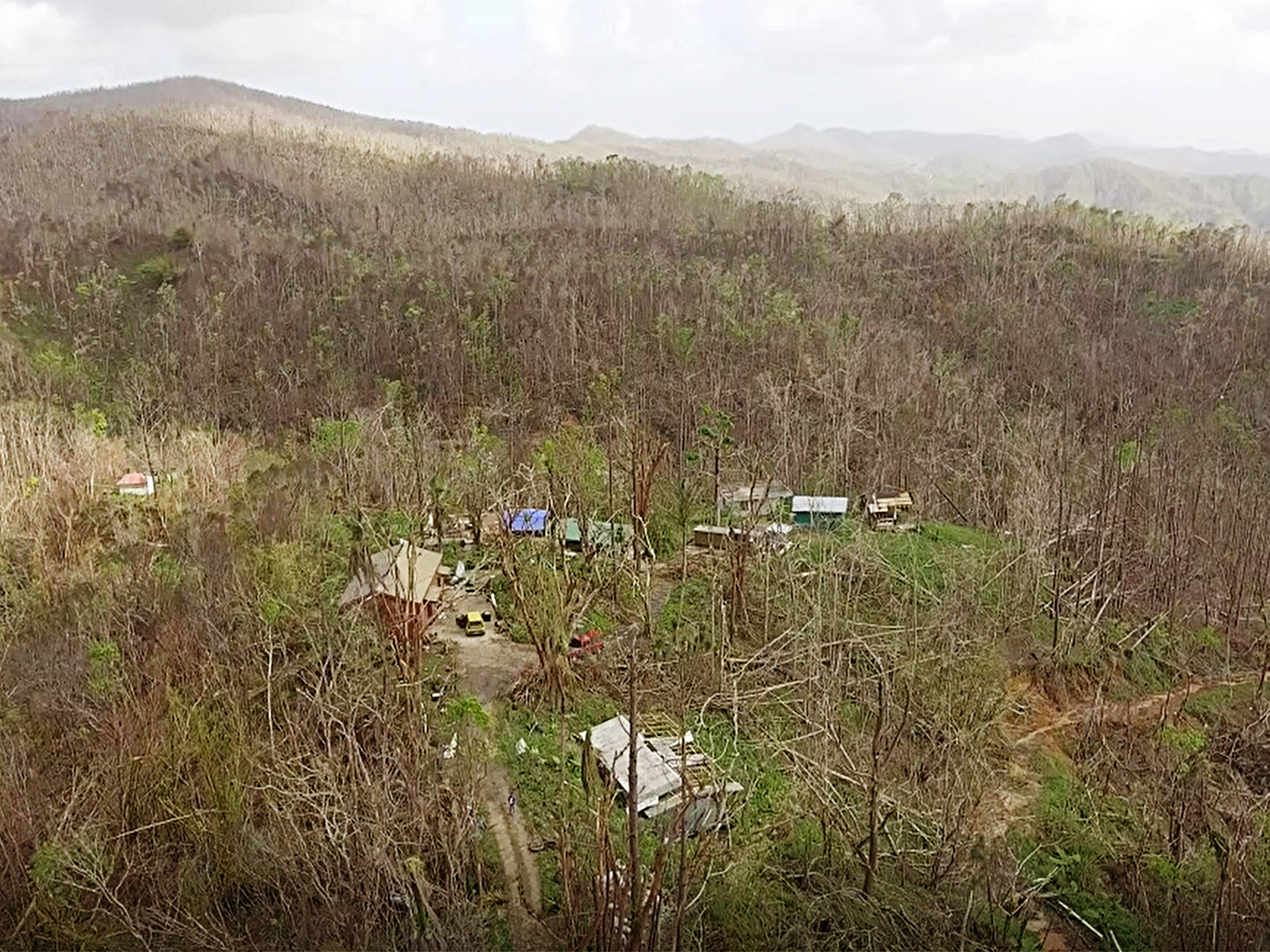
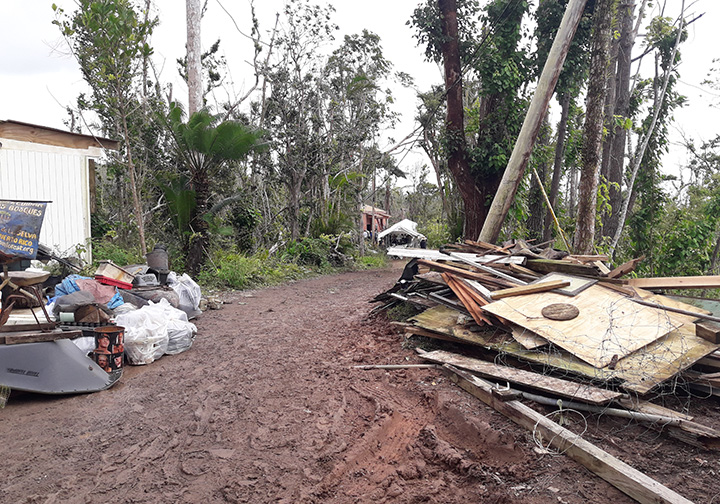
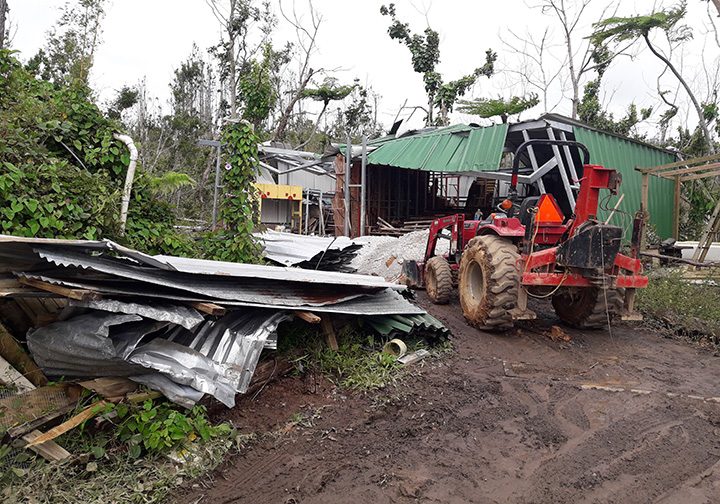
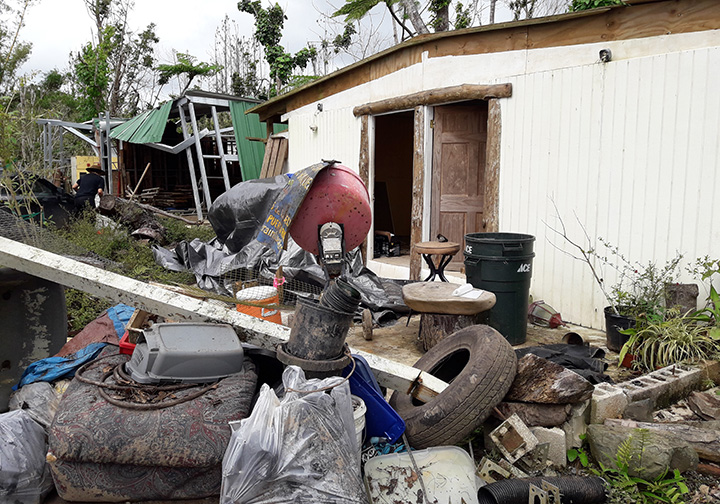
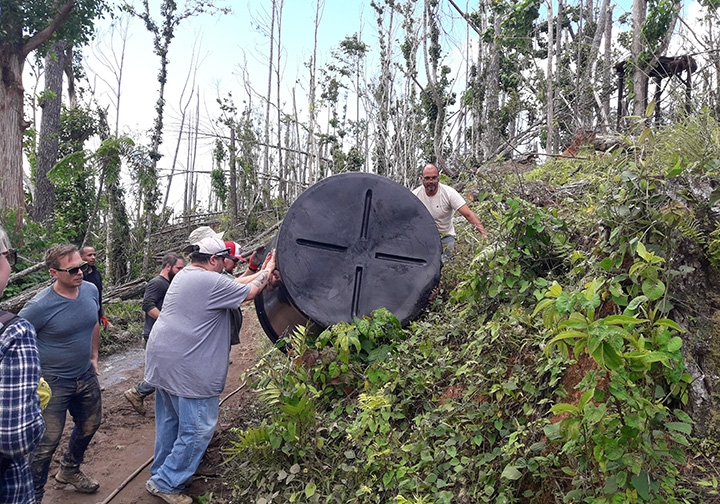
Hurricane Maria devastated the Las Casas de la Selva homestead including two tree nurseries. 3t lost nearly 2,000 tree seedlings and saplings in the hurricane, a soul-destroying loss of many years work. The creation of a new nursery was the great healing of 2019. Many collaborations with volunteer groups, and a collaborative plant project were terminated as the project struggled to survive 9 months without electricity, and a compromised homestead and road. In the hours before the hurricane, as she watched internet images of Maria heading to the island, 3t saved a few dozen critically endangered endemic trees, and dug out some that had been freshly planted out, and secured them in the workshop, along with everything else necessary to save. The workshop had survived Hugo and Georges. It survived the eye of Category 4/5 Maria. Sadly much else was lost. See short movie below.
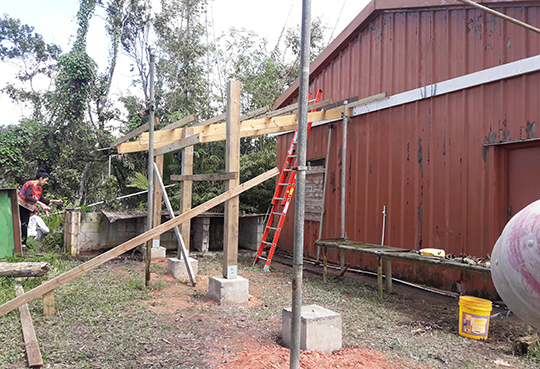
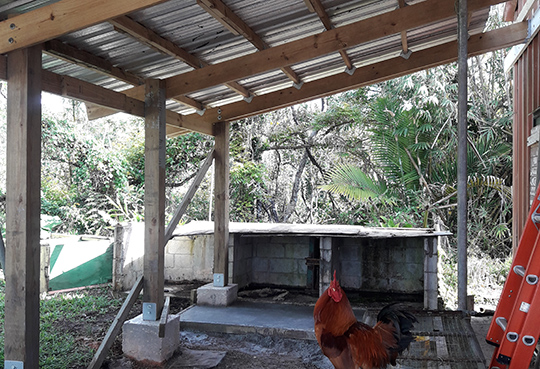
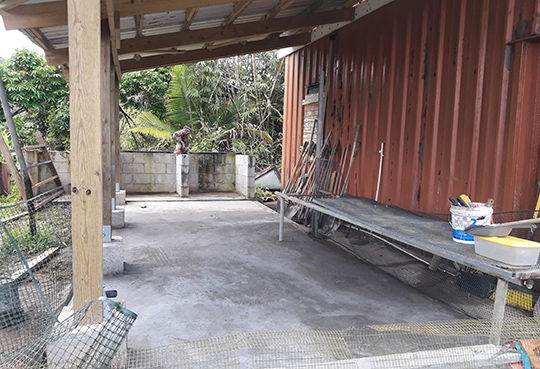
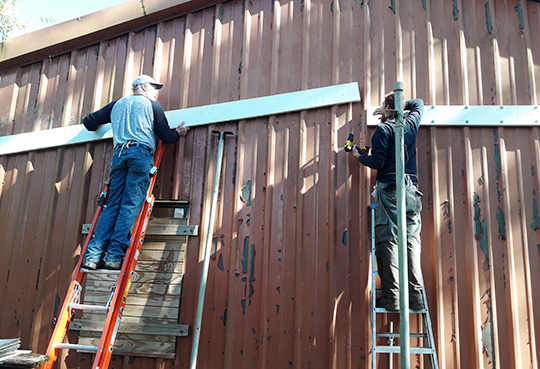
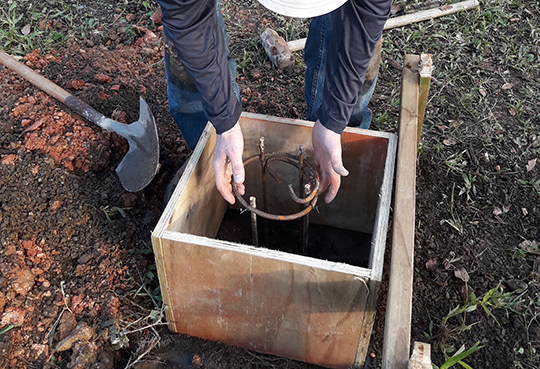
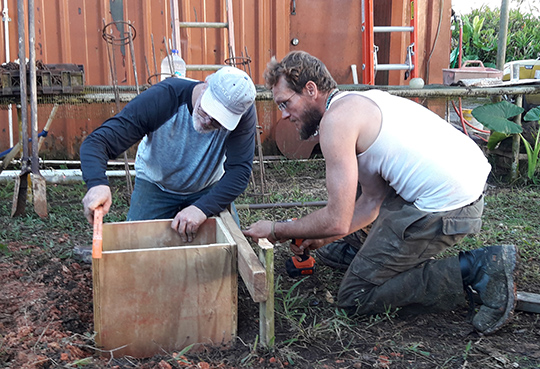
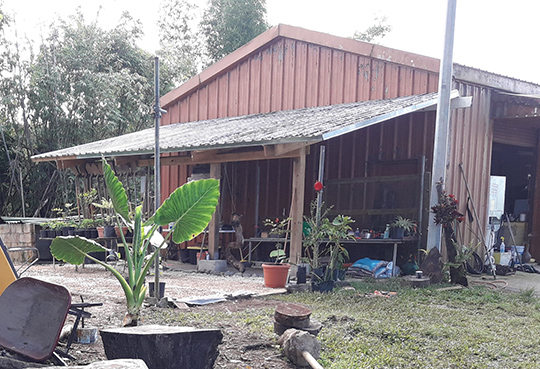
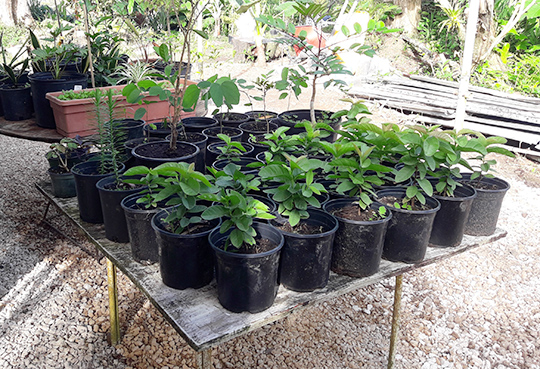
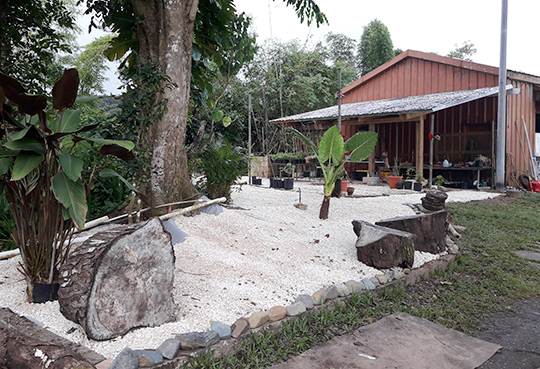
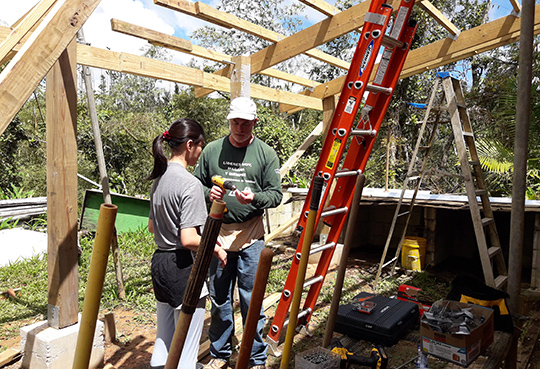
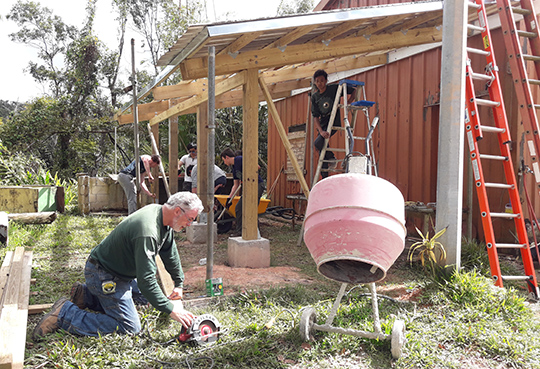
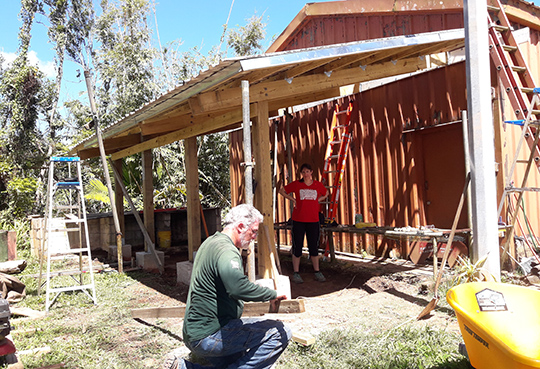
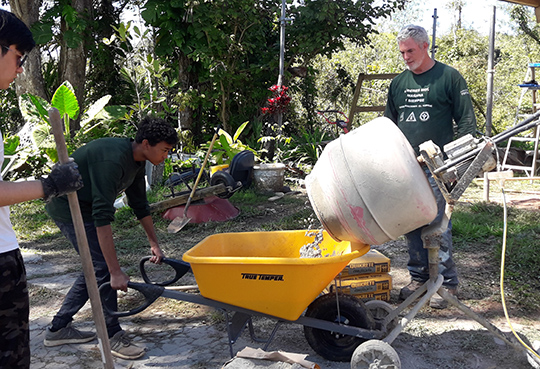
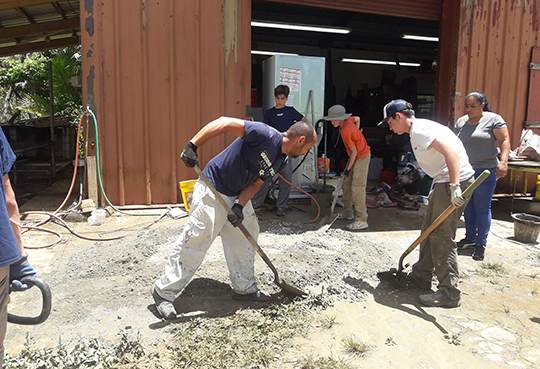
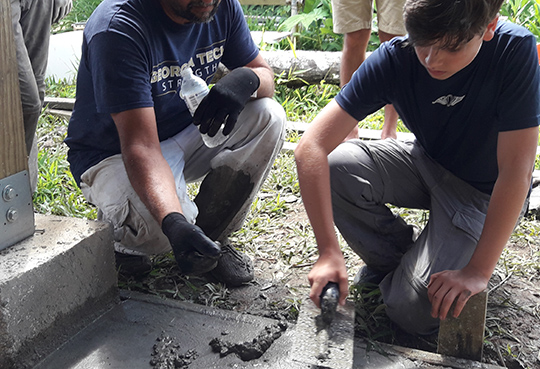
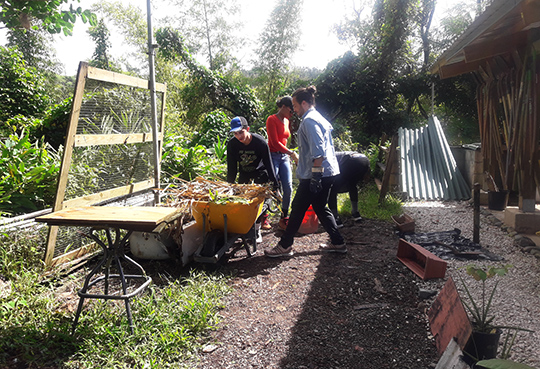
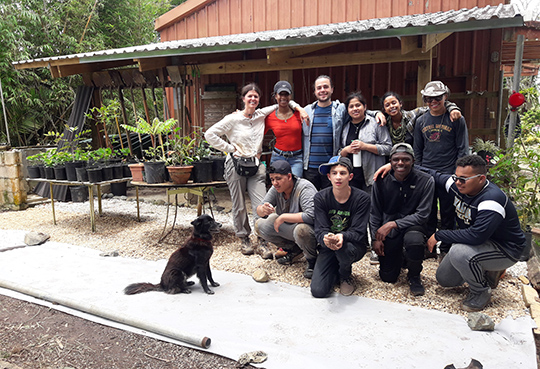
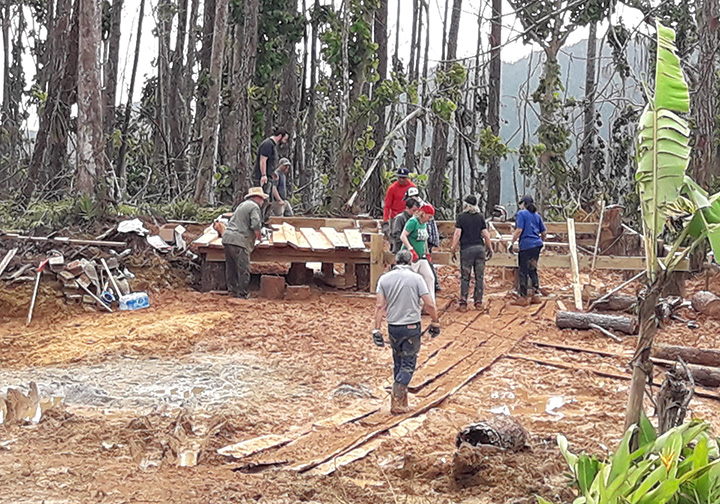
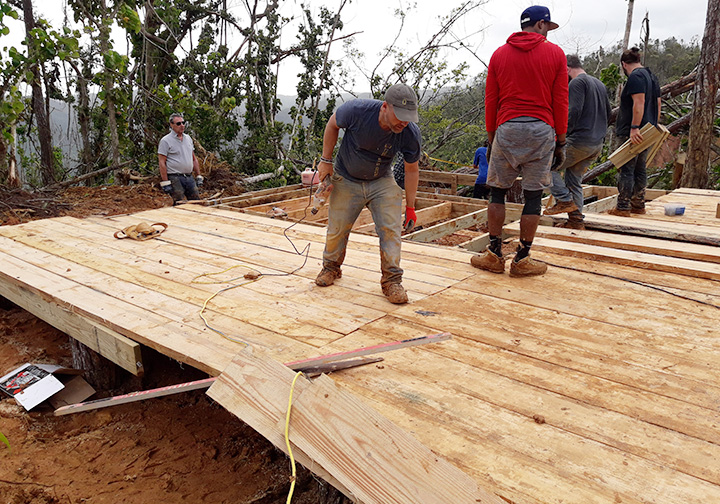
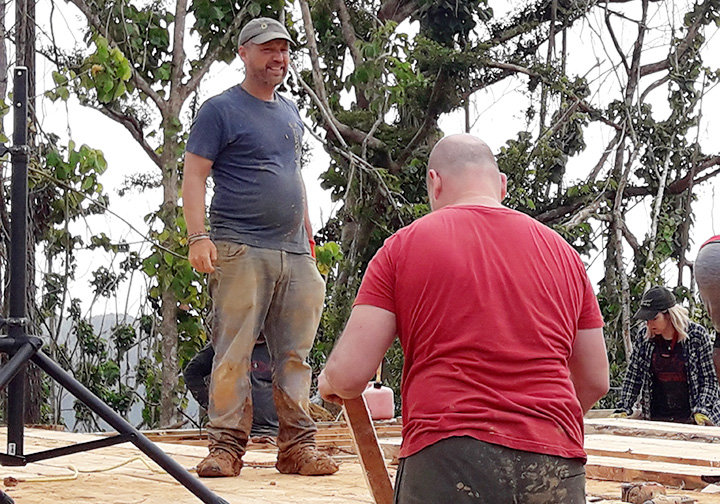
Images from 2019 volunteer work on the new Tree Nursery. Thank you everyone who has helped us with this project. Special thanks to architect David Henebry, who directed volunteers, designed and built the hurricane-proof roof, Chris D. Miller for all his labor, Greenheart Travel who helped weed-cloth the ground, and gravel it, & Globalworks, who helped mix and pour the concrete floor. As well, to the individual volunteers who helped, we salute you all.
We are still dealing with the aftermath of Hurricane Maria, and we need help. Please let us know if you can help by making a donation towards our work in the rainforest. Thank you!
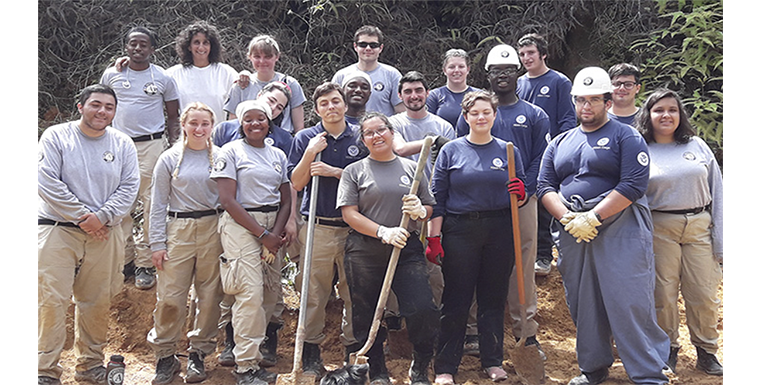
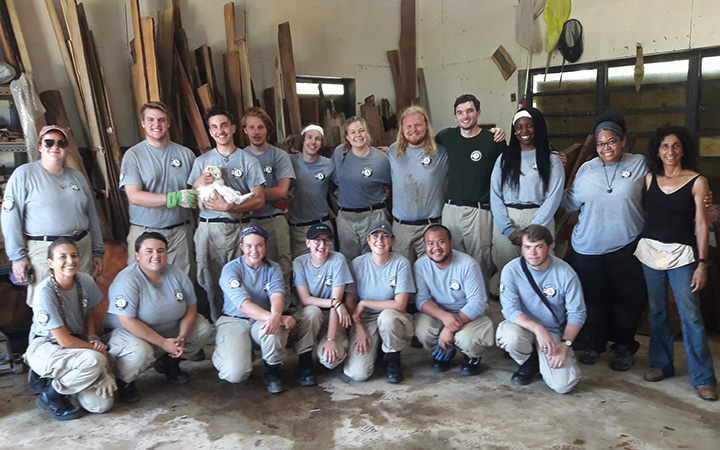
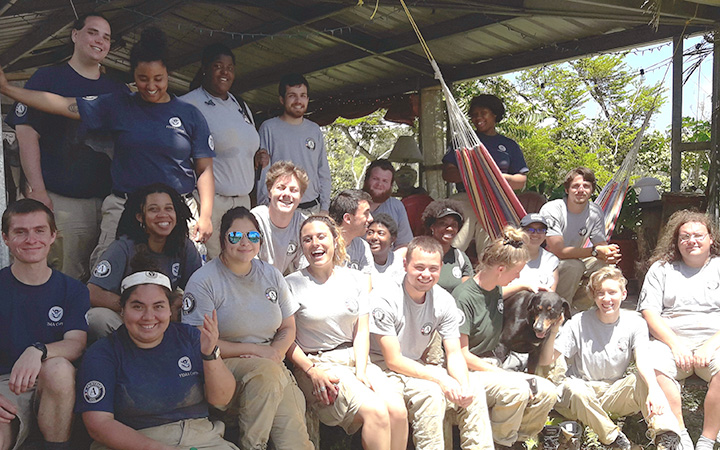
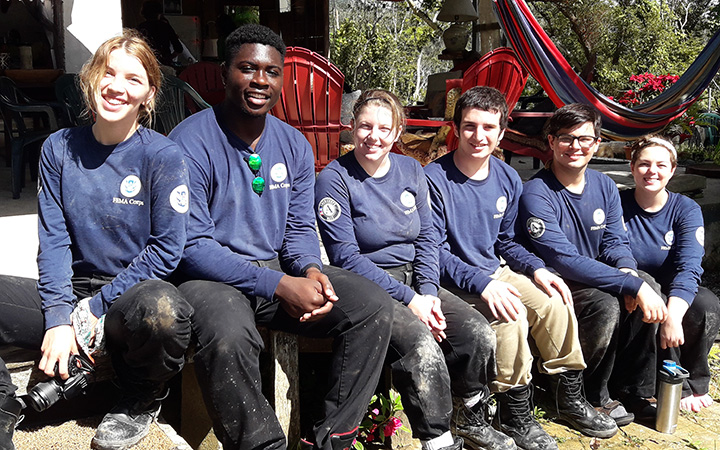
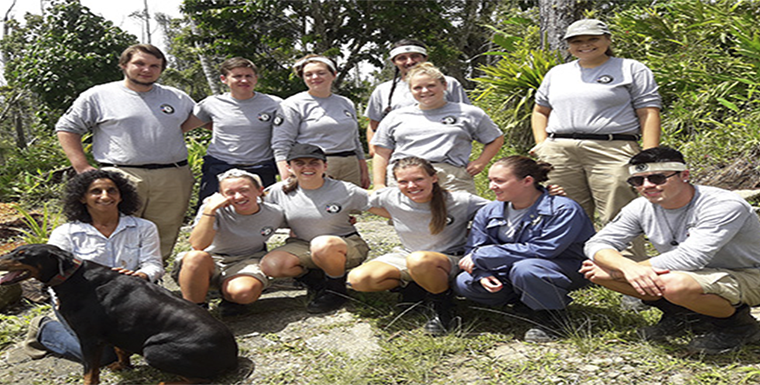
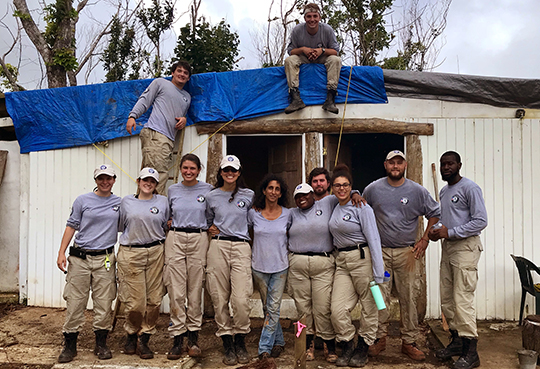
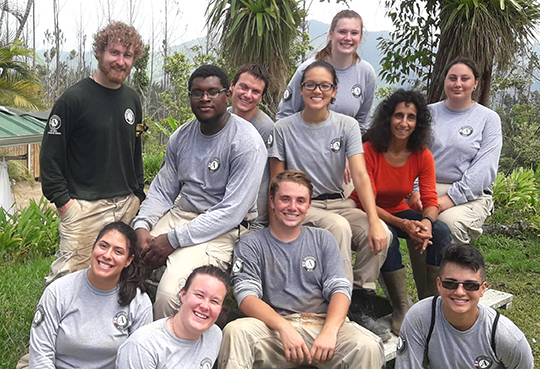
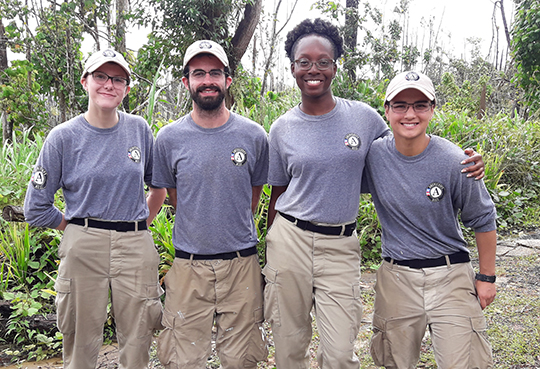
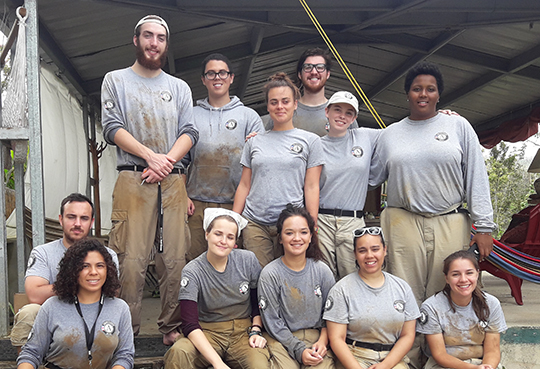
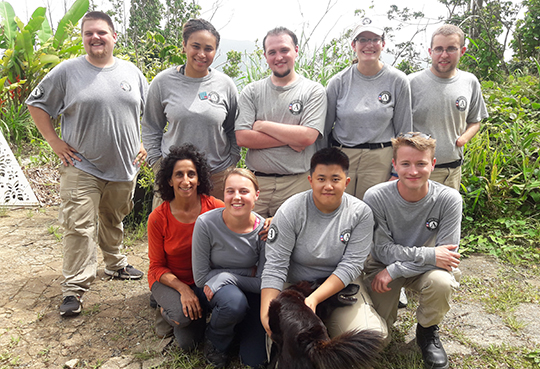
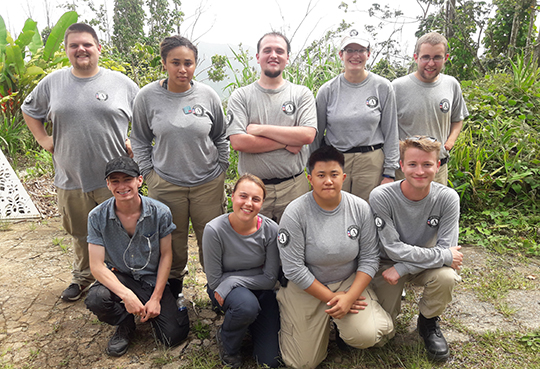
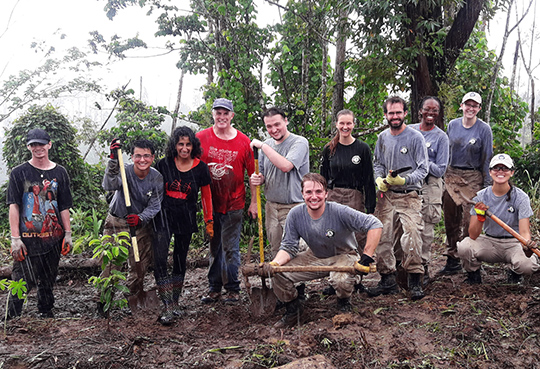
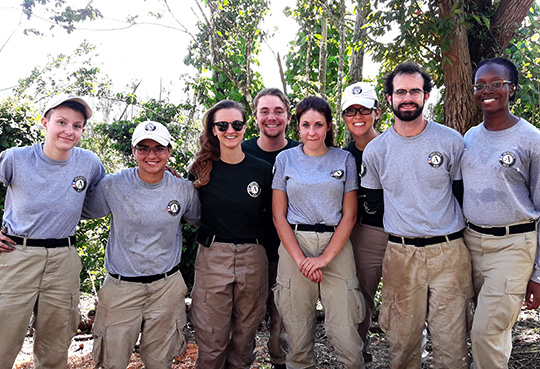
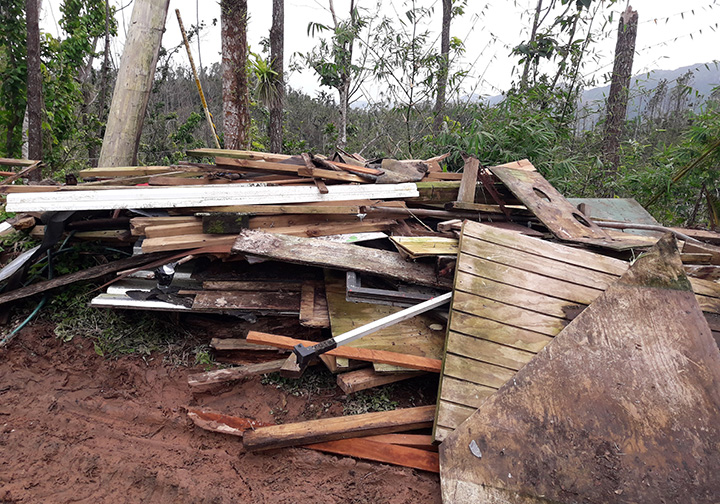
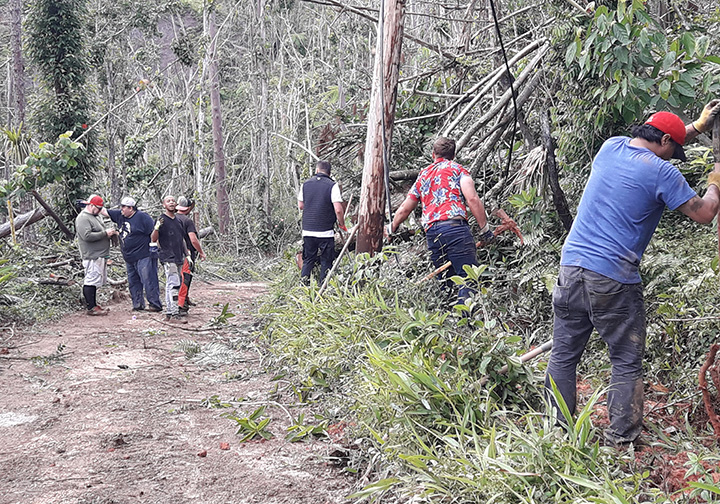
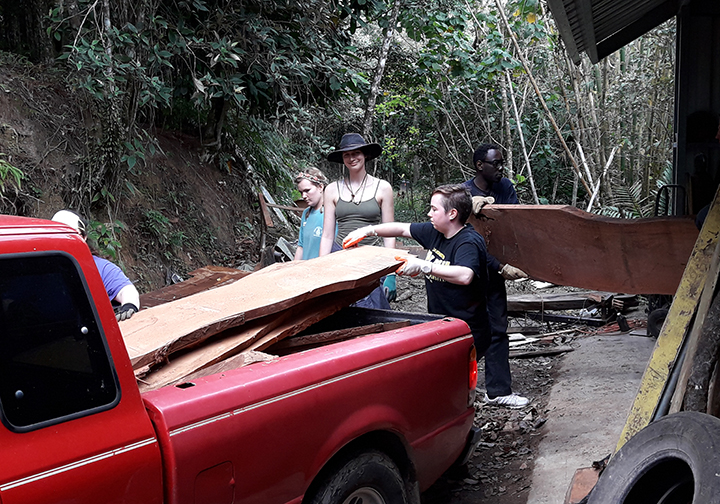
Thank you to Americorps for sending volunteer groups to help us with tasks. Mostly we were working on the forest roads and trails, but also on some construction and a workshop clear-out. We really appreciate these teams and thank each of you who were part of the 2019 teams!
Americorps 28th July 2019
Americorps 14th April 2019
Americorps 10th February 2019
Americorps 7th April 2019
Americorps 3rd March 2019, with volunteer David Henebry (center).
To all our 2019 volunteers. It takes a lot to keep a project alive. We salute you for all your help. Thank you!! All volunteers worked on a variety of tasks including grass-cutting, ditch digging and erosion control all over the homestead, main-drive roadwork, forest roads & trails; pruning back the overgrowth; maintenance of the wastewater garden; compost piles; clearing out the workshop; homestead maintenance; nursery establishment, concretework, & tree-planting.
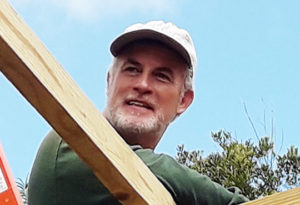
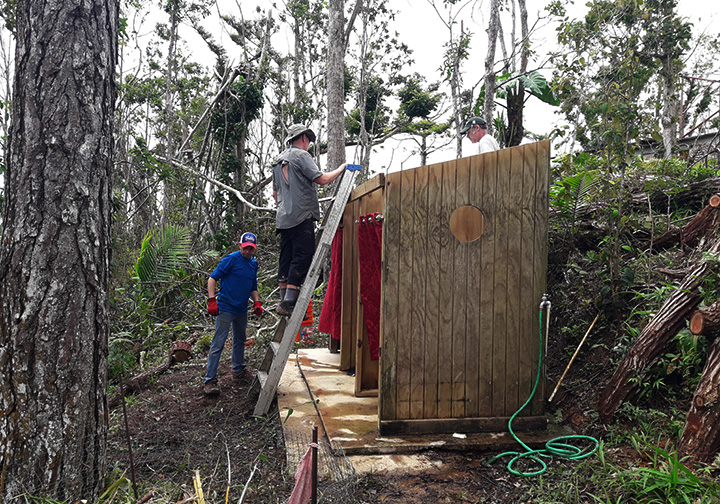
David Henebry, architect working in PR for a year, came to Las Casas de la Selva, for a day, volunteering on a garden digging project with an AmeriCorps youth team. From there, David went on to completely fund, and re-build several critical areas of the homestead facility, coming in on Sundays. In between digging holes, carrying tree saplings, planting, and digging, David also completely rebuilt the roof of El Teatro, and installed half of a new floor. He repaired a broken roof on a casita, made a new cement floor for outside the Casablanca bathroom, and built a hurricane-proof lean-to next to the workshop, for the new, improved tree nursery. We are very, very grateful. 3t lost nearly 1,500 tree seedlings and saplings in the hurricane, a devastating loss of many years’ work, so the energy into a new nursery this year was a great healing of 2019.
Chris Miller, spent three months living at Las Casas de la Selva, and he worked closely with David on all the tasks, as well has putting in heroic efforts to keep the grass cut on the homestead, which had become a huge task after the hurricane with the homestead becoming a sunny location after being a shady grove for many years as the trees grew. We are so grateful to everyone who has helped us here this year: Chris Miller, David Henebry, Sarah Dean, Alex Johnson, Dayne Taylor, George Locascio & Miho Connelly, Anna & Fred, Anna & Joy Brown, Bill Davidowski, Bruce Mobley, David Anderson, Daniel Mobley, Tial Neal, Yogani Govender and friends, Gordon Weber, Noel Moore, Clara King, Katie Tsui, Robert Lane, Harry Zubik, Jess Tabac, Shari Dee, Sönke Scheel (Muller), and Elizabeth Whitehouse.
Alex Johnson
Andrés Rúa
Anna & Fred
Anna & Joy Brown
Bill Davidowski
Bruce Mobley, David Anderson, Daniel Mobley
Sarah Dean & Chris Miller
Chris Miller
David Henebry
Dayne Taylor
Elizabeth Whitehouse
George Locascio & Miho Connelly
Gordon Weber
Harry Zubik
Jess Tabac
Clara King & Katie Tsui
Noel Moore
Robert Lane
Sarah Dean
Shari Dee
Sonke Scheel
Tial Neal
Yogani Govinder (far right) and friends
We could not have done it without you all. We appreciate your love and support very much! Thanks also to James Beezley for a generous donation in 2019. Blessings to all as we move into the New Year 2020. Please keep in touch and drop us a note!
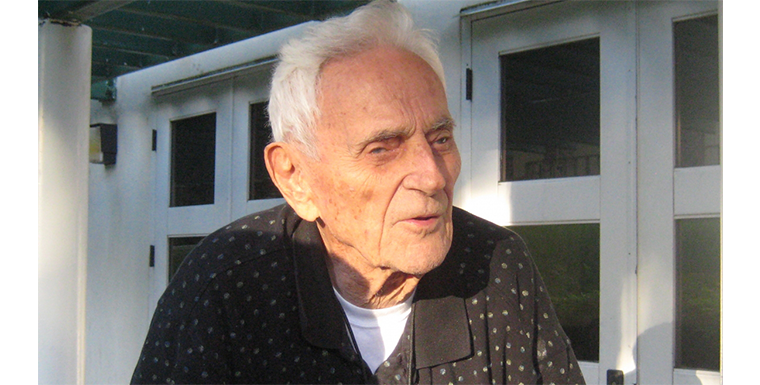
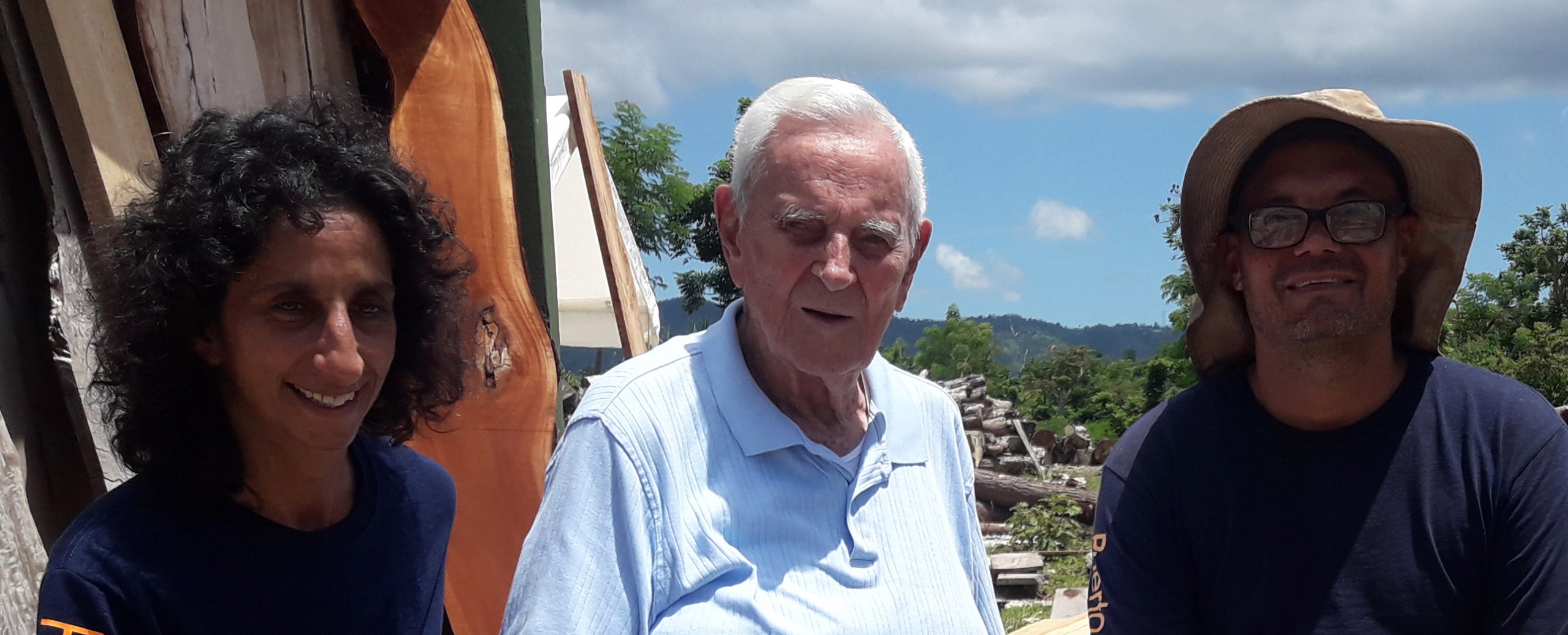
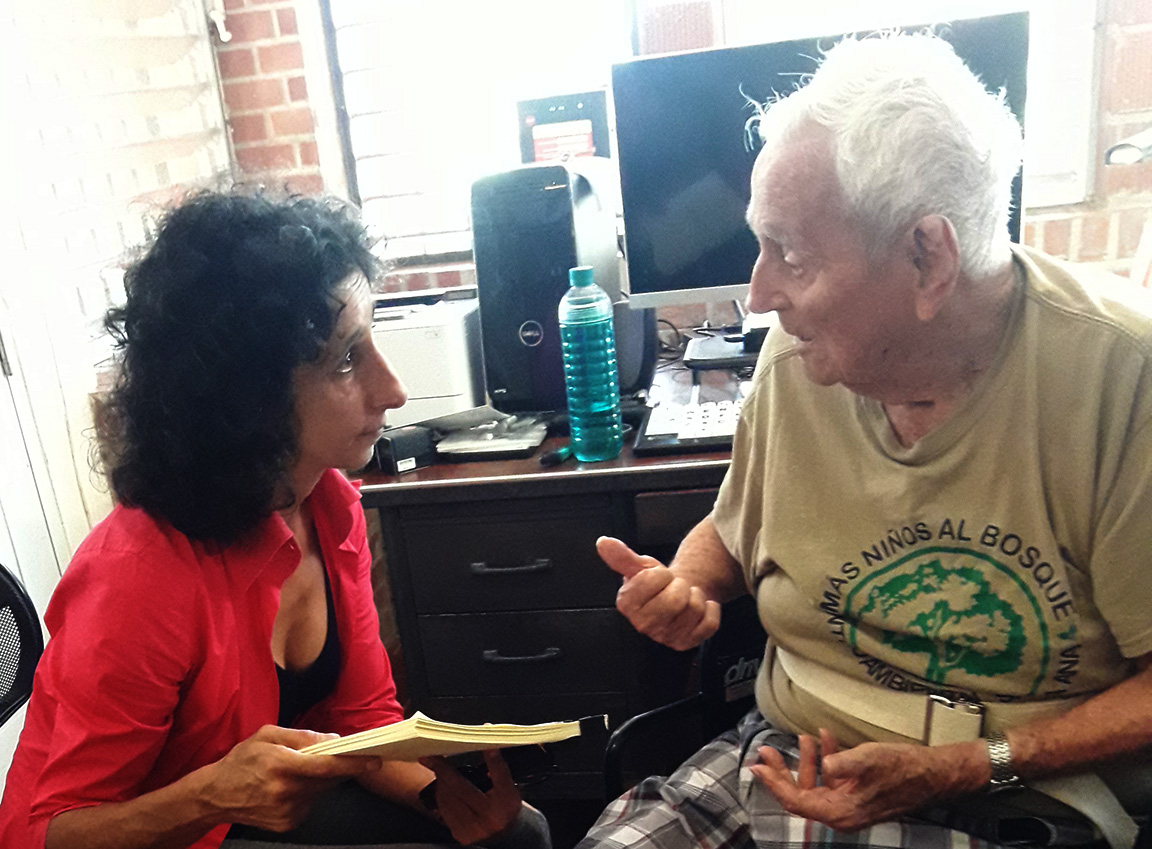
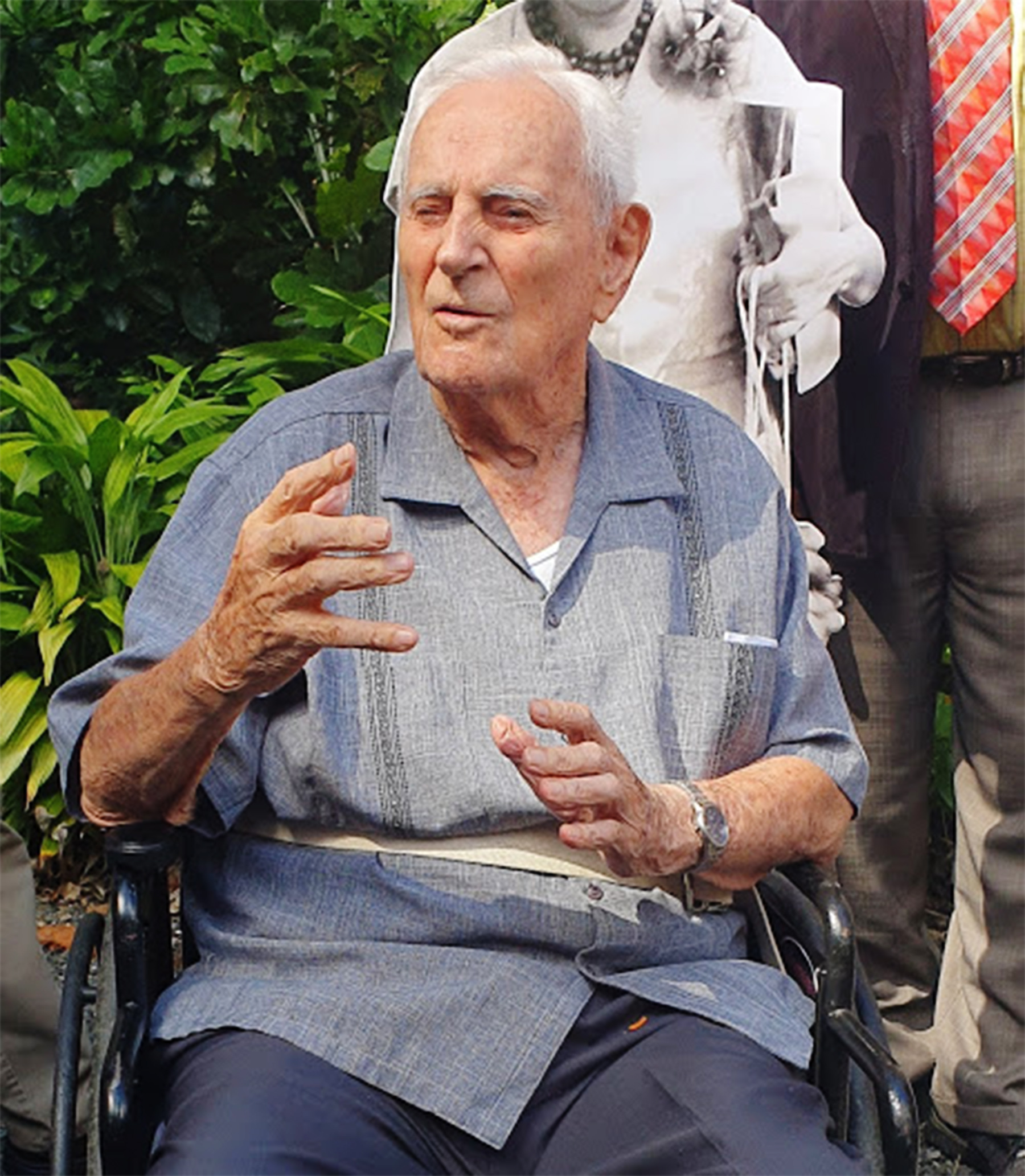
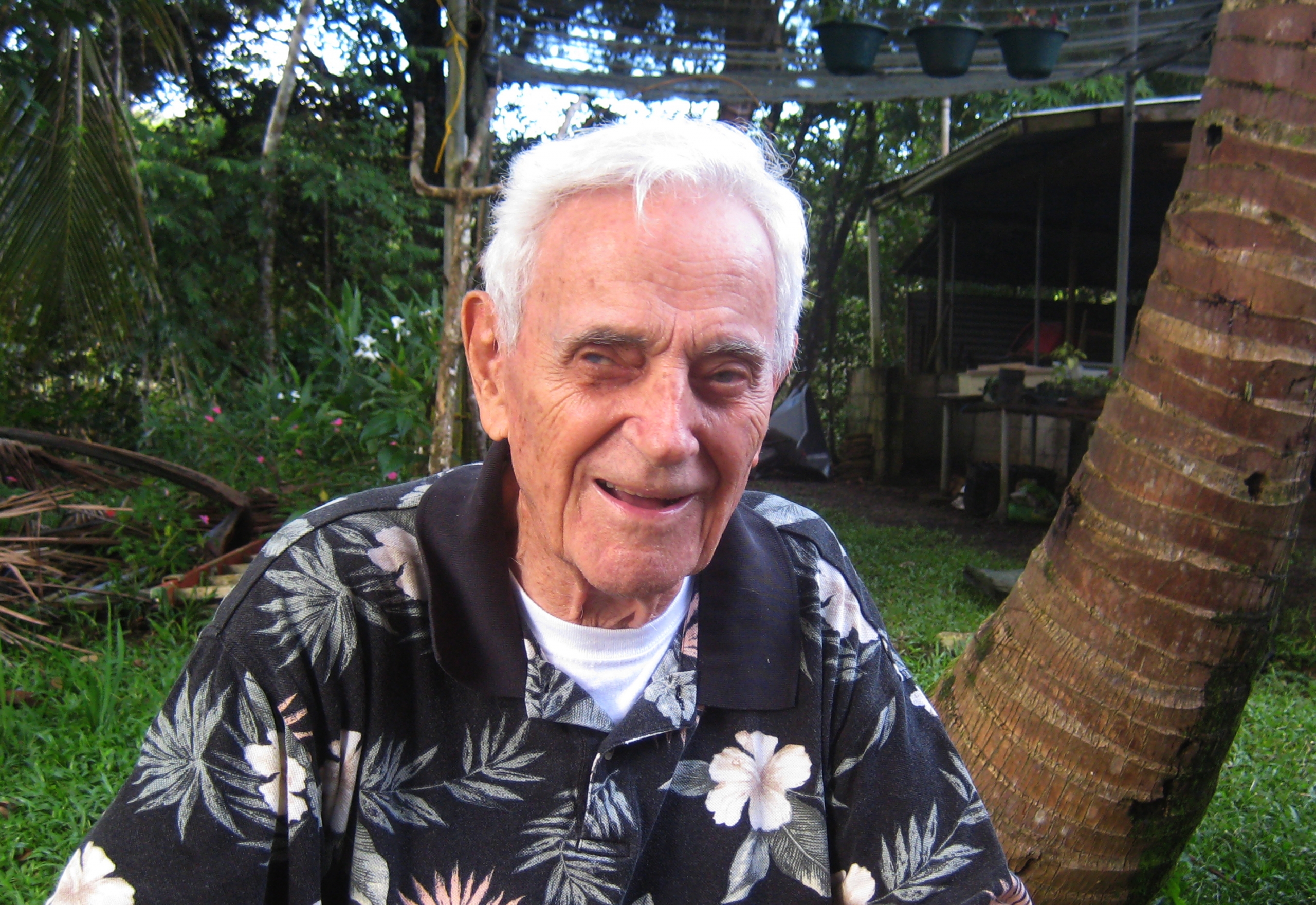
To our favorite forester, Frank, who turns 104 today. Thank you for all the inspiration you have given to us over many years now. Happy Birthday!!
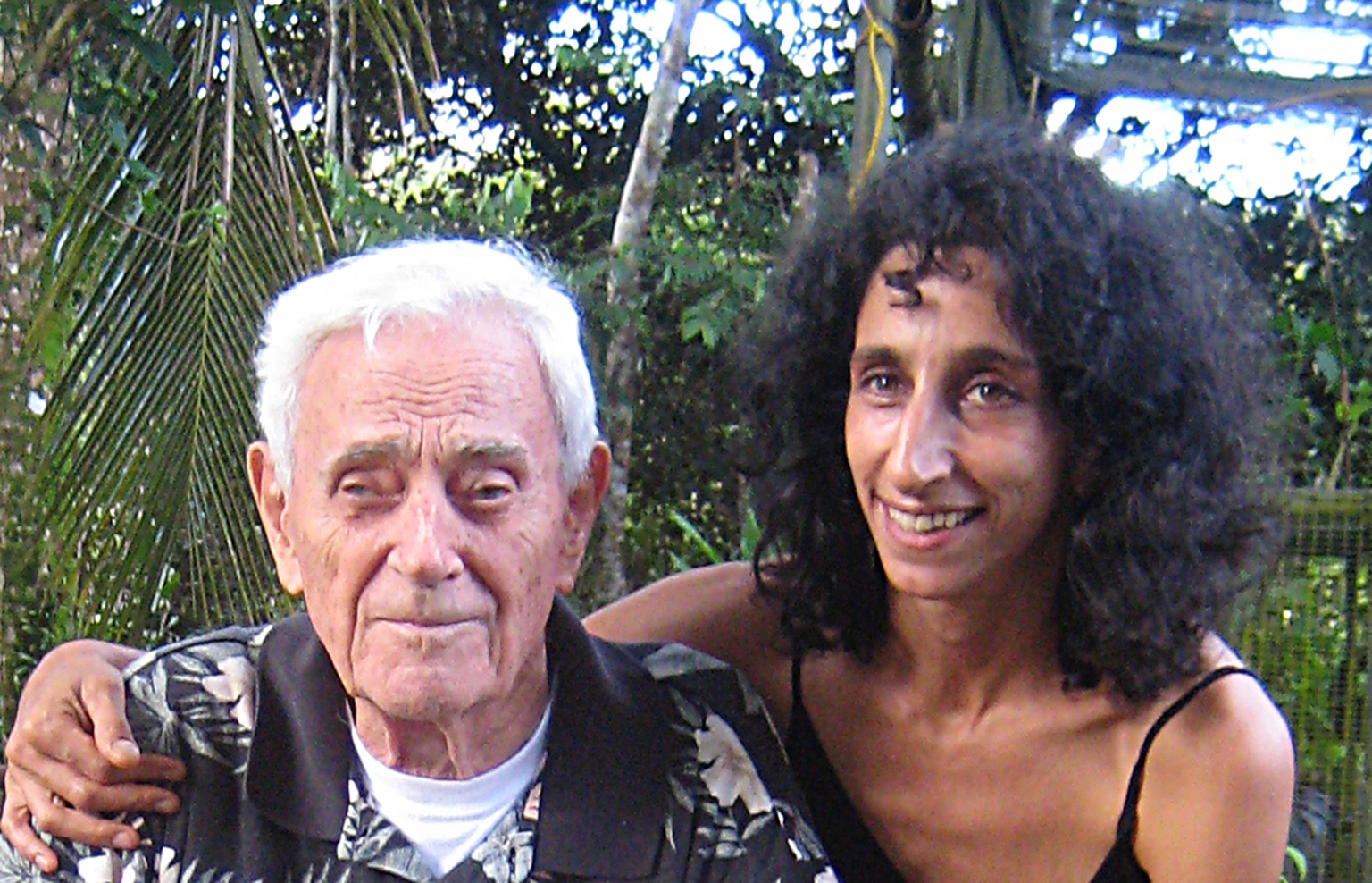
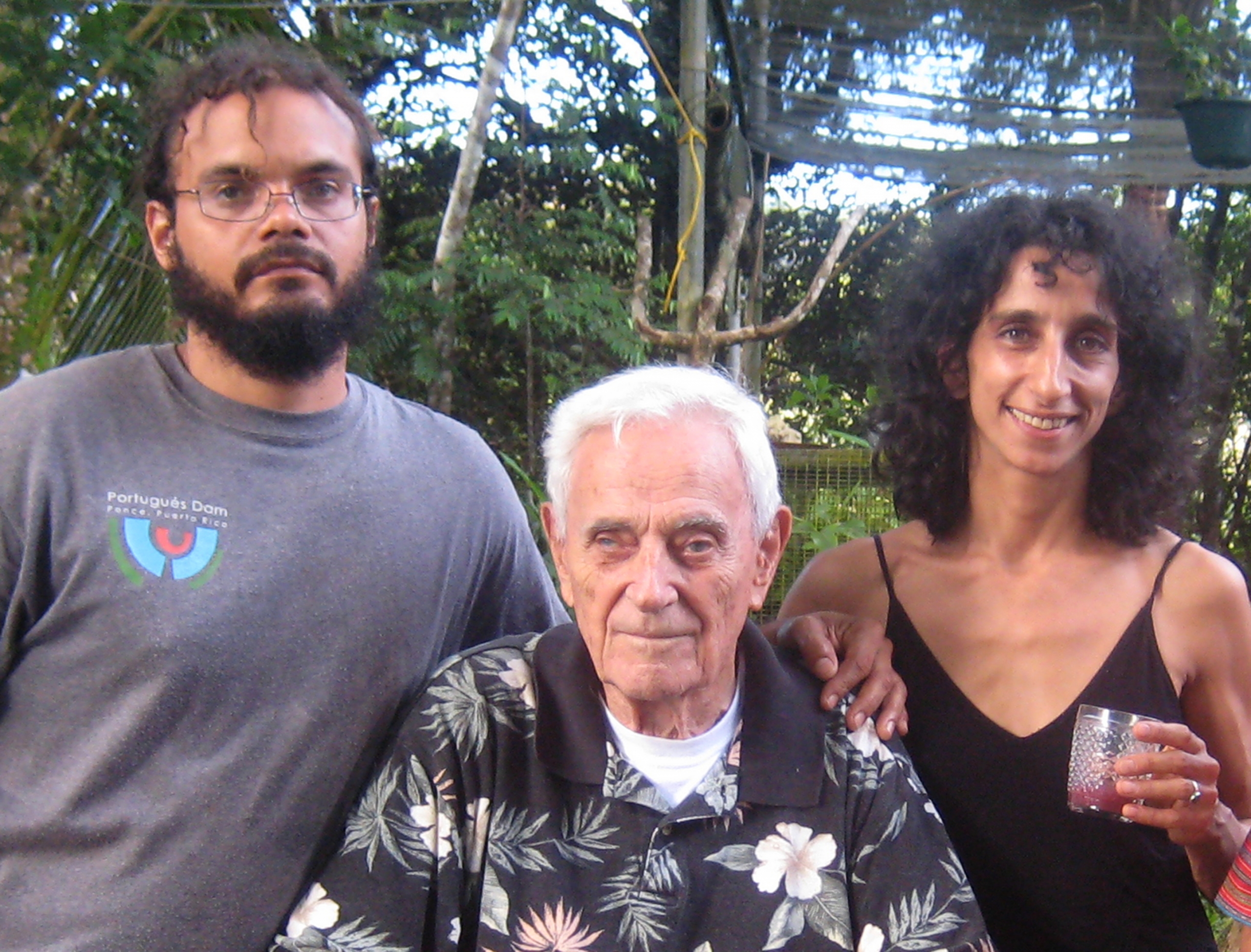
Frank and 3t, 2009
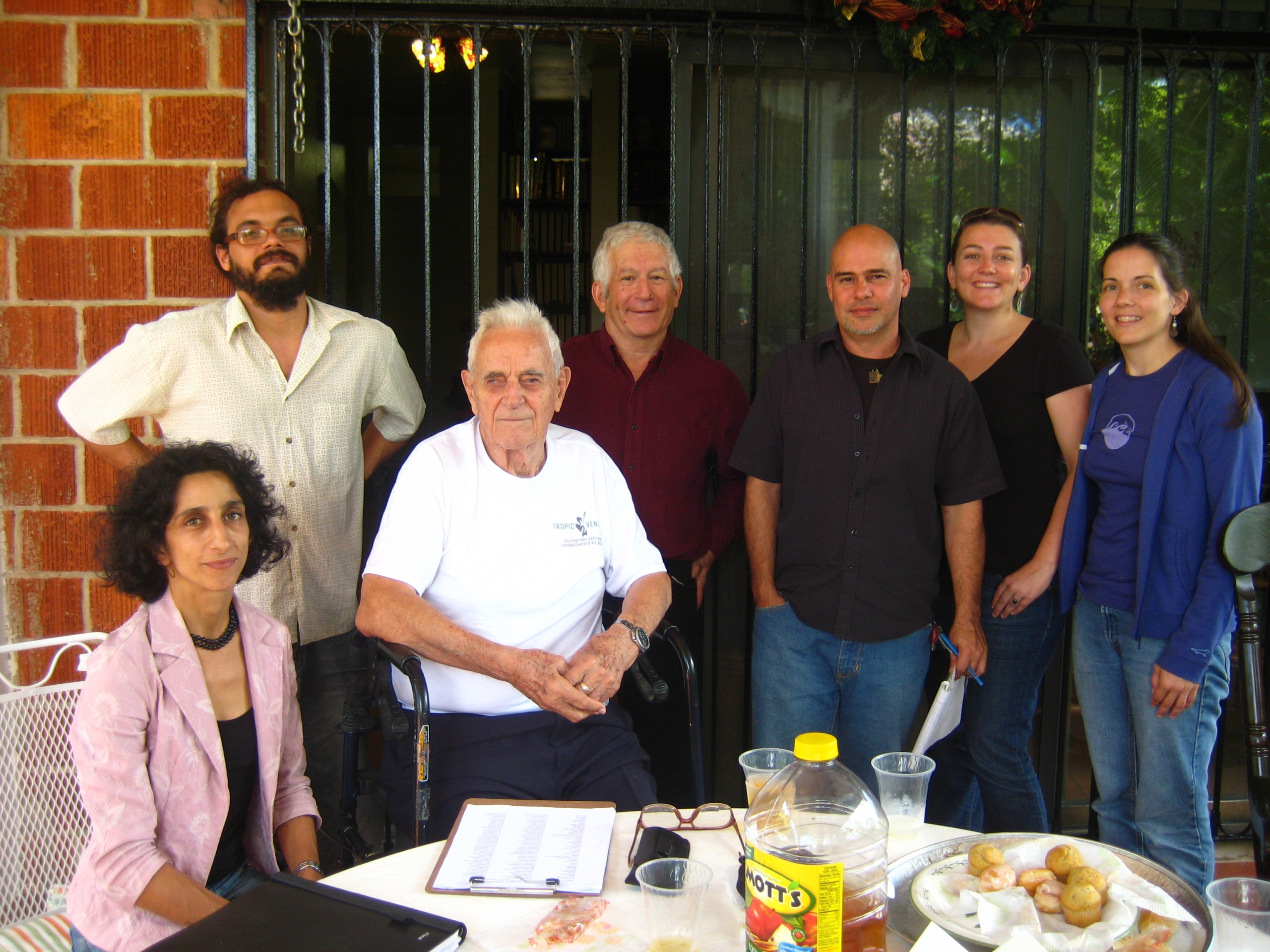
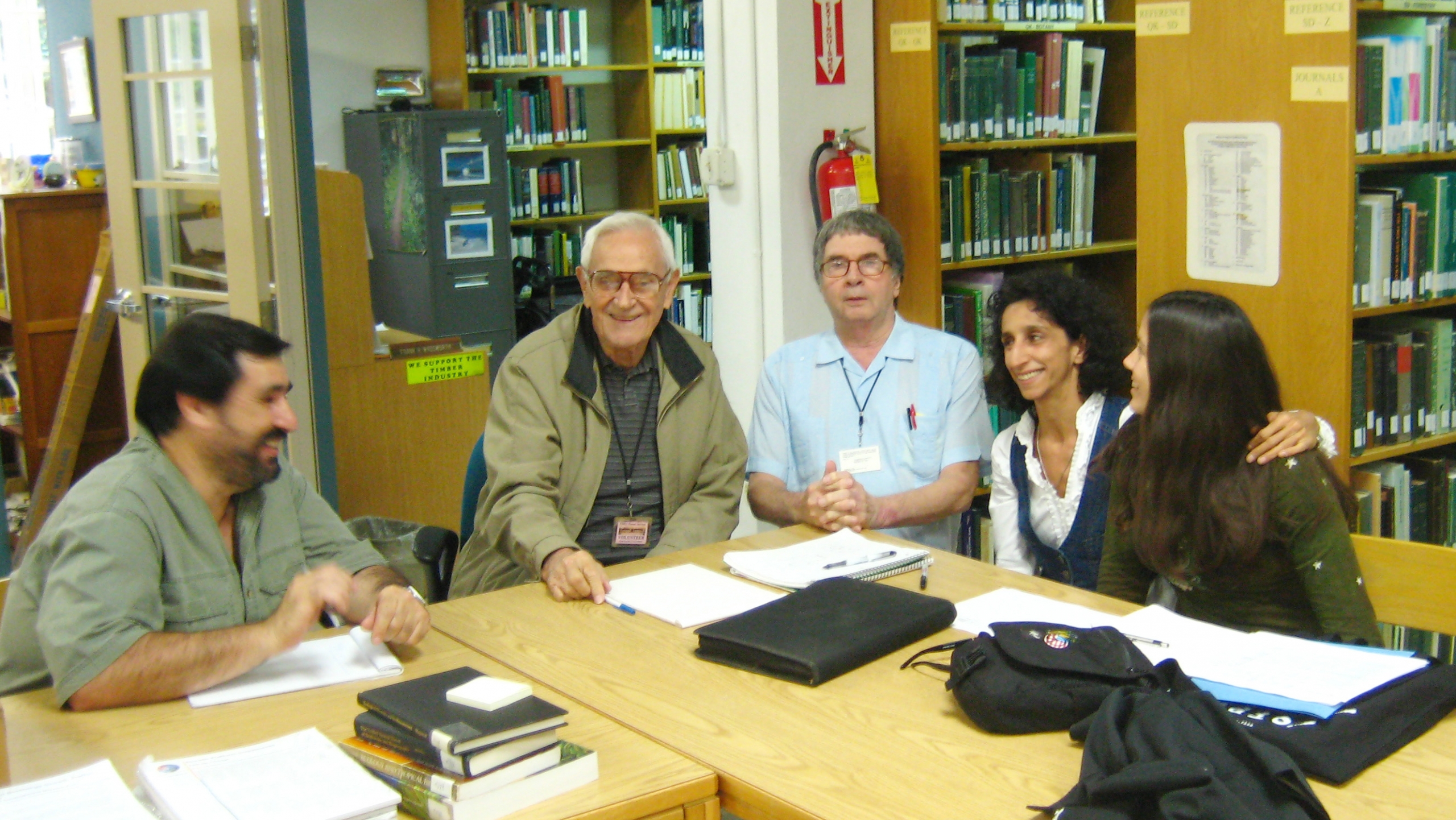
3t and Frank, 2009, planning our Liberation study. L-R: Andres Rua, Mark Nelson, Enrique Santiago-Irizarry, Molly Robertson, and Bridget McNassar. Photo by Isabel Colorad0
2010
At Puerto Rico Hardwoods, Caguas with 3t and Andres, 2018
September 2019
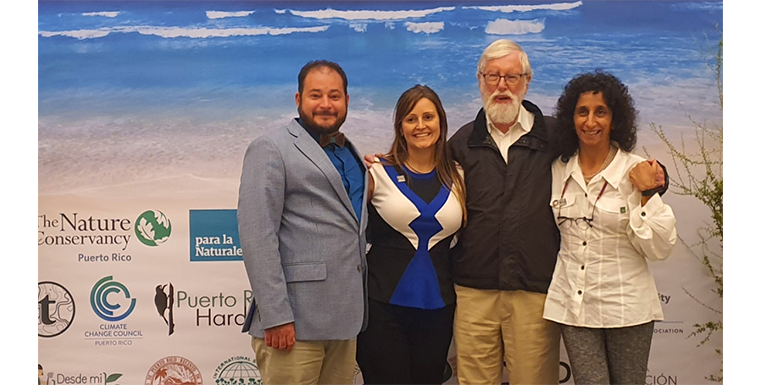
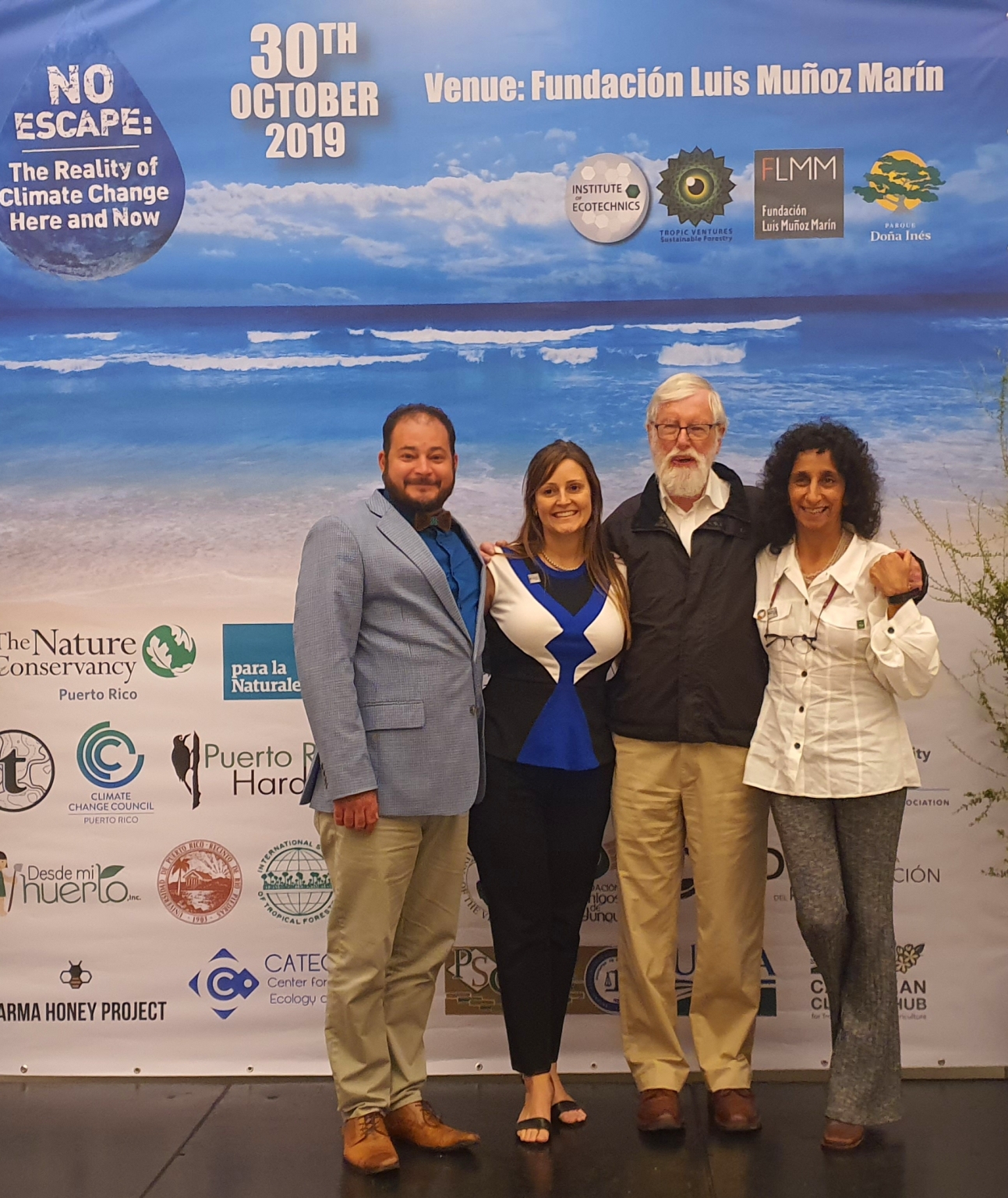
Symposium “No Escape:The Reality of Climate Change Here & Now” 30th Oct 2019 Photo by Thrity Vakil
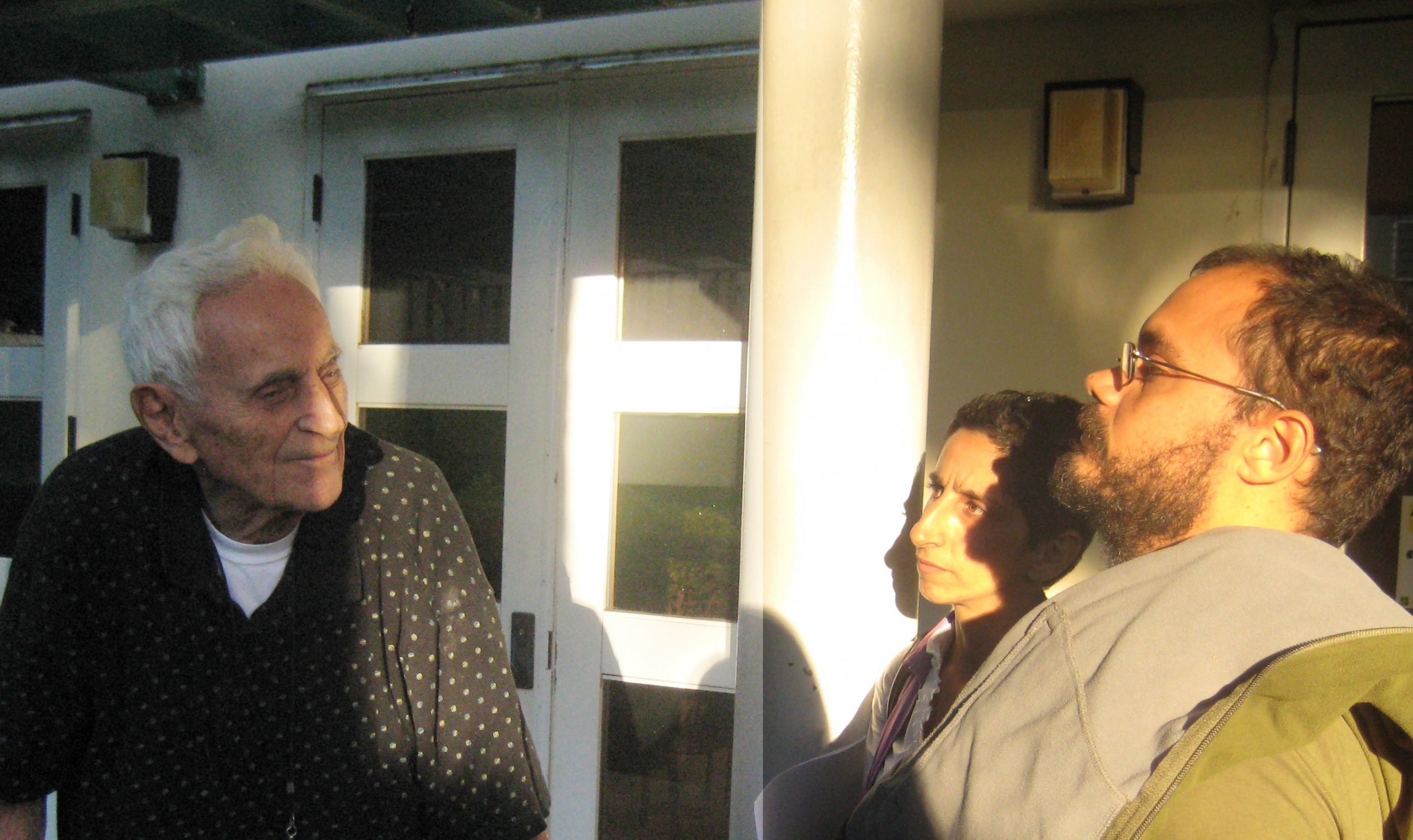
Frank at Las Casas de la Selva in 2009. Photo by Thrity Vakil
3t and Bridget McNassar, 2009 at The International Institute of Tropical Forestry. Meeting with the foresters our Liberation plots got named after. L-R: Edgardo Gonzalez, Frank H. Wadsworth, & Peter Weaver, Photo by Andrés Rúa
Landmark meeting on the impacts of climate change, and the urgent need for action
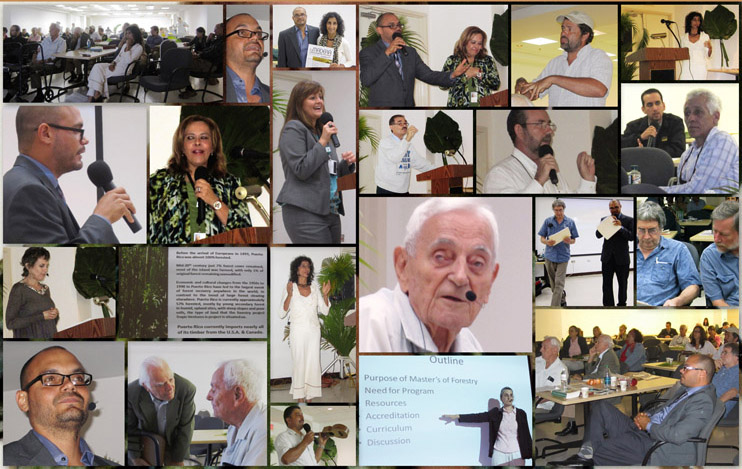
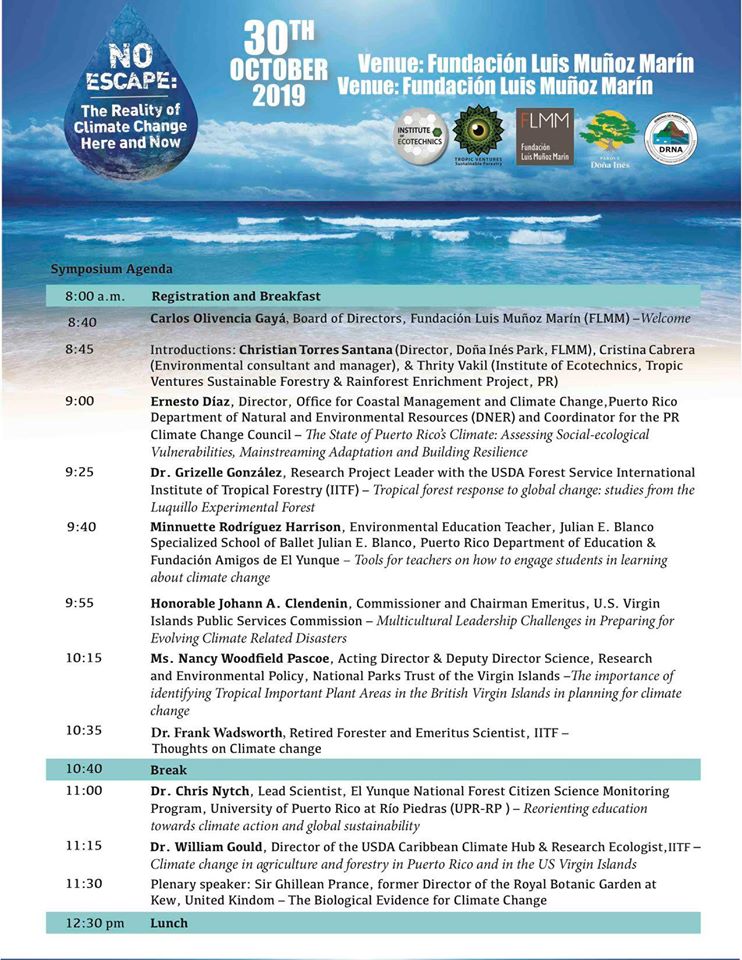
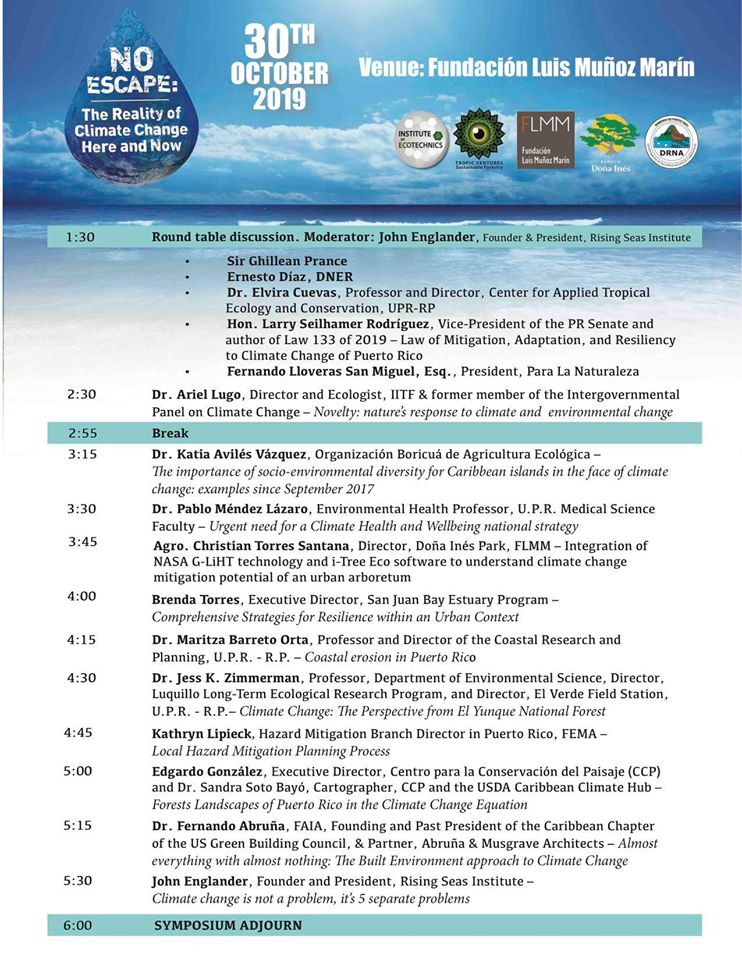
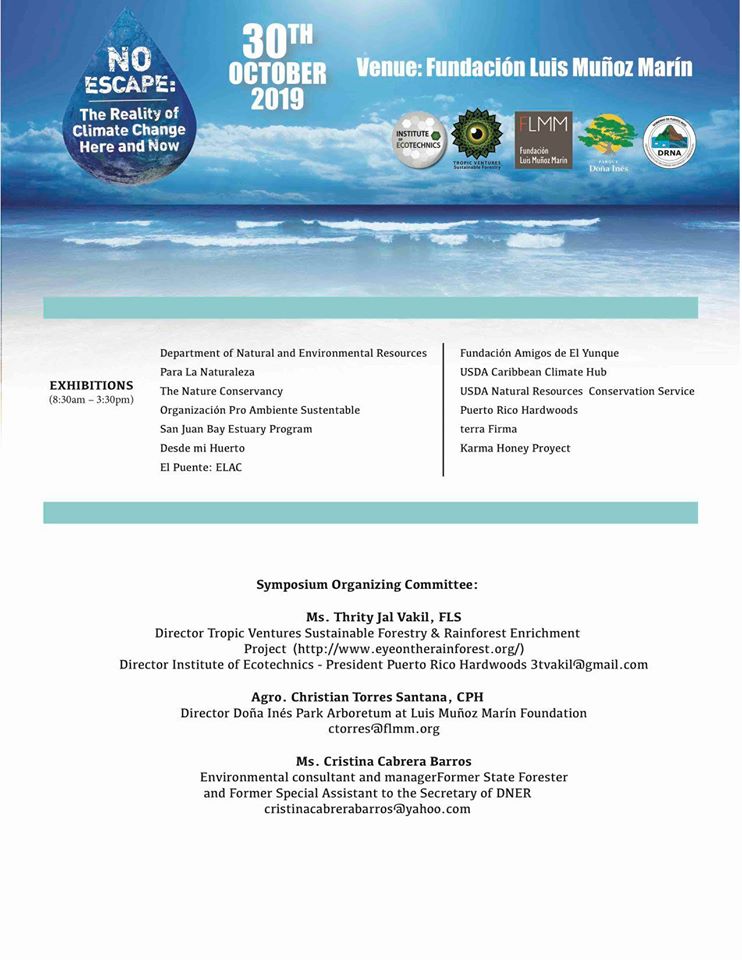
On October 30, 2019, at the Luis Muñoz Marín Foundation (FLMM), a symposium brought together prominent scientists, environmental managers, educators and citizens concerned about the best way to adapt to the reality of climate change. The symposium entitled “No Escape: The reality of climate change here and now” featured 20 presentations, one 1-hour expert panel discussion, and 13 exhibitors of various topics focused on climate change, including environmental health, agriculture, forestry, management of urban areas, the built environment, socio-economic impacts, resilience, coastal erosion, research in areas such as El Yunque National Forest, climate change awareness education, and risk mitigation processes, among others. The event included international participants, such as Sir Ghillean Prance, former director of the Royal Botanic Gardens, Kew in the United Kingdom, as well as a large number of prominent speakers from Puerto Rico, the Virgin Islands, and the United States. Response to this free public event was remarkable, and seats were fully booked out a week before the event. Over 300 people attended the event throughout the day that lasted from 8am to 6pm. For a full list of presenters, presentation abstracts, and symposium schedule, please consult the conference program, shown below.
Introductions were provided by the symposium’s three organizers: Ms. Thrity J. Vakil, FLS, director of the Institute of Ecotechnics, US, director of Tropic Ventures Sustainable Forestry and Rainforest Enrichment Project, Patillas, PR, and President of Puerto Rico Hardwoods, Mr. Christian Torres Santana, Director of the Parque Doña Inés, and Ms. Cristina Cabrera, an environmental consultant and project manager.
“No Escape: The Reality Of Climate Change Here & Now” Intros by Christian Tores Santana, Cristina Cabrera, & Thrity Vakil. Speakers 8.40am to 10.40am : Mr. Ernesto Luis Diaz, Dr. Grizelle Gonzalez, Minuette Rodriguez Harrison, Hon. John Clendenin, Ms. Nancy Woodfield Pascoe, Dr. Frank Wadsworth https://www.facebook.com/parquedonaines/videos/794825720965381/
“No Escape: The Reality Of Climate Change Here & Now” Panel Discussion 1.30 to 2.30pm: Sir Ghillean Prance, Dr. Elvira Cuevas, Mr. Ernesto Diaz, Hon. Larry Seilhamer, Fernando Lloveras. Speakers 2.30 to 5.30pm: Dr Ariel Lugo, Dr. Katia Avilés-Vázquez, Dr. Pablo Méndez Lázaro, Agro. Christian Torres Santana, Brenda Torres, Dr. Jess K. Zimmerman, Katherine González, Edgardo González, Dr. Fernando Abruña. https://www.facebook.com/parquedonaines/videos/779423005825855/
Many thanks to the following individuals that greatly contributed to the development, organization and contributed to the success of this symposium: Karen Babis (Logo design); Zoraida Enid Silva, Carmen Rodríguez, Ernesto Díaz of the DNER (graphic design and printing); Roland Pesch; Sandy Dean; Ashley Cameron Epting; John Allen, Dr. Mark Nelson, Deborah Parrish Snyder, Marie Harding, William Dempster (Institute of Ecothecnics); Amanda Morales; Steve Maldonado, Juan Orengo, Linda Hernández, Ricardo Zeno, Elizabeth Coriano, Julio Quirós, Ana Rocío Díaz, Zuleika Vallenilla, and Lolita López (Luis Muñoz Marín Foundation); Magha García; Pedro Fabeerllé; María Cristina Nieves; Lucilla Fuller Marvel; Tom Marvel; Andrés Rúa; Isabel Colorado and Dr. Frank Wadsworth; Dr. Lilliam Rodríguez Laboy and Aniel Bio (Puerto Rico Department of Education); Dr. Sheila Ward; Melissa Vega Zayas, Yazmin Solla, and the Habitat Program staff (Para La Naturaleza); Eve Holupchinski (USDA Caribbean Climate Hub); María Concepción (Oxfam America); Alberto Mercado (TNC Puerto Rico); Pam Allenstein (American Public Garden Association); Jafet Vélez (USFWS), Dr. Gilberto Guevara, Lupe Vázquez, and Dr. Frances Zenón (PR Science, Technology & Research Trust); Cecilia Cordero Muñoz (FEMA); Dr. Jess Zimmerman (UPR Río Piedras); Karen Marrero (Office of the VP of Senate of PR); and to the Youth Climate Strike Group for their inspiration towards addressing climate change.
Sponsors
Para La Naturaleza, The Nature Conservancy – Puerto Rico, Oxfam America, Puerto Rico Department of Natural and Environmental Resources, Puerto Rico Science, Technology & Research Trust, El Verde Field Station, Institute of Tropical Ecosystem Studies, University of Puerto Rico at Río Piedras, Puerto Rico Hardwoods, and various private donors mentioned above.
Thrity and Andrés extend a huge, huge THANK YOU to all the volunteers who have come to Las Casas de la Selva in 2018, and given love, labor, (mental, emotional, & physical support) to us and the project after the Hurricanes (Irma and Maria) that dealt us a devastating setback in 2017. We salute you all, please stay in touch and come back again. This sustainable forestry project only exists because people want it to.
Andrés
Thrity
Very, very special thanks to architect David Henebry, who personally funded and worked on several reconstruction projects at the end of 2018 and into 2019. These included: A casita roof mended; a new roof on el teatro; the lean-to structure that the new tree nursery will inhabit when finished; a cement porch floor. Trees were also planted, amongst many other tasks! Thank you so much David for all your love and support of this project. Thanks also to friends Robert Lane, Lance Strawn, & Harry Zubik who contributed funds and labor.
Special Volunteer: To mention one volunteer may seem unfair, but Chris D. Miller was an ACE volunteer for three months, 2018-2019.
George Locascio has been coming to Las Casas for several years, and we give huge thanks for all his labor in chainsaw work this last year!
In December 2017 and January 2018, Kira Kranzler, Matthew Mullinix, contributed critical funds and materials to re-roof the kitchen, as well as love and labor only a few months after Hurricane Maria, when the homestead was barely useable, and there was no electricity. Huge thanks and hugs for loving the place, the gardens, and the animals. Thanks also to Sally Richardson, & to Dan Kranzler for funding the kitchen roof!
Special mention: 3t’s two high school friends, Jane Linkson Clark and Joanne Patience Finch made social media contact with 3t several years ago…and in 2018 both were agreed that their kids needed an experience that might change their lives. Whether it did, or not, remains to be seen, (and perhaps they might testify to something, years down the line, but 3t had a wonderful and productive time with them, as solo volunteers who also got to partake in service-work with several large volunteer groups, like Horizons For Youth from Chicago, and Americorps Teams, carrying out hard labor to clear and prune the homestead. Ciaran Clark, 17 years old, and Florence Finch, 16 years old, volunteered at Las Casas de la Selva for one month with 3t as their guardian.
Thank you to all the teams of volunteers in 2018 that came to help us in the aftermath of Hurricane Maria. We are eternally grateful for all your hard labor on the homestead and in the forest! We salute you. Please keep coming back and forging strong relationships with this forest, and to keep the mission of sustainable forestry going.
Appalachian State University, March 2018
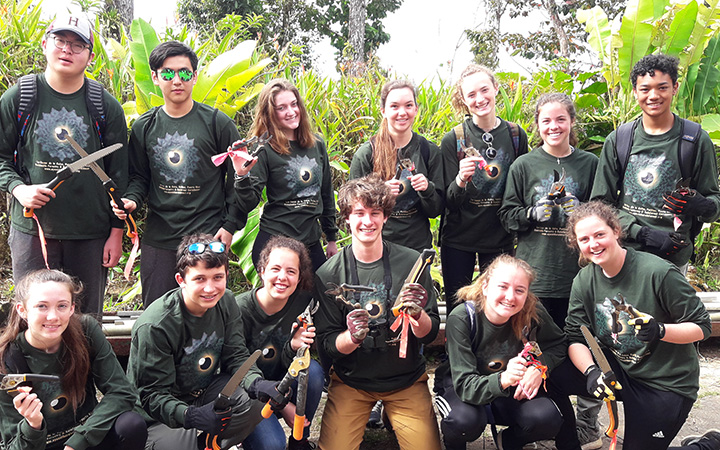
Chicago Foundation School, and Greenheart Travel, June 2018
Globalworks with Sandy Springs Friends School, June 2018
GW PRX 1a, June 2018
Globalworks, PRX 1b, June 2018
Horizons For Youth Team with Greenheart Travel, August 2018
MD Juniors, July 2018
Niagara University Team, May 2018: Katherine Brunette, Erin Clark, Jonathan Bortek, & Ed Hutton
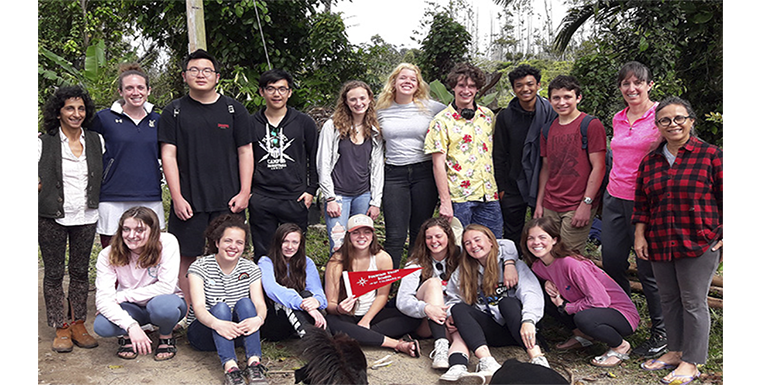
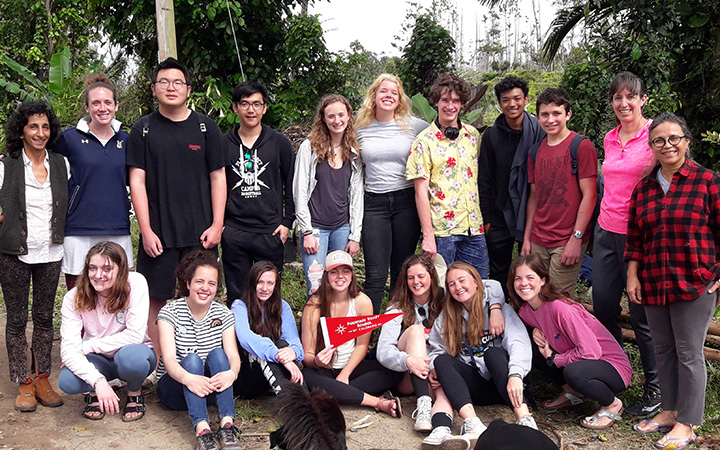
Since June 2018 many Americorps youth in Puerto Rico, chose to come to Las Casas on their volunteer days. The tasks at the project, led by 3t, are always hard labor, but fun. The mountain breeze, along with the cold mountain water, and terrific views, make it a hard-to-resist location!
These wonderful teams have helped with all manner of tasks including clearing debris, gardening, digging out landslides, digging drainage ditches, bridge repair, general construction, and helping with main drive maintenance. We are really appreciative of the service ethic that these folks have demonstrated.
Americorps youth (who are here in Puerto Rico working with FEMA on hurricane relief), continue to volunteer at Las Casas in 2019. Thank you very much for your service!
Happy New Year to all our Friends and Family around the planet. Giving thanks at the end of 2018 to all the wonderful folks who have supported this project after the devastation of Hurricane Maria, with financial aid, to hard on-the-ground labor. We continue to clean-up and rebuild. We look forward to 2019 and the beginning of many new collaborations and projects. Please let us know if you can help in any way.
2018 is over!
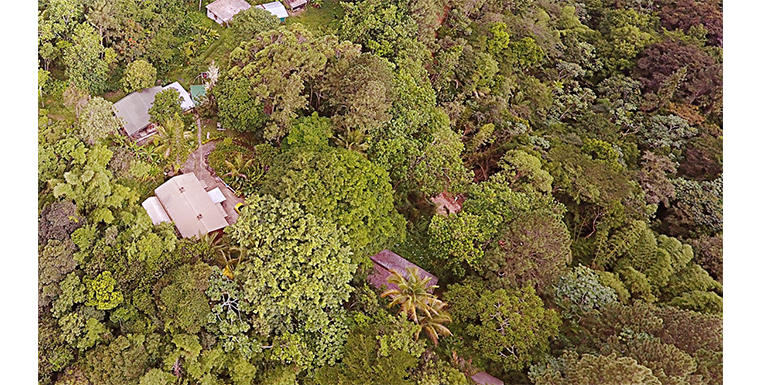
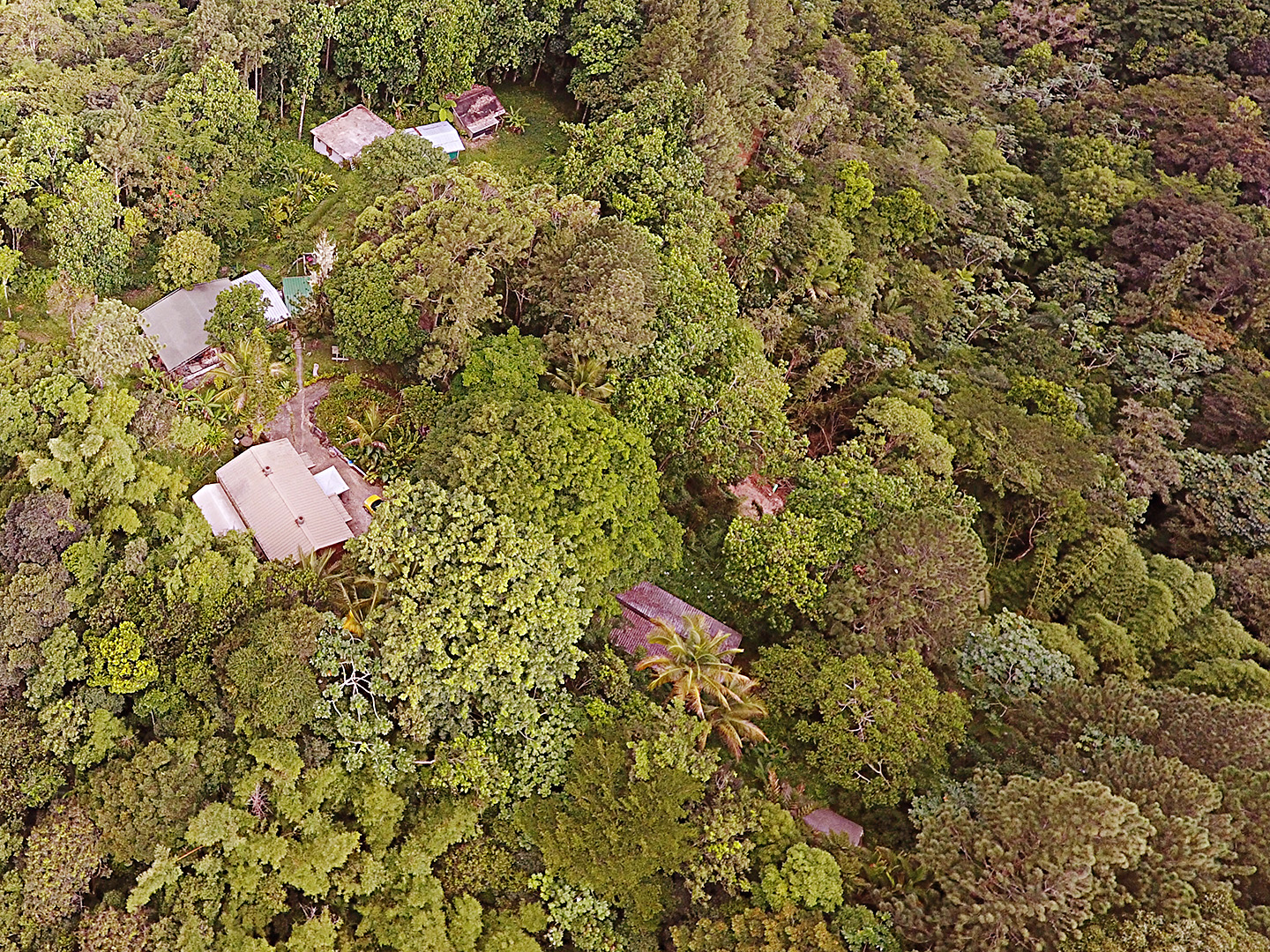
Above:Las Casas de la Selva one month before Hurricane Maria on 20th September 2017. Below: One month after the Hurricane.
MAKE A DONATION
The Institute of Ecotechnics USA 501(c)(3) Not-for-profit Organization (No. 74-3177755), is currently taking in donations earmarked for the Las Casas de la Selva Rainforest Project severely damaged by Hurricane Maria in Puerto Rico. Please put a note with your donation that it is for Las Casas. Thank you for your contribution. 100% of your donation goes to the project.
Check: Tax Deductible Donations payable to: Institute of Ecotechnics.
Mail to: 1 Bluebird Ct., Santa Fe, New Mexico, 87508 USA
Bank Transfer information for USA Tax Deductible Donations
Institute of Ecotechnics (I.E.), USA
Bank of America
Address of Bank: 1234 St. Michaels’s Drive, Santa Fe, NM 87508
ABA #026009593
I.E. Account #439003497362
International Wire Transfers to our Merrill Lynch account:
ABA 026009593
[International Banks use SWIFT-BIC: BOFAUS3N]
Bank of America, N.A.
100 West 33rd Street
New York, NY 10001
To Primary Acct Name: Merrill Lynch
Acct #: 6550113516
For final credit to Institute of Ecotechnics ML account number 456-02174
Donations in Stock can be sent to our Merrill Lynch account:
Use the above Merrill Lynch account information and this DTC#: 5198
For UK registered charity Nº 1081259, mail to: 24 Old Gloucester Street, London WC1N 3AL England
Hurricane Maria made landfall in Puerto Rico as a Category 4 storm on the morning of 20th September, 2017, bringing winds at about 160 mph to an island that dodged the worst of Hurricane Irma’s destructive power only a few weeks previous. Tropic Ventures Sustainable Forestry and Rainforest Enrichment Project established 35 years ago, by the Institute of Ecotechnics in Puerto Rico, lay directly in her path.
Project Directors, Thrity (3t) Vakil and Andrés Rúa took shelter in the concrete bunker on the homestead, to emerge into a completely altered reality, a transformed world.
This is 3t’s visual story of the impact of Hurricane Maria on the rainforest project in Patillas, on the land known as Las Casas de la Selva, south east Puerto Rico.
Edited by Corinna MacNeice
Use headphones to appreciate the soundscape by Andrés Rúa.
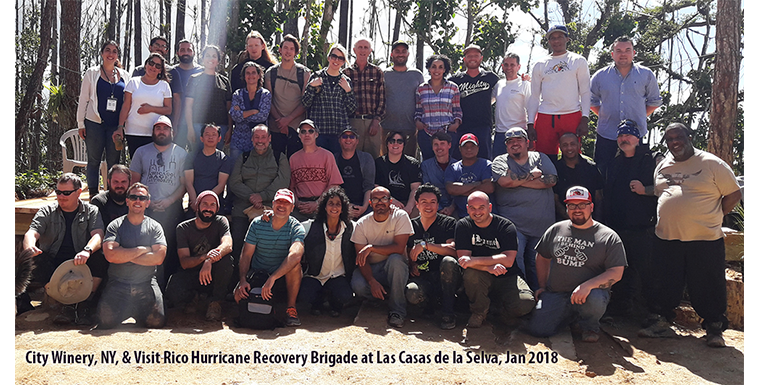
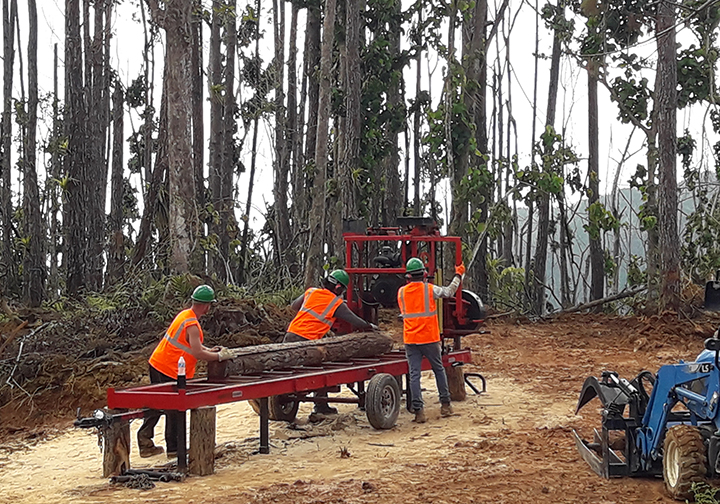
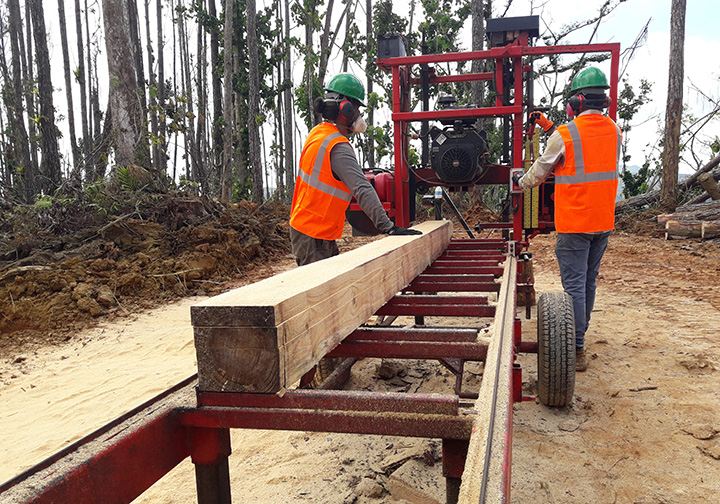
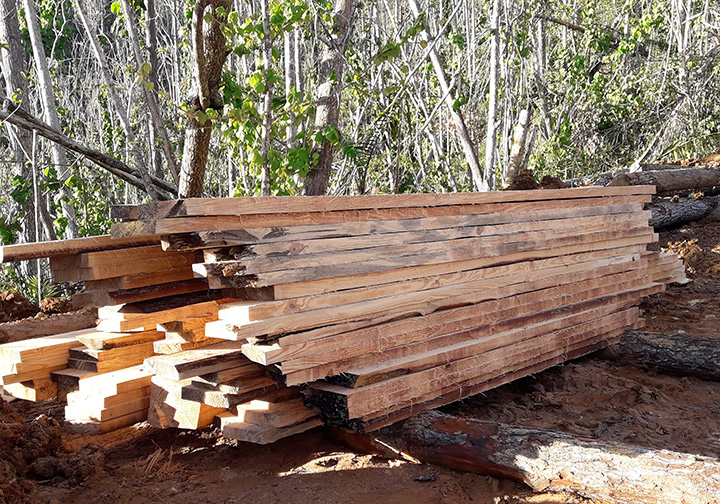
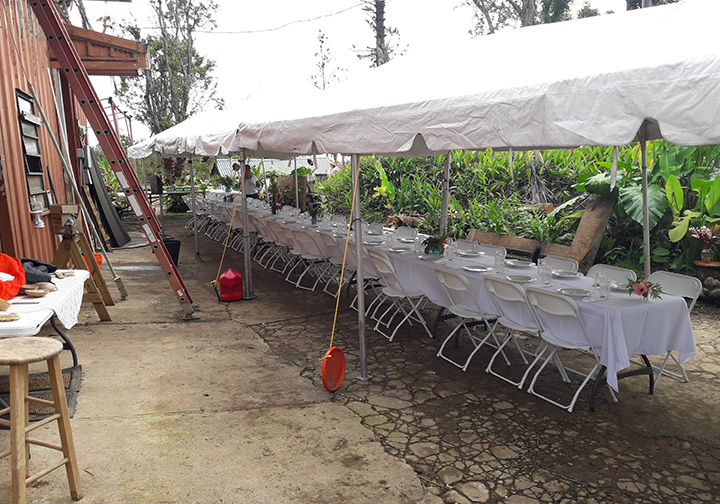
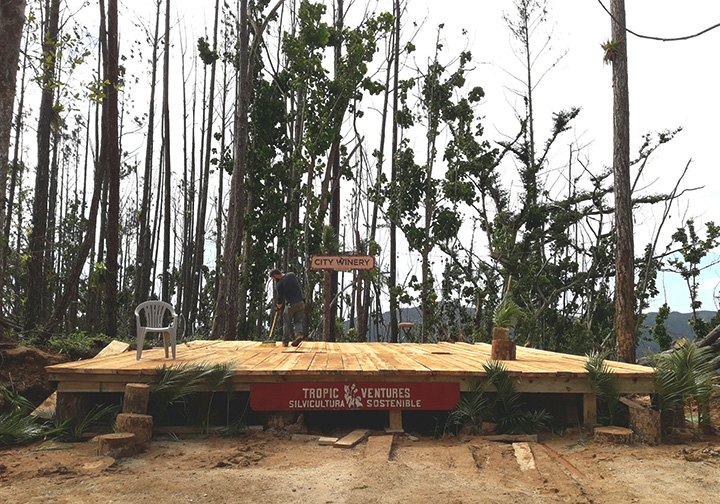
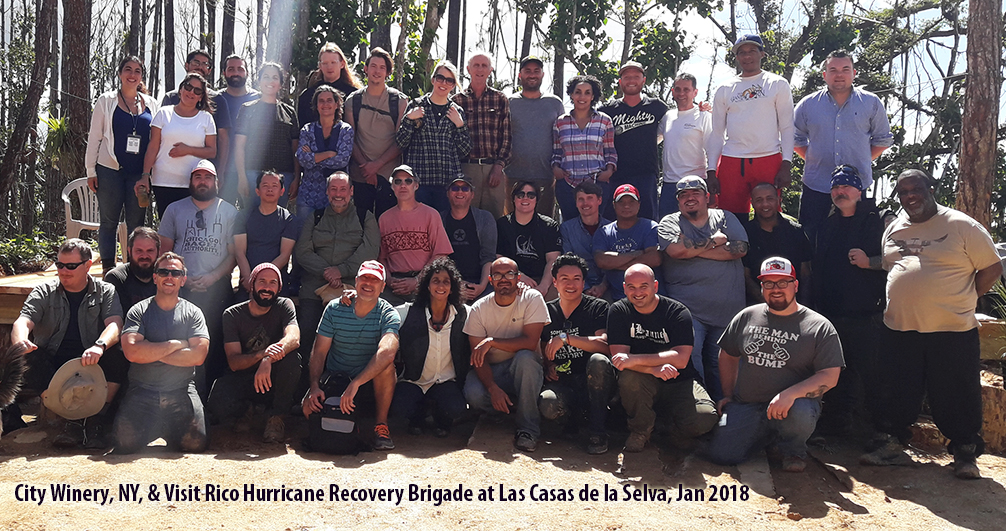
In January 2018, Camille Collazo and her team at Visit Rico organized donations to projects in Puerto Rico and a spectacular event help to several farms in Puerto Rico. Teams of 30 people from City Winery descended on these places for a day, along with founder Michael Dorf, and helped with debris removal from Hurricanes Irma and Maria. Las Casas was chosen as a site to build a stage to have a gourmet dining and music experience. We milled our own fallen pine, and in one day a stage was built. The day was an energetic movement that words cannot describe, bringing much needed help to devastated areas at the Las Casas homestead.
The Visit Rico initiative received support from the Foundation for Puerto Rico, the Segarra Boerman Foundation, the non-profit organization Slow Food, PRxPR and private entities such as Para La Naturaleza and Microjuris. There were fundraisers with Cape Cod Farm, Gramercy Tavern with Chef Juan José, El Boricuá Fund in Minnesota and Crazy Legs from Rock Steady for Life. In addition, Farmer’s Markets outside of Puerto Rico expressed their solidarity with the cause.
Institute of Ecotechnics directors, Marie Harding & Freddy Dempster visited and were a huge help in all areas. Freddy set-up an LED light-system in all the communal areas of the homestead, and life has been upgraded immensely. Las Casas de la Selva, in the mountains will not get electricity for many more months. (Update: It was 9 months of no electricity).
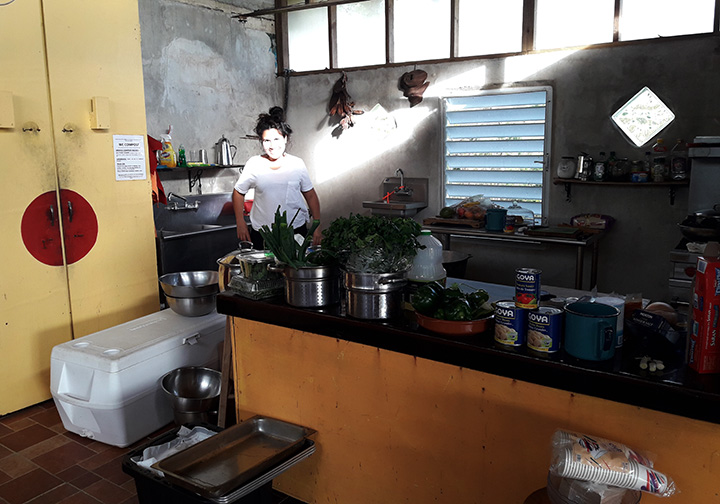
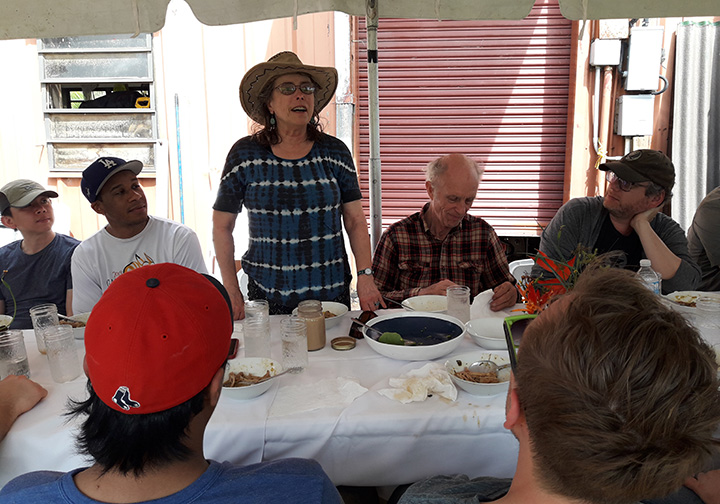
Chef Natalia Vallejo (image above by Xavier Garcia), and her team, cooked up a storm in our kitchen, and with the LED lights in the dining room, the whole house staged the catering effort to feed over 200 people at night, with a three course meal.
Thank you to all the volunteers who really worked hard, in the pouring rain, to set-up the stage area and footings, including: 3t, Andrés, Andrés Rúa Senior, Ramon Rúa, Axel Rúa, Kai Griebenow, Vanessa Acevedo, and Juanita Gonzalez.
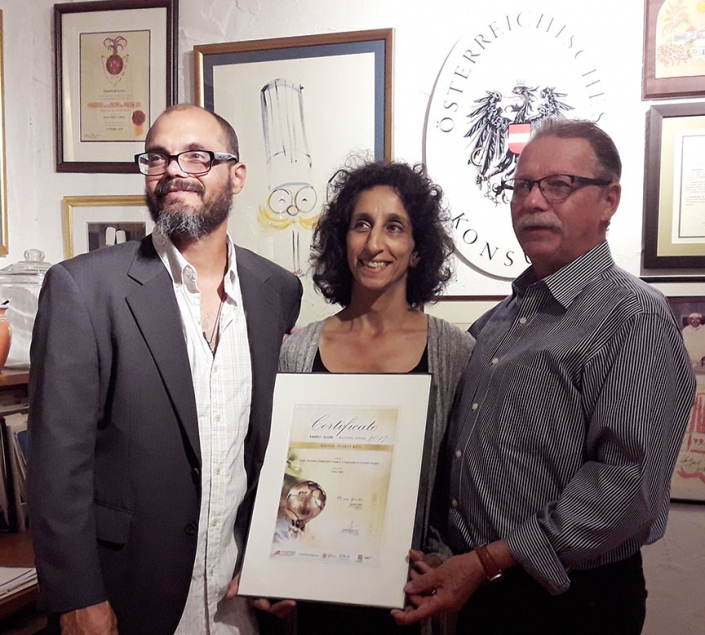
Las Casas de la Selva receives the prestigious 2017 Energy Globe National Award for Puerto Rico in recognition for it’s sustainable forestry program testing the efficacy of line-planting enrichment in the wet tropical forest to achieve both economic return and protection of natural biological resources.
Puerto Rico National Award Ceremony held on the 18th December, where The Honorary Consul of Austria, August Schreiner, presented the certificate. Thanks to all our friends who came to share in this special event. Onwards to Tehran in the New Year for the Global award ceremony!
Las Casas de la Selva project was initiated in 1983 by the Institute of Ecotechnics (IE), an international non-profit organization pioneering innovative, healthy land-use in rainforest, grassland, desert, city and ocean coral reef biomes. IE was also key participant in the design and construction of Biosphere 2, the world’s largest laboratory for the study global ecology ever built. Tropic Ventures, LLC, manages the 1000 acre project in Puerto Rico, developing a unique approach to enrichment of secondary rainforests called “line-planting”, planting valuable tree species in cleared lines or blocks to simulate forest openings when tall trees fall within current forest vegetation. This offers critical soil erosion protection, preserves biodiversity, and facilitates forest development.
“Their work exemplifies our search for new approaches that can meet human economic needs while not only preserving but upgrading the local ecology. This is especially important in Puerto Rico, which a century ago had lost almost all its original forest but now has the fastest re-growth of secondary forest of any country in the world. The project has also demonstrated the value of rescuing old urban trees currently being cut down and literally sent to landfills.”
Energy Globe Awards Committee
The project has helped catalyze Puerto Rico’s governmental, university, and popular appreciation of the value of their native forest. Developing techniques that produce sustainable timber in the critical biome of the world’s rainforests is essential to maintain its amazingly rich biodiversity. It demonstrates there are viable alternatives to clear-cutting and short-term exploitation of the rainforest. Puerto Rico which currently faces so much economic distress is just awakening to the potential of sustainable use of forestry resources.
In September 2017, untold thousands of trees fell down, or broke, during Category 4 Hurricane Maria, blocking roads and damaging buildings and homes. The immediate challenge in Puerto Rico is to help in the relief of the impact of the hurricane, and create an industry from the resources that are currently lying on the ground rather than discard them as waste. The essence is to lower the cost of hurricane recovery, saving on equipment, transport and landfill costs, and to create an enterprise using this timber. This will result in the creation of jobs and demonstrate the value of this currently largely under utilized natural resource.
Thank you to the Earthwatch Institute for the volunteers who have helped us to gather data in our forest over almost two decades, and to Globalworks, and all the university and teen groups that have helped in all manner of activities to bring Las Casas to this moment in time. We salute you all.
Thank you to Energy Globe for this prestigious recognition of our work in forestry on the island of Puerto Rico!
3t and Andres have been invited to the 4 day award ceremony in Tehran, Iran in January 2018, which includes the Energy Globe World Award nomination and ceremony. Please help us to get there. Resources are truly stretched after Hurricane Maria!
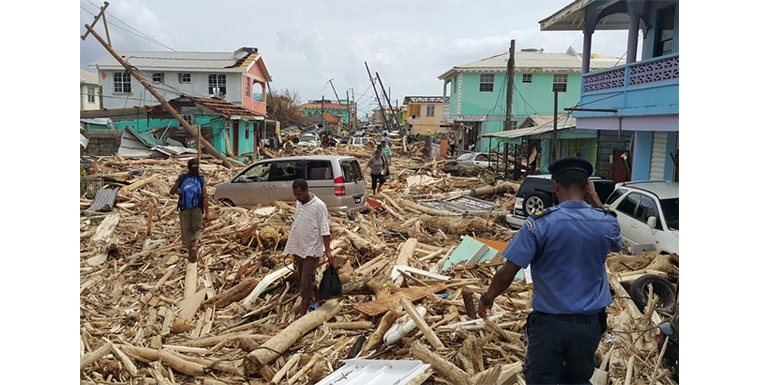
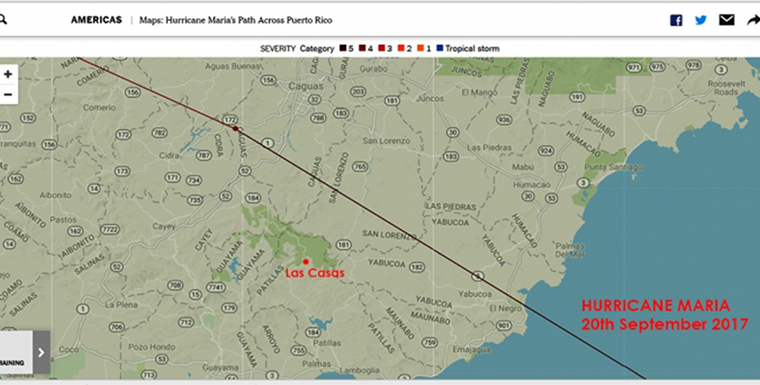
On Wednesday 20th September Hurricane Maria made a direct hit on the island of Puerto Rico on the southeast shore. As a nearly Category 5 storm, with winds of 155 miles per hour, and 45 inches of rain, Maria lashed the island for longer than 30 hours. Thrity and Andrés were hunkered down in the library bunker at the project for the ten hour duration of this very violent hurricane.
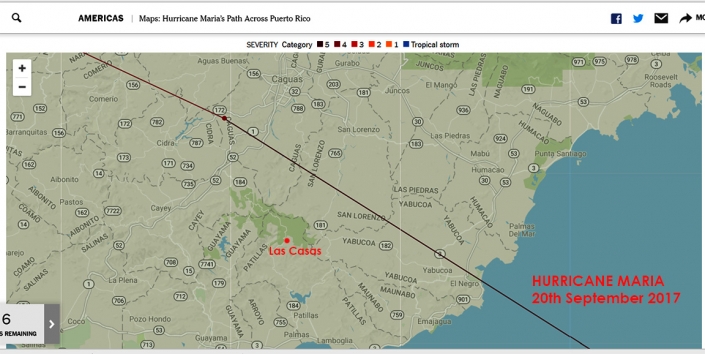
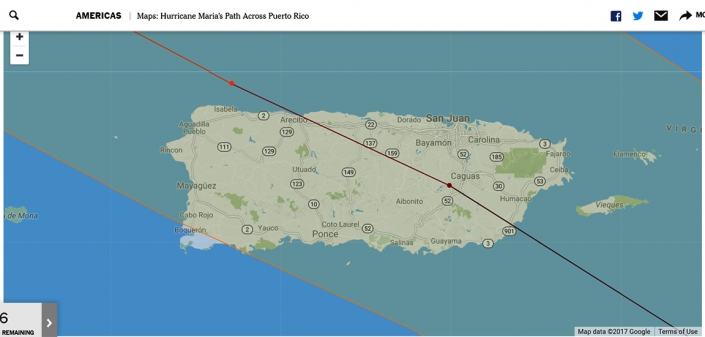
Above: The Hurricane’s Path across Puerto Rico. The eye was 10 miles wide.
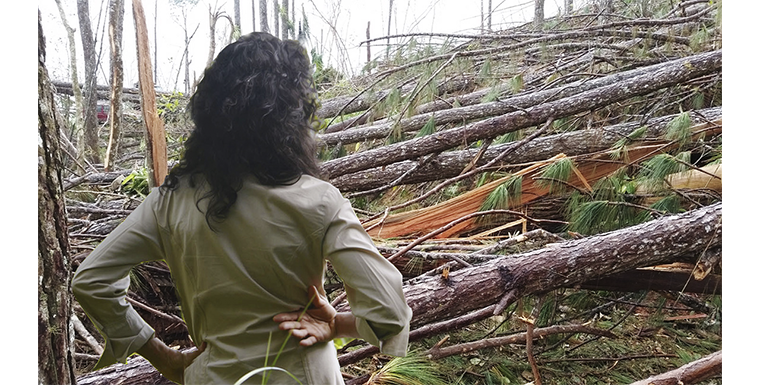
Las Casas de la Selva, Sustainable Forestry and Rainforest Enrichment project suffered devastating damage to trees and property within the eye of this extremely violent hurricane.
The project was still in recovery from the damage and results of Hurricane Irma which skirted the north coast of Puerto Rico on 6th September 2017.
Thrity Vakil, Project Director, has left the island two weeks after the hurricane, to raise funds for rebuilding the project.
Technical director Andrés Rúa remains on the ground at the project, and is keeping us updated on everything when he can find cell signal in the metropolitan areas of San Juan.
With the entire infrastructure of the island devastated, as of 7th October, 90% of the island’s people are without electricity or cell signal, and there are gas and diesel shortages, along with food, water, and health issues, facing the entire population of the island.
We will prevail in this very difficult time, and faced with the difficult task of asking for help. If any of you are able to donate any funds towards getting us back on our feet, it will be very much appreciated.
The Institute of Ecotechnics, (a US 501 c 3), has set up a Las Casas Disaster Relief Fund and we are grateful for any help you can give. Go to this page to click the donate button.
Or please send a check payable to Institute of Ecotechnics with a note for Las Casas Disaster Fund. Send to: 26, Synergia Road, Santa Fe, NM, 87508.
Andrés and 3t, along with the founders of Las Casas de la Selva, the Directors of The Institute of Ecotechnics, thank you, and are eternally grateful for your support in this exceptionally difficult time.
Friends around the planet! Hurricane Maria devastated the island of Puerto Rico. All around us there are fallen trees of valuable hardwoods. We cannot allow these tree trunks to be dumped into landfill or chipped into small pieces. Help us raise the funds needed to begin the process of dealing with the situation.
The road in front of us is long and hard, but we must be responsible for our futures and create sustainable living on this small island of Puerto Rico, in every way possible. If you feel helpless right now, here is one way to help relief efforts, by helping us to save tree trunks from the debris and to mill the wood for use.
Puerto Rico Hardwoods (PRH),maintains that sustainability must start with minimization of waste, and intelligent use of local resources rather than contributing to the devastation of forests in other countries.
As many of you know, PRH was created and developed by Andrés Rúa and Thrity Vakil. As founders and former directors of the Agroforestry Development Advisory Council (CADA), Rúa and Vakil’s broader vision is to promote sustainable forestry on the island, and to reduce the vegetative waste going to landfill. They are both current Directors of Tropic Ventures Sustainable Forestry and Rainforest Enrichment Project in Patillas, Puerto Rico, established 30 years ago by The Institute of Ecotechnics.
Thank you for your support. We cannot do it without you.
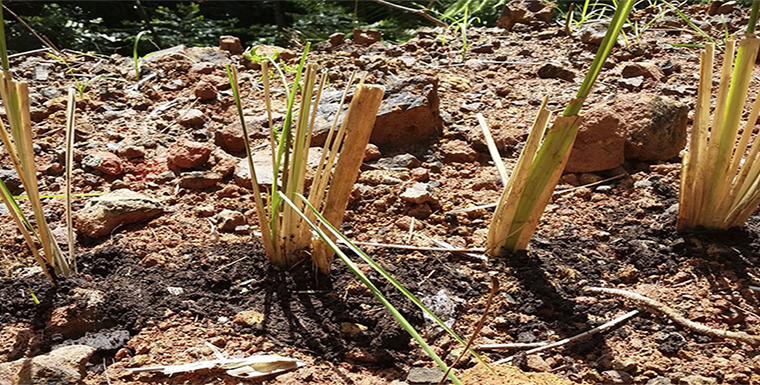
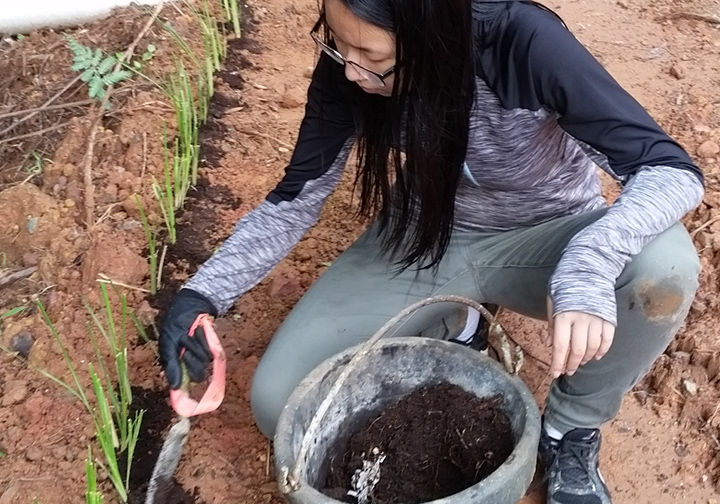
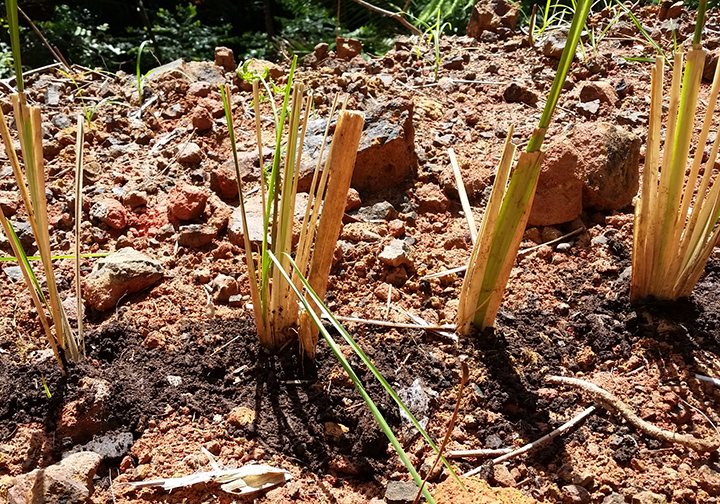
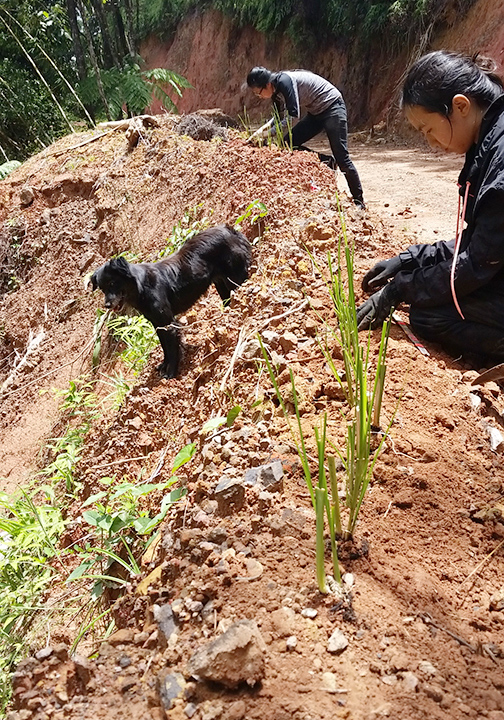
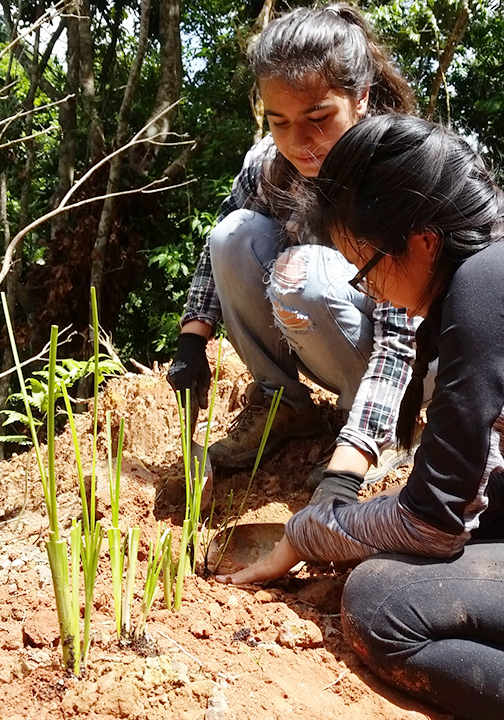
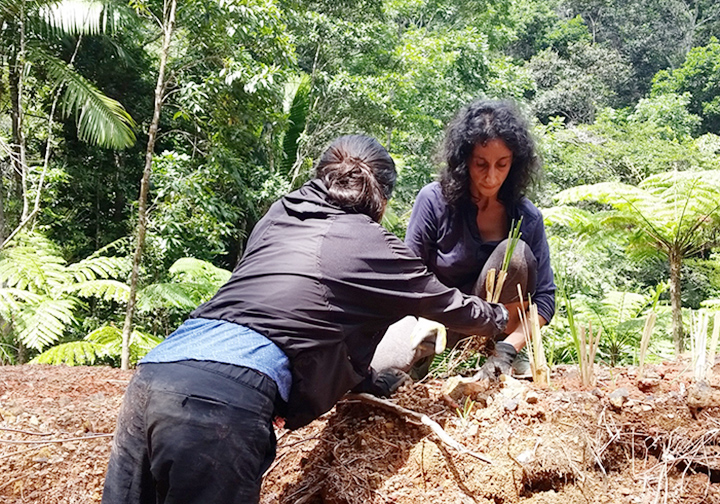
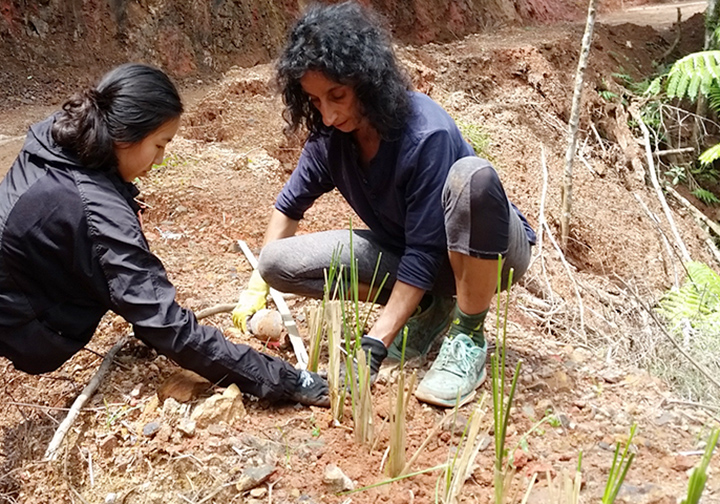
Planting Vetiver for erosion control and bank stabilization.
Left to Right: Katherine Tsui (14), Serena Tsui (18), & Summer Powers (18), volunteering for 10 days at Las Casas de la Selva.
Chrysopogon zizanioides, is commonly known as vetiver.
Vetiver grass has a special root system that works above and below ground, to ensure steep soil stabilization and erosion control. Vetiver’s roots grow downward, 2 metres (7 ft) to 4 metres (13 ft) in depth, deeper than some tree roots. The sturdy, hard stems create hedges, which act to protect the topsoil, dissipate wind and water energy, slow down water flow, trap sediments, and control water runoff. There are at least 11 species of vetiver and lots of cultigens and cultivars. There is one species, Chrysopogon zizanioides, that is sterile, so there is no concern about it being invasive.
This current planting project aims to protect our newly graded road, by stabilizing the banks.
Thanks to Alberto Rodriguez for the Vetiver.
And gratitude to Summer Powers, who brought her two friends, Serena Tsui and Katherine Tsui to volunteer as well, for ten days. (Summer first volunteered here in 2015 with a Globalworks Teen Team, lead by Scott Page). We love returners. Thank you ladies!
Please see this page for info about volunteering at Las Casas de la Selva, Patillas, Puerto Rico. We always appreciate the power of people who love our biosphere.
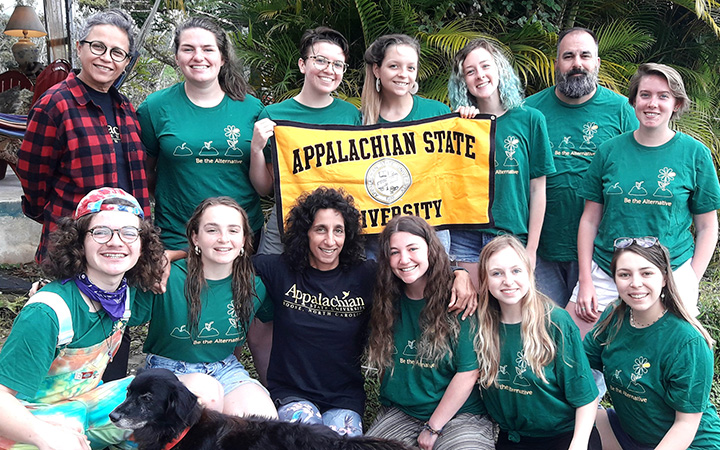
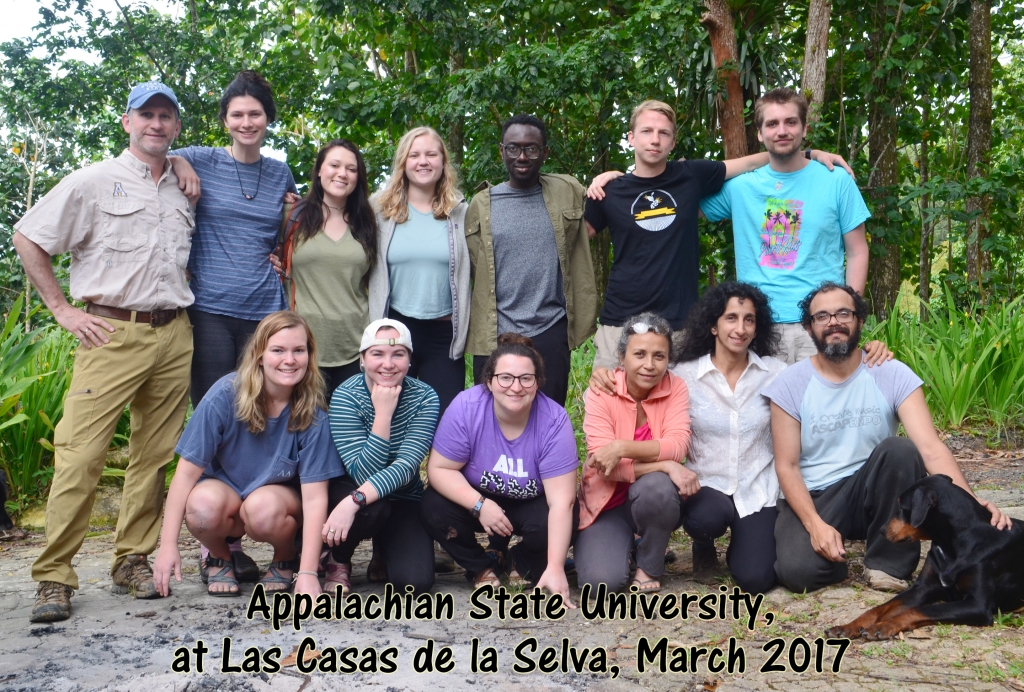
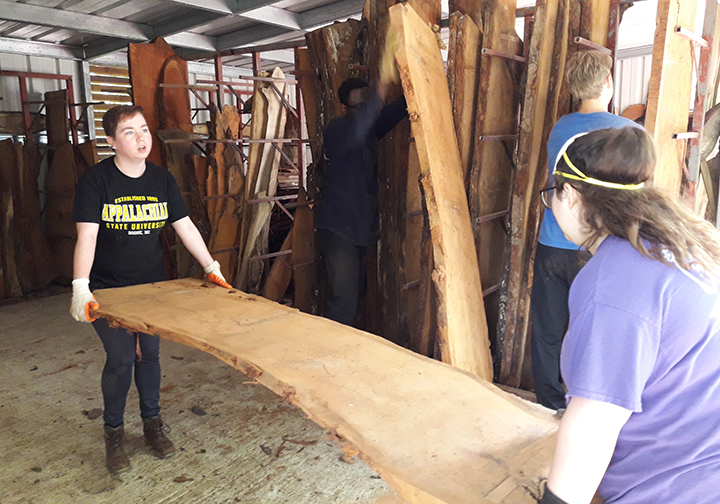
For seven years now, March has been a time to welcome new groups and also those who have forged long-term relationships with our project. Since 2011, Appalachian State University students having been coming to offer their services in their Spring Break time.
Back Row, L-R: Prof. Shea Tuberty, Josi Carder, Brooke Henderson, Celeste Womack, Anthony Ajaero, Daniel Burwell, Cole Ronk. Front Row: Mackenzie Francisco, Hallie Langley, Jaycie Loud, Magha Garcia, 3t Vakil, Andrés Rúa.
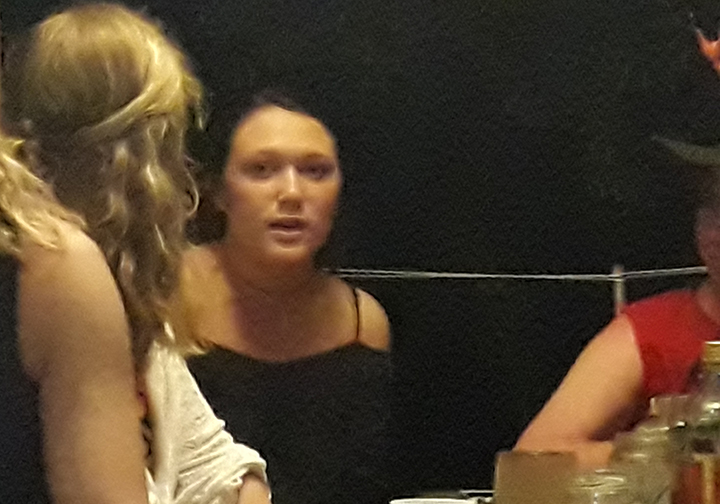
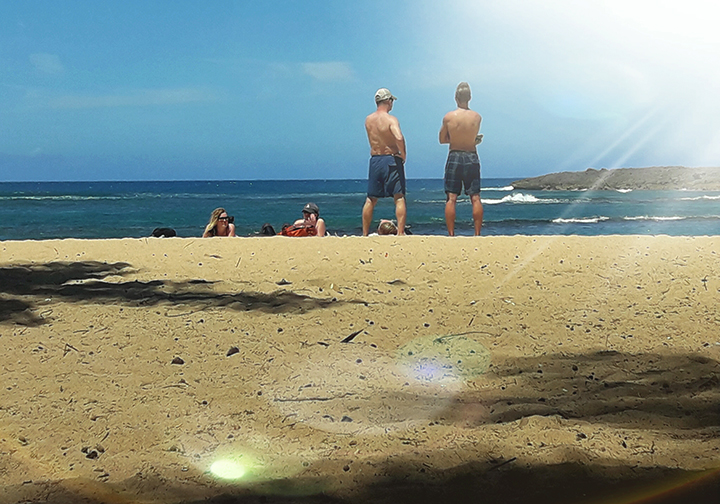
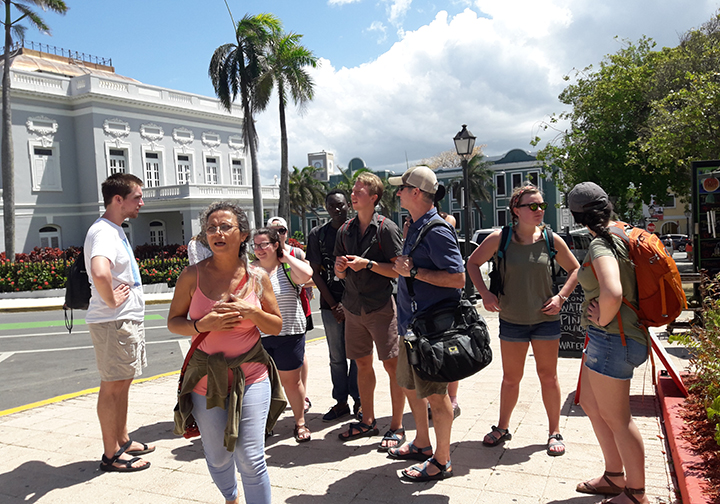
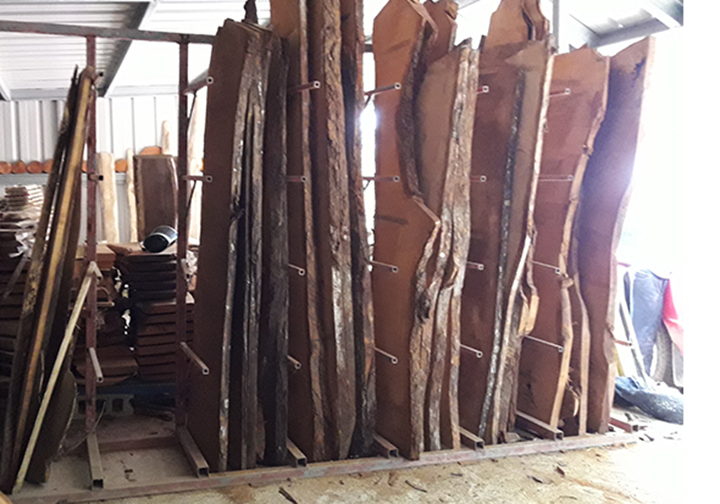
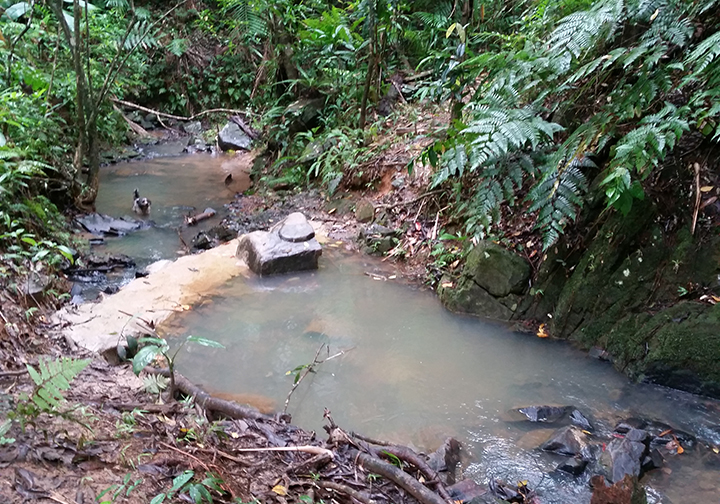
This March 2017, group leaders were Jaycie Loud & Daniel Burwell, accompanied by seven of their adventurous peers, and one awesome chaperone, Professor of Biology, Shea Tuberty. From stacking wood in our drying shed, to re-organizing our workshop, to building a small forde on the river on the Ethnobotanical Trail, this team was a delight for the project, and all the tasks were accomplished every day, mostly through rain. Yara Soler gave an excellent Salsa Dance class, and Magha Garcia cooked up a storm in the kitchen, serving the most delicious vegetarian meals. Ricardo Valles helped Andrés Rúa with crew leadership. 3t was the random element. A great dinner at Habitarte, a community fortifying project run by Wanda Rodriguez and Ricardo Valles Perez, in the spectacular mountains of Guayama. What is so remarkable is how many things we all accomplished together. The images below tell that tale of life at Las Casas de la Selva, for a week.
Appalachian State University, Biola University, Penn State York University, (and in April, Cambridge Montessori) are the only groups that have come to Las Casas this year. Many of our other regular groups were concerned by the reports of the Zika virus on the island of Puerto Rico, and followed the best info they had for peace of mind, and made the decision not to travel to Puerto Rico.
Please be assured that Zika is NOT a life-threatening concern for us here on the island, and we feel that the concerns about the virus have been unjustly hyped.
App State Professor of Biology, Shea Tuberty: “ As a professor at Appalachian State University I understand our US colleagues’ interest in keeping our students safe during international travel. However, the Zika scare in Puerto Rico is entirely overplayed. We didn’t see a single mosquito while there this last week (March 12-18th, 2017). This is a wonderful project from A-Z focused on all things related to sustainability and deserves to continue on its long history of providing alternative spring break groups, researchers, and tourists a destination and opportunity for make a difference there. They are in serious need for help as they embark on their bridge project over a branch of Sonadora Creek to access the old coffee plantation section of the forest. Please consider reinstating your annual visits to Casas de la Selva soon.”
We welcome back next year all our friends from the various Universities and High Schools that could not come in 2017.♥
Come and experience the Alternative Service Experience! Email: 3t @ eyeontherainforest.org
From the Appalachian Website: “Consider an Alternative Service Experience and explore a variety of social issues while working with communities across the globe. Whether a domestic program on the gulf coast or an international program south of the equator, use your time during fall, winter, and spring break to create deeper connections between your classroom work and the communities of the world.”
SOLO PARA ESTUDIANTES DE LA UNIVERSIDAD DE PUERTO RICO.
Comenzando el lunes 27 marzo en la mañana.
Durante los días del Paro Universitario te invitamos a que te unas como voluntarix al equipo de Las Casas de la Selva en Patillas, un proyecto de silvicultura sostenible, taller de trabajos en madera y agricultura orgánica. Aprenderás destrezas de trabajos en madera, un básico de manejo forestal y conocerás de los estudios científicos que se han llevado a cabo en nuestro proyecto entre otras cosas. El costo por estudiante es de $8.00 por día, esto incluye todas las comidas, dormitorio (bunkhouse) y duchas con agua caliente, además de vivir por unos días en uno de los lugares más hermosos de Puerto Rico, el área del Bosque de Carite, donde está localizado el proyecto.
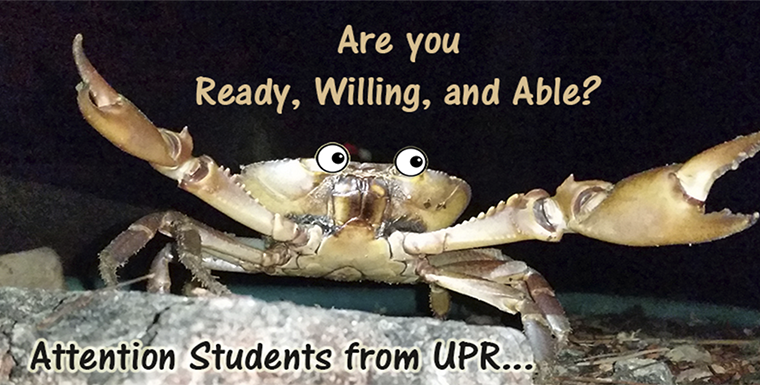
Requisitos: Buscamos participaantes Listxs, Dispuestxs y Capaces, motivadxs, con actitud positiva y compromiso.
Solo 20 espacios disponibles. Por favor enviar un párrafo acerca de ti y porque te gustaría participar.
ONLY FOR STUDENTS OF THE UNIVERSITY OF PUERTO RICO.
Starts Monday 27th March 2017 in the morning.
During the days of the University strike we invite you to join as a volunteer of Las Casas de la Selva’s Team in Patillas, a sustainable forestry project, woodworking workshop and organic agricultural area. You will learn woodworking skills and the basics of forest management among other things. The cost per student is $8.00 per day. This includes all meals, bunkhouse accommodation, and showers with hot water. You will be living for a few days in one of the most beautiful places in Puerto Rico- the Carite forest area, where the project is located.
Requirements: All we ask is for Ready, Willing, and Able participants who are motivated, with a positive attitude and commitment.
Only 20 spaces available. Please send a paragraph about yourself and why you would like to participate with us. Email to: 3t@eyeontherainforest.org. You can visit our website www.eyeontherainforest.org for more about us and our project. Thank you, we look forward to seeing you here.