Two decades of amphibian research at Las Casas de la Selva lead to a new chapter.
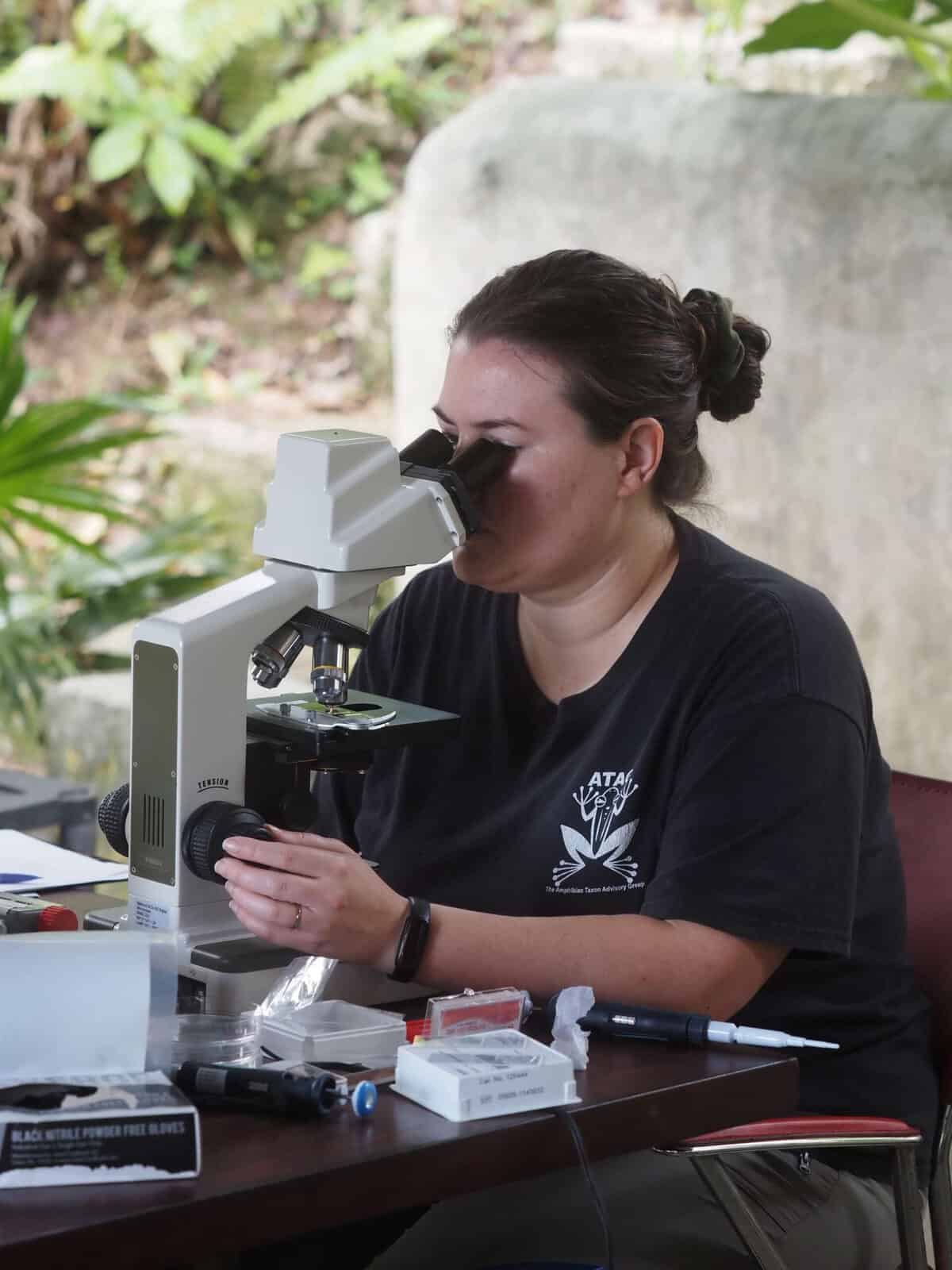
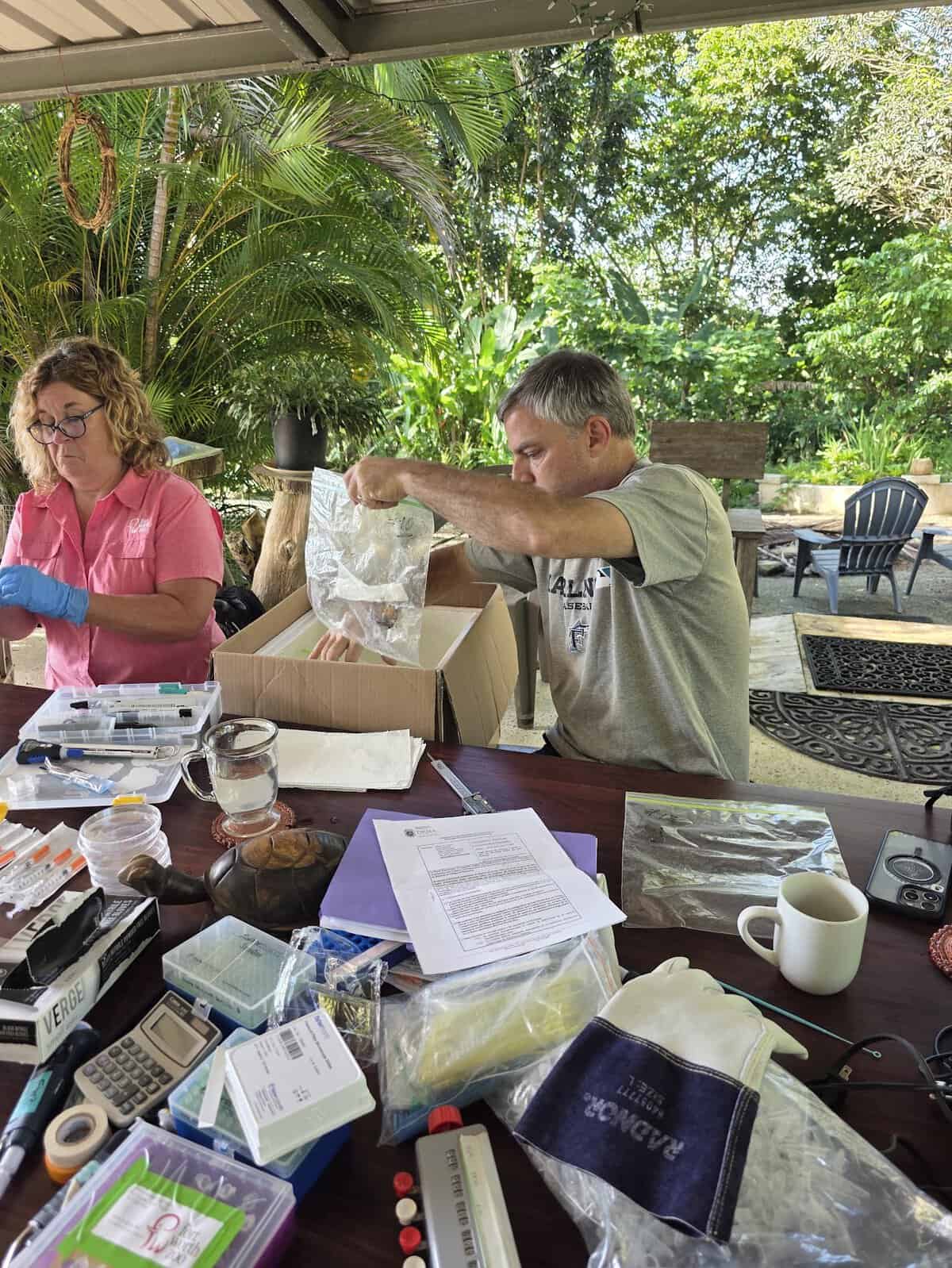
On November 6-7, 2026, the coquí chorus was already underway when several researchers headed into the Icaco Valley at Las Casas de la Selva, to explore how reproductive science could help protect the genetic diversity of Puerto Rico’s Coquí Guajón.
The team included Dr. Allison R. Julien, Reproductive Biologist, and Diane Barber, Senior Curator of Ectotherms, from Fort Worth Zoo; JP Zegarra, biologist with the U.S. Fish and Wildlife Service; and Dustin Smith, NC Zoo, and Sarah Duncan, Herps Zookeeper, NC Zoo.
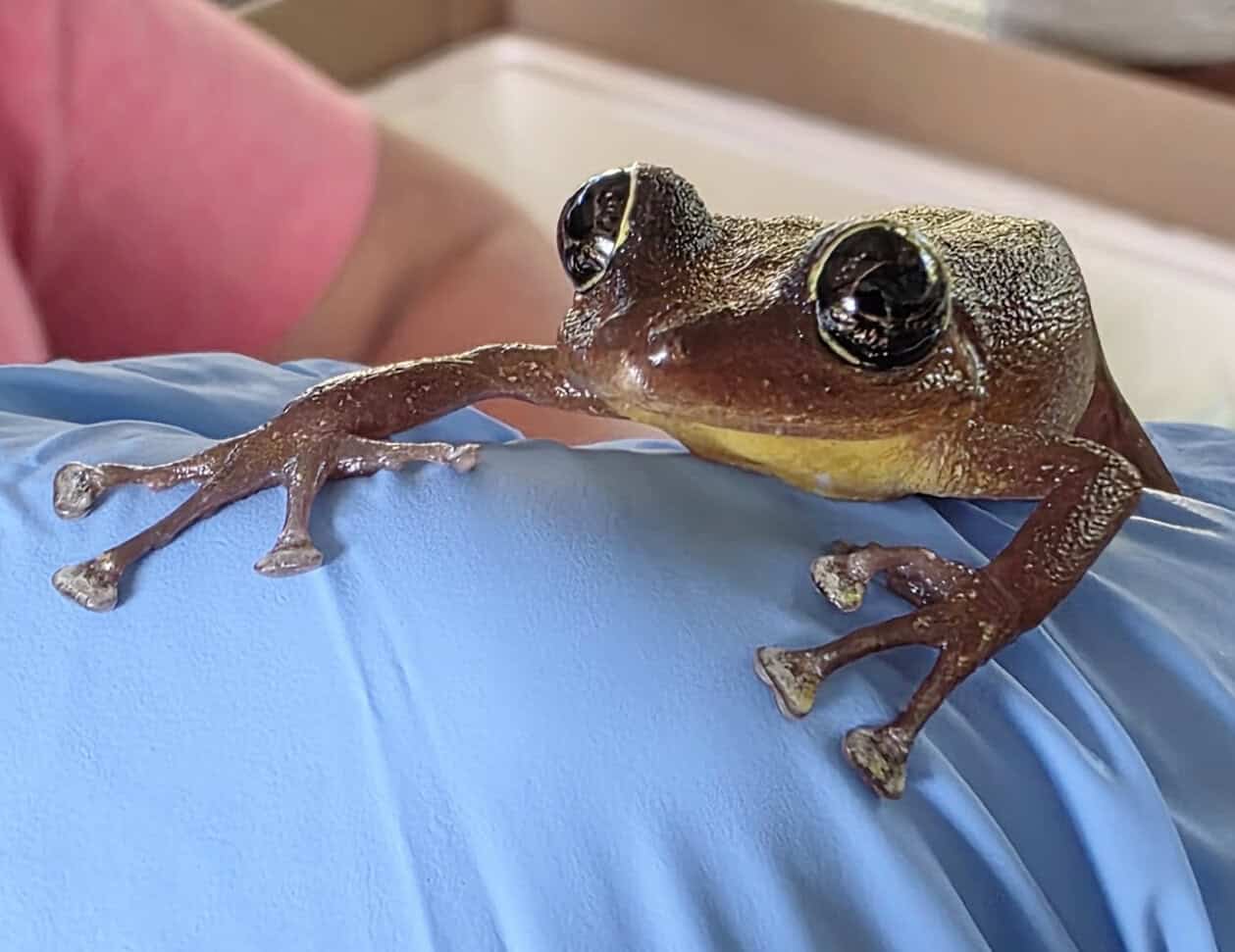
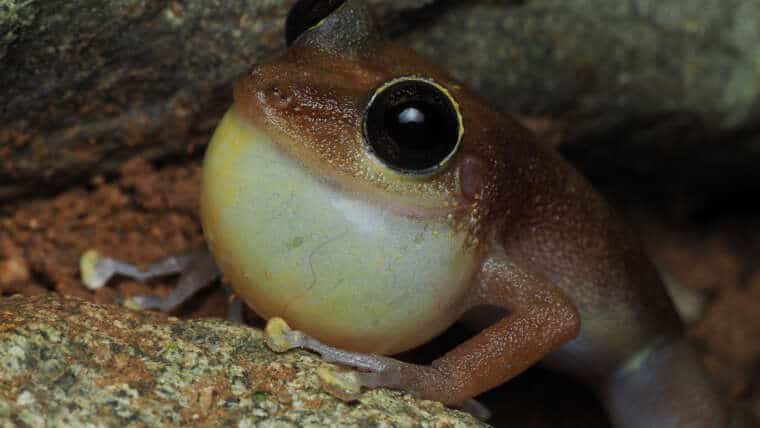
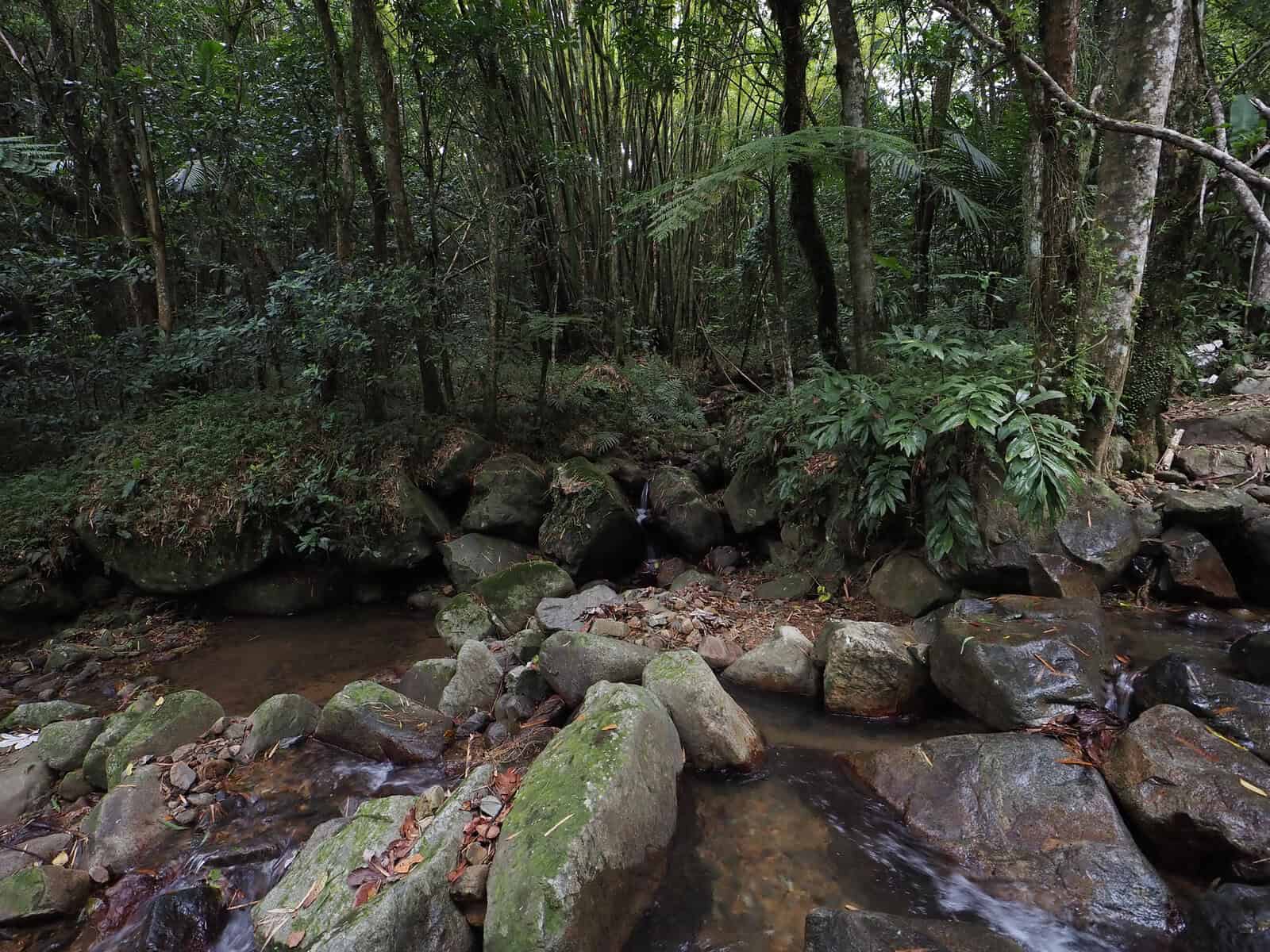
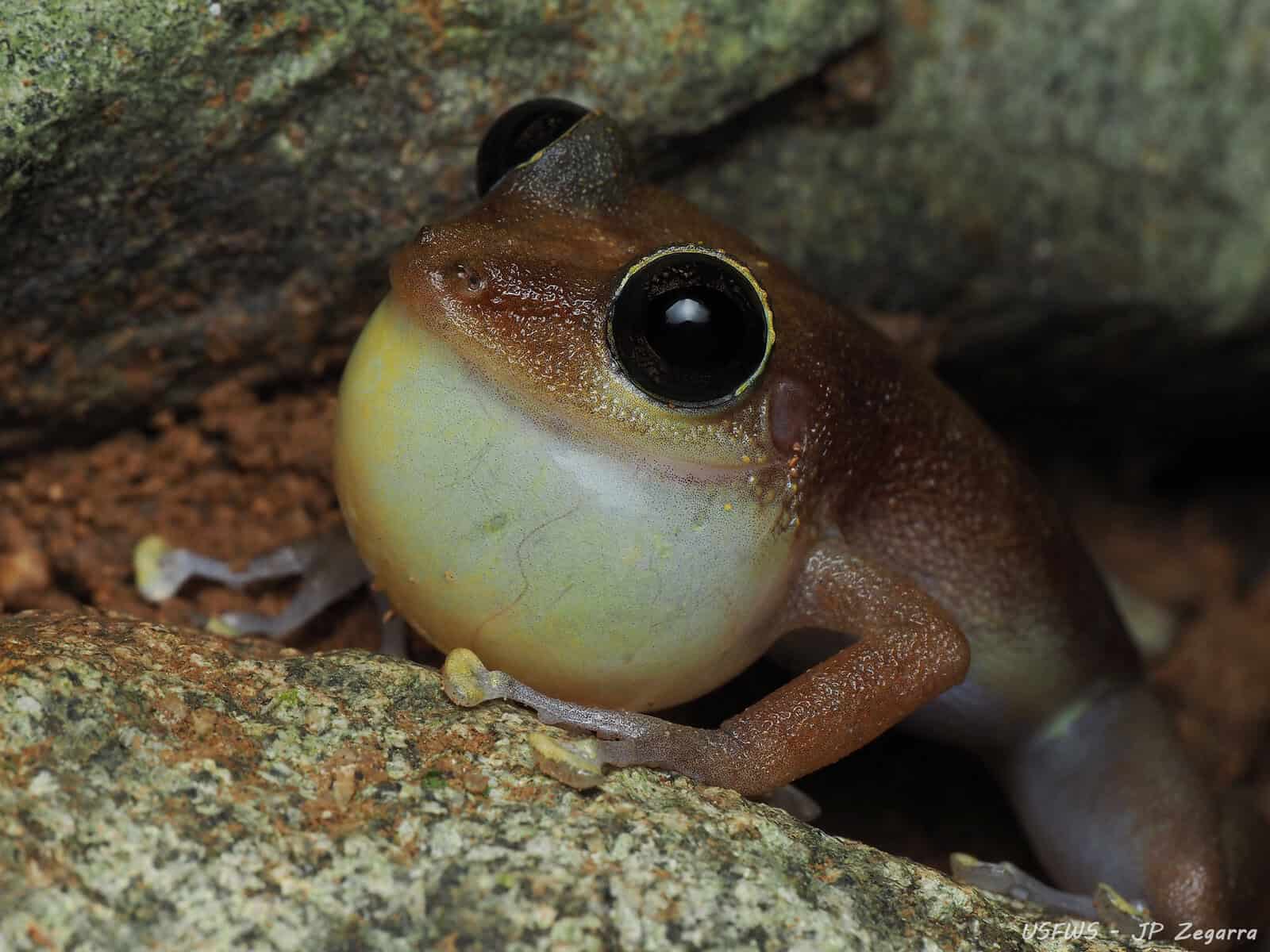
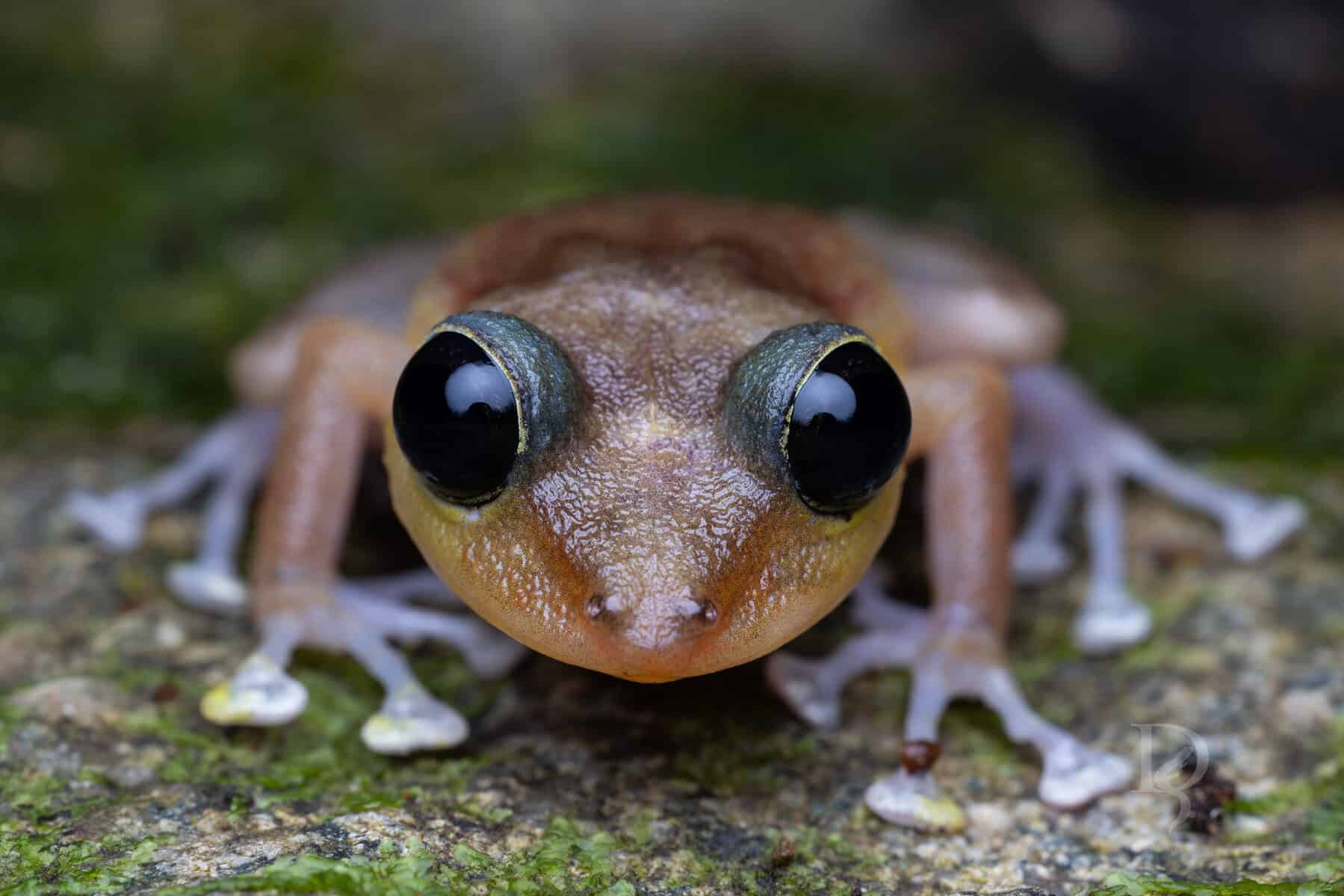
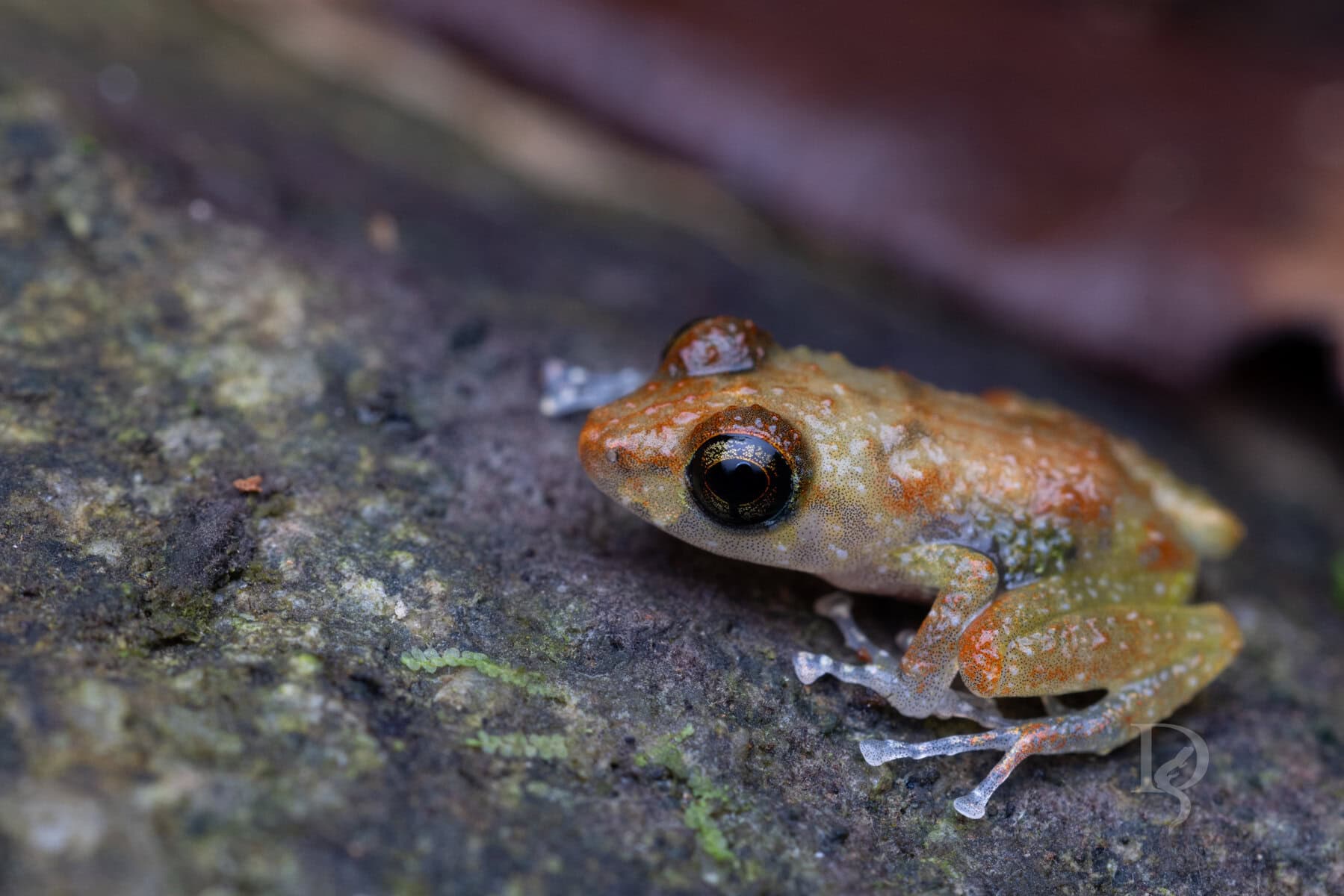
Professor Rita Cáceres, and her students from University of PR Cayey, travelled in for the night-time fieldwork. Their destination was the Icaco Valley, one of the major watersheds on this land. Their focus: the Coquí Guajón (Eleutherodactylus cooki), a Puerto Rican endemic frog whose genetic material could help support future conservation efforts.
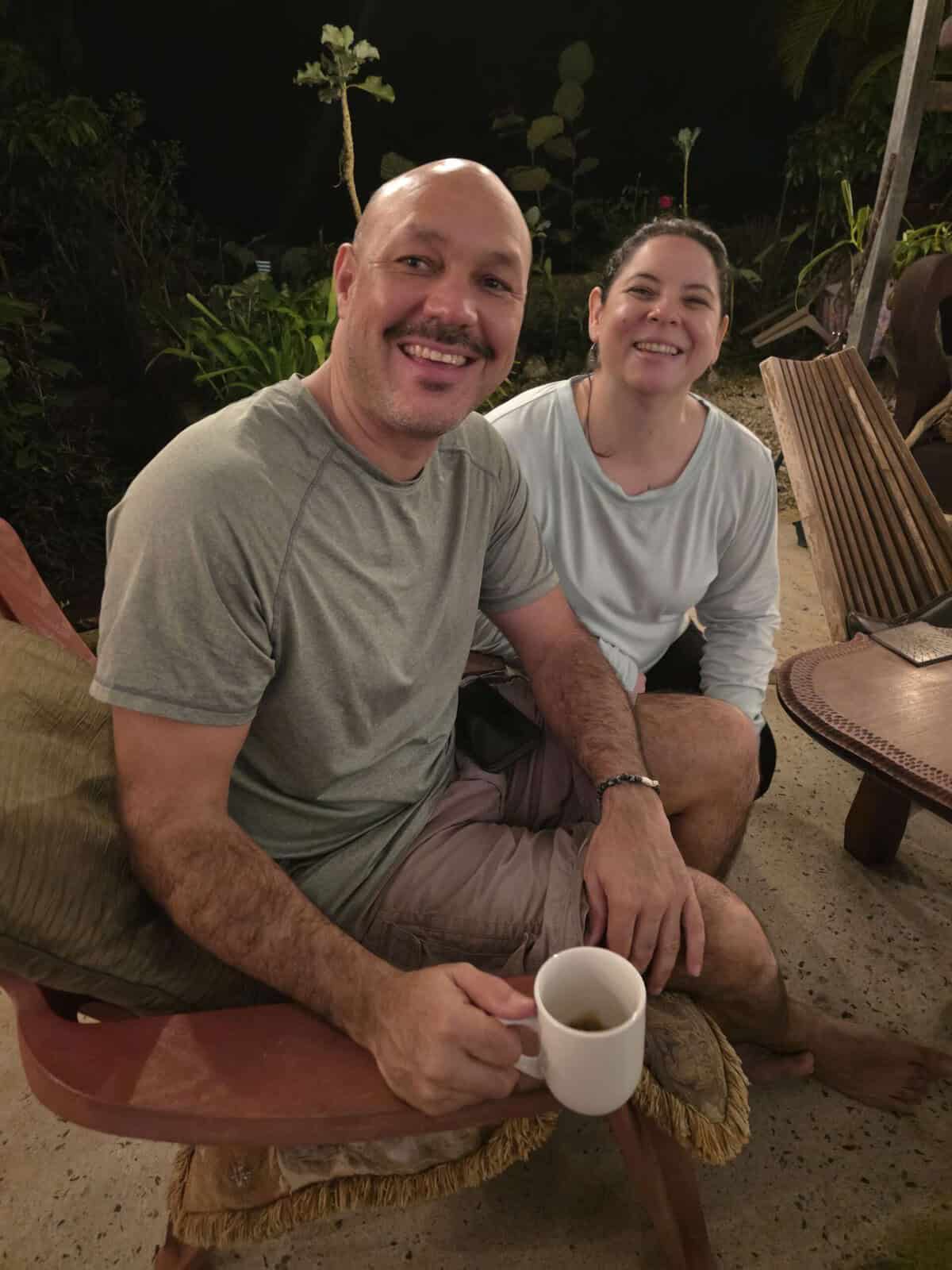
This visit came through our valued connection with JP, who has previously been involved in Guajón studies in the Icaco Valley initially thanks to Norman Greenhawk and later with Dr. Ana Longo and her team based at the University of Florida. These enduring relationships help research grow from an initial discovery into years of collaboration—and now, into new possibilities for safeguarding the species’ future.
From the forest to a genome bank
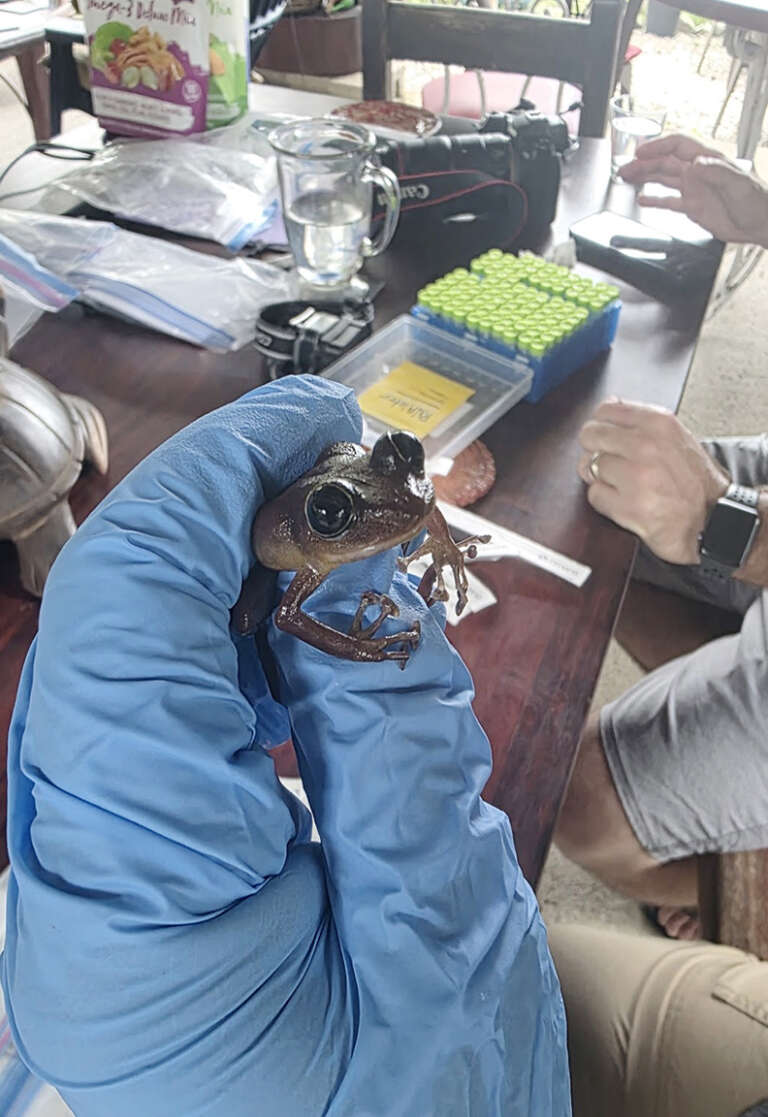
The team worked at night in Icaco, capturing Guajón male frogs for reproductive sampling and releasing back to the wild.The initiative aims to collect sperm from wild males, assess its quality, and preserve suitable samples through cryopreservation—freezing living cells for long-term storage in liquid nitrogen.
Samples are intended for the Fort Worth Zoo genome bank, where they can be maintained as a genetic resource for future conservation and recovery work. Each frog carries part of its species’ genetic diversity. Preserving reproductive cells provides an additional way to retain that diversity should populations decline or genetically valuable individuals be lost.
The team’s proposal describes an encouraging precedent involving the endangered Puerto Rican Crested Toad: sperm frozen from wild males was successfully used to produce offspring at Fort Worth Zoo, and members of a subsequent generation were released in Puerto Rico. This toad is also known as sapo concho (Peltophryne lemur).
The Guajón initiative seeks to build on that experience, with sample evaluation helping establish what can be successfully preserved.
More than twenty years of amphibian research
This weekend’s work belongs to a much longer story. Researchers, students, and Earthwatch volunteers have helped build our understanding of the amphibians at Las Casas since 2004.
2004 — Establishing frog monitoring. Researchers from the University of Puerto Rico’s Biology Department established monitoring sites. With Earthwatch volunteers, scientists studied Eleutherodactylus coqui and E. wightmanae along four forest transects, comparing mahoe and mahogany line plantings with nearby undisturbed forest.
Research reported in 2010 — Examining the effects of enrichment planting. Frog abundances were slightly higher in undisturbed forest and during the wet season, but the differences were not statistically significant. Within the limited areas sampled, the findings suggested that past line planting had not substantially affected amphibian diversity, while highlighting the value of further monitoring.
2009–2013 — Documenting Guajón and expanding field surveys. UPR began studies of soils and streamside frog habitat in 2009. Surveys in the Hormiga and Icaco Valleys documented Guajón, expanding its confirmed range, as reported by Norman Greenhawk in 2013. Volunteer-assisted leaf litter surveys also broadened knowledge of the forest’s less conspicuous wildlife.
After 2011 — Following populations and habitats. Further observations examined reptile and amphibian population densities, fluctuations, microhabitat use, and responses to forest management.
2012–2013 — Dr. Longo (UF) and her team initiated an integrated study of the Guajon’s genetic structure, disease risk and parasite threat across the species range including the Icaco Valley population.
July 2014 — Surveying amphibian diversity and disease. Visual encounter surveys in the Hormiga and Icaco Valleys recorded six frog species, including Guajón. Researchers collected 143 swab samples to screen for the amphibian chytrid fungus, Batrachochytrium dendrobatidis (Bd); 6.3 percent tested positive. Published by Greenhawk and colleagues in 2017, these results provided a valuable record of pathogen occurrence at that time.
June 2023 — Dr. Longo (UF) and her team returned to the Icaco Valley for a post-hurricane María assessment as part of a range-wide Guajón population study.
November 6–7, 2026 — Building toward a gamete biobank. The visiting conservation team used Las Casas as its base for Guajón reproductive sampling, adding a new approach to the research history of the Icaco Valley.
From the first monitoring transects to reproductive science, each stage has depended on people returning to the forest, asking new questions, and building on earlier observations. Norman Greenhawk’s early expeditions documenting Guajón on this land helped establish the foundation for the work that followed.
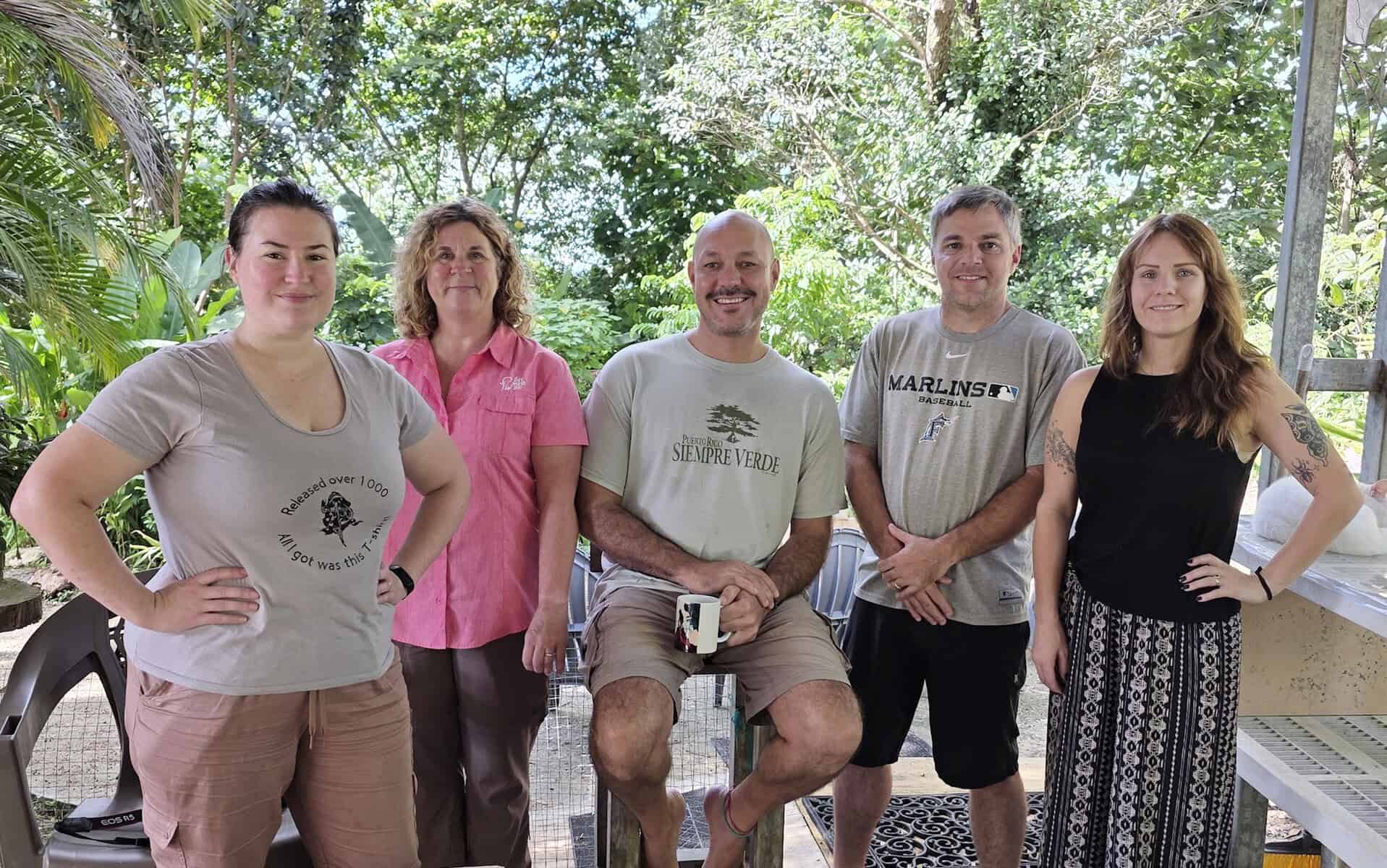
L-R: Dr. Allison R. Julien, Reproductive Biologist; Diane Barber, Senior Curator of Ectotherms, from Fort Worth Zoo; JP Zegarra, biologist with the U.S. Fish and Wildlife Service; Dustin Smith, NC Zoo, and Sarah Duncan, Herps Zookeeper, NC Zoo.
Stay in the forest. Study the forest.
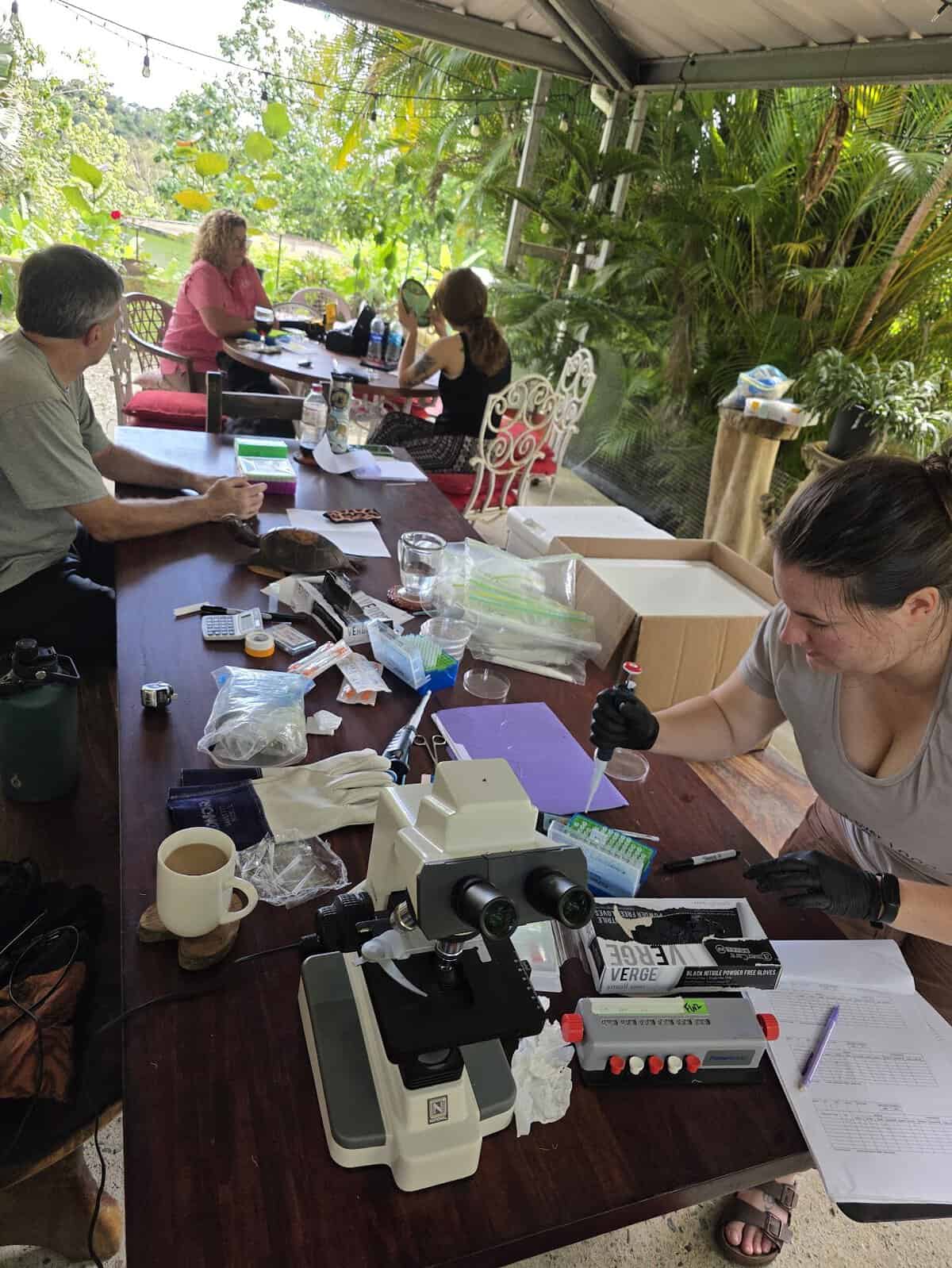
For researchers working after dark, a comfortable overnight base close to the study site is an enormous advantage.
At Las Casas, teams can head into the valleys at night, return to accommodation within the forest, and continue their work the following morning. Our bunkhouses, meals, shared spaces, and local knowledge support the practical demands of field research while giving visiting scientists time to experience the landscape they are studying.
This is one of the most rewarding purposes of Las Casas: providing a place where researchers can stay, collaborate, and develop a lasting relationship with the forest.
Our heartfelt thanks to Allison, Diane, Dustin, and Sarah for their expertise and care, and especially to JP Zegarra for the connection that brought this team to Las Casas.
All work was authorized by the USFWS and the DNER.
Planning forest research in Puerto Rico?
Contact us about overnight stays and opportunities to base your fieldwork here.
PHOTO CREDITS: JP Zegarra and 3t Vakil, Nov 2026