Through the Storm: New Research Highlights Forest Vulnerability in Puerto Rico, June 2025
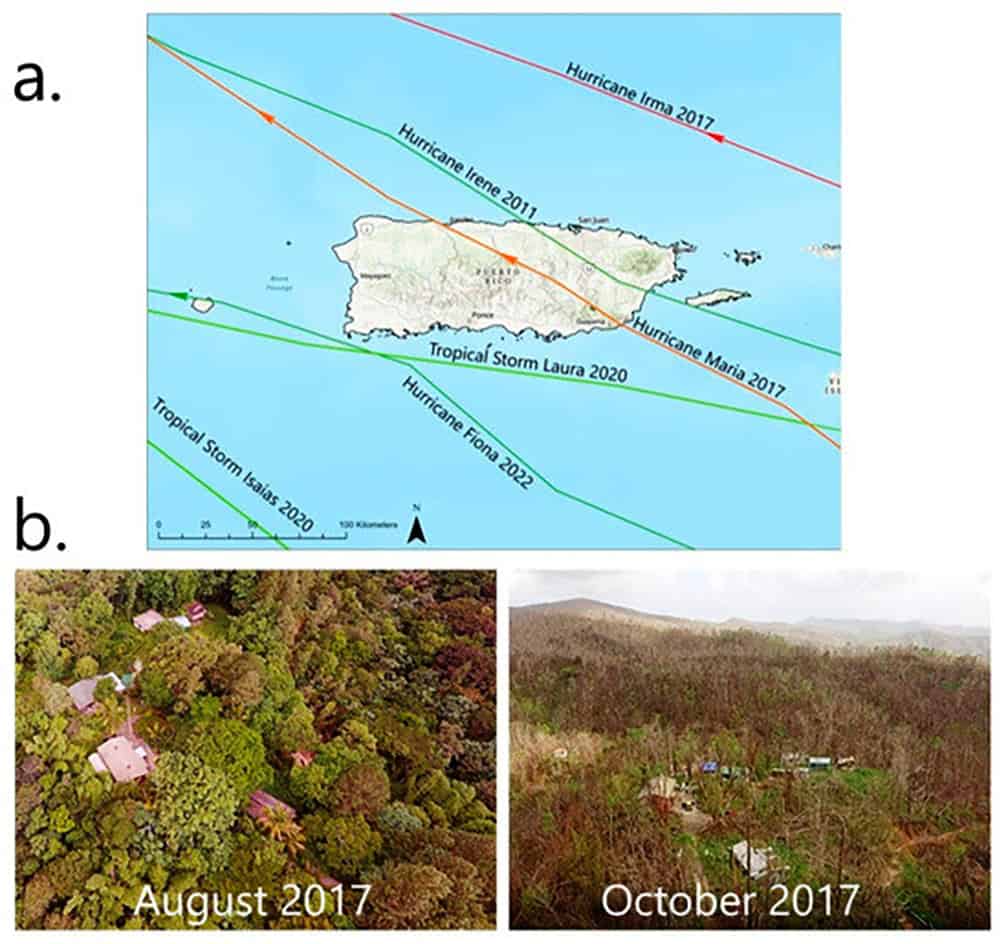
We’re proud to share the publication of a powerful new peer-reviewed article by Michael W. Caslin, co-authored with Madhusudan Katti, Stacy A. C. Nelson, and Thrity Vakil, in the MDPI journal Land (July 2024). The study—“Tabonuco and Plantation Forests at Higher Elevations Are More Vulnerable to Hurricane Damage and Slower to Recover in Southeastern Puerto Rico”—is a milestone not just in forest research, but in Michael’s personal journey as he nears completion of his PhD.
This is no armchair science. Michael has spent years on the ground at Las Casas de la Selva in Patillas, Puerto Rico, conducting fieldwork under challenging and often extreme conditions. From muddy mountain slopes to tangled understories, he painstakingly gathered data across 75 forest plots—returning again and again, rain or shine, to document how forests have responded to the brutal force of Hurricane Maria.
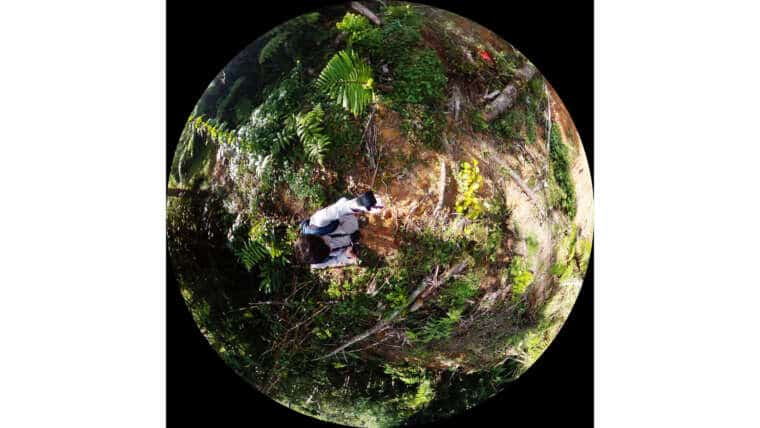
Using 360° photography, virtual reality analysis, and spatial modeling tools, Michael’s research paints a clear picture: higher-elevation forests, especially those dominated by native tabonuco trees or plantation species, are more vulnerable to hurricane damage and are slower to recover. These findings are essential for shaping future forest management and climate resilience strategies in Puerto Rico and beyond.
And best of all, the publication in the journal “Land” published by MDPI (Multidisciplinary Digital Publishing Institute), is open access, meaning anyone can read it, with no subscriptions or paywalls in the way.
MDPI (Multidisciplinary Digital Publishing Institute) It is a publisher of open access scientific journals, founded in 1996 and based in Basel, Switzerland.
Congratulations, Michael—for your unwavering commitment, your brilliant fieldwork, and this important scientific contribution. We’re honored to have supported your work at Las Casas de la Selva.

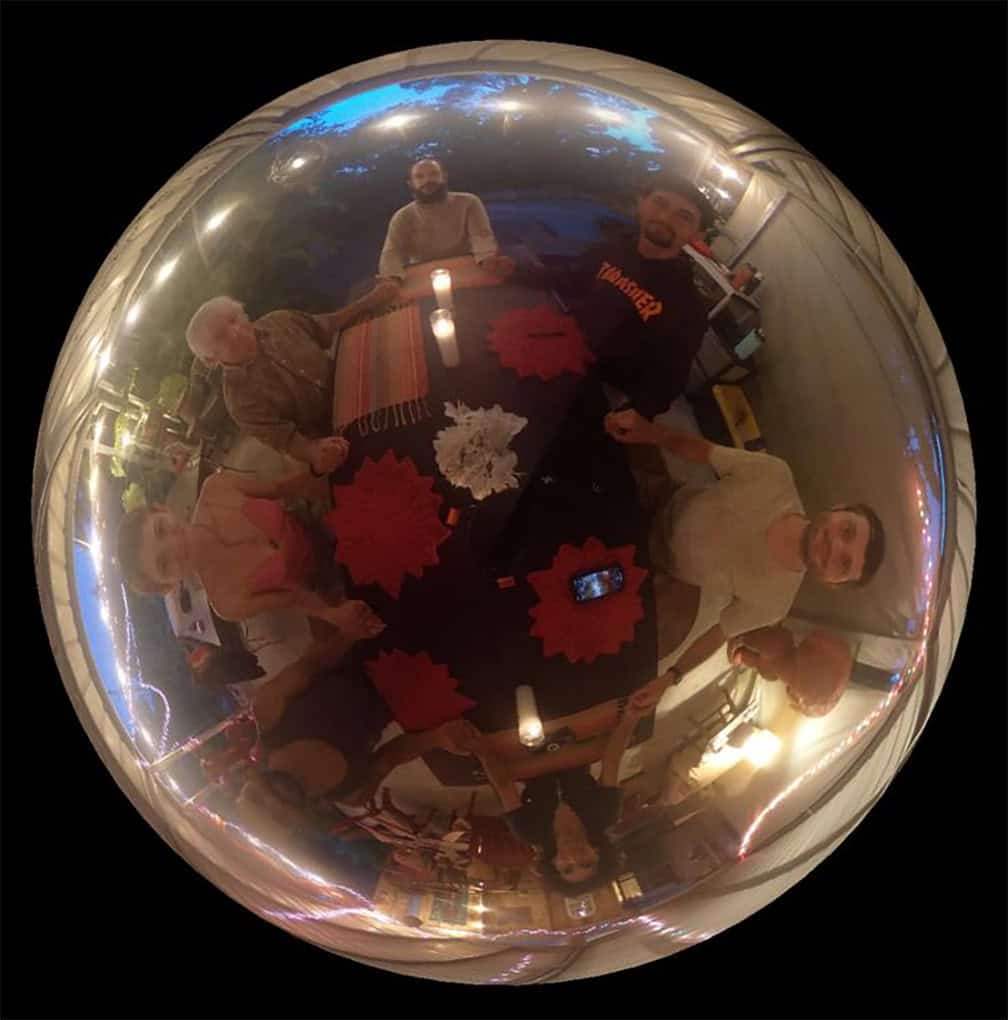
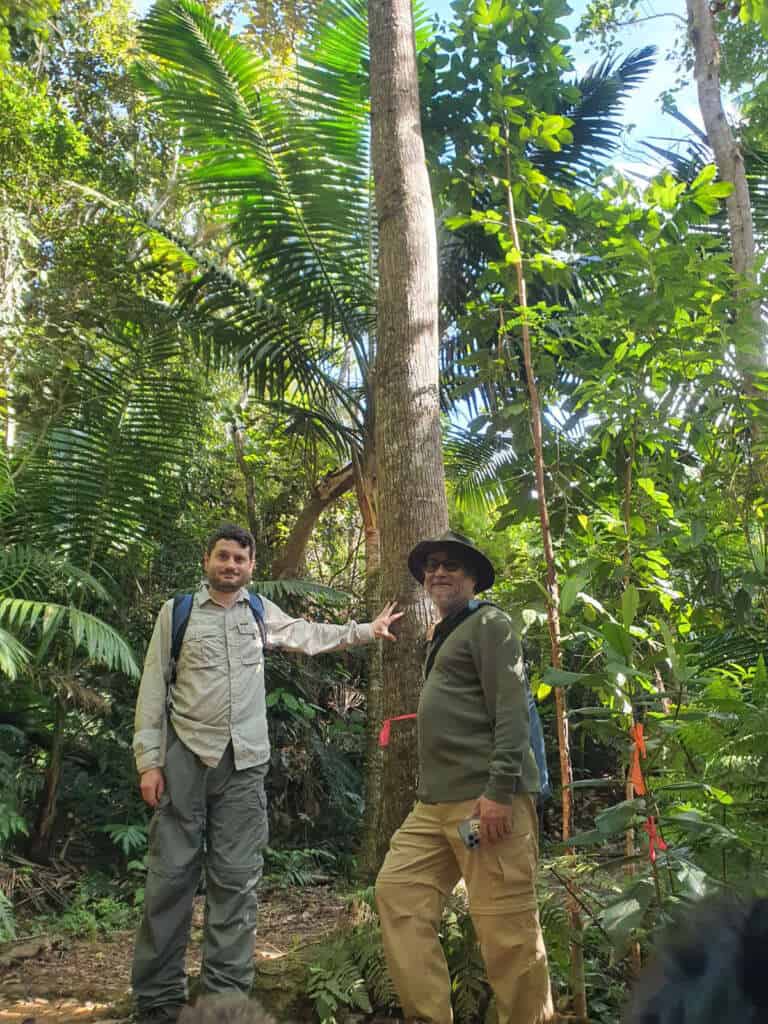
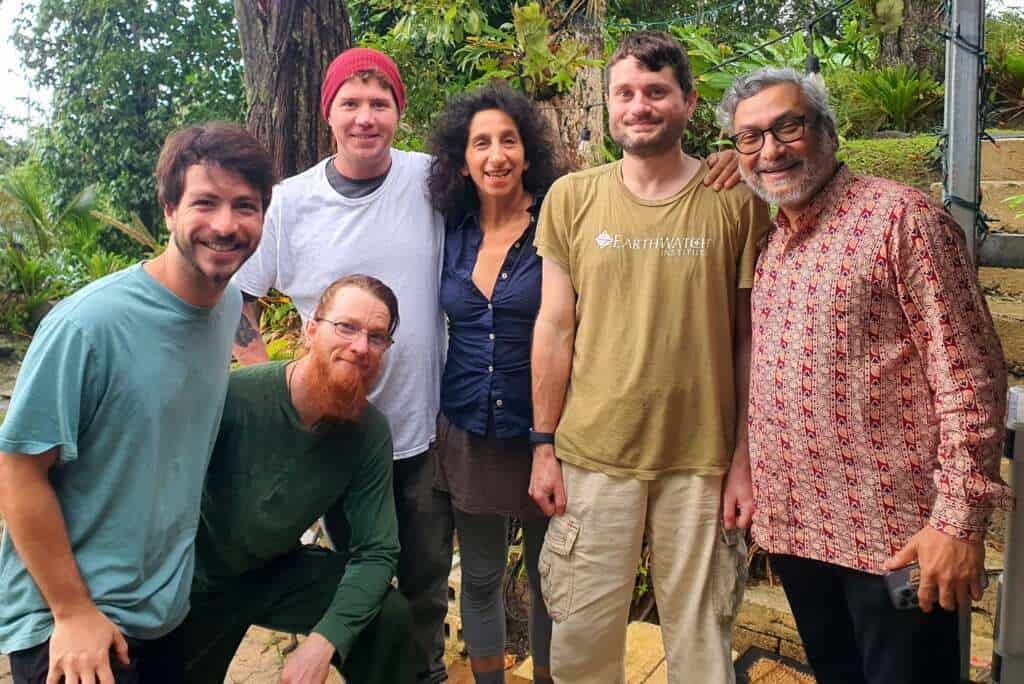
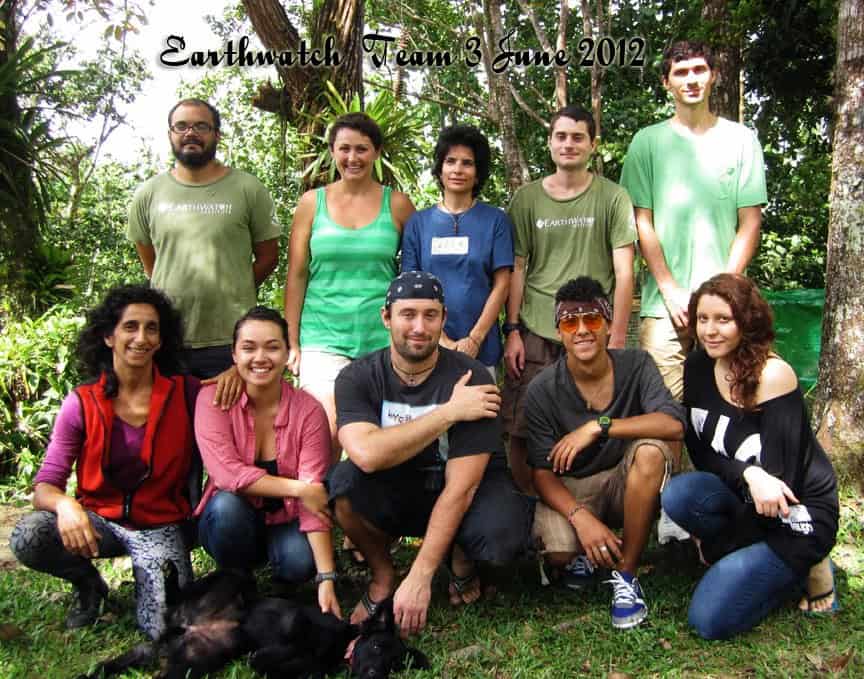
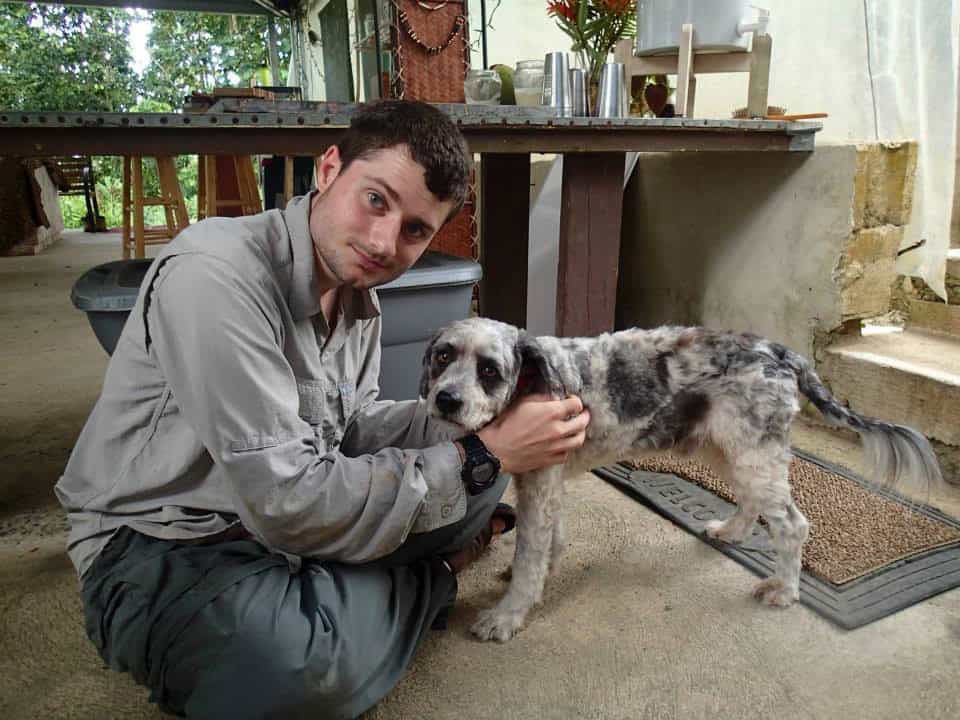
Michael Caslin first arrived at Las Casas de la Selva as a volunteer with the Earthwatch Institute’s citizen science program in 2012, returning again in 2014—two formative trips that sparked a deep and lasting passion for tropical forests. Immersed in the rhythms of the rainforest and the hands-on work of sustainable forestry, Michael quickly stood out for his curiosity, commitment, and keen observational skills. Those early experiences planted the seeds for what would grow into a decade-long journey of research, culminating in his doctoral work. What began as a volunteer project evolved into a personal mission: to understand how forests endure, adapt, and recover in the face of increasingly extreme climate events.
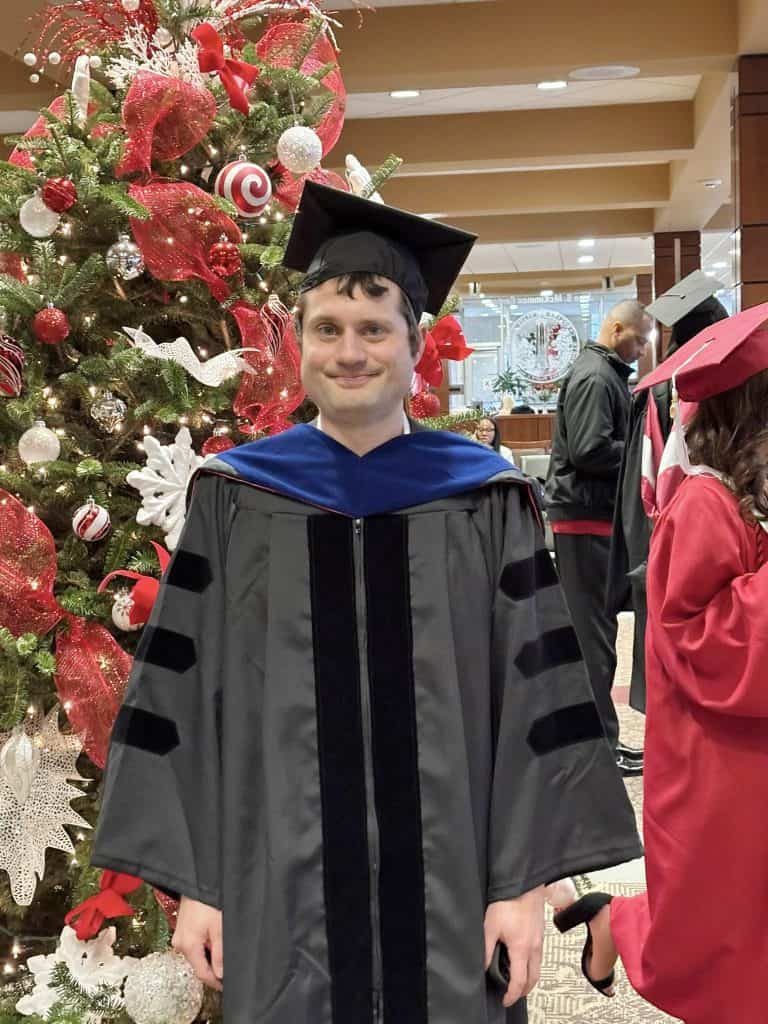
Update: 12 December 2025 – Michael graduated from NC State University with a PhD in Forestry and Environmental Resources. Bravo, Dr. Caslin!